6 tips to fuel the back-to-school season

2024-08-01T08:01:00

(BPT) – As summer winds down and the busy back-to-school season approaches, maintaining healthy habits is essential for a smooth transition into the classroom. To help parents feel more prepared to take on the school year ahead, Registered Dietitian and Nutritionist Dawn Jackson Blatner shares a few valuable tips.

1. Take study breaks

Getting the kids to spend time on homework can be tough to enforce, but you can make it easier by planning short breaks to recharge. Encourage the kids to step away from homework for a quick brain rest or an exercise break to get the body moving for 10-15 minutes. Integrating breaks into homework time can also prevent burnout and keep the atmosphere positive and productive, ensuring they come back refreshed and ready to crush that next assignment.

2. Pack in the protein

Ensure lunchboxes and after-school snacks are packed with healthy protein options such as cheese or meat sticks, yogurt, milk, hard-boiled eggs or nuts. These nutritional powerhouses will keep kids feeling satisfied throughout the day, supporting their energy levels and concentration. Incorporating a variety of protein-rich foods also helps promote overall growth and development.

3. Walk for better focus

Whether in the morning before school or right after dinner, a quick walk around the block with the kids can help boost energy levels and improve focus. Simple yet effective, a quick walk allows them to release any pent-up energy and clears their minds, ultimately benefiting both their physical and mental health.

4. Enjoy after-school activities

Enrolling kids in after-school sports, music lessons or arts clubs can help kids stay active and burn off energy, while also providing fantastic opportunities for fun and socializing. These activities not only promote physical, mental and emotional wellness, but also teach important life skills that can transfer into the classroom including teamwork, discipline and time management.

5. Get back into hygiene habits

The return to school and after-school activities raises the potential exposure to viruses, so it’s important to maintain regular hygiene habits. Encourage thorough handwashing when getting home from school, before and after meals and post-outdoor activities. Additionally, reminding kids to cover their mouths when coughing or sneezing can further reduce the spread of germs.

6. Explore new recipes as a family

After a long day of school, homework and other activities, getting together as a family to test out new recipes can be a great way to unwind. This is also the perfect way to incorporate nutritious foods into everyone’s diets, like Eggland’s Best eggs, which contain more than double the Vitamin B12 and 6 times more Vitamin D compared to ordinary eggs, to keep you energized and satisfied throughout the day and boost your body’s immunity to fight off harmful bacteria.

Try these delicious Anytime Trail Mix Cookies from Eggland’s Best. They are packed with nutritious ingredients like Eggland’s Best eggs, rolled oats, nuts and seeds, making them a wholesome snack throughout the day!

Eggland’s Best Anytime Trail Mix Cookies

Prep time: 10 minutes
Cook time: 12 minutes
Yield: 24 cookies

Ingredients:

2 Eggland’s Best Eggs, large
1 cup rolled oats
1 ripe banana
2 tablespoons honey
1 cup mixed nuts/seeds, coarsely chopped
2 tablespoons mini chocolate chips
Cooking spray

Preparation:

1. Preheat oven to 350 degrees F.
2. Pulse oats in blender a few times, until mostly a flour texture. Set aside.
3. In a bowl, mash banana with a fork or potato masher (it’ll be about 1/2 cup).
4. Stir in Eggland’s Best Eggs and honey, until smooth.
5. Stir in oat flour, nuts and chocolate chips.
6. Mist baking pan with cooking spray. With a cookie scoop or spoon, place batter into 24 cookies (about 1 tablespoon each). With clean fingers, lightly pat down each one to look like a cookie shape, because the batter won’t spread when baked.
7. Bake approximately 12 minutes, until bottoms are golden.

Additional Notes:

1. Store covered at room temperature for up to 5 days, or up to 10 days in the fridge.
2. Can be made dairy and gluten free with dairy-free chocolate chips and gluten-free oats.
Americans Support Sustainable Tech, Seek More Training

2024-07-31T08:05:00

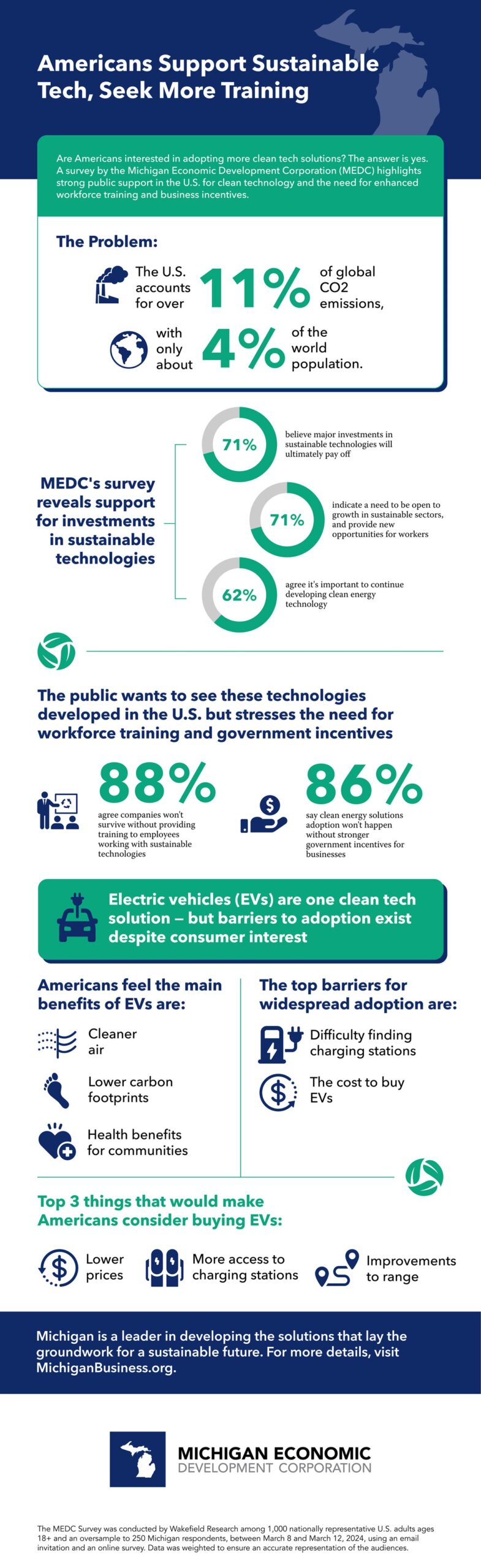
(BPT) – A survey by the Michigan Economic Development Corporation (MEDC) highlights strong public support for clean technology and the need for enhanced workforce training and business incentives. Read on for more information about support for sustainable technologies, including electric vehicles. For a more detailed look at Michigan’s sustainability impact, visit https://www.michiganbusiness.org/industries/clean-energy/.

Infographic

Is your thinking outdated? 4 common carton recycling myths debunked

2024-07-31T08:01:00

(BPT) – No one wants to feel like their thinking is outdated, but some misconceptions persist longer than many people realize. For instance, if you believe food and beverage cartons have a wax layer, you’re holding onto an idea that hasn’t been true since John F. Kennedy was in office.

Food and beverage cartons are used for safely storing a variety of popular foods and drinks. Head to any convenience or grocery store and you’ll find many products are packaged in cartons, including milk, juice, beans, soups, water and wine. These cartons are lightweight, efficient and made primarily from paper, a valuable renewable resource.

Given their widespread use, it’s important to stay informed about the truth of recycling food and beverage cartons. The Carton Council debunks these four carton recycling myths, so you can learn how to properly recycle cartons and share the truth with others.

1. Myth: Cartons can’t be recycled

Fact: According to a 2024 national survey, 71% of consumers believe cartons are definitely or probably recyclable. So, what about the remaining 29% that don’t know cartons are recyclable? It might stem from a common misconception that all cartons are made with wax, which can’t be recycled.

It’s true that at one point some food and beverage cartons were made with wax to make them sturdier for transportation and shelving. However, cartons have not contained any wax since the early 1960s!

Modern cartons contain no wax and are primarily made of paper, with small amounts of plastic and sometimes aluminum, in the case of shelf-stable cartons. These layers protect contents and keep light and oxygen out, allowing them to remain safe without the need for preservatives or refrigeration. Despite no longer containing wax, cartons remain strong enough to store liquids and other foods, whether they are the type found in refrigerators or the shelf-stable kind that store products for long periods at room temperature.

2. Myth: Recycling doesn’t matter

Fact: Every recycled item helps create a more sustainable future! When you recycle a carton, you’re helping keep them out of the landfill, reducing waste, conserving resources and protecting the environment.

Recycled cartons can have a second life as new paper products — such as tissue or toilet paper — or be made into sustainable building materials. As protecting the earth’s natural resources and the climate becomes increasingly important, recycling is one easy way everyone can help.

3. Myth: Recycling cartons is difficult

Fact: Recycling cartons at home can be as easy as 1-2-3! When you finish a food or beverage carton:

1. Empty any remaining liquid.

2. Replace the cap or push the straw back into the carton.

3. Toss the carton into the recycling bin.

In three simple steps, you can help preserve natural resources, reduce climate impact and actively help to reduce litter.

4. Myth: My area doesn’t recycle cartons, so I should toss them

Fact: According to the Carton Council, 62% of U.S. households can recycle food and beverage cartons through local programs. If you are unsure if they are accepted where you live, check the Carton Council’s address locator at RecycleCartons.com.

If your area doesn’t recycle cartons, you still have options. You can mail cartons to facilities in the Carton Council’s network that can recycle them for you. You can also sign a petition to inform your local recycling program that recycling cartons is important. By adding your name to the list, you can help grow the number of facilities that recycle cartons across the nation.

Now that you know the truth about carton recycling, share this information with others! By helping debunk these myths and properly recycle food and beverage cartons, you’re doing your part to promote sustainable practices and contributing to a greener, cleaner planet.

Get ready to celebrate! How to throw a small business shower

2024-07-30T15:01:00

(BPT) – Starting a small business is no small feat. It requires vision, passion, dedication and an appreciation that your business is a vital part of local, national and global communities. Small and medium-sized businesses (SMBs) are the backbone of economies globally. According to the World Economic Forum, SMBs make up 90% of all companies and create nearly 70% of jobs and gross domestic products worldwide.

Considering the importance and impact of SMBs and the grit and determination it takes to establish your own, small business owners deserve to be celebrated. One fun way many founders are commemorating this accomplishment is by throwing a “small business shower.”

What is a small business shower?

Small business showers are celebrations that recognize the biggest milestone in an entrepreneur’s career — starting or scaling a business. A shower brings together friends, family, colleagues and the broader community to help support and cheer on those embarking on a new career journey, whether they are an experienced business owner entering a new market or a “solopreneur” starting their first business. By offering encouragement, business connections or resources and perhaps even financial support, throwing a small business shower is a fun way to celebrate your accomplishments while preparing to propel your business forward.

Why should I throw a shower?

You may feel a little shy about throwing a small business shower. However, we throw celebrations for so many life events, from birthdays to weddings to baby showers. Why not recognize the hard work that goes into starting or expanding a business?

If you’re still unsure, consider how small business showers can create an impact beyond the business owner alone. By bringing together a community of friends, family and like-minded local business owners who can offer advice and encouragement, a network of powerful, collaborative, and supportive individuals is formed. These gatherings are a great reminder of how important it is to invest in each other’s success and growth — and what can be accomplished when we do.

How do I throw one?

There’s no right or wrong way to throw a small business shower. The event can be virtual, in-person or both. You can host the event at home, in your business space or at your favorite restaurant.

However you choose to throw your shower, have fun putting it together. Consider creating eye-catching invites, incorporating thoughtful decorations, making or catering food and setting up engaging games for your guests. Then, enjoy! And who knows? Maybe it will inspire someone you know to start their own business.

Take Nana Agyemang — CEO of EveryStylishGirl and contributing social editor at NY Mag and The Cut. She recently threw a small business shower for herself when she knew she needed a serious tech partner to bring her vision to life. By collaborating with HP, she was able to not only execute the perfect small business shower but also demonstrate the power of identifying the right partners to support throughout your business journey.

Finding the right partner to jumpstart your business

As you reflect on your business, it is important to think about how you’re preparing for success and future growth. One of the most critical elements to ensure your success is finding the right partners from the beginning, especially when it comes to technology.

The right tech partner will understand the unique challenges and opportunities entrepreneurs face throughout their business journey, creating an environment where leaders can navigate any challenge and drive their business to success. In doing so, they can also empower SMB owners to celebrate their successes while providing premium, reliable and quality technology.

For instance, Agyemang was able to simplify the preparations for her shower with tech that made her vision come to life with the help of HP. She easily designed and printed high-quality invitations, vision board materials and decorations using her HP OfficeJet Pro 8135e printer and HP Spectre x360 14 laptop.

In the same way that SMBs need a community to support them, they also need the right business partners who believe in their potential. “It is so important to have a partner that will grow with you as your business expands,” says Nana. “It’s been great seeing brands like HP get involved in supporting small businesses and encouraging them to celebrate their wins.”

Your accomplishments deserve recognition. Let these tips inspire you to commemorate these moments and bring your own small business shower to life.

To learn about how HP is supporting and celebrating small businesses, visit https://www.hp.com/us-en/smb/small-and-medium-business-solutions.html.

A 6-step plan to reduce your child’s allergies and asthma symptoms

2024-07-30T07:01:00

(BPT) – If you’re the parent of children with allergies or asthma that tends to flare up in the fall, now is the time you typically should start preparing for them to go back to school. But one thing might make this year’s fall allergy season a bit more severe than others: The recent wild weather much of the country has been experiencing over the spring and summer.

Deluges of rain, unprecedented heatwaves and heavy storms have been the norm for most of us, and all of that can contribute to the severity of allergy symptoms, including hay fever and pollen allergies.

“Molds grow quickly in heat and high humidity, and a rainy spring can also promote rapid plant growth and lead to an increase in molds, causing symptoms to last well into the fall,” said allergist Gailen Marshall, MD, PhD, president of the American College of Allergy, Asthma and Immunology (ACAAI). “Because allergies and asthma can impact a child’s school day, and even their overall academic performance, it’s important for parents to prepare for the triggers that can cause allergic reactions.”

The ACAAI offers these six tips for parents to get a handle on allergies and asthma so their children can start off the school year healthy and ready to learn.

Know your child’s triggers. What is causing those itchy eyes and runny noses? Knowing what you’re up against is the first step in treating it. Be especially mindful of allergens that can be found in a classroom, including dust, molds and pet dander on other kids’ clothes and backpacks. If you don’t know the triggers, it’s time to see an allergist.

Make an allergist appointment before school starts. Board-certified allergists are uniquely trained and qualified to treat allergies and asthma. Your allergist will work with you to create a plan to minimize the impact of your child’s allergies. Make sure your child’s prescriptions are up to date and adjusted (if necessary), if they’ve had a growth spurt or their weight has changed over the summer. And have their prescription paperwork in order if your child needs to carry medication with them to school.

Educate your child on food allergies. School cafeterias are a high-risk zone for children with food allergies and a big worry for parents. Make sure your child knows what they’re allergic to, the foods to avoid, the symptoms to watch out for, and what they need to do if they feel those symptoms coming on. If your child needs an epinephrine auto injector, make sure they have two in their backpack at all times. Your allergist is your ally in this important, lifesaving step.

Create an asthma plan. Childhood asthma affects some six million children in the U.S. If your child is one of them, make sure he or she carries their inhaler and is knowledgeable about what might trigger an attack. School personnel should also have a copy of your child’s asthma plan.

Loop in school personnel. Talk with your child’s teachers, school nurses and even cafeteria workers. They can be important allies, especially if your child has food allergies and asthma. A conversation before the school year is in full swing can make them aware that your child has an allergy or asthma, and whether they may need to take medication or use an epinephrine auto injector or an inhaler.

Consider immunotherapy. Managing symptoms is one thing, but treating the underlying allergy itself may be a more permanent solution. Immunotherapy is extremely effective for treating some allergies and can help control asthma. Many allergies can be treated with allergy immunotherapy in the form of shots or tablets, and your child could reap the benefits by seeing their symptoms decrease.

If your child’s allergy and asthma symptoms are getting in the way of them living their best life, especially at school, use the ACAAI allergist locator to find an allergist in your area.

Your Voice Matters: Taking Control of My Life with GVHD

2024-07-30T08:01:00

(BPT) – Hello, my name is Amanda and I’m a 36-year-old mom who loves playing the piano and crafting.

My son Isaac is my world, and while I am his biggest supporter while he plays Peewee football, he’s my biggest cheerleader as well. I live with graft-versus-host disease (GVHD) and some days are harder than others, but Isaac is by my side, inspiring me every step of the way.

Rewinding to 2017, I was diagnosed with leukemia and underwent an allogeneic bone marrow transplant the following year. Although the transplant successfully treated my cancer, just a few months later, I was hit with a series of alarming symptoms.

My abdomen swelled like I was nine months pregnant. My skin became incredibly dry and hypersensitive to sunlight. Even the mildest spices, like a dash of ketchup, caused my tongue to swell, making even the simplest meal a challenge.

Tests revealed that I had developed GVHD, a common complication following an allogeneic bone marrow transplant, which occurs when donor cells (the graft) attack the recipient’s organs and tissues (the host). While some experience mild symptoms that can go away, mine were debilitating.

I knew about GVHD before my transplant, but nothing prepared me for the reality.

As someone who has always been an open and outgoing person and had blogged regularly about my cancer journey, GVHD left me feeling isolated. I didn’t know how to talk about what I was going through. And this was very unfamiliar to me.

My experience with GVHD has been an absolute rollercoaster, from feelings of fear to feelings of helplessness — never knowing what symptoms I may experience day to day. On a bad day, I could be covered in sores from too much sunlight after walking the dog or laid up in bed, sick with excruciating body pain, intense nausea, and diarrhea. However, the most painful part of this experience has been that my son is a rambunctious little boy — a little boy who wants to play and run and go to the park and play baseball — and I can’t always keep up with him on the tougher days.

But I don’t let that stop me.

I’m determined to improve my condition and I’ve vowed to do everything I can to advocate for myself so I can get better for my son.

After feeling alone for some time, I started doing research — reading everything I could get my hands on, even reaching out to doctors and professors directly to discover new strategies to help manage my GVHD through exercise and nutrition.

But most importantly, I joined online support groups and connected with other people in the GVHD community. My family has always been an amazing source of support; however, talking with people who could directly understand my experience with the condition was a game-changer and a turning point for me mentally. The opportunity to get things off my chest — instead of just holding everything in — has been a great source of therapy.

Today, when I’m not helping others struggling with GVHD, I balance my time between freelance writing for newspapers and magazines, working on my Board Certification in Patient Advocacy, and being a mother to my son. And when I experience flare-ups from my GVHD, I’ve learned how to manage and speak openly about them.

For anyone facing GVHD, remember that being open to the community and building a reliable support system are key to taking control of your health. Everybody is different, and you know your body the best.

For anyone who is looking to make a connection, please visit the GVHD Alliance for resources and support for your GVHD journey.

The health information contained herein is provided for general educational purposes only. Your healthcare professional is the best source of information regarding your health. Please consult your healthcare professional if you have any questions about your health or treatment.

What Every Contractor Should Know About Commercial Auto Insurance

2024-07-30T08:15:00

(BPT) – Every year, there are more than 5 million crashes and 35,000 fatalities on U.S. roadways, according to the National Highway Safety Administration. Driving to and from jobsites is a routine necessity for contractors. However, this necessity can pose significant risks. Recent data from Acuity Insurance shows there is reason for contractors to take a closer look at their auto safety programs and insurance coverage.

Brittney Passini, director of commercial product development at Acuity Insurance, said, “Collision claims in 2023 were the second-most frequent claim for our contractor customers and cost slightly under $10,000 on average.”

Passini further highlighted, “Car accidents aren’t just common and inconvenient. They also can be financially devastating. In 2023, bodily injury claims averaged $95,000 per occurrence, making them the most expensive type of claim for our contractor customers.”

Passini recommends contractors talk with an independent insurance agent to ensure they have commercial auto insurance as part of their insurance policy. She noted, “Your insurance company can help you recover from accidents by reducing your financial risk. They also should help you improve your safety with loss control and risk management services.”

A.J. Gajdosik, Certified Safety Professional® (CSP), has 30 years of experience helping contractors reduce risk. As a senior loss control representative at Acuity Insurance, Gajdosik works with contractors to improve their processes and operate more safely.

“Auto risk for contractors is different than other industries. Contractors go where the work is, often with tools, materials, and cargo in tow,” Gajdosik said. “To help lower the risk of this extra time on the road, it is important to implement a comprehensive driver and vehicle safety program. This helps ensure drivers are safety conscious and well-trained to handle various situations on the road. It can also help verify that vehicles are safe and in good condition.”

For contractors, Gajdosik recommends looking closely at the following areas because he says they present a higher risk compared to other industries.

  • Cargo and Trailer Securement. Unsecured cargo and trailers can become dangerous projectiles in the event of a crash. An improperly secured load or trailer could result in injury, death, cargo damage, loss of load, vehicle damage, and citations, and it could even put a vehicle out of service, costing time and money. Contractors should train anyone driving for their business how to perform pre-trip inspections, safely secure loads and trailers, and determine the load capacity of a vehicle or trailer.
  • Hired and Non-owned Auto Coverage. When an employee uses their vehicle for company business, it puts the company at risk for non-owned auto liability. Contractors should understand how their vehicles and drivers are covered. Contractors should set expectations for how and if their employees, temporary employees, and subcontractors use their vehicles for company business. It is important to train anyone driving for business purposes on standards, expectations, and what to do in the event of an accident.
  • Lastly, contractors should check their drivers’ motor vehicle records at least annually to determine if they are safe drivers. A record of speeding or other citations puts the company at risk for larger claims. Contractors are encouraged to ensure all drivers regularly participate in safety training focused on driving skills and safe vehicle operation.
Understanding what scenarios are covered by what insurance can be confusing. An independent insurance agent can help contractors decide what coverages they need. Packaging commercial auto with other insurance can make life easier when contractors need to file a claim and may save them money. Their insurance company should be a trusted partner for resources that help reduce their chance of something happening. Acuity Insurance provides loss control services, expert advice, and reliable claims service when contractors need it.

Contractors should talk with an independent insurance agent to discuss options for insurance to protect their business.

Parents Can Take Control to Address Another Summer Slide: Teenage Gambling

2024-07-29T16:53:25

(BPT) – Summertime can be a challenging and risky period for teenagers, as the extra free time and lack of structure can lead to boredom and often risky behaviors like distracted driving, drug or alcohol use and more. Adding to these concerns among parents and caregivers is added screentime, which can be tied to a spike in gambling behavior.

In fact, despite gambling being illegal for people under 18 in Minnesota, the National Council on Problem Gambling reports 60 to 80 percent of high schoolers have gambled in the past year, and teens are four times more likely to develop a gambling disorder than adults.

These facts should be a red flag for parents, according to the Minnesota Alliance on Problem Gambling (MNAPG), an organization that provides resources and education to support people and families with gambling problems and gambling addiction.

“Teenagers have more access to mobile gambling than ever before, and summer break is a critical time for parents to talk to their teen about gambling while looking at signs of addictive behavior,” says Susan Sheridan Tucker, executive director, MNAPG. “While many parents are aware of the dangers that alcohol and drugs pose to teenagers, gambling is another serious issue that can lead to addiction and other high-risk behaviors that can derail a teen’s future.”

MNAPG notes there are also risk factors that make people under 18 more likely to develop a problem, such as an early experience with gambling, a family history of gambling addiction or substance addiction, as well as a personal history of substance abuse, depression or ADHD.

MNAPG offers these tips for parents and caregivers to address gambling with their teenager:

  • Don’t engage your children in gambling activities or reward them with gambling-related items such as lottery tickets, pull tabs or poker chips.
  • Listen to what they say about gambling and encourage an ongoing discussion.
  • Let them know about the potential harms of gambling, as well as the differences between lower-risk play and risky gambling.
  • Teach them about the odds and emphasize that “the house always wins in the long run.”

MNAPG says parents should look for possible signs of teen gambling, such as an increased amount of time spent on screens and if their teen has unexplained sources of money, as well as intense reactions during sporting events.

“We often see teenagers who are engaged with gambling losing interest in activities they once enjoyed and becoming more secretive,” says Sheridan Tucker. “The best thing parents can do is to be engaged with their teen and have a sense of the apps and sites their child is frequently visiting.”

As one solution, MNAPG offers free subscriptions to Gamban, an award-winning app that can be applied to smartphones and other devices to block online gambling sites and apps. The app also monitors progress by tracking the number of gamble-free days and the time and money saved. Parents can request a free subscription at www.mnapg.org/gambling-addiction/problem-gambler-resources.

And to address the absence of problem gambling education in Minnesota’s high schools, MNAPG has designed a digital toolkit to help high schools educate and spread awareness on the dangers of gambling. The Lead the Way to Safer Play toolkit focuses on safe gaming and gambling disorder, offering free printed materials for schools to order, plus turn-key social media content, educational pieces, customizable newsletter articles, sports public address announcements and more. Schools can request the kit online: https://school-toolkit.mnapg.org/.

How one company helped to create a playroom fit for a princess

2024-07-25T04:01:00

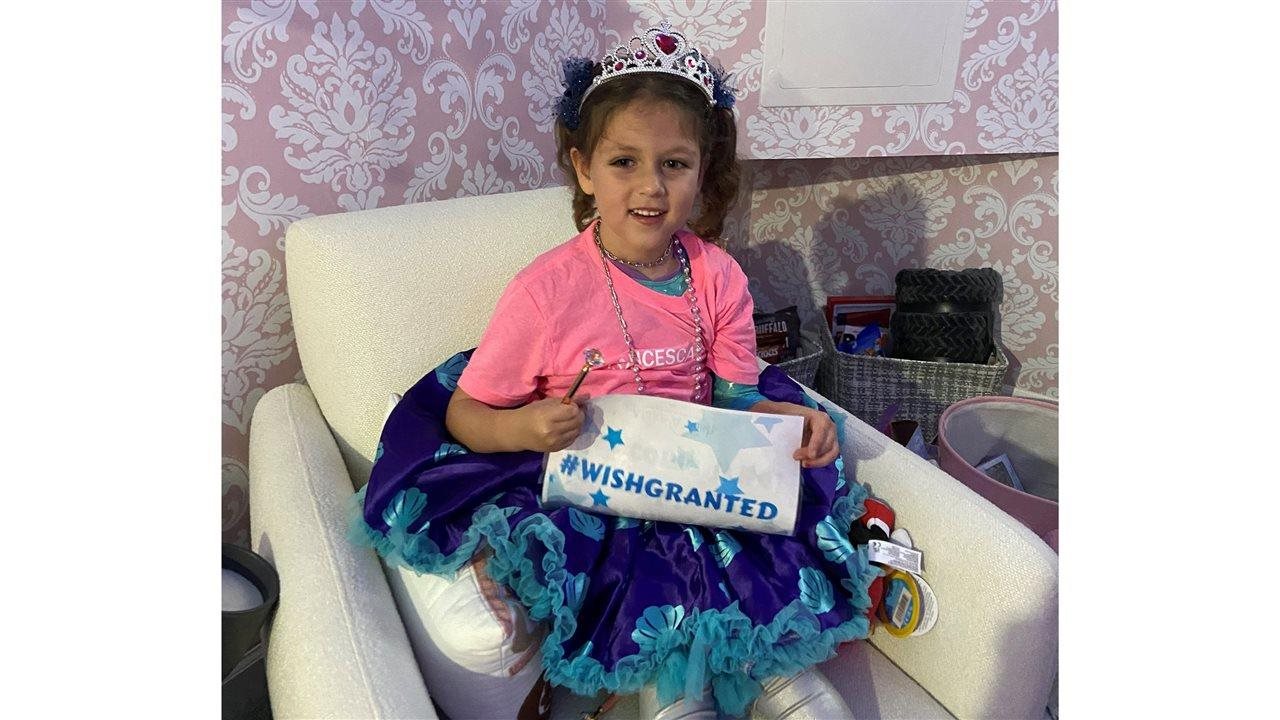
(BPT) – Like many little girls her age, 6-year-old Francesca loves her pets, mermaids, swimming, ice pops, playing with her brothers — and all things princess. Her favorite activities are jumping, sliding, swinging, playing with dolls and singing pop songs.

But this playful girl, known as “Frankie” to her family, has also been bravely fighting a rare nervous system disorder since she was 3 years old, which requires daily medications, plus frequent infusion appointments that can last up to seven hours. The condition can also impact her speech, motor and cognitive skills.

A wish from her heart

To help provide more fun, hope and positivity in her daily life, Make-A-Wish® Ohio, Kentucky and Indiana partnered with nationwide retailer Big Lots to help make Frankie’s wish come true: she wanted a special place all her own, filled with everything she loves — in other words, the perfect princess playroom.

To help transform Frankie’s basement into her ideal princess playroom, a group of 30 Big Lots associate volunteers came together to include every detail they knew she would love, including a ball pit and slide, a swing, a chest stocked with art supplies, and of course, an armoire full of beautiful princess dresses. Many of the products used for creating the space came from Big Lots!

A representative from the Big Lots team said, “Seeing Frankie’s face when she saw the playroom for the first time was an experience our team will never forget.”

And her mother Estela was equally moved, saying, “We asked Make-A-Wish to create a space full of joy and excitement that Frankie can revisit every day. Big Lots and Make-A-Wish did just that.”

Partnerships that make wishes come true

Big Lots has been a proud local supporter of Make-A-Wish since 2009, and the company’s associates have been directly involved in granting the wishes of three children so far — with another planned for the upcoming fall.

“We grant more wishes during the summer than any other time of the year, making support from partners like Big Lots absolutely vital,” said Leslie Motter, president and CEO, Make-A-Wish America. “Big Lots prides itself on helping people to ‘live big,’ and they’re making that sentiment a reality by helping grant wishes that can be truly life-changing for wish kids and their families.”

How everyone can help

Big Lots stores nationwide are helping to raise funds for Make-A-Wish this July by launching their first-ever in-store campaign as a national partner with Make-A-Wish. Customers can donate at the register when shopping in-store, and they’ll receive a coupon for $5 off their next purchase of $15 or more at Big Lots when they choose to donate.

This campaign aims to give children renewed energy and strength, bring families closer together during difficult times, and unite communities.

“Partnering with Make-A-Wish allows us to grant life-changing wishes for children with critical illnesses,” said Bruce Thorn, president and CEO, Big Lots. “We believe in the power of a wish to bring hope and joy to these courageous kids and their families, and it’s an honor to support Make-A-Wish through this campaign.”

Big Lots also encourages customers to leave messages for wish kids with special donation notes displayed in stores to help spread the hope and positive encouragement.

Learn how you can help grant wishes for children at wish.org.

How to bring optimistic content to your social media feeds

2024-07-24T11:02:12

(BPT) – For many Gen Z-ers, scrolling on social media has become a primary source of entertainment and a tool for staying connected. In fact, the majority of Gen Z Americans report going on at least one social media platform each day. Reasons for turning to social media include combatting boredom (66%), the desire to laugh or smile (59%) or to see what’s happening in the world (49%).

However, often, when scrolling, the content isn’t necessarily what you were looking for — or worse, it causes stress or anxiety. In fact, over half of Gen-Zers (53%) said they are frustrated because what they see on their social media feeds doesn’t match what they want to see and just as many (54%) believe they have either “some,” “little,” or “no control at all” over the content that pops up on their feeds.

This data, from a new survey by LG Electronics and conducted by Talker Research, found 62% of Gen Z-ers wish they could just reset their feeds and start all over. The survey also found 73% of respondents associate at least one social media platform with a negative impact on their mental health.

According to social media expert and associate professor Casey Fiesler, Ph.D., algorithms play a significant role in the content you see, so understanding how they work is key to improving your feed.

“Algorithms are recommendations that determine what you see on social media by predicting content you’re likely to engage with based on past engagement,” said Fiesler. “These algorithms can send you down ever more specific niches — for good and bad. When left unchecked, you can quickly go down negative rabbit holes and encounter harmful content. The good news? You do have some control over the input for these algorithms: by choosing to engage with optimistic content, you’ll probably see more of it.”

Increasing optimistic content in your feeds

One way to improve your algorithm to include more positive content is to avoid engaging with negative content, and making a point to engage with content you actually want to see.

To help everyone have a positive experience and regain some control of social media feeds, LG created a global playlist called “Optimism Your Feed,” which is designed to bring more positivity to your social media feed.

“Optimism Your Feed” is part of LG’s Life’s Good campaign, introduced last year to inspire and encourage people to approach life with an optimistic attitude. Created in collaboration with global influencers renowned for their positive outlook, including Tina Choi, Victoria Browne and Josh Harmon, the playlist includes over 20 short-form videos full of motivational messages and feel-good content.

“When you see content on your feed that improves your mood, such as LG’s ‘Optimism Your Feed’ playlist, give it extra attention,” said Fiesler. “‘Like’ the content and leave positive comments on your favorite posts or videos. Giving upbeat, optimistic posts increased engagement means you’re more likely to see positive content like that in the future.”

How to get started

Nothing feels better than taking back a little control, so take action to make the time you spend on social media what you wanted it to be — opportunities to check in with friends, see what’s happening in your community and get a little lift to brighten your day.

LG’s global playlist gives you opportunities to see positive, uplifting posts every time you check out your social media. By being more conscious about what you choose to engage with, you can have more optimism, balance and happiness in your life.

It’s easy to start engaging with positive content today! Just go to LG’s global TikTok channel @lge_lifesgood or YouTube channel @LGGlobal to check out the videos and subscribe if you like what you see. You can also visit the campaign page at LG.com/lifesgood.