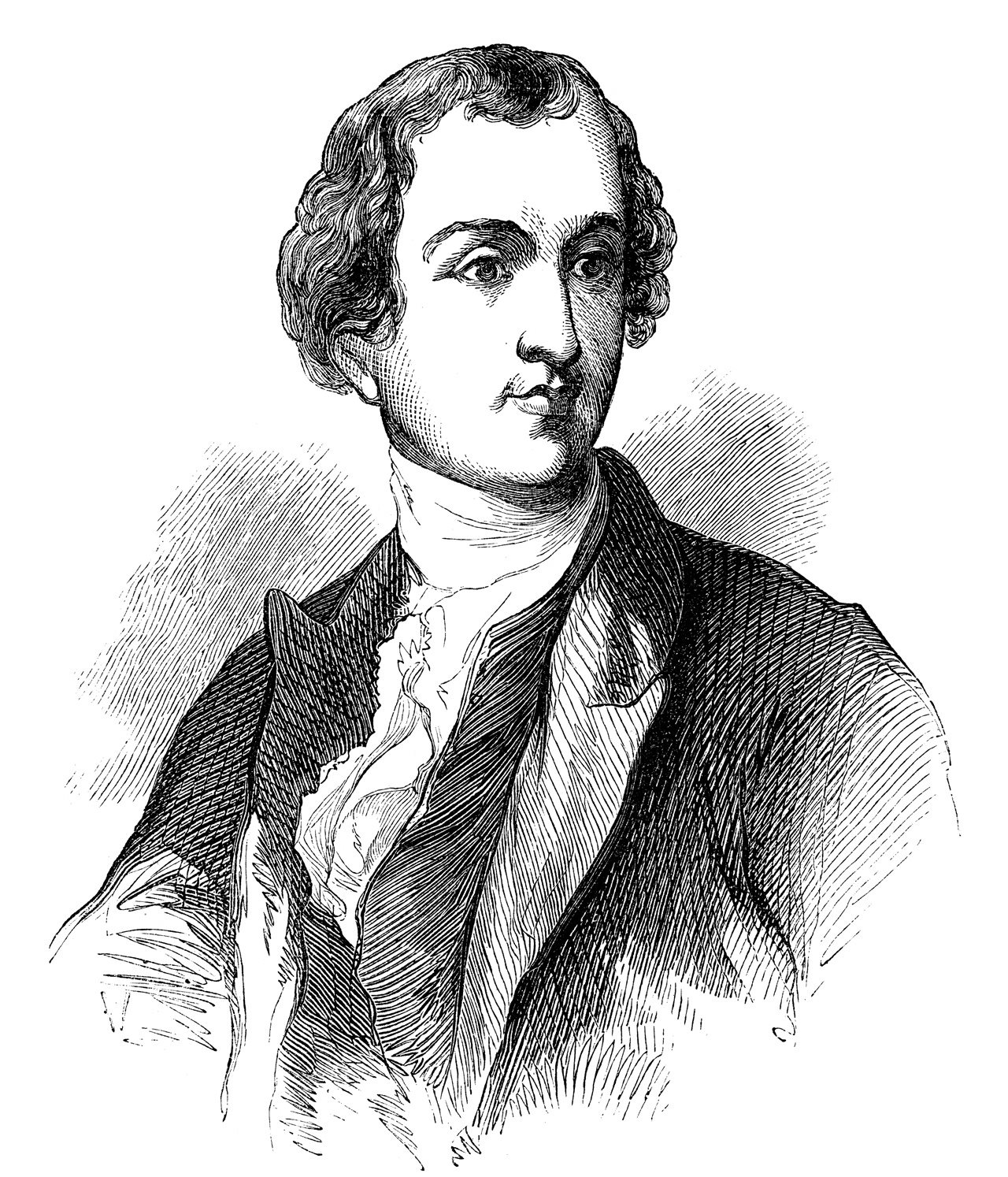
Shooting blanks: George Washington fathered a country but not kids

2023-10-27T09:25:00

(BPT) – George Washington is the “father of our country” yet, ironically, he didn’t have any children of his own. If you are like many others, you’ve probably wondered why he didn’t leave any children as his legacy.

As author Steve Yoch described in his book “Becoming George Washington,” at 19, Washington traveled to Barbados with his brother who was dying of tuberculosis in search of a cure. The trip was a failure. Not only did his brother’s condition continue to deteriorate, but Washington contracted smallpox.

Although he survived — and only half of those with the disease were so lucky — it was not without long-term ramifications. He showed the telltale signs of the disease: pockmarks on his forehead and nose and a prolonged fever that likely made him sterile.

A dedicated stepfather

At 27, Washington married Martha Custis, a widow who had already given birth to two young healthy children — Jacky and Patsy. Thus, Washington’s lack of offspring can’t be attributed to Martha. Washington was a loving stepfather to the young children he’d inherited with his marriage. Unfortunately, both children met early, tragic ends.

Patsy died in his arms in an epileptic fit before the Revolution. The day after her death, Washington wrote to his brother-in-law, “It is an easier matter to concede than to describe the distress of this family, especially that of the unhappy parent of our dear Patsy Custis, when I inform you that yesterday removed the sweet, innocent girl into a more happy and peaceful abode than any she has met in the afflicted path she hitherto has trod.”

Jacky was a dandy — a man who valued style and sophistication — and did not fight in the war. With Martha’s encouragement, Washington brought Jacky with him to the siege at Yorktown that ended the war. Jacky, who was inexperienced in unsanitary camp life, promptly caught cholera and died at age 26.

Alone after tragic deaths

By the time the Revolution ended, the “father of our country” was father to no one. In a draft of Washington’s first inaugural address, he wrote: “Divine providence hath not seen fit that my blood should be transmitted, or my name perpetuated by the enduring, though sometimes seducing, channel of immediate offspring. I have no child for whom I could wish to make a provision — no family to build in greatness upon my country’s ruins.”

As Yoch noted, “This may have been a fortunate happenstance, as many called for him to be America’s new king. His lack of children allowed him to truly act in the country’s best interests and sealed his legacy as ‘first in war, first in peace, and first in the hearts of his countrymen.’”

To learn more about George Washington, including his trip to Barbados, visit Amazon.com. Here you can also access Yoch’s newest book, “Becoming Benedict Arnold,” which explores the complex first-person experience of the infamous American traitor.

Why aren’t schools teaching the truth about George Washington’s death?

2023-10-27T09:15:00

(BPT) – School children are taught that after a life of action and harrowing battles, George Washington died peacefully in his bed at Mount Vernon. In reality, the nation’s first president died a slow and bloody death that was far from a pleasant end of life.

In his book “Becoming George Washington,” author Steve Yoch says the founding father was a lifelong believer in the efficacy of bleeding as a medical treatment. “Because of this, Washington and his physicians virtually guaranteed his death by excessive bleeding,” explained Yoch.

Washington’s last days

Yoch says that on Dec. 12, 1799, Washington ignored a blanket of snow and hail and mounted his horse for a five-hour tour of his farms. He chose not to change out of his wet clothes when he arrived home because dinner was ready and he did not want to inconvenience his guests.

The next morning, even though the snow had fallen even harder and he was starting to feel sick, Washington went down to the Potomac River to inspect another part of his sprawling plantation. That night, he retired for the evening in a cheerful mood and said the best treatment for the cold was to “let it go as it came.”

His wife Martha thought he looked terrible, but Washington chose to sit up late in the library reading. In the middle of the night, he woke Martha with throat pain and shortness of breath. Once again, he rejected medical treatment and wanted to rely on his body’s restorative powers.

In the morning, Martha would wait no longer and called for Dr. James Craik, one of Washington’s oldest friends and a trusted physician who had served with him since the French and Indian War 40 years earlier.

”Washington always believed that bleeding improved his health,” said Yoch. “As a young man, he frequently turned to bleeding to address his repeated illness throughout the French and Indian War and it’s only through sheer luck that his physicians didn’t kill him then.”

Unfortunately, he wasn’t so lucky in December of 1799. While waiting for Craik to arrive, Washington ordered Albin Rawlins, a local clerk, to bleed him. When the clerk hesitated, Washington gently but firmly pressed him. When the cut was not large enough Washington told him to press on, over Martha’s protests, until nearly a pint of blood had been drained.

When Craik finally arrived, he immediately drew more blood and applied a treatment of dried beetles to Washington’s inflamed throat. Craik summoned another doctor, Elisha Cullen Dick. As soon as Dick arrived, he and Craik siphoned off even more blood, which “came very slow, was thick, and did not produce any symptoms of fainting.”

Sealing Washington’s fate

Historians estimate that Washington surrendered five pints of blood all together, or about half of his body’s total supply. Washington probably suffered from a virulent bacterial infection of the epiglottis. As it swells, the epiglottis closes off the windpipe, making breathing and swallowing extremely difficult and eventually impossible.

Yoch said that while Washington may have died anyway, “the loss of blood guaranteed his death.” When Washington finally ordered the bleeding to end, he reportedly said, “Doctor, I die hard, but I am not afraid to go.” His last words were: “Tis well.”

For more information on George Washington’s life as well as the life of other important historical figures like Benedict Arnold, visit Amazon.com.

Did George Washington sound weak?

2023-10-27T09:15:00

(BPT) – It’s easy to find out what George Washington looked like. But what did he sound like?

There are many well-known paintings of Washington, and the museum at Mount Vernon displays a painstakingly accurate facial reconstruction to definitively show his appearance during his lifetime. He was a big, strapping guy and 6 foot 3 inches tall (which makes him equivalent to 6 foot 9 inches today), with large shoulders and legs.

Knowing this you likely imagine him having a commanding, masculine voice. However, according to Steve Yoch, author of “Becoming George Washington,” America’s first president didn’t sound like he looked.

“We all imagine Washington as a strapping guy who had a voice to match,” said Yoch. “But Washington suffered from pleurisy — a viral infection that causes an inflammation in the lining of the lungs — as a child and because of this he spoke in a high, weak and breathy voice.”

Washington’s contemporaries often described him as soft-spoken. Yoch says this undoubtedly came from his unexpectedly high voice and from his notoriously bad teeth, which gave him the habit of keeping his mouth closed to hide their unsightly appearance and the bad breath that comes with tooth decay.

As is so often the case with past presidents, Washington would have struggled in the modern era. “Certainly his dental problems could be corrected,” said Yoch, “but his quiet demeanor and high voice would not have played well in our modern 24/7 news cycle.”

For more about George Washington’s early life and his rise to prominence, visit Amazon.com. Here you can also access Yoch’s newest book, “Becoming Benedict Arnold,” about one of America’s most infamous traitors.

Was George Washington a big fat liar?

2023-10-27T09:15:00

(BPT) – You’ve probably heard the story of George Washington chopping down a cherry tree and later admitting the act to his father, claiming he “cannot tell a lie.” It’s a story meant to show the impeccable early character of one of America’s most beloved Founding Fathers. It’s also a complete lie.

According to author Steve Yoch, not only is this story made up, but it’s also in direct contrast to young Washington’s behavior.

Yoch said Washington didn’t have the loving father concocted by Parson Weems, the biographer who created the story. His largely absent father died when he was only 11 and he was raised by an oppressive mother.

“Washington didn’t grow up with a caring, doting and loving mother,” said Yoch, author of the book “Becoming George Washington.” “Mary Washington was a harsh, unforgiving and overly demanding mother with whom Washington had a difficult relationship during his entire life. He certainly didn’t benefit from a home where honesty was rewarded with kindness and understanding.”

Deception into adulthood

Yoch said Washington may have “stretched the truth to the breaking point” while he was a major in the Virginia Regiment. While leading a small troop of men in response to a French incursion into the American colonies, Washington’s party encountered a French diplomatic mission under the command of Captain Jumonville.

Unfortunately, said Yoch, Washington lost control of the Native Americans under his command. Things got so out of hand that a Native American chief lopped off the top of Jumonville’s head and reached into the dead man’s skull pulling out his brains and extorting his braves to massacre the disarmed French. A significant number of the French soldiers were slaughtered in the ensuing chaos.

According to Yoch, rather than taking responsibility for his actions, Washington downplayed the carnage and wrongfully asserted in letters that the Native Americans under his command led the attack: “This little skirmish was by the … Indians, we were auxiliaries to them, as my orders to the commander of our forces [were] to be on the defensive.”

Washington went on to claim that, despite being on a diplomatic mission and having papers to confirm their peaceful status, the French were “spies of the worst sort” who “ought to be hanged.” Any assertion that the French were on an “embassy” mission was a “mere pretense,” and the French “never designed to have come to us but in a hostile manner.”

Yoch said that Washington’s careful lies and exaggerations allowed him to avoid responsibility for the error and maintain his military position. In fact, Washington was congratulated by the local Masonic Lodge and was given a letter of congratulations by the governor.

Yoch also said that Washington’s actions so enraged the French, they led directly to the French and Indian War. In response to the murder of their comrades, an experienced and well-equipped French force confronted Washington. In short order, Washington’s troops were surrounded and on the verge of annihilation in a fort badly designed by Washington and aptly named Fort Necessity. With little choice, Washington was forced to surrender and retreat in disgrace.

Once again, rather than taking responsibility for the defeat, Washington attacked his superiors for inadequate support and even went so far as submitting a report with a false claim that they had killed “300 number of the enemy” and marched out with their “beating drums and colors flying.”

A pattern of lying

Yoch said there’s a pattern throughout Washington’s life of claiming victory but blaming others for defeat. “It’s difficult for many people to accept this reality given the legend concocted by Parson Weems relating to the cherry tree,” said Yoch. “But the truth that Washington lied and blamed others for his own failure is irrefutable. His lies and willingness to blame others moved his military career forward.”

When the revolution began, Washington was immediately recognized as a logical choice to lead the fledgling Revolutionary Army. Ironically, it may have been Washington’s lies, not telling the truth, that helped position him to become one of America’s Founding Fathers.

To learn more about George Washington and his early years, visit Amazon.com. While there you can also learn about Yoch’s newest title, “Becoming Benedict Arnold,” which explores the complex experience of one of America’s most legendary traitors.

Shared meal experiences: The next big thing bringing people and pups closer

2023-10-27T14:01:00

(BPT) – Do you throw birthday parties for your dog? Include them in family photos? Maybe you have matching outfits you don for special occasions? If you enjoy spending time with your pup through fun activities like these, you’ll love the next big thing in bonding with pets: shared mealtime experiences.

This isn’t just eating at the same time. Shared mealtime experiences mean pet owners are creating human dishes for themselves that are inspired by the ingredients in their pup’s food bowl. Once the dish is ready, you can both enjoy meals that mimic each other while spending quality time together. It’s an activity that fills your belly and your cup at the same time.

Shared meal inspiration

Your dog is one of your most beloved companions, so it makes sense that as a dog owner, you may want to better understand your dog’s mealtime experience. Through a new program called ‘Share A Bowl with Beneful,’ dog owners feeding their dogs select Beneful formulas can explore tasty complementary human recipes that highlight some of the colorful, wholesome and natural ingredients found in the formulas.

To make this possible, Beneful created a free downloadable cookbook that includes four easy-to-follow human recipes inspired by your dog’s favorite Beneful products. Sharing meals in this way encourages pet owners to take an active, empathic approach to what their dog experiences at mealtime. Learn more at Beneful.com/Bowl.

For example, while your pup relishes a bowl of Beneful Originals With Beef, you can make and enjoy a complementary dish of Beef Bulgogi Bowls inspired by the ingredients found in this formula. With delicious beef, rice, peas and spinach it’s a wholesome, satisfying meal that comes with an extra helping of joy because you are sharing the moment together.

Another inspiring recipe is for Parchment Baked Salmon and Sweet Potatoes, served over vegetable rice. This recipe reflects the quality ingredients in Beneful Originals With Salmon. Bake this dish for yourself before sitting down and serving your pup’s food so you can both enjoy your respective dishes at the same time.

Signs of enjoyment

As you savor the tasty ingredients in your dish, you can look for signs your dog is enjoying his bowl as well. Positive reactions like tail wagging, perked ears and general mealtime excitement indicate he’s digging his dish.

Want to enhance your shared dining experience even more? If you’re in the mood for tunes, play some music during mealtime. Once you’re both finished with your respective meals, spend some additional time together either relaxing, cuddling or getting outside for a post-meal walk.

Shared mealtime experiences create joy, because when people and pets bond, life becomes richer. Building a bowl for yourself inspired by the ingredients in your dog’s favorite pet food formula can make you feel closer to your pet and sets the stage to better understand each other. Meals together may soon become the favorite time of day for you and your pet.

Flavored Sweet Foam Adds Magic to Seasonal Coffee Specialties

2023-10-26T06:11:00

(BPT) – From pumpkin spice to cinnamon, hazelnut, maple and more, fall flavors can elevate coffee specialties to taste treats that celebrate the season. The new JURA J8 makes it easy with its exclusive Sweet Foam Function that flavors milk foam with a hint of syrup, with your choice of flavor, sweetness and intensity.

A new concept in coffee enjoyment, the J8 prepares the full range of classic coffee drinks — and goes above and beyond with even more specialties and flavor options. Brew a Sweet Latte at the touch of a button, enhanced with gingerbread, apple, brown sugar cinnamon or any syrup you desire. Personalize your beverage with a hint of classic caramel, salted caramel or bourbon caramel. The possibilities are endless.

The J8 offers 31 specialties, including cortado, espresso macchiato, caffé latte, cappuccino, flat white, latte macchiato, and more — with multiple flavor variations thanks to JURA’s Sweet Foam Function. A separate hot waterspout accommodates regular or green tea and Americanos.

The J8 is packed with technical innovations to create remarkable beverages for coffee lovers. A JURA innovation, the Coffee Eye, a smart cup sensor, detects the positioning of the cup and automatically adapts the selection of beverages on the display to show the available options. It couldn’t be easier to select and brew your beverage of choice from the touchscreen color display.

Each coffee beverage begins with whole coffee beans freshly ground to your specification with the P.A.G.2+ grinder, with aroma control to actively monitor the grind consistency. This cutting-edge technology combines with the eighth-generation brewing unit with 3D brewing process to achieve optimum results and maximum flavor every time.

The J8 is the complete package, with stunning design inside and out. The reinterpreted design reflects the machine’s quality, expertise, and superior engineering. Easy maintenance is built into the design. With the one-touch milk system cleaning function, the job is done in minutes.

Adding to the machine’s functionality is the integrated Wi-Fi Connect, which makes the J8 compatible with J.O.E. (JURA Operating Experience), and an exclusive free app for operating the machine from a smartphone or tablet. J.O.E. allows users to personalize their favorite beverages, initiate brewing, view maintenance instructions and videos, and more.

For more information, visit jura.com.

Are we all just 3 steps away from being a traitor like Benedict Arnold?

2023-10-27T08:57:00

(BPT) – Would you ever betray your country? The answer is likely, no. Everyone thinks that under no circumstances they would betray the country they love.

However, Benedict Arnold — one of America’s most infamous traitors — at one point would have likely answered this question in the same way you did. Turns out, the question of loyalty isn’t as black and white as it may initially seem.

People who betray their home country are often labeled as evil, money hungry and morally corrupt. These simple explanations ignore the lessons of history and slide into the very complacency that led to traitors like Arnold.

The path from hero to treason

Benedict Arnold was indisputably brave and one of the greatest heroes in the American Revolution. Stephen Yoch’s recent book, “Becoming Benedict Arnold,” presents a first-person perspective on Arnold’s actions.

The book answers the question why Arnold become a traitor, including:

  1. He was politically naive and was repeatedly betrayed by those he trusted
  2. He was severely injured in service of his county while others gained credit for his victory
  3. The person he loved most encouraged him to follow his instincts and fight those who mistreated him

Yoch explains that Arnold was a successful businessman and an early member of the Sons of Liberty. He used his own personal fortune to support the Revolution and recruit a regiment to march to Boston to support the Cause. He was tactically brilliant and the men immediately under his command loved him.

Unfortunately, he did not understand the highly nuanced political reality of the American Revolution. Many Americans resented and feared the growing power of the Continental Army and George Washington in particular.

Arnold, as a protégé of Washington, became a natural target for political attacks and intrigue. Moreover, Generals like Horatio Gates and political figures like Joseph Reed, betrayed Arnold’s trust and openly attacked him, despite his demonstrated bravery.

Arnold was also severely wounded at the Battle of Saratoga where he secured the American victory. Arnold’s service was not fully recognized, while he endured a lifetime of pain.

Finally, having already endured physical pain and betrayal, he met his true love, Peggy Shippen. Peggy was a loyalist who had contacts in the British secret service that allowed Arnold a pathway to vent his frustration and betray his country.

Becoming America’s greatest traitor

According to Yoch, scholarship on traitors supports the proposition that for the most part people are not born traitors. Rather, treachery is the result of a series of actions where a person who, in normal circumstances, would never conceive of betraying their country.

Traitors become who they are because of events or actions that drive them to a previously inconceivable act. For someone to commit treason, it is usually not a single event, but a combination of wrongs, sufferings and opportunities that lead them to betray their country.

While we all hope we would not go down the path of treason in similar circumstances, it is difficult to say any of us would be immune in the face of the pain, betrayal and opportunities presented to America’s greatest traitor, Benedict Arnold.

To purchase Yoch’s newest book, “Becoming Benedict Arnold,” visit Amazon.com.
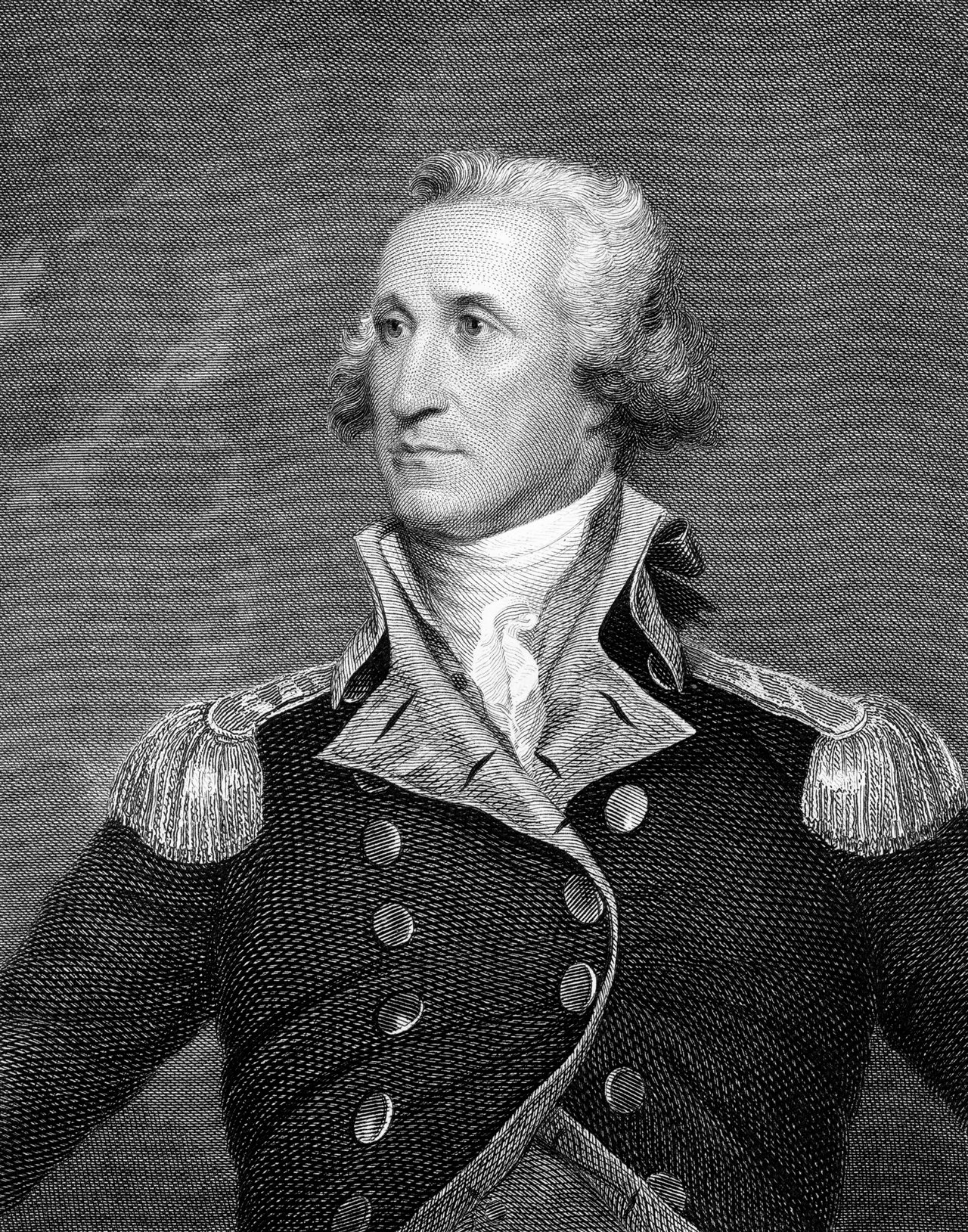
Benedict Arnold who? How America tries to forget its greatest traitor

2023-10-27T08:57:00

(BPT) – Once a loyal leader in the American Revolution, Benedict Arnold eventually flipped sides and became a traitor to the cause he once loved. In the aftermath of his unsuccessful attempt to betray the Revolution and secure victory for the British, Arnold was burned in effigy and reviled throughout the colonies. His failure was seen as the “hand of providence,” blessing the American cause and becoming the turning point for the Revolution.

Author Stephen Yoch, in his latest book “Becoming Benedict Arnold,” notes that following victory, the new American republic never forgave his betrayal. Yoch describes examples that showcase America’s lingering anger.

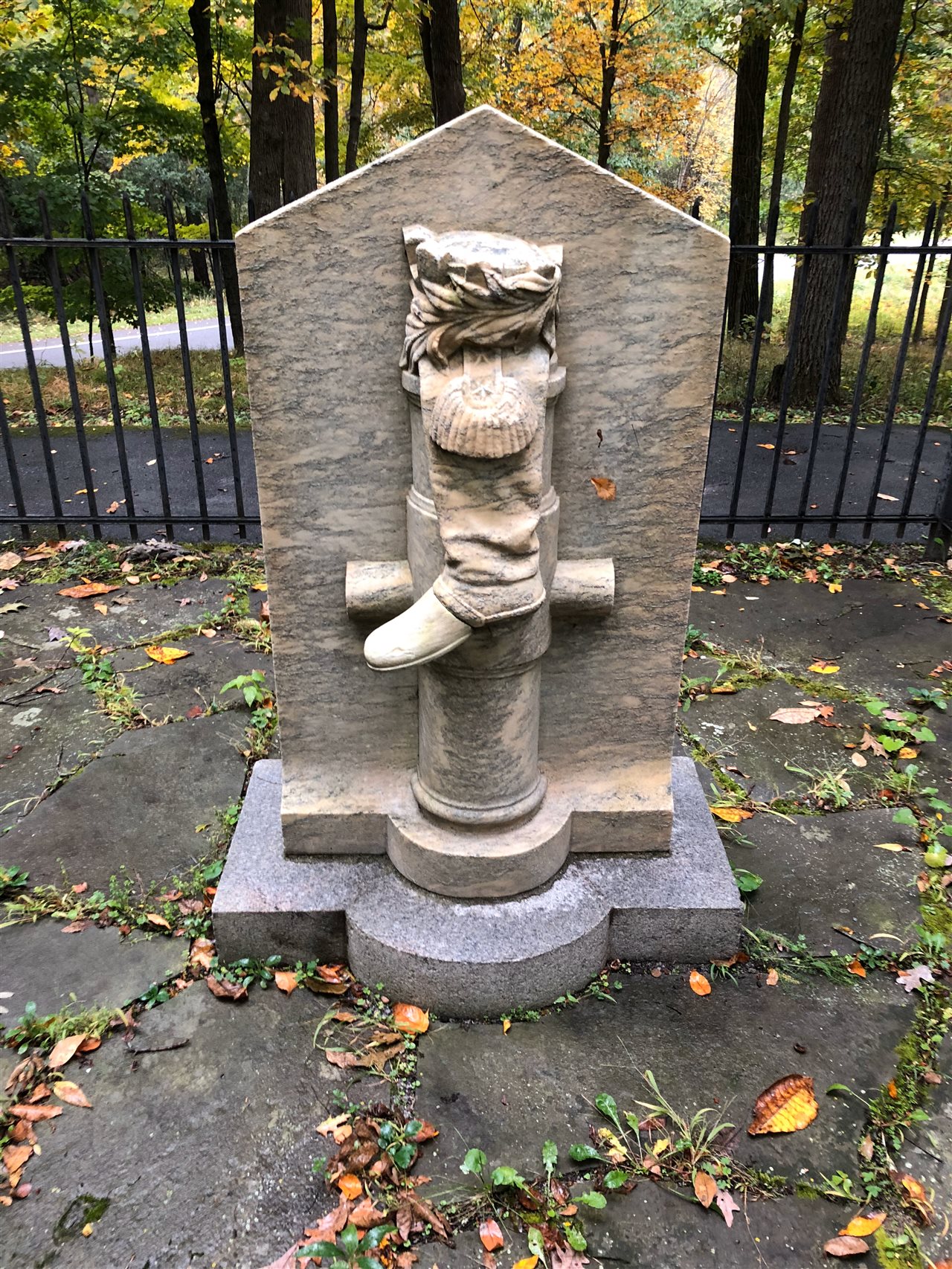
Boot Monument at Saratoga National Historical Park

At the Battle of Saratoga, Arnold played a pivotal role in defeating the British. Today at the Saratoga National Historical Park in Stillwater, New York, there is a Boot Monument paying tribute to his bravery, but not mentioning him by name. The boot is made to recognize the honorable part of his body that was severely injured in the battle. The inscription reads: “In memory of the most brilliant soldier of the Continental Army, who was desperately wounded on this spot, winning for his countrymen the decisive battle of the American Revolution, and for himself the rank of Major General.”

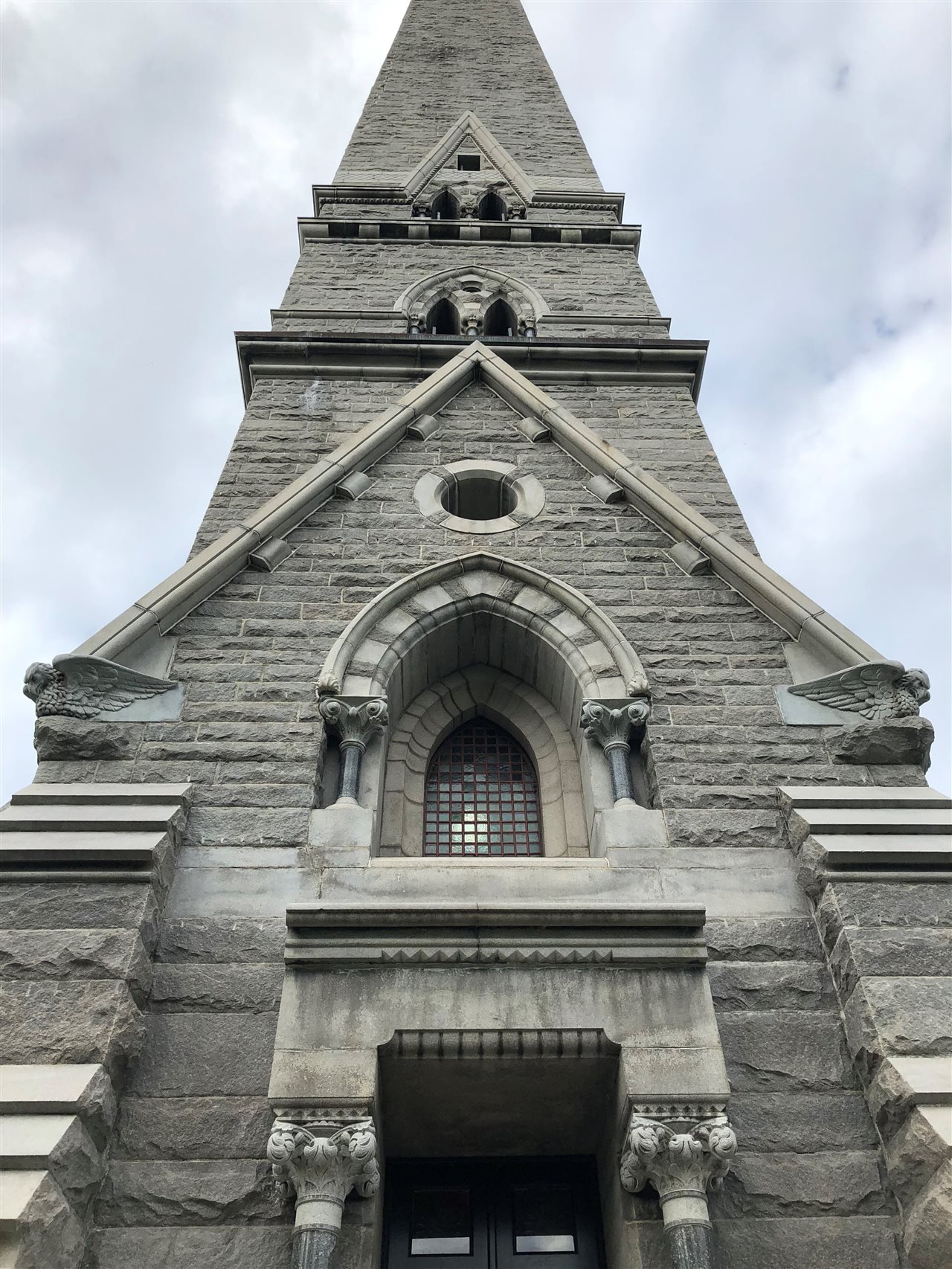
Saratoga Monument and the empty niche

The impressive victory obelisk, a landmark stone pillar with four niches at the Saratoga cemetery, contains sculptures. Gen. Horatio Gates, Col. Daniel Morgan and Gen. Philip Schuyler occupy three of the niches. The fourth niche is prominently empty to emphasize the place that Arnold would have occupied but for his treachery.

The nameless West Point plaque

The U.S. Military Academy at West Point commemorates all generals who served in the Revolution. There is one plaque which only states a rank and date: “For Major General born 1740” but no name. Again, identifying Arnold but excising his name from the narrative.

Plaque at Fort Ticonderoga

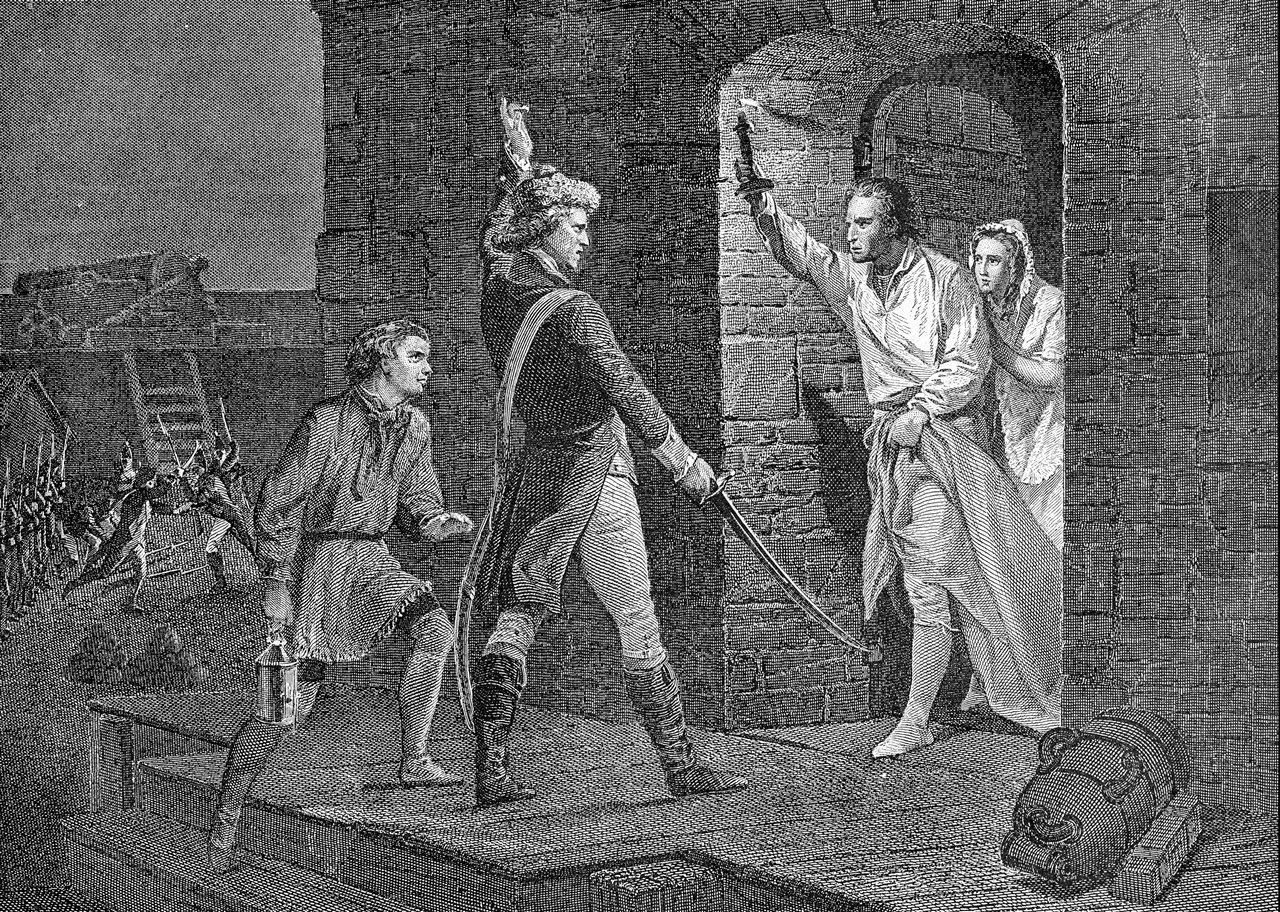
America’s anger toward Arnold did not lessen over time. Visitors today can see the plaque erected at Fort Ticonderoga in New York in 1967 which recounts the history of the fort and discusses the surprise attack on May 10, 1775, by Ethan Allen to secure the then-British-occupied fort, but fails to mention that attack was also led equally by Benedict Arnold.

Valcour Island battle memorial

Examples of America erasing the memory of Arnold continue into the 21st century. In 2011 in Peru, New York, a plaque commemorating the pivotal battle of Valcour Island on Oct. 11, 1776, states: “Across this strait a small colonial fleet fought the British to a standstill causing a 3 day running conflict that delayed the British advance to divide the 13 colonies. This action allowed the time for the Americans to rebuild their forces and win the Battle of Saratoga in 1777.” This plaque makes no mention of Arnold who organized the entire American defense and fought with indisputable bravery.

As Yoch explains, “Arnold’s treason was breathtaking and at a pivotal moment of American vulnerability. Had he succeeded, the entire course of American history would likely have been different. Perhaps it’s the scale of his treason and the fact that he died peacefully in his bed in England that continues to grate over two centuries later.”

For more information and to order “Becoming Benedict Arnold,” visit Amazon.com.

If Benedict Arnold’s treason succeeded, would we all be speaking German?

2023-10-27T08:51:00

(BPT) – Benedict Arnold is arguably the most successful and talented general in the Revolution. He was also America’s greatest traitor. However, if his treason had succeeded it could have changed the course of history forever.

In the new book, “Becoming Benedict Arnold,” author Stephen Yoch reveals how close Arnold came to turning West Point over to the British and cutting the American colonies in half. These efforts could have led to the capture of George Washington, Alexander Hamilton and the Marquis de Lafayette.

What if? An expert’s take

In a recent interview, Yoch discussed the impact on history if Arnold had succeeded. He explained there were peace overtures as the war continued to drag on in 1780. The Carlisle Commission sent by England was ready to offer the Americans virtually everything they had requested prior to the Revolution, except for complete independence from England.

If Arnold succeeded, the British would have divided the colonies by controlling the crucial Hudson River corridor all the way up to Canada. Meanwhile Washington would have been sentenced to death, and the war-weary colonies may have accepted the offered compromise.

America would have returned to the protection of the British fleet and been welcomed back into the Empire. As was generally the case for British colonies, the mother country would have sought to slow industrial development, therefore keeping factories humming in England while using the Commonwealth as sources for raw materials.

Over time, the inevitable fracture in America between slave and free states would have continued to grow. More likely than not, the British would have separated the South from the North, further slowing American growth.

While it may still have been America’s manifest destiny to expand to the West Coast, the British would have slowed that process. With the partition of North and South, industrial growth after the Civil War would not have occurred at the same rate. Texas may have remained independent. Similarly, the Transcontinental Railroad would not have been completed as early as May 29, 1869. The result would be a divided and weaker continent.

The Napoleonic Wars would still have occurred, but with increased support of Britain’s American colonies, the English may have defeated Napoleon earlier. In any event, the result would have been the same: English dominance until the rise of Germany as an industrial giant and dominant force on the European continent.

World War I would still have happened and Germany would have been defeated, perhaps earlier because of American involvement from the outset (as loyal members of the Commonwealth), albeit less industrially powerful and divided into two separate states, North and South.

Where history diverges

World War II is where history truly could have taken a separate path. Assuming the British and French would once again take a punitive approach following World War I, German resentment and economic distress would again lead to radical national fascism and the rise of Hitler or a similar figure.

Likewise, the lack of a powerful American fleet in the Pacific would allow the rise of Japanese nationalism and imperial ambitions to go unchecked in China and the South Pacific. While the Royal Navy would no doubt be larger, it may or may not have been in a position to thwart Japanese expansion.

The Second World War would inevitably begin in Europe and the South Pacific. However, this time, there would be no “arsenal of democracy” to support and defeat the Germans and Japanese. The Americans would supply troops and substantial material, but the lack of unequaled expansion of American industry between the beginning of the Civil War and World War II would have been limited by the British.

As a result, there would be no armadas of liberty ships bringing supplies to Europe. England would fall in an invasion (Operation Sea Lion). Germany, following the Schleiffen Plan, would control Western Europe and turn its armies to the East. This time, with its western border secure, Germany would defeat Russia and obtain “Lebensraum,” land for expansion and development. Germany would also move south and control the oil fields in Caucasus and the Middle East.

Caught between the Japanese in Asia and complete German control in Europe, the Americans would find themselves likely partitioned between the Japanese and German empires. Or, more likely, given the surrender of the British and the anglophile nature of the German aristocracy, the Americans would likely be incorporated into the Reich.

What if Arnold had succeeded and the American Revolution failed? Yoch concludes America would be weaker and unable to defeat the Japanese or support the British in their fight against the Nazis. World War II would have been won by the fascists and Americans would all be speaking German.

To order “Becoming Benedict Arnold,” or to explore Yoch’s earlier work, visit Amazon.com.
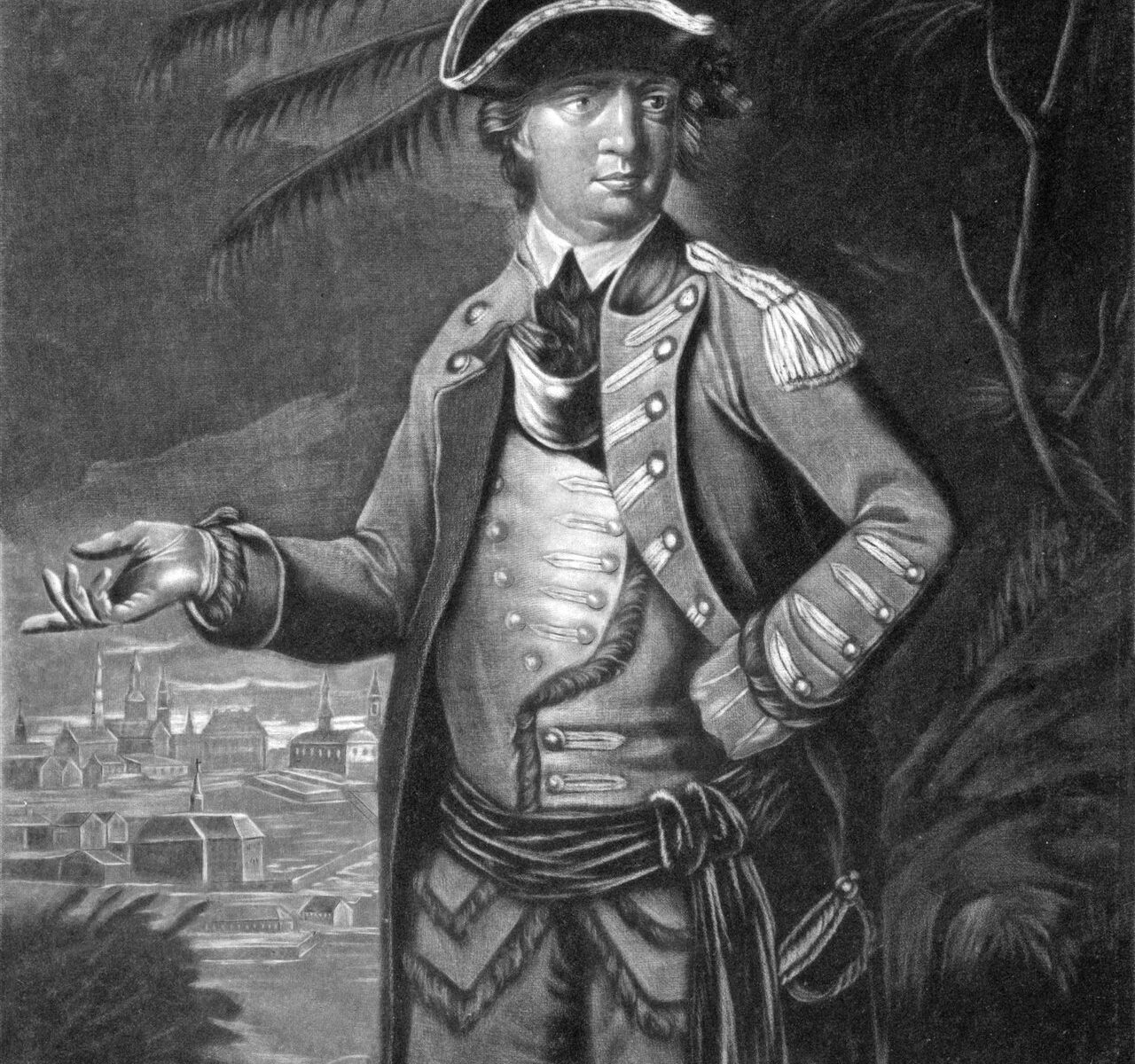
Was Benedict Arnold a traitor because he was surrounded by total jerks?

2023-10-27T08:57:00

(BPT) – Benedict Arnold is America’s most infamous traitor. His final plan was to turn West Point over to the British and assist them in capturing George Washington. If successful, it would have likely ended the Revolution and led to the death of Washington and others.

He was a bad guy and he did it for money. At the same time, he was treated badly by many of America’s leaders and that drove him into the arms of the British.

Stephen Yoch’s latest book, “Becoming Benedict Arnold,” shows how Arnold was pushed to treason. Yoch does not excuse Arnold, but shows how Arnold was attacked and betrayed by fellow revolutionaries who made him reconsider his devotion to the Cause and strike back against all those who had wronged him.

ARNOLD’S JERKS

Arnold was one of the first to embrace the Revolution. A member of the Sons of Liberty, he attended the first Continental Congress and recruited a regiment in Connecticut which he led to bolster the American forces surrounding Boston.

Yoch explains that almost immediately, he encountered individuals who were dishonest, cowardly or treacherous. Unfortunately, that pattern continued throughout the Revolution. Here, Yoch breaks down the key people who influenced Arnold’s actions to shed light on his experience:

Ethan Allen

Allen and Arnold both had the same goal of taking Fort Ticonderoga at the beginning of the Revolution. However, after the battle, Allen engaged in a disinformation campaign asserting that he alone had attacked the fort. Allen discounted and lied about Arnold’s participation both in Congress and newspapers.

In contrast, Arnold truthfully recounted Allen’s participation, notwithstanding the misbehavior of Allen and his troops. Between 1780 and 1783, Allen and his brother participated in negotiations with the governor of Quebec with the goal of establishing Vermont as a separate British province. While he was never formally charged, these treasonous actions were consistent with the deceitful treatment of Arnold at Ticonderoga.

John Brown

Arnold met Brown as Arnold was heading north to assist in the taking of Fort Ticonderoga. Despite the success of the raid, Brown repeatedly challenged Arnold’s authority and even lied in pamphlets accusing Arnold of misusing funds later during Arnold’s Canadian campaign.

Roger Enos

Arnold led 1,000 men through the Maine wilderness to attack Quebec. One of his commanders, Enos, led the rear guard as they crossed the Maine mountains in terrible weather. Arnold ordered Enos to send a portion of the supplies so Arnold could continue the invasion. Instead, Enos disobeyed orders, kept all the supplies and returned to Boston, leaving Arnold and his men to suffer death and starvation.

Horatio Gates

Gates was on George Washington’s staff when Arnold met him. Arnold viewed Gates as a trusted confidant and mentor. However, as Arnold’s battlefield successes continued to mount, Gates became increasingly jealous and engaged in a whispering campaign, undermining Arnold’s standing in Congress and delaying his promotions.

By the tie of the Battle of Saratoga, Gates refused to acknowledge Arnold’s bravery at the Battle of Freeman’s Farm and even stripped him of command. Only after a petition supporting Arnold was submitted by most of the officers under Gates’ command was Gates forced to partially back down.

Nevertheless, when Arnold was severely wounded at the Battle of Bemis Heights, Gates downplayed Arnold’s heroism. Following the Battle of Saratoga, Gates was implicated in the Conway Cabal where he and others tried to replace Washington. In 1780, Gates took command of the southern forces, but was soundly defeated at the Battle of Camden and he permanently fell out of favor.

James Wilkinson

Wilkinson was a trusted aide de camp during Arnold’s brave march through the Maine wilderness to attack Quebec. Wilkinson later left Arnold’s service and became an aide to Gates. Wilkinson constantly undermined Arnold leading up to the Battle for Saratoga. Wilkinson played a major role in the Conway Cabal to replace George Washington. Wilkinson was forced to resign in March of 1778. The dishonorable Wilkinson later committed perjury at the trial of Aaron Burr.

Joseph Reed

After the Battle of Saratoga, Arnold was made Commander of American Forces in Philadelphia. Reed had returned to Philadelphia after serving as an aide de camp to Washington. Washington discovered that Reed had been conspiring with his political rival General Charles Lee by openly expressing doubts about Washington’s decision making. When Reed arrived in Philadelphia, he was elected President of the Supreme Executive Council of Pennsylvania.

An extreme puritan, Reed viewed Arnold’s use of the Penn Mansion and other facilities previously used by the British occupiers as Arnold’s tendency toward being a monarchist and supporting an eventual military take-over by Washington and his military elite. Reed and his cronies used every opportunity to attack Arnold and ultimately brought charges against him for his (albeit questionable) financial activities. As much as anyone, it was Reed and his actions that pushed Arnold toward treachery.

John Adams

While in Congress, Adams alternately supported and attacked Arnold. Early in the Revolution, it became clear that Arnold was one of the most able and brave generals entitled to be promoted to Major General. However, because of political intrigue which limited the number of major generals per state, Adams and others refused to allow Arnold to be promoted, notwithstanding Washington’s strenuous endorsements.

Adams viewed Washington’s desire to promote Arnold as a “strike against him” because Adams wanted to demonstrate the military’s subservience to the will of Congress. When Arnold complained, Adams and others said that Arnold’s “self-love was injured in a fanciful light which is incompatible with the general interest of the Union.”

Nevertheless, Adams would praise Arnold after his bravery at the Battles of Ridgefield and Saratoga and defend him against John Brown’s pamphlets, noting that Arnold had “been basely slandered and libeled.” Adams’ constantly shifting positions — in one instance supporting and in another condemning Arnold — were viewed as hypocritical to the inflexible and politically naïve Arnold.

George Washington

Washington was Arnold’s benefactor and mentor. From the outset of the Revolution, Washington guided Arnold and repeatedly sent him into the fray as Washington’s most active, brave and brilliant general. After Arnold was injured at Saratoga, Washington, in one of the most catastrophic blunders of the Revolution, sought to “reward” Arnold by sending him to Philadelphia as a military commander. Philadelphia had become a cesspool of political intrigue, pitting radical revolutionaries against anyone who failed to meet their rigorous standards.

Arnold was viewed as a protégé of Washington and was immediately attacked for his fairness to Loyalists and Quakers, as well as his use of former British occupied facilities — most notably the Penn Mansion. Arnold almost immediately recognized the assignment was a “terrible fit.” Rather than removing Arnold, Washington kept him in the position subjecting Arnold to continuous and vicious political attacks by Joseph Reed and his cronies.

Moreover, when Reed brought his charges against Arnold, Washington could have assisted Arnold, but he did not offer political protection of any kind. Following a trial engineered by Reed and others, Arnold was publicly admonished for his actions. Washington’s disastrous appointment of Arnold and his failure to defend him were the last straws for Arnold and one of the main reasons he went to the British. Put simply, the mentor and father figure that Arnold trusted most refused to stand beside him.

SHAPING OF ARNOLD’S CHARACTER

Yoch notes that we are all products of the people and events (good and bad) that shape our character. When the Revolution began, Arnold was a wealthy man and an enthusiastic supporter of the Cause. Unfortunately, he was connected throughout the Revolution with people who mistreated him, betrayed him or violated his trust.

Some people could have taken such maltreatment in stride, but Arnold lacked the temperament, upbringing and experience to view peoples’ actions toward him in a broader context. Instead, always a man of action, he joined the British in an attempt to lash out and seek vengeance against all those that had wronged him in the course of the Revolution.

“While his actions were ultimately reprehensible, and thankfully unsuccessful, he was driven to commit treason by a remarkable group of a**holes,” said Yoch.

For more information and to order “Becoming Benedict Arnold,” visit Amazon.com.