Does travel make you tired? 5 expert sleep tips to help improve your trip

2023-08-22T19:01:00

(BPT) – Do you love to travel but hate how tired it makes you? If you’re fatigued when you finally get to your destination, there’s a good reason. Traveling across time zones seriously throws your circadian rhythm out of sync. Your body gets confused when you’re exposed to sunlight at times that don’t align with your internal clock, disrupting your ability to get a full night’s sleep. The result? It takes days to adjust, leaving you sluggish or groggy.

To help your body cope with travel, sleep expert to OURA, Dr. Rebecca Robbins, Ph.D., offers tips for adapting to your new schedule — so you can start enjoying your trip sooner.

1. Plan ahead

In the weeks before your trip, move your bedtime and waking times in the direction of the time at your destination by 15-minute increments every day. Once on the plane, set your smartphone or wristwatch to the time at your destination, then start eating, drinking and behaving as you would at that new schedule.

“Avoid taking red-eye flights when possible, because any sleep you may get on a plane will likely be poor quality, which may start your trip on the wrong foot,” advised Robbins. Understanding how to maximize sleep to support your health is a great first step toward improving your well-being — at home and abroad.

2. Take these steps upon arrival

When you reach your destination, get outside and walk or exercise in the fresh air and sunlight as much as possible. This will help your body make the transition to the new time. “However, if you’re feeling sluggish after you arrive, try taking a 20-minute or 90-minute nap to recover from lost sleep,” said Robbins.

3. Eat thoughtfully

Avoid heavy meals around dinnertime or close to your new bedtime at your destination. Indulging in a big late dinner can be tempting while traveling, but it’s recommended to choose a hearty breakfast and lunch, followed by a lighter and, when possible, early dinner. Eating lighter meals close to bedtime can help reduce the risk of sleep disruptions, particularly when you’re adjusting to a new time zone and in a new place with unfamiliar foods that may be difficult for you to digest.

4. Exercise outside at your new destination

Exercise is an essential way to keep your digestion and other processes in the body on track. Exercising outdoors at your new destination whenever possible is a particularly powerful tool for beating jet lag. Exercise outdoors provides access to sunlight, which is the strongest input to our circadian rhythm, and can accelerate our ability to adjust to a new time zone. In a study of airline crewmembers, those that were instructed to work out outside adjusted faster to their new destination than a control group that did not do so.

5. Make bedtime seem like home

To help you sleep in a new place and time zone, try to maintain your usual nighttime routine. Whatever strategies help you unwind at home — a warm shower, reading a book, meditating — will help you relax anywhere. You’re more likely to sleep well if you follow the same patterns your body expects at bedtime. It can also help to bring things from home that soothe you.

“Falling asleep is all about feeling safe, secure and at peace,” added Robbins. “Bringing things from home can help a new place feel familiar, like a cozy scarf that doubles as a blanket, or even your favorite set of pajamas, can enhance your ability to relax before bed.”

How OURA can help improve wellness

You can also use an Oura Ring to improve your rest and recovery after you’re back home. Their state-of-the-art research means you’ll have personalized health insights and daily guidance to enhance your well-being before, during and after your travels.

If you’re unsure how well you sleep, technology can help you understand your body’s rhythms. For example, the Oura Ring uses advanced, research-grade sensors to pack state-of-the-art heart rate, heart rate variability (HRV), personalized temperature, activity and sleep monitoring technology into a convenient, non-invasive ring. While many wearables started with fitness, the Oura Ring focused first on sleep — the daily habit that’s perhaps the most impactful daily practice on your overall health.

Looking for ways to help with your sleep schedule whether you’re on the ground or in the air? Wearables like the Oura Ring can help you gain insights on your sleep and overall health to make the most out of your next trip. Visit OuraRing.com to learn more.

Need help to ease your financial stress? 4 qualities of an excellent financial advisor

2023-08-22T13:01:00

(BPT) – As inflation continues to rise, Americans are feeling the financial pressure and weighing their present needs against their future financial health. According to The National Association of Personal Financial Advisors (NAPFA) Fall 2022 Consumer Survey, 87% of working Americans feel stressed about their finances, and nearly half are unsure of how much money they need to retire comfortably.

The survey also found that financial stress is spilling over into the workplace. About 63% of working Americans reported that financial stress makes them less productive at work, with a quarter saying they spend a half-hour or more thinking about their finances.

Whether you’re an employer looking to ease your employee’s financial stress and improve their performance or an individual seeking to plan and improve your financial outlook, an experienced financial advisor can make a world of difference.

“Everyone is feeling the impacts of inflation, from the price of groceries to the fluctuations in their retirement accounts, and it’s clear that more Americans are looking for the assistance and guidance that comes from a Fee-Only financial planner,” says Kathryn Dattomo, CEO of the National Association of Personal Financial Advisors (NAPFA).

Finding the right financial advisor that can educate and guide clients can be challenging. When searching for a financial advisor, look for the following four qualities.

1. Fee-Only compensation

How a financial advisor is compensated can affect the advice you receive. Financial advisors are compensated through three ways:

  • Commission-based model
  • Commission and fee model
  • Fee-Only model

Advisors that work in commissioned and commission and fee models are paid based on the specific financial products they sell to their clients. These models create an inherent conflict of interest. Advisors may struggle to put their client’s best interests above their own. They also may recommend riskier financial investments with lower returns because they’ll earn more money.

In contrast, clients pay Fee-Only advisors directly based on an hourly rate, a percentage of assets, a flat fee or a retainer for advice, plan execution and ongoing asset management. Because financial advisors don’t receive compensation from third parties, there’s no incentive to sell you expensive and risky financial products. This model allows them to concentrate on financial recommendations suitable to your situation.

“When choosing a financial advisor, always ask them how they are compensated for their services,” says Dattomo. “Asking this question will help you better understand the nature of the relationship and whether the advisor will be putting your best interests first. If they give you anything but a straight answer, continue your search.”

2. A fiduciary

A fiduciary is a professional that manages assets or wealth while putting the client’s best interest first. Fiduciaries are required to disclose any conflicts or potential conflicts to their clients before and during the advisory engagement, adopt a code of ethics and explain their fee structure.

Not all financial professionals are fiduciaries. Non-fiduciary advisors can recommend products with higher fees that generate bonuses, commissions and prizes. That’s why it’s of the utmost importance to ensure your financial advisor has signed a fiduciary oath.

“As consumers of financial services, we all owe it to ourselves to remain diligent — to understand our options and the standards our financial professionals are held to,” says Dattomo. “Selecting a financial planner who has taken a fiduciary oath means they will always put your best interests first.”

3. Experienced and proactive

Having an experienced and proactive advisor is key to securing your financial future. When searching for a financial advisor, check out their educational history, including credentials and designations such as a Certified Financial Planner® (CFP®) certification.

CFP® professionals meet rigorous education, training and ethical standards that allow them to work in the best interests of their clients today, tomorrow and beyond. You can also check if they’re members of a reputable financial association such as NAPFA.

“When you entrust your financial well-being with a financial advisor, you want to make sure that they are looking out for your overall financial well-being,” says Dattomo. “That is why NAPFA-Registered Financial Advisors must meet stiff credentialing and rigorous continuing education requirements along with their Fee-Only and fiduciary oath.”

4. A holistic approach

When working with an advisor, you’ll want to choose someone who takes a broad-based approach to managing and planning your finances. Some financial planners focus on only one or two elements of your finances, such as selling specific products and investments, and overlook other critical areas of your long-term financial outlook.

A holistic financial planner will consider all aspects of your finances to develop a tailor-made plan to help you reach your financial goals. They can help you review and manage your cash flow, investments, income taxes, retirement planning, risk management, education funds, estate planning and any other needs specific to your situation.

Start your search today

Don’t wait to find a financial advisor and secure your future. By searching for an advisor with these four qualities, you’ll be well on your way to meeting your present and future financial goals.

“Fee-Only financial planners can help you navigate your financial future and ease the stress that comes with not knowing what to do,” says Dattomo. “Before beginning the search for a financial planner, determine what you want to accomplish by working with an advisor, and then utilize resources such as NAPFA’s Find an Advisor tool to search for an advisor that fits your needs.”

For more information on selecting the right advisor for you, visit NAPFA.org/Find-An-Advisor. While you’re there, download the Financial Advisor Checklist so you can ensure your financial advisor meets your needs.

How to protect your deck to keep it lasting longer

2023-08-22T09:43:00

(BPT) – If you have a deck, it’s probably one of your favorite — and most used — spaces, especially when it’s warm outside. But time, usage and weather can all take their toll on your family hangout spot. The good news is, even if you’re a novice DIYer, it’s easy to protect your deck and keep it looking great in just a few simple steps, and doing the job yourself can save money and help you avoid more work on it in the future.

Now is a great time to clean, stain and seal your deck. Here’s how to ensure the job is done well.

1. Check your deck

When was the last time you assessed the condition of your deck? Look for issues like dirt, mildew, algae or old stain coating that’s peeling — plus damaged, cracked or warped wood that may need to be replaced.

Try the “splash test” — splash a little water on the deck and watch how quickly the water is absorbed. If the water is rapidly absorbed into the wood, that means it’s no longer protected from the elements and needs attention.

2. Clean it up

While you might be tempted to rent a power washer to clean your deck, it’s not recommended, as power washing can damage wood — especially if you’re inexperienced in using this tool. Instead, choose a deck cleaner designed specifically to clean decks in preparation for staining and sealing.

If you see dirt and stains but no coating peeling off, an exterior cleaner like Thompson’s WaterSeal Heavy Duty Deck Cleaner will work on any type of wood. If you see old peeling coating, however, Thompson’s WaterSeal Maximum Strength Deck Stripper is the strongest option to help remove old stain.

Make sure to follow the instructions on whatever product you use for cleaning your deck, and don’t forget the rails or benches. If you have several boards that vary in color, a solid color stain would get you a more consistent color, transparent stains will show more wood grain, and semi-transparent stains add more color and protection while keeping some of the wood grain visible.

3. Refresh and protect

Once your deck is cleaned, you can start to envision the effect you want. Would you like to see more natural wood grain, a little grain, or almost none? Design experts often choose a dark or light deck color to provide a strong contrast to the color of the home’s exterior. You can also use different color stain on the railings and benches of your deck for visual interest. If you’re unsure what look you want, try a small sample area first to see how it appears once the stain is dry.

To make staining and protecting your deck easier, Thompson’s WaterSeal products provide year-round protection in just one coat — with specialized water-beading formulas to help prevent water damage. Choose from four stain and wood sealer products depending on the look you want: Clear Wood Sealer shows all wood grain, Transparent Wood Sealer shows the most wood grain, Semi-Transparent Wood Sealer shows some wood grain and Solid Color Wood Sealer shows little wood grain.

Measuring your deck, including railings and benches, helps you determine the amount of stain you’ll need. Read the product instructions carefully before using. You’ll find useful information including weather guidelines and recommended temperature ranges for application. For example, it’s best to avoid windy and rainy days as well as high temps when your deck boards are very hot.

Also check product labels for recommended wait times between cleaning and staining. Thompson’s WaterSeal Wood Sealers require waiting 48 hours before applying deck coating.

4. Maintain your beautiful new deck

To help ensure that your deck stays looking great even longer, keep your deck free of leaves, dust, dirt and snow. Visually check your deck for trouble spots and do the “splash test” every year, so it will stay in good condition as long as possible.

Using these tips, you should be able to protect and revitalize your deck so you and your family can continue enjoying it for years to come.

Pro tip: You can seal and protect other surfaces in your outdoor space beyond decks and fences, including concrete and stone patio pavers, using products like Thompson’s Multi-Surface Waterproofer.

Ready to get started? Learn more about how to protect your deck at ThompsonsWaterSeal.com.

How to use technology to stay more connected as a family

2023-08-21T10:01:01

(BPT) – As your kids head into their teenage years, it can seem harder to feel connected. Between after-school activities and homework — not to mention socializing with friends — finding time for regular communication can feel impossible at times. To help you stay better connected with your kids, here are a few tips to make the most of what they like — including their technology.

Check in regularly

According to a recent survey by Comcast, over half of parents (53%)* have their children on their service plans, with kids getting their first phones at the average age of 11 — so you can maximize that connection by staying in touch.

Send an occasional short message to ask how their day is going, let them know about upcoming plans or just say hi to keep the line of communication open with your teen or tween. Share an online family calendar to keep everyone organized and to mark occasions for all to look forward to. Use short videos, funny memes or pictures of the family pet to lift their spirits when they’re away from home — or to announce when dinner’s ready!

Connect on different levels

Technology makes it possible to share all kinds of things with family members throughout the week, so why not use it creatively? Send clips or trailers from favorite shows or the latest movies, share music videos you love, play games together — or start a group chat that keeps the whole family in the conversation.

Make connecting via phone part of your daily and weekly routine, setting regular times to make video calls with far-flung family and friends, sending daily “dad” or “mom” jokes around or sharing photos of tonight’s delicious dinner — especially when the kids help make it!

Get a mobile plan that works well for families

Your provider and plan make a difference as to how easy it is to stay connected. The Comcast survey found that one-third of parents (33%) are ready for a change in service providers — more than double that of non-parents (14%). Besides negative experiences with their current providers, the biggest gripe for parents is pricing, with parents four times more likely than non-parents to always be on the lookout for that next new plan. But they also have anxiety around switching: 51% of Americans say it’s easier to find a new romantic partner than a new mobile provider.

Back-to-school season is all about new beginnings, new schedules and new reasons to evaluate your technology needs and budget. When school and sports are back in full swing, it’s even harder to stay in touch with those who matter. Many don’t realize that Xfinity offers mobile service. Xfinity Mobile gives parents the tools they need to make everyone in the family happy — plus access to millions of secure WiFi hotspots across the country. So, wherever you and your family members are, you’re able to check in or send a thoughtful text.

Make the switch; save money

With more than 3 in 4 people (76%) willing to have their new mobile provider “break up” with their old provider for them, Xfinity Mobile makes it easy. Just book an appointment that fits your schedule or walk into any Xfinity Store, to switch your service, swap out SIM cards or secure a new phone number and start anew.

Back-to-school savings aren’t limited to school supplies, clothes and shoes. Several deals on mobile devices are happening right now and give families a chance to shop for the best savings opportunities. Plus, parental controls, flexible plans and the ability to share data across users all help your family communicate more easily.

Xfinity Mobile is great for families because it offers unlimited or by-the-gig options — and you can always change plans, even in the middle of a billing cycle. With affordable mobile plans starting at $15 per month, you can save hundreds for your family for months to come. If you want to BYOD — bring your own device — Xfinity Mobile will give you a $100 Visa gift card that you can use toward those new shoes your child has been eyeing for school.

With a little creativity, you can use the devices that your whole family relies on every day to help improve connection and communication between family members of all ages, wherever they are.

Learn how to improve your connections with better, more affordable service at Xfinity.com/mobile.

*The survey, conducted by Wakefield Research, polled 1,000 nationally representative US adult smartphone users, ages 18+, between May 31st and June 6th, 2023, using an email invitation and an online survey. Results of any sample are subject to sampling variation. The magnitude of the variation is measurable and is affected by the number of interviews and the level of the percentages expressing the results. For the interviews conducted in this particular study, the chances are 95 in 100 that a survey result does not vary, plus or minus, by more than 3.1 percentage points from the result that would be obtained if interviews had been conducted with all persons in the universe represented by the sample.

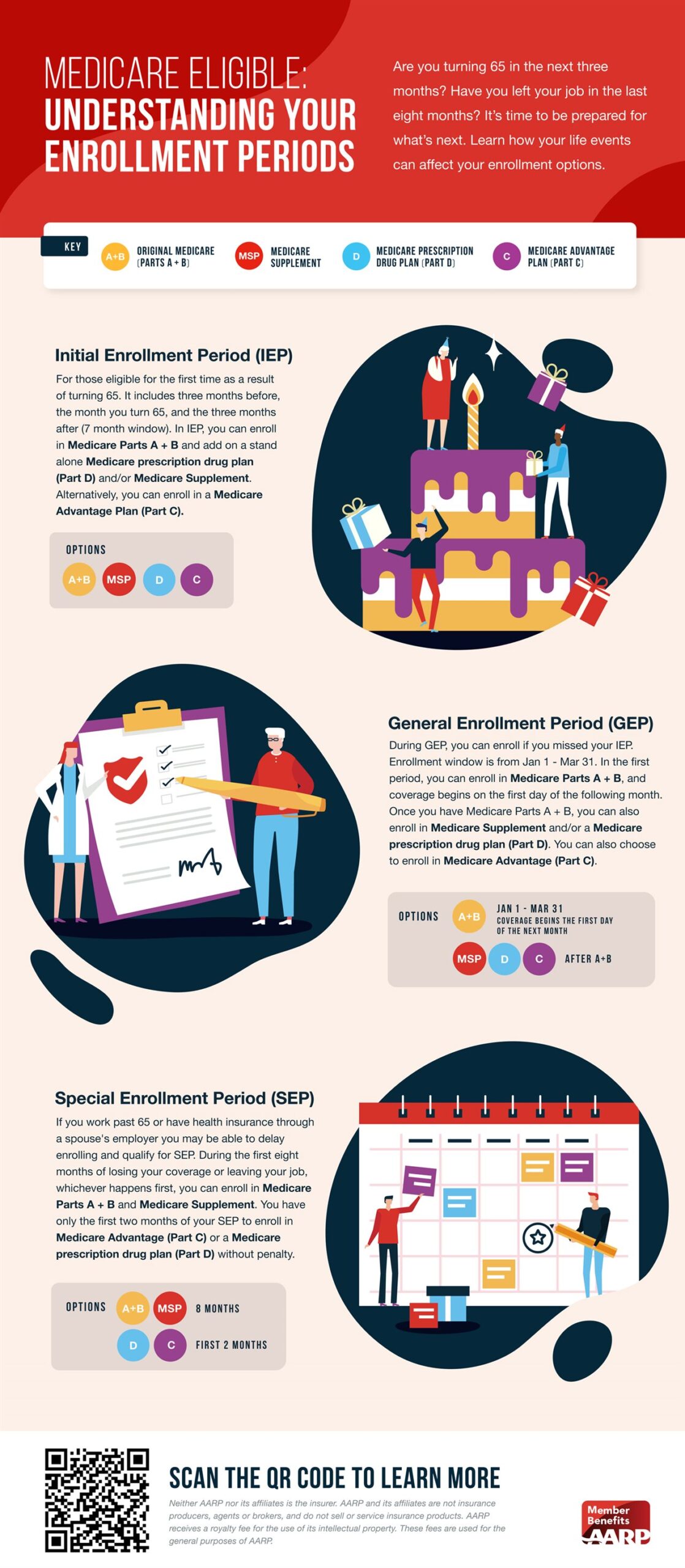
Medicare Eligible: Understanding Your Enrollment Periods

2023-08-21T07:01:00

(BPT) – Timing matters when you are considering your Medicare options. When you turn 65 or otherwise become eligible for Medicare, enrollment windows open. Some close quickly and you could face penalties if you wait too long to make a decision. After you’ve registered for the first time, there are a few periods when you can change your Medicare coverage. Learn more below.

Preparing for a healthy return to school

2023-08-18T07:01:00

(BPT) – As summer draws to a close and fall approaches, the rush of back-to-school preparations for kids begins. Parents may have questions about the upcoming cold and flu season and the best way to keep kids healthy in the classroom. The good news is that vaccinations are available now and are by far the most effective way to help protect children from respiratory diseases, like flu. Flu vaccines are recommended for everyone 6 months and older, and getting your child a flu vaccine can go a long way toward creating healthier classrooms and communities. In fall, a new COVID-19 vaccine will also be available to help protect your child.

It’s important to remember last fall and winter we saw a co-circulation of flu, COVID-19, RSV (respiratory syncytial virus), and other viral and bacterial respiratory diseases. Schools faced high absenteeism, and many kids were hospitalized. Although flu vaccines don’t always prevent flu illness, they reduce the wildest symptoms, decreasing missed school, work and other important activities.

Sadly, disappointing flu vaccination rates help feed the spread of illness. Flu vaccination among kids is down by about 5 percentage points since the COVID-19 pandemic. It’s important to reverse that trend to keep our kids and classrooms healthy this winter.

Fight influenza with a flu vaccine

A flu shot is recommended for everyone 6 months of age and older. Among the many benefits, flu shots reduce the risk of flu illness and hospitalization, but if you still get sick, a flu vaccine can reduce the wildest flu symptoms, making the illness milder and shorter. Flu can be very serious for children, and a flu shot has been shown to protect against flu and its potentially serious outcomes.

Most children will need only one dose of a flu shot every year. September and October are the ideal times to get a flu shot. However, if your child is seeing their doctor in August (for example, for a back-to-school visit), they can get vaccinated then if they might not return for a flu shot later in the fall. It’s better to get a flu shot early rather than miss getting vaccinated. Getting a flu shot later can still be beneficial even into January or later.

Some children may need two doses of a flu shot, including children 6 months through 8 years old who get a flu shot for the first time. The first dose should be given as soon as the vaccine is available. The second dose should be given at least four weeks after the first. The Centers for Disease Control and Prevention recently shared this recommendation as the best way to keep children safe this flu season.

Fostering a safe and healthy learning environment for our children

As parents, we know the start of a new school year can be stressful. The good news is we can confidently embrace the changing season, knowing that our children are up to date on their vaccinations. By ensuring our children have a flu shot, we reduce their risk of getting sick, being hospitalized or dying from flu. A flu shot can tame the worst flu symptoms and keep your child from missing school or childcare because of flu and prevent parents from missing work. Let’s fight flu together so kids can maximize their educational experience. Vaccination and preventive actions can help stop the spread of respiratory illnesses.

Irish Ancestry? Learn About a Genetic Rare Disease That May Impact You and Your Family

2023-08-17T17:11:00

(BPT) – In 1982, Rosaline’s Aunt Polly passed away at age 58 from a rare disease called hereditary ATTR (hATTR) amyloidosis after enduring years of debilitating and progressive symptoms. Learning the disease was inherited, Rosaline and her family started researching hATTR amyloidosis and eventually traced the disease back to her great-grandmother, Annie, who came from Carrigart, Donegal — a town in Northwest Ireland.

Less than a decade after her aunt passed away, Rosaline watched hATTR amyloidosis claim her father, Hugh, after he spent the last 22 months of his life in hospice care. Rosaline recalls the disease progression she witnessed in her aunt and father as “relentless and merciless” — the same words she used to describe the fear she and her siblings carried, wondering if they, too, would have the same fate.

hATTR amyloidosis: An Irish heritage connection

hATTR amyloidosis is caused by an inherited variant, or change, in the transthyretin (TTR) gene, which causes the TTR protein to take on an abnormal shape and misfold. This change in shape causes the protein to build up as amyloid deposits throughout parts of the body, including the nerves, heart and digestive system, causing symptoms of the disease. Inheriting the variant does not necessarily mean that someone will develop hATTR amyloidosis.

Symptoms of hATTR amyloidosis can occur in multiple parts of the body and vary from person to person — even among family members. Symptoms tend to worsen over time and may include numbness and tingling in the hands or feet, weakness, shortness of breath, diarrhea, dizziness and unintentional weight loss, although this is not a complete list of symptoms and people may experience other symptoms as well.

The condition is more prevalent among people of certain ethnicities. The T60A variant — one of more than 120 variants known to be associated with hATTR amyloidosis — is specifically linked to people of Irish descent and thought to originate from within a 15-mile stretch of coastline in Donegal. In Ireland, the disease is commonly referred to as “Donegal Amy” and has been identified around the world in areas of high Irish immigration, including the United States.

Rosaline’s story

In 2007, Rosaline decided to undergo genetic testing. She learned that she did, in fact, inherit the T60A variant associated with hATTR amyloidosis and was told it would be highly unlikely that she would ever see a treatment option in her lifetime.

“I was absolutely devastated, in a state of shock and despair. I just wanted to lie down and scream. I had been living with this condition hanging over my head since finding out it was hereditary, and now my worst nightmare had come true. It influenced my decision to not have a family of my own, since I was scared I might pass it down,” Rosaline said.

Several years later, as she was approaching the same age her father was when he first developed symptoms of hATTR amyloidosis, Rosaline decided to sell her house and quit her job to spend time traveling the world, certain that she would soon become debilitated by the disease. A few years into her travels, Rosaline was watching an English news program and saw that a treatment had been approved for hATTR amyloidosis. For the first time, Rosaline had hope.

When Rosaline eventually began to experience symptoms — the feeling of pins and needles in her arms, cold, heavy and numb hands, numbness in her feet — she met with her doctor to discuss a management plan. Today with treatment, Rosaline is able to manage her symptoms and now dedicates her time to advocating on behalf of others living with hATTR amyloidosis.

Discussing Your Family Health History

Because Rosaline knew hATTR amyloidosis ran in her family, she received a confirmed diagnosis early in her disease journey, unlike many who live in the dark for years before receiving a diagnosis. Rosaline’s biggest goal is to sound the alarm on hATTR amyloidosis and ensure that families who may be affected are aware. She stresses it is critical to discuss family health history with loved ones and recommends speaking to your doctor about any family records to help determine whether genetic testing may be right for you.

“We can’t be complacent about it. We don’t have time to slowly, incrementally increase awareness. It’s much more urgent than that. We need to be proactive. There are people out there who we know have this and are suffering in darkness,” Rosaline said.

In addition to inspiring action among those impacted by hATTR amyloidosis, Rosaline wants those with the disease or who may be suffering in silence to know they are not alone. To learn more, find information and support groups, as well as connect with others in the community, visit hATTRBridge.com.

A message from Alnylam Pharmaceuticals, Inc.

TTR-USA-00324

Six Steps to Plan a Stress-Free Vacation with AARP Member Benefits

2023-08-17T08:01:00

(BPT) – With summer winding down, many are soaking up their last days at the beach or lake before the weather cools. With rest and relaxation on their minds, some have already started planning vacations for next year. A wise decision — especially with ongoing passport delays and soaring prices for airline tickets affecting travelers. For AARP members who are looking to book a trip for next year, a wide range of benefits and discounts can help you plan an affordable and stress-free getaway to a new or favorite travel destination. Start planning your trip today with the AARP Travel Center Powered by Expedia and take advantage of exclusive deals on hotels, cars, cruises and more!

“When one trip comes to an end, many immediately start daydreaming about the next adventure — a trip to Miami beach, a cruise in the Caribbean or a ski trip to Aspen with friends. There are so many exciting (and relaxing) destinations to visit regardless of the time of year or destination, but it’s important to plan early and take advantage of all the travel discounts and benefits available to you so you can enjoy your hard-earned vacation,” said Sarah Greaves-Gabbadon, travel expert, JetSetSarah.com.

Here are six steps to plan a stress-free trip:

1) Renew Your Passport. If you’re planning an international trip and it has been a few years since you’ve left the country — it’s time to break out your passport and check the expiration. If your passport is expired, or your trip falls within six months of the expiration date, it’s time to renew your passport. Unfortunately, passport delays have plagued U.S. travelers over the past year. But there’s a solution — Rush My Passport provides expedited services for U.S. passports and global travel visas to help make the process for obtaining your vital travel documents easier. AARP members and their families can take advantage of exclusive passport renewal bundle pricing. Restrictions apply.

2) Choose Your Travel Destination. Early planning can ensure you’re choosing the right location for your trip — whether it’s a land or sea destination. Take into consideration factors like weather conditions such as extreme heat or hurricane season. If you’re hitting the slopes this winter, make sure you’re scheduling around a time that isn’t calling for heavy snowfall to avoid flight cancellations. If escaping the cold to spend a week or two in the sun is more your style, a cruise might be a good option. Holland America Line offers 500 sailings a year visiting all seven continents, including warmer destinations like the Caribbean and Mexico. AARP members can save up to $200 in onboard credit per stateroom, based on the length of the cruise and the stateroom chosen.

3) Get Road Ready. If your destination is within driving distance, make sure you take care of all the necessary car maintenance before hitting the road — including oil changes, checking tire pressure and filling up the gas tank. If you need roadside assistance during the trip, you can look to Allstate for help. AARP members can save up to 20% on annual membership fees for Allstate Roadside plans, including Roadside Assist and Roadside Elite. Upon enrollment, benefits include 24/7 towing, jump-starts, tire changes, lockout assistance, fuel delivery and more.

4) Book Your Flight. As airfare prices continue to rise, it’s important to book your tickets early if you need to fly to your vacation destination. Tip: track airfare and compare prices. Inventory can be limited, so if you have done the research on the average cost for flights to your destination, grab your ticket when you find the right price. You don’t want to risk losing your seat and being forced to change your plans. AARP members who book with British Airways can also save $65 off World Traveller (economy) and World Traveller Plus (premium economy) or $200 off Club World (business class) fares when they purchase round-trip transatlantic tickets online to over 130 destinations, including Europe, Asia, the Middle East and Africa. Restrictions apply. Online only.

5) Find Lodging. Once you’ve renewed your passport, chosen your travel destination and booked your flight, it’s time to find a comfortable, clean place to lay your head at night. Again, it’s important to compare prices and find lodging that fits your needs. Consider the following questions:

  1. Do you need a suite or double beds?
  2. Is free continental breakfast important, or would you prefer a resort café? Is a kitchenette desired?
  3. Do you need an airport transfer?
  4. What type of amenities are you looking for? A gym, pool or recreational activities?

With over 1,400 locations in the U.S. and Canada, Motel 6 offers AARP members 10% off the best available rate and late checkout until 2 p.m., when available.

6) Stay Connected. While preparing to be away from home, make sure you have a way to stay connected with friends and family — especially if you’re planning to have a house or pet sitter. In case of emergencies, it’s always a smart idea to have a plan in the event you need to get in touch with loved ones while traveling. With Consumer Cellular, AARP members can save 5% on monthly service and usage charges and 30% on accessories. Talk, text and data plans start at $20 per month per line. No contract is required. Includes free activation and an extended, 45-day risk-free guarantee.

The end of summer may seem too early to plan your 2024 trips, but it really is the best way to get ahead in plotting out logistics and securing the best prices. Whether you’re traveling by car, plane or cruise ship, don’t forget to optimize your next adventure by taking advantage of discounts and savings available to AARP members. You can learn more about your saving options by visiting aarp.org/save.

Heat pumps vs. air conditioners: Tips to select the best unit for your home

2023-08-17T09:01:00

(BPT) – When deciding on HVAC solutions, choosing between a heat pump or an air conditioner continues to be a hot debate for many homeowners. The truth of the matter is, both options can efficiently cool your home and provide comfort. The units look almost identical from the outside and work by extracting heat from the air inside of your home. Then, the units use refrigerant to transfer that heat outside on warm days, thereby cooling your home.

The choice between the two ultimately depends on factors homeowners need to weigh such as location, efficiency and sustainability. To make a well-informed decision, the following compares what homeowners should consider in order to select the best unit for a home’s needs.

Comfort year round: Unpacking the versatility of heat pumps

While heat pumps and air conditioners can cool a home effectively, only heat pumps can provide warmth during colder weather. Heat pumps can operate in reverse, efficiently extracting heat from the outside air, even in lower temperatures, and transfer it inside to create a warm and comfortable home. Advancements in heat pump technology have greatly improved heat pump operation and performance, even in very cold conditions, making them a great choice for colder areas that may not have been considered heat pump territories in the past. If one lives in an area that experiences cooler temperatures, a heat pump may be the better choice.

When considering a heat pump, it’s important to evaluate the following factors:

  • Geographic location: The outside temperature plays a significant role in the efficiency of a heat pump. If a potential user lives in an area with chilly temperatures, a heat pump can provide both cooling and heating, making it a suitable option. However, if a user lives in a place that experiences frigid temperatures, a dual-fuel option may be a better fit. Often overlooked, a dual-fuel system includes a heat pump and gas furnace. On days with extreme cold temperatures, the furnace will ensure that homes stay comfortable despite freezing weather conditions.
  • Size of home: A properly sized heat pump is crucial for optimal performance. A unit that is too small may struggle to adequately heat or cool a home, while an oversized unit can lead to energy wastage. Variable capacity heat pumps can modulate their capacity to match the load inside the home, allowing them to provide the proper amount of heat without the need to oversize the system.
  • Existing systems: Assess the home’s infrastructure, including ductwork, electrical wiring and any pre-existing temperature control solutions. This is essential to determine if a heat pump can be seamlessly integrated into a home’s current setup.
  • Budget: Heat pump installation costs can vary depending on the home and location. To evaluate the cost for a heat pump system, a homeowner should first assess their current system. If a homeowner’s current system is older, a new system with a higher energy-efficiency rating could reduce energy bills and help offset the cost of the new system. It’s also worth noting that if a home is located in an area where electrical rates are lower than gas prices, this may also offset the cost of installation by providing a total reduction in energy costs. Contact a professional who can run a whole-home evaluation to help figure out potential energy savings.

Cooling comfort explored: Unveiling the cooler side of air conditioners

Air conditioners also offer cooling capabilities, making them another option for those residing in warmer climates who solely require a reliable cooling solution for their homes year-round. With a focus on efficient cooling, air conditioners excel at providing a refreshing and comfortable indoor environment (even more so when using inverter technology). In situations where both cooling and heating are necessary, and if a homeowner already has an AC unit installed, an additional heat source, such as a furnace, is required.

Consider the following factors when opting for an air conditioner:

  • Geographic location: If the home is located in an area that experiences predominantly warm temperatures, an air conditioner can successfully cool the home year-round.
  • Size of home: Similar to heat pumps, selecting the proper sized air conditioner is crucial for efficient cooling. An appropriately sized unit will maintain a comfortable indoor environment without wasting energy. If the unit is undersized, it will never reach the desired temperature. Whereas if it is oversized, it will reach the temperature too quick and cycle off, allowing the space to heat back up quickly leading to temperature spikes and in humid climates it will not run long enough to remove humidity from the home.
  • Existing systems: Assess the home’s infrastructure to ensure compatibility with an air conditioning system. Proper ductwork and electrical wiring are essential for seamless installation.
  • Budget: Air conditioners generally have a lower upfront cost compared to heat pumps. However, it’s important to consider the long-term energy consumption and operating costs required to operate an air conditioner.

Other factors to consider when selecting an effective home unit are Air Conditioning, Heating & Refrigeration Institute (AHRI) approved match and home energy incentives. By selecting an air conditioner or heat pump that is an AHRI approved match, it will ensure the units run at optimal efficiency. Additionally, matched systems may qualify for rebates and incentives that can effectively reduce the overall cost, making them more budget friendly.

Many government organizations and utility companies offer incentives to encourage homeowners to choose energy-efficient solutions. These offers can come in the form of tax credits, rebates or other financial incentives. Both heat pumps and select air conditioners align with the growing trend toward electrification. By utilizing electricity as the main power source, these units reduce dependence on fossil fuels and contribute to a more sustainable future.

Consulting an HVAC expert will ensure a thorough evaluation of specific needs and help homeowners determine the most suitable unit. Rheem®, an innovator in manufacturing HVAC equipment, offers Rheem Pro Partners. Pro Partners are well-equipped resources to provide professional advice and assistance to homeowners throughout the process, ensuring customers find the perfect solution for home comfort needs. Find an independent Pro Partner in local neighborhoods to learn more about heat pumps and air conditioners or for help with installation.

5 ways to support active duty and retired Sailors, Marines and their families

2023-08-16T00:01:00

(BPT) – Military families are incredibly resilient. They face unique challenges compared to their civilian counterparts. Between frequent relocations to deployments and other disruptions to their routines, life can be difficult for the 2.6 million military family members across the globe.

Navy-Marine Corps Relief Society (NMCRS) knows how important it is to provide assistance for Sailors and Marines during their time of need, and that stable and happy military family members are good for national security. To support these Sea Service members, NMCRS offers free, confidential services to active duty and retired Sailors, Marines and their loved ones to get them through difficult times so they can focus on what truly matters.

In 2022 alone, over 179,000 clients received assistance through NMCRS programs and services. Read on to learn about five ways the Society invests in and supports the well-being of Sea Service families.

1. Financial assistance

With inflation on the rise, so many within the military are attempting to make the best of their financial situation. So, when unexpected car repairs or bills come up, it can be stressful for military families. That’s why NMCRS provides interest-free loans and grants along with financial education to help Sailors, Marines and their families during their time of need.

Just last year, the Society provided $45.9 million in financial assistance to Sea Service members. In one case, a Marine needed $3,700 for a transmission repair. Instead of financing the repairs with a personal loan from the bank at 17% interest, they were able to access an interest-free loan at NMCRS. This is just one way NMCRS provides judgment-free help when military families face financial challenges.

2. Educational assistance

Many service members, spouses and children desire an undergraduate and/or graduate education. To help military families achieve their academic dreams, the NMCRS Education Assistance Program offers grants and interest-free loans to children of active duty, retired and qualifying deceased Sailors and Marines, as well as active duty and retired spouses.

Last year, the Society provided more than 300 grants and interest-free loans for undergraduate and graduate studies of children of active duty, retired or qualifying deceased Sailors and Marines. Scholarships range from $500-$3,000, and loans are available up to $4,000.

3. Visiting nurse program

Between relocation and deployments, it can be difficult for military families to keep up with their health. Thanks to the Society’s Visiting Nurse Program, many military members and their families can access health education and resource referrals no matter where they’re stationed.

NMCRS’ registered nurses provide health education for all stages of life via home and virtual visits. This includes prenatal, newborn, pediatric and adult health concerns. Nurses also assist in helping clients understand and achieve their health and well-being goals and field general health and wellness questions.

4. Welcoming a new addition to the family

Expecting a baby is an exciting time for a family. There’s so much to prepare for, including planning for the financial impact of a baby. The NMCRS Budget for Baby® program offers in-person and virtual financial education workshops to expectant parents.

These workshops help expectant parents develop a basic financial plan, learn how to save money, find local resources and meet other expectant Navy and Marine Corps parents. As a bonus, participants receive a handcrafted blanket and gift card.

5. Emergency travel

When a family member is seriously ill or has passed away, military families may struggle to arrange travel or find the funds to do so. NMCRS is there to assist during these challenging times. The Society helps with expedited travel arrangements and financial assistance so Sailors, Marines and their families can focus on what matters.

These are just a few of the ways NMCRS supports active duty and retired Navy and Marine Corps families in the U.S. and abroad. To learn more about NMCRS programs, visit NMCRS.org and download a free resource guide.