
Are you an adult with asthma? Understand your risk for pneumococcal pneumonia

2023-04-23T06:01:00

(BPT) – May is National Asthma and Allergy Awareness Month — aimed at raising awareness around asthma and helping improve the lives of those living with this condition.

Did you know that if you are an adult 19 or older with asthma, you are at increased risk for pneumococcal pneumonia? Pneumococcal pneumonia is a potentially serious bacterial lung disease that can disrupt your life for weeks and, in severe cases, put you in the hospital and even be life-threatening.

To reduce the burden of this disease, the American Lung Association and Pfizer are partnering to share important information about pneumococcal pneumonia vaccination.

“Understanding pneumococcal pneumonia risk is especially important for adults 19 or older with certain underlying medical conditions, like asthma, because they are at increased risk,” said Albert Rizzo, M.D., Chief Medical Officer for the American Lung Association. “Fortunately, pneumococcal pneumonia vaccination is available year-round to help prevent it.”

Adults 19 or older with other underlying medical conditions like diabetes, chronic heart disease, and COPD, as well as all adults 65 or older, are also at increased risk for pneumococcal pneumonia — and getting vaccinated is one of the ways to help prevent it.

For the 25 million Americans living with asthma, May brings awareness to the peak season for common triggers including pollen, grass, pollution, and other airborne irritants. However, there are ways to take care of your lung health if you have asthma. Here are some tips you can follow this spring to keep your lung health in check:

  • Keep windows closed to prevent airborne triggers from getting inside your home.
  • Use central air conditioning to stay cool.
  • Take a shower and shampoo your hair before bed.
  • Change and wash your clothes after being outdoors.
  • Follow your asthma action plan.
  • And get vaccinated against pneumococcal pneumonia if you are 19 or older.

You can get vaccinated against pneumococcal pneumonia any time of year and, even if you’ve already had a previous pneumococcal pneumonia vaccine, your healthcare provider may recommend additional vaccination to help prevent the disease.

This May, help protect your lung health for National Asthma and Allergy Awareness Month. Don’t wait to ask your doctor or pharmacist about pneumococcal pneumonia vaccination and visit knowpneumonia.com to learn more.

Brought to you by Pfizer and the American Lung Association.
Expert shares how to create healthy habits, break unhealthy ones and create positive change

2023-04-21T18:51:35

(BPT) – It’s an experience shared by many: You make an ambitious health goal and a few months — or weeks — later, you lose steam and throw in the towel. Break the cycle by focusing on simple, yet effective ways you can impact your wellness long term. The key? Small daily habits.

Nicholas Frye, MS, LCPC, CHES, behavioral counseling manager at OPTAVIA and an expert on psychological factors that influence health, shares how you can create lasting healthy habits, break those unhealthy ones and create positive changes to your wellbeing:

Forming new habits

Habits are a fundamental part of the health and wellbeing program, OPTAVIA. Its approach is built around four key components: a supportive community, an independent coach, a blueprint for learning and mastering healthy habits, and easy nutrition.

“Forming a new, healthy habit involves repeating a health-promoting behavior in response to some trigger that’s already a part of your day, such as a specific location like the kitchen, certain situation like making your morning coffee or particular person like your significant other, until there is a learned connection between trigger and behavior,” said Frye.

As an example, to develop a new, healthy walking habit, first select a specific health-promoting behavior such as “go for a 10-minute walk.” Then identify a stable cue which occurs daily in your life such as “after breakfast.” Then repeatedly perform the walking behavior in response to the after-breakfast cue which will, over time, result in an automatic habit.

It takes 66 days — on average — to develop a new habit, according to a 2009 study published in the European Journal of Social Psychology. However, the exact timeframe is different for everyone. As the behavior is repeated in response to the cue, the association between them becomes stronger, more efficient and automatic until the cue alone is enough to trigger the associated behavior without conscious thought.

Breaking old habits

Forming new, healthy habits through behavior and cue association is one part of a long-term approach to wellness, but how do you break an established, negative health habit?

“Breaking an old, unhealthy habit involves overwriting the old habit with a new, competing behavior,” Frye said. “Basically, you substitute the unhealthy habit with a healthy new one.”

For example, to break a habit of drinking sugary sodas while watching television, replace the soft drink with sparkling water every time you sit down to binge your favorite show. Eventually, you’ll associate watching TV with this new, healthier behavior.

Microhabits

Frye recommends instead of committing to a big, audacious goal, try incorporating small daily habits. This allows you one step closer to optimal health and wellbeing every day. These small behaviors are called microhabits and they can compound to have big results.

Some microhabit examples are parking at the back of a parking lot to get your steps in or taking a sip of water as soon as you wake up rather than hitting the snooze button.

“By developing these habits, one small step at a time, we can overcome the intention-behavior gap — in other words, when what you do doesn’t live up to your previous intentions — and it is all the less daunting,” said Frye. “This sets one up for success as opposed to overly ambitious goals that don’t guide you from point A to point B.”

Learn more at OPTAVIA.com.

5 sustainable style swaps for your little ones

2023-04-21T10:31:00

(BPT) – This Earth Month we’re sharing a few sustainable swaps for your little ones that don’t feel like sacrifices — more like earth-friendly upgrades.

SEASONLESS ORGANIC GAUZE

Crafted in the purest organic fabrics certified by the Global Organic Textile Standard, Little Planet’s signature gauze pieces are a return to simplicity. Lightweight, but ready to layer, each gender-neutral gauze overall, bubble and sun set can be worn all year round for a timeless, Insta-worthy style that spans seasons — and little ones. Earth-friendly tip: save your gauze from extra drying cycles. (It actually wrinkles when it’s overdried!)

NATURE-INSPIRED PRINTS

Skip the character tees for a moment and inspire a love of nature in your little ones. The Little Planet team strives to showcase not only the most beautiful creatures on our planet, but also some of the most endangered, teaching little ones that these animals are in need of our love, too. Peek at some of their signature print organic bodysuits and tees.

BABY & TODDLER RECYCLED SWIMWEAR

Let’s talk swim! Made of UPF 50+ recycled poly, Little Planet swimsuits are made to give new life to plastics. In signature prints, nature-inspired colors, and stylish and smart silhouettes, prepping for family beach trips has never been so satisfying. Don’t miss these shortie swim trunks with matching rash guards for him and one-piece swimsuits for her.

BEDTIMES GO ORGANIC

Before we let you in on bedtime go-tos, here’s another earth-friendly reminder: you don’t have to wash pjs every night. Here’s your pass to save energy and water and skip the spin cycle between each wear. These sibling matching PJs, crib sheets and wearable blankets are all GOTS certified organic cotton so they’re kind to your little ones and gentle on the planet, too.

RECYCLED SHOES & ACCESSORIES

Made to give a smaller footprint, Little Planet shoes are all made from recycled materials. Choose from adventure sandals or sneakers that go with everything.

With certified sustainable fabrics, recycled packaging and more thoughtful processes, these simple swaps are planting the seed this Earth Day toward a more environmentally conscious future.

Navigating the challenges of head and neck cancer provides fresh perspective on life

2023-04-20T06:01:00

(BPT) – As a successful global software services consultant, Ashwin was career-driven and passionate about his job. Those feelings were derailed when, at age 45, he was diagnosed with head and neck cancer and experienced a grueling path through treatment and recovery. Knowing that he is made of more than his head and neck cancer, Ashwin did not let the disease define him. While he still loves his work today, Ashwin has a new appreciation for family, travel and the simple things in life.

Ashwin’s journey started in 2015 when he noticed a sore on his tongue that wasn’t healing properly. He visited an oral surgeon who biopsied the lesion, and was told it was nothing to be concerned about. But four years later, it still hadn’t healed. This bothered his wife, Becky, who works as a registered dental assistant and is particularly attuned to oral health.

She urged him to visit a different oral surgeon for a second opinion, and this time the prognosis was very different: cancer.

Navigating challenges associated with head and neck cancer

Ashwin and Becky visited three different oral surgeons while exploring what to do next, and were surprised to find that each had a different outlook and suggested approach to treatment. Ultimately, they went with Dr. Mark Urken, a surgeon and otolaryngologist at Mount Sinai Medical Center, who provided a positive prognosis and least invasive plan to reconstruct part of Ashwin’s jaw and tongue.

Working with Dr. Urken instilled hope in both Ashwin and Becky, but the road to Ashwin’s recovery was far more challenging than they had anticipated.

Post-op, Ashwin experienced swelling on his neck and face, affecting his ability to speak. Becky stayed by Ashwin’s side during the eight days he was in the intensive care unit and learned how to communicate with him in alternative ways.

“After surgery for many types of head and neck cancer, it’s common to experience a variety of side effects that may compromise a person’s ability to communicate,” said Dr. Urken. “Even after recovery, activities that may have been previously simple can become increasingly difficult, such as sharing meals with others or talking with friends. While each individual with head and neck cancer encounters unique challenges, they do not need to face them alone.”

Today, Ashwin and Becky are aiming to help other people impacted by head and neck cancer feel less isolated through Made of More, a new educational awareness campaign created in partnership with Head and Neck Cancer Alliance (HNCA), Support for People with Oral and Head and Neck Cancer (SPOHNC), Thyroid, Head And Neck Cancer (THANC) Foundation, CancerCare and Eisai Inc. Made of More is designed to help individuals impacted by head and neck cancer band together as one community and show they are made of more than just their disease.

Resources and support are available

Head and neck cancer is made up of a diverse and rare group of cancers located in different areas of the head and neck, which may include the mouth, lips, tongue, nasal cavity, larynx (voice box), throat, sinuses and lymph nodes, among others. This cancer accounts for nearly 4% of all cancers in the United States, and an estimated 66,920 new cases are expected to be diagnosed in 2023.

People living with head and neck cancer may feel isolated due to the unique set of challenges often caused by their treatment. Made of More strives to foster connection, education and support by featuring powerful stories of people affected by head and neck cancer, information on the disease and resources for the broader patient and caregiver community. Learn more at MadeofMore.com.

“Living with the emotional impact of head and neck cancer and the effects of its treatment can be particularly difficult, but patients and their loved ones should know that they’re not in this alone,” said Erika Rauscher, Executive Director of the THANC Foundation. “There’s an entire community of survivors, caregivers and health care providers ready and willing to provide support.”

Ashwin’s life today

Today, Ashwin’s jaw and face are healed, and following intensive speech therapy, he’s able to speak and communicate comfortably again. He and Becky are spending as much time as possible traveling with their two kids. They love European road trips, researching destinations and enjoying the historical aspects unique to places abroad. They fully embrace the moments they can share together.

Ashwin urges others going through head and neck cancer to try to gain perspective and keep a positive mindset: “You’re not alone. Trust everything will be alright and trust your doctors.” Reflecting on the experience, he said: “Don’t wait for things to happen. Life is too short and things come at you at great speed, so take every opportunity you have to live your life at the fullest and do what you love to do.”

3 tips for hosting a balanced and delicious spring brunch

2023-04-19T23:01:00

(BPT) – Spring has sprung, and what better way to celebrate than with a delicious brunch? A perfectly crafted brunch is the best way to mark any occasion like Mother’s Day, a bridal shower, a baby shower or for an excuse to spend quality time with friends and family. Set the date and start planning the menu with these delicious recipes.

1. Prep a pretty punch

A fancy, aesthetically pleasing beverage is a must at every brunch. Mimosas and Bloody Marys may be the quintessential brunch drinks, but there are alternative options that can quench your thirst without the sugar. Offer a visually appealing, unique libation like a low-carb rum punch.

Atkins Low Carb Blueberry Ginger Rum Punch recipe is a delightful and refreshing drink that guests can sip and savor upon arrival. This rum punch is a low sugar cocktail, made with fresh ingredients, easy to prep ahead of your guests’ arrival, and is sure to make a lasting impression. As an alternative for those looking for a nonalcoholic option, remove the rum to create a tasty mocktail.

2. Small bites with a big taste

Appetizers and small bites that can be prepped, served cold and hold well make hosting brunch a breeze. This cuts down on prep work needed the morning of and ensures guests will be met with food upon arrival.

Popular go-to options include fruit, vegetables, cheese, crackers, chips and dips. In addition to these snacks, elevate your brunch table with mini sandwiches, pasta or a light salad. These items can be prepped ahead of time or can be pulled together quickly in a pinch!

3. Dazzle with dessert

Brunch isn’t complete without a mouthwatering dessert. Serve slices of chocolate cake, berry scones or a fruit tart to cap off the get-together.

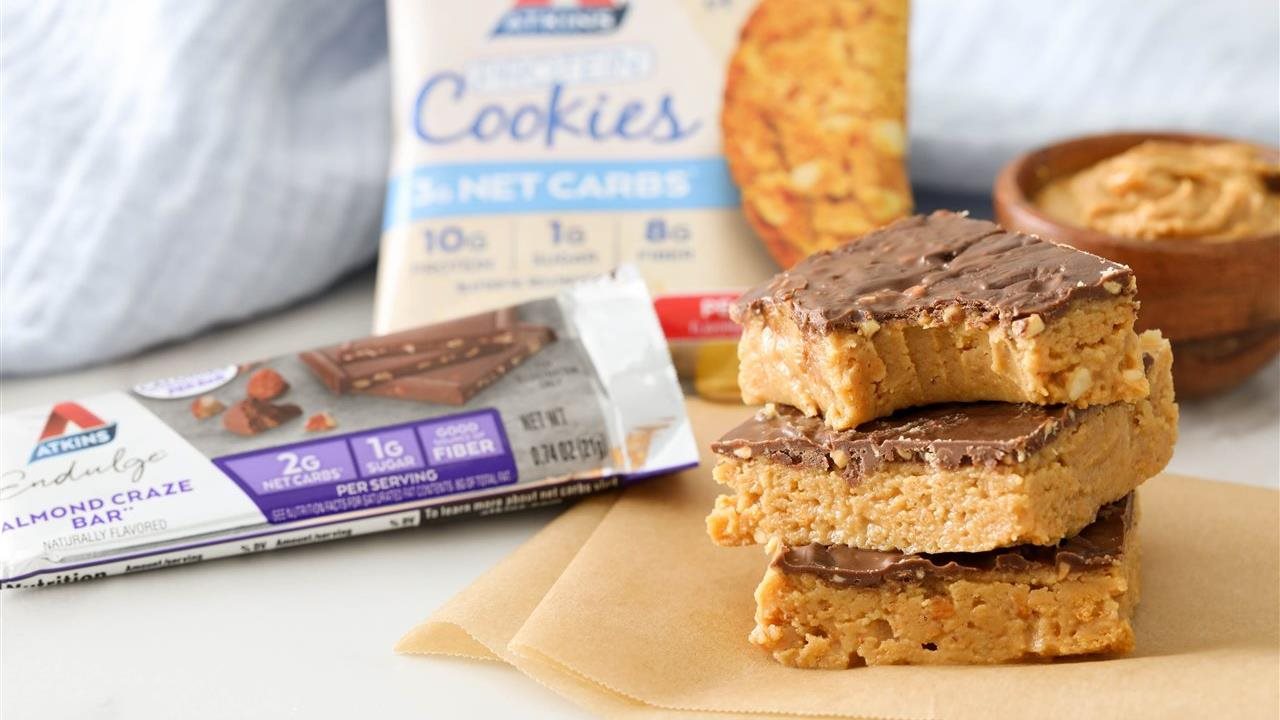
For a no-bake option, try making Low Carb Peanut Butter Chocolate Bars, an easy and delicious recipe that will fit perfectly on any dessert table. This treat is made with the new Atkins Endulge Almond Craze Bar — a sweet and crispy, keto-friendly bar — and a tried-and-true Atkins Peanut Butter Protein Cookie.

Hosting pro tip: Have to-go containers on hand to send your guests home with leftovers. Not only does it give your guests something they can enjoy after brunch is over, it simplifies cleanup!

Using these three tips, you’ll pull off a fantastic brunch for any occasion that will have guests asking when you’ll get together next! To find more brunch recipes to try this spring, visit Atkins.com.

Buying without a home inspection can be a mistake

2023-04-19T11:01:00

(BPT) – When many buyers purchased homes during the height of the pandemic homebuying frenzy, they may have skipped adding a home inspection in an effort to win bidding wars. While this may have worked out for some, others were hit with hidden problems and expenses that would have been discovered through a proper home inspection. A thorough inspection can reveal hidden issues with a property, allowing you to make an informed decision about whether to proceed with the purchase or negotiate repairs.

“A home inspection is one of the most important steps in the home buying process,” said Adam Bakonis, Mercury Insurance product manager for homeowners. “It helps protect the buyer from purchasing a home with undisclosed problems and then being saddled with costly repairs.”

Licensed home inspectors can help identify potential problems. For example, a home inspector may be able to identify whether a roof requires repair or replacement. They may also find evidence of structural damage from water leaks or rain water drainage issues or evidence of land movement that could indicate a property’s foundation lacks stability.

“I’ve inspected and repaired thousands of buildings that had damages due to earthquakes, landslides, poor engineering designs, and collapse issues from construction defects,” said Kyle Tourje, Structural Assessor for Alpha Structural. “The most obvious signs of structural or foundation damage is visible cracking in walls, ceilings or floors. Any sort of gaps or cracks on the outside of the house that catches the eye should also be noted. If someone who isn’t a trained expert can spot an uneven floor or substantial sloping, that’s a bad sign.”

Researching and creating a home inspection checklist before contacting an inspector will give you a general idea of what to look for. It can help identify significant issues and areas of concern in the house, which you can then discuss with the assessor. This can prepare you for any surprises that may arise and make you more informed about the condition of the home you are considering.

  • Inspect the roof: Find out how old the roof is and ask questions about any damage or discoloration you see from ground level. Check to see if any nearby trees make contact with the roof as branches can cause damage to roofing tiles and falling leaves can easily clog gutters or impede the natural flow of water down the roof.
  • Look for water damage: Water can rot wood, damage foundations and cause mold to grow. Look to see if anything would cause rainwater to flow onto or under the house. Rain gutters should be clean and direct water away from the property. Water stains on ceilings, walls or floors could indicate a roof or pipe leak. Check for leaks or water stains inside sink cabinets and make sure they drain properly. Bubbling paint on a window frame could be evidence of water intrusion and a poor seal.
  • Foundation: Problems with the foundation could prove costly. Watch out for big cracks in the ground, raised foundation or large cracks along the wall. Pay attention to any trees growing close to the house since roots underground can cause damage that you can’t easily see.
  • Smart technology: Confirm that any smart home devices left behind by the previous owner including thermostats, security measures and voice-activated systems can be easily cleared and reset for your needs.
  • Note the age of the home: Older houses can be charming, but you might need to upgrade certain features. Original plumbing may need replacement and older windows may not be energy efficient. Wiring that has not been modernized could pose a fire hazard and may not be able to accommodate the multiple appliances and systems used in many homes today.

Tips for home inspection day

Bakonis offers some tips to get the most out of your home inspection:

  • Be there. You don’t have to go to the inspection, but it is highly advised that you do so you can see any potential problems for yourself.
  • Be prepared. Bring an inspection checklist and jot down questions to ask the inspector.
  • Check for disclosures. Review any seller disclosures you received before inspection day. Be sure to ask your inspector to look at those areas and verify repairs.
  • Let the inspector work. While you may have concerns, avoid unnecessary interruptions during the inspection process.
  • Make sure there’s time to ask questions. Set aside some time with your assessor after their initial inspection to go over any questions you may have.

The home inspection process is a crucial step for both buyers and sellers. It provides buyers with peace of mind, knowing that their investment is sound and free of any major issues. For sellers, it can help prevent a deal falling through by being proactive and identifying problems that may require repair.

3 Ways to Boost Your Immune System and Keep Allergies at Bay During Travel

2023-04-19T09:01:00

(BPT) – Have you gone on a trip and gotten sick during or after traveling? Not only does it take away from your enjoyment during your travels, but it can make it difficult to get back into your routine when you go home.

When traveling, especially in close quarters with others, like on a train or airplane, other travelers expose you to viruses and bacteria. Also, if you have seasonal allergies, you’ll be exposed to more allergens, especially if you’re traveling to new locations during spring. When you combine these two immune disruptors, travel and allergies, you’re looking at a recipe for a miserable time.

However, there are things you can do to boost your immune system and manage your allergies during travel. Here are three tips you can employ during your next trip to stay healthy and enjoy your vacation.

1. Stay hydrated

You’ve heard it a million times, but it’s true. Drinking enough water is critical to maintaining your immune system. According to the University of California, Irvine, Integrative Health Institute, staying hydrated helps your body transport nutrients to your organs, detoxify pathways, increase lymphatic drainage and clear out foreign substances and waste, all of which support a healthy immune system.

Staying hydrated is especially important during air travel. Have you ever noticed how thirsty you are during a flight? That’s because airplane cabins are typically kept at low humidity, leading to quicker dehydration. You also may notice that your nasal passages dry out, which can worsen allergies after a flight.

Make sure to carry a water bottle with you on your flight (although you’ll want to fill it after you go through TSA) and carry a saline spray to moisturize your sinuses. Your immune system and sinuses will thank you for it, and you’ll have a more enjoyable trip.

2. Support your gut health

Did you know your gut is home to more than 70% of your body’s immune cells? By supporting your gut health, through nutritious foods and dietary supplements, you’re nourishing your immune health. While supporting immunity is important year-round, as spring begins your immune health can be put to the test with allergies and travel. “One way to support your immune health is through postbiotics. You’ve probably heard about the health benefits of probiotics and prebiotics, but you may not have heard about the newest biotic on the market — postbiotics,” said Keri Gans, registered dietitian nutritionist and author of The Small Change Diet. “Postbiotics are inanimate yet effective. While each postbiotic is unique there are options available today that have been clinically studied and shown to support immune health.”

Boosting your immune system doesn’t have to be hard! A convenient option that tastes great can be found in products like Wedderspoon Manuka Honey Lozenges.

These lozenges deliver a powerful and fast-acting immune boost that is backed by science, using the beneficial nature of genuine New Zealand Manuka Honey to soothe and coat the throat and clinically proven EpiCor postbiotic to boost the immune system. Keep a bag in your carry-on to keep you happy and healthy during your travels and another at the ready for any time you need a boost of immunity. Learn more and stock up by visiting Wedderspoon.com.

3. Stress less

Stress isn’t just a drain on your mental health. It can also have very real physical effects. According to the University of Maryland Medical System, stress reduces the number of lymphocytes — white blood cells responsible for fighting off foreign viruses and bacteria. In other words, stress weakens your immune system, making it harder for your body to resist the common cold and other sicknesses and infections.

Also, stress can worsen your allergies because it increases the release of histamines, which trigger allergy symptoms. This does not mean that stress causes allergies. However, an increase in histamines in the bloodstream can make existing allergies much worse. Also, according to The American Institute of Stress, studies show that stress increases inflammation, which can also make allergy symptoms worse, especially when it comes to inflamed sinuses.

A few ways you can combat stress every day and during travel include:

  • Meditating
  • Relaxing exercises like yoga
  • Getting plenty of sleep
  • Listening to soothing music
  • Eating a healthy diet

While it’s impossible to remove all stressors from your life, you can employ these and other strategies to manage your stress at work, home or abroad. And remember, you are on vacation!

Poking holes in plastics recycling myths: 5 facts you need to know on Earth Day

2023-04-18T16:31:00

(BPT) – This Earth Day is the perfect time to review your recycling habits. With so many myths and misconceptions around recycling, odds are you could be doing better for yourself and the environment.

Today in the U.S., just under 30% of single-use plastic bottles and jugs are recycled, according to the Environmental Protection Agency. While this number is low, it doesn’t mean that these items can’t be recycled. The fact is that many people simply aren’t placing these items in the recycling bin. Rigid plastic containers including water bottles, milk jugs, detergent jugs and yogurt cups all are widely accepted for recycling.

“With so many misconceptions surrounding recycling, it can be hard for consumers to know what is fact and what is fiction,” said Jeremy Walters, sustainability ambassador at Republic Services, a leader in the environmental services industry. “This Earth Day, we want to clear those up.”

To mark Earth Day, the company shared the following five myths about plastic recycling to help consumers change their habits and become better recyclers.

Myth 1: Plastic doesn’t really get recycled

Fact: Plastic bottles, jugs, containers and tubs are widely accepted for recycling in communities nationwide. Also, the demand for recycled plastic is growing. Many consumer brands have pledged to use more recycled content in their packaging, so it’s important that consumers put in the effort to make sure their bottles, jugs and other rigid plastic containers make it into their recycling bin.

Myth 2: Anything plastic can go in your recycling bin

Fact: Not all plastic is created equal, so it’s important to know what to throw where. Generally, rigid plastics such as plastic bottles with necks or handles or containers and tubs are recyclable in your curbside container. Just empty them out, give them a quick rinse, let them dry and throw them in the recycling bin. If your recyclables are not empty, clean and dry before placing them in the recycling bin, residual food or liquid could ruin other more fragile recyclables.

Myth 3: Plastic grocery bags can be recycled curbside

Fact: Flexible plastics, such as plastic bags, require special handling to be recycled and cannot be placed in your curbside bin. They can wrap and tangle around sorting equipment at recycling facilities, which can cause major delays and/or damage to equipment. Instead, you should return them to the collection bins at your grocery or big-box store. Better yet, forgo the plastic bag and bring your own reusable bag to the store.

Myth 4: You should bag your recyclables

Fact: You should never bag recyclables. Materials must stay loose so they can be sorted and separated at the recycling center. Remember, plastic bags need special handling to be recycled, and they can wrap around and jam equipment at recycling facilities. While paper bags are recyclable, bagging recyclables in any material bag can disrupt the sorting process. Place items loosely in your recycling bin so your local recycling facility can sort them properly.

Myth 5: Anything with a recycling symbol is recyclable

Fact: The “chasing arrows” symbol doesn’t mean an item is recyclable. The symbol generally identifies the type of plastic or, in some cases, indicates that an item contains recycled content. To ensure you’re recycling correctly, check your local recycling provider’s guidelines on recycling plastic.

While we can’t change the state of recycling overnight, every little bit helps. “Recycling helps preserve natural resources, reduces emissions and contributes to a more sustainable world,” said Walters. “By recycling, you can reduce your environmental impact and help to keep valuable materials in the circular economy for the long-term. This is sustainability in action.”

Small changes can lead to a big impact. Keep these myths in mind this Earth Day and beyond so you can recycle properly and live a more sustainable life. For more recycling tips, visit RecyclingSimplified.com and check out the Polymer Center for more information on plastic circularity.

5 ways that technology can help you stay ahead of cybercriminals

2023-04-18T10:01:00

(BPT) – When Hari Ravichandran’s identity was stolen, he was disappointed by the lack of an option for simple, all-in-one, proactive personal protection. A system like that could have saved him the turmoil of dealing with the complications and fallout of identity theft. This inspired him to create an intelligent safety system that proactively protects users instead of reactively addressing safety issues, unlike other online safety tools.

Based on his experience as the founder and CEO of Aura, a leader in consumer online safety, Ravichandran wrote “Intelligent Safety: How to Protect Your Family from Big Cybercrime.” This forthcoming book covers the brass tacks of cybercrime and how intelligent safety systems can help keep you and your family safe on the web.

The backbone of intelligent safety — and what makes it different from other online safety approaches — is artificial intelligence (AI). Think of AI as a guardian that shields you online and off and proactively protects you as an individual.

While the human eye can spot many things, digital solutions can be more accurate at identifying meaningful patterns and monitoring and detecting malware even as it changes. An intelligent safety system backed by machine learning allows the system to adapt to the ever-changing nature of these threats and to the user’s individual risk level.

Below are four examples of how intelligent safety systems can excel at stopping cybercriminals in their tracks.

1. Automatic password change

Password managers have become very popular, especially in the era of data breaches. Instead of worrying about making a strong, unique password for every site you visit and remembering them, a password manager can generate and store login information for you.

Password managers are even more effective when used with other digital safety features. If, for example, your user information has been breached, the intelligent safety system’s AI can review the password linked to that account to assess the risk and use the password manager to find other accounts that might use similar passwords. It can then automatically update them on the at-risk site and within the user’s password manager for future use.

2. Smart network

AI has the ability to provide a smart network that uses massive data sets to identify patterns and anomalies in website traffic. For example, most scams occur on websites created and abandoned within 48 hours. That means that a key indicator of whether a website is safe is the date the website was published.

Checking the data on every website you visit is impossible. However, an intelligent safety platform can automatically look at specific features to see when the account was registered and developed. If it sees the site was created 12 hours earlier and is now asking for your credit card information, it can block your access to the site to prevent you from walking into a trap.

3. Scam call assistant

Robocalls and spam texts are pretty high on people’s list of annoyances. That’s why many companies have created spam call assistants to filter spam phone calls and block the number. However, artificial intelligence can take spam call protection a step further.

If you receive a call from a number that isn’t in your contacts, a spam call assistant can answer those calls for you and engage with the caller automatically. The AI system can recognize speech and analyze the natural language to determine if it’s a scam. If it’s a bot or a criminal using a known scam script that call will be sent to voicemail and marked as spam.

4. Parental controls

Keeping your kids safe online is daunting, but intelligent safety can help. Harnessing the power of AI, an intelligent safety system can be designed to look for curse words or inappropriate content. It can then compile that data and perform content filtering. If a site is known for malicious content, the algorithm can weed that out, too.

Intelligent safety systems can also help protect kids from cyberbullying. According to the Anti-Defamation League, three out of five young people ages 13-17 — representing nearly 14 million young gamers — experienced harassment in online multiplayer games. Kidas’ machine learning-based software — included now for all Aura family plan subscribers — uses artificial intelligence to analyze voice and text conversations in 220 popular children’s games and automatically detects toxic situations, including sexual harassment, cyberbullying, grooming and racism. Parents receive same-day immediate threat alerts and weekly updates detailing their child’s game time.

Intelligent safety in action

Prevention, detection and response are the three levels of digital safety, all of which need to be strong. Then if something slips through at one level the threat can be eliminated before it reaches the next. An intelligent safety system like Aura can empower customers to proactively protect themselves from cybercrime.

To learn more about Aura’s all-in-one digital protection, visit Aura.com. If you’re interested in reading Ravichandran’s book to get ahead on your family’s digital safety, visit IntelligentSafetyBook.com.

New survey shows many love their pets more than people

2023-04-17T23:01:00

(BPT) – If you’re like many pet parents, your pet means the world to you and is an important part of your family. And you’re not alone. A new survey found that nearly one in six respondents tell their pet they love them more often than they tell their partner. This Pet Parent Pulse Survey, commissioned by MetLife Pet Insurance, also found that eight in 10 pet parents would rather spend time with their pet than go on a first date.

Your pet is family

While those statistics may sound surprising at first, they may seem less so when you also consider that the Pet Parent Pulse Survey also found most pet parents (78%) said they consider their pet to be their child, with 69% also stating that they love their pet more than some of their family members. Millennials (25- to 40-year-olds), in particular, are more likely than older pet parents to prefer spending their free time with their pet instead of with people (83% of millennials, compared to 71% of pet parents aged 57 and up).

But considering your pet to be a part of the family means caring for them that way, too. Pet parents are likely to put their pet’s needs and wants high on their to-do list, including making sure their pet is well-fed, feeling loved, and that their healthcare needs are looked after. Beyond regular checkups to ensure their pet is up-to-date on vaccinations and other preventive measures that safeguard their well-being, pet parenting also includes going to a veterinarian in an emergency and in some unfortunate cases, funding major health procedures or surgeries.

In light of current economic uncertainties, though, over half of pet parents (54%) worry about being able to care for their pet in the future, according to additional research from MetLife Pet Insurance. While caring for a pet can be a significant financial obligation over the course of many years, many pet parents would say that the love and companionship they receive from their pet makes the cost well worth it — but taking action today can help prevent additional financial stress in the future.

How you can protect your relationship with your pet — and your wallet

Just as you may have other types of insurance, like health insurance for your two-legged family members, pet insurance can help pet parents give their furry family members the care they need to live a happy and healthy life. Accidents happen, but when preventative measures are taken, pet parents can ensure their animal companion is protected from the unexpected.

For example, MetLife Pet Insurance can be a flexible, supportive resource available as you care for your pet through all the ups and downs of their life. Through advantages like 24/7 telehealth access in their mobile app (may not be available in all states), as well as grief counseling for members of a pet’s family, MetLife Pet Insurance goes beyond basic pet healthcare to provide support to you during all times of need. Opting into this offering can also give you financial peace of mind as an innovative, affordable tool to help defend your finances against unexpected expenses like vet bills.

“One of the greatest acts of love a pet parent can undertake is to ensure the health and safety of their pet,” said Brian Jorgensen, head of MetLife Pet Insurance. “The good news is, we provide pet parents with the support they need to care for their pet — without breaking the bank.”

Just as your relationship with your pet is unique, you can find customizable coverage that’s designed to fit your budget and your pet’s particular needs for less than you may think. To get a free quote, visit MetLifePetInsurance.com.

Taking good care of your pet today will help you be able to enjoy that special bond with them for many years to come.

About MetLife Pet Insurance Solutions, LLC

MetLife Pet coverage is underwritten by Metropolitan General Insurance Company (“MetGen”), a Rhode Island insurance company, headquartered at 700 Quaker Lane, Warwick, RI 02886, and Independence American Insurance Company (“IAIC”), a Delaware insurance company, headquartered at 11333 N Scottsdale Rd, Ste 160, Scottsdale, AZ 85454. Coverage subject to restrictions, exclusions and limitations and application is subject to underwriting review. See policy or contact MetLife Pet Insurance Solutions LLC (“MetLife Pet”) for complete details. MetLife Pet is the policy administrator. The entity may operate under an alternate, assumed, or fictitious name in certain jurisdictions, including MetLife Pet Insurance Services LLC (New York and Minnesota) and MetLife Pet Insurance Solutions Agency LLC (Illinois).