
How to make elevated design choices: The delight is in the details

2022-11-15T08:15:00

(BPT) – Whether you’re a DIYer wanting to transform your home or a professional designer, each decision you make about the quality of finishes impacts the overall look of a room. From thoughtfully selected color palettes to carefully curated textures, each finish decision you make can bring a room from ordinary to extraordinary — so it’s worth the effort to be intentional about these design choices.

The good news is, there are modern design collections available today that are specially created to work together for maximum visual impact, making it easier to find options that make sense both separately and together to turn the rooms of your home into elegant, sophisticated spaces.

Mid-century modern meets Scandinavian design

Certain design aesthetics go very well together, and that’s certainly the case with mid-century modern and Scandinavian design. You may have heard that less is more, and that’s certainly the case with these design aesthetics, which both favor clean, simple lines, preferring curves over straight edges, along with a tendency toward visual minimalism. One difference between the two? While Scandinavian design usually incorporates more natural materials like wood, mid-century modern embraces the use of metals and glass.

Combining these complementary aesthetics together and bringing them into the contemporary era, Kohler Lighting’s Tone Collection draws inspiration from designers such as Finnish-American architect Eero Saarinen — who used natural elegance and sculped simplicity — together with bold visual statements and use of glass and metals for a fresh take on mid-century modern style. Within the collection, you can find a variety of stylish and refined lighting options including chandeliers, pendants and ceiling mount designs to illuminate and enhance any room in your home.

Blending minimalism, warmth and thoughtful functionality, these lighting fixtures are versatile enough to improve the visual appeal of any space in your home. Even better, these contemporary pieces were created to complement the Kohler Tone faucet collection for a cohesive overall home design.

The beauty of mixed metals

To add depth to a space as well as more visual interest and sophistication, today’s designers draw on techniques such as combining mixed-metal finishes to provide pleasing contrasts and a sense of varied textures.

For example, the Tone One-Light Sconce is a beautiful example of the collection’s interplay of materials and finish: Their softly curved backplate supports a sleek T-arm topped by a flared finial and suspends a stylized tulip clear glass shade, its exaggerated size contrasted by an overall minimalist design. This sconce is available in Polished Chrome, Brushed Nickel, Brushed Moderne Brass, Matte Black, Matte Black and Polished Chrome, or Matte Black and Brushed Moderne Brass.

You can also choose the versatile, solution-driven design of a Tone Two-Light Sconce, with unique creativity that adds to its overall elegance and charm. A single rounded backplate raises slightly from the wall, extending a sleek T-style metal arm support upon which two individual metal and stylized tulip glass shades are suspended, each topped with a flared finial, completing the design. This sconce is available in Polished Chrome, Brushed Nickel, Brushed Moderne Brass, Matte Black, Matte Black and Polished Chrome, or Matte Black and Brushed Moderne Brass.

Another benefit of choosing from this collection is that each light fixture is quality tested to ensure that it will remain beautiful for years to come. The fixtures also offer easy installation, with color-matched finishes and diffusers for soft, ambient light that will suit almost any lifestyle and room design.

Before you begin your next home design project, explore the exciting new possibilities for lighting at Kohler.com.

How to travel the (wine) world, sip by sip

2022-11-14T17:33:00

(BPT) – Adventure is back in a big way. But if you’re like most of us, you don’t have enough frequent flier miles (yet) to hit every far-flung locale on your post-pandemic bucket list. Refreshing your browser for hotel deals in Reykjavik? Right there with you. Diving into a great book set in Kenya or tasting tapas at an Andalusian outpost? Sounds like it’s time to take your armchair exploring up a notch with a trip to the global wine aisle. Nothing brings you closer to the heart of a place — its people, its terrain, its story — than a handcrafted local wine.

Explore beyond the usual

It’s easy to fall into old patterns, reaching for the same wine that reliably suits your weekend take-out. No judgment here. The sea of options lining the typical wine shelf can wash over even the savviest of connoisseurs, rendering most of us incapable of making a seemingly simple decision about what to drink. Wait, isn’t wine supposed to be fun? (Yes!)

Like the exotic destinations that beckon from afar, the wine-less-traveled requires an open mind and a willingness to explore. We’ve rounded up our favorite must-pour bottles from unexpected regions in the New World, so put down that trusty bottle of Chardonnay, pack your proverbial bags, and follow us to the barrel rooms of Mendocino, Mendoza and Maipo Valley.

Discover the California region you haven’t sipped yet

When we think of New World wines, the kind made in places that have been crushing grapes for merely a few centuries — compared with the millennia-deep heritage of the Old World — California is undoubtedly the Northern Hemisphere’s crown jewel. We’ll head there first, but to an out-of-the-way spot along the North Coast that remains unconfined by convention and unfettered by throngs of tourists. Welcome to Mendocino County.

This tranquil enclave — an early pioneer of organic viticulture agriculture in the U.S. — is home to Bonterra Organic Estates, a regenerative- focused B Corp winery that has been crafting organically farmed wine since 1987. Along with a well-known collection of everyday wines made from organic grapes, Bonterra produces limited-release, single-vineyard wines from its Regenerative Organic Certified™ sites in Mendocino County.

Pour now: The Butler, Single-Vineyard Red Cuvée, Mendocino County, 2020

A shining star in Bonterra’s trio of single-vineyard offerings, this Rhone-style blend is a memorable expression of Butler Ranch Vineyard, an impossibly steep site where every grape is harvested by hand. Layered aromas of dark fruit and cedar box are woven over a complex amalgamation of black currant, pepper and herbs. $60

Travel to the edge of the earth to fill your glass

The Southern Hemisphere is no stranger to rugged adventure and off-the-grid exploring. The wines of Argentina and Chile represent the jaw-dropping topography of the Andes Mountains and the vast expanse of earth that journeys to the outermost stretches of humanity. Welcome to South America.

Mendoza may have put Argentina on the world wine map, but it’s Luján de Cuyo — a sub-region of Mendoza where the vines rest at altitudes close to 3,500 feet — that draws us in. Italian immigrants, awed by the soaring terrain, powerful winds and pure water from mountain snowmelt, planted the first Malbec grapes here over a century ago. Today, Bodega Trivento crafts its Golden Reserve Malbec from 60- to 100-year old vines tended by generations of family farmers.

Pour now: Trivento Golden Reserve Malbec, Luján de Cuyo, Mendoza, 2020

A vivid interpretation of Luján de Cuyo’s legendary vineyards, this hand-harvested Malbec is aromatic and full-bodied, with enticing notes of strawberry, raspberry, blackberry and plum. Don’t miss the soft tannins and plush, velvety finish. $20

On the other side of the Andes, we venture into Chile’s Maipo Valley, home of Cabernet Sauvignon royalty. Visionary winemaker Don Melchor Concha y Toro first planted vines from Bordeaux here in 1883. More than a century later, the inaugural vintage of his namesake Cabernet Sauvignon from Don Melchor Vineyard in Puente Alto delivered an unequivocal benchmark for Chilean wine.

Pour now: Don Melchor Cabernet Sauvignon, D.O. Puente Alto, Maipo Valley, 2020

Steeped in heritage and brimming with elegance and power, this quintessential Chilean Cabernet is intensely aromatic, with bursts of red fruit balanced by floral notes of violet and rose. Consider this a splurge-worthy luxury that will age well for another 35 years. $150

As we all dream of our next great adventure, these wines bring the world’s most intriguing destinations a little closer to home.

Get Back to a Healthy Back

2022-11-14T09:01:00

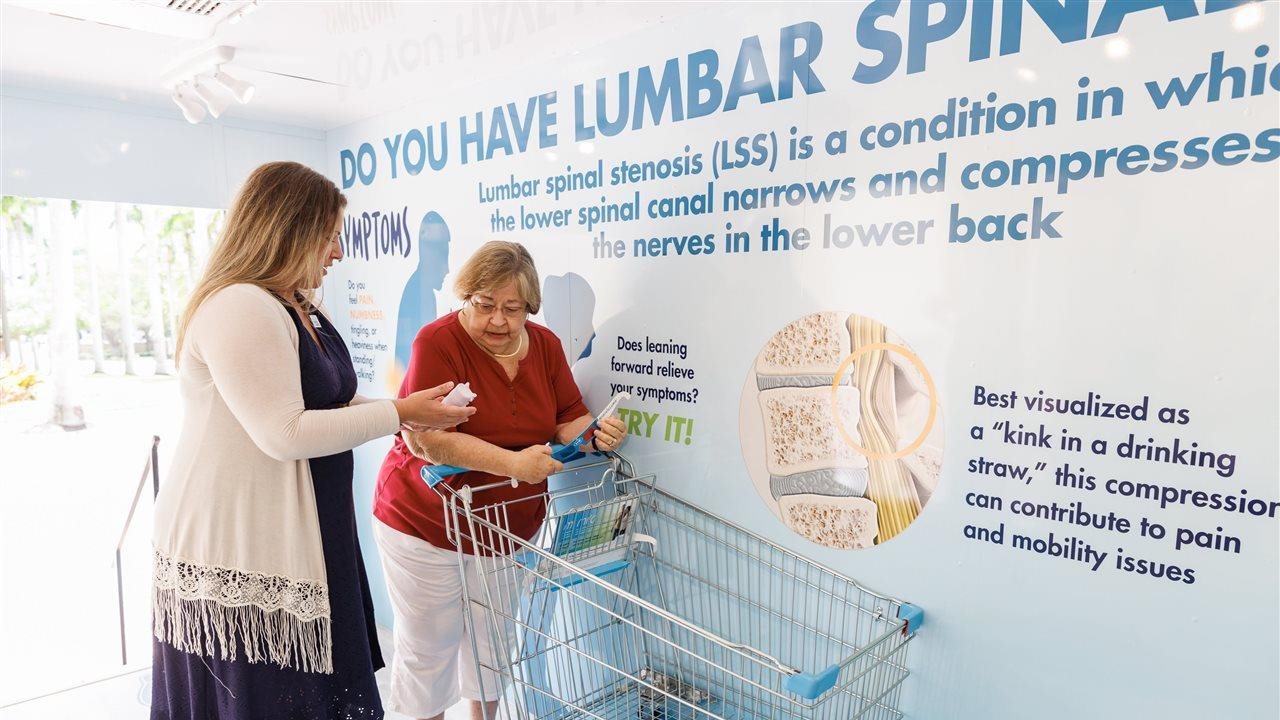
(BPT) – Do you ever have pain, numbness or tingling in your lower back, legs, or buttocks? Do you often find yourself seeking a place to sit to relieve the pain? Or have you ever leaned over a shopping cart while grocery shopping to alleviate the pain? If you answered yes to any of these questions, you are not alone. You are one in over 72.3 million Americans who are suffering with chronic low back pain (CLBP), which can be a debilitating physical condition[1].

Lumbar spinal stenosis (LSS) is a condition in which the lower spinal canal narrows and compresses the nerves causing chronic low back pain (CLBP). This compression, which, is often caused by an enlarged ligament, looks like a “kink in a drinking straw,” contributing to pain and mobility issues.

This age-related condition is the leading cause of disability and physical and emotional stress amongst those who have CLBP[2]. Often, people suffering with LSS are limited by their ability to stand or walk, often stopping them from participating in their work, hobbies and activities of daily living.

If you ever notice that you find relief by bending over, or leaning on an object, such as a shopping cart, this is a tell-tale sign that you may be suffering with LSS. The most common reason for LSS is due to an enlarged ligament and up to 78% of patients with CLBP do not know the cause of their pain could be related to an enlarged ligament[1]. To confirm the source of your CLBP, you need to speak to a spine health doctor who can assess your symptoms and order the proper diagnostic imaging tests (such as an MRI).

While there are many treatments for chronic low back pain, often these improvements are temporary. If you have tried NSAIDs, physical therapy, or even an epidural steroid injection (ESI) and find that the pain continues to return, you should speak to a spine health doctor to diagnose if you are one of the millions of people with LSS due to an enlarged ligament.

If an enlarged ligament is causing your pain, your doctor can also let you know if you are a candidate for a short, outpatient, minimally invasive lumbar decompression procedure, known as the mild® Procedure. This FDA-cleared procedure restores space in the spinal canal through a tiny incision smaller than the size of a baby aspirin to provide mobility and pain improvement. The procedure does not require general anesthesia, implants, stitches, steroids, or opioids, and patients typically resume normal activity within 24 hours with no restrictions [3]. The mild® Procedure is covered nationwide by Medicare (all ages, all plan types, including Medicare Advantage) the VA, U.S. Military & IHS. Commercial coverage varies. The procedure has an 85% patient satisfaction rate[4] and studies show that mild® continues to improve patient functionality over time[3]. Patients may be able to stand 7 times longer and walk 16 times farther after having this procedure[5]. Over one-year, the average standing time increased from 8 to 56 minutes with less pain, and the average walking distance increased from 246 to 3,956 ft with less pain[5].

When should you speak to a spine health doctor? If you can relate to the mobility issues below based on your age range, you should visit https://KnowYourBackStory.com/find-a-doctor/ to learn more about your options.

  • If you are in your 50s and have trouble standing for more than 30 minutes, are unable to walk more than a mile, or have pain daily[1]
  • If you are in your 60s with the same mobility issues above, or you are unable to jog[1]
  • If you are in your 70s, and have trouble standing for 30 minutes, going up and down stairs, have problem getting in and out of a chair, or have pain daily[1]

To learn more about lumbar spinal stenosis, or to find a spine health doctor near you, you can visit www.KnowYourBackStory.com

The mild® Procedure has a strong safety profile and has been performed on thousands of patients. Although the complication rate for the mild® Procedure is low, as with most surgical procedures, serious adverse events, some of which can occur[6]. Individual results may vary. Please learn more and view safety information at vertosmed.com/patients.

[1] A Stagwell Company , H. I. & A. L. L. C. (2022, August). Mobility index and chronic low back pain survey results. Retrieved October 13, 2022, from https://knowyourbackstory.com/wp-content/uploads/2022/08/HARRIS-POLL-EXECUTIVE-SUMMARY-RESULTS.pdf

[2] Chen S, Chen M, Wu X, et al. Global, regional and national burden of low back pain 1990-2019: A systematic analysis of the Global Burden of Disease study 2019. J Orthop Translat. 2021;32:49-58. Published 2021 Sep 10. doi:10.1016/j.jot.2021.07.005

[3] Jain S, Deer TR, Sayed D, et al. Minimally invasive lumbar decompression: a review of indications, techniques, efficacy and safety. Pain Manag. 2020;10(5). Https://doi.org/10.2217/pmt-2020-0037. Accessed June 1, 2020.

[4] MiDAS ENCORE responder data. On file with Vertos Medical.

[5] Mekhail N, Costandi S, Abraham B, Samuel SW. Functional and patient-reported outcomes in symptomatic lumbar spinal stenosis following percutaneous decompression. Pain Pract. 2012;12(6):417-425.doi:10.1111/j.1533-2500.2012.00565.x.

[6] Mild® Procedure for Lower Spinal Stenosis (LSS) | Treat Back & Leg Pain. (n.d.). Vertos Medical. Retrieved October 13, 2022, from https://www.vertosmed.com/patients/

How to help loved ones hear the joy this holiday season

2022-11-14T08:49:00

(BPT) – Spending time with people you love is what makes the holiday season special. But for parents and grandparents who suffer from hearing loss, gathering with family and friends can be grueling.

One in three adults over 65 experience hearing loss, which can be exhausting. People with even mild hearing loss often withdraw from activities they love due to fatigue, frustration and embarrassment, which can lead to isolation, depression and even dementia.

Until recently, hearing aids were expensive and required a prescription from a hearing health professional. That changed in October, when the FDA authorized over-the-counter (OTC) hearing aids. Now adults with mild to moderate hearing loss can get a pair from their local pharmacy or big box store without a prescription for a fraction of the cost of traditional hearing aids and start experiencing the benefits of better hearing the same day.

How to know if someone you love has hearing loss

The average person waits seven years from the onset of hearing loss symptoms to get hearing aids, and many don’t realize for years that their hearing has deteriorated. This holiday season, you can help by watching for common signs of hearing loss in friends and family, such as:

  1. Keeping the radio or television at an uncomfortably high volume.
  2. Constantly asking others to repeat themselves.
  3. Falling or losing balance frequently.
  4. Getting easily fatigued from social activities, especially in environments with a lot of background noise.

What can you do to help?

There are several easy ways to help people with hearing loss enjoy the holidays this year:

  • Don’t ignore obvious signs. If someone you love is showing signs of hearing loss, help them take a free 3-minute hearing test online at lexiehearing.com to confirm and assess the severity of their hearing loss.
  • Create a comfortable environment. People with mild to moderate hearing loss can’t easily distinguish between conversations and background noise. Help them have quality conversations by creating a quiet space free from TV, music or excessive background chatter. If they seem tired or overwhelmed, help them take a break outside or in a separate room where they can rest their ears.
  • Try a hearing aid. If an online hearing test indicates mild to moderate hearing loss, try over-the-counter hearing aids. Many offer the same features as prescription options but cost a fraction of the price. Quality brands like Lexie Hearing sell them in pairs at pharmacies and big box stores nationwide.

What to look for in a hearing aid.

Choosing the right hearing aid is important. While most over-the-counter models come at a much lower cost than traditional hearing aids, not all offer the same quality and features.

  • FDA labeling. Be sure to get a model that meets FDA standards. Read the packaging carefully — devices sanctioned by the FDA will be labeled accordingly.
  • Generous return policies. Look for brands that have generous return policies so you can try them out when you’ll get the most benefit. Lexie offers 45-day returns on all products, including its newest Lexie B2 Hearing Aids, Powered by Bose, and encourages users to wear them for at least three weeks to adjust to better hearing.
  • Great reviews. Check out device reviews. If your hearing aid runs from a phone app, consider what current users say about the product by reading app store reviews before purchasing. Make sure there’s a track record of happy customers.

Don’t let hearing loss detract from your joy this holiday. Help your loved ones take control of their hearing and make the most of every moment together.

CRNAs are the solution to delayed surgical care for veterans

2022-11-14T10:01:00

(BPT) – As we honor veterans this month, it can be easy to forget about the challenges some continue to face at home: challenges that include undergoing critical medical procedures in a timely manner.

Long wait times

Veterans have to wait too long for surgical care in U.S. Department of Veterans Affairs (VA) facilities. According to a survey by Veterans Need Care Now, a grassroots coalition committed to reducing surgical wait times, 23% of veteran households report delays in securing VA health appointments and surgical procedures.

Access to high-quality, timely care

Veterans deserve access to high-quality care without long wait times. Reports have shown a lack of access to anesthesia services in the VA, which may be a contributing factor to lengthy wait times along with other factors such as staff shortages, limited space and access to specialists. A national review of staffing shortages at the Veterans Health Administration (VHA) for fiscal year 2021 found anesthesiology shortages at numerous VHA facilities, including in Massachusetts, Rhode Island, New York, Pennsylvania, North Carolina, Florida, Tennessee, Michigan, Indiana, Illinois, Louisiana, Arkansas, Colorado, Oklahoma, Washington State, California, and Minnesota.

Two types of medical professionals are able to deliver anesthesia to patients: physician anesthesiologists and Certified Registered Nurse Anesthetists (CRNAs).

The ability of CRNAs to provide high-quality care, even under the most difficult circumstances, has been recognized by every branch of the U.S. military. CRNAs have full practice authority in the Army, Navy, and Air Force and are the predominant provider of anesthesia on forward surgical teams and in combat support hospitals, where 90% of forward surgical teams are staffed by CRNAs. “The high quality of care that CRNAs can be trusted to provide is reflected in our military, where CRNAs are allowed to practice independent of physician referral and supervision,” said AANA President Angela R. Mund, DNP, CRNA.

While CRNAs care for wounded soldiers on battlefields, and they safely and cost effectively provide quality anesthesia care to veterans here at home, many VA hospitals only allow CRNAs to provide anesthesia under the supervision of a physician anesthesiologist. Requiring an additional person for the procedure can create a backlog of access to critical procedures as well as added expenses. This federal mandate creates an unnecessary barrier to expanding care and exacerbates any provider shortages.

Finding a solution and shortening wait times

Results of a study by RTI International indicated that allowing nurse anesthetists to provide anesthesia services without supervision from a physician does not put patients at increased risk. In fact, no significant difference was found in patient outcomes when comparing the three scenarios studied: CRNAs working alone in the operating room without anesthesiologist supervision, anesthesiologists working alone, and the CRNA and anesthesiologist working together on a case.

During the COVID-19 pandemic the federal government suspended the supervision requirement for CRNAs so more patients could have access to the care they needed. And now, 22 states have opted out of the federal Medicare requirement that calls for physician supervision of CRNAs.

A study by the Lewin Group shows that a CRNA practicing without supervision is the most cost-effective method of anesthesia delivery and that increasing the number of CRNAs and permitting them to practice in the most efficient delivery models will be key to containing costs while maintaining quality care. Based on this evidence, CRNA full practice authority within the VA can increase veteran access to care, lower wait times, and decrease costs.

To learn more about the role and duties of CRNAs, visit VeteransNeedCareNow.org.

Tis the season…for fraud: How to protect your digital identity while holiday shopping online

2022-11-14T11:01:00

(BPT) – While you’re getting ready for the holiday season, so are fraudsters. Nearly one-quarter (24%) of Americans have reported they’ve been a victim of fraud or identity theft during the holidays, according to Experian, and online shoppers everywhere should be looking for helpful ways to protect their digital identities.

In honor of International Fraud Awareness Week (Nov. 13-19), there’s no better time than now to prepare. Here is a list of the holiday scams expected to be prevalent this season — and measures you can take to defend yourself against fraud and identity theft when shopping online.

Social engineering attacks

Social engineering is a longstanding method of fraud where a hacker may pose as your relative, friend or coworker and ask for your help with a username, password or other login data. Cyberthieves continue to use these methods because they continue to work, year after year. It’s effective because it exploits human emotion, both positive and negative, as a tool to steal personal information. Fraudsters may play on your sympathy to trick you into supplying important personal information via text message or email by pretending they are someone else that you know and care about. If a number or email address claiming to be from someone you know reaches out to you that you’ve never seen before, be on alert and make sure to confirm it’s actually them before sharing any personal information.

Shipping scams

The holiday flurry of online shopping brings an increase in email updates from product shippers. Many of these emails include a link that takes you to a website where you’re asked to log in to learn more about “your recent purchase.” Always verify that the email’s sender and the website links are legitimate before you log in or provide any personal information. Many people who have fallen prey to shipping scams say they trusted a fake email because they received it immediately upon making a purchase.

Gift card grifts

Another widespread holiday fraud tactic is the fake gift card scam, a ruse used by hackers to steal your personal information. For example, you may receive an email that asks you to provide your personal information in exchange for a gift card. Scammers then use that personal information to steal your identity and commit fraud while posing as you. Always be wary of sharing your personal information online with anyone you don’t know or trust.

Here are four steps you can take to protect your digital identity from fraud this holiday season.

Use MFA or mobile phone verification

You’ve probably heard all the basics for protecting your passwords. Use strong passwords, change them often, don’t use the same password at every site, etc. But even these steps don’t provide ironclad protection.

You can significantly boost your security by adding multifactor authentication (MFA) to your logins, which many businesses now offer as an opt-in security feature. Adding MFA with your email or phone number reduces the risk of identity compromise by as much as 99.9%, according to Microsoft. It’s a simple process that adds a strong extra layer of protection, and it’s a good way to help businesses keep the bad guys out of your accounts.

Don’t overshare

Never share your personal information freely online. It can be stolen and used to impersonate you or take over your accounts — especially at this time of year, when you’re often distracted and the fraudsters are out in full force. Be careful about replying to unfamiliar emails, answering phone calls and texts from numbers you don’t recognize, and sharing your personal information with websites you don’t already know you can trust.

Set up credit alerts

There are a lot of websites that track your credit score for free and many of them will also send you an alert whenever a new account is opened in your name. Take advantage of this feature and opt in. Turn on notifications — they’re usually offered by phone or email — and you’ll know immediately when an account is opened in your name or when details of your existing accounts are changed.

Stick to familiar sites

Buy only from online sellers you know and trust — or those that you’ve researched. The internet is full of websites with offers that are too good to be true.

From all of us at Telesign, have a happy, safe and secure holiday season.

Double the Comfort and Joy this Holiday with Gifts that Also Give Back

2022-11-14T11:01:00

(BPT) – From Giving Tuesday through Christmas Day — and every gifting occasion in between — this shortlist of wine and spirits is for people who live to give more than they receive. It is for the do-gooders and do-greaters, those who like to get a little toasty with a drink in hand and cause in mind.

For Those Who Are Thankful

Renowned singer, actor and philanthropist Josh Groban and Josh Cellars’ Founder, Joseph Carr

This year, Josh Cellars’ founder, Joseph Carr, launched the #Joshgiving movement — a grassroots initiative aimed to inspire people across the country, including renowned singer, actor and philanthropist Josh Groban, to give back to their communities by conducting acts of thanks. Together they recently donated $100,000 to Sing for Hope, an organization that harnesses the power of the arts to create a better world. Additionally, throughout the month of November, Josh Cellars has pledged to donate $1 for every bottle purchased on JoshCellars.com (up to $25,000) to American Humane’s Pups4Patriots, a program that trains service dogs to help assist veterans in need. Overall, Josh Cellars donated more than $220,000 to support six different giveback programs, charities and organizations as part of this year’s Joshgiving fundraising efforts. Raise a glass of gratitude with Josh Cellars Cabernet Sauvignon, which has flavors of blackberry, toasted hazelnut and cinnamon, complemented by hints of vanilla and toasted oak. Click here to purchase.

For the Lovers and the Fighters

Layer Cake Malbec

Think pink this holiday season with a gift of Layer Cake Malbec. Layer Cake donated $75,000 in 2022 to the Young Survival Coalition, which helps young adults affected by breast cancer. Layer Cake produces richly layered wines from the best wine-making regions like this medium-bodied Malbec from Mendoza in western Argentina. It has rich flavors of blackberry, cherry and cocoa, which pair beautifully with favorite holiday dishes like pot roast and brisket. Click here to purchase.

For Those Who Serve Us

The Calling Russian River Valley Pinot Noir

The Calling has contributed to the SommFoundation, which provides scholarships, mentorships and enrichment opportunities for people working in the wine and spirits industry. The Calling is a dream collection of California wines that offers a range of varietals, styles and best-in-class AVA’s. The Calling Russian River Valley Pinot Noir is medium bodied with bright notes of Bing cherry, spice and orange rind. In creating this wine, the founders sought to recognize those who help others follow their dreams and pursue their own callings in life. Click here to purchase.


For Those Who Walk on Water

Gray Whale Gin

Gray Whale Gin is consciously crafted and inspired by the Pacific Coast. Every bottle of Gray Whale Gin supports ocean conservation through the brand’s ongoing commitment to 1% for the Planet and Oceana, an organization working to protect and restore the world’s oceans. Gray Whale Gin is made with six wild-foraged or sustainably-sourced botanicals found along the migratory path of the California Gray Whale. These include juniper from Big Sur, kombu sea kelp from the Mendocino Coast, almonds from the Capay Valley, limes from Temecula, fir from Sonoma and mint from Santa Cruz. Click here to learn more.

It’s not too late to maximize your FAFSA eligibility, apply now

2022-11-14T08:01:00

(BPT) – ‘Tis the season when families across the country start discussing how they plan to finance their children’s college education for the next academic school year.

For parents and college and graduate students (both prospective and current), the idea of completing the Free Application for Federal Student Aid (FAFSA®) might seem daunting. But don’t fret: filling out the application — which is paramount if you want to qualify for any kind of financial aid — is easier and faster than ever. Plus, the sooner you have this taken care of, the better suited you’ll be if you decide that you need to supplement your federal assistance with a private loan — in this case, SoFi has your back, too.

Need a FAFSA refresher? We got you covered!

Let’s start with the basics — the FAFSA application must be submitted every year a student hopes to receive any form of financial aid, including federal student loans, grants and Work-Study jobs. Many states, schools and scholarship programs also require FAFSA information for their award decisions. One of the common misconceptions out there is, “I don’t qualify because my family earns too much.” Don’t let this deter you from considering your financing options — apply regardless of how much your family earns, as there is no income cut-off for federal student aid.

The online application is available on the Office of Federal Student Aid’s (FSA) website. In the past couple years, the FAFSA has changed to accept the prior-prior year’s taxes, so no need to wait until your 2022 taxes are complete; you can use your 2021 taxes to complete the FAFSA for the 2023-2024 school year.

Filling out the FAFSA form doesn’t take long, typically less than an hour, and you’re able to use an IRS data tool that allows you to prefill much of your information. The application asks questions about the income and finances of the student (and spouse if married) and the student’s parents, plus questions about the student’s education plans.

For the upcoming academic year, you can submit the form now. Generally, the federal deadline is June 30 for the current application cycle. However, states and schools may have earlier deadlines for awarding state-specific grants. To find out the deadline for your state, check the official FAFSA website and reach out to your financial aid office for school-specific deadlines.

Also, you should keep in mind that funding is limited and is often first come, first served. So be sure to submit your application as soon as possible!

And if you’re curious about how FAFSA applications are doing in your state, be sure to check out this #FormYourFuture FAFSA Tracker, an interactive dashboard that tracks and ranks states’ progress toward 100% of their high school seniors completing the FAFSA application.

Now, you may be asking yourself, “Is this year’s application any easier or faster?” Good question. The simple answer is yes: there is no glitchy app to download or deal with!

This fall, the Department of Education retired the myStudent Aid app. Instead, all you have to do is go to the Federal Student Aid site — and the smart technology helps you skip the questions that don’t apply to you.

Additionally, the 2023-24 form does not ask about Selective Service registration status or drug convictions.

Come next year, when you receive your financial aid letters, you may be looking for an additional source of funding, aka private student loans. These loans, typically from banks, credit unions and online lenders, do not require a FAFSA application and are often used as a supplement to federal aid.

SoFi’s private student loans are available for undergraduate and graduate students, as well as parents. In just a few minutes, you can apply online for student loans and be well on your way to financing your education.

It’s important to note that private student loans don’t offer the same protections as federal student loans, like income-driven repayment plans or deferment options. For this reason, private student loans are generally considered only after other sources of funding, typically from the government, have been considered.

It can sometimes be difficult to determine which loan option will work best for you, so always thoroughly review your options.

Want a deeper dive into FAFSA? SoFi’s head financial planner Brian Walsh, CFP®, breaks down the process for you in a video available here.

Filling out the FAFSA is a great first step to pay for your dream school. This is one of the best ways of getting scholarships and grants you won’t have to pay back or government-backed loans to help you pay for college-related costs. By learning how to properly fill out the FAFSA (and then actually doing so!), you can increase your odds of getting a bigger financial aid package.

Disclaimer

Please borrow responsibly. SoFi Private Student loans are not a substitute for federal loans, grants, and work-study programs. We encourage you to evaluate all your federal student aid options before you consider any private loans, including ours. Read our FAQs.

Terms and Conditions Apply. SOFI RESERVES THE RIGHT TO MODIFY OR DISCONTINUE PRODUCTS AND BENEFITS AT ANY TIME WITHOUT NOTICE. SoFi Private Student loans are subject to completion of a loan application and self-certification form, verification of application information, the student’s at least half-time enrollment in a degree program at a SoFi-participating school and, if applicable, a co-signer. In addition, borrowers must be U.S. citizens or other eligible status, be residing in the U.S., and must meet SoFi’s other eligibility and underwriting requirements, including verification of sufficient income to support your ability to repay. Minimum loan amount is $1,000. See SoFi.com/eligibility for more information. Lowest rates reserved for the most creditworthy borrowers. Interest rates are subject to change. This information is current as of 11/9/2022 and is subject to change.

SoFi Private Student loans are originated by SoFi Bank, N.A. Member FDIC. NMLS #696891. (www.nmlsconsumeraccess.org). Terms and conditions apply. © 2022 SoFi Bank, N.A. Member FDIC. Equal Housing Lender. All rights reserved.

Certified Financial Planner Board of Standards Inc. (CFP Board) owns the certification marks CFP®, CERTIFIED FINANCIAL PLANNER™, CFP® (with plaque design), and CFP® (with flame design) in the U.S., which it awards to individuals who successfully complete CFP Board’s initial and ongoing certification requirements.

How helping rice growers reduce methane emissions is critical to sustainability

2022-11-11T08:01:00

(BPT) – Rice is one of the most popular grains in the U.S. According to Statista, Americans consumed 4.6 million metric tons of rice in the 2021/2022 fiscal year, and that trend doesn’t seem to be slowing down. In addition to eating rice on its own, the grain is used in other products like rice-based cereals, cakes, noodles, milk, cheese and vinegar. While rice is a useful and popular grain, it is also a source of greenhouse gases.

According to the World Wildlife Fund, rice makes up 12% of global methane emissions, representing 1.5% of total greenhouse gas (GHG) emissions. GHGs warm the earth and act like an insulating blanket, exacerbating the problems of climate change. You’re probably familiar with the GHG carbon dioxide, but according to the Environmental Protection Agency, methane is 20 times more powerful. While carbon dioxide is more abundant than methane, this GHG power is just as destructive, creating a problem for rice growers.

Because rice is the primary staple food for more than half the world’s population, according to the U.S. Department of Agriculture, decreasing rice consumption isn’t a viable solution. That’s why Kellogg’s and Syngenta have collaborated on a sustainable solution that will assist rice growers in reducing their methane emissions.

Stakeholders take note of methane production

Some rice growers are already implementing many methane-reduction practices. However, adoption has been slow. Changing farming practices is a risk that can dissuade rice farmers from adopting more sustainable practices, even if they benefit from it in the long term.

Syngenta and Kellogg’s have banded together to create Kellogg’s InGrained. This program will invest $2 million over five years to provide farmers in Louisiana and the Lower Mississippi River basin with training in irrigation management, nutrient management and soil health for GHG reduction. The companies hope that by partnering with growers and providing financial incentives, it will make it easier for rice producers to adopt new practices for GHG reduction, especially methane.

Rice is an important grain for Kellogg’s because many of its products, including iconic brands like Rice Krispies and Special K cereals, rely on rice. When the company reviewed ways to make a big difference in rice production, methane reduction came out as the front runner.

Syngenta is committed to reducing GHG and understands the struggle of implementing new practices on an operation. Through this partnership with Kellogg’s, they hope to support growers through the sustainability transition in order to reduce methane emissions.

A more sustainable rice production practice

The Ingrained program aims to help educate and train farmers on how to reduce greenhouse gas emissions. Before spreading the program, Kellogg’s needed to test and see if it worked as intended. That’s why the program was first piloted at Kennedy Rice Mill, a trusted Kellogg’s supplier and very large and prominent grower in Mer Rouge, Louisiana.

During the 2022 pilot year, the company offered growers $20 per ton of GHG reduction. The program also offered agronomic support, GHG quantification, and other resources at no additional cost to farmers. So far, the program has seen a successful reduction in methane emissions on rice farms.

Kellogg’s is working to scale the program across more of their rice draw area to show rice farmers the value of adopting methane reduction practices. Ideally, it will help create a greener supply chain from seed to package.

“The impacts of climate change affect us all, but these impacts are of particular concern to farmers, like me, who grow crops to produce the food we eat,” said Meryl Kennedy, CEO of 4Sisters Rice and Kennedy Rice Mill. “As rice farmers and stewards of the land, it’s our responsibility to address the concerns.”

Painful diabetes complication now being treated with established therapy option

2022-11-10T20:20:10

(BPT) – Living with diabetes had always been manageable for Kent Apple by eating healthy and remaining active. However, he knew he needed to see his doctor when he started experiencing pain in his legs and feet.

“As a retired construction worker, I noticed the pain the last several years that I was working and thought it was from walking on concrete all day,” said Apple. “The pain felt like an electric shock in my feet and legs.”

He was suffering from painful diabetic peripheral neuropathy (DPN) — a chronic pain condition that affects approximately 30% of diabetes patients.1 High blood sugar levels can damage nerves over time, leading to pain. For some, the pain can become excruciating and negatively impact quality of life.

Those who suffer from DPN often experience chronic numbness, burning or stabbing pain in their legs and feet, making it difficult to walk, stand or even sleep.

There is no cure for DPN, and treatment is directed at slowing the worsening of symptoms, relieving pain and managing complications.

“In my practice, I always ask my patients if they have diabetes or symptoms of DPN because diabetes is a very common medical problem,” said Dr. G. Silky Patel, an interventional spine, sports and pain management physician in Houston, Texas. “When a patient is referred to me for DPN, we start with treatments like gabapentin, compression socks, pain creams and physical therapy, but those don’t always work.”

While mild and moderate cases of DPN can be treated with over-the-counter or prescription medications, some data suggests limited effectiveness. One study showed approximately 77% of patients prescribed an anticonvulsant (pregabalin) for DPN will discontinue the treatment within 1 year because of intolerable side effects or lack of efficacy.2,3 More severe DPN cases may be treated with opioids, which have potentially severe side effects, including addiction and abuse.1

To help treat Apple’s painful DPN, Dr. Patel first recommended gabapentin. While it helped, the relief didn’t last, and Dr. Patel had to increase the dose. Apple found himself back in her office just a few months later, complaining of the side effects of gabapentin. Apple felt he was at a loss until Dr. Patel gave him information on spinal cord stimulation.

Spinal cord stimulation (SCS) is a proven, non-opioid, FDA-approved way to manage chronic pain that is caused by DPN. The technology has been around for about 40 years, and works by disrupting the pain signals traveling between the spinal cord and the brain. Stimulation is delivered via a Medtronic Intellis or Vanta neurostimulator, implanted under the skin. These Medtronic spinal cord stimulators were recently approved by the U.S. Food and Drug Administration for the treatment of pain caused by DPN.

“At first, I was a little hesitant. Being 73, the thought of having something implanted in my body was a little scary,” said Apple. “But now I know what a difference SCS has made for me, and it was no mistake at all.”

Studies show people with painful DPN are 17 times more likely to experience significant pain relief if treated with SCS compared to conventional treatment.4,5,6 Additionally, 86% of patients experienced treatment success after receiving SCS therapy for one year and benefited from meaningful pain relief out to 5 years.7

“I’ve seen how DPN patients have benefitted greatly from SCS implants,” said Dr. Patel. “It’s important that my DPN patients, who have been told that there’s no hope for their pain symptoms, know that there are treatments out there that are proven to effectively provide therapeutic relief.”

SCS can offer proven long-term therapy for managing chronic pain, with the majority of patients experiencing meaningful pain relief through five years of treatment using the device.7

This treatment isn’t made for everyone, and these decisions should be made in consultation with a doctor. Spinal cord stimulation involves risks including infection, lead movement, pain at the implant site and loss of therapy effectiveness. Patients with diabetes may be at higher risk of complications when undergoing surgery. To learn more about spinal cord stimulation for diabetic peripheral neuropathy pain, visit www.medtronic.com/dpnpain.

“Before getting an SCS implant, I was in so much pain that I almost gave up the activities I loved the most,” said Apple. “But now, I have very little pain, and I’m back to daily walks with my dog. I’m much more active now than I was.”


1. Sloan G, Alam, U, Selva rajah D, Tesfaye S. The Treatment of Painful Diabetic Neuropathy. Current Diabetes Reviews. July 2021

2. Staudt MD, et al. Current strategies for the management of painful diabetic neuropathy. Journal of Diabetes Science & Technology. 2020;16(2):341-52.

3. Finnerup NB, et al. Pharmacotherapy for neuropathic pain in adults: a systematic review and meta-analysis. Lancet Neurology. 2015;14(2):162-73.

4. de Vos CC, Meier K, Zaalberg PB, et al. Spinal cord stimulation in patients with painful diabetic neuropathy: a multicentre randomized clinical trial. Pain. 2014 Nov;155(11):2426-31.

5. Medtronic. Medtronic Pain Therapy Clinical Summary M221494A016 Rev B. United States; 2022.

6. Slangen R, Schaper N, Faber C, et al. Spinal Cord Stimulation and Pain Relief in Painful Diabetic Peripheral Neuropathy: A Prospective Two-Center Randomized Controlled Trial. Diabetes Care. 2014;37:3016-3024.

7. Van Beek M, Geurts J, Slangen R, et al. Severity of Neuropathy Is Associated With Long-term Spinal Cord Stimulation Outcome in Painful Diabetic Peripheral Neuropathy: Five-Year Follow-up of a Prospective Two-Center Clinical Trial. Diabetes Care. 2018;41:32–38.