
Signs to watch for when your child has a tummy-ache

2026-01-15T07:01:00

(BPT) – Gut health is a frequent topic in the news, for good reason. Having a healthy gut contributes to your overall well-being, impacting your immune system, metabolism and more. This is one reason parents should take notice when their child has stomach pain or other digestive issues. Stomachaches are a frequent complaint in childhood, and they can have many causes. While some are easily resolved, stomachaches can indicate a larger health issue.

“Because stomach pain can sometimes signal a more serious condition, it’s a good idea for parents to familiarize themselves with signs they shouldn’t ignore, and to ask the family’s pediatrician whenever they have questions about their child’s health,” said Dr. Reinaldo Garcia-Naveiro, director, Pediatric Gastroenterology, Akron Children’s.
null
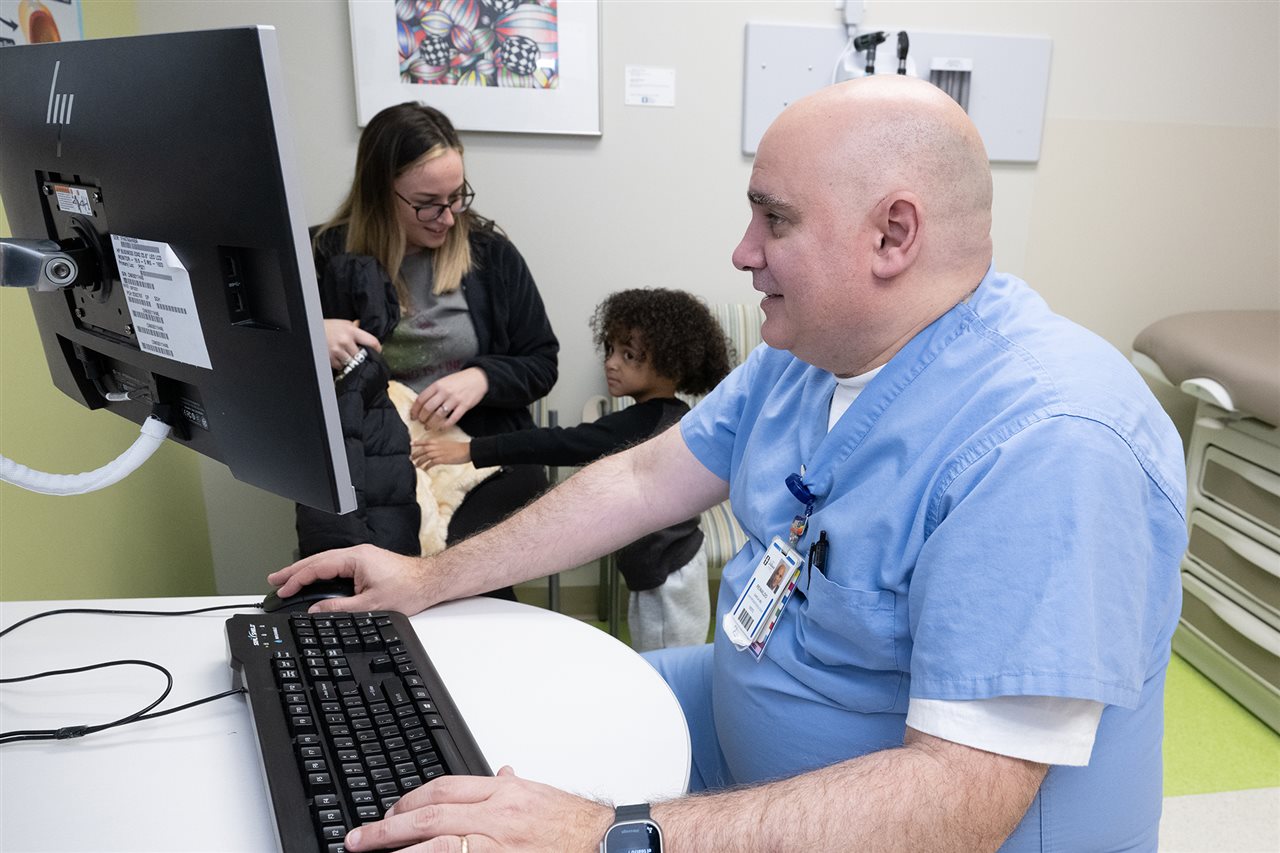
Reinaldo Garcia-Naveiro, MD, director of pediatric gastroenterology at Akron Children’s in Ohio, works alongside families to find answers for children with digestive concerns. Dr. Garcia-Naveiro cares for children with a wide range of gastrointestinal and liver conditions, including irritable bowel syndrome and celiac disease.

The experts at Akron Children’s offer tips to help parents recognize when a simple stomachache may not be so simple.

What to know when your child has a stomachache

“If your child complains about stomach pain, it’s important to check for other symptoms,” said Garcia-Naveiro. “Stomachaches can have many causes, from gas or constipation to stress, overeating, a contagious “stomach bug” like Norovirus, or chronic underlying conditions like irritable bowel syndrome (IBS) or Crohn’s Disease, reflux or celiac disease.”

Stomach pain can also be caused by food allergies or food poisoning. Given these many potential causes, it’s vital to note any additional symptoms that can help your child’s doctor understand why your child isn’t feeling well.

Signs your child needs medical attention

“While many stomachaches quickly get better, it’s important to consult your doctor when pain is severe, occurs frequently or doesn’t go away,” added Garcia-Naveiro.

You should also call the doctor if your child has a stomachache and:

  • the pain seems very strong or worsens over time
  • the pain wakes them up from sleep
  • the pain is in the right lower side of the belly
  • is vomiting
  • is very fussy
  • is lethargic (very sleepy)
  • has another health condition

Tell the doctor about other symptoms your child has, such as:

  • a fever
  • pain when going to the bathroom
  • blood in urine or stool
  • a bad cough
  • weight loss over time

Symptoms that may accompany stomach pain

You should note any other symptoms your child may also experience while they have a stomachache, which can help clarify why their stomach hurts.

Vomiting: This is most often caused by gastroenteritis, an infection of the stomach and intestines that usually lasts less than 24 hours. Rarely, vomiting can signify a serious problem, including a blocked intestine, gallstones, pancreatitis or appendicitis. Frequent vomiting can lead to dehydration (not having enough water in the body). Children who continue vomiting or have severe dehydration need treatment in the emergency room or hospital.

Diarrhea: Soft/loose bowel movements are not uncommon in children. This usually doesn’t last long and often gets better on its own. Diarrhea can be caused by a number of different viruses, bacteria or parasites. Children can also get diarrhea from drinking too much juice and other sugar-sweetened beverages, or due to food allergies, lactose intolerance, taking antibiotics or resulting from medical problems like celiac disease, inflammatory bowel disease (Crohn’s disease and ulcerative colitis) and irritable bowel syndrome. If your child has frequent diarrhea, or it doesn’t resolve in a few days, see their pediatrician to determine the cause and appropriate treatment.

Constipation is a common problem in children, and usually not cause for concern. You may notice your child having fewer than two bowel movements in a week, or dry, difficult-to-pass bowel movements. Constipation can be due to a diet without enough water and fiber, as found in foods like fresh fruits, vegetables and beans, which help bowels move as they should. Toilet training toddlers sometimes become constipated, and some children may avoid going to the bathroom if they don’t want to use a restroom away from home. Stress can also lead to constipation, and some kids may get constipated if they have irritable bowel syndrome (IBS).

Other symptoms that can accompany children’s stomachaches include sore throat, heartburn, fever, bloating and painful urination. The combination of symptoms your child is having can help determine the cause of their stomach pain. Write down what you’re noticing, so you can share that information with their pediatrician.
null
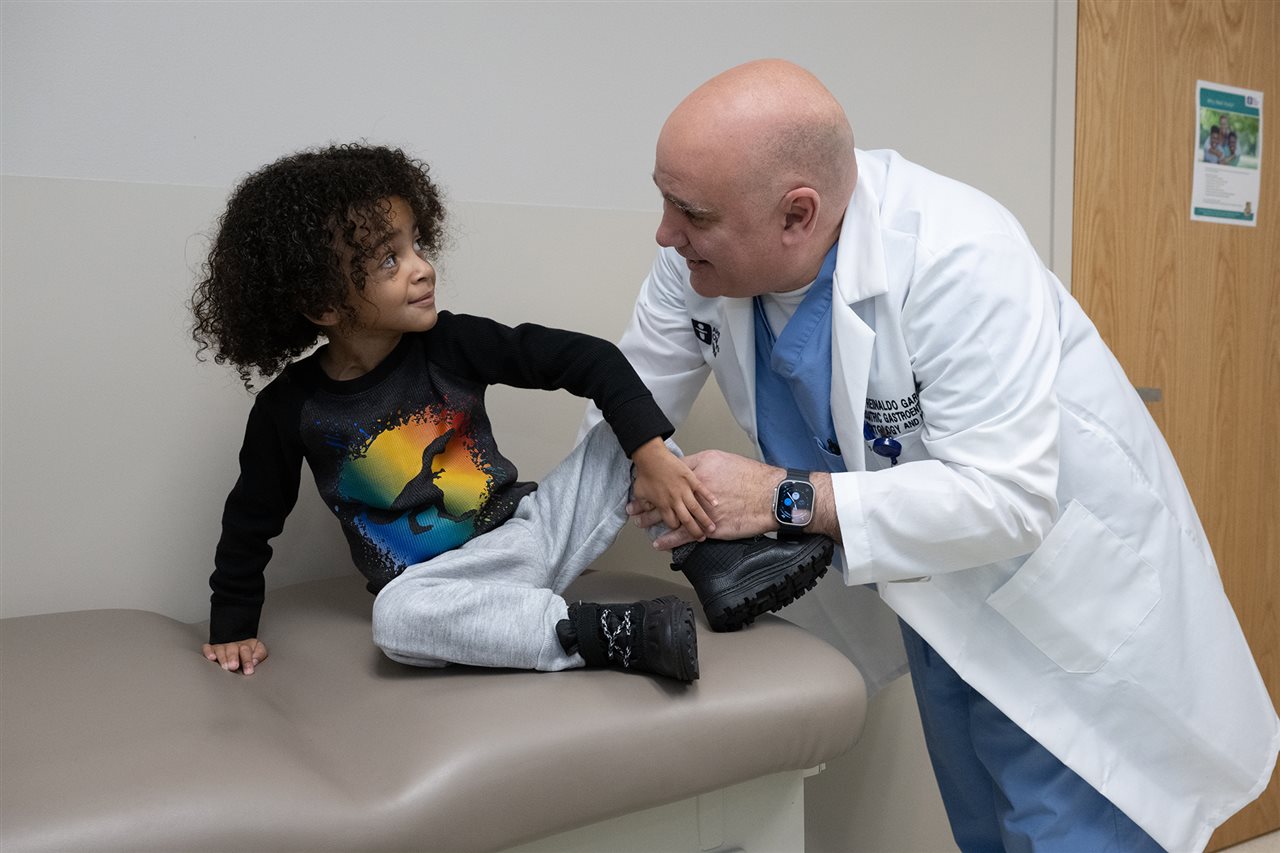
Dr. Garcia-Naveiro shares a light-hearted moment with a young patient, highlighting his thoughtful, patient-focused approach to care.


Expert medical care near you

When your child isn’t feeling well, it’s crucial to find a doctor you trust. Look for clinics and hospitals in your area that specialize in pediatric care. For example, in addition to primary care, Akron Children’s offers a comprehensive range of specialty care including Cardiology, ENT, Neurology and Orthopedics. Akron Children’s pediatricians and pediatric providers help kids find more childhood in every day, even when they’re sick.

Akron Children’s offers two hospital campuses, six regional health centers, over 45 primary care locations and nearly 250 providers, making it easier for today’s busy families to find high-quality care. Akron Children’s was recognized as one of America’s Best Children’s Hospitals, and named a top pediatric hospital in the U.S., according to Newsweek’s Best Children’s Hospitals of 2025 list.

The pediatric gastroenterology department at Akron Children’s combines its expertise in pediatric gastrointestinal diseases with advanced diagnostics and therapies to provide the highest-quality medical care to infants, children and teens with digestive problems, focusing on concerns unique to pediatric patients including growth, physical and emotional development and age-related social issues.

The team at Akron Children’s is experienced in diagnosing and treating all types of serious gastrointestinal, liver and pancreas disorders including celiac disease, gastroesophageal reflux, inflammatory bowel disease, hepatitis, pancreatitis and Crohn’s disease. The department also collaborates with Cincinnati Children’s Hospital for liver transplants.

null
Stomachaches in children can have many causes, which is why expert, family-centered pediatric care is essential to help them feel better and thrive.

Find more health tips for parents, and learn more about Akron Children’s and their pediatric gastroenterology department, at AkronChildrens.org.


Score big on game day with these easy entertaining tips

2026-01-14T16:27:00

(BPT) – Nothing beats gathering with friends to cheer on your favorite team — the energy, the camaraderie, those hard-won victories — and of course, share all that great food. With a little prep work, a solid game plan and simple crowd-pleasing dishes that are easy to serve and share, you can be the MVP of the game-day get-together.

Here are several tips to make the game-day celebration easier, more fun and tastier, too.

Make room for more guests

Ahead of game day, gather extra seating as needed and arrange it so all your guests will have a good view of the game. Clear out clutter and move any extra furniture that might get in the way, like side tables or other items so there’s space to move around. Too many decorative pillows crowding your sofa? Store the extras in a closet to give everyone room to huddle together at kickoff.

Show your true colors

Get everyone in the spirit by decking out the buffet table and viewing room in your team’s colors with themed banners, tablecloths and napkins. Encourage guests to wear their favorite team jerseys, even if they’re rooting for the opposition. You can also add small touches like themed coasters or drink stirrers to give the space a festive, game-day feel.

Keep the drinks flowing

Make sure guests can grab a drink without missing the action by setting up a self-serve station. Offer a mix of options — from beer or cocktails to sparkling water, soda and mocktails — and add fun touches like citrus slices and colorful garnishes. Keep cups and ice nearby so refills are effortless and everyone can enjoy their favorite beverages throughout the day.

Please crowds with easy sides and appetizers

Keep game day stress-free by choosing appetizers and sides that are quick to prepare. Opt for easy favorites that guests can grab and enjoy — think sliders, wings or a variety of chips and dips. Simple dishes like these let you focus on hosting while keeping the energy high and guests satisfied.

Did you know bacon is the fifth most added item to macaroni and cheese? For a ready-made crowd-pleaser, try Bob Evans Bacon Macaroni & Cheese. Microwave ready in five minutes, this creamy dish offers an indulgent blend of real cheese and bacon with a rich, savory hickory-smoked flavor and just the right touch of black pepper seasoning.

Take your appetizers up a notch with these Barbecue Pork Macaroni & Cheese Bites. These handheld bites combine cheesy and smokey Bacon Macaroni & Cheese with spicy barbecue pork for a flavorful twist that’s easy to prepare and ideal for sharing.

Barbecue Pork Macaroni & Cheese Bites

Prep time: 15 minutes; Cook time: 20 minutes; Servings: 12

Ingredients

  • 20 ounces Bob Evans Bacon Macaroni & Cheese
  • 8 ounces cream cheese, softened
  • 1/3 cup spicy barbecue sauce
  • 3/4 cup panko breadcrumbs
  • 2 large eggs, lightly beaten
  • 1 1/2 cups shredded barbecue pork
  • 1 cup hamburger dill pickle chips

Instructions

1. Preheat oven to 400°F. Combine macaroni & cheese, cream cheese and barbecue sauce, stirring until blended.
2. Add breadcrumbs and beaten eggs, stirring until blended. Spoon mixture into wells of a lightly greased (24-cup) miniature muffin pan.
3. Bake 15-20 minutes or until golden brown.
4. Meanwhile, heat pork in microwave if desired.
5. Top macaroni & cheese bites with shredded pork and pickles. Drizzle with additional barbecue sauce if desired.

Find this new flavor of macaroni and cheese to elevate your homegate spread, plus more game-day recipe inspiration at BobEvansGrocery.com.

Pending proposal to cap student loans could affect growth of healthcare workforce

2026-01-13T08:01:00

(BPT) – With national healthcare workforce shortages continuing to impact patient access to care across the country, groups like the American Academy of Physicians Associates (AAPA) — the national organization that represents physician associates/assistants (PAs) — are actively working to raise awareness of a proposed rule from the Department of Education (ED).

In early November, ED announced its decision to set a definition of a “professional program” that excludes PAs, nurse practitioners, certified registered nurse anesthetists, physical and occupational therapists, audiologists, speech-language pathologists, and others from eligibility for higher federal student loan limits.

If the proposal is finalized, the new loan limit of $25,000 annually would take effect in July 2026.

“Federal student loans are not a luxury for students who are called to caring professions; they are a lifeline,” said AAPA President and Chair of the Board of Directors, Todd Pickard, DMSc, PA-C, DFAAPA, FASCO.

“Twenty-seven years ago, I took out $87,000 in federal loans to become a PA. Without those loans, I would not have become a clinician. I would not have cared for thousands of patients, including those with cancer whose lives depended on timely access to our team.”

Pickard said that since the proposal was announced, AAPA has received nearly 2,000 stories from PAs attesting to how federal loans were essential to their education, as well as aspiring PAs who are expressing fear that even if they are accepted into a PA program — which are highly competitive — they will not be able to pay for it.

“Neither my family nor I have the financial ability to overcome such a burden without the support of federal Grad PLUS loans,” said Jasmine Vasquez, an aspiring PA from Loganville, Georgia. “I have pushed myself, persevered, and overcome adversity to get to this point. Being so close to my goal, it is heartbreaking to imagine my journey ending — not because of lack of determination or ability, but simply because I could not afford to continue.”

In a November 6 ED press release, Under Secretary of Education Nicholas Kent stated the consensus language reached by the negotiators will “help drive a sea change in higher education by holding universities accountable for outcomes and putting significant downward pressure on the cost of tuition.”

However, some leaders in Congress, including Republican U.S. Rep. Mike Lawler (NY-17), have spoken out against this proposal, underscoring that it does not align with Congress’s intention when it passed updates to federal student loans through The One Big Beautiful Bill Act (H.R. 1).

H.R. 1 eliminated the Grad PLUS loan program and established tiered loan limits for graduate programs. A team of negotiators at ED was then charged with defining which programs would be assigned to each tier.

It was during this process that several advanced care clinicians, including PAs, who are educated at the master’s degree level and require a license to practice, were assigned to a loan tier that does not cover the cost of their education.

On December 1, Lawler sent a letter to Education Secretary Linda McMahon encouraging the ED to maintain a broader definition of “professional degrees” consistent with federal law and workforce needs.

“At a time when our healthcare system is strained, and communities desperately need qualified professionals, the Department must make this critical change before finalizing the rule,” Lawler stated in a press release.

Lawler’s next step was introducing the Professional Student Degree Act on December 17, which would amend the Higher Education Act to define “professional degree” and lists the graduate programs which meet the criteria.

“Any degree that fits the specified criteria in the ‘professional degree’ definition should qualify for higher loan limits,” Lawler stated in his release. “For so many essential workers that need advanced degrees and licenses to simply do their job, it will make all the difference.”

Like Lawler and others in Congress who have raised concern, Pickard said AAPA is committed to pursuing every available option to ensure PA programs are recognized as professional degrees and that future PAs can access the education they need to serve their communities.

A Physicians Associate, a member of an organzation like the American Academy of Physicians Associates (AAPA), intaking information about a patient's condition in an exam room.

“If federal student loans are not appropriately available for aspiring PAs, the pipeline of healthcare providers will suffer,” Pickard said.

“People who are going into healthcare should be able to get the financial assistance they need so they can come out the other end and take care of patients. That is the standard we should be working toward.”

Learning with AI: How embracing AI opens professional opportunities

2026-01-13T08:01:00

(BPT) – When it comes to workforce readiness and long-term job security, lifelong learning is nonnegotiable. In fact, according to DeVry University’s report, “Bridging the Gap: Overcoming a Silent Standoff in America’s Talent Economy”, employers shared that — on average — 55% of their workforce needs to upskill significantly to remain employable in five years. Additionally, 63% of employers said they skipped workers for promotions because their skills were outdated.

The good news is that workers are seeking opportunities to hone existing skills or learn new ones to keep adapting with their organization’s shifting needs, especially when it comes to AI skills. The report revealed that 57% of workers say the skilled use of AI will be the most valuable skill to have in tomorrow’s economy, ranking it the second most valuable out of 13 skills. Learning the basics of AI and building on that knowledge will prepare them for the use of generative AI (gen AI) and build the foundation needed to explore how agentic AI is likely to transform their work.

What is agentic AI?

You’re likely already familiar with gen AI, which focuses on creating content based on learned patterns. Agentic AI takes it a step further blending automation capability and gen AI to complete complex tasks. So, for example, an AI “agent” not only tells you the best time to visit Amsterdam based on travel patterns and your schedule, but it also can book your flights, hotels and tourist experiences.

Just because agentic AI can now operate in the background autonomously doesn’t mean that workers should panic about job security. According to the EY Agentic AI Workplace Survey, workers overwhelmingly expect positive impacts on productivity, efficiency and their work experience.

That said, the survey also found that many are left to experiment with the technology on their own. Given these findings, it’s clear that courses on AI skills are critical to employee job security now and in the future.

Equipping employees today to succeed tomorrow

To address the need for upskilling for long-term career success, the university launched DeVryPro, an innovative learning platform built in collaboration with industry leaders and DeVry faculty members that covers essential disciplines, including AI.

“AI has matured well beyond theoretical applications,” said Richard Korczyk, chief experience officer at DeVry University. “Many industries are mainstreaming this technology, and workers need to know how to learn, work and lead with AI as a partner, not a rival.”

To support lifelong learning and work readiness, DeVry now offers courses that equip workers with the skills they need to thrive in an AI-driven job market. The courses listed below on gen and agentic AI are guided by real-time AI learning coaches in a flexible format so students can learn on their own terms.

AI for All: Build Practical Real-World AI Skills: Designed for professionals who are curious about AI, this course introduces the fundamentals so learners can use AI tools in their daily tasks like emails, reports and workflows.

Applied AI: Generative AI for Professionals: This intermediate course is tailored for professionals already experimenting with AI. Learners will discover how to automate daily tasks, develop applications and use tools like GPT to enhance productivity and creativity.

Data to Decisions: AI Essentials for Analysts: Business analysts will learn how to use custom solutions to improve data accessibility, automate processing, streamline workflows and enhance visual reports.

AI for Leaders: Innovate and Elevate: Equips leaders to guide their organizations and teams through AI-driven change and its impact on business, and effective implementation of AI solutions to develop integration strategies for organizational success.

Building on its initial success, DeVry has added four new courses to the learning platform:

AI for Entrepreneurs: Aspiring and early-stage founders will learn how to use integrated AI tools for ideation, validation, prototyping and business scaling. At the end of the course, participants will build an AI-enhanced startup plan they can share with mentors, investors or collaborators.

Foundations of Self-Leadership: This course is the first step in the DeVryPro’s leadership pathway, equipping emerging leaders to build the essential mindset and skills required to lead with confidence, adaptability and purpose.

Leading Teams and Driving Impact: As the next step in DeVryPro’s leadership pathway, this course bridges personal effectiveness with organizational performance and strategic alignment to build high-performing teams.

Product Management Fundamentals: The course introduces learners to the principles, tools and strategies that guide the full product lifecycle so they can make data-informed decisions, collaborate across functions and translate business objectives into customer-centered products.

Together, these courses form a cohesive learning ecosystem that supports employee growth at every stage — from entry-level roles to leadership — to help them thrive in an AI-driven workforce. Once they complete a course, learners can earn a verifiable Certificate of Completion or Badge that recognizes their competencies and showcases their AI skills, opening doors to career growth opportunities in credential-driven markets.

“Our courses aren’t just about building knowledge,” added Korczyk. “We’ve carefully developed learning experiences that prepare learners to apply leadership and AI skills in the context of their careers so they can feel confident in keeping pace in an ever-evolving professional landscape.”

Artificial intelligence is transforming every industry, and those who understand it are leading the way. To explore what is possible, visit DeVryPro.com.

Simple wellness tips to keep your family healthy this winter

2026-01-09T12:01:00

(BPT) – Winter can be a cozy, magical time that allows families to spend quality time together. However, cold weather can keep you indoors for most of the day. When you’re in close quarters with each other and constantly breathing in stale air, your family’s health and well-being can suffer.

Luckily, parents can take steps to instill good hygiene habits and improve their home’s indoor conditions to support their family’s health. Read on to discover simple tips that can reduce germs, improve air quality and protect your family’s well-being all winter long.

Install an air quality monitor

According to the Environmental Protection Agency (EPA), the indoors has two to five times higher concentrations of some pollutants than typical outdoor conditions. Everyone, regardless of age or health, can be affected by pollutants, but children, older adults and people with cardiovascular or respiratory diseases are especially susceptible to the negative effects of pollution. They’re also more likely to spend more time indoors.

If you have babies and young children, maintaining good IAQ is keeping them healthy because their lungs and immune system are still developing. Children’s breathing rates are also faster than adults’, so they’re exceptionally sensitive to airborne hazards.

To keep your whole family healthy, consider installing an air quality monitor, so you can detect pollutants like allergens, dust, mold and volatile organic compounds (VOCs), and take action.

Control moisture

While you may associate humidity with the warmer months, the colder weather can also cause too much moisture to accumulate indoors through condensation and poor ventilation. When the indoor humidity level passes 60%, there’s a good chance that mold and mildew will grow in your home, negatively impacting your IAQ.

The bathroom is susceptible to excess humidity. During the winter, the extreme temperature difference between the cold air and your hot shower increases condensation, creating the ideal condition for mold to thrive.

To keep your bathroom’s moisture under control and mold at bay, consider installing an exhaust fan like the Whisper Symphony Exhaust fan. This energy-efficient solution improves your airflow, so you won’t have to worry about humidity and mold impacting your IAQ — and your family’s health.

In addition to keeping moisture under control and your indoor air fresh, the Whisper Symphony also features a crystal-clear dual speaker system, so you, your partner and your kids can bop along to favorite tunes while getting ready in the morning or relaxing in the bath in the evening.

Increase ventilation throughout your home

Ventilating your home during the winter can be a challenge, but it’s an incredibly important part of winter wellness. By moving the air into, out of or within a room, you can keep the air fresh, improve air flow and help reduce virus particles, according to the Centers for Disease Control and Prevention (CDC).

During warmer seasons, you can easily improve ventilation by opening windows and doors, but that’s often not possible during winter. To keep your home ventilated during the winter and year-round, consider installing a whole-home solution like the BalancedHome ERV. Built with the industry’s most versatile energy recovery ventilator, the BalancedHome ERV series offers flexibility to choose the perfect air quality solution for your home.

Don’t worry about your utility bill. The BalancedHome ERV is built to deliver high-performance ventilation, improved air quality and energy efficiency at a cost-effective price point for a single-family home.

Wipe down surfaces

Whether or not someone in your family is sick, it’s a good idea to frequently wipe down high-touch surfaces to stop the spread of germs. Make it a daily habit to use a disinfectant to wipe down doorknobs, light switches, remotes, counters and plastic toys.

Wash your hands often

Because kids — especially young children — constantly touch their faces and put things in their mouths, frequent hand-washing is key to keeping them healthy. Frequent handwashing can help remove germs to prevent colds, flu, stomach bugs and other symptoms.

Set a good example for your kids by washing your hands after using the bathroom, before eating and after being outdoors. Encourage them to wash their hands with you and make it fun! Sing a song while you both wash your hands for at least 20 seconds with soap and warm water. It’s a fun way to teach kids good hygiene habits, and help prevent the spread of germs and illnesses.

Hydrate, hydrate, hydrate!

Staying hydrated during the winter can be a struggle. However, staying hydrated keeps your body in tip-top shape to fight off germs and illnesses.

According to the Mayo Clinic, you should aim for eight cups of water per day. If your kids aren’t thrilled about drinking plain, cold water, never fear. Offer them warm or room-temperature water, herbal teas, broths, soups and water-rich foods to improve their water intake.

While you can’t control the weather or illnesses, you can adopt healthy habits and create indoor conditions that support your family’s health. Using these tips, you can practice good winter wellness, so you can spend more time enjoying the season and less time battling a cold or flu.

How ‘BreadHeads’ celebrate with killer apps

2026-01-09T13:05:00

(BPT) – Fans of Dave’s Killer Bread — also known as “BreadHeads” — know that the key to having a good time is being a good host. From their morning toast to their midnight snacks, BreadHeads are passionate about organic bread, buns and breakfast items — as long as it’s Dave’s Killer Bread. What better way to “Rock Your Reset” as you roll into the new year than celebrating with killer apps made from organic bread?

Whether you’re hosting your posse for Galentine’s, planning a birthday celebration, organizing an anniversary gathering or cheering on your favorite team, here are four showstopping BreadHead-approved appetizers.

Easy-Cheesy Cheeseburger Slider Cups

These open-faced, bun-based burger-like beauties are sure to be a crowd-pleaser. Made in a muffin tin, they’re tasty, filling and easy to pick up. Just add your favorite garnish.

Avocado Toast Tray

It’s not your average avo app — there’s a funky, feisty twist to this classic toast topper. Build a tray with pre-arranged toppings or set up a toast-topper bar with ingredients like hard boiled eggs, pickled veggies, tomatoes, bacon and feta to let your guests showcase their creativity.

Bagel Chips & Dip

Bagels, olive oil and flaky salt are all you need for this crunchy chip. Pair with store-bought or homemade hummus, or top with lox and cream cheese.

Game Day Jalapeño Popper Roll-Ups

Spice up your watch parties with hot honey and jalapeños on white bread. Just cut off the crusts and lean in with your rolling pin.

Bread is more than just food — it’s a symbol of comfort and community that’s been baked into cultural moments and celebrations for generations. Now with more options for delicious organic, non-GMO and whole grain products, the world of healthy, hearty party apps has just expanded. No need to make your own bagels, buns, rolls and bread to experience fresh-baked goodness!

Quit quitting in 2026: Expert tips to support your wellness journey

2026-01-09T13:01:00

(BPT) – How many times have you committed to a wellness routine in the new year only to abandon it? Don’t feel embarrassed. Many people make health resolutions at the beginning of the year but can’t seem to stick to them. If you want to get serious about your wellness journey in 2026 and quit quitting, start with these simple tips from Dr. Kumkum Patel, M.D., board-certified gastroenterologist and gut health expert.

Build consistency, not perfection

Most people quit wellness routines because they aim for extremes such as cutting out entire food groups, overhauling schedules or expecting immediate results. Patel emphasizes that sustainable health comes from small, repeatable habits, including eating regular meals, prioritizing sleep and supporting digestion daily. When you create a realistic routine, you’re far more likely to stick with it long-term.

Incorporate daily movement

Speaking of consistent routine, establishing daily physical activity is a cornerstone of lifelong, holistic health. That said, committing to hitting the gym every day isn’t realistic or sustainable. When you can’t meet this unattainable goal, you may feel discouraged and give up physical activity altogether.

Instead of forcing yourself to try exercises that you dread and want to put off, aim for moving your body in ways that make you feel good and bring you joy. Go on a daily walking meditation, practice yoga, break out your bike or dance around your living room. The goal isn’t to achieve lofty benchmarks, but to consistently move your body to enhance your mood and overall wellness.

Stay hydrated

Staying hydrated helps your body function at its best. In fact, drinking enough water every day can help you regulate your body temperature, improve sleep quality, boost brain performance, ensure your organs function properly and lift your mood. It’s a simple but essential habit to incorporate into your wellness routine in the new year, especially given the dry winter air.

Support your gut daily, even when life gets busy

Digestive health plays a central role in energy, immunity and your overall well-being. Patel notes that when digestion is supported, people often notice better energy, mood and resilience, which reinforces motivation and helps prevent quitting altogether. However, gut health is often the first thing people abandon when their routines are disrupted.

You can make your gut health easier to maintain with a daily probiotic like Florastor Dual Action Probiotic*. This wellness product supports digestive and immune health and doesn’t require refrigeration. It’s a simple, reliable tool that can help you stay consistent even during travel, stress or schedule changes.

Maintain a consistent sleep schedule

Good quality sleep lets you recharge body and mind, so you can face the next day with focus and energy. When you get enough sleep, you may also find that sticking to your new routines and habits is easier. To set yourself up for slumber success, make sure you go to sleep and wake up at the same time every day. Yes, even on weekends.

Listen to your body instead of chasing trends

Following conflicting social media advice often leads to wellness fatigue. Instead of jumping from trend to trend, Patel recommends paying attention to how your body responds. If a wellness habit or routine makes you feel worse, stop. If you need guidance to improve your health and wellness, check with your doctor instead of the internet.

Your wellness is a journey, not a destination. By incorporating these expert tips, you can invest in your wellness and create habits that will help you in the new year and beyond. Happy New Year!

* Florastor is endorsed by Dr. Patel, who receives free product and other compensation from the company.

As Alzheimer’s cases rise, MUSC pioneers new path for diagnosis and care

2026-01-06T09:01:00

(BPT) – While the country faces an ongoing physician shortage, the nationwide neurologist shortage is even greater. Given the needs of an aging population facing conditions, including Alzheimer’s, dementia and other cognitive disorders, patients often wait as long as six, nine or even 12 months to see a neurologist.

In South Carolina, which has a higher incidence of Alzheimer’s and related dementias than many other states, 11.5% of those over 65 (about 112,000 people) live with the disease. South Carolina has the eighth-highest mortality rate from Alzheimer’s in the nation and is considered a neurology care desert, with one of the nation’s lowest ratios of neurologists to patients with Alzheimer’s disease.

Innovation that improves access to care

Addressing the state’s critical need for diagnosis and treatment, the Medical University of South Carolina (MUSC) has spearheaded a groundbreaking program, the South Carolina Alzheimer’s Network (SCAN), to help those with Alzheimer’s disease and other cognitive disorders. SCAN educates primary care physicians about cognitive disorders while providing direct access for physicians to consult with neurologists through their online eConsult platform. The first of its kind in the state and one of just a few similar programs in the nation, SCAN aims to improve patient care, reduce wait times to see a neurologist and make more timely and accurate diagnoses for people with cognitive disorders.

“SCAN brings together a multidisciplinary team of specialists in cognitive neurology, neuropsychology, psychiatry, neuroradiology and infusion therapy to provide accurate diagnoses and personalized care plans,” said Nicholas Milano, M.D., director of the division of Cognitive and Behavioral Neurology at MUSC. “Equally important, it expands access to care with our innovative eConsult system, through which primary care providers begin evaluation and forward patient records to our team for expert review so we can offer testing and treatment recommendations or schedule patients at a treatment center when needed.”

Through SCAN, MUSC became the only health system in South Carolina selected to participate in Medicare’s GUIDE model (Guiding an Improved Dementia Experience), making it clear that this is a model other states can learn from. SCAN is committed to ensuring patients have access to:

  • Early, accurate diagnosis.
  • Coordinated lifelong care plans reflecting co-management by primary care and cognitive specialists.
  • New anti-amyloid medications prescribed safely to appropriate patients.
  • Clinical trials and research protocols through the proposed South Carolina Alzheimer’s Disease Research Center (SC-ADRC).

SCAN uses a system of advanced care coordination and telemedicine to reach people throughout the state, supporting and educating primary care providers and expanding access for more patients.

Why early, correct diagnosis is key

For anyone experiencing memory issues or other cognitive problems — or witnessing these symptoms in a loved one — it’s essential to know that these issues are not just a sign of aging but could indicate a more serious medical condition.

SCAN helps primary care physicians to determine the root cause of these symptoms, offering recommendations and resources to treat neurological disorders.

At a time when Alzheimer’s diagnosis and treatment have experienced major improvements, including new medications to slow disease progression and testing that helps to diagnose the disease, Milano said it’s more vital than ever to use these breakthroughs correctly.

“Alzheimer’s disease biomarkers, detected through brain scans or blood tests, can appear years before symptoms. That opens the door to earlier diagnosis but also increases the risk of misdiagnosis,” he explained. “Not everyone with these biomarkers will go on to develop cognitive impairment or dementia. With overreliance on biomarkers, symptoms from treatable conditions like sleep apnea or medication side effects could be mistaken for Alzheimer’s, leading to missed opportunities for proper treatment.”

Milano also advised caution when prescribing the newest drugs. “Anti-amyloid meds can cause severe side effects. While most patients tolerate them well, safe use requires expert coordination across clinical teams,” he said. “These drugs are only approved for individuals with early, symptomatic Alzheimer’s, not those with normal cognition, regardless of test results. Unfortunately, I’ve seen patients harmed when tests were misused as routine screening tools, or treatment was prescribed too soon.”

Correctly diagnosing patients is the key to finding the right treatment at the right time, which is why physician access to neurologists through eConsult makes such a difference. Months before patients can typically schedule an appointment with a neurologist, physicians can share information with a neurology team to determine if an appointment is even necessary and begin recommended tests or treatments right away.

Treatment for a range of cognitive disorders

Symptoms of many cognitive disorders can be similar or overlap, making diagnosis challenging. Thanks to the team of experts at SCAN within MUSC’s neurology department, cognitive neurologists can determine the appropriate treatment for each patient.

Alzheimer’s treatment at MUSC Health offers the region’s best care for people with Alzheimer’s disease and other cognitive disorders. MUSC Health has been recognized as High Performing in Neurology & Neurosurgery in the 2025-2026 U.S. News & World Report rankings, and its expert team provides comprehensive evaluation and treatment for adults facing all types of memory and cognitive challenges.

Patients and loved ones interested in learning more should speak with their doctors about requesting an eConsult with SCAN. Additional information is available at MUSCHealth.org.

Break the resolution cycle: How simple solutions can transform 2026

2025-12-29T08:01:00

(BPT) – Like every year, many of us make New Year’s resolutions and try to stick to them, but broad, all-or-nothing changes often set us up for failure and can make mental health struggles even worse.

Dr. Robin Miller, an integrative medicine physician and founder of Triune Integrative Medicine in Medford, Oregon, puts it plainly:

“I don’t know about you, but every year I make New Year’s resolutions only to abandon them a month or two later. So instead of resolutions, how about solutions?”

Psychiatric mental health nurse practitioner and Learning to Achieve Wellness owner Lillian Ingram agrees.

“In 2026, take a new approach to goal setting, and embark on a solution-based focus toward your goals,” she says. “You’re still going to set your goals. You’re still going to take steps. But let’s build out those steps.”

Solutions are simple, achievable and measurable rather than big and intimidating resolutions. For example, rather than making a resolution to lose a certain amount of weight by a certain date, set a simpler solution to reduce calorie or sugar intake each day, or eat more whole grains. Instead of joining a gym and burning out by February, choose to walk every day. Each step we take — both literal and figurative — can then be followed by the next to add up to something realistic and achievable.

For people diagnosed with mental health conditions like major depressive disorder, a solutions approach may be more effective for them particularly given that setting and attaining goals can be overwhelming and could even worsen mental health. For those who are considering medication therapy or are unhappy with their current treatment, a solution-oriented step could be having a conversation with a healthcare provider about the GeneSight® Test. “It’s a way for you and your provider to choose a medication that may be more compatible to your unique genetic makeup,” said Dr. Miller.

“It’s a simple genetic test done with a cheek swab,” continues Dr. Miller. “It analyzes, in part, how your genes may affect your outcomes with medications commonly prescribed to treat depression, anxiety, ADHD, and other mental health conditions. The test helps inform you about how your genetics may impact your outcomes with the included mental health medications. This information can be used as a part of a comprehensive medical assessment to help inform treatment decisions. What better way to start the new year than with the possibility of feeling well again?”

In the new year, for any goal-setting exercise, Ingram suggests deciding what steps are needed rather than thinking about what we need to do to “fix ourselves.” She recommends asking: “What resources do you have? What connections do you have? What community support do you already have?”

“You’re going to build upon those foundations, those which already exist, to reach your goals,” she explains. “And that’s what’s going to change 2026 and make it the most positive, best, solution-based year ever.”

Your Guide to Boating: 5 Reasons to Visit a 2026 Boat Show Near You

2025-12-29T07:01:00

(BPT) – If winter’s chill has you dreaming of sunshine, waves and warm weekends ahead, a boat show is your shortcut to summer. Across the country, there are dozens of boat shows taking place featuring the newest boats and marine innovations for sale at the best deals of the year with a full dose of summer-inspired fun—no sunscreen required.

Angler reeling in a large fish on the deck of a boat purchased at the National Marina Manufactureres Associatioin Boat Show.

These events offer something you won’t find anywhere else: the chance to explore hundreds of top brands and products side-by-side, land once-a-year pricing, connect directly with knowledgeable experts, and dive into the boating lifestyle—all in one place. With more than 85 million Americans going boating each year, according to the National Marine Manufacturers Association (NMMA), winter boat shows are a must-visit destination for anyone in the market to buy a boat or simply looking for a fun day out with the family on a chilly winter day.

Boaters dreaming of a Summer on the water while comparing boats on the show floor at the National Marine Manufacturers Association Boat Show.

“Boat shows are where boating comes to life—you can feel the excitement and energy the moment you walk through the doors,” said Ellen Bradley, senior vice president and chief brand officer for NMMA. “From the latest innovations across a variety of price points, to educational offerings and immersive activities, there’s something for everyone. Beyond the shows themselves, boating offers a chance to escape the everyday and relax, recharge, and connect with the people and moments that matter most. Check out a boat show to discover how boating can enrich your life and start planning for warmer days ahead on the water.”

Young man pretending to drive a Jet Ski on the water while at the National Marine Manufacturers Association Boat Show.

Discover Boating, the go-to destination for getting on the water, breaks down the top reasons to visit a boat show near you in 2026:

  1. Score unbeatable deals on boats and gear. Boat shows are known for their exclusive pricing and incentives. Exhibitors often roll out special offers available only during the show, and dealers are on hand to help you find a boat that fits your lifestyle and budget.
  2. Compare and board boats side-by-side. Explore a diverse lineup of boat brands and boat types all under one roof, climb aboard to experience the layouts firsthand, and even purchase right on the show floor. Ordering now helps ensure your boat will be ready to launch by spring.
  3. Learn the ropes with hands-on training. From boating basics to advanced skills, most shows offer free seminars, live demos, DIY sessions, kids’ activities, and even opportunities to explore charters, boat clubs, boat schools, and rentals—ideal for those looking to try boating before buying.
  4. Boost your health and wellbeing. Research shows what many boaters already know—you experience psychological, emotional and behavioral health benefits when you are on a boat. Being on the water allows us to disconnect from distractions on land, triggering a restful state of mind and a sense of rejuvenation. A boat show is the best place to start your journey toward a more relaxed, rewarding lifestyle.
  5. Shop with confidence—look for the NMMA Certified seal. When shopping for a boat, always check to make sure it is NMMA Certified. NMMA Certified boat and trailer manufacturers have been independently inspected to ensure they meet strict industry standards for safety and construction, as well as all federal regulations. Look for the NMMA Certified sticker near the helm.
Boaters at free National Marine Manufacturers Association seminar - ideal for those looking to try boating before buying.

Find a boat show near you by visiting DiscoverBoating.com, where you can also explore the Safety Basics Video Series, presented with Progressive® Insurance, a boat loan calculator to estimate monthly payments, a dealer finder to connect with local boat dealerships, and a variety of other tools and resources to help you get started in boating.