Italy’s secrets: 5 less-traveled gems for your next trip

2025-09-03T07:01:00

(BPT) – Whether you’ve already visited Italy and yearn to return, or you’re dreaming of your first trip, you may not be fully aware how much charm, beauty and history the country offers apart from its most famous cities. When you’re searching for “la dolce vita,” you may want to focus more attention on the authentically engaging character of some of Italy’s lesser-explored cities and towns.

To immerse yourself in warm sun and warmer people, stunning scenery, exquisite art and the best food on the planet, look beyond Italy’s largest cities to explore the irresistible cuisine, fascinating history and lush beauty found in many smaller towns. Travel expert Steve Perillo, president and third generation owner of Perillo Tours, offers his experience to help travelers enjoy the best of Italy, in honor of Perillo’s 80th anniversary.

“Italy contains so many hidden gems that travelers may be unaware of, especially when they are new to visiting the country,” said Perillo. “To help our guests make the most of their trips, we create itineraries specially designed to introduce less-explored towns and areas that allow guests to dive deeper into the culture and truly experience what makes Italy one of the most sought-after travel destinations in the world.”

Here are Perillo’s top picks for 5 lesser-known Italian gems.
A fountain in Genoa, Italy


1. Birthplace of Christopher Columbus: Genoa

Not far from Portofino and Turin, Genoa’s position on Italy’s northwest coast lends it a rich maritime history. You’ll imagine you’ve traveled back to medieval times as you stroll narrow alleyways and explore stunning churches and historic palaces.

When you’re not soaking in Genoa’s timeless beauty, savor cuisine like fresh seafood, local specialties like focaccia and the renowned “pesto alla Genovese,” a vibrant sauce made with fresh basil leaves, pine nuts, garlic, Parmesan cheese, Pecorino Sardo cheese and extra virgin olive oil.

Enjoy Genoa’s stunning coastal views with Perillo’s new 9-Day Gems of Italy Tour, combining Genoa’s maritime heritage with Florence’s Renaissance wonders for an authentic taste of Northern Italian culture.

The green rolling hills of Val D'orcia, Italy


2. Food lovers’ paradise: Val d’Orcia

Gorgeous rolling hills and cypress-lined roads in Val d’Orcia resemble a living painting, perfect for photography or just soaking in the Tuscan countryside’s breathtaking beauty. The climate and soil around this town, 30 miles from Siena, make it ideal for creating the world’s finest wines, cheeses and olive oil. A trip to Val D’Orcia is not complete without visiting charming area vineyards like the home of Brunello di Montalcino wines.

Val d’Orcia is featured in Perillo’s 9-Day Gems of Italy Tour.

The city scape of Todi, Italy


3. Medieval masterpiece: Todi

For history buffs and beauty lovers, Todi’s well-preserved medieval architecture, cobblestone streets and charming piazzas will charm the eye, as will stunning panoramic views of the Umbrian countryside. Perched atop a hill, Todi’s rich cultural legacy is filled with historic landmarks like its beautiful square featuring the impressive Palazzo del Popolo, and the Cathedral of Todi. Stop at a local trattoria to enjoy Umbrian cuisine celebrating local ingredients like wild boar, wild mushrooms and truffles.

Discover the wonders of Todi through the 10-Day Heart of Italy Tour, featuring Rome, Florence and smaller gems like Todi with activities like chocolate and wine tasting, plus plenty of free time to explore.

The stone building and the walls of Gubbio, Italy


4. Legendary town: Gubbio

Legend has it St. Francis (San Francesco in Italian) once tamed a wolf that struck fear into the hearts of Gubbio’s residents. You can imagine saints and monks strolling the narrow medieval streets and entering beautifully preserved buildings in Gubbio, a town not far from Perugia. Highlights include the beautiful Palazzo dei Consoli, Roman Theater and Church of San Francesco, which all transport you back to the Middle Ages.

Gubbio is also famous for the world’s largest “Christmas tree”: a giant tree made of lights arranged along the slopes of Mount Ingino, nearly 2,460 feet high and over 3,280 feet wide, which is visible from miles away. You can ride the funivia (cable car) to the top of Mount Ingino for breathtaking views of the Umbrian countryside.

Gubbio is also included in Perillo’s 10-Day Heart of Italy Tour.

A birds eye view of Otranto, Italy


5. Beach lovers’ utopia: Otranto

Otranto’s crystal-clear waters and stunning sandy beaches are perfect for relaxing. Just 30 miles from the town of Lecce on Italy’s eastern coast, Otranto is known for its rocky cliffs with breathtaking views of the Adriatic. You can also step back in time by visiting the town’s historic center, a UNESCO World Heritage site, plus nearby Aragonese Castle and Otranto Cathedral.

Explore Otranto on the 12-Day Best of Southern Italy Tour, highlighting two of Italy’s most beautiful regions: Campania and Puglia, to visit important historic towns and sample some of Italy’s finest food.

Since 1945, three generations of the Perillo family have perfected the art of traveling to Italy, making Perillo Tours America’s leading tour operator to the country. Crafting itineraries with an ideal balance of sightseeing, free time and activities, Perillo offers glimpses into each Italian city and region’s rich traditions. As a growing company, Perillo has expanded to new destinations, offering fully escorted tours to Greece, Ireland, Portugal, Spain, and Hawaii. Through Perillo Custom Vacations, independent travelers can also design and book a customized vacation to meet their individual needs and desires. For parties of 10 or more, Perillo’s Custom Groups will create bespoke itineraries to various European destinations.

Visit PerilloTours.com to plan your trip today.

5 simple tips to keep household expenses in check

2025-09-03T07:01:00

(BPT) – Whether you’re single or have a family, budgeting for household expenses can be challenging. Balancing necessary expenses like rent or a mortgage payment, groceries, utilities and health care costs with discretionary spending like shopping for clothing, eating at restaurants and going to the movies can seem almost impossible.

However, with just a few adjustments to your spending habits, you can simplify your budget. These five simple tips can help you keep your household expenses in check so you can save money and have some cash left over for fun experiences.

1. Meal prep and batch cook to reduce grocery waste

Prepping meals for the week is a great way to spend less money. When you prepare meals at home, you won’t have a reason to spend money on food at the cafeteria, coffee shop or a restaurant. Plus, cooking multiple meals ahead of time can help you reduce grocery food waste!

Batch cooking — cooking a lot of food for multiple meals ahead of time — allows you to buy ingredients in bulk, which can cost less than buying food items one at a time or in smaller quantities. Plus, not only are you saving money, but meal prepping on the weekend means you are also spending less time cooking during the week.

2. Bundle internet and streaming services

Paying for internet and subscription streaming services individually can quickly add up. Instead of deciding which subscriptions to keep or cancel, consider looking for bundles. Check with your internet or phone provider to see if they offer discounts or bundles for multiple services and streaming platforms.

3. Enroll in low-cost, affordable vision insurance coverage

Taking care of your vision can be costly. However, don’t let the cost keep you from taking care of your sight. You can enroll in an individual vision plan to help reduce vision-related expenses and stay on top of eye health.

A great vision insurance option that can help you save money without compromising your well-being is a VSP® Individual Vision Plan. When you enroll in a low-cost VSP vision plan, you can easily manage exams, glasses and contacts for everyone in the family — even when employer insurance isn’t available.

There are several benefits to purchasing an individual vision plan through VSP. Unlike other vision coverage options, you can purchase a customizable vision insurance plan at any time. No need to wait for open enrollment or deal with waiting periods. VSP Individual Vision Plans offer same-day use of benefits once you are enrolled; use your plan the same day you buy it!

You can also save an average of $350 annually, which includes 20% savings on additional glasses or sunglasses, including lens enhancements, from a VSP network doctor within 12 months of your last exam. Plus, VSP members have access to over $3,000 in savings with Exclusive Member Extras. Compare vision plans and find the best fit for you.

4. Shop secondhand or hold clothing swaps

Shopping for clothing can be expensive, but it doesn’t have to be. Instead of hitting your local department store, find thrift and consignment stores in your area. By buying gently used clothing, you can pay a fraction of the cost of a new item while refreshing your closet. Plus, you’ll be doing your part to keep clothing out of the landfill.

Another option is to get new-to-you outfits by organizing clothing swaps with friends. Ask everyone to gather their unwanted clothes and set a day, time and location to hold the swap. Not only will you get free clothing, but you can also spend time with friends.

5. Choose energy-saving home upgrades

If your electric bill is one of your highest utility expenses, consider upgrading your home appliances with energy-saving models. When shopping for a new fridge, washing machine or dishwasher, opt for an Energy Star certified model. By choosing an Energy Star appliance, you can save 10-50% compared to conventional models, including older models like the one you may own.

You don’t have to give up the things you love to stay on top of your budget. Try these five easy money-saving tips and see how far your budget can stretch.

5 Simple Tips to Make Your Back-to-School Mornings Smoother

2025-09-03T08:01:00

(BPT) – Mornings during the school year can be hectic, especially those at the beginning of the year when we say goodbye to summer sleep-ins and hello to an earlier routine.

You don’t have to settle for a rushed start to your day. Check out these five simple tips that can help you ease into your morning routine for the back-to-school season.

1. Lay out clothing the night before

Laying out everyone’s outfits the night before takes the pressure off mornings and allows you to complete other chores at the start of your day. Younger children may need some help, so take a few minutes every night to help them choose weather-appropriate outfits for school. Older children can make their own fashion decisions but may need reminders and encouragement from you.

2. Create a morning routine

Both parents and children can benefit from a predictable routine. Setting expectations for a morning schedule that builds in time for breakfast, hygiene and last-minute tasks like signing permission slips can save time and make mornings less daunting. A set routine can be especially helpful for parents and children who aren’t exactly morning people.

3. Have convenient meals on hand

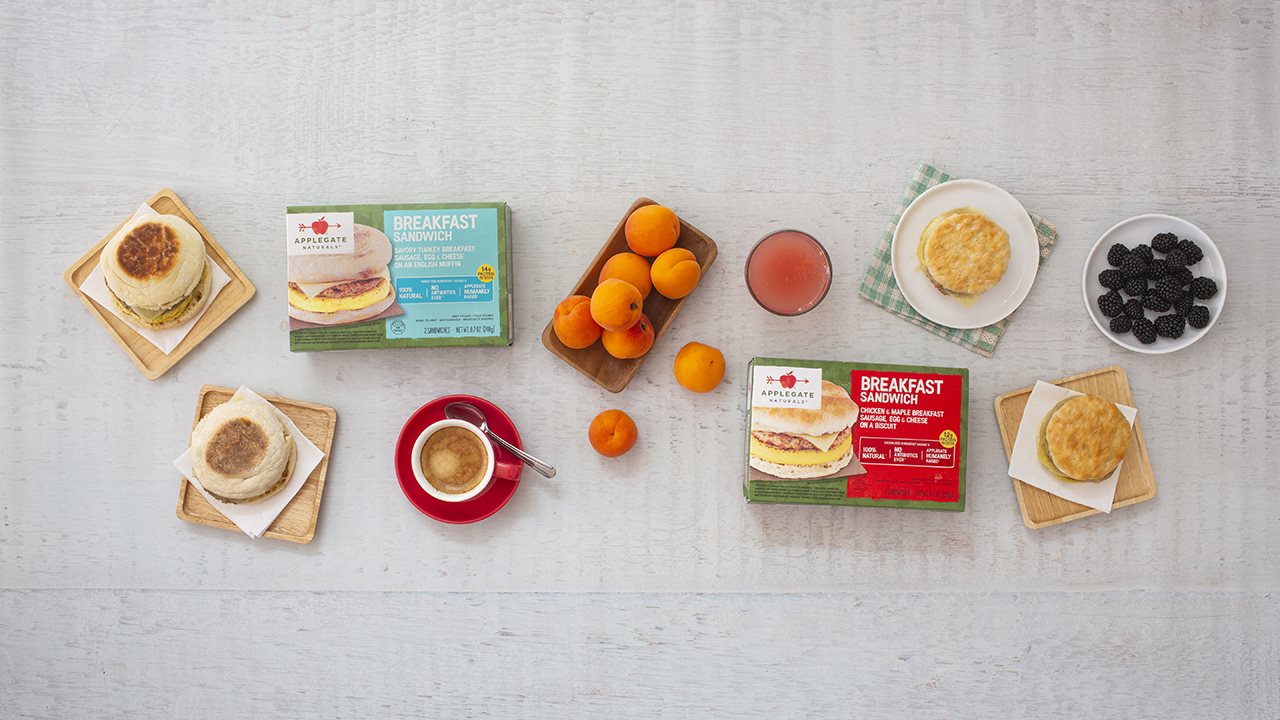
A spread of Applegate Breakfast Sandwiches in and out of their packaging, next to fruit.

A hot breakfast can feel like a luxury as you’re walking out the door. Consider keeping convenient heat-and-carry meals on hand so your family can enjoy a tasty and nutritious breakfast without being late for school or work.

The next time you go grocery shopping, add a box of APPLEGATE NATURALS® Breakfast Sandwiches to your cart. In under five minutes, you’ll have a convenient and essential go-to breakfast that can make eating during transitional life moments easier.

Whether you choose the APPLEGATE NATURALS® Chicken & Maple Breakfast Sausage, Egg & Cheese on a Biscuit or the APPLEGATE NATURALS® Savory Turkey Breakfast Sausage, Egg & Cheese on an English Muffin, you can count on 12-14 grams of protein per serving and high-quality, recognizable ingredients — including meat sourced from animals raised with no antibiotics ever. You can feel good about the breakfast you’re feeding your family, too, since all APPLEGATE® products meet the Applegate Humanely Raised standard, in which animals are raised with space to engage in natural behaviors and promote natural growth.

4. Get the kids involved

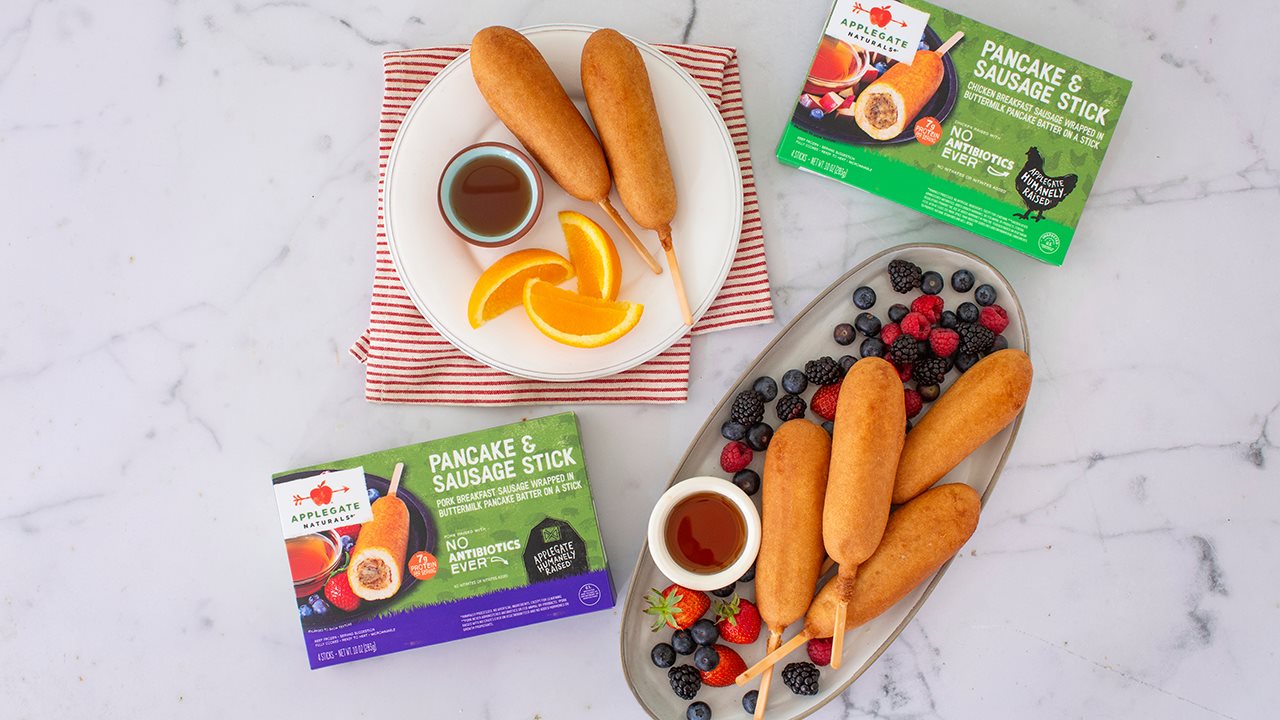
A spread of Applegate Pancake and Sausage Sticks laid on a plate next to its packaging

Parents don’t have to be responsible for every weekday morning task. Give your children simple chores like packing their own bags, feeding pets and preparing simple breakfast items.

A tasty, fun and easy-to-make breakfast item your kids can heat up on their own is an APPLEGATE NATURALS® Pancake & Sausage Stick. Both the APPLEGATE NATURALS® Pancake & Pork Sausage Stick and APPLEGATE NATURALS® Pancake & Chicken Sausage Stick feature a fluffy pancake wrapped around savory sausage on a stick and offer 7 grams of protein per serving for a balanced and delicious start to the day.

Even better, these compact, mess-free sticks are easy to take along or pack in bento boxes — making them a convenient choice for breakfast on the go.

A blue bento box with fruit, yogurt, and an Applegate pancake and sausage stick.

5. Be flexible and adapt to changes

No two mornings are alike. As you go through your morning routine, remember to stay flexible so you can adapt to unexpected changes. That may mean changing an outfit because of a spill or spending less time on breakfast to finish a last-minute book report. No matter what life throws your way, embrace the unknown and adjust your plans to ease stress.

This back-to-school season, take the rush out of your mornings. Try these five tips and see how you can make the start to your day less stressful this fall and beyond.

Making the team: Athletes can boost their health and wellness this season with these soldier-proof tips

2025-09-01T08:01:00

(BPT) – The 2025-2026 school year is here, and many student-athletes have their eyes set on making the roster for their chosen sport.

But what does it take for young athletes to perform at their best? The U.S. Army’s health and wellness experts can help with practical tips rooted in the Army’s Holistic Health and Fitness (H2F) system, a program dedicated to optimizing the performance of the force’s tactical athletes — Soldiers — across all aspects of health: physical, nutritional, mental, spiritual and sleep.

These are the same experts who help the Army’s elite Soldier-athletes — from the Army Warrior Fitness Team to the World Class Athlete Program — compete and win at the highest levels of their sports.

Ready to up your game? No matter your sport of choice, check out the following battle-tested tips to prepare for this year’s tryouts and beyond:

1. Strengthen your bones and joints with multi-lateral movement

Long-distance running is great for building cardiovascular health and endurance, but the low-load, long-duration activity can desensitize the body’s osteogenic response — the process of building and strengthening bones — and can sometimes lead to bone stress injuries (BSIs). Like running, rucking — or a long-distance march with a weighted backpack — has long been a staple of building physical readiness and morale among Army Soldiers. To avoid injury during this activity, Soldiers are encouraged to incorporate short-duration, high-impact multi-directional movements into their workouts to strengthen their bones and joints.

Maj. Gary Helton, Army physical therapist and sports medicine expert, stresses the importance of beginning this type of movement early in life to reap the benefits as one gets older. He notes that the foundation of bone health and architecture is laid during adolescence, so making sure that young athletes are exposed to bone stress early will set them up for success down the road.

In addition to cardio and endurance training, try incorporating multi-directional movements to help your bones adapt to different stress patterns, strengthen tissue and enhance balance:

  • Jumps and plyometric exercises like jump squats and box jumps
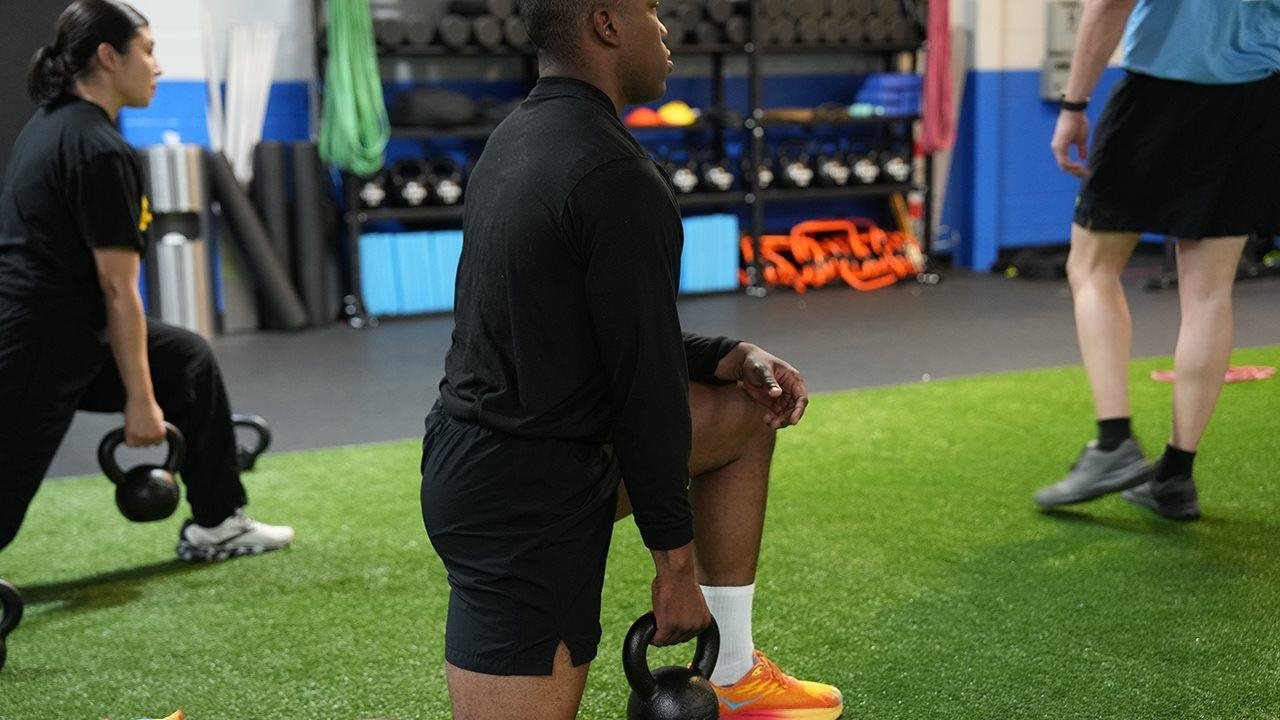
  • Forward, backward and diagonal lunges
  • Agility and balance training like cone shuffles, ladder runs and grapevines

2. Work out with weights to build muscle and endurance

Like multi-directional movement, incorporating weights into your workout is essential for building muscle, increasing endurance and preventing injury. Weight work can give you the power and explosiveness needed to engage in a competitive sport as well as increasing muscle mass, which can improve speed and agility.

null

If you’re new to lifting weights, it’s not necessary to pick up the heaviest weights in the gym to reap the benefits. Army physical therapist and injury prevention expert Maj. Shay Lopez recommends:

  • To start, incorporate body weight circuits or bands into your workout to continue challenging the bones and muscles.
  • Once you have your foundation, start to steadily incorporate weights into the workouts.
  • Pay special attention to the fatigue of your muscles, and if you’re sore for more than a few days, try revisiting your workout with a lighter set of weights.

3. Strengthen your core to build athleticism

Building a strong core is crucial for maintaining balance and stability throughout everyday activities, but it can also improve your overall athleticism. Core strength allows you to change directions quickly and stay on your feet during a fast-paced game, and a strong upper body will help you build power and control.

null

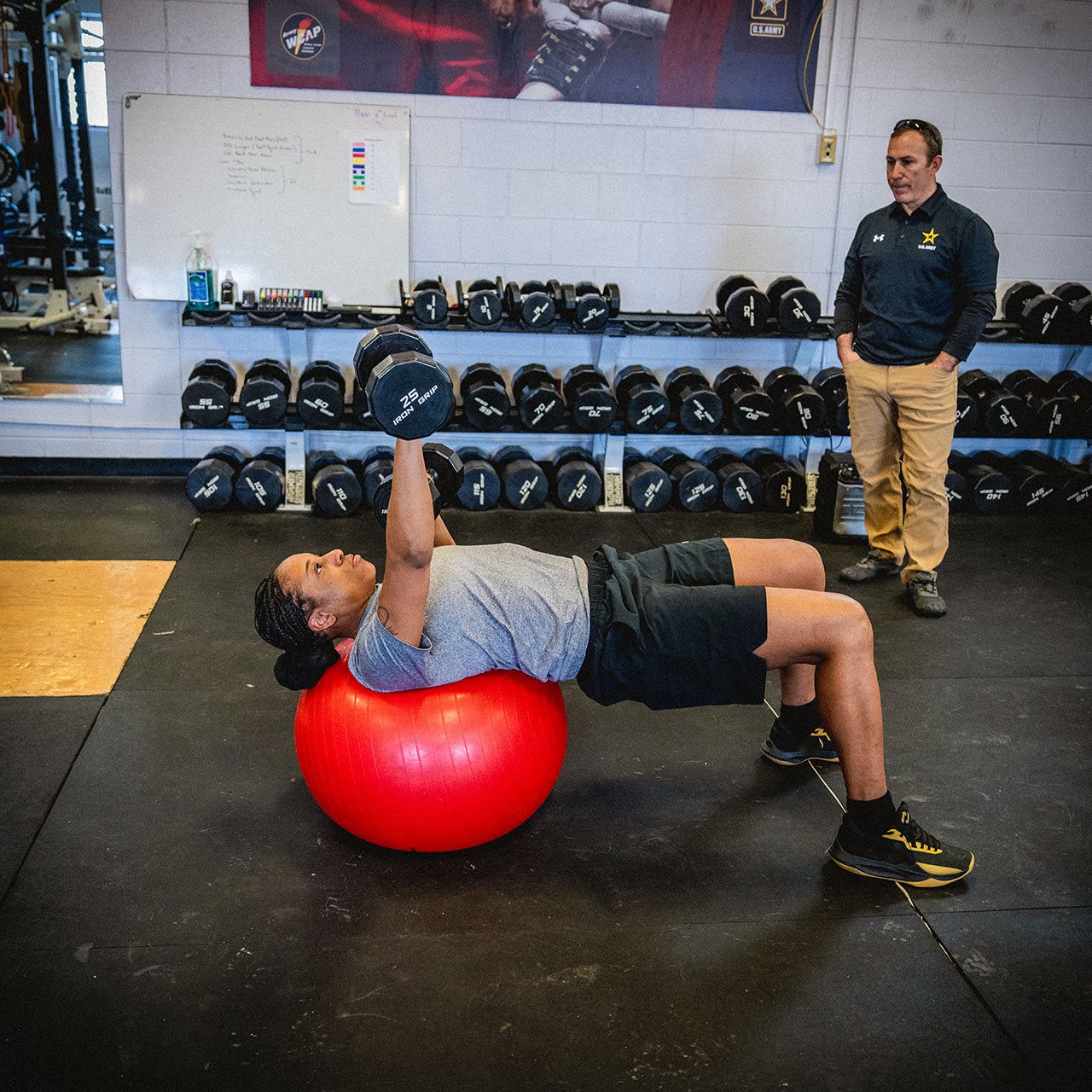
Lt. Col. Jason Barber, high-performance coordinator for the Army’s World Class Athlete Program, recommends leveling up a traditional strength workout by incorporating aspects of instability. This requires you to engage additional muscles to stabilize, successfully strengthening your core and upper body.

An effective movement is to complete a chest press on an exercise ball:

  • Select your preferred weight of dumbbells. With one dumbbell in each hand, lie back on an exercise ball at a 90-degree angle with the hips lifted in line with the shoulders.
  • From there, fully extend your arms toward the sky with your palms facing forward, then slowly lower each arm into a chest press with slow, controlled movement.
  • By keeping your shoulder blades on the ball, your back flat and your core tight, you are effectively strengthening and stabilizing your upper body.

4. Warm up and cool down

Like the “summer slide” in academics, taking extended time away from your sport might require some extra attention on mobility to get back to full speed when tryout season comes around. Reserving time for a proper warm-up and cool-down will help prevent injury and help you feel ready to take on a hard practice.

null

Maj. Max Dummar, orthopedic and sports physical therapist, suggests starting with regular daily stretches in the areas and directions that you may utilize depending on your sport. “Dynamic stretches or foam rolling may be of value when you begin your workouts.” These can include:

  • Leg swings and walking quad stretches to open the hip flexors and loosen the leg muscles
  • Arm circles to increase shoulder and chest mobility
  • Torso twists to loosen the spine and core muscles

When you finish practice, Maj. Dummar recommends that you “take some time to do sustained static stretches for the areas that you used during your workout and any specific muscle group that you know you are particularly tight in.”

5. Take your prep off the field

As you prepare for a big tryout, remember that training is just one piece of the puzzle. During your back-to-school shopping, be sure to include healthy snacks and hydration on the grocery list. Lt. Col. Kelly Calway, Deputy Athletic Director at West Point, says, “School days are long and involve a lot of walking around. Making it to practice with a full battery at the end of the day requires good hydration and fueling. If you need to eat less than three hours before practice, look for a snack with simple carbohydrates like pretzels or a bagel to help prevent stomach issues.”

null

Additionally, incorporating rest and recovery into your routine is essential for making progress and staying healthy. Your bones and muscles regenerate when you sleep, so to see the results of your work in the gym, you need to develop a routine where the rest is just as important as the work.

Maj. Lina Ochoa, occupational therapist and sleep readiness expert, says, “Teenagers usually require 8 to 10 hours of sleep […] When you are well rested, your brain functions more efficiently, you think clearly, process information faster and make better decisions.” A few ways you can set yourself up for a successful night of sleep include:

  • Incorporate muscle relaxation and breathing exercises to your sleep routine to unwind from social stress and schoolwork before bed
  • Dim the lights to release melatonin, the hormone that helps you fall and stay asleep
  • Limit screentime and keep electronics out of sight at least an hour before bed to improve your sleep

As tryouts approach, remember that great performances are built long before game day. By incorporating small, consistent elements of holistic health into your routine, you can begin building habits that last well beyond this year’s roster. For more advice on how to maximize your training, visit the GoArmy channel on YouTube.

How to find resilience and joy as a family caregiver

2025-08-31T23:01:00

(BPT) – Did you know nearly 1 in 4 American adults is a family caregiver? And according to a new study from the National Alliance for Caregiving and AARP, one-third of all caregivers are also members of the “sandwich generation” — caring for an adult and a child under 18 at the same time. Family caregivers provide help with daily activities, transportation, advocating during medical appointments, companionship and much more.

Especially for those caring for a parent with dementia or Alzheimer’s, the challenges are great — as are the rewards. A recent National Day of Joy survey by Talker Research on behalf of Comfort Keepers, market-leading provider of in-home care for adults, reveals nearly 3 in 4 caregivers (74%) find the role to be one of the most rewarding of their lives, and nearly all (91%) say it deepens their bonds with the senior in their care.

“Caregiving for an older loved one is a role most of us will play, and the connection you make with your loved one can be incredibly meaningful,” said Sherri Snelling, gerontologist and Comfort Keepers spokesperson. “The key is to remember to care for yourself, and focus on the joyful moments.”

To help provide care for your loved one with compassion and resilience, keep these approaches in mind.

You don’t have to go it alone

Especially for caregivers who want to ensure everything is done right, it’s easy to fall into the trap of doing everything yourself.

“I didn’t trust other people to give my father care or understand him like I did,” said Joni. “But that led to exhaustion, so I couldn’t be my best when we were together.”

By assembling a care team, you can consistently provide the assistance your loved one needs. This may include family members, neighbors, friends, community groups and other resources. Ask your loved one’s health care provider about resources in your area.

Another way to ensure extra support is through Comfort Keepers, which employs thousands of caregivers nationwide who deliver joy through interactive caregiving by continually communicating with, involving and engaging with seniors in everyday tasks and activities, providing trusted respite care when you need it.

Self-care isn’t selfish

While your loved one relies on you, it’s crucial to take care of yourself. Find ways to support your own well-being, including getting restorative sleep, eating well and even just a few minutes of walking but most importantly find time to simply do things you love.

“When I stopped doing things that made me happy, so I could care for my mom, I got easily irritated by little annoyances that might not have bothered me before,” added Bryan. “After I resumed my hobbies just once a week, I felt more positive. I needed to fill my cup so I could have the physical and mental strength to give to her.”

Self-care takes many forms, so it’s vital to learn what’s important for you. Ask yourself what you need to bring your best self to caregiving. This is even more important when you’re in the “sandwich generation” with kids at home.

A Comfort Keepers caregiver can also give you peace of mind that your loved one is in good hands, opening opportunities to care for yourself and others in your family who may need you.

Find moments of joy and gratitude

As you spend time caring for your loved one, notice those moments when you laugh together, share a special memory or just enjoy a good day when the sun is shining.

“Some days feel ordinary, then something breaks through: My dad tells a story I’ve never heard before, or smiles when the family’s cat hops on his lap,” said Saudia. “Those are the moments I’ll remember.”

Caregiving for a family member involves a commitment that demonstrates love and a sense of belonging that’s fundamental to being human.

“Many caregivers call caregiving a blessing,” said Snelling. “When people care for aging loved ones, they also get something back — deep emotional rewards, personal growth and joy.”

Caring for loved ones with dementia or Alzheimer’s

Comfort Keepers understands the struggles families face caring for a senior with Alzheimer’s disease or dementia, especially when you’re helping them live safely at home. Choosing Comfort Keepers, families receive support including:

  • Specially trained caregivers
  • Family education to better understand dementia
  • Tasks built into their care plan and geared to each senior’s interests to engage them physically, mentally and emotionally
  • In-home services like personal care, companionship, medication reminders and family respite care
  • SafetyChoice® in-home safety technologies including medical alert systems and motion detectors

Learn more about caring for your loved one at ComfortKeepers.com.

Top reasons why most Americans avoid getting their check-ups

2025-08-29T06:01:00

(BPT) – Did you know 90% of Americans put off check-ups or recommended screenings that could help identify and treat serious illness early? Aflac’s 2025 Wellness Matters Survey reveals what’s making Americans hesitate to get wellness exams — and who avoids them most.

Surprisingly, among Americans under 60, women were most likely to admit skipping their common recommended screenings: Gen Z women (68% versus 55% of Gen Z men); millennial women (63% versus 61% millennial men) and Gen X women (63% versus 54% Gen X men).

If you or a loved one are delaying taking care of your health, you’re not alone — but your inaction could result in increased costs, worse health outcomes, or even a shorter lifespan. The good news is, you can take steps today to help safeguard your health.

Barriers to care

The Wellness Matters Survey found an alarming 94% of Americans face barriers to getting recommended screenings. Across all generations, Americans delay health care because going to the doctor isn’t always easy — logistically or emotionally. Many people avoid appointments for practical reasons including cost, time and transportation, but emotional factors like fear of bad news or embarrassment also create obstacles:

  • Nearly half of Americans (48%) face logistical barriers including conflicts with work hours and challenges taking time off for appointments.
  • Nearly 40% have canceled or not scheduled a doctor’s appointment because the wait time was too long.
  • Americans have avoided these common screenings:
    • pap smear (33%)
    • prostate exam (32%)
    • colonoscopy (32%)
    • mammogram (31%)
    • blood test (31%)
    • full-body skin cancer exam (27%)
    • STD screening (22%)

Notably, millennials are most likely to avoid these overall screenings (62%), closely followed by Gen Z (61%):

  • Gen Z reports experiencing feelings of personal embarrassment and distrust or dislike of doctors (32%).
  • Embarrassment and fear of bad news prevents nearly 1 in 4 young women, particularly Gen Z, from getting on-time screenings.

Advantages of check-ups and screenings

Annual checkups with a primary care physician offer several benefits. They give your provider a baseline so changes can help identify health issues early, when they’re much more treatable. Wellness exams also offer opportunities to ask questions and alleviate concerns, which can be reassuring. Information from trained, experienced health care providers is more reliable and accurate than what you may find online about your concerns.

Waiting until you have a health crisis, then relying on urgent care or the emergency room, is also more costly than preventive care and timely management of health conditions. Many Americans (41%) — including Gen Z (51%) and millennials (54%) — primarily use urgent care or the emergency room for medical needs. Men (46%), African Americans (47%), Asian Americans (45%) and Hispanics (44%) are most likely to seek medical attention from urgent care or the emergency room.

Timely health screenings can ensure signs of illness — including cancer — are detected as early as possible, before you need to seek urgent care. Recent medical advances offer more effective treatments for a variety of cancers and other diseases, but they’re more successful when started as soon as possible. Finding and treating cancer and other diseases early is your best bet for improved health outcomes, and could actually save your life.

Tips to manage health screenings

If you’re unsure what screenings you need, or haven’t seen a doctor in years, contact your health insurer to learn what doctors or clinics near you are covered by your plan, and what screenings are covered.

  • Choose a primary care physician. Through your insurance network, find a practitioner located near you.
  • Learn about screenings recommended for your age, gender and family health history. Start at CDC.gov for basic information.
  • Keep a regular schedule by planning check-ups around your birthday, so you don’t forget.
  • Maximize appointments by writing down questions you have before going.
  • Plan ahead by adding recommended screening timelines to your calendar.

You can also encourage friends and loved ones to take care of their health by offering gentle reminders, expressing your concern for their well-being. In the Wellness Matters Survey, 73% said they feel the positive benefits of a thoughtful nudge about getting preventive care, with 83% of African Americans, 79% of Hispanics, 78% of Gen Z and 77% of millennials expressing thankfulness or a sense of relief that a friend or loved one urged them to go to the doctor.

Don’t wait for a health scare

Overall, the survey showed Americans know they should take a moment to schedule preventive care screenings or wellness visits, even though they delay it. For 65% of Americans, experiencing a health scare is what made them realize they need to be more proactive about their health. Unfortunately, many of those who believe they’ll be diagnosed with cancer are more likely to delay screenings (62% versus 42%).

Coverage matters

Understandably, employees consider benefits packages to be vital for their physical, financial and mental well-being during a time of increased worry about health care costs. In fact, the 2024-2025 Aflac WorkForces Report found a growing number of employees would consider leaving their jobs for better benefits, even with a pay cut. Supplemental insurance benefits are an important part of a comprehensive benefits package, with most employees seeing an increasing need for supplemental insurance to help mitigate fear of unexpected medical events, helping to anchor financial stability and increase peace of mind.

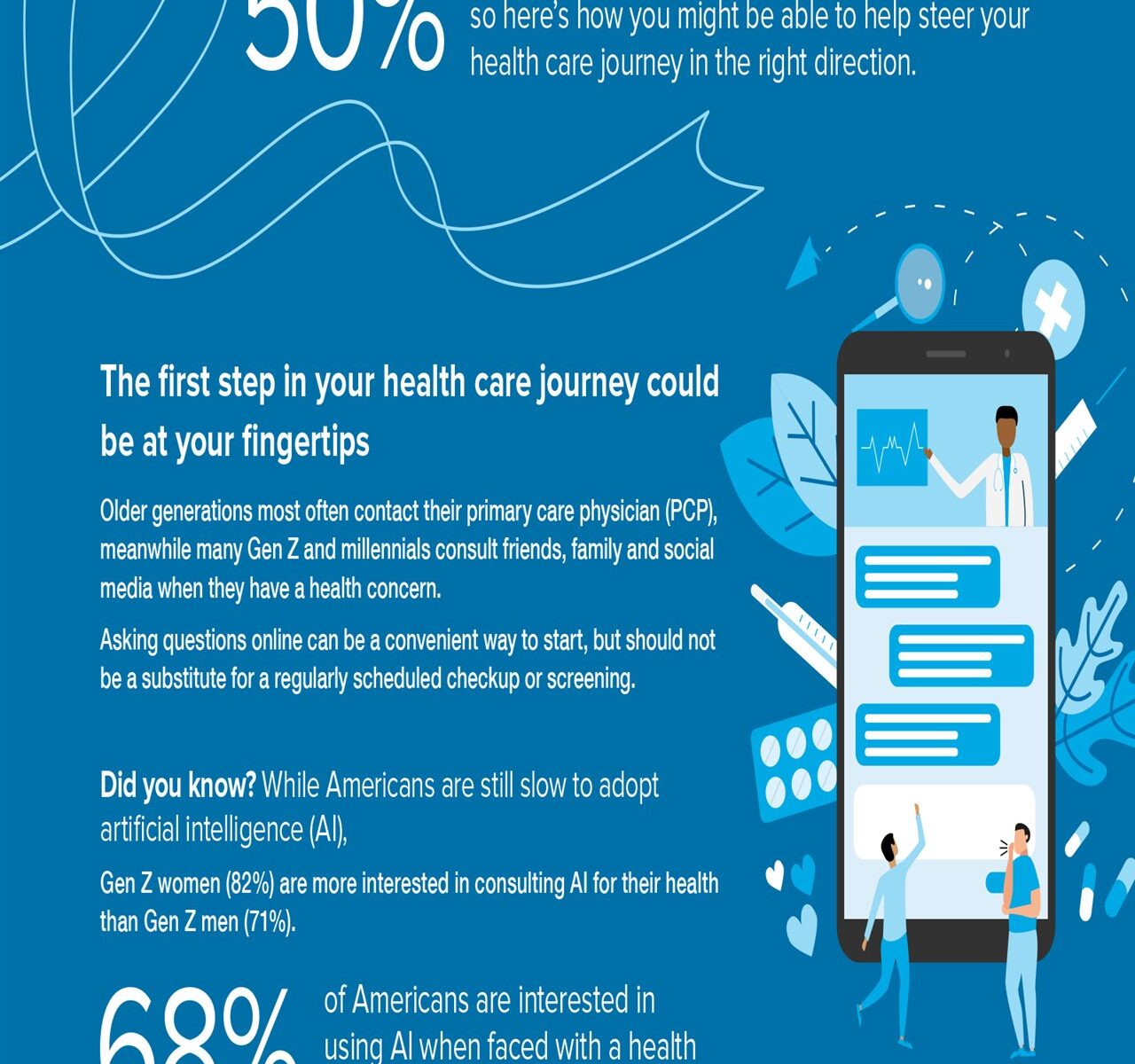
Inforgraphic that is called

You can be more proactive about your health. Early detection and treatment are key, so start by making an appointment today. Visit Aflac.com/WellnessMatters (Spanish: Aflac.com/es/Wellness-Matters) to learn more.

Aflac. “The 2025 Wellness Matters Survey.”

About the study: The 2025 Wellness Matters Survey was conducted among a nationally representative sample of 2,000 employed U.S. adults ages 18-65 in April 2025 by Kantar Profiles on behalf of Aflac.

The results from the 2025 Wellness Matters Survey are intended for informational purposes only. Aflac’s family of insurers American Family Life Assurance Company of Columbus and/or American Family Life Assurance Company of New York, and/or Continental American Insurance Company (CAIC) and/or Continental American Life Insurance Company.

WWHQ | 1932 Wynnton Road | Columbus, GA 31999

Z2500456 Exp. 8/26

The future of flavor: Better-for-you beverages that don’t compromise

2025-08-28T08:01:00

(BPT) – When you reach for a beverage, what drives your decision? Is it health benefits, taste or both? If you’re like many consumers, a drink that only quenches your thirst or satisfies your sweet tooth isn’t enough. That’s why functional beverages and drinks that deliver great taste are on the rise.

Drinks that help your body function

While the name may not be familiar, you’ve probably seen or even tried functional beverages. These drinks offer health benefits like improved hydration, digestion and nutrition with functional ingredients like vitamins, minerals and probiotics. For example, PLEZi Nutrition, the public benefit company founded by former first lady Michelle Obama, focuses on creating beverages with vitamin C, fiber and potassium to provide nutrients your body needs but may not otherwise get enough of.

Consumer demand for functional drinks continues to grow. According to Zion Market Research, the functional beverage market was valued at $175.5 billion in 2022 and is predicted to grow at a compound annual rate of 8.6% through 2030, eventually reaching $339.6 billion.

One group that is leading the functional beverage trend is sports drinks. According to Innova Market Insights, sports drinks account for about two-thirds of functional beverage launches in the U.S. These sports drinks are designed to support performance, muscle recovery and electrolyte balance.

That said, sports drinks can have a lot of sugar, specifically added sugar. Added sugars are those added during food and drink processing, and do not include naturally occurring sugars found in milk, fruits and vegetables. According to the Centers for Disease Control and Prevention (CDC), consuming too many added sugars can contribute to obesity, type 2 diabetes, heart disease and other health problems.

The Dietary Guidelines for Americans recommends limiting calories from added sugars to less than 10% of total calories per day. So, if you consume 2,000 per day, you should aim to eat or drink less than 200 calories or 50 grams of added sugars per day.

This presents a problem, though: According to the same dietary guidelines, a 12-ounce serving of a sports drink has 97 calories or 20 grams of added sugar, representing over 40% of the recommended daily added sugars intake.

Many consumers are realizing the negative impacts of too many added sugars and want beverages that help them reduce their average intake. As a result, many companies are now creating functional sports drinks without as much added sugar.

Smiling girl sitting on a couch holding 5 cans of PLEZi close to her.

This past year, PLEZi Nutrition launched PLEZi Hydration, which has no added sugar* and half the sugar of the leading sports drink.* Co-created with four-time NBA Champion, Stephen Curry, and culinary entrepreneur, Ayesha Curry, the sports drink stands out among the competition because it also offers nutritional ingredients — twice the electrolytes and seven times the potassium compared to leading regular sports drinks,** and vitamin C for immune health and muscle repair.

It’s not surprising that the Currys have partnered with PLEZi. Many of the couple’s endeavors, including their work through their Eat.Learn.Play Foundation, centers on supporting underserved communities through access to healthy foods, movement and sport. PLEZi’s own nutritional standards are overseen by their Kitchen Cabinet, the company’s board of advisors in key areas like nutrition and public health.

This is just one example of how beverage brands are not only listening to consumers’ desire to reduce sugar intake but are also moving toward better-for-you and functional ingredients.

A taste that doesn’t compromise

Even with better nutritional value, functional beverages are nothing without flavor — and consumers agree.

According to a beverage flavor trends report from Innova, the demand for innovative beverage flavors is on the rise, with consumers increasingly favoring exciting and functional drinks that deliver on taste without compromising health goals.

More specifically, consumers want a taste rooted in nature. Another Innova report found that a quarter of consumers are prioritizing natural flavors made from real ingredients. This finding marks a shift toward cleaner formulations that reduce sugar while preserving sweetness, meeting demand for natural and familiar sweet solutions.

Creating a beverage that tastes good and is good for you sounds like a tall order, but it is possible. This is where brands like PLEZi can fill the gap. With no artificial colors, dyes or sweeteners and less sugar**, the company’s Hydration drink — as well as its healthier soda alternative PLEZi FiZZ*** — delivers bold flavors to meet consumers’ tastes while also delivering on wellness demands.

The future of function and flavor is one and the same. As consumers demand drinks that work as hard as they do, beverage companies have a prime opportunity to not only meet but exceed expectations with creativity and health in mind.

*Not a low-calorie food. See nutrition panel for information on sugar and calorie content.

**Per 16.9 ounces: PLEZi Hydration – 120 milligrams (Sodium), 500 milligrams (Potassium), 12 grams (Sugar). Leading regular sports drink – 230 milligrams (Sodium), 70 milligrams (Potassium), 28 grams (Sugar)

***PLEZi FiZZ has 75% less sugar than the leading regular soft drinks. Contains 10 grams of sugars from fruit juices per 12 ounces versus 40 grams of sugar per 12 ounces for leading regular soft drinks.

Feeding Preemies Better: How Advances in NICU Nutrition Have Been Helping Babies Thrive

2025-08-28T08:05:00

(BPT) – If your baby is born prematurely, you’re suddenly navigating a world of specialized care, unfamiliar terms, and important decisions. But there’s good news. One of the most significant advances in preemie care over the past 19 years is how these babies are fed — and it’s making a measurable difference in their health outcomes.

For premature babies born weighing less than 2.75 pounds, nutrition plays a critical role in their growth and development. These preterm newborns need more calories and protein than breastmilk alone can provide. That’s why hospitals add something called a “fortifier” to breastmilk to provide the extra nutrition needed to support healthy growth.

What many parents don’t realize is that not all fortifiers are the same.

Not All Fortifiers Are Truly Breastmilk-Based

In the U.S., every product labeled “human milk fortifier” is made from cow milk — except one. A company called Prolacta Bioscience offers the only fortifier made from 100% breastmilk, free from cow milk.

This difference matters. Fortifiers made from 100% breastmilk are designed specifically for premature babies and are being used in NICUs across the country to support better outcomes, fewer complications, and shorter hospital stays.

When used as part of an exclusive breastmilk diet, these fortifiers and formulas are:

What Parents Can Do

If your baby is born weighing less than 2.75 pounds and is in the NICU, be a strong advocate for your baby’s care. Here are a few ways to stay informed and involved:

  • Understand that early nutrition choices can affect your baby’s immediate and long-term growth and development
  • Tell your NICU care team you only want your baby to receive 100% breastmilk, including Prolacta’s fortifiers made from 100% breastmilk, not cow milk products (be aware that most products labeled “human milk fortifier” are actually made from cow milk)
  • Don’t be afraid to ask questions or request more information

Every Drop Counts

Premature babies need extra nutritional support to grow. Parents who understand their options are better equipped to make informed choices alongside their baby’s care team.

If you have questions about NICU nutrition or want to learn more about breastmilk-based fortifiers, you can speak with a member of Prolacta’s Parent Support team at 1.888.413.9885 or visit the parent education page.

Understanding your options can help you feel more confident, more informed, and more empowered — even during one of the most challenging times in your parenting journey.

Tips for bringing comfort to the table this back-to-school season

2025-08-26T09:15:00

(BPT) – The back-to-school season brings major transitions that can make daily meal prep feel overwhelming. With tighter schedules, busier days and bigger appetites, there’s often little time left for planning or preparing elaborate meals and snacks. The good news? With a few smart strategies and convenient options, you can still serve up satisfying, comforting and easy-to-make meals and snacks to keep the whole family fueled during this busy time of year.

Follow these tips and recipes to make settling into your new routine easier and more enjoyable.

Freeze ahead (and make the most of weekend prep)

Use weekends to get ahead for the week and beyond. Prepare double batches of family favorites that freeze well — think casseroles, chili, soups or stews. Be sure to let the food cool completely before freezing. For convenience, portion meals into single servings using freezer-friendly bags or containers, then label and date each one. While you’re in the kitchen, prep a few versatile basics like grilled chicken, roasted vegetables or chopped fruit that can be used in a variety of meals throughout the week. With both freezer staples and fresh prepped ingredients on hand, you’ll simplify weekday meals and cut down on stress.

Choose snacks that make busy days easier

Busy days call for snacks that are quick, satisfying and kid-approved. Bob Evans Single-Serve Macaroni & Cheese and Mashed Potatoes are the perfect solution for after-school cravings or a quick bite between activities. Ready in minutes with no prep or clean-up, these single-serve cups bring ultimate comfort in a convenient snackable size.

Fuel up with breakfast

Starting the day with a wholesome breakfast helps kids (and parents) stay energized and focused through the morning rush. Bob Evans Liquid Egg Whites offer a quick and protein-rich option — just pour and cook for fluffy scrambles, omelets or muffin cups. With no separating or mess, they make it easy to whip up a balanced breakfast even on hectic school mornings.

Meals that fit your schedule

Whether you’re feeding a hungry crew after school or looking for a quick meal everyone will enjoy, these simple, satisfying recipes are perfect for busy schedules and big appetites.

Greek Muffin Egg Cups

A versatile and protein-rich breakfast recipe that will nourish the whole family.

Prep time: 20 minutes; cook time: 20 minutes; servings: 6

Ingredients

  • 2 cups Bob Evans Liquid Egg Whites
  • 1/2 cup 2% small curd cottage cheese
  • 1/2 teaspoon salt
  • 1/2 teaspoon pepper
  • 1/2 teaspoon garlic powder
  • 3/4 cup chopped oil-packed sun-dried tomatoes
  • 4-ounce container crumbled goat cheese
  • 1/4 cup chopped fresh basil

Instructions

1. Preheat oven to 300° F.
2. Blend egg whites, cottage cheese, salt, pepper and garlic powder in blender until smooth.
3. Divide tomatoes, goat cheese and basil among 12 lightly greased muffin cups.
4. Pour egg white mixture over tomato mixture.
5. Bake 20-25 minutes or until centers are set.
6. Let cool 10 minutes before removing from pan and enjoy! Garnish with additional crumbled goat cheese and fresh basil leaves (optional).

Spicy Hot Dog Macaroni & Cheese

A fun and easy dish combining two kid favorites for a quick and tasty meal.

Prep time: 15 minutes; cook time: 30 minutes; servings: 6

Ingredients

  • 6 all-beef hot dogs
  • 12 ounces Bob Evans Single-Serve Macaroni & Cheese
  • 1 1/2 cups shredded Colby Jack cheese
  • 1/2 cup diced onion
  • 1/4 cup chopped pickled jalapeno peppers
  • 1 teaspoon chili powder
  • 1 teaspoon ground cumin
  • 1 1/2 cups kettle-cooked potato chips, lightly crushed

Instructions

1. Preheat grill or grill pan to medium-high heat.
2. Grill hot dogs 4-5 minutes per side or until grill marks appear. Slice.
3. Meanwhile, preheat oven to 400° F.
4. Microwave macaroni and cheese according to package directions.
5. Spoon into large bowl.
6. Stir in shredded cheese, onions, peppers, chili powder, cumin and hot dogs.
7. Spoon mixture into 1 1/2-quart baking dish.
8. Sprinkle with crushed chips.
9. Bake 20-25 minutes or until hot and bubbly.
10. Cool and enjoy!

Mashed Potato Pizzas

A creative and comforting twist on pizza that will make mealtime fun and delicious for the whole family.

Prep time: 20 minutes; cook time: 45 minutes; servings: 4

Ingredients

  • 2 tablespoons butter
  • 1 onion, thinly sliced
  • 1 tablespoon balsamic vinegar
  • 8 slices bacon, chopped
  • 4 pita bread rounds
  • 12 ounces Bob Evans Single-Serve Original Mashed Potatoes
  • 12 ounces broccoli florets, chopped
  • 1 1/2 cups shredded cheddar cheese

Instructions

1. Melt butter in large skillet over medium heat.
2. Add onion; cover and cook 15 minutes or until tender.
3. Uncover and increase heat to medium-high.
4. Cook, stirring constantly, until onions are golden brown. Stir in vinegar.
5. Meanwhile, cook bacon in large skillet over medium heat until crisp; drain on paper towels.
6. Preheat oven to 400° F.
7. Microwave mashed potatoes according to package directions.
8. Spread over pita rounds and place on large, rimmed baking sheet.
9. Divide caramelized onions, broccoli, bacon and cheese over mashed potatoes.
10. Bake 20 minutes or until cheese is melted and pitas are golden. Enjoy!

Visit BobEvansGrocery.com to discover more back-to-school recipe inspiration.

New study: Americans have $500 in emergency savings

2025-08-25T09:01:00

(BPT) – The median emergency savings for Americans is $500, according to new Empower research. The size of the safety net varies by generation, with Boomers saving a median of $2,000 — five times that of Gen Z’s reserves of $400. One-third of Americans (32%) don’t have an emergency savings fund and 29% say they can’t afford an unexpected expense over $400.

Half of Americans admit they’re stressed about their current level of emergency savings (50%) and recognize the importance of a safety net. Some 75% of Americans agree emergency savings are essential for financial security and 64% say it’s a financial priority for them.

Emergency savings are top of mind — and a moving target

The majority of Americans (64%) say growing their emergency savings is a financial priority right now — even if they’re still finding their financial footing. So where do things stand?

The median emergency savings balance for Americans:

  • Overall: $500
  • Gen Z: $400
  • Millennials: $300
  • Gen X: $500
  • Boomers: $2,000

A third (30%) do not believe they could handle unexpected expenses that could arise in the year ahead. Close to 1 in 5 Americans say their savings would cover less than a month of expenses (18%).

The majority (63%) say the rising cost of living has made it harder to build or maintain emergency savings, and 35% say the economy and tariffs have caused them to increase their contributions. More than half (58%) say saving for emergencies feels “almost impossible” with how expensive everything is right now.

In the past year, many have faced unplanned financial events including:

  • Car repairs (26%)
  • Medical bills (24%)
  • Home repairs (19%)
  • Job loss or income reduction (14%)
  • Pet emergency (11%)

Nearly two-thirds (64%) of Americans say emergency savings are a financial priority for them in 2025. Some 17% contribute to their fund monthly as part of their budget, and 31% say they’ve added to their savings in the past month.

Stress meets strategy

Most take a “better safe than sorry” approach to emergency savings and want to put away as much as possible (39%), with half (52%) wishing they had started saving sooner. Close to 1 in 5 are more modest, saving up “just enough to sleep at night” (17%), while 13% are opportunity cost conscious — they balance emergency savings with other investments.

But the study reveals awareness and momentum: Nearly half (48%) believe their emergency savings will grow over the next year:

  • 20% add to their fund sporadically when they have extra money
  • 12% have set up automatic monthly contributions

What gets in the way?

Nearly a quarter (23%) say they maintain the same emergency savings approach regardless of economic conditions, though Americans cite several common roadblocks to saving for a rainy day:

  • 39% say inflation and rising prices are the top barrier
  • 35% point to high monthly expenses
  • 32% say their income is too low or irregular
  • 22% prioritize paying off debt first

Close to half (46%) say their emergency savings account has less money compared to a year ago and more than 2 in 5 (42%) say their savings wouldn’t help them if they lost their job today. Some 40% say they can count on their family to help if something goes wrong financially.

Where do Americans keep their safety nets?

Around 37% of Americans store their emergency saving fund in a regular savings account. A quarter use a checking account (23%). Nearly 1 in 5 keep emergency cash at home (19%) — a figure that rises to 27% among Gen Z.

Only 16% have set a specific goal of saving six months of expenses. But the lack of a precise number isn’t stopping people from trying. In fact, 41% don’t have a target at all — but they’re putting away money as they go.

Generational check-in

  • Gen Z: 25% say they don’t have emergency savings yet, but a notable 33% have worked with a financial professional to help them get started.
  • Millennials: Nearly 3 in 10 have consulted an advisor about emergency savings, and they’re increasingly focused on building long-term security.
  • Gen X: The most likely generation to say they couldn’t afford an unexpected $400 expense (35%).
  • Boomers: Feel they could handle an emergency expense over $10,000.

A roadmap for resilience

When asked what would make the biggest difference in their ability to save more, respondents pointed to:

  • Higher income (48%)
  • Lower monthly expenses (37%)
  • Lower inflation or more stable prices (36%)
  • Ability to pay off debt first (27%)
  • Better tools and smarter automation (9%)

Safety net snapshot

Americans are expecting the unexpected, and many are seeking advice: More than 1 in 4 people (26%) have worked with a financial professional to plan for emergencies, including 33% of Gen Zers and 29% of Millennials.

Methodology:

Empower’s “The Safety Net” study is based on online survey responses from 2,202 Americans ages 18+ fielded by a third-party panel provider from June 3-5, 2025. The survey is weighted to be nationally representative of U.S. adults.

RO4715749-0825