
Student success in the AI age: Higher education must rewire its model

2026-01-22T09:01:00

(BPT) – The workplace of the future will look vastly different from today’s workplace. The impact of AI is just beginning to be felt, and experts agree jobs will continue evolving, with many new jobs being created that can’t be anticipated today.

You don’t have to go too far back to see how much digital technology has already changed the employment landscape.

“If you traveled back to 2000 and introduced yourself as ‘social media manager,’ ‘prompt engineer’ or ‘brand influencer’ you would be met with blank stares,” said Elise Awwad, president and CEO, DeVry University. “Looking forward 25 years, the difference will not just be in what jobs we do, but who — or what — is doing them. You will likely encounter jobs, departments or entire sectors that are unrecognizable today.”

Because the impact of AI is ongoing, unpredictable and unstoppable, it’s critical for higher education to respond to rapid technological changes by fully equipping students with tools, knowledge and practical skills they will need not just in today’s workplace, but also the future.

“This is why DeVry is committed to embedding AI into every aspect of our curriculum, programs and student experience,” added Shantanu Bose, Ph.D., provost and chief academic officer, DeVry University. “Institutions must respond to this urgent call to action. In that vein, DeVry is executing a focused plan to incorporate AI skill-building across 100% of courses, expanding access to AI specializations and certificates, ensuring graduates can understand and apply AI responsibly in their professions.”

How to embrace AI for good

Students today already use AI to a large extent, for a variety of purposes. A recent study found that 90% of students today use AI, with many using it in helpful ways including brainstorming assignments (37%), summarizing information (33%) and receiving feedback (32%) — usually without any guidance or understanding of how to critically approach and best use AI tools.

According to recent articles in Forbes, some higher education institutions are starting to understand AI skills are key to student success in the workplace and that AI fluency is crucial for today’s students, driving many schools to introduce AI-specific content to their curriculums.

DeVry University, a digital-first, career-focused institution specializing in technology- and business-centered education for adult learners, is going even further, embedding AI in 100% of their courses by the end of 2026.

“We’re building an AI-forward education that is grounded in our belief that higher education must fundamentally evolve to remain relevant in today’s AI-powered economy,” added Bose.

DeVry’s AI-focused, dual-competency approach

Today, AI concepts and applications are already embedded across the university’s programs through coursework, discussions, projects and learning experiences that require students to analyze data, support decision-making, evaluate AI-generated insights and apply AI responsibly within their field. These durable, human skills are taught throughout DeVry’s curriculum to foster the critical thinking and creativity needed in the workplace of the future alongside AI.

Here are the many ways DeVry is further integrating AI into its curriculum and infrastructure to ensure student success in today’s digital economy — and into the future.

AI Catalyst: DeVry developed the DeVryAI Catalyst core curriculum, available to undergraduate students across disciplines. This allows students to complete a set of foundational AI courses, on which they can continue to build more advanced AI courses throughout their studies. Furthermore, every DeVry course builds toward AI fluency, so students learn to apply AI responsibly in their field.

AI program and credential expansion: DeVry launched its initial coursework in automation and machine learning in 2020 and has since taken meaningful steps to integrate AI throughout its academic portfolio, expanding applied AI coursework, specializations and certificates in Business and Technology programs. Building on this foundation, DeVry will expand its AI degree portfolio at the undergraduate and graduate level.

Lifelong AI upskilling through DeVryPro: DeVryPro extends DeVry’s AI strategy beyond traditional degrees, through its dedicated upskilling and reskilling platform designed to quickly teach workplace-critical skills to working professionals and employer partners.

AI-enabled culture of care: DeVry Care uses predictive analytics alongside dedicated advisors to support learner success. Among learners who received targeted outreach and used tutoring, 80% saw an improved assignment grade and 96% were successful (they graduated or persisted).

AI Learning Assistant in every course: All DeVry courses include an embedded AI Learning Assistant that provides real-time, conversational support, 24/7. The assistant currently handles over 90% of routine student questions, reducing friction and enabling the faculty to focus on higher-value instruction, coaching and mentorship.

AI Assisted Support for every student: All DeVry students, alumni, and applicants have access to an integrated AI-powered agent in their account portal providing on-demand assistance, 24/7, designed to reduce friction and help learners get back to focusing on what matters most — their studies. Users supported by the AI-powered agent report both high rates of issue resolution and satisfaction, especially when the AI agent and Advisor work alongside each other.

Faculty professional development: DeVry faculty are participating in a proprietary AI training program, created by faculty for faculty, ensuring they are supporting AI fluency development through coursework, discussions, projects, and learning experiences.

Preparing for an AI economy

By fundamentally reimagining both pedagogical frameworks and curricular objectives for an AI-driven labor market, the university is helping ensure that students cultivate the specialized technical competencies and ‘durable’ skills essential for professional resilience.

“Recognizing that AI raises the bar for human performance, DeVry has centered its approach on a dual-competency model; one that balances technical AI fluency with the ethical reasoning and leadership necessary now and in the future,” noted Awwad.

Learn how DeVry is leading the way in AI education at DeVry.edu.
How anesthesiologists have shaped modern medicine

2026-01-21T16:01:01

(BPT) – For more than a century, anesthesiologists have driven transformative advances in surgery, patient safety, critical care and pain management, shaping how medical care is delivered at life’s most critical moments.

“Anesthesiologist-led innovations have changed the course of modern medicine,” said Patrick Giam, M.D., FASA, president of the American Society of Anesthesiologists (ASA). “While many of these breakthroughs took years of dedication and discovery, each turned once-impossible or dangerous care into routine, life-saving surgeries, pain management and critical care for millions of patients.”

As the specialty celebrates Physician Anesthesiologists Week, Jan. 25-31, consider the following anesthesiologist-led innovations that shaped modern medicine.

1. Making surgery painless

Before anesthesia, surgery was rare and typically reserved for emergencies, such as amputations or setting broken bones. That changed in 1846 when the first public demonstration of surgical ether at Massachusetts General Hospital revolutionized medicine, enabling patients to undergo surgery without extreme pain. Incidentally, anesthesiologist Dr. Crawford Long had used ether privately for surgery years earlier starting in 1842. Anesthesiologists pioneered anesthesia and continue to refine it, from early anesthetics such as chloroform to modern drugs like sevoflurane that allow precise control and faster recovery.

2. Protecting every breath during surgery

Even after anesthesia was introduced, surgery remained dangerous because patients could stop breathing or choke. In 1878, a Scottish surgeon addressed this risk by inserting tubes into patients’ windpipes to support their breathing. Since then, anesthesiologists have continued to advance airway management, developing specialized breathing tubes and tools — such as today’s video-assisted technology — to help maintain critical airway and breathing functions. These advances enable more complex surgeries and reduce the risk of complications and death.

3. Ensuring newborn health

Invented in 1952 by anesthesiologist Dr. Virginia Apgar, the Apgar score transformed newborn care by giving doctors a fast, reliable and standardized method to assess an infant’s health in the first minutes of life based on five signs (from skin tone to breathing). Before the Apgar score, newborn assessment was inconsistent and delays in vital care were common. Today, it is used worldwide to identify infants who need immediate care, such as oxygen or warming, and has played a major role in reducing infant mortality.

4. Creating the modern intensive care unit

During a 1952 polio epidemic, Danish anesthesiologist Dr. Bjørn Ibsen pioneered positive-pressure ventilation — forcing air into the lungs of patients who could not breathe on their own. This laid the foundation for modern ventilators and the creation of intensive care units (ICUs), enabling the support of critically ill patients for extended periods. This innovation has saved millions of lives worldwide, including during the COVID-19 pandemic.

5. Advancing patient safety

The familiar and steady beeping of monitors in the operating room and ICU represents some of the greatest safety advances in medicine. One of those monitors is the pulse oximeter. Introduced in the 1970s, it is a small device that clips onto a finger and measures oxygen levels based on blood flow, alerting doctors to dangerous changes before harm occurs. Anesthesiologists also introduced carbon dioxide monitoring for breathing, automated systems that continuously track vital signs during surgery and simulation-based training that prepares care teams for emergencies. Together, these advances are credited with transforming surgical safety and dramatically reducing preventable deaths.

6. Transforming pain management

From epidurals during childbirth to nerve blocks for knee replacement, anesthesiologists have transformed pain care and reduced reliance on opioids. Regional anesthesia allows many procedures to be performed on an outpatient basis and offers more effective options for managing chronic and postoperative pain.

7. Making complex life-saving surgeries possible

Open-heart surgery and organ transplantation are among the complex, high-risk procedures that are now possible due to anesthesiologists. They developed methods to precisely control breathing and circulation during surgery, as well as methods to safely cool the body, slowing metabolism and reducing the need for oxygen in vital organs to protect them during life-saving operations.

Looking ahead

The anesthesiologist-led innovations continue today. The next generation of anesthesia breakthroughs is focused on even safer, more personalized care, employing the latest technology, including AI, to tailor medications in real time, better monitor consciousness during surgery and track recovery beyond the operating room.

To learn more about how anesthesiologists are at the forefront of modern medicine, protecting patients before, during and after surgery and other medical procedures, visit: https://www.asahq.org/madeforthismoment/.

New year, new you … and maybe new Wi-Fi, too

2026-01-21T09:01:00

(BPT) – If your 2026 goals include catching up with family on video calls, sharpening your skills or just streaming more of what you love, there’s one resolution that makes all the others easier: upgrade your connections.

With the right internet, mobile and entertainment setup, you’re not just checking a box — you’re supercharging your whole year. Here’s how Xfinity can help you kick things off with a fresh connection.

Power up your home base with fiber-powered internet

Say goodbye to slow speeds and unreliable connections. If your home Wi-Fi can’t keep up with all the laptops, TVs, smart home gadgets and gaming consoles in your house, it’s time for an upgrade.

Xfinity Internet delivers a fiber-powered Wi-Fi experience designed for how we actually live online today — think multi-gig speeds, low-lag connections for gaming and streaming, the power to connect hundreds of devices in your home and wall-to-wall coverage so you can scroll, stream and work from just about any room.

Every plan comes with a powerful Wi-Fi Gateway that helps protect your home network with built-in cybersecurity and gives you advanced Wi-Fi and parental controls right from the Xfinity app. Unlimited data is now included for one simple monthly price, with no contracts and the option to lock in a five-year price guarantee for extra peace of mind.

New year, new phone (and major mobile savings)

If your phone is hanging on by a cracked screen and sheer willpower, make 2026 the year you finally upgrade not only your device, but your network too. When you switch your mobile service to Xfinity, you can save $1,000 or more in your first year by moving two lines from the big three mobile providers — all while getting a new device you’re excited to show off.

Not sure how your current plan stacks up? Use Xfinity Mobile’s savings calculator to compare and see just how much money you could be putting back in your pocket instead of into your phone bill.

All Xfinity Mobile customers get WiFi PowerBoost included at no extra charge, which can deliver speeds up to 1 gigabit per second on Wi-Fi — at home or on millions of secure Xfinity WiFi hotspots across the country. And if you choose a Premium Unlimited plan, you’ll unlock even more perks, like 4K UHD streaming, extra mobile hotspot data, advanced spam call protection and the flexibility to upgrade your device anytime.

Level up your entertainment experience

Between live TV, streaming, sports, apps and endless “what should we watch?” debates, finding your next show or game can feel like a full-time job. Xfinity TV makes it simple.

Every Xfinity TV package includes a 4K TV Box, so you can easily search across live TV, on demand and your favorite streaming apps all in one place — just use your voice remote to find what you want and start watching.

Sports fan? Xfinity has you covered with innovative features that make game day feel like an event:

  • Multiview lets you watch multiple live events at once on a single screen, so you never have to choose between the big game and the big rivalry.
  • Enhanced 4K makes it feel like you’re watching from the stands … crystal clear picture quality and only seconds behind all the live action on the field.
  • Fan View brings real-time stats, scores and more right alongside the action, so you’re always in the know.

And when the game’s over, you can shift seamlessly into play mode with Amazon Luna cloud gaming on compatible Xfinity devices — no console required. Just fire up Luna, grab a compatible controller or your smartphone and stream popular games right from the cloud on your TV.

Best of all, Xfinity has simplified TV pricing with straightforward, all-in options — no surprise line items, just clear, value-packed choices.

Bundle it up and save all year long

Why stop at just one upgrade? When you combine select Xfinity Internet, Mobile and Xfinity TV packages, you can save over $70 a month compared to similar triple-play bundles from other carriers — all while enjoying a better-together experience for internet, mobile and entertainment.

These are just a few of the ways Xfinity can help you start the year off strong and stay connected, entertained and on track for all your 2026 goals (and beyond).

Ready to give your resolutions a boost? Visit Xfinity.com to explore plans, check availability and build the perfect setup for the new year.

Why the New Dietary Guidelines Recommend Eggs as a High-Quality Protein That Supports Health at Every Age

2026-01-16T19:01:00

(BPT) – By Jen Houchins, PhD, RD

Life is busy. Some mornings are rushed, many evenings are unpredictable, and very few days go exactly as planned. That’s why I rely on foods that are familiar, easy to prepare, and nourishing for my family. Eggs have filled that role in my kitchen for years.

As a registered dietitian, I also know that the type of protein we choose matters. The recently released 2025–2030 Dietary Guidelines for Americans recommend including protein at every meal and choosing high-quality sources.[1] Eggs fit naturally into that guidance and into everyday meals.

Protein that fuels your body

Eggs are a complete protein, meaning they contain all nine essential amino acids your body needs.[2] An egg provides six grams of protein[3], making it a simple and efficient way to add high-quality protein to meals.

It’s no secret that eggs are healthy. Two eggs can easily serve as a simple, protein-rich base for breakfast, lunch or dinner.[4] That small choice can help fuel your body and help you feel your strongest every day.

Food for thought

When you choose eggs, you’re not just feeding your body — you’re feeding your brain, too!

Eggs are one of the highest dietary sources of choline[5], a nutrient that supports brain development, memory, mood, muscle control and other functions throughout the body. Most Americans don’t get enough choline[6], and eggs can help fill that gap.

One egg provides about 150 mg of choline.[7] Enjoying two eggs at any time of day can provide roughly 50%–70% of your daily needs.[8] That makes eggs a smart and practical addition to meals that support your overall health.

And don’t skip the yolk! Much of an egg’s nutrition is found there, including nearly half the protein, most vitamins and minerals, and antioxidants like lutein and zeaxanthin.[9] These carotenoids, which give the yolk its yellow color, are associated with eye health and are being studied for potential links to brain health.[10]

Supporting muscle and everyday movement

Building strong muscles isn’t just about hitting fitness goals. Muscles support daily movement, balance and long-term mobility. High-quality protein plays an important role in maintaining muscle mass throughout life.

Eggs provide complete protein and essential nutrients that support the body’s muscles.[11] Along with regular exercise and a balanced diet, eggs can help support everything from daily tasks to healthy aging.

Eggs at every stage of life

Eggs are recommended in the Dietary Guidelines as a nutrient-rich food for people of all ages.

During pregnancy and breastfeeding, eggs provide nutrients that support early brain development.[12] For infants, eggs can be introduced around six months of age as a complementary food to help meet nutrient needs and reduce the risk of egg allergy.[13]

For children and teens, eggs support rapid growth and help to meet essential nutrient needs.[14] For adults and older adults, research shows nutrients found in eggs, like choline, are linked to brain health.[15]

The Dietary Guidelines no longer set a specific limit on dietary cholesterol, reflecting current science and recognizing that eggs can fit comfortably into a healthy eating pattern when balanced with foods low in saturated fat, sodium and added sugars.[16]

Everyday protein made easy

Eggs are familiar and easy to use in everyday meals. When life gets busy and needs to be simple, eggs provide a reliable and versatile source of high-quality protein.

Whether supporting the body or brain, eggs offer nutritional support that fits into real life and everyday routines.


[2] Schaafsma G. The protein digestibility-corrected amino acid score. J Nutr. 2000;130(7):1865S-7S.?

[4] U.S. Department of Agriculture. FoodData Central SR Legacy — Egg, whole, raw, fresh. 2019 April 1, 2019; Available from: https://fdc.nal.usda.gov/food-details/171287/nutrients.

[5] U.S. Department of Agriculture. FoodData Central SR Legacy — Egg, whole, raw, fresh. 2019 April 1, 2019; Available from: https://fdc.nal.usda.gov/food-details/171287/nutrients.

[7] U.S. Department of Agriculture. FoodData Central SR Legacy — Egg, whole, raw, fresh. 2019 April 1, 2019; Available from: https://fdc.nal.usda.gov/food-details/171287/nutrients.

[8] U.S. Department of Agriculture. FoodData Central SR Legacy — Egg, whole, raw, fresh. 2019 April 1, 2019; Available from: https://fdc.nal.usda.gov/food-details/171287/nutrients.

[9] U.S. Department of Agriculture. FoodData Central SR Legacy — Egg, whole, raw, fresh. 2019 April 1, 2019; Available from: https://fdc.nal.usda.gov/food-details/171287/nutrients.

[10] Johnson EJ. Role of lutein and zeaxanthin in visual and cognitive function throughout the lifespan. Nutr/ Rev. 2014;72(9):605-12.

[11] U.S. Department of Agriculture. FoodData Central SR Legacy — Egg, whole, raw, fresh. 2019 April 1, 2019; Available from: https://fdc.nal.usda.gov/food-details/171287/nutrients.

[12] Christifano DN, Bennett L. Early life nutrition and the developing brain. Supplement to the Journal of Family Practice. 2023;72(6):S25-30.

[13] Obbagy, J.E., et al., Complementary feeding and food allergy, atopic dermatitis/eczema, asthma, and allergic rhinitis: a systematic review. Am J Clin Nutr, 2019. 109(Supplement_7): p. 890s-934s

[14] Morales-Juárez, A., et al., Eating egg-rich diets and modeling the addition of one daily egg reduced the risk of nutrient inadequacy among U.S. adolescents with and without food insecurity. J Nutr, 2024.

[15] American Egg Board’s Egg Nutrition Center. NHANES 2013-2016. Data Source: Centers for Disease Control and Prevention, National Center for Health Statistics, National Health and Nutrition Examination Survey Data. Available from: http://www.cdc.gov/nchs/nhanes.htm; https://data.nal.usda.gov/dataset/what-we-eat-america-wweia-database.

[16] U.S. Food and Drug Administration. Updated “Healthy” Nutrient Content Claim: Final Rule. 2025; Available from: https://www.fda.gov/food/workshops-meetings-webinars-food-and-dietary-supplements/webinar-updated-healthy-claim-04102025, Fernandez, M.L., The Role of Eggs in Healthy Diets. Supplement to the Journal of Family Practice, 2022. 71(6): p. S71-S75.

Creativity redefined: How SMBs are using full-service visual platforms to capture audience attention

2026-01-16T13:01:00

(BPT) – For small and mid-size businesses (SMBs), capturing audiences’ attention has never been more challenging. In a world of content overload, it all starts with catching their eye.

Creative photo and video libraries are a simple and accessible solution for many SMBs to quickly find and purchase quality images, even with a small marketing budget. However, the rise of AI-generated images has changed the creative landscape. Businesses are experimenting with AI to find efficiencies, but they also need their marketing to look and feel authentic while ensuring the content they use is commercially safe, whether they’re working with their own images or sourcing them from a creative library.

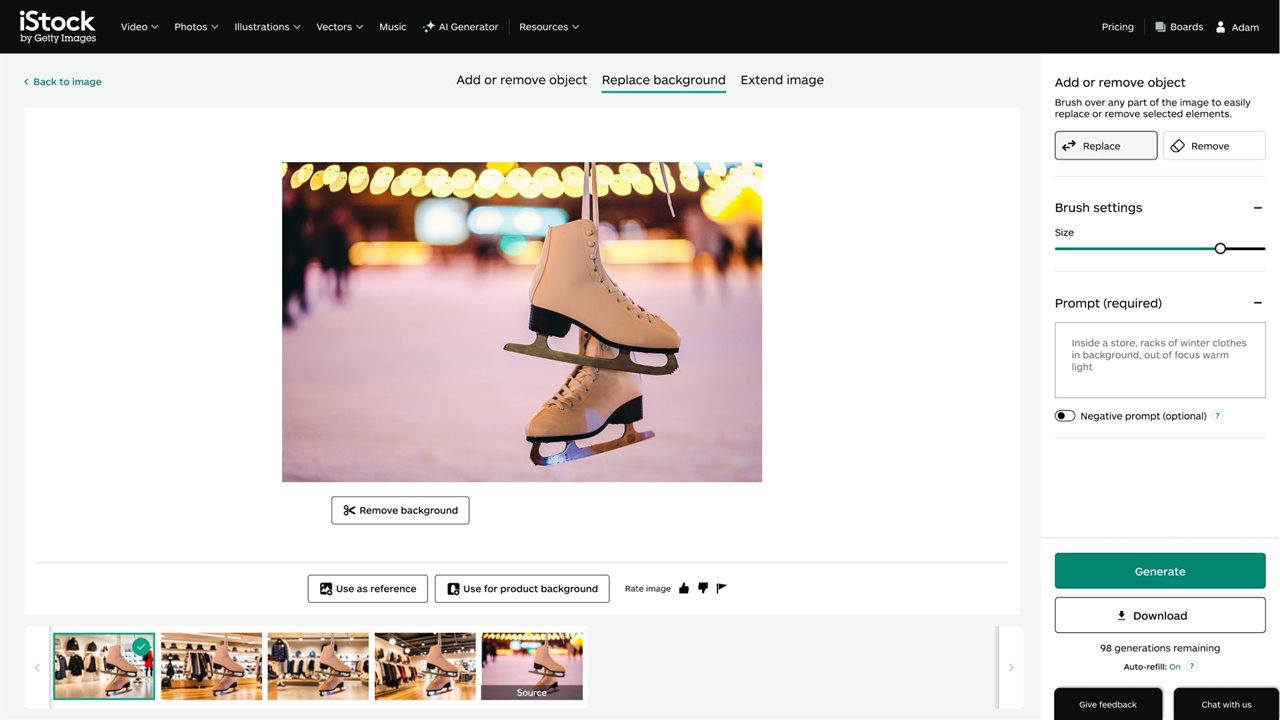
Fortunately, there is a commercially safe way to elevate creative visuals, with no technical expertise required. iStock’s AI suite is making it possible for businesses of all sizes to quickly and confidently edit standout marketing images, all while ensuring their visuals are licensed and protected.

Stay flexible, consistent and safe while standing out from the competition

As a leading global source of visual content, iStock — backed by the extensive resources and expertise of Getty Images — offers SMBs and creators a vast creative library at an accessible price point. Now, with its suite of AI-powered tools, customers gain even more flexibility and creative control while saving time and money.

iStock makes it simple to create or customize visuals for a variety of marketing needs, from sketching a proof of concept to refreshing an existing campaign to generating all-new images that leap off the page, whether generating a visual through its intuitive Prompt Builder, to modifying an existing image to fit your audience and aesthetic.

A screen shot of iStock's AI suite used to modify an existing image of a pair of skates to remove the background.

No matter what they create, customers can rest assured that their outputs are backed by robust legal protection and free of copyrighted material. Built in partnership with Bria, the AI tools are trained on licensed creative content, including from iStock’s creative library.

Here are just a few of the ways SMBs can pair iStock’s rich library of creative content with AI modification capabilities to easily adapt, modify and elevate visual storytelling:

Modify images and create variations at scale: Campaigns can shift quickly, and visuals need to keep up. iStock’s AI suite lets SMBs adapt existing high-quality images in seconds by swapping in new objects, updating key elements, or expanding the frame to fit new layouts or aspect ratios.

Side by side images of a girl holding a bouquet of wildflower and a girl holding a bouquet of roses. iStock's AI suite lets SMBs adapt existing high-quality images in seconds by swapping in new objects, updating key elements, or expanding the frame to fit new layouts or aspect ratios.


Showcase your product in any scene:
With iStock’s object placement tool, users can place their product (or other object) into any background or scenario.

Ensure visual consistency: Refreshing an old campaign or giving evergreen content a seasonal makeover shouldn’t compromise the visual voice of a brand. With object placement, color-matched background changes and reference-guided adjustments, SMBs can keep every visual asset aligned with brand tone, palette and composition while still giving it a fresh look.

Localize and personalize: Consumers want to see content that feels relatable and personalized to them. iStock’s suite allows SMBs to easily localize creative content by adding context-specific elements, or removing objects that don’t fit a specific region or demographic, all while maintaining image quality and authenticity.

Stand out across channels: It’s easy for marketing campaigns to get lost in the flood of content that audiences see across social, mobile and email. iStock’s tools help SMBs quickly expand or refocus platform-optimized visuals that capture audiences’ attention, translating curiosity into clicks.

To further help SMBs and marketers stay on top of the latest market shifts, Getty Images’ VisualGPS platform offers exclusive creative insights and decades’ worth of visual trends — from color palettes to consumer preferences.

Create eye-catching marketing imagery without breaking the bank

iStock’s extensive creative library and suite of AI modification tools give SMBs the power to create and iterate on scroll-stopping visuals that generate real business value. To learn more and get started, visit ai.istockphoto.com/vmr.

When Every Ounce Matters: Baby Blake’s Journey to Health

2026-01-16T08:01:00

(BPT) – Laura and her husband thought they were prepared for parenthood. She was a nurse; he was a former nuclear engineer turned financial advisor. They were eagerly anticipating the arrival of their daughter Blake, but nothing could have prepared them for what happened when Laura went into labor about four months early at just 24 weeks.

Blake arrived weighing only 1 pound, immediately requiring intensive medical support in the neonatal intensive care unit (NICU). Like many families facing premature birth, Laura and her husband found themselves navigating a world of medical decisions they never imagined having to make.

In the early weeks, Blake seemed to be improving. She was receiving Laura’s breastmilk supplemented with what the hospital called “human milk fortifiers” — although Laura would later learn these fortifiers were actually made from cow milk, not human milk.

When everything changed

At about six weeks, Blake’s condition took a frightening turn. Her belly became round and stiff, and she stopped having bowel movements. When Laura and her husband arrived at the hospital the next morning, the care team delivered devastating news: Blake had developed necrotizing enterocolitis (NEC), a potentially fatal intestinal disease.

That diagnosis marked the beginning of the most challenging period of their NICU journey. Blake faced three surgeries for her NEC, each performed at her bedside because she wasn’t stable enough to be moved to an operating room.

Despite her nursing background, Laura found herself overwhelmed and helpless, so she focused on how to best advocate for her baby.

Learning about better nutrition options

As Blake recovered from her multiple surgeries and the care team began discussing nutrition again, Laura did her own research. She discovered that there are two very different types of fortifiers available for premature babies: one made from cow milk, and one made from breastmilk.

Laura learned that most products labeled “human milk fortifiers” are made from cow milk and that in the U.S., only Prolacta Bioscience made fortifiers from 100% donor breastmilk. For fragile preemies like Blake, this difference mattered significantly. Studies show that preemies receiving breastmilk-based fortifiers have a significantly lower risk of developing NEC compared to those fed cow milk-based products.

Fighting for change

When Laura brought up breastmilk-based fortifiers with Blake’s care team, she was told the hospital didn’t carry them. Laura recalled the hospital’s first concern was cost, but she pushed back: “What about the chances of her getting a cow milk-based fortifier and having a recurrence of NEC? Where does cost factor in for that?”

Laura continued to advocate firmly for her daughter, until both a neonatologist and dietitian successfully pushed the hospital for the products. This ultimately made Blake the hospital’s first preemie to receive breastmilk-based fortifiers. Since her complicated journey with NEC, the hospital changed its standard feeding protocol so that any preemie at risk of NEC receives human milk-based nutrition free from cow milk.

Finding hope in darkness

“I had zero hope,” Laura shared, recalling the darkest days in the NICU. “However, even when she couldn’t tolerate breastmilk or formula, just knowing that a breastmilk-based fortifier was another option was a light that hadn’t been there before.”

Imagine the relief and joy felt by Blake’s parents when she was finally able to go home after 127 days in the NICU! Her story demonstrates the power of parental advocacy and the importance of having access to optimal nutrition options for premature babies.

Hospitals nationwide can order Prolacta’s breastmilk-based fortifiers for overnight delivery, even if they don’t routinely offer them. When your little one is fighting to grow strong enough to go home, every nutritional decision matters. Educational resources are available to help support parents. Knowing your options helps ensure your baby gets the nutrition they need to grow strong and thrive.

Any views, opinions, findings, assertions, conclusions or recommendations expressed are solely those of the individual. The content is provided for informational purposes only and should not be taken as medical advice.

Signs to watch for when your child has a tummy-ache

2026-01-15T07:01:00

(BPT) – Gut health is a frequent topic in the news, for good reason. Having a healthy gut contributes to your overall well-being, impacting your immune system, metabolism and more. This is one reason parents should take notice when their child has stomach pain or other digestive issues. Stomachaches are a frequent complaint in childhood, and they can have many causes. While some are easily resolved, stomachaches can indicate a larger health issue.

“Because stomach pain can sometimes signal a more serious condition, it’s a good idea for parents to familiarize themselves with signs they shouldn’t ignore, and to ask the family’s pediatrician whenever they have questions about their child’s health,” said Dr. Reinaldo Garcia-Naveiro, director, Pediatric Gastroenterology, Akron Children’s.

null
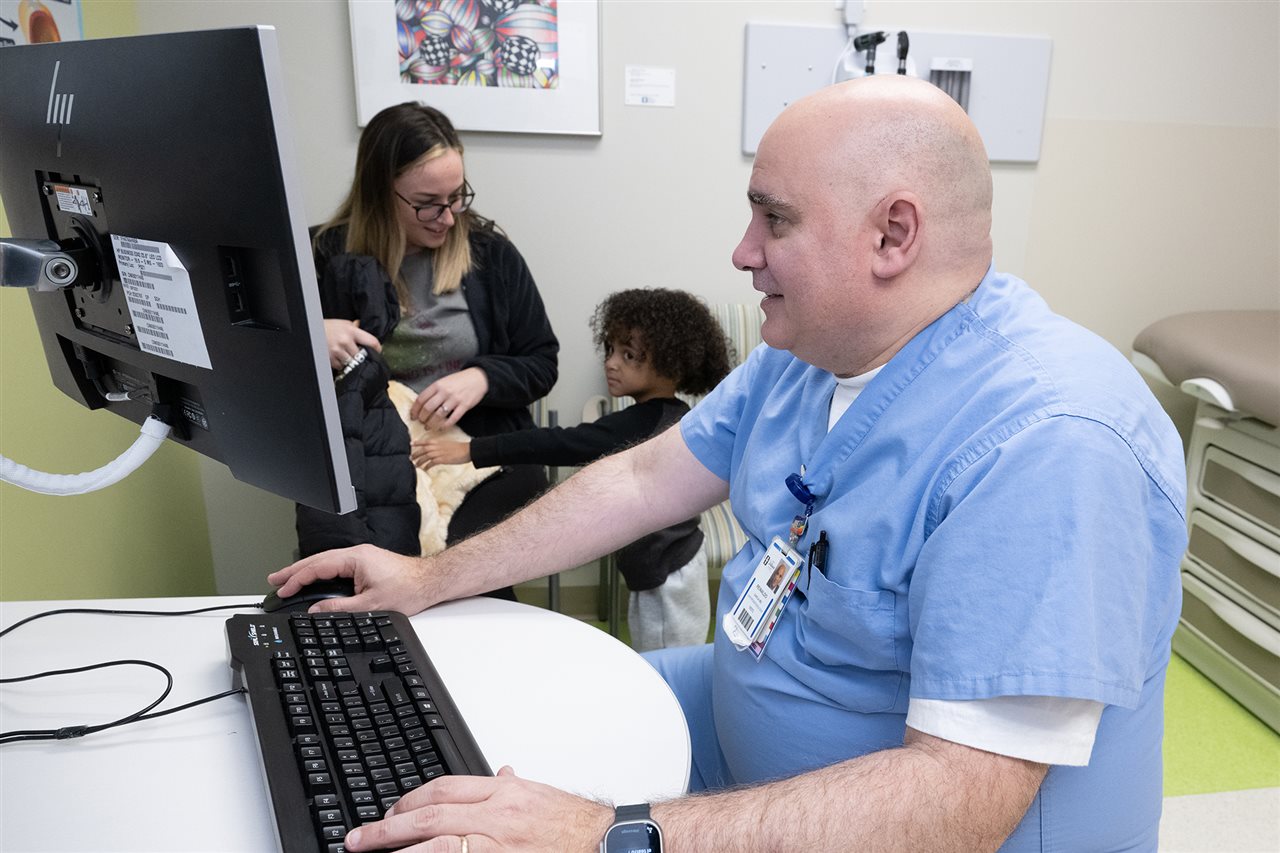
Reinaldo Garcia-Naveiro, MD, director of pediatric gastroenterology at Akron Children’s in Ohio, works alongside families to find answers for children with digestive concerns. Dr. Garcia-Naveiro cares for children with a wide range of gastrointestinal and liver conditions, including irritable bowel syndrome and celiac disease.

The experts at Akron Children’s offer tips to help parents recognize when a simple stomachache may not be so simple.

What to know when your child has a stomachache

“If your child complains about stomach pain, it’s important to check for other symptoms,” said Garcia-Naveiro. “Stomachaches can have many causes, from gas or constipation to stress, overeating, a contagious “stomach bug” like Norovirus, or chronic underlying conditions like irritable bowel syndrome (IBS) or Crohn’s Disease, reflux or celiac disease.”

Stomach pain can also be caused by food allergies or food poisoning. Given these many potential causes, it’s vital to note any additional symptoms that can help your child’s doctor understand why your child isn’t feeling well.

Signs your child needs medical attention

“While many stomachaches quickly get better, it’s important to consult your doctor when pain is severe, occurs frequently or doesn’t go away,” added Garcia-Naveiro.

You should also call the doctor if your child has a stomachache and:

  • the pain seems very strong or worsens over time
  • the pain wakes them up from sleep
  • the pain is in the right lower side of the belly
  • is vomiting
  • is very fussy
  • is lethargic (very sleepy)
  • has another health condition

Tell the doctor about other symptoms your child has, such as:

  • a fever
  • pain when going to the bathroom
  • blood in urine or stool
  • a bad cough
  • weight loss over time

Symptoms that may accompany stomach pain

You should note any other symptoms your child may also experience while they have a stomachache, which can help clarify why their stomach hurts.

Vomiting: This is most often caused by gastroenteritis, an infection of the stomach and intestines that usually lasts less than 24 hours. Rarely, vomiting can signify a serious problem, including a blocked intestine, gallstones, pancreatitis or appendicitis. Frequent vomiting can lead to dehydration (not having enough water in the body). Children who continue vomiting or have severe dehydration need treatment in the emergency room or hospital.

Diarrhea: Soft/loose bowel movements are not uncommon in children. This usually doesn’t last long and often gets better on its own. Diarrhea can be caused by a number of different viruses, bacteria or parasites. Children can also get diarrhea from drinking too much juice and other sugar-sweetened beverages, or due to food allergies, lactose intolerance, taking antibiotics or resulting from medical problems like celiac disease, inflammatory bowel disease (Crohn’s disease and ulcerative colitis) and irritable bowel syndrome. If your child has frequent diarrhea, or it doesn’t resolve in a few days, see their pediatrician to determine the cause and appropriate treatment.

Constipation is a common problem in children, and usually not cause for concern. You may notice your child having fewer than two bowel movements in a week, or dry, difficult-to-pass bowel movements. Constipation can be due to a diet without enough water and fiber, as found in foods like fresh fruits, vegetables and beans, which help bowels move as they should. Toilet training toddlers sometimes become constipated, and some children may avoid going to the bathroom if they don’t want to use a restroom away from home. Stress can also lead to constipation, and some kids may get constipated if they have irritable bowel syndrome (IBS).

Other symptoms that can accompany children’s stomachaches include sore throat, heartburn, fever, bloating and painful urination. The combination of symptoms your child is having can help determine the cause of their stomach pain. Write down what you’re noticing, so you can share that information with their pediatrician.

null
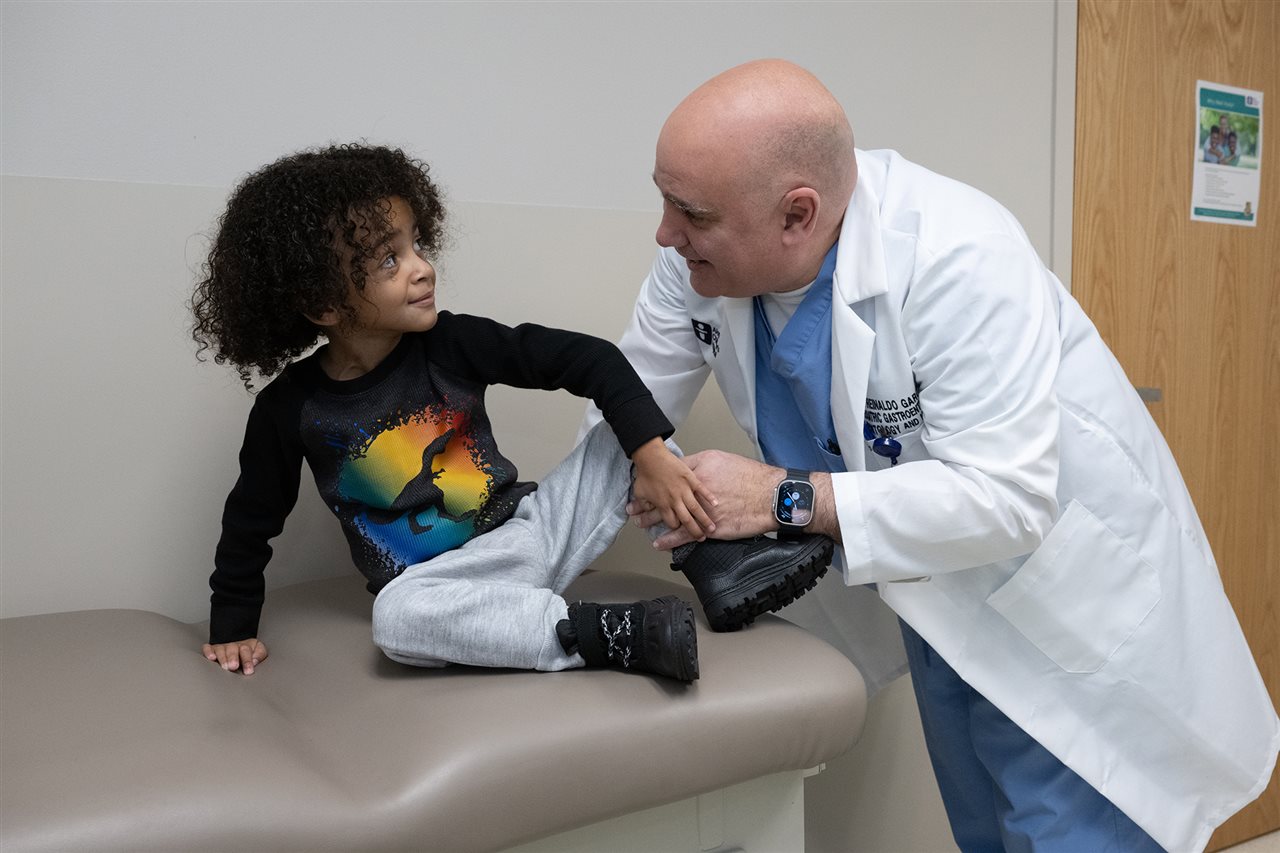
Dr. Garcia-Naveiro shares a light-hearted moment with a young patient, highlighting his thoughtful, patient-focused approach to care.


Expert medical care near you

When your child isn’t feeling well, it’s crucial to find a doctor you trust. Look for clinics and hospitals in your area that specialize in pediatric care. For example, in addition to primary care, Akron Children’s offers a comprehensive range of specialty care including Cardiology, ENT, Neurology and Orthopedics. Akron Children’s pediatricians and pediatric providers help kids find more childhood in every day, even when they’re sick.

Akron Children’s offers two hospital campuses, six regional health centers, over 45 primary care locations and nearly 250 providers, making it easier for today’s busy families to find high-quality care. Akron Children’s was recognized as one of America’s Best Children’s Hospitals, and named a top pediatric hospital in the U.S., according to Newsweek’s Best Children’s Hospitals of 2025 list.

The pediatric gastroenterology department at Akron Children’s combines its expertise in pediatric gastrointestinal diseases with advanced diagnostics and therapies to provide the highest-quality medical care to infants, children and teens with digestive problems, focusing on concerns unique to pediatric patients including growth, physical and emotional development and age-related social issues.

The team at Akron Children’s is experienced in diagnosing and treating all types of serious gastrointestinal, liver and pancreas disorders including celiac disease, gastroesophageal reflux, inflammatory bowel disease, hepatitis, pancreatitis and Crohn’s disease. The department also collaborates with Cincinnati Children’s Hospital for liver transplants.

null
Stomachaches in children can have many causes, which is why expert, family-centered pediatric care is essential to help them feel better and thrive.

Find more health tips for parents, and learn more about Akron Children’s and their pediatric gastroenterology department, at AkronChildrens.org.

Score big on game day with these easy entertaining tips

2026-01-14T16:27:00

(BPT) – Nothing beats gathering with friends to cheer on your favorite team — the energy, the camaraderie, those hard-won victories — and of course, share all that great food. With a little prep work, a solid game plan and simple crowd-pleasing dishes that are easy to serve and share, you can be the MVP of the game-day get-together.

Here are several tips to make the game-day celebration easier, more fun and tastier, too.

Make room for more guests

Ahead of game day, gather extra seating as needed and arrange it so all your guests will have a good view of the game. Clear out clutter and move any extra furniture that might get in the way, like side tables or other items so there’s space to move around. Too many decorative pillows crowding your sofa? Store the extras in a closet to give everyone room to huddle together at kickoff.

Show your true colors

Get everyone in the spirit by decking out the buffet table and viewing room in your team’s colors with themed banners, tablecloths and napkins. Encourage guests to wear their favorite team jerseys, even if they’re rooting for the opposition. You can also add small touches like themed coasters or drink stirrers to give the space a festive, game-day feel.

Keep the drinks flowing

Make sure guests can grab a drink without missing the action by setting up a self-serve station. Offer a mix of options — from beer or cocktails to sparkling water, soda and mocktails — and add fun touches like citrus slices and colorful garnishes. Keep cups and ice nearby so refills are effortless and everyone can enjoy their favorite beverages throughout the day.

Please crowds with easy sides and appetizers

Keep game day stress-free by choosing appetizers and sides that are quick to prepare. Opt for easy favorites that guests can grab and enjoy — think sliders, wings or a variety of chips and dips. Simple dishes like these let you focus on hosting while keeping the energy high and guests satisfied.

Did you know bacon is the fifth most added item to macaroni and cheese? For a ready-made crowd-pleaser, try Bob Evans Bacon Macaroni & Cheese. Microwave ready in five minutes, this creamy dish offers an indulgent blend of real cheese and bacon with a rich, savory hickory-smoked flavor and just the right touch of black pepper seasoning.

Take your appetizers up a notch with these Barbecue Pork Macaroni & Cheese Bites. These handheld bites combine cheesy and smokey Bacon Macaroni & Cheese with spicy barbecue pork for a flavorful twist that’s easy to prepare and ideal for sharing.

Barbecue Pork Macaroni & Cheese Bites

Prep time: 15 minutes; Cook time: 20 minutes; Servings: 12

Ingredients

  • 20 ounces Bob Evans Bacon Macaroni & Cheese
  • 8 ounces cream cheese, softened
  • 1/3 cup spicy barbecue sauce
  • 3/4 cup panko breadcrumbs
  • 2 large eggs, lightly beaten
  • 1 1/2 cups shredded barbecue pork
  • 1 cup hamburger dill pickle chips

Instructions

1. Preheat oven to 400°F. Combine macaroni & cheese, cream cheese and barbecue sauce, stirring until blended.
2. Add breadcrumbs and beaten eggs, stirring until blended. Spoon mixture into wells of a lightly greased (24-cup) miniature muffin pan.
3. Bake 15-20 minutes or until golden brown.
4. Meanwhile, heat pork in microwave if desired.
5. Top macaroni & cheese bites with shredded pork and pickles. Drizzle with additional barbecue sauce if desired.

Find this new flavor of macaroni and cheese to elevate your homegate spread, plus more game-day recipe inspiration at BobEvansGrocery.com.

Pending proposal to cap student loans could affect growth of healthcare workforce

2026-01-13T08:01:00

(BPT) – With national healthcare workforce shortages continuing to impact patient access to care across the country, groups like the American Academy of Physicians Associates (AAPA) — the national organization that represents physician associates/assistants (PAs) — are actively working to raise awareness of a proposed rule from the Department of Education (ED).

In early November, ED announced its decision to set a definition of a “professional program” that excludes PAs, nurse practitioners, certified registered nurse anesthetists, physical and occupational therapists, audiologists, speech-language pathologists, and others from eligibility for higher federal student loan limits.

If the proposal is finalized, the new loan limit of $25,000 annually would take effect in July 2026.

“Federal student loans are not a luxury for students who are called to caring professions; they are a lifeline,” said AAPA President and Chair of the Board of Directors, Todd Pickard, DMSc, PA-C, DFAAPA, FASCO.

“Twenty-seven years ago, I took out $87,000 in federal loans to become a PA. Without those loans, I would not have become a clinician. I would not have cared for thousands of patients, including those with cancer whose lives depended on timely access to our team.”

Pickard said that since the proposal was announced, AAPA has received nearly 2,000 stories from PAs attesting to how federal loans were essential to their education, as well as aspiring PAs who are expressing fear that even if they are accepted into a PA program — which are highly competitive — they will not be able to pay for it.

“Neither my family nor I have the financial ability to overcome such a burden without the support of federal Grad PLUS loans,” said Jasmine Vasquez, an aspiring PA from Loganville, Georgia. “I have pushed myself, persevered, and overcome adversity to get to this point. Being so close to my goal, it is heartbreaking to imagine my journey ending — not because of lack of determination or ability, but simply because I could not afford to continue.”

In a November 6 ED press release, Under Secretary of Education Nicholas Kent stated the consensus language reached by the negotiators will “help drive a sea change in higher education by holding universities accountable for outcomes and putting significant downward pressure on the cost of tuition.”

However, some leaders in Congress, including Republican U.S. Rep. Mike Lawler (NY-17), have spoken out against this proposal, underscoring that it does not align with Congress’s intention when it passed updates to federal student loans through The One Big Beautiful Bill Act (H.R. 1).

H.R. 1 eliminated the Grad PLUS loan program and established tiered loan limits for graduate programs. A team of negotiators at ED was then charged with defining which programs would be assigned to each tier.

It was during this process that several advanced care clinicians, including PAs, who are educated at the master’s degree level and require a license to practice, were assigned to a loan tier that does not cover the cost of their education.

On December 1, Lawler sent a letter to Education Secretary Linda McMahon encouraging the ED to maintain a broader definition of “professional degrees” consistent with federal law and workforce needs.

“At a time when our healthcare system is strained, and communities desperately need qualified professionals, the Department must make this critical change before finalizing the rule,” Lawler stated in a press release.

Lawler’s next step was introducing the Professional Student Degree Act on December 17, which would amend the Higher Education Act to define “professional degree” and lists the graduate programs which meet the criteria.

“Any degree that fits the specified criteria in the ‘professional degree’ definition should qualify for higher loan limits,” Lawler stated in his release. “For so many essential workers that need advanced degrees and licenses to simply do their job, it will make all the difference.”

Like Lawler and others in Congress who have raised concern, Pickard said AAPA is committed to pursuing every available option to ensure PA programs are recognized as professional degrees and that future PAs can access the education they need to serve their communities.

A Physicians Associate, a member of an organzation like the American Academy of Physicians Associates (AAPA), intaking information about a patient's condition in an exam room.

“If federal student loans are not appropriately available for aspiring PAs, the pipeline of healthcare providers will suffer,” Pickard said.

“People who are going into healthcare should be able to get the financial assistance they need so they can come out the other end and take care of patients. That is the standard we should be working toward.”

Learning with AI: How embracing AI opens professional opportunities

2026-01-13T08:01:00

(BPT) – When it comes to workforce readiness and long-term job security, lifelong learning is nonnegotiable. In fact, according to DeVry University’s report, “Bridging the Gap: Overcoming a Silent Standoff in America’s Talent Economy”, employers shared that — on average — 55% of their workforce needs to upskill significantly to remain employable in five years. Additionally, 63% of employers said they skipped workers for promotions because their skills were outdated.

The good news is that workers are seeking opportunities to hone existing skills or learn new ones to keep adapting with their organization’s shifting needs, especially when it comes to AI skills. The report revealed that 57% of workers say the skilled use of AI will be the most valuable skill to have in tomorrow’s economy, ranking it the second most valuable out of 13 skills. Learning the basics of AI and building on that knowledge will prepare them for the use of generative AI (gen AI) and build the foundation needed to explore how agentic AI is likely to transform their work.

What is agentic AI?

You’re likely already familiar with gen AI, which focuses on creating content based on learned patterns. Agentic AI takes it a step further blending automation capability and gen AI to complete complex tasks. So, for example, an AI “agent” not only tells you the best time to visit Amsterdam based on travel patterns and your schedule, but it also can book your flights, hotels and tourist experiences.

Just because agentic AI can now operate in the background autonomously doesn’t mean that workers should panic about job security. According to the EY Agentic AI Workplace Survey, workers overwhelmingly expect positive impacts on productivity, efficiency and their work experience.

That said, the survey also found that many are left to experiment with the technology on their own. Given these findings, it’s clear that courses on AI skills are critical to employee job security now and in the future.

Equipping employees today to succeed tomorrow

To address the need for upskilling for long-term career success, the university launched DeVryPro, an innovative learning platform built in collaboration with industry leaders and DeVry faculty members that covers essential disciplines, including AI.

“AI has matured well beyond theoretical applications,” said Richard Korczyk, chief experience officer at DeVry University. “Many industries are mainstreaming this technology, and workers need to know how to learn, work and lead with AI as a partner, not a rival.”

To support lifelong learning and work readiness, DeVry now offers courses that equip workers with the skills they need to thrive in an AI-driven job market. The courses listed below on gen and agentic AI are guided by real-time AI learning coaches in a flexible format so students can learn on their own terms.

AI for All: Build Practical Real-World AI Skills: Designed for professionals who are curious about AI, this course introduces the fundamentals so learners can use AI tools in their daily tasks like emails, reports and workflows.

Applied AI: Generative AI for Professionals: This intermediate course is tailored for professionals already experimenting with AI. Learners will discover how to automate daily tasks, develop applications and use tools like GPT to enhance productivity and creativity.

Data to Decisions: AI Essentials for Analysts: Business analysts will learn how to use custom solutions to improve data accessibility, automate processing, streamline workflows and enhance visual reports.

AI for Leaders: Innovate and Elevate: Equips leaders to guide their organizations and teams through AI-driven change and its impact on business, and effective implementation of AI solutions to develop integration strategies for organizational success.

Building on its initial success, DeVry has added four new courses to the learning platform:

AI for Entrepreneurs: Aspiring and early-stage founders will learn how to use integrated AI tools for ideation, validation, prototyping and business scaling. At the end of the course, participants will build an AI-enhanced startup plan they can share with mentors, investors or collaborators.

Foundations of Self-Leadership: This course is the first step in the DeVryPro’s leadership pathway, equipping emerging leaders to build the essential mindset and skills required to lead with confidence, adaptability and purpose.

Leading Teams and Driving Impact: As the next step in DeVryPro’s leadership pathway, this course bridges personal effectiveness with organizational performance and strategic alignment to build high-performing teams.

Product Management Fundamentals: The course introduces learners to the principles, tools and strategies that guide the full product lifecycle so they can make data-informed decisions, collaborate across functions and translate business objectives into customer-centered products.

Together, these courses form a cohesive learning ecosystem that supports employee growth at every stage — from entry-level roles to leadership — to help them thrive in an AI-driven workforce. Once they complete a course, learners can earn a verifiable Certificate of Completion or Badge that recognizes their competencies and showcases their AI skills, opening doors to career growth opportunities in credential-driven markets.

“Our courses aren’t just about building knowledge,” added Korczyk. “We’ve carefully developed learning experiences that prepare learners to apply leadership and AI skills in the context of their careers so they can feel confident in keeping pace in an ever-evolving professional landscape.”

Artificial intelligence is transforming every industry, and those who understand it are leading the way. To explore what is possible, visit DeVryPro.com.