Scarlett Johansson, Taylor Swift and Sabrina Carpenter Top McAfee’s 2024 Celebrity Hacker Hotlist for AI-Driven Online Scams

2024-10-23T10:43:00

(BPT) – The line between reality and deception has blurred in our digital world, with cybercriminals leveraging cutting-edge AI technologies to exploit our trust in celebrities. McAfee’s 2024 Celebrity Hacker Hotlist sheds light on a growing threat — online scams using the identities of our favorite stars to trick and steal from us.

Actors, Singers, Online Influencers Lead the Celebrity Hacker Hotlist

Actress Scarlett Johansson leads the list of most exploited celebrity names. Renowned for her roles in Marvel’s Black Widow and Lost in Translation, this time, Johansson isn’t making headlines for a movie — she’s ranked as the U.S. celebrity whose name is most frequently used in online scams.

Johansson’s likeness has been used in AI-generated deepfakes, from unauthorized ads to fake endorsements, creating a major risk for unsuspecting fans.

Celebrities like Kylie Jenner, Taylor Swift, and Tom Hanks also find themselves in the top 10, with hackers exploiting their images, voices, and reputations to deceive internet users. Whether it’s for fake giveaways, cryptocurrency scams, or disinformation campaigns, these stars are unwilling participants in the cybercrime ecosystem.

McAfee’s 2024 Hacker Celebrity Hot List: Top Ten

McAfee’s Threats Research Team compiled the Celebrity Hacker Hotlist by identifying the celebrities — including social media influencers — whose names and likenesses are most often exploited in malicious deepfake scams and unsafe search results that can lead consumers to unknowingly install malware or engage with scams that jeopardize their data, privacy, and identity.

The top ten list includes a combination of longtime talent and more recent names from various fields, showcasing their potential influence on consumers of all generations:

1. Scarlett Johansson: Actress and singer whose name and likeness has been used without permission for advertisements and endorsements, outspoken advocate against non-consensual AI-generated content

2. Kylie Jenner: Reality star and influencer whose name and likeness has been used without permission for social media giveaway scams and fake Kylie Cosmetics products and websites

3. Taylor Swift: Singer whose name and likeness has been used without permission for celebrity endorsement, ticket scams, and product giveaway scams, as well as for disinformation (political endorsement)

4. Anya Taylor-Joy: Actress whose name and social account/likeness has been used without permission for a giveaway scam, and to spread misinformation about her streaming series

5. Tom Hanks: Actor whose name and likeness has been used without permission to promote “miracle cures and wonder drugs”

6. Sabrina Carpenter: Singer whose name and likeness has been used without permission for fake ticketing scams and to advertise an app for creating sexually explicit images

7. Sydney Sweeney: Actress whose name and likeness has been used without permission for crypto scams

8. Blake Lively: Actress whose likeness was used without permission in a weight loss gummy scam

9. Johnny Depp: Actor whose likeness has been used without permission in giveaway, crypto, and fundraising scams

10. Addison Rae: Singer and actress whose likeness has been used without permission for fake endorsements, giveaways, and crypto scams

The Rise of AI Deepfakes in Cybercrime

AI is revolutionizing industries, but it’s also given cybercriminals a powerful new tool: the deepfake. These highly realistic video or audio clips can mimic the likeness of a person, making it nearly impossible to tell whether the content is real or fake. Deepfakes of celebrities are being used to promote fraudulent products, steal personal information, and trick people into downloading malware. Imagine watching a video of your favorite star endorsing a new product, only to find out it wasn’t them at all. This is a reality many fans face as scammers get better at crafting fake content. Some of these AI-generated videos are so convincing that even the savviest of internet users can fall for them.

The Impact on Fans and Celebrities

While these scams primarily aim to steal money or personal data from consumers, the effects are far-reaching. For fans, the consequences can be devastating, with financial losses ranging from a few hundred dollars to over half a million. In addition to the financial risks, victims often feel violated after engaging with fraudulent content. For celebrities, these scams can have a serious impact on their public image and brand. Many stars, including Johansson, have taken a firm stand against the unauthorized use of their images in AI-generated content. As Johansson has publicly expressed, it’s not just about personal privacy but about the broader implications of AI and the need for accountability in the tech world.

Staying Safe in the Age of AI Scams

As AI becomes more accessible, these scams are only expected to rise. To combat this growing issue, McAfee has introduced the McAfee Deepfake Detector, the first AI-powered tool of its kind. Trained on hundreds of thousands of samples, this tool can alert users within seconds if a video or audio clip contains AI-altered content. But technology alone can’t keep you safe. Here are some practical tips to protect yourself from AI-generated scams:

1. Scrutinize Social Media: Social media platforms are hotbeds for disinformation and scams. Be skeptical of shocking or too-good-to-be-true claims, especially if they involve celebrities.

2. Validate Sources: Always verify claims by cross-checking with reliable news outlets and websites. Don’t trust content without fact-checking it first.

3. Detect Deepfakes: Look closely at the content for unnatural features — odd blinking patterns, mismatched audio, or distorted body parts can be signs of a deepfake.

4. Engage with Caution: Avoid commenting on, sharing, or even clicking on unverified social media posts. Engaging with them can increase your exposure to scams.

5. Be Mindful of Your Information: Never give out your personal details to unverified sources or websites. Phishing scams often request sensitive information under the guise of a celebrity endorsement or giveaway.

In 2024, staying safe online means being aware of the rapidly evolving landscape of AI and cybercrime. Scammers are getting better at mimicking trusted names to deceive fans. With AI-powered tools like deepfake detectors and informed vigilance, we can reduce the risk of falling victim to these digital traps. Stay informed, stay cautious, and always think twice before clicking on a too-good-to-be-true celebrity endorsement. For more information about McAfee’s 2024 Celebrity Hacker Hotlist and ways to protect yourself, visit https://www.mcafee.ai.

Methodology

The study was conducted by McAfee® threat intelligence researchers to determine the number of risky sites and amount of misleading content generated by searching a celebrity name with commonly used terms. A risk score was calculated for each celebrity. McAfee’s WebAdvisor browser extension leverages McAfee’s technology to protect users from malicious websites and, when turned on, rates nearly every internet website it finds, using red, yellow and green icons to indicate the website’s risk level and blocking access to or warning a user if they click on a malicious or risky URL link. Ratings are created by using patented advanced technology to conduct automated website tests and works with Chrome, Edge, Safari, and Firefox.

Clinical trials are needed to develop new medicines for children and teens living with seizures

2024-10-23T05:01:00

(BPT) – Epilepsy at any age can be challenging to navigate, even more so when a patient is a young child or teen. Some medications can help manage seizures for many patients. However, one-third of children with newly diagnosed epilepsy fail the first antiseizure medication they were prescribed. These patients may experience seizures even when taking their medications as prescribed.

The impact of seizures on children and teens

Seizures may be a frightening experience for a child. When their symptoms can’t be controlled by medication, pediatric patients with seizures can develop lifelong challenges.

“I’ve witnessed firsthand the negative impact seizures can have on the quality of life of children and teens,” said Sunita Misra, M.D., Ph.D., and chief medical officer at SK Life Science, a company that develops treatments for seizure disorders.

During her career, Dr. Misra has cared for drug-resistant pediatric epilepsy patients. “When traditional medications are unsuccessful in managing seizures, young patients and their families must contend with health challenges that affect a child’s ability to thrive academically, socially and emotionally,” explained Dr. Misra.

For young children, seizures may disrupt a child’s brain development, which can lead to a serious impact on their lives. According to the Epilepsy Foundation, seizures can stymie a child’s academic achievements and lead to emotional and behavioral issues.

Also, because seizures aren’t predictable, a child may experience anxiety and distress, preventing them from fully engaging in school and social activities. The unpredictability can also be challenging for caregivers to maintain jobs, impacting the financial well-being of families, which can cause more anxiety for a child and their loved ones.

Teens living with seizure disorders can feel left out when it comes to adolescent milestones. For example, getting a driver’s license is a rite of passage, representing independence, maturity and freedom. Adolescents contending with uncontrolled seizures generally cannot obtain their license, which can make them feel left out, isolated from their peers and dependent on others.

How clinical trials may help

Researchers are constantly conducting studies to try to develop new or improved treatments that can address the unmet needs of pediatric patients living with seizures.

For example, SK Life Science is currently enrolling patients in three clinical trials investigating a potential treatment for teens with primary generalized tonic-clonic (PGTC) seizures and young children with partial-(focal) onset seizures.

The PGTC clinical trial is a global Phase 3 study activated in the U.S. as well as 11 other countries. This trial recruits pediatric patients between the ages of 12 and 17 who continue to have PGTC seizures despite traditional medications.

The remaining two trials focus on pediatric partial-onset seizures. The Phase 1 trial is an open-label pharmacokinetics study that is currently recruiting patients between the ages of 2 to 5 in the U.S., South Korea, Hungary and Spain. Meanwhile, the Phase 3 trial is an open-label safety study also recruiting in the U.S., South Korea, Hungary and Spain, as well as Australia and Poland.

“At SK Life Science, we are currently working to provide alternatives for younger patients,” said Dr. Misra. “If you are a parent of an adolescent diagnosed with PGTC or of a toddler or young child with partial-onset seizures, you may want to speak with your doctor to see if your child can participate in these trials.” To learn more, visit www.sklifescienceinc.com.

Listening to your ill-tuition: 5 health symptoms women shouldn’t ignore, according to a doctor

2024-10-23T08:47:00

(BPT) – When it comes to health, women’s intuition isn’t just a hunch — it’s practically a superpower. According to recent research from MD Live by Evernorth, more than two-thirds of women say they have a sixth sense when it comes to their health. This “ill-tuition” is the innate ability to sense when something may be wrong with your body — and 81% of women trust it. Yet, despite this trust, most women hold off on seeking care until their symptoms interfere with their daily lives, instead of being proactive at the first sign that something is off. This delay can lead to unnecessary worsening of symptoms.

“Many common symptoms can be early warning signs of an underlying health condition. Ignoring your body’s signals can prevent timely diagnosis and treatment,” explains Dr. Vontrelle Roundtree, Associate Chief Medical Officer for MD Live by Evernorth. “Trusting your intuition and acting on it early can make all the difference in managing your health.”

Roundtree discusses five common symptoms that women tend to dismiss, according to the research, what conditions they may point to and why it’s important to seek timely medical care when your intuition sounds the alarm.

1. Itching that doesn’t go away

Itching may seem like just a minor annoyance, but if it’s persistent, it may point to various underlying health issues. Itching could signal hormonal fluctuations, skin conditions like eczema, or even liver or kidney problems. Itching without a visible rash can be a sign of broader health issues because it often indicates that the root cause lies beneath the surface of the skin rather than on it. For pregnant women, persistent itching may be a symptom of cholestasis, a liver condition that requires immediate medical attention.

2. Persistent bloating

Bloating is normal after eating a big meal or when experiencing the occasional digestive issue. But, when bloating occurs frequently, it could be a sign of gastrointestinal disorders such as irritable bowel syndrome (IBS). Bloating that gets worse over time could be a symptom of stomach inflammation or certain cancers. In fact, bloating is one of the more common early warning signs of ovarian cancer, caused by the buildup of fluids in the stomach.

3. Fatigue

Feeling tired is often unavoidable, especially for women balancing work, family and other responsibilities. However, when that tiredness becomes persistent and starts affecting your quality of life, it might point to fatigue, a debilitating condition that significantly impacts your daily life. Fatigue is often a symptom of an underlying chronic condition, such as diabetes, heart disease, depression or thyroid disorders. If a good night’s sleep or taking time to rest doesn’t make a noticeable difference in your energy levels, it’s time to consult a doctor to explore the potential causes.

4. Unexplained weight fluctuations

It’s not uncommon for a woman’s weight to naturally fluctuate, especially during their menstrual cycle. However, unexpected weight gain or loss can indicate hormonal imbalances, thyroid problems or metabolic disorders. When weight changes are sudden and not resulting from changes in your diet or exercise routine, it’s important to rule out any larger health issues, like cancer or chronic illness.

5. Chronic anxiety

Although anxiety is commonly associated with mental health disorders, its presence can also point to underlying physical health issues. If you’re feeling anxious without a clear reason, or your anxiety is constant, it’s important to explore whether a physical condition could be contributing. Anxiety is often linked to cardiovascular diseases and endocrine problems, like hyperthyroidism. Regardless of whether it stems from something physical or mental, early intervention is critical.

Your first call: A doctor

These symptoms may not always seem urgent, but it’s important not to ignore them, especially if they become persistent or chronic. “If you feel something is off with your health, trust your intuition and seek medical advice promptly,” Roundtree advises. “Doctors are here to help you get to the bottom of your symptoms — no matter how big or small they may seem.” When your instincts tell you something is off, you can schedule a virtual visit with an MD Live board-certified doctor to get an expert medical opinion without unnecessary delays.

Remember, it’s always better to address a potential health concern when it’s small rather than wait until it becomes more serious. The next time your ill-tuition kicks in, trust it.

5 tips to help you choose your 2025 health benefits

2024-10-22T15:09:00

(BPT) – As millions of Americans evaluate their health plan options during this fall’s open enrollment season, a new survey finds that 3 in 5 Americans incorrectly defined key health care terms. This knowledge gap may result in less-than-ideal selections, which could cause you to miss out on plans that might better suit your needs and offer potential cost savings.

Enrollment timing: For people with coverage from their employer, open enrollment typically happens during a two- or three-week period between September and December. For those eligible for Medicare, the Medicare Annual Enrollment Period runs from Oct. 15 to Dec. 7 each year. For people shopping for individual plans on the Health Insurance Marketplace, open enrollment begins Nov. 1, 2024, and ends Jan. 15, 2025, in most states.

Here are a few tips to consider when choosing a plan that may help lead you to better health and cost savings:

1. Plan ahead. Take time to understand the benefits, services and costs of plans available — including what might have changed with your current coverage. Pay attention to more than just the monthly premium, also understanding what out-of-pocket costs like deductibles, copays and coinsurance you may be responsible for. Resources like JustPlainClear.com and MedicareMadeClear.com can provide valuable assistance.

Medicare members and caregivers: As you weigh your options, assess the differences between Original Medicare and Medicare Advantage. Visit MedicareEducation.com to find answers to questions about eligibility, plan choices, prescription coverage and more.

2. Help prevent unexpected costs. Check if your doctor is in your plan’s provider network, since visiting in-network providers can help reduce out-of-pocket costs. Make sure your medications will be covered next year by the plan you choose. And consider filling your prescriptions at an in-network pharmacy or with home delivery — more cost-efficient options.

Medicare members and caregivers: Original Medicare doesn’t generally cover prescription drugs. Consider enrolling in a Medicare Advantage plan with prescription drug coverage to help keep medication costs in check.

3. Explore mental health coverage. Beyond in-person mental health care, you may have access to a virtual network of therapists and psychiatrists, along with advocates to help find the right behavioral health care or resources.

Medicare members and caregivers: Look for plans that offer virtual mental health care with a $0 copay.

4. Look into specialty benefits. Additional benefits, such as dental, vision, hearing or critical illness insurance, are often available and may contribute to overall well-being.

Medicare members and caregivers: Original Medicare doesn’t cover most dental, vision and hearing services, but many Medicare Advantage plans do.

5. Consider wellness programs. Many health plans offer incentives for taking healthier actions, like completing a health survey or exercising. Others provide personalized support to those living with common chronic conditions like Type 2 diabetes.

Medicare members and caregivers: Many Medicare Advantage plans offer gym memberships and wellness programs for members at no additional cost.

Visit UHCOpenEnrollment.com to learn more.

Chronic stomach pain leads to a rare disease diagnosis

2024-10-22T08:21:00

(BPT) – Stomach pain, nausea and brain fog can be uncomfortable to experience. Imagine living with these symptoms every day without knowing their cause or being able to manage and rid yourself of them.

This was Aaron’s experience; he spent decades living with debilitating, daily pain — sometimes so severe he needed to be hospitalized — before finally receiving an accurate medical diagnosis. Now, Aaron knows that he is living with familial chylomicronemia syndrome, or FCS, which is a rare, genetic condition that can lead to potentially life-threatening acute pancreatitis (painful inflammation of the pancreas.)

Journey to diagnosis

“As a young kid, I would battle stomach pain so intense that it would cause me to miss school for weeks at a time,” Aaron shares. He saw doctor after doctor and was repeatedly told to “eat better and exercise more.”

“I tried five different types of diets and kept food journals to show my doctors I was following their advice. But I still found no relief — I’d have excruciating, crippling pain for four or five straight days over and over again with no relief.” This lasted for decades.

Aaron finally received an answer at age 36 when he was diagnosed with FCS.

Understanding FCS

During a doctor’s appointment with a specialist, Aaron was told his triglyceride levels — a type of fat that the body uses as a source of energy — had been over 1,200 mg/dL since his childhood. While healthy levels for adults are typically below 150 mg/dL, levels higher than 500 mg/dL are a sign of a common condition called severe hypertriglyceridemia (sHTG), which can lead to health complications such as damage to the pancreas.

Triglyceride levels of more than 880 mg/dL — like Aaron experiences — may be an indication of FCS, a rare, genetic form of sHTG. In addition to the risk of potentially life-threatening acute pancreatitis, people living with FCS also experience chronic health issues such as fatigue, brain fog and severe, recurrent abdominal pain.

After 36 years of struggle, Aaron’s diagnosis helped him make sense of his lifelong symptoms. “The first thing I felt upon receiving my diagnosis was validation that my pain had a real, medical cause.”

Living with FCS

FCS can be associated with physical, mental, emotional and financial burdens, which can cause people to feel overwhelmed and have a significant impact on their quality of life. “On my best days, I feel like I have the flu — body aches, nausea, diarrhea, headache and a foggy brain. On my worst days, I’m hospitalized for two to three weeks with pancreatitis,” explains Aaron.

To help manage symptoms, people living with FCS must adhere to an extremely strict diet. This involves limiting daily fat intake to less than 15 to 20 grams — that’s roughly equal to just one tablespoon of olive oil per day. “I’ve had to learn to adjust my social life so that events don’t always revolve around food, and the unfortunate reality is that I just may not be able to participate,” says Aaron.

Raising awareness and aiding in earlier diagnosis of this rare disease is important to Aaron. His hope for the future is that people living with FCS don’t feel the loneliness he lived with for too long. “I’ve made a conscious decision to not let having FCS control my outlook on life. I choose to be happy, and my hope in sharing my story is to normalize FCS so that the next person may not have to wait 36 years to find a diagnosis and won’t feel so alone.”

The article shares the story of one person and may not be representative of all patient journeys. If you have questions about your health, speak with your doctor. To learn more about FCS and helpful resources, including taking a signs and symptoms quiz that can provide useful information to guide your discussion with a doctor, visit www.KnowYourTGs.com.

References:
  1. Moulin P, Dufour R, Averna M, et al. Identification and diagnosis of patients with familial chylomicronaemia syndrome (FCS): Expert panel recommendations and proposal of an “FCS score”. Atherosclerosis. 2018;275:265-272.
  2. Chyzhyk V, Brown AS. Familial chylomicronemia syndrome: A rare but devastating autosomal recessive disorder characterized by refractory hypertriglyceridemia and recurrent pancreatitis. Trends Cardiovasc Med. 2020;30(2):80-85.
  3. Christian JB, Bourgeois N, Snipes R, Lowe KA. Prevalence of severe (500 to 2,000 mg/dl) hypertriglyceridemia in United States adults. Am J Cardiol. 2011;107(6):891-897.
  4. Davidson M, Stevenson M, Hsieh A, et al. The burden of familial chylomicronemia syndrome: Results from the global IN-FOCUS study. J Clin Lipidol. 2018;12(4):898-907.e2.

A new heat pump + insulation = max efficiency

2024-10-22T12:35:00

(BPT) – Thinking about upgrading your home’s HVAC system with a new heat pump? It’s the perfect time to add or upgrade your home’s insulation, too.

These two projects not only work together to help you maximize comfort and savings, they’re also eligible for substantial financial incentives thanks to the Inflation Reduction Act to help lower the cost of these upgrades. With federal tax credits, generous utility rebates, and state rebates, you can combine these different savings to significantly lower costs on top of energy savings.

Both projects are part of an ENERGY STAR Home Upgrade — a set of high-impact improvements that work together to help you live comfortably and maximize your energy savings. And the savings from these two projects can really add up. For the average American household, almost half of the annual energy bill goes toward heating and cooling — approximately $900 a year. Finding ways to efficiently heat and cool your home is key to reducing energy usage and saving money year-round.

Why a heat pump? ENERGY STAR certified heat pump HVAC is so efficient it can deliver up to three times more heat energy to a home than the electrical energy it consumes. It’s a little mind-blowing when you think about it. This is possible because a heat pump moves heat rather than converting it from a fuel, as combustion heating systems do. That’s why the federal government is offering these credits and rebates — this technology offers superior efficiency that allows households to save significant energy and money, while also being a better choice for the environment.

A heat pump also cools

It’s a common misconception that heat pumps only provide heat. Not true! Despite the misleading name, heat pumps do double duty with both heating and cooling and are becoming a more popular solution in the U.S. due to their superior energy efficiency. It makes sense to combine the project with air sealing and adding insulation — you’ll get the most savings and comfort with that one-two punch.

By sealing air leaks and improving the insulation in your home, the new heat pump won’t need to work as hard to regulate temperatures, which helps make your home more comfortable while reducing energy usage and increasing your savings. Adding to or enhancing your attic insulation levels may also allow you to choose a smaller, less expensive heat pump.

ENERGY STAR certified ducted and mini-split heat pumps are available from a variety of manufacturers. Not sure where to start? ENERGY STAR offers online guidance to help customers, contractors, remodelers, or builders find heat pumps that qualify for these incentives.

Adding insulation? Start with the attic

It’s wise to focus on your attic’s insulation because it will help keep your house comfortable all year long. Here’s how:

In the winter, as your system is warming your house, the heat rises. If there are holes in the attic floor and low insulation levels, that warm air will rise right out of the top of the house. Sealing air leaks and adding insulation in the attic can hold that warm air in and insulate from the cold outdoor air.

In summer, the sun beats down on the roof, overheating the air in the attic. That heat radiates down into your home, making it harder to cool. Adding a good amount of insulation in the attic prevents that heat from getting into the house, which increases comfort and reduces cooling costs.

Since attics are often unfinished, insulation is typically easy and inexpensive to add there. In many homes, sealing air leaks in the attic and insulating the attic floor are the best ways to improve the home envelope cost-effectively.

Don’t forget your ductwork

Since airflow is essential to the HVAC system, improving ductwork when installing a new system is common sense. While you’re in the attic adding insulation, make sure to inspect those ducts. Sealing, straightening, reconnecting and repairing holes in ducts can significantly improve the performance of the heating and cooling system. Adding insulation around the ducts that run through hot attics can also improve performance and energy savings.

ENERGY STAR has you covered

ENERGY STAR is the government-backed symbol for energy efficiency, providing simple, credible, and unbiased information that consumers and businesses rely on to make well-informed decisions. Since 1992, ENERGY STAR and its partners helped American families and businesses avoid more than $500 billion in energy costs and achieve more than 4 billion metric tons of greenhouse gas reductions. Visit energystar.gov/homesavings to find available savings on energy saving upgrades in your area.

This holiday season, keep medicines up and away to keep kids safe

2024-10-22T09:01:00

(BPT) – The holidays are such a delicious time of year. Halloween candy can last until Thanksgiving, the whole house smells of baking cookies, and chocolates and other sweet treats can be found around the house. It’s also respiratory virus season, when families will typically stock up on medicines to treat those runny noses, coughs and aches. For parents, grandparents, and other caregivers, it’s especially important to realize that kids can confuse medicines, vitamins, and other supplements for candy.

Each year, approximately 35,000 children are brought to hospital emergency rooms after they find and get into medicines that are left within their sight and reach. Many medicines and supplements — including those in gummy form — can look like candy, and it can be difficult for young children (and even adults) to tell the difference.

It’s important to teach young children that medicine is not candy and that they should never take medicines on their own. The Up and Away Campaign is a safe medicine storage initiative, led by the Centers for Disease Control and Prevention in partnership with the Health In Hand Foundation, to help prevent unintentional medication overdoses in young children. It’s about always putting medicines, vitamins, and other supplements, including those in gummy form, “up and away,” where kids can’t reach or see them.

Here are eight important tips from the Up and Away Campaign to help parents, grandparents, and other caregivers keep young children safe:

1. Pick a place your children cannot reach. Find a place in your home that is too high for children to reach or see. Different families will have different places. Walk around your home and find the best place to keep your medicines, vitamins, and other supplements — including those in gummy form — up and away, even between doses.

2. Never leave medicine by a child’s bedside. If your child is ill and needs doses every few hours, it might be tempting to leave the medicine in handy reach. Put it up and away instead.

3. Mind your purse or bag. Make sure that medicines carried with you (in purses, bags, pockets, or pill organizers) are also kept out of sight and reach of young children.

4. Never leave loose pills or liquid medicines out on a counter, table or child’s bedside. To a young child, pills can look like candy and liquid medicines can look like sugary drinks, so it’s important to keep them out of children’s reach and sight.

5. Keep medicines in child-resistant containers. Always relock the safety cap on a medicine bottle. If the medicine has a locking cap that turns, twist it until you can’t twist anymore or hear the “click.” If you must put medicines in other containers, such as pill organizers, check to see if they have child-resistant features. Many do not and can be easily opened by young children.

6. Teach your children about medicine safety. It’s important to teach your children what medicine is and why you or another trusted caregiver must be the one to give it to them. Never tell children medicine is candy, even if they don’t like to take their medicine.

7. Remind guests and babysitters to keep purses, bags or coats that have medicines in them up and away and out of sight when they’re in your home. If you bring medicines with you to a home with young children, don’t be shy about asking for a place to put your medicines that is out of reach and sight of curious young kids.

8. Be prepared for an emergency. Call Poison Help at 800.222.1222 right away if you think your child might have gotten into a medicine, vitamin, or other supplement (including those in gummy form), even if you are not completely sure. Before you need it, make a contact for Poison Help in your phone so it’s ready in an emergency.

For more information, resources and help, visit https://upandaway.org/en/.

How early screening for type 1 diabetes and follow up monitoring can help you plan for the future

2024-10-22T08:01:00

(BPT) – Sponsored by Sanofi

Life often brings surprises, and many can be welcome. However, sometimes being caught off guard can be scary or overwhelming. This is especially true when it comes to your health, for example receiving an unexpected diagnosis like that of type 1 diabetes.

People often find out they have type 1 diabetes when they are in a later stage (stage 3) of the disease, which is when clinical symptoms begin to occur. In stage three, the body is no longer able to make enough or any insulin which causes blood sugar levels to rise much higher than the normal range. What happens next is lifelong dependence on insulin injections to maintain target blood sugar levels — and it may carry a heavy burden for individuals and their families alike.

Karim Jones and her family know this feeling all too well. Unknowingly, Jones’ daughter was experiencing tell-tale symptoms of type 1 diabetes, including extreme thirst, unexplained weight loss, and fatigue. When they went to the doctor, Jones remembered a previous conversation she had with a friend and asked the doctor to test her daughter for type 1 diabetes. It turned out her daughter not only had type 1 diabetes, but she was also in diabetic ketoacidosis (DKA), a life-threatening complication of type 1 diabetes.

Jones immediately received a deluge of information about managing her daughter’s blood sugar levels, the impact of diet, insulin dosing, and more, which made her feel overwhelmed and uncertain. When the stakes are as high as supporting a child’s health, more time to learn how to manage the disease can be extremely valuable. Early detection of type 1 diabetes is possible through screening and this advanced information can provide time to prepare for the future — but early screening for type 1 diabetes is relatively uncommon prior to diagnosis due largely to a lack of awareness. The1Pledge.com has more information on why early screening can be important.

“Knowing in advance, even by just one month, would have made an important difference for our entire family and given us the time to prepare in a way that wasn’t so rushed,” Jones shares. “Type 1 diabetes management requires countless extra decisions each day that I’m responsible for as a caregiver. It’s on me to manage my daughter’s health, and the mental load that goes along with that responsibility is one of the hardest parts.”

Indeed, advanced notice through a blood test that can detect type 1 diabetes-related autoantibodies early can help families in a multitude of ways, including but not limited to:

  • Building a multidisciplinary care team of doctors, nurses, nutritionists, and other supportive healthcare providers to meet with (typically every 3-6 months).
  • Learning more about the disease from that care team to better recognize symptoms when they do arise (stage 3) and potentially reducing the risk of going through DKA by up to 50%.
  • Developing the skills needed to manage the disease, in the face of up to 10 finger pricks per day to measure blood sugar and an estimated 1,460 insulin injections each year.

“My husband and I agreed that we never wanted to be caught off guard like that again, so after my daughter was diagnosed, our whole family got screened, including our other three children,” Jones notes. “As a parent, you would do anything for your kids, and when I learned screening was an option after my daughter’s diagnosis, I wasn’t going to miss out on an opportunity to know if my family was at risk. Before we got the family screened, I felt like I was living in fear, worried that if my child was thirsty, it might be a red flag; now that we’ve gotten the kids screened, I feel better informed.”

Jones continued: “As a mother who has lived through an unexpected diagnosis, I believe everyone should get screened. About 90% of people diagnosed with type 1 diabetes do not have a family history of the disease, which was the case for my daughter. If it’s fear of knowing that’s stopping you from getting screened, hear me when I say that you don’t want to get to a point where your child is experiencing DKA — that is much, much scarier. Knowing in advance may make a difference for your family.”

Talk to your doctor about screening for type 1 diabetes.

Sanofi does not provide medical advice, diagnosis, or treatment — information is provided for educational purposes only. Your doctor is the best source of health information. Talk to your doctor if you have any questions about your health or treatment.

Karim Jones is a paid spokesperson for Sanofi.

Is healthcare sharing right for you? 3 essential questions

2024-10-22T00:01:00

(BPT) – Obtaining necessary care in today’s financial and healthcare landscape can be a daunting challenge for many U.S. families. According to the 2023 Milliman Medical Index, a family of four covered by an employer-provided preferred provider organization (PPO) would spend $31,065 a year.

For folks without access to employer-provided health insurance, affording a plan can be cost-prohibitive, and many may choose to risk being uninsured. Should the worst occur, these individuals may face insurmountable healthcare debt. However, there is an accessible and affordable alternative to traditional health insurance that can help reduce healthcare costs.

Impact Health Sharing — a not-for-profit, non-insurance alternative to the high cost of health insurance — believes you should be an informed and educated advocate in your healthcare. That’s why it’s on a mission to raise awareness of healthcare sharing as another option for families.

What is healthcare sharing?

Healthcare sharing isn’t insurance. It’s a caring community of members who share their financial resources to pay for each other’s eligible medical expenses. Participating in a healthcare-sharing plan can provide peace of mind, financial protection and access to a network of individuals who understand and value the importance of maintaining a healthy living.

Healthcare-sharing plans may be a good option for some people, but they are not a one-size-fits-all solution. When deciding if healthcare sharing is right for you, ask yourself the following three questions.

1. What are my family’s healthcare needs?

Before you choose any healthcare plan or program, you’ll need to assess your family’s unique healthcare needs.

Do you have frequent doctor visits? Does anyone have ongoing medical conditions? Are there other healthcare services your family uses regularly? These are important considerations that can help you determine the best health plan for your family.

2. What is my financial situation?

Your budget may limit the type of healthcare plan you can comfortably afford. Without an employer- or government-provided health insurance plan, you may have to pay exorbitant premiums just to access a healthcare plan. Even if you can afford a plan, you may find the copays and deductibles to be cost-prohibitive.

Healthcare sharing is a great option if you don’t have access to insurance through an employer or government program or if you aren’t eligible for a tax subsidy. A health-share plan can reduce the financial burden of healthcare. Most members of Impact Health, for example, save 30-50% over the cost of their previous health insurance plan.

3. How does healthcare sharing align with my values?

Health-sharing plans are based on the belief that neighbors should care for each other in times of need. If you share this belief, a healthcare sharing organization may be a great option.

Traditionally, healthcare-sharing programs have been Christian-based and may require members to have a pastor or other similar church leader vouch for their membership. This has resulted in limited access to individuals from other faiths or beliefs.

By design, Impact is one of the first healthcare-sharing organizations that welcomes people of all religious faiths or creeds into their sharing community. If you believe that neighbors should take care of one another, then you are welcome to enroll in the Impact Health Sharing community.

Embracing all people isn’t the only thing that sets Impact apart from other healthcare-sharing organizations. Other benefits include:

  • No provider network or doctor limitations. Members use the healthcare providers they choose.
  • Preventative care and chiropractic adjustments as eligible expenses.
  • A comprehensive medical experience and access to preventative care, mental healthcare, prescription discounts and urgent care telemedicine available 24/7.

Are you ready to discover an alternative to traditional health insurance? To learn more about healthcare sharing, visit ImpactHealthSharing.com.

Smart life solutions for a zero labor home

2024-10-21T11:31:00

(BPT) – By Oh Sai-kee, Head of LG Electronics Home Appliance and Air Solution R&D Center

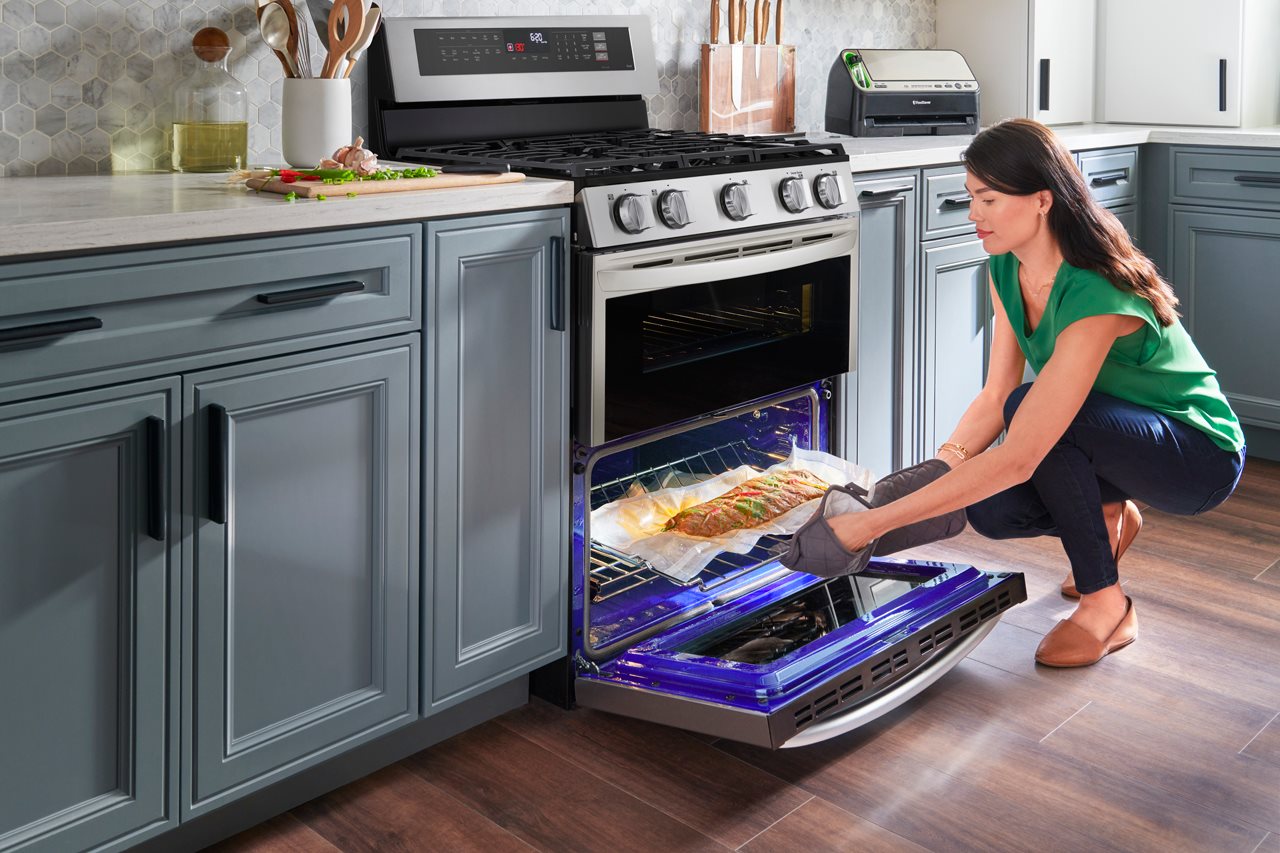
As smart home and electrification technologies emerge as key trends in the home appliance sector, we are seeing an industry-wide shift away from simple product sales to a more service-oriented business model.

Smart home technology simplifies the management of complex devices through a range of helpful automation features. By utilizing insights gained from home appliances and Internet of Things (IoT) sensors, the latest smart home tech can better understand customers’ lifestyles and needs. This, in turn, enables the delivery of proactive, tailored services that reduce the burden of household chores. As the technology advances, we move closer to the realization of what LG calls the Zero Labor Home.

Smart home solutions have become a major focus not only for appliance manufacturers but also for IoT, telecommunications, construction and big tech companies. The introduction of smart home standards or protocols, such as Matter,1 is enhancing connectivity between appliances, IoT devices and home systems. Moreover, generative artificial intelligence (AI) and ambient computing2 technologies are making it possible for users to control devices and services through voice commands alone, saving them time and making life at home far more convenient.

One of the leaders in this space, LG recently introduced its latest AI Home solution, offering users the ability to control their home appliances and IoT devices through conversational voice commands. FURON, LG’s generative AI agent and the brain of the AI Home, is able to learn and remember users’ preferences for various devices and apply the appropriate settings in the given situation. Furthermore, LG AI Home connects seamlessly with appliances and IoT devices from a growing number of global brands and integrates flawlessly with various types of apps through ThinQ ON, LG’s AI home hub. The company is continuing to expand its AI Home ecosystem to offer users a broader range of smart home solutions and services.

The transition from fossil fuel to electricity-powered products is a significant global trend — one that is expected to accelerate due to the enforcement of international regulations aimed at mitigating global warming. Boilers are rapidly being replaced by heat pump heating systems, gas ranges by induction cooktops and gas dryers by heat pump dryers. Against this backdrop, LG is actively strengthening its research and development (R&D) programs to discover more efficient and reliable heat pump technologies. These efforts include the recent completion of the company’s “global R&D triangle” to create specialized solutions for cold climates, and the hosting of the Global Heat Pump Consortium, which was founded by LG in collaboration with international universities.

Moving forward, electrification technology will evolve into smart home energy solutions that optimize energy generation, storage and usage within the home. Ultimately, this evolution will give rise to living environments whose occupants can enjoy convenient cooking, heating and cooling — and a dependable supply of hot water — while simultaneously reducing household energy consumption and environmental impacts.

Known for its expertise in smart life solutions, LG has always emphasized the importance of innovation. LG’s core technologies, including the linear compressor (refrigerators), Direct Drive motor and TrueSteam™ technology (washing machines, Styler) and dual rotary and scroll compressors (air conditioners), have played a crucial role in the company’s rise to leadership in the global home appliance market. Looking ahead, the role of LG’s R&D division will be even more vital in discovering new electrification and smart home technologies. Through a commitment to excellence and a spirit of inquiry, LG will continue to lead the way to a better future.

1 A smart home and IoT device connectivity standard developed by the Connectivity Standards Alliance (CSA). Matter enables seamless interoperability between smart devices and platforms from diverse ecosystems.

2 Ambient computing refers to technology that is able to operate invisibly in the background, blending into the environment and working automatically without users noticing its presence. Also referred to as “invisible computing” or “disappearing computing.”