Hop to it! Tips for Effortless Easter Hosting

2025-03-27T09:45:00

(BPT) – Celebrating with family is all about spending time together, enjoying each other’s company and making the most of the season. To make your Easter gathering even more memorable, add your own personal touches that celebrate the occasion and the season.

Fortunately, creating memorable Easter moments doesn’t have to be stressful, even with a busy schedule. With a little preparation, you’ll be able to entertain with ease and enjoy the company of loved ones thanks to these tips and recipes.

Make it colorful

Springtime is all about renewal, rebirth — and color! Bring vibrant hues to your celebration through your table settings, centerpiece, décor and even your food. Opt for bright or pastel solid color tablecloths and napkins, which make a bolder statement than busy patterns. Consider a simple vase of seasonal fresh cut flowers or decorated Easter eggs to brighten your table.

Bring the fun

Keep the Easter celebration lively with a variety of activities. Set up an egg-decorating station with chilled hard-boiled eggs, dyes and tools guests will need to make their own. Add a cookie-decorating station, too, with egg- and bunny-shaped sugar cookies, offering frosting and sprinkles for an easy and delicious activity.

Keep it simple

Make your meal easier this year with versatile Bob Evans side dishes and farm fresh breakfast products. Saving time on cooking and cleanup lets you focus on enjoying quality time with family and friends. Mix and match these delicious sides, or incorporate them into your favorite Easter recipes. And the best part? They’re ready in minutes.

Need a little recipe inspiration? Here are some ideas to get you started.

Bob Evans Mashed Potato Muffins

These cheesy, savory muffins are quick to make and full of flavor, a perfect addition to any meal. Hosting a large gathering? Grab an extra muffin pan and double the recipe.

Prep time: 15 minutes; Cook time: 30 minutes; Total: 45 minutes; Servings: 6

Ingredients:

1 (24-ounce) package Bob Evans Original Mashed Potatoes

3 large eggs, lightly beaten

1 cup finely chopped broccoli

1 cup shredded Cheddar cheese

1/2 teaspoon dried thyme

1/2 teaspoon garlic powder

Instructions:

1. Preheat oven to 400°F.

2. Stir together all ingredients; season with salt and pepper, if desired.

3. Spoon mixture into each well of a greased 12-cup muffin pan.

4. Bake 30-35 minutes or until golden brown.

Bob Evans Rosemary Sausage Balls

Packed with the bold flavor of rosemary, this dish adds a fresh, flavorful twist to your Easter spread. Serve as a side or main, and this recipe is sure to be a hit with everyone at the table.

Prep time: 25 minutes; Cook time: 30 minutes; Total: 55 minutes; Servings: 8

Ingredients

3/4 cup onion, finely chopped

2 cloves garlic, minced

1 tablespoon olive oil

1 pound Bob Evans Original Roll Pork Sausage

6 ounces cornbread stuffing mix

8 ounces mozzarella cheese, shredded

1/2 cup ricotta cheese

1/4 cup parmesan cheese, grated

1 tablespoon fresh rosemary, minced

Instructions:

1. Preheat oven to 375°F.

2. Cook onion and garlic in hot oil in a large skillet over medium heat until onion is tender. Spoon into a large bowl; let cool 10 minutes.

3. Add uncooked sausage, stuffing mix, mozzarella, ricotta, Parmesan and rosemary. Season with salt and pepper, if desired.

4. Shape mixture into 2-inch meatballs and place on a lightly greased rimmed baking sheet. Bake 20 minutes or until golden brown.

Bob Evans Spinach-Pesto Macaroni & Cheese Bites

A fun spin on a classic, these macaroni and cheese bites are the perfect combination of cheesy and crispy. Whether you’re serving them as an appetizer or side, these little bites pack big flavor.

Prep time: 40 minutes; Cook time: 20 minutes; Total: 60 minutes; Servings: 14

Ingredients

20 ounces Bob Evans Macaroni & Cheese

5 ounces baby spinach

2 tablespoons pesto

2 large eggs, divided

2 17.3-ounce boxes frozen puff pastry, thawed

Instructions

1. Heat macaroni and cheese according to package directions; spoon into a large bowl.

2. Gradually add spinach, stirring until wilted.

3. Stir in pesto and 1 egg.

4. Cover and refrigerate 30 minutes.

5. Meanwhile, preheat oven to 375°F.

6. Unfold pastry sheets and roll each into a 14- x 12-inch rectangle on a lightly floured surface. Cut each pastry into 2-inch squares.

7. Spoon about 1 tablespoon macaroni and cheese mixture into centers of half of squares.

8. Lightly beat remaining egg in a small bowl; brush beaten egg around edges of filled squares. Top each with a plain pastry square, crimping edges with a fork to seal.

9. Place filled pastries on parchment paper-lined baking sheets. Bake 15-20 minutes or until golden brown. Serve warm or at room temperature. Garnish with chopped fresh parsley, if desired.

Pro tip: Make ahead by freezing filled pastries on baking sheets, then store in zip-top freezer bags up to 1 month. Let thaw before baking according to directions.

Don’t let guests go home empty-handed

Consider preparing extra servings of your dishes so your guests have leftovers to take home. For many, leftovers are a way to keep holiday family memories top of mind and extend the enjoyment of the holiday.

Find these recipes and more at BobEvansGrocery.com/recipes — and find products that make your mealtimes easier at BobEvansGrocery.com.

A More Convenient Way to Get Screened for Colon Cancer

2025-03-27T00:01:00

(BPT) – Guardant Health

Did you know colorectal cancer (CRC) is one of the most treatable forms of cancer when it’s caught in its early stages, yet one in three American adults are not up to date with recommended screening? This means more than 50 million Americans age 45 and older may miss the chance to catch CRC early, when survival rates are as high as 91%. Instead, they may not know they have CRC until it’s in late stages, when the chance of survival can plummet to 16%.

Studies show that people at average risk for colon cancer often avoid screening because they think traditional screening options, such as colonoscopies and stool-based tests, are unpleasant or inconvenient. But alternative options, like a simple blood test, may help more people get screened.

Like many Americans, Elissa Brown, a 61-year-old college counseling advisor, was facing this problem. After a loved one was diagnosed with colon cancer, Brown learned firsthand how critical it is to stay up to date with screenings but still had concerns about traditional options being inconvenient or unpleasant.

“I knew how important it is to get checked for colon cancer, but seeing the impact of the disease reinforced how critical screening truly is for everyone,” said Brown. “That’s why I prioritized talking to my doctor about screening and learning about the different options available.”

At her next OB-GYN appointment, Brown asked about CRC screening. While she had used a stool-based test previously, this visit taught her about an alternate approach — Shield, a new blood test that offered a more pleasant screening option for people age 45 and older and at average risk for colon cancer. The test only required a simple blood draw during a routine doctor visit.

Brown decided Shield was the best option for her. She was also confident that she was using a screening method recommended by her OB-GYN’s practice and backed by study results published in the New England Journal of Medicine.

After a quick blood draw, Brown received her results about two weeks later, giving her the peace of mind of knowing she not only had a negative result but was also up to date with her screening for colon cancer.

“I was nervous about getting screened for colon cancer, but Shield helped eliminate those fears,” she said. “The best part is the test didn’t require any preparation or downtime — just a quick blood draw — which is important to me because my life is very busy.”

The Shield test is covered by Medicare, so those with Medicare Part B will have no out-of-pocket cost; if you have a Medicare Advantage plan, you may have a copay. Once Shield is included in clinical screening guidelines, many commercial insurance providers are expected to cover it as well.

“I’m so glad I didn’t let the stress of a colonoscopy or the ‘ick’ factor of stool tests stop me from taking care of my health,” said Brown. “Early detection can save your life and now the Shield blood test makes screening so easy. It just makes sense to get it done and know your status.”

Adults 45 and older who are due for colon cancer screening can talk to their doctor about whether Shield is the right option for them. To learn more about Shield, visit ShieldCancerScreen.com.

Shield is indicated for colorectal cancer screening in individuals at average risk for the disease, age 45 years or older. Patients with a positive result should be followed by colonoscopy. Shield is not a replacement for diagnostic colonoscopy or for surveillance colonoscopy in high-risk individuals. This test is performed at Guardant Health, Inc.

A saucy newcomer brings new flavors and new life to baked beans

2025-03-26T17:01:00

(BPT) – Canned baked beans as we know them today have been a staple in the American diet since the late 1800s, and today one in four households enjoys this classic side dish. Launched in 2023, Saucy Spoon baked beans have brought exciting new flavors to this century-old favorite.

Spicing up the market with innovative flavors

Since its launch, Saucy Spoon has skyrocketed from a test-market newcomer to a real contender nationwide. The brand has become the second-largest baked bean brand in most parts of the U.S., capturing the attention of millions with its rapid growth and fun, bold flavors.

“We dedicated a lot of time talking to consumers about what flavors they were looking for in baked beans,” said Jilliann DeLawyer, senior director of marketing at Faribault Foods. “Consumers asked us to innovate with flavors that were interesting but not crazy.”

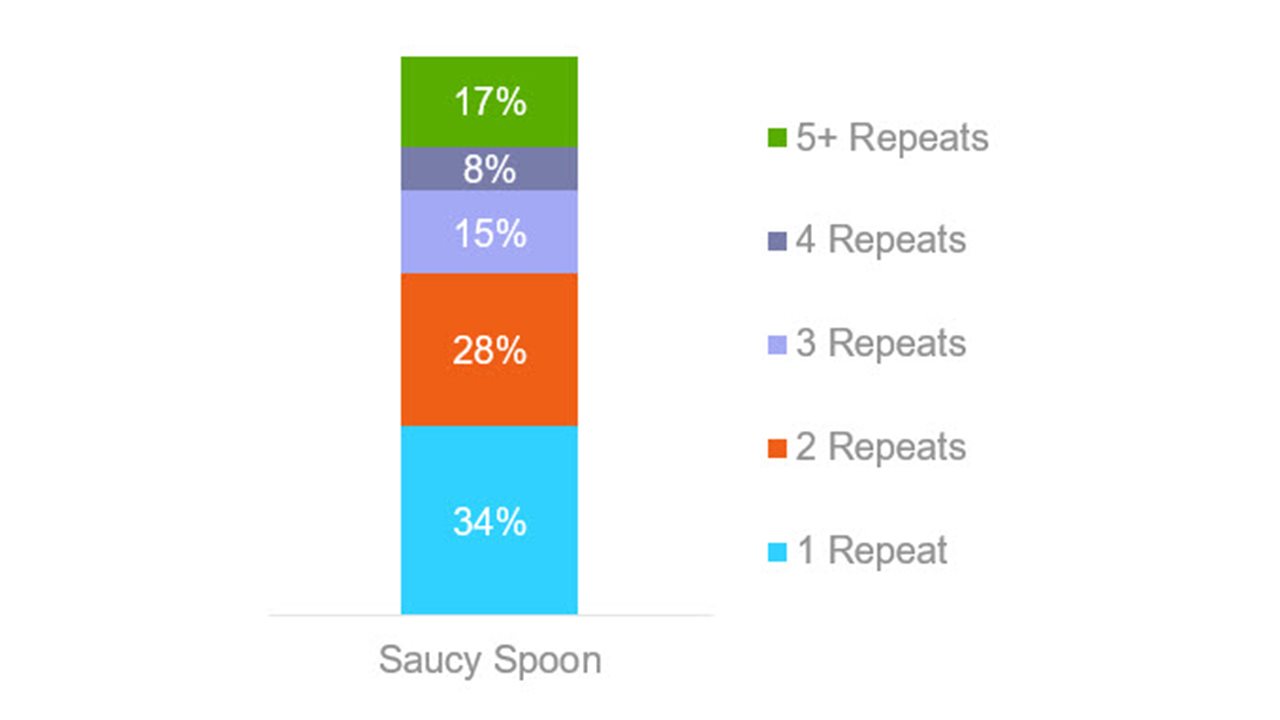
Applewood Smoked Bacon is the brand’s top-selling item, followed by Jalapeño & Bourbon, Sweet Hickory and Spicy Roasted Chipotle. Consumer response to these new flavors has been impressive. Recent Nielsen data shows that over half of consumers are already repeat buyers, with the majority purchasing 3+ times.

Saucy Spoon graphic that show number of repeat purchases of beans.

Saucy Spoon isn’t just taking over the market; it’s reviving and growing the once-sleepy bean category. Strong marketing efforts have attracted over half a million new households to the baked bean aisle, where consumers are rediscovering that beans are a delicious and affordable source of protein.

“The feedback from our retail partners has been terrific. They’ve valued the consumer research we invested in developing this brand, and now that Saucy Spoon is on shelves, they’re witnessing an amazing response from consumers,” said Mike McDevitt, director of branded sales at Faribault Foods.

Continuous innovation

Saucy Spoon’s next great offering to hit the market will be a new Korean Style BBQ flavor, featuring the sweet spice of gochujang, an increasingly popular flavor in both the grocery aisles and restaurants across the country. Major industry players like SPAM, Tyson and Trader Joe’s have also rolled out Korean BBQ and gochujang flavored products.

Single can on Saucy Spoon Korean BBQ beans.

To learn more about this saucy newcomer and explore its variety of delicious flavors, visit SaucySpoon.com.

How digital health is making early type 1 diabetes screening easier

2025-03-26T07:01:00

(BPT) – By Mariano Bendersky, Head of Digital Healthcare & Innovation, U.S. Autoimmune T1D at Sanofi

Sponsored by Sanofi

Healthcare (as we know it) is evolving to meet the needs of an increasingly digital world. Between telehealth adoption and people of all ages embracing “health from home” solutions, it’s clear that new tools and resources are shifting how people look at, and manage, their care — expanding preventative care and wellness for communities with unmet needs.

Take the type 1 diabetes (T1D) space, as one example. Today, new and exciting advancements are working to reduce barriers, increase access, and expand optionality when it comes to early T1D autoantibody screening. And it couldn’t come at a better time. While T1D screening helps people understand their risk of developing the disease before symptoms (and potentially serious complications) appear, many are unaware that screening exists. Perhaps even more troubling, some have difficulty accessing it.

Thanks to an influx of digital innovation in the existing screening landscape, this is all about to change. Below, take a look at how T1D screening access is transforming in the digital age.

Why T1D screening matters

According to the T1D Index, an estimated 1.6 million people in the U.S. are living with T1D — an autoimmune disease wherein the pancreas makes little to no insulin. The disease doesn’t occur overnight; it develops in stages over time. That said, in Stages 1 and 2 of the T1D, there are often no visible signs or symptoms, making it difficult to spot early. As a result, many are forced to find out about their diagnosis in Stage 3, when potentially severe complications can arise.

Unfortunately, according to Global Pediatric Health, as many as four in 10 people don’t know they have T1D until they are already in the hospital with life-threatening complications. What’s more, a status report in Diabetes shows that up to 90% of people diagnosed with T1D have no family history of the disease. Experiencing a T1D diagnosis like this — in an urgent scenario and with little prior exposure to the disease — can understandably be overwhelming. In an instant, you’re thrusted into a new reality that requires 24/7 disease management. For this reason and more, early detection of the disease is valuable because it can offer a precious window of time when individuals can learn more about how to prepare for life with T1D before symptoms arise.

Doctor in white lab coat working on a tablet in an officeCaption: Your information will be evaluated by a healthcare provider. Credit: Shutterstock


Modernizing T1D screening access

In an effort to complement currently available T1D screening options and bring this potentially life-saving process to the digital age, Screening Central was born. As the first telehealth-enabled, user-initiated platform to request T1D autoantibody screening, Screening Central offers a comprehensive and convenient solution to help with every step of T1D screening. Developed in collaboration with Sanofi, the platform breaks down the process into three steps.

  • Getting Started: To start, visit Screening Central and answer a short health history questionnaire.
  • Getting Evaluated for Testing: From there, your information will be evaluated by an independent healthcare provider, who will determine whether you are an appropriate candidate for screening. If confirmed, you can decide what your preferred screening method is, which could include talking to your doctor, getting tested at a lab, or participating in research trials.
  • Getting Your Results: After that, you will receive a phone call or arrange a televisit to discuss results or you can choose to have results shared directly with your doctor.
Smiling woman sitting on a couch looking at her phone.

Caption: Screening Central can help you learn more about T1D screening. Credit: Shutterstock

In 2025, no one should find out they have T1D in Stage 3 under potentially life-threatening circumstances. By leveraging end-to-end digital health innovation, Screening Central helps overcome existing barriers to screening and makes it easier than ever to put early T1D risk detection first.

As you can see, innovation is truly around every corner in the T1D space. Equipped with breakthrough advancements like Screening Central, now is the time to learn more about T1D and understand if screening is right for you. To learn more about Screening Central — and the other screening options available to you — visit Screen For Type 1.

Sanofi does not provide medical advice, diagnosis, or treatment – information is provided for educational purposes only. Your doctor is the best source of health information. Talk to your doctor if you have any questions about your health or treatment.

Preparing for retirement? 6 expert tips for your health and finances

2025-03-26T07:01:00

(BPT) – Retirement is a major transition in your life. While it can be an exciting chapter you may have long looked forward to, the key to making the most of your retirement is proper planning.

From finances to health care, here are the top six things you need to consider before making the leap.

1. Estimate your retirement budget

To help you feel more secure heading into retirement, it’s helpful to calculate your expected income from Social Security, pensions, plus any investments and savings you may have. Then you’ll need to estimate what your expenses may look like, including not only basic living costs like food, housing and insurance, but also any extras you may anticipate, like increased health care needs or travel. Consider inflation and rising health care costs in your calculations, so that you won’t underestimate how much you’ll need.

You can find a variety of helpful online tools such as retirement calculators at the Social Security website and wherever you have investments or a 401(k) plan.

2. Understand your health care options

It’s a good idea to educate yourself on what Medicare does and does not cover before you are ready to retire. For example, many retirees are surprised to learn that Medicare does not cover things like routine vision care or hearing aids.

3. Don’t overlook vision care

Because Medicare does not cover routine eye exams, you’ll want to be sure you have coverage for this vital aspect of your overall health, whether or not you currently wear corrective lenses. Securing an affordable vision plan like a VSP® Individual Vision Plan now ensures that you’ll have continued access to crucial annual eye exams and eyewear, helping you save money in retirement. VSP’s affordable, same-day coverage ensures that retirees can maintain clear vision and eye health without unexpected expenses.

The best thing is, you can purchase a vision insurance plan with VSP at any time, with no need to wait for open enrollment or waiting periods. You can save up to $350 annually with affordable VSP Individual Vision Plans that you can customize and buy on your own. With a VSP vision insurance plan, you simply visit an eye doctor in the VSP network and you’ll see 20% savings on additional glasses or sunglasses, including lens enhancements, by visiting a doctor in the VSP network within 12 months of your last exam. VSP members also have access to over $3,000 in savings with Exclusive Member Extras.

Visit VSPDirect.com to find the best vision plan for you. You’ll be able to compare insurance plans and find the one that best meets your needs.

4. Consider downsizing or relocating

If you’re open to the idea of downsizing or moving, relocating to a smaller home or a maintenance-free condo — especially in a tax-friendly or lower-cost area — can really help to stretch your retirement savings, while offering better amenities and less worry. This kind of move can help you maintain the lifestyle you want through retirement while also reducing your costs.

5. Plan for hobbies and social engagement

Happiness during retirement isn’t just about money — it’s also about how you spend your time. Make sure to include activities you love that will keep you socially, physically and mentally active in your retirement planning. You can find fun, friendship and fulfillment by engaging in volunteering, travel or learning a new skill.

6. Protect your legacy

To give you and your family better peace of mind, ensure that your will, power of attorney and insurance policies are all up to date. Organizing your paperwork and sharing your wishes clearly with your family can also help prevent unnecessary stress for your loved ones down the road.

Financial security is just one piece of your overall retirement planning. Making proactive health care choices, including crucial elements like your vision care, can help you stay more active and independent for years to come.

How to refresh your Easter traditions with potatoes

2025-03-25T10:21:00

(BPT) – Why put all your eggs in one basket? With food prices rising, families are embracing a playful, budget-friendly tradition: Easter potatoes!

Potatoes are a durable and versatile pantry staple that provides the perfect blank canvas for Easter fun. To celebrate the growing Easter trend, Potatoes USA is showing folks how to paint, craft and cook potatoes, proving that creativity and tradition go hand in hand.

“Kids of all ages love potatoes, and parents love that they offer an easy, fun, and affordable way to get creative,” says Kayla Vogel, mom and senior global marketing manager at Potatoes USA. “They don’t require delicate handling. Just grab some edible paint or removable stickers, and let the fun begin!”

Are you ready to add your own tater twist to a classic Easter tradition? Check out these pro tips for celebrating with potatoes this spring.

1. Paint with food coloring

For gold-star-level results, use food coloring for a delicious, edible dye. Paint the coloring directly onto the potato for the most vibrant color. If you don’t plan to eat the potatoes, apply a coat of hairspray to seal the color.

2. Choose the right materials for paint-based projects

For paint-based projects, look for non-toxic, washable paints. Use a white primer coat to make the colors pop!

3. Create potato cookies

The great thing about potatoes is that you can cut them into pretty much any shape.

“This year, we’re slicing our potatoes and using cookie cutters and food coloring to paint Easter shapes and spring animals before putting them in the air fryer,” said Vogel. “It’s a really fun activity. My kids love eating potato bunnies, and I love my kids eating their vegetables.”

4. Make potato stamps

Parents can also cut potatoes in half to create Easter stamps! Once halved, children can use a pen or marker to draw a shape or design on the potato’s flat edge. Adults can carefully cut around the drawing using a carving knife, leaving the raised shape on the potato. After the adults have finished carving, the little artist can paint the potato stamps and use their creations to make Easter-themed paintings on paper.

5. Minimize cleanup

For your potato crafting time, it helps to cover the workspace with newspapers or plastic tablecloths to minimize cleanup. Also, consider using gloves to keep little hands clean from food coloring or paint.

Celebrate Easter meals with easy potato recipes

Easter is a time for family, fun and, of course, delicious meals. Potatoes are not only a staple on the holiday table but also a versatile, nutrient-dense vegetable. They have one-third of your daily vitamin C, are a good source of potassium, and have 3 grams of plant-based protein.

After your family finishes their potato crafts, use any leftover potatoes to make these easy, kid-approved recipes for Easter celebrations.

Herb and cheese deviled potatoes

This potato-based take on the classic hors d’oeuvre makes for a fun and filling finger food for kids and adults alike. In just 45 minutes, you can whip up enough deviled potatoes for everyone to enjoy while you put the finishing touches on the other dishes.

You can garnish the potatoes with pretty much anything you have on hand. Try using sun-dried tomatoes, smoked salmon, radish slices, fresh herbs, tiny pickles or chilies.

Fingerling potato hash with turkey bacon

Roasted fingerling potatoes with onions, smoky turkey bacon, charred Brussels sprouts, and lemon make for a great vegetable side for any meal, but especially for an Easter brunch. The best part? You can make this hash in just 35 minutes.

Apple spiced potato muffins

Wake up to a sweet treat with these apple-spiced potato muffins. This recipe combines whole wheat muffins with spiced apples and shredded potatoes, topped with a potato cream cheese streusel. While these muffins are perfect for breakfast, you can eat them for any meal!

This Easter, take your celebration from good to great by using potatoes to create art and eats. Visit PotatoGoodness.com to learn more about the many health benefits of potatoes and find some delicious spring recipes.

If your family hops on the #EasterPotatoes trend, send us your photos! Tag @PotatoGoodness on Facebook or Instagram.

How public-private transportation partnerships create innovative solutions, boost the economy

2025-03-25T08:01:00

(BPT) – To keep the economy moving, people need to keep moving. Public transit helps economies grow by providing access to businesses where people purchase goods, boosting home values and creating jobs. By getting people to work or school, shopping, entertainment and more, public transportation provides a critical lifeline, supporting self-sufficiency so people can contribute to a strong, healthy community. According to the American Public Transportation Association, 77 cents of every dollar invested in public transportation goes to the private sector.

Investment in transit also means investing in goods and services needed to run systems and keep roads clear — which benefits everyone. When transportation is cut to lower costs, ridership decreases, so those who need it most may experience less reliable service, creating a downward spiral.

The solution: Public-private partnerships

Contracting with the private sector helps public funds go further. Private contractors help maximize budgets, using their expertise to improve service and innovate through efficiencies and best practices. Using the resources of private-sector partners, public transportation systems can keep service levels high within existing budgets.

“As communities across North America face evolving transportation needs, public-private partnerships help build resilient transit systems,” said Laura Hendricks, board chair of the North American Transit Alliance (NATA), an alliance of private-sector companies operating transit systems throughout the U.S. and Canada. “Private contracting offers a strategic approach to maximizing budgets and service, modernizing public transportation for everyone’s benefit.”

Partnerships solve problems

For example, in Nassau County, New York, one private transportation company helps ensure smooth operations, FTA compliance, customer service and more for its local transit system. This partnership has resulted in streamlined service and innovations including a contactless fare payment system, new passenger mobile applications and microtransit service — saving over $350 million.

According to studies from the Eno Center for Transportation and International Association of Public Transport, private contracting demonstrates many benefits:

  • Cost efficiency — Private contractors bring extensive experience in managing operational costs through economies of scale, streamlined processes and innovative practices.
  • Quality Private operators are held to rigorous performance standards through structured contracts, ensuring high-quality service.
  • Expertise — The private sector’s knowledge spans operations, maintenance, safety and workforce development to help public transit agencies address complex challenges.
  • Flexibility — Private contracting provides flexibility to scale services up or down for changing demand.
  • Economic development — Private transit operators contribute to local economies by creating jobs to benefit the community.

Learn more about these innovative partnerships at NATransitAlliance.org.

How To Avoid Becoming A Victim Of A Botched Dental Implant Procedure

2025-03-24T10:01:00

(BPT) – For anyone facing tooth loss, dental implants offer more than just a cosmetic solution. They can have a significant impact on your overall health and well-being. However, it’s important to do your homework to ensure you’re receiving care from an experienced and qualified professional and to avoid costly mistakes. After all, dental implant treatment is a complex procedure, and one you do not want to cut corners on to save a little time and money. Mistakes in initial treatment may forever negatively impact your final results.

Cost is a big consideration when it comes to dental implants, and you may be tempted to go abroad to save on your dental procedure. In 2022, more than 787,000 Americans were projected to seek medical and dental treatments abroad. However, doing so can cost you down the line.

Receiving medical treatment abroad can leave you without recourse if complications arise after returning home. If an implant fails or your new prosthesis requires adjustments, obtaining follow-up care can be difficult and expensive.

Implant parts and pieces are not interchangeable, and even if you find a willing dentist, the parts may not be available or identifiable. That is why many dentists will not accept a patient who has already been treated by another dentist. Without proper post-procedure monitoring, the risk of infection, improper healing, and implant failure can increase.

Why long-term success matters more than quick fixes

Treatment timelines are another consideration when it comes to dental implants. There has been a rise in treatment centers that offer permanent teeth within 24 hours of surgery. While this option might sound appealing, especially for someone who is eager to have new, permanent teeth, it can come with significant trade-offs, including:

  • Improper fit and bite misalignment
  • Gaps between the gums and the teeth
  • Compromised speech and articulation
  • Lack of customization, leading to discomfort and speaking issues

You should be certain that if any of the above situations arise after the 24-hour period that the treating dentist agrees to address these issues and predetermine if there are additional costs. While fewer appointments may sound ideal, the follow-up process after surgery is worth your time. You’ll want to choose a provider who offers you the option to customize and refine your new smile in the weeks and months following surgery.

How to choose the right dental implant provider

When considering dental implant treatment, asking the right questions can help you make an informed decision and avoid costly complications down the line.

Who you choose to perform your dental implant surgery can make the difference between a smile of joy and a grimace of pain. Prosthodontists and oral surgeons at ClearChoice Dental Implant Center, a national leader in fixed full-arch restorations, have collectively treated over 200,000 patients and placed over one million implants. In fact, ClearChoice doctors regularly perform corrective surgeries for the types of cases mentioned above. Unfortunately, these corrections, if at all possible, can cost more than the original unsuccessful treatment.

Understanding the full journey of implant treatment helps set expectations and ensures you receive comprehensive care. Use the following tips to help you make an informed decision about your dental implant provider.

1. Ask the right questions about the full treatment process:

While you may not know the answers, you can begin your journey to quality dental implants by asking the right questions. During a consultation, ask your dental implant provider:

  • How will dental implants benefit me?
  • What are the many procedures and steps I can expect?
  • How will my treatment plan be customized to my needs?
  • What will you do if I have complications with the implants or prosthesis in the future?
  • What does the healing process look and feel like?
  • What is the expected recovery time?
  • What steps are taken to ensure the implants last long-term?

Asking these questions can help you make an informed decision about your oral condition and may put you at ease when considering undergoing dental implant surgery.

2. Verify qualifications

Not all dental professionals have the extensive training and experience that is necessary to perform dental implant treatment. Do your research to ensure your dental implant procedure is performed by trained specialists like prosthodontists and oral surgeons who have extensive experience in complex treatments and full-arch restorations.

You may be able to look up a dental implant provider’s credentials online. However, during your consultation, you should ask about their qualifications and how many dental implant procedures they have performed.

3. Be wary of red flags

In addition to verifying a provider’s credentials, be on the lookout for any red flags. Be cautious and watch for the following signs:

  • A promise of permanent teeth within 24-48 hours with no promise for follow-up appointments.
  • No option to refine and customize the look, fit, and feel of your prosthesis during the healing process.
  • The doctor not being present during the initial consultation visit and only a support staff discussing the treatment plan and fees.

4. Look for providers who stand behind their work

A reputable provider should offer long-term assurances of their dental implant procedures. ClearChoice, for example, offers patients a lifetime warranty on full-arch zirconia prostheses, demonstrating their commitment to quality and patient satisfaction.

ClearChoice’s Lifetime Warranty covers a “no cost replacement” of the zirconia prostheses for all new patients in the rare event of a fracture or crack in the prosthesis. This warranty underscores ClearChoice’s commitment to both clinical excellence and patient satisfaction, ensuring peace of mind and long-term protection on your investment. ClearChoice doctors stand behind their work for life and are trusted providers to perform this procedure the right way.

5. Choose long-term outcomes over short-term convenience

Dental implants are a long-term investment in both health and confidence. The best outcomes come from providers who emphasize:

  • Research-backed healing methods
  • Precision in implant placement and bite alignment
  • High-quality materials designed for longevity
  • Ongoing support and care to optimize implant success

Invest in the Right Care for a Lifetime of Benefits

Choosing the right provider means prioritizing expertise, technology, and long-term care over short-term cost savings. With proper placement and follow-up care, dental implants can last for decades, providing lasting function, comfort, and confidence.

Using these five tips, you can find a provider who offers quality work that will make you smile. To learn more about whether dental implants are right for you and to find a local provider, visit ClearChoice.com.

5 top trends for transforming your outdoor space

2025-03-24T09:01:00

(BPT) – Homeowners today are reimagining their outdoor spaces, moving beyond a basic patio and grill to create thoughtfully designed areas that blend style, comfort, and functionality. According to the latest Houzz Outdoor Trends Study, one in three homeowners are upgrading their outdoor areas as functional, beautiful extensions of their homes with an emphasis on convenience, style and sustainability. If you’re among those looking to transform your outdoor space this year, following are five top trends to consider:

1. Seamless segues from inside out

As the lines between indoor and outdoor spaces continue to blur, homeowners are finding creative ways to bring the comfort of the indoors outside. Picture large glass doors gliding open to reveal a deck adorned with stylish outdoor furniture, cozy rugs and ambient lighting, creating an inviting atmosphere that feels just as welcoming as a living room.

2. Climate-friendly features

As climate resilience becomes a top priority, outdoor areas are being designed to withstand every season and adapt to a wide range of conditions. Homeowners want solutions that offer a year-round balance of comfort, durability, ease and style to ensure these spaces remain practical and inviting. Heat-mitigating composite decking, weather-resistant furniture, and shade structures help keep outdoor spaces enjoyable, no matter the season. Water-resistant materials are also becoming essential for decks, poolside areas and docks, ensuring durability against moisture, sun exposure and heavy foot traffic. Low-maintenance solutions, such as Trex® composite decking, require only occasional cleaning to maintain their beauty for years.

“People want outdoor spaces that adapt effortlessly to their homes and lifestyles, no matter the climate, setting or season,” says Adam Zambanini, COO of Trex Company. “Our Performance-Engineered™ products offer the ability to enjoy the outdoors in comfort and style, whether you live along the salty coast, high up in snow-capped mountains or in the heat of the desert.”

3. Cozy, curated spaces

Rather than sprawling, undefined yards, many homeowners are designing smaller, purpose-driven outdoor spaces tailored to specific activities like dining, relaxing or entertaining. Defined zones with level changes, pergolas, privacy screens and stylish deck railings create a sense of intimacy and character. And don’t forget the space beneath the deck. The simple addition of a deck drainage system, like RainEscape®, makes it possible to add furnishings, lighting, appliances and other electronics to transform this underutilized area into a fully functional, all-season retreat.

4. Smart features for comfort and convenience

Technology is making outdoor spaces more comfortable and functional than ever. Smart lighting, weatherproof entertainment systems, app-controlled irrigation, and outdoor Wi-Fi hotspots are turning backyards into high-tech havens. Features like built-in USB ports and wireless charging stations ensure outdoor spaces stay as connected and convenient as any indoor room.

5. Sustainable and serene retreats

More homeowners are prioritizing eco-friendly choices when designing their outdoor spaces. Products made with recycled and reclaimed materials and native plants contribute to a sustainable backyard oasis. Elements like rainwater collection systems and solar-powered lighting not only help reduce environmental impact but also create a peaceful and natural atmosphere.

Outdoor living continues to evolve, offering endless possibilities for relaxation, entertainment and connection with nature. Whether you’re envisioning a multi-level deck, a cozy garden escape or a poolside retreat, let these trends help you create your dream outdoor space. For more inspiration, visit Trex.com.

From marine-grade protection and Sun Comfortable™ technology to more color choices and durability backed by strong warranties ranging from 25 to 50 years, every product in our portfolio is Performance-Engineered for your life outdoors™.

The time is now: What schools need to bolster waning math education

2025-03-23T23:01:00

(BPT) – The latest release of the Nation’s Report Card (also referred to as the National Assessment of Educational Progress or NAEP) include extremely concerning results. According to the report card for grades 4 and 8, there was no measurable change in mathematics scores in all locales compared to 2022. This data highlights significant ongoing challenges in student math achievement — challenges that must be addressed by states, districts and schools to prepare students for workforce demands of tomorrow.

“NAEP scores are a clear reflection of the challenges our education system is facing, with widening gaps between high-performing and low-performing students. The most vulnerable students are falling further behind, and this trend cannot continue,” said Dr. Julia Rafal-Baer, board member of the National Assessment Governing Board.

How students score in mathematics is not only crucial for fields related to math, but for their overall success; recent research shows math scores are closely tied to salary at age 30, regardless of a student’s background.

“Business and industry leaders across our region, and the nation, are seeking applicants with strong math, reasoning and data analysis skills,” said Jack McDougle, president and CEO, Greater Washington Board of Trade. “Both a child’s potential for success and the future health of our workforce are dependent on equipping students with the skills that math helps form and strengthen.”

Call to action

The NAEP results have spurred the Collaborative for Student Success, a non-profit organization dedicated to informing and amplifying policies making a difference for students and families, to take immediate action.

“Every time our nation is faced with low results on the NAEP exam, we express shock and dismay at the state of math education in our country,” said Jim Cowen, Executive Director of the Collaborative for Student Success. “But 48 hours later, the headlines fade, and little changes. This time must be different. Let’s commit to concrete action to improve math achievement for all students.”

Their call to action is joined by 28 organizations representing educators, business leaders and parents who are united in urging state and district leaders to implement policies that will improve math achievement for all students.

The importance of accurate assessments

Assessments like the Nation’s Report Card provide useful data for schools and district leaders to understand where students stand on their path to success.

Advocates express concern that current changes in the U.S. Department of Education create the possibility of states no longer being held accountable to track and report on student progress through assessments. Bipartisan solutions are available to policymakers that help ensure all kids — especially those from under-resourced communities — have access to a high-quality math education.

Strategies for improving math education in the schools

The organizations are recommending six key strategies, backed by research and practice:

1. Expand access to high-quality instructional materials aligned to rigorous standards.

2. Provide educators with high-quality professional learning focused on effectively using instructional materials in the classroom.

3. Increase instructional time by extending learning opportunities before, during and after the school day.

4. Automatically enroll students into advanced math courses based on objective assessment results or other data.

5. Hold teacher preparation programs accountable for equipping teachers with the skills and content needed to succeed in math instruction.

6. Leverage math coaches at the school or district level to work closely with teachers to improve classroom practice and, ultimately, student math achievement.

“We also call upon local leaders to directly connect the math needs of our students to the workforce necessities of our communities,” added Cowen. “There’s no question that the more students that have a strong math education, the stronger our workforce will be.”

Progress is possible — and already happening

The good news is many states across the country are proving that progress is within reach:

  • Rhode Island and Mississippi have taken concrete steps to increase access to high-quality instructional materials in math.
  • Texas, Washington and North Carolina have implemented automatic enrollment policies to ensure students are not overlooked for advanced math coursework.
  • Arkansas and Massachusetts have strengthened teacher preparation programs, requiring higher standards for math instruction.
  • Alabama and Colorado are offering programs and resources empowering teachers to improve instruction and extend learning beyond the classroom.

These success stories demonstrate that bipartisan action can yield real results. Now is the time for every state and district to follow their lead.

“The NAEP results are concerning — but we cannot let them be the final word. Instead, they should be the starting point for collective action,” said Cowen. “Together, we can ensure every student has the opportunity to excel in math. It’s time to move past the data and ensure that our collective actions speak louder than these numbers.”

Learn more at EduProgress.org/math.