2018 remodeling trends that boost your home’s value

2018-01-31T08:01:00

(BPT) – A strong housing market is giving homeowners the confidence to invest in remodeling. In fact, homeowner spending on improvements and repairs will approach $340 billion in 2018, an increase of 7.5 percent from estimated 2017 spending, according to the Leading Indicator of Remodeling Activity (LIRA) from the Joint Center for Housing Studies of Harvard University.

Remodeling can add value to your home while also making it more livable, but not all remodeling projects are created equal. While the choice to remodel is individual, there are many studies that show some projects return more on your investment than others. Fortunately, some of 2018’s leading remodeling trends also have great ROI.

Trend 1: Bathroom additions

Adding a bathroom can add comfort and convenience for current homeowners, plus catch the eye of potential buyers. A bathroom addition recoups about 60 percent of the cost, according to Remodeling magazine’s 2018 Cost vs. Value report.

A top trend in 2018 is adding bathrooms to unique spaces, meaning not letting existing plumbing limit your options. This might include adding a small powder room on the main floor or adding a full bathroom to the basement where there is no current drainage.

Homeowners can get the valuable bathroom addition they want without cutting concrete or undermining the structural integrity of the home by opting for above-floor plumbing features such as a macerating toilet and drain pumps from Saniflo. The Saniaccess3 is a smart choice for full baths, and the Saniaccess2 is ideal for powder rooms.

These compact systems can fit into a closet, beneath a stairway or even be built into the wall. When the project is complete, it will look like any conventional bathroom, but above-ground plumbing options make it possible to put a bathroom virtually anywhere — even in the garage or outside. Learn more at www.saniflo.com.

Trend 2: Home exterior updates

You never get a second chance to make a first impression, and this is true for houses as well. With this in mind, homeowners are focusing their efforts on the house exterior in 2018.

Some exterior remodeling projects can be costly and time-consuming, such as replacing siding and windows or redoing landscaping. To get a big visual bang for your buck with great ROI, consider replacing your garage door. The average garage door replacement job cost is $3,470, according to the Cost vs. Value report, plus it has a whopping 98 percent cost recouped at resale.

Want to take exterior upgrades one step further? Consider replacing your existing entry door with a new steel option that matches your new garage door. Your house’s facade will be completely refreshed, plus that door recoups 91 percent of the cost.

Trend 3: Smart home upgrades

You have a smartphone, smart watch and smart TV; it only makes sense that you also want to bring the convenience of technology into your remodeling projects with a smart home.

Smart homes have been trending for some time, but in 2018 this trend could reach a tipping point thanks to wider availability and more affordable options. What used to cost thousands may now only cost hundreds, and you might be surprised how many DIY options you can now find at your local home improvement store.

Some of the most popular technological enhancements for the home include smart lighting controls that save energy and let you customize lighting in every room of your home. Smart door locks and security systems are also valuable additions.

If you’re looking for an affordable way to enter into the smart home market, consider a smart thermostat or smart smoke detector. Technology is bound to make your home more comfortable and safe while boosting the bottom line come sale time.

Cut expenses without cutting corners on your bathroom remodel

2018-01-31T06:01:00

(BPT) – When homeowners get the urge to remodel and renovate their homes, two rooms immediately top the list: the kitchen and the bathroom. In the last decade, we’ve seen something of a renaissance in home bathroom design. From an innovative use of materials to radically reimagined bathtubs and toilets, today’s bathrooms offer a dream space with comfort and convenience in a stylish package.

This dream, however, comes with a price tag. A mid-range bathroom remodel that includes a steel tub, a pressure-balanced shower, ceramic tile floor, vanity and integral sink could cost almost $20,000, and that’s for a 5-by-7 room. An upscale remodel might cost as much as $60,000!

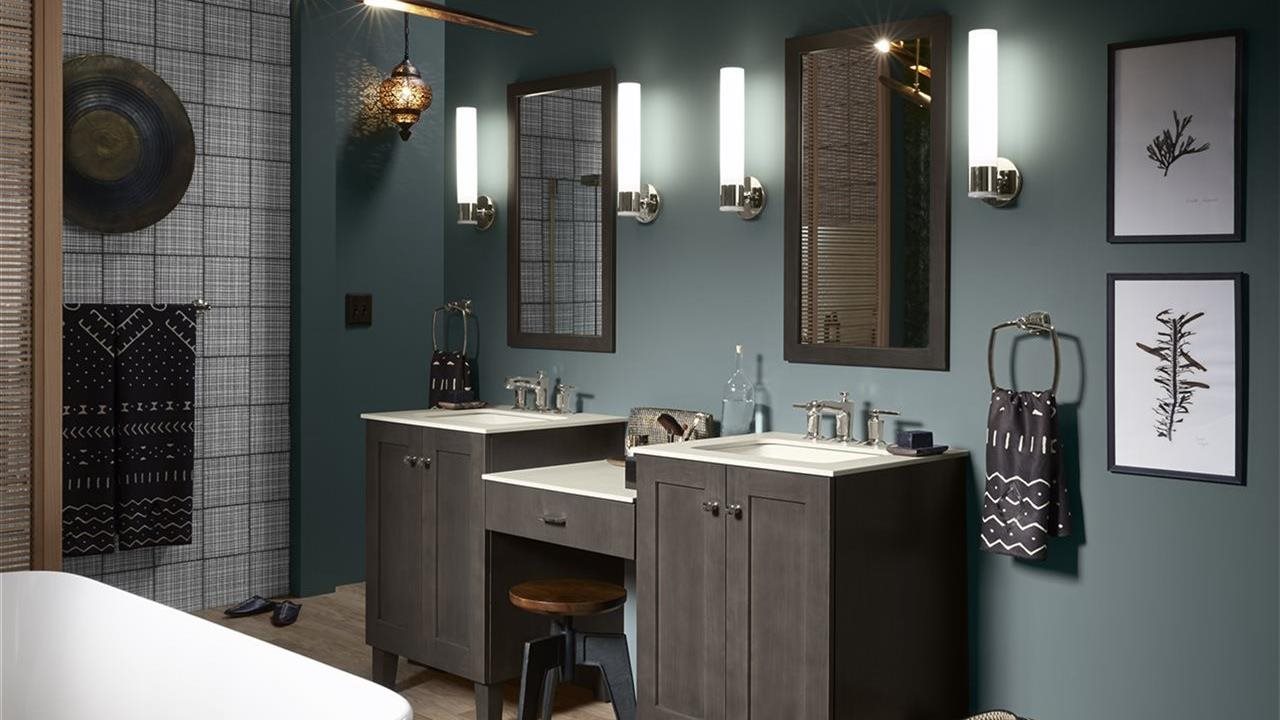
But before this sticker shock scares you away, know there are secrets to saving money and still getting a beautiful bathroom. We sat down with Lynn Schrage, interior designer at Kohler Co. to learn some of her tips and tricks. Here are five of the best.

1. Find a focal point

You don’t need to have top-of-the-line everything to create a stunning bathroom. Think in terms of what piece you want to be the star of your bathroom. Maybe you want it to be the sink, a freestanding bathtub or a spa steam shower. Pick one fixture that will draw the eye in and take center stage. You’ll be amazed at what this does for the overall effect.

2. Incorporate creative storage solutions

In remodeling a bathroom, it’s always exciting to stumble upon a solution that brings together the practical and the beautiful. This happens a lot when you try to figure out how to store toiletries, towels and more. Wall cabinets, wicker baskets, storage ladders and storage towers create charm and keep your essentials orderly.

3. A touch of luxury goes a long way

One of the most effective ways to create a stunning overall effect is to mix a touch of luxury with quality materials. For instance, coordinate wooden cabinets with a tiled paneling treatment around the bathroom. Also ripe for coordination are choreograph shower panels with stone or porcelain tiles. Focusing and investing in these luxury elements while using quality material will help offset costs and give you the look you’ve dreamed of.

4. Select an integrated vanity top sink

Looking through your many choices of sinks, showerheads, toilets and other fixtures is downright inspiring, but sometimes it can be hard to know where to start. Of all the options available, consider setting your eye on a vanity top with sink mounted on any number of vanity styles you like. This combines style with functionality in a timeless design and cuts down on clean up and your installation cost.

5. Work with a professional

Many people who want to save on a bathroom remodel think the most economical way is to go it alone and take the DIY route. However, a professional designer can help you discover the style that fits your personality and budget — and help you avoid costly mistakes. For instance, Kohler’s Bathroom Design Service provides expert advice, 3-D bathroom renderings and logistical guidance.

To discover more inspiration for your bathroom, visit ideas.kohler.com, where you’ll find the ideas and advice that will get you started on your journey to your dream bathroom.


Do the math: Homebuying now may save a lot

2018-01-30T14:35:00

(BPT) – It is a common misconception that a 20 percent down payment is required to buy a home. Advice to wait and save a large down payment is often based on the theory that the cost of mortgage insurance (MI), which is required when you buy with a smaller down payment, should be avoided. This may not be the best advice and is, in fact, not in line with market trends, considering 60 percent of homebuyers buy with a down payment of 6 percent or less, according to the National Association of Realtors.

Yes, you can qualify for a conventional mortgage with a down payment as small as 3 percent of the purchase price. It is also true that you can reduce your monthly mortgage payment by paying for discount points at closing, but that can be 5 or 10 percent of the purchase price — not 20. And because every buyer’s situation is unique, it’s important to do the math. In today’s market, it could take a family earning the national median income up to 20 years to save 20 percent, according to calculations by U.S. Mortgage Insurers using a methodology developed by the Center for Responsible Lending; a lot can change during that time, in the family’s personal finances and in overall mortgage market trends.

How can buying now save you money later?

Consider you want to purchase a $235,000 home. A 5 percent down payment is $11,750 versus $47,000 in cash for 20 percent down. With a 740 credit score at today’s MI rates, your monthly MI payment would be about $110, which is added to your monthly mortgage payment until MI cancels. MI typically cancels after five years; therefore, you will only have this added cost for a short period of time versus waiting an average of 20 years to save for 20 percent.

With home price appreciation, today’s $235,000 home will likely cost more in the years ahead and this will also have an impact on the necessary down payment and length of time required to save for it. There are other variables in the equation too, such as interest rates. As federal rates rise, so too can the costs associated with financing a mortgage. The savings a borrower might calculate today could be altogether negated by waiting even a few more years. Another factor is that rents are on the rise across the nation, leading to a reduced capacity for many would-be homebuyers to save for larger down payments.

If you decide to buy today with a low down payment mortgage option, it is true that MI is an added cost on top of mortgage principal and interest, but keep in mind that it is temporary and goes away. Again, it typically lasts about five years. Private MI can be cancelled once a homeowner builds approximately 20 percent equity in the home through payments or appreciation and automatically terminates for most borrowers once he or she reaches 22 percent equity. And when MI is cancelled, the monthly bill goes down. Importantly, the insurance premiums on an FHA mortgage — the 100 percent taxpayer-backed government version of mortgage insurance — cannot be cancelled for the vast majority of borrowers with FHA mortgages.

So, do the math and let the numbers guide you. There are many online mortgage calculators that can help. Check out lowdownpaymentfacts.org to learn more.


The beauty of barn doors

2018-01-30T11:49:00

(BPT) – Barn doors moved out of the farmyard and into the house a long time ago. Recently, however, they have become an even more popular and useful feature in residential design. It’s not hard to see why.

“Many homeowners hear the term ‘barn door’ and think of reclaimed, rustic wood, which may not be a look they’re interested in,” says Linda Jovanovich of the American Hardwood Information Center. “But contemporary barn doors offer many more aesthetic choices than their traditional image suggests. We’ve noticed a trend toward the use of solid, fine-milled hardwoods like walnut and cherry for sliding doors, which not only gives them satisfying heft but is also a great way to bring the warmth and character of natural wood into an interior.”

New York–based interior designer Laura Bohn agrees. “I’ve installed hardwood barn doors in many projects, both in the city and the country,” she says. “They provide a lot of decorative interest, particularly hung in pairs. I’d choose a clean, sophisticated design in a subtle wood like maple or birch for an urban interior. Poplar planks painted a cheerful color, or characterful woods like hickory and cypress would be better for doors in a country house.”

Along with their decorative qualities, barn doors often provide a functional alternative to conventional swing doors. “Barn doors, either singly or in pairs, offer a simple and effective way to divide large spaces — a kitchen from a living-dining area, for example,” says Laguna Beach, California–based designer Lisa McDennon. “They can create instant separation and privacy in even the most open-plan house, which allows for greater flexibility in daily use.”

“A traditional door can use up to nine square feet of space, which is a lot in city apartments where every inch counts,” notes New York–based designer Glenn Gissler. “A barn door only takes up a sliver of floor, making it a terrific solution in tight situations such as hallways and narrow rooms. You just need enough adjacent wall footage to slide the door over.”

Barn doors offer economic advantages, too. While pocket doors have similar space-saving benefits, installing them requires wall reconstruction — a messy and expensive business. Because barn doors run on hardware installed outside the frame, they need no such preparatory construction, saving time and money. And the tracks themselves are part of the doors’ decorative appeal. “There’s a terrific selection of barn-door hardware available,” Bohn says. “Use sleek, high-tech tracks in brushed aluminum or satin-finish stainless steel for a modern urban vibe. For a more rustic or industrial statement, think blackened iron or raw steel, both of which look powerfully graphic against natural or painted wood.”

Visit www.hardwoodinfo.com for more about residential design trends and other applications and products using American hardwoods.


Keep your home pest free this year

2018-01-25T12:01:00

(BPT) – Now is a great time to establish year-long goals and resolutions, including home improvement goals you’d like to tackle this year. The first step is to create a pest control plan for your home. It’s important to establish good habits early in the year to help prevent potential pest problems. Unchecked, pests can wreak havoc in your home, but there are several steps homeowners can take to help avoid an infestation and keep their home safe and their family happy.

Sanitize

Clean your kitchen, pantry and any other places where food is stored. Remove crumbs and wipe up sticky drink residue to avoid attracting cockroaches and ants. Drains and sinks can be breeding grounds for flies, so keep them clean and clear. Regularly vacuuming and dusting can help prevent pests during the winter months.

Repair home damage

Engage in regular home maintenance to help avoid unwanted pest entry. Insects can come in through tiny cracks and openings, rodents can squeeze through a hole the size of a dime and raccoons and squirrels can enter through large holes. Basic maintenance steps include fixing gaps or holes in broken screens, doors and cracks in your walls and repairing any other exterior home damage.

Maintain your yard

Trim branches and trees touching your home to prevent easy access for pests. As expected by the name, roof rats and even squirrels can crawl across branches and enter your home through the roof. Keep outdoor trash cans secured to reduce the attractiveness to rodents and raccoons. Cardboard boxes and trash in your yard can provide shelter for spiders and insects. Yard clutter, such as leaf and wood piles, may be a source of food or shelter for a variety of pests.

Monitor your home

In the new year, step into a new routine of monitoring the exterior and interior of your home for holes, cracks and crevices. But also monitor for droppings, as well as chewed or damaged spots in your home. Regular monitoring for visual cues can help quickly address pest problems, and prevent future issues.

Know when it’s time to call a professional

As hard as we work to keep pests out, they are working hard to get in. Even the most vigilant homeowner can experience infestations. To prevent further damage and ensure you are safe in your home, it’s important to know when a pest problem is beyond your control. Professionals are trained to locate the specific sources of infestations and provide treatment options to eradicate the problem from your home. A trained professional can use proper techniques and tools that will provide the best solution to eliminate your pesty problem. Most companies, like Terminix, offer a free pest inspection to evaluate the situation. For more information, visit Terminix.com.


6 other college costs (and opportunities) to consider when the financial aid letter arrives

2018-02-20T07:01:00

(BPT) – The last year of high school is a whirl of activity, and it’s no different when it comes to the final leg of college selection. Once the acceptance notifications arrive, it will soon be time to sit down with a different stack of mail: financial aid letters.

As you undoubtedly know, the cost of college is no small investment. In the 2017-18 academic year, the average tuition and fees for four-year public colleges is $25,620, while for private colleges, the costs are $33,520, and public two-year colleges cost $3,570, according to the College Board.

At the same time, the College Board reports that more than 70 percent of students receive grants to help pay for college. Hopefully, those financial letters contain some good news.

For most families, analyzing the letters is a process of uncovering the college that can offer the best education at the best value for your student. One way to get there is to parse the details of the letter itself so you understand the net cost of your student’s education. Still, it’s critical to look at other factors and opportunities around higher education costs. Taking a deeper look at these can help you and your student reach the best possible decision.

Deciphering free aid vs. other options: Take a close look at each line in the aid column. Key words, such as scholarships, grants and fellowships, signal no-strings money for school. Work-study and student loan packages are options that will need students to find a job or pay the money back.

Cost-of-living expenses: Think about those extra costs that come up over the weeks and months of any college year, such as meals, phone, transportation and laundry. Don’t forget entertainment. After all, they’re not going to spend all their time studying in their dorm room. Does the campus and community offer plenty of low-cost and no-cost attractions and entertainment so they can have fun with their friends without breaking the bank?

Local economy: One thing worth considering is the local economy of the first-choice school, especially if your student may want to pick up a part-time job along the way. Even better, look for local employers that are compatible with your child’s career goals. An entry-level job at one of these workplaces can help make ends meet, while making your student more marketable when it’s time to graduate.

Student achievement: Do a little digging on the success rate for students and graduates, so you have an idea on whether the school has a high job placement rate after graduation. Know the school’s graduation rate, along with the average first-year salary for graduates.

Ongoing costs: The financial aid letter describes the student’s first year. As much as you can, do some forecasting for the next three to four years. It’s especially important to understand whether awards are renewable, or if they’re available only to first-year students.

Negotiation: If the college isn’t coming through with enough aid to make college affordable for your student and family, don’t give up. You might be able to negotiate more aid. Submit a letter and ask for a follow-up appointment. Be specific about what you are requesting, and be sure to explain if you have specific circumstances such as medical costs or a job loss that may have affected your ability to meet the expected family contribution.

If you find the amount of financial aid provided isn’t enough (including the amount offered in federal loans), families may want to research and explore private student loans as an option to cover the additional expenses. Look for competitive interest rates and flexible repayment options that match your budget. College Ave Student Loans also offers a calculator that showcases how much families can save with various loan options at www.collegeavestudentloans.com.


Mix, match and mosaic: The top interior design trends of 2018

2018-02-13T13:01:01

(BPT) – Whether you’re redecorating your home, changing up that old carpet for warm hardwood flooring, or just longing for a fresh coat of paint and some new accents in the living room, the design trends this year are all about texture, style and surprises. It’s hardwood floors celebrating knots and imperfections or variations in plank sizes and color. It’s wood on your walls and faux stone tile backsplashes. It’s mixing unexpected materials to create an entirely new look. Mix, match and mosaic is what it’s all about this year.

Sara Babinski, a designer for Armstrong Flooring, offers her view of the top design trends of 2018.

Inspired by nature

Earth tones are big this year in everything from accent pieces, to linens and walls, to flooring. Think natural-colored solid hardwood and rattan dining chairs. Also on trend: breezy, uncomplicated seaside styles that incorporate natural aquatic blue and green shades.

“We are seeing an ode to the elements in interior design — walls and flooring that look distressed or weathered, and an ongoing demand for the look of reclaimed wood,” says Babinski.

A trend that was hot in the ’90s is also making a resurgence: faux stone, and designers taking artistic license with depicting natural stone in decor, flooring, and walls.

Diamonds are a floor’s best friend

Looks can deceive, and what may appear to be a hardwood floor is actually luxury vinyl or LVT. Thanks to incredible advancements in printing technology, these are no longer your grandma’s floors. A perfect example of this trend is Armstrong Flooring’s vinyl or engineered tile floor with Diamond 10 Technology, a proprietary flooring innovation that infuses cultured diamonds into the floor, providing the ultimate in scratch, stain, and scuff resistance.

If you still want solid hardwood with the same protection, consider Paragon Solid Hardwood, which incorporates the same Diamond 10 Technology without any compromise. Paragon floors are made from 100 percent solid Appalachian hardwood, ensuring your floors will remain beautiful for a lifetime.

Stimulation of the senses

Create a mosaic of varying colors and textures in your home.

Hardwood flooring in 2018 will celebrate the natural beauty of the wood, showing and highlighting knots and naturally occurring imperfections, including varying plank sizes, colors, and widths. Artisan styles will also be popular this year, with hand-brushed and -scraped patterns.

The “raw meets polished” trend is all about high shine versus ultra low gloss. This may include reclaimed wood furniture, updated with modern, shiny metal hardware or the aesthetic of using both low gloss and medium gloss on your floor.

Also on tap this year is mixing metals, especially in the kitchen. “Warm-toned fixtures can now live harmoniously with stainless appliances and with the latest appliance trend — a beautiful black finish! Copper, rose gold and oxidized metals are especially popular,” Babinski says.

Cultural influences and animal prints

Globally, Babinski sees trends of warm minimalism (warmer shades of gray, blue and brown evoking Hygge), and on the flip side, bold maximalism, a strong mix of bold colors and patterns balanced with gray walls and blonde hardwood and wood-look floors.

Cultural influences in accent pieces continue to trend. Whether it’s a hand-woven basket or a lamp with a Moroccan design, they add a sense of global style to your rooms.

Although exotic hardwood is going out of style in favor of American domestic species, Babinski is still seeing fun pairings with animal prints in furniture and accessories, such as area rugs, which pair perfectly with natural material floors.

Victorian and antique

The reemergence of Victorian and antique decor can translate easily to flooring trends like Millwork Square Solid Hardwood parquet and strip hardwood in Prime Harvest.

Also in 2018, patterns are meant to be broken, especially in floors. Herringbone-patterned flooring is trending, and floors will incorporate different colors, textures, glosses, plank widths and lengths.

“Flooring can even go on the walls, as seen by the continuation of the wood-on-walls trend,” adds Babinski. “Overwhelmingly, though, hardwood floors will continue to be low-gloss and ultra-matte.”


Take a pre-cruise vacation and ‘live like a local’ on Florida’s Space Coast

2018-02-12T08:01:00

(BPT) – There’s something magical about taking a cruise. Is it the open ocean? The indescribable feeling of warm sea air blowing through your hair? The endless access to world-class food, drinks and entertainment? Whatever the reason, each year millions of people around the world set their sights on the fun, adventure and luxury that cruise ships have become known to deliver.

Located on Florida’s Space Coast, bustling Port Canaveral is one of the largest and busiest cruise ports in the U.S. As the home port to some of the most-innovative players in the cruise world, there’s a good chance that your next cruise might depart from this vibrant east coast venue.

With so much to see and do on the Space Coast, many cruise passengers extend their vacation by a day or two in this fun-filled port city, so they can settle in before their departure and bypass any last-minute travel challenges. It’s called taking a “pre-cruise,” and it’s a perfect way to immerse yourself into the rhythm of your vacation and ensure you’re well-rested and prepared for your cruise adventure. To truly experience and get an intimate feel for the special way of life on the Space Coast during your pre-cruise, you’ll need to explore the area like a local, starting with these five must-do activities:

1. Treetop Trek Located at the Brevard Zoo, the Treetop Trek allows visitors to climb, crab walk and zipline through different animal habitats and have an up-close experience with wildlife. With three different aerial obstacle courses, this heart-racing activity provides something fun for everyone.

2. Duran Golf Club What would a trip to Florida be without a few rounds of golf? And we’re not just talking about any old kind of golf. No, we’re talking a world-class course that attracts pros, beginners and everyone in between. A favorite among locals and nationally recognized players, Duran has been voted “Best Public Course” and ranked as one of the top 50 courses in the country for practice ranges.

3. Riverfront Park Once you experience Riverfront Park in historic Cocoa Village, you’ll quickly understand why this is a favorite place for locals to hang out. With public access to nearly 10 acres of prime riverfront land, you’ll see plenty of people jogging, playing, relaxing and loving the sun, as good Floridians do. The park includes a playground, amphitheater, boardwalk, spacious covered pavilions and areas for fishing.

4. Ossorio Bakery & Cafe We could write pages about how delicious the food here is, but this handful of words usually will suffice: hand-rolled pastries and homemade ice cream. Caught your interest yet? Located in historic downtown Cocoa Village, Ossorio has been providing locals with unforgettable meals and treats in a relaxed and friendly setting for the past 15 years.

5. Superb FishingYou know how they say there are plenty of fish in the sea? Here, that’s literally true. Along the Space Coast, there are something like 500 different species of fish inhabiting the local waters. From deep-sea fishing to surf casting to quietly angling along a peaceful river or lagoon, there are numerous guides and outfitters who can take you on a fishing adventure like no other.

You’ve spent months, maybe even years, planning your dream cruise vacation. Take an extra day or two and make it even more special by exploring the Space Coast. You deserve it.


5 simple steps to extend the life of Valentine’s Day flowers

2018-02-12T06:01:00

(BPT) – Your day is feeling dreary until the doorbell rings. Who could it be? It’s a surprise delivery full of beautiful blooms that instantly brings a smile to your face. Whether for Valentine’s Day or any celebration, flowers always make someone feel special.

Receiving flowers as a gift is a joy and you want that feeling to last for as long as possible. Luckily, you don’t have to be a florist to give them the proper care they need. Just follow these simple steps from the experts at 1-800-Flowers.com to give your blooms the extended life they deserve.

Step 1: Remove foliage

Remove all foliage from the flower stems that could fall below the water line in the vase. Not only does this give your display a clean look, but it also reduces bacteria growth in the water so your flowers stay healthy.

Step 2: Use warm water

Fill the vase two-thirds full with bath-temperature water. Flowers drink cold water more slowly, which lengthens the hydration process. Warm water is lighter and easier for flowers to absorb quickly.

Step 3: Feed your flowers

It’s best to use the floral food that arrives with the flowers and follow according to package direction. However, if you misplace this packet, you can always create your own by adding three teaspoons of lemon-lime soda (non-diet) and one teaspoon of bleach to one quart of water.

Step 4: Cut stems

Right before placing your flowers in the prepared vase, give the bottom of each stem a fresh cut at an angle. This prevents the stem from sitting flush on the bottom of the vase, allowing maximum water intake. This is particularly important for roses, a popular gift for Valentine’s Day.

Step 5: Water and recut

Check the water level in your vase on a daily basis and add fresh water as needed. Around the third day you’ll need to recut the flowers. Do this by removing the flowers carefully, so as not to change the design. A large rubber band or tie can keep them together until you recut the stems; remove any flowers that have passed their prime. Clean the vase and refill with warm water two-thirds full, plus more floral food. Remove the tie and replace the flowers in the vase.

With a little TLC, your flowers will continue to look beautiful for several days. For more floral care tips and unique gift ideas, visit www.1-800-Flowers.com.


4 tips for protecting your home this season and beyond

2018-02-09T08:01:00

(BPT) – Winter is in full swing and extremely cold temperatures continue to grip much of the U.S.; which mean hats, gloves and high home maintenance bills could be in your future. According to recent data from the Insurance Information Institute, in 2016 severe winter weather cost homeowners more than $1.7 billion in property damages. While the seasonal shift can be a challenge for homeowners, taking these four steps today could ease home maintenance burdens this season and all year-round.

1. Take a look at your windows

Old windows — especially those with multiple panes of glass— are notorious for air leakage, allowing heat to escape the home while letting in cold air. If your home still feels drafty after you’ve turned the heat on, it may be time to upgrade to more energy-efficient windows.

Mark Montgomery, vice president of marketing for Ply Gem Windows, www.plygem.com, recommends that homeowners pay attention to insulating values and glass packages when selecting new windows for their home. “Manufacturers have made significant technology advancements over the years. Thermal performance of windows can now achieve performance well beyond building code and Energy Star levels, significantly increasing energy efficiency. Along those same lines, low-E glass coatings allow us to customize windows to specific regional climate conditions. So, if a home has old windows, replacing them with new energy efficient ones can make a significant difference in comfort, while also saving energy.”

One window example is the Premium Replacement Series from Ply Gem, which can be configured to meet Energy Star requirements in all climate zones, and is available through a network of building product distributors.

2. Seal up any leaks

Air leakage through holes, gaps, or cracks in the home’s structure is one of the biggest causes of home heating and cooling loss. The U.S. Department of Energy estimates that reducing drafts could save homeowners from 10 to 20 percent on their annual energy costs. To help control air leakage through gaps and cracks larger than two inches, such as where the wall sets on the subfloor or where pipes and wires go through wall plates, homeowners should use caulk or foam sealant materials. For smaller cracks, typically found around windows and doors, weather stripping can help manage leaks. Steps taken to seal your home and save heat in the winter will also help improve indoor air conditioning flow during summer months.

3. Think about adding insulation

In addition to sealing up any small leaks, it’s important to evaluate your home’s air tightness on a few fronts. For instance, consider adding materials such as fiberglass, cellulose or natural fibers to interior walls for enhanced insulation. On the exterior, look at areas like your home’s cladding and consider upgrading to an insulated vinyl siding system. In addition to boosting curb appeal and minimizing ongoing maintenance, insulated vinyl siding, such as Mastic’s Structure Home Insulation System, efficiently reduces air leakage by providing continuous insulation along the entire exterior and covering wall studs that are left exposed by traditional wall coverage.

4. Keep your gutters clean

As temperatures drop, check your gutters to ensure they are completely devoid of leaves and debris so that water can flow freely. If needed, have professional gutter protection installed, such as a gutter protection system that includes a continuous hanger, to reduce the possibilities of ice damming. If melting ice is unable to drain due to buildup, it could seep into the walls and ceilings of your home. Having an effective gutter system installed is a simple solution that can prevent the hassles of gutter cleaning and damage throughout the year.

By keeping these tips in mind, you’ll be able to better protect your home from Mother Nature’s ways this winter and throughout the remainder of the year.