

What many nurses aren’t taught about cleft lip and palate and why it matters for families

2026-05-06T09:01:00

(BPT) – May includes National Nurses Week, a time to celebrate the vital role nurses play in supporting health and well-being and to think about areas where more training could make a difference. Cleft lip and/or palate affects about 1 in 700 babies born worldwide, yet many nurses don’t get much guidance on how to support cleft-affected children and families. That gap can leave parents feeling unprepared when navigating surgeries, feeding challenges and ongoing care.

A nurse’s personal insight

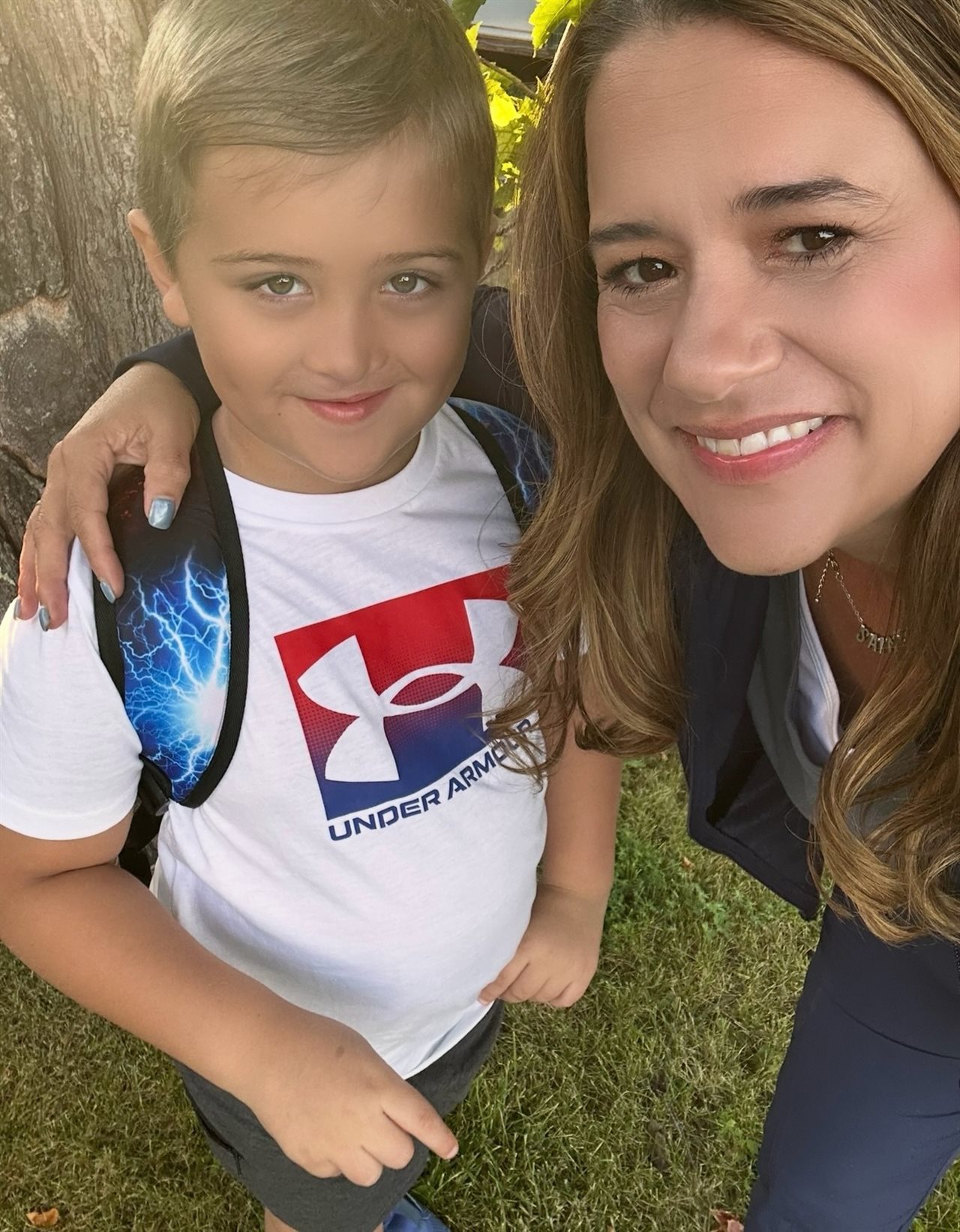
“After 20 years in nursing, I had a wide range of clinical experience, but my exposure to cleft care was limited in my training,” said Carrie Alajoki, family nurse practitioner and nursing professor.

“Through my advocacy and involvement with Smile Train, including initiatives like Team Empower and the Cleft Community Advisory Council, I have been proud to support the organization’s efforts to raise awareness and address gaps in cleft education, including having the opportunity to bring a group of my nursing students to experience the organization’s programs firsthand in the Philippines.”

How Smile Train is bridging the gap

Smile Train, the world’s largest cleft-focused organization, is committed to continuously advancing and improving cleft care around the world. By partnering with local hospitals and medical professionals, the organization supports patients to receive free cleft surgeries in their own communities. Through training and funding support, Smile Train also empowers local medical professionals to deliver comprehensive cleft care services, including feeding and nutrition care, speech therapy and psychosocial support. These programs help to educate and equip parents with the tools they need to ensure their child’s success and well-being.

“We know that empowering nurses and healthcare professionals with knowledge and hands-on experience transforms care for children with clefts,” said Sara Horne, Smile Train’s Director of Education and Training. “By investing in education and training, we ensure that cleft-affected families worldwide receive compassionate, informed support prenatally through adulthood.”

What families and communities can do

  • Learn about cleft care resources and advocate for proper support from healthcare providers.
  • Share information to raise awareness about clefts and the challenges families face.
  • Support organizations like Smile Train to expand access to cleft care and education worldwide.

By addressing the gaps in cleft education, healthcare providers and communities can make a meaningful difference in the lives of children born with clefts and their families. Every informed caregiver and supportive community brings everyone closer to a world where every child can thrive.

null

A Dietitian’s Guide to Sustainable Plant-Based Eating

2026-05-06T08:01:00

(BPT) – Key Takeaways

  • A win-win for health & planet: A plant-powered diet supports your personal health with essential nutrients while also helping to reduce greenhouse gas emissions and conserve natural resources.
  • Embrace smart protein: Prioritize complete plant-based proteins, like soy, which have all nine essential amino acids in the right amounts, and combine other sources (beans, nuts, grains) for a well-rounded intake.
  • Focus on fiber: Aim for a variety of plants to get the key types of fiber — insoluble and soluble — which help support regularity, heart health and gut health.
  • Flexitarianism is key: Adopting a flexible approach that prioritizes plant-based foods without complete restriction makes sustainable eating more realistic and achievable in the long term.

Ever wonder about the power of the food on your plate? Enjoying a variety of plant-based foods like fruits, vegetables, whole grains and legumes has been linked to a wide range of health benefits, from boosting the nutrient density of your diet to supporting heart health, metabolic health, gut health and more. Packed with fiber, protein, vitamins and healthy fats essential for overall wellness, plants are nutrient powerhouses — and their benefits don’t stop there!

Choosing a plant-forward diet is also one of the most positive actions we can take for the environment as it’s one of the most effective ways to reduce greenhouse gas emissions and conserve natural resources.

So how do you get the most out of a plant-powered diet? Registered dietitian Kristie Leigh, Director of Nutrition & Scientific Affairs at Danone U.S, shares her top three strategies:

1. Diversify your protein sources

Protein is a power player when it comes to your health, needed for everything from muscle and immune health to hormone production and more. But not all protein sources are created equal. Many plant-based protein sources are considered incomplete because, unlike animal sources, they don’t have adequate amounts of all nine essential amino acids (aka protein building blocks) that our bodies need but can’t make on their own.

There are some exceptions though, one of which is soy. Soy-based foods like soymilk, tofu, edamame and tempeh are excellent, sustainable sources of complete plant-based protein for a more plant-forward diet. Other plant-based protein sources, like beans, nuts, seeds and whole grains, can be great, too, and can be mixed and matched to get all the amino acids your body needs.

2. Get fiber from a variety of different plant foods

Ninety-five percent of U.S. adults don’t get enough fiber, and eating more plant-based foods is a great way to help close that gap. To maximize fiber’s benefits, aim to get fiber from a variety of different sources to help ensure you’re getting different types. Insoluble fiber has been shown to promote regularity when consumed in adequate amounts, while soluble fiber can help lower LDL cholesterol and help promote more stabilized blood sugar levels. There are even fibers that act as food for the good bacteria in your gut called prebiotic fibers.

Lots of plants contain more than one type of fiber, but some especially good sources of insoluble fiber are whole grains, nuts, cauliflower and green beans and some especially good sources of soluble fiber are oats, beans, avocados, apples and bananas. The most common food sources of prebiotic fiber are foods like garlic, onions, berries and oats. You can also find foods fortified with prebiotic fiber, like certain yogurts and protein shakes.

One rule of thumb that can help ensure you get all of these is the “rule of 30.” Research from the American Gut Project found people who eat 30 different types of plants a week have greater gut bacteria alpha diversity, a potential indicator of good gut health, compared to those who consume 10 or fewer.

3. Mind the potential nutrient gaps

A plant-based diet can add lots of essential nutrients to your diet, but it can also make it more challenging to get nutrients more commonly found in animal foods, like vitamin B12 and iodine. That’s why it’s important to build variety into your day, emphasizing a variety of nutrient-rich foods for a well-rounded intake of vitamins and minerals.

Fortified plant-based foods also play a valuable and sustainable role in a modern diet. Many options — such as Silk Protein, which offers 13g of complete plant protein per serving — are thoughtfully fortified with key nutrients like vitamin B12, iodine, calcium, vitamin D and potassium to help fill these gaps.

Make sustainable eating a sustainable habit

“One way to bring these strategies together is to follow a flexitarian eating pattern,” said Leigh. “This style of eating prioritizes plant-based foods without completely eliminating nutrient-rich animal foods like yogurt, cheese, eggs, lean meats and seafood — all of which can be easy sources of high-quality protein and other nutrients you need. For many, this flexible style can be more realistic and sustainable than completely plant-based diets, making it easier to reap the rewards of plant-forward eating in the long-term without rigid rules or feeling restricted.”

The best way to start adopting a more plant-forward diet is with some easy swaps. Give your next taco night a twist by replacing half of the ground meat with beans, make a tofu and veggie scramble instead of scrambled eggs, or use soymilk as your base in smoothies. The more you experiment and find what you like, the more natural it will become!

How to set up the perfect off-grid campsite

2026-05-04T15:03:00

(BPT) – The sun is rising over a mist-covered lake. You’re enjoying the view from your camp chair while sipping a freshly brewed latte that tastes as if it were crafted by a barista.

You didn’t have to leave your base camp to get your usual order. You were able to make it yourself using your portable coffee maker and cream from your mini fridge.

This isn’t a dream. Modern off-grid camping doesn’t require you to rough it. In fact, you can bring all your comforts and create a base camp that’s your home away from home, whether you’re in a tent, van or RV.

Jackery — a global leader of home backup, innovative solar generators and green off-grid energy solutions — offers this handy guide on what you need to bring to blend the wildness of the outdoors with modern amenities.

Portable power

Man working on his laptop while sitting in the dessert and using the Jackery generator for power.

The first thing you should consider is personal, portable and reliable power that you can take anywhere. And forget worrying about dragging around and operating a noisy gas generator. You can easily power and recharge all your electronics and appliances with a portable solar generator from Jackery.

Portable solar generators come in different sizes and capacities. Which generator you’ll need to elevate your outdoor experience will depend on what kind of camping you’re planning to undertake and what sort of electronics you’re looking to super charge your trip with.

Day trippers and backpackers with base camp setups and campers who want to keep phones charged, run a light and power a small cooler without the bulk should opt for an entry-level solar generator like the Jackery Explorer 1000 v2. This compact, highly portable power station is the ideal choice for those who want “pack and go” power.

For weekend warriors, overlanders and van-lifers who need plenty of power without sacrificing mobility, take a look at the Jackery Explorer 2000 v2. This solar generator has the power to run a full campsite — including a mini-fridge, lights and fans — while still being light enough to move around the campsite to wherever you need power.

Finally, serious campers with a base camp setup and RV adventurers need a power hub that can do it all, like the Jackery HomePower 3600 Plus. This single unit can power a refrigerator, an electric grill, lights, laptops, cameras, fans and more simultaneously. The power station can even provide supplemental power to an RV. And if you need more power, you can expand the unit’s capacity with add-on batteries.

You won’t have to worry about charging your power stations during your off-grid adventures. When paired with SolarSaga panels, you can capture and store solar energy, so you’ll virtually never run out of power during your outdoor adventures. These quiet, emission-free, clean-energy portable power stations make creating a beautiful, functional off-grid campsite a breeze.

To elevate your next camping trip with the help of a portable power station from Jackery, consider some of these additions.

Electric grill

Roasting marshmallows over the campfire is delicious, but cooking every meal over a fire can take a long time — time that you could have spent hiking the trails or fishing for trout.

Instead of starting a fire and waiting for the embers to cool enough to cook, break out your electric grill. In minutes, you’ll have delicious scrambled eggs, evenly toasted bread and sizzling bacon before your camping buddies wake up.

Mini fridge

Keeping perishables refrigerated can be a bit tricky with a typical camping cooler. Egg cartons get soggy and bacon freezes into a block you have to thaw. You can avoid all of this by using a mini fridge that keeps your eggs, bacon and more at the perfect temperature so you can grab, cook and eat without issues.

Lights

The glow of the campfire is cozy, but it doesn’t provide enough light at night to move around your campsite with ease. Instead of stumbling around in the darkness, bring string lights to hang around the campsite for soft, ambient lighting. Rechargeable lanterns and headlamps are also practical.

Fan

If you want peak sunshine and long days, camping during the summer is the perfect time to get some sun and stay up late. However, beating the heat is easier said than done.

As you pack for your trip, make room for a standing fan, a box fan or a handheld fan. They’re perfect for keeping a van or RV cool, bringing a breeze to your campsite or cooling you off during a hike.

Inflatable mattress

Even with a proper camping pad and cot, sleeping in a tent can be less than restful. Take your sleep setup to the next level by packing an inflatable mattress. Once you outfit it with sheets and pillows, you’ll have a functioning bedroom in the middle of the forest.

Pro tip: Use an electric air pump instead of a battery-powered one. Battery-powered pumps may be handy, but you’ll likely run out of juice before your mattress is completely inflated.

Movie projector and inflatable movie screen

Want to have a movie night under the stars? You can set up your own outdoor theater with a movie projector, inflatable screen and a laptop. Pick a spot far enough away from your seating, inflate and anchor your movie screen, and wait until the sun sets for optimal viewing.

Get ready for a luxurious wilderness experience

Building an off-grid base camp that marries the beauty of the great outdoors with modern amenities is within reach. To learn more about how to set up and power a modern base camp, visit Jackery.com.

Spring into conscious choices: Resetting your personal care routine

2026-05-04T07:01:00

(BPT) – Key Takeaways

  • Spring offers a natural opportunity to refresh daily routines, starting with informed choices in personal care.
  • Simplify your routine by taking stock of your current products and prioritizing fewer, more intentional and transparent options.
  • Understanding certifications like B Corp empowers smart shopping.
  • Navigating “free from” claims empowers consumers to make choices aligned with their health and values.

As the days grow longer and nature awakens, spring offers the perfect opportunity to refresh. We clear out closets and swap heavy layers for lighter ones, but forget that the bathroom shelf is just as worthy of a second look. Personal care is one of those categories where options can feel endless but knowing what to look for can help you feel more confident about what you’re choosing.

Start with what you already have

Before diving in, it’s worth doing a quick check of what you already have. Check expiration dates. Toothpaste, deodorant and other daily staples may lose effectiveness over time.

And in many cases, the most intentional choice is simply using up what you already own before reaching for something new.

Take stock of your routine

Once you’ve checked expiration dates and confirmed everything is still good to use, take a closer look at what you have. Which of them are part of your daily routine? Which ones have been sitting untouched and taking up space? What ingredients are used in them? And are they free from the ingredients that are important for you to avoid?

This quick look can help you identify what’s working, what’s not and where it might be time to make a change, without overhauling everything at once.

Check the product — and the brand behind it

Once you know what you actually need, the next step is reviewing your options. As you evaluate a new product, consider not just what’s in it, but the brand behind it — whether they are transparent about how they operate and the impact they have.

One of the clearest indicators of a brand’s accountability is B Corp Certification, overseen by the nonprofit B Lab, which evaluates a company across governance, workers, customers, community and environment — and audits it every three years. This matters because it shows that a brand holds itself to a social and environmental standard, not just a product one.

Tom’s of Maine is a certified B Corp and it’s a distinction the brand takes seriously.

“Tom’s of Maine’s B Corp certification is a reflection of 50 years of deliberate choices,” said Michelle Waring, Steward for Sustainability and Everyday Good at Tom’s of Maine. “From sourcing naturally derived ingredients to dedicating 10% of our annual profits to protecting nature, we hold ourselves to the high standards B Lab sets because we believe business should be a genuine force for good.”

Navigating the meaning of “free from” claims

From there, labels can help you refine your decision even further. “Free from” claims communicate that a product has been intentionally formulated without specific ingredients. Think of them as cues to understand what a brand chooses to prioritize and how a product was made.

Brands like Tom’s of Maine take a consistent approach, putting their ingredient philosophy into practice across everything they make — every product is free from artificial flavors, synthetic fragrances, artificial colors, artificial sweeteners and preservatives.

Ultimately, the goal is to know your own needs and preferences and choose based on what matters to you.

To learn more about Tom’s of Maine’s ingredient sourcing, safety standards and sustainability commitments, visit www.tomsofmaine.com and www.tomsofmaine.com/pages/our-mission.

Giving Back: Know Someone Deserving of a Free HVAC System?

2026-05-03T08:01:01

(BPT) – You probably know someone in your community who makes a difference every day. Whether they are a health care worker or first responder, a teacher or Army Reservist, a community volunteer or veteran — or simply one of your neighbors who deserves a helping hand, the Feel The Love program sponsored by the LII Lennox Foundation wants to know about them.

For anyone who may be facing financial hardship or illness, or who may have been impacted by a natural disaster, having a home that provides the worry-free safety and comfort of heating and cooling is crucial.

Lennox, a leading provider of reliable home comfort solutions, and the LII Lennox Foundation are kicking off their annual Feel The Love program in partnership with residential dealers across the U.S. and Canada. Through the program, Lennox donates essential heating and cooling equipment, while local Lennox dealers generously donate their time, expertise, and resources to install HVAC units for deserving homeowners, as well as nonprofit organizations. The LII Lennox Foundation, established in 2023, sponsors Feel The Love and other charitable initiatives that help support the communities where Lennox employees live and work.

How Feel the Love helps provide reliable heating and cooling where it’s needed

Since 2009, Feel The Love has installed more than 3,100 heating and cooling systems for homeowners in need across North America, including over 400 installs in 2025 alone. The Feel The Love program provides much-needed relief to those who may be struggling with uncomfortable living conditions. It also brings communities together, encouraging a spirit of generosity and support.

People in red t-shirts in front of a service truck and Lennox Residential HVAC products in delivery boxes.


It’s easy to get involved: Submit your nomination today

Anyone can submit their nominations for the program starting on May 1 of this year, with nominations closing on Aug. 31, 2026. During Feel The Love Week held annually each October, the selected recipients will receive a new, high-efficiency Lennox heating or cooling unit, professionally installed by participating local Lennox dealers, at no cost to them.

Do you know about a nonprofit organization that is helping your community be a better place? You can nominate them, too: Now 501(c)(3) nonprofits are also accepted as Feel The Love program nominees (though they must be able to take residential HVAC equipment).

Last year, the Feel The Love program provided four new much-needed air conditioning units for H.A.L.O.’s No Kill Animal Shelter in Sebastian, Florida, to help keep the shelter’s staff and their many rescued animals feeling safe and comfortable all year long — even throughout the famously hot and humid Florida summers.

To learn more, or if you’d like to nominate a community member or nonprofit organization for this year’s Feel The Love program between May 1 and Aug. 31, visit FeelTheLove.com.

People wearing red t-shirts that say

Paws on the road: Tips for a dog-friendly vacation

2026-05-01T16:07:00

(BPT) – Whether you’re seeking sandy beaches or fresh mountain air, you can make your road trip even better with a furry co-pilot.

Traveling with your pup does require some preparation. To ensure a successful and stress-free journey with your four-legged friend, check out these five helpful tips.

1. Safety first!

If you haven’t already, invest in a pet seat belt, car seat or travel crate so your dog can travel comfortably and safely. Not only will these safety products keep your pup safe, but they also prevent your pet from distracting you while driving. Find dog seat belts and more at Chewy.com. You can also use these Chewy dog seat belts, car seats and crates for everyday trips around town after your vacation.

2. Pack a travel kit

Put together a travel kit with your pet’s essentials. A travel kit should include items to help keep your furry companion comfortable, happy and safe while on vacation.

Besides water, food, treats, bowls and waste bags, make sure to include your dog’s favorite toys, bedding and grooming supplies. Don’t forget a leash and collar with ID tags just in case you get separated during your adventures.

3. Plan pet-friendly stops

As you choose your route, research pet-friendly stops, such as rest areas and parks that welcome pets. Plan to stop every 2-4 hours. However, you may have to stop more frequently if your pup has travel anxiety or becomes motion sick.

4. Prioritize exercise and playtime

Stops aren’t just for meals and potty breaks. Just like you, your four-legged friend needs to stretch their legs and burn off some energy. During rest stops, take time to exercise and play with your pet.

If you stop at a park with trails, plan to go hiking. At a pet-friendly rest area, play fetch or simply run around. Whatever physical activities you decide to do, exercise and playtime during a long road trip will keep your dog engaged and entertained. You’ll get a workout, too!

5. Keep cool and hydrated

Depending on where you plan to travel, your destination may get even hotter than what your furry family member is used to back at home.

Keep your pup cool and hydrated by offering plenty of fresh water during rest stops. Consider purchasing a cooling mat or vest for your pet to help them stay comfortable. Most importantly, never leave your dog in a parked car on a hot day.

Are you ready to hit the road with your best friend? Follow these five tips, and you’ll be well on your way to an unforgettable road trip with your dog.

Manhattan to San Francisco: The Lincoln Highway is your next great road trip

2026-05-01T08:01:00

(BPT) – You’ve probably heard of Route 66 and the Blue Ridge Parkway, but do you know anything about the historic Lincoln Highway? If you love the idea of a road trip but are less fond of hours on an interstate passing strip malls and rest stops that all look the same, the Lincoln Highway may be exactly the kind of journey you’ve always wanted.

The history of the Lincoln Highway

As the first transcontinental highway created in the United States, the Lincoln Highway cuts straight across the country for about 3,000 miles, starting in New York’s Times Square and ending in San Francisco’s Lincoln Park.

Its origins in 1912 dovetail with the development of the auto industry, as there really were no good quality roads to travel across the country at that time. The Lincoln Highway Association credits Carl Fisher — the force behind the creation of the Indianapolis Motor Speedway — with the idea for a “Coast-to-Coast Rock Highway,” which quickly caught the attention of entrepreneurs and leaders of the early auto industry.

Dedicated in 1913, the original Lincoln Highway spanned about 3,389 miles, traveling through 13 states. According to the U.S. Department of Transportation, part of the Lincoln Highway in New Jersey incorporated a road originally built by Dutch Colonists around 1675. One section in Ohio followed the Ridge Road, an ancient Indian trail, and a western portion of the highway followed part of the famed Mormon Trail. In other words, to travel the Lincoln Highway means traveling back in time, to explore the history of the country in an exciting new way.

Over the years, portions of the road have been replaced by more modern highways, so large sections of the highway have merged with roads like U.S. 30 and Interstate 80. However, you can still find markers of the original Lincoln Highway across the country, and traveling this route offers you opportunities to visit small towns, historic sites, unique shops and diners, off-the-beaten-path attractions — glimpses of the country the average interstate just doesn’t provide.

Planning your Lincoln Highway road trip

While the idea of a 3,000+ mile trek may not exactly get your motor running, you can pick the nearest part of the highway to you and plot out a shorter journey from there, keeping an eye out for places of interest.

Here’s just a sampling of highlights and quirky locales you can explore along the way:

You can look forward to exploring many more quaint small towns, memorable monuments and awe-inspiring scenery throughout the United States as you rediscover lost treasures from the past, rolling along the Lincoln Highway for your next great road trip.

Ford Opens Employee Pricing to Everyone — Here’s What It Means and Why They’re Doing It Now

2026-05-01T06:01:00

(BPT) – Rising grocery bills, higher gas prices, insurance premiums ticking up; all of it adds up to more Americans feeling financially squeezed. So, when the country’s largest employer of hourly U.S. autoworkers says it is opening its employee pricing to the public, it’s worth understanding what’s on the table and what’s behind the announcement.

Starting May 1, Ford is launching a new pricing program “American Value for American Values” which will run through July 6 and offer employee pricing on most new 2025 and 2026 Ford and Lincoln vehicles to all U.S. customers. You pay what a Ford Motor Company employee pays, which is their pricing, well below the Manufacturer’s Suggested Retail Price. The program can save buyers anywhere from several hundred to several thousand dollars depending on the vehicle.

To get the price, you won’t need to hunt down and wait for a rebate, clip a coupon or negotiate on the lot. The price is the price.

The initiative from Ford is tied to America’s upcoming 250th anniversary — the semiquincentennial — and the company says it’s not just a limited-time sale; it’s a gesture of gratitude toward the customers and communities that have supported Ford for over a century.

“You are not just customers to us. You are the reason we show up to work,” said Andrew Frick, president of Ford Blue and Model e. “We want to treat you like family, and that extends to employee pricing on our new vehicles.”

Ford has been building vehicles in America for nearly 125 years — almost half of the country’s entire history. The company employs more U.S. hourly autoworkers and assembles more vehicles domestically than any other automaker, a legacy that traces back to Henry Ford’s introduction of the $5-a-day wage in 1914, a move widely credited with helping build the American middle class.

That history is central to the campaign’s message.

This isn’t just about discounts on vehicles — Ford is anchoring it to something bigger: the idea that in a moment when the country feels loud and divided, there’s value in leaning into the things that still hold people together — hard work, community and showing up for your neighbors.

What vehicles are included?

The list is broad. Most new 2025 and 2026 Ford and Lincoln models are eligible, including some of the brand’s most popular nameplates:

  • Trucks: F-150, Maverick, Ranger, Super Duty (select trims)
  • SUVs: Bronco, Bronco Sport, Explorer, Expedition, Escape
  • Cars: Mustang
  • Electric vehicles: Mustang Mach-E, F-150 Lightning, E-Transit
  • Commercial: Transit Van
  • Lincoln: Corsair, Nautilus, Aviator, Navigator

Some specialty and limited-production models are excluded, including the Raptor lineup, Mustang GTD and certain high-trim Super Duty configurations. A full list of eligible vehicles is available at Ford.com or through local dealerships.

What about electric vehicles?

Electric vehicle buyers can not only save with employee pricing but also take advantage of Ford’s ongoing Power Promise program, which includes a complimentary home charger and standard installation, a frequently cited hurdle for first-time EV owners. The Power Promise also includes 24/7 EV support, roadside assistance, access to over 25,000 Tesla Superchargers via an available adapter and an 8-year, 100,000-mile battery warranty.

Ford has a long history of investing in U.S. workers, factories and communities, so it’s not just a promotion with a patriotic bow on it.

“Value is not only about what you pay,” Frick noted. “It is also about what a company stands for, where it invests and who it shows up for.”

Whether or not you buy the sentiment, the math is straightforward: Employee pricing means real savings on vehicles that millions of Americans already depend on for work, family life and everything in between.

The American Value for American Values program runs from May 1 through July 6, 2026. If you’ve been in the market for a new truck, SUV or EV, this is one of the rare moments where a major automaker is offering its internal pricing to the public — no strings, no negotiation, no catch.

For more details, visit Ford.com or contact your local Ford dealer.

Long weekend ahead? How to plan a fun last-minute road trip

2026-04-30T10:47:00

(BPT) – If you’re looking forward to having an extra day or two off work, why not make the most of it? Even without the opportunity to do a lot of planning ahead of time, you can have a blast by going on an exciting excursion that’s not too far from home.

Here are some tips to help you enjoy a fun road trip during your next long weekend.

Keep it short and sweet

Instead of making your road trip fill your entire weekend, you could consider taking just a day trip or an overnight stay at a location not too far afield, so you’ll also have time to work on your yard or just relax at home for a day or so after your adventure.

A brief but enjoyable change of scenery may be just what you need to put things in perspective — and create fun new memories with your family, friends or that special someone.

Play tourist in your own state

First, identify a couple of attractions you’d like to visit that are within an hour or two (or three!) of your home base.

Try an online search like: “Tourist attractions within two hours of my hometown,” “State or national parks in my state,” and/or “Festivals and events near me during the weekend of …” to find a few options that you’ve never experienced before. You can even narrow your search to suit your specific preferences by adding phrases like “outdoor recreation,” “cultural events” or “food festivals.”

Then do a little research about the hours your chosen attractions or events will be open, any fees you’ll need to cover, plus nearby amenities you can combine with your trip, such as restaurants, recreation areas or scenic spots.

Pro tip: To avoid big crowds or lines, opt for less popular or touristy events and venues, or plan your visit outside peak times.

Be flexible about where to stay

While you may be able to find last-minute openings at hotels or motels by searching your preferred travel sites online, if they’re already booked or don’t provide what you need, you may need to widen your search to check out vacation rentals like Airbnb. You’ll find accommodations of different types and sizes so your entire group is comfortable. Being willing to travel off the beaten path may also open up more opportunities for places to stay.

Pack wisely

Include a few layers of clothes so you’ll be ready for any kind of weather (no matter what the forecast says), such as extra jackets or rain ponchos, as well as necessary toiletries including sunscreen and bug spray, and of course your favorite road trip playlist!

Make sure to prep plenty of car-friendly snacks and drinks, including reusable water bottles, trail mix, fruit and sandwiches so you don’t have to spend too much money en route — or time searching for restaurants while you’re on the road. A small portable cooler can help you keep drinks and food items cold during your journey.

Make sure your car is up to the trip

If you haven’t had any car maintenance done recently, be sure to check that your tires, brakes, oil and battery are all in good shape before you head out. Also ensuring that your trunk is packed with safety items like jumper cables, a jack and spare tire, plus a first aid kit, will go a long way toward having peace of mind on the road, even if nothing goes wrong. Keeping your phone charged and having a current membership to a roadside assistance service are also good safety measures.

Wherever you’re headed during your long weekend, remember to relax, have fun and take lots of pictures! Your next great vacation could be right around the corner.

5 must-haves for a successful cookout

2026-04-30T08:37:00

(BPT) – There’s nothing better this time of year: good food, friends and family hanging out together and enjoying the outdoors for a fun, relaxing time in the yard. To ensure that you have a great cookout every time, here are some backyard barbecue essentials.

Keep it simple

Even if you’re a dedicated foodie who loves trying out all the latest recipes, you’ll want to be sure to include crowd-pleasers that everyone expects at a cookout: Burgers, hotdogs and brats come to mind. Be sure to clean the grill thoroughly and start heating it up well before your guests arrive. If you love to cook, you can show off your culinary skills with creative sides and desserts — just consider prepping those the day before so you’ll be ready to go.

Consider creating a condiment and toppings station away from the heat of the grill where guests can choose their favorite ketchup, mustard, relish, onions and any other tasty garnishes you’d like to supply.

Provide something for everyone

For guests who have specific dietary needs or preferences, it’s easy to cook up a little fish or even tofu alternatives on the grill or using foil packets. Make sure to grill up some easy veggie options everyone will enjoy, like portobello mushrooms, potatoes or corn-on-the-cob.

You could provide skewers and a variety of choices for a make-your-own shish kebab station, with shrimp, peppers, pineapple chunks, cherry tomatoes, and more! Let your imagination go wild.

Hydrate in the shade

While unfortunately you can’t control the weather, you can help your guests stay more comfortable and cool with a little planning ahead. If your deck or patio doesn’t already have an awning or sun sail to help block out the heat of the sun, consider installing one — or rent one from an events or rental center — for the occasion. Another great option is to buy or rent an outdoor misting or cooling fan.

Make sure that you provide plenty of cold, non-alcoholic beverages and ice to help everyone stay cool and hydrated during your get-together. Ice cream, ice pops and water-rich fruits like cantaloupe are also welcome treats when the temps are high.

You can’t go wrong with a sweet California Cantaloupe. Whether a refreshing snack, a tasty side dish or juicy dessert, cantaloupe is an ideal option for your backyard barbecue. For recipes and to learn more visit CaliforniaCantaloupes.com.

Amp up the fun

Provide a fun atmosphere with an upbeat summer playlist, colorful decorations and activities that bring out the kid in everyone. When was the last time you participated in a water balloon toss, a three-legged race, a rousing game of tug-of-war or ran through a sprinkler? Set up areas for outdoor games in your yard so guests of all ages can choose the activities they enjoy the most.

Create a cooling-off area

Especially when the weather is hot, or in case someone just needs a few moments of calm and quiet, make sure there’s a designated outdoor or indoor spot away from the sun, fun and games to rest for a while. This will be especially welcome for older adults or anyone with very young children who may need a brief respite.

Following these tips, your next cookout is bound to be the first of many fun and successful get-togethers, all season long.