How to make your next beverage choice eco-friendly

2021-06-07T11:01:00

(BPT) – Buying products that are eco-friendly and made sustainably is not a new consumer trend, but it is on the rise.

As consumers worldwide increasingly embrace social causes, they are choosing products and brands that align with their values, especially eco-related ones, reports one 2020 IBM study. Nearly eight in 10 consumers place a high importance on sustainability, 57% are willing to change their shopping habits to reduce environmental impact and more than 70% say they’ll pay more to buy brands that are sustainable and environmentally responsible.

“With sustainability front and center, consumers do more than just check the list of ingredients on a label. They want details about sourcing, how products are made or processed, as well as how they are delivered,” the study reports.

Due to their popularity, bottled beverages are among the greatest opportunities for eco-friendly advancement. Millions of consumers worldwide consume a variety of beverages at home and on-the-go each day. Here are three simple ways consumers can make their next sip truly count for our planet.

Purchase beverages in plastic bottles made with recycled content. Be aware of how the bottles used for your favorite drinks are made and buy from companies that are proactively reducing their use of virgin plastic to address the world’s plastic waste problem.

Coca-Cola Southwest Beverages (CCSWB), a company of Arca Continental, manufactures, markets and distributes beverages of The Coca-Cola Company across Texas and parts of Oklahoma, New Mexico and Arkansas. CCSWB is leading the way nationally in such efforts by doubling its use of recycled content across its entire plastic packaging portfolio, significantly reducing the company’s use of virgin plastic. By the end of 2021, every plastic bottle CCSWB produces will contain 50 percent recycled content, making them the first bottler in the U.S. to use recycled plastic (rPET) in its entire plastic packaging portfolio. In fact, CCSWB is hitting Coca-Cola’s World Without Waste goal nine years ahead of schedule with this rPET packaging model, which reduces energy, better controls greenhouse gas emissions and helps reduce the nearly 27 million tons of plastic waste that ends up in landfills each year.

“Demand for using recycled content for packaging is only going to rise in the future — particularly for food and beverage brands — as companies realize it is the most responsible and smartest way to conduct business,” explains Debbie Moody, CCSWB’s vice president of public affairs, communications and sustainability. “We are proud to be on the leading front of this sustainable packaging method, and we hope to continue to set the pace of our nation’s beverage industry regarding sustainable practices.”

Recycle your own beverage bottles. Play your part in the “circle of life” of plastic by sorting them and placing them at curbside or transferring them to local recycling centers. Check the bottle for clear labeling to ensure it is 100% recyclable — including the cap. Beverage companies like CCSWB are committed to making old bottles into new ones by collecting the bottles you recycle. American Beverage’s Every Bottle Back initiative has been a motivator for companies to literally “get every bottle back” from consumers, spurring innovation of products and improvement of local recycling infrastructure that helps keep plastic bottles out of our oceans, rivers, beaches and landfills. Your small act of recycling can make a difference because the beverage industry is united in action to make the lifecycle of its plastic circular.

Find companies that give back. From shoe companies to coat retailers and exercise equipment manufacturers, many brands are proactive in giving back to their communities. This can be through their philanthropic giving, as well as their sustainability practices that are encouraging change by empowering others to be eco-minded. Beverage companies do this too. For instance, CCSWB is encouraging recycling in the areas it services by providing $100,000 in grants to community recycling organizations in Texas, Oklahoma and New Mexico. Conducting a quick online search to learn about the companies who make your favorite items could help you determine a buying choice that actually gives back.

Working together, consumers and companies can make a difference in the future of our environment by buying and producing products that are on the side of sustainability. Next time you reach for your favorite bottled refreshment, consider whether that business is going about business in sustainable and eco-friendly ways. Because every bottle counts.


Go Green at Home: 5 Tips for Creating a More Sustainable Living Environment

2021-06-07T08:31:00

(BPT) – A recent survey found that 1 in 3 people say they have been more environmentally conscious than prior years, and 70% try to purchase environmentally friendly products*. As more people make an effort to go green, the home is a natural place to start. From green building products to eco-friendly tech, try these five tips for creating a more sustainable home.

1. Choose Green Décor

Nature’s very best colors, shapes and textures can help create a soothing and stylish home when incorporated into everything from decorative touches to more permanent design elements like cabinets, countertops and floors. Today, it is easier than ever for eco-conscious homeowners to embrace nature’s beauty without destroying it. For example, the Wilsonart® HPL collection offers environmentally sustainable surfaces ideal for countertops, cabinets, fixtures, shelves, architectural doors, walls and more. The collection is available in an array of designs that mimic the best of Mother Nature without impacting the environment by using on average twice as much post-consumer recycled content than other laminates.

2. Opt for Energy-Efficient Appliances

Households can be contributors to harmful greenhouse gases if they use home appliances that consume a lot of energy. Installing energy-efficient appliances can help homeowners protect not only the environment but also save money. Energy-efficient appliances, such as refrigerators, dishwashers and laundry machines, use less energy and conserve water resulting in lower utility bills and less impact on the environment.

3. Use Smart Home Technology to Conserve Water and Energy

Gone are the days when limiting your shower to five minutes or lowering your thermostat were the only ways to ensure less water and energy consumption at home. Smart home technology is now available on water treatment systems and thermostats to help homeowners track and control water and energy usage resulting in improved conservation as well as lower utility bills on the home front.

4. Grow Your Greens

Save money and make the earth a little greener by creating a garden at home. Producing your own foods is an easy way to make a positive impact on the environment. The more food you grow on your own, the fewer trips made to the store, saving energy, waste, time and money. Plants also act as natural air purifiers by taking in carbon dioxide and releasing oxygen. Many plants help to filter airborne toxins, dust and germs as well.

5. Recycle

Recycling is one of the easiest ways to go green at home. In addition to establishing an at-home recycling system, go beyond traditional efforts by buying products made from recycled material or from companies dedicated to sustainability. From paper goods to building materials, the availability of sustainable products is limitless. Look for products made from renewable plant-based materials and do not contain polystyrene foam or those certified by SCS Global Services to contain post-consumer recycled content, like Wilsonart Laminate. In fact, since 2002, the company has incorporated enough post-consumer recycled content into its products to save an equivalent of almost 7.4 million trees.

Small decisions can significantly impact the environment, and the home is the perfect place to start making a difference. For more inspiration on home décor that uses environmentally sustainable materials, visit wilsonart.com/athome.

*According to an April 2021 Sustainability Consciousness survey of Trusted Media Brands Inner Circle.

Safeguarding long-term care before the next public health emergency

2021-06-07T17:35:00

(BPT) – COVID-19 has shaken communities worldwide. Despite strenuous efforts by caregivers and medical professionals alike, people needing long-term care and living in communal care settings have suffered gravely. According to a New York Times database, almost one-third of U.S. coronavirus deaths have been tied to nursing homes and other long-term care facilities. As a post-pandemic world nears, a new question emerges: What can be done to safeguard long-term care before the next public health emergency?

Understand the options.

Communal living — especially for populations with higher risk — increases the odds of disease transmission. However, nursing homes and communal care facilities are often the default for long-term care in the United States. A safe alternative is home and community-based services (HCBS), which enable people to receive long-term services and supports as they age or live with disabilities.

With HCBS, people can remain in their own homes and hire caregivers they know and trust. This approach is often called self-directed services or self-direction. People using self-direction decide who provides their long-term support services as well as when, where and how. From personal care to meal prep, transportation to skilled medical services, self-direction puts the person receiving services, or their designated family member, in control.

The Centers for Medicare and Medicaid Services (CMS) encourages HCBS. During the pandemic, HCBS has helped reduce transmission of COVID-19. Some companies specializing in self-directed care also found less disruption with HCBS. At GT Independence, a company that supports self-direction, COO Holly Carmichael reported no service interruptions and found more people choosing self-direction for safe and stable long-term care.

CMS also notes that HCBS provides gainful employment to family members or friends who are already providing informal care. Fortunately, self-direction is recognized in all 50 states, although programs and names vary; local aging and disability service offices provide guidance on getting started.

Follow and enforce CDC safety protocols.

Regardless of where someone chooses to receive care, strictly following CDC safety protocols helps to instill habits that protect the well-being of those receiving long-term support. Personal protective equipment (PPE), such as masks, should be used by people needing support and any caregivers who reside separately, whenever and wherever services are provided. Also, distancing people receiving services from caregivers who are unwell or who have been exposed to viruses minimizes risks.

As guidelines rapidly evolve, especially for those who are vaccinated, those receiving care and their caregivers are encouraged to visit the CDC website for the latest recommendations.

Encourage paid sick leave.

Caregivers typically don’t receive paid sick leave, which often has unintended consequences. Without paid leave, caregivers may feel financial pressure to work while ill. Not only may this slow their own recovery, but it increases the risk of exposing the person they care for to illness.

The Families First Coronavirus Response Act (FFCRA) has made it possible for people receiving long-term services and support to provide paid sick leave to their employees or caregivers due to pandemic-related reasons. Regular caregivers can address their health, protect their employer and avoid financial stress. At the same time, people receiving care can work with their self-direction partners to find substitute care. Such partners may maintain networks of vetted caregivers to ensure continuity of service and support.

The FFCRA has been a lifeline for many caregivers, and it has already been extended twice. Lawmakers should be encouraged to make paid sick leave a viable option for caregivers beyond the pandemic.

Prioritize HCBS options.

HCBS programs have proven successful in terms of quality of life and cost effectiveness, but caregivers and programs need recognition and support to ensure people understand their options. A 2018 Bureau of Labor Statistics report indicated the average healthcare support worker made just $28,720, and a Paraprofessional Healthcare Institute study shows homecare workers average only $13,300 a year. To retain and attract qualified caregivers, pay must increase. Direct-support professionals are vital, and they are needed to reduce HCBS waitlists for safe and effective services.

More people are experiencing the positive impact of HCBS. Prioritizing this option can reduce strains on local healthcare systems while reducing stress and financial burdens on families. Awareness matters, and funding HCBS is critical. Funding can help inform people of their choices, get them enrolled, and expand benefits for current participants. It can also help cover transition costs from institutional settings to an individual’s home, helping remove the cost barrier.

The American Rescue Plan has already allocated more funding for HCBS programs nationwide and participants and caregivers have the opportunity to influence their state and local representatives on how to best improve the program in their areas.

COVID-19 took long-term care providers by surprise. By learning from experience and working to expand access to HCBS, families and caregivers will have better choice and control to minimize any impacts next time.

Coronavirus Testing Helps School Officials Make Informed In-Person Learning Decisions

2021-06-07T07:01:00

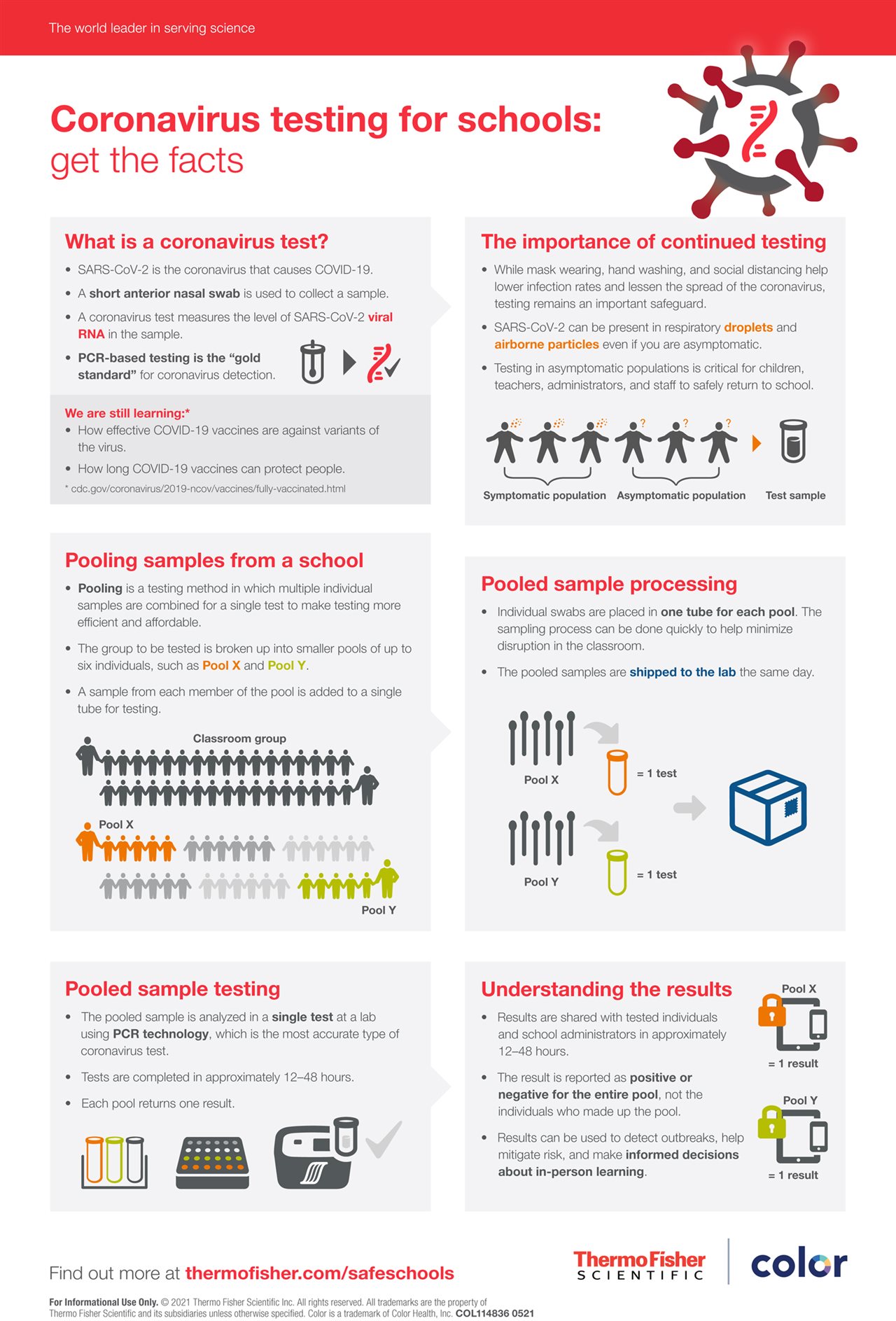
(BPT) – While schools work to reopen for in-person learning, there are continued concerns around efficiency and affordability of broad testing, especially in larger student populations. Pooled COVID-19 testing can streamline the process and provide school districts with the ability to monitor for outbreaks quickly and affordably, helping to protect students and faculty during the pandemic.

Why choosing clean, traceable beauty products is essential

2021-06-07T07:01:00

(BPT) – The products you put on your body matter as much as the ones you put in your body. That’s why so many cosmetic labels now include buzzwords like “clean,” “natural” or “organic.”

Unless you’re a clean beauty connoisseur, it’s hard to know why terms like “clean” or “traceable” are important when choosing the best brands and products for you.

That’s why some companies are taking steps to spell out what these terms mean for their products. Artistry™, the skincare and makeup brand sold by Amway, shares why clean beauty is essential and what to look for when choosing products.

What does clean mean when it comes to beauty products?

“Clean” can mean different things for different products. Are certain ingredients clean? What about certain manufacturing practices?

For beauty, clean generally means that a product is safe and has a transparent ingredient label. “Traceable” means that the company can trace the ingredients back to the source.

That’s important because the bloodstream can absorb skincare products and cosmetics, leading to potentially dangerous health risks. Products applied to your skin should be beneficial for you and for the world around you.

Ingredients to put on the ‘No’ list

When searching for clean makeup and skincare, a good place to start is choosing items that match your goals and your skincare standards. One strategy companies use is to develop a ‘No’ list to help identify unnecessary and harmful ingredients versus those that are safe, effective, compliant with regulations and reviewed by a toxicologist.

Trusted brands will be detailed and transparent about their ingredients. If you have to look too hard to find the information, you might want to think twice before using it.

Ingredients to put on the ‘Yes’ list

Clean beauty products avoid toxic and dangerous ingredients. They also prioritize the best ingredients, both naturally derived and synthetic, to create safe, effective formulas.

Just like the definition of “clean,” that can mean different things for different brands. For some it means using powerful botanicals rich in plant nutrients.

It’s also a good idea to think about where your products are coming from and how they’re made. That traceability is one of the best assurances you can get for clean and safe beauty products.

Registered for your peace of mind

Clean beauty standards can still be up for interpretation — so let the buyer beware. It’s always a good idea to seek out third-party validation for brand statements and claims.

If you want to ensure that these products are not tested on animals, you’ll want them to be registered with vegansociety.com.

To qualify for registration, products must meet specific criteria assessed by a team from The Vegan Society that double-checks for any potential inclusion of animal ingredients.

Setting clean beauty goals

Look for brands that evolve with the beauty industry and continuously monitor the latest science, regulations and public concerns about clean beauty.

Some product makers are working to improve product formulations and further increase environmental stewardship, including expanding the number of traceable ingredients.

Spurred by the goal to improve products for consumers while being conscious of environmental impact, the Artistry team created detailed Artistry Clean Guidelines for future product launches. The guidelines call for vegan formulas, pure and safe ingredients, traceability for key botanical ingredients and better manufacturing processes, among other requirements.

“We’re setting ambitious goals to improve our product formulations and further increase our environmental stewardship,” said Marisa Grossnickle, brand manager for Amway North America. “We will continuously monitor the latest science, regulations and public concerns to ensure we are delivering pure, safe and effective products to you.”

Are you ready to make better beauty choices? Start looking at the labels and get ready to swap out your products for cleaner options. For more information, visit artistryskinnutrition.com.

For Parkinson’s Disease Patients, Effective Implantable Therapy Can Now Last Up to 15 Years

2021-06-07T05:01:00

(BPT) – Parkinson’s Disease (PD) impacts up to one in 15 individuals in the United States. People with PD often experience symptoms that impact their movement, like tremors, shuffling feet while walking, “freezing,” and stiffness in the arms and legs. While medications are available to help address these symptoms, they may become less effective over time or cause unacceptable side effects like uncontrolled movements called dyskinesias.

For Parkinson’s Disease patients seeking relief from some of their motor symptoms, Deep Brain Stimulation (DBS) can be a very effective treatment option. DBS is an individualized therapy delivered from a small pacemaker-like device, placed under the skin of the chest or abdomen. It sends electrical signals through very thin wires to a targeted area in the brain related to the symptoms they are experiencing. By “interrupting” the electrical signals causing the motor symptoms, DBS may help reduce tremors and other movement symptoms such as stiffness (rigidity). Compared to medications alone, DBS may provide additional hours of good movement control each day.1 Good movement control may make it easier to do everyday things like writing, dressing, and drinking and eating.

“Before DBS, my tremors were so bad that I had to retire from my dental practice, ending a career that I loved earlier than I’d planned. Parkinson’s also really drained my energy — I was always tired and could only golf nine holes, which was a big disappointment,” says Jeff Scherr, a patient who received DBS therapy in 2020. “Now, I play with my four grandkids and can golf 18 holes. And best of all, I’m once again able to bring my wife her morning coffee — a routine I really missed when I couldn’t carry a cup without spilling.”

For patients receiving DBS therapy like Jeff, a new rechargeable device option can extend the life of the Medtronic Activa™ RC device from 9 to 15 years*, lengthening the time between battery replacements. The Activa™ RC wireless recharging system for DBS also makes recharging the implant faster** and more efficient than prior Medtronic charging systems. This easier and faster process opens the door for patients who previously wouldn’t have considered a rechargeable device.

Beyond the unforeseen benefit of potentially fewer charging-related clinic visits, the move toward easier-to-use wireless recharging is a prime example of using value-based medicine that may help make DBS therapy more efficient for patients. For those in areas where in-person visits with medical specialists are less accessible, instilling patient confidence through rechargeable technology is particularly meaningful.

“During the COVID-19 pandemic we looked for new ways to reduce the demand on hospital resources and eliminate as many non-essential clinic visits as possible,” said Dr. Gordon Baltuch, Professor of Neurosurgery at the University of Pennsylvania School of Medicine. “The ability to continue a patient’s DBS treatment uninterrupted by device replacement for 15 years, while improving the patient device recharge experience with the wireless charging system, has been especially valuable during this unprecedented time.”

“For Parkinson’s patients with severe symptoms, continued DBS therapy can be essential,” stressed Hanane Chaibainou, Nurse Practitioner, Department of Neurosurgery at Pennsylvania Hospital. “With the updated wireless rechargeable technology patients have the ability to maintain their therapy in a comfortable environment. It gives everyone involved immense peace of mind.”

Medtronic DBS Therapy is not for everyone. A prescription is required. DBS Therapy requires brain surgery which can have serious and sometimes fatal complications. Other complications can occur and may require additional surgery. DBS Therapy may cause new or worsening neurological or psychiatric symptoms. For more information on Medtronic DBS Therapy, go to www.DiscoverDBS.com and for additional safety information, please call (800) 328-0810.

*Activa™ RC devices eligible for the 15-year service life extension are those that have successfully been interrogated with the A610 application on the Medtronic Activa Clinician Programmer prior to reaching End of Service (EOS).

**Patients who had long charge times with Model 37651 Medtronic Implantable Neurostimulator Recharger (due to tilt, implant depth, and other challenges) can experience improvement with the wireless recharger.

1. Medtronic DBS Therapy for Parkinson’s Disease and Essential Tremor Clinical Summary, 2015.

How Artificial Intelligence Can Improve the Accuracy of Your Mammogram

2021-06-06T23:01:00

(BPT) – If concerns about COVID-19 exposure caused you to postpone routine health screenings such as mammograms over the past year, you are not alone. According to a study in the Journal of American College of Radiology, mammograms decreased by up to 92% in some areas at the height of the pandemic last year. Now, with Americans getting vaccinated and infection rates decreasing around the country, many women are playing catch-up to get these vital health screenings done, which leads to another potential issue — a drastic increase in workload for healthcare professionals, such as radiologists.

Fortunately, new tools are available to help clinicians cope with this sudden demand, which at the same time provide them a higher degree of accuracy than ever before. Innovative technology called ProFound AI® uses artificial intelligence (AI) to help radiologists read mammograms more than 50% faster, as shown in a study published in Radiology: Artificial Intelligence. The study also found that this technology not only improves radiologists’ speed, but also their accuracy, which both reduces false positives and helps doctors find cancers sooner, when they may be more effectively treated. ProFound AI was the first 3D tomosynthesis software using AI to be cleared by the FDA.

“ProFound AI has played an integral role in our practice as we begin to recover from the impact of COVID-19,” according to Randy Hicks, MD, MBA, Co-owner and CEO of Regional Medical Imaging (RMI) in Michigan. “Not only does it help our team of clinicians work more efficiently and keep pace with the surge of patients who need to be screened, both our radiologists and patients feel more confident in the accuracy of mammogram results.”

What do you need to know in today’s health environment before making your mammogram appointment?

How important is it to get my mammogram?

Breast cancer recently surpassed lung cancer as the number 1 diagnosed cancer in the U.S., excluding nonmelanoma skin cancers. Additionally, the National Cancer Institute recently predicted there could be almost 10,000 excess deaths from breast and colorectal cancers over the next decade as a direct result of delayed screening due to the pandemic.

“Regular screenings for breast cancer are more important now than ever,” added Dr. Hicks. “If you put off your regularly scheduled mammogram last year, today is a good day to call to make your next appointment.”

Should I be worried if I get a call back for more imaging?

If your doctor notices any areas of concern from your mammogram, additional images can help them determine whether a biopsy is needed to know if cancer is present. But getting this notification from your doctor can lead to stress and anxiety for women.

“Getting a mammogram is a crucial first step towards taking control of your breast health,” according to Dr. Hicks. “Having mammograms read by ProFound AI also provides a benefit for both patients and healthcare providers, as it is clinically proven to reduce the rate of false positives by 7%.”

Fewer false positives not only mean less stress for those patients, but it also helps to reduce the chances that those women will need additional time-consuming and worrisome visits and procedures. Ask your healthcare provider if they are using this technology to boost efficiency and accuracy in reading mammography.

What do I need to know about the connection between COVID-19 vaccinations and lymph nodes?

Some women have experienced enlarged and sore lymph nodes (such as in the underarm area) as a response to the COVID-19 vaccine. While this is considered a fairly normal response to the vaccination, as it is a sign your immune system is kicking into high gear, enlarged lymph nodes could be mistaken during mammography for a rare type of breast cancer.

For this reason, the Society of Breast Imaging now recommends scheduling mammograms either before your first vaccine dose (if you haven’t yet been vaccinated), or wait 4-6 weeks after your last COVID-19 vaccine dose to avoid this issue.

“The bottom line is to book your mammogram this year,” Dr. Hicks added. “In spite of the disruptions and confusion COVID introduced into our daily lives, it is still important to prioritize your health and be screened for breast cancer regularly.”

To learn more about ProFound AI, visit www.icadmed.com.

After years of research, a new blood test now screens for over 50 cancers

2021-06-04T07:01:00

(BPT) – In 2021, an estimated 1.9 million people will be diagnosed with cancer in the United States, according to the National Cancer Institute. Thanks to a groundbreaking new blood test that can detect over 50 types of cancer, more people could learn about a cancer diagnosis sooner, which is important because early detection helps save lives.

Unmet need in early cancer screening

Currently, there are early screening tests for just five cancers, and they screen for a single cancer at a time: PSA test for prostate cancer, colonoscopy for colorectal cancer, mammography for breast cancer, pap smear for cervical cancer, and a low-dose CT scan for people at high risk for lung cancer.

Because there are no early detection tests for people with other types of cancer, these diseases are often only detected after symptoms arise or when cancer has spread. And once a cancer has spread, it is far more difficult to treat.

Existing screening tests save lives, and the greatest opportunity to bend the mortality curve in cancer is finding those not screened for today.

“Finding cancer early, when treatment is more likely to be successful, and potentially even curative, is one of the most critical medical priorities of our time,” said Dr. Josh Ofman, chief medical officer and head of external affairs at GRAIL, a healthcare company whose mission is to detect cancer early.

A revolution in cancer detection technology

“After years of rigorous research and sharing our data with the scientific and medical community, we are a step closer to fulfilling our mission to greatly reduce late-stage cancer diagnoses through the introduction of Galleri™, our groundbreaking multi-cancer early detection blood test,” Ofman said.

In a clinical study, Galleri demonstrated the ability to detect more than 50 types of cancer with a low false positive rate of less than 1%. When a cancer signal is detected, the test can determine where in the body the cancer is located with high accuracy.

First results from PATHFINDER, an interventional study of Galleri that confirmed its performance in the clinical setting, were recently presented at the 2021 meeting of the American Society of Clinical Oncology.

Galleri requires a prescription and is available to U.S. patients.

The positive impact of early detection

Healthcare leaders are hopeful this new screening test could transform how cancer is discovered and treated, helping to potentially save many lives through early detection.

“The interim results of PATHFINDER demonstrate that a routine blood test is capable of detecting many different cancers even before symptoms arise, an approach that has significant potential advantages,” said Dr. Tomasz M. Beer, deputy director at the OHSU Knight Cancer Institute and presenting author. “Most importantly, it can detect cancers that have no recommended screening tests today, and more than two-thirds of cancers go unscreened for this reason. These results are a pivotal step towards extending early detection to many more types of cancer.”

More information is available at www.Galleri.com.

Small business taxes by design: Financial success also comes with financial responsibility

2021-06-03T14:11:00

(BPT) – Terrance Williams always had an interest in fashion design. But a passion sparked when his sister gave him his first sewing machine for Christmas in 2010. He taught himself how to sew, first making pillows and blankets, then clothing and accessories. Terrance specifically wanted to create ethical and sustainable items but had trouble finding anything he liked. In 2014, he took matters into his own hands and brought his imagined ideas to life.

He initially sold his creations on Etsy, then officially launched his small business, Terrance Williams Designs. Growth was slow in the first few years, but the business took off in 2020. Hand-in-hand with the excitement of becoming profitable came uncertainty around how to best manage the business moving forward.

“My business literally grew overnight, so all the financial aspects of running a business were a surprise for me, because I had to expand very quickly to keep up,” Terrance said. “The expenses every month are overwhelming! Shipping, fabric, packing supplies, software and social media, photo editing apps — it all adds up. And, of course, taxes! Financial success also comes with financial responsibility.”

He received advice from some small business owner friends to set aside money for taxes, but he didn’t know how much to save for taxes or what they needed to cover.

“I was walking past a Block Advisors office on my way to the dentist one day and something told me to stop in and ask about my taxes — and I’m so glad that I did,” Terrance said. “This was my first year filing taxes as a small business owner, so everything was truly brand new for me. I had no idea what quarterly estimated taxes were until my new tax advisor, Mary Zaby, took the time to teach me what I needed to know.”

This allowed Terrance more peace of mind and time to focus on what he loves most about his business — the creations, not the taxes.

“Small business taxes are complicated, but Mary explained them in a clear and concise way,” he explained. “She also helped me set up my quarterly estimated tax payments based on my projected income and expenses for the year. Because I’m working with Mary, I know I’m in good shape.”

Quarterly estimated taxes can come as a surprise

While most people file their taxes once a year and cross it off their to-do list with relief, self-employed individuals and small business owners don’t typically get that luxury. If you’ve left your 9-to-5 job and started a new venture to pay the bills, there are more bills that may come as a surprise: your quarterly estimated tax payments. Quarterly filing dates are generally April 15, June 15, September 15 and January 15, which means the next one in 2021 is quickly approaching.

While Terrance had a jump-start on his small business before 2020, the pandemic forced many others to rethink traditional working models and strike out on their own. According to the US Census Bureau, new business applications were the highest on record last year, up 24% from 2019. If you’re self-employed, own a small business, or are making income but not having income taxes automatically withheld (as you would from a typical employer), you’ll likely need to make quarterly estimated tax payments throughout the year. This “pay-as-you-go” system means you need to pay most of your tax during the year, as you earn your income, rather than paying it at the end of the year.

Unfortunately, this is something many newly self-employed and small business owners learn the hard way after getting another surprise: an unusually large tax bill at the end of the year (full of interest and late payment penalties). In fact, 59% of self-employed individuals fail to file quarterly taxes, according to a 2018 survey from the mileage-and-receipt tracking app Everlance. They either don’t think they need to pay quarterly estimated taxes (42%) or don’t know what quarterly estimated taxes are (17%).

Seek expert help from the start

Luckily, Terrance sought small business tax help from the start — thanks to an advantageous dentist appointment. Since most small business owners start their business to pursue a passion, not to crunch numbers, it’s easy to make beginner’s mistakes like not knowing about or forgetting to pay quarterly estimated taxes. Also, small business taxes can be confusing and overwhelming, especially if you’ve never done them before.

“There’s so much to consider when you start a business or work for yourself,” said Ian Hardman, General Manager and Vice President of small business at H&R Block. “Working with a Block Advisors small business certified tax professional will allow you to focus on the things you love instead of your taxes. Our Quarterly Tax Payment Service helps you better manage your cash flow through precise quarterly tax payments.”

Terrance also recommends other up-and-coming entrepreneurs consult a tax pro.

“Definitely seek expert assistance and guidance before trying to do your small business taxes by yourself,” Terrance said. “My tax advisor, Mary, is extremely knowledgeable about small businesses and small business taxes and is super supportive of both me and my business. She helped me so much this year, but I also know she’ll help me as my business continues to grow. Any time I have an issue or concern, Mary is there with an answer.”

To learn more about calculating and paying your quarterly estimated taxes, or to start working with a Block Advisors small business certified tax professional, visit blockadvisors.com.

America’s Mental Health PTSD Pulse Survey [Infographic]

2021-06-03T11:31:00

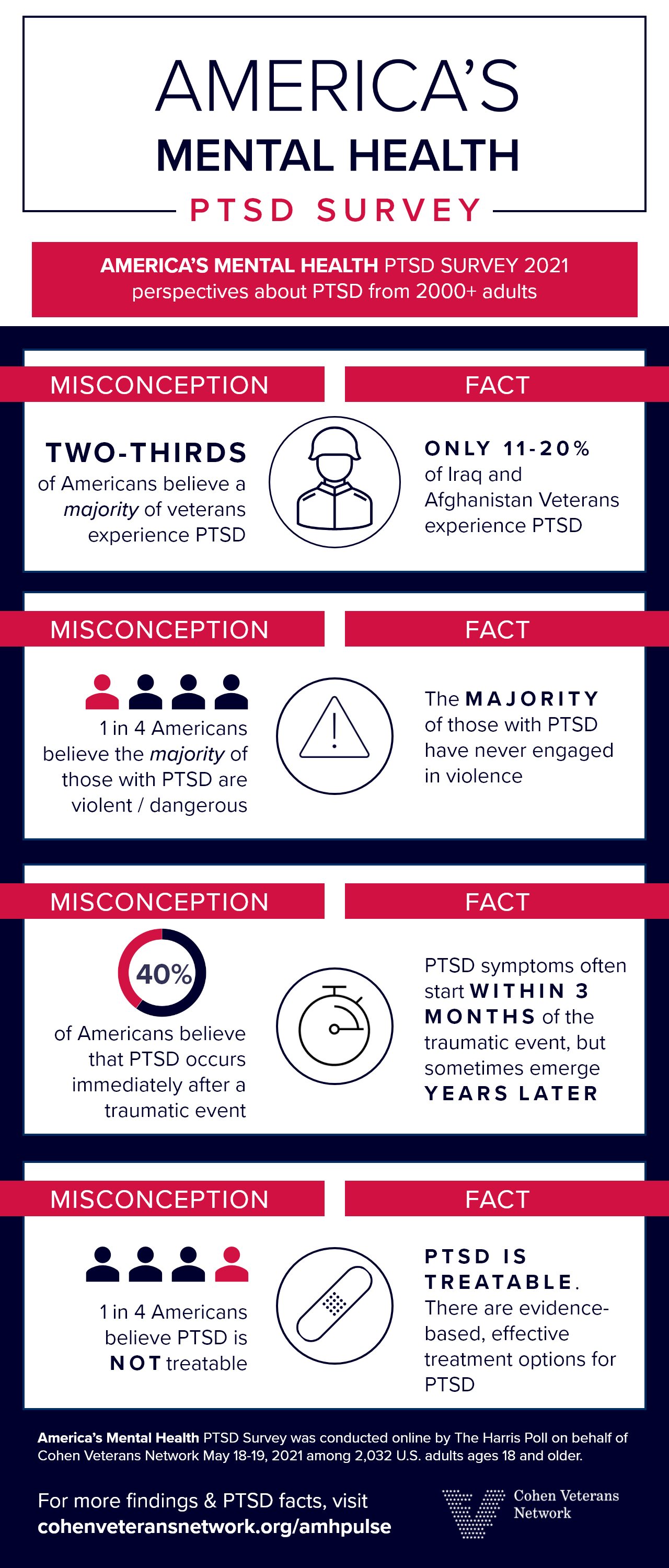
(BPT) – As June marks PTSD Awareness Month, a new survey reveals Americans’ strong misconceptions about the disorder. America’s Mental Health PTSD Pulse Survey looked at Americans’ general knowledge and understanding of Post-Traumatic Stress Disorder (PTSD). The survey was conducted by The Harris Poll on behalf of Cohen Veterans Network (CVN), a not-for-profit philanthropic organization that serves post-9/11 veterans, military families and active duty service members through a nationwide system of mental health clinics. From symptoms to treatment, CVN shares some key findings along with comparative facts.