3 road trips to consider this summer – and tips for staying safe on the way

2021-06-28T07:01:00

(BPT) – It’s officially road trip season.

But where should you go, and how can you stay safe on the road? Tiremaker Nokian Tyres offers a few road trip ideas — and some tire safety tips to go along with them. To learn more and enter to win a free set of tires, visit NokianTires.com/Journey.

Carve your way through the Smokies

There’s a reason the Great Smoky Mountains National Park is the most heavily visited in our nation’s park system. Its stunning panoramas are easily accessible and sure to take your breath away — unless the peaks are shrouded in their notorious haze.

Gatlinburg, Tennessee, is a popular launching point for a journey into the park, but if you prefer a lower-key experience, book a cabin in nearby Townsend, dubbed the Peaceful Side of the Smokies. Climb your way to Clingmans Dome, Tennessee’s highest point, nestled along the North Carolina border.

Descend into the Tar Heel State and settle in for a home-cooked meal and soft bed at Hemlock Inn in Bryson City, a family-friendly destination on the park’s Eastern fringe that’ll make you feel right at home.

But take note: When altitude increases, tire pressure drops. Be sure to fully inflate your tires before you hit the road.

The delightful dunes of Michigan

Michigan is a lot more than just Motown. A few hours west lie the shores of Lake Michigan. The state’s namesake lake is a sailing mecca, but its shores are also home to 300,000 acres of sand dunes. The stunning formations on the edge of Lake Michigan offer picturesque exploration — the Sleeping Bear Dunes Lakeshore was named by “Good Morning America” as the most beautiful place in the country.

When you explore Michigan in the heart of summer, all-season tires will do the trick. But if you’re headed there in the fall, winter or spring, beware — the weather is more unpredictable than the fourth quarter of a Detroit Lions game, and all-season tires aren’t built for snow, ice or temperatures below 45 degrees. Winter-approved all-weather tires are a great way to stay safe on the road, because they’re equipped to handle any weather condition, from summer heat to standing snow.

Chasing waterfalls in Upstate New York

When you think of the Northeast’s most populous state, think beyond New York City. As its name would suggest, New York is actually an empire of scenery, entertainment and culture that’s a lot sweeter than just the Big Apple.

Bear northwest from NYC to Niagara Falls, stopping at Buffalo’s Anchor Bar for a taste of the original buffalo wing on the way. When you get to the Falls, don’t rush like the raging water in front of you. Take your time to process this shocking stat: 3,160 tons of water flow over the falls every second.

New York’s roads aren’t as pristine as the Niagara current. Rapid freeze-thaw cycles in the winter months create potholes that increase risk along your journey. For peace of mind for rough roads, consider a set of Nokian Tyres One tires, which are reinforced with the same material found in bulletproof vests. They come with a Pothole Protection program — if a tire is damaged beyond repair by a road hazard within the program’s terms and conditions, Nokian Tyres will replace it at no cost.

Wherever you’re headed this summer, these tips will provide a helpful road map to enjoyment and safety. If you’d like to submit your own favorite road trip for a chance to win a free set of tires from Nokian Tyres, visit NokianTires.com/Journey.

Report: Vehicle population in the U.S. is changing

2021-06-28T07:01:00

(BPT) – The beginning of the coronavirus pandemic affected the sales of new vehicles in the United States, but according to a recent study by the Specialty Equipment Market Association (SEMA), the automotive industry has begun to bounce back, and sales are expected to return to pre-pandemic levels within the next two to three years.

In 2020, consumer demand for larger vehicles — specifically CUVs and pickups — helped sales of light vehicles rebound after the lockdown. CUVs have continued to grow in popularity and by 2028 are expected to make up about half of all new light vehicles sold.

“Light trucks, including CUVs, will make up 82% of all new light vehicles sold in the United States,” says SEMA Market Research Director Gavin Knapp. “However, even with the shift in sales, passenger cars aren’t going away. There are still 114.8 million passenger cars in operation, and it will take a while for these vehicles to cycle out of operation.”

More than 281 million passenger vehicles are on the road in the U.S., and the overall vehicle population continues to change. Here are some of the vehicle segments that make up the vehicle population and information on how they are expected to change.

Pickups: Full-size pickups are the top-selling vehicle models in the U.S. and make up 20% (57.6 million) of all vehicles currently on the road. The number of pickups is expected to continue to grow over the next decade, thanks to established models and new small or alternative-energy options from Ford, GM, Ram, Toyota and Nissan — plus new electric pickups from Tesla, Rivian and Hummer.

Sports cars: While new vehicle sales have shifted away from passenger cars, sports cars remain popular, with 9.8 million models on the road. The Ford Mustang remains the best-selling sports car in operation today, followed by the Chevy Camaro and Dodge Challenger. A rumored new Dodge Barracuda in the near future could help increase the popularity of this vehicle segment.

SUVs: The distinction between a traditional SUV and a CUV (crossover) has been blurred, and while both are utility vehicles, CUVs are considered different because they are built with a unibody platform (commonly used for passenger cars) and SUVs are traditionally built on a truck platform. There are 37.3 million SUVs on the road — led by models from Ford, GM and Jeep — and sales are expected to remain steady or even grow slightly over the next decade.

CUVs: Because CUVs provide the efficiency of a passenger car and the functionality of a light truck, their popularity has skyrocketed, resulting in 54.6 million vehicles on the road. Most automakers offer a CUV in their lineup, and the vehicle segment is projected to account for nearly 50% of all new vehicles sold by 2028, with more than 100 different models available to consumers.

Sedans: Sometimes referred to as traditional cars, sedans have begun to disappear from automaker lineups. Still, more than 86 million sedans remain on the road, with models by Toyota, Honda and Nissan expected to remain top sellers. Small, mid-range and large sedans are the most common vehicle type on the road today, and while sales have slowed, it will be a long time before they cycle out of operation.

Those are just some of the vehicle segments that make up the vehicle population in the United States. While trends and consumer preferences will ultimately determine how the vehicle population will change in the next decade, the recent SEMA Vehicle Landscape Report (www.sema.org/research) points toward a continued dominance in sales by light trucks.

Market research is valuable to helping businesses understand specific industries and make informative decisions. SEMA produces a variety of research reports throughout the year on current data metrics, trends and opportunities in the automotive market. To learn more about SEMA, visit www.sema.org.

Potty training time? Why the right toilet seat is key to success

2021-06-28T00:01:00

(BPT) – Of all the things you do as a parent, one of the most challenging is toilet training. It can take a lot of planning, supplies and patience to teach your toddler to say goodbye to the diaper. Potty-training can be unpredictable and messy at times.

Traditionally, parents have purchased small plastic potties for their children to help them with toilet training, but this isn’t the only option. Some have discovered using toilet training seats in lieu of a plastic potty.

Built-in potty-training toilet seats can accommodate the needs of children and parents as they go through the potty-training process. Typically, built-in seats come with a regular-sized seat and a child-sized seat in the middle that you can raise and lower independently, just like a regular toilet seat. The child seats are usually removeable and easy to clean when necessary. They can also provide precision-fit adjustability to promote comfort so your child feels confident.

If you think a built-in potty-training seat will work best for your child, here are a few factors to consider:

1) It can shorten the learning curve

Some parents have found that when children “graduate” from the plastic potty, transitioning to a regular toilet can be a struggle. According to Parents.com, most kids are fully potty trained by age 3 but are not always familiar with using a regular toilet when it’s time to switch. As they begin attending preschool and have playdates with friends, they may not always have a kid’s potty available to them, which can make some feel like they’re back at square one.

Using a built-in seat can help them train or transition from the plastic potty and build their confidence going to the bathroom outside the comforts of home.

2) You don’t have to clean up after them (for the most part)

Plastic potties don’t connect to your home’s plumbing system, which can leave you on the hook for cleanup. Cleaning the plastic potty can be time-consuming and undesirable for any parent. However, using a built-in toilet seat can help reduce the amount of time you spend cleaning, since there is no wiping, sanitizing or bowl dumping involved. At the same time, you may not be fully relinquished from your cleaning duties if they’re still working on their aim.

The NextStep2 from Bemis is an ideal toilet seat for seamless and effective potty training. With its strong and durable enameled primary wood seat and built-in child-sized plastic seat, this toilet seat eliminates the need for a stand-alone potty and saves you the hassle of cleaning up after your child.

3) Your bathroom will have more space

Your child isn’t the only one using the bathroom. While a plastic toilet is typically small, they sit right on the floor, and they can take up a lot of space depending on the size of your bathroom. If your bathroom is smaller, a plastic potty can become an inconvenience and even a tripping hazard. A built-in potty-training seat for your regular toilet frees up some extra space and helps everyone stay comfortable while in the bathroom.

Make potty training easier

Potty training can be challenging for you and your child, but it doesn’t have to be. You know your child better than anyone else so as you work within their preferences and find what’s most comfortable for them, they can start to feel confident in their abilities. Visit toiletseats.com for more potty-training tips and toilet seat options for your child.

5 expert tips to help college students get better sleep

2021-06-25T08:01:00

(BPT) – In the last year there’s been plenty to lose sleep about, but with the stress of the pandemic slowly subsiding, now is a great time to revisit the importance of self-care. Getting a good night’s sleep is one of the most popular topics in that arena right now, and for good reason: Whether you’re focused on work, exercise or education, prioritizing sleep will help you perform at your best.

If you’re a college student returning to campus this fall, sleep will be pivotal for you to perform well. The CDC recommends college-aged students get seven or more hours of sleep a night. So, how do you make that happen? As smart shopping expert Trae Bodge explains, “Comfort is so important to a good night’s sleep!” This means finding the right mattress and pillows, like Sleepy’s™ Snug 8” Medium Memory Foam Mattress or the TEMPUR-Adapt® Cloud + Cooling Pillow. Let Trae guide you through five ways to get great sleep before classes begin.

1. Tailor your room to your needs

A great night’s sleep is important, but it’s only possible when your bedroom is set up in a way that’s right for you. Mattress Firm has great deals on mattresses, pillows and other sleep essentials, so you can stock up on everything you need and save money, too. As Trae puts it, “The only thing better than getting the comfort you need to sleep soundly is saving money while you do it!” Find the right fit for your body type and preferred sleep style so you’re all set to jump into your school routine.

2. Get as much natural light as possible

Sure, you’ll be in class throughout the day, but when you’re not, study by a window in the library rather than under a lamp or those harsh fluorescent ceiling lights. If your campus has a tunnel system, save that for colder months and instead get your steps outdoors as you walk from class to class. Take your lunch break outside rather than in a cafeteria. Increasing your exposure to natural light will help regulate your circadian rhythm and help your mind and body distinguish between active daytime hours and the downtime you need to relax and fall asleep at night.

3. Stick to a schedule

This may be easier said than done for some students as the semester gets underway and you have homework, papers and exams to think about, but as much as possible, it’s important to maintain a schedule. This will train your mind and body to know when to be alert for your day and when to unwind and prepare for sleep at the day’s end. This includes not just the work or school week, but also the weekends. Keeping to your schedule throughout the week will help cement this practice and is one of the best ways to ensure success throughout the school year.

4. Create a sleep sanctuary

Make creating a relaxing sleep environment part of your bedtime routine each night. Turn off lights and close blinds to prevent any light from invading your bedroom. Mist your pillow or sheets with lavender essential oils. Using a fan or white noise machine can help calm your mind and help prepare you for sleep. If you have a roommate, work with them to support each other’s schedules. This will help you maintain your sleep regimen and ensure restorative sleep. As Trae explains, “Relaxation involves all the senses. You want your sleep space to completely absorb you in calm to tranquility.”

5. Ditch the phone

This probably isn’t news to you, but the light emitted from your phone’s screen can suppress melatonin, the hormone responsible for sleep, potentially disrupting your sleep schedule. It may be helpful to move your phone so it’s out of arm’s reach from your bed. If you use it for an alarm, not to worry; placing your phone away from your bed will force you to get up in the morning so you can shut the alarm off.

Whether you’re enjoying summer or thinking ahead to the school year that follows, it’s always the right time to consider how you can get your best night’s sleep. Mattress Firm has you covered with everything you need to make a sleeping sanctuary, so you wake up rested and ready to take on whatever new challenges await you.

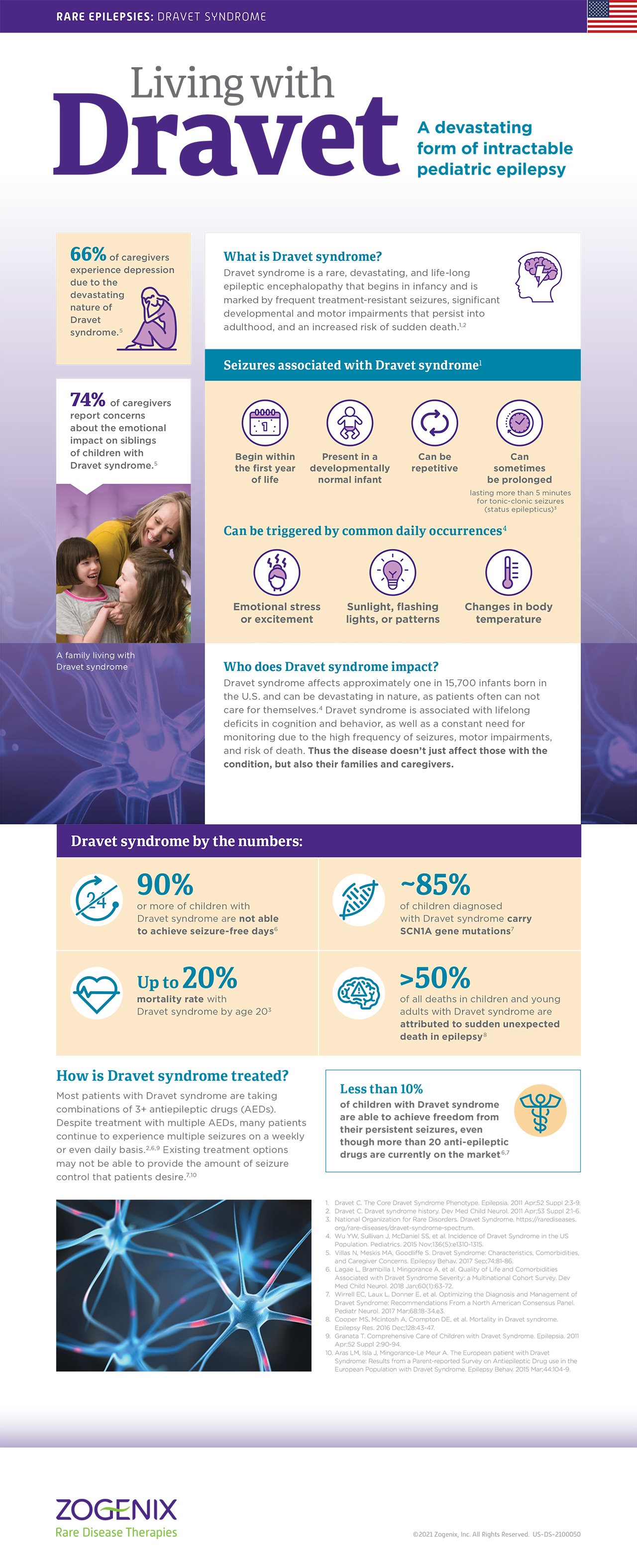
Living with Dravnet – a rare form of pediatric epilepsy [Infographic]

2021-06-25T14:42:11

(BPT) – A rare disease is one that affects fewer than 200,000 people. But with an estimated 7,000 rare diseases and 25-30 million Americans living with one, chances are good you know someone affected. Awareness of what so many Americans are living through is critical to improving support, funding and new therapies. One such disease is a rare form of epilepsy called Dravet syndrome, which begins in infancy and is marked by frequent, severe treatment-resistant seizures; significant cognitive and other disabilities, and a higher risk of premature death. Help shine a spotlight on families caring for a child with this debilitating disease.

Home comfort simplified: Smart ways to stay cool during warm weather months

2021-06-25T12:01:00

(BPT) – Summer is here, which means sunny weather, beach days and barbecues — and on those especially hot days, you want to ensure your home is cool and comfortable without causing the utility bill to skyrocket. Fortunately, there are five affordable ways to stay cool at home so you can kick back, get some air and enjoy the summer.

1. Use fans strategically

An easy first step to staying cool is to use fans to circulate the air in your home. While air itself does not cool from the fan, it can create a cool feeling against your skin. How? As air moves across your skin, it helps remove heat which in turn provides a cooling effect. This can be particularly useful at night to help you sleep. Use ceiling fans or portable fans to help you stay cool when you are present in rooms but remember to turn them off when you leave to conserve energy and save yourself from a pricey utility bill.

2. Add portable air conditioning

One of the main benefits that a portable air conditioner can offer is the effortless installation process and ease of use. Portable air conditioners don’t require an external condenser unit and can simply connect to your window via a hose and window bracket/casement. Portable air conditioners also take up less window space, and you can easily remove the vent when the AC is not in use. LG portable air conditioners provide three-in-one operation for customized comfort: you can use the cool mode for powerful cooling and dehumidifying feature on warmer, steamier days. In fan mode, the fan circulates the air in the room and dry mode is ideal for damp, rainy days. You can make adjustments easily on the LED display, use the remote, or your phone or Amazon’s Alexa or Google Assistant with the LG ThinQ app.

3. Use window air conditioning

Window air conditioners work quite effectively to cool down any space in your home so you can get quality air indoors. In fact, LG window air conditioners with Dual Inverter Compressor™ technology offer up to 25% more energy savings than the ENERGY STAR certification requirement. And since air conditioning accounts for 12% of all U.S. home energy expenditures, this is a perfect time to invest in the incredibly efficient Dual Inverter Technology. The innovative Dual Inverter technology is also powerful and quiet, operating at sound levels as low as 44dB. Plus, with built-in technology, you can control your air conditioner from anywhere on the LG ThinQ mobile app. You can start or stop cooling, change the cooling mode or set the temperature all from your smartphone. It also works with the Google Assistant and Amazon Alexa so you can change settings with simple voice commands.

4. Block direct sun with window treatments

Close window treatments when the sun is shining in brightly, and then reopen when it’s passed, following the natural movement from east to west each day. This can help keep spaces cooler by eliminating radiant heat and UV rays emitted by the sun. This also means appliances like air conditioners don’t have to work as hard to keep spaces cool. Keep in mind, if you need extra light during the day in locations where shades are closed, crack the shade or turn on minimal artificial sources and make sure that you use light bulbs that produce limited heat, such as LED varieties.

5. Run a dehumidifier

Hot days can be hard enough but add in high humidity and it can feel like you’re melting. High moisture in the air makes it take longer for your sweat to evaporate, which therefore makes you feel hotter for a longer time. With a built-in drain pump, LG PuriCare Dehumidifiers can continuously remove moisture from the air in your home and drain that water directly into a sink, out a window or down a drain. Four wheels means it can be moved easily from room to room, plus the Safety Standby Mode ensures safe dehumidification that prevents overheating, and internal components are made of thermal-resistant materials.

Staying cool in your home doesn’t have to be complicated. Try these smart steps for a comfortable indoor environment no matter how high temperatures soar this summer.

The ThinQ® Technology lets you control your LG air conditioner from anywhere. You can start or stop cooling, change the mode, or set the temperature while on the go. It also works with the Google Assistant and Amazon Alexa so you can change settings with simple voice commands.

Have allergies? Tips to feel your best indoors and out

2021-06-25T09:31:00

(BPT) – A runny nose, watery eyes, itchy throat, nagging cough — as the weather changes throughout the year, different allergens can increase, making you miserable in numerous ways. Medications can help, but there are all-natural steps you can take to help you feel your best, whether indoors or outside.

Outdoor tips for allergy season

Check online for pollen counts in your area. A good place to start is the National Allergy Bureau from the American Academy of Allergy, Asthma and Immunology at pollen.aaaai.org. Pollen counts can vary depending on weather and season, so this can help you know ahead of time how severe your allergies may be if spending time outside.

Consider planning outdoor activities in the early morning when daily counts are often at their lowest. Keep in mind, windy days spread pollen around and it may be more difficult to spend time outdoors if you have allergies. Rain removes pollen from the air, so after a shower is a good time to head outdoors as pollen counts are typically lower.

Take a personal air purifier with you when you’re on the go. The LG PuriCare™ Mini Air Purifier is designed to remove up to 99% of ultra-fine dust and reduces allergens and irritants that can be harmful to breathe. Compact, lightweight and portable, this handy purifier displays the air quality and adjusts to filter air at the appropriate rate for up to 8 hours.

When you get home, remember that microscopic pollen particles and other allergens are likely stuck on your clothes and body. Especially important on high pollen count days, immediately remove clothes when you get home and place them in a laundry basket to be washed. Consider taking a shower and washing your hair to remove any allergens on your body, helping to reduce the allergens brought into your home from outside.

Tips to reduce indoor allergens

Keep windows closed to keep pollen out. Clean furniture and floors regularly where pollen, pet dander, dust and other allergens often gather. If possible, wash hard flooring weekly and vacuum carpet and rugs several times a week. Remove clutter and dust regularly to help maintain a clean indoor environment.

Invest in an air purifier for your room like the LG PuriCare™ 360 Single Air Purifier that captures six different types of particles to deliver purer, cleaner air. The true HEPA filtration system traps 99.97% of particles as small as 0.3 microns and the deodorization filter removes odors like food, smoke, smog and harmful airborne chemicals. Plus, it’s CERTIFIED asthma & allergy friendly® having undergone rigorous scientific testing by the Asthma and Allergy Foundation of America. Get some air in your home gym, office, bedroom or even dorm, by improving the air quality around you with an LG purifier. Creating cool, comfortable spaces is vital to enjoying the change of the seasons. LG PuriCare air purifiers will give you a breath of fresh air, whether at home or on the move.

To help you sleep well and remove allergens and dust mites, wash your sheets, pillowcases and blankets weekly in hot water at a minimum 130 F. For pillows, stuffed animals and other items that can’t be washed, try investing in the AAFA-certified LG Styler. This innovative laundry appliance can give anything from your afternoon outfit, to your shoes, even your kids toys, a fresh clean that eliminates any lingering allergens and dander after a full day outside with the extensive cleaning power of steam.

While some moisture in the air makes it easier to breathe, too much moisture can cause mold and mildew to thrive. Be mindful and strive to keep the humidity levels in your house between 20% and 40%. When bathing or showering, use a ventilation fan to remove excess moisture. Additionally, use the stove or kitchen fan when cooking to vent moisture and fumes to help keep air cleaner.

More than 50 million Americans have experienced various types of allergies each year, according to AAFA. If you or a loved one have allergies, these steps can help whether you’re exploring the great outdoors or relaxing inside.

Before you go to the pool, dive into these 4 safety tips

2021-06-25T12:01:00

(BPT) – As COVID-19 restrictions lift, community pools are opening around the country, and kids are eager to make a splash. However, before everyone jumps into the water, families should review and follow key water safety tips. Drowning is the leading cause of unintentional death among children ages 1-4. New data from the U.S. Consumer Product Safety Commission (CPSC) show that, on average, there are 397 pool-or-spa-related fatal child drownings per year.

As families resume warm-weather activities near water, CPSC’s Pool Safely campaign is sharing simple steps to help families prioritize water safety this season. Here are a few things you can do to help reduce the risk of drowning and other pool- and spa-related injuries:

Never leave a child unattended in or near water.

Even if kids know how to swim, they should not be left alone. To ensure children are safer in and around the water, designate yourself, or another caregiver in your group, as a water watcher, even if there is a lifeguard present. Water watchers should avoid texting, reading or other distractions, and they must be able to see all children, wherever they are, in and around the pool or spa.

Teach children how to swim.

Swimming is fun AND a life-saving skill! Before heading to the pool this summer, consider signing up children for swim lessons. There are several free and reduced-cost options available for swim lessons, including classes at local parks and recreation departments, or the YMCA.

Stay away from drains!

Pool drains may look harmless, but they can be dangerous for small children. Underneath the cover, the drain produces a powerful suction through the pool or spa filter system that can be harmful, if not covered properly.

To avoid hazards, it is important to teach kids about the potential dangers of pool drains. If you take children to a residential pool, or they go into a spa or hot tub, make sure the owner has the proper cover on the drain before the kids start swimming.

Take the time to learn CPR.

Despite proper precautions, drowning incidents can still occur. Therefore, it is important to learn CPR, because performing CPR can save lives. According to long time Pool Safely collaborator, the American Red Cross, to perform CPR properly, you should:

  • Open the airway: You can do this by laying the child on their back and lifting their neck and chin.
  • Check for breathing: Listen for breathing for no more than ten seconds. It is also important to know that occasional gasps do not equate to breathing.
  • Do rescue breaths: Do two breaths if the child is not breathing. Make sure you pinch the child’s nose shut, and make a complete seal by placing your mouth over the child’s, and breathing into their mouth twice.

If you have not done so already, obtain a CPR certification at your local community center or through the American Red Cross. According to the Red Cross, to remain certified in CPR, you have to complete training every two years.

Take the Pledge today.

Help teach your kids these simple safety steps, and more, by having them take the Pool Safely Pledge. You can find the Pledge and more water safety information by visiting PoolSafely.gov.

Why it’s important to discuss organ donation with the whole family

2021-06-24T23:27:28

(BPT) – For many people, raising a child is one of life’s greatest adventures. If your child is healthy and happy, you’re a lucky parent. Not all families are so fortunate. Of more than 100,000 people on the national organ transplant waiting list, more than 1,900 are children, over a third of them under 6 years old. Due to the unique requirements of pediatric organ donation, many continue to wait, hoping for a brighter future.

The unique nature of pediatric organ transplants

The need for organs is growing, but for many types of transplantation, young children often need to receive an organ from a donor of similar age and size, a requirement that frequently means a lack of availability. Approximately 100 children die each year due to this critical shortage, but they don’t have to — just one organ and tissue donor can save up to eight lives and enhance the lives of as many as 75 people.

Following the tragic passing of their 2-year-old son Lane Thomas Graves in 2016, Matthew and Melissa Graves formed the nonprofit The Lane Thomas Foundation (LTF) to honor his legacy, his love of life and the joy and light he brought to others. The foundation is dedicated to raising awareness about pediatric organ donation through its Keep Love Alive campaign and by supporting children who need life-saving transplants and their families.

“Losing a child is unbearable no matter the circumstances,” Matt Graves said. “People who make the decision to donate their child’s organs are heroes. We want to spread the word and encourage families to have the conversation. Our vision is that no child dies waiting for a transplant. In the event of tragedy, we feel that there’s no better way to honor your child than to give life to another child.”

Giving the most precious gift: Life

Lauressa Gillock, of North Platte, Nebraska, made the decision to donate the organs of her 3-year-old daughter, Olivia, who passed away from brain cancer, gifting Olivia’s intestines to Angelo, her liver to Lucas, her kidneys to Scott, her corneas to a fellow Nebraskan and her heart to a little boy named KeVon in Mississippi.

“Nothing can prepare you for the devastation of losing a child,” said Gillock, now a pediatric organ donation advocate and an ambassador for LTF. “However, people are alive today because of my daughter. Being part of a decision that has saved several people’s lives gives me a reason to live.”

Gillock later met KeVon, now 8 years old, who received his heart transplant at 22 months old, an emotional meeting captured in the foundation’s newly released #KeepLove Alive PSA.

“This little boy is running, playing and feels joy and has a full life because of my little girl,” she said. “I felt Olivia’s heart beating in his chest. This is one very important way her legacy lives on. When people question why they should donate, I say, ‘Why wouldn’t you?’”

Discussing organ donation for the whole family

While you may have discussed organ donation for yourself or other adults in your household, you may not have discussed it regarding your children. Hopefully, you’ll never have to face the decision, but if you do, it’s helpful to know how you feel about it ahead of time.

More stats about organ donation, according to Donate Life:

  • The largest U.S. football stadium could not fit the number of patients on the national transplant waiting list, and another person is added to the list every 10 minutes.
  • 95% of Americans are in favor of being a donor but only 58% are registered.

How to take action

Now is the time to start the conversation, discussing with family and friends how making a commitment to organ donation can save lives.

Learn more about what you can do at www.lanethomas.org, where you can take the “Lane’s Light Pledge” and make a donation to support families of children undergoing organ transplant. Parents can register on the national organ registry at www.donatelife.net/register, which is also available for sign-up by adults and driving-age children during driver’s license sign-up/renewal in many states.

Selling your boat? Now is a great time to get top dollar

2021-06-24T23:09:10

(BPT) – The best time of year to sell a boat fast and for the most money is any time when demand for boats is strong and supply is low.

That means, if you’re looking for cash and have a boat you’re willing to sell, now is a great time to get top dollar.

According to boating marketplace Boat Trader, sales of used boats remain on the rise nationwide in 2021 after the pandemic set in motion a wave of new enthusiasts buying boats. Early spring transactions for used boats under 36 feet jumped 41% over the same period last year.

However, because of how fast boats are selling, this year’s boat buyer is facing record-low inventory. Inquiries sent to sellers through the platform offer one way to measure increased demand for boats, and the number of leads submitted per boat shopper has grown by 64% over 2020. Experts say the dramatic rise indicates competition is fierce among consumers and will last beyond summer.

For some shoppers, squeezed selection makes decision-making quick and easy, but for others, it keeps the boat search dragging on until more boats become available. What has helped relieve some of the supply strain is current boat owners recognizing the opportunity for a quick payday and privately listing their boats for sale.

When it comes to selling a boat online, people are drawn to the fast and efficient way to cash in on their boat’s worth. However, listings that are positioned properly get the best price.

List where the fish bite

A selling platform’s geographic scope is a key determining factor in ensuring that your boat will get as much coverage as possible. Regardless of whether you want the convenience of a local buyer, the more people that view your ad, the more likely you are to find the right buyer.

Search filters let sellers reach interested shoppers who are able to find and locate the vessels they’re looking for within a range of specified geo-targeted locations. When you list a boat as a seller on Boat Trader, local buyers get notified if the boat matches their criteria, helping you sell your boat faster.

Listing tips that have the biggest impact

Here are three tips to sell your boat quickly:

  • List your boat on the right platform by considering boating marketplaces first.
  • Add a detailed description, including engine hours, electronics, upgrades, trailer and regular maintenance performed.
  • Include high-definition photos and include a video to enhance your listing.

When considering selling platforms, social marketplaces may sound convenient, but they are often less focused, with a diluted boating audience. These sites have a lot of yard sale noise and are less likely to have serious boat buyers.

High-quality images are important when selling a boat, so include many photos or videos at different angles. In addition, consider offering live video walk-throughs with potential buyers, and try to schedule video chats back-to-back to save yourself time.

Why sell now?

In summary, demand for used boats is high, but supply is low. You can reach the largest audience by selling on a specialized targeted website, keeping in mind that boat searches on Boat Trader, where 75% of privately listed boats sell within 12 weeks, are up 55% over last year. Learn more at www.boattrader.com/sell.