Launching a tech startup: How to build a foundation to scale and succeed

2021-06-14T05:01:00

(BPT) – Despite disruptions over the last year, the number of entrepreneurs launching startups hit record highs in 2020. In the U.S., vision, passion, grit and a startup-friendly environment have resulted in the world’s highest number of startups.

If you’re one of the millions feeling the pull to start your own company, your timing couldn’t be better. The proliferation of connected devices, the worldwide shift to remote and hybrid work models and the rapid pace of technological innovation are just a few of the factors bringing exciting opportunities for new products and services.

“The shift to global entrepreneurship has underscored something I’ve believed for a long time, that you can start up a company anywhere,” said Brad Feld, managing director at tech investment firm, Foundry Group. “People are finally realizing that tech hubs, while great, are by no means a critical element to startup success. Today’s visionaries can launch tomorrow’s unicorn from their kitchen table. The tech, tools and people are already out there — it’s just a process of leveraging those resources to make it work for you, wherever you are.”

Below are tips to keep in mind if you’re one of the many innovators ready to make the startup jump.

1) Surround yourself with the right people

Having the right people in place can be the difference between success and failure. It’s hard enough for founders, who’ve lost countless hours of sleep and invested their life savings, to entrust their vision to others, but there’s no other way to grow. Personal recommendations and connections are useful, but not always available. Job sites like Indeed allow employers to screen potential hires with supplementary assessment tests to help determine a candidate’s strengths in critical areas like writing, customer service and technical ability. Once you’ve selected a handful of candidates, be sure to ask questions that can help you gauge their excitement about your vision and how they would make that vision a reality.

Will Herman, serial entrepreneur, angel investor, corporate director and startup mentor said, “The commitment you must make is to embody specific roles and responsibilities, including operational and cultural leadership, vision and direction, and especially, building a great extended team.”

2) Use the experience of others

The five-year success rate of startups looms around 50%, but there are many people you’ve never met who are ready to help you succeed. The internet is full of information, advice and tips from seasoned founders, instantly available and often free. Consider a mentorship organization for support, research what accelerator programs like Y Combinator and Techstars offer, read interviews or listen to podcasts with industry leaders, and make use of the resources available through the U.S. Small Business Administration, designed to support startups with information, access to capital and connections.

The Startup Playbook offers insight and expertise from those who successfully launched multiple companies and walks you through lessons they learned the hard way. Do More Faster explores key issues that first-time entrepreneurs encounter and offers proven advice from successful entrepreneurs who have worked with the Techstars accelerator.

3) Put the right tools in place

Today’s entrepreneurs face virtually no technological barriers to entry. Software programs can be accessed through the cloud no matter where you are, eliminating the need to download applications onto computers bound to one physical office. Zoom and collaboration tools like Slack and Microsoft Teams make communication simple. JumpCloud’s directory platform offers a single login to securely connect employees to any file, application, network or IT resource they might need — and it lets non-technical people manage their IT with ease without breaking the bank. Myriad applications can capture and analyze valuable information like market data, how potential competitors are positioning themselves, and vital insights about how effective your social media, lead generation or marketing programs are — all of which can help recalibrate your business model.

If you’ve identified a clear market need or created a product or service you know will have a big impact, it might be the perfect time for you to pursue that dream. As David Cohen of Techstars said, “Having worked with over 2,000 companies, hard work, brilliance and innovation has been a constant for startups. What’s new is the instant availability of elements that can significantly impact a company’s trajectory — expert advice, easy-to-use and inexpensive software, and a truly global network of talent to pick from. While launching a startup is for the hearty, the amount of support for those who push on despite the odds has never been more robust.”

With access to the right people and advice, and the tech tools to make your journey easy, you can be set up to succeed and scale.

5 tips for working well

2021-06-11T16:31:01

(BPT) – Every day, there are small things you can do to keep your mind and body healthy as you approach work, no matter where you work.

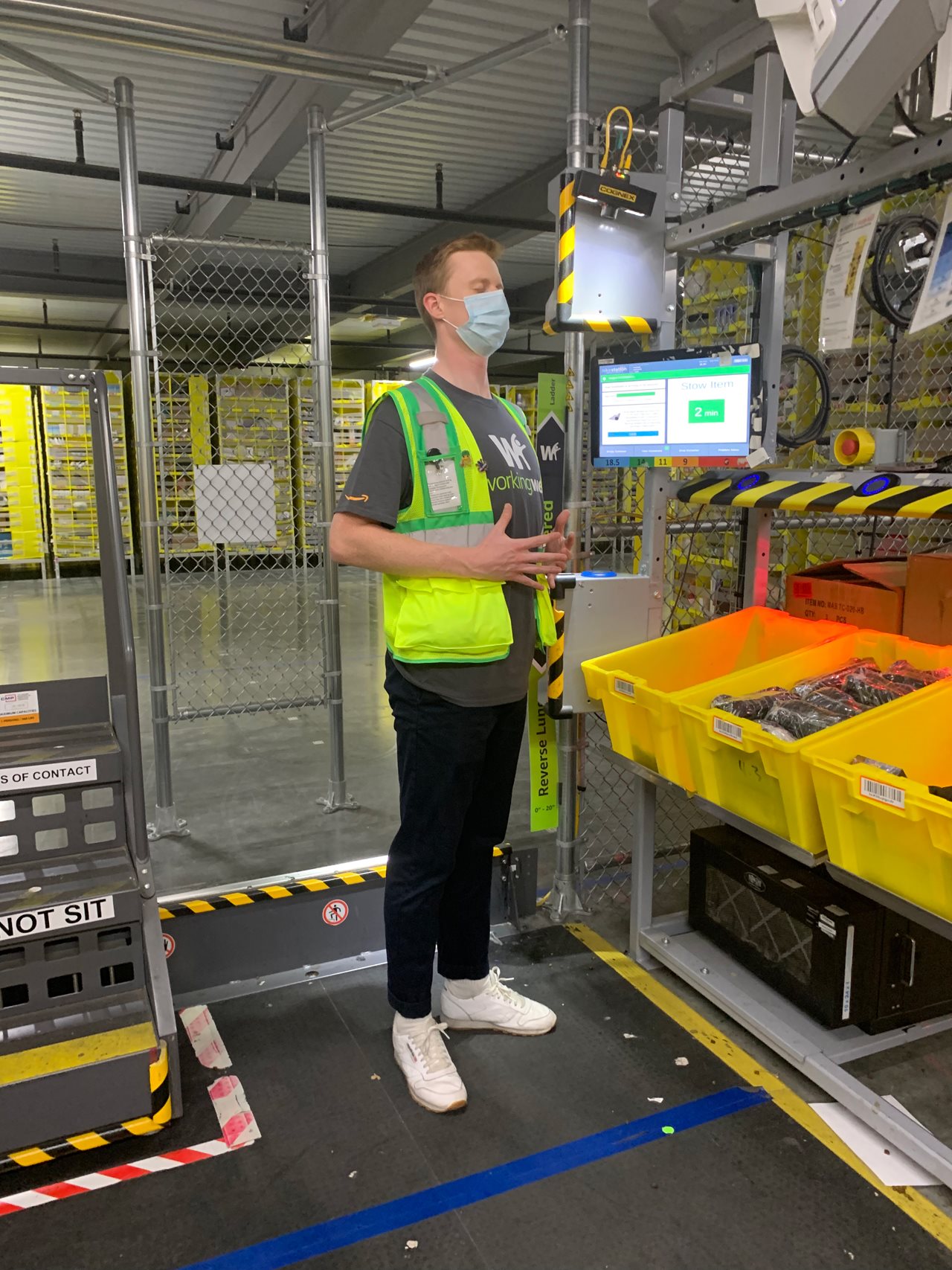
Innovative wellness techniques and resources were compiled by health specialists in collaboration with Amazon employees to create WorkingWell, a comprehensive program that addresses how employees can improve their health and well-being through exercises such as stretching, mindful meditation, nutrition practices, regular healthcare visits and better access to healthcare.

“At Amazon, the health and safety of our employees is our number one priority — and has been since day one. Improving the safety, health and well-being of employees means investing in people through state-of-the-art safety training and education, health and well-being programs, and comprehensive benefits,” said Bobby Woodruff, Amazon safety team member in Eastvale, California. “We are committed to supporting our employees and keeping them healthy and safe every day.”

The health leaders and employees behind WorkingWell share their tips for improving physical and mental wellness at work.

1. Use mindfulness techniques to relax

Doing a few simple exercises each day, even while sitting at your desk, can help you feel more relaxed.

  • Tense and relax each muscle group in your body, head to toe. Inhale as your muscles tense, exhale as you relax.
  • Notice how the muscles feel when they are tensed and when they are relaxed.
  • When finished, gradually bring your attention back to the present.

2. Be proactive through mobility exercises

Stretching techniques can help employees in a variety of roles. Here are some tips and tricks:

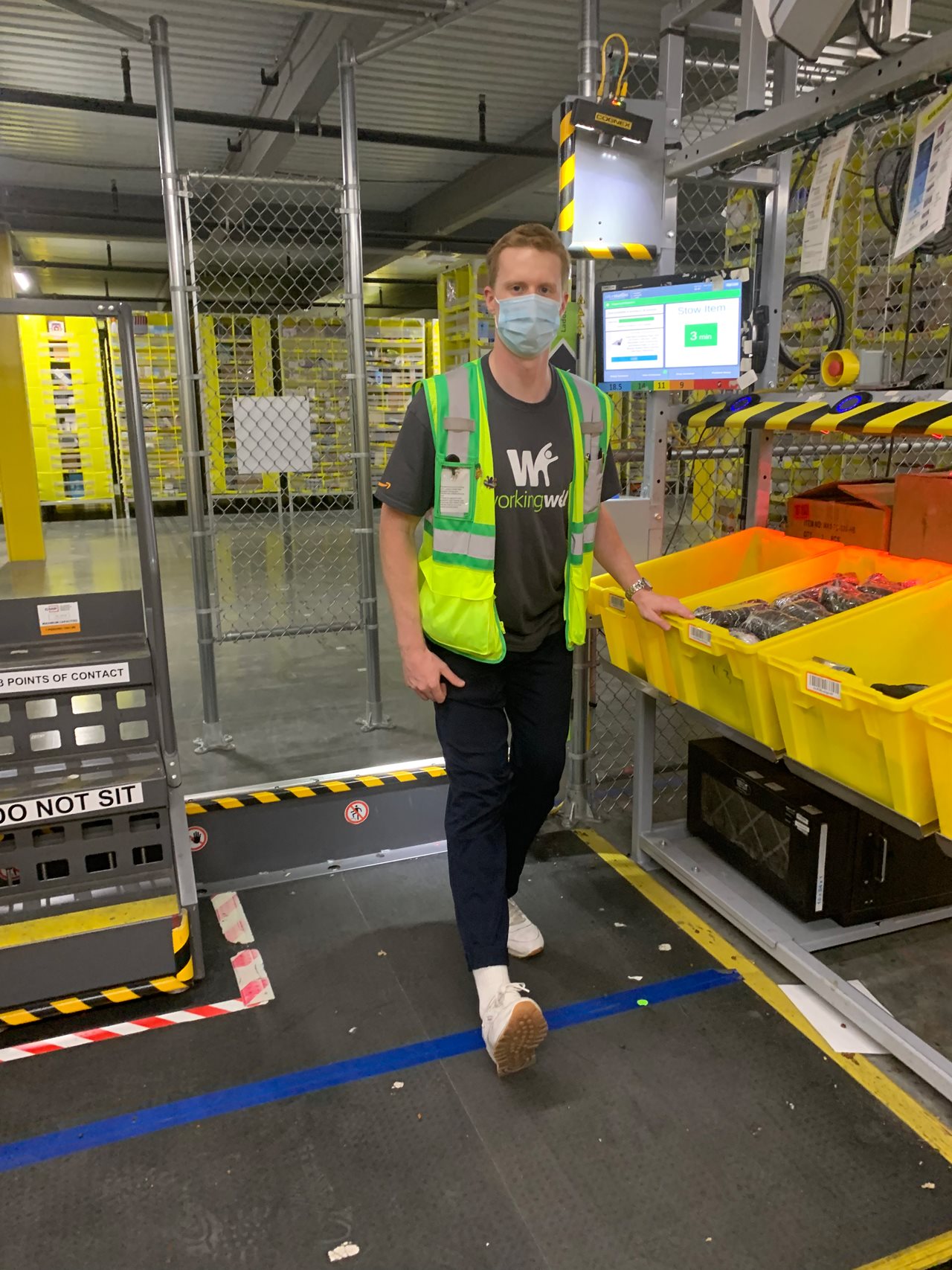
  • Stretch your legs if you know you’ll be standing for extended periods.
  • Maintain a natural, ergonomically correct position with your palms up and hands in a c-shape when doing things like opening drawers, grabbing plates or handing a receipt to a customer.
  • Sit with your shoulders back, and try drawing your belly button in toward your spine to make sure your core is supporting your posture properly.
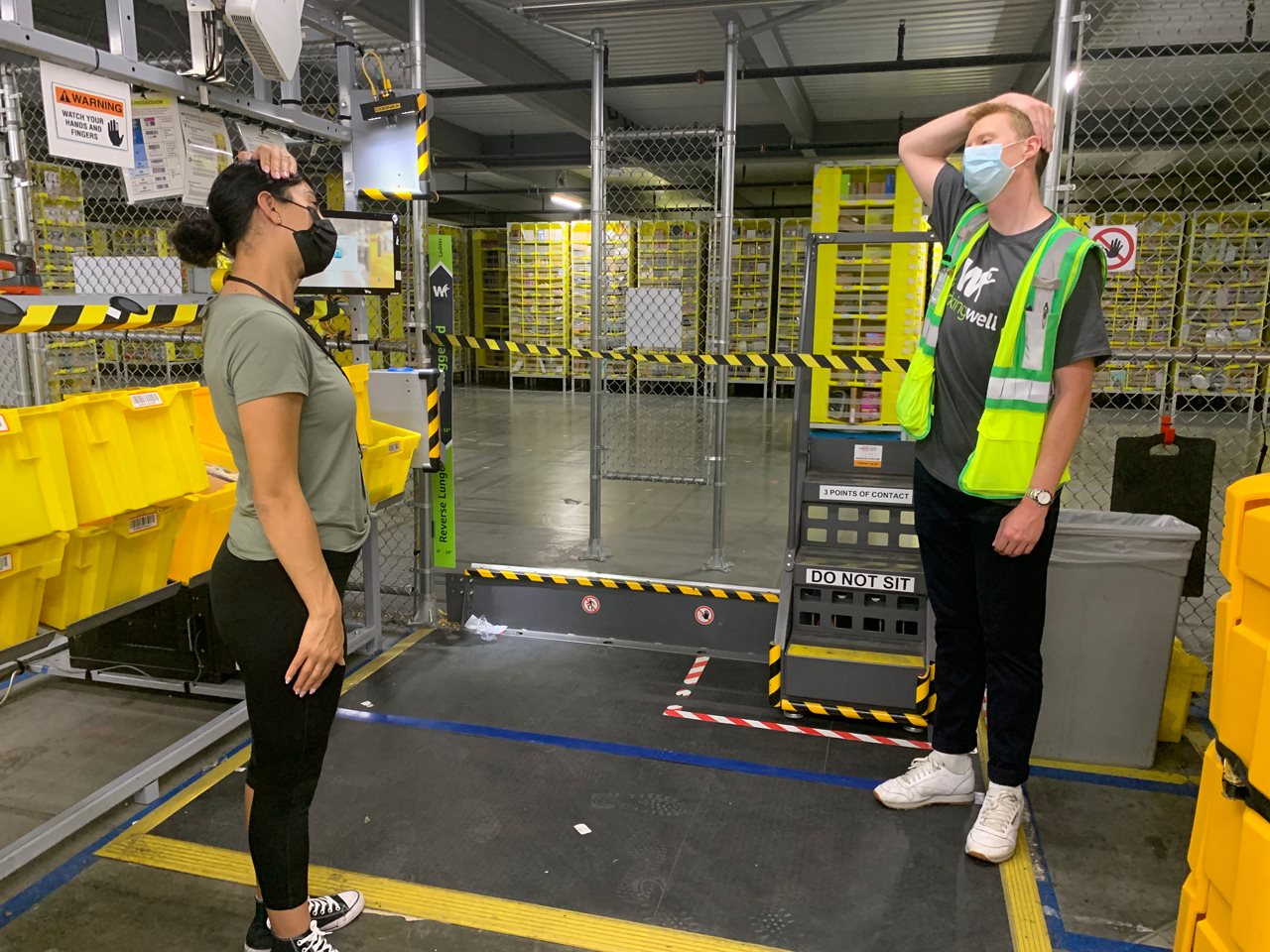
  • Stretch your back and shoulders by looking down at your left pocket, then placing your left hand on the back of your head and adding pressure until you feel a gentle stretch along the right side.

“During my work day, I try to find ways to check in with how my body is feeling at regular intervals,” said Caley Niday, safety team member at the Amazon Fort Wayne, Indiana, delivery station. “Periodic stretching and readjusting my posture helps me feel better both while I’m at work and when I get back home.”

3. Prioritize self-care

Each day, try to do one nice thing for yourself and others as a way to slow down, such as:

  • Getting at least 8 hours of sleep a night.
  • Staying hydrated so your muscles work well, and so your body has energy and can replenish itself.
  • Do something nice for a coworker, like sharing a compliment about their work.

“Taking care of yourself both physically and mentally can become part of your daily routine,” said Nicholas Thomas, an Amazon safety team member at the Troutdale, Oregon, fulfillment center. “I find that trying one or two steps first encourages adding more positive habits over time.”

4. Observe your movements at work

Pay close attention to how your body moves while working. For example, if you need to pick things up continually, pay attention to how your body is bending.

  • Engage your core to help take stress off your back.
  • Use heat to loosen the muscles around any tight areas and help the tissue relax, but only for durations of 30 minutes or less so you don’t overheat the tissue.

“I listen to the signs my body is giving me during activity,” said Megan Romero, Amazon safety team member at a Dallas, Texas, fulfillment center. “Proper body positioning and biomechanics can help decrease the risk of strain.”

5. Don’t do it alone

Building relationships at work strengthens your support system.

  • Try talking to a colleague or opening up with your manager about challenges you may be facing.
  • Sometimes just talking can help, and your peers may be able to offer advice from their own experiences.
  • If you need help, reach out. Ask your company’s HR team about what employee assistance programs they have in place.
  • Many of these programs include mental health resources and other sources of support.

“When I added simple steps to boost my well-being during my daily routine it made a world of difference,” said Maria Aparicio, a safety team member at an Amazon site in Spokane, Washington. “To me, wellness at work means you’ll be living a healthier, happier life overall.”

5 simple, sustainable backyard improvements

2021-06-11T10:49:00

(BPT) – One in three consumers say they have increased their efforts to incorporate environmentally friendly practices, and 70% prefer to purchase eco-friendly products, according to a recent Trusted Media Brands survey. Some of the easiest first steps toward a more sustainable lifestyle can be taken right in your own backyard. Create an outdoor oasis with these simple and sustainable tips — minimal green thumb required.

Save time – and water – with low-maintenance landscaping. Plant the seed for a hassle-free backyard by planting perennials or shrubs, which require minimal upkeep. Support your local environment by choosing native plants, as they typically require less watering, fertilizer and pesticides, and are beneficial to pollinators. Plus, native plants can store excess carbon dioxide for improved air quality.

Collect and reuse rainwater. Conserving rainwater is a simple way to make your outdoor space more sustainable. Install a reusable water drum in your yard below your gutter spouts to collect water when it rains. Once full, use the rainwater to water plants or clean exterior surfaces like decking, siding and outdoor furniture.

Choose energy-efficient LED lighting. Replace outdated, energy-draining deck and landscape lighting with energy-efficient or solar-powered outdoor lights. LED lights are extremely long-lasting, easy to install and use significantly less energy compared to more commonly used incandescent lights. Not only can you enjoy your yard long after the sun goes down, but you can feel good knowing you are making a sustainable choice.

Grow “up.” A vertical garden can be an attractive, artful addition to any yard or deck, freeing up valuable ground in small spaces without compromising plush greenery. To start, build a frame against a wall or fence, or plant around an existing structure like a pergola or latticework — all of which work great for climbing plants such as vines, wisteria, honeysuckle and ivy.

Use wood-alternative decking. Among the greenest products available for the home is composite decking, such as Trex, which is manufactured from more than 95% recycled materials. Unlike wood, composite decking resists fading, staining, scratching and mold, and needs only an occasional soap-and-water cleaning. Since composite decking never needs to be stripped, stained or painted, no environmentally harmful chemicals are required. For green bonus points, take items such as plastic grocery bags and newspaper sleeves to one of the many NexTrex plastic film recycling drop-off locations nationwide. Instead of ending up in landfills, these polyethylene plastic films can be repurposed into high-performance composite decking.

These easy upgrades will not only benefit the planet but also create an outdoor space that will leave your neighbors green with envy.

Dads Deserve THESE for Father’s Day

2021-06-11T10:05:00

(BPT) – We all have heroes in our lives who go under the radar. Often among the first to make quiet, inconspicuous sacrifices for the ones they love are dads and father figures. Last year was challenging for most families, and this coming Father’s Day gives us an opportunity to show our appreciation to the dads who helped get us through it.

But guessing the perfect Father’s Day gift is tough. And it has become even harder since the pandemic changed so many aspects of our lives. Dad’s tastes may have changed and our trusty, go-to ideas may be outdated.

This year, take the guesswork out of Father’s Day shopping by giving the men in your life something that’s convenient, easy to buy and send, fast to deliver, and gives them the freedom to make sure they get exactly what they want. Get dads and father figures a gift card.

“Are you even a dad if you haven’t gotten a cheesy or awkward gift for Father’s Day? How many ‘#1 Dad’ shirts or coffee mugs does a guy really need? After arguably one of the most difficult years we will experience in our lifetimes, a heartfelt ‘thank you’ to dads and father figures will be extra meaningful this Father’s Day,” said Megan Flanagan, Executive Director of the Retail Gift Card Association, a nonprofit organization. “Gift cards are the perfect solution for gift givers and recipients alike — not just because people want them, but because they are functional, convenient and easy to personalize.”

Gift cards were already popular pre-COVID, and when the pandemic hit they evolved from “nice-to-haves” to lifelines. Social distancing and quarantines forced us to get creative in helping, celebrating, and uplifting our family and friends from afar, and gift cards helped us do all of it (while also supporting businesses struggling during shutdowns). Sending gift cards to someone’s favorite restaurant or retailer for a birthday, as thanks, or just because added a personal touch and connected people across great distances. It also helped eliminate the hassle of returns since people can buy what they really want or need.

Most gift cards come in physical and digital form (also called egifts), and can be bought and redeemed in-store, online and via mobile devices. Some can even be loaded into mobile wallets. This flexibility gives gift givers and recipients options so they can shop however they feel most comfortable. People now expect this level of choice in their shopping experiences — dads included — and there’s no going back.

More information about the nation’s top gift card programs can be found at http://bit.ly/RGCABuyingGiftCards. To learn more about the gift card industry visit www.thergca.org.

4 tips to help you secure your mortgage

2021-06-10T18:14:23

(BPT) – Owning a home is the cornerstone of the American dream. There’s nothing like having a permanent plot of land you can call your own.

If you’ve hit a rough patch with your credit score, this dream might feel like it’s out of reach. However, finding a suitable mortgage with a “less than perfect” credit score is still possible.

Is there a minimum credit score for mortgages?

Typically, there isn’t a minimum credit score required for mortgage applications. However, recent blending of government policy and business practice have resulted in a credit score threshold of around 620. But some lenders may have the power to determine their own score acceptance limit. This can make it hard to find the institution where you may qualify, as each lender operates a little differently.

No matter where you’re at in your path to homeownership, or what your score is, here are a few tips to help you secure that mortgage:

1) Exercise all of your options

If you’ve had lenders reject your conventional mortgage application, there is no need to worry. There are several loan options available aside from conventional mortgages. Some of those include:

  • FHA loans: This is a loan provided by an FHA-approved lender. While there are no maximum income limits on an FHA insured loan, they have typically been used for first-time homebuyers or low- to moderate-income borrowers. The loans are insured by the Federal Housing Administration. FHA loans require a small down payment (typically 3.5%) and will frequently accept borrowers with lower credit scores.
  • VA loans: For current and former members of the military, a VA loan can be a viable option for securing a home. VA loans typically don’t require any down payment; are partially backed or guaranteed by the Department of Veterans Affairs; and are frequently made available to active duty or former members of the military with lower credit scores.
  • USDA loans: Like FHA loans, these are frequently made to low- to moderate-income individuals with low to moderately low credit scores. However, to qualify for a USDA loan, your home must be in a USDA-designated suburban or rural location.

2) Work to improve your credit

If you’re not interested in utilizing a government-backed loan such as FHA, VA or USDA, improving your payment habits, thereby boosting your credit score, can be another viable option. Even if it takes time to raise your credit score a few points, it can still be beneficial. You can boost your score by making consistent, on-time payments, and finding ways to diversify your credit mix or lower your overall credit usage.

3) Buy within your means

Even if you have a bad credit score, lenders will perceive you as less of a risk if you stay within your means when buying a home. Lenders will likely analyze your income to obligations closely to see if you have leftover reserves every month (which they refer to as “residual income”) to help absorb the shock of unexpected expenses. Do your best to save as much as you can for a down payment but remember — private mortgage insurance can help minimize the importance of a down payment shortage.

4) Don’t give up

While the mortgage qualification process can be challenging, it’s essential to stay vigilant. If it looks like you’re going to get a “no” at first, it might just mean more work needs to be done to evaluate your situation more deeply. Many times, a “no” is really a “not just yet.” But with persistence, patience and passion, you can still achieve your dream of homeownership.

Learn more about what your score looks like and examine the factors using VantageScore’s scoring models at https://vantagescore.com/consumers/our-models.

An Unanticipated Diagnosis and a Resilient Response: A Lung Cancer Patient Shares Her Story

2021-06-10T08:01:00

(BPT) – Sponsored by Takeda Oncology

Each year in the U.S., nearly a quarter million new cases of lung cancer are diagnosed 1-2, and each of these diagnoses represent a person and family whose lives are turned upside down. Barbara is one of these people, and this is her story of hope.

Following their marriage in 1970, Barbara and her husband lived a happy life, traveling the world, raising two children and becoming grandparents to three wonderful girls. Barbara cherished time with her granddaughters but never imagined it would lead to a realization that may have saved her life.

Several years back, Barbara developed a cold after visiting with her granddaughter who had been sick at the time. But while Barbara’s granddaughter got better, Barbara’s cough became worse. Following an initial diagnosis of bronchitis from her doctor, the cough persisted.

A friend urged her to get an X-ray to ensure it wasn’t pneumonia. The radiologist evaluated her scans, and after several reviews, saw something in her lung that shouldn’t be there — a small shadow. That shadow indicated something more serious than pneumonia. A tumor.

The news was shocking — how could what she thought was a simple cold be a tumor? One day, she was healthy, and now she was questioning whether she had cancer. Whether it was benign or malignant, Barbara’s physician advised the tumor had to come out.

Barbara went in for surgery and hoped that would be the end of it. Soon after, she received the news she was dreading — lung cancer. It felt impossible. Barbara was a non-smoker, as was her husband — but up to 20% of lung cancer patients have never smoked.3

Barbara was diagnosed with non-small cell lung cancer (NSCLC), the most common form of lung cancer, representing approximately 85% of all cases in the U.S.1 Lung cancer symptoms are hard to detect and often don’t present until the cancer has spread to other parts of the body.4-6 The most common sites of metastasis are the liver, bone and brain.7 Had she not gotten sick when she did, she may have not presented cancer symptoms until it was too late.

After four rounds of chemotherapy, Barbara relied heavily on her husband, who had taken on the role as her caretaker throughout her treatment. She was exhausted from the chemotherapy and needed her husband for everyday tasks like driving to work. He was her “rock.” Under his care, she focused on getting back to her normal life — trying her best to forget what she had just been through.

But as life does, it handed Barbara another challenge when she went in for a regular check-in. The cancer was growing, and she was told she would need additional treatment.

The treatment plan following her relapse included chemotherapy and radiation to be followed by immunotherapy.

Before Barbara began immunotherapy, her doctors conducted diagnostic testing to determine her specific type of lung cancer and give her the most effective treatment plan. They learned she had anaplastic lymphoma kinase-positive (ALK+) NSCLC — a unique type of lung cancer often found in non-smokers. ALK+ NSCLC is caused by a gene alteration that produces a protein that tells cancer cells to grow and spread.8

Barbara learned immunotherapy was not appropriate for her type of lung cancer. But there was another option.

“My doctor said, ‘I’ve got some good news for you.’ He explained what ALK+ NSCLC was and that immunotherapy is not recommended for this type of cancer — I was so happy.” Barbara’s treatment came in the form of a targeted oral therapy called ALUNBRIG® (brigatinib). ALUNBRIG is approved to treat adult patients with ALK+ metastatic NSCLC (mNSCLC).

The presence of her cancer has been life-altering, but Barbara is living a relatively normal life today. While she has experienced some gastrointestinal side effects from taking ALUNBRIG, Barbara is doing well and appreciates that her treatment is manageable, at one pill a day. “There’s an ease of knowing there’s a medication out there that’s targeted to this cancer.” Every three months, she goes in for a PET scan, and the results so far have been encouraging, with no signs that the cancer has spread further.

When asked what advice she would give to other patients, Barbara acknowledges that she is just one of thousands who have stories of persevering after a lung cancer diagnosis. Sticking to her character and resolve, she encourages others “to not dwell on the diagnosis — stay positive and ask for help.”

Barbara is thankful she has found a way to manage her cancer, which helps her maintain hope and live a relatively normal lifestyle. You can learn more about ALK+ mNSCLC and ALUNBRIG as a potential treatment option by visiting ALUNBRIG.com.

Not every patient will have the same experience, and all treatment decisions should be discussed with a doctor.

___________________________

Indication and Important Safety Information for ALUNBRIG™ (brigatinib)

Uses of ALUNBRIG

ALUNBRIG is a prescription medicine used to treat adults with non-small cell lung cancer (NSCLC) that have a certain abnormal anaplastic lymphoma kinase (ALK) gene that has spread to other parts of their body.

It is not known if ALUNBRIG is safe and effective in children.

ALUNBRIG can cause serious side effects, including:

  • Lung problems. ALUNBRIG may cause severe or life-threatening swelling (inflammation) of the lungs any time during treatment, and can lead to death. These lung problems happen especially within the first week of treatment with ALUNBRIG. Symptoms may be similar to those symptoms from lung cancer. Tell your healthcare provider right away if you have any new or worsening symptoms of trouble breathing or shortness of breath, chest pain, cough (with or without mucus) or fever.
  • High blood pressure (hypertension). ALUNBRIG may cause high blood pressure. Your healthcare provider will check your blood pressure before starting and during treatment with ALUNBRIG. Tell your healthcare provider right away if you get headaches, dizziness, blurred vision, chest pain or shortness of breath.
  • Slow heart rate (bradycardia). ALUNBRIG may cause very slow heartbeats that can be severe. Your healthcare provider will check your heart rate during treatment with ALUNBRIG. Tell your healthcare provider right away if you feel dizzy, lightheaded, or faint during treatment with ALUNBRIG. Tell your healthcare provider if you start to take or have any changes in heart rate or blood pressure medicines.
  • Vision problems. ALUNBRIG may cause vision problems. Your healthcare provider may stop ALUNBRIG and refer you to an eye specialist if you develop severe vision problems during treatment with ALUNBRIG. Tell your healthcare provider right away if you have any loss of vision or any change in vision, including double vision, seeing flashes of light, blurry vision, light hurting your eyes, or new or increased floaters.
  • Muscle pain, tenderness, and weakness (myalgia). ALUNBRIG may increase the level of an enzyme in your blood called creatine phosphokinase (CPK), which may be a sign of muscle damage. Your healthcare provider will do blood tests to check your blood levels of CPK during treatment with ALUNBRIG. Tell your healthcare provider right away if you get new or worsening signs and symptoms of muscle problems, including unexplained muscle pain or muscle pain that does not go away, tenderness, or weakness.
  • Inflammation of the pancreas (pancreatitis). ALUNBRIG may increase enzymes in your blood called amylase and lipase, which may be a sign of pancreatitis. Your healthcare provider will do blood tests to check your pancreatic enzyme blood levels during treatment with ALUNBRIG. Tell your healthcare provider right away if you get new or worsening signs and symptoms of pancreatitis, including upper abdominal pain that may spread to the back and get worse with eating, weight loss, or nausea.
  • High blood sugar (hyperglycemia). ALUNBRIG may increase your blood sugar levels. Your healthcare provider will do blood tests to check your blood sugar levels before starting and during treatment with ALUNBRIG. Your healthcare provider may need to start or change your blood sugar medicine to control your blood sugar levels. Tell your healthcare provider right away if you get new or worsening signs and symptoms of hyperglycemia, including needing to urinate more than usual, or feeling very thirsty, very hungry, sick to your stomach, weak, tired or confused:

The most common side effects of ALUNBRIG include diarrhea, fatigue, nausea, rash, cough, muscle pain, headache, high blood pressure, vomiting and difficulty breathing.

ALUNBRIG may cause fertility problems in males. This may affect your ability to father a child. Talk to your healthcare provider if you have concerns about fertility.

These are not all of the possible side effects of ALUNBRIG.

Call your doctor for medical advice about side effects. You may report side effects to FDA at 1-800-FDA-1088.

Before you take ALUNBRIG, tell your healthcare provider about all of your medical conditions, including if you have lung or breathing problems, high blood pressure, a slow heartbeat, or any vision problems, have or have had pancreatitis, have diabetes mellitus or glucose intolerance, have liver problems, have kidney problems or are on dialysis, are pregnant or plan to become pregnant, or are breastfeeding or plan to breastfeed.

ALUNBRIG can harm your unborn baby. Your healthcare provider will determine whether or not you are pregnant before you start treatment with ALUNBRIG. Tell your healthcare provider right away if you become pregnant during treatment with ALUNBRIG or think you may be pregnant.

  • Females who are able to become pregnant should use effective non-hormonal birth control during treatment with ALUNBRIG and for at least 4 months after the final dose of ALUNBRIG. Birth control pills (oral contraceptives) and other hormonal forms of birth control may not be effective if used during treatment with ALUNBRIG. Talk to your healthcare provider about birth control choices that are right for you during treatment with ALUNBRIG.
  • Males who have female partners that are able to become pregnant should use effective birth control during treatment with ALUNBRIG and for at least 3 months after the final dose of ALUNBRIG.

It is not known if ALUNBRIG passes into your breast milk. Do not breastfeed during treatment with ALUNBRIG and for 1 week after the final dose of ALUNBRIG.

Tell your healthcare provider about all the medicines you take, including prescription medicines, over-the-counter medicines, vitamins, or herbal supplements.

Avoid eating grapefruit or drinking grapefruit juice during treatment with ALUNBRIG. Grapefruit may increase the amount of ALUNBRIG in your blood.

Please see the full U.S. Prescribing Information for ALUNBRIG at www.ALUNBRIG.com

___________________________

References:

1American Cancer Society. Key Statistics for Lung Cancer. https://www.cancer.org/cancer/lung-cancer/about/key-statistics.html. Accessed March 2021.

2 National Cancer Institute. Cancer Stat Facts: Lung and Bronchus Cancer. https://seer.cancer.gov/statfacts/html/lungb.html. Accessed March 2021.

3 American Cancer Society. Lung Cancer Risks for Non-smokers. https://www.cancer.org/latest-news/why-lung-cancer-strikes-nonsmokers.html. Accessed March 2021.

4 Kris MG, Johnson BE, Berry LD, et al. Using multiplexed assays of oncogenic drivers in lung cancers to select targeted drugs. JAMA. 2014; 311:1998-2006.

5 Aggarwal A, et al. The State of Lung Cancer Research: A Global Analysis. J Thorac Oncol. 2016; 11(7): 1040-1050

6 American Cancer Society. American Cancer Society’s guidelines for lung cancer screening. https://www.cancer.org/cancer/lung-cancer/detection-diagnosis-staging/detection.html. Accessed March 2021.

7 Bates JE, Milano MT. Prognostic significance of sites of extrathoracic metastasis in patients with non-small cell lung cancer. J Thorac Dis. 2017;9(7):1903-1910.

8 Shaw AT, Solomon B. Targeting anaplastic lymphoma kinase in lung cancer. Clin Cancer Res. 2011;17(8):2081-2086.


Does Your Child Have a Peanut Allergy? Learn about a Treatment Option

2021-06-10T11:01:00

(BPT) – Peanut allergy is the most common food allergy in children in the U.S. and affects approximately 1.3 million children between the ages of 4 through 17.1

If your child has a peanut allergy, you know firsthand the burden it can have on your family. It can be a life-long condition, and reactions to peanut can range from mild to potentially life-threatening.

Exposure to even a small amount of allergen can prompt an allergic reaction2; approximately one in five children with physician-diagnosed peanut allergy had at least one peanut-allergy related emergency department visit in a single year within the U.S.3

Practicing a strict peanut-free diet alone may not be enough. No matter how careful you are as a parent, a family, or a community, accidental exposure can still happen anytime, anywhere, and the constant vigilance can be exhausting. As a result, peanut allergy is associated with a burden that impacts patients and their families daily, as they struggle to avoid accidental exposure and a potentially life-threatening reaction.4 Until last year, there was no FDA-approved treatment option available for peanut allergy.

In January 2020, the U.S. Food and Drug Administration (FDA) approved PALFORZIA® [Peanut (Arachis hypogaea) Allergen Powder-dnfp]. PALFORZIA can help your child gradually decrease their sensitivity to peanuts over time through a process called oral immunotherapy, or OIT.

WHAT IS PALFORZIA?

PALFORZIA is a treatment for people who are allergic to peanuts. PALFORZIA can help reduce the severity of allergic reactions, including anaphylaxis, that may occur with accidental exposure to peanut. PALFORZIA may be started in patients aged 4 through 17 years old. If you turn 18 years of age while on PALFORZIA treatment you should continue taking PALFORZIA unless otherwise instructed by your doctor.

PALFORZIA does NOT treat allergic reactions and should not be given during an allergic reaction.

You must maintain a strict peanut-free diet while taking PALFORZIA.

IMPORTANT SAFETY INFORMATION

PALFORZIA can cause severe allergic reactions called anaphylaxis that may be life-threatening.

  • You will receive your first dose in a healthcare setting under the observation of trained healthcare staff.
  • You will receive the first dose of all dose increases in a healthcare setting.
  • In the healthcare setting, you will be observed for at least 1 hour for signs and symptoms of a severe allergic reaction.
  • If you have a severe reaction during treatment, you will need to receive an injection of epinephrine immediately and get emergency medical help right away.
  • You will return to the healthcare setting for any trouble tolerating your home doses.

Stop taking PALFORZIA and get emergency medical treatment right away if you have any of the following symptoms after taking PALFORZIA:

  • Trouble breathing or wheezing
  • Chest discomfort or tightness
  • Throat tightness
  • Trouble swallowing or speaking
  • Swelling of your face, lips, eyes, or tongue
  • Dizziness or fainting
  • Severe stomach cramps or pain, vomiting, or diarrhea
  • Hives (itchy, raised bumps on skin)
  • Severe flushing of the skin

Because of the risk of severe allergic reactions, PALFORZIA is only available through a restricted program called the PALFORZIA Risk Evaluation and Mitigation Strategy (REMS) Program. Talk to your healthcare provider for more information about the PALFORZIA REMS program and how to enroll.

You should NOT take PALFORZIA if you have uncontrolled asthma, or if you ever had eosinophilic esophagitis (EoE) or other eosinophilic gastrointestinal disease.

Tell your doctor if you are not feeling well prior to starting treatment with PALFORZIA. Your doctor may decide to delay treatment until you are feeling better. Also tell your doctor about any medical conditions you have and if you are taking or have recently taken any other medicines, including medicines obtained without a prescription and herbal supplements.

Your doctor may decide that PALFORZIA is not the best treatment if:

You are unwilling or unable to receive (or self-administer) injectable epinephrine.

You have a condition or are taking a medication that reduces the ability to survive a severe allergic reaction.

What are the possible side effects of PALFORZIA?

The most commonly reported side effects of PALFORZIA were: stomach pain, vomiting, feeling sick, itching or burning in the mouth, throat irritation, cough, runny nose, sneezing, throat tightness, wheezing, shortness of breath, itchy skin, hives, and/or itchy ears.

PALFORZIA can cause severe allergic reactions called anaphylaxis that may be life-threatening.

PALFORZIA can cause stomach or gut symptoms including inflammation of the esophagus (called eosinophilic esophagitis). Symptoms of eosinophilic esophagitis can include:

  • Trouble swallowing
  • Food stuck in throat
  • Burning in chest, mouth, or throat
  • Vomiting
  • Regurgitation of undigested food
  • Feeling sick

For additional information on the possible side effects of PALFORZIA, talk with your doctor or pharmacist.

You are encouraged to report negative side effects of prescription drugs to the FDA. Visit www.fda.gov/medwatch, or call 1-800-FDA-1088.

Please see full Prescribing Information and Medication Guide, including an Important Warning about anaphylaxis.


1 Mahr et al. Characteristics of Peanut Allergy Diagnosis in a US Health Care Claims Database (2011-2017). J Allergy Clin Immunol Pract. 2021 Apr;9(4):1683-1694.

2 Deschildre A, Elegbédé CF, Just J, Bruyère O, et al. Peanut-allergic patients in the MIRABEL survey: characteristics, allergists’ dietary advice and lessons from real life. Clin Exp Allergy. 2016;46(4):610-620.

3 Gupta R, Warren C, Smith B, et al. The public health impact of parent-reported childhood food allergies in the United States. Pediatrics. 2018;142:e20181235.

4 DunnGalvin A, Blumchen K, Timmermans F, et al. APPEAL-1: A multiple-country European survey assessing the psychosocial impact of peanut allergy. Allergy. 2020;75(11):2899-2908.

Starting Small

At your child’s first treatment appointment, your allergist will start by administering small, increasing doses of PALFORZIA. If these doses are tolerated, your child can continue on to the next step in the treatment pathway.

Up-Dosing icon

Decreasing Sensitivity Over Time

You will return to the allergist’s office the next day, so your child can begin the Up-Dosing phase of treatment. Your allergist will administer the first dose of PALFORZIA and monitor carefully to make sure your child can keep taking PALFORZIA.

Starting on the next day, you will give your child the same dose of PALFORZIA every day at home, mixed into a small amount of soft food, until it is time to visit the allergist again (about 2 weeks later) to see if your child is ready for the next, higher dose. It will take at least 6 months to make it through all the Up-Dosing levels.

Safety fur-st: Pet safety and fire prevention tips

2021-06-10T08:01:00

(BPT) – Pets nationwide are considered beloved members of the family. In fact, pet ownership throughout the U.S. has skyrocketed, with approximately 12.6 million Americans opening their home to a new pet since March 2020, according to a study by the American Pet Products Association.

Whether you’re a first-time pet owner or a pet pro, be sure to consider your furry family members when preparing for the unexpected. First Alert, the most trusted brand in fire safety, offers the following tips to help families be prepared in case of a fire or carbon monoxide (CO) incident.

Prevent a fire. While candles add ambiance, it’s important to never burn them unattended. Wagging tails and pawing kitties can haphazardly knock over candles, which can potentially cause a fire. Additionally, avoid electrical fires by securing loose wires and running long cords behind couches or other out-of-reach locations to prevent them from being chewed.

Protect against the silent killer. Due to their smaller size, your pet may be affected by CO poisoning before you. Signs of CO poisoning can include weakness, sudden vomiting, difficulty breathing, seizures and even loss of consciousness. The only way to detect CO poisoning is by equipping your home with working CO alarms. For premium protection against both fire and CO, install combination alarms with 2-in-1 protection, such as the First Alert 10-Year Battery Smoke & Carbon Monoxide Alarm, which eliminates battery replacements for a decade. Once installed, maintenance is key. Remember to test your alarms regularly and replace smoke alarms every 10 years and CO alarms every five to 10 years, depending on the model.

Improve their safety when home alone. To help ensure your pet is safe even while you’re not home, use a pet gate to keep your animals in the main living area for easy rescue in the case of an emergency. Place pet alert stickers on windows near each entrance to inform firefighters of the presence of pets in your house.

Have an emergency escape plan. When planning your emergency escape route, don’t forget to include your pets. Know which family members will be responsible for each pet and note their hiding spots for a faster evacuation. Have leashes and collars stored near the main entrance of your home and, if possible, near other potential exits during an emergency, so you can grab them on your way out the door. Practice your escape plan at least twice a year, including crating your pets, to help make it an easier experience. And, remind your family to never delay escape or go back inside to rescue your pet. If a pet is missing, inform the fire department dispatcher when you call and the responders when they arrive.

Learn more home safety tips at www.firstalert.com.

NASCAR Driver Cody Ware Celebrates Men’s Health Month by Raising Awareness of Migraine

2021-06-09T09:01:00

(BPT) – Migraine is a disabling neurological disease often associated with women. Many may not realize it, but men get migraine too. In fact, NASCAR driver Cody Ware is one of the nearly 40 million people living with migraine.

Cody has suffered from migraine since he was 18 years old. With the pain comes visual aura, nausea and vomiting. When a migraine strikes, he has to go into a dark room to sleep, which means he has to forfeit his plans for the day, no matter the importance.

“I remember being in the race shop one day with the crew and I had to leave because of a migraine,” says Cody. “I was unable to focus because of it and I always feel that I am at the whim of a migraine.” As migraine disproportionately affects women, men battling this disease are often overlooked.

Stress and Migraine

According to the American Migraine Foundation, stress triggers an attack in about 70 percent of people living with migraine. As Cody is a NASCAR driver for the Rick Ware Racing team, he finds it very difficult to avoid stress as he is racing around the track at speeds over 200 mph.

“I’m always worried that a migraine will strike the day of a race,” says Cody. “If one came on, it would greatly impact me and my team. I wouldn’t be able to function with the pain.”

Racing without Fear

Management of migraine is different for everyone. Cody realized that he needed a new treatment plan and talked to his doctor about Nurtec® ODT (rimegepant), an orally dissolving tablet taken at the onset of a migraine.

“Nurtec ODT relieves my migraine symptoms fast and can last up to 48 hours,” Cody says. “It’s convenient to take as I don’t need water and I can keep it with me at all times. Knowing that I have Nurtec ODT helps to reduce the anxiety of when my next migraine will hit.”

As June is Men’s Health month, Cody encourages men who are living with migraine to talk with their doctor to see if Nurtec ODT will work for them. “I know how bad migraine is and I want others to know there are treatments available to help with the pain and symptoms. It is important for men to take care of their health and not push through the pain because this is what is expected of us.”

For more information about Cody’s migraine story, visit nurtec.com.

Indication
NURTEC ODT orally disintegrating tablets is a prescription medicine that is used to treat migraine in adults. It is for the acute treatment of migraine attacks with or without aura and the preventive treatment of episodic migraine. It is not known if NURTEC ODT is safe and effective in children.

Important Safety Information
Do not take NURTEC ODT if you are allergic to NURTEC ODT (rimegepant) or any of its ingredients.

Before you take NURTEC ODT, tell your healthcare provider (HCP) about all your medical conditions, including if you:

  • have liver problems,
  • have kidney problems,
  • are pregnant or plan to become pregnant,
  • breastfeeding or plan to breastfeed.

Tell your HCP about all the medicines you take, including prescription and over-the-counter medicines, vitamins, and herbal supplements.

NURTEC ODT may cause serious side effects including allergic reactions, including trouble breathing and rash. This can happen days after you take NURTEC ODT. Call your HCP or get emergency help right away if you have swelling of the face, mouth, tongue, or throat or trouble breathing. This occurred in less than 1% of patients treated with NURTEC ODT.

The most common side effects of NURTEC ODT were nausea (2.7%) and stomach pain/indigestion (2.4%). These are not the only possible side effects of NURTEC ODT. Tell your HCP if you have any side effects.

You are encouraged to report side effects of prescription drugs to the FDA. Visit www.fda.gov/medwatch or call 1-800-FDA-1088 or report side effects to Biohaven at 1-833-4NURTEC.

Please click here for full Prescribing Information and Patient Information.

US-RIMODT-2100208 4/13/2021

5 money lessons we can learn from a world-champion athlete

2021-06-09T09:01:00

(BPT) – Champions put in work — a lot of work — to get where they are.

Few people understand that as fully as legendary short-track speed skater Apolo Ohno, the most decorated U.S. winter athlete.

“You’re behind the curtain for a long time creating consistent habits,” he said. “And then when the curtain opens, you have this opportunity to show to the world what you’ve been working on and then it’s really interesting.”

But there’s more to Ohno’s story than the medals he won. After hanging up his skates, he pivoted into the world of business, where he applied the same focus and discipline that helped bring him athletic success. With this new direction, he needed to refocus his finances.

“Just like any other modality that you’re incorporating into your life, financial wellness requires training,” he said.

Here are Ohno’s five money insights for climbing to the top of the podium — whatever that looks like for you.

1. Know it’s a process

On his computer at home, Ohno posted a sticky note where he jotted down three words to remember on his financial journey: “process over prize.”

“At the end of the day, I can’t control the outcome, but I can control the things that I do on a day-to-day basis to help me get there,” he said. “Business and investing are long-term life pursuits.”

2. Don’t fall back on FOMO

When Ohno first entered the world of business, he didn’t want to miss a single deal. After a handful of years, something changed. He decided that he no longer wanted to be chasing opportunities — he wanted to be choosing.

So he gave up on the fear of missing out on investments that didn’t align with his long-term plan.

Now he asks himself broader questions:

  • How does this fit in the overall landscape of what you’re trying to accomplish?
  • What is the purpose?
  • What is the end goal?

Answers to these questions help him decide where to focus his energy and resources.

3. Develop routines

During his years as an athlete, Ohno closely tracked progress. “If you can’t measure it, it’s very difficult to gauge where you’re going,” Ohno said.

Just like exercise, nutrition and adequate sleep, checking in on his financial wellness is now part of Ohno’s daily routine.

Ohno recommends using the free online financial tools from Personal Capital to get clarity on your money. Nearly 3 million U.S. households use this technology for an overview of their financial accounts, all in one place.

4. Get talking

Simply put, money can be stressful. One way to make financial matters feel less overwhelming? Ohno says it’s important to nix the stigma.

Ohno and his fiancée Bianca Stam work to have open and honest money talks. “Her mom is very good with money and very straightforward, and so they talk about money as if they’re talking about going to get lunch,” he said.

He encourages people to sit down and have vulnerable conversations with their own loved ones:

  • What does financial wellness look like to you?
  • What are the decisions that you need to make consistently?
  • What are some of your self-sabotaging money mindsets or practices?

“It really starts with talking about it in a way that is healthy and open,” Ohno said. “When you can remove the emotion and instead focus on the mechanics, that’s where it gets exciting.”

5. Align your money with your values

In new business ventures, Ohno aims to work with companies that value social responsibility.

“I want to see companies having the hard conversations — about diversity and inclusion, about creating a more sustainable but open financial network for any and all who are interested,” he said. “I think radical transparency is required.”

More broadly, he sees an evolution to “conscious capitalism.”

“We’re facing a lot of challenges in the country, but my belief is consumers and business-builders are starting to really open up around the idea that we can do all of it — do good, be good, make good,” he said. “The triple bottom line is real.”

Featured individual is a paid spokesperson and not a client of PCAC and does not make any endorsements or recommendations about securities offerings or investment strategy.