
2026-01-16T08:01:00
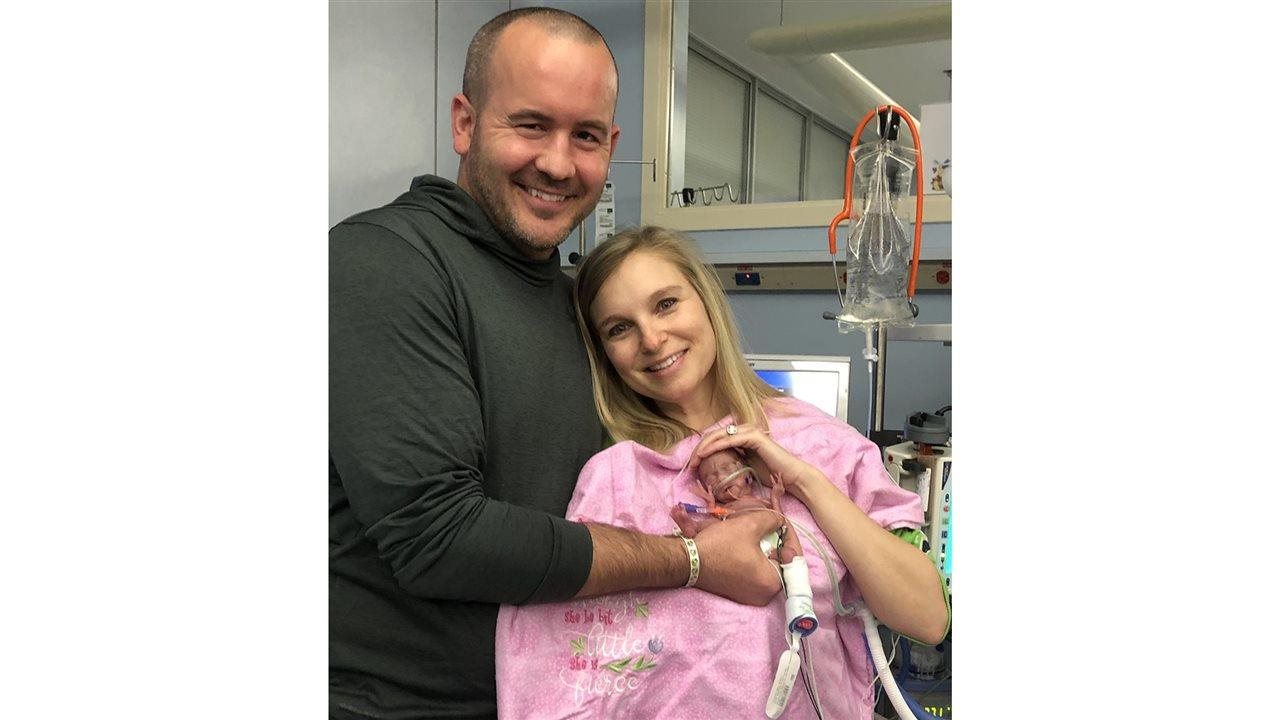
(BPT) – Laura and her husband thought they were prepared for parenthood. She was a nurse; he was a former nuclear engineer turned financial advisor. They were eagerly anticipating the arrival of their daughter Blake, but nothing could have prepared them for what happened when Laura went into labor about four months early at just 24 weeks.
Blake arrived weighing only 1 pound, immediately requiring intensive medical support in the neonatal intensive care unit (NICU). Like many families facing premature birth, Laura and her husband found themselves navigating a world of medical decisions they never imagined having to make.
In the early weeks, Blake seemed to be improving. She was receiving Laura’s breastmilk supplemented with what the hospital called “human milk fortifiers” — although Laura would later learn these fortifiers were actually made from cow milk, not human milk.
When everything changed
At about six weeks, Blake’s condition took a frightening turn. Her belly became round and stiff, and she stopped having bowel movements. When Laura and her husband arrived at the hospital the next morning, the care team delivered devastating news: Blake had developed necrotizing enterocolitis (NEC), a potentially fatal intestinal disease.
That diagnosis marked the beginning of the most challenging period of their NICU journey. Blake faced three surgeries for her NEC, each performed at her bedside because she wasn’t stable enough to be moved to an operating room.
Despite her nursing background, Laura found herself overwhelmed and helpless, so she focused on how to best advocate for her baby.
Learning about better nutrition options
As Blake recovered from her multiple surgeries and the care team began discussing nutrition again, Laura did her own research. She discovered that there are two very different types of fortifiers available for premature babies: one made from cow milk, and one made from breastmilk.
Laura learned that most products labeled “human milk fortifiers” are made from cow milk and that in the U.S., only Prolacta Bioscience made fortifiers from 100% donor breastmilk. For fragile preemies like Blake, this difference mattered significantly. Studies show that preemies receiving breastmilk-based fortifiers have a significantly lower risk of developing NEC compared to those fed cow milk-based products.
Fighting for change
When Laura brought up breastmilk-based fortifiers with Blake’s care team, she was told the hospital didn’t carry them. Laura recalled the hospital’s first concern was cost, but she pushed back: “What about the chances of her getting a cow milk-based fortifier and having a recurrence of NEC? Where does cost factor in for that?”
Laura continued to advocate firmly for her daughter, until both a neonatologist and dietitian successfully pushed the hospital for the products. This ultimately made Blake the hospital’s first preemie to receive breastmilk-based fortifiers. Since her complicated journey with NEC, the hospital changed its standard feeding protocol so that any preemie at risk of NEC receives human milk-based nutrition free from cow milk.
Finding hope in darkness
“I had zero hope,” Laura shared, recalling the darkest days in the NICU. “However, even when she couldn’t tolerate breastmilk or formula, just knowing that a breastmilk-based fortifier was another option was a light that hadn’t been there before.”
Imagine the relief and joy felt by Blake’s parents when she was finally able to go home after 127 days in the NICU! Her story demonstrates the power of parental advocacy and the importance of having access to optimal nutrition options for premature babies.
Hospitals nationwide can order Prolacta’s breastmilk-based fortifiers for overnight delivery, even if they don’t routinely offer them. When your little one is fighting to grow strong enough to go home, every nutritional decision matters. Educational resources are available to help support parents. Knowing your options helps ensure your baby gets the nutrition they need to grow strong and thrive.
Any views, opinions, findings, assertions, conclusions or recommendations expressed are solely those of the individual. The content is provided for informational purposes only and should not be taken as medical advice.
