
2026-08-24T08:01:00
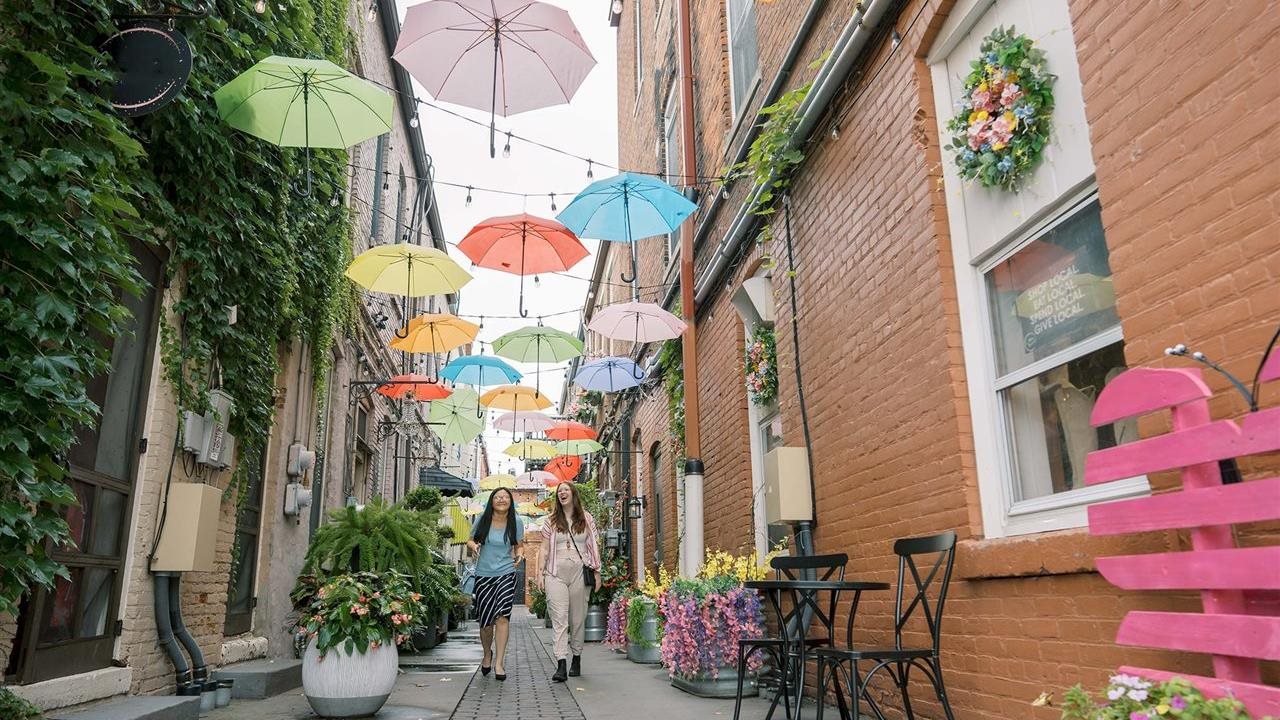
(BPT) – Beyond home and the workplace, people need spaces to gather, meet new people and just hang out. These are known as “third places”: public parks, libraries and community centers, plus retail spaces, like coffee shops, bookstores and restaurants, and downtowns and main streets where people can socialize.
Many Americans today feel more lonely and isolated, navigating increased disconnection caused by screens and social media, plus cultural shifts that began during COVID. Nearly half of Americans (44%) say there’s no local coffee shop, bar, restaurant or park they visit regularly, and only 1 in 4 who live near potential gathering spots go there weekly.
Survey data shows that neighborhoods with multiple third places report higher levels of sociability. People who interact with neighbors at regular community spots are more likely to feel a sense of connection in their communities. Nearly half the residents in those communities report talking with someone they didn’t know well at least once monthly, according to the American Community Life Survey. That’s nearly twice as high as those living in areas without many third places.
These third places improve neighborhood cohesion and give people a reason to cross paths with those from different walks of life. Downtowns are one of the clearest examples of this in action. A thriving main street is a cluster of third places. The coffee shop, the bookstore, the diner, the plaza that hosts festivals. These main streets give people a reason to linger, run into a neighbor or strike up a conversation.
Today, states like Michigan are supporting efforts to nurture and create these crucial spaces and downtowns.
Community revitalization drives impact
Revitalization projects often showcase their environmental or safety benefits first, but their effect on local businesses is just as significant and often harder to quantify. Creating third places pays off not only in residents’ health and quality of life but also in increased foot traffic and local reactivation.
Because community development is one of the clearest paths to creating more third places and opportunities for human connection, the Michigan Economic Development Corporation (MEDC) offers numerous programs and grants toward this goal that support the unique vision of each community and empower local residents to design and implement solutions that build vibrant, diverse and resilient downtowns.
Creating opportunities for main street
Across Michigan, 24 communities are working through the Michigan Main Street program to revive their commercial districts, and the results show up in both foot traffic and investment dollars. Downtown Lansing has welcomed 116 new businesses and over $123 million in private investment since 2010. Grand Haven has drawn nearly $30 million in private investment and 110 new businesses since 2005. And in Howell, a downtown revitalization effort logged more than 62,000 volunteer hours and earned recognition as USA Today’s Best Main Street in 2024.
The results extend well beyond balance sheets. When a downtown becomes a place worth visiting again, residents show up, filling storefronts and connecting with one another.
Building up main street businesses
Small businesses are often what turn a storefront into a third place, the coffee shop or bakery where people linger, not just transact. The MEDC’s Match on Main program provides reimbursement-based grant funding of up to $25,000 per project to support new and expanding place-based small businesses.
Doozers, a popular bakery in downtown Ishpeming, restored a space in the historic Gossard Building with the support of a Match on Main grant, turning a home-based cookie-making venture into a bustling spot for people of all ages to hang out and enjoy sweet treats, complete with a kids’ play area.
“It’s nice having a third space,” said the bakery’s owner Claire Morgan-Heredia. “When I grew up, I went to the library six days a week and just hung out there or a coffee shop. We wanted to add to the community with our space. A variety of third spaces is good, so that the community foundation remains strong.”
Community spaces as third places
Not every third place is a business. Some are simply public: a park bench, a plaza, a farmers market stall. The Public Spaces Community Places program, created in partnership with the Michigan Municipal League, matches community crowdfunding campaigns dollar-for-dollar up to $50,000 for projects like parks, plazas, markets and other public gathering spaces. The match kicks in only after the community has met the project’s fundraising goal.
Since 2014, this program has:
- Helped fund 421 projects across Michigan, backed by over 77,000 community members.
- Crowdfunded more than $16.9 million, leading to $14.7 million in matched funding.
- Created or redeveloped 25.9 million square feet of public spaces.
In St. Johns, the Fantasy Forest crowdfunding project transformed a beloved aging playground to be universally accessible, providing freedom of play to all children and families. Meanwhile, in Alpena, crowdfunding for the Besser Museum’s Discover Northeast Michigan History Exhibit turned an outdated exhibit space into an experience that takes visitors from the Big Bang to Big Industry, providing opportunities to learn about Northeast Michigan’s heritage in a family-friendly environment.
Through programs like Public Spaces Community Places, communities and the MEDC are equally invested in creating, improving and transforming spaces for all to enjoy.
With investments like these, states like Michigan are helping to support more opportunities for community connection and business development. Learn more about ways revitalization projects can support thriving communities through third places at MichiganBusiness.org.
