5 ways to engage your kids in the magic of the season

2024-12-05T08:01:00

(BPT) – For busy families, the holidays can be a blur. With office parties, gifts to buy, kids’ holiday programs to attend at school, moving the holiday elf around the house, and invitations for countless get-togethers, it can become a stressful time that goes by too fast. All too often, the rush of the season takes hold and before you know it, you turn the calendar to January, wondering where the holidays went.

But, as parents know, there are only a handful of holiday seasons while children are young enough to delight in the magic of it all. This year, how about slowing down, involving the kids in some old (or new!) traditions, and making some wonderful memories that you’ll always cherish?

Here are five ways to enjoy the holidays with your kids.

Holiday movie night. Designate one night each week as family holiday movie night. Pour mugs of hot chocolate, munch on holiday cookies and watch favorites like “Elf,” “Home Alone” and “Miracle on 34th Street.” Make sure to catch the old Rankin-Bass cartoons “Rudolph the Red-Nosed Reindeer” and “Santa Claus is Coming to Town,” and no holiday season is complete without “A Charlie Brown Christmas” and “The Grinch Who Stole Christmas.”

Festivity Activities. Spark your child’s holiday imagination with Festivity Activities, a fun new offering from HP to bring the family together and help busy parents who may be out of ideas for their mischievous elves. All you need to do is print the templates from the HP site to make a little magic this holiday season. Templates for Festivity Activities include:

Holiday Picture Frame: Both colorful and blank options for kids to color in before framing their favorite holiday memory.

Table covered with crayons, string, a hole puncher, and printable holiday picture frames

Holiday Light Bulb Decor: Print your winter wonderland decor right at home.

Printable holiday lightbulbs and string from which to hang them as garland

Christmas List: Parents can pretend their mischievous elves left this for their kids to fill out before they bring it back to Santa.

Table with crayons and HP printed wishlists

Holiday Lyric Bingo: Put on your favorite holiday playlist and have the whole family play along.

Printed holiday-themed bingo cards covered with presents and peppermints

Holiday Popper: The perfect way to wrap small gifts or notes from holiday elves before popping them open.

Printable holiday wrappers and ribbon spread out on a table

All of these activities are designed to engage kids in the holidays by unleashing their creativity. Print the templates on the new Envy 6155e All-In-One printer by HP, the perfect way to print magic this holiday season.

Holiday story night. Snuggle with the kids for story time, even if they’re a little too old to be read to. Pick holiday favorites like “The Polar Express,” “How the Grinch Stole Christmas” or “The 8 Nights of Chanukah.”

Holiday countdown calendar. Make your own Advent-style calendar by creating a countdown calendar that covers Thanksgiving through New Year’s Day. Find a calendar template online, making sure the box for each calendar day is big enough to write in activities, like your movie night, or just fun holiday messages. Print it out on your Envy 6155e and put it on the fridge!

Traditional holiday baking. Have you skipped holiday baking for a few years, opting for the convenience of store-bought treats? Bring back the traditions this year and share them with your kids. Whether it’s your mother’s rugelach for Hanukkah or your grandmother’s lefse for Christmas, involve your kids in your family’s traditions.

Whichever activities you choose, it’s about engaging yourself and your kids in the holiday season, enjoying the people you love, and making a little magic of your own.

The high cost of fraud for people and brands … and what to do about it

2024-12-05T08:01:00

(BPT) – Every day on the news, we hear about another data breach. Ticketmaster recently reported that 560 million customers had their data stolen — names, addresses, email, payment information, etc. AT&T noted that 73 million records were hacked, but their breach also included Social Security numbers. Early in the fall of this year, a hacking group claimed to have stolen 2.7 billion personal records, including Social Security numbers, and sold the information on the dark web. That number is mind-boggling.

The high cost of fraud

Data stolen and used by bad actors is a financial nightmare. But it’s not only that. According to the 2024 Trust Index Report by customer identity and engagement solutions provider Telesign, 47% of global fraud victims experienced financial repercussions, including lost savings and stolen bank information, but they also suffered emotionally. The study found that 34% of victims experienced anxiety, depression and stress. Additionally, 21% faced social repercussions, and 20% experienced physical safety concerns.

Nearly half of all fraud victims (49%) considered the experience life-altering or very impactful. It changed their use of social media, payment services and e-commerce, and it also changed their view of the hacked brands.

Some 64% of global consumers report that fraud incidents negatively impact their perception of the brand responsible for the breach. Many sever ties completely with the brand, but even more damaging, they often take their grievances to social media and discourage friends and family from engaging with it.

What people and brands can do

A straightforward first step everyone can take immediately is to freeze their credit. This doesn’t mean you can’t use your credit cards or lines of credit, but it does mean no new credit can be taken out in your name. It’s simply a matter of contacting the three credit bureaus and filling out an online form. In a few minutes, it’s locked down. When you want or need to get a car loan, mortgage or new credit card, unfreezing is just as easy.

Another step you can take is to avoid engaging with brands that don’t take digital identity protection seriously.

According to the Telesign study, nearly everyone (92%) believes that the companies they engage with are the first line of defense and that brands are responsible for protecting digital privacy.

Christophe Van De Weyer, CEO of Telesign, summed it up. “Companies that neglect to safeguard their customers’ digital identities are putting more than just data at risk — they’re jeopardizing their reputation, customer trust and future growth,” he said. “In today’s landscape, there’s no justification for not implementing stronger security measures like multi-factor authentication, especially since most consumers are willing to embrace additional steps to prevent fraud and feel more secure.”

Multi-factor authentication is one example of an additional step. Receiving a security code or going through a few clicks to ensure you are who you say you are is worth it compared to the repercussions of fraud.

The Telesign study also found that an overwhelming 80% of global consumers believe that security measures such as multi-factor authentication are necessary to protect against fraud.

The 2024 Trust Index underscores the urgent need for businesses, governments and individuals to prioritize trust and security in the digital world. Telesign connects, protects and defends companies and customers and the digital interactions between them. Harnessing intelligence from more than 2,200 digital identity signals, Telesign’s AI models empower companies to transact with their customers free of fear, enabling the promise of the digital economy. Telesign helps its customers prevent the transmission of 30+ million fraudulent messages each month and protects 1+ billion accounts from takeovers yearly.

Breaking Free from Recurrent C. diff, a Serious Gut Infection

2024-12-04T08:01:00

(BPT) – Every year, nearly half a million people in the U.S. suffer from a serious and potentially deadly infection called Clostridioides difficile or C. diff.1,2 C. diff is a bacteria that can overwhelm good bacteria in the gut and cause an infection. Symptoms may include constant diarrhea, stomach pains, and fever.1 Even when treated with antibiotics, a C. diff infection can come back again and again.1

Imagine having C. diff and needing to be close to a bathroom almost constantly – it can make even the simplest task like going to the grocery store difficult.1 That’s what happened to Heather, a 37-year-old newlywed from Arizona.

Heather recalls her fear when she began going through a vicious cycle of symptoms right before her wedding. “I had dreamed of being this beautiful princess bride, and suddenly I was sick all the time. It was devastating.”

Heather was initially treated with antibiotics, but her infection returned. This is common for some C. diff sufferers. Up to three in 10 people who have C. diff get it again, which is known as a recurrence.2,3 After a first recurrence, up to six in 10 people may develop a subsequent recurrence. 4,5

When Heather visited her doctor for a follow-up, she learned about an option called REBYOTA, the first and only single-dose microbiome-based therapy approved by the U.S. Food and Drug Administration (FDA) to prevent recurrent C. diff infection in individuals 18 years of age and older following antibiotic treatment for recurrent C. diff infection. REBYOTA is delivered directly where it’s needed, the gut microbiome.

“I went in, and my nurse administered REBYOTA. It only took about 15 minutes, and then I was able to get up and drive myself home,” she said.

A few days after the administration, Heather started to notice a difference.

“I was so surprised. The number of times I was rushing to the bathroom decreased, and each day I felt incrementally better,” she said. “After being sick for so long, I was finally starting to feel like myself again.”

More than six months later, Heather remains free of C. diff symptoms. She even felt well enough to go to the Phoenix State Fair with her husband. “We were there from morning until night, and I didn’t have to worry about being close to a bathroom. It was something I never thought would be possible when I was sick,” she said. Individual results may vary.

To learn more about C. diff infection and REBYOTA, talk to your doctor and visit REBYOTA.com.

INDICATION

REBYOTA (fecal microbiota, live – jslm) is indicated for the prevention of recurrence of Clostridioides difficile (C. diff) infection in individuals 18 years of age and older, following antibiotic treatment for recurrent C. diff infection.

Limitation of Use
REBYOTA is not indicated for the treatment of C. diff infection.

Important Safety Information

  • You should not receive REBYOTA if you have a history of a severe allergic reaction (e.g., anaphylaxis) to REBYOTA or any of its components.
  • You should report to your doctor any infection you think you may have acquired after administration.
  • REBYOTA may contain food allergens.
  • Most common side effects may include stomach pain (8.9%), diarrhea (7.2%), bloating (3.9%), gas (3.3%), and nausea (3.3%).
  • REBYOTA has not been studied in patients below 18 years of age.
  • Clinical studies did not determine if adults 65 years of age and older responded differently than younger adults.

You are encouraged to report negative side effects of prescription drugs to FDA. Visit www.FDA.gov/medwatch or call 1-800-332-1088.

Please click to see the full Prescribing Information.

References:

  1. Centers for Disease Control and Prevention. About C. Diff? 6 Mar. 2024. Available at: https://www.cdc.gov/c-diff/about/index.html.
  2. Lessa FC, Mu Y, Bamberg WM, et al. Burden of Clostridium difficile infection in the United States. N Engl J Med. 2015;372(9):825-834.
  3. Cornely OA, Miller MA, Louie TJ, Crook DW, Gorbach SL. Treatment of first recurrence of Clostridium difficile infection: fidaxomicin versus vancomycin. Clin Infect Dis. 2012;55(suppl 2):S154-S161.
  4. Kelly CP. Can we identify patients at high risk of recurrent Clostridium difficile infection? Clin Microbiol Infect. 2012;18(suppl 6):21-27.
  5. Smits WK, Lyras D, Lacy DB, Wilcox MH, Kuijper EJ. Clostridium difficile infection. Nat Rev Dis Primers. 2016;2:16020.

Photo by Julian Dufort

Celebrating innovation happens from the inside out

2024-12-04T08:01:00

(BPT) – For more than a century, Johnson & Johnson has been synonymous with innovation in science and medicine by moving the needle in building a world where complex diseases are prevented and cured, treatments are smarter, and solutions are personalized and accessible. Inventions like robotic surgery, tissue engineering, and treatments for cancers and HIV have changed the world forever and improved the patient experience and health and care for all.

As an authority on transformative scientific research and discoveries, Johnson & Johnson recognizes the impact scientific research and discoveries can have on the world and is proud to celebrate those innovations — both inside the company and from other scientists around the world — through two awards: the Johnson Medal and the Dr. Paul Janssen Award.

Established in 1960, The Johnson Medal is Johnson & Johnson’s most prestigious company-wide honor and celebrates trailblazing innovation in research and development. The Medal is awarded to teams who exemplify excellence through their curiosity, impactful contributions to patients, collaborative spirit, and unwavering commitment to pushing boundaries and making breakthroughs that accelerate science through novel healthcare solutions.

Johnson & Johnson employees who have previously received this honor include:

  • Jill Giles-Komar, David Shealy, Jacqueline Benson, Yevgeniya Orlovsky, Jeffrey Luo and Carrie Brodmerkel, the team that developed a treatment for plaque psoriasis which has since been approved for irritable bowel diseases and psoriatic arthritis
  • Dr. Assaf Govari, a four-time winner who created several medical technological devices, including an ultrasound that provides real-time, 3D imaging of the inside of the heart
  • Jordan Schecter, Arnob Banerjee, Jean Xu, Jennifer Yohrling, Loreta Marquez and Ravi Bhatia for developing J&J’s first CAR-T cell therapy for treating multiple myeloma
  • Thorsten Siess, Claudia Mourran, Frank Kirchhoff, Jimpo Wang, Scott Corbett, Vincent Roy and Werner Carell who developed the only heart pump to help restore native heart function during surgery or following a heart attack

Passionate and creative scientists are all around us and in an effort to celebrate the impact these gifted researchers can have on transforming human health and inspiring others, Johnson & Johnson also honors a scientist or research team whose achievements have made a measurable impact on health for all with the Dr. Paul Janssen Award for Biomedical Research.

Established in 2004, this award honors the memory of Dr. Paul Janssen, a passionate, prolific scientist and researcher who discovered over 80 treatments — four of which remain on the World Health Organization’s list of essential medicines — for many illnesses, including infectious diseases, pain, and psychiatric disorder. The Award extends the legacy of its namesake and lauds groundbreaking biomedical researchers outside of Johnson & Johnson who have made “a transformational contribution toward the improvement of human health.” More than a third of this award’s winners have received a Nobel Prize for their foundational work.

Counted among the award’s recipients are:

  • Dr. Emmanuelle Charpentier and Dr. Jennifer Doudna for their co-discovery of a new method for precise genetic information manipulation
  • Dr. Erik De Clercq and Dr. Anthony Fauci for their work in understanding and combatting viral diseases, particularly HIV/AIDS
  • Dr. Robert Langer for his development of novel drug delivery systems that have revolutionized treatment for a number of diseases and chronic conditions
  • Dr. Lynne Maquat and Dr. Alexander Varshavsky for their fundamental discoveries about regulated degradation of RNA and proteins

Johnson & Johnson is committed to honoring scientific creativity and excellence that can improve the lives of patients around the world. These awards aim to inspire future generations of scientists and researchers to continue to push boundaries through cutting-edge science and transformative healthcare solutions while honoring the legacies of the pioneers who came before. Johnson & Johnson knows that recognizing and supporting innovation — wherever it originates — is key to advancing medical discoveries. As Dr. Paul would say, “There is so much more to be done; the patients are waiting.”

Living with narcolepsy: Tatiana’s journey with this rare disorder

2024-12-04T10:55:00

(BPT) – Tatiana loves hiking, training their service dog, and attending open-mic nights and poetry slams. When Tatiana was unable to stay awake and started falling asleep in college classes, they knew there was something wrong.

The excessive daytime sleepiness that Tatiana was experiencing was diagnosed as narcolepsy. Narcolepsy is a rare neurological disorder that can affect all aspects of a person’s daily life, including fighting to stay awake throughout the day, falling asleep without warning, or feeling sleepy in situations that are less active such as watching TV or riding in a car. It is estimated that 170,000 people in the United States live with narcolepsy.

Asim Roy, MD, who is the Medical Director of the Ohio Sleep Medicine Institute and a board-certified sleep specialist and neurologist, said, “Narcolepsy is often undiagnosed or misdiagnosed. Many people experience symptoms of narcolepsy for years before receiving an accurate diagnosis of narcolepsy.”

Living with narcolepsy and common misconceptions

Tatiana wearing a long white dress and colorful cardiagn walking a path in the forrest.

All people living with narcolepsy experience excessive daytime sleepiness, which is defined as the inability to stay awake and alert during the day or the persistent feeling of tiredness. For Tatiana, excessive daytime sleepiness was being unable to stay awake in sedentary situations like sitting down in class or waiting for appointments, which became a very big obstacle.

“Unfortunately, there are several misconceptions about people living with narcolepsy, many of which are not true. Narcolepsy symptoms can be hard for others to fully understand; therefore, people living with narcolepsy can experience stigma as a result of this,” Dr. Roy explained. “Although we all get tired, people living with narcolepsy feel an overwhelming sense of sleepiness and have to fight to stay awake and alert throughout the day, and may even fall asleep without warning,” he added. “This can be hard for people because of the impact it can have not only on their own daily life, but also their relationships with others.” Dr. Roy added, “Their excessive daytime sleepiness can cause them to withdraw socially and arrive late or fully miss events, which can further lead to strained relationships if not understood by others.”

Searching for treatment options

Tatiana first learned about WAKIX® (pitolisant) by doing their own research and was first interested in WAKIX because it’s not a stimulant. Tatiana was excited to talk to their healthcare provider to learn more about WAKIX and if it might be a good option for them. They asked their healthcare provider, and he explained possible side effects and set expectations for getting started on treatment. After Tatiana’s healthcare provider explained how to get started on treatment, including the titration period, and the importance of communication particularly during the first couple months, they started WAKIX in 2019.

“When I prescribe WAKIX to a patient, I make sure I set their expectations for getting started, including the titration period and that it might take up to 8 weeks for them to achieve a response,” Dr. Roy noted. “I start patients at a low dose and then may increase their dose each week until we get to the right dose for them.” Dr. Roy added, “WAKIX is thought to work differently through histamine levels in the brain.”

“It’s important that I inform my patients that WAKIX is not a stimulant and let them know that the way their body feels when taking WAKIX may be different from medications they’ve taken in the past,” Dr. Roy explained. “I also discuss the potential side effects, which, for adult patients, the most common are insomnia, nausea, and anxiety. I also mention other potential side effects and things they can expect while on treatment,” explained Dr. Roy. “I emphasize the importance of communicating with me as they are starting on treatment so we can discuss how they’re feeling, what improvements they’re seeing, and what side effects they might be experiencing. I also go over any questions they might have for me.”

Importance of support and community

Tatiana in a white cocktail dress holding a microphone and reading her book to a group of people at a venue.

Tatiana started to notice WAKIX was working when they had more wakefulness throughout the day and “weren’t falling asleep as uncontrollably as often.” Since they started taking WAKIX, Tatiana noticed that they were feeling less sleepy when riding in a car. “When I went on a road trip with my girlfriend, I was actually able to stay awake and have conversations with her,” shared Tatiana. They also felt less sleepy when doing activities they enjoy, like writing, reading, painting, and hiking. In August 2024, Tatiana had their poetry book titled “Wild Brujeria” published. In this book, Tatiana wrote about their life and has written multiple poems about living with narcolepsy.

Tatiana mentioned how the support of others in the narcolepsy community has also helped them through their journey and provided a source of hope and interpersonal support. “I show up and can help support people on my good days, and I can be supported on my bad days. Narcolepsy, it’s an up and down kind of thing…no one day looks the same. And it’s just having a community of people that understand and can support me and accept me, it’s been invaluable to my life, and I hope to pay it forward. Living with narcolepsy isn’t always easy. But for now, I’m thankful to have a treatment plan that is right for me,” Tatiana explained.

If you or someone you know is living with narcolepsy, speak with a healthcare provider to see if WAKIX could be an option. Read more about WAKIX below. To see videos about the experiences of Tatiana and others living with narcolepsy who are taking WAKIX, visit WAKIX Personal Stories.

Indications and Usage

WAKIX is a prescription medicine used to treat:
• excessive daytime sleepiness (EDS) or cataplexy in adults with narcolepsy.
• excessive daytime sleepiness (EDS) in children 6 years of age and older with narcolepsy.

Important Safety Information

Do not take WAKIX if you are allergic to pitolisant or any ingredient in WAKIX, or if you have severe liver disease.

WAKIX can cause a change in the electrical activity of the heart known as QT prolongation. This is a heart rhythm problem that can lead to an abnormal heartbeat. You have a higher chance of getting QT prolongation if you have certain heart or other medical conditions, or if you take WAKIX with certain medicines. Tell your healthcare provider right away if you have a change in your heartbeat or if you feel dizzy or faint while taking WAKIX.

Tell your healthcare provider about all your medical conditions, including if you have any heart, liver, or kidney problems, or problems with blood levels of your electrolytes, such as potassium or magnesium.

Tell your healthcare provider about all the medicines you take or plan to take, including prescription and over-the-counter medicines, vitamins, and herbal supplements. Taking WAKIX with certain medicines may cause side effects or affect the way each other works.

Hormonal birth control methods may not work while taking WAKIX. Use an alternative non-hormonal birth control method during treatment with WAKIX and for at least 21 days after stopping WAKIX.

Tell your healthcare provider if you are pregnant or planning to become pregnant. You are encouraged to enroll in the WAKIX pregnancy registry if you become pregnant while taking WAKIX. The registry collects information about the health of you and your baby. To enroll or obtain information from the registry,
call 1-800-833-7460.

The most common side effects of WAKIX in adults include insomnia, nausea, and anxiety. The most common side effects of WAKIX in children include headache and insomnia. These are not all the possible side effects of WAKIX. Call your healthcare provider for medical advice about side effects.

It is not known if WAKIX is safe and effective to treat excessive daytime sleepiness in children under 6 years of age with narcolepsy or to treat cataplexy in people under 18 years of age with narcolepsy.

You are encouraged to report negative side effects of prescription drugs to the FDA. Visit www.fda.gov/medwatch, or call 1-800-FDA-1088. You can also report negative side effects to Harmony Biosciences at 1-800-833-7460.

Please see accompanying Full Prescribing Information.

WAKIX is a registered trademark of Bioprojet Europe, Ltd.
Harmony Biosciences and logo are trademarks of Harmony Biosciences Management, Inc. and are used herein by permission.
© 2024 Harmony Biosciences. All rights reserved.
US-WAK-2400547/Nov 2024

Don’t Get Caught in Holiday Scams; Protect Your Small Business From Cybercrime

2024-12-03T08:31:00

(BPT) – As the holiday season approaches, cybercriminals are ramping up their efforts to exploit both businesses and individuals. Cybercriminals know the biggest vulnerability in any organization isn’t the technology — it’s the people behind it. Whether you’re working late to finish up projects or just trying to get some last-minute holiday shopping done, it only takes one slip-up to trigger a costly cyberattack.

Humans remain the weak link in the security chain. According to Verizon data, 68% of breaches involve a non-malicious human element, such as an employee falling for a social engineering attack or making a simple mistake. These human errors can open the door to significant data breaches and financial losses. Even more concerning, a 2022 Statista study found many employees are using their employer-issued devices for personal tasks — 50% checking email and 32% shopping online — creating more entry points for cybercriminals to exploit.

This human factor makes small businesses particularly attractive targets. With fewer resources allocated to cyber security, small businesses are 350% more likely to experience social engineering attacks than their larger counterparts, according to a StrongDM study. Criminals know these businesses are often more vulnerable and easier to breach, plus they hold valuable data worth stealing.

The financial impact can be staggering. According to Acuity Insurance data, the average cyber insurance claim costs more than $20,000. The cost can be much higher than just the immediate financial loss — it can damage a business’s reputation and customer trust.

So how can you protect your business? Start by preparing your employees. Ensure they understand what to look for and how to respond if they make a mistake — like clicking on a suspicious link. Implement multifactor authentication wherever possible and reinforce the message that no business is too small to be targeted by cybercriminals.

Add cyber insurance to your business’s insurance policy. It provides protection for businesses by helping mitigate financial losses and covers a wide range of cyber-risks, including fraud, data breaches, identity theft, cyber extortion and system attacks. Beyond financial reimbursement, cyber insurance gives businesses access to expert resources for incident response, like information technology forensics, legal support and public relations professionals. Cyber insurance provides peace of mind by putting you in contact with experts who know how to manage the aftermath of a cyber event, and the financial backing to know that a cyber incident won’t cost you your business.

The promise of progress: Advancing awareness and care for neurofibromatosis type 1

2024-12-03T09:01:00

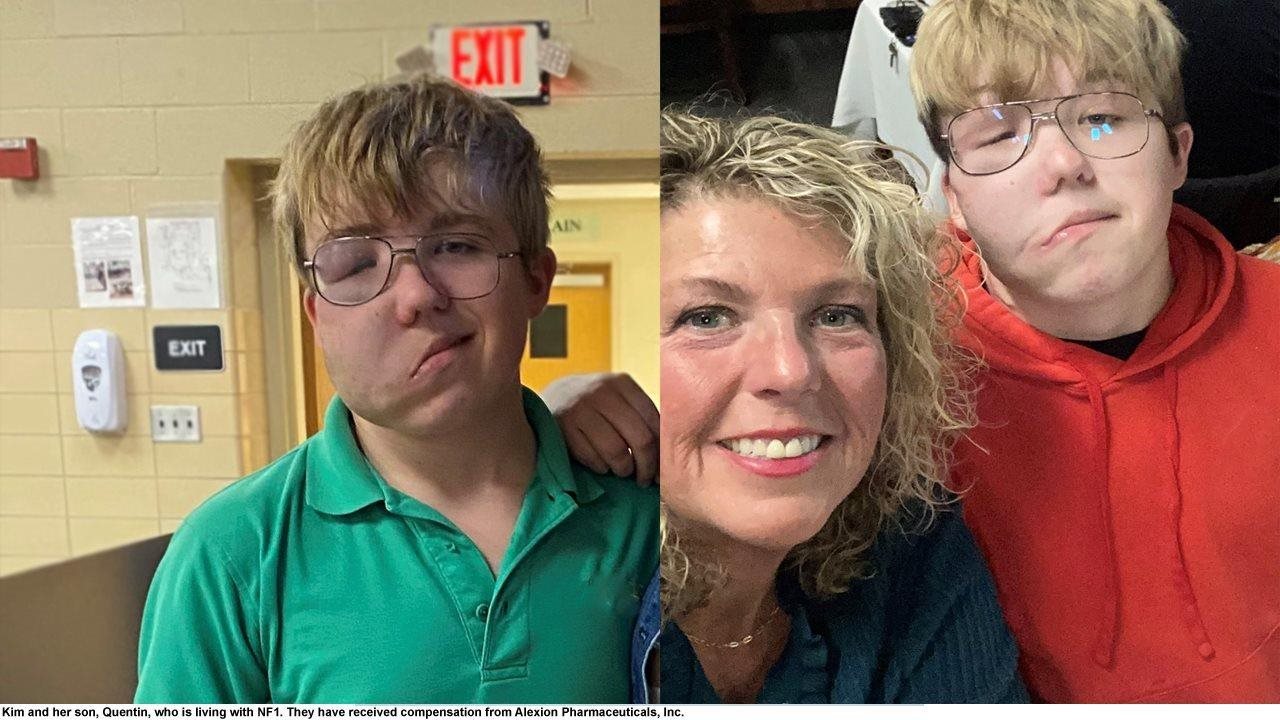
(BPT) – Every parent prioritizes the health and wellbeing of their child. For most, this means regular checkups and tracking their growth and development. But for some parents like Kim, it’s a different story, filled with hospital visits, multiple surgeries and advocacy for their child living with a rare disease.

When her son Quentin was around nine months old, Kim noticed marks on his torso and back, as well as visible tumors. By 12 months, a larger benign tumor had formed on the right side of his face, wrapping around his facial nerves.

“His cheeks were very full, like if you put two clementines on the side of his mouth and heavy and pulling down his right eye,” said Kim.

At 17 months, Quentin was diagnosed with neurofibromatosis type 1 (NF1), a rare genetic disorder that affects nearly 1 in 3,000 people worldwide. A lifelong and progressive condition, NF1 commonly appears in early childhood and can include spots on the skin, bone issues and other symptoms in the body. Then, at 22 months, Kim learned Quentin had plexiform neurofibromas (PN) — a type of tumor along the nerves of the body that develops in up to 50% of children with NF1. While PN tumors are noncancerous, they can still cause serious problems that impact a child’s quality of life.

“Because the tumor grew and wrapped around his facial nerve, it made it hard for Quentin to chew,” said Kim. “He couldn’t close his eyes, and his baby teeth were trapped inside the PN.”

Finding a management plan

Like many other children with NF1 PN, Quentin’s care was overseen by a team of specialists. For the first couple of years after his diagnosis, Quentin saw 14 physicians between two hospitals. “Our local hospital had a good handle on it, but the tumor was getting bigger, and we felt there was more we could try,” said Kim.

Over the next couple of years, Quentin underwent several surgeries to remove the PN on his face. Surgically removing PNs can be complicated and may not be an option for all patients. One reason is that the PN may be closely intertwined with critical nerves or blood vessels and located near major organs. Further, the PN may not be completely removed by surgery.

For Quentin, the surgeries were unsuccessful in removing the tumor from his face.

“He’s had 10 major surgeries, some that resulted in major complications,” said Kim. “They didn’t work. It was very difficult.”

When Quentin was five years old, one of his doctors determined he was eligible for a clinical trial evaluating a new treatment, selumetinib. His care team discussed with Kim the specific requirements for participation in the trial, including initial testing and continued record-keeping of Quentin’s symptoms, as well as the possible side effects of the treatment.

“Before the clinical trial, Quentin used to have around 20%-30% tumor growth every 3-6 months,” said Kim. “Once he started taking selumetinib, we noticed a significant shrinking of his tumor, and that the growth has since leveled off.”

This investigational treatment was approved by the FDA in April 2020 as KOSELUGO® (selumetinib) which became the first and only prescription medicine for pediatric patients two years of age and older with NF1 who have symptomatic and inoperable PNs. KOSELUGO has been shown to reduce the size of some PNs, advancing care for children like Quentin who have inoperable PNs.

Quentin did experience some side effects, such as diarrhea, eczema and hair loss, but the progress was visible — his tumors were not growing, and Quentin has been taking KOSELUGO ever since.

The challenges and triumphs

Today, Quentin is 17 years old. He is still managing his NF1 PN, but thanks to his care team and support from his family and friends, he is a social and active teenager living an active life. Whether on the volleyball court or the baseball diamond, he is grateful for each opportunity.

“NF1 has shaped our lives positively and negatively,” said Kim. “Before we started therapy, he was in and out of the hospital and was septic at times. But on the positive side, NF1 made us closer, stronger and better communicators. We don’t take anything for granted.”

Quentin has been aware of his condition since he was four years old. Now, he unapologetically tells people he has NF1 PN and that there’s no cure. “Some days you’re swimming in the ocean, and some days asking for a life preserver,” reflected Kim.

For other parents and caregivers navigating their child’s NF1 PN diagnosis, Kim says that education and seeking resources are key.

“I can’t stress enough to advocate for your child and be educated yourself. Ask the questions. Ask, ask, ask,” she said. “Ask about support networks, what’s available in your community, and ask your doctors all the questions. You need to be educated in order to take care of someone else.”

This article is sponsored by Alexion, AstraZeneca Rare Disease.

IMPORTANT SAFETY INFORMATION

What are the possible side effects of Koselugo?

Koselugo may cause serious side effects, including:

  • Heart problems. Koselugo can lower the amount of blood pumped by your heart, which is common and can also be severe. Your healthcare provider will do tests before and during treatment to check how well your heart is working. Tell your healthcare provider right away if you get any of the following signs or symptoms: persistent coughing or wheezing, shortness of breath, swelling of your ankles and feet, tiredness, increased heart rate.
  • Eye problems. Koselugo can cause eye problems that can lead to blindness. Your healthcare provider will check your vision before and during treatment. Tell your healthcare provider right away if you get any of the following signs or symptoms: blurred vision, loss of vision, dark spots in your vision (floaters), other changes to your vision.
  • Severe diarrhea. Diarrhea is common with Koselugo and can also be severe. Tell your healthcare provider right away the first time that you get diarrhea during treatment. Your healthcare provider may give you medicine to help control your diarrhea and may tell you to drink more fluids.
  • Skin rash. Skin rashes are common with Koselugo and can also be severe. Tell your healthcare provider if you get any of the following signs or symptoms: rash that covers a large area of your body, peeling skin, blisters.
  • Muscle problems (rhabdomyolysis). Muscle problems are common with Koselugo and can also be severe. Treatment with Koselugo may increase the level of a muscle enzyme in your blood called creatine phosphokinase (CPK) and may be a sign of muscle damage. Your healthcare provider should do a blood test to check your muscle enzyme levels of CPK before you start taking Koselugo and during treatment. Tell your healthcare provider right away if you get any of the following signs or symptoms: muscle aches or pain; muscle spasms and weakness; dark, reddish urine.

Before taking Koselugo, tell your healthcare provider about all your medical conditions, including if you:

  • have heart problems.
  • have eye problems.
  • have liver problems.
  • are pregnant or plan to become pregnant. Koselugo can harm your unborn baby. Your healthcare provider should verify if you/your partner are pregnant before beginning treatment. Ensure you/your partner use effective birth control (contraception) during treatment and for 1 week after your last dose if there is possibility pregnancy could occur. Tell your healthcare provider right away if you/your partner think you may be pregnant.
  • are breastfeeding or plan to breastfeed. It is not known if Koselugo passes into your breast milk. Do not breastfeed during treatment and for 1 week after your last dose. Talk to your healthcare provider about the best way to feed your baby during this time.

Tell your healthcare provider about all the medicines you take, including prescription, over-the-counter medicines, vitamins, or herbal supplements. Especially tell your healthcare provider if you are taking aspirin, blood thinners, or other medicines to treat blood clots. Koselugo contains vitamin E, which may increase risk of bleeding.

What should I avoid while taking Koselugo?

Do not drink grapefruit juice, eat grapefruit, or take supplements with grapefruit or St. John’s Wort during treatment.

Most common side effects include: vomiting, stomach-area pain, nausea, dry skin, muscle and bone pain, feeling of tiredness or lacking energy, fever, sores in your mouth, headache, redness around the fingernails, itching.

These are not all the possible side effects of Koselugo. Call your healthcare provider for medical advice about side effects. Your healthcare provider may change your dose, temporarily stop, or permanently ask you to stop taking Koselugo if you have any of these side effects. You may report side effects to AstraZeneca at 1-800-236-9933 or at https://us-aereporting.astrazeneca.com or FDA at 1-800-FDA-1088 or www.fda.gov/medwatch.

INDICATION

What is Koselugo?

Koselugo is a prescription medicine that is used to treat children 2 years of age and older with neurofibromatosis type 1 (NF1) who have plexiform neurofibromas that cannot be completely removed by surgery. It is not known if Koselugo is safe and effective in children under 2 years of age.

Please see Patient Information in the full Prescribing Information for Koselugo (selumetinib).

AstraZeneca and its Rare Disease Unit, Alexion, are committed to raising awareness of the disease and the need for treatment options. Learn more at Alexion.com and Astrazeneca-us.com. You can also visit Koselugo.com.

KOSELUGO is a registered trademark of the AstraZeneca group of companies. ALEXION is a registered trademark of Alexion Pharmaceuticals, Inc. © 2024, Alexion Pharmaceuticals, Inc. All rights reserved. All other trademarks are property of their respective owners.

US/KOS-NF1/0806 V1 07/2024
The Bright Horizons Foundation for Children marks 25 years helping families

2024-12-03T15:01:00

(BPT) – Bright Horizons, a leading education and care company, was built on the belief that doing well is firmly intertwined with doing good. For 25 years, the Bright Horizons Foundation for Children has formalized that mission, with employees volunteering and making a difference in communities across the country where they live and work.

Bright Spaces, the signature program of the Foundation, provide fun, educational, safe environments within non-profit organizations for children to play while their families are accessing the services they need. Created by Bright Horizons Foundation volunteers, Bright Spaces are located around the country in homeless and domestic violence shelters, police stations, sober living facilities, early intervention centers, and other community and non-profit agencies. Bright Spaces unite Bright Horizons employees, clients, vendors, families and friends in the important work of supporting children and families facing adversity, trauma and crisis — serving 130,000 children and their families annually.

“When Roger Brown and Linda Mason founded Bright Horizons, they were intent on extending the proposition that while we are serving the children of working families, we must also support those in need in the communities where we live and work. We live by that principle and the mission they set forth to this very day at Bright Horizons and through the Bright Horizons Foundation for Children,” shared Bright Horizons Foundation President Yvonne Lynch.

She added, “The goal of creating a Bright Space is to give children the opportunities they deserve to develop resilience and form stronger bonds with their families and other caring adults. We strive to promote healing, offer nurturing and stimulating activities and provide a stable, enriching environment for each child.”

Since 1999, the Bright Horizons Foundation for Children has opened 450 Bright Spaces across the United States. One Bright Space, located at the Capital Caring Health Adler Center for Caring in Aldie, Virginia, provides a comfortable and cozy spot for children and families to play, relax and be together while visiting loved ones at the hospice center.

Families who have access to a Bright Space have shared the difference it has made for them. One non-profit partner reported a baby had taken her first steps at their Bright Space. She and her mother were separated during foster care, and without having supervised visitation in a safe, warm, home-like space, the mom would have missed her daughter’s first steps. Another partner shared, “As the Bright Space is located in our overnight emergency shelter where many families are in crisis, it provides a safe and comforting environment where kids can just be kids even if only for a little while.”

These Bright Spaces offer a safe place for families to connect, whether it’s an emergency shelter for families who are in crisis or a place for young children to access needed resources like occupational therapy.

In Colorado, Bright Horizons employees created a Bright Space inside the Colorado Coalition for the Homeless headquarters in Denver to be a welcoming family room for Colorado residents seeking assistance with housing and other crucial services.

Earlier this year, Newton, Massachusetts-based employees came together to create two Bright Spaces at the Eliot Early Intervention Center in Malden in honor of Bright Horizons’ founders Roger Brown and Linda Mason. The spaces are for children 18-36 months of age and feature a gross-motor space for muscle development and a classroom play space for more structured activities like arts and crafts and circle time, much like a typical toddler room at a Bright Horizons child care center.

In 2004 a group of Bright Horizons employees in the Design, Construction and Facilities Department, along with a group of vendors, created the annual Bright Horizons Golf Tournament to benefit the Foundation. As the Foundation’s single biggest fundraiser, the tournament has raised an incredible total of $1,875,000 to date and sponsored 33 Bright Space makeovers over the last 20 years!

“For 25 years, Bright Horizons employees have rallied together to support organizations close to their hearts in their local communities,” said Lynch. “Their passion and dedication is a shining example of bringing the Bright Horizons mission to life.”

For more information on the Bright Horizons Foundation for Children, visit: brighthorizonsfoundation.org.

Ready, Set, Entertain! 5 Must-Have Tools for Holiday Hosting

2024-12-03T06:21:00

(BPT) – From big brunches to cozy dinners, get ready for holiday gatherings with kitchen tools that will delight your guests and make hosting easier. Here are five products that will elevate your holiday hosting season.

Start the Day Right with the JURA J8 twin

Are you hosting overnight guests during the holidays? With the JURA J8 twin, everyone can start the day with their favorite hot coffee beverage, from your aunt who loves espresso to your cousin who craves a sweet latte with a hint of hazelnut. This coffee machine has two high-performance grinders and prepares 31 different coffee specialties. Its Sweet Foam function even infuses milk foam with a hint of syrup for truly customized drinks.

Whip Up a Chocolatey Treat with the Capresso froth TS

Kids, and kids-at-heart, love hot cocoa on a cold day. The Capresso froth TS makes it easy to create creamy, frothy cocoa using your favorite chocolate chips, syrup or powder — quickly transforming dairy or non-dairy milk into a sweet beverage. For coffee drinkers, it also prepares frothed milk for cappuccinos or lattes.

Big-Batch Baking with the Ankarsrum Stand Mixer

If holiday bread-making and cookie exchanges are part of your tradition, the Ankarsrum stand mixer will help you breeze through pastry recipes. With its large-capacity bowl and powerful motor, it can produce more per batch than traditional stand mixers. Built in Sweden to the highest standards, the Ankarsrum Assistent Original mixer is beloved by baking enthusiasts.

Serve in Style with Tramontina Fiora Ceramic Pan

Holiday meals or side dishes will be the center of attention with the elegant Fiora Ceramic Nonstick Pan, ideal from stovetop or oven to table entertaining. This pan’s construction ensures even heat distribution, and its ceramic nonstick interior makes cleaning a breeze, so you’ll have more time to spend with family and friends.

Sweet Results with the CDN Digital Candy Thermometer

Homemade candy, caramel and deep-fried doughnuts are holiday favorites that require exact temperatures for the best results. The CDN Digital Candy Thermometer ensures you hit the right temperature for perfect texture and flavor. This handy tool has a long stainless-steel stem, preset candy stages, and offers visual and audio alerts for foolproof cooking.

This holiday season, make hosting easier with these essential kitchen tools. Whether you’re brewing coffee specialties, baking for a crowd, or serving up family favorites, they make your time in the kitchen more efficient so you can focus on creating memories with the people you love.

Meet Purina’s 2024 Thanksgiving’s Top Dog Winner, Hoagie

2024-12-03T14:09:01

(BPT) – Each year, The National Dog Show, presented by Purina, brings families together by celebrating their beloved furry canine companions. While millions tuned in for the highly anticipated Best in Breed and Best in Show awards, another exciting competition has captured the spotlight: Thanksgiving’s Top Dog Contest, where America’s pups show off their charm and spirit.

Searching for the Top Dog

This is the second year Purina has hosted Thanksgiving’s Top Dog Contest, a national social contest that invites dog parents to showcase their pet’s “Top Dog Energy” on Instagram or TikTok. Whether showing off their playful antics, heartwarming moments or undeniable charisma, pet parents across the country submitted photos and videos to compete for the coveted title.

Top Dog Energy is all about a dog’s unique blend of confidence, charm and playfulness that spreads joy to everyone around them.

While an independent judging panel selected the five Top Dog finalists, it was up to the public to vote for their favorite, ultimately determining who would claim the 2024 Thanksgiving’s Top Dog title.

And the 2024 Thanksgiving’s Top Dog is…

Hoagie!

Hoagie is a Bernedoodle (Bernese Mountain Dog and Poodle) puppy from American Fork, Utah, who is training to become a therapy dog. Outside of training, he loves stealing socks and eating ice cubes.

“Hoagie is the sweetest dog anyone could ask for, and we’re over the moon about winning Purina’s Thanksgiving’s Top Dog Contest,” said Lexi Smith, Hoagie’s owner. “This is such an exciting moment for us and we couldn’t be prouder of our Top Dog!”

In addition to being crowned Top Dog, Hoagie also receives a one-year supply of Purina Pro Plan dog food and a $500 Chewy gift card.

Nutrition Fit for a Champion

Many top dogs, including Hoagie, thrive on Purina Pro Plan, the same nutrition trusted by National Dog Show Best in Show champions for the past 14 years. Nearly 500 experts, including nutritionists, veterinarians, and scientists, backing its formulas, Purina Pro Plan helps ensure dogs of all kinds stay healthy, happy and performing at their best.

“Nutrition plays a crucial role in a dog’s overall health and ability to perform,” said Purina veterinarian Dr. Callie Harris. “Whether your dog is Best in Show, Thanksgiving’s Top Dog or simply the champion of your heart, feeding them quality nutrition like Purina Pro Plan can make all the difference in their well-being.”

To learn more about Hoagie visit ThanksgivingsTopDog.com, and don’t forget to stream The National Dog Show on Peacock.