When the business changes faster than the training

2026-09-10T11:01:00

(BPT) – Since AI entered the workplace, organizations are changing fast, and their teams can’t keep up. Nearly three-quarters of frontline workers surveyed report experiencing skill gaps, according to a recent McKinsey survey, and those gaps are bound to widen as AI accelerates the pace and volume of product innovation and process changes. The pressure to close that gap often falls on the teams who build training for customer-facing roles — sales enablement, customer success, support, IT, Product Marketing and operations — and the L&D teams whose resources are being stretched to their limits.

It’s why a growing number of companies are turning to Articulate, whose AI-powered platform is built to help customer-facing teams create training to help build their skills in the era of constant, rapid change.

“You can’t buy the training that matters most to your business off a shelf. It’s specific to your products, your customers, your way of working,” said Monika Saha, Chief Commercial Officer at Articulate. “For most businesses, that kind of proprietary training has always been the hardest to get right and the fastest to go stale, and AI has only shortened its shelf life. That’s what we’re making easier to build and maintain.”

A platform built for every team

Articulate is the market-leading platform for building proprietary workplace training. Its newest release extends that capability in two directions. Nova, an AI agent built into Articulate 360 and backed by 20+ years of learning science, gives L&D teams more range. Frontline brings the same learning science and quality standards to teams across the business.

Frontline is built for the teams closest to the customer. It empowers sales enablement leaders, support managers and more to build training directly. Those teams can build their own training while still operating within the standards L&D already set, including brand guidelines and governance.

Nova is an AI agent that handles complex workflows that used to span multiple applications, including multi-format translation, AI-avatar video and training kit generation. Each is grounded in instructional design principles, turning information across the business into training that people can learn, retain and apply. Nova is built into every eligible Articulate 360 subscription.

New enterprise integrations connect Articulate to the tools teams already use, from source material through publishing: pulling content from Google Drive and OneDrive, and launching training creation directly from Claude, ChatGPT or Microsoft Copilot. On the publishing end, teams can publish training directly to Thinkific in one click, or use Connected Packages.

As organizations rethink how they prepare employees for a rapidly changing workplace, the focus is shifting from simply adopting AI to helping people grow with it. By combining their deep expertise in learning science and what’s possible with AI, Articulate is helping build a workforce ready for whatever comes next.

5 ways to enjoy your favorite foods this fall without the heartburn

2026-09-09T15:15:00

(BPT) – Eating delicious food with great company is one of the best parts of attending your favorite fall festivities, whether you’re at a backyard cookout, planning back-to-school dinners, tailgating or hosting a football watch party. However, certain popular foods like spicy wings, pizza and fried favorites are often accompanied by an uninvited guest — heartburn.

If you know certain foods trigger heartburn but still eat them anyway, you’re not alone, as many Americans are willing to make that tradeoff. According to a new PEPCID® brand survey, almost half of respondents knowingly eat or drink things they expect will cause heartburn. While avoiding these foods could help reduce the likelihood of acid reflux and discomfort after eating, 80% of respondents believe certain foods are “worth the risk.”*

Group of friends enjoy a pizza part outdoors.

The good news is that you do not have to pass on eating delicious dishes this fall. That is why having a heartburn game plan, including these five simple strategies, can help you manage symptoms and feel more prepared to enjoy the food you love at gatherings.

1. Elevate your upper body or stand up

When you lie down, increased pressure on the lower esophageal sphincter, the muscle that keeps the bottom of the esophagus closed, can worsen heartburn symptoms. Stand up after eating or elevate your upper body and head with a pillow to keep the stomach acid from flowing up into your esophagus.

2. Loosen tight clothing

Clothing that fits tightly around the waist can put pressure on your stomach, pushing its contents backward into the esophagus and causing discomfort. If you feel heartburn coming on, try loosening your belt or, when possible, opting for looser-fitting clothing to give your midsection more room to relax.

3. Chew gum to help reduce acid

Believe it or not, gum can help take the edge off a heartburn-triggering meal. Chewing gum boosts saliva production and makes you swallow more often, which can help clear acid from the mouth and esophagus. The best part? You’ll get the added benefit of fresh breath.

4. Get moving

Did you know that regular exercise can help manage heartburn? Low-intensity aerobic exercises (walking, cycling and yoga) may offer protective benefits against acid reflux. These activities can also support a healthy weight, which is an important part of managing heartburn and acid reflux. However, you should try to avoid eating right after. The next time you eat a meal, invite a friend or family member to take a leisurely stroll around the block.

5. Have an acid reducer on hand

Many people who occasionally experience heartburn take a “wait and see” approach to potential heartburn, even though they know that there are over-the-counter (OTC) acid reducers that can help relieve their symptoms. In fact, according to the survey, 67% said they have experienced heartburn symptoms but chose not to take medication because they expected symptoms would go away on their own. Even among those who experience severe symptoms, 77% reported doing the same.*

Don’t let heartburn interrupt the moment. If you know certain foods can trigger occasional heartburn, consider picking up an OTC acid reducer like PEPCID® so you can enjoy a Saturday barbecue. By reducing the amount of acid in the stomach, PEPCID® relieves heartburn and controls acid for up to 12 hours.** It works fast and lasts all day***, so you can enjoy a meal without worrying about discomfort.

Pepcid on a table with dishes that may cause heartburn such as pizza, chicken wings, and nachos with peppers.


Enjoy the season with a heartburn game plan

You don’t have to give up your favorite foods to avoid heartburn. Using these simple tips, you can feel more prepared to enjoy the season’s biggest food moments with the people you love. Before your next backyard cookout, tailgate or fall gathering, visit Pepcid.com to learn more about occasional heartburn, compare product options and find where to buy relief near you.

Use products only as directed.

*PEPCID® commissioned an online survey with KRC Research of 3,000 U.S. adults aged 18 or over in Spring 2026, reflective of U.S. census demographics.

**Acid control does not imply symptom relief.

***Starts to work in 15-30 minutes. Lasts all day based on 8-hour symptom relief studies during the day.

Simple Swaps to Stretch Your Dollar Further on Everyday Essentials

2026-09-09T09:01:02

(BPT) – As costs steadily rise, navigating today’s economic landscape requires a fresh look at how households handle their daily expenses. New research from AARP reveals just how central family support has become in managing everyday essentials — almost half (41%) of all grandparents actively step in to help cover basic necessities like groceries, clothing, and other household items. This averages to $2,654 annually, which is more than the average monthly retiree Social Security benefit of $2,071.

“Navigating a new economic era doesn’t mean sacrificing life’s simple pleasures or connection with loved ones,” says Trae Bodge, lifestyle and shopping expert. “It’s about being strategic with your monthly expenses. By leveraging discounts and loyalty programs for everyday needs like groceries, dining, gas, wireless, and even travel, you can quietly save hundreds of dollars a year that can be reinvested into the things you love most.”

While the financial impact can be felt across entire family ecosystems, small, intentional adjustments to recurring expenses can create significant relief for every generation.

Leveraging Your Loyalty

Commuting, school drop-offs, and family visits can quickly rack up gas expenses, but you can leverage smart fuel loyalty programs as an effortless way to lower costs. By linking an AARP membership with Exxon Mobil Rewards+™, you’ll earn extra points on everyday fuel purchases, convenience store items and car washes. Plus, members are awarded double points on dedicated member day, which convert directly into cash savings at the pump. For a limited time, new Exxon Mobil Rewards+ app users can earn up to $10 in points. Earn $5 on your first in-app fuel purchase and $5 on your second in-app fuel purchase.

Making Your Money Travel Further

It’s not always about where you go, but who you get to travel with along the way. As travel costs continue to rise, your travel budget can quickly become derailed. Save up to 35% off base rates with Avis when you choose to Pay Now or Pay Later at the counter — giving you the perfect combination of savings and flexibility. Book by September 30, 2026, and enjoy travel flexibility that fits your plans. Use AWD #A359824 to unlock your savings.

When you plan ahead, you can save up to 20% off the Standard Rate at Wyndham Hotels & Resorts depending on how you book. Perfect for travelers looking to save on their last summer trips. Planning Labor Day travel? For a limited time, book with Choice Hotels® and receive 15% off two or more night stays during the annual holiday weekend.

Connecting Without the Extra Cost

Staying in touch with those closest to you is essential, but high cellular bills don’t have to be. Families can find immediate relief on monthly wireless bills through Consumer Cellular, which offers AARP members two lines of unlimited talk, text, and data for just $55 per month with no contract required.

Beyond staying in touch, you shouldn’t have to stress your wallet over gathering for a family meal. When dining out, look for family-friendly restaurants that offer discounts. AARP members enjoy 15% off food and non-alcoholic beverages at participating Denny’s, making weekend breakfasts or casual dinners even more budget-friendly. Or get something to go. McAlister’s Deli offers 10% off in-store, in-app and online orders.

Premium Products Without Premium Costs

As we all know, kitchen appliances can break down or become dated and need replacement from time to time. Fortunately this doesn’t have to break the bank. AARP members save 10% or more on the full line of GE Appliances online at the GE Appliances Store, including GE®, Profile™, Café™, Monogram®, Haier and Hotpoint® major appliances, as well as everyday need categories including refrigeration, laundry, cooking, clean-up, and small appliances. Plus, you also receive in-home delivery, installation, and haul-away services.

Navigating the economy is easier once you start taking full advantage of available resources. To explore all the ways you can save on everyday essentials, visit aarp.org/save.

Why You Need This Everyday Essential for Effortless Fabric Care

2026-09-09T16:43:00

(BPT) – You spend a lot of time, effort and hard-earned money building a wardrobe you love. Whether you’re dressing for the workweek, heading out for a special occasion or simply trying to keep your favorite pieces looking their best, proper fabric care can make a difference. The same goes for household items and linens that require thoughtful care to maintain their quality.

These investments should maintain the quality and ensure fabrics stay looking their best for as long as possible by taking good care of them. And that doesn’t necessarily mean making more trips to the dry cleaners.

Enter the LG Styler® Steam Closet from LG Electronics, an at-home solution designed to make everyday garment care easier. This home steam closet combines everyday convenience with premium fabric care so you can refresh, deodorize, sanitize and care for your clothing and linens with ease. Whether you’re preparing for a busy work week, refreshing your clothes after a long commute or getting ready for a special occasion, LG Styler helps to simplify your routines while delivering elevated care at the touch of a button.

Everyday Care, Made Easier

Keeping your best clothes in top condition throughout the week doesn’t have to add another chore to your routine. LG Styler takes the effort out of daily garment and household care at home. Thanks to new features on select models such as Dual TrueSteam® technology, Dynamic MovingHanger™, multiple refresh and care cycles, built-in HandySteamer™ and EZ Fit PantsPress™, the LG Styler can handle fabric refresh, wrinkle reduction and sanitization automatically. LG Styler’s Dual Inverter HeatPump™ also helps to avoid damage while refreshing clothes and drying delicates.

The result? Clothes look and feel fresh without washing or ironing, while wrinkles and odors are reduced with minimal effort. By helping you refresh garments between washes and reduce reliance on traditional dry cleaning, LG Styler can also help extend the life of treasured pieces.

One Solution for Many Uses

Clothing isn’t the only thing that can benefit from more thoughtful care. LG Styler extends refresh and allergen-reduction capabilities to everyday items throughout the home. Its Heavy-Duty Sanitary cycle safely handles delicate items, outerwear and unwashables, while its capacity can accommodate household items like pillows, backpacks and pet gear, all with chemical-free steam care.

This means you can freshen items you can’t or don’t want to put in a washing machine, at the same time reducing allergens like pet dander or dust mites from daily life. It can also help extend the life of clothing and household essentials, keeping them fresher and in better condition.

Designed for Real Life

You don’t need a large space or complicated installation to bring the LG Styler into your home. It’s designed to fit seamlessly into modern living spaces without requiring renovations or major lifestyle changes. The LG Styler’s Plug & Go installation requires no plumbing, simply plugging into a standard wall outlet, while its slim footprint can fit easily in closets, bedrooms or laundry rooms.

LG Styler built-in to a changing room.

LG Styler is available in multiple sizes and finishes, making it an easy-to-install solution that works in small spaces and fits busy households, with options to match any lifestyle or budget. You can also get LG ThinQ® app connectivity, which helps you access specialty care options and lets you remotely check the unit’s cycle time for effortless care. The combination of thoughtful design, convenience and performance reflects LG’s broader commitment to reliable home appliances.

Discover how the LG Styler can make everyday garment and household care easier at LG.com and appliance reliability details at www.lg.com/us/reliable-home-appliances.

How a simple sandwich recipe represents hope

2026-09-08T23:01:00

(BPT) – A sandwich is an easy lunch you can quickly make in the morning as you help your kids get ready for a new school day. But the real beauty of a sandwich is that it’s infinitely customizable. The only limit is your child’s imagination. That’s why this back-to-school season, Nature’s Own — the nation’s No. 1 selling loaf bread brand — and Make-A-Wish are inviting families to bring a little more creativity to the daily school lunch ritual with its Sandwishes campaign.

The campaign features one-of-a-kind sandwich recipes as unique as the wish kids behind them. Whether your child prefers a fresh and savory sandwich like Olivia’s Bright Harvest Bacon Bite, a sweet treat like Eliana’s Banana Boost Super Swirl or a cheese-forward lunch like Luke’s Mediterranean Magic Melt, the digital cookbook has plenty of creative recipes to try.

Olivia and her Nature's Own sandwich called

The spark behind the campaign is simple yet profound: Sandwiches may use the same ingredients, but no two are the same, just like wishes. It’s the combination of ingredients like a smear of avocado, a surprising pop of berry jam or slices of crisp apple that takes an ordinary lunch and transforms it into an extraordinary meal.

A wish comes together in the same way. When you combine a child’s imagination with care, coordination and community support, what may seem like a typical request to visit a theme park, meet a celebrity or travel to a tropical location becomes a treasured memory that has a lasting impact beyond the day the wish is granted.

“When I found out my wish was being granted, I had just gotten out of a six-week stay in the hospital and PICU,” said wish kid Elizabeth, the creator of the Berries N Cream Dreamwich. “I had missed competing at cheerleading worlds and was facing a life-changing diagnosis, so having my wish granted gave me hope and something to look forward to. Being part of Make-A-Wish still reminds me of that.”

Isabella, the chef behind the Jam-Packed Joywich, was inspired by her wish to give back to the community that gave her hope.

“As I got older, I discovered a love for volunteer work and working with charities,” she said. “As I moved into high school, I found a career that would allow me to do that: corporate social responsibility. Now a junior in college, and after completing my internship with Make-A-Wish, I’m pursuing the dream of giving back so I can share the same hope I received with other kids and families.”

A slice of hope for the back-to-school season

Nash holds his Nature's Own sandwich called

The partnership between Nature’s Own and Make-A-Wish isn’t limited to sandwiches. The bread brand has committed $500,000 to support Make-A-Wish through 2026, helping fund life-changing wishes for children with critical illnesses. The Sandwishes campaign builds on this financial support by giving families a simple way to be part of the mission by exploring wish kids’ recipes and learning how they can help bring more wishes to life.

“We’re grateful to Nature’s Own for helping bring our wish kids’ creativity to life in such a joyful, accessible way,” said Leslie Motter, president and CEO of Make-A-Wish America. “Through the Sandwishes campaign, families can connect with the imagination behind each wish while helping Make-A-Wish deliver hope and joy to children with critical illnesses. Partnerships like this make it possible for us to reach more children and families with the life-changing power of a wish.”

Lila and her Nature's Own sandwich called

To explore more delicious wish kids’ recipes that you can sample this school year and learn more about the campaign, visit NaturesOwnBread.com/Wish.

Do you or someone you love have Crohn’s disease? Learn more about a clinical trial

2026-09-08T08:01:00

(BPT) – Sponsored by Merck

Crohn’s disease (CD) is a chronic condition that affects approximately 1 million people living in the U.S.1 Research shows that the disease has become increasingly common in the U.S. and other parts of the world, yet experts don’t know why.1

CD is a type of inflammatory bowel disease (IBD) that causes inflammation (swelling) and ulcers (sores) in the digestive tract.1 CD accounts for approximately 40% of IBD cases.2,3

Your digestive tract digests and moves food through your body. It includes your4:

  • Mouth
  • Esophagus (the tube that connects your mouth to your stomach)
  • Stomach
  • Small intestine
  • Large intestine, which includes your colon, rectum and anus

What causes CD?

In CD, the body’s immune system overreacts and damages healthy tissues in the digestive tract.5 It most often happens in the small intestine and the beginning of the large intestine. However, CD can happen in any part of the digestive tract.1 Though experts don’t know exactly what triggers CD, research shows that it may be due to a combination of immune system changes, genes and lifestyle factors.5

“Researchers are evaluating the safety of an investigational medicine and how well it may work in resolving or improving Crohn’s disease symptoms compared to placebo in a clinical trial happening now,” said Dr. Ahmed Kurdi, gastroenterologist and principal investigator at Sanford Health. “You or a loved one may be eligible to participate based on the inclusion criteria.”

Join a clinical trial for CD

A clinical trial, also called a clinical study, is a type of research designed to learn more about how the body responds to investigational medicines, vaccines, or other treatments.

There is a clinical trial studying an investigational medicine for moderate to severe CD. Moderate to severe CD means symptoms happen more often or are more intense compared to mild CD, often leading to additional complications and greater impact on daily life.6

The goal of this trial is to learn if the investigational medicine is safe and works well to improve CD symptoms compared to a placebo.7 A placebo looks like the trial medicine but has no medicine in it. Using a placebo helps researchers better understand the effects of the investigational medicine.

This trial is for adults who7:

  • Are between ages 18 and 80
  • Have had CD for at least 2 months and currently have moderate to severely active CD
  • Have had at least 1 of the below:
    • Have not responded well or stopped responding to at least 1 CD treatment
    • Have not tolerated their dose of corticosteroids (such as prednisone, budesonide, or beclomethasone) being reduced
    • Have not been able to tolerate taking at least 1 CD treatment

The importance of representation in clinical trials

Representation in clinical trials helps researchers gain a more complete picture of how investigational medicines work across populations. This helps support the development of safe and effective medicines for those who are most affected by the disease or condition being studied. Today, only 24% of clinical trial participants are from communities of color despite making up more than 40% of the U.S. population and facing higher burdens of many diseases.8

“Communities of color haven’t always been equally represented or treated in healthcare,” said Dr. Kurdi. “Acknowledging that history can open the door to honest conversations about clinical trial participation and provide access to research that may be relevant to their care.”

More about this trial

There are more eligibility criteria for this trial. There may be risks related to participating in clinical trials. The trial doctor can discuss these with you.

Participation in clinical trials is voluntary, and participants are free to leave at any time, for any reason. Participants may or may not directly benefit from being in the clinical trial, but they will help researchers learn more about the investigational medicine and CD.

You can learn more about this clinical trial at Merck’s clinical trial page.

References

  1. National Institute of Diabetes and Digestive and Kidney Diseases. Definition & facts for Crohn’s disease. Updated October 2025. Accessed May 1, 2026. https://www.niddk.nih.gov/health-information/digestive-diseases/crohns-disease/definition-facts
  2. Crocetti E, Bergamaschi W, Russo AG. Population-based incidence and prevalence of inflammatory bowel diseases in Milan (Northern Italy), and estimates for Italy. Eur J Gastroenterol Hepatol. 2021;33(1S suppl 1):e383-e389. doi:10.1097/MEG.0000000000002107
  3. Lewis JD, Parlett LE, Jonsson Funk ML, et al. Incidence, prevalence, and racial and ethnic distribution of inflammatory bowel disease in the United States. Gastroenterology. 2023;165(5):1197-1205.e2. doi:10.1053/j.gastro.2023.07.003
  4. Cleveland Clinic. What is the digestive system? October 25, 2024. Accessed June 16, 2026. https://my.clevelandclinic.org/health/body/7041-digestive-system
  5. Cleveland Clinic. Crohn’s disease: What it is, symptoms, causes & treatment. December 4, 2023. Accessed May 1, 2026. https://my.clevelandclinic.org/health/diseases/9357-crohns-disease
  6. CrohnsAndColitis.com. Crohn’s disease severity and progression. Accessed July 8, 2026. https://www.crohnsandcolitis.com/crohns/severity-and-progression
  7. Merck Clinical Trials. A study to evaluate the efficacy and safety of tulisokibart in participants with moderate to severe Crohn’s disease. Accessed May 7, 2026. https://www.merckclinicaltrials.com/trial/nct06430801/
  8. Merck. Let’s Talk Trials. Accessed May 27, 2026. https://www.merckclinicaltrials.com/Lets-Talk-Trials/

Being prepared: How to know what kind of backup power is best for you

2026-09-08T13:21:00

(BPT) – No matter where you live, you can be at risk for short- or long-term power outages. Between extended heat waves, hurricane season, wildfire risk and upcoming winter storms, the aging power grid can’t always handle the many challenges Mother Nature dishes out.

For National Preparedness Month this September, learn about the range of options that are available for reliable solar power backup, whether you live in an apartment, suburban home or rural area.

What backup power generator is right for your home?

Knowing what’s available in terms of size, portability and power output can help you make the right choice, so you’re not overbuying or investing in backup power that won’t be enough for your household’s needs.

Here are some of the options available from Jackery, a global leader in home backup, innovative solar generators and green off-grid energy solutions. The Jackery Power Station that will work best for your situation depends on how much space you have, and how much power output you’ll need.

A kitchen necessity: FridgeGuard

This is a versatile option for anyone who wants to safeguard the heart of the home: your refrigerator. FridgeGuard is the world’s slimmest smart fridge backup, a design-forward solution that’s built to keep refrigerators running during power outages, which is especially valuable during a heatwave when food safety storage is at risk.

FridgeGuard’s ultra-slim design makes it easy to incorporate into almost any size apartment or home. It’s built with a wall-mountable 2.6-inch profile designed to blend seamlessly into your kitchen, and you can tailor its orientation with floor-standing, bracket-mounted or wall-mounted options to fit any layout. Set it once and you’re always ready: Just plug it in, keep it connected to your fridge, and let FridgeGuard deliver ≤10 ms UPS-level backup automatically when outages happen. With 1024Wh of capacity, FridgeGuard can run a refrigerator for up to 15 hours, recharges via AC, solar or car power, and pairs with an additional FridgeGuard for 2048Wh of capacity when more runtime is needed.

Compact energy backup: HomePower 2000 Plus v2 and HomePower 1000 v2

A man loads his washing machine in a dark laundry room, connected to a Jackery device.

These units are both part of Jackery’s newly expanded home backup lineup specifically designed for remote workers, apartment dwellers and homeowners who want reliable backup power and energy independence, but in a more compact footprint.

  • HomePower 1000 Plus V2 is small and compact, making it ideal for apartment dwellers or homeowners in big cities due to its compact size that doesn’t compromise on output. Its 1800W power station is built to fulfill dynamic energy needs for a wide range of everyday and professional backup power scenarios. In addition to home backup during outages, this unit is portable enough for use on outdoor work like job sites or film shoots, and electricity-equipped camping. The HomePower 1000 Plus V2’s modular architecture allows it to scale up to 11 kilowatt hours (kWh), with the addition of up to five 2 kWh expansion batteries.
  • HomePower 2000 Plus V2 is great if you live in suburban areas, as it can be stored away with ease, but also has enough power to keep you going during extended blackouts, especially as it’s expandable with add-on batteries. Its 2kWh capacity backup battery is ideal for a small household to endure an outage of up to 8 hours, while the 2400W rated output (4800W peak surge) can power essential appliances like refrigerators, electric ovens and microwaves.

Larger capacity backup power: HomePower 3600 Pro Max

If your home needs larger capacity, or you live in more rural or remote locations, you may want to consider the HomePower 3600 Pro Max. While it’s still ultra-portable and ready to roll effortlessly from the kitchen to the garage as needed to power your fridge, water pump, dryer and more, one unit runs it all: power heavy-hitters like the dryer, the AC, even an EV charger at 240V, while lamps and laptops keep going at 120V, no switching required. Start at 21.5kWh, or pair two units for 43kWh when a home needs more.

The HomePower 3600 Pro Max installs via Manual Transfer Switch and automatically switches to backup power in under 10ms when the grid goes down, so the fridge, WiFi, and lights never miss a beat. It recharges multiple ways, including solar and standard AC power, and offers automatic backup protection without the noise, fumes or complexity of traditional gas generators.

Longevity across the entire Jackery lineup

In all of these Jackery backup power options, their LiFePO4 battery chemistry is engineered to retain at least 70% capacity after 6,000 full operating cycles (about a 16-year average lifespan), along with eco-friendly, off-grid recharging via solar panels or vehicle setups for long-term emergencies.

Take the first step toward reliable backup power

Ensuring that you have sufficient home backup power gives you and your family more peace of mind, no matter the season or what’s happening with the power grid. Emergency preparedness is all about having backup power just in case you need it, any time of year.

Visit Jackery.com to learn more about being prepared with your own portable power station.

COVID-19 and Flu: 3 Things to Know Before Fall

2026-09-04T11:01:00

(BPT) – We tend to think of COVID-19 and flu as cold-weather problems. Flu does usually pick up in the fall and winter, but COVID-19 can circulate at any time of year, and COVID-19 infections have been increasing across the country this summer. With that in mind, now is a good time to take stock: Do you know your risk? Would you recognize the symptoms? And if you got sick, would you know who to call?

These questions are especially important for people at higher risk of serious illness. Planning ahead can save valuable time, because treatments work best when started soon after symptoms first appear.

Here are three things worth doing before respiratory illness season gets underway.

1. Know what can put you at higher risk

Age matters. So do health conditions such as asthma, diabetes, heart disease, and other chronic illnesses.

Older adults are more likely to develop serious complications from COVID-19 or flu, and the risk generally rises with age. Conditions that affect the heart, lungs or immune system can also make it harder to fight an infection or recover from one.

Pregnancy can also raise the risk of complications from some respiratory illnesses. Young children can be especially vulnerable to serious complications from flu.

You don’t have to sort through that risk on your own. Ask a healthcare provider what your age, medical history, pregnancy status or other circumstances mean for you before you’re sick and pressed for time.

2. If you’re at higher risk, don’t wait

The first few days after symptoms appear can make a real difference.

Antiviral treatments are available for COVID-19 and flu. For people who are eligible, they can reduce the risk of severe illness, but the window to start treatment is short.

Flu antivirals work best when started within the first two days of illness, although starting later may still help some people. Some COVID-19 treatments must begin within five days after symptoms start, while others must begin within seven days.

If you’re at higher risk and develop a fever, cough, fatigue, body aches or other symptoms, don’t wait for them to get worse. Contact a healthcare provider promptly and ask whether you should be tested and whether antiviral treatment is right for you.

3. Make a plan now, while you are well

No one wants to figure out where to get care while feeling miserable. Thinking through the first steps now can make it much easier to act quickly later.

Start with the people in your household. Who may be at greater risk? Consider keeping at-home tests on hand and know how you would quickly reach your healthcare provider, a pharmacist or another source of medical care.

This is also a good time to ask a healthcare provider which COVID-19 and flu vaccines are recommended for you. Vaccination can help protect against severe illness and complications.

If you care for an older parent, a young child or someone with an underlying health condition, bring them into the plan. A short conversation now about their risk, who to call and what to do if they become sick can prevent delays later.

Viruses don’t always follow the calendar, and they rarely arrive at a convenient time. Know your risk, know where you’ll turn for care and act quickly when symptoms begin. Those three steps can help you avoid losing valuable time when it matters most.

CVEEP brings together public health, patient and provider organizations to share practical information and resources about respiratory illness prevention and treatment.

For more information about respiratory illness risk, prevention and treatment, visit CVEEP.org/treatments.

[Executive Corner] Seeing LG Through a New Lens: Physical AI and Our Next Growth Chapter

2026-09-02T18:31:00

(BPT) – By Park Won-jae, head of IR Division at LG Electronics

The role of investor relations extends beyond communicating a company’s financial and operating performance. It also involves articulating the new opportunities the company is positioned to capture amid shifts across industries, and clearly explaining how it plans to translate those opportunities into tangible business results. Through this work, IR helps enhance enterprise value.

As the head of the Investor Relations (IR) Division at LG Electronics, I have met with global investors and analysts and observed a clear shift in how they view LG Electronics. Early in our business transformation, discussions focused largely on demand and profitability in traditional businesses such as home appliances. More recently, as attention to physical AI has increased, interest has turned toward our growth areas: AI Data Center (AIDC) cooling, smart factories, robotics and vehicle solutions.

Morgan Stanley’s recently published report, LG Trio: Next Growth Chapter, reflects this evolving market perspective. Rather than assessing LG affiliates by individual industries — home appliances, displays and optical components — the report frames LG in the context of physical AI and AI’s expansion into the physical world.

Building Physical AI on Decades of Experience

At LG, we see physical AI as a natural extension of the capabilities we have built over decades and a significant opportunity to turn those capabilities into new drivers of growth.

In the physical AI era, AI model performance is only part of the equation. Success will also depend on the ability to deploy and operate AI reliably across diverse environments. From this perspective, LG Electronics’ 70 years of business experience spanning homes, commercial environments and industrial sites, combined with the real-world data accumulated across these spaces, provide a powerful foundation for turning physical AI into practical, scalable solutions.

Across these businesses, we are already extending our capabilities into new applications. Our manufacturing expertise supports smart factory and robotics solutions, while more than 60 years of compressor and motor technology informs robotic actuators, and our heating, ventilation and air conditioning (HVAC) thermal management capabilities contribute to AIDC cooling.

Building on these capabilities, Morgan Stanley sees LG Electronics as playing the role of a “Physical AI Orchestrator” within the broader One LG ecosystem. In this role, we bring together LG Innotek’s sensing technologies, LG Display’s visual experience expertise, LG Energy Solution’s battery technologies, LG CNS’s systems integration capabilities and LG AI Research’s foundational AI technologies to create AI business synergies across the LG Group.

The Next Phase of Our Physical AI Strategy

However, strong technology and large addressable markets alone are insufficient. What capital markets ultimately assess is a company’s ability to commercialize those strengths and generate sustainable earnings. Our physical AI roadmap spans both current business opportunities and the capabilities required for future applications.

In the home, we are strengthening our AI Home business leadership through AI-enabled appliances and subscription and care services. In industrial settings, we are expanding the smart factory solutions order pipeline by combining AI and robotics. We are also applying our HVAC expertise to grow our AIDC cooling business and expect to begin full-scale actuator production within the year for use in humanoid robots.

The LG Data Factory, currently under construction, is being built to support the next phases of this strategy. It will serve as a hub for our physical AI data flywheel, training and refining our Robot Foundation Model (RFM) with real-world data and validating it in robot applications. This cycle of data, model and robot-performance improvement is intended to expand our robot business from industrial and commercial solutions into residential applications.

Turning Transformation Into Value

We have always looked to evolve our portfolio with changing market conditions. Alongside our core home appliance competitiveness, we have expanded our B2B presence through vehicle solutions and HVAC, while developing non-hardware businesses including subscriptions and webOS. B2B accounted for 36% of our revenue mix as of Q2 2026, and we aim to increase this share to approximately 45% by 2030.

As AI reshapes industries, physical AI represents the next phase of our portfolio evolution. At LG, we are ready to meet the challenge by building on our established capabilities and investing in emerging business areas that can support long-term growth.

Morgan Stanley’s report is significant because it illustrates the market’s view of our transformation and growth potential. Going forward, we will continue to use our IR activities to show how our business innovation and tangible results strengthen LG’s long-term investment case.

5 tips for traveling when you have a chronic disease

2026-08-13T08:01:00

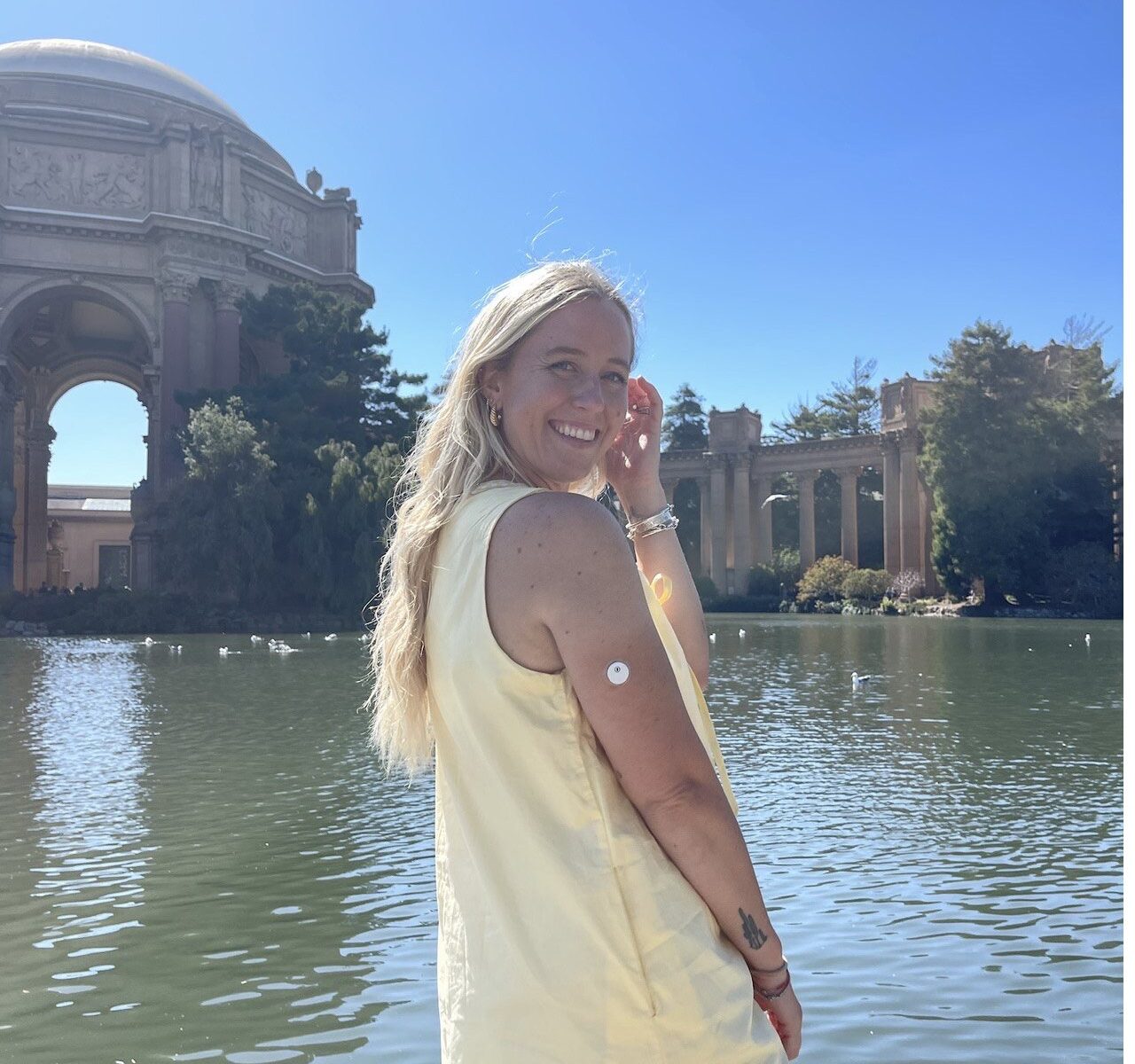
(BPT) – Finding out you have a chronic illness is challenging, but it can be particularly traumatic when it happens far away from home. That’s exactly what happened to Gretchen when she was 23 years old during what was supposed to be a dream international trip.

A cruise across the Mediterranean took an unexpected turn when Gretchen suddenly became severely ill, experiencing decreased appetite and dehydration. She thought she might have a minor travel-related sickness or infection and visited the ship’s physician for care. After running a battery of tests, the doctor delivered a surprising diagnosis. Gretchen had Type 1 diabetes (T1D) and, at that moment, was experiencing diabetic ketoacidosis (DKA), a life-threatening condition that occurs in people with diabetes when ketone levels are too high. For people living with diabetes, their ketones reach dangerously high levels when their body is not able to use glucose as fuel due to a lack of insulin, so instead, the body breaks down fat too quickly, which in turn produces ketones in the blood stream.1 A DKA event, like the one Gretchen experienced, is how many people find out they have T1D, which accounts for about 20% to 40% of DKA cases.1

Ambiguous DKA symptoms can delay treatment

For people with diabetes who use insulin, elevated or high ketone levels can lead to DKA, a serious health condition that is on the rise.1 A study showed that between 2017 and 2024, DKA prevalence among people with Type 1 diabetes increased approximately 24%,2 rising from 50 to 62 cases per 1,000 individuals.2 DKA is particularly dangerous because in severe cases it can lead to a coma or death.1 Unfortunately, many patients don’t detect it early enough, mistaking their symptoms for other, more common illnesses like the flu, dehydration or food poisoning.4,5,6

According to Eden Miller, DO, a family practitioner and diabetologist, there are clear reasons behind this alarming trend. “Part of the problem lies in how difficult it can be to distinguish DKA symptoms from less serious, run-of-the-mill medical conditions,” said Dr. Miller. “The other part is the underutilization of ketone monitoring methods. While glucose monitoring has advanced, ketones and glucose do not always rise together, and current monitoring tools don’t provide continuous visibility into rising ketones. Together, these issues can delay critical treatment.”

This trend highlights a clear gap for people living with diabetes. Instead of patients feeling equipped with the insights they need to be proactive and prepared, they are left in a reactive state.

“Improving awareness of DKA and helping people understand what to do when ketones are rising are important opportunities to help reduce DKA risk,” said Miller.

Getting treated and gaining confidence

Initially overwhelmed by the diagnosis, once back in the U.S., Gretchen visited an endocrinologist who introduced her to modern diabetes management tools — like Abbott’s FreeStyle Libre 3 Plus sensor which continuously measures her glucose levels — and helped guide her through the initial steps of how to live with diabetes. While learning the basics of living with diabetes, Gretchen also learned about ketones, the importance of recognizing DKA symptoms and how to act quickly during a DKA event.

null

“My diagnosis was a wake-up call, but it wasn’t a stop sign. Managing a chronic condition like diabetes doesn’t mean shrinking your world; it just means packing a little smarter. By taking control of my health and having a proactive plan, I’ve reclaimed my love for travel. I want other people to know that living with chronic illnesses shouldn’t keep you from making plans, booking trips and living fully.”

Tips to keep diabetes management top of mind for travel

Gretchen’s experience during her European holiday inspired her to create her own diabetes travel guide to help herself and others living with diabetes proactively plan and diligently monitor their condition, so their vacations stay on track. Below are her top tips for traveling safely and confidently with diabetes.

  1. Always stay hydrated: Drink plenty of water, especially when traveling in warm weather and during physical activity like walking through new cities.
  2. Pack smart and double up: It’s always a good idea to carry extra medications and supplies. This includes insulin, pumps, needles, automated insulin delivery (AID) infusion sets and ketone testing supplies — including blood or urine test strips. Be sure to check the expiration date before packing! Also, bringing a doctor’s note can help too in case you get stopped or questioned while traveling with your supplies.
  3. Monitor more, adjust often: Travel means changes to your routine. To make sure you stay on top of your diabetes management, check your glucose monitor, pumps and sensors more frequently.
  4. Know the signs, act fast: Signs that you may be experiencing a DKA event include extreme thirst, frequent urination, nausea, abdominal pain or fruity-smelling breath. If you experience any of these symptoms, check your glucose and test for ketones immediately.
  5. Seek care: When traveling, find the nearest pharmacy or urgent care in case you need medical attention during your trip.

Don’t let fear of managing diabetes keep you from seeing the world. Using these tips, you can stay prepared to explore new horizons safely and confidently.

If you or someone you know is living with diabetes, work with a healthcare provider to create a proactive DKA plan so you can feel confident in knowing what to do when ketones are rising or you are not feeling well. For more information about DKA, go to RisingKetones.com.

Sources:

The views expressed in this article should not be used for medical diagnosis or treatment or as a substitute for professional medical advice. Individual symptoms, situations and circumstances may vary.

For U.S. residents – Important Safety Information Product for prescription only, for Important Safety Information please visit FreeStyleLibre.us.

  1. Cleveland Clinic. Diabetes-Related Ketoacidosis (DKA). Accessed July 2026 from: https://my.clevelandclinic.org/health/diseases/21945-diabetic-ketoacidosis-dka.
  2. SHERR, J., WYSHAM, C., MEHTA, S., & VIRDI, N. (2026). 2977-LB: Trends in the prevalence of Diabetic ketoacidosis and severe hypoglycemia in type 1 diabetes. Diabetes, 75(Supplement_1). https://doi.org/10.2337/db26-2977-lb
  3. Umpierrez, G. E. Diabetes Care (2024). https://doi.org/10.2337/dci24-0032
  4. Dhatariya, et al. Lancet Diabetes & Endocrinology (2026): https://pubmed.ncbi.nlm.nih.gov/41381175/
  5. Virdi, N. Diabetes Technology & Therapeutics (2023). https://doi.org/10.1089/dia.2023.0149
  6. Nguyen, K. T. Journal of Diabetes Science and Technology (2022). https://doi.org/10.1177/19322968211042656