
Listen to Your Heart: One Woman’s Experience Overcoming AFib

2024-02-22T19:27:00

(BPT) – Many of us have likely already broken our New Year’s resolutions. Even so, now is still a good time to focus on our health. Whether it’s an annual exam or a new fitness plan, taking care of ourselves should always be top priority. Maintaining a healthy heart, one of our most vital organs, is especially important. With heart disease being the leading cause of death in the United States, it’s critical for everyone to take a pause and listen to their heart.[1] Thankfully for one woman, she did just that.

Ann and her husband live in Virginia and together run a small business. Working side-by-side, their career path has been rewarding, but it also comes with a fair share of stress. On more than one occasion, Ann experienced heart flutter, mixed with nausea and discomfort. She regularly ignored her symptoms and attributed them to long hours working, or just another symptom of her diabetes.

“One morning I woke up in bed with the same heart flutter I’d experienced during the day at work,” Ann explained. “It was at that moment I knew I couldn’t ignore my symptoms any longer, so I admitted myself to the emergency room. Lucky for me, that’s where I met Dr. Ayinde, an electrophysiologist (EP) who assessed my symptoms and diagnosed me with AFib.”

Atrial fibrillation, also known as AFib, is the most common type of cardiac arrhythmia affecting more than 6 million people in the United States and nearly 38 million people worldwide.[2],[3] Approximately 1 in 4 adults over 40 are at risk for AFib.[4] Despite these projections, many people are unfamiliar with the signs and symptoms of AFib which include feelings of a fast, fluttering or pounding heartbeat (palpitations), fatigue, shortness of breath, difficulty exercising, anxiety, chest pain, and dizziness.[5] Similarly, many are unaware of available treatment options and the importance of early treatment to avoid disease progression.[6]

“Most people don’t recognize the symptoms of AFib, which makes it difficult to get proper treatment,” stated Dr. Hakeem Ayinde, Cardiac Electrophysiologist at Cardiology Associates of Fredericksburg in Virginia. “If left untreated, AFib can progress or lead to other cardiovascular diseases. Therefore, the best way to avoid further complications is to see a cardiac electrophysiologist, a doctor who treats abnormal heart rhythm, right away to determine the best treatment plan.”

After discussions with Dr. Ayinde, Ann began oral medication to treat her AFib but did not tolerate it well. After discussing the risks of catheter ablation* together, they determined the best option would be for Ann to receive a catheter ablation – a safe and effective, minimally invasive procedure to restore the heart’s incorrect electrical signals, which causes an abnormal heart rhythm.[7] Three months after her diagnosis, Ann received the ablation treatment and has remained AFib free.

“I am very grateful I didn’t ignore my symptoms,” said Ann. “By going to the ER and having Dr. Ayinde as part of my care team, we were able to create a plan so I could be treated and make a full recovery.”

AFib is responsible for more than 450,000 hospitalizations annually and yet less than 5% of patients undergo a cardiac ablation.[8],[9] Dr. Ayinde’s recommendation for an ablation was critical for Ann before her condition progressed. Patients who have an ablation early to treat their AFib are likely to have better survival and less likely to revisit the ER or be hospitalized.[10] In addition, it’s reported that 50% of AFib patients do not respond to or cannot tolerate drug therapy10 so catheter ablation is an important treatment option to consider.

Today, Ann feels healthier and her quality of life has improved. She no longer experiences heart flutter and feels at ease. Post-cardiac ablation, Ann has the energy to engage in everyday activities.

Ann’s message to everyone is to listen to your heart. Do not wait for symptoms to worsen. As AFib becomes more common, it’s important to know there are effective treatments that offer long-term solutions.

If you or someone you know is experiencing symptoms of AFib, speak to a doctor right away. To learn more about AFib and treatment options, visit getsmartaboutafib.com.

*As with any medical treatment, individual results may vary. Only a cardiologist or electrophysiologist can determine whether ablation is an appropriate course of treatment. There are potential risks including bleeding, swelling or bruising at the catheter insertion site, and infection. More serious complications are rare, which can include damage to the heart or blood vessels; blood clots (which may lead to stroke); heart attack, or death. These risks need to be discussed with your doctor and recovery takes time. The success of this procedure depends on many factors, including your physical condition and your body’s ability to tolerate the procedure. Use care in the selection of your doctors and hospital, based on their skill and experience.

© Biosense Webster, Inc. 2024 US_BWI_NAVI_305371


[2] Lippi G, Sanchis-Gomar F, Cervellin G. Global epidemiology of atrial fibrillation: An increasing epidemic and public health challenge. Int J Stroke. 2021 Feb;16(2):217-221. doi: 10.1177/1747493019897870. Epub 2020 Jan 19. Erratum in: Int J Stroke. 2020 Jan 28;1747493020905964. PMID: 31955707.

[3] Kornej J, Börschel CS, Emelia J. Benjamin EJ, Schnabel RB. Epidemiology of Atrial Fibrillation in the 21st Century. Circulation Research. 2020 June;127(1):4-20. doi: 10.1161/CIRCRESAHA.120.316340

[4] Staerk, et al. 2018 Lifetime risk of atrial fibrillation according to optimal, borderline, or elevated levels of risk factors: cohort study based on longitudinal data from the Framingham Heart Study. BMJ 2018;361:k1453 doi: 10.1136/bmj.k1453

[6] Kuck KH, Lebedev DS, Mikhaylov EN, et al. Catheter ablation or medical therapy to delay progression of atrial fibrillation: the randomized controlled atrial fibrillation progression trial (ATTEST). Europace 2021;23(3)362-369. doi: 10.1093/europace/euaa298.

[7] Natale, A. Reddy VY, Monir G, et al. Paroxysmal AF catheter ablation with a contact force sensing catheter: results of the prospective, multicenter SMART-AF trial. J Am Coll Cardiol, 2014;64(7),647–656. doi: 10.1016/j.jacc.2014.04.072

[8] Benjamin, E. J., Virani, S. S., Callaway, C. W., Chamberlain, A. M., Chang, A. R., Cheng, S., Chiuve, S. E., Cushman, M., Delling, F. N., Deo, R., de Ferranti, S. D., Ferguson, J. F., Fornage, M., Gillespie, C., Isasi, C. R., Jiménez, M. C., Jordan, L. C., Judd, S. E., Lackland, D., Lichtman, J. H., … American Heart Association Council on Epidemiology and Prevention Statistics Committee and Stroke Statistics Subcommittee (2018). Heart Disease and Stroke Statistics-2018 Update: A Report From the American Heart Association. Circulation, 137(12), e67–e492. https://doi.org/10.1161/CIR.0000000000000558

[9] Internal Epidemiological Analysis.

[10] Calkins H, Reynolds MR, Spector P, et al. Treatment of atrial fibrillation with antiarrhythmic drugs or radiofrequency ablation: two systematic literature reviews and meta-analyses. Circ Arrhythm Electrophysiol. 2(4):349-61. doi: 10.1161/CIRCEP.108.824789.
5 Tips to Manage Heart Health After a Heart Attack

2024-02-23T09:01:00

(BPT) – By Dr. Norman Lepor

Sponsored by Novartis Pharmaceuticals Corporation
Dr. Lepor was not compensated for his contributions to this article.

If you or a loved one has ever had a cardiovascular event like a heart attack, you know the devastating impact these events can have on a person’s physical and emotional health. And rightfully so – these traumatizing events leave many people feeling anxious and uncertain of the future.

I see this impact nearly every day when patients share their stories, expressing their hope to never experience anything like these events ever again. But my 35 years in cardiology have unfortunately taught me that for a significant percentage of these patients, it will happen again.1

Thankfully, there’s hope for people who have experienced a cardiovascular event. Working with your health care provider can help you better manage your risk factors and look after your heart post-event. Here are a few considerations to guide your care journey.

1. Explore additional treatment options

Lowering your low-density lipoprotein cholesterol (LDL-C) is one of the simplest and most effective ways to improve your heart health. Known as “bad” cholesterol, LDL-C builds up in the arteries, placing your heart at increased risk of harmful blockages.2

While statins and changes to your diet and exercise regimen can help lower bad cholesterol, these improvements don’t always get your cholesterol where it needs to be.3,4 You need a treatment plan that you can stick with long term. That’s why I recommend Leqvio (inclisiran) to my patients for lowering their bad cholesterol. This prescription injectable is a lipid-lowering medication shown to help lower bad cholesterol by approximately 50% on average when combined with taking a statin and dietary changes.5,6

Leqvio is designed with the patient in mind, requiring only two doses a year.* Since this medicine is administered in a health care setting, you and your health care provider can feel confident that you are receiving your dose. Leqvio works with the liver’s natural processes to reduce bad cholesterol in your blood. The therapy provides cholesterol lowering through each six-month dosing interval. Leqvio can help you reach your target bad cholesterol level and, importantly, help you maintain that level. It is not known if LEQVIO can decrease problems related to high levels of bad cholesterol, such as heart attacks or stroke. The most common side effects of LEQVIO were: injection site reaction (including pain, redness, and rash), joint pain, and chest cold.

2. Limit alcohol and tobacco

Tobacco and heavy alcohol use can heighten your risk of a recurring cardiovascular event by increasing levels of triglycerides, a fatty deposit that can build up and create a blockage within blood vessels.7,8 You can take action to protect your heart by limiting alcohol and tobacco consumption. If either of those is challenging, consult your health care provider.

3. Partner with your health care provider

The road to managing your heart health following a cardiovascular event isn’t always linear. That’s why having an open and consistent dialogue with your health care provider is really important. Your health care provider will understand your unique risk factors and can help you build a realistic treatment plan. Don’t be afraid to proactively ask questions and speak up.

4. Switch it up in the kitchen & get your body moving

Proper nutrition is essential for lowering your bad cholesterol after you’ve had a cardiovascular event. Eating foods rich in fiber and low in saturated or trans fats, such as fruits, vegetables, whole grains, nuts, poultry, or fish can result in better heart health.9,10 I recommend my patients to limit their consumption of red meats, processed foods, and food and beverages with added sugar or salt.11 Your health care provider can work with you on creating a diet plan that best fits your nutritional needs.

In addition to dietary changes, it’s important to add physical activity to your daily routine – it could be as simple as walking around the neighborhood for thirty minutes several times a week.12 Your health care provider can help you determine what types of physical activity are safe for you.12

5. Consistency is key

Heart health is a lifelong investment. After a cardiovascular event, it’s important to take aggressive and consistent steps toward managing your heart health.13,14 This means prioritizing regular management of cholesterol levels and risk factors such as tobacco and heavy alcohol use, incorporating physical activity, proper nutrition, and keeping follow-up appointments with your health care team to monitor your condition and recovery.13,15

Your health care provider can be a valuable resource in prescribing a treatment plan that fits your lifestyle.

Much like the tortoise and the hare taught many of us as children, slow and steady wins the race; the same goes for managing your heart health. But this cherished fable fails to teach us that there’s help along the way.

To learn more about Leqvio, visit www.Leqvio.com.

*After an initial dose and another at three months.

What is LEQVIO?

LEQVIO (inclisiran) is an injectable prescription medicine used along with diet and other cholesterol-lowering medicines in adults with high blood cholesterol levels called primary hyperlipidemia (including a type of high cholesterol called heterozygous familial hypercholesterolemia [HeFH]) to reduce low-density lipoprotein (LDL-C) or “bad” cholesterol.

IMPORTANT SAFETY INFORMATION

The most common side effects of LEQVIO were: injection site reaction (including pain, redness, and rash), joint pain, and chest cold.

These are not all the possible side effects of LEQVIO. Ask your health care provider for medical advice about side effects. You are encouraged to report negative side effects of prescription drugs to the FDA. Visit www.fda.gov/medwatch, or call 1-800-FDA-1088.

Please click here for Leqvio full Prescribing Information.

References

  1. Peters SAE, Colantonio LD, Dai, Y, et al. Trends in Recurrent Coronary Heart Disease After Myocardial Infarction Among US Women and Men Between 2008 and 2017. Circulation. 2021;143:650-660.
  2. Mayo Clinic. Arteriosclerosis / atherosclerosis. Accessed January 21, 2024. https://www.mayoclinic.org/diseases-conditions/arteriosclerosis-atherosclerosis/symptoms-causes/syc-20350569?p=1
  3. Kirkpatrick CF, Sikand G, Petersen KS, et al. Nutrition interventions for adults with dyslipidemia: A Clinical Perspective from the National Lipid Association. J Clin Lipidol. 2023;17:428-451.
  4. Scirica BM and Cannon CP. Treatment of Elevated Cholesterol. Circulation. 2005;111:e360-e363.
  5. Ray KK, Wright RS, Kallend D, et al. Two phase 3 trials of inclisiran in patients with elevated LDL cholesterol. N Engl J Med. 2020;382(16):1507-1519.
  6. Raal FJ, Kallend D, Ray KK, et al. Inclisiran for the treatment of heterozygous familial hypercholesterolemia. N Engl J Med. 2020;382(16):1520-1530.
  7. Mukamal KJ. The Effects of Smoking and Drinking on Cardiovascular Disease and Risk Factors. Alcohol Res Health. 2006;29(3):199–202.
  8. Schwartz GG, Abt M, Bao W, et al. Fasting triglycerides predict recurrent ischemic events in patients with acute coronary syndrome treated with statins. J Am Coll Cardiol. 2015;65(21):2267-75.
  9. Diab A, Dastmalchi LN, Gulati M, et al. A Heart-Healthy Diet for Cardiovascular Disease Prevention: Where Are We Now?, Vascular Health and Risk Management. Vasc. Health and Risk Mgmt. 2023;19:237-253.
  10. de Lorgeril M, Salen P, Martin JL, et al. Mediterranean diet, traditional risk factors, and the rate of cardiovascular complications after myocardial infarction: final report of the Lyon Diet Heart Study. Circulation. 1999;99(6):779-85.
  11. Delgado-Lista J, Alcala-Diaz JF, Torres-Peña JD, et al. Long-term secondary prevention of cardiovascular disease with a Mediterranean diet and a low-fat diet (CORDIOPREV): a randomised controlled trial. The Lancet. 2022;399(10338):1876-1885.
  12. Smith SC Jr, Benjamin EJ, Bonow RO, et al. AHA/ACCF Secondary Prevention and Risk Reduction Therapy for Patients with Coronary and other Atherosclerotic Vascular Disease: 2011 update. Circulation. 2011;124:2458-2473.
  13. Grundy SM, Stone NJ, Bailey AL, et al. 2018 ACC/AHA Guideline on the Primary Prevention of Cardiovascular Disease: A Report of the American College of Cardiology/American Heart Association Task Force on Clinical Practice Guidelines. Circulation. 2019;140:e596-e646.
  14. Authors/Task Force Members, ESC Committee for Practice Guidelines (CPG), ESC National Cardiac Societies. 2019 ESC/EAS guidelines for the management of dyslipidaemias: Lipid modification to reduce cardiovascular risk. European Heart Journal. 2019;140-205.
  15. American Heart Association. Life After a Heart Attack. Accessed February 9, 2024. https://www.heart.org/en/health-topics/heart-attack/life-after-a-heart-attack

Novartis Pharmaceuticals Corporation

East Hanover, New Jersey 07936-1080 © 2024 Novartis 2/24 399516

How Medicare Advantage addresses the social drivers of health

2024-02-23T13:57:00

(BPT) – As a health care navigator at UnitedHealthcare, John wears many hats. Some days are spent helping members locate physicians in their area or better understanding their benefits, while others are filled with questions about billing. But providing the support members need often means looking beyond claims or copays to other issues impacting health — ones that aren’t always seen as health care issues.

John recalls one member he worked with earlier this year whose largest obstacle was housing. Operating with a disability and on a single income, he struggled to navigate local programs designed to help people like him address housing challenges.

“So I did some research, calling county and local offices to get information that might best fit his needs,” John says.

He soon facilitated a conference call with the member and a neighborhood housing service in Kalamazoo, Michigan, to help him get “mortgage ready” and into stable housing. At the end of that call, the member told John, “You made my hero of the day list.”

The impact of social drivers

Nearly 10% of Americans 65 years or older face food insecurity,[1] and between 2021 and 2022 the poverty rate for older adults increased from 10.7% to 14.1%, reflecting greater overall economic insecurity for American seniors.[2]

In response, the health care system is paying much closer attention to the overall impact of these social factors.

“For a long time, health care was focused on acute and chronic illnesses, as well as an episodic model for how we manage specific conditions,” said Dr. Alexander Billioux, chief medical officer for UnitedHealthcare Community and State and also responsible for leading the company’s population health and social care efforts. “We’re now taking a more holistic view, where we can improve health by thinking about the context in which people live their lives.”

“That,” he said, “is really where the social care component comes in.”

Dr. Billioux adds that while traditional Medicare is not really set up for identifying social needs or addressing them, managed care – and Medicare Advantage in particular – has that flexibility.

Making meaningful connections to meet social needs

Turning data into action is where UnitedHealthcare has made great strides over the past few years. In 2022 alone, the company screened 4.7 million Medicare Advantage enrollees for social needs using an approach that included health risk assessments; phone calls; in-person visits; and analysis of surveys, claims and administrative data. Of those screened, UnitedHealthcare identified 2 million enrollees with unmet social needs that could be impacting their health.[3]

But identifying these needs was just the first step. Using individualized outreach tactics—dictated by members’ noted preferences—UnitedHealthcare contacted 1 million people who said they wanted help, and from there made 2.3 million social-needs referrals to various national and regional social services programs.

Ultimately, UnitedHealthcare verified that 853,000 Medicare Advantage enrollees were connected to services and supports that addressed a social need. And the result wasn’t just a step toward better health, but also meaningful cost savings for these individuals. In 2023, the company is expanding its outreach efforts and expects to screen more than 5.5 million members—driving even more connections to important support services for those in need.

“We’re taking those extra steps by telling members these programs exist, as well as contacting, coordinating and advocating,” Billioux says. “People who have had long exposure to the health system might think that no one is paying attention to these social drivers. So we’re working hard to try and change that, because we really are here to help.”

Added John, “I love having the opportunity to help our members; I want to be that person.”

To learn more about how UnitedHealthcare’s holistic medical and social support model is identifying and addressing the needs of millions of people each year, access the research brief on UnitedHealthGroup.com.

5 ways to help improve your child’s well-being

2024-02-23T10:01:01

(BPT) – Does it seem like your kids are busier and more stressed than ever? With an average school day of seven hours and two hours of homework on top of that, a jam-packed schedule of extracurriculars, the constant barrage of social media, the ever-present digital world, academic pressures, and more, no doubt kids have a lot on their plates. And some days, all of those plates are spinning at once. How is it affecting them? Two recent surveys shed some light on that.

In their 2023 Parenting in America Today survey, Pew Research found 76% of parents are somewhat or very worried about their child’s mental health and well-being. JAMA Pediatrics reported a 27% increase in childhood depression in 2022.

How can parents help turn those numbers around? Stepping back from the hubbub and focusing on experiences that will nourish your child is a great way to do that. But it doesn’t have to mean a lifestyle overhaul. A little change can go a long way. Here are five simple ideas to help you improve your child’s well-being.

Call for a digital detox. According to the CDC, children between the ages of 8 and 18 spend an incredible 7.5 hours in front of screens on any given day. The benefits of limiting that time are nearly endless. It promotes creativity, improves face-to-face interaction, reduces eye strain, lessens anxiety, reduces exposure to cyberbullying — the list goes on and on. How to wrestle the phone or tablet out of your child’s hands? To start, make a “no screens at the dinner table” rule, which can promote conversation, and limit screen time for an hour before bed. And about bedtime…

Make sure they get enough rest. Don’t underestimate the power of a good night’s sleep. One way to help your child get the rest they need is by requiring them to keep their phones out of their rooms at bedtime. This can be a struggle for adults, too. One way to do it: designate a central area in your home where everyone’s phone charges and spends the night.

Promote physical activity. If your child participates in extracurricular sports, this may not be a worry in your household. If not, encourage more activity. It can be as simple as a family walk after dinner. It’s a great time to talk with your child about their day, hear what’s happening in their world, and get your steps in, too!

Give them some autonomy. Study after study has shown that helicopter parenting, while well-intentioned, leads to anxiety and even depression in kids. A little independence goes a long way. Giving your kids the opportunity to spread their wings a bit allows them to become more self-reliant and gives them assurance that you have confidence in them.

Get them out of their comfort zones. Find an experience for your kids that’s outside of school, fosters independence, pushes the envelope a little, and allows them to grow. Learning a new skill or mastering a challenge can do wonders for a child’s self-esteem.

A great way to accomplish all these is to consider sending your child to sleepaway camp during the summer, says Brooke Cheley Klebe, whose great-grandfather Frank H. Cheley started Cheley Colorado Camps in 1921. A century ago, it was Frank’s dream to provide an opportunity for kids to get away from the city into a beautiful outdoor setting, learn the ways of the woods, and develop a spiritual awareness from living in nature. They’ve been helping youth experience the great outdoors ever since. Brooke has seen firsthand the transformation that this type of experience can have on young people.

“Summer camp offers for kids the unique ability to step out of their daily routines and connect with the natural world, free from screens,” she says. “At Cheley, our campers express how the camp experience changes them, and helps them feel more solid, focused, and engaged with life. By disconnecting from their devices, camp is a place where they can slow down, embrace new experiences, and truly connect. It’s where they find a sense of belonging.”

And these days, what kid doesn’t need that?

Walmart’s New Early Morning Delivery Service: Shopping Made More Convenient Than Ever

2024-02-22T13:57:00

(BPT) – At Walmart, we are relentlessly driven by a single mission: to help people live better. We understand that in today’s fast-paced world, time is precious. Our customers are busy juggling work, family, activities and responsibilities. We are dedicated to providing a shopping experience that suits their needs and lifestyles and allows them a little extra free time in between.

Since 2013, we have been on a journey to bring more convenience to our customers’ shopping experience. That’s when we rolled out curbside pickup. And we’ve had our foot on the gas ever since, growing our offerings to include doorstep and InHome delivery, unlimited free delivery with Walmart+ and Express Delivery for customers who need their items at lightning speed. We’ve expanded our pickup and delivery windows for our night owl customers who need their items well after the sun goes down. Now we’re doing the same for the early birds with the launch of Early Morning Delivery starting on demand at 6 a.m.

We know how much our customers and Walmart+ members love the convenience of having hundreds of thousands of items at their fingertips, all within a few taps on their phone using the Walmart app. This expanded offering provides customers with even greater flexibility, allowing them to receive their orders bright and early. If your skillet burns your dinner one night, you can have a new one at your door by breakfast. It’s game day, and you realize you’re out of laundry detergent? Your order is ready – and that uniform is spotless – well before the first whistle. To order, customers can log on to the Walmart app or Walmart.com and select delivery. When the order is ready, a driver will bring the order to the customer’s location during the delivery window that they choose.

We believe that shopping should be a personal experience. That’s why we offer features that allow our customers and Walmart+ members to save their favorite items for easy future shopping. So, whether you need new earbuds, medicine when a fever hits, or a gift for an unexpected party, completing a shopping list has never been easier. And with our Online Pickup and Delivery services, available at more than 4,000 stores nationwide, we’re providing unparalleled flexibility to our customers – now earlier than ever because, well, it was about time.

Spice Up Your Life!: 8 Easy-to-Grow Unusual Vegetables

2024-02-22T08:01:00

(BPT) – Ditch the boring broccoli and say hello to a purple powerhouse! Want to spice up your salads beyond the usual suspects? Then buckle up, veggie adventurer, because we’re about to embark on a journey to the unexplored territories of your taste buds!

Grow your own rainbow of rare veggies right in your backyard (or even on your balcony or fire escape). It’s easier than a bunny hopping over a carrot patch, and before you know it, you’ll be harvesting culinary wonders you never thought possible.

So, ditch the same old, same old and get ready to spice up your dinner plate with these unusual edible gems from National Garden Bureau.

Avalanche beets. Do you have a non-beet-lover in your household? This may be the beet to win them over. The Avalanche has a mild, sweet flavor with no reddish color and no bitter taste. It’s even delicious raw! This mild beet is easy to grow, and will be ready to eat in just 50 days or so. Providing vitamins B and C and fiber, this tasty beet deserves a try!

Prism peppers. Perfect for deck or container gardeners, these clever peppers produce multi-color sweet peppers on one plant. They are sized between a mini and standard bell pepper, and full of vitamin C and potassium. Prism peppers are a beautiful addition to your garden and your dinner plate.

Red Impact peppers. The Lamuyo variety of peppers are difficult to grow until now — enter the game-changing Red Impact. This pepper is packed with vitamin C and potassium, is sweeter than other varieties and is very easy to grow, even for the novice gardener.

Purple Magic broccoli. Called a “showstopper,” this beautiful deep purple vegetable is easy to grow, sweeter and more tender than traditional broccoli, and can be eaten raw, stir-fried, roasted, lightly blanched or steamed. It’s full of vitamin C, potassium and fiber, too.

Peas ‘N’ Pod Bernard pea. These unique petite shelling peas have afila tendrils, which means the vines stick together, keeping the pods off the ground. Ideal for containers or small gardens, it produces beautiful white flowers when it blooms. Pop these peas into salads or side dishes. They’re a great source of vitamin C and fiber.

Shiso Ohba. Versatile and citrus-y, shiso ohba has a bright flavor with a hint of anise and is often used in Asian cooking. But it’s also great added to salads and soups, much like you’d use basil. High in calcium, phosphorus, iron, and vitamin C, shiso ohba can even be used to make tea!

Sweet Jade Kabocha squash. This small, single-serving squash is green on the outside, deep orange on the inside. It’s packed with vitamins A and C, potassium and fiber, and has a sweet, dry and earthy taste. It’s delicious baked, roasted or pureed. It’s so cute, why not use it for an edible soup bowl?

Black Falcon sorghum. The cone-shaped heads are adorned with beautiful glossy black blooms and will “wow” any garden. A great source of protein, use sorghum like quinoa or rice. For a fun treat, make “popcorn,” just like you would with regular popcorn on the stove or in a brown paper bag in the microwave.

So, what are you waiting for? This year, ditch the supermarket sameness and cultivate your own rainbow of deliciousness! Every bite will be an adventure for your taste buds, and you’ll be the proud plant parent of a veggie masterpiece. Shop online for seeds through one of the National Garden Bureau’s members, or visit your favorite local garden retailer. For more information about these and other great veggies to grow at home this year, visit the National Garden Bureau website.

Sick day slip-ups: 5 ways you might be self-sabotaging your recovery when sick

2024-02-22T09:01:00

(BPT) – When an unwelcome sickness or ailment creeps up, your home becomes both a sanctuary and a battlefield in the fight against sickness. Yet, recent research conducted by MDLIVE, an Evernorth company and leading virtual care provider, suggests many U.S. workers may be unknowingly engaging in activities that are hindering their recovery process.

“It’s easy to overlook the subtle ways in which our sick day habits can impede our path to wellness, especially when we’re distracted by our daily responsibilities or the physical symptoms of sickness,” notes Dr. Vontrelle Roundtree, Associate Chief Medical Officer at MDLIVE. “However, navigating the road to feeling better when sick at home requires more than just rest; it involves adopting a holistic approach to self-care.”

Dr. Roundtree sheds light on the common missteps many people make during recovery efforts and offers expert advice on avoiding these pitfalls for a quicker and more effective healing process.

1. You take a hygiene hiatus.

According to the survey, more than half of respondents (52%) put their regular hygiene habits on hold, including showering, skin care and even brushing their teeth. However, maintaining personal hygiene is crucial when you’re sick, not only to thwart the spread of illness to others and improve mental well-being but also to help prevent additional health problems for yourself. Bacteria thrive and grow when you’re sick, and neglecting oral hygiene, for example, can accelerate bacterial and plaque growth, heightening the risk of dental issues.

2. You bail on a balanced diet.

Whether you avoid certain foods, overindulge with less-than-healthy foods, or simply don’t eat altogether when sick, ignoring nutritional needs can delay your body’s ability to heal promptly. Remember, vitamin C and chicken soup are merely supportive players rather than miracle cures. Instead, boosting your immune system’s response effectively comes from a more balanced approach to nutrition. A diet filled with nutrient-rich foods is the fuel your body needs to fight off illness. Hydration is equally important; drinking plenty of fluids helps flush out toxins and keeps your mucous membranes moist, aiding in the recovery process.

3. You worry over work.

Given the many work obligations and responsibilities, it’s natural to try and power through sickness. However, the stress of working while sick can delay recovery more than most realize. Surprisingly, the mental stress from work can directly impact your physical health by increasing cortisol levels, which in turn can suppress immune function, making you susceptible to longer recovery times or, worse, secondary infections. Taking the necessary time to recover can prevent longer-term health issues and ensure you return to work at full capacity, ultimately supporting a healthier, more productive work environment.

4. You’re all rest, no rally.

While rest is essential, particularly in the initial stages of illness, incorporating light to moderate activities can be beneficial for both physical and mental health. In fact, studies have found that exercise, when experiencing an infection or sickness, may not only be safe but could also reduce the severity of symptoms and the number of sick days needed as a result. Of course, it’s essential to listen to your body and consult a doctor to help tailor an appropriate balance between rest and activity for your individual needs.

5. You dodge a doctor’s diagnosis.

When you’re feeling under the weather, the last thing you want to do is pull yourself out of the house to a doctor’s office, battling the aches, pains, and fatigue that often accompany illness. In fact, 72% agree that the effort to spend even part of a sick day at the doctor’s office is more of a hassle than it’s worth, likely due to the time commitment and inconvenience it brings. However, consulting a doctor when sick is crucial for faster, proper recovery. Many conditions, particularly common or mild illnesses, can be effectively diagnosed through telehealth appointments from the comfort of your own home. This approach significantly cuts down on the hassle associated with travel and waiting in a doctor’s office or urgent care clinic with other sick people. Telehealth can serve as a convenient option for getting the care you need, with doctors recommending in-person follow-ups when necessary.

In the fight against sickness, knowledge and action are your greatest allies. The journey back to health is not just about overcoming the immediate symptoms but nurturing your overall well-being so that your days spent under the weather are as few and far between as possible.

4 hacks to make your next game day watch party epic

2024-02-21T13:01:00

(BPT) – With many exciting games underway, it’s never too late to start planning a watch party that’s sure to be remembered. Watch parties are a great way to get the family together so you can bond over your favorite sports and spend quality time together.

If you haven’t hosted a game day watch party, there’s no need to stress. With these four hacks, you’ll be taking the W at the end of the night!

1. Decorations

Before everyone arrives, you’ve got to set the vibe. No matter which team (or player) you stan, find or make decorations and represent! Hang up flags and banners, print out pictures of your fave players and centerpieces that match the sport. Get your besties in on the fun! Encourage them to wear team colors or jerseys and bring sports-related accessories so you can serve looks while your team slays.

2. Snacks

You shouldn’t be the only snack at your watch party! Cheering on your team can work up an appetite, so serve a variety of foods to help keep everyone fueled. According to the Frito-Lay Snack index, “80% agree that combining multiple food products to create the perfect bite is an art form.” If you’re looking for the perfect bite of bold and iconic flavors, pick up the new Jack Link’s® Fritos® Chili Cheese flavored Beef Jerky, Meat Sticks and Cheese Stick & Meat Combos.

Take your game day snacks to the next level by stocking up on the new Jack Link’s Fritos Chili Cheese or Jack Link’s Flamin’ Hot flavored Cheese & Meat Combos, made with jalapeno cheese for a savory, bold flavor. To learn more about this collaboration, the flavors and where to find them near you, visit jacklinksfritolay.com.

3. Drinks

Screaming for your favorite team can be fun but exhausting for your vocal cords. Prepare some drinks that pair well with your snacks and keep you hydrated as your team scores point after point. You can even create your own drinks named after your favorite players, teams or events. It may seem a bit extra, but sipping on a themed beverage just hits different.

4. Breaks

Even when watching fast-paced sports, there’s a lot of downtime during game day. Fill time with fun games, trivia and more.

Before the game starts, have everyone make predictions about which team will take the win. During breaks, update the prediction board to see who’s winning the prize. Speaking of prizes, make sure they are fun prizes like sports gear or a gag trophy for the winners, although bragging rights are just as important!

If you know, you know. Using these four tips, you’ll throw a watch party so epic that your besties will call you the Game Day G.O.A.T.

Jack Link’s and its logos are registered trademarks of Link Snacks, Inc.

Frito-Lay and its brands are registered trademarks of Frito-Lay North America, Inc. © 2024

Make Your Margarita MargaRight This National Margarita Day

2024-02-21T08:01:01

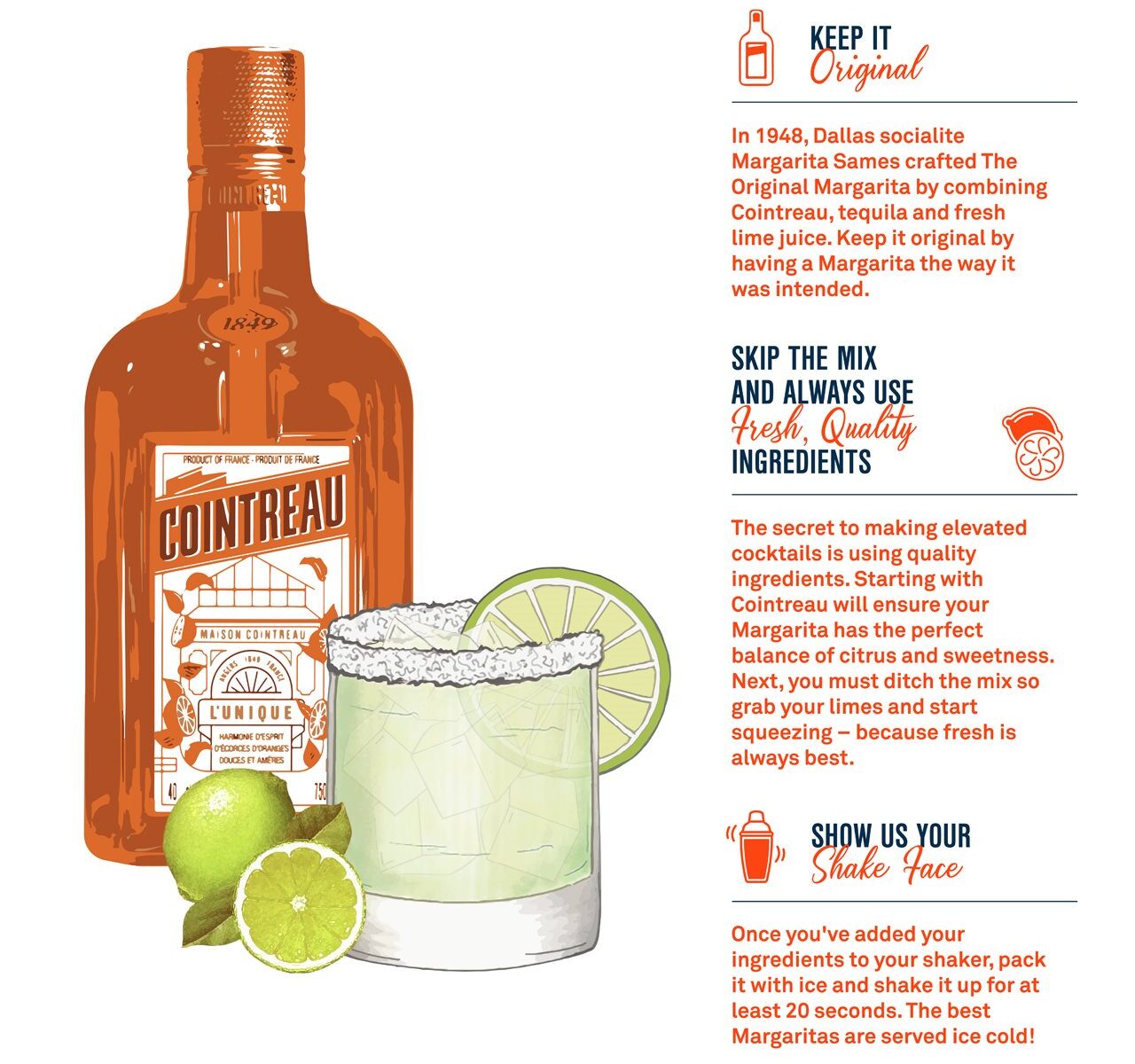
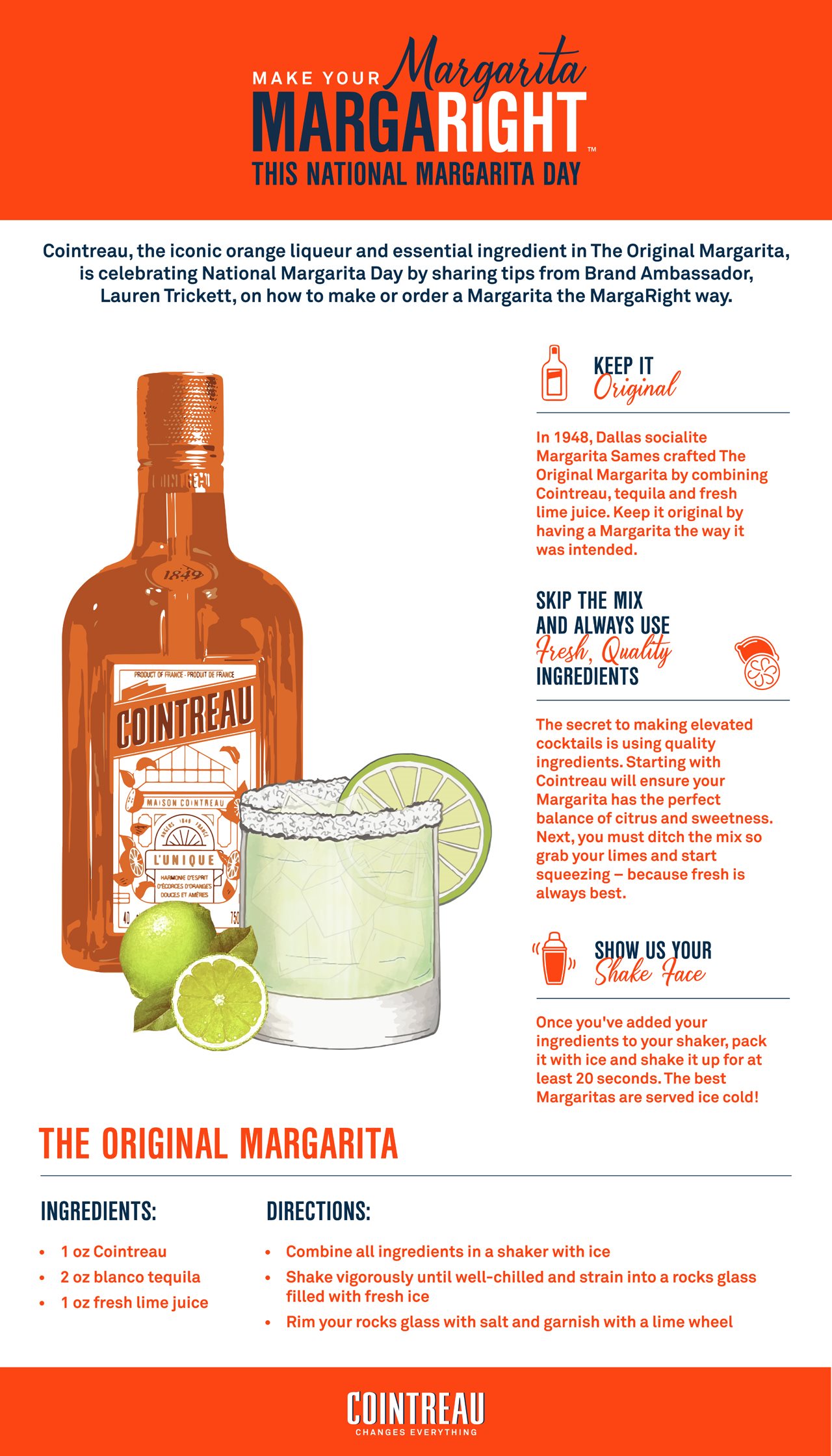
(BPT) – Cointreau, the iconic orange liqueur and essential ingredient in The Original Margarita, is celebrating National Margarita Day by sharing tips from Brand Ambassador Lauren Trickett on how to make or order a Margarita the MargaRight way.

© 2024 Cointreau Corp., Cointreau® Liqueur, 40% Alc./Vol., Imported by Rémy Cointreau USA, Inc., New York, NY. PLEASE DRINK RESPONSIBLY.

Just 3 in 10 Americans say they aspire to the C-suite: New study

2024-02-21T08:09:00

(BPT) – Who wants to be the boss? Just 3 in 10 Americans say they aspire to hold a C-suite role, according to new research from Empower, a leader in financial planning, investing, and advice. Out of all generations, millennials show the highest interest in becoming a top executive (39%), though nearly a third of people don’t want their job description to change — even if it means sacrificing a promotion or raise.

The study reveals that the number one driver of job satisfaction is money (67%), which Americans say trumps being rewarded for loyalty and longevity at a company (40%), recognition for the job performed (34%) and being an inspiring leader or leading by example (32%).

The paycheck paradox

For some, there may be a paycheck paradox — a chicken or the egg dilemma: 38% (and 55% of Gen Z) believe they don’t get paid enough to go above and beyond their current job description. At the same time, nearly 1 in 4 people say they’re not working at full capacity, and nothing will motivate them to work harder (23% overall, 37% Gen Z).

More Americans plan to increase their contributions to their retirement savings in 2024 (34%) than ask for a promotion (23%) or quit to find a higher paying job (14%). Of all generations, Gen Z is looking to make more money by “job zwitching” (16%).

So, if people are placing less focus on rising through the ranks, what do people value at work? Let’s take a closer look.

What’s on the Workplace Wishlist?

Respondents point to greater access to financial advice and benefits as topping the list; over 2 in 5 Americans (44%) wish their employer offered more one-on-one financial help.

  • Advice advantage: 39% say their employer doesn’t offer enough financial planning support. Half (48%) say financial coaching is a major must-have and 52% wish their job would provide more financial literacy opportunities.
  • Retirement roll: 71% of Americans say retirement plan matching is an important employee benefit and over half (54%) wish their job automatically enrolled them into a 401(k) plan.
  • Betting on a bonus: Bonuses are important to 75% of Americans, though nearly 1 in 5 respondents (17%) say their employer doesn’t offer one. One in 4 put their annual bonus toward essential items (24%), savings (44%), and retirement (28%), though 32% plan to spend it on a vacation.
  • The big flex: 48% say they’d be willing to go back to the office if their employer offered a four-day work week — just 6% would be willing to take a pay cut to go remote. On the flip side, 1 in 4 Americans (26%) say if their employer asks them to go back to the office more this year, they’ll quit.
  • Paycheck principles: When it comes to salary/compensation goals in 2024, Americans are focused on making enough money to pay their bills on time (45%) and to retire when they want to (39%). Over 1 in 4 want to make enough to avoid working multiple jobs.

Top money goals for the year ahead

Inflation and cost of living continue to be top concerns for Americans, as 6 in 10 say their income isn’t keeping up with rising prices. These economic concerns far outweigh worries about the job market (7%) or career growth (4%).

Despite these challenges, just a third (31%) plan on asking for a raise this year, and the trend of “quiet quitting” seems to be waning: 9% plan to employ this strategy in the year ahead. Some 44% feel they make enough money to live comfortably, and overall, Americans feel optimistic, with 58% of respondents believing they will continue to make more money in the future.

Access the full report on The Currency™.

Methodology: This study is based on online survey responses from 1,117 Americans ages 18+ commissioned by Empower and fielded by Morning Consult from January 3-4, 2024.