Helpful sealant tips to prep your home for a worry-free summer

2023-06-05T14:15:00

(BPT) – According to Houzz, more than half of homeowners (55%) are planning to take on home renovation and improvement projects in 2023. From outdoor maintenance to interior refreshes, spring is the perfect time to get started on these projects. Leveraging and using a high-quality hybrid sealant can help you quickly and affordably prepare your home for the warmer months ahead. Before summer arrives, here are five home fix-ups to tackle with a hybrid sealant:

Seal around windows and doors.

Over time, exposure to various weather and climate conditions, including extreme heat and cold, can break down exterior sealants. Make sure your windows and doors are properly sealed to help improve the energy efficiency of your home, and lower utility bills during the summer months. When working on exterior windows, doors, siding and trim, select a high-performing, waterproof and weatherproof sealant specifically formulated to withstand the elements without cracking, crumbling or losing adhesion over time. DAP’s AMP Window, Door, Siding & Trim, for example, is an advanced hybrid sealant ideal for exterior application that provides exceptional weatherability and flexibility and is offered in both a white and crystal clear option.

Prepare for summer storms.

Summer thunderstorms can wreak havoc on your roof and gutters. Gutters have the important job of collecting and directing rain water so it can drain properly without harming your landscape or home. Ignoring a leak in your gutter could lead to unwelcome damage. It could be immediate, like water seeping in your basement, or it could take a slow toll, ruining paint and even rotting wood. Fortunately, fixing a leaky gutter isn’t difficult. After cleaning out any debris, check your gutters for leak spots and repair them using a sealant that provides a 100% weatherproof and waterproof seal so you know the repair will last over time.

Repair concrete cracks.

Cracks in concrete driveways, patios or walkways are unsightly and when ignored, can become major problems that are time-consuming and expensive to fix. The good news is when you catch them early — small concrete cracks are easy to repair yourself! Fill narrow cracks and gaps with a concrete sealant such as AMP Concrete & Masonry, which provides a 100% weatherproof and waterproof seal, is self-tooling, making it ideal for horizontal repairs, and has a fast 1-hour paint and rain ready time.

Touch up the tile.

Tile has endured through the decades as a popular building material for bathrooms and kitchens. But over time, small gaps and cracks can open between tiles and cause water to seep in and mold and mildew to grow. For kitchen and bathroom projects, use a sealant that’s specifically designed for these applications to provide waterproof repairs and resist the growth of mold and mildew, such as AMP Kitchen, Bath & Plumbing. While most silicone sealants must be applied on dry surfaces and have a 12-hour rain/water ready time, this hybrid sealant provides a 100% waterproof seal with the ability to be applied on wet or damp surfaces and is water ready in just 30 minutes. It’s also specifically formulated to prevent mold and mildew growth for a lifetime guarantee, keeping your sealant clean and fresh for the life of the bead.

Prevent pests.

With warmer weather comes an increase in pests, so checking for any exterior holes or cracks in your brick, concrete, stucco or siding is a good idea before summer hits. Household pests such as ants, cockroaches, and rodents can easily find their way inside a home through small openings. Not only are they a nuisance, but they can also cause damage to the home’s structure. Rodents can chew through walls, electrical wires and insulation, while termites can destroy wood and other building materials. By filling in gaps and cracks on your home’s exterior with a hybrid sealant, homeowners can help prevent these pests from gaining access.

For more spring home maintenance tips and product info, visit DAP.com.

3 tips to add fruits and veggies to your diet

2023-06-05T15:01:42

(BPT) – Most people know that fruits and vegetables are key to a healthy diet, but they may not know exactly how many, and the amounts, they should be eating daily. Some may believe they are on the right track but are surprised to learn they are underestimating the amount needed to meet nutrition recommendations.

A survey conducted by the International Fresh Produce Association (IFPA) confirms that Americans are largely underestimating how many fruits and vegetables they need to eat each day. Consumers surveyed estimate the daily number of recommended servings to be 3-4, short of the actual recommended 5 servings per day defined by the World Health Organization.

According to experts at IFPA’s Foundation for Fresh Produce’s fruitsandveggies.org, incorrect information online and during the shopping experience contributes to Americans’ confusion over what, and how much, they are supposed to eat. Products across the marketplace can be marketed to make food and beverages appear more healthful than they are by depicting images of fruits and vegetables despite containing no or minimal amounts of them.

“Consumers constantly face an overwhelming amount of information online and in stores, whether the information is correct or not,” said Emily Holdorf, a registered dietitian at the foundation. “When people hear conflicting messages of ‘eat this’ and ‘don’t eat that,’ they become understandably frustrated. By instead sharing a more inclusive approach to eating nutritious foods, consumers will feel empowered to choose fruits and vegetables at more meals and snacks throughout the day.”

IFPA and the foundation are working with the fresh produce industry and influential nutrition educators to help eliminate all barriers to consumption, including tackling misinformation.

“We are dedicated to finding solutions that make accurate nutrition recommendations easily accessible no matter what zip code an American resides in,” said IFPA CEO Cathy Burns. “We are exploring initiatives like providing dietary guidelines to shoppers in the store and asking the government to crack down on deceptive nutrition labeling. These are places where we can make a real impact on how consumers think about their own nutrition and ultimately achieve a positive change at kitchen tables across America.”

According to WHO, eating the recommended intake of fruits and vegetables as part of a healthy diet improves overall health and reduces risk of certain diseases including cardiovascular diseases and certain types of cancer.

Many fruits and vegetables are plentiful in soluble fiber, which can lower LDL cholesterol, blood pressure and inflammation.

Even the colors of fruits and vegetables play a key role in health. The variety of colors within produce are known as “phytochemicals” that have been shown to potentially reduce the risk of certain cancers, heart disease and diabetes.

“Diet-related diseases including heart disease, diabetes and hypertension add $1.4 trillion to the nation’s debt to treat annually, yet even with more than a trillion dollars going toward treatment, these diseases are still among the leading causes of death in the U.S.,” said Burns. “Fortunately, each of these can be prevented by having a healthier diet.”

Here are three tips for getting started:

  1. Start small – Don’t bite off more than you can chew with an extremely aspirational goal. Stir fruit into cereal or yogurt, add bagged salad to pizza night, top sandwiches with extra veggies, throw greens into your favorite pasta dish. Small wins build momentum and positive habits.
  2. Make it easy – Cut and prep fruits and vegetables up right away so they are quick to grab. Keep all forms of produce on hand for low- and no-cook ways to add fruits and vegetables to the meals and snacks you already have planned. The easier it is, the more likely it will get eaten.
  3. Focus on the flavor – When something makes you feel good, you want to do it again. When something tastes good, you want to eat it again. Utilize dips, herbs, spices and juices to add flavor and enjoyment to fruits and vegetables. Eating healthy doesn’t have to be boring!

“There are countless eating occasions that occur throughout our days, weeks, months. Asking, ‘What fruit or veggie can I add to this?’ is a great first step to adding more, one bite at a time,” said Holdorf.

10 Father’s Day tips for dads who love fishing

2023-06-05T07:01:00

(BPT) – For millions of Americans, finding the right gift for Father’s Day is really hard. Especially if your Dad loves fishing — what do you get for a guy who seems to own every fishing lure under the sun?

Well, the fishing folks at Rapala lures understand this dilemma all too well. So, they’ve combined their shared wisdom to offer some ideas that kids and grandkids of all ages can use to make this the best Father’s Day ever.

1. Ask your dad for advice – Dads love to be asked for advice. For example, ask your fish-loving dad his advice for the best bass-catchin’ fishing lures, or what type of presentation you should use for mid-summer walleyes.

2. Take your dad fishing – Dads always have to ask their kids or grandkids whether they’d like to go fishing. This Father’s Day, turn the tables on Dad. Ask him to go fishing and plan the entire day.

3. Surprise him with a gift he really wants – Necktie? Coffee mug? Forget about it. Get Dad what he really wants such as a really well-made fishing lure, like an OG Rocco 5 crankbait, designed by Ott DeFoe, one of the nation’s top pro bass anglers, and a handmade card. You got this.

4. Get on the water – Spending time on the water fishing with Dad is quality time. Don’t own a boat? No worries. You can rent a boat. Borrow a friend’s canoe. Buy or rent a couple of kayaks. Or head to the nearest beach, river or stream and cast a line out from a pier or shore.

5. Post a selfie with your dad – This Father’s Day, show how proud you are of your dad by taking a selfie of you fishing with him and post it on one of your social media pages. When you take a photo, make sure he holds his big catch out to make his catch look as big as possible in the photo.

6. Learn a new skill – Dads love it when you learn a practical skill that you can use for a lifetime, such as learning to back a trailer or boat up or replacing old fishing line with newer fishing line on his favorite fishing reels.

7. Look out for your dad when he doesn’t know how to look out for himself – Dads think they know a lot, but they often have a blind spot for taking care of themselves. Case in point — wearing protective clothing when they’re outside in the sun. Get your dad a good hat, some cool sunglasses and a protective, long-sleeve shirt with UPF 50+ UV protection.

8. More time fishing, less time organizing – Help Dad catch more fish by helping him reorganize his fishing gear. There are numerous ways to organize gear, starting with the Rapala SmartHub System, that allows anglers to better organize their fishing gear in the boat, in the garage or basement and in an ice fishing house.

9. Laugh at his dad jokes – Spending time with dear ol’ Dad means listening to his dad jokes. You might want to bring a couple of fish counters to compare the number of fish caught to the number of jokes told.

10. Teach the next generation – Spending time with Dad on Father’s Day is great, but what will probably bring the biggest smile to his face is bringing along a new angler to the party and allowing Dad to show your kids how to catch fish. Dads love to teach kids how to fish, remove hooks and safely handle fish.

Four reasons pet parents should shop local this summer

2023-06-05T09:01:00

(BPT) – There’s been a resurgence of interest in supporting local businesses lately as more consumers realize the crucial role these businesses play within their communities — and the valuable personal connections gained from patronizing smaller, sometimes family-owned companies. This is especially true for your neighborhood pet store, where the staff and owners get to know you and your pets, providing a unique level of connection and care for your pet’s health.

Here are the four main reasons to support your local businesses — especially neighborhood pet stores — and what you (and your furry friend) gain in return.

1. Neighborhood pet stores help foster connection

What better place to chat about your pet’s quirks, charms and needs than at your neighborhood pet store? Many pet store owners, staff and shoppers are fellow pet parents, and understand the raw, unadulterated love we all share with our pets, providing a real sense of connection, comradery and mutual support. You can lean on this community to care for your pet like you do, because they know that choosing the best nutritional options for your pets is how you show your furry friends you care.

2. Your neighborhood pet store cares about you

Shopping at your neighborhood pet stores means that the staff can get to know your pet and their unique needs, therefore ensuring you find the exact products to help them thrive. Many neighborhood pet stores are founded by people committed to providing the highest quality products and services for their own pets and are eager to share their knowledge and experience with you. They hire and train people who are equally compassionate and educated on the products they carry, as well as the basic welfare of animals, and they make a point of carrying high-quality food and well-crafted pet products.

3. Shopping local for pet food provides great perks and rewards

Shopping local for your pets can reap benefits! For example, when you shop for Stella & Chewy’s high-quality raw and real pet food at participating local pet stores, you can enter their new Petfluencer Contest for the chance to win a year’s supply of Stella & Chewy’s products and have your pet’s picture on billboards across the nation. Entering is easy! From June 5th through July 23rd, pet parents across the U.S. and Canada can visit participating stores nationwide and enter by scanning the in-store QR code to submit a photo of their dog or cat. Four semi-finalists will be selected to receive a special prize pack, and one grand prize winner will receive a photoshoot of their pet to appear on Stella & Chewy’s billboards to celebrate the raw love we share with our pets, plus a year’s supply of Stella & Chewy’s products and more. A longstanding partner to neighborhood pet stores, Stella & Chewy’s is excited to work with them to find their first-ever Petfluencer!

To learn more about Stella & Chewy’s Petfluencer Contest and find a participating local neighborhood pet store, visit StellaAndChewys.com/petfluencer-contest-info.

4. Local stores are committed to your community

Beyond providing jobs for local residents, keeping tax dollars within the community and offering a convenient shopping venue for the area, neighborhood stores have an ongoing interest in the continued well-being and growth of their communities. They often get involved in local events and support area organizations. For example, many neighborhood pet stores help support local animal rescues and shelters by participating in pet food drives, fundraisers, adoption events and more. Because they understand the needs of their communities, they are in a unique position to offer their help. Supporting local businesses also ensures that new products and services will continue to be available to you and your neighbors.

How to avoid becoming a victim of Medicare fraud

2023-06-05T07:01:00

(BPT) – Medicare fraud is a serious problem. Medicare loses an estimated $60 billion each year due to fraud, errors and abuse. Every day, these issues affect people across the country and can lead to identity theft and cost you money. The good news? Some simple tips can help you protect yourself and your loved ones.

Understand Medicare fraud

Be aware of common scams so you can better protect yourself. Examples include:

  • Getting bills for services or medical supplies that you never received.
  • Being prescribed tests and services that are not necessary.
  • Receiving medical supplies or equipment that you never ordered and do not need.

Know the warning signs of a scam

It’s essential to watch out for these red flags:

  • Unsolicited calls, emails, or visits — someone contacting you out of the blue, claiming to be from Medicare and offering free services.
  • Requests for personal information — a demand for your Medicare number, Social Security number or other personal information.
  • Pressure to act quickly – any threat that you’ll lose your benefits or suffer other consequences if you don’t comply with a deadline, often by paying them or providing personal information.
  • Suspicious websites or mailings — fake websites created to look like official ones but that have inconsistencies, errors or other odd elements.

Take steps to reduce your risk

The most effective way to stop fraud from happening is to prevent it in the first place.

  • Only share your Medicare and Social Security numbers with people and medical providers you trust.
  • Carry your Medicare card only when you need it.
  • Keep a record of all your medical visits and procedures.
  • Carefully review your Medicare statements for mistakes and charges you don’t recognize.
  • Trust your instincts and report any and all suspected fraud.

Find help

The Senior Medicare Patrol (SMP) is a federal program that provides free, unbiased information and assistance to Medicare beneficiaries, their family members and caregivers on how to protect themselves and Medicare from fraud. Local SMPs also provide one-on-one case assistance to those who think they may have been a victim of Medicare fraud, which ensures that suspected fraud is reported quickly and efficiently. Funded by the Administration for Community Living, local SMP programs have offices in all 50 states, DC, Puerto Rico, Guam and the U.S. Virgin Islands.

If you have questions about how to protect yourself, need to report fraud, or need help determining whether you’ve been a victim of fraud, SMP can help.

Find a local SMP at www.smpresource.org or call the toll-free helpline at 877-808-2468.

Spotting Invasive Pest Threats Today Can Save Our Trees, Plants and Crops for Tomorrow

2023-06-02T15:21:00

(BPT) – For many of us, warmer weather means more time outside. It’s also the time invasive species, known as “Hungry Pests,” emerge and attack the trees and crops we depend on. These invasive insects and plant diseases cost our nation about $40 billion each year. If left unchecked, they can devastate agricultural industries, causing job losses, crop scarcity and increased food prices.

Invasive pests are natural hitchhikers. People can unknowingly spread them on items they move, like cars, camping gear and outdoor furniture — or in or on fruit, vegetables, plants and firewood. And while the United States Department of Agriculture’s Animal and Plant Health Inspection Service is hard at work protecting our natural resources from invasive pests, they need the public’s help to detect new threats early and reduce the spread of hitchhiking pests that are already here.

Luckily, many people are already doing their part. According to a 2021 study published in Conservation Science and Practice journal, at least a quarter of all new invasive pests found were initially reported by members of the public, like homeowners, landscapers and gardeners. Early detection helps prevent damaging pests from becoming established and is critical to protecting America’s natural resources.

You can make all the difference by knowing the risks in your area. A homeowner in Long Island, New York, reported finding Asian longhorned beetles on her property before regulators detected it. Her early detection saved millions of dollars in eradication costs and protected countless trees in her community.

You too can play a role in slowing the spread of damaging pests. Here are a few simple tips:

  • Don’t move firewood. Invasive pests can hide in wood. Buy heat-treated firewood or responsibly gather or purchase firewood where you plan to burn it.
  • Keep it clean. Check items stored outside for insects and egg masses and remove them before traveling with outdoor items.
  • Plant responsibly. Purchase your plants from U.S. sources or learn how to legally import them. Don’t assume the item you find online is legal to purchase and ship to your home. If you buy it online, you are responsible for finding out where the plants and seeds are coming from and importing plants and agricultural products from overseas legally.
  • Cooperate with quarantines. Visit HungryPests.com and click on the “Pest Tracker” to learn about federal quarantines that apply to your area. If you live in a quarantine area, don’t move regulated items out of the quarantine area.
  • Declare agricultural goods. When traveling abroad, declare agricultural products at the border. You could save an orchard or a forest by declaring your fruit and handicrafts at the border.

By working together, we can make a difference for our ecosystem and our economy. To learn more about invasive pests and what you can do to reduce their spread, visit HungryPests.com.

Toxic exposure during your deployment? New law expands benefits for post-9/11 veterans

2023-06-02T07:01:00

(BPT) – Are you or a loved one a post-9/11 combat veteran? Were you exposed to burn pits or other toxins while in service? If so, there’s important information you should know regarding your veterans’ health care and disability benefits, including two fast-approaching deadlines.

Veterans who were exposed to burn pits or other toxic substances may experience various health issues. Veterans who think their diagnosed medical conditions are connected to toxic exposure during service should file a claim with the Department of Veterans Affairs (VA).

Veterans not currently experiencing any health problems may have some in the future. Even if they feel fine, eligible veterans should get a toxic exposure screening. Toxic exposure screenings are available at VA health facilities across the country.

Thankfully, new legislation called the PACT Act will help veterans get the treatment and benefits they deserve.

Army veteran Andrew Myatt, who deployed to Iraq in 2004-05, said, “On paper, I did everything I was supposed to. I don’t drink soda or eat fast food. I have a very healthy lifestyle and diet. And yet, I’ve come down with two cancers in the last three years.”

What is the PACT Act?

The Sergeant First Class Heath Robinson Honoring Our PACT Act became law on Aug. 10, 2022. This bill addresses one of the most urgent issues for post-9/11 veterans — health problems related to exposure to burn pits and other toxic substances.

The PACT Act grants permanent VA health care eligibility to 3.5 million post-9/11 veterans who may have been exposed to toxic substances during service. The Act adds more than 20 new presumptive service-connected illnesses related to exposure to burn pits and other toxic substances for veterans who served in Iraq, Afghanistan, and surrounding areas.

Veterans nonprofit Wounded Warrior Project strongly advocated for this bill and is working hard to spread the word about expanded access to health care and disability benefits for impacted veterans.

Act now to maximize benefits

Time is running out for exposed veterans to maximize these benefits. Veterans must file a claim with the VA by Aug. 9, 2023, to be eligible for retroactive disability compensation dated back to Aug. 10, 2022 (when the bill was signed into law), if they were diagnosed with a qualifying condition at that time.

Post-9/11 combat veterans discharged over 10 years ago and not enrolled in VA health care have a deadline of Oct. 1, 2023, to take advantage of the open enrollment period. If they miss it, they could be subject to a phased-in enrollment period, based on their discharge from service.

Get started today at VA.gov/PACT.

“Even if they aren’t sick now, I would urge all post-9/11 veterans to register for VA health care,” said WWP CEO Lt. Gen. (Ret.) Mike Linnington. “For combat veterans exposed to burn pits and other toxic substances while serving our nation, the PACT Act helps alleviate the burden of proof needed to make a service connection for VA benefits. Veterans who qualify under the PACT Act and are diagnosed with cancer have priority when it comes to VA health care and other benefits.”

Veterans are strongly advised to work with an accredited VA representative to advocate for their needs. One option is Wounded Warrior Project, which has accredited representatives that work with the VA to advocate for veterans.

Are your business finances in shape? A checklist to get you organized

2023-06-01T17:23:00

(BPT) – By Irana Wasti, Chief Product Officer of BILL

As a business owner, keeping your finances thriving is critical, especially if you’re looking to do more with less as many small and midsize businesses (SMBs) are. Having your finances in shape can open the door to new markets, products and services, customers, and expanded advertising and hiring.

Staying organized — especially with cashflow records — is one of the best ways to ensure your business continues to succeed. If you want to manage and optimize your finances and ensure your business finances are in good shape, follow these five simple, effective steps.

1. Go paperless

Drowning in paper? Opting out of reconciling credit cards and bank statements on paper and transitioning your accounts payable (AP) and accounts receivable (AR) to a digital system can easily declutter your finances. By switching your payables and receivables over to a digital system, you’ll virtually eliminate the need for managing everything on paper.

You can save money and time by sending payments with just a few clicks and automating recurring payments. Also, automation can optimize approval and review workflows, and reduce human error and time spent on routine tasks. With smart, AI driven software, getting started can be as easy as taking a picture of your next bill. And it continues to pay off with peace of mind and improved efficiency in the future.

2. Secure and organize financial documents

Without so much paper, you may find it easier to keep all your financial records organized, secure and easily accessible. For example, when customer Mount Tamalpais College adopted BILL, they were able to more easily adapt to hybrid work (physically working on site and virtually), streamline AP and spend far less time shepherding documents for signatures and approvals. If they go through an audit, they’ll have all their important documents stored in one convenient, accessible place.

3. Take a financial inventory

Another helpful step is to take a financial inventory and review your business spending habits. The goal is to gain more comfort and clarity over your finances and to use this information to make more informed financial decisions. This can be even easier if you’re using financial automation software that provides visibility into your cash flow and lets you generate reports. You should review to see if:

  • You can cut back or reallocate funds to better align with your goals.
  • Your cash flow is consistently challenged, and if you can implement strategies to improve it.
  • Your business has any outstanding debt and if you can pay off or consolidate debt.
  • You can negotiate vendor contracts for better terms or switch to more cost-effective vendors.

4. Make it easier to pay and get paid

According to a study by PYMNTS, 49% of invoices become overdue. Since getting paid on time is essential to your company’s financial health, it’s time to roll up your sleeves and do a deep clean of your AR.

Use your reporting system to pull up all your unpaid invoices. This will quickly give insights into which clients owe you money and if some regularly take too long to pay. If you use BILL, you can set up auto reminders to let clients know when payments are due or if anything is overdue.

Take control of your cash flow and avoid late payments by making your payment process easier. You can do so by expanding payment options, such as accepting credit cards, ACH bank transfers, PayPal and more, so your clients can have more options to pay you. You can also consider using an online portal to enable customers to pay invoices online and set up autopay and flexible payment plans to improve your cash flow.

5. Set new goals and plan

If you’ve reached your initial business goals, it doesn’t mean you should sit on your laurels. It’s essential to spend a little time planning the future of your business. This could include setting aside funds for future investments, building an emergency fund, preparing for potential market changes, or even succession planning and contributing more to your personal retirement accounts.

By going paperless, organizing your financial documents, doing a thorough financial inventory, reviewing unpaid invoices and planning for the future, you can ensure that your business is on the right path to meet its financial goals and thrive this year and beyond.

Financial automation does not have to be hard, complicated, or reactive. At BILL, we can help take proactive action to you get your business finances in shape by streamlining your AP and AR workflows for better visibility and control of your cash flows. To see how it works, visit Bill.com/Signup to start your risk-free trial.

7 things men should know about genetic testing and cancer

2023-06-01T04:01:00

(BPT) – Cancer is the second-leading cause of death for men in the United States. While the cause of most cancers is unknown, about one in 10 cancers are caused by changes in genes that can be passed down in families. In recognition of Men’s Health Month, here are seven things every man should know about hereditary cancer and genetic testing.

1. Mutations in dozens of different genes can increase your odds of getting cancer.

News stories about celebrities like Angelina Jolie have made people aware that mutations in the BRCA genes can cause breast and ovarian cancer, but that’s not the whole story. There are dozens of genes with mutations linked to a variety of cancers — including colorectal, pancreatic, prostate and skin cancer — that can affect people regardless of their gender. Genetic testing on blood or saliva can help people learn if they are at high risk for these cancers.

2. Up to 90% of people are unaware they have a genetic mutation that increases their cancer risk. Men are less likely than women to know about or undergo genetic testing.

Most people have no idea they are predisposed to cancer until they — or a close family member — receive a cancer diagnosis that leads to genetic testing. Men are less likely than women to be told about or offered cancer genetic testing.

3. Inherited BRCA mutations pose serious cancer risks to men.

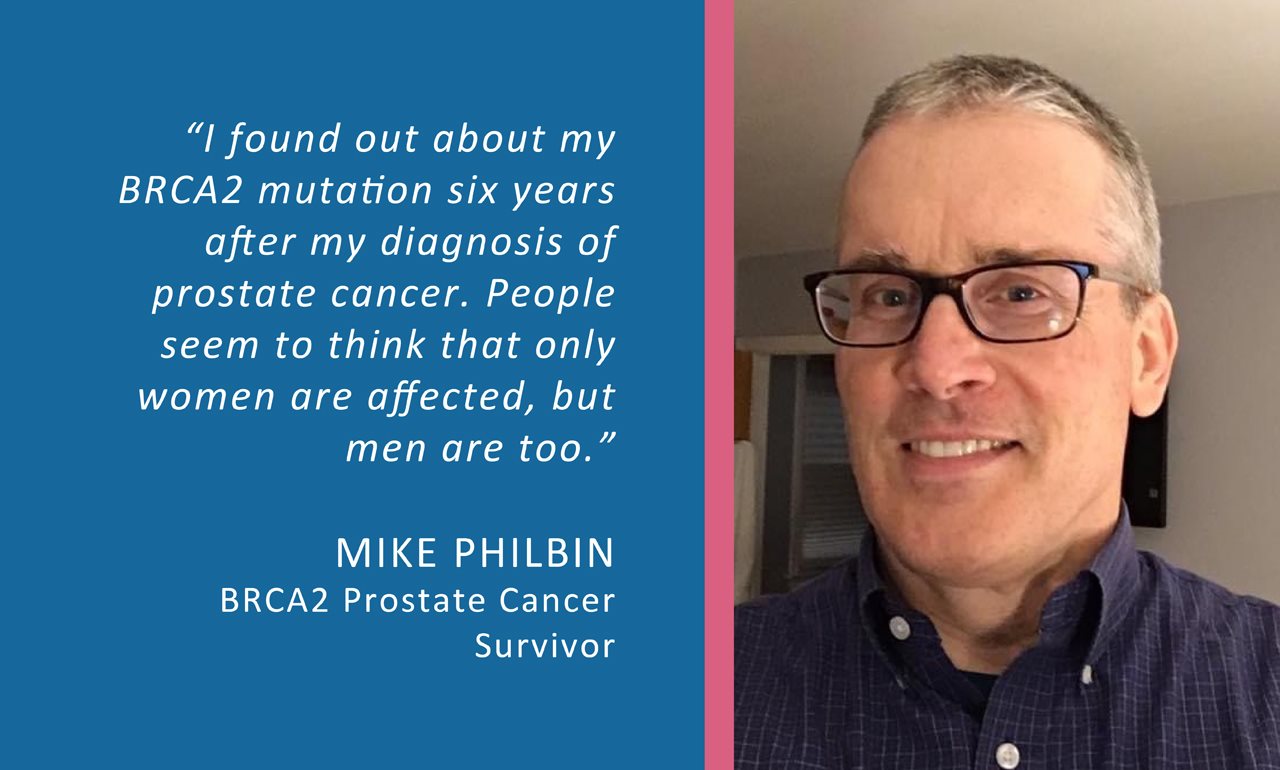
Men who test positive for a BRCA1 or BRCA2 mutation have an increased risk for a variety of cancers. Men with mutations in their BRCA2 gene have a 20 to 60% lifetime risk for prostate cancer, compared to 13% for the general population. These men are also more likely to develop an aggressive form of prostate cancer at a younger age. BRCA2 mutations raise the lifetime risk of male breast cancer from 0.1% to as high as 5-10%. Regardless of gender, BRCA2 mutations increase the lifetime risk of getting pancreatic cancer from 1.5% to as much as 10%. BRCA1 mutations also increase the risk for male breast cancer, pancreatic and prostate cancer, although these risks are lower than in people with a BRCA2 mutation.

4. Other genetic mutations can put people at high risk for colorectal cancer.

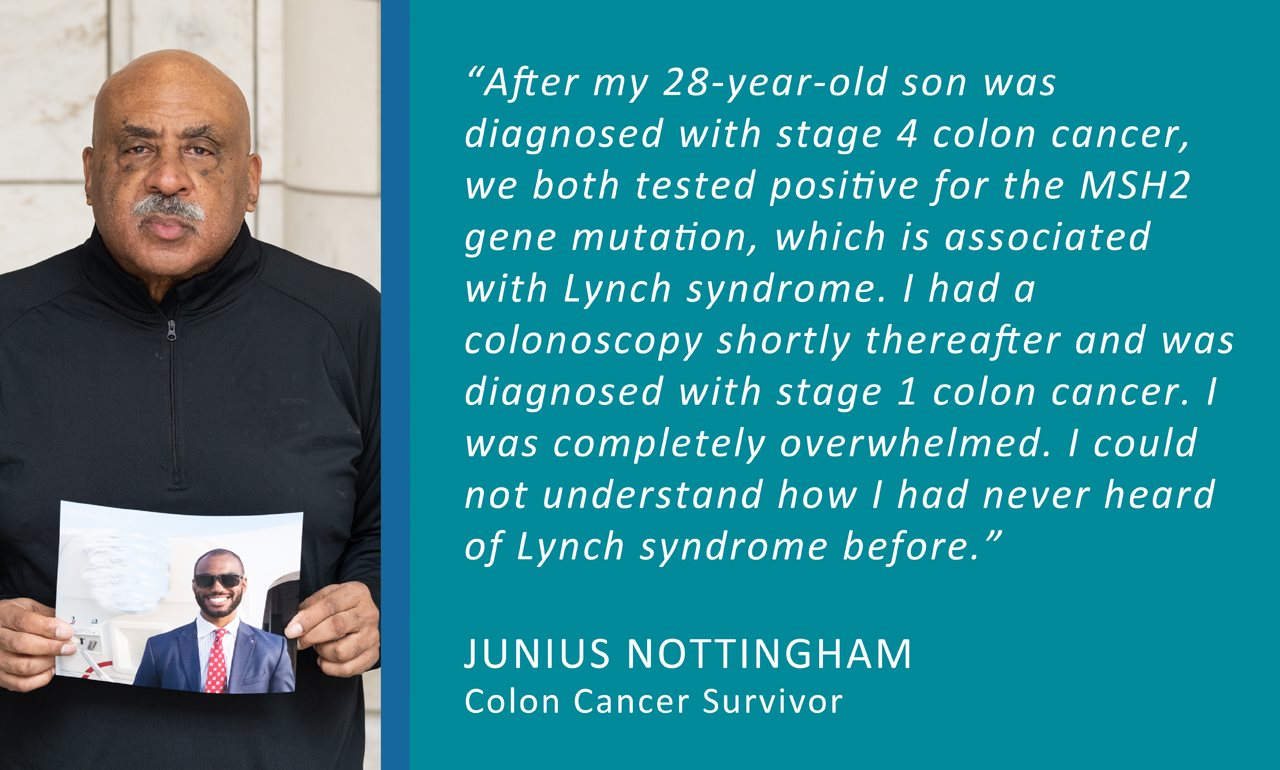
The lifetime risk of developing colorectal cancer is up to 52% for people with a gene mutation associated with a lesser-known condition called Lynch syndrome, compared to about 4% for the general population. These people also tend to get cancer at an earlier-than-average age. It’s estimated that over 1 million people have Lynch syndrome in the United States, yet less than 10% are aware of their status.

5. Men and women can pass cancer-causing genetic mutations on to their children.

A man with an inherited mutation linked to cancer has a 50% chance of passing it on to each of his children. Children inherit their genes from both parents, and men are just as likely as women to inherit or pass on mutations linked to cancer.

6. Being aware of your cancer risk can save your life.

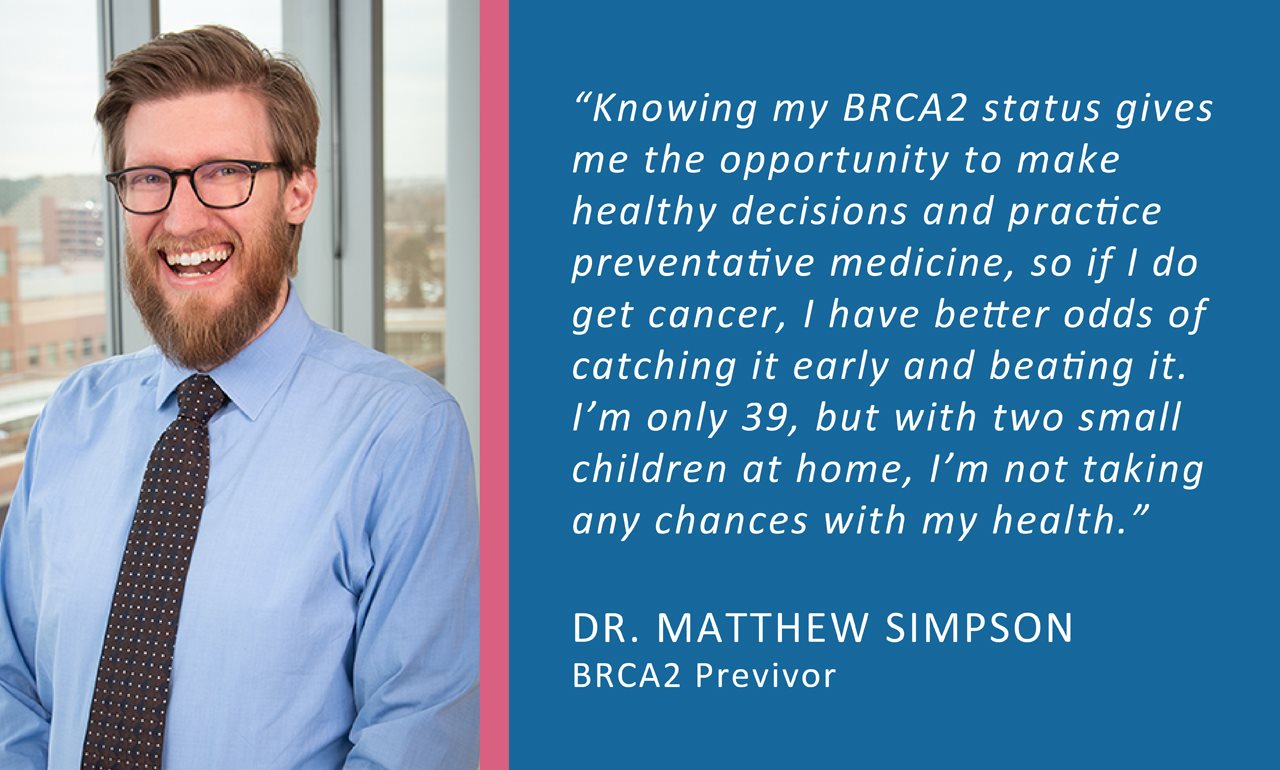
Some people shrug off the idea of genetic testing because they believe there’s nothing that they can do to prevent cancer — but that thinking is flawed. Men who know they’re at high risk can schedule more frequent cancer screenings, which increases the odds of catching cancer early, before it spreads. Fathers who know their genetic status can also protect the health of their children, who may have inherited the same mutation.

7. Support is out there.

FORCE (Facing Our Risk of Cancer Empowered) is dedicated to providing up-to-date, expert-reviewed information and resources that help people make informed medical decisions regarding hereditary cancer. The organization also offers a peer support network, up-to-date medical information and support groups specifically for men.

Find pills tough to swallow? 5 benefits of taking a multivitamin powder

2023-06-01T09:41:00

(BPT) – If one of your goals is to take better care of your health, you likely take vitamins every day — or at least a multivitamin pill — to ensure that your body is getting the nutrients it needs. Ideally, people should get enough of their essential nutrition from food, but when you’re busy, it’s all too easy to skip meals or grab convenience food, so you don’t get a balanced diet throughout the day.

Whether you’re taking capsules, pills or soft gels to help supplement the vital nutrients you take in each day, chances are some may be large or tough to swallow — or all too easy to forget about taking each day. But did you know that beyond being easier to swallow, multivitamin powders can also provide other health benefits?

What is a multivitamin powder?

As the name suggests, a multivitamin powder is essentially a multivitamin in powder form. Multivitamin powders offer the perfect solution for anyone who finds pills difficult to take, or for those who are tired of taking multiple supplements to try to provide their body the nutrients it needs.

If you’re looking for a well-rounded multivitamin powder, CardioFitMD® Cardiovascular and Whole Body Health delivers 29% of the recommended daily serving of fiber — which about 95% of Americans don’t get enough of — plus powerful probiotics, prebiotics and a potent dose of beetroot powder to support your healthy digestive and heart function. It also contains 20 essential vitamins and minerals to promote whole-body health and proper energy for an active lifestyle, including 100% (or more) of the Recommended Dietary Intake of the most prevalent vitamin and mineral deficiencies facing Americans today: vitamin A, vitamin C, vitamin D3, vitamin E, vitamin K, thiamin, riboflavin, niacin, vitamin B6, folate, vitamin B12, biotin, selenium and manganese.

Here’s the scoop on why a multivitamin powder may be just what you need to enhance your well-being.

1. Better taste

Pills and capsules don’t usually have any taste, but most multivitamin powders come in a variety of flavors, so you can get your daily nutrients and give your water a flavorful boost at the same time. If it tastes good, you’re more likely to be consistent in taking it — so your multivitamins quickly become a tasty part of each day.

2. Encourages more hydration

Because you’ll be mixing your vitamin powder with water or another liquid, you will also be drinking more every day, which is important for optimal health.

3. Easier to take

Taking capsules or pills every day can be inconvenient or unpleasant for many who just don’t like taking pills. A powder-based multivitamin is a convenient way to ensure that you’re getting your vital nutrients each morning. A flavored powder can be mixed into your morning juice, smoothie or water. You can even take it along in your favorite water bottle on-the-go for busy mornings.

4. Powders are more potent

Pills and capsules need to be small for easy swallowing, but there’s only so much you can cram into a small pill. In addition, a number of fillers are required to form a pill, which makes it more difficult to provide a higher level of nutrients in this form. Depending on your individual needs, a vitamin powder mix may actually contain a greater amount of vitamins and minerals than the average pill.

5. Quicker absorption

Capsules and pills are not designed to achieve instant results — they need to work their way through your gut for absorption before the nutrients can get to work. On the other hand, drinking your nutrients allows them to absorb more quickly, so they get to work in your body sooner.

Comprehensive, convenient nutrition

With all of the essential daily nutrients of CardioFitMD® in one scoop, taking control of your health has never been easier. It’s a great-tasting, nutrient-rich drink with a broad-spectrum insoluble and soluble fiber and prebiotic blend, Bacillus coagulans probiotic, beetroot powder and essential vitamins and minerals that promote circulatory, digestive, immune and heart health to help you maintain a healthy, active lifestyle as you age.

For more information about multivitamin powders, visit 1MD.org.