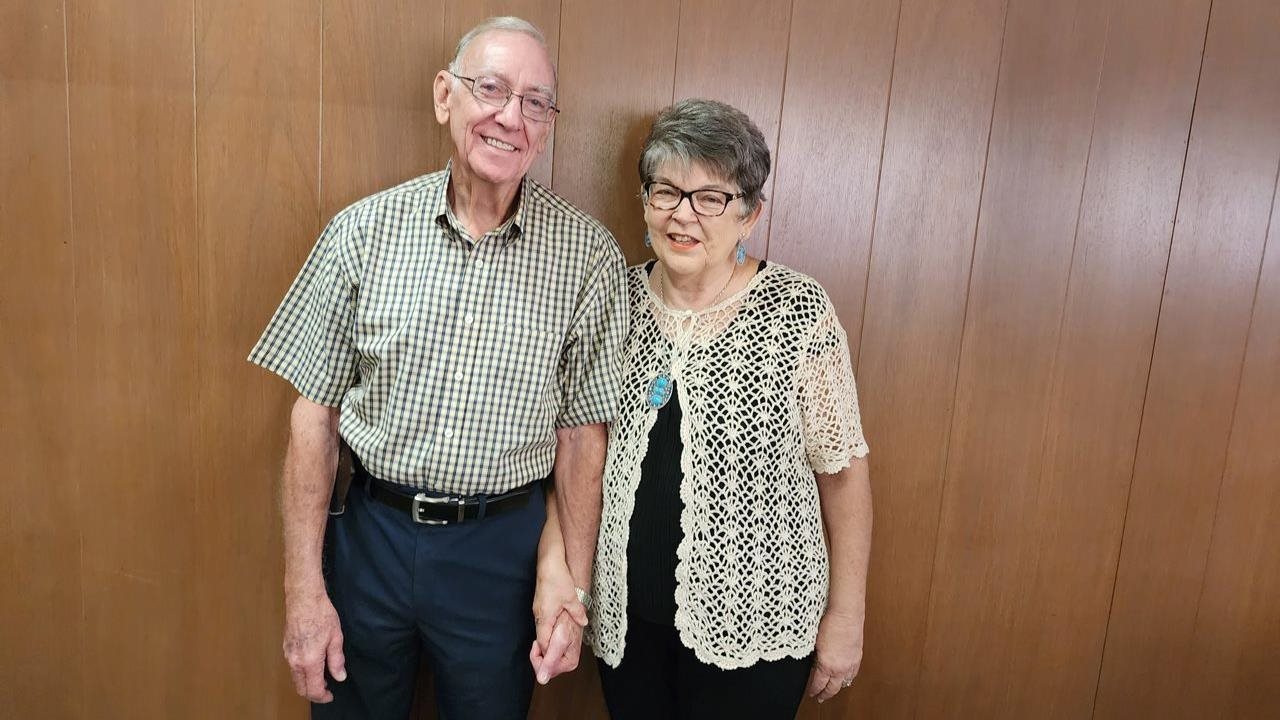
Seniors’ drug costs are about to be slashed — here’s what you need to know

2022-09-21T05:03:00

(BPT) – Today, Medicare beneficiaries across the country face a devastating predicament: Often, they can manage serious conditions like cancer by taking daily prescription drugs — but there’s no limit to what they might owe for the drugs that keep them alive.

In many cases, this puts the treatment out of reach — or patients have to make immense sacrifices to pay for it.

Sharon Clark, a blood cancer patient in Oklahoma, has a story that’s all too common among those facing chronic health conditions. She went months without taking her lifesaving drugs because she could not afford them, despite being covered by Medicare Part D, which was designed to help cover the cost of prescription drugs. She’s not alone: Many Medicare patients are forced to spend $10,000 or more out-of-pocket each year on prescription drugs.

Out-of-pocket costs refer to the amount that patients pay for their health care, including deductibles, coinsurance and copayments. For many, these costs are too high; more than four in 10 Medicare enrollees abandon their cancer treatment when it costs them more than $2,000.

Soon, stories like Sharon’s will be history, thanks to the newly enacted Inflation Reduction Act, which will make it easier for older adults and those with disabilities to afford their medications. Here are the changes Medicare beneficiaries can expect – and when.

  • Patients covered by Medicare won’t be required to pay for most vaccines they receive through the Part D benefit, starting Jan. 1, 2023.
  • Insulin co-pays for those covered by Medicare will be capped at $35 per month — regardless of whether the patient has met their deductible, starting Jan. 1, 2023.
  • Beginning in January 2024, Medicare beneficiaries’ out-of-pocket costs for drugs purchased with their Part D coverage will be capped at around $3,400.
  • Beginning in January 2025, Medicare beneficiaries’ out-of-pocket costs for drugs purchased with their Part D coverage will be limited to $2,000 — regardless of how many drugs they take.

“It’s hard to overstate the value to blood cancer patients of these landmark health care reforms,” said Brian Connell, LLS executive director of federal affairs. “Half of all blood cancer patients are diagnosed while covered by Medicare, and they finally have the security of knowing their treatment should never be out of reach.”

The Leukemia & Lymphoma Society and blood cancer advocates spent nearly a decade urging lawmakers to cap Medicare patients’ drug costs. Those volunteers dedicated their time to ensuring lawmakers understand what cancer patients face — and what policy solutions could ease their burdens.

In the last two years alone, blood cancer advocates held hundreds of meetings with members of Congress and sent nearly 25,000 letters urging lawmakers to fix this issue. Their voices were heard.

Your voice can make a difference, too. If you want to support the next groundbreaking healthcare reform, sign up to become an advocate today by visiting lls.org/raiseyourvoice. You’ll get to choose how involved you’d like to be, and The Leukemia & Lymphoma Society will let you know when and how you can send messages to your lawmakers about these issues.

The Importance of Quick, Accurate Detection of Respiratory Tract Infections [Infographic]

2022-09-19T08:01:00

(BPT) – Different pathogens can oftentimes lead to diseases with overlapping symptoms, such as flu, the common cold, COVID-19, and others causing runny noses, scratchy throats, coughing, and other respiratory issues. However, each may need to be treated differently. PCR testing is the gold standard of molecular testing, and multiplex PCR testing enables clinicians and laboratorians to detect several different kinds of pathogens (such as viruses or bacteria) simultaneously, with the same accuracy as an individual test. This gives clinicians the ability to prescribe the right treatment for the right disease quicker, helping to save more lives.

The One Thing Nobody Tells You About Recovering from Breast Cancer

2022-09-19T06:01:00

(BPT) – For all the education that’s out there on breast cancer and various treatment options, there’s one thing you probably aren’t aware of: Women who undergo a mastectomy can experience anywhere from partial to complete numbness in their chest — sometimes permanently.

“I remember taking my newborn daughter into my arms and putting her on my chest — but I couldn’t feel her skin. I didn’t know that she was there unless I looked at her,” says Jane, a breast cancer survivor who underwent a double mastectomy.

During a mastectomy, the nerves that supply sensation to the breasts are cut so that the breast tissue can be removed. For some people, this results in total or partial loss of feeling in their chest.

This can leave some without the ability to feel touch, pressure, warmth or cold on their chest. Imagine not being able to feel the full embrace of a hug or your child’s head resting on your chest. Moreover, imagine having no awareness that you’re experiencing a wardrobe malfunction or that you’re getting a sunburn. Not being able to feel roughly 10% of your body can be very disorienting, physically and psychologically.

Post-mastectomy numbness and the after-effects come as a surprise for many people. Even if loss of sensation was mentioned or covered in the paperwork leading up to surgery, many still feel like they were ill-informed about what to expect after mastectomy and the impact it may have on their lives day to day.

Numbness greatly affects quality of life for many women and is a source of ongoing grief about what was lost, a constant reminder of the trauma they experienced, and a barrier to fully recovering physically, psychologically and emotionally.

Our connection to loved ones starts with the chest. “It’s part of what we present to the world. It’s our heart space, for women in particular,” says Dr. Carla Marie Manly, a licensed clinical psychologist in Santa Rosa, Calif. “Skin-to-skin contact in the first hour after birth. Breastfeeding. Hugs. The chest is a life-long source of comfort, love, nourishment and connection. Imagine that connection being severed by numbness following mastectomy.”

“Physical touch and sensation are two senses that help us navigate life. So total chest numbness may result in physical, psychosocial, intimacy and self-esteem issues,” says Dr. Kristen Casey, a licensed clinical psychologist in Kansas City, Mo. “Numbness has a significant impact on quality of life for a number of people I’ve counseled. For women, breasts often signify an extra layer of safety that protects them and their heart and lungs. And for those experiencing numbness, that protection can feel non-existent. It’s almost like there’s a blank part of them — one missing puzzle piece they can’t find. And that’s really difficult.”

“Feeling whole and connected to oneself has many layers to it. And because our bodies are our home, if we cannot feel a part of our own body, we can feel disconnected from ourselves as individuals,” adds Dr. Manly. “When we don’t feel fully connected to ourselves, that can affect how we relate with others. If we feel less confident, broken or disoriented, we may be hesitant to let people in. When a woman feels good about herself, she will show up more magnificently in the world.”

The good news is that numbness following mastectomy doesn’t have to be permanent. During breast reconstruction, surgeons can reconnect the nerves that were previously cut using a nerve allograft to potentially restore sensation.

With advancements in surgical techniques and technology, it’s possible for women to not only look — but also feel — like themselves again after breast cancer. But more people need to be aware of post-mastectomy numbness and be educated on options to potentially restore feeling.

So, tell your family members, friends, coworkers and neighbors: breast cancer may take your breasts, but it doesn’t have to take away your power to feel a hug.

Learn about Resensation®, a surgical technique designed to restore sensation, at Resensation.com.

A Family’s Journey: Taking Action to Manage a Rare Hereditary Disease

2022-09-19T08:01:00

(BPT) – Olga watched her mother battle unexplainable and debilitating symptoms for years without an answer. It began with a burning sensation in her hands and feet that, over time, progressed to her arms and legs. It wasn’t until a trip to visit relatives in Portugal at age 60 that her mother would receive a diagnosis.

While in Portugal, Olga’s mother learned that her sister, who had been suffering from similar symptoms, was recently diagnosed with a disease called hereditary ATTR (hATTR) amyloidosis. Given the genetic nature of the disease, Olga’s mom met with her sister’s doctor, and was subsequently diagnosed with this rare, rapidly progressive and debilitating condition.

hATTR amyloidosis is caused by one of 120 or more inherited genetic variants in the transthyretin (TTR) gene, which causes the TTR protein to misfold and collect as amyloid deposits throughout parts of the body, including the nerves, heart and digestive system. While someone may inherit the TTR gene variant, it does not necessarily mean that they will develop symptoms of hATTR amyloidosis.

The condition affects an estimated 50,000 people worldwide, but the exact prevalence is not known as it can be difficult to diagnose due to symptoms that mirror those of other more common diseases. People of Portuguese descent have a higher prevalence of the V30M variant. This variant is known to be associated with polyneuropathy and related nerve symptoms, which can include numbness, tingling and burning pain in the hands and feet. These are not all of the symptoms of hATTR amyloidosis, and each patient experiences the disease differently.

When Olga’s mother returned to the U.S., doctors didn’t know much about the disease and there were no treatment options available. Olga explained, “My mom’s symptoms grew worse, and eventually, she became bedridden and passed away when she was only 68.”

A few years later, Olga’s worst nightmare came true when her twin brother, Marco, began to develop symptoms and was subsequently diagnosed with hATTR amyloidosis at 43 years old.

“It was devastating watching my brother’s symptoms progress,” Olga said. “Sometimes, he would burn his fingers while handling hot dishes and not realize until he saw the burns later. The neuropathy, including the pain in his feet, became so severe that he began having difficulty walking. By his early 50s, he was forced to stop working because of his disability.”

Although Olga was initially hesitant, she eventually decided to undergo genetic testing for hATTR amyloidosis as well. While she was not experiencing severe symptoms, Olga had experienced carpal tunnel syndrome and plantar fasciitis and was terrified that those symptoms could be attributed to hATTR amyloidosis.

“When the results came back positive, I felt like the room was caving in. I was overwhelmed with emotion, terrified that the disease would progress as severely as it did in my mother and brother,” reflected Olga. “As a wife, mother of four and teacher, I was eager to understand the options available to me to help manage and potentially slow the progression of my symptoms.”

Olga met with a clinical trial team to discuss the HELIOS-A Phase 3 clinical trial for an RNAi therapeutic, vutrisiran, being studied by Alnylam Pharmaceuticals.

The clinical trial team evaluated her muscle strength and weakness, reflexes and sensory impairments, which revealed signs of neuropathy. They also informed her of potential side effects and educated her about the treatment regimen, which is an injection given under the skin once every three months by a healthcare professional.

Olga decided to enroll in the trial, hopeful that it might help slow the progression of her polyneuropathy symptoms. She also wanted to set a positive example for her children about the importance of being proactive about your health.

Since enrolling in the study, Olga’s neuropathy impairment has improved. Sometimes she feels fatigued after receiving vutrisiran. The most common side effects seen in the study were arthralgia (joint pain), dyspnea (shortness of breath), and low vitamin A levels. With a busy schedule, she is appreciative that the dosing schedule for vutrisiran is once every three months. This is Olga’s experience and may not be reflective of other individuals’ experiences. In June 2022, the U.S. Food and Drug Administration approved AMVUTTRA™ (vutrisiran) for the treatment of the polyneuropathy of hATTR amyloidosis in adults.

“Today, I feel grateful that I am still able to take walks with my husband. Having treatment options available gives me a sense of hope, not only for myself but also for others diagnosed with this disease, like my brother.”

Olga hopes that by sharing her story, those who are newly diagnosed with hATTR amyloidosis or who may be struggling to find a diagnosis, feel empowered to surround themselves with knowledge and support, and know that there are treatment options available to help manage manifestations of this disease.

Be sure to talk to your doctor about questions you may have and visit AMVUTTRA.com for more information.

+++++++++++++++++++++++++

INDICATION

What is AMVUTTRA?

AMVUTTRA is a prescription medicine that treats the polyneuropathy caused by an illness called hereditary transthyretin-mediated amyloidosis (hATTR amyloidosis). AMVUTTRA is used in adults only.

IMPORTANT SAFETY INFORMATION

What are the most important things I should know about AMVUTTRA?

AMVUTTRA can cause:

  • Low Vitamin A Levels

    Treatment with AMVUTTRA lowers the amount of vitamin A in your blood. Your doctor will tell you to take a vitamin A supplement every day. You should not take more than the amount of vitamin A recommended by your doctor.

    Low vitamin A levels can affect vision. If you have problems with your vision (e.g., night blindness) while taking AMVUTTRA, talk to your doctor. Your doctor may refer you to an eye specialist.

What are the common side effects of AMVUTTRA?

The most common side effects of AMVUTTRA are pain in the joints (arthralgia), shortness of breath (dyspnea), and low vitamin A levels.

These are not all the possible side effects of AMVUTTRA. Talk to your doctor about side effects that you experience. You are encouraged to report negative side effects of prescription drugs to the U.S Food and Drug Administration (FDA). Visit www.fda.gov/medwatch, or call 1-800-FDA-1088.

Please see the full Prescribing Information.

Content sponsored and provided by Alnylam Pharmaceuticals. Intended for U.S. Audiences only. AMVUTTRA and its associated logo are trademarks of Alnylam Pharmaceuticals, Inc. © 2022 Alnylam Pharmaceuticals, Inc. All rights reserved. AMV-USA-00344

The 3 Ps method that saves seniors on Medicare thousands every year

2022-09-15T16:23:31

(BPT) – Inflation is putting the squeeze on all Americans, but no one is feeling the pinch more than those on Social Security and Medicare who are on a fixed income.

Over 64 million Americans are enrolled in Medicare. Once a year, between October 15 and December 7, Medicare offers all beneficiaries the opportunity to change their coverage during the Annual Enrollment Period. This is the time of year when health insurance TV ads play constantly and your mailbox gets flooded with unwanted solicitations.

More than 300 insurance companies offer a total of over 24,000 Medicare insurance plans nationwide: this maze of options and benefits, dressed in the confusing language of government bureaucrats and the insurance industry itself, results in many beneficiaries purchasing an imperfect plan for their needs.

Personal loss

The Medicare sign-up process can be so intimidating that some choose not to buy health insurance at all. That’s what Jonathan Parker decided to do. Having moved to Israel after raising a family in the suburbs of Chicago, he chose not to enroll in Medicare for his frequent trips back to the U.S. On one of those trips, during the 2020 holiday season, he fell ill. Parker refused to see a doctor in the U.S., hoping to receive more affordable treatment once he traveled back to Israel. He died in-flight, 90 minutes from landing in Israel.

This loss motivated his son, Ari, a Stanford-trained lawyer and Lead Medicare Advisor at Chapter, to write It’s Not That Complicated: The Three Medicare Decisions to Protect Your Health & Money available at askchapter.org/ari.

The goal of the book is to help all Americans make the right Medicare choices to access the affordable, high-quality health care they deserve. The book introduces the “Three Ps method” to shop for the right Medicare plan and avoid costly mistakes, which stands for a person’s providers, prescriptions and priorities.

P for providers

Noting the doctors, pharmacies and hospitals you plan to access in 2023 is the first step toward finding the most comprehensive coverage. Many Medicare Advantage plans have limited networks that restrict your choice of doctors, pharmacies and hospitals. If you choose this type of plan, it is crucial to make sure all your providers are in network; otherwise you might receive a large, unexpected bill in the mail.

P for prescriptions

Prescription drugs are often a considerable household expense. You may be able to save upwards of $1,100 by matching your prescription needs to the right plan and nearby drug store. The best Medicare advisors should help you with this decision. Sadly, most advisors only compare plans from a handful of insurance companies, and they may not compare all the options available to you.

P for priorities

Your health care priorities are probably different than your neighbor’s. An Advantage plan wouldn’t work so well if you see multiple specialists because it has network restrictions. Instead you would want to consider a Medigap (aka Medicare Supplement) plan if you can afford the higher monthly cost of insurance. There are compelling reasons for choosing a Medigap or Advantage plan, but it depends on the factors that are important to you. Namely cost, choice of doctor and quality of care.

Save a life by signing up: The critical role of donors in developing new cancer therapies

2022-09-15T10:01:00

(BPT) – Cancer is poised to become the number one killer in the U.S., and hundreds of thousands of patients need people like you to participate in clinical research trials evaluating new treatment options. But you don’t have to be sick to be part of a clinical trial. In fact, many research trials need healthy participants to act as donors and the process is as safe and simple as getting your blood drawn.

Be the Match and save a life

One area of clinical research with a lot of promise in treating deadly diseases like blood cancer is called cell therapy. Cell therapies are designed to improve a patient’s ability to fight and even cure cancer by using healthy cells to “reset” the patient’s blood and immune system.

But for research to move forward and for these patients to be given another lease on life, it might require something unique — donor participation.

While some patients battling blood cancer can find a donor match among their family members, not everyone is so lucky. However, thanks to the National Marrow Donor Program (NMDP), donor matches can also be found through NMDP’s Be The Match registry.

When you sign up for the registry, which requires only a simple cheek swab, the program will look for a patient who matches your specific genetic characteristics and is in desperate need of a donor. You may be the only person who matches a patient’s characteristics, meaning you may be the key to saving a stranger’s life.

While most examples of cell donations are for current procedures like a stem cell transplant, you can make a difference by donating to a patient participating in a clinical research trial evaluating new and potentially game-changing treatments for serious cancers.

“Understandably, many people may feel uncertain at first about donating to clinical trials because they’re not sure how their cells will be used,” said Dr. Steven Devine, Chief Medical Officer of NMDP. “However, a person who is identified as a match for someone participating in a trial could hold that person’s life in their hands. That’s why we need a diverse pool of donors to sign up and, importantly, to say ‘yes’ when they get the call that they are a match.”

A new way to treat blood cancers

Today, a stem cell transplant, sometimes referred to as a bone marrow transplant, is a patient’s best hope for a cure when facing a terminal blood cancer diagnosis. However, they also carry serious and even life-threatening treatment-related risks to the patient, including graft versus host disease, or GvHD. GvHD occurs when healthy blood cells from the donor attack organs of the recipient including the skin, mouth, eyes, liver, GI tract, and lungs. It is a significant burden on patients, and can keep them ill long after they’ve beaten the cancer.

Fortunately, a promising cell therapy is currently being evaluated in a Phase 3 clinical study called Precision-T for the treatment of deadly blood cancers including acute myeloid leukemia (AML), acute lymphocytic leukemia (ALL) and myelodysplastic syndromes (MDS). The novel investigational cell therapy, called Orca-T, is designed to replace a patient’s cancerous blood and immune system with a healthy one to significantly improve a patient’s chances of survival while dramatically lowering risks.

“The positive results we’ve seen so far in clinical trials are very promising for patients battling deadly blood cancers which are often aggressive and for which standard stem cell treatment carries significant risks,” said Dr. Scott McClellan, former practicing physician and current Chief Medical Officer of Orca Bio, the company developing Orca-T. “Orca-T has the potential to transform treatment options for patients and physicians, and the Precision-T Phase 3 Study is a critical step toward making this cell therapy available to the patients who need it.”

The Precision-T study is now enrolling patients at clinical trial centers across the U.S. To learn more about eligibility criteria and to see if there is a clinical trial site near you, visit the Precision-T Study website.

How you can help

If you want to help save someone’s life or aid in the development of new cell therapies that have the potential to save even more lives, consider becoming a donor. Learn more about the role of a donor and sign up by visiting Be The Match online.

Understanding Triple-Negative Breast Cancer (TNBC): What Every Woman Should Know

2022-09-14T11:01:00

(BPT) – We often talk about breast cancer as if it is one disease. “Yeah, she had breast cancer,” or “she had a lump removed.” Even, “she has breast cancer. She’s going through chemo.”

But all breast cancers may not be the same. And chances are good that unless you or someone you are close to has been impacted directly, you may not know that.

Most breast cancers are defined by the presence of certain cancer cell receptors – specifically, hormone receptors called estrogen and progesterone receptors and a protein called human epidermal growth factor 2 (HER2). Knowing which receptors are present helps a doctor choose a treatment that a cancer type is most likely to respond to.

About 10-15% of all breast cancers, however, have little to no presence of any of these three receptors. In fact, they’re so named: “triple-negative” (TNBC), for the absence of all three.

Triple-negative breast cancers tend to spread faster than other breast cancers, and because they don’t have the hormone receptors or HER2 protein, there are fewer medicines that work against them. This makes TNBC more aggressive than other invasive breast cancers.

“It’s triple-negative breast cancer” is often a much different diagnosis than “it’s breast cancer.”

Younger Women and People of Color Are Most Likely to Receive a TNBC Diagnosis

TNBC can take an especially hard toll. It affects younger women, before many have even started thinking seriously about mammograms or screenings. It is more likely to be diagnosed in women under 40 than most other types of breast cancer, and it is more common in Black and Hispanic women. To add to this, because it’s aggressive, it can become very serious very quickly. Once it spreads, only about 12% of women with metastatic disease survive 5 years.

Treatment Options For TNBC Are Expanding

For women who are facing an advanced TNBC diagnosis, it’s important to talk to the doctor about treatment options. Most patients with advanced or metastatic disease (TNBC that has spread) will receive chemotherapy, but many will progress at some point – even if the chemotherapy works initially. Until recently, there have been no other options after chemotherapy stops working. That is changing.

Trodelvy® (sacituzumab govitecan-hziy) is a different kind of medicine, called an antibody-drug conjugate (ADC), that is approved for adults with second-line and later metastatic TNBC (after two or more prior treatments, including one for metastatic disease). Trodelvy is indicated for TNBC (negative for estrogen and progesterone hormone receptors and HER2) that has spread to other parts of the body (metastatic) or cannot be removed by surgery, and who have received two or more prior treatments, including at least one treatment for metastatic disease. That means when chemotherapy stops working, people with metastatic TNBC have another option.

Please click to see Important Facts about Trodelvy, including Important Warning for low white blood cell count and diarrhea.

If you or someone you know has metastatic TNBC, speak with a doctor about potential therapies, including Trodelvy.

For more information, please visit https://www.trodelvy.com/.

IMPORTANT SAFETY INFORMATION

TRODELVY can cause serious side effects, including low white blood cell count and diarrhea:

  • Low white blood cell count (neutropenia) which is common and can sometimes be severe and lead to infections that can be life-threatening or cause death. Your healthcare provider should check your blood cell counts during treatment. If your white blood cell count is too low, your healthcare provider may need to lower your dose, give you a medicine to help prevent low blood cell count with future doses of TRODELVY, or in some cases may stop TRODELVY. Your healthcare provider may need to give you antibiotic medicines if you develop fever while your white blood cell count is low. Call your healthcare provider right away if you develop any of the following signs of infection: fever, chills, cough, shortness of breath, or burning or pain when you urinate.
  • Severe diarrhea. Diarrhea is common and can be severe. Your healthcare provider should monitor you for diarrhea and give you medicine as needed to help control it. If you lose too much body fluid (dehydration), your healthcare provider may need to give you fluids and electrolytes to replace body salts. If diarrhea happens later in your treatment, your healthcare provider may check you to see if it may be caused by an infection. Your healthcare provider may decrease your dose or stop TRODELVY if your diarrhea is severe and cannot be controlled with anti-diarrheal medicines.
    • Call your healthcare provider right away the first time that you get diarrhea during treatment with TRODELVY; if you have black or bloody stools; if you have symptoms of dehydration, such as lightheadedness, dizziness, or faintness; if you are unable to take fluids by mouth due to nausea or vomiting; or if you are not able to get your diarrhea under control within 24 hours.

Do not receive TRODELVY if you have had a severe allergic reaction to TRODELVY. Ask your healthcare provider if you are not sure.

Allergic and infusion-related reactions which can be serious and life-threatening. Tell your healthcare provider or nurse right away if you get any of the following symptoms during your infusion of TRODELVY or within 24 hours after: swelling of your face, lips, tongue, or throat; hives; skin rash, itching, or flushing of your skin; fever; difficulty breathing or wheezing; lightheadedness, dizziness, feeling faint, or pass out; or chills or shaking chills (rigors).

Nausea and vomiting are common with TRODELVY and can sometimes be severe. Before each dose of TRODELVY, you will receive medicines to help prevent nausea and vomiting along with medicines to take home with instructions about how to take them. Call your healthcare provider right away if you have nausea or vomiting that is not controlled with the medicines prescribed for you. Your healthcare provider may decide to decrease your dose or stop TRODELVY if your nausea and vomiting is severe and cannot be controlled with anti-nausea medicines.

Before receiving TRODELVY, tell your healthcare provider about all of your medical conditions, including if you:

  • have been told that you carry a gene for UGT1A1*28, which can increase your risk of getting side effects with TRODELVY, especially low white blood cell counts, with or without a fever, and low red blood cell counts.
  • have liver problems.
  • are pregnant or plan to become pregnant. TRODELVY can harm your unborn baby. Your healthcare provider should check to see if you are pregnant before you start receiving TRODELVY. TRODELVY may cause fertility problems in females, which could affect your ability to have a baby. Talk to your healthcare provider if fertility is a concern for you.
    • Females who can become pregnant should use effective birth control during treatment and for 6 months after your last dose of TRODELVY. Talk to your healthcare provider about birth control choices that may be right for you during this time.
    • Males with a female partner who can become pregnant should use effective birth control during treatment and for 3 months after your last dose of TRODELVY.
    • Tell your healthcare provider right away if you or your partner become pregnant during treatment with TRODELVY.
  • are breastfeeding or plan to breastfeed. It is not known if TRODELVY passes into your breastmilk and can harm your baby. Do not breastfeed during treatment and for 1 month after your last dose of TRODELVY.

Tell your healthcare provider about all the medicines you take, including prescription and over-the-counter medicines, vitamins, and herbal supplements. Certain medicines may affect the way TRODELVY works.

The most common side effects of TRODELVY include feeling tired or weak, hair loss, decreased red blood cell count, constipation, decreased appetite, rash, and stomach-area (abdominal) pain or discomfort.

These are not all of the possible side effects of TRODELVY. Call your doctor for medical advice about side effects. You may report side effects to FDA at 1-800-FDA-1088.

WHAT IS TRODELVY?

TRODELVY® (sacituzumab govitecan-hziy) is a prescription medicine used to treat adults with triple-negative breast cancer (negative for estrogen and progesterone hormone receptors and HER2) that has spread to other parts of the body (metastatic) or cannot be removed by surgery, and who have received two or more prior treatments, including at least one treatment for metastatic disease.

It is not known if TRODELVY is safe and effective in people with moderate or severe liver problems or in children.

Please click to see Important Facts about Trodelvy, including Important Warning.

A message from Gilead Sciences.

TRODELVY and GILEAD are trademarks of Gilead Sciences, Inc., or its related companies. All other marks are the property of their respective owners.

© 2022 Gilead Sciences, Inc. All rights reserved. US-TROC-0085 09/22

Pain Awareness Month and HypoPARA: The need for treatment options is clear

2022-09-13T14:01:00

(BPT) – Living with chronic pain makes day-to-day life incredibly challenging. It can interfere with everyday activities such as cooking, housework, and even just running simple errands. Dealing with pain can sometimes lead to depression and anxiety, creating a difficult cycle for people living with chronic pain to break free from.

Each September, the American Chronic Pain Association recognizes Pain Awareness Month, where pain professionals and activists work together to raise public awareness of issues in pain and pain management. According to the Centers for Disease Control and Prevention, chronic pain is a devastating burden that impacts over 50 million Americans, including patients with hypoparathyroidism (HypoPARA). However, there are currently no widely available FDA-approved treatment options to address the underlying disease that can help people living with HypoPARA improve their quality of life and alleviate their symptoms, which can include chronic pain.

What is HypoPARA?

Hypoparathyroidism is a rare endocrine disorder characterized by deficient or absent parathyroid hormone. It affects over 200,000 people worldwide, most of whom develop the condition following damage to or accidental removal of the parathyroid glands during thyroid surgery. The disorder causes lower than normal levels of calcium in the blood due to insufficient parathyroid hormone levels. Symptoms can be hard to identify, but tetany, back pain, tingling in fingers and toes, and muscle cramps are some of the most prevalent symptoms for patients with HypoPARA.

What treatments are available for people living with HypoPARA?

Only over-the-counter and prescription medications, which treat symptoms but do not address the underlying condition, are available. Some supplements, such as calcium, can even contribute to long-term side effects of the disorder. FDA officials are currently reviewing several medications that would comprehensively treat hypoparathyroidism’s underlying conditions and not just fix symptoms. FDA approval of these treatments is critical to provide a safety net of options so patients can better manage their HypoPARA and improve their quality of life.

What is being done to help develop treatment options?

Data collection is vital to advancing research and the development of new drugs, devices, and therapies for HypoPARA patients to live fulfilled, pain-free lives. The Hypoparathyroidism Association (HPA) has built a patient registry/patient-powered data platform for patients and caregivers of those living with HypoPARA. By participating in the data collection process, patients living with HypoPARA will inform researchers how their condition evolves, provide quality data for future clinical trials, advance research in new medicines, and accelerate the process for patients to receive therapeutics.

“There are days where I have no energy, my muscles ache, and my face and hands tingle,” said Patty Keating, a patient living with HypoPARA. “I have always enjoyed living an active lifestyle with my family and friends, but since I started experiencing pain due to my hypoparathyroidism, my days of prolonged physical activity have become much harder, and sometimes I am just not able to do so. Even when I use over-the-counter supplements, I still find myself in pain on a regular basis.”

Living with pain is a huge burden to bear, but strong data collection programs provide hope for patients living with HypoPARA that one day they will be able to live pain-free lives. Become a HypoPARA data sharer to help advance research and accelerate treatments.

To learn more, please visit hypoparathyroidism.rare-x.org.

Preparing for an emergency: 4 things you didn’t know you needed

2022-09-13T10:53:00

(BPT) – Natural disasters are becoming more and more common. The fact is that unexpected things can happen at any time. Disasters come in every form imaginable and the last thing that you want is to be unprepared to face them. A little bit of strategic preparation can help you weather any storm thrown your way. Here is a list of a few things you need to make sure you’re ready:

1. Have cash handy.

It sounds ridiculous in today’s society of credit cards and contactless pay to say that people should keep cash on hand. But the reality is that all electronic forms of currency are essentially worthless if there is an extended power outage. You don’t need to have tens of thousands of dollars stashed under the mattress, but having enough to pay for groceries and other essentials for a few weeks can help you get through an extended crisis without undue stress.

2. Create an emergency action plan.

Think about how you will receive emergency warnings and what your family plan is when you do. During these times, you may be asked to shelter-in-place or to evacuate. Be prepared for both and make sure that your family knows your evacuation routes in advance to help everyone react quickly and be ready to go if a warning is issued. It’s wise to pick two places for your family to meet if you have to leave your home unexpectedly: one that is right outside of your home in case of a smaller emergency like a house fire, and a second place that is outside of your neighborhood in case you need to evacuate farther away for safety reasons. Planning ahead will also give you peace of mind if there is a widespread communications outage and cell phones don’t work.

3. Prepare a complete medical emergency kit.

Assemble a complete emergency kit that is stocked with enough supplies in your home to meet the needs of everyone in your household for at least three days. Select a waterproof container and also make sure to include a first aid kit with an adequate supply of your family’s current medications to last several days. The CDC shared a helpful list of what to include such as antiseptics, pain relievers, bandages and more.

Also, it’s critical to keep a digital copy of your medical records for you and your family members to have on hand as well. Current law requires that providers give you access to your records and a free app like DrOwl provides a “one-stop shop” tool that can help you easily access and understand them. You have the right to your records, and being proactive about organizing medical records and any vital health information related to your conditions, vaccinations, allergies, medications, etc., in one easy-to-access location helps ensure they are quickly accessible, especially in times of an emergency.

4. Electronically save important family documents.

Most people know about the importance of certain documents such as a driver’s license or will, however, they don’t consider the fact that in an emergency they may not be readily accessible. If a disaster were to occur, what would you do without any documentation at all? It’s vital to keep digital copies of essential things like identification, birth certificates, medical directives and powers of attorney in an electronic form until the originals can be replaced.

Nobody ever wants to face the challenges of a real-life emergency, but having key information and tools at the ready will help make any situation less stressful. For more help on planning and organizing medical documents, check out DrOwl.com, a new, first-of-its-kind, health and wellness platform that gives you secure and accurate access to your family’s health information, available for iOS, Android and Desktop.

Top Tips to Know About Cataracts During Healthy Aging Month

2022-09-13T05:01:00

(BPT) – When did you last have your vision checked? As we age, we become more likely to develop cataracts or other vision issues. While many doctor appointments are top of mind, eye health may be overlooked — but because cataracts affect over 24.4 million Americans aged 40 and older, it’s vital to know the signs and symptoms of cataracts to maintain healthy vision.

Vision problems as people age not only impact their ability to remain independent and continue doing the things they love, but also can create safety issues. Research indicates that vision is a factor in the increased risk of falls in older people. Because cataracts develop and continue to progress over time, people do not always notice the symptoms until their vision has been significantly impacted.

The good news? “Cataract surgery is the most common surgery performed by an ophthalmic surgeon — I do over 1,000 cataract surgeries a year,” says Dr. Neda Shamie, renowned cataract, LASIK and corneal surgeon, and partner of the Maloney-Shamie Vision Institute in Los Angeles. “It’s an incredibly precise and safe surgery, with benefits that far outweigh the risks.”

Here are Dr. Shamie’s top tips for maintaining healthy eyes as you age:

1. Set calendar reminders to get vision checked at least annually. Encourage your parents and other loved ones to set regular visits with an eye doctor — even if they do not wear corrective lenses or glasses. Having a complete eye examination, including checking for issues such as glaucoma and cataracts, is crucial to overall health and well-being.

2. Be aware of top signs of cataracts and proactively ask your parents if they are experiencing vision problems, like having difficulties driving at night. Common signs of cataracts include:

  • Cloudy or blurry vision
  • Seeing faded colors
  • Difficulty seeing street signs
  • Sensitivity to bright light
  • Seeing a halo around lights
  • Seeing double
  • Often changing glasses prescriptions

3. Know about risks for developing cataracts. Although cataracts are extremely common with aging, a number of factors are more likely to increase someone’s risk of developing cataracts. This includes diabetes, smoking, steroid use, alcohol consumption or spending a lot of time in the sun.

4. Learn about cataract surgery. Cataract surgery is a relatively quick surgery and has a short recovery time. A specialized surgeon removes the cloudy lens in the eye that has the cataract and replaces it with a clear lens known as an intraocular lens (IOL). As with any surgical procedure, there may be risks involved. Ask your eye doctor about the risks and benefits of cataract surgery.

5. Correct your vision. A number of IOL options are available, including ones that can provide different vision corrections which may minimize or potentially eliminate the need to wear glasses or contacts after the surgery. IOLs can correct vision for those who are farsighted, nearsighted and have astigmatism. This means glasses may no longer be needed for reading a book, looking at a computer screen or seeing where a golf ball or pickle ball went.

“Cataract surgery comes with many different options to not only correct vision, but also to reduce the need for glasses or contacts — if the appropriate IOL is chosen,” added Dr. Shamie. “It is important to choose a surgeon who can explore these options and help you find the right match for your lifestyle needs. I tell my patients that anyone who is lucky enough to live a long life will likely get cataracts, so it is not something to fear. Treatment is accessible and highly successful.”

Learn more about the latest technologies for cataract surgery at MyCataracts.com.