Why the Key to Stopping Your Migraine Attack May Be Right Under Your Nose

2022-06-01T23:01:00

(BPT) – When a migraine hits, your life screeches to a halt. You want relief fast and consider taking your prescription pills, but you don’t think you can keep them down. Your nausea is overwhelming, and your stomach is too sensitive right now. What other options are there? Fortunately, the answer to your migraine may be in the upper nasal space.

According to the American Migraine Foundation, at least 39 million Americans are living with migraine, but due to lack of diagnosis, the actual number is probably higher. For those who are prescribed treatment, oral medications are a popular option, but can be problematic due to the nausea that often accompanies migraine and the side effects of those medications. Many people are looking to alternatives that help them feel better quickly, which is shifting attention to the upper nasal space.

Sick to your stomach from migraine?

The nausea that accompanies migraine strongly contributes to the burden and disability associated with migraines. The American Migraine Prevalence and Prevention study revealed that patients with migraine who experienced high-frequency nausea had significantly higher odds of occupational disability or taking medical leave, and increased headache pain severity and impact (Lipton RB).

What’s more, nausea is an extremely disabling symptom of migraine that may impact patients’ use of oral treatment in an evolving attack. In a survey of 500 patients with migraine, nausea and vomiting were reported to affect a patient’s willingness to take an oral medication in 30.5% and 42.2% of patients with migraine, respectively (Rapoport AM, Silberstein SD).

If you are unable to take an oral medication, nasal sprays are another option, but not all sprays work the same. Researchers are focusing on the upper nasal space because medication is absorbed more quickly through the blood vessels in this specific area. Delivering migraine medication to the [upper] nose bypasses the stomach (gut), which is ideal for people who experience nausea and migraine, but also for those needing faster relief.

Time to breathe a sigh of relief

The American Headache Society guidelines recommend a non-oral therapy for patients who have limited or no response to pills or tablets. However, another option are infusions which can be cumbersome and expensive for patients and providers, and traditional migraine nasal sprays are only able to reach the lower nasal space.

An alternative is Trudhesa® (dihydroergotamine mesylate), the first and only product to use a proprietary Precision Olfactory Delivery (POD®) technology to deliver a proven treatment for migraine (DHE) to the vascular-rich upper nasal space — reducing nausea, dysgeusia (taste disorder) and postnasal drip.

“This method of delivery bypasses the gut and potential absorption issues when you are nauseous and vomiting,” explained Sheena Aurora, M.D., Vice President, Medical Affairs at Impel Pharmaceuticals. “The medication offers rapid, sustained and consistent symptom relief without injection or infusion, which is how DHE has historically been administered. Trudhesa is shown to be effective even when taken hours after the onset of a migraine attack.”

To learn more about migraine medication delivery through the upper nasal space, visit Trudhesa.com.

Important Safety Information

Serious or potentially life-threatening reductions in blood flow to the brain or extremities due to interactions between dihydroergotamine (the active ingredient in Trudhesa) and strong CYP3A4 inhibitors (such as protease inhibitors and macrolide antibiotics) have been reported rarely. As a result, these medications should not be taken together.

Indication

Trudhesa is used to treat an active migraine headache with or without aura in adults. Do not use Trudhesa to prevent migraine when you have no symptoms. It is not known if Trudhesa is safe and effective in children.

Do not use Trudhesa if you:

  • Have any disease affecting your heart, arteries, or blood circulation
  • Are taking certain anti-HIV medications known as protease inhibitors (such as ritonavir or nelfinavir)
  • Are taking a macrolide antibiotic such as clarithromycin or erythromycin
  • Are taking certain antifungals such as ketoconazole or itraconazole
  • Have taken certain medications such as triptans or ergot-type medications for the treatment or prevention of migraine within the last 24 hours
  • Have taken any medications that constrict your blood vessels or raise your blood pressure
  • Have severe liver or kidney disease
  • Are allergic to ergotamine or dihydroergotamine

Before taking Trudhesa, tell your doctor if:

You have high blood pressure, chest pain, shortness of breath, heart disease; or risk factors for heart disease (such as high blood pressure, high cholesterol, obesity, diabetes, smoking, strong family history of heart disease or you are postmenopausal, or male over 40); or problems with blood circulation in your arms, legs, fingers, or toes.

  • You have or had any disease of the liver or kidney.
  • You are taking any prescription or over-the-counter medications, including vitamins or herbal supplements.
  • You are pregnant, planning to become pregnant or are nursing, or have ever stopped medication due to an allergy or bad reaction.
  • This headache is different from your usual migraine attacks.

The use of Trudhesa should not exceed dosing guidelines and should not be used on a daily basis.

Serious cardiac (heart) events, including some that have been fatal, have occurred following the use of dihydroergotamine mesylate, particularly with dihydroergotamine for injection, but are extremely rare.

You may experience some nasal congestion or irritation, altered sense of taste, sore throat, nausea, vomiting, dizziness, and fatigue after using Trudhesa.

Contact your doctor immediately if you experience:

  • Numbness or tingling in your fingers and toes
  • Severe tightness, pain, pressure, heaviness, or discomfort in your chest
  • Muscle pain or cramps in your arms or legs
  • Cold feeling or color changes in 1 or both legs or feet
  • Sudden weakness
  • Slurred speech
  • Swelling or itching

The risk information provided here is not comprehensive. To learn more, talk about Trudhesa with your healthcare provider or pharmacist. The FDA-approved product labeling can be found at www.trudhesa.com or 1-800-555-DRUG. You can also call 1-833-TRUDHESA (1-833-878-3437) for additional information.

Impel, POD and the Impel logo are trademarks of Impel Pharmaceuticals Inc.

© 2022 Impel Pharmaceuticals Inc. All Rights Reserved.

Next Time You Travel, Leave Migraine at Home

2022-05-26T09:01:00

(BPT) – Migraine attacks get in the way of what’s important. They can disrupt everyday life and pop up during vacation, a time that should be enjoyable. Tomeka Cherry, a social media influencer and travel enthusiast, is always on the go. But over the years travel and the associated planning has become a trigger for her migraine disease.

Travel disrupts routine and exposes people to multiple potential migraine triggers like stress; changes in sleep, eating and drinking habits; and environmental stimulation. This disruption makes it more likely a person with migraine will experience an attack. Condé Nast Traveler recently conducted a survey to better understand what traveling is like for people with migraine.

Stress and Traveling

In the survey of 500 people who have been diagnosed with migraine by a healthcare provider and who are interested in travel, 94% of respondents said the thought of having a migraine attack while traveling is stressful.

“The thought of taking a trip and the actual travel itself can be stressful, which frequently triggers my migraine. I’m usually spontaneous, but when I travel, I have to start planning months in advance to try and avoid this stress,” said Tomeka.

Managing Migraine While Traveling

“Travel was always tough because I never knew when I’d get an attack,” said Tomeka. “I would just say I couldn’t go. I felt powerless and didn’t know how to manage having migraine.”

Tomeka isn’t the only one who adjusts travel due to difficulty managing migraine. According to the survey, 40% of those with migraine are not confident in their ability to manage their disease when traveling. Nearly all (89%) said they have had to delay or cancel travel because of migraine.

Managing Migraine is a Personalized Process

Unfortunately, more than half said they don’t have a sufficient acute treatment for their migraine. Tomeka tries to decrease stress, makes sure she gets enough sleep and drinks plenty of water while traveling. She also takes Nurtec® ODT (rimegepant), an orally dissolving tablet and the only all-in-one FDA-approved medication to both treat and prevent migraine attacks in adults.

“Nurtec ODT gives me relief from my migraine pain in about an hour. I take it both to treat and prevent migraine attacks when traveling, like if I know I will be facing triggers such as lack of sleep or dietary changes. I did experience some nausea when I first started taking it — which is one of the side effects, along with stomach pain and indigestion — but the benefits outweighed my nausea. It’s very comforting for me to know I have it.”

Indication
NURTEC ODT orally disintegrating tablets is a prescription medicine that is used to treat migraine in adults. It is for the acute treatment of migraine attacks with or without aura and the preventive treatment of episodic migraine. It is not known if NURTEC ODT is safe and effective in children.

IMPORTANT SAFETY INFORMATION

Do not take Nurtec ODT if you are allergic to Nurtec ODT (rimegepant) or any of its ingredients.

Before you take Nurtec ODT, tell your healthcare provider (HCP) about all your medical conditions, including if you:

  • have liver problems,
  • have kidney problems,
  • are pregnant or plan to become pregnant,
  • are breastfeeding or plan to breastfeed.

Tell your HCP about all the medicines you take, including prescription and over-the-counter medicines, vitamins, and herbal supplements.

Nurtec ODT may cause serious side effects including allergic reactions, including trouble breathing and rash. This can happen days after you take Nurtec ODT. Call your HCP or get emergency help right away if you have swelling of the face, mouth, tongue, or throat or trouble breathing. This occurred in less than 1% of patients treated with Nurtec ODT.

The most common side effects of Nurtec ODT were nausea (2.7%) and stomach pain/indigestion (2.4%). These are not the only possible side effects of Nurtec ODT. Tell your HCP if you have any side effects.

You are encouraged to report side effects of prescription drugs to the FDA. Visit www.fda.gov/medwatch or call 1-800-FDA-1088 or report side effects to Biohaven at 1-833-4Nurtec.

Please click here for full Prescribing Information and Patient Information.

For more information and to learn about Nurtec ODT, visit Nurtec.com.

US-RIMODT-2200462 05/03/2022

988 is a great start, but it’s just the tip of the iceberg

2022-05-26T07:01:00

(BPT) – By Colin LeClair

You’re walking to your neighborhood corner store when you see it: a man across the street is grabbing his left arm and keeled over on the sidewalk. You immediately call 911, speak to someone on the line and within minutes the paramedics are on the scene performing emergency services and taking the man to the hospital. Later that week, the man’s family calls you and thanks you for your quick reaction and for saving his life.

Now imagine you see the same man across the street but he’s experiencing psychosis, disorientation, or hallucination. You want to help, but what do you do? Instead of calling 911 you call 988, quickly dispatching a mobile crisis team of behavioral health professionals who provide emergency services on the scene and take the man to a crisis center where he receives personalized emergency psychiatric care. Later that week, the man’s family calls you and thanks you for your quick reaction and for saving his life. You may feel undeserving of their gratitude, but his family shares some statistics from the National Alliance on Mental Illness (NAMI) to show why your support was essential:

  • One in four fatal police shootings between 2015 and 2020 involved someone with mental illness
  • 44% of people incarcerated in county jails have a mental health condition
  • 37% of people incarcerated in federal prison have a mental health condition
  • Every year, tens of millions of people with mental illnesses end up in emergency departments that are not well equipped to treat mental health emergencies

Will this all change with 988? Yes, but the full benefit of 988 is months or years out. The nationwide rollout of 988 is effective on July 16, 2022, providing a memorable three-digit phone number to match 911 for suicide prevention and other mental health crises. The potential impact is massive. Millions of calls could be diverted from 911, providing people experiencing a mental health crisis with the compassionate care they need while simultaneously streamlining efforts for emergency response, hospitals and law enforcement to focus their time and effort where they are most valuable. The vision and intention are a terrific first step, but the follow-through described in the scenario above is still a long way off.

While the ideal function of 988 is to provide patients with immediate access to psychiatric support, as well as a release valve for overburdened hospital emergency departments and law enforcement, there is currently a lack of nationwide infrastructure to support 988 calls. What’s missing are the trained behavioral health professionals to respond immediately to those 988 calls, an integrated continuum of mobile crisis responders to respond to patients in the community (instead of, or alongside police), a network of qualified behavioral crisis facilities that are equipped to treat any patient at any time of day and a network of outpatient psychiatric professionals large enough to treat those patients for the long term. Where those services do exist, they are often sub-scale, underfunded and disconnected from one another.

Until that crisis response system is developed, the goals and ideal state of 988 will fall short of expectations. Instead, an abundance of 988 calls will continue to be diverted back to hospitals and law enforcement, creating the same responses 988 was intended to minimize. Rather than receiving targeted and compassionate behavioral health care, individuals experiencing a behavioral health crisis will be greeted by police and taken to emergency departments where they may wait hours to receive care from a team that is generally not well-equipped to treat mental health emergencies, or they will continue to be taken to jail and left in a harmful cycle of recidivism.

The good news is there is a proven solution that has successfully treated crisis in Arizona for the last decade. As outlined in “The Roadmap to the Ideal Behavioral Crisis System” published by the National Council for Mental Wellbeing and co-written by Dr. Margie Balfour, Connections Health Solutions’ Chief Clinical Quality Officer, it is possible to develop a holistic crisis ecosystem that proactively treats crisis with targeted, compassionate care across a continuum of services. The success of this ecosystem relies on developing an array of coordinated services designed to meet the patient where they are, much like is done for physical health conditions.

As outlined in “The Roadmap to the Ideal Crisis System,” the crisis ecosystem supporting 988 should go well beyond the direct point-of-care response from 988’s mobile teams. While 988 may be the entry point for many individuals in crisis, it is just one part of the continuum, and its success relies on the existence and intentional development of a holistic crisis ecosystem. To best serve those in crisis, the infrastructure supporting 988 should include:

  1. Pre-crisis services that provide preemptive care to help prevent crisis before it occurs through community outreach, education and easy access to community mental health clinics and other community services;
  2. Acute crisis services that provide a welcoming and therapeutic environment for all while giving patients dedicated, person-centered treatment from a provider and intentionally trained staff;
  3. Post-crisis services throughout the community that coordinate with pre-crisis and acute crisis services to provide needed long-term care outside of a hospital setting and assist the patient in staying connected with family and community-based supports.

Without this infrastructure, the rollout of 988 may fall short of expectations and delegitimize its own existence. If a 988 call is immediately triaged to 911 and causes law enforcement to arrive at the point of crisis or overloads emergency departments, the crisis hotline will lose trust and may ultimately fail. A dedicated, person-centered crisis ecosystem is vital to 988’s success and to providing impactful treatment for those in crisis.

Ultimately, the goal of 988 and the broader crisis ecosystem should be to not only treat crisis where it is, but to also support crisis avoidance, crisis de-escalation and promotion of community-based outpatient care. As the nation rolls out 988, this is an opportunity to invest in crisis infrastructure across the continuum so that we may provide compassionate, person-centered care to our most vulnerable populations.

LeClair is the CEO of Connections Health Solutions.

Investigational Treatment May Help Adult Cigarette Smokers Who Want to Quit

2022-05-25T08:31:00

(BPT) – Have you, or someone you know, tried to quit smoking cigarettes unsuccessfully? If so, you’re not alone. Research from the Centers for Disease Control (CDC) found that 70% of adult cigarette smokers in the United States wanted to quit, yet only 7% are successful in doing so.[1] While there’s never a bad time to quit smoking, the start of a new season can be an important motivator to set a quit date and identify resources that can make this attempt to quit successful.

Researchers from many clinical centers across the United States, are helping to evaluate an investigational therapy called cytisinicline, in combination with behavioral support, as a new smoking cessation therapy. The clinical study, known as ORCA-3, is a Phase 3 trial to evaluate the safety and efficacy of cytisinicline in adults who smoke ten or more cigarettes per day and have at least one unsuccessful quit attempt with or without therapeutic support.

While the benefits of quitting cigarette smoking are well understood, there are still 30 million adults in the United States who are current cigarette smokers[2]. Smokers are encouraged to speak with their health care providers about options that can help them succeed in quitting, including potentially participating in the ORCA-3 clinical study, if appropriate.

The ORCA-3 study is being conducted to learn more about the effectiveness and safety of an oral medicine, cytisinicline, in combination with behavioral support in people trying to quit cigarette smoking. In this study, researchers want to find out if cytisinicline can increase the rate of quitting cigarette smoking and also assess the safety and tolerability of cytisinicline.

Am I eligible to participate in the ORCA-3 study?

To qualify for ORCA-3, participants must (be/have):

  • Age ≥18 years
  • Current daily cigarette smokers who smoke ten or more cigarettes per day and who intend to quit smoking
  • Failed at least one previous attempt to stop smoking with or without therapeutic support
  • Willing to set a quit date within 5-7 days of starting treatment
  • Willing to actively participate in the study’s smoking cessation behavioral support provided throughout the study
  • Doctors will check other requirements to confirm that participants qualify for this study.

The 31st of May is World No Tobacco Day, an annual celebration organized by the World Health Organization that informs the public on the dangers of tobacco use and what steps people can take to quit smoking. For this year’s World No Tobacco Day, make it your year to quit.

If you or someone you know is interested or would like more information on the study, please visit https://orca-3.com.


[1] U.S. Food & Drug Administration. Quitting Smoking: Closer with Every Attempt. Available at: https://www.fda.gov/tobacco-products/health-information/quitting-smoking-closer-every-attempt.

[2] Cornelius ME, Loretan CG, Wang TW, Jamal A, Homa DM. Tobacco Product Use Among Adults — United States, 2020. MMWR Morb Mortal Wkly Rep 2022; 71:397–405.

5 tips to maintain healthy feet for better mobility

2022-05-25T09:01:00

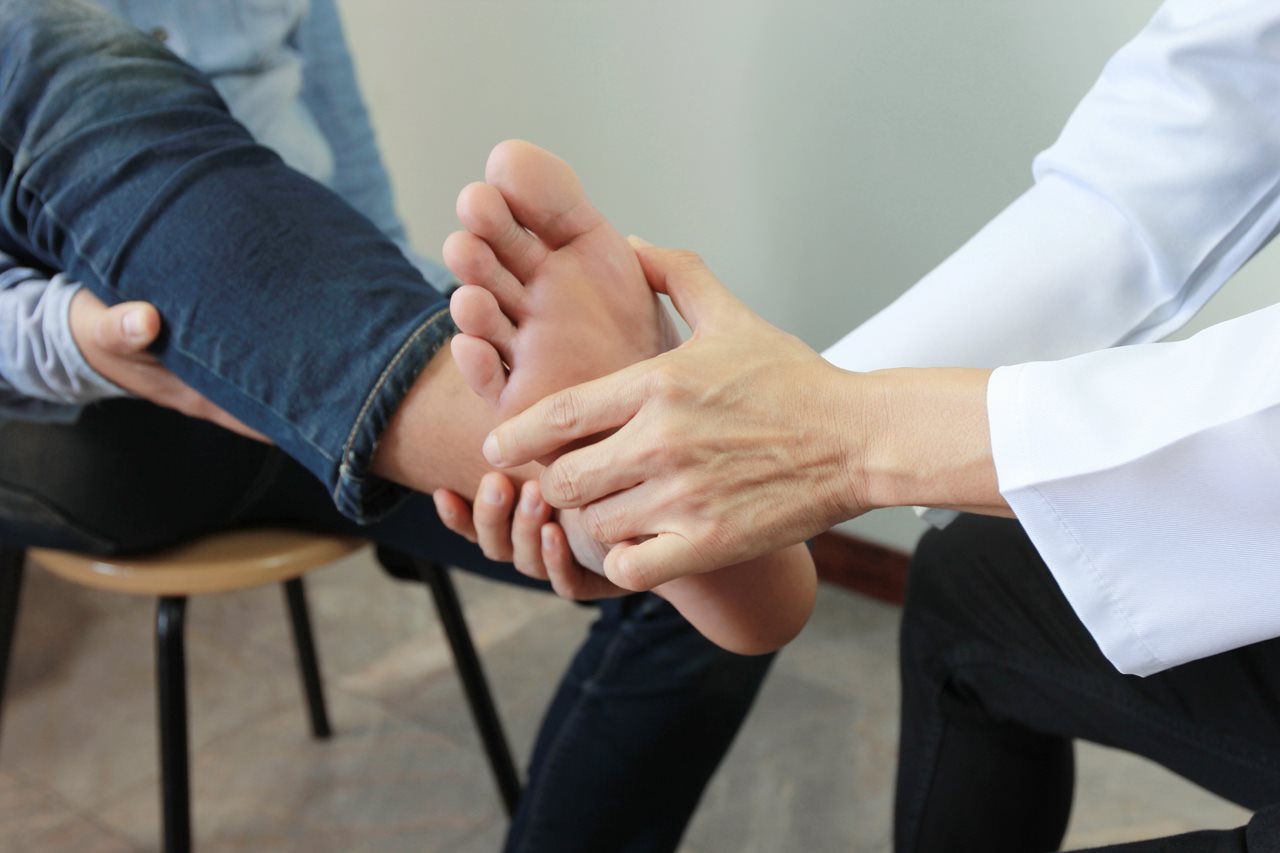
(BPT) – Did you know that there are 28 bones in the foot? These bones, along with more than 30 joints, allow for a wide range of movements, including standing, walking, stretching, jogging and more. It’s easy to take foot health for granted when everything feels great, but the moment something is wrong, you realize just how important your feet are.

A proactive approach is best for ongoing foot health. The Prevent Injuries Campaign! from the American Academy of Orthopaedic Surgeons (AAOS) strives to educate people of all ages on foot health and the importance of preventing injuries. Orthopaedic foot and ankle surgeon and spokesperson for the AAOS Steven L. Haddad, MD, FAAOS, offers these tips to help everyone keep their feet healthy for improved mobility:

Choose the right footwear

Those fancy shoes might look great with your outfit, but they may not be great for your feet. Shoes that are too tight, too loose or without enough support can cause unwanted strain on the feet, ankles, lower leg, hip and spine. There are many well-made, supportive and stylish shoes, so be smart when shopping and selecting your shoes for the day. To learn tips for finding the right fit for shoes, including advice for children’s, men’s and women’s shoes, visit OrthoInfo.org. A quick tip: try on new shoes in the store at the end of the day, when your feet are the most swollen from your daily activities. That way, the shoe will never feel too tight and is less likely to cause damage to your feet.

Stretch and exercise your feet

You often hear about the importance of exercise, but have you thought about exercise in relation to foot health? Stretching and strengthening your feet regularly helps to relieve pressure you put on them each day, keeps the muscles flexible, and helps prevent injuries. Try flexibility exercises like toe raises and picking up a towel with your toes. Exercise can also strengthen the bones in your feet. Simply going for a walk with a good supportive shoe puts regulated impact on the bones that keeps them strong and lowers the risk of fracture/stress fracture.

Don’t delay diabetic foot care

For people with diabetes, careful, daily inspection of the feet is essential to overall health and the prevention of damaging foot problems. A wound as small as a blister can progress to a serious infection in a matter of a day. According to Dr. Haddad, diabetes also damages blood vessels, decreasing the blood flow to the feet. Poor circulation weakens bone and can cause disintegration of the bones and joints in the foot and ankle. Just as important, diabetes can affect the nerves to your feet. Because you don’t feel the bottom of your feet as you normally would, you may develop cuts, sores or blisters on the bottom of your feet and not know it. It’s therefore essential to examine your feet as part of your daily routine. Due to both the nerve and blood flow problems, people with diabetes are also at increased risk for breaking bones in the feet.

Explore home therapies

If you find your feet are sore or achy, consider exploring home remedies. Of course, changing to supportive shoes and stretching are good first steps for relief. Some people soak their feet in water to reduce soreness, while others may try hot/cold therapy with compresses. There are foot ointments and lotions as well. These all can help with temporary soreness, but if you have chronic aches or pains, consider seeing an orthopaedic specialist.

Consult with an orthopaedic surgeon

With so many bones, joints and tendons, it can be difficult to know what’s causing issues with your feet. Consider a consultation with an orthopaedic specialist who can pinpoint whether your foot pain is due to a disease or injury and guide you through steps for recovery. Visit OrthoInfo.org for more information about finding the right orthopaedic surgeon.

Ready to walk down the aisle? Beauty tips for everyone in the wedding party

2022-05-23T08:01:00

(BPT) – There are many moving pieces and details involved with planning a wedding, and while the happy couple runs the show, the wedding party also has responsibilities and is in the spotlight.

That’s why it’s so important to start planning beauty routines and treatments ahead of time to ensure that everyone is looking and feeling their best for the wedding celebration. One trend that is climbing the ranks in wedding parties more and more is the use of medical aesthetic treatments.

“Medical aesthetic treatments, including energy-based devices and injectable neurotoxins and fillers, have become a common part of a woman’s beauty and wellness regimen — and, in turn, their big day,” said Heidi A. Waldorf, MD, president of Waldorf Dermatology Aesthetics in Nanuet, NY. “Patients are increasingly researching medical aesthetic treatments — and the science behind them — so they feel more confident in the options that are right for them.”

With official wedding season approaching, here are some beauty tips that will have you ready to walk down the aisle.

Bride and bridesmaids

Establishing and following a beauty routine months in advance can help reduce stress and create a good base for your stylists. However, there are some things you can’t address with self-care and at-home beauty routines alone. For example, for those in the wedding party who have frown lines or wrinkles between their eyebrows often caused by repetitive facial expressions (e.g., from squinting at the computer screen all day), one option to look your best is an anti-wrinkle treatment or, in medical terminology, a neurotoxin.

One neurotoxin particularly popular among brides-to-be is the injectable neurotoxin Xeomin® (incobotulinumtoxinA). With more than 10 years in the U.S. market, Xeomin is the first FDA approved anti-wrinkle injection for frown lines that is uniquely purified to remove unnecessary proteins.* The treatment is administered by doctors, dermatologists, plastic surgeons and medspa clinicians, and has consistently delivered a well-established safety and efficacy profile. Even Hollywood A-Lister Gwyneth Paltrow uses it.

“For patients who are looking for a neuromodulator without unnecessary proteins, I let them know that as a wrinkle-smoothing injection, Xeomin is double filtered, so its active ingredient contains only what’s needed,” said Dr. Doris Day, a board-certified dermatologist in NYC. “Xeomin is suitable for adults of all ages. Individual results may vary, so be sure to schedule your consultation with your medical professional ahead of time to see if it is right for you, as it usually takes about 7 days to see results.”

Brides and bridesmaids should not have any problems squeezing a Xeomin treatment in between bridal appointments; you need just about 15 minutes for your appointment after an initial consultation, and the typical duration of effect is three to four months.

Groom and groomsmen

Attention will also be on the face of the groom and groomsmen on the wedding day. Consider getting a haircut or trim a week or so out and booking a professional shave for the day before or on the wedding day. A hot towel shave by a barber will leave your skin looking soft, smooth and moisturized, which reduces the risk of irritation and red skin. You can pair a professional shave with a facial treatment to buff away dry, dull skin so you can look your best, in-person and for those important wedding photos.

“Women aren’t the only ones coming into my office for aesthetic treatments like Xeomin,” said Dr. Shino Bay Aguilera, board-certified dermatologist in Fort Lauderdale, FL. “I’m treating more and more men who understand the benefits of investing in their appearance — whether it’s for their career or an important life moment like getting married.”

Mother of the bride or groom

It may be your child’s big day, but as the mother of the bride or groom, you’ll be a visible, important member of the wedding party. If the bride has hired a professional makeup artist for the wedding, book an appointment with them ahead of time to discuss options and preferences.

Regardless of your age, makeup should be fun. Research makeup ideas and find reference photos, so your makeup artist has an idea of which trends you prefer and how they can customize them to suit your face. According to The Knot, you can coordinate your makeup with the bridesmaids or match the wedding colors, creating a cohesive look that underscores your connection to the happy couple.

A beautiful day for all

A wedding is a time of celebration. Whether it’s bride and groom, bride and bride, or groom and groom, it’s meant to be one of the happiest days of a couple’s life together. With these beauty tips, everyone in the wedding will look their best so they can focus on what really matters: the love shared between the newlyweds.

*Uniquely purified means all the unnecessary proteins are removed, leaving the active part of the molecule, which then smooths your frown lines. Head-to-head studies evaluating the relative risk of immunogenicity due to the presence or absence of complexing/unnecessary proteins have not been performed.

About XEOMIN® (incobotulinumtoxinA)

XEOMIN® (incobotulinumtoxinA) is a botulinum toxin type A approved by the U.S. Food and Drug Administration (FDA) to temporarily improve the look of moderate to severe frown lines between the eyebrows (glabellar lines) in adults. For more information, including Full Prescribing Information and Medication Guide, please visit www.xeominaesthetic.com. See below for Important Consumer Safety Information.

XEOMIN® (incobotulinumtoxinA) IMPORTANT CONSUMER SAFETY INFORMATION Read the Medication Guide before you start receiving XEOMIN (Zeo-min) and each time XEOMIN is given to you as there may be new information. The risk information provided here is not comprehensive. To learn more:

  • Talk to your health care provider or pharmacist
  • Visit www.xeominaesthetic.com to obtain the FDA-approved product labeling
  • Call 1-866-862-1211

Uses

XEOMIN is a prescription medicine that is injected into muscles and used to improve the look of moderate to severe frown lines between the eyebrows (glabellar lines) in adults for a short period of time (temporary).

It is not known if XEOMIN is safe and effective in children under 18 years of age.

Warnings

XEOMIN may cause serious side effects that can be life threatening. Call your doctor or get medical help right away if you have any of these problems anytime (hours to weeks) after treatment with XEOMIN:

    • Problems with swallowing, speaking, or breathing can happen within hours to weeks after an injection of XEOMIN if the muscles that you use to breathe and swallow become weak. Death can happen as a complication if you have severe problems with swallowing or breathing after treatment with XEOMIN.
      • People with certain breathing problems may need to use muscles in their neck to help them breathe and may be at greater risk for serious breathing problems with XEOMIN.
      • Swallowing problems may last for several months, and during that time you may need a feeding tube to receive food and water. If swallowing problems are severe, food or liquids may go into your lungs. People who already have swallowing or breathing problems before receiving XEOMIN have the highest risk of getting these problems.
    • Spread of toxin effects. In some cases, the effect of botulinum toxin may affect areas of the body away from the injection site and cause symptoms of a serious condition called botulism. The symptoms of botulism include: loss of strength and muscle weakness all over the body, double vision, blurred vision and drooping eyelids, hoarseness or change or loss of voice, trouble saying words clearly, loss of bladder control, trouble breathing, trouble swallowing.

These symptoms can happen hours to weeks after you receive an injection of XEOMIN. These problems could make it unsafe for you to drive a car or do other dangerous activities.

Do not use XEOMIN if you are allergic to XEOMIN or any of the ingredients in XEOMIN (see the end of this Guide for a list of ingredients in XEOMIN), had an allergic reaction to any other botulinum toxin products such as rimabotulinumtoxinB (MYOBLOC®), onabotulinumtoxinA (BOTOX®, BOTOX® COSMETIC), or abobotulinumtoxinA (DYSPORT®) or have a skin infection at the planned injection site.

Before receiving XEOMIN, tell your doctor about all of your medical conditions, including if you:

  • have a disease that affects your muscles and nerves (such as amyotrophic lateral sclerosis [ALS or Lou Gehrig’s disease], myasthenia gravis or Lambert-Eaton syndrome)
  • have had any side effect from any other botulinum toxin in the past
  • have a breathing problem such as asthma oremphysema
  • have a history of swallowing problems or inhaling food or fluid into your lungs (aspiration)
  • have bleeding problems
  • have drooping eyelids
  • have plans to have surgery
  • have had surgery on your face
  • are pregnant or plan to become pregnant. It is not known if XEOMIN can harm your unborn baby.
  • are breastfeeding or plan to breastfeed. It is not known if XEOMIN passes into breast milk.

Tell your doctor about all of the medicines you take, including prescription and over-the-counter medicines, vitamins and herbal supplements. Talk to your doctor before you take any new medicines after you receive XEOMIN.

Using XEOMIN with certain other medicines may cause serious side effects. Do not start any new medicines until you have told your doctor that you have received XEOMIN in the past. Especially tell your doctor if you

  • have received any other botulinum toxin product in the last four months
  • have received injections of botulinum toxin such as rimabotulinumtoxinB (MYOBLOC®), onabotulinumtoxinA (BOTOX®, BOTOX® COSMETIC) and abobotulinumtoxinA (DYSPORT®) in the past. Be sure your doctor knows exactly which product you received. The dose of XEOMIN may be different from other botulinum toxin products that you have received.
  • have recently received an antibiotic by injection
  • take muscle relaxants
  • take an allergy or cold medicine
  • take a sleep medicine

Ask your doctor if you are not sure if your medicine is one that is listed above.

Know the medicines you take. Keep a list of your medicines with you to show your doctor and pharmacist each time you get a new medicine.

Possible Side Effects

XEOMIN can cause serious side effects that can be life threatening including allergic reactions. Symptoms of an allergic reaction to XEOMIN may include: itching, rash, redness, swelling, wheezing, asthma symptoms, or dizziness or feeling faint. Tell your doctor or get medical help right away if you get wheezing or asthma symptoms, or if you get dizzy or faint. See “Warnings.”

The most common side effect of XEOMIN in people with glabellar lines include:

  • headache

These are not all the possible side effects of XEOMIN. Call your doctor for medical advice about side effects. You may report side effects to FDA at 1-800-FDA-1088.

General information about the safe and effective use of XEOMIN

Medicines are sometimes prescribed for purposes other than those listed in a Medication Guide. You can ask your pharmacist or doctor for information about XEOMIN that is written for health professionals.

Active Ingredient: botulinum toxin type A

Inactive Ingredients: human albumin and sucrose

Please see XEOMIN® Full Prescribing Information and Medication Guide.

Intended for U.S. audiences only.

US-XEA-2200041

The National Paralysis Resource Center celebrates 20 years of providing life-changing resources

2022-05-20T23:01:00

(BPT) – Dealing with a spinal cord injury is devastating. Facing isolation and lack of information makes an already difficult situation even more challenging. Fortunately, one organization is striving to make a difference by providing free resources to help individuals and their families navigate living with paralysis.

The Christopher & Dana Reeve Foundation’s National Paralysis Resource Center (NPRC) was conceived by the late Dana Reeve after she faced a black hole of information when her husband, actor Christopher Reeve, sustained a spinal cord injury after an equestrian accident.

“When Chris was first injured, there was very little out there that we could turn to,” Dana said in 2005. “It didn’t seem like there was one place where we could call and ask five different questions that seemingly had nothing to do with one another.”

The NPRC is the only national program that directly serves the 5.4 million Americans living with multiple sclerosis (MS), amyotrophic lateral sclerosis (ALS), stroke, spina bifida, spinal cord injury, cerebral palsy and other forms of paralysis. The Reeve Foundation has operated the NPRC for 20 years, relying on federally-funded grants to provide many services at no cost.

The NPRC is the support side of the Reeve Foundation’s twin missions to provide “Today’s Care” and to strive for “Tomorrow’s Cure.” The goal is to provide a free, comprehensive, national source of informational support for people living with paralysis and their caregivers.

If you or a loved one is living with paralysis, here are some of the free services and programs that could help:

Information Specialists

To assist people as they navigate through the various stages of their recovery after the diagnosis of paralysis, the Reeve Foundation’s Information Specialists are a team of trained staff members who help anyone — from newly paralyzed individuals and their family members to persons who have lived with disabilities for quite some time. Email your inquiry or set up a time to speak on the phone to get the help you need, conveyed with care and empathy.

Virtual support groups

Feeling supported and finding connections is an essential part of the human experience. Virtual support groups led by professional facilitators and peer mentors living with paralysis or who are the family members/caregivers of individuals living with paralysis were created to combat the feelings of isolation that often come with a disability. The hope is to foster greater connection among peers who understand the day-to-day challenges of living with paralysis.

Military & Veterans Program

Serving the country in the military is admirable. For people that were injured during their time in the military, transitioning to civilian life may feel particularly overwhelming. The Military & Veterans Program is designed to support the unique needs of current service members and veterans, regardless of when they served or how their injury was obtained. The goal is to provide personalized information and resources needed to live a fulfilling life.

Peer & Family Support Program

Often the best support comes from people who have first-hand experience of what you’re going through. The Peer & Family Support Program is for people living with paralysis, as well as those who care for them, providing the opportunity to connect for hope, support and a way forward. Available across the country, the peer-to-peer network helps everyone, from newly paralyzed individuals and their family members to people who have lived with paralysis for some time.

College transition

Living with a disability does not need to limit the pursuit of higher education. In addition to a variety of resources aimed at helping people with a disability navigate college successfully, the Reeve Foundation is also offering free consultations with Accessible College LLC to families and students interested in transitioning to college with paralysis.

Reaching New Heights in Relief from Painful Diabetic Neuropathy with High-Frequency Spinal Cord Stimulation

2022-05-20T12:01:00

(BPT) – By David Caraway, M.D., Ph.D., Chief Medical Officer of Nevro Corp.

A diabetes diagnosis can feel like taking on a round-the-clock job – from which you receive no benefits, vacations, or breaks. Managing diabetes can take an enormous physical, mental, social, and financial toll. For people who develop complications of the condition, such as painful diabetic neuropathy (PDN), finding effective relief can feel like another endless task.

About 1 in 10 Americans have diabetes, and millions will struggle with PDN during their lifetime. People with PDN experience a wide range of symptoms that typically affect the legs and feet. Pain can be described as burning, freezing, shooting, stabbing, deep aches, hypersensitivity, and “electric shock” sensations. In my work, I’ve heard from my patients time and again that the pain from diabetic neuropathy impacted so many aspects of their lives. Routine activities like spending time with family, gardening, walking the dog, and even getting a full night’s sleep could not be accomplished without experiencing intense pain.

Those with PDN have trouble achieving effective relief for a variety of reasons, according to a patient panel by the U.S. Food and Drug Administration (FDA). Between the trial and error of therapy regimens, weighing the benefits and poor side effects of medications, and trying treatments that simply don’t provide the needed relief, it’s easy to understand how someone battling chronic pain caused by PDN over an extended period may be feeling hopeless after pursuing traditional treatments.

The good news for people with PDN is that additional treatment options are available. In July 2021, the first spinal cord stimulation (SCS) system was approved by the FDA with a specific indication to treat PDN, Nevro HFX*. Nevro HFX is a non-drug alternative to treat pain related to diabetic neuropathy. HFX includes a small device that works inside your body using very mild, imperceptible electrical pulses to disrupt pain signals before they can reach the brain.

And, unlike other available therapies, HFX uses a proprietary, high-frequency (10kHz) waveform to help people with PDN experience long-term relief. Other systems rely on distracting patients from their pain using a tingling sensation known as paresthesia – a common symptom of PDN on its own – whereas HFX relieves pain and eliminates the pins and needles sensation.

HFX is also backed by unrivaled clinical research. Data published in Diabetes Care from the largest-ever randomized controlled trial to evaluate SCS as a treatment for PDN found that:

  • HFX provides incredible pain relief. 86% of participants reported pain relief greater than 50% after 12 months with the therapy, and participants’ average pain relief reached just over 77%.
  • HFX can improve neurological function. 68% of participants experienced neurological improvements – meaning there was improved sensation, reflexes, and motor strength in patients’ legs. No other SCS has shown these improvements.
  • HFX is a safe alternative to conventional treatments. The study’s authors concluded that people with PDN who have experienced resistance to traditional treatment options could safely and effectively be treated with high-frequency SCS.

Furthermore, Nevro matches each HFX patient with a dedicated HFX Coach who provides remote, individualized support every step of the way to ensure long-term success. HFX also enables real-time, data-informed care that can share your progress with your care team.

While managing diabetes can feel like a full-time job, living with complications like PDN doesn’t have to feel so burdensome. New technologies like HFX for the treatment of PDN can provide the end-to-end support you need to help you get back to doing what you love.

*HFX is a comprehensive solution that includes a Nevro Spinal Cord Stimulation (SCS) system and support services for the treatment of chronic pain, including painful diabetic neuropathy, programmed with a frequency of 10 kHz.

Psoriasis Patient’s Story Offers Hope for Those Struggling with Symptoms

2022-05-19T10:01:00

(BPT) – Six years ago, 65-year-old grandmother and storyteller Nancy reached her breaking point. A full-time caregiver to her mother who was in hospice care, she began noticing an uncomfortable rash on her chest. After her mother passed away, her symptoms became severe and painful. Rashes and flakes covered the majority of her body – everywhere except her face.

An active and outgoing member of her community, Nancy noticed these symptoms were negatively impacting her lifestyle. She felt she looked contagious, was self-conscious about her skin and was in pain. Eventually, her sister took her to a clinic, where she was incorrectly diagnosed with a yeast infection and given ointment. She then visited a PA at the doctor’s office. By this time, all she could wear comfortably on her feet were men’s slippers. Once again, more ointment and no improvement.

“The symptoms had grown unbearable over the months, and I felt exhausted. I stopped doing my volunteer storytelling, swimming and going for walks,” said Nancy. “There was one week where I was entirely bedridden because of how inflamed my skin was. I was miserable and starting to lose hope.”

In tears, she drove herself to the emergency room and was immediately diagnosed with moderate-to-severe plaque psoriasis. The doctor prescribed a steroid to help with the unbearable symptoms and told her to see a dermatologist as soon as possible.

“When my sister and brother-in-law arrived at the hospital, they saw my chair covered in white flakes and that’s when it clicked for everyone just how serious this was,” said Nancy. “I knew I had to start advocating for myself.”

After meeting with a dermatologist, who started her on an oral medication and ointments, Nancy experienced an improvement in symptoms and was able to participate in some of the activities that she missed. However, Nancy continued to experience difficult flare-ups when she felt stressed; so she began researching biologic options for treating moderate-to-severe plaque psoriasis and found ILUMYA® (tildrakizumab-asmn). ILUMYA® is a prescription medicine used to treat adults with moderate-to-severe plaque psoriasis who may benefit from taking injections, pills (systemic therapy), or phototherapy (treatment using ultraviolet or UV light). She researched the most common side effects, which include upper respiratory infections, injection site redness and diarrhea.

She consulted with her dermatologist, who felt ILUMYA® was a promising treatment for her. Nancy was excited to learn that ILUMYA® would be covered for her under Medicare Part B. Soon after, she began treatment. While some patients might experience side effects such as upper respiratory infections, injection site reactions and diarrhea, she did not.

When Nancy’s skin started to clear, she returned to her favorite activities and became the Nancy that everyone around her remembered. She stopped missing important events and spent time with her family again.

“The first test was making it through the stressful holiday season without a flare-up,” said Nancy. “I couldn’t believe it. I didn’t have to worry as much about having flare-ups anymore.”

Nancy said she especially likes no longer having a constant reminder of her psoriasis by taking pills and using lotions daily. After the first two doses of ILUMYA®, she only receives an injection four times a year.

“If you are living with flare-ups, advocate for yourself. Find a dermatologist and speak to them about biologic treatments for moderate-to-severe plaque psoriasis. It could be moderate-to-severe plaque psoriasis, or it could be something else, but you will get an answer either way,” said Nancy.

For patients who are 65 years or older and covered under Medicare Part B, there are treatment options for you. To learn more about Nancy’s story and other ILUMYA® patients, visit www.ilumya.com/patient-stories.

What is ILUMYA?

ILUMYA® (tildrakizumab-asmn) is a prescription medicine used to treat adults with moderate to severe plaque psoriasis who may benefit from taking injections, pills (systemic therapy), or phototherapy (treatment using ultraviolet or UV light).

IMPORTANT SAFETY INFORMATION

What is the most important information I should know about ILUMYA?

Do not use ILUMYA if you have had a severe allergic reaction to ILUMYA or any of its ingredients.

Get emergency medical help right away if you get any of the following symptoms of a serious allergic reaction:

  • feel faint
  • trouble breathing or throat tightness
  • swelling of your face, eyelids, lips, mouth, tongue or throat
  • chest tightness
  • skin rash

ILUMYA is a medicine that may lower the ability of your immune system to fight infections and may increase your risk of infections. Your healthcare provider should check you for infections and tuberculosis (TB) before starting treatment with ILUMYA and may treat you for TB before you begin treatment with ILUMYA if you have a history of TB or have active TB. Your healthcare provider should watch you closely for signs and symptoms of TB during and after treatment with ILUMYA.

Tell your healthcare provider right away if you have an infection or have symptoms of an infection, including:

  • fever, sweats, or chills
  • muscle aches
  • weight loss
  • cough
  • warm, red, or painful skin or sores on your body different from your psoriasis
  • diarrhea or stomach pain
  • shortness of breath
  • burning when you urinate or urinating more often than normal
  • blood in your phlegm (mucus)

Before receiving ILUMYA, tell your healthcare provider about all of your medical conditions, including if you:

  • have any of the conditions or symptoms listed in the section “What is the most important information I should know about ILUMYA?”
  • have an infection that does not go away or that keeps coming back
  • have TB or have been in close contact with someone with TB
  • recently received or are scheduled to receive a vaccine (immunization). You should avoid receiving live vaccines during treatment with ILUMYA.
  • are pregnant or plan to become pregnant. It is not known if ILUMYA can harm your unborn baby.
  • are breastfeeding or plan to breastfeed. It is not known if ILUMYA passes into your breast milk.

Tell your healthcare provider about all the medicines you take, including prescription and over-the-counter medicines, vitamins, and herbal supplements.

It is not known if ILUMYA is safe and effective in children under 18 years of age.

What are the possible side effects of ILUMYA?

ILUMYA may cause serious side effects. See “What is the most important information I should know about ILUMYA?”

The most common side effects of ILUMYA include upper respiratory infections, injection site reactions and diarrhea. These are not all of the possible side effects of ILUMYA. Call your doctor for medical advice about side effects.

You are encouraged to report any negative side effects of ILUMYA to FDA. Visit www.fda.gov/medwatch or call 1-800-FDA-1088. You are also encouraged to report side effects or ADEs (adverse drug events) to our Drug Safety Department at 1-800-406-7984 or drug.safetyUSA@sunpharma.com (preferred) with as much information as available.

Please read the full Prescribing Information and Medication Guide for ILUMYA and discuss any questions with your doctor.

A New In Silico Study Finds Nitric Oxide Supplement May Increase Vitamin D Production and Bioavailability

2022-05-18T08:01:00

(BPT) – A recent in silico analysis has found that supplement-induced bioproduction of endothelial nitric oxide may also increase the endogenous production, bioavailability, and efficacy of vitamin D3. These findings are the work product of a Connecticut-based biotechnology company, Emergent Systems Analytics (ESA), co-founded by Drs. Shama Kajiji and Anton Fliri. ESA uses its patented AI-technology based on Emergent Intelligence to analyze complex datasets, systems biology, and translational sciences.

Previous studies have conclusively demonstrated the human body’s ability to produce nitric oxide (NO) declines with aging, and this generally results in declining health due to an increase in cardiovascular and other metabolic diseases. A few months ago, ESA used its powerful systems pharmacology platform and spectral clustering methodology to project the body-wide effects resulting from Cardio Miracle, a nutraceutical supplement, with a unique ability to increase the biological production of NO in human endothelial cells.

Dr. Fliri, a medicinal chemist, conducted these cutting-edge in silico (computer simulations) studies. These studies involved processing trillions of data points from over 17 million peer-reviewed scientific journals and the evaluation of cause-effect relationships on all tissues and organ systems of the human body for analyses of over 700 natural products isolated from the 50+ ingredients in Cardio Miracle’s proprietary blend.

“We discovered that Cardio Miracle’s unique blend of ingredients has the propensity to not only increase NO production, but also enhance Vitamin D3 bioavailability and its efficacy,” said Dr. Fliri. “Thus, Cardio Miracle could be efficacious for intercepting progression of atherosclerosis, which is the thickening or hardening of the arteries caused by buildup of plaque in the inner lining of an artery – the precursor to many heart-related issues.”*

According to Dr. Kajiji, ESA findings highlight the multiple health benefits of Cardio Miracle: boosting NO production, improved vitamin D3 efficacy, and dampening of inflammatory conditions that are responsible for many chronic diseases. “We have found that Cardio Miracle is not only an effective NO-producing nutraceutical but also a powerful Vitamin D supplement.”

Backed by Science

In the early1980s, medical research breakthroughs discovered that a molecule, thought to be solely toxic, performed many critical communication functions in the human body. That molecule was NO. In fact, in 1992, Science Magazine called it the body’s “queen of communication”. In 1998, the Nobel Prize in Medicine and Physiology was awarded to three U.S. scientists who discovered that NO was a vasodilator produced by blood vessels that was responsible for keeping the cardiovascular system healthy. The Nobel Prize research noted that NO, among other things, helped maintain blood vessel flexibility, increased blood flow and blood oxygenation. Soon after these scientific discoveries, men and women of all ages started to tap into the health benefits of NO.

Food for Thought

There are several super-foods that boost NO naturally, including spinach, broccoli, carrots, kale, and beets, to name a few. Cardio Miracle includes over 40 fruits and vegetables, botanicals, and herbs containing potent anti-inflammatory and antioxidants in a great-tasting powder that can be mixed with your favorite drinks and smoothies. For less than the cost of a cup of coffee, Cardio Miracle provides the super-food fuel your body needs to boost NO production and, apparently, vitamin D3.

Fueling Bear

Bear Grylls is one of the world’s most recognizable faces of survival and outdoor adventure. Grylls, host of the Emmy Award-nominated series Man vs. Wild television, takes Cardio Miracle daily.

“Surviving in the wild, and the physicality needed for adventure, means looking after my body and fueling it properly,” Grylls said. “I find good nutrition and regular use of Cardio Miracle, which is backed by robust research, play a key part in staying strong and active.”

Intermittent fasting. High intensity training. Cardio training. Healthy eating. All of these are key to obtaining and maintaining healthy body weight, getting in shape, and improving one’s health. But, just those alone pale in comparison when combined with a NO booster, like Cardio Miracle, to level-up the most important muscle in the human body – the heart.

“Whether you are a world-class athlete, a weekend warrior, or just looking to improve your overall fitness and life vitality, increasing NO has proven to help performance,” Dr. Fliri said. “Cardio Miracle is made from the highest quality ingredients, driven and backed by science, and committed to your health and well-being.”

*These statements have not been evaluated by the Food and Drug Administration. This product is not intended to diagnose, treat, cure or prevent any disease. Information on this site is provided for informational purposes only. It is not meant to substitute for medical advice from your physician or other medical professional. You should not use the information contained herein for diagnosing or treating a health problem or disease or prescribing any medication. Carefully read all product documentation. If you have or suspect that you have a medical problem, promptly contact your regular health care provider.