The CDC now recommends hepatitis B vaccination for adults. Are you protected?

2022-03-14T17:01:00

(BPT) – The Centers for Disease Control and Prevention (CDC) recently announced that it recommends hepatitis B vaccination for all adults ages 19-59[i]*. While there is no cure for hepatitis B, vaccination can prevent the disease. Fortunately, with two trips to your local pharmacy, you can get protected against the hepatitis B virus in as little as one month.

Hepatitis B: What You Need to Know

Hepatitis B is a potentially fatal viral infection that is the leading cause of liver cancer worldwide[ii] Spread through contact with infected blood or bodily fluids, hepatitis B is 100 times more infectious than HIV.[iii] There are approximately 2.4 million people in the U.S. with chronic hepatitis B. Symptoms can stay dormant, or not show at all, for up to 30 years. Therefore, many people may be unaware of their infection and can unknowingly spread it to others. A vaccine can prevent hepatitis B, but there’s no cure for the condition.

Vaccination is the Key to Protection

In 1991, infants began getting vaccinated against hep B. This led to a dramatic reduction of hepatitis B infection rates. That said, many adults born before the hepatitis B vaccine mandate are still unprotected and are at-risk for infection. Today, the rate of adult hepatitis B infection is on the rise due to low adult vaccination rates. According to the CDC, 75% of U.S. adults are not currently protected against hepatitis B.1

Two-Dose Hepatitis B Vaccine Option

Recent innovation in hepatitis B vaccines has made it possible for adults to get protection in a shorter period of time. Until recently, hepatitis B vaccine options had been limited to three-doses (or shots) given over six months.[iv] As you can imagine, this can create challenges with people completing the series.[v] A recent study from Kaiser Permanente, one of the nation’s leading health care providers, found that only 26% of adults completed all three doses of the traditional hepatitis B vaccine.[vi]

A two-dose (or two shot) hepatitis B vaccine option called HEPLISAV-B® [Hepatitis B Vaccine (Recombinant), Adjuvanted] is available and the series can be completed in one month. HEPLISAV-B is approved for use in the U.S. for adults 18 and over.

“The CDC vaccination recommendation is the spark that the nation’s hepatitis B elimination strategy truly needed,” says Dr. Arun Jesudian, Assistant Professor of Medicine at New York-Presbyterian Hospital – Weill Cornell Medicine. “The CDC’s action will play a critical role in helping fulfill the U.S. Department of Health and Human Services’ vision to eliminate hepatitis B by 2030, empowering a path forward to immunize and protect adults born before 1991 who have not yet received the vaccine.”

It’s time to talk to your pharmacist about Hepatitis B

The combination of the CDC vaccine recommendation and the availability of the two-dose vaccine option bodes well for a potential future without hepatitis B.

“By making hepatitis B the fifth vaccine routinely recommended for adult immunization alongside the flu vaccine, Tdap, Shingles, and Pneumococcal, the CDC has laid the foundation for a sea change in healthcare delivery in the U.S. that will help save lives by enabling more adults to gain protection against the deadly virus,” adds Dr. Jesudian.

If you were born before 1991 and have not yet received a hepatitis B vaccine, talk to your pharmacist about getting protected with the two-dose hepatitis B vaccine, HEPLISAV-B. For more information and to find a nearby pharmacist who can help protect you against hepatitis B, click here.

Indication and Use
HEPLISAV-B is indicated for prevention of infection caused by all known subtypes of hepatitis B virus in adults age 18 years and older.

IMPORTANT SAFETY INFORMATION

Do not administer HEPLISAV-B to individuals with a history of severe allergic reaction (e.g., anaphylaxis) after a previous dose of any hepatitis B vaccine or to any component of HEPLISAV-B, including yeast.

Appropriate medical treatment and supervision must be available to manage possible anaphylactic reactions following administration of HEPLISAV-B.

Immunocompromised persons, including individuals receiving immunosuppressant therapy, may have a diminished immune response to HEPLISAV-B.

Hepatitis B has a long incubation period. HEPLISAV-B may not prevent hepatitis B infection in individuals who have an unrecognized hepatitis B infection at the time of vaccine administration.

The most common patient-reported adverse reactions reported within 7 days of vaccination were injection site pain (23%-39%), fatigue (11%-17%), and headache (8%-17%).

For full Prescribing Information for HEPLISAV-B, click here.


* The CDC recommends hepatitis B vaccination for all adults ages 19-59 years old, as well as adults older than 60 with risk factors for hepatitis B. Anyone 60 years or older who does not meet risk-based recommendations may still receive hepatitis B vaccination.

[i] Murthy N, Wodi AP, Bernstein H, McNally V, Cineas S, Ault K. Advisory Committee on Immunization Practices Recommended Immunization Schedule for Adults Aged 19 Years or Older — United States, 2022. MMWR Morb Mortal Wkly Rep 2022;71:229–233. DOI: https://www.cdc.gov/mmwr/volumes/71/wr/mm7107a1.htm?s_cid=mm7107a1_w

[ii] CDC. Vaccination Coverage Among Adults in the United States, National Health Interview Survey, 2016 https://www.cdc.gov/vaccines/imz-managers/coverage/adultvaxview/pubs-resources/NHIS-2016.html#hepB

[iii] Walayat S, Ahmed Z, Martin D, Puli S, Cashman M, Dhillon S. Recent advances in vaccination of non-responders to standard dose hepatitis B virus vaccine. World J Hepatol. 2015;7(24):2503-2509.

[iv] Mast EE, Weinbaum CM, Fiore AE, et al. A comprehensive immunization strategy to eliminate transmission of hepatitis B virus infection in the United States: recommendations of the Advisory Committee on Immunization Practices (ACIP) part II: immunization of adults. MMWR Recomm Rep. 2006;55(RR-16):1-33.

[v] Williams WW, Lu P-J, O’Halloran, et al. Surveillance of vaccination coverage among adult populations – United States, 2015. MMWR Surveill Summ. 2017;66(11):1-28.

[vi] Association of Number of Doses With Hepatitis B Vaccine Series Completion in US Adults. JAMA Network Open. Available at Association of Number of Doses With Hepatitis B Vaccine Series Completion in US Adults | Infectious Diseases | JAMA Network Open | JAMA Network.

US-22-00-00083

5 beauty and style tips for staying fresh this spring

2022-03-12T05:01:00

(BPT) – The sunshine and gentle breezes of spring inspire people of all ages to update their style so they look and feel their best. While fragrant flowers are blooming all around, the warmer weather can leave you feeling less than fresh.

“Feeling fresh is a state of mind,” said Dr. Maiysha Jones, Senior Scientist at Procter & Gamble. “Seasonal changes can impact how we feel, so with temperatures shifting and the extended daylight, you might start noticing differences in how fresh you feel. Fortunately, you can stay looking and smelling great with just a few simple tips.”

Feeling confident this spring starts with staying fresh. Here are five tips for updating your routine so you feel your best inside and out:

1) Sip to stay glowing

Being more active during warmer weather means you need to focus on hydration. Drink plenty of water. It’s pretty easy to keep a water bottle nearby. Need a healthy flavor boost? Add fresh fruit like lemons or berries to your water, or snack on hydrating, water-filled veggies like cucumbers.

2) Shower the day away

As spring arrives, you’re likely sweating more and spending more time outdoors, and you might also be showering more often. Try a warm shower in the evening to wind down your body and mind, helping you relax before bedtime. Plus, if you’re sensitive to allergens, an evening shower will help minimize things that might cause congestion as you sleep.

3) Spray on all-day freshness

An effective antiperspirant/deodorant in a new scent is ideal for spring, such as the new Secret Weightless Dry Spray that provides 48-hour sweat and odor protection. The targeted spray gets the product where it’s needed, plus the redesigned fragrances provide superior all-day freshness. This spray is free of heavy waxes and alcohol, and is made with pH balancing minerals to help stop odor before it starts.

4) Create a sunny wardrobe

Because spring can bring a variety of weather, dress in layers so you can easily adjust to stay comfortable. Time to put away the heavy, cozy gear and opt for lighter fabrics, such as cotton, that breathe. Play with fun colors representative of the season or to boost your mood, accessorize! And since you might be bearing more skin, don’t forget the sunscreen, even when it’s cloudy. The American Academy of Dermatology recommends using broad-spectrum sunscreen with SPF 30 or higher on any exposed skin.

5) Get your beauty sleep

The longer daylight hours are wonderful, but one drawback is it can cause you to delay bedtime. This can mean you get less sleep, which can cause you to look and feel less than your best. Doctors recommend that active adults get 7-9 hours of sleep each night. It’s also a good idea to maintain a regular bedtime so you feel refreshed when you wake up and can fully enjoy the next day.

Worried about your vision? Watch out for these 5 common eye problems

2022-03-10T07:01:00

(BPT) – Our eyes are delicate. Even using precaution, you can end up with eye damage and loss of vision. The Centers for Disease Control and Prevention (CDC) estimates that in the U.S., 12 million people over the age of 40 have some form of vision impairment.

Many vision problems are caused by diseases that you’re at higher risk of developing as you age. If you have any family members with eye problems, you may be more likely to have an eye disease or suffer from eye problems. To catch problems early, you should regularly see an eye doctor, enroll in an individual vision plan and educate yourself on common eye conditions.

1. Macular degeneration

Age-related macular degeneration (AMD) is caused by the deterioration of the center of the retina (macula), leading to loss of central vision. AMD is the leading cause of vision loss in people over 50. According to the CDC, 1.8 million people have AMD and another 7.3 million are at higher risk of AMD-related vision loss.

As the name suggests, your risk of developing AMD increases as you age. If you have a family history of AMD, you are also at a high risk of developing this eye disease. Smoking, high cholesterol and high blood pressure are also common AMD risk factors.

2. Cataracts

When someone develops cataracts, the eye’s clear lens becomes cloudy and like seeing through a fogged window. This condition can make it difficult to see facial expressions, drive and read. Because cataracts develop slowly, it can take awhile before someone realizes it’s interfering with their vision.

As with many vision problems, your risk of developing cataracts is related to aging. As you age, proteins in fibers in the lenses deteriorate and clump together, clouding the eye.

The Mayo Clinic cites inherited genetic disorders, other existing eye conditions, past eye surgery and diabetes as other contributing risk factors.

3. Glaucoma

Glaucoma isn’t just one disease but rather a group of eye diseases that damage the optic nerve, usually caused by abnormally high pressure on the eye.

Often, glaucoma doesn’t have many symptoms and it affects vision slowly, usually decreasing peripheral vision first. Most people don’t know they have glaucoma and can’t tell that their vision has changed. However, without treatment, glaucoma can lead to blindness. In fact, it is the leading cause of blindness for people over 60.

4. Dry eyes

Dry eyes is a condition when a person can’t produce enough good quality tears to lubricate their eyes. While this might sound more irritating than problematic, dry eyes isn’t as innocuous as it may sound. Tears are essential to reducing the risk of eye infections, maintaining the eye surface and washing away foreign matters.

According to the American Optometric Association, women are more likely than men to develop dry eyes as they age. Certain medications like antihistamines, blood pressure medications and antidepressants can cause dry eyes. People with certain medical conditions — including diabetes, rheumatoid arthritis and thyroid problems, are also likely to develop dry eyes. Other risk factors include environmental conditions like smoke, wind and dry climates. If you regularly use contact lenses or undergo refractive eye surgery, you’re also more likely to suffer from dry eyes.

5. Retinal detachment

Retinal detachment occurs when the retina, a thin layer of tissue at the back of your eye, lifts away from its normal position, resulting in blurry vision. This condition is considered a medical emergency and should be addressed right away. In addition to blurry vision, you may also experience:

  • Small dark spots or squiggly lines that float across your vision
  • A dark shadow on the peripheral and middle vision
  • Flashes in one or both eyes

While anyone can experience retinal detachment, you are more likely to develop this condition if a family member has had it, you’ve undergone cataract or other eye surgery, or you’ve had a severe eye injury. People with diabetic retinopathy and myopia are also more likely to experience retinal detachment.

Have a plan in place

Eye problems can happen to anyone at any time. If you don’t have vision insurance or your coverage has ended, it’s important to find and enroll in a plan. VSP® Vision Care offers vision insurance plans that give you peace of mind and can support you if you develop eye problems. There are no open enrollment or waiting periods so that you can enroll at any time. Plans start at $13 a month and give you access to one of the largest eye doctor networks. Visit VSP Individual Vision Plans to receive a quote and help protect your future vision.

Advocating for Yourself: A Patient’s Experience with Relapsed or Refractory Multiple Myeloma (RRMM)

2022-03-08T12:09:00

(BPT) – Kathy, a 59 year old woman with RRMM, shares her diagnosis and experiences. This is her personal story and others may be different.

Kathy, a wife, mother and avid traveler, received the shock of her life when she was diagnosed with multiple myeloma at 39 years old. Her diagnosis was uncommon, as the median age at diagnosis is typically in the mid to late 60s. Getting to this diagnosis and finding the appropriate treatment options has been a challenging road for Kathy, but throughout her experience, one thing never wavered – her resolve.

Kathy’s story began a year prior to her diagnosis – she had not been feeling well, and was prescribed a number of different medications for symptoms following three different emergency room visits; she was determined to get an answer. During her third visit to the emergency room, the doctor took a blood test, and concerned with the results, he scheduled her an appointment with an oncologist. A week later, she saw the oncologist who immediately ran additional tests – including more blood tests, a urine test, X­-rays and a bone marrow biopsy. It was then that Kathy realized the gravity of her situation – and jumped “into action.” She followed up with the lab every day to obtain her results, with the hope that she would finally get some answers to what she may be facing. Shortly after she had these additional tests done, Kathy’s results came back and the oncologist diagnosed her with multiple myeloma.

Multiple myeloma is a blood cancer that starts in the plasma cells, a type of white blood cell that normally fights infections. It is the second most common blood cancer in the US, and is generally considered treatable, but not curable. More than 34,000 people are estimated to be diagnosed with multiple myeloma this year.

At the time of Kathy’s diagnosis, just over 20 years ago, resources and support for patients were limited, so she immediately called everyone she knew to gather information about the disease. Today, Kathy and her husband attribute her health to “being proactive and diving into educating” themselves. Whether it’s reading about new updates or participating in clinical trials, Kathy is adamant about taking some control of her treatment experience. Since diagnosis, Kathy has also taken every opportunity to improve her own knowledge and her expanded care team: seeking resources from patient advocacy groups, creating her own local support group, and engaging in discussions with her healthcare team about available treatment options.

When Multiple Myeloma Returns Following Treatment

Kathy and her family have valued transparency from the day of her diagnosis, because to Kathy, “The whole family has cancer. I’m just the host.” Kathy’s initial treatment worked for almost 16 years, but in 2017, just prior to her daughter’s wedding, she was told that her cancer had returned.

For people with multiple myeloma, there’s a good possibility their disease will return even after response to treatment, called relapse. For many, there’s also the possibility that their disease may be refractory to certain treatments, meaning the cancer doesn’t respond to treatment.

Kathy tried multiple treatments and combinations since her initial diagnosis, but since 2017 her disease relapsed each time, experiencing painful tumors and progression of the disease. Throughout this period of relapse and remission, Kathy made sure to remain proactive and never “let the grass grow under [her] feet.” In 2020, following a trip to Italy, she experienced her fourth relapse and she thought to herself, “There has to be another alternative.”

A Treatment Option to Help Fight Her Relapsed/Refractory Multiple Myeloma

Kathy, who is her own best advocate, took her most recent relapse as an opportunity to search for a treatment option that could work for her. Kathy spoke with her nurse practitioner about a treatment the FDA had approved for RRMM called BLENREP (belantamab mafodotin-­blmf) for injection 100 mg.

BLENREP is a prescription medicine used to treat adults with multiple myeloma who have received at least 4 prior medicines to treat multiple myeloma, and their cancer has come back or did not respond to prior treatment. It is not known if BLENREP is safe and effective in children. BLENREP is approved based on patient response rate. Studies are ongoing to confirm the clinical benefit of BLENREP for this use.

Before you receive BLENREP, you must read and agree to all of the instructions in the BLENREP REMS. Before prescribing BLENREP, your healthcare provider will explain the BLENREP REMS to you and have you sign the Patient Enrollment Form. BLENREP can cause serious side effects, including eye problems.

Please see below for complete Important Safety Information.

Approved in 2020 by the FDA, BLENREP is an antibody­-drug conjugate (ADC) that targets B­-cell maturation antigen (BCMA). BCMA is a protein expressed on myeloma cells in all people with multiple myeloma. BLENREP works in a unique way—by identifying MM cells that express BCMA and targeting them. BLENREP then attaches to the cancerous myeloma cells and releases medication, resulting in cell death. It is possible that healthy cells may also be affected.

BLENREP is the first ADC that targets BCMA, and offers another treatment option for people with RRMM whose cancer has come back or did not respond to prior treatment.

My Multiple Myeloma May Relapse, My Resolve Won’t Waver

Kathy clearly remembers the day she started BLENREP. She was pleased to hear that by her second round of treatment, the cancer responded. This was Kathy’s experience, and others’ may be different.

As part of managing treatment with BLENREP, Kathy’s physician referred her to an eye care professional to monitor her eyes before starting treatment and prior to each dose of BLENREP. Dry eyes, blurry vision, worsening vision, severe vision loss, and corneal ulcer may be experienced with BLENREP treatment, as the medicine can cause changes to the surface of the eye. Even if vision seems fine, it is required for those taking BLENREP to continue to get their eyes checked prior to treatment to monitor potential changes that can happen without symptoms and may only be seen on an eye exam. Kathy experiences dry eyes, and is taking lubricant eye drops to help manage.

Kathy and her husband have become advocates for the multiple myeloma community, even starting their own support group in their city. Kathy feels it’s important to share her story to raise awareness of this disease, and hopes it will empower others to take charge of their treatment. “Every multiple myeloma patient is different, and it’s okay to seek help and talk to others!” says Kathy.

If you or a loved one has multiple myeloma, have received at least 4 prior medicines to treat it and the cancer has come back or did not respond to prior treatment, talk to your doctor about treatment options that may be right for you, including BLENREP, and visit BLENREP.com for more information.

IMPORTANT FACTS ABOUT BLENREP
The risk information provided here is not comprehensive. To learn more, talk to your healthcare provider or pharmacist. Visit BLENREP.com or call 1-888-825-5249 to get FDA-approved product labeling, including Medication Guide.

What is BLENREP?
BLENREP is a prescription medicine used to treat adults with multiple myeloma who have received at least 4 prior medicines to treat multiple myeloma, and their cancer has come back or did not respond to prior treatment. It is not known if BLENREP is safe and effective in children.

BLENREP is approved based on patient response rate. Studies are ongoing to confirm the clinical benefit of BLENREP for this use.

What is the most important information I should know about BLENREP?
Before you receive BLENREP, you must read and agree to all of the instructions in the BLENREP REMS. Before prescribing BLENREP, your healthcare provider will explain the BLENREP REMS to you and have you sign the Patient Enrollment Form.

BLENREP can cause serious side effects, including:
Eye problems. Eye problems are common with BLENREP. BLENREP can cause changes to the surface of your eye that can lead to dry eyes, blurred vision, worsening vision, severe vision loss, and corneal ulcer. Tell your healthcare provider if you have any vision changes or eye problems during treatment with BLENREP.

  • Your healthcare provider will send you to an eye specialist to check your eyes before you start treatment with BLENREP, prior to each dose of BLENREP, and for worsening symptoms of eye problems.
  • Even if your vision seems fine, it is important that you get your eyes checked during treatment with BLENREP because some changes can happen without symptoms and may only be seen on an eye exam.
  • You should use preservative-free lubricant eye drops at least 4 times per day during treatment with BLENREP as instructed by your healthcare provider.
  • You should use caution when driving or operating machinery as BLENREP may affect your vision.
  • Avoid wearing contact lenses during treatment with BLENREP unless directed by your eye specialist.

Decrease in platelets (thrombocytopenia) is common with BLENREP, and can also be serious. Platelets are a type of blood cell that help your blood to clot. Your healthcare provider will check your blood cell counts before you start treatment with BLENREP and during treatment. Tell your healthcare provider if you have bleeding or bruising during treatment with BLENREP.

Infusion reactions are common with BLENREP, and can also be serious. Tell your healthcare provider or nurse right away if you get any of the following signs or symptoms of an infusion reaction while receiving BLENREP:

  • chills or shaking
  • redness of your face (flushing)
  • itching or rash
  • shortness of breath, cough, or wheezing
  • swelling of your lips, tongue, throat, or face
  • dizziness
  • feel like passing out
  • tiredness
  • fever
  • feel like your heart is racing (palpitations)

The most common side effects of BLENREP include vision or eye changes such as findings on eye exam (keratopathy), decreased vision or blurred vision, nausea, low blood cell counts, fever, infusion-related reactions, tiredness, and changes in kidney or liver function blood tests.

How will I receive BLENREP?

  • BLENREP will be given to you by your healthcare provider by intravenous infusion into your vein over approximately 30 minutes and is usually given every 3 weeks.
  • Your healthcare provider will decide how many treatments you need and may decrease your dose, temporarily stop or completely stop treatment with BLENREP if you have serious side effects.
  • If you miss any appointments, call your healthcare provider as soon as possible to reschedule your appointment.

Before receiving BLENREP, tell your healthcare provider about all of your medical conditions, including if you:

  • have a history of vision or eye problems.
  • have bleeding problems or a history of bleeding problems.
  • are pregnant or plan to become pregnant. BLENREP can harm your unborn baby. Females who are able to become pregnant: Your healthcare provider may do a pregnancy test before you start treatment with BLENREP. You should use effective birth control during treatment with BLENREP and for 4 months after the last dose. Talk to your healthcare provider about birth control methods you can use during this time. Tell your healthcare provider if you become pregnant or think you may be pregnant during treatment with BLENREP. Males with female partners who are able to become pregnant should use effective birth control during treatment with BLENREP and for 6 months after the last dose.
  • are breastfeeding or plan to breastfeed. It is not known if BLENREP passes into your breast milk. Do not breastfeed during treatment with BLENREP and for 3 months after the last dose.
  • BLENREP may affect fertility in males and females. Talk to your healthcare provider if this is a concern for you.

Tell your healthcare provider about all the medicines you take, including prescription and over-the-counter medicines, vitamins, and herbal supplements.

These are not all the possible side effects of BLENREP.

You are encouraged to report negative side effects of prescription drugs to the FDA. Visit www.fda.gov/medwatch, or call 1-800-FDA-1088.

Trademarks are owned by or licensed to the GSK group of companies
©2021 GSK or licensor.
BLMOGM210046 November 2021
Produced in USA.

What employers can learn from the Great Resignation

2022-03-08T00:01:00

(BPT) – By Shareen Luze, head of culture and field experience, RBC Wealth Management—U.S.

It’s a startling fact — people are quitting their jobs at a higher rate than normal. According to a Bureau of Labor Statistics report released in November of 2021, a record 4.5 million people resigned that month. You don’t have to look hard to find out why. A LinkedIn survey found that 74% of respondents said the pandemic was a wake-up call and more time at home led them to think twice about their current job. Some pointed to stress, while others cited general dissatisfaction.

As someone who is hard-wired to find silver linings in every situation, no matter how dire, I think we as employers must accept there are lessons to be learned and work we can do to better support employees.

1) Embrace flexibility

One thing we learned from the pandemic is we all have lives outside of the office. Before, working parents may have shushed a child who asked for help while they were on a Zoom meeting. Now, I see lots of parents who are more comfortable with their child making a surprise appearance. There’s greater acceptance of these little interruptions that demonstrate our work and home lives are more interconnected than ever before. And, as employers, we’re wise to recognize this. A recent survey shows 56% of workers said flexibility was their primary reason to look for a new job, even more so than higher pay.

At RBC Wealth Management, we’ve committed to flexible work schedules with time in the office (when it’s safe to do so) and time at home. Over the past nearly two years, it’s become clear that not every employee has to be in the office every single day. Enabling a greater portion of the workforce to work remotely will promote greater flexibility for employees who, for a multitude of life circumstances, can’t always be in the office from 9 to 5.

2) Support employees

With pandemic stress and burnout topping the list of reasons why they quit, workers are looking for greater support. And employers are in a unique position to offer help, especially as employees juggle responsibilities during the school year. RBC’s medical plans already included telehealth options, and we’ve made it easier to use those services during this time by temporarily providing no-cost visits (no co-pays or co-insurance). We also have several programs that offer free, confidential counseling and coaching services for employees and their family members who may be experiencing stress, depression and other mental health concerns. Employees can receive personal support by phone or videoconference — without leaving their homes.

Perhaps the best resource of all during the pandemic? Each other. Our employee network group, Women Empowered (WE), proved through virtual meetings we didn’t have to physically be together, to be in this together. Sessions focused on work-from-home boundaries, communication skills and mental health topics, like mindfulness. We even had a little fun with workshops where members would show off their talents — everything from sewing masks to making cocktails and yoga.

3) Find purpose

Millennials, the largest generation in the workforce, are looking for more than just a paycheck — they want purpose. The Cone Communications Millennial Employee Study found that 83% of respondents would be more loyal to a company that helps them contribute to social and environmental issues. And 64% won’t take a job if their employer doesn’t have a strong corporate social responsibility (CSR) policy.

At RBC Wealth Management, we understand that work needs to hold greater meaning today than ever before. That’s why we invite employees to share in our core value of diversity, equity and inclusion because we’re committed to building and nurturing a diverse workforce. It’s reflected in the makeup of our board, which is 38% women, and in how we hire and promote.

Responsible investing — applying environmental, social and governance (ESG) data to an investment portfolio — is also a focus of ours. In fact, ESG is so important that it’s woven into everything we do, even front and center on our website. Our carbon neutral status, sustainable financing investment and commitment to environmental solutions demonstrate our ideals and we hope that resonates with our employees and job seekers. Because a purpose-driven culture makes work fulfilling.

4) Connect with authentic conversations

Anyone who knows me understands that I’m rarely at a loss for words. It’s helped me better connect with colleagues and team members. And it’s really helpful when it comes to understanding employees’ concerns and questions before they begin to think about resigning. Being proactive with authentic conversations is one of the best ways to create a workplace where employees feel respected and valued. To do that, leaders have to go beyond the typical “How are you?” and embrace vulnerability by sharing some of our own struggles. It’s not easy to let down our guard, but you might be surprised at the results. The power of an authentic conversation has the ability to connect, help us understand and ultimately, build trust that could potentially turn the tide on the great resignation.

This article was originally published through our partner Ellevate Network, the largest community of women at work.

RBC Wealth Management, a division of RBC Capital Markets, LLC, Member NYSE/FINRA/SIPC.

Helping to support older adults with diabetes through coordinated care

2022-03-03T17:01:00

(BPT) – Diabetes is one of the greatest health threats Americans face, especially as they grow older. It impacts an estimated 34 million adults in the U.S., and nearly 27% of those 65 and older are believed to have the disease. In addition, one-half of older adults have pre-diabetes.

“Diabetes is a tricky disease, because it can go undiagnosed while causing damage that may eventually lead to serious complications, such as heart disease, stroke, kidney disease, eye problems and limb amputation,” said Dr. Philip Painter, chief medical officer of UnitedHealthcare Medicare & Retirement. “What’s more, people with type 2 diabetes may be at greater risk for cancer or Alzheimer’s — not to mention severe disease if they are infected with COVID-19.”

Having diabetes means your body does not properly use and regulate blood sugar. People with diabetes often must monitor their blood sugar (glucose) levels closely through finger prick tests or a monitoring device. Some require insulin to keep their glucose levels in a healthy range.

Though the prevalence of diabetes has dipped slightly, obesity — a major risk factor for type 2 diabetes — reached a new national high, according to the 2020 America’s Health Rankings report from the United Health Foundation. Even more concerning: Older adults with diabetes have a higher risk of death and disability.

Regular appointments are a must

According to the Centers for Disease Control and Prevention (CDC), 77.8% of adults said they have a regular provider for diabetes care — which leaves about 22% without. Keeping in touch with a primary care provider and/or specialist can be of the utmost importance.

Because older adults with diabetes are more likely to have additional health problems, they’re often juggling multiple medications and coping with challenges like depression, cognitive impairment, falls, pain and incontinence,” Painter said. “Seeing your doctor when recommended is key. If you are struggling to manage your diabetes, getting a comprehensive assessment and regular care can make all the difference.”

How to work with your team

A diabetes care team might include not only your primary care provider, but a diabetes educator, a foot doctor and other specialists. You can work with them by:

  • Asking what kind of diabetes you have
  • Understanding what your A1C levels, blood pressure and cholesterol should ideally be, and how you can manage them
  • Reporting any complications or medication side effects you are experiencing
  • Asking for a healthy meal plan
  • Learning how to build more physical activity into your day

Medicare coverage for diabetes

Medicare covers a range of diabetes medications, supplies and services to help treat diabetes and keep patients’ blood sugar in a healthy range.

In general, Original Medicare pays 80% and beneficiaries pay 20% of the Medicare-approved amount for diabetes supplies and services covered by Part B after the yearly deductible is met. Your percentage share of the cost is called coinsurance. You may also pay a coinsurance amount or a copayment for items covered by Medicare Part D, a prescription drug plan. What you pay depends on the terms of your specific Part D plan. Most Medicare Advantage plans include prescription drug coverage.

Medicare Part B covers outpatient diabetes self-management training if you’ve been diagnosed with the disease.

Medical nutrition therapy and A1C tests may be provided at no additional cost.

Remember, diabetes is a serious illness — but, with the help of your provider and the rest of your care team, you can help keep your blood sugar under control and work to avoid complications.

Frustrated with acne? A first-of-its-kind prescription cream recently became available

2022-03-02T12:51:00

(BPT) – Did you know that acne is the most prevalent skin disease, affecting up to 50 million Americans?1 If you are one of the millions of people who have “acne vulgaris,” a skin condition commonly known as “acne,” you may have already tried a number of over-the-counter (OTC) products. While some OTC products may help in cases of mild acne, more moderate cases are considered to be a medical condition that is best treated by a dermatologist. And the good news is, new topical treatments have recently become available that add more options for the many teens and adults who are living with acne.

What exactly is acne?

Acne vulgaris occurs when hair follicles become plugged with oil (sebum) and dead skin cells. The plugged follicles cause whiteheads (closed plugged pores), blackheads (open plugged pores), papules (small red, tender bumps) or pimples (pustules, which are papules with pus at their tips).2

While acne is most common among teenagers, the truth is that it can affect people at any age.2

How is acne treated?

Doctors usually choose a combination of more than one approach to treat an individual’s acne, which in some cases may also involve oral medications.2 The most commonly used acne treatments are topical prescription medications, which may fall into one of the following categories:

  • Retinoids and retinoid-like drugs: Medications containing retinoic acids or tretinoin can be used to address hyperkeratinization (abnormally rapid shedding of skin cells) and inflammation. Drawbacks of topical retinoids include the fact that they can increase the skin’s sensitivity to sun, and can also cause dry skin and redness.
  • Antibiotics: Topical antibiotics are mainly used to address the acne-causing bacteria, and can also reduce redness and inflammation. Generally available as a gel or foam, topical antibiotics are often combined with benzoyl peroxide to reduce the probability of developing antibiotic resistance.
  • Azelaic acid and salicylic acid: A naturally occurring acid produced by a yeast, azelaic acid has antibacterial properties. Salicylic acid may help prevent plugged hair follicles, though there are few studies demonstrating its effectiveness.
  • Benzoyl peroxide: This can be effective against acne-causing bacteria, though it may cause contact dermatitis (a red, itchy rash).

A different type of topical acne treatment

WINLEVI® (clascoterone) cream 1%, the first topical androgen receptor inhibitor, is a topical medication that was approved by the FDA in August 2020 for the treatment of acne vulgaris in patients 12 years of age and older.3 Although the exact mechanism of action of WINLEVI is unknown, it appears to work by inhibiting the effects of androgen receptors in cells of the sebaceous glands (oil-producing glands in the skin) to help reduce sebum production and inflammation.4

“We have never had a topical medication like WINLEVI that works using this mechanism, as other hormone receptor inhibitors for acne are taken orally, and only by women,” said dermatologist Julie Harper, MD, founding director and past president of the American Acne and Rosacea Society. “This is a true first, and it’s exciting that we can use this medication in both males and females.”

In two WINLEVI clinical trials, the most common adverse reactions in 7% to 12% of patients were erythema (reddening), pruritus (itching), and scaling/dryness.

If your acne is not clearing up from use of OTC products, consult a dermatologist to discuss your condition and treatment options.

For more information on WINLEVI, go to WINLEVI.com.

INDICATION

What is WINLEVI cream?

WINLEVI (clascoterone) cream 1% is a prescription medicine used on the skin (topical) to treat acne vulgaris in people 12 years of age and older.

It is not known if WINLEVI cream is safe and effective in children under 12 years of age.

IMPORTANT PATIENT INFORMATION

Before using WINLEVI cream, tell your healthcare provider about all of your medical conditions, particularly if you:

  • have skin problems, including eczema, cuts or sunburn.
  • are pregnant or plan to become pregnant. It is not known if WINLEVI cream will harm your unborn baby
  • are breastfeeding or plan to breastfeed. It is not known if WINLEVI cream passes into your breast milk. Talk to your healthcare provider about the best way to feed your baby during treatment with WINLEVI cream

WINLEVI cream is for use on the skin only (topical). Do not use WINLEVI cream in or on your eyes, mouth, or vagina. Do not use WINLEVI cream for a condition for which it was not prescribed. Do not give WINLEVI cream to other people, even if they have the same symptoms you have. It may harm them.

What are the possible side effects of WINLEVI cream?

WINLEVI cream can cause serious side effects, including:

  • local skin reactions. WINLEVI cream may cause local skin irritation including itching, burning, skin redness or peeling
  • symptoms of a disorder where the adrenal gland does not make enough of certain hormones (adrenal insufficiency) during treatment with WINLEVI. Your healthcare provider may stop your treatment with WINLEVI if you develop any adrenal problems.

The most common side effects of WINLEVI cream include reddening, scaling or dryness, and itching of the skin being treated.

These are not all of the possible side effects of WINLEVI cream.

Tell your healthcare provider about the medicines you take, including prescription and over-the-counter medicines, vitamins, and herbal supplements.

Call your healthcare provider for medical advice about side effects. You may report side effects to FDA at 1-800-FDA-1088 or to Sun Pharmaceutical Industries, Inc. by calling 1-800-818-4555.

Please see full Prescribing Information and the Patient Information.


  1. Skin conditions by the numbers. American Academy of Dermatology Association, 2021. Available at Skin conditions by the numbers (aad.org). Accessed September 15, 2021.
  2. Rao J. Acne vulgaris. Medscape; 2020. Available at https://emedicine.medscape.com/article/1069804-overview#showall. Accessed September 21, 2021.
  3. U.S. Food and Drug Administration. Novel drug approvals for 2020. Available at Novel Drug Approvals for 2020 | FDA. Accessed September 21, 2021.
  4. Rosette C, Agan FJ, Mazzetti A, Moro L, Gerloni M. Cortexolone 17α-propionate (clascoterone) is a novel androgen receptor antagonist that inhibits production of lipids and inflammatory cytokines from sebocytes in vitro. J Drugs Dermatol. 2019;18(5):412-418. See online abstract here.

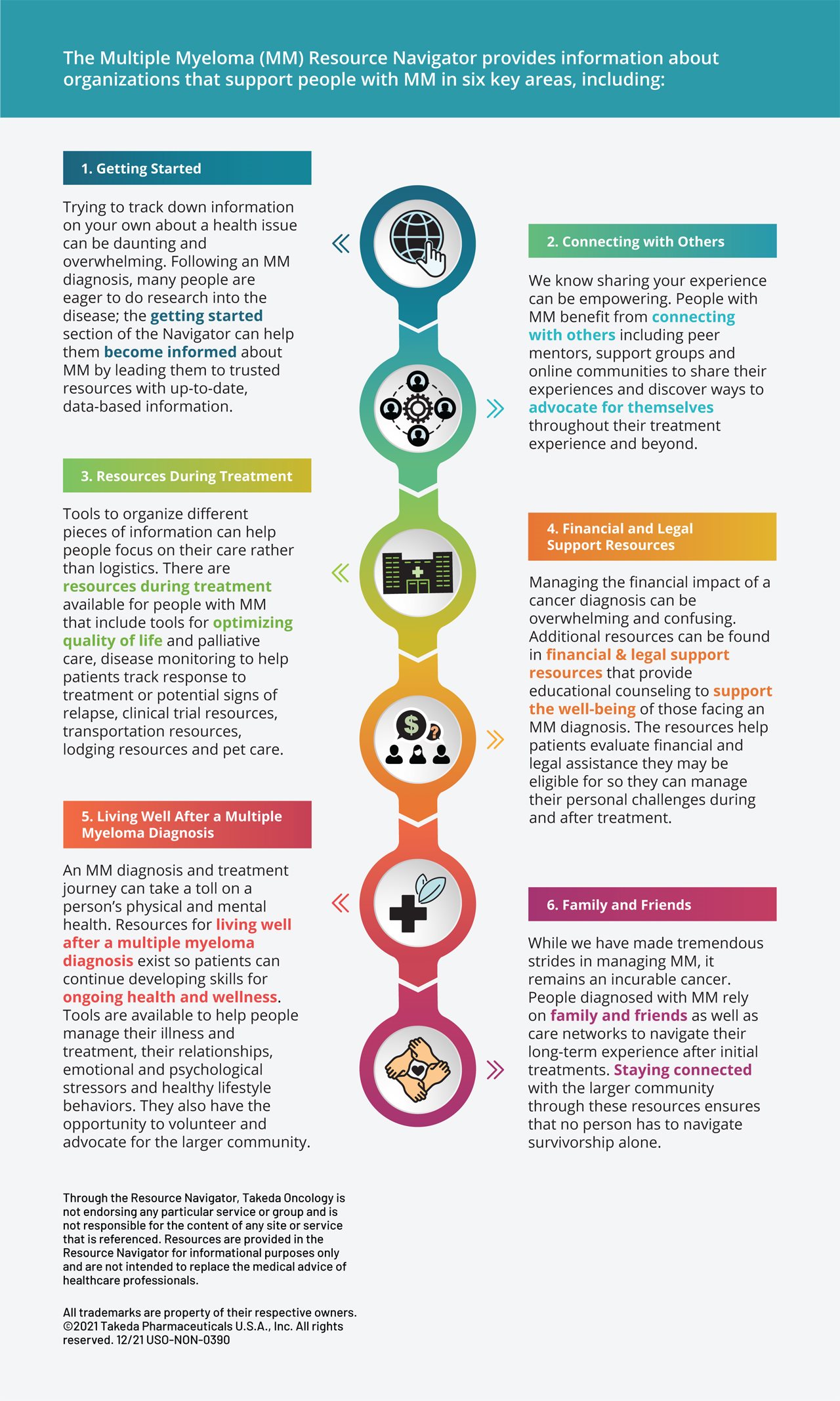
Navigating a multiple myeloma diagnosis – what you need to know [Infographic]

2022-03-01T05:01:00

(BPT) – Sponsored by Takeda Oncology

In 2021, approximately 35,000 people in the United States were estimated to be diagnosed with multiple myeloma (MM),1 a rare disease that represents about 1% of all diagnosed cancers worldwide.2 Despite therapeutic advances over the last few decades, MM remains an incurable cancer.3 Receiving a diagnosis of MM is frightening and overwhelming, and can leave people wondering where to turn. Learning about MM and the resources available can help patients diagnosed with MM and their families feel more in control and supported through the myeloma journey.

While many programs and services exist to help people with MM, patients and their care partners may not be aware of these resources. The Multiple Myeloma Resource Navigator for Patients was developed by Takeda Oncology together with leading patient advocates, who shared their experiences and insight to help compile a list of organizations that the oncology community has trusted over time, offering a variety of resources so patients and their care partners know where to turn. The Navigator is organized with considerations for the patient journey, starting first with trusted sources of information and concluding with opportunities for peer mentorship.

CONQUER magazine has the full guide available for patients and their loved ones: https://conquer-magazine.com/images/downloads/CONQUER-Multiple-Myeloma-Resource-Navigator-for-Patients.pdf

References:

1 American Cancer Society. Key Statistics For Multiple Myeloma. Accessible on: https://www.cancer.org/cancer/multiple-myeloma/about/key-statistics.html

2 International Agency for Research on Cancer. World Health Organization. All cancers. 2020. Accessible on: https://gco.iarc.fr/today/data/factsheets/populations/900-world-fact-sheets.pdf

3 Everyday Health. What Is Multiple Myeloma? http://www.everydayhealth.com/multiple-myeloma/guide/.

Top 8 ways to improve heart health according to an interventional cardiologist

2022-02-23T14:25:00

(BPT) – Most of us know that maintaining optimal heart health is essential to living a long, healthy life. Yet still, in the United States, heart disease is the leading cause of death, and we are not putting adequate attention toward prevention.

Fortunately, cardiologists, heart health experts, and new research have made it easier to take care of our health by providing simple guidelines on how to maintain optimal heart health even as we age.

Renowned Interventional Cardiologist and author Dr. Heather Shenkman emphasizes the importance of “making small, easy adjustments to your daily lifestyle that add up to transformative health benefits.”

1) Go for daily walks

Yes, just going on one walk a day is enough exercise to do your body good. Considering how busy our lives can be, it can be challenging to engage in intense workouts every day.

But thankfully, according to cardiologists and health experts, a moderate, quick 15-minute walk around the neighborhood is enough to contribute to a healthy heart and body as a whole.

“Benefits of a quick walk around the neighborhood are enormous,” said Metabolic Health & Vitality Specialist Tafiq Akhir. “The advantages go far beyond heart health; they include improved mood, reduced back pain, lower risk of blood clots, ease joint discomfort and so on.”

2) Get enough sleep

You likely already know how important sleep is for our overall health, but it’s also crucial to leading a heart-healthy lifestyle in particular. Poor sleep can negatively affect our cardiovascular health by interrupting our body’s natural recovery processes, causing changes in the blood vessels, slowing metabolism, and putting stress on our immune system.

3) Stay hydrated

Drinking enough water isn’t just necessary when we’re thirsty, or when it’s hot outside. Dehydration can negatively impact our cardiovascular system by reducing the amount of blood circulating throughout our body. Keeping our bodies hydrated helps the heart more easily pump blood through the blood vessels to the muscles allowing them to work more efficiently.

“I usually recommend drinking half your body weight in ounces to stay hydrated,” says Registered Dietician Lauren Cornell.

4) Limit your salt intake

The American Heart Association recommends no more than 2,300 milligrams a day, but ideally, daily sodium consumption should be limited under 1,500 milligrams. This is much less than the amount most Americans consume; an average of over 3,400 milligrams each day. By reducing your daily salt intake, you can lower your blood pressure significantly. An easy strategy is to increase your potassium intake, which lessens the effect of salt. Include potassium-rich foods like fish, fruits and vegetables in your diet to balance your salt intake.

5) Cut out fried foods

While eating fried foods can be appealing to our taste buds, it can also be a complete heart health destroyer. According to a new study, eating fried food is tied to an increased risk of heart disease and stroke. The greatest way to avoid these harmful effects is to reduce — or even eliminate — our intake of fried foods.

6) Consume probiotics

Those who consume probiotic foods such as yogurt or who take probiotic supplements have been shown to have lower blood pressure and cholesterol levels. Fortifying and increasing your digestive capacity with probiotic-rich foods and supplements will help maintain great heart and whole body health, plus it will provide the essential nutrients you need to receive from your food.

7) Eat more beetroot

The benefits of beetroot come from its ability to raise nitric oxide levels in the body. Nitric oxide is a natural chemical produced by the body to widen arteries. The production of nitric oxide in the body can help lower blood pressure, promote healthy circulation, and give you better overall energy and heart health. Nitric oxide synthesis begins to slow as a part of normal aging, which is why many people turn to beetroot supplements to maintain healthy nitric oxide levels.

8) Take a supplement rich in fiber and essential vitamins

It can easily become overwhelming to ensure optimal heart health with the many requirements expected of us. That’s why adding a supplement that contains vitamins specifically designed for heart health can be the most effective way to promote heart and brain health, maintain appropriate weight levels, and encourage healthy circulation.

“In my practice, I combine healthy eating and exercise with an integrative approach to health by recommending CardioFitMD daily superfoods to my patients,” Shenkman explains. “It has all the vitamins and minerals, pre- and probiotics, nitric oxide, and fiber we are most deficient in, in one great-tasting daily drink.”

Navigating High Cholesterol Management Through a Health Crisis

2022-02-18T08:01:00

(BPT) – Almost two years into the COVID-19 pandemic, people have adjusted to the “new normal,” finding ways to safely continue to work, socialize and manage their health. But while many have managed to keep their health routines at the top of their priority list, a national survey conducted in late 2021 by research vendor SurveyHealthcareGlobus and commissioned by Kowa Pharmaceuticals of America, Inc.* revealed that nearly 30% of respondents felt as though they could have done more to prioritize and better their health, especially when it comes to their heart.1

In fact, because of the pandemic, over a fourth (26%) of respondents reported they were not exercising as much as they should and admitted that they needed to get back on track when it came to managing their high cholesterol.1 In recognition of American Heart Month and the start of the new year, there couldn’t be a better time to re-evaluate your heart health management routine and create a plan for success!

It is commonly known that high cholesterol is a major risk factor for heart disease, affecting nearly 94 million Americans.2 But unlike other conditions, high cholesterol often has no signs or symptoms until it is too late — when a stroke or heart attack can occur, due to cholesterol plaque blocking blood flow to the brain or heart. Make an appointment and talk to a doctor about cholesterol levels — the first steps to better heart health are awareness and knowledge.

High cholesterol can be managed with an individualized treatment plan created by a doctor, including a heart-healthy diet and 40 minutes of moderate- to vigorous-intensity exercise or activity 3-4 times per week. If healthy lifestyle changes aren’t effectively getting cholesterol under control, a doctor may also prescribe medication, such as a statin. Statins work by reducing the cholesterol levels made by the liver and by helping lower low-density lipoprotein cholesterol (“bad” cholesterol or LDL-C) that’s already in the blood.3

In combination with a heart-healthy lifestyle (mindful diet and regular exercise), statins can act as a critical part of achieving lower cholesterol levels. However, 50% or more of people discontinue statins within one year of treatment initiation, and more do so over longer periods of time.4 Adhering to statin regimen is important. Some helpful tips and tricks to remember to stay on track include taking it at the same time each day, setting alarms and using family or friends to help stay accountable.

Before you stop taking prescribed medication, talk to your doctor about different options. There are several statins available, and they are not the same — what works for one patient’s unique needs may differ for another. Based on clinical trial data, LIVALO® (pitavastatin) demonstrated up to a mean of 45% LDL-C reduction in adults with PH or MD. Additionally, ~3% of patients taking LIVALO 4mg experienced myalgia (muscle aches) in short-term trials out to 12 weeks and 1 in 200 patients discontinued LIVALO 4mg due to myalgia (0.5%) out to 72 weeks of treatment. Discontinuation rates were less than 4% across the full dose range of LIVALO 1mg, 2mg, and 4mg. LIVALO has not been studied to evaluate its effect on reducing heart-related disease or death. Common side effects include back pain, myalgia, pain in arms or legs, constipation, and diarrhea. Ask your doctor if LIVALO may be right for you.

In the midst of an ever-changing health crisis, it is important to focus on the aspects of health that can be controlled, like managing high cholesterol. So long as we are aware of our levels, know the treatment options, communicate our individual needs to our doctors through honest conversations about our experience with treatment, and stick to our heart-health regimen, we can work towards a healthier lifestyle.

Learn more about LIVALO, including financial support resources of which you may be eligible for.

Important Safety Information for LIVALO® (pitavastatin) tablets

What is LIVALO?

  • LIVALO is a cholesterol-lowering medication called a “statin” for adults with high cholesterol that, along with a heart-healthy diet, helps to lower total cholesterol, “bad” cholesterol (LDL-C), triglycerides, and Apo B and to raise “good” cholesterol (HDL-C).
  • LIVALO has not been studied to evaluate its effect on reducing heart-related disease or death.

Who should NOT take LIVALO?

LIVALO is not right for everyone. Do not take LIVALO if:

  • You have a known allergy to LIVALO or any of its ingredients.
  • You have active liver problems, including some abnormal liver test results.
  • You are nursing, pregnant or may become pregnant, as it may harm the baby.
  • You are currently taking cyclosporine or gemfibrozil.

What is the most important information I should know and talk to my doctor about?

  • Call your healthcare provider or get help right away if you experience any symptoms of an allergic reaction, such as rash, itching, or hives.
  • Muscle problems may be an early sign of rare, serious conditions. Tell your doctor right away if you have any unexplained muscle pain, weakness, or tenderness, particularly if accompanied by malaise or fever, or if these muscle signs or symptoms persist after discontinuing LIVALO.
  • Serious liver problems have been reported rarely in patients taking statins, including LIVALO. Your doctor should do liver tests before you start, and if you have symptoms of liver problems while you are taking LIVALO. Tell your healthcare provider right away if you feel more tired than usual, have a loss of appetite, upper belly pain, dark-colored urine, or yellowing of the skin or eyes.
  • Tell your doctor about all your medical conditions and medications you take including nonprescription medicines, vitamins, or herbal supplements.
  • Increases in blood sugar levels have been reported with statins, including LIVALO.
  • Tell your doctor about your alcohol use.
  • Tell your healthcare provider of a known or suspected pregnancy.

What are the most common side effects of LIVALO?

The most common side effects of LIVALO in clinical studies were:

  • Back pain
  • Muscle pain
  • Constipation
  • Pain in the legs or arms
  • Diarrhea

This is not a complete list of side effects. Talk to your healthcare provider for more information.

You are encouraged to report negative side effects of prescription drugs to the FDA.

Visit www.fda.gov/medwatch or call 1-800-FDA-1088.

How should I store and take LIVALO?

  • Store LIVALO tablets at room temperature, in a dry place, protected from light, and keep out of the reach of children.
  • Take LIVALO orally once daily with or without food at the same time each day.
  • Swallow the tablet whole. Do not split, crush, dissolve, or chew.
  • The maximum recommended dosage is LIVALO 4 mg once daily.
  • If you take too much LIVALO or you or someone else takes an overdose, call your doctor and/or local Poison Control Center.

Other important information I should know about LIVALO.

  • LIVALO is available by prescription only.

For additional information please see the full Prescribing Information or visit www.LivaloRx.com.

© Kowa Pharmaceuticals America, Inc. (2021) – LIV-RA-0142 PI of 09/2020

* National survey conducted in October/November 2021 by research vendor SurveyHealthcareGlobus and commissioned by Kowa Pharmaceuticals America, Inc. of 1,000 people with high cholesterol

1. Kowa Pharmaceuticals America, Inc & Survey Healthcare Globus. Back on Track Survey Results. October-November 2021.

2. Centers for Disease Control and Prevention. High Cholesterol Facts. https://www.cdc.gov/cholesterol/facts.htm. Accessed December 2021.

3. American Heart Association. Cholesterol Medications. http://www.heart.org/en/healthtopics/cholesterol/preventionandtreatmentofhighcholesterolhyperlipidemia/cholesterolmedications. Accessed January 12, 2021

4. Maningat, Patricia et al. “How do we improve patient compliance and adherence to long-term statin therapy?.” https://www.ncbi.nlm.nih.gov/pmc/articles/PMC3534845/#R30. Accessed December 2021.