Navigating Atopic Dermatitis: Tips from a Dermatologist to Help Manage the Most Common Type of Eczema

2022-02-04T12:31:00

(BPT) – By BRANDPOINT

Sponsored by Incyte Corporation

As a dermatologist, Dr. Amy Spizuoco has a front-row seat to the experience of patients with atopic dermatitis (AD). For many of her patients, controlling AD can be challenging despite having tried at-home remedies, over-the-counter treatments, and prescription medications.

Life with AD

AD is a chronic skin condition characterized by inflammation and constant itch impacting more than 21 million people ages 12 years and older in the U.S.[1] Other symptoms include irritated skin, red lesions that may ooze and crust, and dry scaly patches.[2] AD most commonly occurs on the face, inside the elbows, or behind the knees,[3] and is triggered by a dysregulation of the immune system.[4]

The persistent itch and discomfort of AD can significantly impact people’s lives, interfering with everyday activities and even disrupting sleep.[5] Nearly two out of three people report experiencing itch most days of the week.[6] AD can also come and go, making the condition more frustrating to manage for some.[4]

Dr. Spizuoco, associate clinical instructor in the department of dermatology at The Icahn School of Medicine at Mount Sinai, and president-elect of the American Osteopathic College of Dermatology, empathizes with her patients’ frustrations:

“People with AD often come to me exhausted because they can’t get their condition under control. The discomfort from symptoms, including persistent itch, often prevents them from enjoying daily activities. One of my top priorities is to create a simple treatment plan that meets their individual needs. AD can be difficult to manage for some, and there are treatment options available that can help.”

Management Challenges

People may try different approaches to manage their AD, such as using lotion to keep skin moisturized[7] or medications like topical corticosteroids, either over-the-counter or prescribed by a doctor.[8] Some may find success with one of these approaches while others may not find relief or may lose the response to treatment over time, depending on how their body responds.

“AD manifests differently depending on the patient, which often results in patients cycling through different therapies trying to find solutions that address their particular experience,” says Dr. Spizuoco. “Many people end up using a complicated mix of products, which can feel overwhelming. It’s important that people with AD partner with a dermatologist early on to determine the best and most direct approach to get their condition under control. While treatment options for AD have been limited to date, there have been recent advances and we now have new treatment options to consider for some patients. For people living with AD who haven’t found relief, I recommend reaching out to a dermatologist to revisit the conversation and discuss a new approach.”

Determining if it’s Time for a New Treatment Approach

Novel therapies for the treatment of AD have recently become available. Opzelura™ (ruxolitinib) cream 1.5% is one of the newest treatments for mild to moderate AD, recently approved by the FDA for the short-term and non-continuous treatment of mild to moderate AD in patients 12 years and older without weakened immune systems whose disease is uncontrolled with topical prescription therapies, or when those therapies are not recommended.[9] It is a non-steroidal topical cream that targets a pathway believed to be a source of the itch and inflammation behind AD.

“Opzelura meets an important need in the treatment of AD, as a non-steroidal topical therapy,” Dr. Spizuoco said. “The way it works may make an impact on itch. In clinical trials, we saw that patients treated with Opzelura experienced significantly clearer skin and itch reduction, compared to those treated with non-medicated cream.[9] As a clinician, I’m encouraged by these results, and welcome a new treatment option for certain patients with mild to moderate AD.”

The most common (≥1%) adverse reactions associated with Opzelura are nasopharyngitis, diarrhea, bronchitis, ear infection, eosinophil count increased, urticaria, folliculitis, tonsillitis and rhinorrhea.[9] Please see below for Important Safety Information, including Boxed Warnings for serious infections, mortality, malignancy, major adverse cardiovascular events and thrombosis.

“It is important to note that the FDA has required that certain warnings and precautions be included for JAK inhibitors, including Opzelura,” says Dr. Spizuoco. “I will carefully review risk factors with my patients to evaluate if this is an appropriate treatment for them, and I encourage people to work with their healthcare providers to discuss the appropriate use of Opzelura – and any therapy – as part of their individualized treatment plan.”

Opzelura may work for some but not all patients. To learn more, visit www.Opzelura.com.

Tips for Managing AD

Dr. Spizuoco shares the following tips to encourage people with AD to take an active role in managing their condition:

  • Learn as much as possible about AD – knowledge is power!
  • Identify individual triggers to understand what may be driving flares
  • Build a strong relationship with a trusted dermatologist and work together on a personalized treatment approach
  • Come to appointments prepared with questions and openly express any concerns – big or small
  • Do research and work with healthcare providers to make informed decisions about potential treatment options
  • Connect with other people with similar experiences, and consider joining a local support group or advocacy group
  • Lean on family and friends – don’t be afraid to ask for help when needed

“While difficult, AD can be successfully managed,” said Dr. Spizuoco. “There are therapies that can help. Stay positive! Most importantly, work closely with a dermatologist who can be a strong advocate and help navigate any challenges that may arise along the way.”

IMPORTANT SAFETY INFORMATION

OPZELURA cream is for use on the skin only. Do not use OPZELURA cream, in your eyes, mouth or vagina.

OPZELURA may cause serious side effects, including:

Serious Infections: OPZELURA cream contains ruxolitinib. Ruxolitinib belongs to a class of medicines called Janus kinase (JAK) inhibitors. JAK inhibitors are medicines that affect your immune system. JAK inhibitors can lower the ability of your immune system to fight infections. Some people have had serious infections while taking JAK inhibitors by mouth, including tuberculosis (TB), and infections caused by bacteria, fungi, or viruses that can spread throughout the body. Some people have been hospitalized or died from these infections. Some people have had serious infections of their lungs while taking OPZELURA. Your healthcare provider should watch you closely for signs and symptoms of TB during treatment with OPZELURA.

OPZELURA should not be used in people with an active, serious infection, including localized infections. You should not start using OPZELURA if you have any kind of infection unless your healthcare provider tells you it is okay. You may be at a higher risk of developing shingles (herpes zoster) while using OPZELURA.

Increased risk of death from all causes, including sudden cardiac death, has happened in people taking JAK inhibitors by mouth.

Cancer and immune system problems: OPZELURA may increase your risk of certain cancers by changing the way your immune system works. Some people have had lymphoma and other cancers while taking JAK inhibitors by mouth, especially if they are a current or past smoker. Some people have had skin cancers while taking OPZELURA. Your healthcare provider will regularly check your skin during your treatment with OPZELURA.

There is an increased risk of major cardiovascular events such as heart attack, stroke or cardiac death in people with cardiovascular risk factors and who are current or past smokers while using JAK inhibitors to treat inflammatory conditions.

Blood clots: Blood clots in the veins of your legs (deep vein thrombosis, DVT) or lungs (pulmonary embolism, PE) can happen in some people taking OPZELURA. This may be life-threatening.

Low blood cell counts: OPZELURA may cause low platelet counts (thrombocytopenia), low red blood cell counts (anemia), and low white blood cell counts (neutropenia). If needed, your healthcare provider will do a blood test to check your blood cell counts during your treatment with OPZELURA and may stop your treatment if signs or symptoms of low blood cell counts happen.

Cholesterol increases: Cholesterol increase has happened in people when ruxolitinib is taken by mouth. Tell your healthcare provider if you have high cholesterol or triglycerides.

Before starting OPZELURA, tell your healthcare provider if you:

  • have an infection, are being treated for one, or have an infection that keeps coming back
  • have diabetes, chronic lung disease, HIV, or a weak immune system
  • have or had TB, or have been in close contact with someone with TB
  • have had shingles (herpes zoster) or hepatitis B or C
  • live, have lived in, or have traveled to certain parts of the country (such as the Ohio and Mississippi River valleys and the Southwest) where there is an increased chance for getting certain kinds of fungal infections. These infections may happen or become more severe if you use OPZELURA. Ask your healthcare provider if you do not know if you have lived in an area where these infections are common.
  • think you have an infection or have symptoms of an infection such as:
  • fever, sweating, or chills
  • muscle aches
  • cough or shortness of breath
  • blood in your phlegm
  • weight loss
  • warm, red, or painful skin or sores on your body
  • diarrhea or stomach pain
  • burning when you urinate or urinating more often than usual
  • feeling very tired
  • have ever had any type of cancer, or are a current or past smoker
  • have had blood clots in the veins of your legs or lungs in the past
  • have high cholesterol or triglycerides
  • have or have had low white or red blood cell counts
  • are pregnant or plan to become pregnant. It is not known if OPZELURA will harm your unborn baby. There is a pregnancy exposure registry for individuals who use OPZELURA during pregnancy. The purpose of this registry is to collect information about the health of you and your baby. If you become exposed to OPZELURA during pregnancy, you and your healthcare provider should report exposure to Incyte Corporation at 1-855-463-3463.
  • are breastfeeding or plan to breastfeed. It is not known if OPZELURA passes into your breast milk. Do not breastfeed during treatment with OPZELURA and for about 4 weeks after the last dose.

After starting OPZELURA:

  • Call your healthcare provider right away if you have any symptoms of an infection. OPZELURA can make you more likely to get infections or make worse any infections that you have.
  • Get emergency help right away if you have any symptoms of a heart attack or stroke while using OPZELURA, including:
    • discomfort in the center of your chest that lasts for more than a few minutes, or that goes away and comes back
    • severe tightness, pain, pressure, or heaviness in your chest, throat, neck, or jaw
    • pain or discomfort in your arms, back, neck, jaw, or stomach
    • shortness of breath with or without chest discomfort
    • breaking out in a cold sweat
    • nausea or vomiting
    • feeling lightheaded
    • weakness in one part or on one side of your body
    • slurred speech
  • Tell your healthcare provider right away if you have any signs and symptoms of blood clots during treatment with OPZELURA, including: swelling, pain or tenderness in one or both legs, sudden, unexplained chest or upper back pain, or shortness of breath or difficulty breathing.
  • Tell your healthcare provider right away if you develop or have worsening of any symptoms of low blood cell counts, such as: unusual bleeding, bruising, tiredness, shortness of breath or fever.

Tell your healthcare provider about all the medicines you take, including prescription and over-the-counter medicines, vitamins, and herbal supplements.

The most common side effects of OPZELURA include: pain or swelling in your nose or throat (nasopharyngitis), diarrhea, bronchitis, ear infection, increase in a type of white blood cell (eosinophil) count, hives, inflamed hair pores (folliculitis), swelling of the tonsils (tonsillitis), and runny nose (rhinorrhea).

These are not all of the possible side effects of OPZELURA. Call your doctor for medical advice about side effects. You may report side effects to FDA at 1-800-FDA-1088. You may also report side effects to Incyte Corporation at 1-855-463-3463.

Please see the Full Prescribing Information, including Boxed Warning, and Medication Guide for OPZELURA.

INDICATION AND USAGE

OPZELURA is a prescription medicine used on the skin (topical) for short-term and non-continuous treatment of mild to moderate eczema (atopic dermatitis) in non-immunocompromised people 12 and older whose disease is not well controlled with topical prescription therapies or when those therapies are not recommended.

The use of OPZELURA along with therapeutic biologics for atopic dermatitis, other JAK inhibitors, or strong immunosuppressants such as azathioprine or cyclosporine is not recommended.

REFERENCES:


[1] Silverberg JI, Gelfand JM, Margolis DJ, et al. Atopic dermatitis in US adults: from population to health care utilization. J Allergy Clin Immunol Pract. 2019;7(5):1524-1532.

[2] Boguniewicz M, Fonacier L, Guttman-Yassky E, et al. Atopic dermatitis yardstick: practical recommendations for an evolving therapeutic landscape. J. Ann Allergy Asthma Immunol. 2018;120(1):10-22.

[3] National Eczema Association. Atopic dermatitis 101 for adults. https://mk0nationalecze417sw.kinstacdn.com/wp-content/uploads/2018/03/FactSheetAD_101_Adults_FINAL_edited.pdf. Accessed October 29, 2021.

[4] National Eczema Association. Atopic Dermatitis. https://nationaleczema.org/eczema/types-of-eczema/atopic-dermatitis/. Accessed October 29, 2021.

[5] More Than Skin Deep. Understanding the lived experience of eczema. http://www.morethanskindeep-eczema.org/uploads/1/2/5/3/125377765/mtsd_report_-_digital_file_1.pdf. Published March 2020. Accessed October 29, 2021.

[6] Atopic dermatitis: persistent itch, never-ending flares. https://atopicdermatitis.net/infographic/eczema-flare. Published November 5, 2019. Accessed October 29, 2021.

[7] National Eczema Association. Bathing, Moisturizing and Wet Wraps. https://nationaleczema.org/bathing-moisturizing-and-wet-wraps/. Accessed October 29, 2021.

[8] National Eczema Association. Over the Counter. https://nationaleczema.org/eczema/treatment/over-the-counter/. Accessed October 29, 2021.

[9] Opzelura™ (ruxolitinib) cream Prescribing Information. 2021.

OPZELURA is a trademark of Incyte.

© 2021, Incyte Corporation. MAT­-OPZ-­00269 12/21

5 important questions to consider asking when thinking about contraception

2022-02-04T10:01:00

(BPT) – This content was sponsored by Organon.

Sexual and reproductive health are an important part of overall wellness, yet some women may hesitate to bring up concerns with their doctors due to embarrassment or confusion. Expressing your needs in conversations with your doctor regarding contraception is important and can help you feel empowered on your family planning journey — whether or not that includes having kids.

In 2011, approximately 45% of all pregnancies in the U.S. were unintended, and unintended pregnancies (UIPs) disproportionately impact women aged 18-24, women of color, and women from low economic backgrounds. According to data from the National Survey of Family Growth from 2006-2010, of the 967 pregnancies among Hispanic and Latina women, 48% of them were unintended

“During appointments, the conversation with your doctor should be a two-way discussion — your doctor may ask you questions about yourself, and it’s important that you ask any questions you have to help you make informed decisions,” said Dr. Erica Montes, a board-certified OB/GYN and founder of The Modern Mujer Health Blog.

Having access to contraceptive information is an important first step in helping you prioritize your own reproductive health. According to 2008 data from the Guttmacher Institute, 18% of women at risk for UIPs who use contraceptives inconsistently accounted for 41% of UIPs.

Here are some questions that you may want to consider while preparing for a birth control conversation with a doctor:

Has the world around me impacted my approach to family planning?

As a result of the pandemic, women, including Hispanic and Latina women, may be thinking about their sexual and reproductive health needs differently. According to a 2020 Guttmacher survey, 48% of the total surveyed Hispanic and Latina women said that they wanted to have children later or wanted fewer children due to COVID-19.

You may want to take time to consider if your family planning goals have shifted over the past year.

What are the most important things about birth control to me?

When considering your options, you may want to think about what you are looking for with your contraception, like safety profile, effectiveness, availability, cost, frequency of administration, and if and when you want a child, among other things.

It’s important to discuss this with a doctor. Some women find it helpful to write down their specific thoughts and questions to reference during their appointment, so they don’t forget or overlook anything.

What are the different types of birth control available?

There are a number of contraceptive options to consider including short-acting (such as pills, patches, rings, injections), long-acting (such as IUDs or implants), and permanent options (such as sterilization). According to the 2018 survey of Family Planning and Women’s Lives, out of the 48% of Hispanic and Latina women at risk of UIPs, nearly two in three Hispanic and Latina women report always using birth control, but one in five reports never using it.

What are short-acting, long-acting, and permanent contraceptive methods?

These methods prevent pregnancy by interfering with ovulation and/or fertilization of the egg. When it comes to birth control, there are multiple methods you can choose from. Some forms of birth control contain hormones while others do not.

Short-acting contraceptives include pills, patches, rings, and injections. They can be taken orally, placed on your skin, inserted into your vagina, or taken in the form of a shot from a health care provider. Short-term options can be taken daily, weekly, monthly, or every three months. You can stop using these methods at any time.

Long-acting reversible contraception (LARCs), include intrauterine devices (IUDs) and implants. They are placed inside your body either in your uterus or arm by a health care provider and can be used for multiple years depending on the type of LARC. You can stop using these methods at any time and the removal should be performed by a doctor or health care provider.

Permanent options include sterilization. They are a permanent method of birth control in which the fallopian tubes are blocked or removed via surgery. In tubal ligation, the fallopian tubes are closed off. In salpingectomy, the fallopian tubes are removed. This prevents the egg from moving down the fallopian tube and keeps the sperm from reaching the egg. These procedures are not easily reversible.

Choosing birth control is personal and it is important to talk with your doctor about which birth control option is right for you, keeping in mind your life stage or personal health background.

How can I learn more about my options?

Many women discuss family planning at their annual wellness visit or OB/GYN appointment. However, you should be able to contact your doctor to discuss birth control questions and concerns as they arise. Family planning discussions can typically occur in person or virtually through telehealth appointments on the phone or video.

As women evaluate what’s next in their lives, it’s important that they are educated on their options so that they can make informed decisions and choose the contraceptive method appropriate for them.

“I encourage women to speak with their provider about all methods, such as short-acting, long-acting, or permanent options, and to decide together the best method for her,” said Dr. Montes.

Speak with your doctor or visit www.WhatsNextForHer.com to learn more.

Top Trending Laser Facials and Treatments

2022-02-04T06:01:00

(BPT) – Dull, rough-textured skin can be a window into how you’re feeling, whether you’re getting enough sleep and your overall skin health. Sleepless nights, dehydration, sun damage and stress are among the universal enemies of a radiant complexion. When you’re looking after yourself, your skin tends to appear healthy and luminous which translates to a more youthful appearance.

Enter Cutera’s excel HR and excel V+ that feature the signature Laser Genesis treatment to smooth fine lines and wrinkles, reduce redness and improve the overall look and feel of your skin.

“Laser Genesis boosts the production of collagen in the dermis. Collagen is the main structural protein that gives skin its structure and youthful properties. Our natural production of collagen dwindles after about the age of 30,” says dermatologist Alex Kuritzky, MD FRCPC of DERM Lab in Vancouver, Canada.

“Laser Genesis is a non-ablative laser treatment, which means the top surface of your skin is left intact. A major advantage of Laser Genesis is that there is no downtime – you can get right back to your usual activities. It also helps to reduce redness and age spots, sunspots, and freckles,” she says.

And that’s not all. “excel V+ allows us to address leg veins, facial veins, spider veins, redness and rosacea, all while sparing the surrounding skin and often in just one treatment,” says Dr. Kuritzky.

Unwanted hair on eyebrows, lips, chins and also the bikini line, legs and underarms can drive us to distraction. We spend countless hours shaving, plucking and waxing, only to have the hairs come right back.

What if you could end this vicious cycle and get rid of unwanted hair for good?

You can, according to Dr. Manu Aggarwal, Board Certified and Aesthetic Laser Certified Family Physician, Founder of Vein Care Specialists Laser Specialists in Lima, OH.

“Cutera’s excel HR is the answer to unwanted hair anywhere on the body. The laser emits a highly concentrated light into the hair follicles, where the pigment absorbs the light, destroying the unwanted hair at its root. With excel HR, we are destroying the hair follicle which limits re-growth.”

excel HR is considered the best in class laser system for hair reduction. In fact, it received the coveted award for ‘best hair removal system’ from Cosmopolitan in 2021.

“The system comprises two wavelengths, making it ideal for various skin types, some of which we couldn’t treat with laser hair removal until now,” says Dr. Aggarwal. “The 755 nm Alexandrite laser is highly absorbed by melanin, making it an ideal solution for finer hair on lighter skin types, and the 1064 nm Nd:YAG is one of the safest wavelengths for permanent hair reduction on darker skin types and tan skin. We can successfully treat the underarms, face, legs, arms and bikini line in women, as well as men’s chests and backs, with this laser,” she says.

More than one treatment is typically needed for optimal results. “Typically, we recommend 5-6 treatments spaced 4-12 weeks apart depending on the areas you are having treated. The laser only treats hairs that are in the active growth phase and most people will see up to a 50% reduction of hair with each treatment,” says Dr. Aggarwal.

There must be some pigment in the hair and the hair must be in the follicle to deliver the laser energy to the growth point of the hair. There is virtually no downtime with excel HR so you can go back to work or to the gym immediately after treatment.

“The treatment is comfortable thanks to the continuous cooling of the skin. The excel HR is a quantum leap over previous hair removal systems,” Dr. Aggarwal says.

Find out what the Cutera state-of-the-art skin revitalization and hair removal devices can do for you.

Schedule a consultation today by visiting https://www.cutera.com/find-a-provider/.

Life after breast cancer: How to deal with numbness

2022-02-03T16:42:25

(BPT) – During the initial shock of a cancer diagnosis, patients can be overwhelmed by all the decisions that need to be made. Staying alive and getting the cancer out are top of mind with little time to think about life after cancer. But what happens after the treatments, after mastectomy and even after breast reconstruction?

Thanks to advancements in treatment, patients are living longer. But now patients face a new set of challenges — the long-term impact to quality of life from treatment and surgery. One of those challenges is potentially facing the rest of their life with a completely numb chest.

Explaining post-mastectomy numbness

Sensation loss post-mastectomy is common, but why?

There are sensory nerves that run from the breast to the nervous system, sending signals that allow you to feel touch, temperature and even pain. But during mastectomy, these nerves need to be cut when the rest of the breast tissue is removed. If the nerves aren’t repaired during breast reconstruction, they can no longer send signals. No signals mean no sensation. And often, even reconstructed breasts are permanently numb.

Women often say they weren’t prepared for how numb they would feel after mastectomy or just how much it would impact their daily lives. (Reference: Crohan S, Campbell A. Breast Sensations Research Report. Inspired Health. October 2020. Report on file at Axogen.) Think of the awkwardness and discomfort you experience after leaving the dentist with a partially numb mouth. Now imagine feeling that all the time in a large portion of your chest, potentially for the rest of your life.

It can be more than an inconvenience. It can be a safety issue, too. Without sensation, you’re unable to gauge whether water is too hot or a seatbelt is too snug. You may not even be able to tell if your chest is injured while doing a physical activity. But perhaps worst of all, the sense of touch is gone. You may no longer be able to feel warm hugs from your loved ones or a child’s head resting on your chest. And you may be surprised by how much numbness may impact intimacy in relationships.

How can feeling be restored?

In the past, successful reconstructive surgery focused solely on restoring the appearance of the breast (recreating the size, shape, symmetry, softness). But restoring feeling and sensation has been largely ignored.

With advanced technology, a pioneering surgical procedure now exists that can help to restore sensation for breast cancer survivors and previvors post-mastectomy.

This surgical technique, called Resensation, is performed during breast reconstruction. Surgeons use a processed nerve allograft to reconnect the nerves in the chest that were cut during a mastectomy. The allograft then guides regrowth of nerve fibers and over time offers the opportunity to regain sensation.

What have women said about the procedure?

Women across the country have received this procedure helping them to regain sensation in their chest. They’ve stated that regaining sensation helped them feel more normal and more like their old selves, according to the Breast Sensations Research Report. In fact, 97% of women interviewed in a recent study who underwent Resensation:

  • Would recommend that a friend or family member explore neurotization options
  • Said potential rewards in terms of physical and emotional impact and quality of life outweighed potential risk of the procedure not being successful
  • Believe that restoring breast sensation should become standard of care for breast reconstruction

What’s next?

It’s important that doctors and surgeons have open conversations with breast cancer patients to discuss life after mastectomy and that losing sensation is a possibility. This allows patients time to consider their options, ask questions, do their research and understand that options exist to potentially restore feeling. A first step in this process is visiting Resensation.com to learn more about the procedure and hear from past patients.

New Year, New Vision: Considering LASIK Surgery

2022-02-03T12:30:00

(BPT) – Now that we are in a new year, it’s a great time to get caught up on your to-do list, so you can enjoy a fresh start knowing that you’re taking care of business — and yourself. This is even more timely if you have rollover HSA funds, as you may only have 60 days to use them. One vital appointment many put off is an annual eye exam, which is a crucial health screening for anyone, whether you wear glasses or contact lenses or not. If you do wear contact lenses or glasses, this is also a great time to ask your eye doctor about LASIK surgery, an advanced, safe and effective form of vision correction, which could correct your vision and potentially free you from having to wear corrective lenses.1

“LASIK surgery is a painless, rapid-healing, life-changing procedure that improves vision and generally provides freedom from glasses and contact lenses,” said Dr. Mark C. Lobanoff, Founder of OVO LASIK + LENS. “This treatment has the potential to increase your ability to see fine detail and in many patients can give better vision than even contact lenses or glasses.”

Here are important facts you should know about LASIK surgery, and why you might want to consider it.

Who can get LASIK surgery?

LASIK surgery can help correct a number of vision problems such as nearsightedness, farsightedness and astigmatism. Patients who are 18 and older can receive LASIK surgery if their eyes are free from eye disease, and they also have no systemic bodily diseases that can slow proper healing. Patients with signs of cataracts or other ocular conditions are often provided other alternatives for their specific condition.

Who should not get LASIK?

Before assuming you may not be a candidate for LASIK surgery, check with your eye doctor.

“Your eye surgeon and medical professionals can provide great guidance in this area,” said Lobanoff. “Those with glaucoma, rare corneal dystrophies and other eye conditions can be assessed by the surgeon for best options of vision correction. Diseases such as autoimmune disorders and other systemic diseases will be evaluated for the progression of their specific condition prior to undergoing consideration for a LASIK treatment. Fortunately, most patients are good candidates for the surgery.”

What is the LASIK procedure like?

The LASIK treatment itself only takes minutes from start to finish. However, the preliminary eye exam and other highly advanced diagnostic tests that are required to create your personalized treatment plan before the procedure might last a few hours. During those tests, your doctor will:

  • Map the shape of your cornea
  • Screen for eye disease
  • Measure your eye, including corneal thickness and pupil size
  • Assess the retina for your eye’s visual potential

What happens during the procedure

Before the procedure, anesthetic drops will be placed in your eyes. You’ll then lie down on a patient bed and focus your vision on the lights as described by your surgeon. Then, laser energy from the excimer laser precisely reshapes your cornea.

Most LASIK patients notice improved vision immediately.

“One of the most amazing things about LASIK is that you see instant results,” said Lobanoff. “After surgery, when the patient looks around and can see without their glasses, they know their vision has improved.”

Recovery from LASIK

Following the treatment, your doctor will provide you with recommendations to follow to ensure proper healing. You shouldn’t drive on the day of your surgery, so you will need to plan to have someone take you home. You should also be sure to pick up any medications you have been prescribed, and only use eyedrops that your doctor has recommended. After the surgery, you will need to keep your eyes clean from sweat, dust and makeup, and avoid touching and rubbing your eyes.

As with any surgical procedure, there may be risks involved. Ask your doctor about the risks and benefits of vision-correcting surgeries, and visit YourLasikSolution.com for more information.

WaveLight® Excimer Laser Systems IMPORTANT PRODUCT INFORMATION

CAUTION: Federal (U.S.) law restricts the WaveLight® Excimer Laser Systems to sale by or on the order of a physician.

INDICATIONS: FDA has approved the WaveLight® Excimer Laser Systems for use in laser- assisted in situ keratomileusis (LASIK) treatments for nearsightedness (myopia), farsightedness (hyperopia), and astigmatism, including mixed astigmatism.

In addition, the WaveLight® Excimer Laser Systems, when used with the WaveLight® TOPOLYZER® Devices are approved for topography-guided LASIK treatments for the reduction or elimination of up to -9.00 diopters of nearsightedness, or for the reduction of elimination of nearsightedness with astigmatism with up to -8.00 diopters of nearsightedness and up to -3.00 diopters of astigmatism.

The WaveLight® Excimer Laser Systems are only indicated for use in patients who are 18 years of age or older (21 years of age or older for mixed astigmatism), who have documented evidence that their refraction did not change by more than 0.50 diopters during the year before their preoperative examination.

Alternatives to LASIK: LASIK is just one option for correcting your vision. Alternative options include eyeglasses, contact lenses, photorefractive keratectomy surgery (PRK), and other refractive surgeries. Be sure to talk to your doctor to find out if LASIK is appropriate for your condition.

ATTENTION: Ask your doctor for a copy of the current Patient Information Booklet for your procedure for a complete listing of the indications, contraindications, complications, warnings, precautions, side effects, and clinical study summaries.

ADVERSE EVENTS AND COMPLICATIONS: Common risks of LASIK procedures include:

  • Developing dry eye syndrome, which can be severe;
  • The possible need for glasses or contact lenses after surgery;
  • Visual symptoms including halos, glare, starbursts, and double vision, which can be debilitating; and
  • The loss of vision.

References

  1. Alcon data on file, 2018.

© 2022 Alcon Inc. 1/22 US-REF-2200001

5 Nutritionist-Approved Tips to Support Your Gut Health

2022-02-02T16:49:00

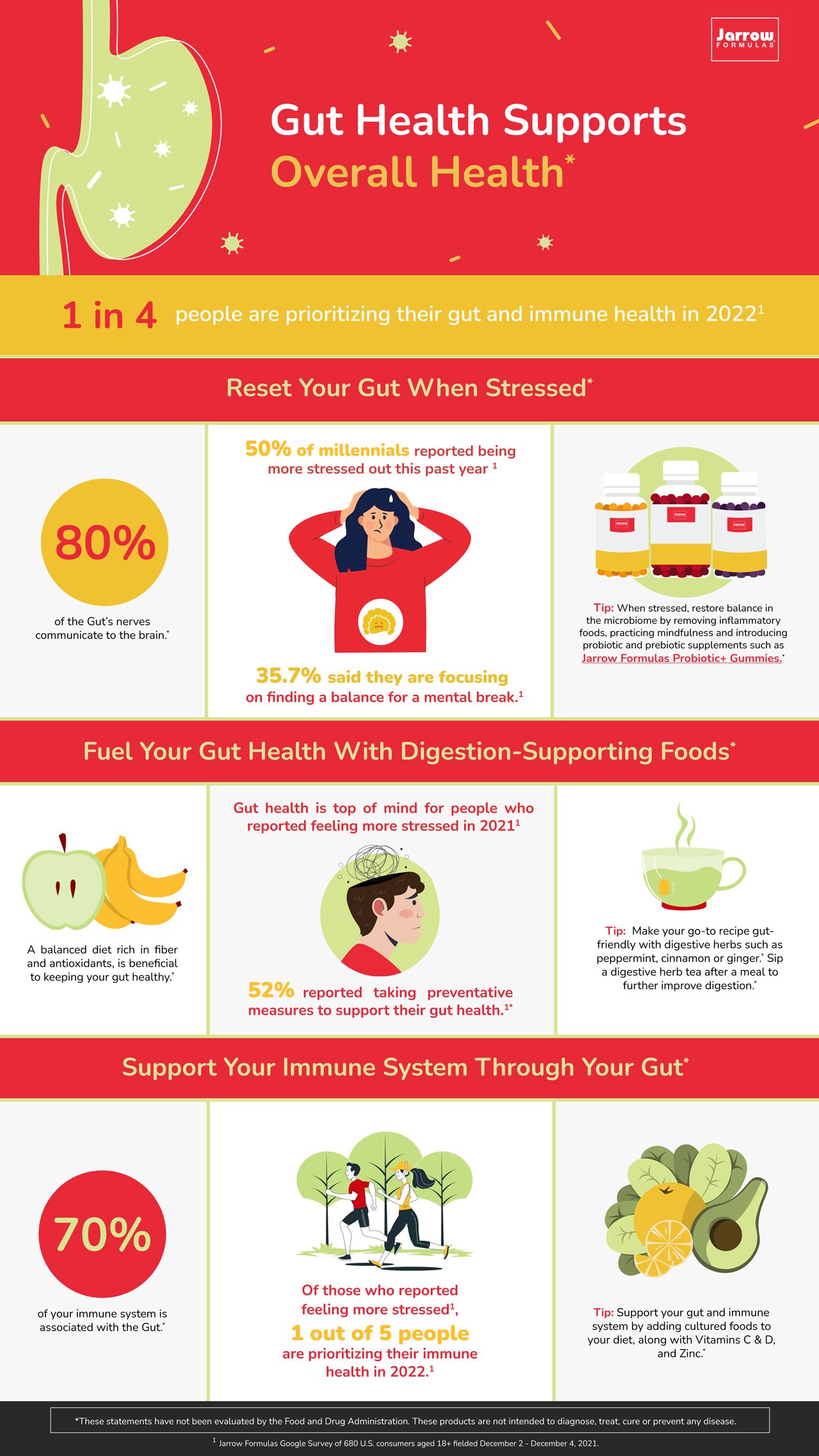
(BPT) – Aside from the traditional New Year’s resolutions we see many people make each year, gut health is taking center stage in 2022. A recent survey showed that 1 in 4 of today’s consumers are prioritizing gut and immune health in the new year.1 The nationwide survey conducted by the #1 probiotic brand for customer satisfaction, Jarrow Formulas, found that among those who reported feeling more stressed in 2021, over half (52%) are taking preventive measures to support their gut health, and 1 in 5 said immune health will be part of their wellness resolutions.1

“70% of the immune system lives in the digestive system2, and with all the challenges to our immune system today, nutrition is more important than ever,” said Jarrow Formulas clinical nutritionist and author Ken Babal. “While New Year resolution setting can often feel daunting as we set out on a new way of being, put into practice simple and small changes to your daily habits that can help improve your gut health and, in turn, enhance your overall well-being all year long.”

Here are Babal’s tips to help you reach your wellness goals for a happier, healthier 2022.

1. Feed your gut with cultured, fermented and fiber-rich foods

What you eat directly impacts the bacteria makeup — or microbiome — of the gut. Cultured foods are an important factor in protecting the gut and supporting your immunity. Fermented foods such as yogurt, kombucha, miso and kimchi provide beneficial probiotic bacteria that dilute and crowd out unfriendly bacteria that do not support a healthy gut.

Additionally, following a wholesome diet with fiber-rich foods will help feed good gut bacteria. Reach for fish, and antioxidant-rich food such as flaxseed, fresh fruit (particularly berries, cherries and grapes), leafy greens, green tea, garlic, olive oil, ginger and curry for overall gut health support.

2. Take a probiotic supplement to complement your diet

Probiotic bacteria support gut health by secreting enzymes that aid digestion. For extra protection beyond your balanced diet, a probiotic supplement will help provide a guaranteed number of healthy bacteria to populate the intestine.

Babal recommends Jarrow Formulas Probiotic+ Gummies, which are formulated with two clinically studied probiotic strains known to effectively support stomach health and aid digestion and nutrient absorption while improving the gut barrier and supporting your immune response.* These probiotic strains are resistant to gastric acid, which allows them to deliver effective regulation directly within the gut.

The best part? The Probiotic+ Gummies come in three delicious varieties including Probiotic Duo, Probiotic+ Prebiotic, and Probiotic+ Immune, all of which are available at Amazon and Jarrow.com.

3. Find ways to reduce stress

“Stress of all types may affect the digestive process,” says Babal. “Weakened digestion may compromise your gut lining, and a ‘leaky gut’ can allow undigested food to pass into your bloodstream, which may trigger food allergies and stress the immune system.”

To reduce stress, try mindfulness techniques, meditation or yoga. During stressful times, it also helps to eat mindfully. Slow down and give yourself time to taste and enjoy your food.

4. Include gut-friendly ingredients in everyday recipes

To make your favorite recipes more gut-friendly, Babal advises including digestive herbs like peppermint, cinnamon and ginger. You can also sip digestive herb tea before and while eating to help improve digestion and soothe the stomach.

5. Add immune-enhancing foods to your weekly shopping list

You may be familiar with the health benefits of cruciferous vegetables like broccoli, cabbage, brussels sprouts and kale, but it’s also important to get variety in your diet.

“My under-the-radar cruciferous vegetable recommendation is the turnip, which was once an integral part of southern U.S. cuisine,” says Babal. “Turnips are usually diced and boiled. They’re great in soups, or mashed and added to mashed potatoes. Turnip greens are higher in nutritional value than the roots, so try them in salads. They also taste great sautéed with lemon juice and cayenne pepper.”

With these simple tips, it will be easier than ever to keep your gut health and wellness top of mind this year.

*These statements have not been evaluated by the Food and Drug Administration. These products are not intended to diagnose, treat, cure or prevent any disease.

†Ratings based on results of the 2021 ConsumerLab.com Survey of Supplement Users. More information at www.consumerlab.com/survey.

1 Jarrow Formulas Google Survey of 680 U.S. consumers aged 18+ fielded December 2 – December 4, 2021.

2 Vighi G, Marcucci F, Sensi L, Di Cara G, Frati F. Allergy and the gastrointestinal system. Clin Exp Immunol. 2008;153 Suppl 1(Suppl 1):3-6. doi:10.1111/j.1365-2249.2008.03713.x

A Couple’s Unique Experience With Coronary Disease

2022-02-01T08:01:00

(BPT) – Heart disease is the leading cause of death in the United States[1], but many healthy and physically active families do not expect heart disease to affect them. Mary Anne and Rod Norling experienced firsthand how important it is to take symptoms seriously and seek proper care.

“My family had some history of heart issues, but I had thought that I had done well to alleviate my risks,” said Mary Anne.

The couple had been avid bikers, hikers, skiers and boaters. Combining their regular active lifestyle with healthy weight, the Norlings didn’t seem to be at a high risk of being two of the over 650,000 people in the United States that die from coronary artery disease each year[2].

However, while on vacation in Lake Tahoe, California in 2012, Mary Anne suffered a heart attack. After being taken to the hospital, she received two stents in her right coronary artery. The event happened after about a year of her experiencing mild to moderate left arm discomfort and lagging endurance.

“Doctors I talked to during that time before my heart attack weren’t able to help,” said Mary Anne. “Perhaps it was because of my fitness, or because of the unfortunate tendency not to take women’s pain and discomfort as seriously as men’s, but I wasn’t getting the help that I needed.”

Even after her heart attack, issues persisted. Mary Anne experienced mild chest pain symptoms, causing doctors to recommend anti-anxiety treatments and even suggesting her struggles were all “in her head.” She then came under the care of cardiologist Dr. Frederick St. Goar, who listened and adjusted her medications to help eliminate the discomfort she was feeling.

In 2019, her symptoms became more severe. Dr. St. Goar ordered a CT and HeartFlow Analysis, which developed a 3D blood flow model of her coronary arteries. Using that model, Dr. St. Goar was able to diagnose an important new blockage on the left side of her heart, and subsequently placed another stent.

Shortly thereafter, Rod began having difficulty exercising and experienced shortness of breath. He dismissed the issues as perhaps related to a rib injury, but pre-op work for back surgery in 2021 showed irregularities on his ECG test results.

“After being with my wife during her experience, I knew that I needed to take my own issues seriously,” said Rod. “I went to Dr. St. Goar to help make sure we caught problems before they got worse.”

In addition to his symptoms, a calcium scoring test indicated that there might be coronary artery disease, so a CT and HeartFlow Analysis were ordered. These helped Dr. St. Goar non-invasively identify a significant blockage in one of the main arteries supplying blood to Rod’s heart, a location sometimes referred to as the “widow-maker”. A stent was placed which may have saved his life.

The HeartFlow Analysis helped Dr. St. Goar pinpoint coronary disease in both Rod and Mary Anne and get them the necessary treatment as soon as possible, a critical step in helping them feel better and preventing more serious complications in the future.

“Even active individuals can have underlying issues, and if something feels off, they need to be comfortable speaking up,” said Dr. Frederick St. Goar, MD, FACC. “It’s imperative that patients advocate for their own health, and partner with health care providers to make sure they get the care they deserve.”

February’s annual American Heart Month can serve as a great reminder for individuals to not only make lifestyle decisions to reduce the risk of heart disease, but also look for screening options to make sure heart disease is caught as early as possible. Learn more about potential options.


[1] https://wonder.cdc.gov/ucd-icd10.html

[2] https://www.ahajournals.org/doi/10.1161/CIR.0000000000000950

3 ways to take care of your scalp and prevent hair loss

2022-01-31T05:31:00

(BPT) – Hair loss is stressful. Some try to embrace it as an unavoidable aspect of aging, but most people would prefer their hair stayed on their head. An increase in shed strands caught in a brush or shower drain can be particularly disheartening for people who know hair loss runs in their family. While it’s tempting to throw in the towel, there are preventive measures you can take to mitigate hair loss by investing in scalp care.

Healthy hair comes from a healthy scalp. As skin that remains mostly hidden (until hair loss issues arise), the scalp tends to get less care and attention. However, a study by the L’Oréal Professional Academy showed scalp skin ages up to 12 times faster than other body skin. So, if you want healthy hair — start at the root.

Below are three ways you can take care of your scalp and help your head shed less hair.

1. Shampoo gently

Not all shampoos support a healthy scalp. According to Healthline, you should avoid products with sulfates, which strip away natural hair oils and can cause scalp dryness and irritation. While scalp irritation and dryness do not directly cause hair loss, the itchiness makes it more likely that people will scratch their scalp, causing damage to the hair follicles.

Choose shampoos that will clean and nourish your scalp, ridding it of dead skin cells. As you shampoo, gently massage your scalp using your fingertips. Giving yourself a scalp massage feels good and increases blood flow to your hair follicles, encouraging growth. You can also buy a scalp brush to help you gently apply shampoo and massage your scalp.

2. Try a topical serum

Androgenetic alopecia is the most common form of hair loss. It is triggered by high levels of dihydrotestosterone (DHT), an androgen hormone present in men and women. This hereditary type of pattern hair loss can begin as early as your late teens or early 20s. However, many people don’t seek help until thinning progresses to a significant loss in density or a visibly receding hairline.

Prevention is key. Start with an anti-DHT shampoo or better yet, a topical hair serum. Revivogen Scalp Therapy addresses follicle miniaturization caused by DHT and works to extend hair growth cycles. Using a daily topical scalp formula can provide added protection for those predisposed to androgenetic alopecia before the onset of excess shedding and thinning.

If you’re already experiencing hair loss, you may need to be more aggressive about scalp and follicle care. There are prescription treatments on the market, such as finasteride and minoxidil, but many people are looking for more natural, drug-free alternatives. Revivogen is a clinically proven, plant-based hair care system that has zero systemic side effects because it only impacts DHT topically on the scalp.

Like other hair loss products, Revivogen can retroactively address some thinning and follicle damage by rejuvenating recently dormant follicles and reducing shedding. Even better — it works to promote thicker, healthier growth for all hair types and prevent future DHT-triggered hair loss.

Both Revivogen MD and Revivogen Pro Essentials enhance scalp health, inhibit DHT from adhering to follicles and promote healthy hair growth. These 3-step hair care routines are dermatologist-formulated and safe for use by both men and women.

3. Feed your scalp with supplements

Your nutrition impacts your hair’s health. Even with a balanced, nutritious diet, you may be missing some important nutrients vital to maintaining healthy hair and scalp.

Vitamins and nutrients that impact scalp and hair health include:

  • Vitamin A
  • Vitamin B
  • Vitamin C
  • Vitamin D
  • Vitamin E
  • Iron
  • Zinc
  • Protein

Taking a daily multivitamin or hair supplement can help you nourish your scalp and follicles from the inside out. Check with your doctor to ensure you’re getting enough vitamins and minerals to support a healthy head of hair.

While there is no magic cure for hair loss, every little bit of help can decrease the amount of hair you lose. By following these three tips you can improve your scalp’s health and help reduce hair loss as you age.

Studies show that Kundalini Yoga can lower blood pressure and slow heart rate

2022-01-30T14:01:00

(BPT) – Most people who picture hearts in February think: Valentine’s Day. But if you ask a cardiologist, you may get a different answer. February is National American Heart Health Month.

When President Lyndon B. Johnson announced February 1964 as the first American Heart Month, he had a singular mission: unite Americans to fight the scourge of heart disease. He died, nine years later, of a heart attack.

We’ve made a lot of progress since then. But not enough.

According to the American College of Cardiology, one of every four deaths in the United States every year is due to cardiovascular disease and many of these are preventable.

Feel that? Your heart going pitter patter? That’s stress. A lot of us cope with stress in ways that might not be beneficial to our ticker: we drink, we escape into TV shows, we snack.

We all know yoga is good for us. In fact, it’s been scientifically proven to lower blood pressure and heart rate, among other benefits. But did you know that it can also cultivate physical and emotional changes that promote heart health?

According to a recent issue of the Harvard Medical School Harvard Health Letter, yoga can help prevent or improve a host of health conditions linked to heart health, including insomnia, depression and obesity. Yoga also encourages slow, deep breathing, which helps lower blood pressure. This can train your nervous system over time to be less reactive to stress.

Kundalini Yoga, a yoga practice centered on meditation and breathing practices, offers these benefits while also being accessible and gentle enough for almost everyone.

No matter who you are, it’s never too early (or too late) to start.

3HO, an organization that promotes Kundalini Yoga and meditation worldwide, offers simple sets of practices for beginners, including this one:

Posture: Sit up straight in a comfortable position.

Hands: Bring your palms together at the center of your chest. Touch your pinkie finger and thumb of one hand to the pinkie finger and thumb of the other hand. Straighten and spread open your other fingers. The effect is intended to look like a lotus in bloom.

Eyes: Focus your eyes on the tip of your nose.

Mantra: Chant this mantra: Humee Hum Brahm Hum. (You may feel silly. That’s OK. No one’s watching. Chanting a mantra is just breathing, but with training wheels.)

Time: Continue for a few minutes, gradually working your way up to 31 minutes. Don’t judge yourself. Just do what you can.

When you’re done, suspend the breath, and exhale. Repeat 2 more times. Sit absolutely still for one minute. Sense everything. Then move your shoulders and arms and relax.

Interested in more information on Kundalini Yoga and other kriyas? Visit 3HO.org.

New Year, Healthier You: 7 Unexpected Ways to Improve Your Health in 2022

2022-01-28T15:37:00

(BPT) – Although a “return to normal” in 2022 may still feel like a pipe dream, that doesn’t mean you shouldn’t continue to prioritize all aspects of your health this year. Rather than focusing on those longer-to-achieve New Year’s resolutions, experts recommend simple lifestyle improvements in the form of small habits. Retired NFL fullback Michael Robinson knows a thing or two about keeping fit. Soon after winning the 2014 Super Bowl, he began to identify his next career moves. Along that journey, he started focusing on ways for people to better understand and manage their health and well-being.

Here are seven of Robinson’s tips for achieving and maintaining better physical and mental health in 2022 — one step at a time.

1. Hydration is Key

Staying properly hydrated helps regulate body temperature, keeps joints lubricated, prevents infections, delivers nutrients to cells and keeps organs functioning properly. Sleep quality, cognition and mood all benefit from good hydration. Not a fan of plain water? Consider adding a squeeze of fresh lemon for added taste and benefits.

“Believe it or not, I start every day with room-temperature lemon water. It’s a simple routine that’s easy to stick to and I feel the difference if I miss a day. Among the benefits: lemon water kick-starts your digestive system, making it easier to absorb nutrients.”

2. Consider a “Flexitarian” or Vegetarian Lifestyle

While people who follow a vegetarian diet recognize the health and environmental benefits of eschewing meat, several recent plant-based innovations are encouraging omnivores to explore today’s “meat-like” options. Furthermore, studies indicate that plant-based versus conventional diets offer better outcomes regarding weight gain, energy metabolism and systematic inflammation. Robinson decided to cut meat out of his diet several years ago to reduce his chances of developing diabetes or heart disease. In addition, about 80% of every meal he eats contains raw or organic ingredients — including plant proteins.

“Vegetarianism is the foundation of my health because it all starts with what you put into your body. A common question I’m asked is, ‘How do you ensure you’re getting enough protein?’ Many people don’t realize how much protein plant-based sources can provide. Lentils, beans, eggs, wild rice and oats — these are just some of my favorites.”

3. Make Time for Movement

Even if you can’t set aside time to hit the gym or take a spinning class a few times each week, you can and should still treat your body to regular exercise. Even if it’s just 10 minutes a day, regular movement helps reduce stress and improves focus and energy levels.

“I make time for some form of stretching and exercise every morning. This routine helps pave a clear path ahead for a successful day. Although there may be variations to my exercise and stretching regimen, the routine is what trains the body and will power to be disciplined. And the development of our will power is why we are here.”

There is no one-size-fits-all approach to movement. Whether you’re tossing a football, walking your dog, practicing yoga or hitting the trails, all types of movement benefit the body and mind.

4. Take Time to Rest and Recover

As important as it is to stay active, it’s also just as important to rest. Sleep is a basic human essential, and sleep deficiency can cause physical and mental health issues, injuries, loss of productivity and an overall greater risk of death.

“Our body needs recovery time to operate at its prime, allowing it to repair and strengthen itself for another day. Moreover, sleep allows our bodies and minds to recharge.”

5. Recognize and Prioritize Good Foot Health

Making healthy life choices and implementing better behavioral strategies can have a positive impact on your overall well-being. Understanding how pain and injury can impact your well-being and tackling the root cause is step one.

“I retired from the NFL when I did because I was experiencing debilitating pain from chronic plantar fasciitis. From painful injections to custom orthotics to foot braces, nothing alleviated my pain permanently. It wasn’t until I learned about a place called The Good Feet Store that I finally found relief and comfort.”

Robinson credits the Good Feet Store’s personalized Arch Supports for ultimately changing his life. “I was hesitant to try something else because everything else had failed. This time was different. The personalized fit of Good Feet Arch Supports is so good that the experience made me want to be active again almost immediately. The investment I made in this product allowed me to reclaim my mobility. My advice? Prioritize and invest in yourself before it’s too late.”

6. Prioritize Your Mind, Too

“Mindfulness” provides a simple way to cope with stress and can be achieved through many different techniques.

“Grounding myself with mindful mediation for about 30 minutes each morning is something I can no longer live without. It’s helped me manage stress and simply live better. It’s an essential part of my routine that’s proven beneficial in both my professional and personal life.”

Another popular mindfulness method is the power of positivity. Research shows that people who feel confident in themselves can problem-solve and make better decisions, take more risks, assert themselves and strive to meet their personal goals.

7. Support Others and Engage with Your Community

A strong community helps build a happier society for us all. One’s contributions toward making that community stronger often leads to an overall sense of happiness.

“I’m an avid believer in sharing resources with those who need them. It’s not only the right thing to do, but giving in any form brings me joy and puts me in a good headspace.”

Robinson works closely with youth in his Virginia hometown, where he founded two youth foundations: Excel to Excellence and Excel to Excellence Youth Football. Through these programs, he’s able to help today’s youth become more healthy, educated people and successful athletes.

“How you see yourself is relayed through everything you do in your life. To me, a positive self-image gives you a goal to chase. If I don’t see myself in a positive light, how will others?”