Surprising summer skin care tips from a Hollywood dermatologist

2021-07-13T14:01:00

(BPT) – Long, sunny days followed by warm, star-studded evenings are just a few reasons why summer is such a beloved season. While each day is full of possibilities ranging from relaxation to adventure and everything in between, it also presents numerous challenges for your skin. Fortunately, there are a few tips and tricks dermatologists use to keep skin looking fabulous throughout the hottest months of the year.

Renowned board-certified celebrity dermatologist Ava Shamban, M.D., treats patients at her clinics in sunny Santa Monica and Beverly Hills, California. She knows the summer months can be particularly challenging because you want to enjoy the outdoors and soak up some Vitamin D, but also provide essential protection and nourishment for lasting skin health.

Here are her top three tips for achieving sensational skin this summer:

Adopt the sunscreen 365 approach

While sunscreen is particularly important while spending time outdoors during sunny summer days, it’s just as important to take a proactive approach to sun protection all year long. Apply broad-spectrum sunscreen 365 days a year anywhere above or below where you’d wear a towel after bathing, following these guidelines:

  • Use a sunscreen with at least SPF 30 when outdoors, which will protect against 97% of UVB rays
  • Use enough sunscreen to fill a shot glass when covering your entire body
  • Cover your ears, the top of your feet, and other easy-to-forget patches of skin
  • Reapply sunscreen a minimum every 2 hours or immediately after swimming or sweating
  • Wear a hat, especially if you have thinning hair, as 10% of melanomas occur on the scalp

Dr Ava believes so strongly in the power of SPF to maintain healthy skin that she places a sunscreen in every single one of her seasonal self-curated subscription skincare boxes — The Box by Dr Ava. Driven by a deep desire to reach patients beyond her practice, Dr Ava started The Box by Dr Ava to serve consumers in “derm deserts,” offering a ‘Doc in a Box’ that features full-size, dermatologist-recommended skin and wellness products delivered right to your doorstep. Because sunscreen is so essential, a full-sized SPF product is included in every subscription, helping you to build a “sunscreen wardrobe” you can pull from to meet your unique sun protection needs throughout the year.

Heal and renew skin with home microneedling

At-home microneedling is gaining a lot of attention as an effective way to help skin look its best. A dermatologist favorite is the AnteAGE® Home Microneedling Intro Kit, a special tool with shallow, ultra thin needles, that when rolled across the skin helps to stimulate the top layers of the skin.

Doing this regularly not only helps your skin absorb your favorite products better, but it also encourages natural rebuilding of collagen and elastin, supporting a more youthful appearance.

Because of the broad benefits of home microneedling, this product is a seasonal feature for The Box by Dr Ava Summer 2021 Skincare Box. When you subscribe, you enjoy access not only to dermatologist-approved products and tools like this one, but also to Dr Ava’s professional team, exclusive digital events, a private Facebook community and Tele-Aesthetic consultations. This gives you an opportunity to ask questions and get expert advice specific to your skin care needs, no matter where you live.

Stay hydrated and eat a sun-safe diet

Your skin is your body’s largest organ and it must be taken care of from the inside as well as the outside. You can boost your skin’s natural defenses against sun and pollution by eating smart. In addition to traditional antioxidants in dark green leafy vegetables, flavonoids and anthocyanins (along with their derivatives) have a range of anti-inflammatory and antioxidant benefits as well as absorption or blocking properties for UV rays.

For example, anthocyanidins are found in deep red-, blue- and purple-colored foods such as eggplant, elderberry, blackcurrants, blackberries, blueberries, red cabbage, cranberries and cherries. Add these foods into meals and snacks throughout the day to supercharge your skin from within.

Keep in mind, what you don’t eat is as important as what you do. If you’re striving for more youthful-looking skin, limit simple sugars. You can enjoy natural fruit sugars but in limited amounts. Try a natural, raw, high-percentage dark chocolate as a treat over other sugary sweets. Also, limit alcohol and make smart beverage swaps. For instance, change out vodka made from potatoes or high-sugar wine for a vodka made from grapes with a low concentration and never add sugared mixers. Of course, to stay hydrated, nothing beats good old H2O.

These three tips set the stage for healthy skin throughout the summer months and beyond.

Learn more at TheBoxByDrAva.com.

Keep your cool this summer with these energy-saving tips

2021-07-13T13:01:01

(BPT) – There’s a lot to love about summer. At the same time, the season can run up your electric bill fast, especially for Americans living in places where summer temperatures are reaching record highs. According to recent reports, states like Washington and Oregon have seen recording-breaking temperatures this summer — just recently, Salem, Oregon, reached 117 degrees and Seattle reached 106 degrees.

Even if things are heating up in your area, there are many ways to keep your body temperature and electric bill down this summer.

Here are a few things you can do:

1) Spend more time outdoors

If the weather isn’t dangerously hot, spending time outdoors can be a great way to enjoy your summer. Plus, the more time you spend outdoors, the less time you spend using electricity in your home, even if you have the AC running. There are plenty of outdoor activities you and your loved ones can do this summer that won’t cause your electric bill to skyrocket, like:

  • Adding an umbrella to your pool/porch
  • Having a picnic in the shade
  • Going on a run
  • Going on a hike
  • Adding a shade structure, like a pergola

Automate your thermostat

Your thermostat is probably the biggest energy sucker in your home. Yes, having it on is crucial for keeping your home cool, but you’re likely not home all day, every day.

With its energy-saving capabilities, the Google Nest Thermostat is the ideal thermostat for your home. Its easy installation and auto temperature-adjusting capabilities mean you can save more on your electric bill every month. It can turn itself down when you leave the house, so you don’t waste energy cooling an empty home. And with its Savings Finder feature, it looks for ways to help you save even more.

Plus, you can control the temperature in your home from almost anywhere by using Google Home app.

Use electricity during off-peak hours

The time of day you use electricity can also affect your electric bill. Energy companies tend to charge more during what they call “peak hours,” where demand for electricity is highest. These peak hours are typically early in the morning or late at night. However, those peak hours have changed as more people are working remotely. Reducing the amount of electricity use during peak hours when reasonable can lessen the load on the power grid and save you some money every month.

Turn down your lights

Alongside your AC, your lights can increase your electric bill too. In the summer months this is an easy fix, with early sunrises and late sunsets, there are plenty of opportunities throughout the day to let in a little extra light without using electricity.

However, there can be cloudy skies and rainy days during the summer when the lights in your home can be necessary. The Lutron Maestro Dimmer can automatically turn lights on and off when you enter or leave a room. It’s a simple, easy and low-cost way to save energy and add light automation to your home. It can automatically adjust to a favorite dimmed level when you walk in, then turn the lights off when you leave.

Use your fan instead of your AC

A room fan can provide an affordable alternative to your AC. According to the U.S. Department of Energy, it costs about 36 cents an hour to run your AC; it costs about a penny an hour to run a ceiling fan. So as long as you run your fan responsibly with other energy-saving strategies, it can help reduce your electric bill.

With its dimmable LED lighting and versatile color temperatures, the Hampton Bay Mena Ceiling Fan uses the perfect combination of technology and energy-saving resources to help you lower your electric bill. It is EnergyStar rated and is 50% faster to install than your traditional fan. Plus, the fan is damp rated and can be used on porches or patios too.

You can find more energy-saving products like this at your local Home Depot store.

COVID-19 Vaccine Concerns: 6 Things You Need to Know

2021-07-09T07:01:00

(BPT) – COVID-19 vaccines are authorized by the U.S. Food and Drug Administration (FDA) for widespread use for those who are eligible. But while vaccines are now more accessible, vaccination rates are slowing across the country.

The seven-day average of first doses administered continues to decline[1], with virtually no change in the number of Americans who say they will get vaccinated “only if required” or will “definitely not” get vaccinated.[2] Further, nearly half of adults say the Centers for Disease Control and Prevention (CDC) guidance is confusing and hard to follow.[3]

The reasons for vaccine hesitancy are nuanced and complex, with everyone having their own personal reasons for why they remain unsure about the vaccine. The leading causes of vaccine hesitancy can be attributed to mistrust in scientific institutions and the government and worry about the vaccine’s safety and potential side effects. On top of that, some people are concerned about the accelerated vaccine development process, mRNA technology and uncertainty around long-term side effects for COVID-19 vaccines.

Those still uncertain about whether the COVID-19 vaccine is right for them can look to trusted health experts within their communities like pharmacists to address key questions or concerns about getting the vaccine, the vaccination process, and common or expected side effects. Dr. Kevin Ban, Walgreens chief medical officer, addresses six common questions about getting the vaccine.

1. What are the benefits of getting a COVID-19 vaccine?

Getting a COVID-19 vaccine has many benefits, including reducing the chances of severe illness if you do get sick with COVID-19 and allowing you to get back to pre-pandemic activities, like gathering indoors without a mask. Additionally, getting the vaccine can help prevent you from getting and spreading the virus that causes COVID-19 to those around you.

COVID-19 can have serious, life-threatening complications that may lead to hospitalization, intensive care or even death. There is no way to know how contracting COVID-19 might affect you, or anyone else, so it’s important to get the vaccine to protect yourself and those around you. With COVID-19 vaccine rollout, infections have declined significantly[4], but more people need to get vaccinated in order to continue to reduce community spread and protect from variants that have proven to be more transmissible. In short, the benefits of the vaccine far outweigh the risks associated with getting COVID-19.

2. COVID-19 vaccines were developed quickly, how do I know they’re safe?

Vaccines were evaluated in clinical trials with tens of thousands of participants, meeting the FDA’s rigorous scientific standards for safety, efficacy and manufacturing quality needed to support emergency use authorization.

In addition, the safe and speedy roll-out of the COVID-19 vaccines is backed up by decades of research from a variety of prestigious medical and research institutions on this type of vaccine. Millions of people in the U.S. have received COVID-19 vaccines and these vaccines have undergone the most intensive safety monitoring in U.S. history.[5] Experts are regularly reviewing and monitoring adverse events to assess whether there is a true safety concern.

Vaccines have played a vital role in protecting the health and safety of communities throughout history. I’ve done my homework and recommend the vaccine to anyone who is eligible. I’ve gotten vaccinated, as well as my wife and children. If you’re eligible, I recommend the same for you.

3. Are there any long-term side effects caused by the vaccine?

Some people will experience no side effects at all, while others may experience common short-term symptoms, like pain at the injection site or tiredness. These are normal signs that your body is building protection against COVID-19 and should go away in just a few days. You can talk to your doctor or pharmacist about taking over-the-counter medicine like ibuprofen to relieve any arm soreness or aches you may feel after getting vaccinated.

Serious side effects are extremely rare following any vaccination, including the COVID-19 vaccination. The FDA required each of the authorized COVID-19 vaccines to be studied for at least two months (eight weeks) after the final dose even though anticipated effects occurred weeks before that. Hundreds of millions of people have received COVID-19 vaccines, and no long-term side effects have been detected[6]. Pharmacists are thoroughly trained to respond and manage any instances of allergic reactions in the rare case they occur, as well as report to the CDC.

4. Do I really need more than one dose of the Pfizer or Moderna COVID-19 vaccines?

If you receive a Pfizer or Moderna vaccine, it’s vital that you receive both doses to get the maximum protection they provide . Although the first dose provides some level of protection, the exact length of time you are protected is unknown. Getting the second dose sends a powerful response to your immune system to boost your antibodies, making them more effective against COVID-19.

If you’ve waited longer than the recommended time between doses, it’s better to get the second dose late than not at all. Get the second shot as soon as possible if you missed the recommended window.

5. If I’m young and healthy, why do I need a vaccine?

Although COVID-19 symptoms can vary from person to person, people can get very sick and have complications, long-lasting symptoms or die from contracting the virus. COVID-19 can also be transmitted to others if you’re infected, even if you don’t have any symptoms. Further, the Delta variant, recently deemed by the CDC a “variant of concern” for being more transmissible,[7] continues to spread, accounting for more than 10 percent of COVID-19 cases in the U.S.

Until more people are vaccinated against COVID-19, the virus will continue to mutate, and there is no knowing how much the currently authorized vaccine will be able to protect you. The vaccine is meant to protect not only you, but also those around you, like family members and friends who may have weakened immune systems.

6. Where do I go to get a vaccine?

You can conveniently and safely get the COVID-19 vaccine at numerous locations including your primary care provider, off-site vaccination clinics or at your local pharmacy. Not only do they have pharmacists to help answer any questions you may have, but they are now offering same day and walk-in appointments. For more information, visit Walgreens.com/ScheduleVaccine or call 1-800-WALGREENS.

Groom your way to the top with the ‘Most Talented Beard in America’ contest

2021-07-09T15:01:00

(BPT) – Got a beard, got a talent? The millions of men who raised their hand are in luck. Last year, men’s grooming company Wahl launched the first-ever ‘Most Talented Beard in America’ contest, where hairy-faced men from across the country filmed themselves showcasing their best talents and brush. The top three contenders walked away with the following prizes:

  • 1st place: $20,000 and the ‘Wahl Man of the Year’ title
  • 2nd place: $10,000
  • 3rd place: $5,000

Wahl is once again searching for furry phenoms, and in addition to the above prizes, this year’s winners will also get a visit from Wahl’s mobile barbershop and an arsenal of grooming gear.

“We created this contest to spread positivity and celebrate all of the bearded guys out there,” said Steven Yde, division vice president for Wahl. “We were blown away by the talent last year and even more impressed with the inspiring stories of our top three winners. It’s our hope that we can again find exemplary men who are making the world a better, or ‘bearder,’ place to live.”

How you can enter

From now until Aug. 6, 2021, you can submit a video of your talent and your beard to the contest entry page. You can also get to the page by following @WahlGrooming on Facebook or Instagram.

What skills can you showcase? The possibilities are endless. Whether it’s singing, juggling, martial arts or something no one’s ever heard of, Wahl encourages you to show the world what you got. Wahl’s facial hair experts will select the top ten fuzzy-faced finalists based on their talent, creativity and beard grooming abilities. Each finalist will get $500, plus a Wahl Lithium-Ion Stainless Steel Trimmer and a new Beard Care line starter kit. Public votes will then determine which three finalists receive the big cash prizes.

Do you have what it takes?

No one knows what talent is in store for this year, but 2020’s winners may give you a good idea of who might take home the gold. Here are the three winners from last year and their stories:

1st place winner

Jonathan Brannan from Ocean Springs, Miss., didn’t have an easy facial hair journey. When he was finally able to grow a beard, his career as a TV reporter didn’t allow for it. However, once he left the business, he said his beard could finally flourish. What won Brannan the top ‘Wahl Man of the Year’ title and $20,000 was his ability to carry a tune and drop a dad joke, all with a good set of facial hair. He used his winnings to cover the cost of adopting his new son, who arrived in April 2021. Brannan said he never knew how displaying his beard loud and proud could pay off. “I took a chance and put myself, and my beard, out there,” he said. “In my family’s case, winning this contest was literally life-changing.”

2nd place winner

Benjamin Taylor from Glenwood, Md., is a biologist who happens to be deaf. He’s a man who loves the outdoors but has a few hidden talents as well. In his video, Taylor showcased his inner magician, fire artist and comedian, all through sign language. He donated some of his $10,000 winnings to an organization that provides resources to families with deaf children.

3rd place winner

Cliff Prowse from Little Rock, Ark., is a versatile musical producer, composer and instrumentalist. Affectionately known as the “Bearded Fiddler,” his multi-instrumental talents and his beard landed him the third spot. His $5,000 prize was more than welcome when the music industry took a hit during the pandemic.

For more information about the contest, including official rules, check out WahlUSA.com.

Smart ways to get your health and fitness back into a normal routine

2021-07-08T07:51:00

(BPT) –

This past year has been a rollercoaster, adding a lot of stress to everyone’s lives and, for many, their health, fitness and nutrition have suffered because of it. Gyms and even outdoor exercise spaces were closed. People worked and studied from home full time, meaning they were more sedentary. Being at home meant it was easier to snack and the temptation to order delivery was ever present. As so many people prioritized staying safe and limiting the spread of the virus, some healthy lifestyle choices were forfeited.

If you put your health and fitness goals on hold over the last year, you’re not alone. Now that the world is reopening and people are seeking a return to more normal routines, it’s time to take smart steps to get your wellness habits back again. Consider some simple suggestions from the experts at The Vitamin Shoppe to get your health and fitness back on track and build momentum toward a better you:

Create a daily routine

There were probably times during the pandemic that felt like your main goal was to simply get through the day. Now that life is starting to balance out, it’s time to create a routine to give your day structure and set you up for success. Try waking up and going to bed at the same time every day, allotting space for seven or more hours of sleep. Designate times for breaks throughout the day so you can manage stress. Plan walks and other fitness activities into your day to move your body. Make a system that works for you and stick with it.

Additionally, consider incorporating the fitfactor™ Weight Management System from The Vitamin Shoppe® into your routine. The system is inspired by consumer research to be an integrated offering of nutritionist-recommended, personalized top-quality products combined with free nutrition coaching. Through a simple online quiz The Vitamin Shoppe can help you find the right products for your lifestyle or wellness goals.

Start your day the right way

Breakfast helps fuel you for the day ahead, and just because you’re heading back to work or school in person doesn’t mean you should skip it. Meal replacement shakes can be an option for getting ample nutrition with lots of satisfying protein to keep you energized when you’re in a hurry. Try a delicious fitfactor Protein Shake in Milk Chocolate that provides vitamins and minerals as a low-calorie meal replacement while supporting blood sugar control for a nutrient-packed breakfast option.

Try a plant-based option

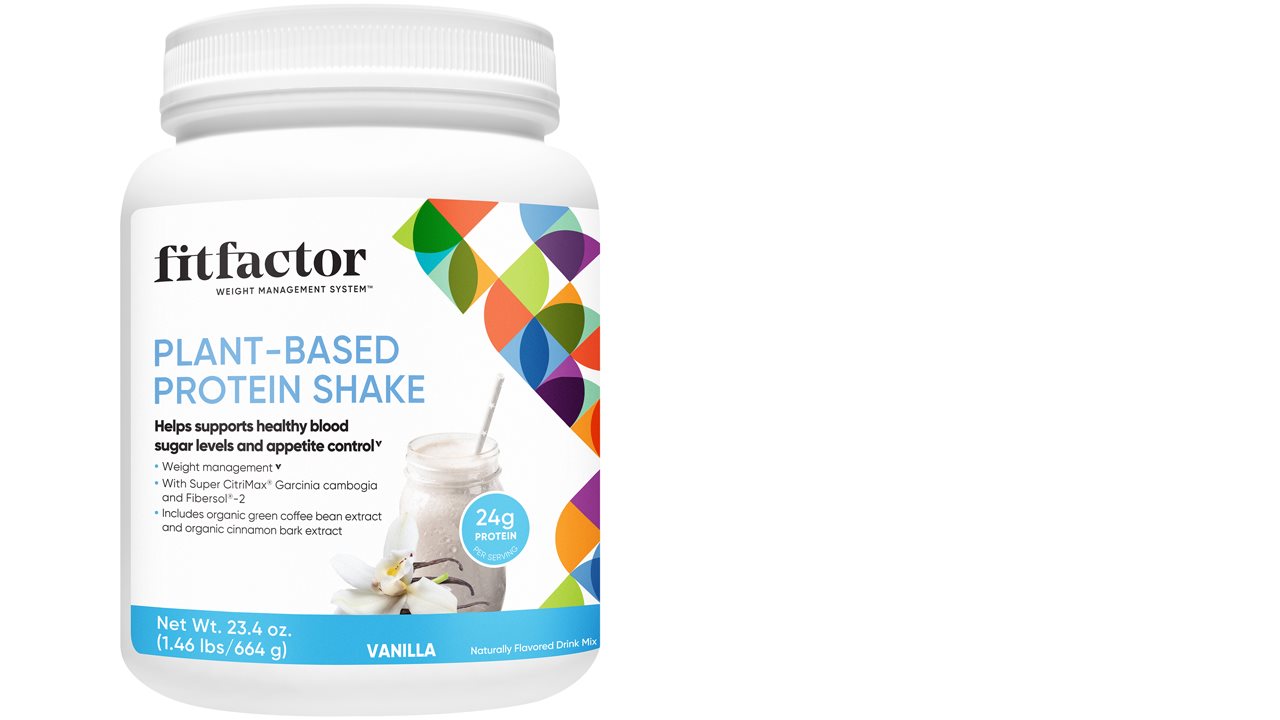
Whether you’ve maintained a plant-based diet or are looking to adapt to one, your fitness journey doesn’t have to take a lot of guess work in trying to keep your diet consistent. One idea is incorporating smoothies into your meal plan since they are an efficient and effective way to get all your nutrients. One of our favorite plant-based protein options is fitfactor Plant-Based Protein Shake in Vanilla, which is low in calories and high in fiber. Try adding some green veggies, berries or fruits for added flavor and nutrients. With 24 grams of plant-based protein that helps with appetite control and Fibersol®-2 vegetable fiber that aids in digestive health, you can feel good about sipping on this shake.

Re-introduce healthy snacking

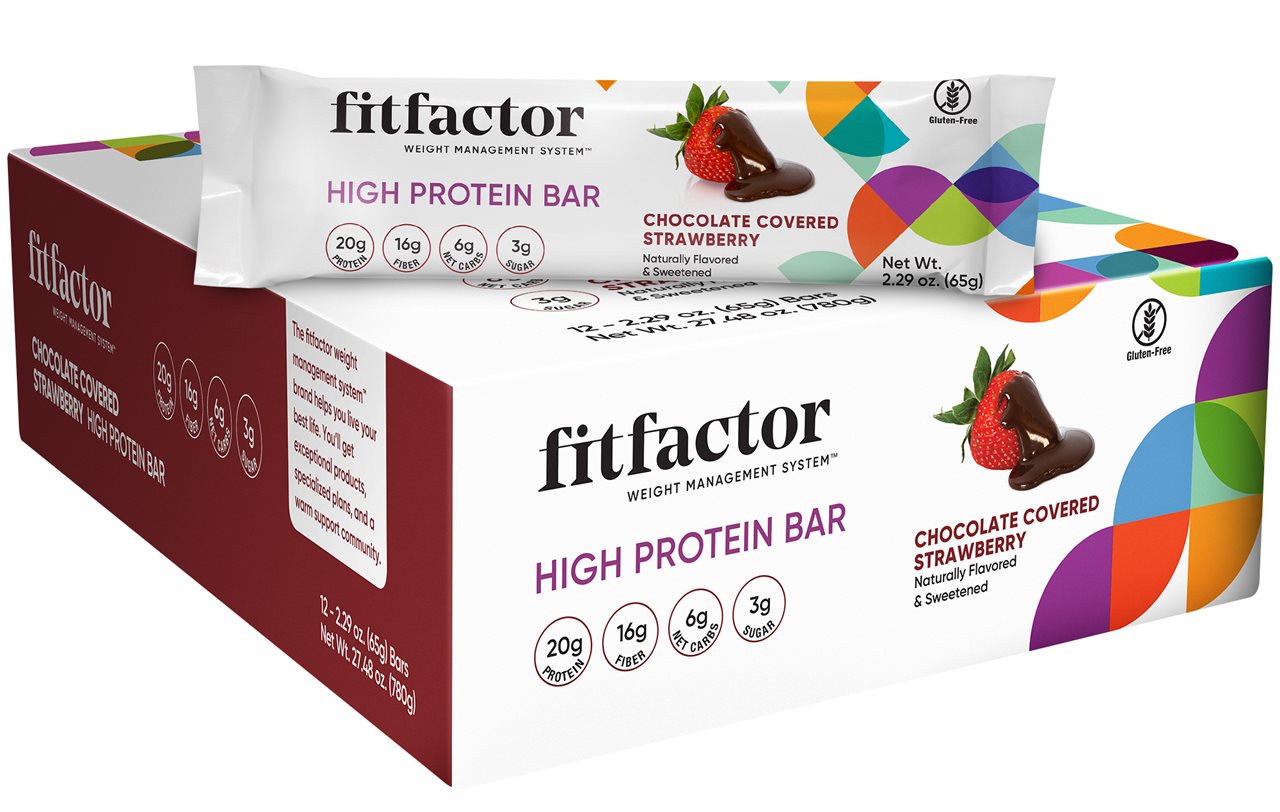
It’s possible that during stressful times, you may have given in to comfort foods, especially not-so-healthy snacks (we’ve all been there at some point!) but try to remember that constant, heavy snacking can lead to the consumption of a lot of empty calories. Re-introduce healthy snacking into your wellness habits by buying fresh fruit, pre-chopping veggies like carrots and celery into snack-ready portions, and stock up on fitfactor High Protein Bars in great tasting flavors like Chocolate Covered Strawberry for those moments you feel a snack craving. The bars taste like a treat but are designed to help you control cravings and keep you satisfied throughout the day. With 20 grams of protein, 16 grams of fiber, six grams of net carbs and only three grams of sugar per serving, you can be confident you’re making a good snacking choice. Tuck one in your purse, backpack or workout bag for a fun and fit snack on the run.

Research supplements to support your goals

Ask your health care provider about which supplements can help support your health journey. Many people take a multivitamin daily and there are other supplements that can help make a difference in reaching your goals. For example, fitfactor Control 360 is thermogenic (fat burning) and a non-stimulant advanced formula to help you burn more calories with Capsimax® and support appetite control. This supplement also promotes healthy cognitive function and stress management with Sensoril® ashwagandha extract, an ingredient backed by clinical research, but without common allergens like gluten, dairy or nuts.

Stay positive

The pandemic started over a year ago and breaking unhealthy habits can take time. If you slip, be kind to yourself and start again with an open mind and positive outlook the next day. Your health and wellness are worth the effort and now is the ideal time to start on a fresh journey to help you be your best self, however you define it. For more information and inspiration, visit VitaminShoppe.com, the leading destination for lifelong wellness solutions.

6 tips to make your house safer this summer

2021-07-08T06:01:00

(BPT) – We all like to think our homes are a safe and secure place to relax and enjoy time with our family. Even though we try to make our homes as safe as possible for our children, accidents and injuries can still occur in the home. Preventable injuries unfortunately happen more often than they should, and some occur because of hazards we may not even think of.

Summer is a great time for us to learn about different ways to make our homes safer for those we care about most. It is also a time for us to think about potential hazards in our homes and ways to prevent accidents and unintentional injuries from occurring. Keeping your family safe is a priority! Below are a few ideas to prevent accidents from occurring in your home. The tips on this list are easy, inexpensive and can make your home safer in as little as a day.

  1. Convert all corded window coverings to cordless alternatives: The Window Covering Safety Council (WCSC) recommends that parents and caregivers check for corded window coverings in all homes their child spends time in. Corded window coverings pose a risk to small children, who can become accidentally entangled in the cord. It is best to use a cordless window covering, or a window covering without an accessible cord. If you find your window coverings are corded and purchase replacements, look for the Best for Kids™ label on the box of the window coverings. This label is present on the box of window coverings that have been tested by an independent third party and deemed safer for children than their corded counterparts.
  2. Purchase child safety locks for cabinets: Some of your cabinets are where you store your ingredients to make your next home-cooked meal. Others are where you store potentially dangerous household cleaning objects. Do not let your child have access to either. Purchase child safety locks to prevent messes and hazardous situations from occurring. Remember to store items like prescriptions in places children cannot reach, like high cabinets.
  3. Cover all open electrical sockets: If your child can crawl, they may become curious about objects around the house. Do not let them become curious around electrical sockets. Remember to purchase covers for any unused electrical sockets so children cannot place their hands in them. Additionally, tie down any cords that connect to an electrical socket from a household item, like a television. Children may become curious about these cords and become accidentally entangled.
  4. Cover sharp objects and edges on furniture: You can prevent an unnecessary injury to a child by covering corners on furniture, like coffee tables. Soft objects, such as tennis balls or foam pads, can be placed over these pieces of furniture to make them safer for children. If you have the budget, you can also replace this furniture with new items that do not have sharp or pointed corners.
  5. Trash can safety: Young children can accidentally make their way into your trash can and ingest something they are not supposed to, or cut themselves on a sharp object, such as glass. You can prevent this by keeping your trash in a location a child cannot get into, such as a locked cabinet, or by placing a locking lid that a child cannot open on the trash can.
  6. Consider using a toy box without a lid: A toy box is an easy way to make sure all your child’s favorite items are in one easy-to-find place. However, toy boxes with a lid can slam shut, potentially injuring your child’s hands, or even trapping a child inside. Remember to buy a toy box without a lid to prevent this. If your toy box does have a lid, make sure the lid is spring loaded, easy to open, and has holes in it.

For more childproofing tips check out WCSC’s safety blog.

Calling All Southern Californians: Donate Plasma and Change Lives for the Immunocompromised

2021-07-07T08:01:01

(BPT) – Over the past year, you may have heard about convalescent plasma for the first time surrounding its potential use in treating COVID-19. However, for more than 80 years, plasma has been a lifeline for thousands of people who are immune-compromised and live with chronic and complex conditions like primary immune deficiency. The process of collecting donated plasma and transforming it into life-saving medicines continues to be essential, especially as more and more people need medicine developed from plasma. In response, BioLife Plasma Services, an industry leader in the collection of high-quality plasma donations, has expanded into Southern California to help address this urgent need. You can make a difference for people, like Julie, who depend on plasma.

Julie: The Long Road to Diagnosis

Julie, 44, lived a relatively healthy childhood — she was extremely active, and you could usually find her outdoors exploring, hiking or riding her bike. When Julie began training for marathons in her 20s, she was running 50 miles a week and felt sick almost every day. She chalked it up to her rigorous training schedule and her job at a cardiology office, but it escalated to the point where she couldn’t speak due to severe tonsillitis and was ultimately hospitalized. Julie recognized that life was no longer the same, despite her healthy lifestyle, as infection after infection began to take over her body, and she remained unsure of the cause. After multiple months of testing for an array of infections, Julie was becoming increasingly frustrated with how her life was being dictated by her health.

After eight years of doctor visits and searching for answers, Julie was finally diagnosed with primary immune deficiency. Primary immune deficiency, also known as PI, is a genetic condition in which a person is missing essential function of the immune system. While some people are born with symptoms of PI, some people may develop symptoms over their lifetime. In Julie’s case while her PI is complicated, she is missing the ability to build antibodies that protect a person from infections. A diagnosis can be difficult, but once identified, treatments are available for many types of PI, such as therapies developed from plasma.

The Basics: What is Plasma and its Purpose?

Plasma can be life-changing for those with PI and provides the antibodies Julie needs that cannot be produced in a lab. People who rely on continuous therapies developed from plasma are dependent on other people regularly donating their plasma. Depending on the condition, it can require hundreds to more than a thousand donations to provide adequate therapy for a single patient over the course of one year. It takes around 130 plasma donations to treat one patient with primary immune deficiency[i].

Currently, BioLife has four centers opened in the state of California with locations in Moreno Valley, Rialto, Corona and Riverside and more centers are slated to open later this year. All centers have taken a number of extra precautionary measures amid the pandemic to protect employees and donors, including extra cleaning processes and social distancing practices.

Looking Forward: How Southern Californians Can Help

Julie knows firsthand just how important therapies developed from plasma are for people like her as she’s been reliant on them for the last eight years. Julie is incredibly thankful for plasma donors’ commitment and has visited BioLife sites around the country expressing her gratitude.

Unable to share her thankfulness in person due to the COVID-19 pandemic, Julie has a message for donors around the world: “Thanks to plasma donors, I’m able to live the active life I always imagined. Plasma donations are life-changing for so many around the world, including myself. I encourage everyone to think of donating plasma. Your kind and generous donation can truly help change lives.”

Julie continues to not let her PI disorder define her, even during the pandemic with all the extra precautions Julie has had to take as an immunocompromised person to stay healthy. Now, with the emergence of new plasma donation centers in Southern California, donors have an opportunity to make a lasting impact and help Julie and others like her manage their condition by donating plasma. With the help of plasma therapies, Julie can live the life she imagined with her husband and stepson. As an avid traveler, once safe, Julie is looking forward to her next destination; maybe a beach, maybe a campsite, maybe a mountain, but Julie knows that she wouldn’t be able to embark on any adventure without plasma donors.

Learn more how you can play a role in helping save people’s lives through plasma donation at www.biolifeplasma.com, or download the BioLife App.

The Secret to Youthful Looking Skin: Secret PRO Takes RF Microneedling to a New Level

2021-07-07T06:01:00

(BPT) – You probably have an assortment of anti-aging lotions, masks, and serums in your bathroom and may have tried a handful of facial treatments with mixed results. After scrutinizing your forehead, face, and neck on Zoom meetings for so long, you may now be looking for something that can make a real difference in how your skin looks and feels.

Enter the innovative treatments from Secret PRO by Cutera, which offer a new approach to skin revitalization. By uniquely combining two clinically proven technologies in a single system, the Secret PRO can treat the epidermis or outer layer of the skin’s surface all the way down to the deeper dermal layers for noticeable results.

Dermatologist Dr. Renita Ahluwalia of the Canadian Dermatology Centre in Toronto was the first practice in Canada to feature the Secret PRO technology. “We were impressed with what Secret PRO has to offer. It’s a very versatile technology and we can select from four signature treatment options for fine lines, deep wrinkles, acne scars, sun damage and stretchmarks to promote better skin quality and smoother, younger looking skin.1 We can customize the treatments for each individual patient’s needs and goals. Secret PRO has something for everyone who wants to improve the quality and condition of their skin, and the RF microneedling treatment is safe for all skin types and colors.”

The true innovation of Secret PRO is that it brings together two effective technologies in a single treatment to deliver noticeable results. “This is the first time we are able to combine radiofrequency microneedling with a CO2 laser in one system,” says plastic surgeon Dr. Quinton Chivers of the Canadian Plastic Surgery Centre in Toronto. “As a plastic surgeon, I appreciate being able to utilize fractional CO2 laser technology for skin resurfacing on some patients, either combined with facial surgery or as a stand-alone procedure. Improving the overall skin quality is also necessary for maintenance after surgery. We also have the versatility of using RF microneedling for deep dermal remodeling to effectively treat the full thickness of the skin. It’s a win-win for our patients,” he says.

Unlike other lasers and energy-based treatments, Secret PRO’s customizable options offer best-in-class breakthrough treatments based on your skin type, skin condition, and tolerance for downtime. So, if you need to get back to your office or have an upcoming event to go to, your Secret PRO provider can customize a treatment just for you.

According to facial plastic surgeon Dominic Galleta, MD at Premier Plastic Surgery in Palo Alto, CA, “Secret PRO offers a novel approach to skin revitalization. I can address wrinkles and textural improvements utilizing fractional CO2 resurfacing for patients who need a more aggressive treatment.1 With more people working from home, this has been an excellent alternative or addition to surgical procedures of the face and neck. The CO2 is also one of the fastest fractionated lasers of its kind on the market so we can speed up treatment times. The RF microneedling is an ideal choice for those patients who need to get back to their lives quickly.”

He continues, “I can vary each patient’s treatment from a combination laser and RF microneedling approach to a more superficial micropeel to achieve smoother, younger looking skin.1 In only 2 or 3 treatment sessions with little to no downtime, our patients can get the results they want. In addition, the Secret PRO is safe to treat all skin types all year-round, and we can address a wide range of skin concerns on the face and body from acne scars to stretchmarks and more.”

If you’re ready to put your best face forward on screen or in person, find a Secret PRO provider near you at https://secretbycutera.com/find-a-provider/ .

1 Via ablation, coagulation, hemostasis and skin resurfacing.

New Guidance Aims to Protect People Taking Prescription Opioids from Accidental Opioid Emergencies

2021-07-06T09:01:00

(BPT) – An accidental opioid overdose can happen to anyone using opioid medicines, in any community. The U.S. Centers for Disease Control and Prevention (CDC) has reported a substantial increase in opioid overdose deaths across the United States that coincided with the implementation of widespread mitigation measures for the COVID-19 pandemic in 2020.[1] The most recent provisional data available from the CDC indicates that nearly 68,000 opioid overdose deaths occurred in the 12-month period ending in November 2020, representing a worsening of the opioid overdose epidemic and the largest number of opioid overdoses for a 12-month period ever recorded.[2]

Public health leaders recognize that more must be done to strengthen and enhance the patient-physician relationship, reduce stigma, and empower health care professionals to equip patients who may be at risk of an accidental overdose.[3] [4] [5] In July 2020, the U.S. Food and Drug Administration (FDA) announced a drug safety communication that labeling for opioid pain medicine and medicine to treat opioid use disorder (commonly referred to as OUD) be updated to recommend health care professionals discuss the availability of naloxone with patients and caregivers, both when beginning and renewing these medicines.[6] Naloxone is an FDA-approved medication that is used to reverse the effects of an opioid overdose.

The FDA opioid labeling update recommends that health care professionals consider prescribing naloxone to patients being prescribed opioids who are at increased risk of opioid overdose, including those concurrently taking benzodiazepines, those with a history of OUD or prior opioid overdoses, and those who have household members, including children, or other close contacts at-risk for accidental ingestion or overdose.[7]

A Step Forward in Combatting the Growing Opioid Deaths Among Patients Taking Prescription Opioids or Suffering with OUD[8]

Importantly, the recent FDA recommendation will help to build the relationship patients have with their providers, who play an important role in addressing this ongoing public health crisis.[9] Healthcare providers can provide education to individuals who remain unaware of their risk for an accidental overdose, as well as to caregivers on how to treat potential overdoses with opioid antagonists such as naloxone.

Of the 49 million patients prescribed opioids in the United States, more than 18 million are considered at risk, but only five percent received a prescription for naloxone.[10] Our nation’s devastating rise in opioid overdose deaths before and during the COVID-19 pandemic reinforces the critical need for opioid awareness and access to opioid overdose reversal medications such as naloxone for people who may be at risk.[11]

Be prepared. Speak with your healthcare provider, pharmacist or visit the FDA website to learn more.

Sponsored by Emergent BioSolutions


[1] Centers for Disease Control and Prevention: Increase in Fatal Drug Overdoses Across the United States Driven by Synthetic Opioids Before and During the COVID-19 Pandemic. https://emergency.cdc.gov/han/2020/han00438.asp

[2] Centers for Disease Control and Prevention: Provisional Drug Overdose Counts. https://www.cdc.gov/nchs/nvss/vsrr/drug-overdose-data.htm

[3] Centers for Disease Control and Prevention: Life-Saving Naloxone from Pharmacies. https://www.cdc.gov/vitalsigns/naloxone/index.html

[4] HHS, Office of the Surgeon General: U.S. Surgeon General’s Advisory on Naloxone and Opioid Overdose. https://www.hhs.gov/surgeongeneral/priorities/opioids-and-addiction/naloxone-advisory/index.html

[5] U.S. Food & Drug Administration: 7-23-2020 Drug Safety Communication. https://www.fda.gov/media/140360/download

[6] U.S. Food & Drug Administration: 7-23-2020 Drug Safety Communication.

[7] U.S. Food & Drug Administration: 7-23-2020 Drug Safety Communication.

[8] Centers for Disease Control and Prevention: Provisional Drug Overdose Counts.

[9] HHS, Office of the Surgeon General: U.S. Surgeon General’s Advisory on Naloxone and Opioid Overdose.

[10] Data extracted from IQVIA Pharmacy Claims Database in the retail and mail channels for the 12 months of August 2018 through July 2019.

[11] Centers for Disease Control and Prevention: Provisional Drug Overdose Counts.

Understanding the Complexity of Diagnosing and Living with Schizophrenia

2021-07-05T23:01:00

(BPT) – More than 20 million people worldwide are living with schizophrenia — a chronic, serious and often severely disabling brain disorder.[1],[2]

Schizophrenia ranks as one of the top 15 leading causes of disability globally.[3] However, it can be difficult for people to receive an accurate schizophrenia diagnosis, as the condition is frequently stigmatized or confused with other disorders. Following diagnosis, many people spend years searching for treatment that works for them.[4]

What do schizophrenia symptoms look like?

Schizophrenia may be recognized by a wide range of signs. These are broken up into positive and negative symptoms. Positive symptoms can cause a person to actively experience hallucinations, delusions and disorganized thinking. These indicators can be more easily recognized and are typically what lead individuals to seek treatment. These symptoms often remain the primary focus of treatment plans.

Negative symptoms including lack of activity or emotion, social withdrawal, and cognitive impairment are often harder to recognize and can be confused with other serious mental health conditions. Because of this, they are less likely to be addressed initially and may lead to additional problems, such as impaired memory, attention, and the ability to make decisions.[1] Additionally, these sometimes unrecognized symptoms can have an impact on those living with or caring for someone with schizophrenia.

The spectrum of symptoms experienced by people living with schizophrenia can make it difficult to find the right treatment that addresses an individual’s symptoms. However, most people with schizophrenia (60%) only have partial symptom control.[5] To help address this need, researchers are developing new therapies.

How is schizophrenia treated?

Schizophrenia treatment typically includes a combination of medications, psychotherapy, and other specialty care services. While psychotherapy practices have evolved over the years, the therapeutic standard of care for schizophrenia has not changed much since the 1950s. The most commonly prescribed medications, called “atypical antipsychotics,” involve blocking the activity of chemicals in a person’s brain, specifically dopamine and serotonin.[5] They effectively treat positive symptoms, such as psychosis or disconnection from reality, but are less effective at treating negative symptoms.[5],[6],[7]

Additionally, up to 74% of people stop using their medication, citing side effects as the reason.[8] Side effects of atypical antipsychotics may include weight gain or metabolic effects.[8] Furthermore, many people with this condition inaccurately believe they no longer have schizophrenia once their symptoms improve and that they no longer require treatment if their symptoms are controlled with medication.[8]

“The goal of treatment for people living with schizophrenia is to find the best medication for an individual which will help to reduce symptoms that have a significant impact on their daily lives,” said Maitri R. Patel, M.D., Progressive Therapeutics LLC. “To achieve this goal providers work hard to have honest communication with patients to determine how their treatment is progressing. This way providers and patients can collaborate to determine if treatment changes are necessary and what types of supportive care are best for this individual.”

Are researchers developing new treatments?

Recent research indicates that trace amine-associated receptor 1 (TAAR1) may play a significant role in balancing the activity of central nervous system (CNS) neurotransmitters including dopamine, serotonin, and glutamate that are dysregulated in people with schizophrenia.[9],[10] A new investigational medicine, ulotaront (SEP-363856), is currently being evaluated in Phase 3 clinical trials. This drug is a TAAR1 agonist with serotonin 1A (5-HT1A) agonist activity – meaning it targets different receptors in the brain than currently available treatments. According to a study published in the New England Journal of Medicine, ulotaront showed improvements in the symptoms of schizophrenia compared with placebo in clinical studies of patients with schizophrenia. The most common adverse events reported in the study included tiredness, agitation, nausea, diarrhea and indigestion.[9]

Research continues to progress, and novel therapies are being explored that may have the potential to offer patients another treatment option to address the symptoms of schizophrenia. If you or a loved one experience symptoms of schizophrenia, it is important to seek help from your healthcare provider to find a management strategy that works best for you.

References


[1] World Health Organization. Mental Disorders. [Internet]. Available from: https://www.who.int/news-room/fact-sheets/detail/mental-disorders. Accessed April 2021.

[2] Bo, Sune & Haahr, Ulrik. (2016). Early-Onset Psychosis and Child and Adolescent Schizophrenia. Scandinavian Journal of Child and Adolescent Psychiatry and Psychology. 4. 1-3. 10.21307/sjcapp-2016-001.

[3] National Institute of Mental Health. Schizophrenia. [Internet]. Available from: https://www.nimh.nih.gov/health/topics/schizophrenia/index.shtml. Accessed November 2019.

[4] Fellner C. (2017). New Schizophrenia Treatments Address Unmet Clinical Needs. P & T: a peer-reviewed journal for formulary management, 42(2), 130–134.

[5] Patel KR, Cherian J, Gohil K, Atkinson D. Schizophrenia: overview and treatment options. PT. 2014;39(9):638-645.

[6] Lieberman JA, Stroup TS, McEvoy JP, et al. Effectiveness of antipsychotic drugs in patients with chronic schizophrenia [published correction appears in N Engl J Med. 2010 Sep 9;363(11):1092-3]. N Engl J Med. 2005;353(12):1209-1223.

[7] Stepnicki P, Kondej M, Kaczor AA. Current Concepts and Treatments of Schizophrenia. Molecules. 2018;23(8):2087.

[8] Liu-Seifert H, Adams DH, Kinon BJ. Discontinuation of treatment of schizophrenic patients is driven by poor symptom response: a pooled post-hoc analysis of four atypical antipsychotic drugs. BMC Med. 2005;3:21.

[9] Koblan KS, Kent J, Hopkins SC, et al. A Non-D2-Receptor-Binding Drug for the Treatment of Schizophrenia. N Engl J Med. 2020; 382(16):1497-1506.

[10] Rutigliano G, Accorroni A, Zucchi R. The Case for TAAR1 as a Modulator of Central Nervous System Function. Front Pharmacol. 2018;8:987.