Living with chronic cough: A patient’s perspective

2021-06-30T23:01:00

(BPT) – Did you know that approximately 5% of adults in the United States live with chronic cough? Although the condition can affect both women and men, the typical person with chronic cough is a woman in her 50s.

A cough is a reflex your body uses to protect your airway when it is irritated by excessive mucus and irritants, like dust or smoke. In some people, that reflex may trigger coughing more than usual, leading to a persistent cough.

When a cough lasts longer than eight weeks, it is considered chronic. Patients with chronic cough commonly cough in “bouts” they cannot control, and usually feel a strong urge to cough before a coughing bout starts.

This condition can have a physical, social and emotional impact on patients. People may feel embarrassed or frustrated about their cough in social settings, and it can interfere with some daily activities and social gatherings.

Dotty, who has lived with chronic cough for more than 35 years, is a trained performer and music teacher, so singing is an integral part of her daily life. Dotty has found that her chronic cough has determined the type of work she can take on and music she can perform. She says, “I’ve definitely had to mold my career around my cough. I transitioned from classical to jazz music mostly because it is less formal and easier to control my breathing and unpredictable coughing.” Dotty feels that her chronic cough has at times limited her lifestyle and impacts the places she can go.

Although Dotty enjoys going to the theater, she only attends performances if she can secure an aisle seat where she can quickly get up and leave if a coughing bout starts. Similarly, she tends to avoid large gatherings, parties or places where she must yell to be heard. Dotty says, “If it’s noisy and I have to raise my voice, I have found that it brings on the coughing, so I do have to miss out on events like those.”

Dotty’s journey with chronic cough has been decades long and full of doctor appointments. Despite her persistence in speaking with many different healthcare providers, Dotty learned that she had to be her own advocate. “I did a lot of research and investigating to learn about chronic cough and what I could do next,” she says. Eventually, she found a doctor who was able to help her manage the condition after making multiple emergency room visits and seeking out regional specialists, but over the years she found that it was also beneficial to connect with others who shared similar experiences.

The Cough Chronicles is a resource that provides educational information about the condition and patient testimonials. It was developed by Merck, in partnership with the American Lung Association and the Asthma and Allergy Foundation of America.

Additionally, the chronic cough community on Inspire allows people who may have chronic cough to connect with those who may share similar experiences. Visit chroniccough.inspire.com to join the community and hear from others impacted by the condition.

Long COVID patients need connection and social support

2021-06-30T17:55:46

(BPT) – The COVID-19 pandemic has had more impact on the world than could have been imagined. One unexpected impact is the long-term symptoms some people experience for weeks or months after recovering from the disease, a syndrome called long COVID. Researchers estimate 10% to 30% of people who contract COVID-19 develop long COVID after recovering from the disease, with more women reporting lasting symptoms, according to JAMANetwork.com.

Those suffering from long COVID experience ongoing combinations of symptoms such as fatigue, shortness of breath, body aches, coughing, joint pain, chest pain, intermittent fever, difficulty concentrating, headaches and even continued loss of taste and smell. Others also report the mental impacts of prolonged symptoms, which include depression, anxiety, changes to their mood and sleep, and a mental “brain fog” that won’t lift. In all, people suffering with long COVID can have up to 200 symptoms.

Dr. Archelle Georgiou, an author and expert in consumer healthcare, said that minimizing symptoms and the people who are experiencing long COVID is another unfortunate stage in this pandemic. Understanding that long COVID is a real syndrome, should be treated by experts, and is not imagined may be a relief for some who are suffering with the ongoing effects of the virus.

While the number of infected people who will develop long-lasting symptoms is unclear, what is true is those with long COVID can be old, young, healthy or those with chronic conditions. Although many experiencing prolonged symptoms of COVID-19 do not require hospitalization, the ongoing symptoms still have a major impact on their daily lives, livelihood and, of course, health. A recent COVID Symptom Study of more than 3,700 people with long COVID in 56 countries found that more than half were not able to work full time because of their ongoing symptoms. With symptoms varying from day to day, individuals can feel isolated — alone on an unpredictable journey.

The pandemic has revealed how truly important connecting and seeking social support from your family and friends is as you go through challenging times. Suffering from ongoing symptoms of COVID-19, like any other health journey, can be difficult to endure alone. Access to information and support is a critical factor in the path to healing for those experiencing long COVID-19. There are many resources to read online, however having support from others and a sense of community are also very important. Among the places that provide resources, CaringBridge understands the importance of helping people connect with family and friends during personal health journeys and has developed a new Long COVID Support Center, to keep people up to date with the latest medical research studies, links to support groups, information on finding and accessing post COVID care centers, and advice and opportunities to connect with other users experiencing ongoing COVID-19 symptoms.

Connecting with other long COVID patients in a virtual community is an important way to stay abreast of new health information and a way to get emotional support as you navigate your health journey. Finding social support and connection is important considering those who are experiencing long COVID or long-lasting symptoms are reporting a rise in sense of isolation, according to a 2020 study.

“Research has shown listening to other people’s stories can improve both mental and physical health. Sharing your story is empowering and liberating and helps not only yourself but others through creating empathic connections and supportive audiences,” said Georgiou.

In the presence of the unknown of long COVID, love and support can be a lifeline. According to a study by the Robert Wood Johnson Foundation, social support is by far the most important factor for population health outcomes, with 40% of population health outcomes being determined by social support. The power of meaningful connections is real, and the support of a community is crucial as long COVID patients continue through their health journey.

Be the star of the summer picnic with tasty, healthy hazelnut recipes

2021-06-30T05:01:00

(BPT) – Summer is officially underway, and it’s time for road trips and picnics in the park. The great thing about picnicking is that you can do it practically anywhere you can throw a blanket down — and it’s the perfect way to enjoy the gorgeous weather and, of course, eat lots of tasty food. And tasty doesn’t have to mean unhealthy, especially if you decide to pack homegrown Oregon hazelnuts in your picnic basket.

Oregon hazelnuts are loaded with vitamins B-1 and E; rich in unsaturated fats (mostly oleic acid); and an excellent source of protein, magnesium and folate. Plus, hazelnuts are good for your heart and may help reduce the risk of cancer, as well as aiding in muscle, skin, bone, joint and digestive health. Hazelnuts are one of the best natural sources of antioxidants, which mop up free radicals in the bloodstream that can eventually lead to serious diseases.

You can enjoy the health benefits of hazelnuts whether you’re eating them a handful at a time, blending them in a smoothie, chopping them up for a salad or even mixing them into a spread — whatever your picnic calls for.

Following are a couple of quick-and-easy recipes that are sure to be summer hits for any outdoor gathering or event.

Roasted Hazelnuts

Roasting Oregon hazelnuts intensifies their unique flavor and develops their color. And they can be included in a wide variety of dishes or meals, both sweet and savory. Best results can be achieved using a low temperature and longer time.

Directions:

  • Spread whole, raw Oregon Orchard hazelnut kernels in a single layer on a baking sheet and bake at 275 degrees Fahrenheit for 15-20 minutes. (Take care, as nuts can scorch quickly.)
  • To remove the skins, wrap the warm hazelnuts in a dish towel and let them sit for 5-10 minutes before rubbing them vigorously in the towel.
  • If you’re not going to use all the nuts right away, you can freeze them (whole or chopped) in an airtight container for up to a year.

Red Quinoa and Kale Salad with Toasted Hazelnuts and Honey Balsamic Vinaigrette

This hearty, healthy salad is loaded with crunchy hazelnuts, whole grain quinoa and tender kale. The combination of sweet dried cherries and a tangy honey balsamic dressing complements the nutty, savory flavors of the grains and greens.

Ingredients (serves 4-6):

  • 1/2 cup dry red quinoa, rinsed well
  • 1 cup water
  • 5 cups thinly sliced kale leaves
  • 1 tablespoon extra-virgin olive oil
  • 1/4 teaspoon fine sea salt
  • 1 cup toasted Oregon Orchard hazelnuts, chopped
  • 1/2 cup dried cherries
  • 2 tablespoons crumbled feta cheese

Vinaigrette

  • 2 tablespoons finely chopped shallot
  • 1/4 cup extra-virgin olive oil
  • 2 tablespoons balsamic vinegar
  • 2 tablespoons honey
  • 1/2 teaspoon fine sea salt
  • 1/4 teaspoon ground black pepper

Directions:

  • To cook the quinoa, add it to a medium saucepot and pour in the water. Bring to a boil over medium-high heat. Reduce the heat to medium and simmer, partially covered, for 15 to 20 minutes, until tender. Transfer to a colander and rinse with cold water. Set aside.
  • Add the kale to a medium bowl and pour in the 1 tablespoon of olive oil. Sprinkle with the 1/4 teaspoon salt. Use clean or gloved hands to squeeze the kale, massaging the oil and salt into the greens. Massage for about 30 seconds. The kale will look slightly wilted. Set aside.
  • Transfer the cooled quinoa to the bowl with the kale. Add the hazelnuts, cherries and feta.
  • To make the dressing, whisk together the shallot, olive oil, balsamic vinegar and honey in a small bowl until all ingredients are combined into a dark dressing. Stir in the salt and the pepper.
  • Pour the dressing over the salad and toss to coat all ingredients well. Serve at room temperature or chilled.

Find out more

Hazelnuts are a great, wholesome ingredient that can make any summer salad, recipe or charcuterie board the star of the picnic. For more recipes, visit OregonHazelnuts.org/Recipe/. To find out where to buy Oregon hazelnuts, visit Oregon Orchard at Oregonorchard.com.

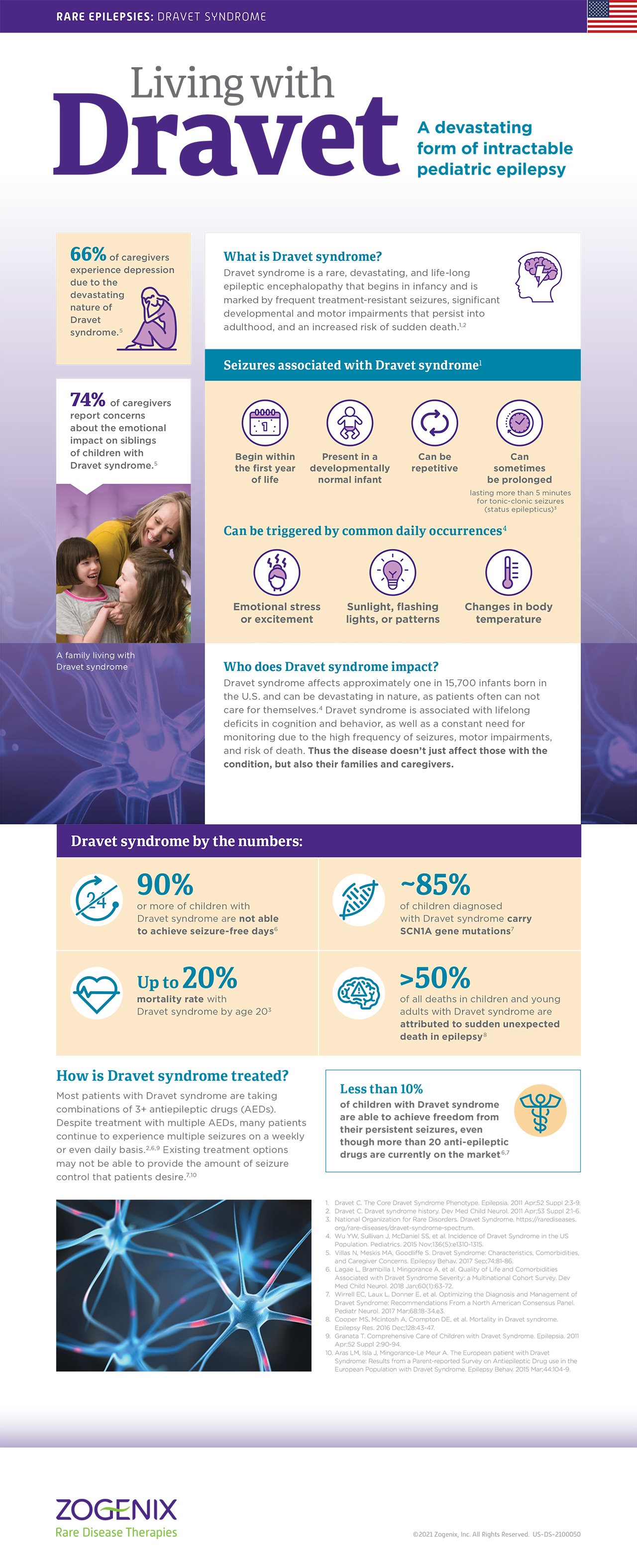
Living with Dravet – a rare form of pediatric epilepsy [Infographic]

2021-06-28T13:43:25

(BPT) – A rare disease is one that affects fewer than 200,000 people. But with an estimated 7,000 rare diseases and 25-30 million Americans living with one, chances are good you know someone affected. Awareness of what so many Americans are living through is critical to improving support, funding and new therapies. One such disease is a rare form of epilepsy called Dravet syndrome, which begins in infancy and is marked by frequent, severe treatment-resistant seizures; significant cognitive and other disabilities, and a higher risk of premature death. Help shine a spotlight on families caring for a child with this debilitating disease.

Living with Dravnet – a rare form of pediatric epilepsy [Infographic]

2021-06-25T14:42:11

(BPT) – A rare disease is one that affects fewer than 200,000 people. But with an estimated 7,000 rare diseases and 25-30 million Americans living with one, chances are good you know someone affected. Awareness of what so many Americans are living through is critical to improving support, funding and new therapies. One such disease is a rare form of epilepsy called Dravet syndrome, which begins in infancy and is marked by frequent, severe treatment-resistant seizures; significant cognitive and other disabilities, and a higher risk of premature death. Help shine a spotlight on families caring for a child with this debilitating disease.

5 expert tips to help college students get better sleep

2021-06-25T08:01:00

(BPT) – In the last year there’s been plenty to lose sleep about, but with the stress of the pandemic slowly subsiding, now is a great time to revisit the importance of self-care. Getting a good night’s sleep is one of the most popular topics in that arena right now, and for good reason: Whether you’re focused on work, exercise or education, prioritizing sleep will help you perform at your best.

If you’re a college student returning to campus this fall, sleep will be pivotal for you to perform well. The CDC recommends college-aged students get seven or more hours of sleep a night. So, how do you make that happen? As smart shopping expert Trae Bodge explains, “Comfort is so important to a good night’s sleep!” This means finding the right mattress and pillows, like Sleepy’s™ Snug 8” Medium Memory Foam Mattress or the TEMPUR-Adapt® Cloud + Cooling Pillow. Let Trae guide you through five ways to get great sleep before classes begin.

1. Tailor your room to your needs

A great night’s sleep is important, but it’s only possible when your bedroom is set up in a way that’s right for you. Mattress Firm has great deals on mattresses, pillows and other sleep essentials, so you can stock up on everything you need and save money, too. As Trae puts it, “The only thing better than getting the comfort you need to sleep soundly is saving money while you do it!” Find the right fit for your body type and preferred sleep style so you’re all set to jump into your school routine.

2. Get as much natural light as possible

Sure, you’ll be in class throughout the day, but when you’re not, study by a window in the library rather than under a lamp or those harsh fluorescent ceiling lights. If your campus has a tunnel system, save that for colder months and instead get your steps outdoors as you walk from class to class. Take your lunch break outside rather than in a cafeteria. Increasing your exposure to natural light will help regulate your circadian rhythm and help your mind and body distinguish between active daytime hours and the downtime you need to relax and fall asleep at night.

3. Stick to a schedule

This may be easier said than done for some students as the semester gets underway and you have homework, papers and exams to think about, but as much as possible, it’s important to maintain a schedule. This will train your mind and body to know when to be alert for your day and when to unwind and prepare for sleep at the day’s end. This includes not just the work or school week, but also the weekends. Keeping to your schedule throughout the week will help cement this practice and is one of the best ways to ensure success throughout the school year.

4. Create a sleep sanctuary

Make creating a relaxing sleep environment part of your bedtime routine each night. Turn off lights and close blinds to prevent any light from invading your bedroom. Mist your pillow or sheets with lavender essential oils. Using a fan or white noise machine can help calm your mind and help prepare you for sleep. If you have a roommate, work with them to support each other’s schedules. This will help you maintain your sleep regimen and ensure restorative sleep. As Trae explains, “Relaxation involves all the senses. You want your sleep space to completely absorb you in calm to tranquility.”

5. Ditch the phone

This probably isn’t news to you, but the light emitted from your phone’s screen can suppress melatonin, the hormone responsible for sleep, potentially disrupting your sleep schedule. It may be helpful to move your phone so it’s out of arm’s reach from your bed. If you use it for an alarm, not to worry; placing your phone away from your bed will force you to get up in the morning so you can shut the alarm off.

Whether you’re enjoying summer or thinking ahead to the school year that follows, it’s always the right time to consider how you can get your best night’s sleep. Mattress Firm has you covered with everything you need to make a sleeping sanctuary, so you wake up rested and ready to take on whatever new challenges await you.

Targeted Treatment Pathways in Lung Cancer: Navigating Beyond Initial Diagnosis

2021-06-24T09:01:00

(BPT) – In 2021, it is estimated that more than 235,000 Americans may be diagnosed with lung cancer. The five-year survival for early forms of the disease is approximately 60 percent. However, about 56 percent of patients have metastatic disease at the time of diagnosis, meaning the cancer has already spread beyond the lungs. For those with metastatic disease (stage IV), the five-year relative survival rate is just over 6 percent.

Debbie,* a psychotherapist with three adult children and two grandchildren, was leading an active life working, traveling and enjoying playing tennis, when she told her doctor about persistent pain in her upper back. Following imaging tests, she was diagnosed with an early stage of lung cancer which was initially successfully treated with surgery. But months later, Debbie felt something still wasn’t right.

“I was in Florida playing tennis and did not have the endurance I thought I should have, but I attributed it to the humidity. When I returned from my trip, I had another scan done and I was shocked to be told I had Stage IV metastatic non-small cell lung cancer,” Debbie recalls. “I felt overwhelmed at first. But I quickly took action and connected with the lung cancer community through patient organizations, which provided me with important tools to navigate my diagnosis.”

Debbie learned that the initial diagnosis only told part of the story. Non-small cell lung cancer (NSCLC) is the most common type of lung cancer. Within NSCLC, researchers have identified several different genetic alterations in NSCLC cancer cells that drive the cancer’s growth, such as mesenchymal-epithelial transition (MET) exon 14 skipping alterations, a type of alteration that is estimated to occur in 3 to 4 percent of patients with NSCLC. These tumor alterations can be identified through biological markers, or biomarkers—and may be used to identify appropriate treatment options.

Diagnostic Tools

More than half of patients with NSCLC may have genetic alterations driving their tumor growth. Using comprehensive biomarker testing is important to identify these genetic mutations or other markers which may help doctors make decisions about appropriate treatment plans. Biomarker testing may also be called genomic testing, genomic profiling or molecular testing. Test results can be used to identify appropriate treatment options. Recent advancements in targeted treatments have increased the options available to patients with metastatic NSCLC.

“One of the most important things I learned from others with lung cancer is how valuable biomarker testing can be in securing a complete diagnosis,” Debbie said. “When I got a second opinion around my diagnosis, my oncologist told me I had the MET gene mutation. I was disappointed that I didn’t have this critical information at my initial diagnosis.*”

Debbie says her experience shows the value of seeking out community resources and advocating for oneself to ensure a comprehensive diagnosis, including biomarker testing. With a full picture of their disease, people with lung cancer can work with their care providers to develop an appropriate care plan for that patient.

For adults with metastatic NSCLC with METex14 skipping alterations, the US Food and Drug Administration has approved a targeted treatment option, called TEPMETKO® (tepotinib). TEPMETKO® is indicated for the treatment of adult patients with metastatic non-small cell lung cancer (NSCLC) harboring mesenchymal-epithelial transition (MET) exon 14 skipping alterations. This indication is approved under accelerated approval based on overall response rate and duration of response. Continued approval for this indication may be contingent upon verification and description of clinical benefit in confirmatory trial(s).

EMD Serono Inc., is the Healthcare business of Merck KGaA, Darmstadt, Germany in the US and Canada.

* Debbie has not received treatment with TEPMETKO. The views and opinions expressed are individual to this particular patient and may not reflect the experiences of other patients as individual results may vary. Patients should always talk to their doctors with any questions. Debbie has had a paid relationship with EMD Serono.

Please see the full Prescribing Information and Medication Guide for additional Important Safety Information for TEPMETKO.

For more information on metastatic NSCLC with METex14 skipping alterations, visit: www.TEPMETKO.com.

TEPMETKO® Indication and Important Safety Information

INDICATION

TEPMETKO is indicated for the treatment of adult patients with metastatic non-small cell lung cancer (NSCLC) harboring mesenchymal-epithelial transition (MET) exon 14 skipping alterations.

This indication is approved under accelerated approval based on overall response rate and duration of response. Continued approval for this indication may be contingent upon verification and description of clinical benefit in confirmatory trials.

IMPORTANT SAFETY INFORMATION

TEPMETKO can cause interstitial lung disease (ILD)/pneumonitis, which can be fatal. Monitor patients for new or worsening pulmonary symptoms indicative of ILD/pneumonitis (eg, dyspnea, cough, fever). Immediately withhold TEPMETKO in patients with suspected ILD/pneumonitis and permanently discontinue if no other potential causes of ILD/pneumonitis are identified. ILD/pneumonitis occurred in 2.2% of patients treated with TEPMETKO, with one patient experiencing a Grade 3 or higher event; this event resulted in death.

TEPMETKO can cause hepatotoxicity, which can be fatal. Monitor liver function tests (including ALT, AST, and total bilirubin) prior to the start of TEPMETKO, every 2 weeks during the first 3 months of treatment, then once a month or as clinically indicated, with more frequent testing in patients who develop increased transaminases or total bilirubin. Based on the severity of the adverse reaction, withhold, dose reduce, or permanently discontinue TEPMETKO. Increased alanine aminotransferase (ALT)/increased aspartate aminotransferase (AST) occurred in 13% of patients treated with TEPMETKO. Grade 3 or 4 increased ALT/AST occurred in 4.2% of patients. A fatal adverse reaction of hepatic failure occurred in one patient (0.2%). The median time-to-onset of Grade 3 or higher increased ALT/AST was 30 days (range 1 to 178).

TEPMETKO can cause embryo-fetal toxicity. Based on findings in animal studies and its mechanism of action, TEPMETKO can cause fetal harm when administered to a pregnant woman. Advise pregnant women of the potential risk to a fetus. Advise females of reproductive potential or males with female partners of reproductive potential to use effective contraception during treatment with TEPMETKO and for one week after the final dose.

Avoid concomitant use of TEPMETKO with dual strong CYP3A inhibitors and P-gp inhibitors and strong CYP3A inducers. Avoid concomitant use of TEPMETKO with certain P-gp substrates where minimal concentration changes may lead to serious or life-threatening toxicities. If concomitant use is unavoidable, reduce the P-gp substrate dosage if recommended in its approved product labeling.

Fatal adverse reactions occurred in one patient (0.4%) due to pneumonitis, one patient (0.4%) due to hepatic failure, and one patient (0.4%) due to dyspnea from fluid overload.

Serious adverse reactions occurred in 45% of patients who received TEPMETKO. Serious adverse reactions in >2% of patients included pleural effusion (7%), pneumonia (5%), edema (3.9%), dyspnea (3.9%), general health deterioration (3.5%), pulmonary embolism (2%), and musculoskeletal pain (2%).

The most common adverse reactions (≥20%) in patients who received TEPMETKO were edema, fatigue, nausea, diarrhea, musculoskeletal pain, and dyspnea.

Clinically relevant adverse reactions in <10% of patients who received TEPMETKO included ILD/pneumonitis, rash, fever, dizziness, pruritus, and headache.

Selected laboratory abnormalities (≥20%) from baseline in patients receiving TEPMETKO in descending order were: decreased albumin (76%), increased creatinine (55%), increased alkaline phosphatase (ALP) (50%), decreased lymphocytes (48%), increased alanine aminotransferase (ALT) (44%), increased aspartate aminotransferase (AST) (35%), decreased sodium (31%), decreased hemoglobin (27%), increased potassium (25%), increased gamma-glutamyltransferase (GGT) (24%), increased amylase (23%), and decreased leukocytes (23%).

The most common Grade 3 to 4 laboratory abnormalities (≥2%) in descending order were: decreased lymphocytes (11%), decreased albumin (9%), decreased sodium (8%), increased GGT (5%), increased amylase (4.6%), increased ALT (4.1%), increased AST (2.5%), and decreased hemoglobin (2%).

A clinically relevant laboratory abnormality in <20% of patients who received TEPMETKO was increased lipase in 18% of patients, including 3.7% Grades 3 to 4.

Additional information for people with NSCLC:

For more information about TEPMETKO, please see full Prescribing Information, and visit www.TEPMETKO.com.

US-TEP-00344 June 2021

One Woman’s Journey for More Migraine-Free Days

2021-06-21T11:01:00

(BPT) – Lilly Rockwell’s earliest memories are having headaches so severe she would vomit. Since her mother suffers from migraine, they assumed that’s what Lilly had too. Lilly and her family sought advice from doctors to alleviate her symptoms, but without success, so she continued to struggle with migraine into her adult life. “As my migraine disease progressed and I got older, I was constantly worried about having an attack and how it might impact time with my family and friends, and my profession as a real estate agent. I need to be focused every day to help my clients find their dream home. I cannot be sidelined for days with a migraine.”

Migraine is a debilitating neurologic disease that affects nearly 40 million Americans with women three times more likely to suffer than men. A recent survey conducted by the National Headache Foundation found that migraine has a broad and negative impact on people’s lives, affecting their energy level, mental clarity, productivity, personal relationships, and professional success. In fact, more than half of people with migraine are not satisfied with their ability to control the disease.

Clinical Trial Brings New Outlook on Life

After talking with her mom who was participating in a clinical trial evaluating the oral calcitonin gene-related peptide (CGRP) receptor antagonist, Nurtec® ODT (rimegepant), for the preventive treatment of migraine, Lilly decided to enroll herself. This was the first time she was able to experience more migraine-free days. “Using Nurtec ODT, my career and social life flourished,” said Lilly. She describes her experience during the trial as eye-opening where she was able to enjoy the little things in life.

Breakthrough Dual Therapy Proven to Treat and Prevent Migraine

In May 2021, the U.S. Food and Drug Administration (FDA) approved Nurtec ODT (rimegepant) for the preventive treatment of episodic migraine in adults. This new approval makes Nurtec ODT the first and only medication approved by the FDA to treat and prevent migraine attacks. A single dose of Nurtec ODT can bring fast pain relief that lasts up to 48 hours for many patients. Nurtec ODT is proven to start dissolving pain in an hour and can also reduce monthly migraine days by at least half compared to placebo.

Available by prescription, Nurtec ODT gives people with migraine like Lilly a more complete, flexible treatment plan to help control their migraine disease. For more information, visit nurtec.com.

Indication
NURTEC ODT orally disintegrating tablets is a prescription medicine that is used to treat migraine in adults. It is for the acute treatment of migraine attacks with or without aura and the preventive treatment of episodic migraine. It is not known if NURTEC ODT is safe and effective in children.

Important Safety Information
Do not take NURTEC ODT if you are allergic to NURTEC ODT (rimegepant) or any of its ingredients.

Before you take NURTEC ODT, tell your healthcare provider (HCP) about all your medical conditions, including if you:

  • have liver problems,
  • have kidney problems,
  • are pregnant or plan to become pregnant,
  • breastfeeding or plan to breastfeed.

Tell your HCP about all the medicines you take, including prescription and over-the-counter medicines, vitamins, and herbal supplements.

NURTEC ODT may cause serious side effects including allergic reactions, including trouble breathing and rash. This can happen days after you take NURTEC ODT. Call your HCP or get emergency help right away if you have swelling of the face, mouth, tongue, or throat or trouble breathing. This occurred in less than 1% of patients treated with NURTEC ODT.

The most common side effects of NURTEC ODT were nausea (2.7%) and stomach pain/indigestion (2.4%). These are not the only possible side effects of NURTEC ODT. Tell your HCP if you have any side effects.

You are encouraged to report side effects of prescription drugs to the FDA. Visit www.fda.gov/medwatch or call 1-800-FDA-1088 or report side effects to Biohaven at 1-833-4NURTEC.

Please click here for full Prescribing Information and Patient Information.

US-RIMODT-2100409 05/13/2021

Don’t Settle for Uncontrolled Symptoms: When It’s Time to Rethink Your Approach to Asthma Management

2021-06-21T10:01:01

(BPT) – This content is sponsored by GSK.

Those who live with asthma know that symptoms can come on suddenly, literally taking your breath away. Even if you’re avoiding triggers and following your treatment plan, your asthma can remain uncontrolled. This was the case for Shawn, who, having lived with asthma for nearly four decades, is no stranger to struggling with his breathing.

Despite working with his doctor to update his treatment plan and following it closely, he found himself continuing to experience labored breathing into his adult years. “I kind of figured that this was my future, and that it wasn’t going to get any better.”

Whether you’ve been living with asthma since childhood like Shawn or were recently diagnosed, it’s easy to think that continuing to experience some asthma symptoms every day is as good as it gets. But if symptoms are impacting your everyday life, it may be time to reconsider your asthma management approach.

Not All Asthma Is The Same

While the exact cause of asthma is unknown and may vary from person to person, the condition is characterized by several underlying causes and types of inflammation. For some people, inflammation may be triggered in response to certain factors, such as smoking, exercise, stress, allergies and pollen, air quality, illnesses, and strong odors.1

Many patients can properly manage their disease with daily treatment, but this isn’t always adequate for others. In fact, more than 60 percent of adults with asthma are living with an uncontrolled form of the disease.2

“Unfortunately, many people who suffer from asthma don’t recognize what well-controlled symptoms look like,” says Carl Abbott, PharmD, GlaxoSmithKline U.S. Medical Affairs. “They think it’s the normal course of asthma to have symptoms that don’t really go away or require your quick-relief inhaler more than two times a week.”

The following signs may indicate that your asthma is not under control:3, 4, 5

  • Dealing with symptoms of asthma more than twice a week (like wheezing, shortness of breath, coughing, or chest tightness)
  • Using your rescue inhaler for asthma more than twice a week
  • Waking up during the night because of asthma symptoms
  • Limiting your normal activities (like spending time outdoors or making plans) because of asthma symptoms
  • Seeking urgent or emergency medical attention in the past because of an asthma flare-up

Expecting More From Treatment

The more people live with uncontrolled asthma symptoms, the more they might accept them as “normal” and overlook the negative impact on their ability to perform daily tasks.

Still, patients shouldn’t settle for less-than-optimal control of their symptoms. Having open and honest conversations with your doctor is the first step toward developing a treatment plan designed to ease the burden of asthma. Work with your doctor, such as an allergist, pulmonologist, or primary care physician, to create the most appropriate treatment plan for reaching your goals.

As Shawn continued to live with his symptoms, he found that they interfered with his ability to keep up with his kids and go about everyday life. Finally, he spoke up to his doctor. “I was really frustrated and shared all of this with my doctor. He asked if I had heard about TRELEGY.”

TRELEGY ELLIPTA (fluticasone furoate 100 mcg, umeclidinium 62.5 mcg, and vilanterol 25 mcg inhalation powder) is a prescription medicine used long term to treat asthma in adults. TRELEGY won’t replace a rescue inhaler for sudden breathing problems. TRELEGY contains a medicine that increases risk of hospitalizations and death from asthma problems when used alone. When this medicine is used with an inhaled corticosteroid, like in TRELEGY, there is not a significant increased risk of these events. Do not take TRELEGY more than prescribed. TRELEGY may increase risk of thrush, infections, and serious allergic reactions. Get emergency care if you get a rash, hives, mouth and tongue swelling, or breathing problems. You should see your doctor if your asthma does not improve or gets worse. Please see additional Important Safety Information below.

Shawn and his doctor worked together to develop a treatment plan that included TRELEGY. “He and I talked about TRELEGY and how it might help, and that it was three different medications. I really felt like it was important to have the three.”

TRELEGY contains an ICS (inhaled corticosteroid) and LABA (long-acting beta2-adrenergic agonist), and a third medicine called a LAMA (long-acting muscarinic antagonist). The three medicines in TRELEGY work together in one inhaler to help get asthma symptoms under control by helping patients breathe easier and improving lung function for a full 24 hours, though individual results may vary.

For Shawn, starting treatment with TRELEGY offered relief. “I noticed I was not needing to use my rescue inhalers as often, and that was a blessing. I am not letting my asthma get in the way of doing things with my family, which is awesome!”

If you’re still experiencing uncontrolled asthma symptoms, it may be time to speak with your doctor about your asthma management plan. Visit TRELEGY.com for more information.

Important Safety Information for TRELEGY

  • TRELEGY contains vilanterol. Long-acting beta2-adrenergic agonist (LABA) medicines such as vilanterol, when used alone, increase the risk of hospitalizations and death from asthma problems. TRELEGY contains an inhaled corticosteroid (ICS), an anticholinergic, and a LABA. When an ICS and LABA are used together, there is not a significant increased risk in hospitalizations and death from asthma problems.
  • Do not use TRELEGY to relieve sudden breathing problems. Always have a rescue inhaler with you to treat sudden symptoms.
  • TRELEGY should not be used in children younger than 18 years of age. It is not known if TRELEGY is safe and effective in children.
  • Do not use TRELEGY if you have a severe allergy to milk proteins or are allergic to any of the ingredients in TRELEGY. Ask your healthcare provider if you are not sure.
  • Do not use TRELEGY more often than prescribed.
  • Do not take TRELEGY with other medicines that contain a LABA or an anticholinergic for any reason. Tell your healthcare provider about all your medical conditions and about all the medicines you take.
  • Call your healthcare provider or get medical care right away if your breathing problems get worse, if you need your rescue inhaler more often than usual or it does not work as well to relieve your symptoms.
  • TRELEGY can cause serious side effects, including:
    • fungal infection in your mouth or throat (thrush). Rinse your mouth with water without swallowing after using TRELEGY to help reduce your chance of getting thrush.
    • weakened immune system and increased chance of getting infections.
    • reduced adrenal function. This can happen when you stop taking oral corticosteroids and start taking inhaled corticosteroids.
    • sudden breathing problems immediately after inhaling TRELEGY. If this happens, stop taking TRELEGY and call your healthcare provider right away.
    • serious allergic reactions. Call your healthcare provider or get emergency medical care if you get any of the following symptoms: rash; hives; swelling of your face, mouth, and tongue; breathing problems.
    • effects on heart: increased blood pressure; a fast or irregular heartbeat, awareness of heartbeat; chest pain.
    • effects on nervous system: tremor; nervousness.
    • bone thinning or weakness (osteoporosis).
    • eye problems including glaucoma, increased pressure in your eye, cataracts, blurred vision, worsening of narrow-angle glaucoma, or other changes in vision. You should have regular eye exams while using TRELEGY. Acute narrow-angle glaucoma can cause permanent loss of vision if not treated. Symptoms of acute narrow-angle glaucoma may include: eye pain or discomfort; nausea or vomiting; blurred vision; seeing halos or bright colors around lights; red eyes. If you have these symptoms, call your healthcare provider right away before taking another dose.
    • new or worse urinary retention. Symptoms may include: difficult, painful, or frequent urination; urination in a weak stream or drips. If you have these symptoms, stop taking TRELEGY and call your healthcare provider right away.
    • changes in laboratory blood values, including high levels of blood sugar (hyperglycemia) and low levels of potassium (hypokalemia).
    • slowed growth in children.
  • Common side effects of TRELEGY include: runny nose and sore throat; upper respiratory tract infection; bronchitis; respiratory tract infection; inflammation of the sinuses; painful and frequent urination (signs of a urinary tract infection); flu; headache; back pain.

    Please see full Prescribing Information, including Patient Information, for TRELEGY.

    You are encouraged to report negative side effects of prescription drugs to the FDA. Visit www.fda.gov/medwatch, or call 1-800-FDA-1088.

    References:

    1. What Triggers Asthma? Asthma.com. https://www.asthma.com/managing-asthma/asthma-triggers.html. Accessed May 10, 2021.
    2. Uncontrolled asthma among adults, 2016. CDC.gov. https://www.cdc.gov/asthma/asthma_stats/uncontrolled-asthma-adults.htm. Published July 8, 2019. Accessed May 24, 2021.
    3. Guidelines for the Diagnosis and Management of Asthma. nhlbi.nih.gov/sites/default/files/media/docs/EPR-3_Asthma_Full_Report_2007.pdf. Accessed May 24, 2021.
    4. Global Initiative for Asthma. Pocket guide for asthma management and prevention. https://ginasthma.org/pocket-guide-for-asthma-management-and-prevention/. Accessed May 24, 2021.
    5. Juniper EF, O’Byrne PM, Guyatt GH, Ferrie PJ, King DR. Development and validation of a questionnaire to measure asthma control. Eur Respir J. 1999; 14(4): 902-907.

    FVUPRSR210001

How one nurse anesthetist is working to fight racial disparities in healthcare

2021-06-18T11:01:00

(BPT) – As an African American and a certified registered nurse anesthetist (CRNA), Dr. Edwin Aroke has always been committed to equitable care for racial and ethnic minority patients. However, following years of providing anesthesia care in hospitals and teaching student registered nurse anesthetists (SRNAs) at the University of Alabama at Birmingham, Aroke realized that even the most conscious healthcare providers can have biased impulses.

“One day, I received a report of a 21-year-old African American male with a gunshot wound coming to my room,” said Aroke. “My immediate thought was that he must be a ‘gangster.’ I had to stop and consider that I knew nothing about this individual and he could have been a bystander, a suicide victim, anyone. Despite being an African American, the neurocircuits in my brain made a potentially harmful judgment.”

Disparities in treatment for racial and ethnic minority patients stemming from implicit biases are distinctly present in pain care. Studies show that compared to white women, racial and ethnic minority women are less likely to receive an epidural for childbirth, and Black patients are less likely to receive pain medicines in emergency rooms than white patients. Unfortunately, research suggests that these treatment disparities may be a result of false beliefs about biological differences in pain tolerance between Black and white patients.

This issue is particularly important to Aroke, and the subject of his research program. He is also educating his students and colleagues, as well as moderating webinars alongside the American Association of Nurse Anesthetists, to educate CRNAs and SRNAs across the country.

“As a CRNA, I provide multimodal, opioid-sparing and opioid-free anesthesia and pain management services, as well as safe opioid administration to prevent the risk of addiction,” said Aroke. “Additionally, CRNAs are more likely than physician anesthesiologists to work in counties with lower median incomes and denser unemployed, uninsured and Medicaid-eligible populations.”

Aroke shares advice with patients to help ensure they receive equitable treatment. “The best care experience starts with good communication between the patient and their provider,” he said. “You know your body best. Don’t be afraid to ask for a second opinion on diagnoses and treatment plans and express any concerns with the quality of care you are receiving.”

For healthcare providers like CRNAs, Aroke has additional recommended actions:

  • Learn more about minority community needs. “I encourage all of my colleagues to better understand the communities they serve and whether resources are available to address their needs,” said Aroke.
  • Address health literacy and linguistic barriers. Racial and ethnic minority patients are more likely to have less health literacy and English proficiency, which can impact their ability to obtain and understand health information and services.
  • Incorporate training on implicit bias into practice. “This education should be evidence-based and include recommendations on how to empower patients from disadvantaged backgrounds to understand their options for care and financial and social support,” said Aroke.

Most importantly, healthcare providers and patients must advocate for systemic changes. “We cannot address healthcare disparities without understanding systemic racism and the structures that hold these biases in place,” said Aroke. “‘Not being a racist’ isn’t good enough — CRNAs and other providers must fight discrimination and take active steps to promote health equity.”