Military move? 5 key tips that can smooth the way

2018-07-30T09:01:00

(BPT) – Changing residences can be an emotional and logistical challenge for any family.

For military families, that challenge can be recreated many times over. Due to the nature of the work, the average U.S. military family relocates every two to three years — 10 times more than civilian families. That can mean a complete change of surroundings in addition to new schools, teachers, friends, neighborhoods, jobs, places of worship, schedules and activities.

When faced with those kinds of challenges, strong military families often become very good at planning, gathering together their support systems and fully optimizing their available resources.

If your military family is anticipating a relocation, the moving experts at Penske offer these tips for ensuring the process goes smoothly.

* Rely on key resources. Since you may not know when or where they’ll be deployed, it’s wise to keep a folder listing all the resources you need to plan a move, including your go-to moving company. For example, Penske Truck Rental maintains a dedicated call center for U.S. military moves and offers a standard 10 percent discount on moving truck rentals.

* Check in with your relocation assistance office. Fully utilize the services offered through your assigned Military and Family Support Center. Once informed of the details of your move, personnel there can connect you with valuable resources, help you create a schedule and contact your new support center, which should then connect you with a local sponsor.

* Get to know your sponsor. The military does it best, assigning you a sponsor who’s already working at your new location and with whom you have something in common. Optimize that contact to ask key questions, allay concerns and generally familiarize yourself with your new surroundings.

* Do the math on truck weights. When it comes to loading your moving vehicles, your goal should be to maximize your military travel allowance while avoiding any overweight charges you may have to pay out of pocket. That means getting a close estimate of the weight of your belongings. In general, you can plan on about 1,000 pounds per room; don’t count bathrooms, but do add in the estimated poundage of large appliances and of miscellaneous goods stored in your garage and storage areas. Military regulations require weight certification of moving vehicles both before and after loading; see Penske’s Certified Public Scale locator to locate weigh stations.

* Inventory your belongings. When packing boxes, mark each one with the name of your family, your destination, a general description of contents and the room the box should go in. To prevent any discrepancies between what you packed and what actually arrives, you should also list everything as it’s placed into the vehicles, taking photographs of high-value items.

While moving can be a fact of life for military families, good planning and solid support can smooth the way. Don’t hesitate to optimize every resource at your disposal when making your next move.


What your home color says about you! [Infographic]

2018-07-30T07:01:01

(BPT) – August is National Curb Appeal Month and the perfect time to update one’s home exterior before the season changes. Many homeowners may not realize how easy it is to create a great first impression with attractive siding options from brands like Ply Gem Mastic. A recent color survey conducted by Ply Gem Building Products shows that a home’s exterior is, or can be, a reflection of the owner’s personality. To explore siding color options and solutions, visit www.mastic.com.


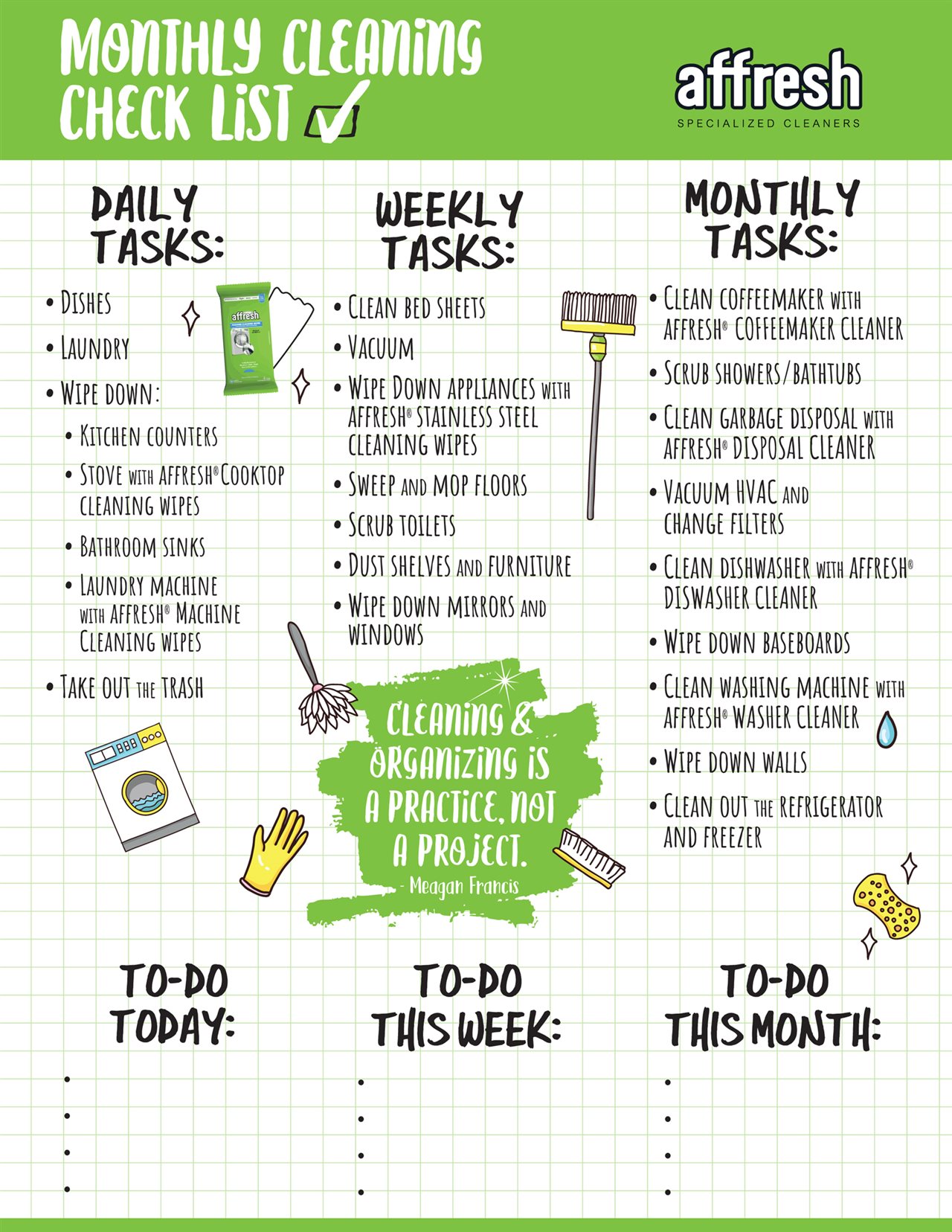
Monthly cleaning check list to keep your appliances, and home, clean inside and out [Infographic]

2018-07-27T11:31:00

(BPT) – In a survey conducted by affresh, 34 percent of Americans say that they have issues finding the right cleaning products to use on their appliances. Affresh provides you with the right tool for the job so your home can be cleaned efficiently.

Daily, weekly and monthly tasks will keep you on track and your home clean. Cleaning your appliances has never been easier, or more convenient.

*According to an online survey conducted by Opinion Research Corp. on behalf of affresh between May 19 and 21, 2017.


Backyard Entertainment Starts with Clean Concrete

2018-07-20T09:35:00

(BPT) – The backyard truly is an extension of the home these days, so it makes perfect sense that homeowners are placing greater emphasis on the upkeep and maintenance of these areas. In fact, the primary reason homeowners start a landscaping project is to upgrade deteriorated features of their outdoor living space, according to the Houzz 2018 Landscaping Survey. Patios, paths and other outdoor concrete surfaces are literally and figuratively the foundation to entertaining in many backyards, so it’s important to clean them regularly. The daily wear-and-tear of weather, surrounding vegetation, foot traffic, lawn equipment and other potentially harmful nuisances vary from backyard to backyard, so assessing the dirt and stains on the concrete surface will dictate the best cleaning approach.

Assuming the concrete surface doesn’t have cracks, chips or require any other repairs (that’s another topic), there are several appropriate cleaning approaches to consider. In some cases, you might even use a combination of these cleaning options to get the best results. Always start by removing any loose dirt or sediment with a broom or blower.

  1. For light dirt or stains to a concrete patio, simply mix liquid dishwashing detergent with water in a spray bottle, squirt it on the desired areas and scrub with a stiff nylon bristle brush or broom. For heavier dirt and stains, you can take the same approach with other more aggressive cleaners like trisodium phosphate (TSP) or QUIKRETE® Concrete & Asphalt Cleaner, being sure to follow mixing directions on the packages. Be careful using acid based cleaners that can discolor or otherwise harm the concrete, plants and other things around the patio. In addition, using a brush with wire or metallic bristles can scratch or damage the concrete. After cleaning, rinse the area thoroughly with a water hose.
  2. For concrete patios with slightly more challenging dirt and stains, consider a home remedy combining vinegar or baking soda with water in a spray bottle and clean as you did with the liquid dishwashing detergent mix above. Explore different ratios of water with the vinegar or baking soda progressing from a high-water to low-water concentration until the right mixture for removing the desired dirt or stains is achieved.
  3. To remove extremely stubborn dirt and stains from a concrete patio, clean with a 2,500 PSI pressure washer, which can be rented at many home improvement and hardware stores. When working with a pressure washer this powerful, be sure to wear protective eyewear and gloves. You should also consider putting plastic sheets down around the base of your house and over plants surrounding the concrete patio for protection.
  4. For the most difficult dirt and stains, try QUIKRETE® Cleaner Etcher & Degreaser. It’s a safe alternative to acidic cleaners strong enough to remove the toughest dirt and stains. Mix the cleaner with water in a plastic gardening sprayer or plastic watering can, according to the directions on the bottle. It’s always a good idea to test the strength of your mix in a small inconspicuous area of the concrete patio in case the concentration needs to be adjusted. After cleaning, rinse the area thoroughly with a water hose.

Once the concrete patio is clean, apply QUIKRETE® Concrete & Masonry High Gloss Sealer or QUIKRETE® Concrete & Masonry Waterproofing Sealer to protect the surface so cleaning is easier in the future. Keep in mind sealed concrete can be slippery when wet, so avoid walking on the surface until it has dried for 24 hours. For more information on other concrete and masonry home improvement projects, including how-to videos, visit www.QUIKRETE.com.


Before you renovate, have you considered this?

2018-07-18T08:01:00

(BPT) – Home improvement projects are popular this time of year and you’ve certainly tackled your share of DIY to-dos in the past. But not this year. This year you realize it’s time to go big, to go bold, to set aside those traditional home improvement projects for another year and do something even bigger.

Yes, this year, it’s time to renovate.

Whether your plans include renovating one room, a floor or your entire home, there’s no denying that a renovation project greatly increases the scope of the work to be done — and the expense. And because of that, it’s incredibly important to have your entire plan laid out before you begin. After all, the last thing you want to do is renovate your latest renovation.

To be sure you’re ready for the renovation project of your dreams this season, apply the tips below.

* Finalize your goals. The largest projects are more successful when they are planned down to the finest details and that includes getting very specific about your goals. Don’t settle for a goal of simply improving your home. Decide if you’re trying to up the resale value, add more space, create a hobby area or finally build the bathroom you deserve. Any or all of these could qualify as improving your home, but when you get specific about your goal, you’ll better recognize what needs to be done to attain it.

* Determine if you need to update/replace core systems. Your air conditioning unit, water softener and furnace are all vital components in your home and it’s easy to take the work they do every day for granted. However, these systems eventually need replacement as well, and your home renovation could be the perfect time to tackle this task. Take your air conditioning unit, for example, and replace your old, inefficient unit with the newest two-stage Luxaire Acclimate Air Conditioner. It uses a two-stage compressor to meet your comfort needs and its SilentDrive system ensures a peaceful, enjoyable experience. In addition, you can also access its Hx Touch-screen Thermostat via your smartphone for total temperature control no matter where you are.

* Set your budget. Many homeowners have no idea what a renovation project will cost and even if they do, unexpected expenses can appear very quickly. If you are working with a contractor, they should be able to give you a fairly accurate estimation of how much your project will cost. However, it’s still a good idea to determine what your absolute spending ceiling is for the project and not go above it. This means making sure you budget in some extra space below this mark to allot for unexpected expenses.

* Organize your calendar. Delays during a renovation project will cost you time and money, so it pays to eliminate them when possible. Do you plan to remain in your home during the project? Are there any seasonal plans — like a family vacation — that could interfere with the progress? Understand these potential hazards early and you can plan for ways to minimize them.

* Know what you can do and, more importantly, what you can’t. When you move from a home improvement project to a renovation, you’re also probably moving from DIY to hiring an expert. Tackle what you can yourself — including buying materials for the project, which will save you the contractor’s mark-up — but leave the things you don’t know how to do in the hands of the professionals. Doing so will make sure that you’re happier with the result and that you don’t have to pay someone to fix your mistakes.

Start your project today

No matter your motivation for starting a home renovation, it’s easy to be excited about the result. Take your time, plan your process using the tips above, and be ready for any hurdles that come your way, and that result will be all the more satisfying.


3 elements to create a dream bathroom sanctuary

2018-07-18T07:01:00

(BPT) – Bathrooms reign supreme, overtaking kitchens as the most popular remodeling project, according to a new survey by the National Association of Home Builders. In the study, remodelers reported on the most common projects in 2017 and 81 percent performed bathroom remodeling.

Whether you’re hiring the project out or taking the DIY route, fashioning the bathroom of your dreams can enhance your home’s value and add enjoyment to your daily routine. A leading trend in bathroom design is to create a space that is not only functional but is a true sanctuary. To craft a spa-like bath setting that you’ll love for years to come, consider these elements.

1. Sinks and vanities

Clutter causes chaos that can add to daily stress. To establish a peaceful retreat without the disorder that commonly overtakes bathrooms, it’s important to keep organization in mind when selecting a sink and vanity combination. The key is to find a balance between style and functionality.

Consider the DXV Modulus collection, which creates simple yet dramatic spaces with a selection of trending materials and finishes for optimum style. Its modular concept, highlighted with minimalistic bathroom sinks and coordinating vanities, allows for maximum flexibility in installation and organization. It brings high design to any project, including master bathrooms and powder rooms, where space may be at a premium.

2. Freestanding tubs

When you select the right tub for your new bathroom, you’re giving yourself a way to unwind every day, as well as provide a stunning focal point to anchor the space. Deep soak freestanding tubs are a top trend for the ultimate in bathing relaxation. Immersing yourself in the warm water of a soaking tub can help ease muscle tension, making you feel like you’re at the spa while bathing in the comfort of your own home.

Soothing, romantic and indulgent, DXV soaking tubs create the perfect personal sanctuary. This must-have showstopper adds style, repose and a touch of luxury that elevates any bathroom setting.

3. Shower systems

Forget boring single showerheads. Today’s complete shower systems go beyond the basic clean to provide a comprehensive bathing experience. Design the space to fit your preferences with different sprays and various angles for massage, invigoration or total relaxation. You can adjust the flow and temperature to your liking. It’s customization on demand.

To further enhance the shower experience, add in spa-like elements, like your choice of adjustable lighting and music to match your mood. Go ahead and close your eyes, feel the water, and escape while getting lost in your favorite tunes.

With the right elements and well-thought-out design, you can craft your own personal oasis. Adding to your home’s value while relishing in its pleasure — now that’s a dream come true.


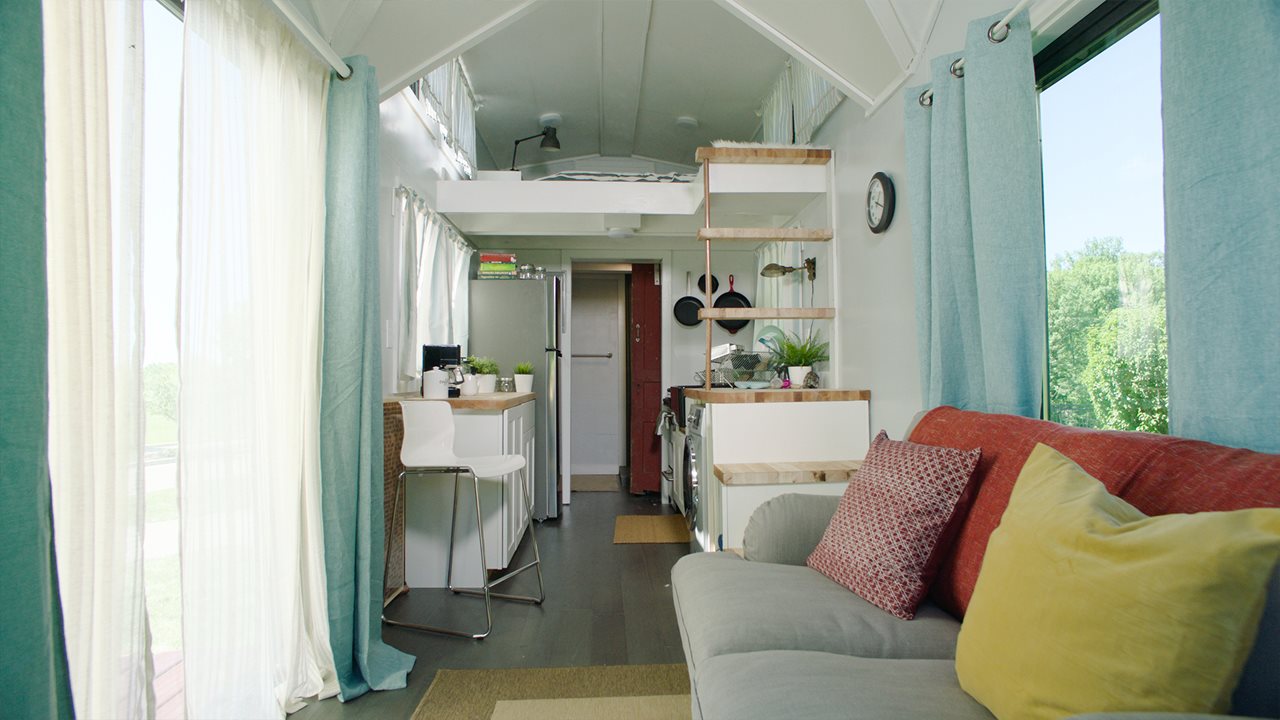
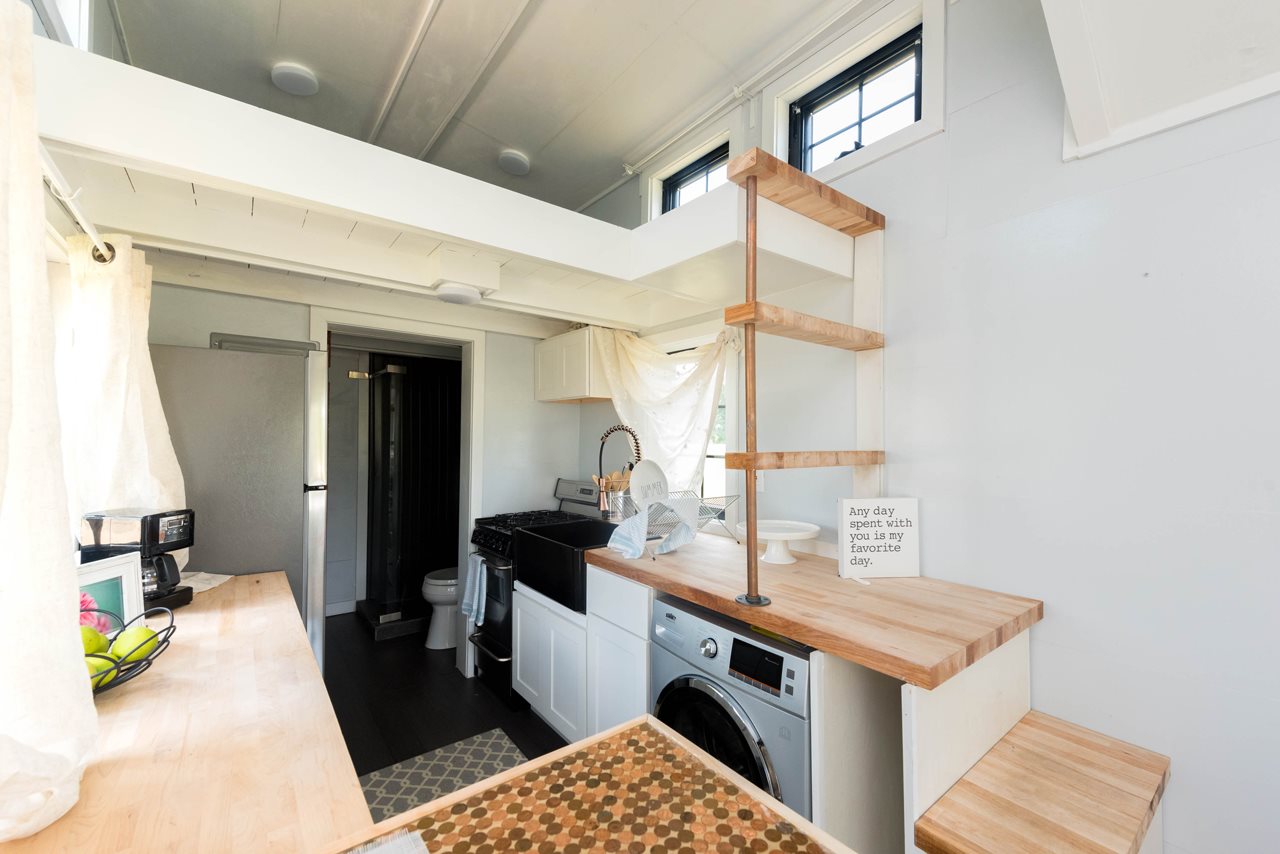
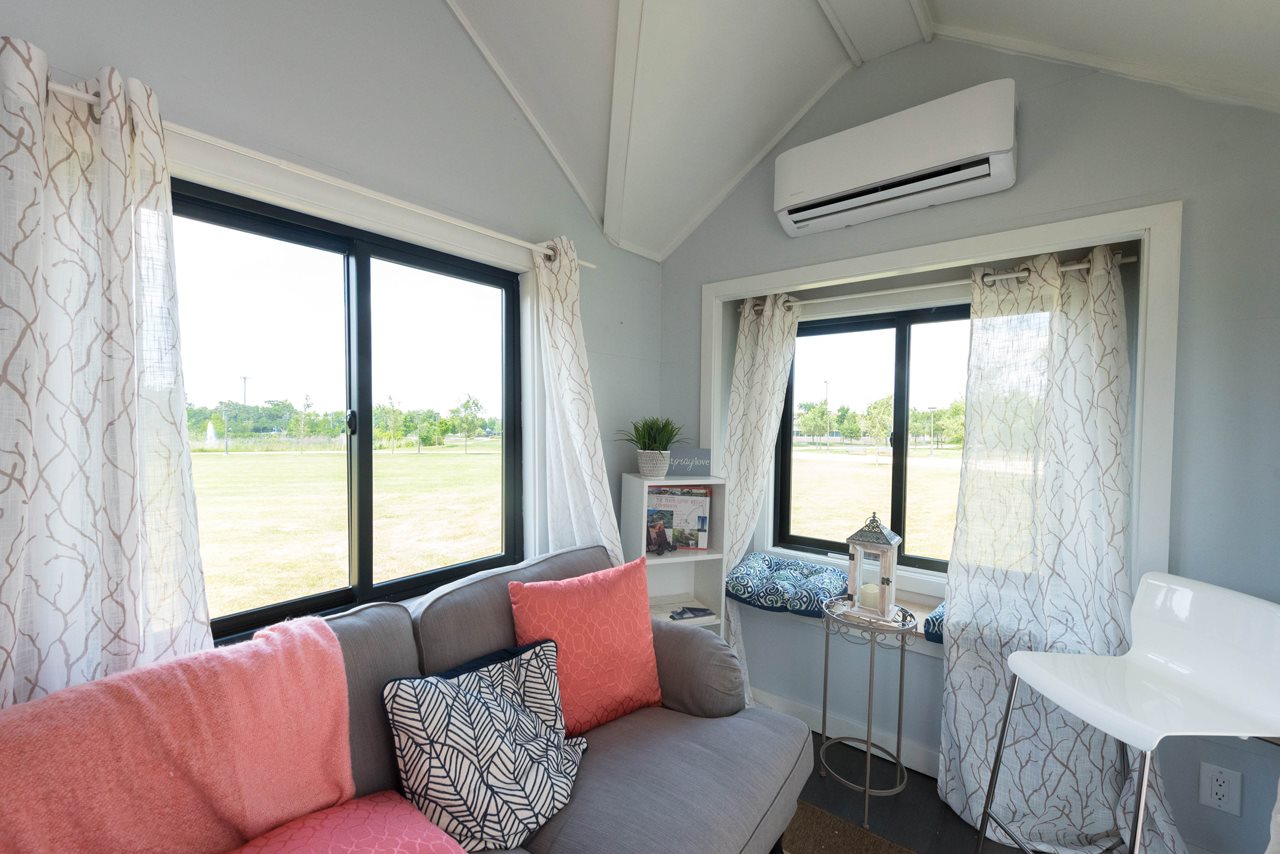
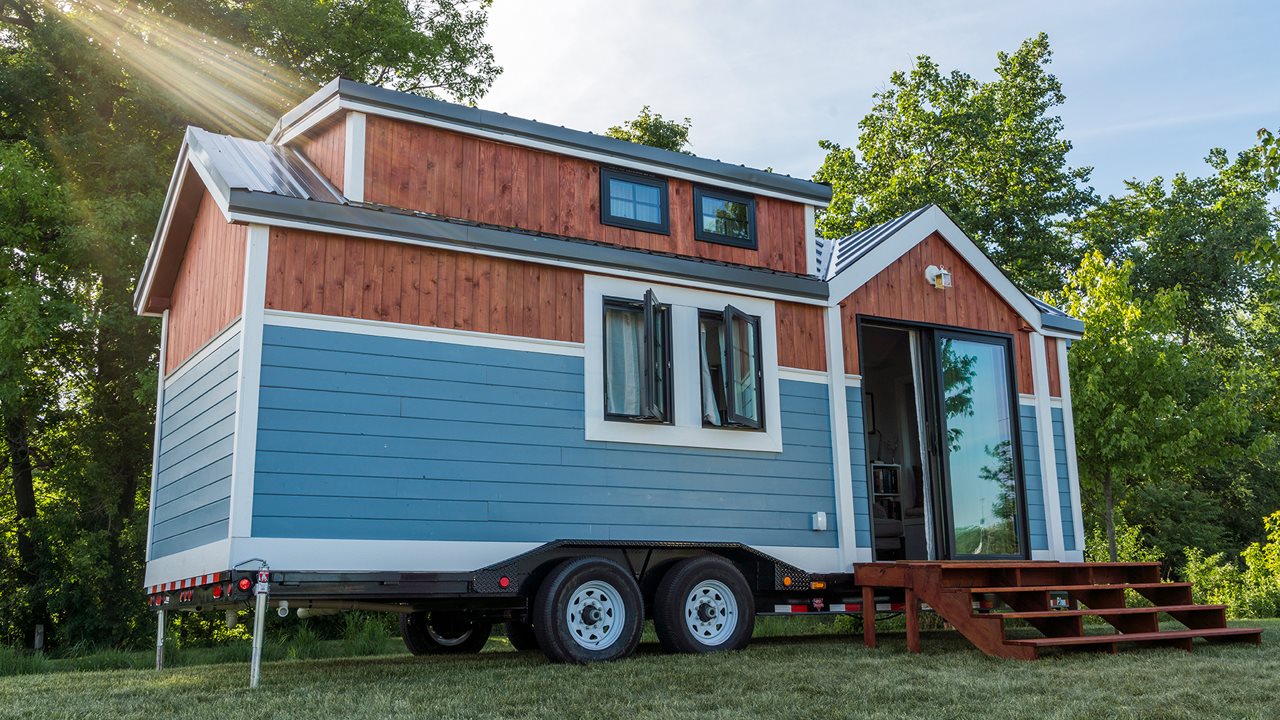
5 tiny house inspired tips to help you live comfortably in a small living space

2018-07-13T10:59:00

(BPT) – You’ve got to hand it to them: Tiny home enthusiasts who design and live in small spaces are showing the world it is possible to live large with less.

Maybe you’re one of those who can see themselves working, sleeping and cooking in a 400-square-foot freestanding structure, small enough to haul on a trailer. On the other hand, maybe micro is a bit too extreme for you, but still inspires you to consider the possibilities of downsizing.

Either way, when you pare back on square footage, the benefits really start to add up. Living is easier, for one, because there’s so much less to maintain and keep clean. Plus, your expenses should be lower in the long run. Smaller homes have less space to heat and cool. In some cases, upgrades will be cheaper because fewer materials are needed.

Still, without thoughtful planning, things can get crammed very quickly. To help solve the dilemmas common to smaller living spaces, try some of these tiny house inspired tips.

Think functional

Having a smaller space can mean adopting a mindset for multipurpose rooms and multipurpose furnishings. Look for pieces of furniture that can pull double duty in your small space. Sleeper sofas and chairs, once the epitome of a miserable night’s sleep, are now surprisingly well-made and comfortable (no bars digging into your back).

Be thoughtful with color theory

Too many neutrals can feel bland and lifeless in a small space, while dark, saturated colors can have a “shrinking” effect on the space. Put the color into balance by going neutral on walls, and choosing one piece to make the big, colorful statement in the room, such as an area rug, the couch or a bold piece of artwork.

Maximize your walls

If you choose the right accessories and tools, your walls and even your ceiling can help you save and get more function out of your space. For lighting, opt for wall sconces, swing lamps or perhaps even a bold pendant lamp. Look to open wall shelving to increase your storage and display space and give the space a cozy, homey look.

Keep clutter under control

It goes without saying — those who live in smaller spaces must be more thoughtful and disciplined about what they allow into their homes. Otherwise, the extras will change the vibe of the little place from cute and cozy to cramped and crowded. What works for many people is a one-for-one policy. When something new comes into the house, something else needs to go to make way for it.

Add an outdoor living room

Or you can get an outdoor dining set. Whichever way you go, your yard can be reimagined as an extension of your living space during the warm weather months. Add a pergola to give it shade and definition, and add shrubs and potted plants to shield it from the bright sun and make it feel more intimate.

Inspired to buy a tiny home of your very own? Starting July 26, RE/MAX will be auctioning a Tiny Home for Tiny Tots. Visit TinyHomeTinyTots.com to take a virtual tour and see the specs, then register and place a bid for your chance to be the proud owner. Proceeds will benefit Children’s MiracleNetwork Hospitals.


6 dorm room essentials for a comfortable college experience

2018-07-12T07:01:00

(BPT) – Across the country, high school graduates are filled with anticipation as they prepare for their first year of college. For many, this means moving out of their parents’ house and into a dorm. While dorm rooms typically have tight quarters, this doesn’t mean you can’t make it feel a little like home sweet home.

To make any dorm room more comfortable, clean and convenient, consider these top must-haves. Friends and family note: They also make great gifts!

Clean air system

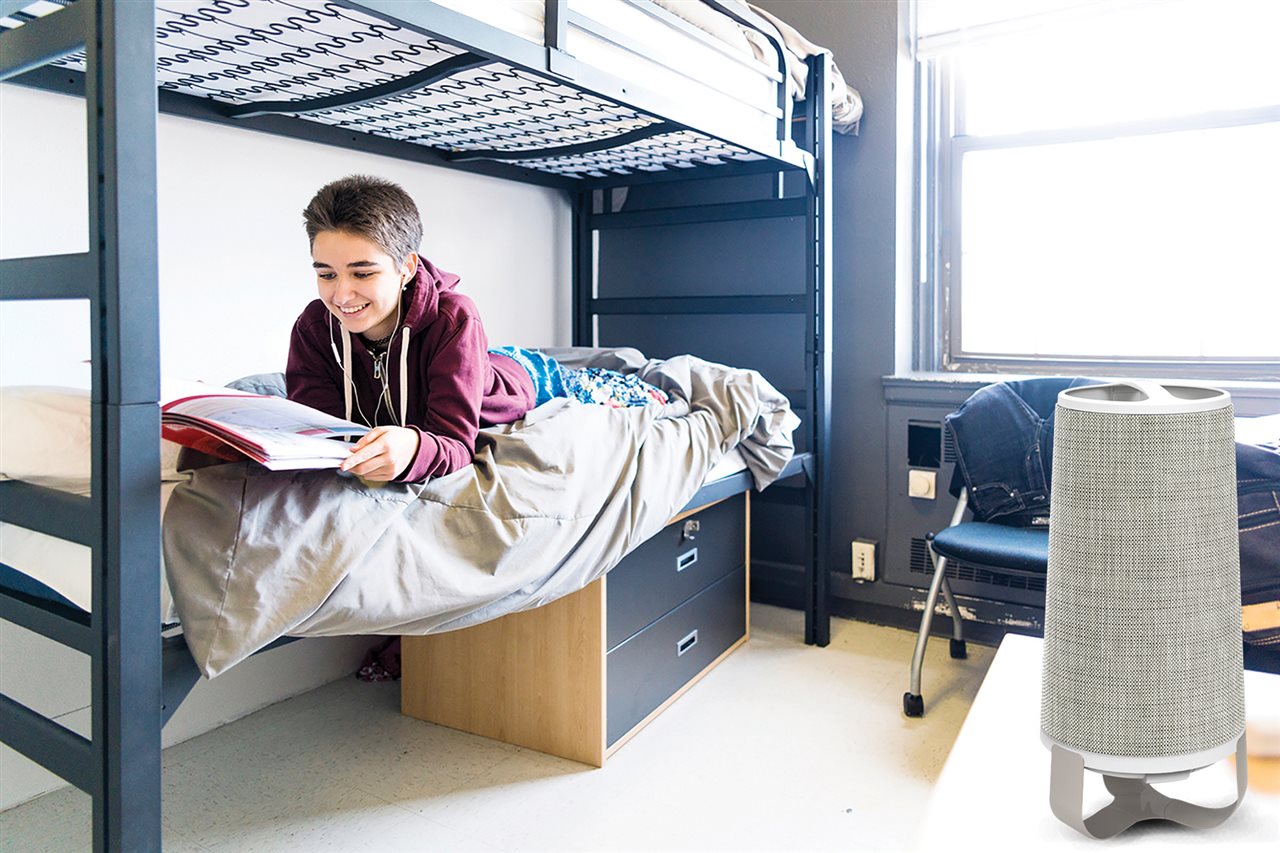
Dorm rooms are notoriously dusty, but busy college students don’t have much time to clean. Enter the Swiffer Continuous Clean, specifically designed to help keep room surfaces cleaner longer, which means more time for studying or college fun! Continuously circulating and cleaning the air in the room prevents dirt and dust from settling on furniture and other surfaces, so you can go longer between cleanings. The patented triple-layer filter will trap and lock dirt, dust and allergens (inanimate allergens from dust matter and pet dander). Plus, with a whisper quiet operation, the Swiffer Continuous Clean won’t interrupt those focused study sessions.

Personalized first-aid kit

Get a small plastic storage container and create a DIY first-aid kit customized for your needs. Add must-haves like bandages and ointment, but also personalize it with your medicines and other essentials. You’ll be able to take a minor incident in stride and keep your body feeling great so you don’t miss a beat at school.

Portable storage

Cramped quarters mean maximizing space, so plan on using storage options that are stackable or fit under the bed. Some units include wheels, which can be a huge perk when it comes to moving necessities from one part of the room to another. From a portable pantry to a mobile accessory unit, it’s awesome when storage can go easily from one place to the next.

Cleaning supplies

There are a few cleaning essentials that benefit the busy dorm room. First, disinfectant wipes are great for wiping all surfaces, like the insides of drawers or tops of desks. Next, a lint roller is for more than just your clothes; it’s great for cleaning up hair and fuzz that seem to get everywhere. Finally, a sponge that includes a handle that can be filled with liquid soap is great for cleaning dishes quickly.

Foam mattress pad

Forget lumpy or hard beds. A foam mattress pad can take even the worst bed and transform it into a cloud of nighttime comfort. This dorm room essential will help any college student get some much needed Z’s. Add in a sleep mask and you’ll be able to catch a cat nap or sleep in on those open weekends.

Personalized decor

The last essential on the list is about creating an environment that feels a little like home. You can transform a boring dorm room into your personal oasis by adding your favorite wall art. From music posters to pictures of family, you’ll make the space instantly feel special. Use double-sided foam tape and removable wall hooks to decorate so when the year whizzes by, you can easily take down decor and bring it with you for next year.


6 Imaginative Ways to Use Hardwood in Your Home

2018-07-09T12:01:00

(BPT) – Hardwood is synonymous with high-quality residential flooring, the ultimate in underfoot durability and good looks. But as sophisticated architects, designers and homeowners regularly demonstrate, there are many other applications that exploit wood’s functional and aesthetic possibilities just as successfully as floors do.

“We are constantly surprised and delighted by the inventive and attractive ways hardwood is being incorporated into today’s interiors,” says Linda Jovanovich of the American Hardwood Information Center. “A new, design-savvy generation is turning a fresh eye on even the most ‘traditional’ species like oak, walnut, cherry and maple, and coming up with creative approaches to their use.” Here are six examples of what Linda means.

1. Built-in hardwood furniture as architecture

Photo courtesy: Sharon Risedorph

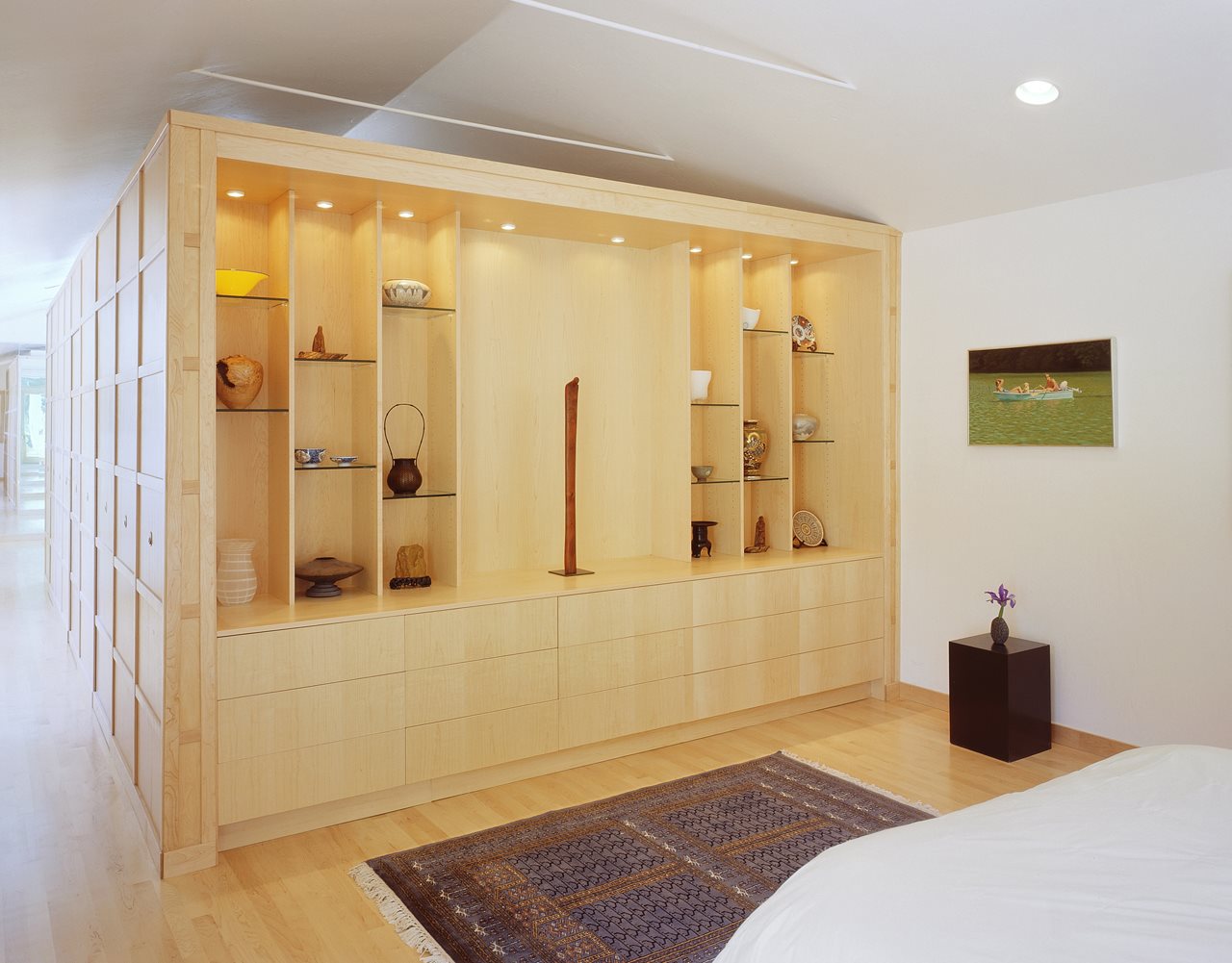
Built-in furniture looks and functions best when it’s an integral part of the architecture. This gorgeous maple box not only houses lighted display shelving, ample storage cabinetry, two walk-in closets, and a traditional Japanese bathroom, but also separates the bedroom from the home gym in this Sunnyvale, California, house by John Lum Architecture.

2. Tongue-and-groove hardwood boards make for great walls

Photo courtesy: Francois Gagne

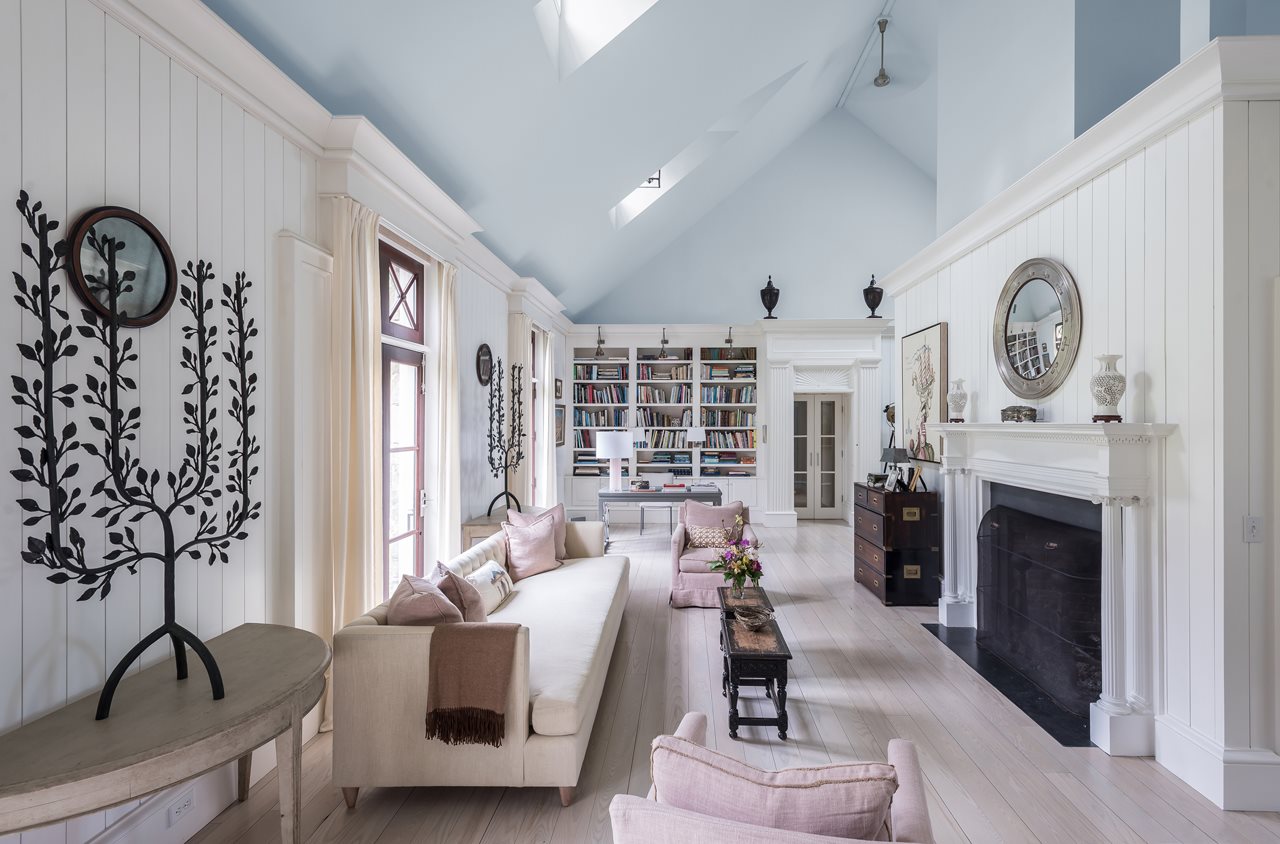
Tongue-and-groove hardwood walls create a relaxed, yet crisply tailored look, especially when painted. Falmouth, Maine–based designer Linda Banks paneled the great room in her own home with poplar boards, “which take paint very well,” she notes. Banks specified nickel-width gaps between the six-inch-wide boards, which heightens visual interest, like pinstripes on a suit.

3. Slatted hardwood screens are ideal for small spaces

Photo courtesy: Bill Taylor

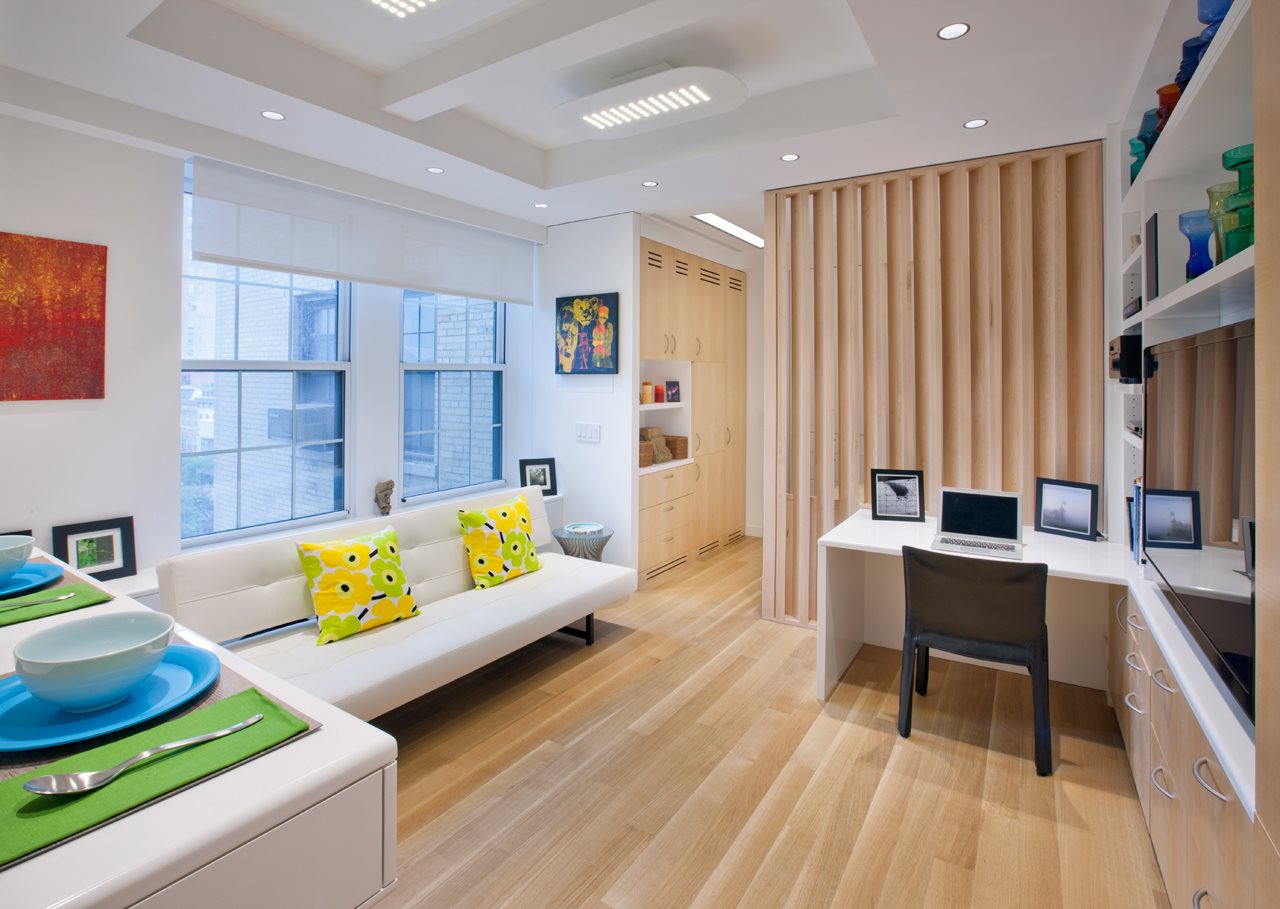
A slatted screen can be a marvelous way to divide a pint-sized space without making it feel claustrophobic. And as this custom maple partition in a Manhattan micro apartment by Allen + Killcoyne Architects demonstrates, if the slats are made of hardwood, you get the beauty and character of the material as a decorative bonus.

4. Hardwood barn doors offer charm and flexibility

Photo courtesy: Phil Bond

Either singly or in pairs, barn doors offer a simple and effective way to create instant separation and privacy in even the most open-plan house. In this San Francisco residence by Feldman Architecture, a kids’ play area effortlessly transforms into a guest room thanks to a Murphy bed and a seven-foot-wide painted hardwood barn door.

5. Interior hardwood shutters are characterful yet practical

Not just for hot-weather locations, classic louvered hardwood shutters bring a touch of tropical glamour to interiors in any climate zone. Along with their decorative appeal, operable shutters like these custom models from the Hunter Douglas Heritance hardwood collection, shown with a Salt and Pepper finish, allow for control over ventilation and light.

6. Reclaimed hardwood provides timeworn authenticity

Photo courtesy: Manolo Langis

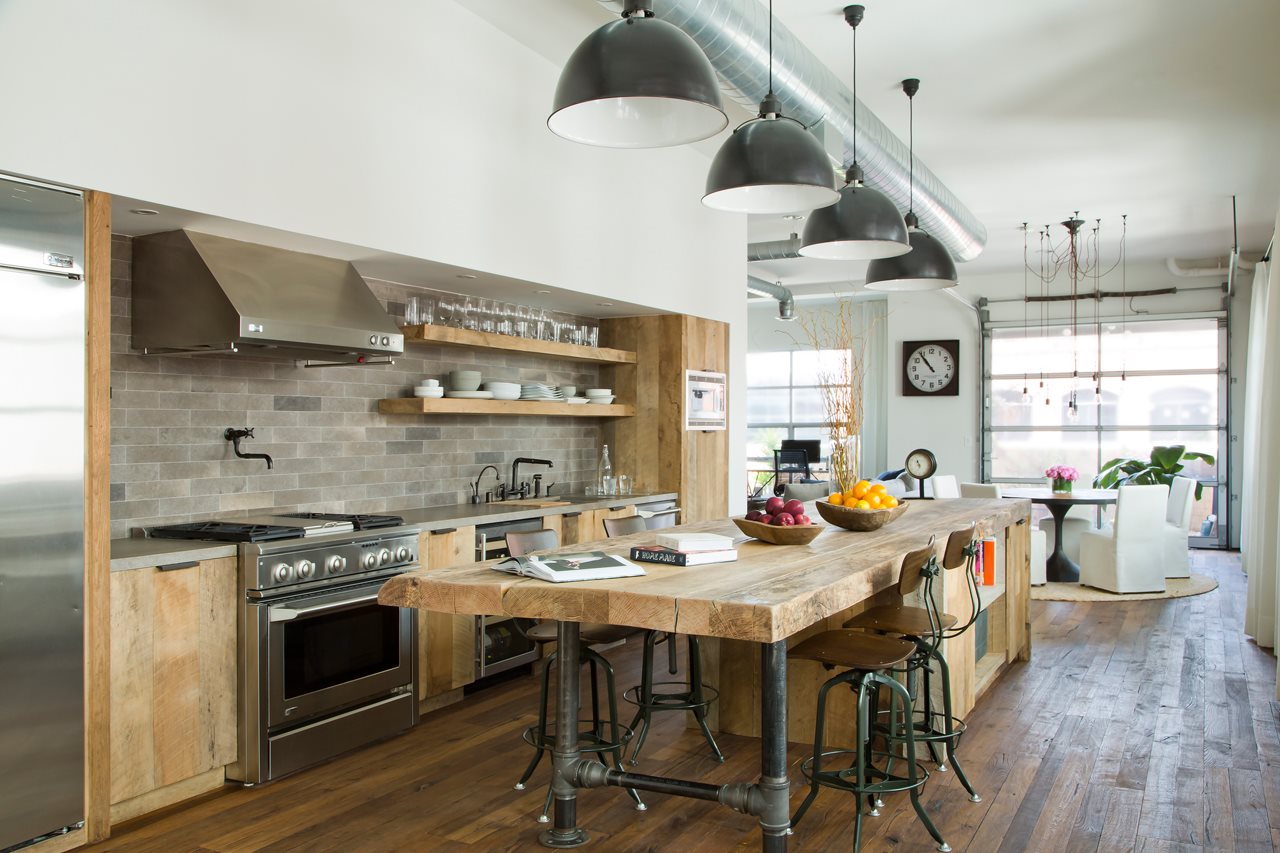
Reclaimed hardwood is a beautiful, sustainable material that can be used in many modern residential applications to create a sense of warmth, age and texture. SUBU Design Architecture used reclaimed wood for the cabinets and island countertop in this Santa Monica, California, loft conversion, creating a hospitable oasis that pays respect to the building’s industrial heritage.