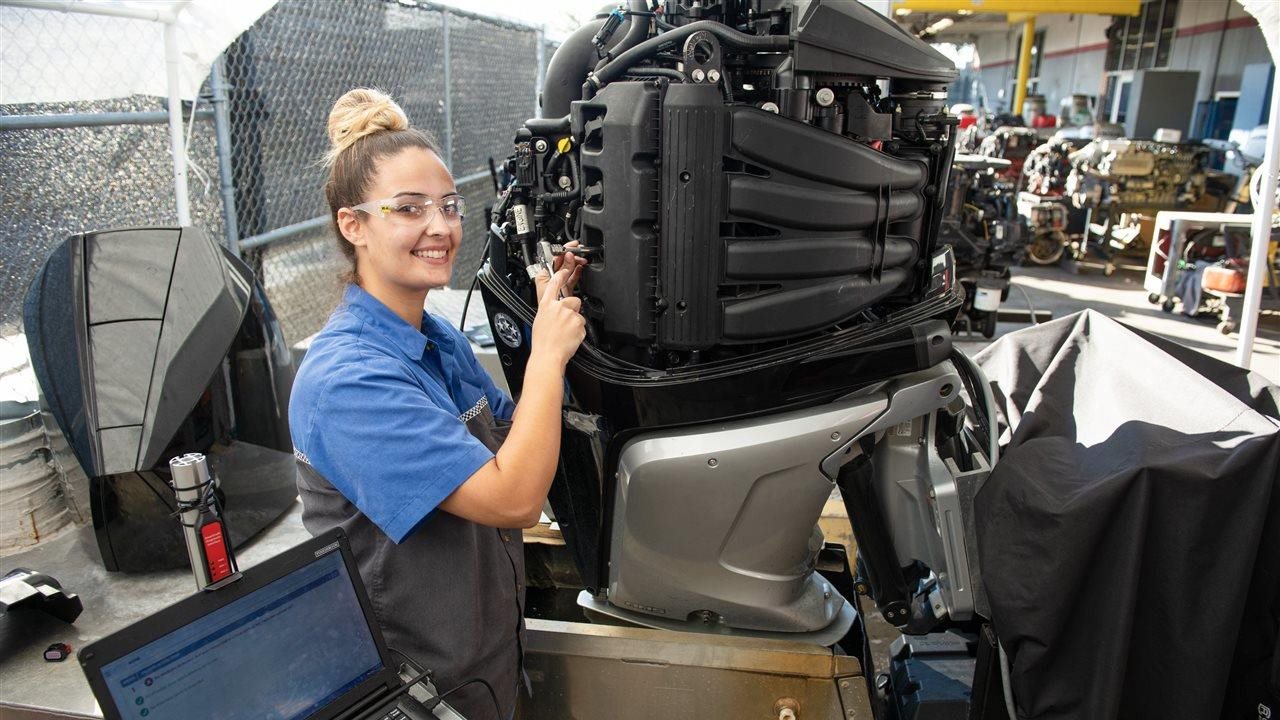

Experts say viewing your car as an investment can improve your finances

2024-03-07T11:01:00

(BPT) – In these inflationary times, the cost of owning a car seems to increase on a daily basis. The price of buying a car is growing, and so is the cost of operating one. We all want personal transportation and the joy of car ownership, but the statistics are challenging.

Simply purchasing a car is more costly than ever. The prices of new and used vehicles skyrocketed in the aftermath of the COVID-19 pandemic. According to J.D. Power, new-vehicle transaction prices shot up 13% in 2021 and then surged up another 13% in 2022. The increases moderated a bit last year, but prices haven’t fallen.

The prices of used vehicles have escalated even more rapidly over the last several years as consumers who couldn’t find an affordable new car have turned to the used car market. Again, the prices have moderated in 2023, but used vehicle prices are up at least 20% versus their level in 2021.

At the same time, the cost of maintenance and replacement parts has also zoomed up. So has the hourly rate of auto repair labor. Though fuel prices have dropped from their all-time high of a couple of years ago, they are still inflated versus their level when the decade began.

The economic news regarding transportation costs is challenging. Still, the auto experts at Mercury Insurance have a suggestion that could change the way you look at these costs. The suggestion is to treat your vehicle as an investment, not an expense.

“Many personal finance experts define automobiles as expense items,” said Justin Yoshizawa, director, Product Management State. “While that is generally true, viewing your vehicle as a long-term asset just might change the way you purchase and maintain your cars. And it will probably save you money.”

Viewing your vehicle as a long-term asset implies that you will purchase it differently, finance it differently and maintain it differently. Rather than seeing your vehicle as a piece of equipment that needs to be replaced frequently, like a cellphone, for example, it may be smarter to treat your car as a long-term asset that you can feel comfortable owning and driving for years, which could save you thousands of dollars.

Mercury offers these suggestions for viewing your car as an investment:

  • Buy the right car. Choose a vehicle appropriate for your long-term needs with the expectation that you will drive it for the next 10 years. With that in mind, the car you purchase should offer a low cost to own based on good dependability and reliability, low maintenance and repair costs, good fuel economy, and low cost to insure. (Mercury Insurance offers advice on the least expensive sedans, trucks and SUVs, and electric vehicles to insure)
  • Consider a used vehicle. Smart shoppers will find that two- to three-year-old used cars, trucks, SUVs and vans are much less expensive to purchase than the equivalent new vehicles. The savings could easily reach $10,000 or more for a premium-brand SUV. Buyers who might be afraid of “getting a lemon” when they buy a used car should consider certified pre-owned (CPO) vehicles. These vehicles are hand-picked and meticulously inspected prior to being sold, and they are backed with a warranty very similar to a new-car warranty.
  • Finance responsibly. The absolute best financing is buying the vehicle with cash. When you do that, you immediately acquire complete ownership of the asset (the car), and you never face financing expenses or monthly car payments. In this era of high interest rates, that is a giant advantage. If you can’t purchase an appropriate car with cash and you need a car immediately, then borrow as little money as possible for as short a term as possible. This will save you hundreds of dollars in interest payments versus the typical car loan that is now stretching toward six years in length.
  • Keep the vehicle. The key to gaining financial advantage from viewing your car as an asset is owning it for a long period of time. While the average car on the road today is over 11 years old, typically, cars that age have had several owners. Instead, your goal should be to maintain your vehicle so it is useful to you for at least a decade. This implies preventative maintenance and, yes, some repairs over time. But while repairing a vehicle is more expensive than it used to be, it is still far cheaper than replacing the vehicle with a new car, truck or SUV.

“The days when new vehicles would rust out and wear out in just a few years are over,” Yoshizawa said. “Today’s new and late-model used vehicles have long, useful lives ahead of them. Buying the right vehicle and continuing to maintain and repair it as needed is the best way to assure yourself the lowest personal transportation costs.”

More multiple myeloma patients eligible for stem cell transplantation

2024-03-07T08:01:00

(BPT) – Article is sponsored and developed by BioLineRx USA, Inc.

Receiving a cancer diagnosis is overwhelming. There is a lot to learn while navigating numerous emotions. It’s always important to educate yourself about the disease as well as new research advances or therapies that might be right for you.

One cancer with recent treatment developments is multiple myeloma. This cancer is a hematologic malignancy, meaning it begins in blood-forming tissues like bone marrow. Multiple myeloma is the second most-common hematologic malignancy, occurring most commonly in people ages 65-74.1,2 It was estimated that more than 35,000 people in the U.S. were diagnosed with multiple myeloma in 2023.2

Multiple myeloma is a cancer of the plasma cells. Normal plasma cells are found in the bone marrow and are an important part of the immune system, according to the American Cancer Society.3 In general, when plasma cells become cancerous and grow out of control, this is multiple myeloma.

Treatment for multiple myeloma

Autologous stem cell transplantation (ASCT) is an important part of treatment for multiple myeloma. In the U.S., as many as 8,000 ASCTs are performed each year in patients with multiple myeloma.4 Patients with multiple myeloma should speak with their doctor or transplant team to learn about ASCT and if it’s the right treatment approach for them.

“An increasing number of patients are candidates for ASCT which, when successful, has shown progression-free survival in people with multiple myeloma,” said Dr. Henry Fung, MD, FACP, FRCPE, Chair, Department of Bone Marrow Transplant and Cellular Therapies, Fox Chase Cancer Center.

The ASCT process starts by taking the patient’s own stem cells including blood or bone marrow which are removed or harvested through a procedure called apheresis. Stem cells are early cells that can develop into different types of blood cells, including plasma cells. Stem cells are collected, frozen and stored. The patient typically undergoes conditioning chemo, and the stem cells are then thawed and returned (transplanted) back into the patient.5 The stem cells travel to the bone marrow, engraft, and then start making new, normal blood cells.

Challenges and unmet needs

The success of ASCT depends on adequate mobilization of stem cells during the treatment process. Poor mobilization can be attributed to a variety of risk factors including increased age, evolving induction regimens, previous treatment, and previous radiation therapy among other risk factors.6-8

Prior to apheresis, patients go through induction therapy to reduce the amount of cancer cells in the blood. Depending on induction regimens and mobilization strategies, up to 47% of patients have had challenges collecting target numbers of hematopoietic stem cells for ASCT after one apheresis session.6,9 Due to the unpredictability in treatment and the possible need for multiple apheresis sessions, there’s the potential for significant burden on patients, care partners and apheresis centers.10

Understanding your treatment options

There have been advancements in the treatment approach in multiple myeloma, including in induction regimens and stem cell mobilization, and it is important for patients to understand their options.

“Patients have, for example, the ability to seek information on ways to reach target collection goals with the fewest numbers of apheresis sessions,” continued Dr. Fung. “Fewer apheresis sessions may mean giving patients time back to spend in ways they enjoy.”

If you or a loved one has multiple myeloma, talk with your doctor about current treatment options which may be best for you. For more information about multiple myeloma and ASCT, visit the American Cancer Society at cancer.org, the HealthTree Foundation at healthtree.org/myeloma or the International Myeloma Foundation at myeloma.org. To learn more about the company sponsoring this article visit: biolinerx.com.

+++

  1. Kazandjian D. Semin Oncol. 2016 Dec;43(6):676-681
  2. SEER Cancer Stat Facts: Myeloma. National Cancer Institute. Bethesda, MD, https://seer.cancer.gov/statfacts/html/mulmy.html
  3. American Cancer Society. What is Multiple Myeloma?. Atlanta, Ga. American Cancer Society; 2023.
  4. Auletta JJ, et al. Current use and outcome of hematopoietic stem cell transplantation: CIBMTR US summary slides. 2021.
  5. American Cancer Society. Types of Stem Cell and Bone Marrow Transplants. Atlanta, Ga. American Cancer Society; 2023.
  6. Edmisson J, et al. Poster presented at: 64th American Society of Hematology Annual Meeting and Exposition; December 10-13, 2022; New Orleans, LA.
  7. Hulin C, et al. Haematologica. 2021;106(8):2257-2260. doi:10.3324/haematol.2020.261842
  8. Chhabra S, et al. Transplant Cell ­Ther. 2023;29(3):174.e1-174.e10. doi:10.1016/j.jtct.2022.11.029
  9. DiPersio JF, et al. Blood. 2009; 113(23):5720-6.
  10. Shaughnessy P, et al. Biol Blood Marrow Transplant, 2013;19(9)1301-1309. doi:10.1016/j.bbmt.2013.05.008
©BioLineRx USA, Inc. 2023. All rights reserved.

US-CORP-2300038 (v1.0) 03/2024

How to make a difference when it comes to heart health

2024-03-05T07:01:00

(BPT) – Did you know that every 33 seconds in the U.S., one person dies from heart disease? This is according to the Centers for Disease Control and Prevention (CDC), which also reports that while affecting people of all ethnic backgrounds, cardiovascular disease accounts for nearly one-fourth (22.6%) of deaths among African Americans. Heart and heart vessel disease can lead to serious health events including heart attacks and strokes.

To make a difference when it comes to heart health in honor of Heart Health Month, learn how you, your family, and your community can support your well-being — and consider opportunities for pursuing a career in healthcare.

Impact of heart disease for African Americans

Data published by the American Heart Association in 2022 found that around 60% of Black men and women had cardiovascular disease, making the mortality rate due to heart disease among the highest in Black Americans compared to other racial and ethnic groups.

“While many factors such as lifestyle and family health history contribute to the high rate of heart disease for African Americans, it has also been found that inequities within the health care system and unequal access to quality health care create serious obstacles,” said Dr. Tony Anno, core faculty in the Acute Care Nurse Practitioner Program at Walden University.

Social determinants of health such as having safe housing, adequate income, access to healthy food and clean water, plus education and job opportunities, are all part of the environment impacting the overall health of an individual, their family and entire communities. These factors are real burdens when it comes to people being able to be proactive about their own wellness.

“Concerns ranging from lack of insurance or being underinsured, to insufficient transportation and the inability to take off work to get checkups can all keep people from taking care of their health,” said Dr. Anno. “For nurses and others working in the field of public health, we try to bridge those gaps by providing information about access to screenings and lifestyle changes people may find helpful to support their heart health.”

Heart health tips to practice and share with others

To help reduce your own risk of heart disease, here are some lifestyle tips recommended by the CDC.

Get moving: Regular physical activity can help you maintain a healthier weight, while also potentially lowering your blood pressure, blood sugar levels and cholesterol levels. Whether you walk, play a sport, go to the gym, dance, swim or cycle — any activity is better than no activity. Always consult your health care provider before starting an exercise program.

Eat food that fuels your body: Choosing fresh fruits and veggies, whole grains and lean proteins will provide more nutrients your body needs than foods containing too much sugar, salt or saturated and trans fats.

See your doctor at least once a year: Annual wellness checks provide opportunities for important screenings that can detect risk factors for heart disease, such as your blood pressure, plus cholesterol and glucose levels. This can help you and your health care team take action to support your health.

Reduce smoking and alcohol intake: If you smoke, now is a great time to quit. Ask your health care provider for assistance to quit smoking. Reducing drinking to one per day for women and two per day for men can also help improve your blood pressure.

Consider a career in healthcare

If you want to help communities understand the risks of heart disease and how to take steps for a healthier heart, you might be interested in advancing your nursing education at Walden University. For example, a Master of Science in Nursing (MSN) degree can prepare you to define your path, find your voice, and play a bigger role in healthcare.

Gain the knowledge and leadership skills to address health and access issues for populations in underserved communities, and focus on key health issues that may otherwise be overlooked. In this program, you’ll have the opportunity to learn from practicing healthcare professionals, like Dr. Tony Anno, who hold doctoral degrees.

Learn more about this and other online degree programs at WaldenU.edu.

2024 is the year to modernize government services

2024-03-04T14:19:00

(BPT) – OpenGov and Cox Enterprises are bringing the cloud to your city, county, and state

By Claudia Arriaga, SVP of Customer Success and Support, OpenGov

One of the long-term — but somewhat hidden — effects of the COVID-19 pandemic is the way it fundamentally changed how cities and counties serve their residents. As public servants swiftly shifted to remote work and led the charge on safety protocols like physical distancing, many city halls were closed to visitors. This meant that they had to figure out how to deliver essential services in a new way — moving many of them online. Instead of going to the clerk’s office to file a permit, contractors could do it through their community’s website. Instead of calling someone sitting at a desk in the public works office, residents could go online to share a photo of a pothole that needed attention.

THE PERFECT STORM

Now, four years later, a wave of modernization ripples through our government, expanding these digital services. What’s driving it: a perfect storm of increasing retirements, labor shortages, cybersecurity attacks, aging legacy software systems, and more.

THE WINDS OF CHANGE

Going digital enables cities and counties to meet the increasing needs of the public efficiently and equitably. That’s why Cox Enterprises invested $1.8B in cloud software provider OpenGov to accelerate the effort to bring the cloud to government. It’s an important signal to our nation’s public servants that they’re heading in the right direction as they strive to operate more efficiently, adapt to change, and strengthen public trust.

Nearly 1,900 local and state governments in America already use OpenGov to run the budgeting and finance office, procurement processes, and operational workflows in public works, community development, and more. From Los Angeles preparing for the 2028 Olympics to Cocoa Beach keeping pace with economic development, cities and counties of all sizes are leveraging the cloud to engage residents, run meetings online, and digitize so people can get more done faster.

HOW TO GET INVOLVED

To find out if your community is among them, visit your city or county website to check which services are available online. Start by looking for links in the following three areas:

1. Permit applications

Fewer than 1 in 5 public servants say that residents are satisfied with their permitting and licensing process, according to OpenGov’s 2024 State of Local Government Report. This is due to limited hours at the clerk’s office, the inability to apply online, and the lack of visibility into where their application stands in the approval process. With 24/7 permitting and online payments, these barriers are gone.

2. Resident service requests

If contacting your public works department makes you want to pull your hair out, this one’s for you. Check your community’s website for a link to submit service requests, sometimes called 311. You’ll see a way to efficiently communicate your concern, and then sign up for notifications via email or text if you want to stay informed about the progress of your request — from receipt to resolution.

3. Budget books

Many taxpayers wonder what is happening with their city or county budget. A quarter of community leaders cite improving transparency as a top priority this year, but struggle to follow through on that promise. Check your community’s website for an online budget book that highlights spending by category in a way that’s easy to understand and aligned with the priorities in your community.

The good news: there is now more funding available to local governments than we’ve seen in generations. Now is the time for local administrators to future-proof their communities by modernizing each of their digital infrastructures.

These 5 Simple Meal Prep Hacks Make Weeknight Cooking a Breeze

2024-03-04T07:01:00

(BPT) – Face it — even if you enjoy cooking, weeknight meal prep can be stressful after a long day. If you’re looking to elevate your meals without sacrificing more time and effort, check out these tips and tools to meal prep with ease.

1. Plan for weeknight delight

List favorite dinners to create weekly menus. Identify the most time-consuming part of each dish, then do advance prep on weekends to help save time later.

Consider cooking some protein ahead, as cooked chicken or turkey can last up to five days in the fridge. Chop veggies you’ll need and store in the fridge. Measure ingredients like dried herbs and spices to save on prep later. Label each container by meal and day so you’ll be ready to create your family faves in no time — even on busy weeknights.

2. Store ingredients thoughtfully

Be sure that your prepped ingredients are stored carefully. Wash and dry greens, then store in reusable, airtight containers lined with paper towels. If using resealable plastic bags, push out air to reduce oxidation. Group each meal’s items together in your fridge so they’re easy to find.

3. Use time-saving tools

Today’s kitchen gadgets can save time and help you cook consistently high-quality food. For example, the new KitchenAid® Grain and Rice Cooker takes care of measuring and monitoring for you by automatically sensing how much grain has been added, dispensing the right amount of water and simmering it to perfection, every time. You can even use it for a wide variety of grains and beans including rice, beans, oats, couscous, quinoa, barley, farro and more.

Need to plan ahead? With the KitchenAid® Grain and Rice Cooker you can schedule cooking up to 24 hours in advance, and once the cooking is done, it will automatically keep grains at serving temperature for up to six hours. You can use the Steam Cooking Mode for veggies, eggs, fish and more, using an included steamer basket that fits above the cooking pot to steam those other ingredients while the grains cook below. Tools like this can save tons of time, taking the guesswork out of cooking, and you don’t have to babysit a pot.

Learn more about the KitchenAid® Grain and Rice Cooker at KitchenAid.com.

4. Embrace globally-inspired recipes

Add variety and boost flavor with easy-to-prep recipes like this Kimchi Brown Fried Rice. Consider doubling the recipe so you’ll have plenty for later in the week.

Kimchi Brown Fried Rice

95 minutes; 4 servings

Ingredients

1 cup long grain brown rice (uncooked)

3 tablespoons toasted sesame oil (divided)

2 large garlic cloves (crushed)

8 ounces enoki or cremini mushrooms (ends trimmed)

2 teaspoons gochujang (paste)

1 1/2 cups kimchi (cabbage)

2 tablespoons kimchi juice

3 green onions (thinly sliced)

3 tablespoons dried seaweed (gim or nori, crumbled)

Fried eggs (optional topping/add-in)

Spam (sliced, optional topping/add-in)

Directions

1. Using the KitchenAid® Grain and Rice Cooker, select “Long Grain Brown Rice” menu option and set cooking liquid to water. Choose “regular” to confirm texture setting and allow rice to cook. When rice is cooked, remove bowl from cooker and let cool uncovered 10 minutes, fluffing occasionally to release heat and steam.

2. While rice is cooling, heat 5 quart saute pan on medium-high heat. Add 1 tablespoon sesame oil, then add mushrooms and toss to fully coat in oil. Saute 5 minutes, stirring occasionally.

3. Thinly slice garlic, then mash with fork until crushed. Add garlic and gochujang to mushrooms, stir, and continue to saute mixture another minute. Use wooden spatula to scrape pan and move mushroom mixture to the side.

4. Swirl remaining sesame oil in pan, then add cooked rice to the oil. Use spatula to turn rice in oil to coat, then pull mushroom mixture on top of rice and spread rice flat into the full bottom of the pan. Allow rice to fry one minute, undisturbed, then fry another 2-3 minutes, stirring occasionally and scraping pan as you fry.

5. Add chopped kimchi and kimchi juice over rice, stir to fully incorporate, then press rice into flat layer in the pan. Fry, undisturbed, for another minute. Turn off heat, top with sliced green onions and crumbled seaweed, stir, then serve.

5. Create intentional leftovers

Cooking up big batches of rice or beans in your rice cooker for one meal provides plenty of leftovers to use later that week. By doubling up these components, you’ll have a head start on another night’s meal.

Using these tips, you can relax and enjoy creating tasty meals with less hassle, any night of the week.

5 reasons for students to explore new subjects in an online summer course

2024-03-02T02:01:00

(BPT) – Summer means school’s out, but that doesn’t mean your student has to stop learning. High school students can make the most of their summer by applying to an online summer program. Students who participate in a virtual summer program can explore new subjects and expand their skills while still leaving plenty of downtime to enjoy the warmer months.

Stanford Pre-Collegiate Summer Institutes, a summer enrichment program, offers intensive study of a single online course that can feed the passions and intellect of curious students. Not only does a virtual summer program give students unique academic experiences, but such programs also provide memorable experiences they’ll carry with them for years to come.

If your student is on the fence about taking an online summer course, check out the program’s top five reasons to apply.

1. Accessible education

When it comes to accessibility, online summer programs can’t be beat! Instead of traveling to a different country or flying your student to a different state, bring summer education to you. Virtual summer classes allow students to focus on learning from the comfort of home, with no travel required. Online programs also tend to cost less than on-campus day or boarding summer programs, allowing more students access to a quality education.

2. Smaller classes

Summer classes held in large lecture halls make it difficult for students to receive personalized attention. However, online programs often offer smaller classes, so instructors can focus on each student’s needs. Small online classes can also foster a more interactive environment where students can engage with peers and instructors for a more enriching learning experience.

3. College-level academics

High school students should use their summer time meaningfully. Online summer programs offer rigorous academic content that can prepare your student for future higher education. Whether they explore a new, interesting subject or deepen their knowledge of a core subject, such studies can set students up for future academic success.

4. Global community

Online summer programs connect your student to a vibrant global community where they can meet peers from different backgrounds and cultures. By collaborating with students from around the world, they’ll gain new perspectives and broaden horizons that may not be accessible in their hometown. Some peers may even become lifelong friends!

5. Student life

In addition to engaging small class sessions, these programs offer fun outside of class. Student life activities may include virtual social events, community engagement opportunities and workshops on topics like health, wellness and leadership. These extracurricular activities create a well-rounded educational experience that goes beyond the classroom.

Don’t let summer opportunities slip by! Your student should apply to one of Stanford Pre-Collegiate Summer Institutes’ online summer courses. Get a taste of a college classroom experience that challenges students with advanced content not typically found in the high school curriculum.

All classes are taught by knowledgeable instructors who are passionate about their academic disciplines and committed to teaching high school students in an interactive online environment. To learn more about Stanford Pre-Collegiate Summer Institutes classes and more, visit summerinstitutes.spcs.stanford.edu.

Walnuts are a superfood! Easy ways to add them to your heart-healthy diet

2024-03-01T17:51:34

(BPT) – More and more people are keeping heart health in mind when deciding what’s for dinner. With heart disease being one of the leading causes of death in the U.S., it’s no surprise.1 And it couldn’t be more important. However, leading health experts associated with the Dietary Guidelines for Americans note that following a healthy dietary pattern, which includes nuts like walnuts, can help people achieve and maintain well-being and reduce the risk of chronic diseases, including heart disease.2

Three decades of studies have demonstrated that walnuts can support cardiovascular health. Their nutritional profile makes them a delicious and convenient option for supporting heart health. The U.S. Food and Drug Administration approved walnuts as one of the first qualified health claims for a whole food 20 years ago and the world-renowned Mayo Clinic also supports walnuts as a heart health-supporting food, confirming that eating nuts, particularly walnuts, is beneficial for your heart.3 Research suggests that regularly eating a healthy diet that includes nuts may reduce the risk of early death due to heart disease.

Why are walnuts good for your heart, and how should you incorporate them into your diet? Here are some fast walnut facts from California Walnuts, including more reasons to eat a handful of walnuts every day and ways to make it easier to do so.

  • Since 1993, published research has been investigating how eating walnuts affects various heart health markers such as LDL (“bad”) and HDL (“good”) cholesterol, blood pressure, inflammation and plaque formation.
  • The American Heart Association certifies California Walnuts with their Heart-Check mark4 — a distinction that easily identifies foods that meet the nutritional standards set by the American Heart Association.
  • One ounce of walnuts includes important nutrients for optimal health including 4 grams of protein, 2 grams of fiber, 18g of total fat, 2.5g of monounsaturated fat and 13g of polyunsaturated fat including 2.5g of alpha-linolenic acid. Walnuts are the only nut with an excellent source of the plant-based omega-3 ALA, an essential fatty acid that may play a role in heart health.5,6
  • Walnuts are versatile, making a great grab-and-go snack or delicious addition to a meal.
  • Here’s an easy way to estimate how much is the right daily serving of walnuts: Grab a handful (~1 oz.) and you’ve got it right.
  • Keep walnuts in the fridge to keep them fresh. A great home for them is in a sealed container in your deli drawer.

To inspire you to include walnuts in your next meal, here’s a delicious side dish that has earned the American Heart Association’s Heart-Check mark for meeting their criteria for a heart-healthy recipe. It’s a perfect example of how walnuts can elevate the taste and nutritional value of your meals.

Roasted Vegetables with Walnuts, Basil and Balsamic Vinaigrette

Brighten up your dinner table and help your heart with this colorful dish!

Ingredients

  • 1/2 small red bell pepper, cut into 1-inch cubes
  • 1/2 small orange bell pepper, cut into 1-inch cubes
  • 1/4 medium red onion, cut into 1-inch cubes, separated
  • 4 ounces baby Portobello mushrooms, halved
  • 1 tablespoon extra-virgin olive oil
  • 1/4 teaspoon sea salt
  • 3/4 cup sugar snap peas
  • 1 small zucchini, sliced into 1/4-inch thick slices
  • 1 small yellow summer squash, sliced into 1/4-inch thick slices
  • 2 garlic cloves, minced
  • 2 teaspoons balsamic vinegar
  • 2 tablespoons fresh basil, snipped (may substitute 1 teaspoon dried basil, added with olive oil)
  • 1/2 cup California walnuts, coarsely chopped

Preparation

  1. Preheat oven to 400°F. Place peppers, onion and mushrooms in a large bowl and toss with olive oil and salt (and dried basil, if using). Place in a single layer on a large baking sheet, making sure not to crowd the vegetables. Bake for 10 minutes.
  2. Add snap peas, zucchini, yellow squash and garlic, stir slightly. Top with walnuts and cook for 5 to 10 minutes more or until all vegetables are crisp-tender and walnuts are toasted.
  3. Drizzle with balsamic and toss well. Sprinkle with fresh basil and serve!

For more information, or to find more delicious recipes, visit walnuts.org/american-heart-month.

References:

1. Tsao, C. et al. Heart Disease and Stroke Statistics—2023 Update: A Report From the American Heart Association. Circulation. 2023;147:e93–e621. https://doi.org/10.1161/CIR.0000000000001123

2. U.S. Department of Agriculture and U.S. Department of Health and Human Services. Dietary Guidelines for Americans, 2020-2025. 9th Edition. December 2020. Available at DietaryGuidelines.gov.

3. One ounce of walnuts provides 18g of total fat, 2.5g of monounsaturated fat, 13 g of polyunsaturated fat, including 2.5 grams of alpha linolenic acid, the plant based omega-3; 2g of fiber; 4g of protein. Supportive but not conclusive research shows that eating 1.5 ounces per day of walnuts, as part of a low saturated fat and low cholesterol diet and not resulting in increased caloric intake, may reduce the risk of coronary heart disease.

4. California walnuts are certified by the American Heart Association per one ounce serving. Heart-Check Certification does not apply to scientific research by an organization other than the American Heart Association, unless expressly stated.

5. U.S. Department of Agriculture, Agricultural Research Service. FoodData Central, 2019. Fdc.nal.usda.gov.

6. Sala-Vila A, Fleming J, Kris-Etherton P, Ros E. Impact of α-Linolenic Acid, the Vegetable ω-3 Fatty Acid, on Cardiovascular Disease and Cognition. Adv Nutr. 2022 Oct 2;13(5):1584-1602. doi: 10.1093/advances/nmac016. PMID: 35170723; PMCID: PMC9526859.

Keeping our promise to America’s women veterans

2024-03-01T10:31:00

(BPT) – Women veterans are dying by suicide at an alarming rate. Between 2020 and 2021, suicide rates among women veterans jumped 24.1%; that’s nearly four times higher than the increase among male veterans and vastly higher than that among non-veteran women, according to a new report released by DAV (Disabled American Veterans).

While there are many factors that contribute to the rise in suicide rates among women veterans, one consistent cause is military sexual trauma (MST), which includes sexual assault or sexual harassment at any point during military service. Among veterans enrolled in the Department of Veterans Affairs (VA), 1 in 3 women report experiencing MST.

Ginger MacCutcheon, a veteran of the Women’s Army Corps, survived several violent sexual assaults while in service. She kept what happened to herself for decades, through abusive relationships, periods of suicidal ideation, and even two suicide attempts. Then one day during a volunteer event, something triggered post-traumatic stress symptoms for MacCutcheon, and a fellow veteran took notice.

“He actually took me and signed me up for VA health care, and that was the first time I got any help,” she said. “I was grateful how the VA ‘rallied’ around me and got me into counseling, but if I had just gotten treatment earlier in my life it could have saved me from years of self-destruction and misery.”

DAV’s new report, Women Veterans: The Journey to Mental Wellness, takes a deep dive into the unique factors that have contributed to a surge in suicide rates among women veterans and offers informed recommendations to fill mental health care gaps that still exist.

“Women veterans face many unique challenges that when combined with their service, puts them at greater risk for suicide. That’s why it’s imperative that the VA, Congress and advocates turn their focus to creating a tailored, thoughtful approach to filling the gaps in mental health care for this population,” explained DAV National Legislative Director Joy Ilem.

Navy veteran Jennifer Alvarado suffered years of intimate partner violence and repeat military sexual trauma before she sought help. “I felt lost in a lot of ways, and I had to dig myself out of a very dark place while I was trying to be an exceptional sailor and wear my uniform with pride,” she said. “It was almost like I was living a double life.”

According to the VA, nearly 1 in 5 women veterans using VA care reported experiencing intimate partner violence in the past year.

When Alvarado turned to her leadership for help with the violence she was experiencing at home, she said she was met with sexual harassment at work. “I felt shame to begin with, but I felt even more shame when I reached out for help,” she said. By the time she left the Navy, Alvarado said her life was chaotic and unstable. At times, she found solace in drinking and, during one phase in her life, she considered suicide.

For many women veterans, sexual harassment and assault, in combination with stress from military service and other factors, can push them to a breaking point.

Alvarado’s hope is that no veteran experiences what she did. She said the VA must regain the trust of women veterans and make sure they know what resources are available to them. “Women veterans need to feel confident that they are going to get the care that they need and deserve.”

For more information and free assistance with VA healthcare and support services, visit dav.org.

Suffer from motion sickness? How to make travel easier for everybody

2024-03-01T16:01:01

(BPT) – Do you love to get out in the world and visit new places, but often find yourself feeling uncomfortable while you’re en route to your destinations due to nausea? Unfortunately, many conditions — whether internal or external — can lead to unpleasant feelings of nausea, the most common being motion sickness.

Whether you’re flying, driving, on a train, a bus or a cruise ship, any kind of motion can leave you or other members of your family feeling queasy and unhappy. In addition, nausea can also be caused — or made worse — by many kinds of medications you may be taking, or may be due to migraines, morning sickness, hangovers or even stress and anxiety before and during your travels.

But whatever the causes may be, those feelings of nausea can put a real damper on your long-awaited trip, spoiling the journey you were anticipating with such excitement and enthusiasm.

The solution: A non-medication form of nausea relief

Although there are a number of medications available on the market that claim to target nausea, you may find that some of them can also cause other side effects that could make you feel worse.

If you’d prefer to find an effective non-medication solution to help you prevent nausea while you’re traveling, you may want to try specially designed wrist bands from Sea-Band Nausea Relief, which stimulate an exact acupressure point on your wrist by a plastic stud attached to the inside of the band.

This specific acupressure point in the wrist is called the P6 (or Nei Guan in Chinese medicine), and it can help relieve your nausea and upset stomach when pressure is applied. All you have to do is adjust the soft and comfortable wrist band to fit snugly on your wrist to help relieve feelings of nausea within minutes.

New product that’s suitable for any size wrist

If you worry that these bands won’t fit your wrists, or you’ve already tried them and they felt too snug for optimal comfort, Sea-Band has created a new size to help expand their use for everybody: XL Adult Sea-Bands. This new size is suitable for wrists with a circumference of 8 inches or more. Each pack contains one pair of XL acupressure wrist bands, one to be worn on each wrist, that can also stretch more to provide even more comfort.

You can learn more about them and order a couple of pairs online just in time for your next vacation at Sea-Band.com.

To Antarctica — and beyond

The top travel media brand Travel + Leisure has recently named Sea-Band as the “Best Non-medicated Seasickness Prevention” to stash in your luggage for The Ultimate Antarctica Packing List. So if you’re planning a trip to Antarctica — or anywhere else, for that matter — be sure to pack along some Sea-Band wrist bands of whichever size suits you best to help you enjoy every trip you take, nausea-free.

Planning a family or group adventure? You can purchase a couple of bundles that are available from their website only, such as their Family Pack or Large Family Pack, which provides you with both Adult and Kids wrist bands, along with Ginger Capsules and Ginger Gum to further help with relieving symptoms of nausea while you’re on the road, at sea or in the air. Bon voyage!