How to maintain a healthier home on a budget

2024-01-26T14:01:00

(BPT) – Living healthily remains a primary concern for many today, with homeowners looking to make home improvements with an emphasis on the health benefits of living in an environmentally friendly space.

“When it comes to home improvement, eco-friendly choices can be budget-friendly,” said Bonnie Lee, Vice President of Property Claims at Mercury Insurance. “Healthy home choices, especially for large renovations, can bring your homeowner cost down and save you money on insurance too.”

The journey to a healthier home begins by identifying areas needing regular maintenance and determining which environmentally friendly products can replace current ones. Here’s a roundup of beneficial and feasible home enhancements:

Breathe easier with clean air

The U.S. Environmental Protection Agency (EPA) states that indoor air can be up to five times more polluted than outdoor air. The air filters in your home’s heating and cooling equipment weed out contaminants like dust and pet dander; however, a dirty filter hampers their efficiency. Regularly cleaning or changing these filters, especially HEPA filters that cost as little as $30, can ensure clean air.

A costless preventive measure is to maintain the proper functioning of smoke and carbon monoxide detectors throughout your home. Fires and carbon monoxide poisoning are more likely during winter when homes are typically heated, making detector maintenance an important step.

Ensuring safe water

Water filters offer a health-centric and budget-conscious upgrade to homes. Filter pitchers start from as low as $20, and there are more upscale alternatives available like under-sink, countertop or faucet-mounted systems.

Water leak detection devices present another home improvement avenue. These systems alert homeowners when a leak is detected and can automatically shut off the water system if a significant issue exists. Mercury Insurance offers a related discount to eligible homes equipped with these devices.

Environmentally friendly and effective household supplies

Attentions have shifted due to concerns over the composition of traditional cleaning products, paints, flooring and construction materials. Many homeowners now prefer environmentally friendly alternatives. Look for biodegradable products based on renewable resources. When painting the walls of your home, look for volatile organic compounds (VOC)-free options or those that are Green Seal or GreenGuard certified.

When it comes to appliances, aim for LEED-certified or STAR-rated products for lower energy usage and eligibility for an insurance discount for green homeowners. For flooring, consider alternatives like unfinished hardwood, stone or concrete, and carpets made from natural fibers. Look for non-toxic adhesives to further limit chemical exposure.

For building materials like drywall and insulation, opt for GreenGuard-certified products to avoid hazardous chemicals.

Adopting routine maintenance and home improvements can foster a healthier living environment and offer financial rewards. For instance, Mercury Insurance provides a 5% green home insurance discount to homeowners with a certification from either the U.S. Green Building Council LEED or the National Association of Home Builders Green Building Guidelines (NAHB).

What retina specialists want you to know about AMD to save sight

2024-01-26T08:01:00

(BPT) – You may know that age-related macular degeneration (AMD) can lead to vision loss and that the condition is often diagnosed in older people, but did you know there are two types of AMD? And, have you heard that new advances targeting wet AMD may reduce the number of eye injections needed to stave off vision loss, and there is finally a treatment for the late stage of dry AMD that may slow its progression? During AMD Awareness Month, the American Society of Retina Specialists (ASRS) is sharing critical knowledge on AMD to help safeguard sight.

AMD, a disease that affects the small central area of the retina known as the macula, is the leading cause of vision loss in older Americans. Eleven million people in the United States have some form of AMD. With advances in early diagnosis and breakthrough treatments made possible by retina specialists, people diagnosed with AMD early in the course of the disease can preserve and improve their vision — miraculous progress for a disease that once caused certain blindness.

“AMD affects millions of Americans and many millions more are at risk, but with knowledge of the signs and symptoms of AMD and the latest information about new treatments, knowing where to turn for expert retina care, and acting on that knowledge with adherence to therapy can help people save their sight,” ASRS Foundation President Judy E. Kim, MD, FASRS, said. “Patients often tell me they are sure they will lose their vision because they have a family member who experienced vision loss from AMD, but with early diagnosis and treatment, we now have much more than hope to offer patients with wet or dry AMD.”

The American Society of Retina Specialists wants the public to know the following key facts to guard against vision loss from AMD:

Know your type: Wet or dry AMD

The first thing to know about AMD is that there are two types: dry AMD which affects 85% of those with the condition; and wet AMD which affects 15% of people with AMD.

Most patients have early or intermediate dry AMD which can remain stable for a lifetime or can slowly degrade vision. Early stages of dry AMD may not show any symptoms. In intermediate dry-AMD stages, patients may have difficulty reading in dim light or transitioning from light to dark; they may also notice a decrease in the intensity or brightness of colors and some early distortion (warping) of straight lines.

The advanced stage of dry AMD is known as Geographic Atrophy (GA). With GA, individuals experience more marked distortion of straight lines, difficulty reading and driving at night, gradual loss of central vision, or dark, blurry areas in the center of vision.

Around 10% of patients with intermediate dry AMD will develop wet AMD, an advanced form of AMD in which abnormal, leaking blood vessels develop beneath the macula and can cause rapid and severe vision loss in one or both eyes. With wet AMD, there is a sudden or gradual decrease in visual acuity, blind spots in the center of vision, and distortion of straight lines.

Seeking out a retina specialist ensures expert care

Retina specialists are highly skilled physicians and surgeons committed to helping people with retinal conditions like AMD preserve and improve their vision so they can see for a lifetime.

These medical doctors have completed up to 10 years of advanced medical training to specialize in ophthalmology and sub-specialize in diseases and surgery of the retina. Retina specialists’ extensive education and training make them the most qualified experts to diagnose AMD and develop a personalized treatment plan for patients with the condition. If you experience symptoms of AMD such as blurred central vision or wavy lines, see a retina specialist as soon as possible. Find a retina specialist near you by visiting www.FindYourRetinaSpecialist.org.

Advances continue for both wet and dry AMD

Wet-AMD treatment has been revolutionized by the discovery of a family of compounds in the body known as vascular endothelial growth factor (VEGF). VEGF regulates the growth of abnormal new blood vessels in the eye — known as neovascularization — that can lead to wet AMD. The condition cannot be cured, but its progression may be stopped with anti-VEGF eye injections. Anti-VEGF therapy may continue for many years. If you have wet or dry AMD, consult a retina specialist.

Since anti-VEGF drugs were discovered, retina specialists have continued to study them, and have made advances to improve patient outcomes and quality of life. For example, anti-VEGF drugs can often preserve vision for wet-AMD patients, but receiving monthly eye injections can be burdensome. Newer, FDA-approved formulations of anti-VEGF medication are now available that may extend the time between treatments while preserving vision, meaning patients have fewer office visits and receive fewer injections per year while maintaining improvements in vision.

New advances have also been made benefitting people with GA, the late stage of dry AMD. No current treatment can prevent vision loss for patients with GA, but two drugs recently approved by the FDA can help to slow GA progression. Both drugs are eye injections that patients receive every one to two months.

Patients with intermediate dry AMD may also want to consider taking an AREDS-2 nutritional supplement, which are widely available over the counter. The Age-Related Eye Disease Studies (AREDS), conducted by the National Eye Institute, found that an AREDS-2 nutritional supplement formula may delay or prevent intermediate dry AMD from moving to the advanced form.

Ongoing clinical trials designed to test the safety and efficacy of new approaches to preventing, detecting, and treating retinal diseases including AMD are underway across the country. Trials also look for new ways to use existing treatments, new drugs, surgical procedures, and devices. Learn more about clinical trials and find potential clinical trials for AMD and other retinal conditions at www.asrs.org/patients/clinical-trials.

Knowing the risk factors helps guard against AMD

The primary risk factor for AMD is age — the older you are, the greater your risk. Genetics also has a powerful influence — people with a family history of AMD are at higher risk.

Other factors known to increase your risk for AMD:

  • Cigarette smoking
  • Obesity
  • Hypertension (high blood pressure)
  • Excessive sun exposure
  • A diet deficient in fruits and vegetables

Be proactive about AMD to preserve vision

Retina specialists encourage everyone, and especially those at higher risk of AMD, to take steps to maintain healthy retinas, including:

  • Get regular dilated retina exams, which can identify early signs of retinal disease
  • Look for visual symptoms by checking one eye at a time with the other eye covered
  • Don’t smoke; take steps to quit if you currently smoke
  • Stay active and maintain a healthy weight
  • Control blood pressure and blood sugar
  • Eat nutritious food including dark, leafy greens and fish
  • Avoid excessive sun exposure

For more information about AMD, download one of ASRS’s fact sheets on AMD, Wet Forms of AMD, or Dry Forms of AMD and ASRS’s AMD infographic.

Also, download the Talk with Your Doctor about AMD patient guide developed jointly by ASRS and the National Eye Institute which can help people who are newly diagnosed ask important questions about the condition. Access it at www.SeeforaLifetime.org/Resources. Additional resources on retinal disease are available at www.SeeforaLifetime.org.

The American Society of Retina Specialists (ASRS) is the largest organization of retina specialists in the world, representing more than 3,000 physicians in all 50 states, the District of Columbia, Puerto Rico and 63 countries. Retina specialists are board-certified ophthalmologists who have completed fellowship training in the medical and surgical treatment of retinal diseases. The mission of the ASRS is to provide a collegial and open forum for education, to advance the understanding and treatment of vitreoretinal diseases, and to enhance the ability of its members to provide the highest quality of patient care. Learn more at ASRS.org. Like ASRS on Facebook, subscribe to their YouTube channel, and follow them on Twitter for the latest retina health information.

Surgery soon? Tell your anesthesia provider about weight loss medications now

2024-01-25T14:01:01

(BPT) – Health-related goals are some of the most common New Year’s resolutions. Everyone’s health journey is different, and for many this means taking medications or supplements that support weight loss. For others, this may mean crossing a surgery or diagnostic procedure off the to-do list. And for some, it can mean doing both.

If you’re planning an upcoming surgical procedure of any kind, it’s important to have an honest talk with your anesthesia provider about prescriptions and supplements you are taking. “At the start of the year there is a trend in people taking more supplements and medications as they focus on their health-related resolutions, and they may not realize the potential interactions with anesthesia drugs,” said Dru Riddle, PhD, DNP, CRNA, FAAN, president of the American Association of Nurse Anesthesiology (AANA).

This is particularly important if your resolution is to lose weight and you plan to use medications such as Ozempic® or Wegovy® (semaglutide), Saxenda® (liraglutide) or Zepbound™ (tirzepatide).

Glucagon-like peptide-1 (GLP-1) agonists, designed initially to manage type 2 diabetes, are also used for weight loss and require additional preparation for anesthesia providers to help minimize any complications during a procedure. For example, these medications delay the emptying of food from the stomach. Clinical guidelines call for a patient to fast prior to anesthesia. Food remaining in your stomach can cause serious complications such as vomiting and food aspiration into your lungs. Because of these risks, your provider may need to do additional screenings such as an ultrasound of your stomach contents before your surgery if you are taking these medications.

Follow expert recommendations

According to AANA, if you are the patient or a caregiver to the patient, it’s important to talk to your surgical team about recommendations for withholding GLP-1 medications prior to surgery. You and your surgical team should discuss and consider:

  • If daily dose: hold day of surgery or procedure
  • If weekly dose: hold 1 week before surgery or procedure

Each year, millions of people in the United States undergo various surgical and diagnostic procedures requiring anesthesia care. Certified Registered Nurse Anesthetists (CRNAs) safely provide 50 million anesthetics per year, working in every setting in which anesthesia is delivered. CRNAs partner with you to create an anesthesia and pain management care plan that addresses all aspects of your care before, during and after the procedure.

“Because medications, vitamins and other supplements may interact with anesthesia drugs or increase risk of complications, such as bleeding during surgery, it’s important to tell your CRNA and surgical team about everything you take,” said Micah Walden, DNAP, CRNA, a member of the AANA Practice Committee. “Some medications may have to be adjusted or temporarily stopped before your surgical procedure, and anesthesia medication delivery may require modifications.”

Herbal supplements can impact your anesthesia care as well. AANA recommends you inform your surgeon and anesthesia professional about all herbal products as well as over-the-counter drugs, dietary supplements, minerals and teas. Your health care team will recommend a timeline that is best for you and the supplements you are taking. Depending on the product, you may be instructed to stop taking herbal or over-the-counter products at least 1-2 weeks prior to the scheduled procedure or surgery to prevent side effects, while others may have a longer time period.

If you are not sure about any prescription or supplement you take, bring the containers with you to your preoperative anesthesia assessment and evaluation. During this time, you will also want to communicate your health history, prescription medications, allergies, cultural beliefs, and smoking or recreational drug use, including cannabis. It’s critical to be honest so the team has all the information needed to help care for you properly before, during and after your procedure.

Additional resources

Having health goals is admirable. If you decide to take supplements or medications to support these goals and have an upcoming surgery, make sure to communicate everything clearly and honestly with your anesthesia provider and health care team. For more information on CRNAs and anesthesia care, visit AANA.com.

5 Things You Need to Know about Medically Supported Weight Loss

2024-01-24T09:31:00

(BPT) – There has been a sensational rise in the number of celebrities making headlines for their use of GLP-1 medications, like Ozempic, Wegovy and Mounjaro, for weight loss. The constant media buzz surrounding influential figures may make it more difficult for people to zero in on key components of a healthy medically supported weight loss journey.

According to the CDC, 73.6% of U.S. adults over age 20 are overweight or have obesity1. It is estimated that the number of patients taking GLP-1 drugs could reach 24 million, or nearly 7% of the U.S. population, by 20352. While GLP-1s have been deemed a safe and effective breakthrough treatment for obesity, is medication alone enough to support your health?

If you’ve started or plan to embark on a medically supported weight loss journey, consider what components you may need to be successful. Dr. Satya Jonnalagadda, PhD, MBA, RDN, Vice President of Scientific and Clinical Affairs at OPTAVIA, the habit-based, coach­-guided lifestyle solution, says there are five critical things to know about medically supported weight loss.

1. Prioritize nutrition and support muscle health

Losing weight can also mean losing lean muscle, which is critical for important functions that affect your quality of life, everything from blood sugar regulation to bone density and strength. Research suggests that the loss of lean body mass can range from 20-50% of total weight loss for those on weight loss medications3.

Help support muscle health while achieving a healthy weight by following a scientifically designed nutrition plan, which can ensure adequate intake of high-quality protein and other key vitamins and minerals daily to give your body what it needs — even though your appetite may be decreased.

“When working toward achieving a healthy weight, loss of muscle that typically accompanies a fat burn phase can impact your strength, daily activities and overall long-term quality of life,” said Jonnalagadda. “It’s important to make healthy eating second nature while on a medical weight loss journey. For instance, our newly launched nutrition and muscle health product bundles are designed specifically for medically supported weight loss.”

2. Get support beyond prescriptions

Support holistic health rather than weight loss alone. Independent research4 revealed that most individuals interested in weight loss medications are looking for support beyond prescriptions, including clarity on how to incorporate components of healthy living, such as proper nutrition and exercise, into their lifestyles while utilizing these medical solutions.

Taking a holistic approach from the start will keep the focus on lifelong health, not just the number on the scale.

To help people do just that, OPTAVIA has announced a collaboration with leading virtual primary care provider LifeMD to create a comprehensive health solution to address the escalating obesity public health crisis, including addressing the growing demand for medically supported weight loss by integrating clinician care with one-on-one coach support, community support, lifestyle plans, nutrition products, and a healthy habits system.

3. Assemble a strong support network

In addition to your clinician, one-on-one support from a coach makes a difference, especially if they have their own weight loss experience. Arm yourself with a strong support network you can rely on for guidance, motivation and monitoring while also providing accountability to help you achieve your individual health goals.

According to Jonnalagadda, “Research5 shows that structured programs that include one-on-one coach support are more effective than a self-directed, reduced-calorie diet alone for weight loss. Because about 90% of our Independent OPTAVIA Coaches were clients first, they understand what you’re going through and can provide personalized, empathetic guidance.”

4. Surround yourself with a like-minded community

“A growing body of scientific evidence identifies the importance of support from others to help facilitate creation of healthy habits and promote lifestyle changes,” notes Dr. Jessica Unick, PhD, associate professor of psychiatry and human behavior at Brown University in Rhode Island and a member of OPTAVIA’s Scientific Advisory Board.

If you’re working to transform your health, it can make all the difference to have the support of a nurturing community that can empathize with you, speak from personal experience and encourage your efforts. It can be validating to have support from someone who not only acknowledges the challenges you’re facing but has been in a similar situation themselves.

“Being surrounded by others who are going through similar journeys can be a game-changer,” Jonnalagadda explained. “People are more successful when they have a community of like-hearted people so they can share experiences and encouragement with one another.”

5. Work to establish healthy habits

While your appetite is reduced and you’re seeing results from your GLP-1 medication, this is the perfect time to begin creating healthy habits to help you maintain your new lifestyle for the long haul. Creating new habits, including healthy eating but also practicing mindfulness, such as meditation or deep breathing, and creating more opportunities for movement throughout your day, can help you create an overall healthy lifestyle.

“A holistic nutrition and lifestyle solution that encourages healthy habit creation can contribute to lower stress as well as better sleep and nutrition,” Jonnalagadda noted. “These habits can last a lifetime – and this is true whether you are on weight loss medication or not.”

Learn more about how to begin your heathier lifestyle and sign up for a coach at OPTAVIA.com.

1. Fryar CD, Carroll MD, Afful J. Prevalence of overweight, obesity, and severe obesity among adults aged 20 and over: United States, 1960–1962 through 2017–2018. NCHS Health E-Stats. 2020. Accessed January 11, 2024. https://www.cdc.gov/nchs/data/hestat/obesity-adult-17-18/obesity-adult.htm.

2. Obesity Medicines & Food Industry Impact | Morgan Stanley. Morgan Stanley. Published 2023. Accessed January 11, 2024. https://www.morganstanley.com/ideas/obesity-drugs-food-industry.

3. Sargeant JA, Henson J, King JA, Yates T, Khunti K, Davies MJ. A Review of the Effects of Glucagon-Like Peptide-1 Receptor Agonists and Sodium-Glucose Cotransporter 2 Inhibitors on Lean Body Mass in Humans. Endocrinol Metab. 2019;34(3):247-262. doi: 10.3803/EnM.2019.34.3.247.

4. Source: Independent research commissioned by Medifast, June 2023.

5. Arterburn LM, Coleman CD, Kiel J, Kelley K, Mantilla L, Frye N, et al. Randomized controlled trial assessing two commercial weight loss programs in adults with overweight or obesity. Obes Sci Pract. 2019;5:3–14. https://doi.org/10.1002/osp4.312.

Deepen your bond with your pet through shared meal experiences

2024-01-22T09:01:00

(BPT) – From swapping recipes with friends on social media to crafting meals that bring your family together, food has transformed into a way to bond with others and show you care. But have you ever thought of how you can share meal experiences with your pet? Now, more people are turning their love of food into a meaningful opportunity to bond with their pets.

This isn’t just eating at the same time. Shared mealtime experiences mean pet owners are creating human dishes for themselves that are inspired by the ingredients in their pup’s food bowl. Once the dish is ready, you can both enjoy meals that mimic each other while spending quality time together. It’s an activity that fills your belly and your cup at the same time.

Shared meal inspiration

Your dog is one of your most beloved companions, so it makes sense that as a dog owner, you may want to better understand your dog’s mealtime experience. Through a new program called ‘Share A Bowl with Beneful,’ dog owners feeding their dogs select Beneful formulas can explore tasty complementary human recipes that highlight some of the colorful, wholesome and natural ingredients found in the formulas.

To make this possible, Beneful created a free downloadable cookbook that includes four easy-to-follow human recipes inspired by your dog’s favorite Beneful products. Sharing meals in this way encourages pet owners to take an active, empathic approach to what their dog experiences at mealtime. Learn more at Beneful.com/Bowl.

For example, while your pup relishes a bowl of Beneful Originals With Beef, you can make and enjoy a complementary dish of Beef Bulgogi Bowls inspired by the ingredients found in this formula. With delicious beef, rice, peas and spinach it’s a wholesome, satisfying meal that comes with an extra helping of joy because you are sharing the moment together.

Another inspiring recipe is for Parchment Baked Salmon and Sweet Potatoes, served over vegetable rice. This recipe reflects the quality ingredients in Beneful Originals With Salmon. Bake this dish for yourself before sitting down and serving your pup’s food so you can both enjoy your respective dishes at the same time.

Signs of enjoyment

As you savor the tasty ingredients in your dish, you can look for signs your dog is enjoying his bowl as well. Positive reactions like tail wagging, perked ears and general mealtime excitement indicate he’s digging his dish.

Want to enhance your shared dining experience even more? If you’re in the mood for tunes, play some music during mealtime. Once you’re both finished with your respective meals, spend some additional time together either relaxing, cuddling or getting outside for a post-meal walk.

Shared mealtime experiences create joy, because when people and pets bond, life becomes richer. Building a bowl for yourself inspired by the ingredients in your dog’s favorite pet food formula can make you feel closer to your pet and sets the stage to better understand each other. Meals together may soon become the favorite time of day for you and your pet.

One box, 10 recipes: Easy weekday meals that the whole family will enjoy

2024-01-23T08:01:00

(BPT) – Are you tired of the same old meals, day in and day out? With the versatility of Sun-Maid Raisins, transforming everyday dishes into gourmet delights has never been easier. Cherished for their naturally sweet flavor and wholesome goodness, these little bites of sunshine will quickly become your favorite go-to ingredient when cooking for the family.

Whether you’re an at-home chef or just starting your culinary journey, just one box of these California sun-dried raisins can unlock endless possibilities in the kitchen. So, if you’re in need of some inspiration for elevating weekday breakfast, lunch and dinner meals — but still want to keep the prep time to a minimum — look no further!

Check out these 10 creative recipes from Sun-Maid that you and your family can make and enjoy all week long.

BREAKFAST

Simplest Whole Grain Cream Biscuits

Warm, homemade biscuits are a great way to start your day! The biscuits only take 10 minutes to prep and while they bake for 15 minutes, you can use that time to set the table with jam or butter.

Morning Parfait

Yogurt parfaits are a quick and delicious meal you can prep ahead of time, so you can grab and go on your way to work, school or as a snack. All you need is your Greek yogurt of choice, fresh berries, maple syrup and, of course, Sun-Maid Raisins to top them off.

Banana Raisin French Toast

Enjoy this twist on classic French toast! Adding banana and raisins to the mix elevates this breakfast staple and adds more fiber to your meal, so you can feel full and energized throughout your morning.

LUNCH

Greek Style Orzo Salad

Experience a taste of the Mediterranean with this delicious orzo salad — and make sure to add Sun-Maid Raisins! A tasty combination of orzo pasta, refreshing vegetables, raisins, olive oil and vinegar provides a light yet filling mid-day meal. You’ll look forward to taking your lunch break and enjoying this Greek-style salad!

Farro & White Bean Salad

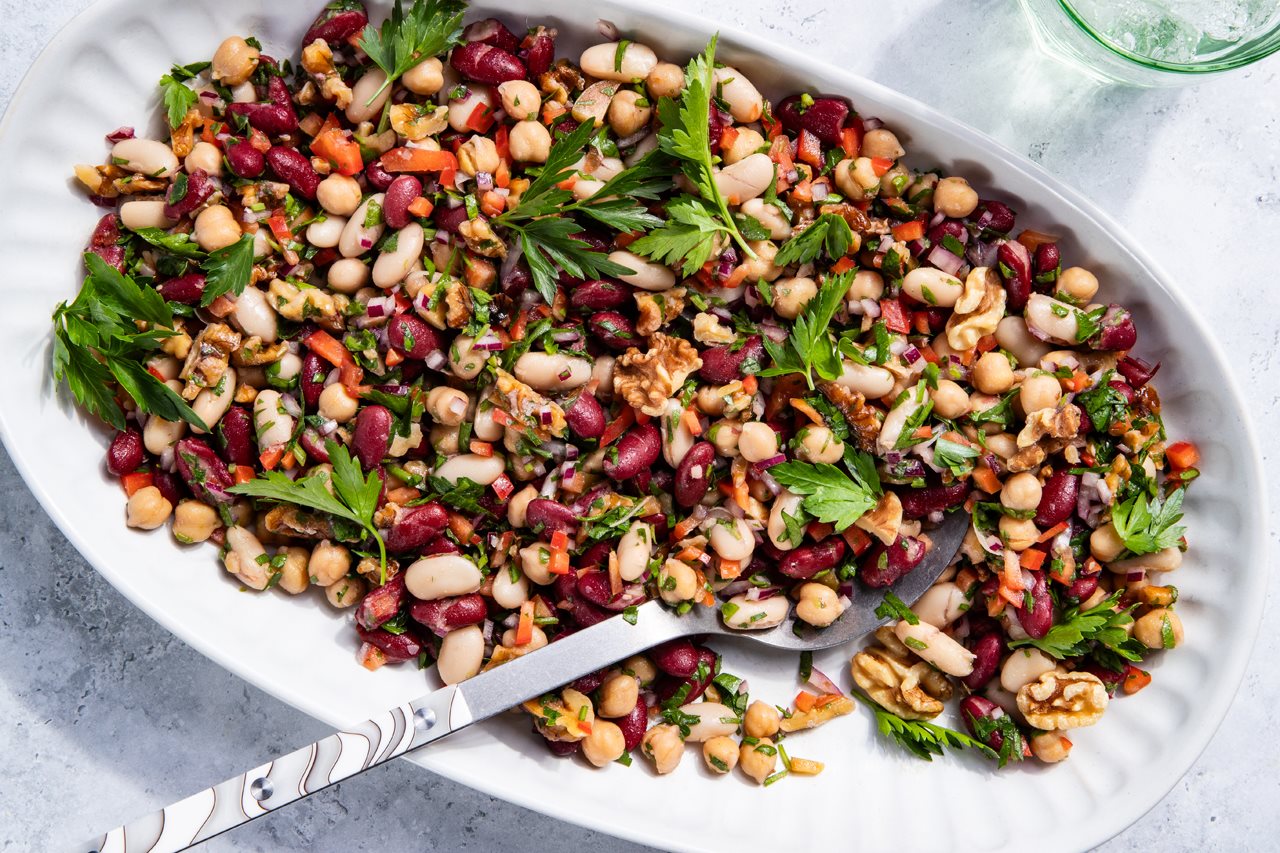
If you haven’t tried farro, it’s time to taste this nutty-flavored whole grain. This farro and white bean salad recipe uses a great mix of ingredients, including basil, parsley, dried apricots, cherries and Sun-Maid Raisins. It’s a complete meal you can easily prep and pack for lunch more than once.

Monte Cristo Sandwich

A Monte Cristo is more than just a ham and cheese sandwich, especially when you use Sun-Maid Raisin Bread. The sweetness of raisins pairs well with honey-dijon mustard, Swiss cheese and deli ham for a truly delectable meal.

DINNER

Pineapple and Raisin Shrimp Stir Fry

Stir fry is a filling, quick and easy meal to make and you can take it to the next level by adding a little Sun-Maid sweetness. Dried pineapple and sun-dried raisins provide an interesting contrast to the savory shrimp, onions, jalapenos and cilantro.

Coconut Chicken Curry

If you want a warm, comforting meal, then whip up this pot of coconut chicken curry. In less than 30 minutes, you’ll have enough for four solo dinners or to enjoy with a few loved ones. Serve over a bed of rice and top with sun-dried or golden raisins and cashews for texture.

Pineapple Raisin Cauliflower Stir Fried Rice with Chicken

A stir-fried rice dish is a great one-pot meal that requires minimal prep and cleanup, so you can focus on spending more quality time around the dinner table. The brightness of the pineapple and sweetness of the Sun-Maid Raisins are intensified when sauteed and add depth and complexity to the dish. Make this meal heartier by using chicken breasts or thighs for added protein!

Fresno Valley Zucchini and Raisin Pizza

Think inside the box when it comes to pizza by adding some nontraditional toppings! Use crumbled feta or soft goat cheese on Valley Lahvosh round flatbread and add Sun-Maid Raisins for a sweet take on a crowd-pleasing veggie pie. Get your family and friends involved by making the pizzas together and enjoy the spoils of your labor at the dinner table.

Watch how to make it here!

With a commitment to nutrition and taste, Sun-Maid continues to be a staple in households worldwide. Let these recipes inspire your family to get creative in the kitchen and turn everyday meals into experiences and unforgettable memories. For more delicious recipes and product information, visit www.sunmaid.com.

It’s tax time — don’t procrastinate, learn why it’s important to file early

2024-01-22T13:19:00

(BPT) – Whether this year will be your first time filing or you’ve been doing your taxes for years, it’s never too early to prepare for tax season. By knowing ahead of time what documents you’ll need, you’ll be more likely to make tax prep easier and more efficient — helping reduce the stress that can come from waiting until the last minute.

Advance preparation can also help you file early to get your refund earlier if you’re entitled to one. With an average of 3 out of 4 taxpayers receiving a tax refund, don’t wait till tax day.

Here are important tips to help when preparing to file:

Make a checklist

To get started, create a checklist so you’ll know what documents to watch for and collect. Most tax documents like W-2s are made available by employers and other institutions online, although they may also be mailed. You can check with your employer’s HR department to find out how and when tax documents are likely to be delivered.

If you’ve been a gig worker — even part time — or are entirely self-employed, you’ll need to gather documents like 1099-Ks, plus all the receipts and records of your self-employment income and expenses throughout the year, including quarterly estimated tax payments you may have already made.

For anyone who has filed before, take out last year’s taxes for an idea of what you’ll likely need this year. Information and documents you’ll need depend on your unique situation, and they include but are not limited to:

  • Your Social Security number (as well as your spouse’s and children’s, if applicable)
  • Records of income received, including interest income
  • Mortgage interest statements (1098)
  • Payments for tuition (1098-T) or student loan interest (1098-E)
  • Health care and childcare expenses
  • Vehicle or home purchase documents
  • Charitable contribution receipts

“By preparing early, you’ll have more time to gather documents, review your tax return and speak with your Tax Pro, helping you feel more confident and less stressed,” said Mark Steber, chief tax information officer, Jackson Hewitt Tax Services. “By waiting until the April deadline, you could make a mistake, requiring the filing of an amended tax return or subjecting yourself to avoidable penalties and interest.”

Decide how you’ll file

Taxes can be confusing, no matter your circumstances, so it’s a good idea to consider how you’d like to file this year. It can help to have someone on your side who understands recent changes in tax laws, how to file accurately — and how to make the most of applicable deductions.

You can get expert help filing your taxes at Jackson Hewitt Tax Services. Choosing a professional tax service can take the worry out of figuring out your taxes, no matter your circumstances.

Make sure you and your tax professional electronically file your tax return. It’s not only the fastest way to make sure the IRS receives your return, but it’s the safest way. This keeps paper from getting stolen out of your mailbox or getting lost in the mail.

Also, electronically deposit your tax refund. Having your refund directly deposit into your bank account or on a prepaid bank card is the safest option. This avoids the possibility of your check getting stolen or getting marked as “undeliverable” if sent to the wrong mailbox.

“These two bonus tips alone can cut days and weeks off your tax return refund timing and better safeguard your information and money,” said Steber.

The chance to double your refund

With Jackson Hewitt’s second annual Double Your Refund Sweepstakes, you could win a prize equal to your federal tax refund. The 15-week sweepstakes starts the first week of January and goes through April 15. Each week there will be two grand prize winners who will win a prize equal to their federal tax refund (a maximum match of $10,000 and minimum of $1,500), plus 20 runner-up winners each week who will win $200. In addition, there will be a season-long drawing where there will be two additional grand prize winners and 20 runner-up winners randomly drawn.

“As we launch the 2024 tax season, the second annual Double Your Refund sweepstakes will allow hundreds of clients the chance to win extra money during tax time — with the chance to potentially double the size of their tax refund — which we know will be financially beneficial,” said Kim Hudson, SVP and chief marketing officer at Jackson Hewitt Tax Services.

How to enter: File your 2023 federal tax return at any Jackson Hewitt location within the 15-week period or mail an entry form by the Monday following the week you file your tax return. For the season-long drawing, enter at JacksonHewitt.com.

To find a Jackson Hewitt office near you, visit JacksonHewitt.com.

It’s tax time — don’t procrastinate, learn why it’s important to file early

2024-01-22T13:19:00

(BPT) – Whether this year will be your first time filing or you’ve been doing your taxes for years, it’s never too early to prepare for tax season. By knowing ahead of time what documents you’ll need, you’ll be more likely to make tax prep easier and more efficient — helping reduce the stress that can come from waiting until the last minute.

Advance preparation can also help you file early to get your refund earlier if you’re entitled to one. With an average of 3 out of 4 taxpayers receiving a tax refund, don’t wait till tax day.

Here are important tips to help when preparing to file:

Make a checklist

To get started, create a checklist so you’ll know what documents to watch for and collect. Most tax documents like W-2s are made available by employers and other institutions online, although they may also be mailed. You can check with your employer’s HR department to find out how and when tax documents are likely to be delivered.

If you’ve been a gig worker — even part time — or are entirely self-employed, you’ll need to gather documents like 1099-Ks, plus all the receipts and records of your self-employment income and expenses throughout the year, including quarterly estimated tax payments you may have already made.

For anyone who has filed before, take out last year’s taxes for an idea of what you’ll likely need this year. Information and documents you’ll need depend on your unique situation, and they include but are not limited to:

  • Your Social Security number (as well as your spouse’s and children’s, if applicable)
  • Records of income received, including interest income
  • Mortgage interest statements (1098)
  • Payments for tuition (1098-T) or student loan interest (1098-E)
  • Health care and childcare expenses
  • Vehicle or home purchase documents
  • Charitable contribution receipts

“By preparing early, you’ll have more time to gather documents, review your tax return and speak with your Tax Pro, helping you feel more confident and less stressed,” said Mark Steber, chief tax information officer, Jackson Hewitt Tax Services. “By waiting until the April deadline, you could make a mistake, requiring the filing of an amended tax return or subjecting yourself to avoidable penalties and interest.”

Decide how you’ll file

Taxes can be confusing, no matter your circumstances, so it’s a good idea to consider how you’d like to file this year. It can help to have someone on your side who understands recent changes in tax laws, how to file accurately — and how to make the most of applicable deductions.

You can get expert help filing your taxes at Jackson Hewitt Tax Services. Choosing a professional tax service can take the worry out of figuring out your taxes, no matter your circumstances.

Make sure you and your tax professional electronically file your tax return. It’s not only the fastest way to make sure the IRS receives your return, but it’s the safest way. This keeps paper from getting stolen out of your mailbox or getting lost in the mail.

Also, electronically deposit your tax refund. Having your refund directly deposit into your bank account or on a prepaid bank card is the safest option. This avoids the possibility of your check getting stolen or getting marked as “undeliverable” if sent to the wrong mailbox.

“These two bonus tips alone can cut days and weeks off your tax return refund timing and better safeguard your information and money,” said Steber.

The chance to double your refund

With Jackson Hewitt’s second annual Double Your Refund Sweepstakes, you could win a prize equal to your federal tax refund. The 15-week sweepstakes starts the first week of January and goes through April 15. Each week there will be two grand prize winners who will win a prize equal to their federal tax refund (a maximum match of $10,000 and minimum of $1,500), plus 20 runner-up winners each week who will win $200. In addition, there will be a season-long drawing where there will be two additional grand prize winners and 20 runner-up winners randomly drawn.

“As we launch the 2024 tax season, the second annual Double Your Refund sweepstakes will allow hundreds of clients the chance to win extra money during tax time — with the chance to potentially double the size of their tax refund — which we know will be financially beneficial,” said Kim Hudson, SVP and chief marketing officer at Jackson Hewitt Tax Services.

How to enter: File your 2023 federal tax return at any Jackson Hewitt location within the 15-week period or mail an entry form by the Monday following the week you file your tax return. For the season-long drawing, enter at JacksonHewitt.com.

To find a Jackson Hewitt office near you, visit JacksonHewitt.com.

Understanding type 1 diabetes: Should you get screened?

2024-01-22T08:01:00

(BPT) – Sponsored by Sanofi

More than 1.4 million Americans have type 1 diabetes — thought to be caused by an autoimmune reaction where the body attacks its own cells that produce insulin. Although type 1 diabetes is relatively less common when compared to type 2 diabetes, it’s anticipated that cases of type 1 diabetes in the U.S. are expected to grow to five million by 2050, underscoring one of many reasons why increased awareness about type 1 diabetes is so important.

Type 1 diabetes can be elusive, meaning that while you may have the disease for months or years, outward symptoms can take time — sometimes even years — to show in a noticeable way, resulting in more advanced disease at initial diagnosis. What’s more, when symptoms do finally present themselves, they frequently present with life-threatening complications, such as diabetic ketoacidosis (DKA). In fact, up to 40% of DKA cases are recorded to be from people newly diagnosed with the disease. Type 1 diabetes also cannot be prevented. With this in mind, understanding risk factors of type 1 diabetes is critical in empowering you to take charge of your health by screening early for this condition. Following are three common risk factors to keep in mind:

Family History

If you have a first-or-second-degree relative who has type 1 diabetes, your risk of developing it increases quite significantly. In fact, if just one person in your family has type 1 diabetes, the chances of you or someone else in your family developing it are up to 15x higher. In most instances, individuals inherit risk factors from their parents, and the risk of developing the condition can be as high as 30% if both biological parents have type 1 diabetes.

That said, even more surprising is that about 90% of those who develop type 1 diabetes do not have a family history of the disease. So, while having a family history of type 1 diabetes is a common risk factor for developing the disease, it is a condition that truly does not discriminate.

Age

In the U.S., type 1 diabetes is among the most common chronic diseases that impacts children. In fact, type 1 diabetes was once commonly referred to as “juvenile diabetes.” That said, we’ve gotten more knowledgeable about this disease over time — and now we know that although type 1 diabetes usually develops in children and adolescents, individuals at any age can develop it. This means that young adults and adults are still at risk, with recent data showing that more than half the people who are newly diagnosed with type 1 diabetes are being diagnosed as adults.

Autoimmune Disease

Notably, of individuals with type 1 diabetes, every fifth person also has an additional autoimmune disease — demonstrating the co-occurring nature of these conditions. As such, if you have certain autoimmune conditions, such as celiac or Hashimoto’s disease, you may be at a higher risk of developing type 1 diabetes.

Get Screened Today

While this list does not encompass all potential risk factors — for example, geography and environmental factors can also increase a person’s risk for type 1 diabetes — the most important takeaway is that no one should wait for common symptoms of type 1 diabetes to get screened because it is possible to identify type 1 diabetes in its earlier stages, before common symptoms occur. That is the goal of Sanofi’s The 1 Pledge movement — to drive a national conversation about and action around the importance of early screening for type 1 diabetes.

Take risk factors seriously and talk to your doctor about getting screened today; the more information you have early, the more you and your family can do to become educated about and get prepared for type 1 diabetes. Make your pledge to get screened at The1Pledge.com, which also has more educational information.

Sanofi does not provide medical advice, diagnosis or treatment — information is provided for educational purposes only. Your doctor is the best source of health information. Talk to your doctor if you have any questions about your health or treatment.

Preparation is key: See how one football legend is helping defend himself against pneumococcal pneumonia

2024-01-22T06:01:00

(BPT) – Hall of Fame quarterback Joe Montana knows a thing or two about preparation — both on and off the field. With the big game coming up, we asked Joe about how preparation played a role in his football days — and how it continues to help him succeed in life after football.

Q: How are you preparing for the big game?

Joe: These days, my preparation for the big game looks a little different, which means I’m usually getting food ready to share with my family and friends. I look forward to our watch party every year!

Q: Why is preparation so important?

Joe: When it comes to football, a lot of work happens before kickoff. Getting to know your opponent ahead of time is key to having a strong defense — and planning how to strike on offense.

Now that I’m retired, I’ve realized that preparation is a value I can apply to other aspects of my life, like my health. That’s why I got vaccinated against pneumococcal pneumonia. And why I’m partnering with Pfizer to educate others about the risk of pneumococcal pneumonia.

Q: What is pneumococcal pneumonia?

Joe: Pneumococcal pneumonia is a potentially serious bacterial lung disease that can disrupt your life for weeks. It can even put you in the hospital or be life-threatening.

If you’re 65 or older, like me, or 19 or older with certain underlying medical conditions, like asthma, diabetes or chronic heart disease, you’re at increased risk.

Q: How can people prepare to help prevent pneumococcal pneumonia?

Joe: Vaccination is one of the best ways to prepare and help protect yourself from getting pneumococcal pneumonia. Your doctor or pharmacist can provide information on vaccine options.

Q: When can you catch it?

Joe: Pneumococcal pneumonia can strike at any time, in any season. People typically think that pneumococcal pneumonia can only be caught in the winter or during flu season, but you can catch it any time of year. But vaccination is available all year round, so now is the time to ask your doctor or pharmacist if vaccination is right for you.

Q: What if you’ve had a pneumococcal pneumonia vaccination before?

Joe: Even if you’ve already been vaccinated against pneumococcal pneumonia previously, your healthcare provider may recommend another vaccination against it for additional protection.

You don’t want pneumococcal pneumonia standing in your way of enjoying the big game. Don’t wait — ask your doctor or pharmacist about pneumococcal pneumonia vaccination today and visit knowpneumonia.com to learn more.

Brought to you by Pfizer.