Anesthesiologist-led research improves care for patients of all ages

2025-11-10T09:01:02

(BPT) – Opioid overdose deaths among people 65 and older have surged by 9,000% in less than a decade. Most children fast longer than needed before surgery. And women who have C-sections may have pain that disrupts sleep for months. These were among the findings — aimed at exploring trends that could improve care for patients of all ages — unveiled at ANESTHESIOLOGY® 2025, the annual meeting of the American Society of Anesthesiologists (ASA).

“These studies highlight how anesthesiologists can make health care safer, more comfortable and more effective at every age,” said ASA President Patrick Giam, M.D., FASA. “From reducing and monitoring opioid use in older people, to ensuring parents safely and appropriately give their children clear liquids before surgery, to easing pain after C-sections so mothers can sleep and recover, anesthesiologist-led research continues to drive innovation and improve outcomes in medicine.”

Here are a few of the important findings anesthesiologists presented at ANESTHESIOLOGY 2025.

Adults 65 Years and Older Not Immune to the Opioid Epidemic

While the opioid epidemic previously affected mostly younger people, seniors are now experiencing surging opioid overdose rates. In fact, overdose deaths in people age 65 and older from fentanyl mixed with stimulants have risen by 9,000% in less than a decade, according to an analysis of more than 400,000 fentanyl-related deaths collected by the Centers for Disease Control and Prevention (CDC).

Nearly half of the deaths involved mixing fentanyl with stimulants, such as cocaine or methamphetamines. Older adults are especially at risk because many have chronic health conditions, take multiple medications and metabolize drugs more slowly, according to Gab Pasia, M.A., lead author of the study and a medical student at the University of Nevada, Reno School of Medicine.

While opioids are effective for pain control, they should be used sparingly, especially in older people, researchers cautioned. They note that anesthesiologists and other pain medicine specialists should choose other pain management methods when possible and carefully monitor older patients when prescribing opioids. That includes educating them and their caregivers on overdose prevention tools such as naloxone.

Children Fast From Clear Liquids Much Longer Before Surgery Than Guidelines Recommend

More than two-thirds of children and nearly 80% of infants forgo clear liquids before surgery for at least twice as long as guidelines recommend, according to a study of more than 71,000 children aged 17 or younger.

Healthy infants and children may safely drink clear liquids until two hours before receiving anesthesia, according to current ASA guidelines. Yet researchers found that on average, children over a year old go without clear fluids for nearly nine hours before surgery — more than four times longer than needed. Infants go without clear fluids on average more than six hours before surgery.

Parents may worry about giving their child anything to drink before surgery due to the risk of liquid entering the lungs, but allowing children to drink clear liquids up to two hours before surgery is generally safe and helps prevent problems such as dehydration and low blood sugar, according to Alexander Nagrebetsky, M.D., M.Sc., senior author of the study and an anesthesiologist and intensivist at Massachusetts General Hospital, Boston and assistant professor at Harvard Medical School, Cambridge, Massachusetts.

Parents should talk with their anesthesiologist before surgery to confirm the latest fasting guidance and ensure their child stays hydrated and safe. For example, most children are encouraged to drink water or sugar-containing clear liquids, such as fruit juices without pulp or those with electrolytes, for up to two hours before the start of the procedure, Dr. Nagrebetsky noted.

Cesarean Delivery Linked to Higher Risk of Pain and Sleep Problems After Childbirth

Women who have a cesarean delivery (C-section) may be more likely to experience ongoing pain and sleep problems after childbirth compared to those who have a vaginal delivery, according to a nationwide analysis of more than 1.5 million mothers.

Individuals who had C-sections are 16% more likely to be diagnosed with a new sleep disorder in the first year after giving birth, compared to those who have vaginal births, according to Moe Takenoshita, M.B.B.Ch., lead author of the study and a postdoctoral scholar in the department of anesthesia at Stanford University Center for Academic Medicine, Palo Alto, California. Additionally, in interviews with 41 mothers who had C-sections, more than two-thirds said the pain disrupted their sleep and activities of daily living.

New mothers, especially those recovering from C-sections, should manage their pain to help them get better sleep and discuss any concerns with their physician. Getting regular exercise as appropriate, sleeping when the baby sleeps and avoiding caffeine late in the day can also help.

To learn more about the importance of physician-led anesthesia care — including how anesthesiologists keep patients safe before, during and after surgery — and explore the latest advances in the specialty, visit: https://www.asahq.org/madeforthismoment/.

Suffering in Silence: Older Adults Need to Speak Up About Their Mental Health

2025-11-10T08:01:00

(BPT) – Connie Thomas, a 77-year-old woman from Altamont, Illinois, has navigated a long journey with her mental health. Decades ago, Thomas was diagnosed with breast cancer. Living with her diagnosis and its results was not only physically challenging but it also brought mental struggles, including depression. She managed her mental health with medication for many years. But after retirement and feeling a loss of purpose, Thomas once again experienced symptoms of depression.

It’s not unusual for older adults like Thomas to struggle with mental health issues. In fact, according to the National Council on Aging, 20% of people aged 55 and older suffer from some kind of mental health concern. After a lifetime of caring for families, raising children and serving their communities, many seniors put their own needs last, including their mental health. This can mean suffering in silence, sometimes for years.

Thomas knew better. She knew from her experience how important it is to talk about mental health, whether it’s with friends, family or your doctor. That conversation can open the door to new options. In Connie’s case, her primary care clinician offered her the GeneSight® test, a genetic test that provides additional insights into how her genes may affect medication outcomes with certain mental health medications. These results gave her clinician more information to consider when developing her treatment plan.

Finding a mental health medication that works: A frustrating process
It’s fairly common for medications that once worked to manage mental health issues like depression to stop working. According to Johns Hopkins Medicine, “symptoms return for up to 33% of people using antidepressants.”

Finding a medication for depression or anxiety that works can be a frustrating game of trial and error. Medications work differently for everyone, and there are many reasons why one may be effective for some but not for others. Your genes may hold a clue, as they can play a role in affecting medication outcomes. A simple cheek swab can help clinicians understand which medications may require dose adjustments, be less likely to work, or have an increased risk of side effects based on your genetics.

Informed Choices
That’s why resources like the GeneSight® test are so important. The GeneSight test is a genetic test that shows health care providers how your genes may affect your outcomes with certain mental health medications, including medications that treat depression and anxiety. This information may help clinicians make more informed decisions about medication selection or dosing.

Thomas’ GeneSight test results helped her doctor decide that a lower dose of her medication may be helpful. With that adjustment, she says she is feeling better than she has in many years.

Feel empowered to take care of your mental health
Thomas shares that in her older adult community, she sees many people struggling with depression and yet unable to talk about their mental health.

“I see how unhappy they are, inwardly and outwardly,” she says. “I try to reach out, to acknowledge that they are suffering and to encourage them to talk to someone.”

She hopes telling her story will encourage others like her to talk about their mental health and then take the next step in reaching out to a health care provider. As Thomas learned, any prescribing clinician treating mental health, like her primary care clinician, can order the GeneSight test.

To learn more about the test, talk with your clinician or visit GeneSight.com.

Fire Prevention: What You Need to Know about Dryer Vent Cleaning

2025-11-07T11:11:00

(BPT) – Did you know nearly 16,000 house fires each year involve a clothes dryer or washing machine, with 92% of them caused by dryers? According to the National Fire Protection Association (NFPA), one-third of dryer fires were caused by a failure to clean out lint and other debris.

Over time, dryer vents accumulate a significant amount of lint, which is highly combustible. Because dryers produce heat, a simple spark from the heating element could ignite lint in the dryer vent, starting a fire. Because dryer vents may travel through the walls of your home, fire spreading through a clogged vent can be disastrous. That’s why it’s essential to know how to prevent lint from accumulating in the first place.

This is even more crucial during the cold winter months, when everyone uses more blankets and heavier clothing, which increases dryer usage and creates more lint buildup. If your dryer vent is obstructed by too much lint, dust or debris, airflow is reduced, making the dryer work less efficiently — as well as increasing fire risk.

To help prevent house fires and improve your dryer’s performance, longevity, and energy efficiency, the experts at Dryer Vent Wizard, a Neighborly Company, offer tips to keep your dryer working more efficiently, cleanly, and safely.

Start with the basics: The lint trap

If you’re not in the habit of clearing your dryer’s lint trap before every load of laundry, start now. That simple step addresses one part of the dryer’s system that’s easily accessible and within your control, helping to reduce some lint accumulation.

Representative from Dryer Vent Wizard showing the home owner how to check and clean the lint filter in the dryer.

Check your installation

In many cases, dryer vents work less efficiently and cause problems if they weren’t installed correctly in the first place. To ensure that your dryer vent system is set up correctly, schedule service with a local dryer vent professional. They can verify that your dryer vent is installed correctly, in good working order, and free of clogs or damage that could impede the venting process.

Dryer Vent Wizard service representative fixing and issue with a customer's dry vent outside of this truck.

A dryer vent professional will also check that the outside vent is not obstructed by debris, foliage, or other obstacles. Once everything checks out and looks good, they’ll suggest a routine maintenance schedule to ensure everything remains in working order.

Dryer Vent Wizard Representative using a leaf vacuum on the outside vent to clean out dry lint.

Schedule regular vent cleaning

The majority of dryer fires could be avoided by regular vent cleaning. Removing highly flammable lint from inside the dryer vent system is one of the most effective ways to prevent dryer vent fires. Thoroughly cleaning your dryer vent goes way beyond checking the lint trap. Dryer Vent Wizard professionals are experts in vent cleaning, utilizing professional tools and techniques to ensure your dryer vent is thoroughly cleaned.

Dryer vent wizard representative showing her customer the air flow rating outside the home at the dryer vent.

When to get your dryer vent cleaned

Are you unsure when your dryer vent was last cleaned? It’s probably overdue. Experts recommend annual cleaning to ensure optimal performance and safety.

Watch for these warning signs, which may indicate that you need to have your vent cleaned immediately.

  • Overly hot clothes: If your dryer is running too hot, you may notice freshly dried clothes are consistently hot to the touch. The cause may be a vent blockage, a serious safety issue that needs to be addressed promptly by cleaning the vent and ensuring proper airflow. For dryer vents that are too long or not correctly designed for the system, a dryer vent professional may recommend installing a booster fan to improve airflow.
  • Too much lint: You may start noticing excess lint around the dryer vent, the dryer’s opening, and on your clothes. This is a surefire indication that lint from your dryer is not being vented properly.
  • Increased drying time: Are your clothes taking longer and longer to dry? This is another indication you may have a clogged or damaged vent. A load of clothes should dry in a single cycle, about 45 minutes, depending on the material and load size. If it’s taking longer to dry the same size load, you may have a problem that needs to be addressed.
  • Higher energy costs: A less obvious sign you have a dryer vent issue is rising energy costs. If you track monthly utility expenses and notice a steady increase over the last 3-4 months, it could be the result of a less efficient dryer. A clogged or damaged vent will lead to increased drying times, which means your dryer is running longer and working harder to dry clothes.

Having your dryer vent professionally cleaned will reduce unnecessary strain on the system, helping to prevent major repairs and extending your dryer’s lifespan. Most importantly, having a clean dryer vent offers you and your family peace of mind.

Purple and yellow Dryer Vent Wizard logo.

Visit DryerVentWizard.com for more information and to schedule service today.

Surprising facts you should know about elite online high schools

2025-11-07T05:01:00

(BPT) – Over the past decade, online high schools have moved from the margins to the mainstream of American education. Families across the country are increasingly considering virtual learning as a serious option. According to the National Center for Education Statistics, nearly 700 fully online schools now serve about 294,000 students nationwide.

As enrollment grows, so does curiosity about what life is like for students who learn entirely online. From classroom dynamics to community life, here’s a closer look at what students can expect at an elite online high school.

1. Online high schools have been around for a while

While virtual learning has gained widespread attention in recent years, online high schools are far from a new phenomenon. The first programs emerged in the mid-1990s alongside the rise of the internet, and several of those pioneering schools continue to thrive today.

One standout example is Stanford Online High School (Stanford OHS), an independent school within Stanford University and one of the nation’s first fully synchronous online high schools. Founded in 2006 with support from the Malone Family Foundation, Stanford OHS has been at the forefront of online education for nearly two decades.

2. Online schools offer distinctive courses

While many online high schools offer flexible academic options, Stanford OHS stands out for its rigorous, college-style curriculum. Its hallmark Core Sequence, a series of interdisciplinary courses in philosophy, literature, and the history of ideas, encourages students to think critically across disciplines. Students can choose from more than 40 advanced and university-level classes, including Latin Prose & Poetry, Multivariable Calculus, Analytical & Organic Chemistry, and Quantum Computing. Unlike most virtual programs, which emphasize flexibility over depth, Stanford OHS models the intellectual rigor of a university seminar, setting it apart from other online schools.

3. Students are prepared for college life

Elite online high schools can offer students a college-like academic experience from the comfort of home. At Stanford OHS, students follow a university-style block schedule, with most classes meeting twice a week in real time. The school uses a flipped classroom model, where students engage with readings, lectures, and problem sets before class, allowing live sessions to focus on discussion, analysis, and collaboration.

Four girls attending a class on a laptop at Standofrn Online High School.

This structure helps students develop independence and time-management skills while balancing academics with extracurricular and social activities. Stanford OHS graduates feel very well-prepared for college. “I felt that Stanford OHS prepared me to produce high-quality work as my normal standard, rather than having to stretch to meet the expectations of my professors,” said one Stanford OHS alum.

4. Online high schools foster a sense of community

In the online era, young adults are used to forging friendships online. Beyond messaging or video calling peers from class, students are also given opportunities to create and take part in a community online by participating in student-led clubs, student government and other extracurricular activities. Some virtual schools even offer in-person social opportunities, like Stanford OHS, where students can meet up with nearby peers at regional meet-up gatherings, and school-sponsored dances, game nights, and events.

5. Students study with peers from around the world

The virtual format of online high schools allows them to bring together students from around the world. Learning alongside peers from different countries and cultures exposes students to a wide range of perspectives, fostering global awareness and a broader worldview than many traditional high school settings can offer. Stanford OHS students study with peers from 48 U.S. states and 47 countries around the world.

One Stanford OHS student shared, “I have friends from all around the world … and being able to connect to these amazing people has been life-changing. I have gotten to learn about so many different locations, worldviews, and experiences, as well as getting to share my own with my peers. Having these geographical limits broken down is one of my favorite things about Stanford OHS; I don’t have to be in the same room or even the same country to connect with someone.”

6. Online schools offer students support

Online institutions can offer small class sizes and individualized attention. Students at a school like Stanford OHS can expect a class average of about 13 students, with a cap of 16 students per class to foster strong instructor-student and peer interactions. Instructors are chosen for their experience in their academic disciplines, with 64% holding Ph.D.s from universities around the world.

“The instructors at Stanford OHS are phenomenal.” said one student. “The teachers’ own passions for the subjects they teach shine through and make me all the more excited to go to class everyday. Even beyond class, they were available to answer questions in weekly office hours, engage in conversations, and provide support.”

Many online high schools also offer student support services like academic advising, college counseling, tutoring, and wellness coaching to provide students with what they need to succeed academically, socially, and emotionally.

If you are still curious about what online high schools offer, visit https://ohs.stanford.edu/2025 to learn more.

Get ahead of diabetic eye disease with retina specialist care

2025-11-06T09:45:00

(BPT) – If you have diabetes, you’re intimately aware that building an experienced care team is key to protecting your health. From establishing care with a knowledgeable primary care physician to finding a trusted endocrinologist, many health care professionals make it possible to thrive while living with this disease. However, you may be missing an essential member of your care team: A retina specialist.

Because diabetes can lead to retinal damage, preserving your vision should be top of mind. Of the nearly 40 million Americans who have diabetes, approximately half will develop diabetic retinopathy, the leading cause of irreversible blindness in working-age Americans.

That said, vision loss isn’t an inevitable condition. Early diagnosis and treatment can go a long way in preserving your sight and can greatly reduce the risk of vision loss. This National Diabetes Month, if you have diabetes, make it a priority to find and book an appointment with a retina specialist so you can see for a lifetime.

Why retina specialists are best equipped to preserve your vision

While there are many eye health providers, retina specialists have dedicated their careers to mastering the complexities of retinal disease. In addition to completing medical school, internship and ophthalmology residency, these medical doctors complete one to two years of additional fellowship training focused on diseases and surgery of the retina and vitreous.

In total, that’s 10 years of extensive specialized training. That’s why retina specialists are the most qualified experts to help diagnose and treat diabetic retinopathy before the condition becomes irreversible.

When to see a retina specialist

Diabetic retinopathy doesn’t happen overnight. You may have the condition for a long time before you notice symptoms. However, you may notice the following symptoms in one or both eyes:

  • Blurred vision
  • Difficulty reading
  • Spots or floaters in your vision
  • A shadow across your field of vision
  • Eye pressure
  • Difficulty with color perception

Even if you’re not currently experiencing symptoms of diabetic retinopathy, it’s vital that you see a retina specialist. They can help monitor your vision, identify and diagnose vision problems early, and treat diabetic retinopathy in its earliest stages when treatment is most effective.

null


What you can do every day to protect your vision

Seeing a retina specialist is the best way to protect your vision from diabetic complications. However, there are daily steps you can take to protect your vision long term.

If you have diabetes, invest in your overall well-being and vision by:

  • Getting regular dilated eye exams
  • Controlling your blood sugar, blood pressure and cholesterol levels
  • Maintaining a healthy weight
  • Staying physically active
  • Taking prescribed diabetes medications as directed
  • Quitting smoking
  • Reporting any vision changes immediately

See the difference a retina specialist can make in your vision health

You don’t have to manage your diabetes-related vision problems alone. Find a retina specialist who can partner with you to preserve your vision now and for years to come.

To learn more about how you can maintain your retina health to preserve your vision, visit SeeforaLifetime.org. You can find a retina specialist in your area by visiting FindYourRetinaSpecialist.org.

Choices you make today may increase your chances of surviving lung cancer tomorrow

2025-11-06T08:01:00

(BPT) – By Daniel J. Boffa, MD, MBA, FACS, Vice-Chair, American College of Surgeons Commission on Cancer

Lung cancer can enter a person’s life like a tornado, creating chaos out of nowhere and leaving them feeling powerless. Nobody chooses to have lung cancer, but thanks to advances in research and treatment, some choices may lower the chances of lung cancer shortening life.

Choices that reduce risk of lung cancer

Five out of six lung cancer patients smoked tobacco at one time, and quitting at any age reduces your chances of lung cancer and other smoking-related diseases. There have never been better options to help people quit, including more effective nicotine replacements, medications to curb withdrawal symptoms and counseling.

Other cancer-causing chemicals can make their way into the air, such as radon — an odorless gas that can seep into homes from the ground — or smoke from cooking and wildfires. Test your home for radon and address levels if elevated. Minimize situations where the air you breathe is irritating to your nose and throat. Avoid contact with chemicals in poorly ventilated spaces. Use air filters and wear an appropriate mask to help decrease exposure until the air clears.

Choices that lead to earlier detection

Lung cancer screening can detect disease earlier when treatments tend to be easier on patients and more effective. For people who smoke tobacco or smoked in the past, a yearly CT scan can dramatically reduce a person’s chance of dying of lung cancer. Current or former smokers aged 50 or older should ask their primary care provider about lung cancer screening.

One in six lung cancers happens in someone who never smoked and can sometimes run in families. Currently, there are no screening recommendations for never smokers, but this is an area of intense research. People with an immediate family member, such as a parent or sibling who developed lung cancer as a never smoker, should ask their primary care providers about screening during their yearly check-up, as screening recommendations are likely in the next few years.

While it is better to find lung cancer before symptoms occur, there are symptoms that shouldn’t be ignored. People with a cough that does not improve after 4 weeks, or who cough up blood, should contact their primary care provider and potentially have chest imaging.

Choosing better treatment

It is important to include lung cancer experts on your care team who know all the latest incredible breakthroughs in lung cancer. Experts not only will know the right tests, procedures and treatments to offer you, but will understand what parts of your treatment can be handled close to home and what parts may need to happen in a larger hospital that may have more resources in case something goes wrong. The American College of Surgeon’s Commission on Cancer is an organization that ensures hospitals follow the best practices and have the right people to deliver high-quality care to cancer patients. You can connect with a cancer team at an ACS Commission on Cancer accredited hospital.

Lifestyle choices can also improve the safety and effectiveness of cancer treatment for many types of cancer. Quitting smoking, even after you have been diagnosed, can significantly reduce complications of treatment and improve cure rates. Other healthy habits can benefit cancer patients. For example, researchers recently found that patients who exercised after their cancer treatment experienced better survival rates.

Choosing a better tomorrow

Cancer research saves lives. In the past five years the survival rates of patients with advanced lung cancer have quadrupled because cancer research brought us new treatments. However, we have more work to do. In the U.S., more than 120,000 people lose their battle with lung cancer every year, so we must keep looking for a better way. You can help by supporting the people who support medical research — from contributing to research fundraising to advocating with policy makers. Research is our best chance at turning hope into miracles.

Getting screened, lowering your risks, recognizing potential symptoms, seeking the right care and supporting research are all choices today to keep lung cancer from shortening your life in the future.

Daniel J. Boffa, MD, MBA, FACS, is vice-chair of the American College of Surgeons Commission on Cancer and a professor of Thoracic Surgery at Yale School of Medicine, specializing in treating esophageal and lung cancer.

Stress Less, Celebrate More: Holiday Cleaning Hacks

2025-11-06T15:01:00

(BPT) – The holiday season is filled with fun, laughter, and festivities, but it can also be marked by chaos. From gift-wrapping mania to the cookie crumbs, spills, and clutter of prepping and hosting, you might sometimes feel a little humbug creeping into your holiday vibes. However, with a bit of planning and some help, you can lower your anxiety levels and make your holidays truly jolly again.

Young couple preparing a platter of snacks for holiday guests.

Here are tips from the cleaning experts at Molly Maid to help you minimize stress and maximize joy this time of year.

1. Take stock of your essential cleaning supplies

Make sure you’re ready to tackle pre-party prep, as well as any messes that occur in real time, without having to run to the store. Must-have items include microfiber cloths, paper towels, cleaning vinegar, furniture cleaner, and large garbage bags. Go room by room to determine what you’ll need in each space, from extra hand towels in the bathroom to a quick-sweep plan for high-traffic areas. This helps you stay organized and ensures every part of your home is party-ready.

Pro tip: Designate a closet or shelf on each floor of your home to store a set of these items so you don’t have to run around (or up and down stairs) searching when you need them!

2. Create a family-friendly cleaning plan

Encourage shared responsibility among your entire household by creating a holiday to-do list that includes everyone, assigning age-appropriate cleaning duties that you know they can manage.

Pro tip: Instead of trying to accomplish everything on one day (such as right before a party), schedule cleaning tasks over several days to build in a cushion and avoid burnout.

3. Start at the top

Begin your cleaning efforts with high-traffic areas, starting from the top of the room (ceiling fans, shelves, windows) and working your way down, saving the floors for last. You’ll likely knock plenty of dirt and dust onto the floor when vacuuming or mopping.

Pro tip: Concentrate effort on areas where guests will spend the most time, including the entryway, living room, and bathrooms.

4. Don’t be afraid to get help

During the holiday season’s hustle and bustle, it can be challenging to complete everything on time. It’s okay to ask for help when you need it. You can get professional assistance with a pre- and post-event cleaning visit from Molly Maid to help you conquer the mess before guests arrive, so you can focus on what matters most.

Two Molly Maids cleaning the kitchen together.

5. Welcome visitors with special touches

Having guests stay at your home over the holidays? Create a warm welcome by providing guest rooms with extra blankets or pillows, a basket of snacks and travel-sized toiletries, extra set of clean linens, and reading materials they might like.

Before guests arrive, conduct a quick walk-through to assess the spaces from the perspective of a visitor. Ask yourself what would make you more comfortable. Could you add a few thoughtful touches, such as fresh flowers, phone chargers, or a portable reading light?

Seniors sitting at table in a very clean home talking as a christmas tree glows in the background.

Pro tip: Make sure to leave a card providing the household Wi-Fi password.

6. Post-party cleanup

If your home looks like a tornado blew through it when the party’s over, start with the basics by walking through rooms with a trash bag and a bin for items that belong elsewhere. Once you’ve cleared the clutter, you can start wiping down surfaces and finish with vacuuming or mopping.

Overwhelmed by the holiday mayhem? Visit MollyMaid.com to schedule after-party cleaning services.

Molly Maid cleaning the front of the microwave in the kitchen.

Holiday gifts anyone would love

Still looking for that perfect gift? Molly Maid Gift Certificates are the perfect gift for friends and family, home or apartment dwellers alike, this year. You won’t just be giving the gift of a clean home, you’ll be giving loved ones the gift of time to play, relax, and enjoy everything they love about the season. Visit MollyMaid.com/gift-certificates to purchase a gift certificate today!

Molly maid cleaning the sink in the kitchen.

Santa Bass’s holiday gift guide for anglers on the Nice List

2025-11-06T10:33:00

(BPT) – When it comes to gifting the perfect holiday present to the anglers in your life, no one has better instincts than Santa Bass.

Gifted with the same powers as the jolly man from the North Pole, Santa Bass handles the aquatic side of gift-giving. He sees anglers on boats in the summer when they yearn for a different size of their favorite bait. He sees blank spaces on walls where memories of the year’s biggest catches could live. He sees the overflowing tacklebox that won’t stay closed.

Nothing gets past this sneaky creature.

For the gift givers whose angler friends and family are on the Nice List this year, here are Santa Bass’s top 10 picks to make this the best holiday season ever.

Frame a photo of their best catch – The best gifts are sentimental. If you’ve gone on a legendary fishing trip with the person you’re gifting, print your favorite photo of the trip and frame it. PRs come and go, but photos are forever!

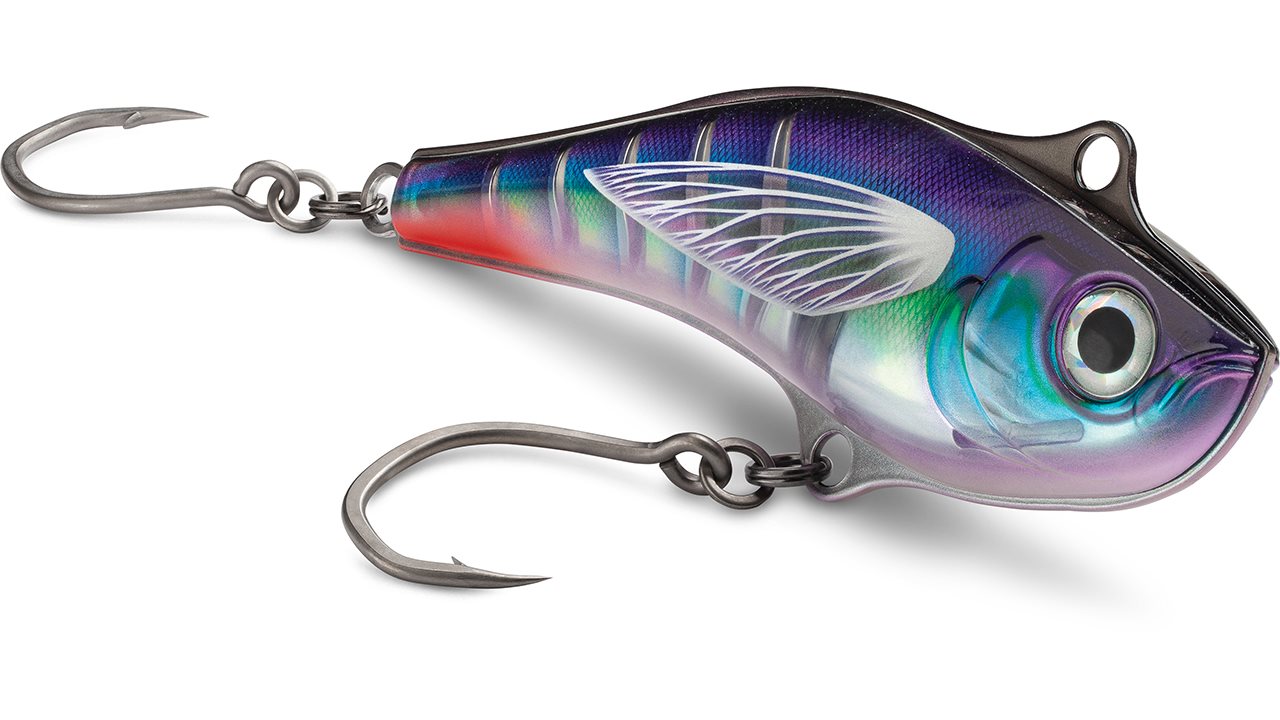
Upgrade the classics – If your loved one is a die-hard angler, they probably already know and love certain fan-favorites such as CrushCity’s The Mayor or Rapala’s Original Floating lure. But do they have their favorite baits in the newest sizes or colors? The Mayor, for example, now comes in six new colors and one new size. The Original Floating comes in three new colors. Plus, Rapala just upgraded this tried-and-true killer to an even more premium design called the Floater Elite. Treat your loved one (or yourself) to something you know they’ll love.

Rapala's Original Floating Lure.

New soft baits by the pros – That being said, some anglers get the most fun out of trying entirely novel baits. If that sounds like someone you know, the brand-new baits developed by the pro anglers at CrushCity just might become your loved one’s new favorite. The Jerk and the Salted Ned Roll are two delectable soft plastics that just launched this year and have already won big on the competition circuit.

New year, new rod – Has your father, sister or fishing buddy been using the same cruddy rod since before the turn of the century? Watch their eyes light up when you gift them a brand-new, premium rod. If you know which technique is their favorite, check out 13 Fishing’s lineup of technique-specific rods like the Shaker Rod, Jigging Rap Rod or the Power Cork Rod. If you’re on a budget, consider the Jinx rod by 13 Fishing.

Put some pride on their wall – It always feels good to decorate your space with the things you love. When Rapala released the Original Floating Giant Lure in the color USA Flag, anglers went berserk, mounting the beloved ginormous bait in small town bars, basements, log cabins, rec-rooms, offices and fishing sheds across the nation. Now, Rapala is introducing another beloved Giant Lure to the mix. Mimicking the legendary DT (Dives-To) series lure in the USA Flag style, this 24″ monster makes for a sure-fire conversation starter for the angler with more stories to tell than hook scars on their arm.

Rapala's Giant DT Lure in the color USA Flag.

Rep your sport off the water – There’s next to no one who wouldn’t appreciate a brand-new sweatshirt, beanie or baseball cap from a brand they love. Rapala has tons of apparel so your loved one can rep what they love sitting by the fire this year.

Sharpen their tools – A colorful, premium piece of filleting equipment is the perfect gift for the angler who appreciates quality, but it’s also a special treat for the more frugal anglers whose knives could use more than a little love. Rapala’s Fish ‘N Fillet knife is a great bet for both characters. Continuing with the original features — a progressively tapered, full-tang blade of European stainless steel that takes and holds an ultra-sharp edge, and a birch handle with fine tooled leather sheath — anglers can now pick up this mighty knife in the color Firetiger.

Rapala's Fish N' Fillet knife

Don’t forget stocking stuffers – They say the best gifts come in small packages. Well, if what your loved one is seeking is a major bite under the ice, the Nano Rap is the gift of the season. This lure is the smallest that Rapala has made in all its 90-year history. Made for those times when panfish such as perch, crappie or bluegill succumb to winter lethargy and a slower metabolism, this micro lure is the perfect easy meal to trigger a bite. A well-equipped ice angler will have a few of these in their tackle box to tie on when all else fails.

Keep your angler cozy – Some ice anglers can be stubborn about what gear they wear to the lake. So, gift your loved one who always arrives home a little chillier than they should a new jacket and bibs so they stay on the ice even longer. Top ice anglers helped create the StrikeMaster pro jacket, which is built to keep anglers warm even in the roughest winter conditions.

Go big to win big – Saltwater anglers all know this one pelagic truth: Big fish eat big fish. As of this year, Rapala’s Sarda lure now comes in the biggest size yet, size No. 22, with a body length of 8-1/2 in. For coastal anglers on the hunt for massive bluefin tuna, this lure is a day-maker.

The Rapala Nano Rap

Medicare Advantage takes the confusion out of managing chronic conditions

2025-11-05T08:01:01

(BPT) – Do you or a loved one have a chronic health condition like diabetes or heart disease? Managing these conditions can be overwhelming and expensive. You shouldn’t have to do it alone. If you’re eligible for Medicare and have been diagnosed with a chronic condition, you may be able to sign up for a Medicare Advantage plan called a Chronic Condition Special Needs Plan, or C-SNP, with tailored benefits to support your health.

In 2026, Aetna® is expanding its C-SNPs and will have plans available in 18 states.

Senior talking with a doctor in her office aout a dienosis.


Unique benefits to support chronic health conditions

Aetna Medicare Advantage C-SNPs are for people who are eligible for Medicare and have a qualifying chronic condition. They provide extra support and resources to help C-SNP members live healthier, more empowered lives. Benefits include:

  • A personal care team to help members manage their care and improve their quality of life
  • $0 copays for in-network primary care and certain in-network specialty care related to the qualifying chronic conditions, including cardiology, nephrology, endocrinology and pulmonology
  • An Extra Benefits Card with a monthly allowance for certain everyday expenses including over-the-counter (OTC) products, healthy foods, transportation, utilities and personal care products
  • $0 or low-cost prescription drugs at in-network pharmacies to help with your chronic condition
  • Dental care, eyewear and hearing aid benefits

“Having a comprehensive medical plan like an Aetna Medicare Advantage C-SNP provides additional benefits. These include a care team that will call you every couple of days to check on your health,” said Ali Khan, MD, MPP, FACP. He’s a practicing general internist and chief medical officer, Medicare, at Aetna, a CVS Health® company. “When living with a chronic health condition, that kind of care isn’t just nice to have — it makes a real difference for your health.”

Additional support to help members stay proactive about their health

Exercise and staying active are crucial for supporting health as people age, and this is particularly important for those with chronic conditions. Aetna C-SNPs include a popular SilverSneakers® basic fitness membership with access to thousands of participating locations. Plus, exercise classes outside of traditional gyms, such as recreation centers and parks. SilverSneakers also offers resources to help improve brain health and memory, like on-demand classes for meditation and yoga.

“Exercise benefits the body in so many ways — strengthening the heart, building bone strength and balance and improving mood. That’s why I encourage my patients to stay active,” added Dr. Khan. “Having a fitness benefit in your Medicare Advantage plan provides a variety of options to help with this.”

C-SNP members will also have access to the CVS Health Resources for Living (RFL)® program.* RFL helps address basic needs by connecting members with community services and resources like transportation, housing, food programs, and caregiver support based on individual member needs. RFL also offers support and resources that address many issues affecting members’ physical and mental health, such as loneliness.

Who is eligible for an Aetna Medicare Advantage C-SNP?

You may qualify to enroll in an Aetna Medicare Advantage C-SNP plan if you have certain chronic conditions. The full list of eligible chronic conditions includes:

  • Diabetes mellitus (high blood sugar)
  • Chronic heart failure (CHF) (heart is unable to pump blood as it should)
  • Cardiac arrhythmias (irregular heartbeats)
  • Coronary artery disease (blocked blood vessels in the heart)
  • Peripheral vascular disease (poor circulation in the arms and legs)
  • Valvular heart disease (damage of flaps in the heart that control blood flow)

Unsure if you qualify? The easiest way to find out is by talking to a licensed Aetna agent. They can confirm your eligibility and answer your questions at no cost. Just call 1-844-588-0041 (TTY: 711) from 8 a.m. – 8 p.m. 7 days/week. They can also help you complete the eligibility form and work with your provider to verify your condition.

When you can enroll

The Medicare Advantage Annual Enrollment Period (AEP) is currently open and runs through Dec. 7. If you’re eligible for Medicare, or caring for a loved one who is, it’s an important time to review your health needs and which health plans can best support your health care needs. However, you can also enroll in a C-SNP throughout the year if you’re newly diagnosed with a chronic condition covered by a C-SNP.

A older couple taking a walk in their neighborhood.

Medicare plans change every year. So, even if you’re already enrolled in a plan, it’s a good idea to review your explanation of benefits, or annual notice of change to decide if your plan still fits your needs. Remember, choosing the right plan based on your specific needs is one of the most important decisions you can make for total health and well-being.

Learn more about Medicare Advantage plans to help support your health or the health of a loved one at AetnaMedicare.com.

A senior couple looking over their options online using a tablet while sitting on wicker furniture outdoors.

*FOR RFL PROGRAM COST: There’s no extra cost to contact Resources For Living. Members only pay for the costs (if any apply) for services they use.

Aetna Medicare is a HMO, PPO plan with a Medicare contract. Our DSNPs also have contracts with State Medicaid programs. Enrollment in our plans depends on contract renewal. See Evidence of Coverage for a complete description of plan benefits, exclusions, limitations and conditions of coverage. Plan features and availability may vary by service area.

The Aetna C-SNP is available to Medicare members who have at least one of the qualifying chronic conditions. To ensure a successful enrollment process, we’ll confirm with your healthcare provider that you have one of these eligible conditions. If verification of eligible condition is not received, involuntary disenrollment will occur.

Resources For Living is the brand name used for products and services offered through the Aetna group of subsidiary companies.

Participating health care providers are independent contractors and are neither agents nor employees of Aetna. The availability of any particular provider cannot be guaranteed, and provider network composition is subject to change.

To send a complaint to Aetna, call the Plan or the number on your member ID card. To send a complaint to Medicare, call 1-800-MEDICARE (TTY users should call 1-877-486-2048), 24 hours a day/7 days a week. If your complaint involves a broker or agent, be sure to include the name of the person when filing your grievance.

SilverSneakers is a registered trademark of Tivity Health, Inc. ©<2025> Tivity Health, Inc. All rights reserved.

Y0001_6420150_2026_M

Traveling in remote places? Make sure you have satellite access

2025-11-05T11:25:00

(BPT) – For outdoor adventurers, staying connected while exploring remote locations is key to having fun and staying safe. From making sure that your loved ones know your location to accessing online maps and emergency services, having a reliable digital connection lets you confidently wander the wilderness.

But some areas make it impossible to connect to terrestrial networks. In fact, according to T-Mobile, there are more than 500,000 square miles in the U.S. where traditional cell towers simply can’t reach, including national parks, oil fields, lakes, rural farmland and mountains.

Using a dedicated satellite phone is a typical solution. These phones are built specifically to connect to satellites instead of land-based cell towers, making them a good choice in very remote areas with virtually no cell coverage. But they’re unlike your typical smartphone. They’re stripped-down, bulky devices made to withstand harsh conditions.

As of this year, satellite phones aren’t the only solution anymore. Now, you can access satellite connectivity straight from your smartphone.

The freedom to unplug and the ability to reconnect when it matters most

As part of its mission to put an end to dead zones, T-Mobile created T-Satellite with Starlink. This direct-to-device satellite connection uses more than 650 Starlink satellites in low Earth orbits that essentially act as cell towers in space.

It’s the first and only service of its kind in the U.S. that connects automatically to compatible phones from the last four years, which means you won’t need special apps or extra steps to connect to T-Satellite. If you can see the sky, you’re connected.

Not only can you send SMS messages, share your location and text 911, but T-Satellite now supports some of the most popular go-to apps when off grid, including WhatsApp, AllTrails, X, AccuWeather, T-Life and Google Maps.

So, whether you want to share your location with friends, receive updates from home, or check weather and road conditions while backcountry skiing, camping, hiking, fishing or hunting, you’re connected.

A proven solution

While the service may be new, T-Satellite has already proven itself during recent natural disasters.

T-Satellite proved to be helpful in a moment of crisis for first responders following the devastating Hurricanes Helene and Milton. The satellite service connected over 1 million people who sent over 650,000 SMS messages and helped distribute 200 wireless emergency alerts.

Additionally, during the Oregon wildfires in October, T-Satellite connected nearly 7,000 people who sent over 24,000 SMS messages and helped distribute seven wireless emergency alerts.

In both cases, these important and life-saving messages and alerts would not have been possible using terrestrial cell networks.

T-Satellite also supports text-to-911 services, enabling anyone with a satellite-capable device ­— even if they aren’t T-Mobile members or T-Satellite customers — to text with first responders for free from almost anywhere when help is needed most — you just need to sign up.

Connecting to service is just a swipe away

T-Satellite already works on nearly every smartphone made in the last four years. If you’re a T-Mobile member on the Experience Beyond plan, T-Satellite is already included. All other T-Mobile members and non-members can sign up for T-Satellite for only $10 a month — including Verizon and AT&T customers.

Are you ready to get your hands dirty and commune with nature? To learn more about how you can connect to satellite service no matter where you roam, visit T-Mobile.com/Satellite.