
There’s a new way to get a car and it doesn’t involve a dealership

2026-05-25T23:01:00

(BPT) – Key Takeaways

  • The cost of car ownership in 2026 continues to rise, driven by higher vehicle prices, financing and ongoing expenses like insurance, maintenance and fuel
  • Traditional options like buying or leasing a car typically require multi-year commitments that may not reflect changing lifestyles
  • New alternatives, including flexible and more affordable leasing models like Flexcar, are emerging to provide a simpler, month-to-month alternative to traditional car ownership

The cost of getting a car in 2026 continues to rise, leading more Americans to rethink the traditional path of buying or leasing. Higher vehicle prices, long-term financing and ongoing expenses are driving up the total cost, with insurance alone averaging nearly $2,700 per year, not including maintenance, repairs or fluctuating fuel costs. At the same time, both buying and leasing typically require multi-year commitments, locking drivers into financial obligations that may not reflect how people live and move today.

“Life changes. We move cities or switch jobs. Families grow and plans shift. But one thing hasn’t changed: how we buy cars,” said Jake Marston, VP of Marketing. “For decades, buying a car has meant large down payments, unexpected repair bills, long-term debt and fixed contracts that are out of step with modern life.”

That’s where newer car ownership alternatives are gaining traction. Flexcar offers an innovative and more affordable leasing model that bundles the major costs of having a car into a single monthly payment, including insurance, maintenance and roadside assistance. Designed for flexibility, it allows members to switch vehicles or adjust mileage plans as their needs change, whether that means upgrading to a larger SUV, choosing a more efficient option for a new commute or driving something different for the season. Members can also return their car at any time without early termination penalties.

“Since 2021, members have driven over 300 million miles across our markets, a clear sign that drivers are ready for a different model,” said Jake Marston, VP of Marketing at Flexcar. “Flexcar gives people a simpler, more flexible way to get a car, without the multi-year loan commitments and unpredictable costs of traditional ownership.”

How Flexcar differs from traditional car buying or leasing

Buying a car is a long-term responsibility, involving purchasing a vehicle outright or financing that purchase with a loan lasting several years and fixed monthly payments. In addition to upfront costs and dealer fees, owners are fully responsible for insurance, maintenance, repairs, depreciation and resale value.

While leasing is often seen as a lower-commitment alternative to buying, it still comes with a multi-year contract, typically 2-4 years, and fixed monthly payments for the duration of the lease. Drivers may also face upfront fees, strict mileage limits and potential end-of-term charges. In many cases, lease agreements require higher insurance coverage, which can drive up monthly costs beyond the base payment.

Unlike traditional buying or leasing, Flexcar provides a flexible, all-inclusive alternative with no multi-year commitment. One monthly payment covers the vehicle, insurance, routine maintenance and roadside assistance. Members can switch cars or mileage plans as their needs change, or return the vehicle at any time without early termination penalties. This gives drivers more flexibility and more predictable monthly costs, without multi-year contract obligations.
null

Flexcar aims to make having a car more flexible and more predictable, reducing the financial uncertainty often associated with traditional ownership.

Why Flexcar is more affordable

Flexcar’s model is designed to simplify costs while reducing upfront and ongoing expenses.

Built-in savings

  • No large down payment
  • No long-term financing commitments
  • Fuel savings starting at $0.20 per gallon

All-in-one coverage

  • Insurance included
  • Maintenance included
  • 24/7 roadside assistance included

Members can save up to $0.60 per gallon at participating gas stations, with savings applied as a credit to their monthly invoice.

Flexcar is available in Atlanta, Charlotte, Nashville, Massachusetts and Rhode Island, with recently announced expansions into New York, San Francisco and San Jose.

null


Frequently Asked Questions

  • What’s included with my Flexcar? Flexcar includes the major costs of having a car in one simple monthly payment. This covers your vehicle, insurance, routine maintenance and 24/7 roadside assistance, helping make costs more predictable. Members also get access to fuel savings of up to $0.60 per gallon and loyalty perks that can help lower monthly payments over time.
  • How do I sign up? Signing up for Flexcar is quick and fully online. Start by entering your location, age and estimated credit score to see available cars in your area. Then choose a vehicle, select a monthly plan with your preferred mileage and insurance options, and complete a short application with a soft credit check. Once approved, you can schedule delivery or pickup and start driving.
  • Can I swap cars any time? With Flexcar, you can drive what you want, when you want. Cruise through summer with the top down in a Jeep Wrangler or conquer winter terrain in a rugged Toyota Tacoma. For a small swap fee, you can switch to the perfect car for every season and every adventure.

Learn how you can save money and get the flexibility you need at Flexcar.com.

The new family road trip: How solar power transforms travel

2026-05-21T12:03:00

(BPT) – There’s something magical about family road trips. Imagine the perfect day: You found a great campsite in a beautiful part of the country, and you just woke up to the sound of birdsong. You’re relaxing in the morning sun in a camp chair, waiting for the kids to emerge from the deep sleep only plenty of fresh air and activity can provide. The enticing aroma of coffee percolating in the coffeemaker drifts over, thanks to a small nearby fan.

You couldn’t have planned a better Memorial Day weekend, especially because you didn’t leave your entire life behind when you left the driveway — you brought the good parts with you. While you’re free of the hustle and bustle, work and chores of daily life, you still have creature comforts: Hot coffee and cold beverages, phones that work when you need them, music and cooling fans at your fingertips, tablets and games to keep kids from the endless “Are we there yet?” haunting your childhood road trip memories.

Like roughly 39.1 million other Americans, traveling by car may top your agenda for Memorial Day weekend this year. The good news? In 2026, off-grid doesn’t have to mean off-comfort.

Welcome to today’s family road trip

Man working on a computer and making a fresh pot of coffee powered by Jackery while enjoying the remote mountain vista.

You can have it all: the freedom from the daily routine that you wanted, along with many of the rituals you rely on. Thanks to the Jackery solar generator you brought along for the ride, you’ve got charged-up phones, tablets, portable gaming consoles, a portable electric cooler — and even a laptop and hotspot when you need to check work emails from that scenic overlook. You can even turn a camping evening into a magical wonderland, thanks to string lights and a portable speaker.

Vanlife, camping, glamping and RVing — really, any kind of off-grid, off-road or just off-routine travel method — have gone mainstream, with travelers of many backgrounds and age groups seeking the open road.

Glamping in particular has a special appeal, due to the combination of communing with nature while still maintaining modern comforts. The global glamping market was about $3.79 billion last year, projected to reach $7.87 billion by 2033. Today’s families desire those outdoor experiences, together with all the conveniences they’re used to.

Solar generators to power your next adventure

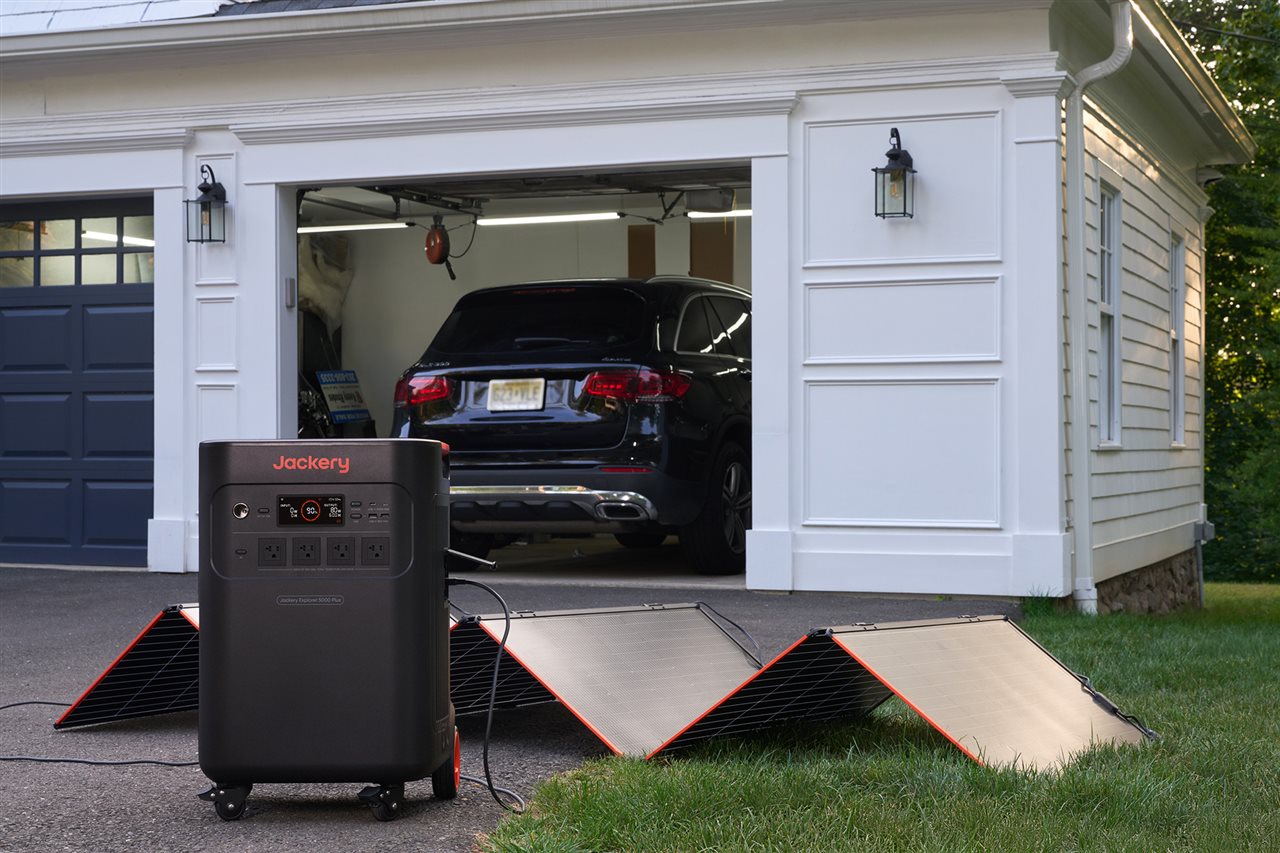
Car in the garage charging up for the next road trip using Jackery solar powered generator.

Today’s more eco-conscious travelers also prefer using power sources for their modern conveniences that are sustainable, silent and emissions-free, while also being powerful enough to run real appliances, not just charge a phone.

Jackery’s mid-capacity solar generators, like the HomePower 3000, Explorer 2000 Plus and Explorer 1500 Ultra models, are portable, rugged and powerful enough to run real appliances, plus full charging setups. In fact, the HomePower 3000 has enough capacity to run a coffee maker in the morning, keep a mini fridge humming all afternoon, power a fan through a sticky summer night and still charge every device in the car.

The 2000 Plus is scalable, supporting additional battery packs for longer, extended trips or overland adventures where you’re not sure how many days you’ll be off-grid.

The Jackery Explorer 1500 Ultra offers ultra-fast solar recharging, making it a top pick for vanlifers and weekend warriors who need to top off quickly and keep moving.

Want something that fits in a trunk or slides under a bench seat, so you barely know it’s there? Lightweight, compact solar generators like the Jackery Explorer 2000 v2 are perfect for families and couples who want serious output without the bulk. And if you’re traveling lean, the Explorer 1000 v2 offers a carry-anywhere option that keeps your family’s phones, laptops, cameras and fans running without taking up precious cargo space.

Best yet, solar recharging via Jackery SolarSaga panels means less interruption during your entire trip. You can top off at camp, at rest stops or in a parking lot — with no hookups or gas station runs needed. Jackery generators are also silent and emissions-free, so they cause no fumes and don’t violate any noise ordinances. They can run inside a van, camper or popup shelter.

Jackery solar powered generator charging up on the driveway in the front yard.

You can find the Jackery solar generator to meet your family’s road trip needs at Amazon, Costco, Best Buy, Walmart and Jackery.com.

Wherever you’re headed this summer, savor every moment: from the quiet morning cup of joe through the next leg of your journey as kids happily play games in the back seat, to the impromptu after-dinner dance party to your family’s curated playlist at the perfect campsite — and every memorable adventure in between.

Disaster-Proofing Your Valuables: What Every Homeowner Should Know

2026-05-21T09:57:01

(BPT) – In the first three months of 2026 alone, there were 26 disaster declarations in the U.S. — higher than the five-year average. This includes emergencies like fires, severe storms and floods, all of which put your home and valuables at risk. Even if you don’t think you live in a fire-prone area, shifting weather patterns nationwide, like rising temperatures and drought conditions, are increasing fire risk in unexpected regions including the Midwest, South and Southeast.

The good news is, you can take proactive steps to protect the valuables in your home, including critical documents and priceless family heirlooms that could easily be destroyed by fire or flooding. With over a century of experience in protection and security, Master Lock recommends these simple tips to stay one step ahead in preparing for natural disasters or house fires.

Prepare an emergency kit “go bag”

Be prepared for potential disaster evacuation by ensuring everyone in your household has an emergency kit or “go bag” containing necessities ready to go at a moment’s notice. While the contents of each individual’s bag may vary, consider items that are necessary and may be hard to get on the road. Include things like water, protein bars, prescription medications, cash, a first aid kit, electronic device chargers and warm clothing.

In an emergency evacuation, important paperwork and digital records may need to travel with you at a moment’s notice. For compact portable protection, the SentrySafe Fire File 1170 can be quickly stashed in your vehicle. This model has UL Classified fire protection to keep your most important documents safe for up to 30 minutes at 1550° F. It features a privacy key lock and carrying handle, offering a convenient solution for securing passports and other essential paperwork at home or on the go.

For absolute assurance, Master Lock and SentrySafe stand behind their products with a limited lifetime warranty.

Invest in a fireproof safe

To protect personal records and valuables in your home, consider the unparalleled protection and security of a Master Lock or SentrySafe Fireproof + Waterproof Safe. This is the ideal place to safely store important items including passports, wedding and birth certificates, tax filings, precious family photos and heirlooms.

Made from high-grade steel and tested for performance, Master Lock’s Premium 2-Hour Fire and Water Safes are designed to endure and withstand extremes like impact from falling through a burning structure, providing 2-hour fire resistance in high temperatures and shielding against water for up to 24 hours.

Waterproofing is also crucial in the event of fire. As firefighters need anywhere from hundreds to thousands of gallons of water to extinguish fires this factor can also be damaging to documents, photos and other special items.

Consider the following fireproof and waterproof storage solutions to protect important documents and valuables at home:

  • SentrySafe Extra Large Steel Fireproof Waterproof Safe with Digital Keypad: If you need a larger fireproof home safe, this model offers an interior capacity of 2 cubic feet. It also combines UL-classified fire resistance to withstand fire for one hour at 1,700°F and ETL-verified water protection to safeguard valuables in up to 8 inches of water for up to 24 hours. Built with 6 large steel bolts, a pry-resistant hinge bar and programmable digital lock with secondary key access, this model features a deep organizer, door pocket and interior lighting for enhanced visibility and organization. A 1.23 cubic foot version is also available, offering many of the same fire, water and theft protection features in a slightly more compact format.
  • SentrySafe Fireproof and Waterproof Safe with Dial Combination: For those who prefer a traditional dial combination safe over a digital keypad, this compact model delivers similar fire, water and theft protection features, ideal for smaller spaces.

Make a proactive inventory of valuables

In the event that an insurance claim is needed, it’s recommended to create a detailed inventory of your most valuable possessions. Use your phone to make a video or take pictures of the items, along with listing their value, when and where they were obtained, and any other vital information. Then as a final protection step, store these valuables in your fireproof + waterproof safe as well.

As natural disasters continue to increase in frequency and severity across the country, being prepared brings confidence when facing emergencies like fires and floods. From safeguarding critical documents to protecting irreplaceable belongings, having the right emergency preparedness plan and storage solutions in place is essential during the unexpected. Discover more protection solutions at Masterlock.com and SentrySafe.com.

How to navigate the world of credit with confidence

2026-05-21T09:01:00

(BPT) – From renting an apartment to buying a car or covering an unexpected expense, credit plays an important role in helping people manage their everyday lives. But while credit is widely used, many people still feel unsure about how it works and how to manage it effectively.

According to a new U.S. Consumer Cards Credit Trends Survey* conducted by Citi, nearly all respondents (99%) see responsible credit management as key to achieving their financial goals, but only 11% can correctly identify all the factors that affect credit scores.

A lack of early credit education has left many people navigating credit without a clear foundation. Half of survey respondents say they only learned how to manage credit after getting their first credit card, while another 36% learned through trial and error. As a result, roughly two-thirds (68%) find aspects of credit management confusing, particularly how credit scores and interest are calculated, and half (50%) report feeling stressed or anxious about credit.

Why financial education matters

Despite the credit knowledge gap, an encouraging 72% say better education and tools would increase their confidence in managing credit. And economic pressures are motivating people to improve their financial health, with 92% of respondents taking proactive steps to manage their credit, and 63% seeking new tools and resources for support.

The findings highlight an important reminder: building a strong financial foundation takes more than just access to credit — it requires practical tools and trusted educational resources.

“Building credit confidence starts with understanding how it really works and developing consistent habits,” said Abhinav Anand, head of Value Cards, Lending and Commerce for U.S. Consumer Cards at Citi. “It’s a gradual process that people don’t have to navigate alone. Trusted sources like local bank branches, financial advisors and nonprofit organizations can offer guidance and practical tools to help people feel more informed and in control.”

For those looking to strengthen their understanding, Citi’s Credit Knowledge Center offers educational content on topics ranging from how to apply for a credit card to understanding the difference between secured and unsecured cards, as well as rebuilding credit and maximizing rewards. Consumers can also explore financial management options such as debt consolidation and managing major expenses through Citi’s Personal Loan Center.

Tools and resources to build credit knowledge

In today’s environment, managing credit has become even more important. Rising living costs (52%), economic uncertainties (37%) and unexpected expenses (32%) are among the top factors shaping survey respondents’ financial behavior over the past year. Many are responding by becoming more proactive. One in four (25%) say they’re using digital tools for real-time credit alerts and monitoring tools more than they did a year ago. There’s also growing interest in more affordable and flexible credit options, with 76% saying that access to low-cost credit cards would make credit easier to manage.

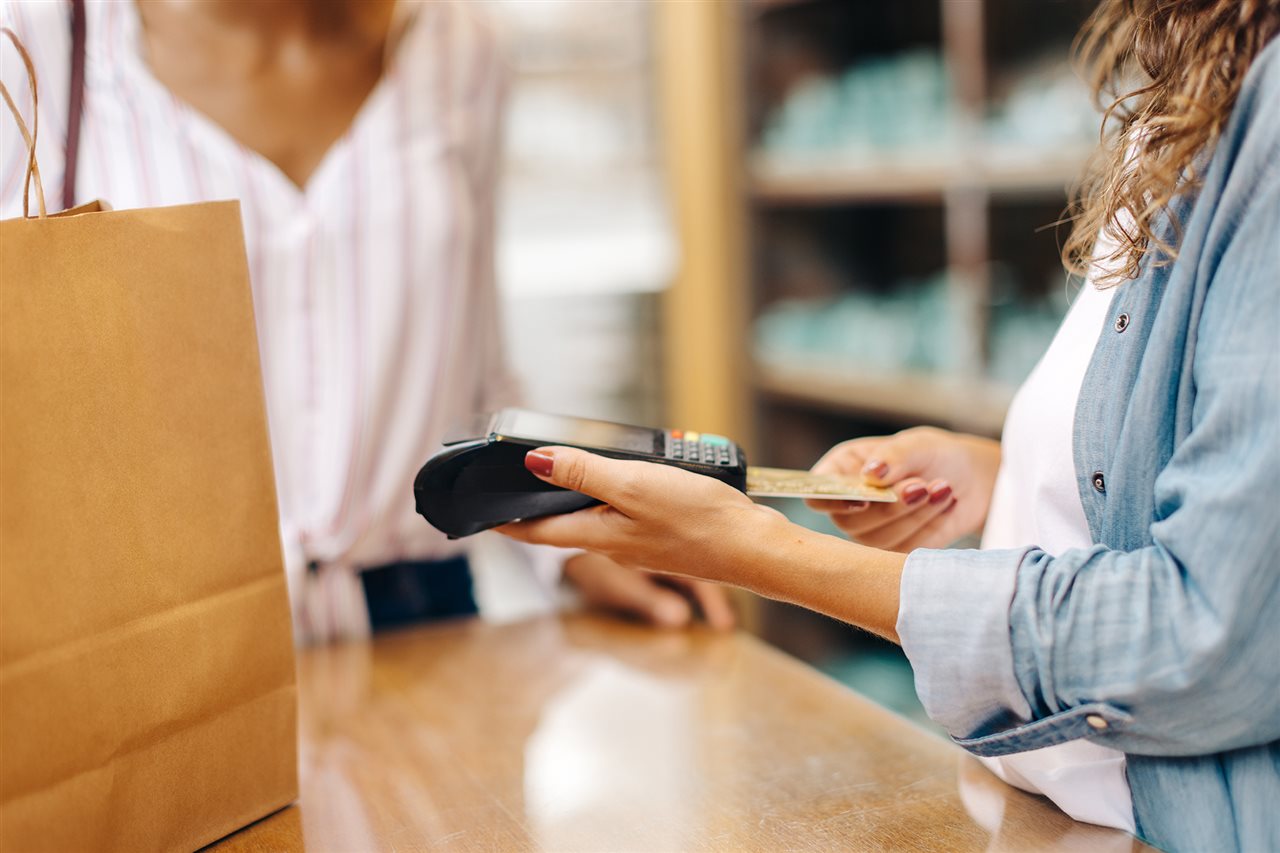
Woman swiping a credit card at a clothing store. Citi's Credit Knowledge Center tells how to maximize card rewards.

As consumers look for ways to stay on track, having access to helpful tools and flexible options can play an important role in supporting their long-term financial goals. Citi offers a range of resources and products to support everyday credit management, including:

  • Low-introductory rate credit cards: Citi offers various products including the Citi Simplicity® Card and Citi® Diamond Preferred® Card with low introductory rate offers to support financial flexibility.
  • Promotional offers: Existing Citi credit card customers can take advantage of offers like balance transfers and Flex Loans to help make their lives more flexible while using their existing credit.
  • Personal financial management tools: Citi also offers a variety of tools to help Citi credit card customers improve their financial understanding, including FICO® Score access.

“Responsible credit management can build resilience and support long-term financial well-being,” added Anand. “Taking the time to learn and seek support can lead to smarter financial decisions and greater confidence over time.”

To learn more about Citi’s credit offerings and resources, visit Citi.com/resources/citi-financial-pathways.

*Survey Methodology: Citi collaborated with Material+ in March 2026 to conduct a brief, focused survey around credit confidence, knowledge, attitudes, and behaviors. The sample was comprised of 1,000 U.S. adults age 18+, not employed in a sensitive industry (bank/financial institution, market research, ad agency/PR firm), who are household decision makers on financial services products and have at least one credit card. Sample targeting was in line with the U.S. general population on age, income, region, and ethnicity. The study was fielded between March 19 and 22, and has an overall margin of error of plus-or-minus 3 percentage points at the 95% confidence level.

How to manage summer’s top safety concerns for your pet

2026-05-20T01:01:01

(BPT) – Key Takeaways

  • Summer with pets is fun, but can bring additional safety and health worries.
  • A recent Rover survey found pet parents are willing to put in the effort and expense to protect their pets.
  • Pet parents need confidence that pet sitters and dog walkers are reliable and knowledgeable about summer safety risks.
  • Rover provides trusted care, for peace of mind that pets are living their best lives while pet parents are, too.

Summer travel season is ramping up, and for many pet parents, plans are increasingly shaped around one priority: keeping pets safe from seasonal risks.

A new 2026 Summer Safety Survey from Rover found that 88% of pet parents plan summer activities around whether their pets can join them. But alongside more outdoor adventures and travel comes increased concern about seasonal risks, particularly heat-related illness (32%) and exposure to fleas and ticks (38%).

Those concerns are personal for many pet parents. Nearly half of pet parents say their dog or cat has experienced heat exhaustion or dehydration, yet 64% admit they are not fully confident they know exactly what warning signs to look for.

Safeguard against fleas and ticks

Heading into the summer months, make sure your pet is up to date on your veterinarian’s recommended flea and tick prevention to alleviate this concern. Also keep your yard clear of organic matter, including leaves and clippings, where fleas might hide. If your dog often explores grassy or wooded areas, learn methods for safe tick removal.

Panting dog walking in the woods. Rover recommends protecting your pet from fleas and ticks.


How to keep pets safe during summer heat

Heat-related illness remains one of the biggest summer risks for pets. Despite widespread concern, many pet parents still struggle to identify the early signs of overheating. According to the survey, nearly half (46%) of pet parents report their pet has experienced heat exhaustion or dehydration at some point.

Early warning signs include:

  • Dogs: Excessive panting, lethargy, confusion or drooling. Severe signs are pale gums, foaming at the mouth or seizures.
  • Cats: Excessive pacing, panting, grooming, drooling or atypical vocalizations. Severe signs include stumbling, vomiting, loss of consciousness or collapsing.

For early warning signs, give your pet cool (not iced) water to drink, get them in the shade/air conditioning and apply wet towels or cool water to their head or neck. For concerns about your pet’s symptoms, consult your veterinarian.

96% of pet parents will go to great lengths to keep their dogs and cats safe from heat-related risks.

Ways pet parents care for their dogs and cats

Almost all pet parents (96%) will go to great lengths to keep their dogs and cats safe from heat-related risks. Their most common practices include:

  • Keeping indoor temperatures as cool as possible (73%)
  • Not leaving pets in unattended vehicles, even on cooler days (58%)
  • Limiting outdoor time to shady or heat-protected areas only (57%)

Other heat-safety best practices include adjusting outdoor time to cooler parts of the day, avoiding strenuous or excessive activity in general on hot days, and swapping outdoor time for more indoor enrichment activities.

Cat enjoying indoor air conditioning while looking out the window. Rover suggests keeping your pet cool in on a hot summer day.

When out and about, nearly half (45%) of pet parents bring portable pet bowls and water, and 23% use booties or paw wax to protect paws from the hot pavement. In addition, 19% of pet parents have their pets groomed specifically to prevent sunburn and overheating.

Dog  on a leash walking down the sidewalk. Rover recommends bringing water and a bowi while out on a walk with your pet.

The survey also highlighted the lengths many pet parents are willing to go financially to keep pets comfortable. Nearly 80% said they would sacrifice personal comforts to prioritize their pet’s safety during the summer months. More than half said they would spend up to $100 extra per month on cooling costs, 37% would purchase a new air conditioner specifically for their pet, and 31% said they would even cancel an expensive vacation in favor of their pet’s well-being.

Where to find someone to care for your pet when you’re traveling

Summer is also one of the busiest travel seasons of the year, leading many pet parents to seek reliable care while they are away.

If you need someone to care for your pet when you’re on a trip, use a reputable platform like Rover, the world’s largest online marketplace for pet care. Rover enables safer, more personalized pet care by connecting pet parents with trusted sitters who understand each pet’s unique needs.

Sitters offering pet care services on Rover receive safety guidance related to summer care, including monitoring for signs of overheating and ensuring pets receive adequate hydration and breaks from the heat. Sitters on the platform are also required to complete enhanced background checks and safety quizzes.

Cat on a lease in the grassy backyard. Rover helps connect pet parents seeking reliable care with pet sitters.

Pet care experts recommend scheduling a meet and greet with potential sitters before booking their services, particularly during busy travel periods. Planning ahead can help pet parents feel more confident that their pet’s routines, comfort and individual care needs will be maintained while they’re away.

Whether pets are joining summer adventures or staying home with a sitter, experts say preparation and heat awareness can go a long way toward helping pets stay safe and comfortable throughout the season. For more tips on how to enjoy summer with your pets in mind, visit Rover.com.

Three things you should know about bladder cancer

2026-05-19T12:01:00

(BPT) – Bladder cancer happens when cells in the bladder start to grow out of control. These cells can form a tumor and, over time, can spread to other parts of the body.

Bladder cancer isn’t always easy to detect, so it’s important to know what your chances (or risk) of getting bladder cancer may be and what to look for.

Do you want to better understand your risk for bladder cancer? Here are 3 things you should know:

1. The signs and symptoms of bladder cancer

Blood in urine (pee) is usually the first and most common sign of bladder cancer. Blood in your urine may:

  • Look orange, pink or dark red in color
  • Go away and then come back from time-to-time

Blood in your urine does not always mean cancer, but it’s important to see and talk to your doctor to rule out other causes like a bladder or kidney stone, an infection or kidney disease.

When should I talk to my doctor?
Always talk with your doctor about any changes in your urine or bladder habits, such as:

  • Having to go more often than usual
  • Pain or burning while you urinate
  • Feeling like you have to urinate right away, even when your bladder isn’t full
  • Having trouble going or having a weak urine stream
  • Getting up to go often during the night

Your may recommend exams or tests to learn the cause of the blood in your urine or changes in bladder habits.

2. Some people may have a higher chance of developing bladder cancer

The chances of developing bladder cancer increase with age. In the U.S., about 9 in 10 people with bladder cancer are over the age of 55. Bladder cancer is also about twice as likely to occur in white people compared to Black and Hispanic people, and it affects men more than women.

Smoking is a major risk factor for bladder cancer. People who smoke are at least three times as likely to get bladder cancer as people who don’t.

Does bladder cancer run in families?
Bladder cancer does not usually run in families. This means it’s not usually inherited from your parents.

What are some causes of bladder cancer?
Bladder cancer can be caused by changes in your genes (called gene mutations). These changes can cause cells to become cancerous and grow out of control.

These changes are not usually something a person is born with, and may develop later in life, possibly due to factors such as:

  • A person’s environment or lifestyle, such as using tobacco, especially if they smoke cigarettes
  • Not drinking enough fluids
  • Being exposed to certain chemicals at work
  • A history of radiation to the pelvis to treat other cancers

3. Certain jobs may put people at a higher risk of bladder cancer

Some people have jobs that may expose them to certain chemicals linked to a higher chance of bladder cancer, including industrial chemicals used in making rubber, leather, textiles and paint products. People who work as painters, firefighters, hairdressers and truck drivers can similarly be exposed to certain chemicals and fumes that might increase their risk of bladder cancer.

If your work might expose you to chemicals that could raise your risk of bladder cancer, be sure to follow good work safety practices.

Even if someone has one or more risk factors, it doesn’t mean that you will get bladder cancer.

Talk with your doctor about changes in your health.

If you notice changes in your urine or bladder habits, don’t ignore them – tell your doctor.

Ask your doctor if you have a higher chance of developing bladder cancer. This conversation may help you and your doctor catch bladder cancer earlier.

For more information and resources about bladder cancer, visit Merck.com.

Copyright © 2026 Merck & Co., Inc., Rahway, NJ, USA and its affiliates. All rights reserved.

Unleash the Bleach: Why Bleach Belongs in Your Everyday Cleaning Routine

2026-05-18T08:01:00

(BPT) – When it comes to household cleaning, people often only reach for bleach to tackle the toughest messes, like bathroom deep cleans, stubborn laundry stains, or disinfecting icky spots or spills, but bleach can do so much more. While bleach has long had a reputation for being intimidating or harsh for daily use, it’s time to rethink bleach as a versatile, trusted cleaning essential that belongs in everyday routines.

From brightening white laundry and refreshing old household items to helping flowers stay fresher longer, Clorox® Disinfecting Bleach can play a practical role in all kinds of daily cleaning and lifestyle moments. With the right know-how, that bottle of bleach tucked away in the laundry room can become a go-to solution throughout the home — one that helps make regular cleaning easy, effective and more approachable.

“Many people think of bleach as something you only use for the biggest cleaning challenges, but it can be an incredibly versatile product for everyday use throughout the home,” said Clorox’s Principal Scientist, Heather Day. “Clorox® Disinfecting Bleach has hundreds of different uses to help people clean with more confidence and make everyday routines a little easier, from refreshing your favorite old T-shirt and cleaning outdoor furniture to tackling unexpected messes.”

Common Uses Around the Home

When used as directed, Clorox® Disinfecting Bleach can clean, disinfect, sanitize, whiten, and deodorize surfaces throughout your home. Common applications include brightening white laundry, sanitizing cutting boards and hard surfaces like plastic children’s toys, deodorizing trash cans, and refreshing white clothing and linens that have lost their brightness. It can also tackle odor-causing bacteria in laundry and refresh plastic shower curtains and liners.

Unexpected Ways to Use Bleach

Beyond everyday cleaning, Clorox® Disinfecting Bleach offers surprising solutions in places you might not think to use it. For example, adding 1/4 teaspoon of Clorox® Disinfecting Bleach for every 1/3 gallon of water can help keep cut flowers fresher longer — a simple trick that prolongs the life of your bouquets. It can also be used to restore dull or cloudy drinking glasses to brilliance by soaking them for 2 minutes in a diluted bleach solution of one gallon of water and two teaspoons of bleach and rinsing thoroughly.

Using Bleach with Confidence

Clorox is encouraging households to start seeing bleach as a trusted, routine cleaning companion. By spotlighting bleach’s unexpected versatility, Clorox is helping consumers reframe its role in the home — not as something reserved only for tough jobs but as a dependable and effective go-to for everyday tasks.

As with any cleaning product, it’s important to use bleach as directed and follow product label instructions for safe and effective use. For complete directions and usage information, consumers should always refer to the label.

Easy snack ideas to add protein to your daily routine

2026-05-18T09:01:00

(BPT) – Sponsored by QUAKER

Key Takeaways

  • Americans are prioritizing adding protein into their daily diets, and snacking could be another opportunity to increase protein intake.
  • 86% of Americans are adding protein to their daily diet, and 63% say they would choose snacks with added protein over regular ones.*
  • Americans are looking for added protein in both salty and sweet snack options.
  • New Quaker® Protein Rice Crisps, available in Chocolate Caramel and Tangy Barbecue flavors, are great options.

When your days are packed with meetings, errands, chores and all of life’s daily chaos, it can be challenging to find convenient ways to meet your daily diet goals, including protein intake. With Quaker, you can enjoy the flavors of the delicious snacks you love and have functional ingredients like added protein.

The protein snacks market has grown over 11% from 2025 to 2026, showing that the demand is no longer just a trend. In fact, 86% of Americans are adding more protein to their daily diet, and 63% say they would choose snacks with added protein over regular ones. In addition, more than half of Americans (54%) prioritize protein during snacking occasions.

Here are some easy ways to help you meet your snacking goals.

New snacking options with added protein shake up the usual routine

Do you want added protein in your favorite snacks? Quaker has got your back, with tasty new snack options that make it convenient to add protein into your routine. New Quaker Protein Rice Crisps are airy, crunchy mini rice cakes with a light texture offering 6 grams of protein and 9 grams of whole grains per serving. They’re easy to pack in a lunch, take to work or just enjoy at home.

How to find gluten-free snack options

For anyone seeking gluten-free choices, Quaker Protein Rice Crisps are also gluten-free (see specially marked packages). They’re popped and never fried, with no artificial preservatives or flavors added.

Other gluten-free snack options containing protein that are easy to pack when you’re on-the-go include nuts, seeds and edamame. Some meat sticks and most cheese sticks are gluten-free, but some are not. It’s best to check the product packaging to be sure.

More than half of Americans (54%) are prioritizing protein during snacking occasions.*

Salty versus sweet snacks with protein

A majority of Americans (70%) want their salty snacks to have protein, while 65% want sweet snacks with protein.* Whatever you’re hungry for, Quaker Protein Rice Crisps offer a good source of protein in these two varieties:

Plan ahead to include more snacks with protein

Stock your pantry with protein-forward snacks during your weekly shopping run. When you have delicious options on hand — whether you’re at home, at work or out with the family — you’re able to make snacking choices you can feel good about. Quaker provides convenient options that taste good while helping you meet your goals to increase your protein intake.

To learn more about these and other products to add protein to your daily routine, visit QuakerOats.com.

*Online survey of 1,000 nationally representative Americans fielded by RepData on behalf of PepsiCo Foods U.S. Margin of error is +/-3%. Fielded from Jan. 5-21, 2026.

How to reset your personal care routine in 4 easy steps

2026-05-18T08:01:00

(BPT) – Key Takeaways

  • It’s a great time to refresh your daily routines. Start with making informed personal care choices.
  • Step one is to take stock of current products and declutter. Then focus on more intentional and transparent options.
  • Empower smart shopping aligned with your health and values by understanding terms like B Corp and “free from” claims.

A changing season is the perfect opportunity to refresh. As you clear out closets and swap heavy layers for lighter ones, don’t forget to freshen up the bathroom shelf. Personal care options can feel endless but knowing what to look for can help you feel more confident about what you’re choosing.

1. How to organize your bathroom shelf

Before diving in, do a quick check of what you already have. Check expiration dates. Toothpaste, deodorant and other daily staples may lose effectiveness over time.

In many cases, the most intentional choice is simply using up what you already own before reaching for something new.

2. Is your daily routine working?

Once you’ve checked expiration dates and confirmed everything is still good to use, take a closer look at what you have.

  • Which products are part of your daily routine?
  • Which ones have been sitting untouched and taking up space?
  • What ingredients are used in them?
  • And are they free from the ingredients that are important for you to avoid?

This quick look can help you identify what’s working, what’s not and where it might be time to make a change, without overhauling everything at once.

3. How to choose the best products and brands

Once you know what you need, the next step is reviewing your options. As you evaluate a new product, consider not just what’s in it, but the brand behind it — whether they are transparent about how they operate and the impact they have.

One of the clearest indicators of a brand’s accountability is B Corp Certification, overseen by the nonprofit B Lab, which evaluates a company across governance, workers, customers, community and environment — and audits it every three years. This shows that a brand holds itself to a social and environmental standard, not just a product one.

Tom’s of Maine is a certified B Corp and it’s a distinction the brand takes seriously.

“Tom’s of Maine’s B Corp certification is a reflection of 50 years of deliberate choices,” said Michelle Waring, Steward for Sustainability and Everyday Good at Tom’s of Maine. “From sourcing naturally derived ingredients to dedicating 10% of our annual profits to protecting nature, we hold ourselves to the high standards B Lab sets because we believe business should be a genuine force for good.”

4. Tips to navigate the meaning of “free from” claims

From there, labels can help you refine your decision even further. “Free from” claims communicate that a product has been intentionally formulated without specific ingredients. Think of them as cues to understand what a brand prioritizes and how a product was made.

Brands like Tom’s of Maine take a consistent approach, putting their ingredient philosophy into practice across everything they make — every product is free from artificial flavors, synthetic fragrances, artificial colors, artificial sweeteners and preservatives.

Ultimately, the goal is to know your own needs and preferences and choose based on what matters to you.

To learn more about Tom’s of Maine’s ingredient sourcing, safety standards and sustainability commitments, visit www.tomsofmaine.com and www.tomsofmaine.com/pages/our-mission.

Why emergency preparedness is the new wellness trend

2026-05-15T11:47:00

(BPT) – It’s 2 a.m. on a sweltering July night when you are awakened by unbearable heat and heavy humidity — odd considering that you’re sure the AC was on when you went to bed. However, you can’t hear the telltale hum that lets you know that cold air is circulating.

You reach for your phone to check if there’s a blackout in your area, only to find the battery at 3%. Not only are you physically uncomfortable from the rising heat inside your home, but you also feel incredibly vulnerable without your connection to the outside world.

When it comes to backup power, it’s critical to take a proactive approach, much like you would with your health and wellness. Waiting until you get sick or need to go to the doctor is more difficult to recover from in the long run than building everyday habits, like eating leafy greens for gut health or practicing mindfulness to avoid stress and burnout.

In short, preparing for an emergency like a power outage is more than just a practicality; it’s a critical facet of wellness.

Power readiness as self-care

Having a reliable backup power source and other emergency preparedness measures were once associated mainly with doomsday thinking. However, emergency preparedness is gaining traction as an essential lifestyle habit.

According to the Federal Emergency Management Agency (FEMA), a 2023 survey found 51% of adults believed they were prepared for a disaster — a 9% increase from 42% in 2017. During this same time frame, the survey found that more adults were taking preparedness action, suggesting that Americans have become more proactive and better informed about their risks.

In a world of rising incidences of unpredictable weather and an aging power grid, power readiness is a form of self-care. Just as you invest time and resources in improving your sleep routine, diet and emotional wellness to feel secure and stable, having reliable backup power offers you security and peace of mind.

Backup power solutions for all lifestyles

Backup power has come a long way. Cumbersome, loud gas generators are no longer the only option. Instead, homeowners and renters can choose from a variety of renewable energy solutions, such as solar generators.

For example, Jackery — a global leader in home backup, innovative solar generators and clean off-grid energy solutions — offers a full spectrum of power solutions, from whole-home backup systems that connect directly to home circuits to apartment-ready portable units. Because these generators run on solar power, homeowners and renters alike can generate their own electricity — no gas, no fumes, no noise and safe for indoor use.

Homeowners looking for a true gas generator alternative that powers home circuits via a transfer switch should consider a whole-home backup option like the Jackery HomePower 3600 Plus, the company’s flagship essential home backup unit. This is a serious backup power solution for seamless whole-home coverage without a permanent generator installation.

Couple sitting on backyard porch with the Jackery HomePower 3600 plus set up on the lawn.

Need something more powerful? Opt for the company’s Explorer 5000 Plus. This high-capacity whole-home backup powerhouse can power essential home circuits and is ideal for single-family homeowners.

Apartment residents can stay ready for a rolling blackout with the Explorer 2000 v2 or the Explorer 2000 Plus. These compact and portable units are perfect for apartment living — no installation required, no HOA issues, no building permissions needed. If the power goes out, you’ll know that you can keep the essentials, like your refrigerator, phones, laptops and fans, running.

For households that need a power source that marries power with portability, check out the Jackery HomePower 3000. This versatile unit bridges the gap between apartment-ready and whole-home capacity — powerful enough for homeowners but compact enough for larger apartment setups or condos.

Preparedness is empowerment

Being prepared for an emergency isn’t just about survival. Having reliable backup power offers you energy independence. It’s this independence that empowers you to weather a disaster with confidence, knowing that you can control your environment and protect your health and well-being.

Jackery’s backup power solutions are available at Amazon, Costco, Best Buy, Walmart and directly from the company. To learn more about power solutions and discover which best suits your needs, visit Jackery.com.