Video Games Remain America’s Favorite Pastime With More Than 212 Million Americans Playing Regularly

2023-07-13T07:01:00

(BPT) – The Entertainment Software Association (ESA) released its annual 2023 Essential Facts About the U.S. Video Game Industry report this week. The report reveals the number of Americans playing video games remains strong and encompasses players across all demographics including gender, race, ethnicity and age.

The 2023 Essential Facts report found that 65% of Americans play video games — which equates to about 212.6 million weekly players. Players and non-players alike agree that video games provide value to people’s lives, with 96% of all respondents saying they view video games as beneficial.

“Video games remain a mainstay in American households, as they have for decades. Playing video games has become the norm, as those who first learned to play on early consoles now share their joy of play with their own children and grandchildren, resulting in an expansive and diverse player community,” said Stanley Pierre-Louis, President and CEO of the ESA. “The Essential Facts report demonstrates that video games not only connect us, but also enhance our sense of well-being.”

This year’s report reaffirms that Americans of all ages, genders and races/ethnicities play video games:

  • Across all ages, video game players identify as about half female (46%) and half male (53%), with approximately 1% identifying another way or choosing not to identify for the survey.
  • The average video game player is 32 years old and has been playing video games for 21 years.
  • A quarter of American players are under 18 (26%), 35% are 18-34, 14% are 35-44, 11% are 45-54 and 14% are 55 or older.
  • Of adults who play video games, 72% are White, 10% are Hispanic, 8% are Black, 6% are Asian/Pacific Islander and 4% identified as ‘other.’

Video games bring Americans together and create communities where they otherwise might not be traditionally possible:

  • 80% of video game players play games with others.
  • 71% of players say games do a good job of creating welcoming and inclusive environments.
  • The majority of players (88%) agree that games help expand their social circles, and 82% say video games can introduce people to new friends and new relationships.
  • 76% of U.S. parents play video games with their children.
  • Half (50%) of players have met a good friend, spouse or significant other through games.
  • 87% of players say video games create accessible experiences for people with different physical abilities.

Video games are widely viewed as providing developmental and mental benefits to players:

  • Players believe video games provide mental stimulation (90%) and stress relief (90%) and help improve cognitive skills (88%). All respondents agree that video games can help build problem-solving (81%) and teamwork and collaboration skills (75%).
  • Younger (18 to 24) and older adults (65+) are especially likely to value video games for having fun and passing time, but older adults also say games stimulate thinking and help them relax.
  • According to players, video games also inspire people (80%), help teach kids how to win and lose in a healthy manner (74%), can be used to facilitate or supplement education in the classroom (72%) and help improve creative skills (85%).

Other noteworthy results from the 2023 Essential Facts include:

  • 58% of adult video game players use multiple platforms to play — they use a combination of mobile, consoles and/or PCs.
  • Smartphones remain the most used device for gaming — 64% of active players use a smartphone to play games and 12% of players exclusively use a smartphone to play games.
  • Among U.S. adults, casual genres, including puzzle and arcade games, continue to be the most played.
  • Of players’ total time spent on entertainment (TV, video games, music, etc.), video games account for a quarter of their time and are highly valued. Nearly half of players report that video games provide the most entertainment value for money spent.

Access the 2023 Essential Facts About the U.S. Video Game Industry report at www.theesa.com/facts.
Save money, reduce food waste: 5 tips to extend the life of fresh produce

2023-07-12T10:01:00

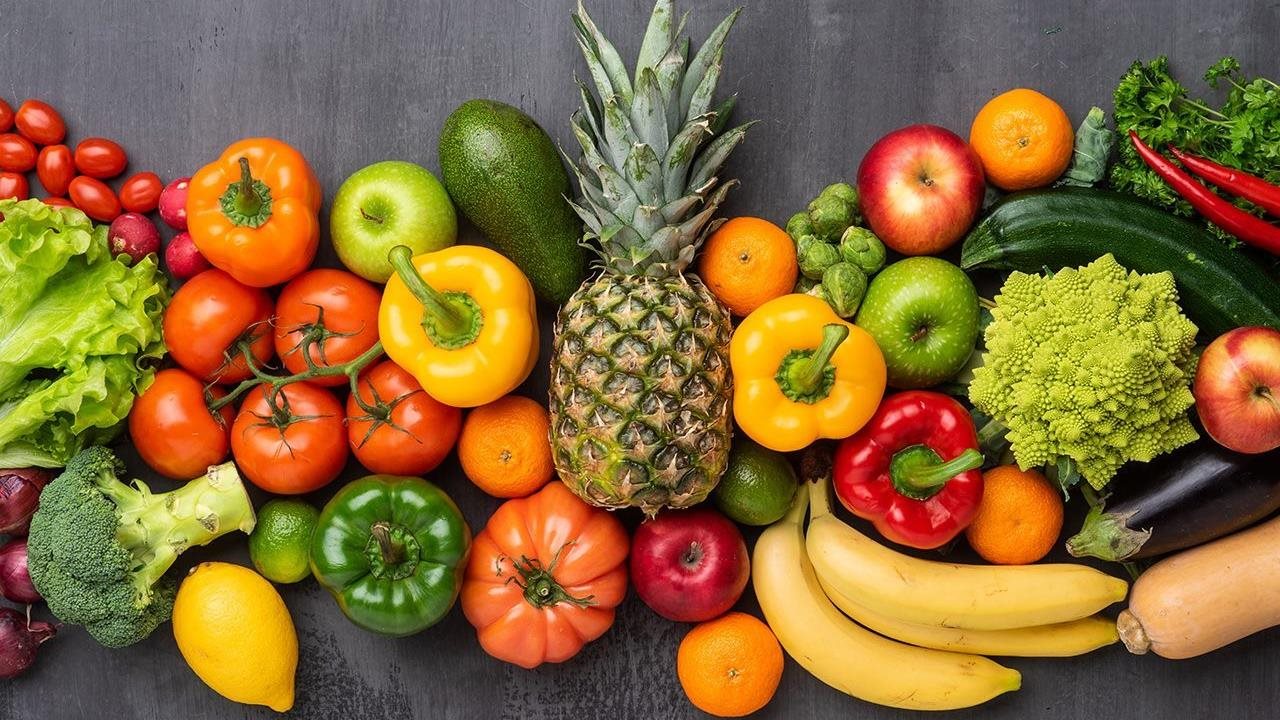
(BPT) – If you love fresh produce, nothing’s worse than discovering food you bought just days ago is already going bad. That means changing your meal plan, plus wasting money and good food. Fortunately, you can reduce food waste with a little planning and know-how.

Here are five tips to help you enjoy your groceries longer.

1. Plan before shopping

Create menu plans each week, aiming to use produce with a shorter shelf life first. Chop and freeze some to ensure they’ll last longer. Many veggies like carrots, celery, broccoli and cauliflower and fruits like berries, grapes and mangoes can be prepped and frozen in zip-top bags to extend freshness and simplify meal prep.

Frustrated by lettuce going bad quickly? Mann Packing Co. Inc. offers washed and ready-to-use Better Burger Leaf®, Better Red Leaf®, Better Green Leaf® and Better Romaine® single-cut lettuces to enhance any sandwich, burger or wrap.

Some items last longer than others. For example, Del Monte® citrus fruits last up to two weeks in the fridge from date of purchase — making them ideal to enjoy now or later. To extend fruit further, juice into ice cube trays and freeze.

2. Choose pre-prepped veggies

When you’re busy, chopping veggies can seem too daunting, leading to costly choices like takeout or delivery. According to the Labor Department, restaurant prices have outpaced grocery prices since mid-2021.

Make it easier to use what’s in your fridge with Mann Packing’s Steakhouse Style veggies. Their pre-washed, cut and ready-to-cook Broccolini® baby broccoli, Caulilini® baby cauliflower and fresh asparagus can simplify family meals, so you can easily create home-cooked meals as good — or better — than what you’d get from a restaurant. You can also find tasty prepped veggies and easy-to-use veggie combos like Mann’s Family Favorites® Broccoli, Carrots & Snow Peas — perfect for making stir fry, salads or casseroles — and Mann’s Organic veggies, which are ready for snacking, salads or cooking in your favorite dishes.

3. Reduce produce waste

It’s common to end up throwing away fresh produce simply because it was stored incorrectly. Some veggies last longer than expected if stored properly. For example, Brussels sprouts can last in a refrigerated plastic bag up to 1 week. Wash and place with a damp paper towel in a perforated plastic bag in the crisper drawer to maintain freshness.

To avoid waste, consider freezing some produce before it has a chance to go bad. For instance, peel then freeze fresh Del Monte® Bananas whole (for snacks), mashed (for baked goods) or sliced (for smoothies). Place sliced fruit in a single layer on parchment-lined baking sheets to avoid clumping. Once frozen, slices can be stored in plastic bags or containers.

While Pinkglow® Pineapples are harvested at the peak of ripeness and best eaten immediately, you can store a whole Pinkglow® pineapple in the refrigerator up to 2 days, or on the counter up to 3 days (not in direct sunlight) — or freeze up to 3 months. For the longest shelf life without freezing, place a whole Pinkglow® pineapple in your refrigerator 8-12 hours, then remove the top, bottom and shell and cut into spears or chunks. Place cut pieces in a sealed food storage container and refrigerate up to 7 days from date of purchase. Visit PinkglowPineapple.com for exciting pineapple recipe ideas.

Store Fresh Del Monte® Goodvocado® avocados correctly in a cool, dark place in a paper bag — or in the fridge 2-3 days. To refrigerate cut avocados, rub lemon or lime juice on exposed pulp to prevent discoloration.

4. Give new life to overripe produce

You may be able to use some overripened fruits and veggies. For example:

  • Overripe avocados? Del Monte® Avocados can be used as a better-for-you swap for butter in baked goods. With Del Monte® Goodvocado® avocados, you’ll get an inclusive pack featuring a variety of avocado sizes, perfect for any occasion.
  • Citrus fruit on its way out? Add zest to dressings, sauces, marinades or cocktails for extra zing. Only zest the colorful part of the rind, stopping at the white pith.
  • Grape tomatoes seen better days? Toss with herbs, olive oil, salt and pepper, then roast at 450 degrees for 20-25 minutes until they blister.

Smoothies are another option for fresh fruits and vegetables beginning to turn — and a tasty way to sneak nutrient-rich produce into kids’ diets!

5. Add more produce to meals

Add nutrients to your favorite recipes by incorporating more fruits and veggies into every meal.

  • Want to increase fiber and flavor? Add Mann’s Family Favorites® Rainbow Salad, Power Blend or Broccoli Slaw to pasta sauces, tacos or enchiladas.
  • Can’t finish an entire melon? Whip up some Melon-Avocado Gazpacho. Not only do you get to try a new, delicious recipe, but you can freeze the rest for later.
  • Unsure how to use a whole pineapple? Freeze pineapple cores. When making vegetable stock, add a frozen pineapple core to enhance flavor and create a nutrient-dense broth that, once strained, is perfect for Asian-inspired dishes.
  • Seeking better-for-you swaps? Replace frozen French fries with fresh-cut sweet potato fries like Mann’s™ Better Fries. Sure to please even your pickiest eater, these sweet potato fries are pre-washed, cut and ready to throw in your oven or air fryer. Other great swaps your family will love are Mann’s™ Better Rice, made from cauliflower, and Mann’s™ Better Pasta — fresh veggies noodles made from sweet potatoes.

For more information on Fresh Del Monte and Mann Packing Co. Inc. products, including retail availability and recipes, visit DelMonteFresh.com and VeggiesMadeEasy.com.

Ways to Make Business Travel Less Stressful During Conference and Events Season

2023-07-11T10:05:00

(BPT) – With conference and events season right around the corner, it’s time to brush up on business travel best practices. The following tips can help ease the stress often associated with business travel, so you can keep your focus on in-person experiences and make the most of career opportunities.

Make a Credit Card Your Best Friend

If you don’t yet have a business credit card, consider applying for one in advance of your next trip. They’re designed to help maximize your rewards on all business-related expenses.

You can also take advantage of a timely new Cardmember offer to help you earn rewards faster. Now until August 28, 2023, new Southwest Rapid Rewards™ Premier Business Credit Card from Chase Cardmembers can earn up to 120,000 Rapid Rewards® points. New Cardmembers can earn 60,000 points after spending $3,000 in the first three months from account opening, then an additional 60,000 points after spending $15,000 in the first nine months. This is a simple, yet effective way to earn points to fuel future work travel.

Think About Your Plans Early

When traveling for your business, mapping out trip logistics in advance can help eliminate the dreaded “what-ifs” of last-minute plans. Understanding your travel itinerary, like when and where you or your team are needed or schedules for presentations and meetings, can help you to select hotel and dining options that are close and convenient.

And, if you plan ahead, you can earn points just by staying at the right hotel. Southwest Rapid Rewards Premier Business Credit Card Cardmembers earn 2X points on every $1 spent on Rapid Rewards hotel partners.

Travel Like a ‘Boss’

It’s no secret that packing for an event can be hard when dressing to impress is important. Prior to arriving, research the dress code to ensure you pack properly for the events you are attending. Consider checking your hotel’s amenities to see if they have any laundering, dry cleaning services, or an in-room steamer to freshen your clothes, depending on the length of your stay. Even better, Southwest® Customers’ bags fly free® (first and second checked bags, weight and size limits apply) so you can bring everything you need no matter how long you’re staying.

And to ease the stress on travel day, consider checking in to your flight in advance and reading up on airline regulations prior to arriving at the airport. Thankfully, Cardmembers receive two EarlyBird Check-Ins® per year, and conference season is the perfect time to redeem this benefit to help minimize delays ahead of your departure.

Make Use of Your Time On-Site

Consider connecting and networking with other attendees leading up to the event so you can use your time on-site wisely by setting up meetings and making meaningful connections. To make the most of your learning experience, review the agenda beforehand, including schedules and programming, to ensure you can attend what you are most interested in.

During downtime, relax and recharge with a coffee, explore the areas around you, and grab a bite to eat with a colleague (or even a new connection!).

Everyone deserves a seamless travel experience, especially ahead of a business trip where you need to be at your best. Leveraging these tips can help you get where you’re going, while using your time wisely to minimize stress and maximize the points you earn the whole time.

*Accounts subject to credit approval. Restrictions and limitations apply. Cards are issued by JPMorgan Chase Bank, N.A. Member FDIC. All Rapid Rewards® rules and regulations apply and can be found at Southwest.com/rrterms.

The chasing arrows have you chasing your tail

2023-07-11T12:31:00

(BPT) – The three-arrowed triangular loop: you see it, and you know it. Or do you? Just about every type of plastic packaging today has that familiar symbol stamped on it, and while common thought links that symbol with recycling, that isn’t always the case. Good intentions can often be wasted by misinterpreting what that symbol actually means.

What many confuse as the recycling symbol on plastic packaging is actually called a resin identification code. Look closely and you will see a number stamped within the three arrows; this number is to help identify the polymer used to make the container, not identify its recyclability. The resin identification code was developed in the late 1980s to ensure a level of consistency in plastics manufacturing. Unfortunately, this symbol has created significant confusion for the everyday consumer as it closely mirrors the real chasing arrows recycling symbol.

Fortunately, over the last few years, with society placing a greater emphasis on recycling and the education behind it, we are seeing more brand owners rethinking the end life of their packaging. One notable change is better labeling. How2Recycle, a program developed by the Sustainable Packaging Coalition, is working to improve the standardized labeling system for recyclables and increasingly, brands are adopting their labeling. When you pick up your next box of your favorite breakfast cereal, look at the bottom and you will likely find two different recycling instructions, one for the box and one for the plastic bag. How2Recycle published findings from a consumer survey that showed the majority of consumers found value and increased trust when brand owners clearly label the materials and their recyclability (or lack thereof).

Not only have brands started the shift, but many states are laying the framework for Truth in Labeling laws that will prohibit the use of chasing-arrows symbols and the term “recyclable” on products that are indeed, not recyclable. This has gained such significant traction that the U.S. Environmental Protection Agency (EPA) is now calling on the Federal Trade Commission to remove the symbol from plastics that can’t be recycled altogether. The FTC has what they call Green Guides, and the EPA, as well as other environmental groups, believe these guides could be used to help educate consumers on recycling best practices.

With better labeling, consumers can recycle with more confidence. Until then, it is best to focus on the characteristics of plastics, rather than memorize a list of numbers. For example, rigid plastic containers, such as water bottles, milk jugs and shampoo bottles, are highly recyclable. These materials are also in demand as more consumer package goods companies implement stronger commitments to using recycled content in their packaging. Unfortunately, today, due to a lack of infrastructure, most plastic water bottles are not recycled into new plastic water bottles again. In many cases, they are downcycled into synthetic fibers for use in things like carpeting or clothing.

Later this year, Republic Services, a leader in the environmental services industry, will open the nation’s first Polymer Center in Las Vegas to meet the growing demand for recycled content. The Polymer Center will be part of a national network of facilities that will create high-quality recycled content that enables true bottle-to-bottle circularity. This means that when you place a water bottle in your recycling bin, it can become a new water bottle again.

Recycling plays an important role in reducing our impact on the planet. While current labeling practices can create confusion, by becoming more informed consumers, we can stop chasing our tails and help create a more sustainable world now, and for future generations.

Clog Monster makes his Hollywood debut: 5 ways you can help defeat him

2023-07-11T11:59:00

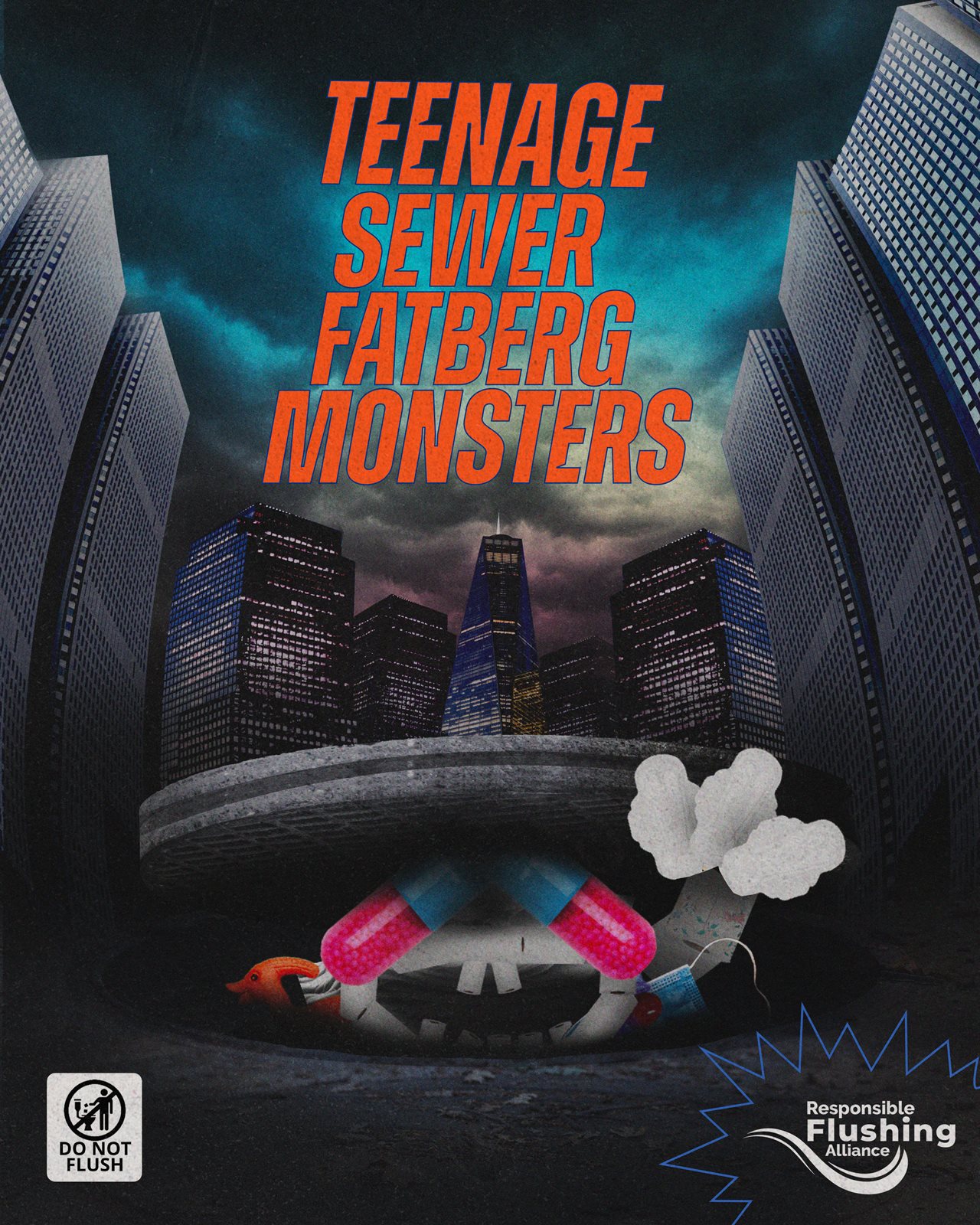
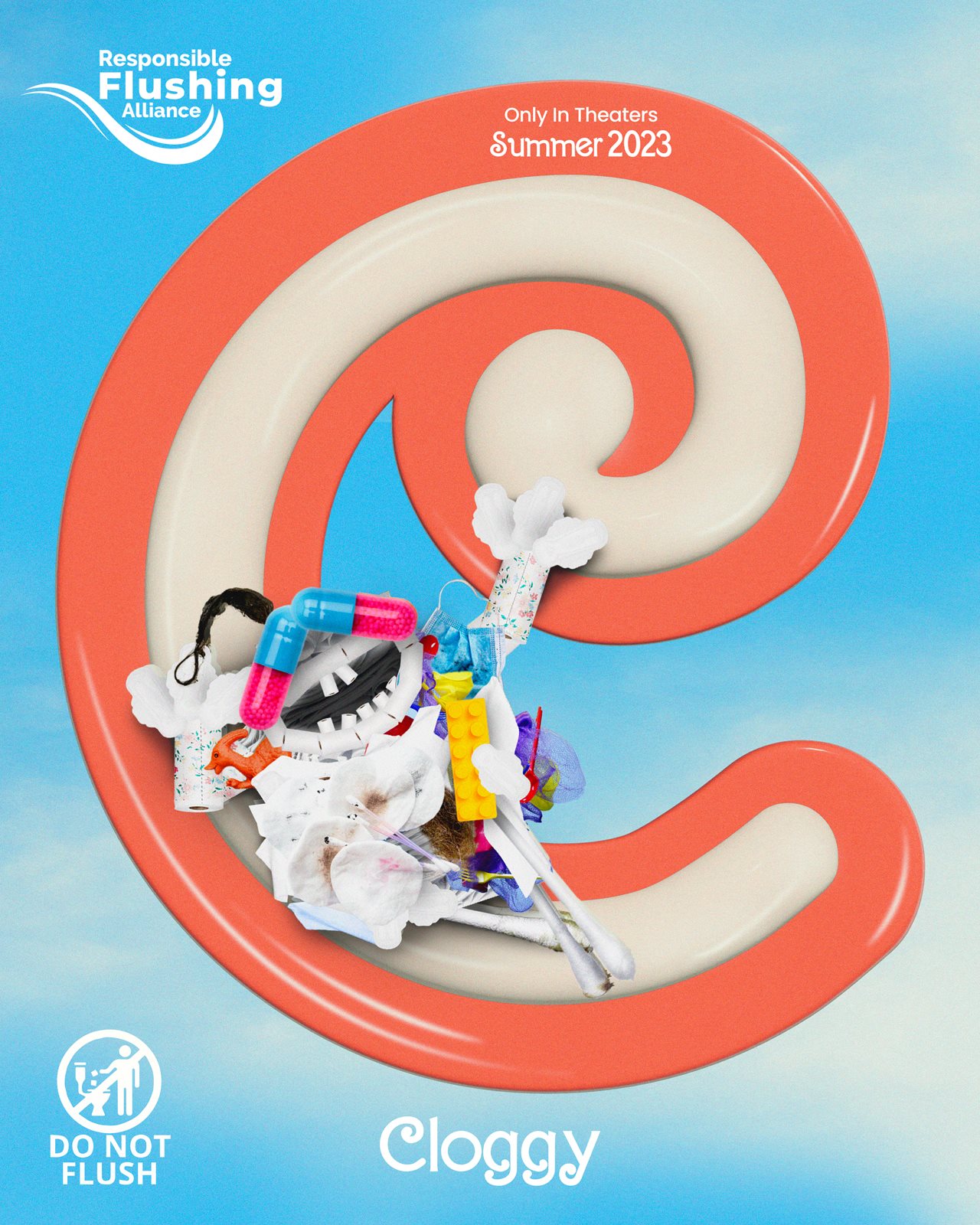
Prepare to see the Clog Monster as you’ve never seen him before…the only thing that can stop him is looking for the “Do Not Flush” symbol.

(BPT) – Now playing on a silver screen near you, the Clog Monster is finally making his Hollywood debut. He’s made his way from the dark, dank sewers and is now taking over your favorite films! Not only is the Clog Monster mucking up your movie time, but he and his fatbergs are causing damage to your plumbing and local sewers.

Underneath the city streets is a hidden world where Clog Monsters, fatbergs, and pizza reign supreme. We must all do our part to protect our wastewater systems. Always look for the “Do Not Flush” symbol on wipes packaging.


Without even knowing it, you may be helping feed the Clog Monster. For example, you may think you can flush any wipe down the toilet, but more than 90% of wipes sold are not designed to be flushed. When you dump non-flushables in the toilet, the Clog Monster becomes more powerful!

Experience the legend. Feel the might. Prepare for the return of King…Clog?

However, you can do your part to help stop the Clog Monster. On Flush Smart Day every July (and TBH, every day), be a hero and use these five tips to defeat the Clog Monster!

Let’s keep “artifacts” out of our pipes. Look for the “Do Not Flush” symbol on wipes packaging. That way you can avoid snaking out your drain.


1. Look for the sign

To help defeat the Clog Monster, you need to know how to spot a non-flushable item. You can figure out if an item will help the Clog Monster by looking for the “Do Not Flush” symbol. If you see it, always toss that wipe in the trash, and never the toilet, and keep it out of the villain’s grasp.

In a world where you can be anything, why not be #FlushSmart. Look for the “Do Not Flush” symbol on wipes packaging.

2. Don’t feed the clog monster

The Clog Monster can’t become more powerful if he doesn’t have food. Make sure to keep the following items away from your toilet:

  • Baby wipes
  • Period products
  • Cleaning wipes
  • Makeup wipes
  • Cotton balls, pads or swabs
  • Dental floss
  • Hair
  • Paper towels or rags
  • Trash
  • Cat litter
  • Medicine

By keeping these Clog Monster foods out of the toilet, you can help stop him in his tracks before he can cause more destruction to your city.

What’s that lurking in the shadows and crawling in the sewers? If you look for the “Do Not Flush” symbol on wipes packaging, you don’t have to find out. Keep the clog nightmares away with #FlushSmart habits.

3. Make a trap

What you pour down the toilet and sink can also create fatbergs and help the Clog Monster take over. When fats, oils and greases (FOG) collect in the pipes with non-flushables, they create the Clog Monster’s henchmen, the fatbergs. These large, rock-like foes can grow and grow, eventually clogging pipes and sewers and causing water pollution.

To keep FOG out of the reach of the Clog Monster, make a trap! Grab an empty vegetable or soup can, decorate the outside, and pour cooking oils into it to keep them trapped. You can find instructions on how to make your FOG can here.

I spy a mission that is not so impossible…Keeping our drains wipe-free!

4. Warn others

Many citizens may not know about the Clog Monster, so it’s your job to warn them! When friends and family come to visit, make sure to let them know what they can and can’t flush down the toilet. You can even make signs to put on or near the toilet with pictures of what needs to be thrown away. Once you’ve warned them, they can go on and warn others, so everyone can work together to defeat the Clog Monster.

Clogs find a way of destroying our pipes and sewers. Help make the Clog Monster go extinct by always looking for the “Do Not Flush” symbol on wipes packaging.

5. Better safe than sorry

If you can’t tell if an item is Clog Monster food, read the packaging for disposal instructions. If you’re still unsure, don’t take a chance and accidentally help the villain. When in doubt, throw it out!

Using these five tips, you can be a hero and help defeat the Clog Monster and his fatberg minions and protect your home, the sewers and the environment.

Under the sea…Under the sea…Darling, it’s better, down where there’s no Clog Monsters, under the sea. Keep our environment healthy and sewer systems functioning by using #FlushSmart habits.

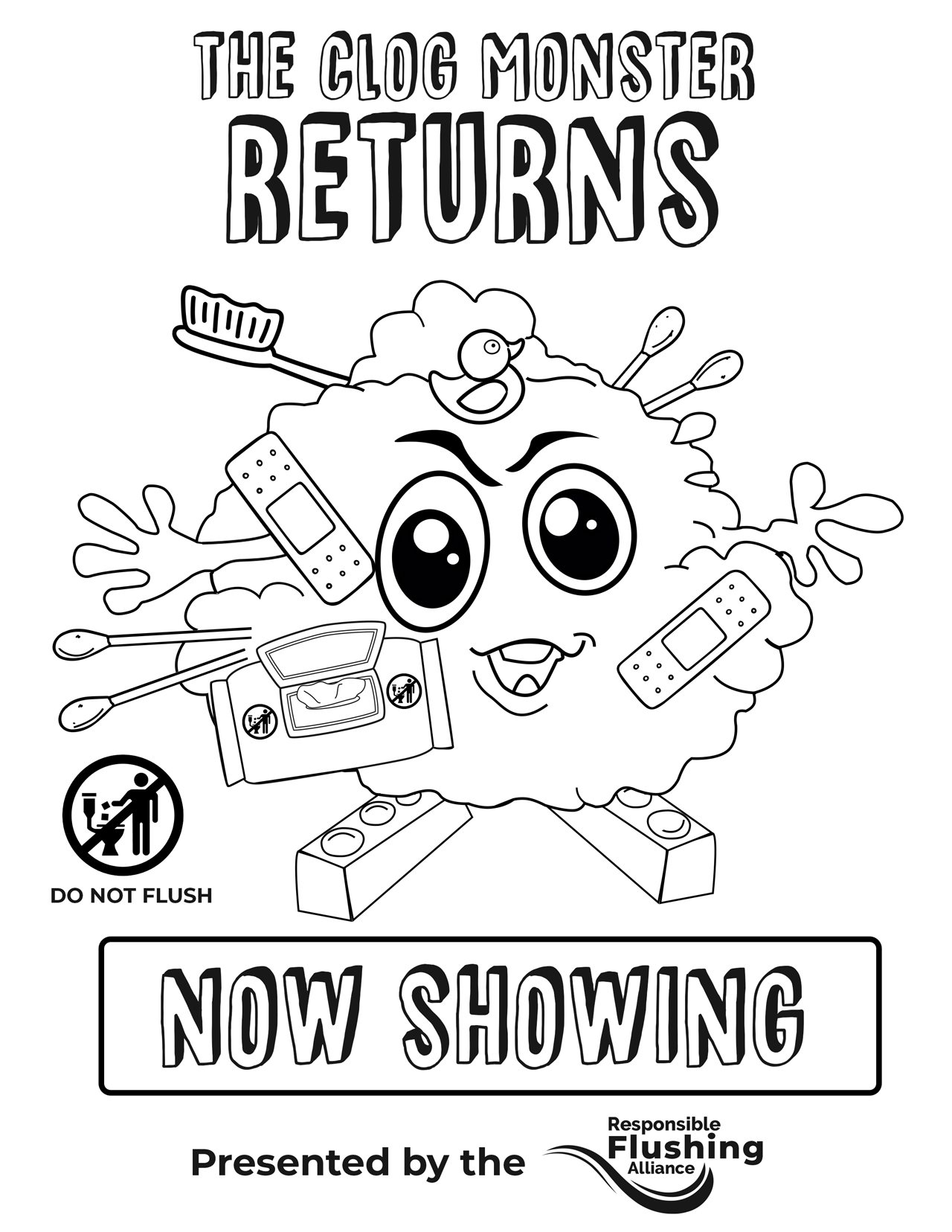
In celebration of Flush Smart Day, watch the Clog Monster movie trailer and make your own movie poster. To see all the movie posters, head to FlushSmart.org/resources, where you can print out a coloring page and unleash your creativity! Once it’s done, have an adult snap a photo and tag @FlushSmart on social media.

Make your own movie poster to stop the Clog Monster! Just print, color, and use the hashtag #FlushSmart when posting to social media.

Remember to help keep the Clog Monster at bay, always look for the “Do Not Flush” symbol on wipes packaging. If you see it, that wipe goes in the trash and never the toilet.

3 habits you can work into your daily routine to improve longevity

2023-07-11T11:01:00

(BPT) – Americans are optimistic about their longevity. A recent survey by MDVIP — a national network of primary care doctors focused on preventive medicine — and Ipsos found that 67% of Americans want to live longer than their parents and 87% want to take steps to live healthier for longer. However, 74% of Americans failed a basic 20-question quiz on the lifestyle factors that influence aging and longevity.

Living longer doesn’t happen by accident or by the grace of genetics alone. “Study after study has shown that our lifetime of decisions about what we eat, whether we exercise or whether we’re managing stress have a considerable impact on how well we age,” said Dr. Andrea Klemes, chief medical officer at MDVIP.

Another thing to consider is that extending your lifespan shouldn’t be the only goal. You want to focus on maximizing the number of healthy years of your life. By increasing your “healthspan” — how many years you live without serious disease — you can enjoy your life well into your 80s and beyond.

Here are three simple but essential habits you can incorporate into your life to help improve your healthspan.

1. Invest in your health like you do your finances

According to the survey, 54% of Americans admit they plan more for their financial future than their health. To invest in your health, you need to learn more about your family’s medical history and how lifestyle changes can improve your healthspan.

“Just like you start saving for retirement in your 20s, you need to start investing as early as possible in your health,” said Dr. Klemes. “Try taking a ‘portfolio’ approach to longevity and make sure you have a primary care doctor who will help you build the right mix of healthy habits based on your history, risk factors and goals.”

Investing in your health doesn’t require overhauling your life in one night. You can talk with your doctor about your current health status and work with them on setting realistic goals and benchmarks you can work toward over time. By creating a plan and making small incremental changes to your lifestyle, you can reap dividends in healthier years now and in the future.

2. Prioritize socializing and happiness

When you think about your health, you likely think about what you, as an individual, can do to improve your wellness and longevity. However, your health can be greatly impacted by the relationships you form and maintain throughout your life. That’s because having healthy, stable and strong relationships positively impacts your happiness.

According to an 85-year-long study by Harvard University, there is a direct correlation between social connections and longevity. People who have strong social ties with their friends, family and community are happier, healthier and live longer than those who are less well-connected.

Other research supports the Harvard finding. A 2022 article published in the Journal of American Geriatrics Society found that optimism is associated with healthy aging and longevity across racial and ethnic groups. Make it a point to schedule regular calls, meet-ups and activities with people you care about so you can be happier and help contribute to their happiness and health, too.

3. Find a primary care physician

Establishing a relationship with a primary care physician (PCP) and getting annual check-ups is vital to improving your healthspan. A PCP will get to know you and monitor any changes to your health that could otherwise be missed if you don’t have a regular doctor.

Another advantage of having a PCP is that you can talk about your risk factors and ways to prevent disease instead of reacting only to health problems as they appear. MDVIP-affiliated physicians focus on personalized care, early detection and preventive medicine. These PCPs have smaller practices, so they can spend more time and partner with patients to improve their health.

If you want to lead a healthier, more vibrant life, visit MDVIP.com/LongevityIQ and take the Longevity quiz to understand more about the factors that influence aging. There you can also learn what steps you can take to help extend your healthy years.

4 tips for healthier skin this summer

2023-07-11T08:03:00

(BPT) – As you enjoy the warm weather months, you may notice that your skin might not look and feel as healthy as it normally does. Don’t fret. More often than not, it’s a matter of making a few simple tweaks to your daily routine to adjust for the change in seasons. To help you achieve your best skin this summer, Registered Dietitian and Nutritionist Dawn Jackson Blatner shares a few tips to help you stay on top of your summer beauty routine.

1. Become best friends with sunscreen

Spending time outside in the sunshine is one of the many simple pleasures of summer. However, too much exposure to the sun’s ultraviolet (UV) rays can lead to premature aging, wrinkles and an increased risk of skin cancer. To fully enjoy the season, avoid sunburns and protect your skin by incorporating sunscreen into your skincare routine.

Regardless of whether it’s sunny or cloudy, make sure to put on broad-spectrum sunscreen with a high SPF every morning. If you’re spending long periods of time outdoors, make sure to have sunscreen on hand to reapply every two hours.

2. Limit sugar for your skin’s sake

No matter what season it is, too much sugar can decrease the health of your skin. When you eat sugar, it enters your bloodstream and attaches to proteins, forming advanced glycation end-products (AGEs).

According to a review in the journal Nutrients, AGEs damage the collagen and elastin in your skin, which can lead to wrinkles, inflammation and premature aging. To keep your skin healthy, swap sugary beverages and foods to lower sugar options to reduce the formation of AGEs.

3. Stay hydrated

Water plays a vital role in maintaining your health, especially when it comes to your skin. When you’re dehydrated, your skin can look dry, dull and flaky. According to early research, staying hydrated can increase blood flow to the skin, which may help skin elasticity, texture and support a natural glow.

By getting into the habit of hydrating regularly, you’ll not only feel better, but your skin will look better, too. Carry around a reusable water bottle and add hydrating foods, like watermelon and cucumber, to your eating routine.

4. Nourish from within

If you want to maintain healthy skin, it’s important to nourish from within by eating balanced nutrition. Blatner recommends eating meals and snacks rich in protein, antioxidant-rich produce and healthy fats to help you look and feel your best this summer.

Try including recipes like this delicious Summertime Egg Skillet from Eggland’s Best, which contains essential ingredients for healthy skin like eggs, avocado and tomatoes. Eggland’s Best eggs contain 10 times more vitamin E than ordinary eggs, which helps to promote healthy skin. They’re also an excellent source of vitamin B5, which enhances the skin’s natural healing process.

Summertime Egg Skillet

Prep: 15 minutes

Cook time: 10 minutes

Serves: 4

Ingredients

  • 4-5 large Eggland’s Best eggs
  • 3 garlic cloves, chopped
  • 2 tablespoons olive oil
  • Handful of cherry tomatoes
  • Salt and pepper to taste
  • Red pepper flakes for extra kick
  • 1/4 cup of crumbly goat cheese
  • Crusty toasted baguette
  • Fresh basil to taste
  • Avocado sliced to finish

Preparation

  1. Grab an oven-safe skillet. Add olive oil and 3 chopped garlic cloves on low to medium heat until they begin to brown.
  2. Add a handful of cherry tomatoes and turn up heat to high, watching as they begin to blister.
  3. Lower to medium heat and add chopped fresh basil.
  4. Crack a few eggs into ramekins, slide them into the skillet and sprinkle crumbly goat cheese.
  5. Place the skillet in the oven at 375 F for approximately 7-8 minutes until the eggs are cooked through but still slightly runny.
  6. Add avocado and more fresh basil and serve with crusty bread!

As you enjoy the summer months, don’t forget to prioritize your skin health. By following these four simple tips, you can achieve a healthy and radiant glow that lasts all summer and beyond! To find more nutritious recipes that can nourish your whole body, visit EgglandsBest.com.

6 tips to help you pay for your college education

2023-07-11T07:01:00

(BPT) – While heading to college is a great adventure, the cost of college is sky high. Whether you’re still in high school or planning your enrollment at a state public school or a private college, here are some tips for what you can do now to be able to cover your college expenses.

1. Get your finances in order

If you’ve already chosen a school, get a detailed annual cost estimate and compare it to your existing savings, income and budget. If you haven’t picked a school yet, understand the potential cost differences between community, in-state and private schools. If college is still several years away, factor saving into your monthly budget.

2. Look for funding

No one wants to start off with student loan debt. But sometimes it’s the only way. First, make sure you have a college savings plan that allows tax-free withdrawals. Then, see if there are gaps in your college fund and look into federal loans, grants or scholarships.

3. Get a head start

Fill out a FAFSA application for federal student aid. To cover the gap, ensure you apply early so you don’t miss your school’s deadlines. A gap in funding happens when federal student aid and scholarships don’t cover all your college expenses.

4. Look into private student loans

Private student loans are for when federal student loans, grants, savings and scholarships don’t cover all your qualified higher education expenses. Applying for these loans is easy. For example, at Navy Federal Credit Union, a student loan application takes less than 15 minutes, and you have a variety of repayment options while you’re in school to help reduce your overall loan costs.

Plus, with a Navy Federal private student loan, you’re automatically eligible for a Career Assistance Program — online tools and training that can help you level up your resume, hone your interviewing skills and find job search opportunities and other tips.

5. Get a cosigner

Private lenders want to know you can handle repayment before giving you a loan. A parent, other family member or even a trusted friend with good credit can agree to back your loan. Having a cosigner may even help you get a student loan at a lower interest rate.

For example, Navy Federal allows you to request a cosigner release after you graduate school and make 24 on-time payments in a row.

6. Borrow the right amount

You may not know what all your college expenses will add up to, so it can be hard to know how much to borrow. Base the amount of your private student loan on the cost of your school’s attendance, which includes college tuition and college expenses like fees, books, computers, meals, travel and housing.

Navy Federal Credit Union is federally insured by NCUA.

Balancing parenting and sleep: 4 tips to improve your bedtime routine

2023-07-10T11:33:00

(BPT) – If you’re a parent, you know that one of the hallmarks of parenthood is sleepless nights. Whether you have a newborn or a preteen, you may think that you don’t sleep as well as you did before having kids. For its second annual sleep study, “Sleep Uncovered: How Parents Sleep,” Mattress Firm set out to find out just how parents are sleeping. The results show notable differences between parents and nonparents, including in emotional health, how rested they feel and how they value sleep.

In collaboration with SleepScore Labs™, this study surveyed more than 1,400 adults, including 1,047 parents with children ages 1-12 living at home and 368 nonparents. The results found that the more children a parent had, the less they slept: 68% of parents with three kids agreed they slept better before having children. Older parents and single parents also experienced diminished sleep. Of all ages groups, those whose youngest child was between the ages of 6 to 12 reported 50 minutes less sleep per night than parents with the youngest child between the ages of 1 and 5.

The study found that parents were less likely than nonparents to prioritize sleep and more likely than nonparents to fit exercise or taxing activities into their time before bed. In fact, less than 42% of parents said sleep was very important to them, compared to 65% of nonparents; this is likely due to competing family priorities that push sleep to the backburner. It’s crucial for parents to start prioritizing sleep in order to maintain their health and well-being so they’re at their best when caring for their children. While it’s widely accepted that sleepless nights and disrupted rest are just a normal part of parenthood, it doesn’t have to be. If you find it difficult as a parent to sleep well, check out these four tips to improve your sleep hygiene for a restful night’s sleep.

1. Stick to a regular sleep schedule

About 41% of parents reported getting out of bed at different times throughout the week, compared to 23% of nonparents. It can feel like a luxury to sleep in on the weekends when you don’t need to get your kids off to school, but doing so can disrupt your body’s circadian rhythms.

According to the Mayo Clinic, having a consistent sleep schedule reinforces your body’s sleep-wake cycle. The occasional lie-in is fine, especially if you’re catching up on sleep debt, but if you want regular restful sleep, you should aim to go to sleep and get up at the same time every day.

2. Relax before bed

Many parents establish an evening routine for their children, such as limiting screen time before bedtime, bathing, brushing their teeth and getting tucked in with a story. A similar bedtime routine can help parents sleep better, too. Sleep.com recommends starting your bedtime routine at least an hour before going to bed, reducing blue light (including from phones) and minimizing food and drink. Use this chunk of time to engage in self-care, which many single parents can find challenging to do during the day. According to the survey, 21% of single parents said they make time for self-care throughout the week, compared with 37% of partnered parents.

So, put away the electronics, dim the lights and engage in soothing, relaxing activities like reading a book or listening to a podcast — Chasing Sleep has a whole episode about sleep and parenting — taking a warm bath or drinking herbal tea.

3. Stress when the sun is out

Once your kids are asleep, you may find yourself catching up on bills and other tasks you couldn’t get to during the day. However, anxieties can rile you up and keep you from being able to turn off your mind for sleep. To help keep your to-do list from interrupting your nightly sleep, set aside time each day to tackle the most complex tasks. Behavioral sleep psychologist Jade Wu, Ph.D., also recommends making what she calls a “mental litter box” to hold all of your worries. She recommends letting your mind worry about any looming issues for a few minutes during the day, then putting those concerns back into the mental box so that they don’t pester you while you’re trying to sleep. After all, getting good sleep can help you feel more emotionally resilient to tackle the big stuff. “It’s a lot harder to weather setbacks, feel upbeat, be patient and do all the other things required as a parent when you don’t sleep well,” Wu says.

4. Create a soothing sleep environment

About 61% of parents agree that changing their bedroom setup would result in better sleep. With just a few adjustments, you can create a space that will have you falling asleep quickly and deeply. Dr. Chris Winter, MD, neurologist and Mattress Firm’s Sleep Health Expert, believes creating a soothing bedroom environment begins with the five senses. To create the perfect sleep foundation, Dr. Winter recommends keeping the room dark, cool and quiet, as well as sleeping on a comfortable mattress and linens and using a pillow based on individual sleep needs. It will take time to establish new sleep habits, but with a little patience and effort, you can improve your chances of getting consistent, quality sleep. Using these four tips, you’ll be on your way to better sleep so you can wake up refreshed and ready to take on a new day. To learn more about the “Sleep Uncovered 2023: How Parents Sleep” report, visit MattressFirm.com.

For a healthy start, add routine vaccines to your child’s back-to-school checklist

2023-07-10T07:01:00

(BPT) – It is the season of “back-to-school” checklists, and there is one task that is important to cross off: a checkup to ensure your child is caught up on their routine vaccinations. After a summer of fun, routine vaccines can help make sure your child’s immune system is well prepared to protect them from serious diseases like measles, polio and chickenpox.

The latest data from the Centers for Disease Control and Prevention (CDC) show that 93% of kindergartners in the U.S. got their recommended routine vaccinations. While the overwhelming majority of children are getting their vaccines, the data also showed a 1 percentage point drop in vaccination coverage for the second year in a row. That means at least 250,000 kindergarteners may lack important protection from preventable childhood diseases. Now is a great time to catch up!

Parents, are you ready to get your child off to a healthy start this school year? Test your knowledge of routine childhood vaccines.

Which of the following is true about routine childhood vaccines?

Many children have missed recommended childhood vaccinations over the past few years.

True. Now is an excellent time to take your child to a well-child visit and catch up on any recommended vaccinations. CDC and the American Academy of Pediatrics recommend children catch up on routine childhood vaccinations and get back on track for school, childcare and beyond.

Getting children caught up with recommended vaccinations is the best way to protect them from a variety of vaccine-preventable diseases and keep them in school and participating in other activities.

True. Children who are not protected by vaccines are more likely to get diseases like measles and whooping cough. These diseases are extremely contagious and can be very serious, even deadly. In recent years, there have been outbreaks of measles in the United States, especially in communities with low vaccination rates.

Children may qualify for no-cost vaccines.

True. The Vaccines for Children (VFC) program offers vaccines at no cost to children who qualify. In fact, more than half of American children younger than 19 years old receive VFC vaccines. Ask your doctor if your child may qualify.

Vaccines are safe and effective against preventing diseases.

True. The United States’ long-standing vaccine safety system ensures that vaccines are as safe as possible. Currently, the United States has the safest vaccine supply in its history. Millions of children safely receive vaccines each year. The most common side effects are very mild, such as pain or swelling at the injection site.

Prepare your child for a healthy start to the school year by ensuring your child is up to date on their routine vaccines. Learn more about routine childhood vaccination and schedule an appointment with your child’s doctor today.