
Health Hack: How Travel Can Transform Your Physical and Mental Well-Being

2025-05-07T10:01:00

(BPT) – Getting older is a gift, one that can bring joy, wisdom and the opportunity to enjoy life’s next chapter. While it can naturally also be associated with health challenges, new research has suggested that travel helps people age well at every stage of life. In the AARP 2025 Travel Trends survey, 85% of adults 50-plus agree travel is beneficial for their physical health and 95% say travel is beneficial for their mental health. So, whether you are hoping to decompress, looking for more social interaction and mental stimulation, ready to explore new destinations or ramp up your physical activity, immersing yourself in travel can boost your longevity.

“Travel isn’t just a passion for those 50-plus, it’s a path to healthier aging,” said AARP Services Director of Travel Steve Guilday. “While the cost of taking a trip may be a hindrance, an AARP membership offers meaningful savings that support both your well-being and your wallet, making it easier to travel smarter and feel better doing it.”

You can plan your trip … by taking advantage of these AARP member benefits.

Choose Your Destination

Spending time with family and friends is a top motivator for travel in 2025, so why not go back to your roots with Ancestry? AARP members can discover the cities, regions, or countries of their family origin and save 30% on the first year of an All Access or a World Explorer subscription. With access to records and online tools to search, you can save and share your family history. If you’re new to Ancestry, you’ll receive the discount on the first year of your subscription only. For those with an existing account, you’ll receive the discount when you renew your subscription for a year. Unlocking your origin provides an exciting and unique roadmap for your next vacation destination.

Speaking of destinations, you can explore the world with ease because Grand European Travel is here to guide you to the ideal destination for your dream getaway. From Europe to Asia, Africa to Australia, you can discover all the sights these places have to offer by using your AARP member benefits to save up to $100 per person. For a limited time, save up to 15% off on Fall Travel with Grand European Travel! Lock in a great deal on select August – October departures to destinations around the globe during their annual Fall Travel Sale. Ends 5/29/25.

Travel Wisely

Traveling well doesn’t mean there aren’t ways to save throughout your trip. Whether you need to rent a car once you reach your destination or you don’t want to put the miles on your own car, AARP members can save up to 35% off base rates when choosing the Pay Now option at reservation or up to 30% off when you choose to Pay Later at the pickup counter with Avis. Plus, members receive a 3% credit to apply to future rentals, a free upgrade on compact through full-size car class bookings (subject to availability) and an additional driver at no extra cost. For a limited time, AARP members can also save an extra $15 through the end of June on rentals of three days or more when spending $175 or more.

For extra savings while on the road, link your AARP membership with your Exxon Mobil Rewards+™ account to earn extra points on everyday purchases like fuel, car washes and convenience store items, plus 2x the points on fuel on member days. AARP members who are new to the Exxon Mobil Rewards+ program also get a 500-point welcome bonus after their first fill-up. Every 100 points equals $1 in savings redeemable on fuel, car washes or store items. Use the Exxon Mobil Rewards+™ app or your phone number and PIN at the pump once linked.

Wherever you roam, a comfortable and relaxing place to stay will be top of mind as soon as you arrive at any of the 9,000+ Wyndham Hotels & Resorts properties. AARP members save 10% off the best available rate and for a limited time, you can stay 2+ nights and save 15% off Wyndham Hotels like La Quinta, Baymont, and Days Inn. Book by June 30 and stay by September 1.

Prepare Properly

Well before your departure, make a list to ensure you’ve tackled all of your “away from home to-dos” so you can enjoy your travels stress-free. If you have pets, for example, make a plan for boarding or a pet sitter if they won’t be traveling with you. Be sure to review your pet insurance policy to make sure they are covered for qualifying care for any unexpected injuries and illnesses, emergency vet visits, or routine prescription meds and supplements. If you don’t have pet insurance or are looking to make a change, AARP members can save 10% on monthly premiums for the lifetime of their pet’s policy with Fetch Pet Insurance.

Preparation can also include getting in the right frame of mind. Travel can significantly benefit your mental health by providing stress relief, boosting well-being, and promoting personal growth. Use your member benefits to help support your mental health while on vacation and maintain it after with access to free self-guided programs and self-care strategies from Dario. In the guided programs, you have access to activities, meditations and games that can help strengthen your mental health journey. With Dario, you can find content and tools that may help you relieve stress, sleep better, lift your mood and more.

Finally, make sure you don’t miss a spectacular landmark or brilliant sunset with a new pair of glasses. An AARP membership can help members explore their destination in style with 20% off frames + 50% off prescription lenses with the purchase of a complete pair of eyewear and 30% off non-prescription sunglasses at LensCrafters.

Try traveling as your new health hack and save by using your AARP membership. Learn more about additional discounts for AARP members by visiting https://www.aarp.org/membership/benefits.

AARP and its affiliates are not insurers, agents, brokers or producers. AARP member benefits are provided by third parties, not by AARP or its affiliates. Providers pay a royalty fee to AARP for the use of its intellectual property. These fees are used for the general purposes of AARP. Some provider offers are subject to change and may have restrictions. Please contact the provider directly for details.

Empowering caregivers: Resources and strategies for success

2025-05-07T07:01:00

(BPT) – One in five Americans is a caregiver, meaning they regularly assist relatives, spouses, friends or neighbors with basic tasks like feeding and dressing.

And as our population ages, the need for caregivers is expected to grow even more. Roughly 3% of Americans currently have long-term care insurance, leaving many to rely on family caregivers for regular support.

Utilize available resources

While caregiving can be rewarding and emotionally fulfilling, it can also lead to high levels of stress and fatigue.

“For many people, becoming a caregiver isn’t a choice; it’s the result of a crisis,” says Dr. Michelle Bolden, the founder of Call for Caring who earlier this year received her DNP from Chamberlain University. “When you’re placed in this situation, you must be willing to ask for the help you need, whether that’s from family, friends or community members, and utilize the resources that are out there.” Call for Caring’s website, for example, offers information, programs and grants to support caregivers locally in Atlanta and nationwide.

Pillars of successful caregiving

Dr. Eboni Green, co-founder of Caregiver Support Services and academic program coordinator at Walden University, advises those considering family caregiving to ensure they have the necessary skills to effectively navigate these new responsibilities. She says, “While you may not foresee every challenge, having the right training, a supportive community and the necessary tools can significantly impact your caregiving experience and help you be the best version of yourself.”

Dr. Green’s recent book, “The 7 Pillars of Successful Caregiving,” outlines the importance of self-care, empathy, empowerment, kindness, patience, communication awareness and active listening. In particular, she emphasizes the significance of empowerment in creating a supportive environment. “By embracing empowerment, the focus shifts towards enhancing individual capacities, fostering self-awareness,” she says. “This approach not only nurtures personal growth but also cultivates a sense of agency and autonomy in those under care.”

Preventing burnout

Professional and nonprofessional caregivers alike can easily become emotionally, physically and mentally exhausted. Nearly half of caregivers receive no formal support, and 36% report feelings of depression. In honor of National Nurses Week, Drs. Green and Bolden advise their fellow nurses and caregivers on strategies to combat burnout:

  • Take a real break: Take time to step away and recharge. At the end of the day, leave your work at work.
  • Avoid overcommitting: Be mindful before taking on extra shifts. Prioritize time with family and personal activities.
  • Challenge negative thoughts: Identify self-critical thinking patterns and replace them with positive affirmations. Remember your “why.”
  • Emphasize self-care: Dedicate time to activities that nurture your well-being and stick to them. Quick and inexpensive techniques like mindfulness and meditation work wonders.

“There are so many pathways you can take within nursing, like academia or healthcare administration,” Dr. Bolden shares. “If you’re experiencing burnout, I’d recommend exploring if a different branch of nursing might be a better fit for you.” If you’re ready to take the next step in your nursing career, visit Chamberlain.edu and Waldenu.edu to explore their flexible program offerings.

Top 5 things you need to know about Certified Registered Nurse Anesthetists

2025-05-06T12:01:00

(BPT) – When you or a loved one undergoes a surgical procedure, it can be overwhelming. Many healthcare professionals comprise the surgical team to ensure your well-being throughout the process. Nurses are among those who make a big impact on your quality of care. One type of nurse who may be involved in your surgery and pain management is a Certified Registered Nurse Anesthetist (CRNA), also known as a nurse anesthesiologist or nurse anesthetist. CRNAs are advanced-practice registered nurses who play a critical role in safe surgeries, airway management and making patients comfortable and pain free.

“Because of their unique experience in critical care nursing and advanced training in anesthesia care, CRNAs are qualified to improve patient outcomes in all healthcare settings where anesthesia is delivered,” said President of the American Association of Nurse Anesthesiology (AANA) Jan Setnor, MSN, CRNA, Col. (Ret.), USAF, NC. “Thanks to their specialized skills, rigorous education and expertise in advanced patient assessment, CRNAs have expanded the nation’s critical healthcare workforce by providing expert, compassionate care for the whole patient. Being a CRNA is a highly meaningful and fulfilling career.”

In honor of National Nurses Week, celebrating the contributions and sacrifices of everyone in the nursing profession, here are five facts about how CRNAs make a difference for patients.

Certified Registered Nurse Anesthetists:

1. Are advanced practice registered nurses who put patients first and practice with a high degree of autonomy and professional respect. They’re trained to practice without supervision in all settings, including hospital surgical suites, ambulatory surgery centers (ASCs), offices of dentists, podiatrists, ophthalmologists, plastic surgeons and pain management specialists, plus U.S. military, Public Health Services and Department of Veterans Affairs healthcare facilities.

CRNAs are qualified to make independent judgments regarding all aspects of anesthesia care based on their education, licensure and certification. They are educated and trained to make moment-to-moment adjustments and judgments to handle any complications that may arise with any anesthetic procedure, including pain management procedures. They are also the only anesthesia professionals with critical care experience prior to beginning their formal anesthesia education.

CRNAs safely administer over 58 million anesthetics to patients each year in the U.S. Nurse anesthetists deliver comprehensive care using all accepted anesthetic techniques including general, regional, sedation, local and pain management.

2. Require extra years of training and certifications — The education and experience required to become a CRNA is extensive, totaling a commitment of eight years or more in both clinical and educational experience. Today’s CRNAs enter the workforce with a doctoral degree, have a license as a registered nurse (RN) and/or APRN in the U.S. (or its territories), plus a one-year minimum of full-time work or part-time equivalent as a registered nurse in a critical care setting in the U.S., its territories or a U.S. military hospital outside the United States. CRNAs must receive their doctoral degree from a program accredited by the Council on Accreditation of Nurse Anesthesia Educational Programs (COA).

3. Provide safe, high-quality, patient-centered care — Reassuring and comforting patients before, during and after medical procedures is what makes CRNAs so unique. This level of highly patient-centered care is especially crucial in fields like pediatric healthcare, where CRNAs are a vital part of providing anesthesia care for patients. Pediatric anesthesia care is a complex field that requires specialized knowledge, skill and sensitivity to the needs of young patients.

Whether through pioneering new anesthesia techniques such as using ultrasound-guided airway management, improving pain management strategies or mentoring the next generation of anesthesia providers, CRNAs are driving innovation, improving patient care and enhancing safety protocols, making them essential to the future of healthcare.

4. Bring anesthesia services to settings that would otherwise lack them — In many rural areas in particular, access to healthcare can be limited. CRNAs are the primary providers of anesthesia care in rural America, representing over 80% of the anesthesia providers in rural counties.

Many rural hospitals are critical access hospitals that rely on independently practicing CRNAs for anesthesia care, and half of U.S. rural hospitals use a CRNA-only model for obstetric care, often saving patients long drives of 75 miles or more to receive needed healthcare services.

5. Make healthcare more cost-effective — because CRNAs are the most versatile and cost-effective anesthesia providers who are fully trained and qualified to work in any practice setting. While still a highly rewarding career, CRNAs offer a lower staffing cost, have proven safety records, and are not required to practice under a physician anesthesiologist.

Nursing is among the nation’s most trusted professions, and CRNAs are proud to be part of that public and patient trust. Nurse anesthesiology continues to be one of the safest, most innovative fields of science today, with CRNAs bringing the best in overall patient experience.

Learn more about CRNAs or how to become a CRNA at AANA.com/about-us/about-crnas.

Top 3 tech picks to kickstart your side hustle

2025-05-06T15:27:00

(BPT) – Small-to-medium businesses (SMBs) are tiny but mighty. From garage offices to weekend side hustles, small-business owners are constantly turning big ideas into thriving enterprises.

HP believes that small businesses are the heart of innovation. In fact, the company began in a garage as a small business! That’s why it’s committed to shaping the future of work by creating innovative tech solutions that meet the needs of every entrepreneur.

This National Small Business Week, HP wants to help small-business owners like you find the right tools to kick your company up a notch. So, whether you’re building a startup, leading a virtual team or turning your side hustle into your 9 to 5, check out HP’s three top picks to power your SMB’s success.

1. An adaptable laptop for on-the-go productivity

As a busy professional on the go, you need a powerful PC that allows you to work at the office, home, coffee shop or airplane. Choose an adaptable, lightweight and energy-efficient option like the HP EliteBook X Flip G1i.

This next-gen AI PC is built for mobile professionals and designed with sustainability in mind. Powered by Intel Core Ultra processors, this laptop offers high output with low power usage, so you can work all day. The versatile x360 aluminum design can be used in laptop, tablet or tent mode to fit your work style.

Black laptop open with screen saver running

2. An all-in-one printer for everyday tasks

Although we live in a digital age, you’ll find that many business ventures still require paper printouts. To offer clients professional-quality printing and to digitize existing paper documents, you’ll need a reliable all-in-one inkjet printer.

A great option for SMBs is the HP OfficeJet Pro 9125e All-in-One printer. Built for small-business productivity, the inkjet printer delivers fast, high-quality printing, scanning and copying. Smart features like dual-sided printing and a customizable touch screen make everyday tasks easier.

Pair the Pro 9125e with HP Instant Ink, the smart subscription that automatically delivers ink to your door before you run out — no more last-minute store runs or overpaying for cartridges you don’t need. With flexible plans based on pages printed (not ink used), your print setup scales with your business as your needs change, saving time, reducing waste and keeping everything running smoothly.

Woman filling a printer with ink

3. Level up virtual meetings with an FHD webcam

Do you regularly host virtual meetings with clients, collaborators and remote employees? Make a great impression by upgrading your existing webcam with a full high-definition (FHD) model. It’s a small upgrade that delivers a big impact for small-business owners who work from anywhere.

Whether you’re pitching a concept to clients or checking in with your remote team, consider the HP 625 FHD Webcam. Designed for virtual collaboration, this FHD webcam delivers crisp video and peace of mind with a built-in privacy shutter that’s perfect for the hybrid work era. Thanks to AI-enhanced lighting and dual noise-reducing microphones, this plug-and-play webcam brings professional polish to every call.

Woman where headpones and video chatting with others online

This week, set yourself up for business success

Establishing and maintaining a thriving SMB takes creativity, hard work and the right tools. By upgrading these three indispensable tech products, you can power up your small business this May and lay the groundwork for long-term success.

To see the full lineup of HP’s Small Business Week picks, find buying guides and take advantage of deals and promotions, visit HP.com.

Creative new ways to enhance children’s mental health

2025-05-06T07:01:00

(BPT) – At a time when mental health is often in the news, it can be overlooked that even children as young as 5-7 years old can have conditions including anxiety, depression and behavior disorders. According to the CDC, approximately 1 in 7 children ages 3-17 had a current, diagnosed mental or behavioral health condition, increasing in prevalence to about 1 in 5 receiving mental health therapy during their teen years (ages 12-17). Even more children may be living with symptoms of mental or behavioral health conditions, but because they may not meet the criteria for a condition, they remain undiagnosed.

For many parents, this could mean worrying about your child’s mental well-being and the effect poor mental health can have on their behavioral development for years to come. And since children spend so much of their time in a school setting, it’s just as important for educators and school staff to support the mental and emotional well-being of children in their care.

What can parents and educators do?

The mind and the body are interdependent on one another. It’s important to normalize the discussion of brain health alongside physical health, as early and as often as possible. Here are some tools parents, caregivers and educators can use to support mental and emotional stability and build resilience in young children.

1. Offer reading materials that are both educational and fun for kids

Presenting reading materials that kids can relate to around mental health issues helps children know they’re not alone and teaches them ways to respond to emotions that can seem overwhelming.

Books are a great tool to discuss how to identify feelings as well as how to manage them. Priority Health, a nationally recognized nonprofit health plan serving more than 1.3 million members, has published a fun new educational children’s book. “Frida’s Fireworks” is a book that helps promote mental health and resilience in kids. It introduces a vibrant, creative and smart young girl named Frida who is navigating the complexities of her emotional health. The storyline follows her as she navigates her first days of kindergarten, and the big, explosive feelings that result from a variety of social and emotional needs. With support from her special education teacher, Frida meets a furry four-legged friend named Scout, who non-judgmentally supports her. She also learns a self-regulation technique to help build her resilience.

The story offers a great way to encourage conversations around behavioral health, and is written by experts Charletta Dennis, MD, medical director of behavioral health at Priority Health, and Nikki Brown, PhD, school psychologist and executive director of Canines for Change. Interested parents and educators can access a free digital version of the book in English and Spanish on a dedicated website. The book and downloadable coloring pages can be found here.

“Children with social, emotional and academic challenges can find it easier to talk to and bond with an animal friend,” said Dr. Dennis. “In this story, Scout offers Frida more than friendship — he provides a proven technique that helps children handle difficult emotions. This story is a fun way for kids to learn an important tool to help them regulate emotions and feel better when times are tough.”

Find additional resources to help you talk to children about mental health issues on the National Alliance on Mental Illness (NAMI) website.

2. Consider adding a trained facility dog to the team

Research shows that the presence of a trained facility dog can help reduce feelings of stress for children in a variety of settings, including schools and health care. For instance, a recently published study found that kids in an emergency room experienced a significant decrease in their feelings of anxiety after just 10 minutes with a certified dog.

Facility dogs that are expertly trained to work alongside a handler can help reduce children’s stress and anxiety, leading to improvements in their academic experience and success in school.

One example of a successful facility dog program is Priority Health’s Priority Pups® program in partnership with non-profit Canines for Change. As a part of its commitment to supporting the mental health of kids, Priority Health launched the Priority Pups program to provide early intervention techniques, reduce stress and anxiety and build resilience in children.

Once facility dogs are trained to the specific needs of each institution and its patients or students, they are certified with a staff handler and work together with children to meet their specific academic, social and emotional needs.

“It has been remarkable seeing the impact that facility dogs have on school-age kids, from increasing confidence levels, improving reading and problem-solving skills, and reducing stress levels,” said Nikki Brown, PhD. “Known for their loyalty and affection, dogs have a unique ability to quickly form strong bonds with people, which is why we’ve witnessed such success from this program in offering a sense of security and companionship for kids that need it most.”

Cute doodle dog named Jack wearing a green vest and sitting outdoors on the steps of a school.

3. Practice calming methods to regulate emotions

In “Frida’s Fireworks,” Priority Pup Scout teaches Frida a “1-2-3” method to help regulate her emotions and calm her mind by focusing on specific senses when she’s experiencing a “firework” of feelings — she can stop and ask:

1. What do I see? This helps focus the mind by searching for something concrete and visual in your environment.

2. What do I hear? Step two helps you quiet down so you can hear what’s going on around you.

3. What do I feel? With this step, you concentrate on a tangible sensation your fingers or skin can touch or sense.

Reading the book with your child can be a great way to introduce the technique before a child needs to use it — with or without the help of a facility dog. The goal is to empower children to feel confident to manage their emotions as they arise.

Click here to read a digital version of the Frida’s Fireworks book! Or learn more about the Priority Pups program and other efforts Priority Health is making to help improve the well-being of the community at PriorityHealth.com.

Is your home’s electrical system safe? Here’s what you need to know

2025-05-02T12:37:00

(BPT) – Did you know electrical hazards cause over 50,000 home fires annually? According to the Electrical Safety Foundation International, home electrical fires account for around 51,000 U.S. fires each year — plus nearly 500 deaths, over 1,400 injuries and $1.3 billion in property damage. Heading into warmer months, electrical systems can be overtaxed by air conditioning and threatened by stormy weather. Whether you live in an older home or just want to prevent future problems, now’s the perfect time to prioritize electrical safety.

For National Electrical Safety Month, give yourself peace of mind by learning about electrical safety and taking steps to ensure your home’s system is in good shape. The experts at Mr. Electric®, a Neighborly Company, offer tips for improving the safety and efficiency of your home’s electrical system.

1. Learn about the dangers of overloaded circuits

Chances are, you’ve probably caused a circuit overload before. Most modern homes easily handle circuit overloads. Usually, an overload trips a circuit breaker and all you have to do is flip it back on. However, overloading an electrical circuit can cause serious problems, and if it happens frequently, it’s a sign your system needs some help.

An overloaded circuit occurs when too much electrical demand is placed on a single circuit, such as many appliances used at once in your kitchen. An electrician can check that high-consumption devices are distributed across several circuits to avoid frying your wiring, destroying devices — and preventing fires, shocks or electrocution.

If you regularly experience overloaded circuits, your circuits are probably insufficient. A professional electrician can install a new circuit breaker for a better flow of electricity throughout your home. An electrician can also check your home’s wiring to ensure it can keep up with today’s power demands.

Representative from Mr. Electric working on a electrical box in the kitchen on the back splash near the sink

While you’re learning about electrical safety, be sure to educate the children in your household about potential dangers as well. You can find information about safety practices for children here.

2. Schedule an Electrical Home Safety Check

Older homes were not designed to handle today’s electrical demands, including appliances, technology and more. If your home is over 25 years old, or you haven’t had an electrician assess your system for a long time, an Electrical Home Safety Check can help ensure you won’t have problems down the road.

Representative from Mr. Electric installing under cabinet lights in the kitchen

When Mr. Electric® does a home safety check, they carry out a thorough exam of your entire electrical system to ensure all electrical wires, systems and components meet legal safety standards, using the National Electrical Code (NEC) as its primary guideline. This is crucial for the safety of your home and everyone in it. On completion of your electrical home safety check, your service professional will provide a detailed checklist including areas in need of immediate attention, plus recommendations for improvements.

3. Maintain your home’s electrical system

Your electrician can provide advice on areas that are crucial to help safeguard against future problems, including:

  • Testing GFCI outlets: Ground-Fault Circuit Interrupters (GFCIs) should be tested monthly to make sure they work properly in kitchens, bathrooms and outdoor areas.
  • Having surge protection installed: Whole-home surge protectors help safeguard appliances and electronics from power surges caused by events like electrical overload, faulty wiring, power outages, and power restoration after an outage.
  • Getting to know your panel: Your electrician can help ensure every element of your electrical panel is labeled correctly. Then you can make sure your family also knows how to shut off the power in case of an emergency.

4. Consider upgrades

Your electrician can help you implement upgrades that may make a big difference in preventing circuit overloads and other common issues, especially in older homes. These include:

  • Panel upgrades: If your home still has a 100-amp panel or outdated fuses, upgrading to a modern 200-amp panel can support today’s electrical needs safely.
  • Smart home devices: Adding smart switches, outlets and lighting controls can improve convenience and energy efficiency.
  • EV charger installation: Considering an electric vehicle? Installing a Level 2 charger ensures faster, safer charging.
  • Backup generator, transfer switch standby generator or manual transfer switch: These can keep your home’s essential circuits powered on during power outages.

You can also do easy DIY upgrades yourself, such as swapping out old bulbs for energy-efficient LED lighting, which enhances home lighting and reduces electricity use, and can help save on energy bills.

But remember, leave the electrical work to professional electricians for the safest, most reliable results. Visit MrElectric.com/safety-month to learn more and to find an electrician near you.

I’m a Trauma Surgeon — Here’s What I Want Everyone to Know About Bleeding Emergencies

2025-05-02T16:01:01

(BPT) – By David S. Shapiro, MD, MHCM, FACS

In trauma care, we often say the only thing more tragic than death itself is a death that could have been prevented. As a trauma surgeon, I think about this often when treating patients with severe bleeding. Not all traumatic injuries are survivable, but thousands of lives can be saved each year with better access to trauma care — especially by quickly controlling bleeding at the scene of the injury.

In recognition of National Stop the Bleed Month this May, I want everyone to know they have the power to help prevent deaths from uncontrolled bleeding with training from the American College of Surgeons (ACS) Stop the Bleed program.

Bleeding Injuries Are More Common Than You Think

Uncontrolled bleeding from traumatic injuries is a leading cause of preventable death. These injuries are more common than you think and occur in everyday settings — in the kitchen, when traveling to work or school or when enjoying sports and hobbies. An Arizona woman recently stopped severe bleeding in a teen after an e-bike crash, and beach patrol used ACS Stop the Bleed techniques on an injured surfer in Maryland so that he could safely make it to the nearest trauma center.

Someone Can Bleed to Death Within Minutes

Someone with severe bleeding can die within a few minutes, which is often faster than most emergency medical services can arrive on the scene. Decades of trauma research tell us that controlling bleeding within the first few minutes of injury dramatically improves the chance of survival. If we lose too much blood too fast, vital organs cannot function, and the chances of survival quickly diminish. The ACS Stop the Bleed program empowers the public to respond to a bleeding emergency using three simple actions. After calling 911 and ensuring the scene is safe, you can apply direct pressure to the wound, pack the wound, or apply a tourniquet if needed. These steps can be applied in any order based on the situation. No matter age or background, anyone can learn these three simple and highly effective techniques.

ACS Stop the Bleed Training and Kits Are for Everyone

Since 2017, the ACS Stop the Bleed program has trained nearly 5 million people in bleeding control. Importantly, the program requires no prior medical knowledge and is designed for everyone. Courses are often free and take less than an hour to complete — a fraction of the time most people spend commuting or on streaming services.

Paired with training, ACS Stop the Bleed kits are also essential tools in preventing bleeding deaths. These kits include equipment to control bleeding in emergencies, such as gauze and tourniquets, and are becoming more widely available in public areas, including airports, shopping malls and commercial buildings. Look for them near AED equipment and first aid stations.

Personal ACS Stop the Bleed kits also are important to have on hand as they contain items to control bleeding that generally aren’t found in most first aid kits. I keep one in my vehicle, one in my backpack and have even used one while kayaking.

Each of us can take action and control bleeding in unexpected emergencies. Together, we can save lives and prevent tragedies. Although I sincerely hope you never have to use your ACS Stop the Bleed training, you won’t regret learning these skills. The life you save could be a friend’s, a loved one’s — or even your own.

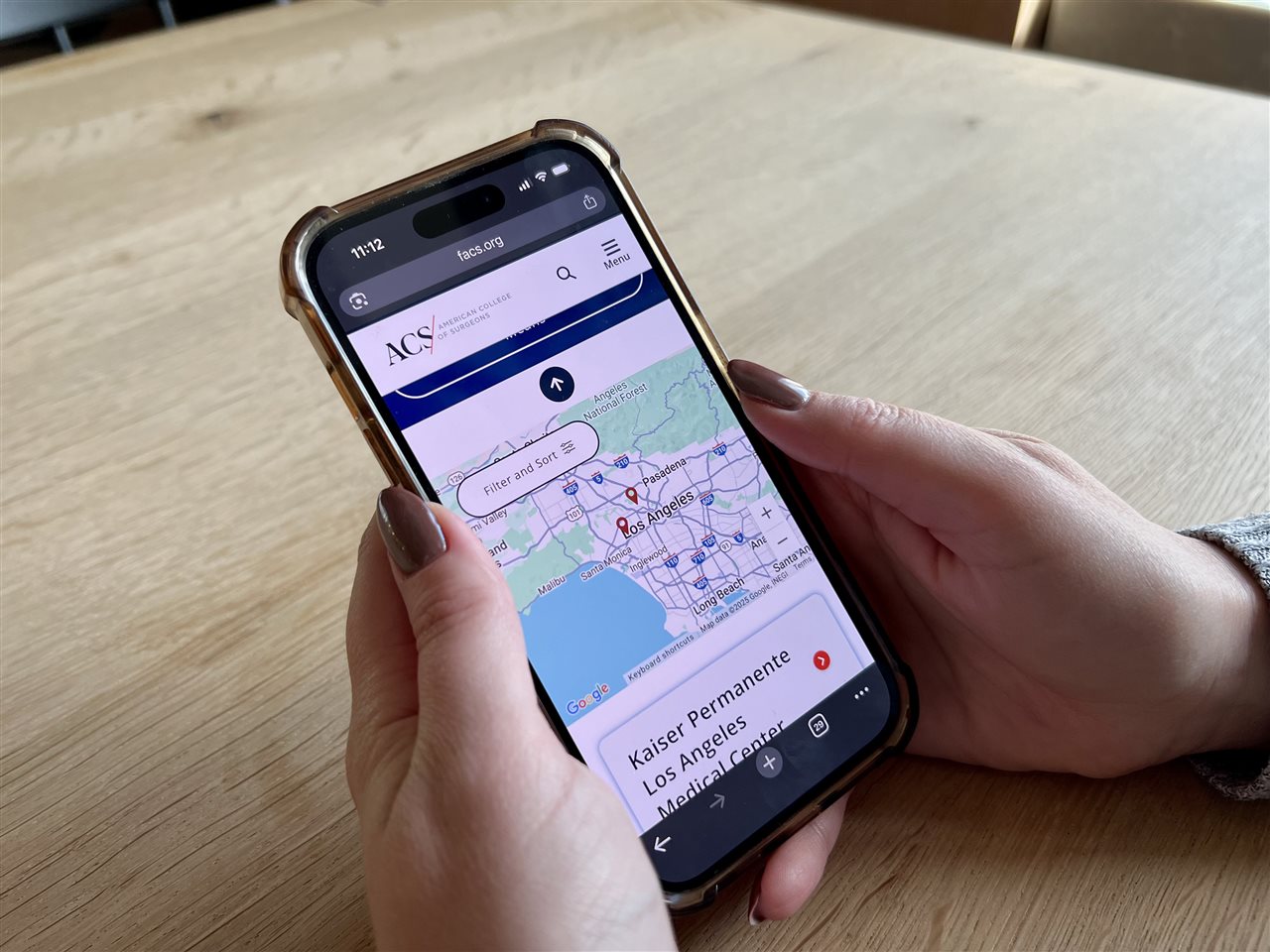
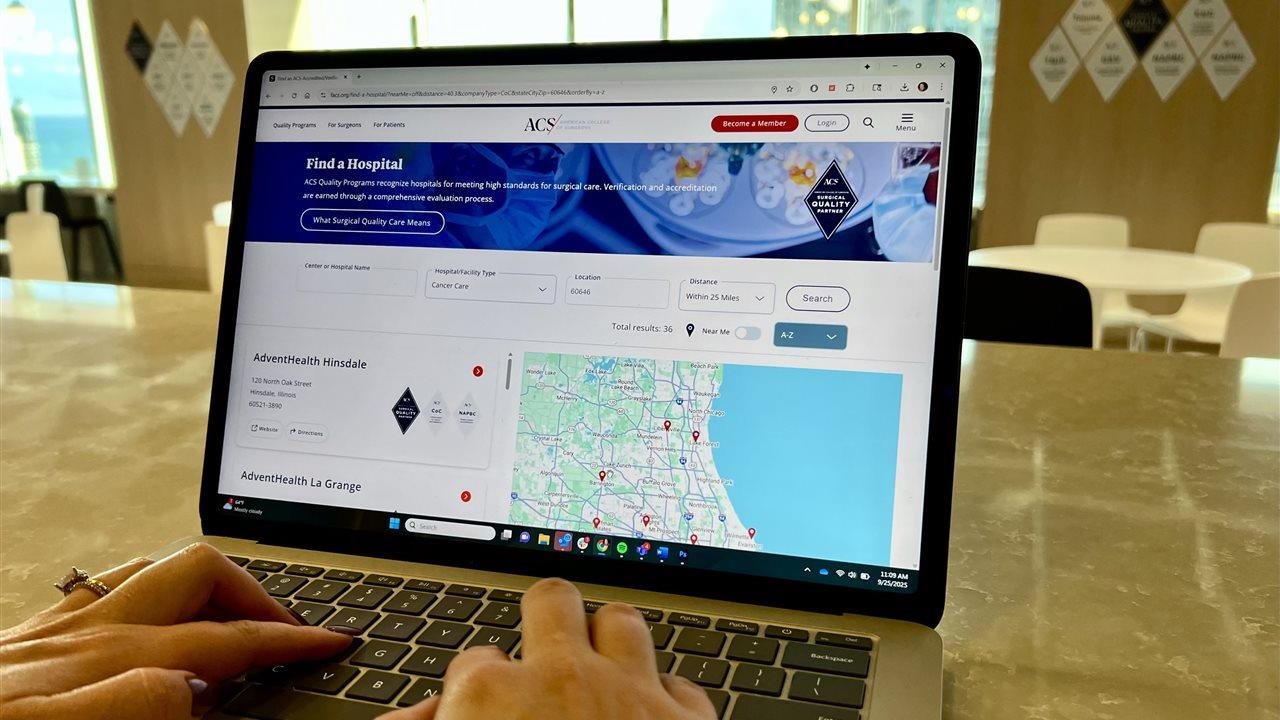
Find an ACS Stop the Bleed course near you and get your own ACS Stop the Bleed kit.

David S. Shapiro, MD, MHCM, FACS, is vice-chair of the ACS Stop the Bleed Committee of the ACS Committee on Trauma, the Connecticut Committee on Trauma Chair, and a surgeon based in West Hartford, Connecticut.

How to manage arthritis pain and improve mobility

2025-05-01T07:01:00

(BPT) – Did you know the leading cause of disability in the U.S. is arthritis? According to the Centers for Disease Control and Prevention (CDC), arthritis affects more than 54 million Americans, and nearly 26 million of those with arthritis are unable to do everyday activities.

In honor of Arthritis Awareness Month, Dr. Steven Knauf of The Joint Chiropractic offers the following valuable insights into arthritis, its causes and ways to manage arthritis symptoms, empowering individuals to regain their ability to perform daily tasks.

Arthritis: Types and causes

Arthritis isn’t just one disease. It’s a group of conditions that affect the joints and causes pain, stiffness and swelling. The two most common types of arthritis are osteoarthritis (OA) and rheumatoid arthritis (RA). Both types cause pain and joint damage, but they develop differently.

OA is a degenerative disorder where the cartilage in the joints begins to break down from wear and tear over time. RA, on the other hand, is a systemic autoimmune disease where the immune system begins to attack and damage the linings of the joints.

The biggest risk factor for developing OA is age, with most cases occurring after age 50. That said, joint overuse, previous injuries and muscle weakness can contribute to OA development. Unlike rheumatoid arthritis, OA is not an autoimmune disease and does not involve systemic inflammation.

RA can develop at any age but most commonly occurs between the ages of 30-60. Women are up to three times more likely to be affected. Genetics increase susceptibility, but lifestyle factors like smoking, obesity and environmental toxins can also contribute to RA. Infections or autoimmune responses may trigger RA in those predisposed. Early awareness of RA can help patients proactively manage their symptoms.

How to alleviate arthritis pain

Whether your arthritis is inflammatory (RA) or degenerative (OA), you can take simple steps to manage and relieve arthritis pain.

Stay active: All forms of arthritis can benefit from physical activity. Low-impact exercises like swimming, walking and biking can help maintain joint function, reduce stiffness and improve overall mobility.

Double-down on nutrition: Nutrition plays a key role in managing inflammation, which is especially important for dealing with RA and other autoimmune conditions. That said, a balanced diet rich in anti-inflammatory foods can also support joint health in OA by helping with weight management and overall well-being.

Get a good night’s sleep: Quality sleep is crucial for all arthritis patients. Fatigue and poor sleep can exacerbate pain and stiffness, regardless of the specific type of arthritis.

Manage stress: Stress management is important for overall health and can help reduce pain perception and inflammation caused by RA. While stress may not directly trigger OA flares, it can contribute to muscle tension and worsen existing arthritis-related symptoms.

Use medication: Talk with your doctor about your arthritic symptoms. They may recommend using pain medications, either prescription or over-the-counter (OTC), to help manage arthritis pain and inflammation.

See a chiropractor: Chiropractic care can be a great way to manage and decrease pain caused by arthritis. Chiropractic adjustments reduce joint restrictions or misalignments in the spine and other joints in the body, reducing inflammation and improving the function of both the affected joint and the nervous system. By increasing joint mobility and improving your nervous system function and spinal health, your body can better manage symptoms caused by OA or RA.

Some long-term benefits of seeing a chiropractor for arthritis may include:

  • Reduced pain and discomfort
  • Decreased inflammation
  • Improved range of motion
  • Improved flexibility
  • Increased activity and lifestyle

Seeing a chiropractor may decrease the need to use prescription or OTC medication.

Managing OA or RA pain and inflammation is a personal journey. When you visit The Joint Chiropractic, you’ll benefit from a personalized experience. During the initial exam, the chiropractor can help you evaluate your daily life and assess the severity of your condition to find the best wellness path to managing and relieving arthritic pain.

Start your arthritis pain management today

There’s no magic bullet cure for arthritis. However, these tips can help you start managing your OA and RA symptoms today. For more information on The Joint Chiropractic or to find a chiropractor near you, visit TheJoint.com.

What do you know about menopause and perimenopause?

2025-04-30T11:41:00

(BPT) – Did you know women spend over 30% of their lives in a menopausal state? While menopause and the transitional period before it, called perimenopause, are important milestones in a woman’s life and health, new research finds that women are three times more likely to lack knowledge on perimenopause than pregnancy, and nearly three-fourths (74%) wished they knew more about it.

According to the study, commissioned by Doctor’s Best and conducted by Talker Research, 1 in 5 believe that menopause is an under-discussed topic in women’s health, and 3 in 5 women are entirely self-taught when it comes to the subject of menopause.

“There is a scarcity of accurate, accessible information out there for women when it comes to perimenopause and menopause, despite it being a natural life change that every single woman in the world goes through,” said Dr. Tania Elliott, dual-board certified internal medicine and allergy/immunology physician. “We should provide women with the resources they need to understand their bodies so that they can seek care and support during this critical period.”

Surprisingly, while 71% of women are currently in or have already gone through perimenopause, nearly half of them (48%) can’t define it. Not understanding the symptoms, what causes them, and how to treat them can create confusion and embarrassment. In fact, only 29% of women feel that women’s health is discussed enough in the media.

How to find support for managing your symptoms

Dr. Elliott recommends three ways to help you feel more confident about being ready for and embracing menopause.

1. Educate yourself

The Doctor’s Best survey found that nearly 1 in 4 Gen Z women (20%) get their health insights from social media, mainly TikTok. To help ensure that you get the most accurate and reliable information about your health, talk to your health care provider, and consult trusted online sources like the Mayo Clinic, Cleveland Clinic and Harvard Health.

“Having more knowledge and information can help women understand, prepare for, and manage their symptoms during perimenopause and menopause,” added Elliott. “If you can better educate yourself and others, you’ll feel more comfortable seeking help, talking to your health care providers and looking for support when you need it.”

2. Seek more support

To help you address persistent symptoms that are negatively impacting your quality of life, talk honestly with your primary health care provider or your OB/GYN.

“Research your current or potential providers to ensure they have experience treating perimenopause and menopause; if they don’t, find one who does,” said Elliott. “Before your first visit, keep a record of how often, when, and the severity of your symptoms, so that you’ll be better equipped to answer your doctor’s questions and provide them with a clear picture of your daily experience.”

3. Give your body the balance it needs

If you have trouble sleeping, experience night sweats, hot flashes or other symptoms, you know how much it can disrupt your everyday life. Consider trying a supplement with Novasoy®, such as Doctor’s Best Women’s Menopause Support. This is a unique formula that features the branded ingredient Novasoy®, a rich source of soy isoflavones to help naturally support relief from hot flashes.*

Combined with Black Cohosh powder and Chasteberry extract, this harmonious blend is designed to facilitate a smoother transition through the highs and lows of unexpected changes in the menopausal journey.* Potential benefits include support for the management of hot flashes and night sweats,* and may also support emotional balance.* Doctor’s Best Women’s Menopause Support is non-GMO, gluten-free and vegan.

Visit DoctorsBest.com to learn more.

Younger women leading the way

The survey also revealed that members of Gen Z (14%) have more awareness of how early perimenopause can start, compared to women in generations who are currently being impacted by it or have already gone through it (millennials: 5%, Gen X: 3%, baby boomers: 3%, Silent Generation: 4%).

“It’s clear from the survey results that women need and want more information and support on what to expect after their reproductive years,” said Elliott. “And fortunately, women — especially younger women — are more open and willing to talk about these important topics that are so crucial for their ongoing health. This will really help them navigate these significant life transitions later in life.”

* These statements have not been evaluated by the Food and Drug Administration. This product is not intended to diagnose, treat, cure or prevent any disease.

5 hosting tips to make your Cinco De Mayo celebrations more festive

2025-05-01T11:29:00

(BPT) – Cinco de Mayo, observed on the fifth of May, is a joyful celebration of Mexican culture, history and resilience — and a perfect opportunity to gather with loved ones. This year, draw inspiration from acclaimed Mexican Chef Pati Jinich and bring the spirit of Mexico into your home with vibrant, creative and delicious ideas that honor tradition while keeping things fun and family-friendly.

“Cinco de Mayo is all about family, community and celebration,” says Jinich. “It’s a day to connect with culture and each other, especially through food and shared experiences.”

Here are five simple and meaningful ways to elevate your celebration:

1. Get crafty with decor

Kick off the festivities by turning your space into a fiesta of color and creativity. Craft DIY decorations like bright paper flowers, mini piñatas and hand-cut garlands. These fun projects are perfect for kids to join in — and the finished pieces will add a personal and festive touch to your home or backyard.

2. Set the tone with music

Music is the heartbeat of any celebration! Curate a custom playlist filled with upbeat Latin-inspired tracks — from traditional mariachi and cumbia to modern reggaeton — to energize the mood and get everyone dancing. Bonus: let guests add their favorite songs to the list for a collaborative soundtrack.

3. Brighten your space with bold colors

Cinco de Mayo is known for its vivid palette. Embrace the festive spirit with colorful tableware, vibrant napkins and fresh seasonal produce displayed in beautiful bowls or centerpieces. Think rich greens, yellows, magentas, blues and reds that echo the energy of Mexican markets and fiestas.

4. Add meaning with history

Honor the roots of Cinco de Mayo by learning and sharing its true story — it commemorates Mexico’s victory over the French at the Battle of Puebla in 1862. Make it fun with a trivia game or quiz cards that spotlight important figures, events and fun cultural facts. It’s a great way to make the celebration educational and engaging for guests of all ages.

5. Serve up flavor with purpose

A celebration isn’t complete without a delicious home-cooked meal! Try Chef Pati Jinich’s Mexican Guajillo Migas made with Eggland’s Best eggs — an easy, nutrient-rich dish bursting with authentic flavor. This traditional recipe from Guerrero, Mexico, features crispy tortillas mixed with fluffy scrambled eggs and a warm, mildly spicy guajillo-tomato salsa. Finish with fresh toppings like cilantro, scallions and avocado for a festive and satisfying dish that everyone will love.

Eggland’s Best eggs contain 25% less saturated fat compared to ordinary eggs, which lowers your saturated fat intake and supports a balanced diet. They also contain more than double the Vitamin B12 compared to ordinary eggs, which provides a natural energy boost and keeps you energized throughout your celebrations.

Guajillo Migas
Prep time: 10 minutes; Cook time: 45 minutes; Yield: 5

Ingredients

Migas:

  • 5 Eggland’s Best eggs, large, lightly beaten
  • 3 scallions, white and light green parts thinly sliced
  • 1/4 cup fresh cilantro leaves
  • 1 ripe avocado, pitted and sliced

Tortilla chips (fry or bake in the oven):

  • 12 corn tortillas, cut into rectangles or bite-size pieces
  • Vegetable oil for frying
  • Kosher or sea salt to season chips

Guajillo salsa:

  • 3 guajillo chiles, stemmed and seeded
  • 2 garlic cloves
  • 3/4 pound (12 ounces) ripe Roma tomatoes
  • 1 1/2 cups chopped cilantro leaves and upper part of stems
  • 1 teaspoon kosher or sea salt

Preparation

Tortilla chips:

1. Heat enough oil to reach 1 inch in heavy-bottomed skillet or casserole, set over medium heat, for at least 5 minutes. Test oil with a tortilla piece — once oil is actively bubbling around the tortilla, it’s ready. Add a batch of cut tortillas without overcrowding the pan; they shouldn’t be on top of each other. Fry 2-3 minutes, until they crisp up and achieve a golden color (don’t let them brown or they will burn).

2. Remove with slotted spoon or spider and place on a plate covered with paper towels to drain. Immediately sprinkle salt to taste and continue with the rest of the tortilla pieces in batches until done. Reserve the frying oil.

3. Alternatively, you can preheat oven to 375 degrees, brush tortillas with oil, cut into bite-size pieces, place on large baking sheet and bake in the oven 15 minutes, flipping once in between. Sprinkle with salt when done.

Guajillo salsa:

1. Place chiles, garlic and tomatoes in a saucepan, cover with water and set over medium-high heat. Simmer for 10 minutes, until tomatoes are cooked and mushy and chiles are rehydrated.

2. Place cooked chiles, garlic and tomatoes into a blender, along with 1/2 cup of their cooking liquid, the cilantro and salt, and puree until completely smooth.

Migas:

1. In an extended skillet or casserole, heat 1 tablespoon of the oil from frying the tortilla pieces and set over medium heat. Once hot, add all the tortilla chips and let them reheat for a minute or two.

2. Pour in beaten eggs. Once they begin to set, add guajillo salsa. Gently begin to fold until everything is covered with salsa and the eggs are cooked, just a couple of minutes.

3. Remove from heat, top with scallions, cilantro and avocado. Serve.

Enjoy this and other recipes using Eggland’s Best eggs at EgglandsBest.com/recipes.