
2025-09-25T07:01:00
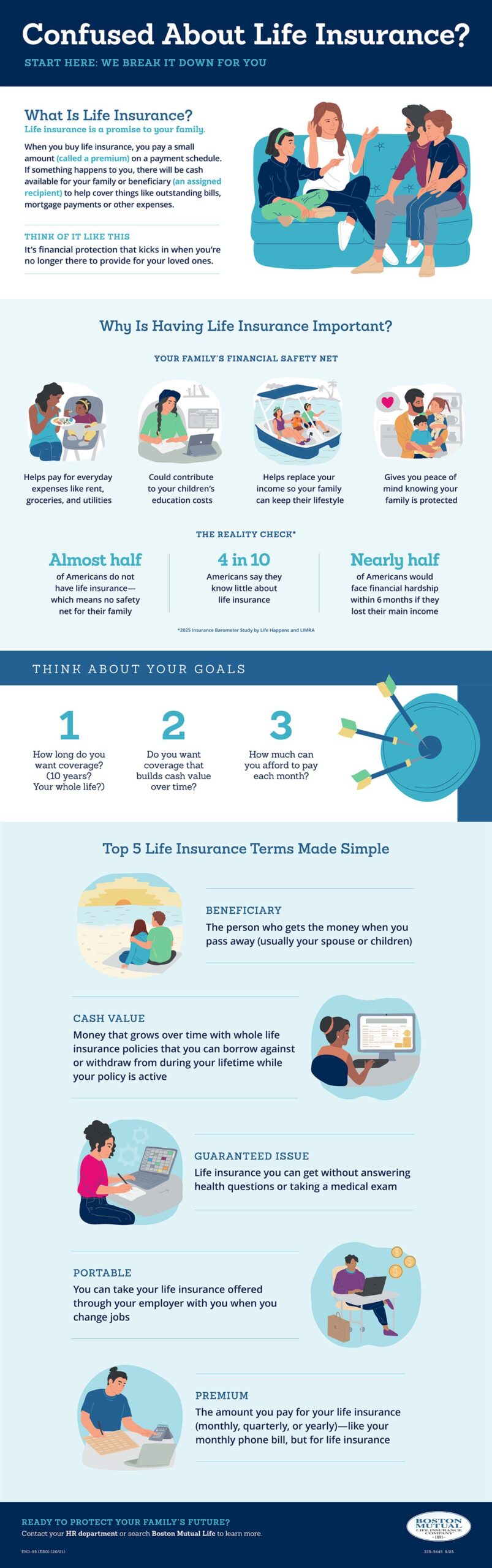
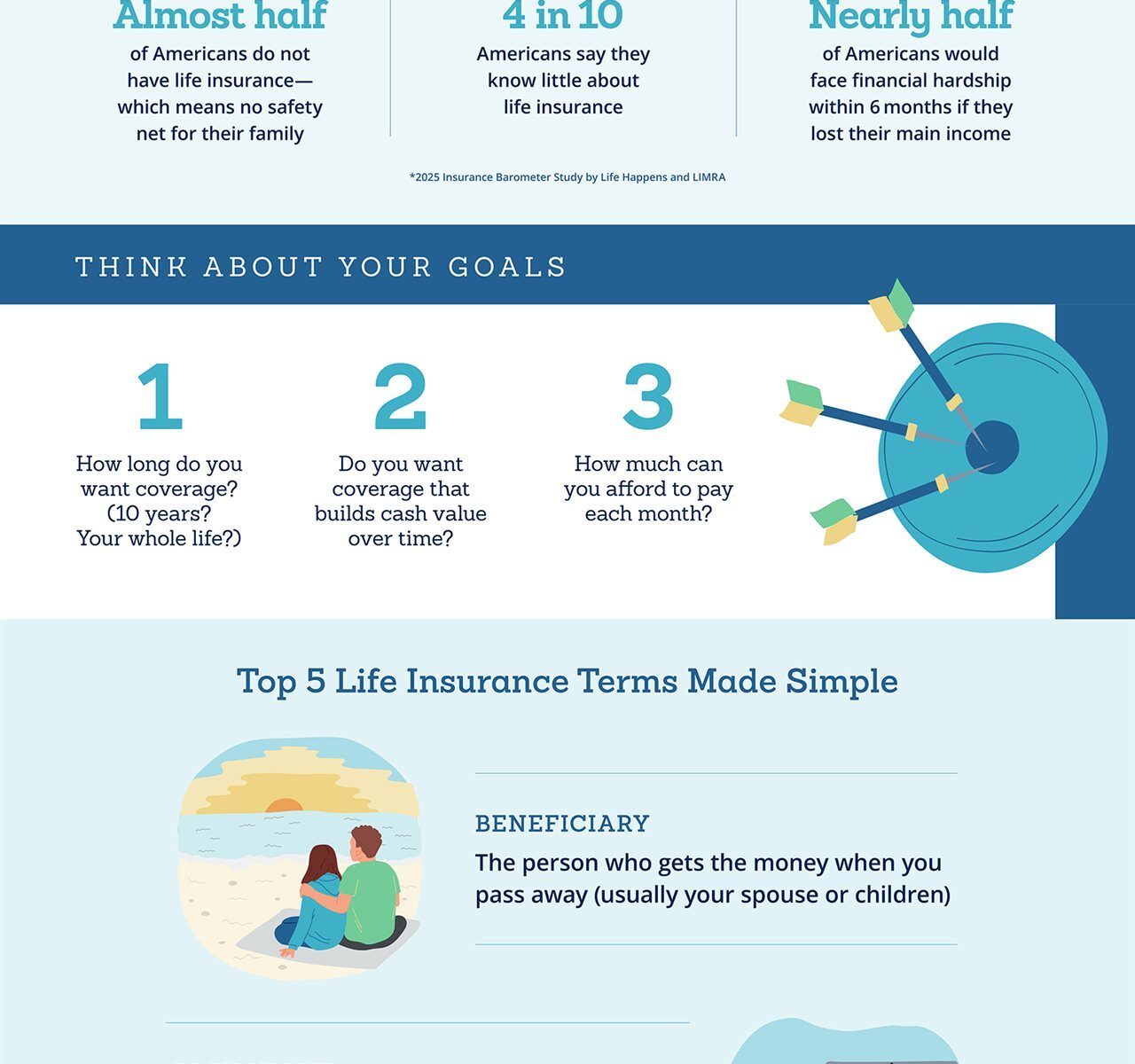
(BPT) – Life happens, whether you’re ready or not. So why not be ready? Learn more about the ins and outs of life insurance, and how you can help protect your family’s future, at BostonMutual.com.
2025-09-25T07:01:00
(BPT) – Life happens, whether you’re ready or not. So why not be ready? Learn more about the ins and outs of life insurance, and how you can help protect your family’s future, at BostonMutual.com.

2025-09-24T06:01:00
(BPT) – Each year during the fall and winter, respiratory illnesses like flu, COVID-19 and RSV circulate, and people 65 years and older and people with underlying health conditions are at higher risk of developing serious complications if they get sick. The good news? There are now more tools than ever to help protect you and those you care for from severe respiratory illnesses.
Respiratory illnesses pose a higher risk for older adults and people living with underlying health conditions
The risk of serious outcomes from respiratory illnesses, like hospitalization or even death, increases sharply with age, particularly age 65 years or older, as the immune system weakens over time. If you’re an older adult, you may be more likely to have underlying health conditions, such as heart disease, diabetes or lung disease, which can make it harder for your body to fight off infections.
However, even healthy older adults can still get very sick. Data show that during the 2023-2024 flu season, about 2.6 million adults 65 years and older got sick with flu, 1.5 million needed medical care, nearly 240,000 required hospitalization, and more than 19,000 older adults died from flu-related complications. Additionally, adults 65 and older were 10 times more likely to be hospitalized by flu, COVID-19, or RSV than adults younger than 50.
Everyday actions can help you stay healthy
There are actions you can take to help protect yourself from health risks caused by respiratory illnesses. These actions include staying up to date on vaccinations, practicing good hygiene, taking steps for cleaner air, and using precautions to prevent the spread of illness if you do get sick.
For older adults, or people with an underlying health condition, health is often top of mind — while getting vaccinated against respiratory viruses may be farther down the list. But getting vaccinated can mean the difference between staying healthy and active and being hospitalized, or worse. Even if you do get sick, being vaccinated can lessen your symptoms and severity of your illness.
You may be eligible for flu, COVID-19, and RSV vaccines, and can even get multiple vaccines at the same visit. Talk to your healthcare provider about what recommended vaccines may be right for you.
If you do get sick, act fast
If you feel symptoms like cough, fever, body aches or fatigue, don’t wait to take care of yourself. Treatment may be available, but it works best when started early, ideally within a few days of when symptoms start. Testing can help confirm what illness you have so you can access the right care. At-home tests are available for both COVID-19 and flu, making it easier to get answers quickly.
Stay home and away from other people until you have been fever-free for 24 hours and your other symptoms have improved. Then, take extra precautions, like practicing good hygiene and taking steps for cleaner air, for the next five days to avoid spreading illness to others.
Protect yourself and your peace of mind
Getting vaccinated and taking everyday actions can help keep you and your loved ones healthy. Talk to your healthcare provider about which vaccines are recommended for you.
You have spent a lifetime caring for others. Now is the time to prioritize your own health. Visit the CDC’s website or talk to your healthcare provider today to learn more about how to protect your health this season.
2025-09-24T09:01:00
(BPT) – When you picture a cattle rancher you might imagine someone wearing a cowboy hat and riding a horse, not a conservationist. But that’s what most ranchers are.
“Ranchers and farmers were the first environmentalists, and we take that very seriously,” said Darrick Whipple, Land & Government Affairs Manager at Deseret Ranch.
Caring for cattle is also an opportunity to care for the land, and farmers and ranchers work hard to protect the land they are entrusted to manage, and that we all depend on. Not only is this the right thing to do, but it’s also critical for ranching families who take pride in passing the way of life down to future generations.
While farming and ranching looks different across the country, one thing remains the same: when it comes to raising cattle, it all starts with healthy soil and plant life. Without that, the cattle would have nowhere to graze, and the farm or ranch could not be sustainable — environmentally or for the future. This is why for farmers and ranchers, sustainability means so much. More than 90% of U.S. farms and ranches are family-owned and 78% of ranchers plan to invest in their community by continuing to preserve open space and passing their farm or ranch on to future generations. It is this family pride that drives farmers and ranchers to carefully manage the land and leave it better generation after generation.
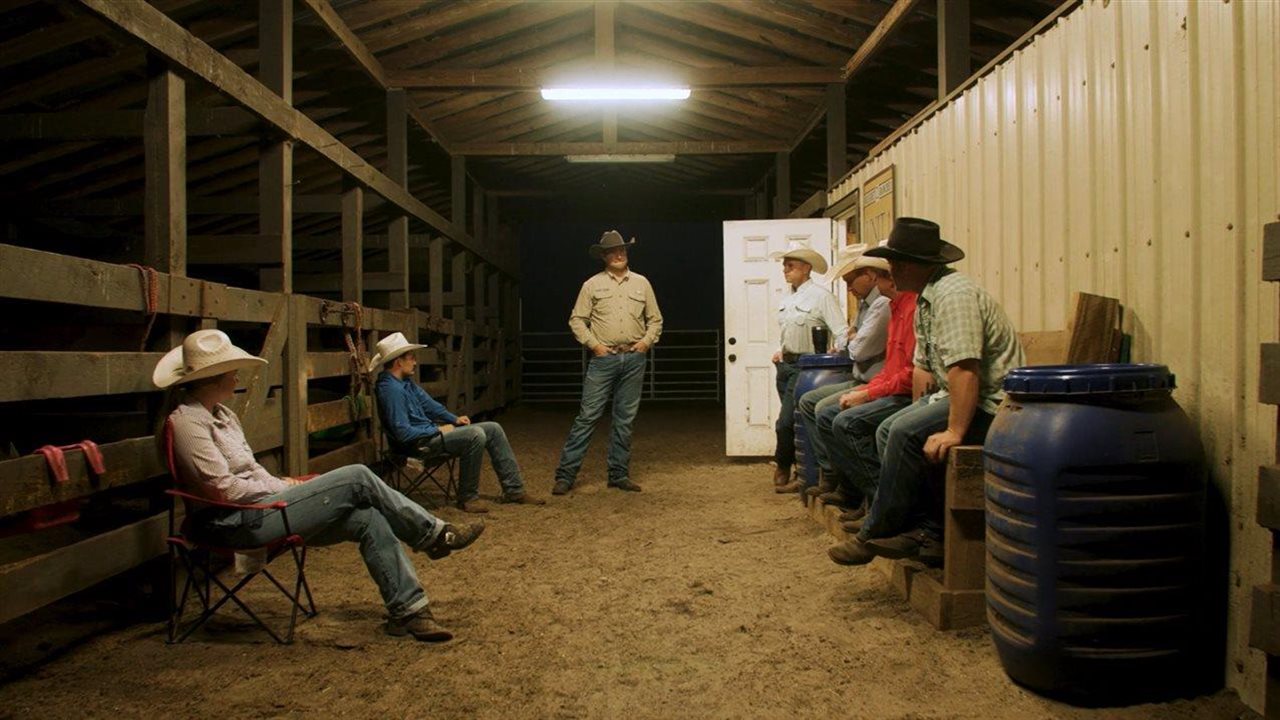
The “Cattle Calling” series by the National Cattlemen’s Beef Association, a contractor to the Beef Checkoff, offers glimpses into the real lives of ranching families across the country. From families who have been ranching for more than 100 years, to those who just got their start, each video reveals how farmers and ranchers tackle everything from environmental challenges and extreme weather events to family obligations and community building.
Thriving in harsh environments
The founders of Deseret Ranch acquired 200,000 acres of untamed land in central Florida 75 years ago. Today, 45,000 cows and close to 100 full-time employees call this challenging environment home, enduring high temperatures, humidity and very sandy soil as they raise cattle and carry on a lesser-known way of life with deep roots in the Sunshine State.
Over the years Central Florida has become less known for its marshes and wildlife and more for theme parks and rapid growth. A state known for its tourism, many visitors to Florida have no idea that just miles off the beaten path, tucked between the attractions and the beaches, one of the world’s largest ranches has been able to preserve Florida’s natural landscape and wildlife habitat.
“The cattle and wildlife have to have a symbiotic relationship,” explained Eric Batey, Area Manager. “Our responsibility as stewards of the land is to keep the native populations of animals thriving,” added Jase Taylor, Wildlife Manager.
While the gators, otters and vibrantly colored birds co-existing with thousands of head of cattle is unique to Central Florida, this is one example of how grazing lands and ranches across the country provide a range of ecosystem services like water regulation and purification, carbon sequestration, wildfire suppression and wildlife habitat. Ranchers know the decisions they make today have an impact for future generations, so they work to manage natural resources in a way that benefits the environment, because that environment is what pays them back.
Putting land and animals first
In the much drier climate of southeastern Colorado is May Ranch. At first glance the landscape appears harsh and less than ideal for wildlife, but what can’t be seen is the colony of endangered black-footed ferrets that live underground and call the ranch home. The May family has long been known for their conservation efforts, which is exactly why their ranch was chosen by Colorado Parks and Wildlife for the releasing of North America’s rarest mammal into the wild.
Just two years later, both the effort to save the endangered species and the family livelihood were tested when a wildfire tore across the ranch. In all, more than 9,000 acres burned, threatening cattle and wildlife and destroying more than 50 miles of fence. Undeterred, the family worked to rebuild stronger with an increased focus on conserving the land’s diverse ecosystem.
“We care so deeply for all of our animals. We take care of them before we take care of ourselves,” said Debbie Davis. “We make sure they have everything that they need.”
The May family is committed to educating the next generation about the importance of biodiversity and is well aware of the importance of grasslands for carbon sequestration.
“It’s unbelievable when you start studying how much carbon can truly be stored here underneath our feet,” said Riley May. “This ranch would not have been kept in its native state if it had been plowed up and farmed; it would have had a huge release of carbon,” added Dallas May.
Supporting the community
In the middle of Tennessee, first-generation cattle farmers Ben and Lauren Neale are supporting their community from the ground up. While raising four busy children, one of whom has special needs, the Neales still find time to manage their growing farm and serve their local community by opening a local processing facility and store — a true farm-to-table family story.
Through Light Hill Meats, the Neales support the entire community with access to local meat processing and high-quality food products, and by providing jobs to those in need. Their retail store allows them to work with a sober living program and they often employ people who are transitioning to life after prison and recovering from substance abuse.
“Ben appreciates the work being done at home so he can go out and grow this business and branch it out to where he is bringing it into the community,” said Lauren Neale. “He’s bringing in people who have a great skillset, giving them a livelihood. I’m proud and glad to help him on that journey of helping other people.”
The role of cattle in sustainability
When well-managed, beef cattle provide important ecosystem services like converting human-inedible plant fiber into protein, cycling organic nutrients into the soil, maintaining wildlife habitats and producing food from land that could not otherwise be used for crops. These ranchers help to keep these pristine places intact, while providing a much-needed resource for society.
Visit BeefItsWhatsForDinner.com to learn more. To watch the Cattle Calling videos, visit CattleCalling.org.
References:
USDA-NASS. 2017. Census of Agriculture. Farm Typology. https://www.nass.usda.gov/Publications/AgCensus/2017/Online_Resources/Typology/typology.pdf
National Cattlemen’s Beef Association (NCBA). 2017. 2017 Cattlemen’s Stewardship Review. Found on https://www.beefboard.org/2018/05/14/2017-cattlemens-stewardship-review/.

2025-09-23T09:51:00
(BPT) – With so many options available for household appliances today, it’s easy to feel overwhelmed. But when it comes to an everyday workhorse like your washing machine, you’ll want to consider how its design most benefits you and your family, how you do your chores and what you need most when it comes to performance, ease of use, convenience and capacity, among other features. The model you select can make all the difference.
Here are the five top things to consider when choosing your next washer.
1. Don’t fear heavy-duty loads
Does the washer deliver powerful cleaning that’s both effective and efficient? With the WT8600CW 5.5 cu. ft. Mega Capacity Top Load Washer with TurboWash™ Washer with Steam, ezDispense®, Wi-Fi Connectivity from LG Electronics, for example, you’ll experience powerful cleaning performance combined with user-friendly features.
Whether they’re handling everyday laundry or heavy-duty loads, LG’s top loading washers offer efficient cleaning with TurboWash3D™ technology, which uses a powerful jet spray plus a tub and motor that rotate independently and in opposite directions, creating a powerful water flow that causes garments to rub against each other throughout the cycle for enhanced washing performance. This feature is ideal for busy households seeking efficiency without compromising on cleanliness.
2. No sock left behind
Have you ever struggled to reach items at the bottom of the tub? Struggle no more. LG’s Mega Capacity Top Load Washer is designed to put everything within easy reach, without sacrificing capacity. Its EasyUnload™ angled washer front offers more comfortable, ergonomic reach that lets you lean in and grab every last sock, without sacrificing capacity. There’s also no need to dig out detergent and fabric softener when the ezDispense® Automatic Dispenser cleans up to 25 loads with 1 easy fill.
Even better, this model has a convenient SlamProof™ Glass Lid that automatically (and gently) closes every time, and can even firmly hold itself at certain angles, thanks to a smooth-operating hydraulic hinge. You’ll also love its flat front design and sleek controls with LED or LCD display that make it easy to get laundry day dialed in, along with a modern design that elevates any laundry space.
3. Wash smarter, not harder
Having a washer with built-in intelligence means taking the guesswork out of every laundry load. Intuitive electronic controls and built-in intelligence make it easy to customize your wash, or let AI Wash do it for you.
Equipped with LG ThinQ® technology, washers like the LG Mega Capacity Top Load Washer let you control and monitor your laundry remotely via your smartphone or using voice commands with Alexa and Google voice assistants. You can receive notifications, start or stop cycles and download specialized wash programs to enhance your laundry experience.
ThinQ UP™ appliances evolve with you through continual software updates for new downloadable features and enhancements sent wirelessly to the appliance, and ThinQ Care™ helps keep your appliance running smoothly by sending proactive usage, maintenance and diagnostic alerts to your smartphone.
4. No sink? No worries
Don’t let stains put you on the spot. If you need to treat stains quickly, don’t panic if you don’t have a sink right there. The LG Mega Capacity Top Load Washer model offers a convenient Water Faucet option you’ll wonder how you lived without. Just press the Faucet pad to turn on water in the tub while you treat and scrub. When you’re done, simply close the lid or press Faucet again, and the water will automatically drain.
5. Save time with fewer loads
Face it: Busy families need more capacity for washing. LG’s top-load washers can handle large loads, with capacities up to 5.5 cubic feet. Bigger loads mean reducing the number of cycles needed to be done, saving time for what matters most. This is perfect for busy families, or anyone looking to avoid being glued to the washer on laundry days.
Ready to find your next washer? You’ll feel confident knowing that LG has been ranked America’s Most Reliable and #1 Appliance Brand by OpenBrand MindShare. Visit LG.com to learn more.


2025-09-22T07:01:00
(BPT) – When’s the last time you took a close look at your company’s frontline workflows? If you review your processes, chances are you’ll find that what was once routine is too complex for manual processes to keep up. With work quickly changing across virtually all industries, improving workflows cannot wait.
“The call to modernize operations has never been more urgent,” said Joe White, chief product and solutions officer, Zebra Technologies, a global leader in digitizing and automating frontline workflows. “That’s why leading organizations are reimagining their workflows and building intelligent operations which integrate advanced technologies like AI, automation and data with human expertise to optimize business processes.”
The value of intelligent operations by the numbers
The importance of workflows cannot be overstated. Workflows are where speed, visibility and precision drive growth. By investing in the latest technologies to automate workflows, businesses can elevate frontline productivity and improve the customer experience.
This isn’t just talk. According to a research study titled, “Impact of Intelligent Operations” from Zebra Technologies and Oxford Economics, the digitization of workflows drives a 20% productivity increase to boost frontline performance.
The gains of intelligent operations are hard to ignore. For example, retailers reported a 21% improvement in customer satisfaction, manufacturers cited a 19% increase in employee productivity, and transportation and logistics (T&L) leaders reported a 21% increase in productivity with better workflows.
The retailers, manufacturers and T&L firms that participated in the study reported that the integration of AI, automation and data significantly increased revenue and profitability. The study indicates:
Based on this research, Oxford Economics estimates that if the top 20 organizations from the Forbes Global 2000 list in each of these industries — retail, manufacturing and T&L — achieved meaningful improvements in their frontline workflows, each company could potentially earn an average of $3 billion in higher revenue and an average of $120 million in added profit.

A dedication to better business every day
Modernizing your workflows may seem daunting, but there are tools that can make the transformation easier. As an industry leader, Zebra Technologies is a strategic, trusted advisor to organizations of all sizes, helping them continuously drive better processes and adapt to changing conditions.
From the warehouse floor, production line, and retail aisle to the patient bedside, Zebra provides solutions that help organizations navigate persistent challenges such as labor shortages and shifting consumer expectations.
Zebra’s new brand platform, “Better Every Day,” reinforces the company’s commitment to deliver intelligent, connected solutions and services that continuously enhance frontline performance, agility and responsiveness across critical workflows.
Through deep industry expertise and a global ecosystem of partners, Zebra harnesses the power of these advanced technologies in a portfolio of products and solutions that enable organizations to:
Transform workflows to boost your business at every level
Don’t get left behind. By digitizing and automating your workflows, your organization can accelerate processes as well as improve productivity and customer experience, sowing the seeds for significant payoffs.
“Intelligent operations simplify complexity by augmenting the frontline with advanced technologies,” said White. “This enables organizations to adapt to rapid change and thrive in competitive markets.”
To learn more about how your business can benefit from connected frontline, asset visibility and automation solutions that support modern workflows, visit this landing page.


2025-09-19T11:19:01
(BPT) – Are you prepared in case of a local emergency? From severe storms to wildfires and floods, it’s critical that you and your loved ones have the knowledge and resources to weather these and other disasters. This National Preparedness Month, take small steps to prepare your family for big emergencies.
Don’t know where to start? T-Mobile knows how important it is for families to stay in touch with each other and reach emergency services. Over the past few years, the mobile provider has added resilience tools like AI-driven network automation, satellite-powered emergency messaging and priority service for first responders. In addition to these investments in technology and resources to support community connectivity during disasters, T-Mobile offers a few simple steps you can take now to prepare your family for a future emergency.
1. Save local emergency numbers
In a crisis, it’s vital that you’re able to reach your family and emergency services as quickly as possible. Look up and save important local emergency numbers including police and fire, poison control and state highway patrol in your contacts.
2. Enable Wireless Emergency Alerts
Wireless Emergency Alerts (WEA) are public safety messages sent by local, state, tribal and federal Alert Originators to provide critical information and help keep you safe and aware of dangerous weather and other emergencies in the area. Check that alerts are enabled on your phone under the notification settings.
If your phone supports satellite texting, consider adding T-Satellite with Starlink. It lets you send and receive texts (including to 911) and enables location sharing when towers are down almost anywhere in the U.S. if you can see the sky. And anyone with a compatible phone, even if you’re not a T-Satellite subscriber, can still receive WEAs.
3. Conserve phone battery with low-power mode
If the power goes out during a disaster or weather event, it can be hours to days until it’s restored. Turn on Low Power/Battery Saver mode, dim your screen, and limit use to essential calls and texts to stretch your charge.
4. Turn on Wi-Fi Calling
If a cell tower goes down, Wi-Fi Calling lets you place calls and texts over any available Wi-Fi, including home internet and public hotspots. Most providers support it. Look in Settings > Phone (or Connections) > Wi-Fi Calling.
5. Prepare a go-bag
During an evacuation, don’t risk forgetting essentials. Stay prepared by packing a go bag with prescriptions and over-the-counter medications, first-aid supplies, a flashlight and batteries, a radio, chargers, printed maps, a jacket and sneakers, copies of key documents, water and nonperishable food.
6. Make a family emergency plan
Your family may not all be together when disaster strikes. To be prepared, make a family emergency plan and go over it together. Include a designated meeting point, a list of emergency contacts, a household communication plan and evacuation routes. Keep a printed copy in a sealed bag.
7. Know your community resources
During a disaster, connection and community are critical. Make sure you know where you can find support and check with your city and county for emergency response services.
It takes teamwork to hold communities together during a disaster. That’s why T-Mobile deploys community support vehicles with robust Wi-Fi and high-capacity charging to neighborhoods during emergency events. Whether you’re a customer or not, you can rely on this service to keep your community connected when it matters most.
Stay connected, stay safe
This month, take these seven small steps that can make a big difference during a disaster. To find more emergency tips and learn about what T-Mobile is doing in communities like yours, visit T-Mobile.com/News/Emergency-Response.


2025-09-19T09:01:00
(BPT) – The protein is extra — and new Empower research reveals that 43% of Americans say protein-enhanced versions of everyday items like bagels, chips, and drinks are worth the higher price, rising to 54% for younger generations. Over 1 in 2 Americans (55%) report protein and protein-added items cost more due to inflation and tariffs, and 52% say the rise of protein products has noticeably increased their grocery spending (60% younger generations). Half (49%) think protein has become a “premium” ingredient and they expect to pay more for foods labeled high-protein (57% younger generations).
Younger consumers are driving the protein trend, with 56% of Gen Z and Millennials willing to spend more (versus 34% older generations; 44% overall) — adding up to 3x as much money on protein items than Boomers ($71 per week vs. $27, respectively).
As fast-casual counters and beverages deliver options, shoppers are opting in: 48% of people (and 60% of younger generations) often choose grain or salad bowls with added protein, and 42% upgrade meals by adding a “double protein” option (e.g., double chicken, extra tofu, additional steak), rising to 57% for younger generations. Some 39% say they add a boost to smoothies for an upcharge (53% younger generations; 17% Boomers). Four in 10 (41%) people would reduce spending on other grocery categories (e.g., snacks, produce) to afford more protein-based items (53% Millennials).
Protein price tag
Americans spend an average of $50 a week on protein products, with younger generations spending the most:
Make it a double
More than half of people (55%) say they adjust their diet daily to make sure they get enough protein (62% younger generations) and 46% say they buy dedicated “high-protein” products such as shakes, powders, and bars (60% Millennials; 55% Gen Z; 27% Boomers). Compared to the regular version of a product, 72% would be willing to pay more for added protein or a protein-enhanced version. Though 65% of people think most protein-added products are overpriced, half (49%) will spend between $1-$5 more on them, with 23% open to paying between $1-$2 more. Just 28% would not pay any more money.
When it comes to categories where consumers are most willing to pay a premium for protein, traditional sources like meat (57%), eggs (40%), and dairy (32%) top the list, though the trend is expanding to newer categories like pasta (23%) and coffee products (17%).
In which categories are Americans most willing to pay a premium for protein?
Americans are split on their preferred meals: 47% say they are more likely to pay a premium for protein in their lunch or dinner items (58% Millennials), while 44% prefer breakfast items (59% Gen Z).
Check the label
Half (50%) of shoppers say protein content is one of the first things they check on nutrition labels (vs. 37% of Boomers). When shopping for groceries, 45% actively look for items that have added protein versions (54% younger generations).
Methodology:
Empower’s “The Protein is Extra” study is based on online survey responses from 2,200 Americans ages 18+ from September 6-7, 2025. The survey is weighted to be nationally representative of U.S. adults.
RO4814147-0925

2025-09-18T16:11:00
(BPT) – Renowned for its crystal-clear waters, white sand beaches, lush jungles and rich cultural heritage, the Mexican Caribbean is home to ancient archaeological sites, mystical cenotes, vibrant islands and serene lagoons. With over 100 miles of breathtaking scenery, travelers worldwide flock to the Mexican Caribbean to indulge in its dynamic culinary scene, world-class entertainment and award-winning accommodations.
Here are 12 unforgettable ways to experience the Mexican Caribbean’s captivating destinations.
1. From day to night, experience the allure of Cancún
Cancún is the ultimate day-to-night destination, offering a blend of adventure, leisure and vibrant nightlife. Visitors can spend their days enjoying world-class golf courses, luxury shopping, snorkeling or simply relaxing on the region’s iconic beaches. As the sun sets, Cancún transforms into a nightlife haven. Its legendary bars and clubs host themed parties and immersive entertainment experiences, making it a top choice for weddings, group celebrations and unforgettable nights out. Whether you’re seeking daytime thrills or exciting evenings, Cancún delivers the perfect balance of relaxation and fun.
2. Discover a shoppers’ paradise in Playa del Carmen
Love to shop? In Playa del Carmen, you can go treasure hunting along its famous Fifth Avenue. Parallel to the beach, Fifth Avenue is the soul of the city, offering a variety of restaurants, boutiques, shops and entertainment. On this street you’ll find everything from locally made souvenirs and handicrafts to one-of-a-kind art, luxury brand clothing and fashion accessories. Mexican silver is renowned worldwide, and you’ll discover an array of quality handmade pieces in Playa del Carmen.
3. Explore a mystical underwater world in Puerto Morelos
Outdoor adventurers will love the Cenotes Route of Puerto Morelos, offering the chance to discover a subterranean world of natural pools filled with beauty and mysticism. Just a few minutes from downtown Puerto Morelos, visitors can dive into crystalline cenotes surrounded by lush jungle, where activities like swimming, snorkeling, zip-lining and cave exploration await.
4. Unwind and recharge amongst the beauty of Costa Mujeres
Costa Mujeres invites travelers to unwind in style, where world-class golf and spa experiences are seamlessly woven into the region’s tranquil coastal charm. A variety of golf courses offer a challenge as captivating as the views. For those seeking rejuvenation, luxury resorts deliver indulgent wellness escapes with services ranging from holistic treatments, hydrotherapy circuits, and beachfront massages, to bespoke sessions practicing yoga, meditation and mindful nutrition. Whether you’re looking to unplug on the golf course or recharge with a spa day, Costa Mujeres is an ideal getaway.
5. Immerse in the natural wonders of Holbox
Holbox is a serene sanctuary that offers a rare blend of tranquility and natural wonder. With transportation available only via golf carts and bicycles, this barefoot paradise invites visitors to disconnect and immerse themselves in its laid-back rhythm. From swimming alongside majestic whale sharks and witnessing the magical glow of bioluminescence to exploring flamingo-filled islets and the Yalahau cenote, Holbox is a haven for nature lovers and adventure seekers alike.
6. Step into serenity in Tulum
Tulum is a serene blend of ancient Mayan heritage and boho-chic charm. Travelers can embrace mindful wellness in a boutique beachside escape, or indulge in award-winning cuisine inspired by international fusion. Whether spending the day lounging in an oceanfront hammock or shopping through bohemian inspired shops, stylish adventures await in Tulum.
7. Unwind in the tranquil paradise of Isla Mujeres
Just a short ferry ride from the buzz of Cancún, Isla Mujeres is an island gem where travelers can snorkel through vibrant coral reefs at Garrafon Park, swim with whale sharks, or relax on world-renowned beaches like Playa Norte and Punta Sur. Golf carts are the main mode of transportation, boutique hotels and luxury resorts line the coast, and nearby Isla Contoy beckons with its protected bird species and marine life.
8. Dive into land and water adventures in Cozumel
One of the largest islands in Mexico, Cozumel offers a rich marine landscape and deep cultural roots. Travelers can explore a transcendent underwater world by diving or snorkeling at Palancar Reef, part of the Mesoamerican Barrier Reef System, the second-largest reef system in the world. On land, visitors can discover the island’s Mayan heritage through immersive experiences, spend relaxing afternoons at a beach club, or get a sweat in while running or cycling on beachfront paths.
9. Learn from ancestral traditions in Maya Ka’an
Maya Ka’an offers a captivating blend of nature, heritage and community in the heart of the Mexican Caribbean. From the cultural hub of Felipe Carrillo Puerto to the Sian Ka’an Biosphere Reserve, a UNESCO World Heritage Site, Maya Ka’an delivers immersive adventures that honor both the land and its people. Whether floating down a natural lazy river or learning traditional crafts and techniques, visitors leave with a deeper connection to the Mayan spirit and the natural world.
10. Float along the turquoise waters of Bacalar
In Bacalar’s “Lagoon of Seven Colors,” ideal days are spent kayaking, snorkeling, paddle boarding or floating along the region’s multi-hued blue waters. Beyond the lagoon, Bacalar offers rich biodiversity and eco-adventures, from birdwatching to snorkeling in Cenote Azul. With nearby Mayan archaeological sites adding cultural depth, Bacalar is a soulful escape that blends nature, history and sustainability in one unforgettable experience.
11. Uncover a cultural gateway in Chetumal
In the coastal city of Chetumal, culture, art and history merge. At the Museum of Maya Culture, travelers can discover a comprehensive exploration of the traditions and achievements of the ancient Maya people. Situated on Chetumal Bay, the region provides the perfect setting for enjoying water activities amid relaxing Caribbean atmosphere. Make sure to include explorations of fascinating archaeological sites in the area, such as Oxtankah and Kohunlich, which offer a glimpse into the region’s history.
12. Take a stroll through Mahahual
Mahahual offers the perfect balance of laid-back charm and natural exploration. Casual afternoons can be spent perusing its relaxed beachfront boardwalk, lined with shops, cafés and diving centers, or dive into the crystal-clear waters that make this picturesque fishing village a favorite among nature lovers. Known for its gentle waves and close connection to the sea, Mahahual is near the Banco Chinchorro, the largest coral atoll in Mexico, making it a prime spot for snorkeling, scuba diving and marine discovery.
No matter what kind of vacation you’re dreaming of, the Mexican Caribbean has a destination to match. Visit MexicanCaribbean.travel to plan your perfect trip.
2025-09-18T11:01:00
(BPT) – Coral Almazan was in high school during the pandemic. Like millions of other kids in school at that time, she suddenly found herself adrift, sent home to continue classwork online, but without reliable internet access at home.
She recalls how challenging it was to stay connected to the internet — and to her school, teachers and classmates — as she worked hard to earn her high school diploma.
“Those are supposed to be the best times of your life, yet we were stuck behind computer screens,” Almazan recalled. “There were times the electricity bill still needed to be paid, and I was left wondering, ‘How will I connect to my classes? How will I complete my homework?’ I remember struggling.”
The digital divide
The pandemic brought into clearer focus the wider problem that still persists: the digital divide, or gap between students who have regular access to reliable internet and those who do not. That’s why her story still resonates. Despite the clear ongoing need for connectivity in today’s increasingly digital-first learning environment, reliable home internet still remains out of reach for too many.
Too many families still need to access internet connectivity at their local library, or even sitting outside neighborhood businesses where they can tap into free Wi-Fi to get homework done, communicate with teachers or apply to college.
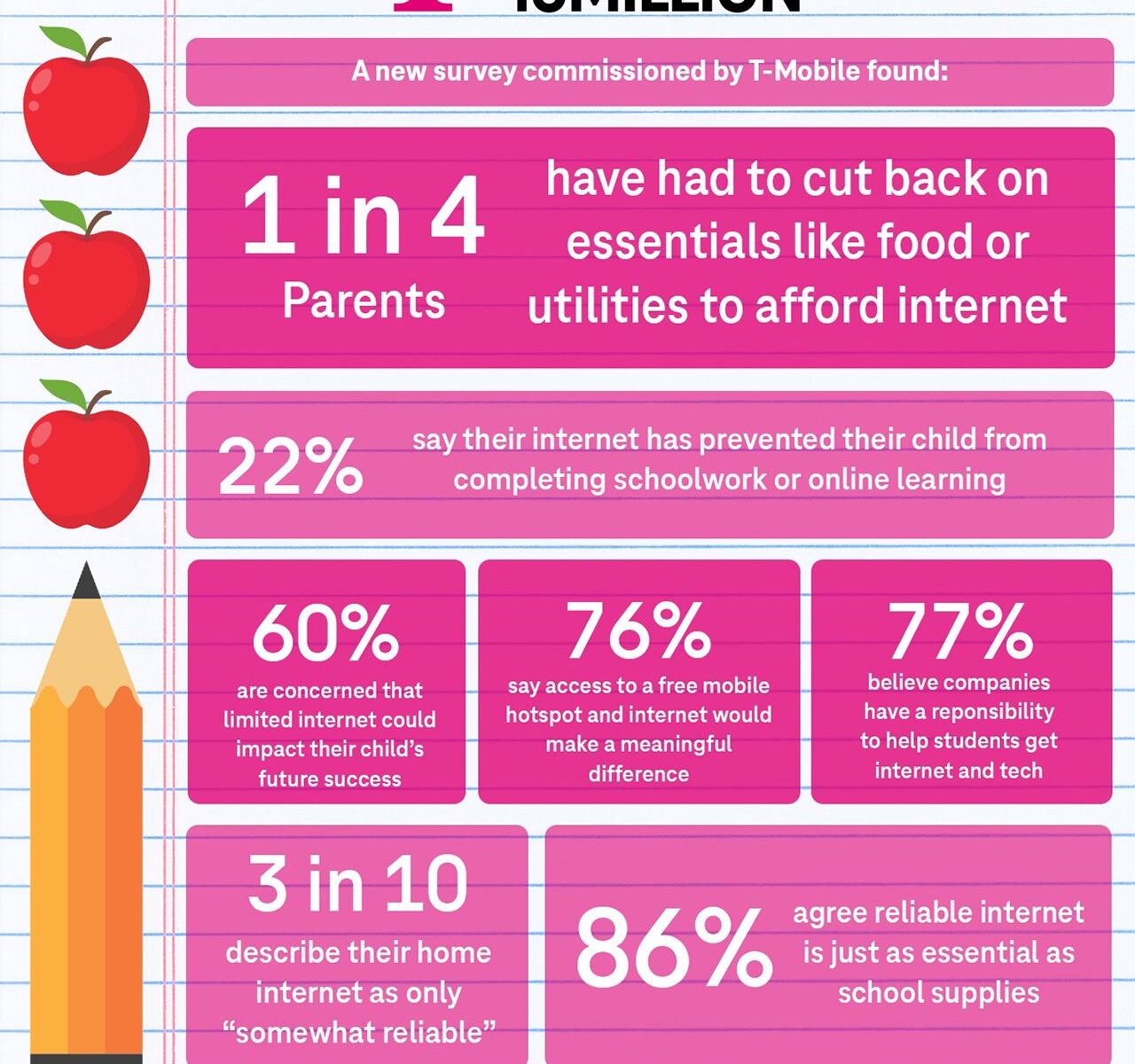
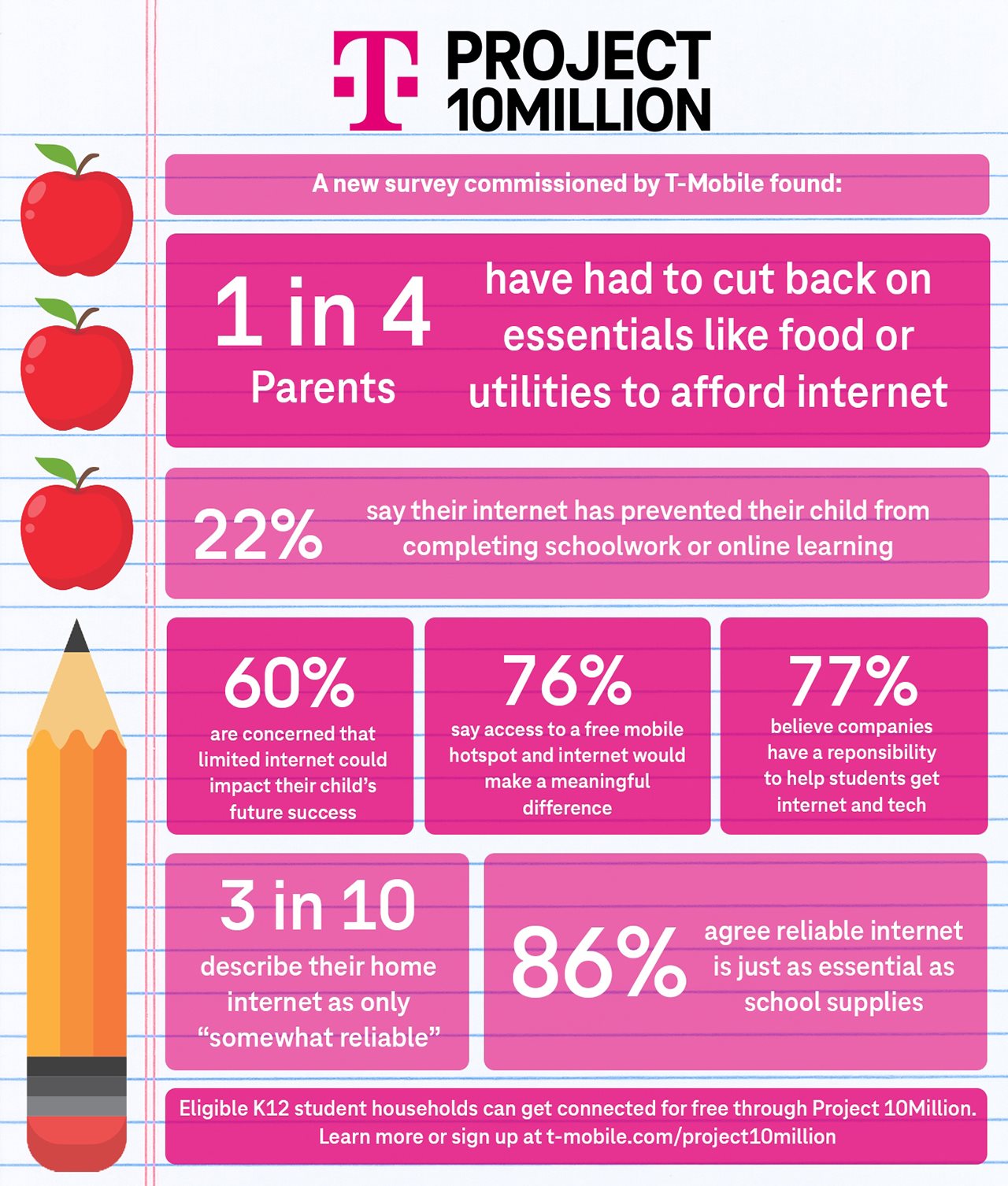
In a new survey* commissioned by T-Mobile, 3 in 10 parents describe their home internet as only somewhat reliable. For many families, staying connected comes at a steep cost. In fact, nearly one-fourth (24%) have had to cut back on essentials like food or utilities just to afford their internet. Most parents (85%) agree that families shouldn’t have to make that kind of trade-off to keep their students learning.
How T-Mobile is making a difference
To help families nationwide get connected, T-Mobile’s nationwide initiative, Project 10Million, has been working to help close the digital divide by offering free mobile hotspots, free high-speed data and access to low-cost devices to eligible K–12 student households. Since 2020, the program has connected over 6.3 million students, delivering over $7.3 billion in products and services that enable learning from home.
Project 10Million offers free internet access to eligible K-12 student households including:
Project 10Million is available to any student household participating in the National School Lunch Program (NSLP) or other government assistance programs. Families can sign up at T-Mobile.com/project10million or through participating school districts.
Families who sign up directly receive a hotspot, powered by T-Mobile’s network — America’s Best Network. If families reach their data cap, they can purchase a 10GB data pass for just $10, keeping the service accessible and affordable.
Connectivity leads to success
Looking back, Almazan credits her free T-Mobile hotspot with helping her succeed in high school as well as getting into college.
“It changed everything for my whole family,” Almazan said. “It wasn’t just my schoolwork. My siblings were able to do theirs too, with no lag, even when we were online together. The graphics on my class Zooms got so much clearer. It made a huge difference.”
Today, Almazan is pursuing a criminal justice degree at Houston Christian University and is already taking graduate-level courses. She’s also using her experience to inspire other students and advocate for more equitable access to digital resources. She credits T-Mobile’s Project 10Million as a pivotal part of her aspirations.
“Project 10Million definitely influenced me to go into policy work,” Almazan shared. “Helping each other out should be everybody’s motivation.”
To learn more about the program or to sign up, visit T-Mobile.com/project10million.
*The Project 10Million Survey was conducted via a PN View survey fielded by Big Village among a sample of 1,005 U.S. adults 18 years of age and older who are parents with children 17 years of age and under living at home. This survey was live on July 24-29, 2025.


2025-09-18T08:01:01
(BPT) – Sponsored by Sanofi
When it comes to understanding your risk of type 1 diabetes (T1D), family history is a significant risk factor for developing the autoimmune condition. If even one family member has T1D, the risk increases up to 15 times.
Despite having relatives who live with T1D, Sheila King didn’t think she was at risk of developing the disease. “I was living life as a young adult in New York City,” Sheila explained. “So, when I started experiencing fatigue and extreme thirst, I just assumed it was a byproduct of my busy life.” The reality, however, was much more serious: These symptoms were signs of T1D.
At the time, Sheila’s mom, who herself lives with T1D, noticed something wasn’t quite right and decided to test Sheila’s blood sugar. Concerned about the results, they went straight to urgent care and, ultimately, the emergency room as Sheila was already in diabetic ketoacidosis (DKA), a dangerous complication of autoimmune T1D.
As Sheila described it, “Even though I’ve been surrounded by T1D my entire life, the diagnosis still came as a shock. At the time, I had no idea T1D screening was available, which could have given me more time to prepare for the realities of my diagnosis.”
Navigating Sheila’s “new normal”
Back in New York City, Sheila grappled with a life that required constant T1D management, including on her first date with her now-husband and professional baseball player Mike King. “We were having dinner at a restaurant shortly after she was diagnosed, and she was manually pricking herself and injecting herself with insulin,” Mike shared.
The impact of a Stage 3 T1D diagnosis is immediate and requires an individual’s ongoing attention. As Sheila explained, “I had to consider how to manage my T1D everywhere I went, and it was taxing, both physically and emotionally. It would have been helpful to have more time to prepare for how T1D would impact every aspect of my life.”
But while T1D was (and continues to be) an all-encompassing reality for the couple, it didn’t stop Mike and Sheila from falling in love. In fact, the experience of navigating Sheila’s disease only inspired them to pursue a new passion project: a foundation created with the goal of improving T1D screening awareness and education.
“I’m consistently in awe of how Sheila faces T1D head-on, but it certainly isn’t easy,” Mike added. “Her experience has inspired both of us to want to improve awareness about T1D screening and risk factors for the disease, so that people don’t have to find out about their diagnosis the same way Sheila did.”
The benefits of T1D screening
Early T1D detection can help you be better prepared to spot the signs of T1D and reduce the risk of serious complications like DKA, which Sheila experienced firsthand. What’s more, an early-stage diagnosis can give you or your loved ones more time to plan. So, talk to your doctor about T1D screening. You can also find helpful information about T1D risk factors (such as family history) and your screening options at ScreenForType1.com.
Sanofi does not provide medical advice, diagnosis, or treatment – information is provided for educational purposes only. Your doctor is the best source of health information. Talk to your doctor if you have any questions about your health or treatment.
Sheila and Mike King are paid spokespeople for Sanofi.