5 easy ways to make your bathroom more sustainable

2024-10-10T08:01:00

(BPT) – The entire country has experienced its share of extreme weather lately. Record-breaking heat, torrential rain and drought — you name it, Mother Nature has been doling it out. It has caused many people to start thinking about climate change and what they can do to help, including improving the environmental footprint of their homes. If we all put in a little effort, it really starts to add up, and one place to make simple, impactful changes at home is in the bathroom.

Here are some easy ways to make your bathroom and the planet more sustainable.

Replace your throne with an eco-friendly toilet. Toilets can account for up to a third of water used indoors. And a leaky toilet can waste hundreds of gallons of water a day. Replacing your traditional toilet with a high-efficiency model that has a WaterSense label, like the TOTO Guinevere One-Piece Toilet, can reduce how much water you use per flush. While traditional toilets typically use 1.6 gallons per flush, newer, high-efficiency models typically get the job done with just 1.28 gallons per flush or less. And that savings can really add up!

Nationally, if all old, inefficient toilets were replaced with WaterSense-labeled models, we could save billions of gallons annually. The TOTO Guinevere is an excellent, high-efficiency toilet that conserves water and does not sacrifice performance. TOTO toilets are more effective in one flush than most toilets are with multiple flushes. This is due to cutting-edge technologies like the TORNADO Flushing System and CEFIONTECT ceramic glaze, which reduces waste buildup and keeps the bowl cleaner. As a result, they promote sustainability by saving you a significant amount of water. That’s a true win-win.

Swap out your toilet seat for a bidet seat. TOTO originated the luxury bidet seat with the introduction of the WASHLET. Today, WASHLET bidet seats are taking the country by storm as a way to bring a luxury spa-like experience to your bathroom — with no need for a plumber. To install one, you simply replace your existing toilet seat. The WASHLET takes cleanliness and hygiene to the next level and offers many other benefits.

One of the significant benefits is helping you reduce your environmental footprint by using less toilet paper. The average American household uses 400 rolls of toilet paper each year, while those with bidets use up to 75% less than that on average. According to Scientific American, we could save 15 million trees a year if we reduced TP usage by 75%. Not to mention the water saved. Just one roll of toilet paper takes 37 gallons of water to produce.

The WASHLET by TOTO models also feature the company’s CLEANOVATION technologies, including EWATER+ and PREMIST. EWATER+ uses electrolyzed water to help keep your toilet bowl and bidet wand clean between uses, reducing the need for toxic cleaning chemicals that end up in our watersheds.

Combine a low-flow toilet with a bidet seat. Looking to be even more sustainable? If you’re already buying a new toilet, consider buying a TOTO WASHLET+ model, which combines a TOTO high-performance, low-flow toilet with a WASHLET bidet seat in a stylish and sleek design. A WASHLET+ bidet toilet will allow you to maximize the environmental savings through your bidet toilet.

Low-flow showerheads. According to the EPA, showers account for 17% of all water use in homes. If the average shower takes eight minutes and uses 16 gallons of water per minute (with teenagers, that number is probably much higher!), a family of four is showering away 160 gallons daily. Low-flow showerheads like the TOTO MODERN SHOWERHEAD 1 MODE or RAINWATER ROUND 10″ can slash that number to under two gallons per minute without you even noticing a change in your showering enjoyment. To conserve even more water, don’t forget to use a shower timer to keep yourself honest.

Install low-flow water aerators for your faucets. You can save water at the sink, too; all it takes is one small change. Simply replace the aerator on your faucet (a little attachment that’s inside the end of your faucet) with a low-flow model. How do you know if it’s low flow? Look for the WaterSense label. The difference this can make in reducing your water use is amazing. You can save up to 30% of water usage with just this simple change. You can even take it up a notch by installing an automatic faucet so you won’t accidentally waste water when brushing your teeth or going through your daily routine at the sink.

By making small, easy changes in the bathroom, you can do your part to help the planet and add a little luxury to your routine while you’re at it. For more information about sustainable bathroom fixtures, contact TOTO.

Ketamine and other anesthetics emerge as treatments for depression: Anesthesiologists can help ensure they are used safely

2024-10-09T17:01:00

(BPT) – Ketamine and other anesthetic drugs have emerged as a powerful new tool to rapidly treat depression, especially for people who don’t benefit from traditional therapies. With conversations regarding these drugs circulating in the news and online, anesthesiologists — physicians who are experts in using them to sedate patients during surgery — are shedding light on the latest research and recommendations to ensure they are used safely as a mental health treatment.

More than one in five U.S. adults lives with a mental health illness (57.8 million) and over 21 million Americans had at least one major depressive episode in 2021. Many individuals with depression experience symptom relief with psychotherapy and antidepressants, but for nearly one-third (30%) of patients these therapies are ineffective, known as treatment-resistant depression.

“The current research into these drugs offers hope to people with a common, debilitating and potentially fatal mood disorder,” said Peter Nagele, M.D., an editor at Anesthesiology, the peer-reviewed journal of the American Society of Anesthesiologists (ASA). “With this new use for common anesthetics, we believe it is important to use our knowledge and training, working collaboratively with psychiatrists, to advance patient care and safety. This includes ensuring patients receive this treatment under the supervision of a physician and in an accredited clinic following established safety standards.”

On World Mental Health Day, ASA shares the latest information on the various anesthetics being repurposed, how anesthesiologists and psychiatrists may be able to increase their collaboration, and questions patients should ask.

Anesthetics Being Repurposed for Treatment of Depression

Ketamine’s unique benefits include working in minutes or hours vs. weeks, compared to traditional antidepressants, and its persistent positive effects on mood. Ketamine originally was developed to induce and maintain anesthesia and its antidepressant effects were first identified in 2000. When used to treat depression, it is administered at a low dose intravenously (IV therapy), as a U.S. Food and Drug Administration-approved nasal spray or a combination of both in a series of treatments given over a few days or once a week. After a single treatment, a patient’s symptoms may improve for days or even weeks.

While most studies have focused on ketamine, researchers are also looking into nitrous oxide, more commonly known as laughing gas, and IV propofol, a common anesthetic used during medical procedures, among others. As with ketamine, patients’ depression scores have improved during preliminary trials, and there is evidence nitrous oxide’s effects last beyond the initial treatment.

Further research is needed to fully understand why these drugs are so effective against depression. Scientists believe it may be because they act on different receptors and address imbalances between chemicals in the brain.

How Anesthesiologists and Psychiatrists are Partnering to Help Patients

The authors of a special article recently published in Anesthesiology recommend anesthesiologists take a more active role in the repurposing of anesthetic drugs as antidepressants. They propose developing a subspecialty focused on anesthetic neuropsychiatry that includes physicians and researchers who can serve as liaisons between these two specialties and help collaborate activities including:

  • facilitating joint research training with an emphasis on postgraduate degree programs,
  • sharing in the design of clinical trials,
  • conducting interdisciplinary departmental rounds, and,
  • combining efforts to advance technologies in brain imaging.

What Patients Need to Know

While ketamine and other anesthetics show great promise in treating depression and anxiety for certain patients, they may have side effects and can be dangerous if not used or administered correctly.

ASA encourages patients interested in these drugs to ask the following:

  • Is this treatment right for me? These drugs do not offer a universal cure and patients need to be evaluated and selected carefully by a psychiatrist for these treatments.
  • Where will I receive my treatment? Patients should receive the medications only under medical supervision, such as in an accredited clinic with established safety standards.
  • Who is prescribing my treatment? These drugs need to be prescribed, administered and carefully managed by skilled physicians.

To learn more about anesthesiologists, anesthesia 101, pain management and more, visit: https://madeforthismoment.asahq.org/.

Why Fall is Prime Time for an AC Upgrade

2024-10-09T08:01:00

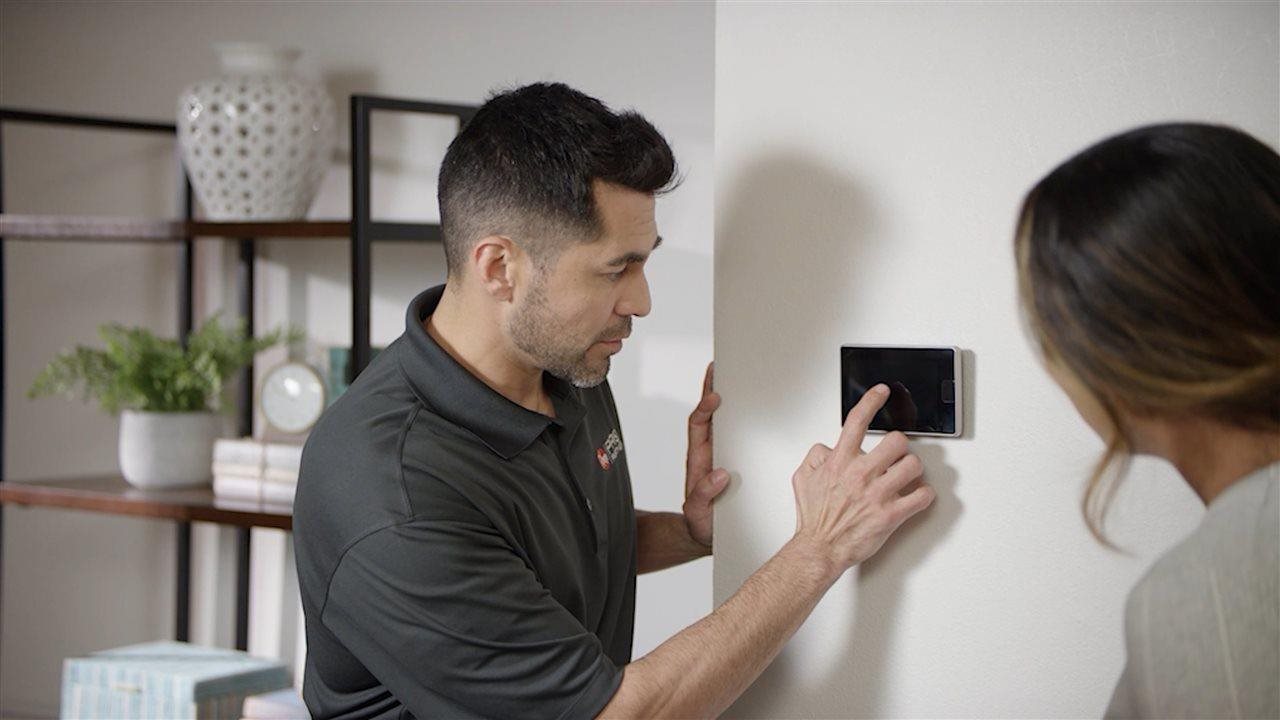
(BPT) – As the leaves begin to change and the temperatures start to drop, homeowners across the country are gearing up for the seasonal transition into fall. This time of year often brings a flurry of activity as people prepare their homes for the colder months ahead through tasks like cleaning gutters, insulating pipes and reversing ceiling fans.

One item that homeowners may not be expecting on their seasonal to-do list is replacing their air conditioning unit. Although air conditioning is often deemed a summer necessity, homeowners may be surprised by the many benefits of replacing their unit as part of their autumn preparation.

Cooler weather, hotter deals: Why fall is prime time for an AC upgrade

Fall is one of the best times to replace your air conditioner for several reasons:

  • Lower demand: During the fall, the demand for air conditioning units and HVAC services typically decreases. Lower demand means that units may include pricing incentives or limited offers from dealers. Additionally, choosing to replace before the existing unit breaks down allows homeowners to make more informed decisions about their needs.
  • Get ahead of repairs: A fall installation of a new AC unit means you won’t have to sweat unexpected repairs on your existing unit next spring or summer, especially if it’s nearing 10-15 years old. This also avoids potential breakdowns during peak heat.
  • Increased contractor/dealer availability: With fewer emergency calls, contractors and dealers have more availability to schedule consultations and installations. This increased availability can result in more flexible scheduling options and the opportunity to do much-needed maintenance like cleaning your air ducts or upgrading your thermostat.

Stack and save on your new unit with rebates, incentives

In addition to many manufacturers and contractors offering seasonal specials and discounts to encourage sales, the following cost-saving incentives may be available for qualifying units.

  • Utility rebates and tax credits
  • Energy Efficient Home Improvement Credit (25C)
  • Manufacturer rebates

Utility rebates can significantly reduce the overall cost of installation and use of your new air conditioning system. Federal tax credits are also available for qualifying high-efficiency equipment through the Energy Efficient Home Improvement Credit (25C). On top of the utility rebate and the federal tax incentive, a manufacturer rebate may also be applied to your entire order. These credits and rebates, along with the energy savings that often come with an efficient air conditioner, offer valuable incentives for those looking to upgrade their homes.

Stacking these offers and discounts can make it more affordable to upgrade to a new, energy-efficient air conditioning system, which in turn can also provide savings through lower monthly utility bills.

Five questions to consider before replacing your air conditioner

Before making the decision to replace your air conditioner, there are a few questions about your HVAC system you must consider to ensure you’re making the right choice for your home and budget:

  1. How old is your HVAC system?
  2. Have you performed a system inspection?
  3. Is your current system energy efficient?
  4. Do you have a system that’s compatible with smart technology?
  5. Is your system sized correctly?

Meeting with a trusted, local HVAC dealer to discuss these questions can help you make an informed decision before deciding to repair or replace your air conditioner.

Smart choice, cool comfort

If you’re considering replacing your air conditioner this fall, the Lennox SL25KCV air conditioner is an excellent choice. It is without question the most precise and efficient 2025 Compliant Refrigerant air conditioner* that homeowners can buy, with an unmatched 26.00 SEER2 level of efficiency. This measurement shows how efficiently an air conditioner can cool your home over a season, with higher ratings indicating better energy efficiency and lower electricity costs. Additionally, the innovative design of the unit itself ensures durability while its smart features maximize accurate control.

This unit is also eligible for the Energy Efficient Home Improvement Credit (25C), potentially offering substantial tax credits. For more information on the Lennox SL25KCV air conditioner, visit Lennox.com.

*Efficiency claim based on comparison of the average SEER2 of the SL25KCV as compared to the average SEER2 of the competitive variable capacity compressor units as published in AHRI (September 2024). Actual system efficiency may vary based on the system match and other factors; consult AHRI Directory for exact system efficiency. Precision claim based on the average cooling capacity range of the SL25KCV as compared to the average published cooling capacity of competitive 20 SEER2+ variable capacity compressor units (September 2024). Averages calculated across the full tonnage range available.

Efficient anesthesia staffing is a win-win for patients and facilities

2024-10-09T08:01:00

(BPT) – The financial side of the healthcare industry continues to be a hot topic for consumers and healthcare administrators alike. Rising costs, facility closings especially in rural areas, and the needs of an aging population dominate the headlines at healthcare institutions.

Balancing patient care with cost-effectiveness can be a difficult and delicate position for healthcare administrators, who often need to make tough choices. The key is evaluating the facility as a whole — all of its services, departments and staff — and making those pieces fit in the most worthwhile way. An often-elusive goal is arriving at a staffing model that balances patient care with cost, so the facility is functioning at maximum efficiency while providing high quality care.

One vital piece of this puzzle is anesthesia. Developed by the American Association of Nurse Anesthesiology (AANA), the Efficiency-driven Anesthesia Model (EDAM) approaches anesthesia staffing in such a way that makes the most of limited resources while ensuring high quality and access to care. EDAM:

  • Organizes variables unique to a healthcare facility or system while assessing requirements for best practices.
  • Limits duplication of services, improves effectiveness, increases access and reduces costs.
  • Reevaluates current anesthesia models to improve safe practice, cost effectiveness and accessibility.

EDAM is about increasing the involvement of Certified Registered Nurse Anesthetists (CRNAs), also known as nurse anesthesiologists or nurse anesthetists. Maximizing the use of CRNAs helps facilities increase efficiency while reducing unnecessary healthcare spending. Studies show that increasing CRNA involvement and reducing restrictions on CRNA-provided services results in care as safe and equitable as that delivered by physician anesthesiologists or in more restrictive anesthesia staffing models.

“This is about engaging both CRNAs and physician anesthesiologists to practice at the full extent of their education, licensure, and scope of practice, while offering healthcare systems the flexibility to align with local needs and financial constraints,” says AANA President Janet Setnor, MSN, CRNA, Col. (Ret), USAFR, NC. “The time has come to ask questions and listen to communities to select the best Efficiency-driven Anesthesia Model that meets the needs of any given location.”

There are three anesthesia staffing models for facilities to consider:

Consultative/Collaborative model. This is designed to promote professional cooperation and to create the most value for patients. In this model, all anesthesia providers are clinically autonomous and encouraged to use their full skill set and licensure in caring for patients.

Anesthesia Care Team model. This requires heavy physician anesthesiologist involvement in key portions of every procedure, as well as fulfilling federal Medicare billing and reimbursement requirements under the Tax Equity and Fiscal Responsibility Act (TEFRA) of 1982. These two matters contribute to increased healthcare costs by mandating a maximum 1:4 ratio of physician anesthesiologists to CRNAs.

Independent CRNA or Physician Anesthesiologist model. This model sees a single anesthesia provider who either works on their own or as part of a team made up of only CRNAs or physicians. It has traditionally been employed by lower-volume facilities in rural areas, but now it’s being used more often in non-hospital-based settings like ambulatory surgical centers or medical offices.

The AANA’s President Setnor says Efficiency-driven Anesthesia Modeling is a win-win for healthcare facilities and patients alike by identifying the most appropriate anesthesia care delivery system for any given location. By making efficient anesthesia provider staffing a facility’s central goal, it helps make the most of its limited resources, she notes.

CRNAs currently provide the majority of anesthesia services in rural facilities. CRNAs are ready to provide effective, more efficient and equitable anesthesia care to many facilities, including those struggling to attract high-cost physician anesthesiologists.

For more information, or to download key resources for Efficiency-driven Anesthesia Modeling, visit AnesthesiaFacts.com or contact the American Association of Nurse Anesthesiology.

4 Ways to Help Protect Against Tick Bites This Fall

2024-10-09T09:01:00

(BPT) – Beautiful fall days captivate many people, offering a burst of color as the leaves change and cooler temperatures that encourage outdoor adventures. However, as you’re outside enjoying the splendor, it’s important to be aware of a pest you may not be thinking of — ticks.

Despite popular belief that cooler weather takes care of outdoor pests, ticks actually have two active times of year — first in early spring and second in the fall — during warming temperatures and higher humidity. However, in some parts of the country, ticks can be active year-round if temperatures are warm enough, so check out the CDC’s Tick Bite Tracker, which approximates tick activity based on emergency room visits.

No matter what time of year it is, many people are still unclear about where ticks can be found. In a survey* for OFF!® by The Harris Poll, three in four Americans (75%) said they know ticks typically live in wooded areas, but only half (51%) understand that the areas they frequent even more, like backyards, may also be susceptible to ticks. This poses a risk, as the deer tick (aka black-legged tick or Ixodes scapularis) can potentially carry Lyme disease. Despite this risk, only a third (31%) of Americans consistently take measures to protect themselves from ticks, according to the same survey.

“Tick bites and the pathogens they could transmit can be serious,” said Dr. Anita Patel, a pediatric critical care doctor in the Washington, DC, area, where ticks are prevalent. “Unfortunately, I have cared for too many patients who have experienced Lyme disease and the complications that come with it.”

According to Patel, one of the most challenging aspects of Lyme disease is that “early” signs and symptoms generally don’t show up until three days, and can sometimes take up to 30 days, after a tick bite. While the most common symptom is a bullseye-shaped rash with a clear center called erythema migrans, that tell-tale sign isn’t always present. Other symptoms can include fever, chills, fatigue, headache, muscle and joint aches and swollen lymph nodes — which are also common symptoms of many other conditions.

The best way to help protect yourself and your children against Lyme disease is to prevent bites from ticks that might be carrying it, Patel advised. Here are her tips to protect yourself so you can get the most out of the oncoming fall weather:

Use a tick repellent. An effective repellent like OFF!® Deep Woods® Insect Repellent V Tick Aerosol is formulated with 25% DEET to provide long-lasting protection from ticks and other pests like mosquitoes, black flies, sand flies, chiggers and gnats. This aerosol spray ensures easy application, so you can enjoy the outdoors uninterrupted. “Vector-borne diseases, especially Lyme disease, has been at the top of my mind because my family likes to enjoy the cooler weather,” said Patel. “That’s why we always put on OFF!® Deep Woods® Insect Repellent V whenever we go outdoors to help protect ourselves from mosquitoes, ticks and other pests.”

Dress to protect. When walking in the woods or even relaxing in the park or backyard, wear long socks and pants to prevent ticks from reaching your skin.

Check for ticks. After being outside, always check for ticks on yourself, your family and your pets. Ticks like warm, tucked-away places that are tricky for you to get to and can sometimes be as small as a poppy seed. These areas include but are not limited to behind your knees, between your toes and on your waistband, so do a thorough check.

Get kids involved in protection early. Adults know preventing tick bites is important, but making kids aware and interested can be tough. A positive experience while using a repellent is key to getting buy-in from your kids. “As a parent and a pediatrician, my biggest advice is to use an effective product that feels good on your skin!” said Patel. “My family likes picaridin-based products, such as the OFF!® Clean Feel Insect Repellent I Aerosol, because it doesn’t feel sticky on their skin.” OFF!® repellents, including OFF!® FamilyCare Insect Repellent I, are formulated with various active ingredients that are EPA-approved to help protect you from ticks, mosquitoes and other biting insects no matter your preference.

With these tips in mind, you can be sure to take advantage of the beautiful fall weather, knowing you are protected! For more information, check out the CDC guidance** on preventing tick bites. If you would like to learn more about OFF!® brand’s various products, head to OFF.com.

* This survey was conducted online within the United States by The Harris Poll on behalf of OFF! from March 28-April 1, 2024, among 2,066 adults ages 18 and older, among whom 1,392 are dog/cat owners.

** Although the CDC/EPA does not recommend a specific brand or product, they do recommend the use of DEET and other approved active ingredients to repel mosquitoes.

How This Army Soldier and Entrepreneur Celebrates Her Mexican American Heritage

2024-10-08T12:00:00

(BPT) – Over half of American adults have started a business at some point in their lives, according to the Global Entrepreneurship Monitor — but nurturing a business to long-term success requires an unmatched level of dedication. Many U.S. Army Soldiers are familiar with this level of commitment and have used the foundational skills they’ve learned in the Army to pursue other lifelong goals. One inspiring Soldier is using her leadership skills and rich cultural influences to pursue her passions in and out of uniform as both a service member and female entrepreneur.

Amid the COVID-19 pandemic, Sgt. 1st Class Elizabeth Calderon — who is self-described as a “coffee-holic” — was longing for something more satisfying than gas station coffee. With her go-to coffee shops closed for the foreseeable future, she began exploring new ways to brew her own blends, embodying the vibrant flavors and character of the proud Latino community that Calderon calls her own. Using the discipline she developed in the Army, Calderon founded her own company in 2021, Magia Coffee.

Just in time for Hispanic Heritage Month, Calderon is drawing from her experiences as a Soldier and female entrepreneur to share her words of wisdom for those looking to start a business while staying true to their roots.

Build an authentic brand.

It’s easy to follow trends, but a truly memorable business idea comes from our own unique voice and character. In founding Magia, Calderon tapped into her Latino heritage and personal passion for coffee to create an authentic offering for her customers. From package design to coffee blends to the business model, she ensures every part of her brand speaks to her own experience and connects to her audience in a genuine way. The first bag she produced features La Mas Chingona, a reference rooted deeply in her Latino culture used to describe a strong, empowered woman, or as Calderon says, “She’s powerful, and you can’t mess with her!” By tapping into what you know your audience will love, you can find what will make your business unique.

Sgt. 1st Class Elizabeth Calderon holding a package of coffee beans next to a coffee maker.
Sgt. 1st Class Calderon infuses her Latino culture into every aspect of her coffee brand, including packaging and the coffee blends.

Plan to make plans.

There is a not-so-glamorous side to being an entrepreneur, and it calls for some serious planning and coordination. Finances, inventory, marketing and more all need to be considered as part of your business’s day-to-day operations. As a former Army drill sergeant and now a human resources specialist, Calderon is no stranger to discipline, structure and organization, and is grateful that she is able to translate that skillset into her business savvy every day. “[The Army] is a huge part of where I’ve been going and where I’m heading,” says Calderon, and the skills, professionalism and integrity instilled in her through service have been key to her thriving business.

Sgt. 1st Class Elizabeth Calderon wearing a tank top and holding a cup of coffee while coffee beans rain down like confetti.
Calderon, a former drill sergeant, says that the discipline she learned in the Army is essential to her success as an entrepreneur.

Build a community and pay it forward.

No one wants to run a business alone. As both a Soldier and a member of the Latino community, Calderon knows the importance of building and fostering connections with others and has tapped into her relationships to excel in every area of her life. When building her business, Calderon used her network to reconnect with a friend who eventually became her company’s designer, and she is always looking for opportunities to engage other Hispanic artists and creators in her work. She also creates community through partnerships and support for other small business owners, young athletes and aspiring entrepreneurs.

When in uniform, Calderon works to be an example for young Hispanic Soldiers of what can be accomplished with an Army career. Allowing herself to be proud of everything she has achieved is something that Calderon admits she is still working on — but she knows that by reflecting on her success, she is also inspiring the next generation of Soldiers and small business owners.

Three people in Army fatigues
The relationships that Calderon has fostered throughout her career are essential to her success both in and out of uniform.

While they may seem worlds apart, starting a business and serving as a Soldier requires complementary skills; as Calderon knows, both take tenacity, organization and a team of support. Part of that support can be found in the Army, which allows the flexibility for Soldiers like Calderon to pursue their passions.

By considering these tips from a Soldier who has lived it, you can start your own journey into entrepreneurship on the right foot with the vision to make it happen.

Pets or personal safety: A choice no one should ever have to make

2024-10-08T14:45:00

(BPT) – The physical and emotional benefits of having a pet are well documented, yet for those facing trauma and abuse, making the decision to escape abuse is more complicated when a pet is involved. For many survivors, seeking safety for themselves may mean deciding whether to leave their pet behind with an abuser because there is simply no safe place to go together.

Sadly, it is a decision that many survivors of domestic violence must make.

As many as one in three women and one in four men experience domestic abuse in their lifetimes. Because few domestic violence shelters accept pets, 48% of survivors delay leaving their homes because they can’t take their pets with them, according to the National Coalition Against Domestic Violence. And 71% of survivors entering domestic violence shelters report that an abuser had threatened, injured or killed family pets.

Purina’s vision is to have a world where no one is trapped in abuse because they can’t take their whole family with them, including pets. Pets can be critical to the healing and well-being of survivors. That’s why Purina has partnered with RedRover to create the Purple Leash Project. The goal is to help ensure that 25% of U.S. domestic violence shelters are pet friendly by the end of 2025 so that survivors and their pets can escape together and heal together.

Purina is helping to create more pet-friendly domestic violence shelters by providing grants and resources to shelters across the country. Since 2019, Purina has provided 53 grants totaling $1.6 million as part of the Purple Leash Project, helping to move the number of shelters who accept pets from only 3% a decade ago to 19% today. And the momentum continues to build.

Domestic Violence Awareness Month in October is a reminder there are many opportunities to get involved and help survivors. Purple Thursday is a national day of action that takes place on Oct. 17 this year. Here are some ways you can participate and show your support for survivors of domestic abuse:

  • Wear purple
  • Donate wish list items to local domestic violence shelters
  • Light your home or business with purple lights
  • Donate to RedRover in support of the Purple Leash Project

Throughout October, Purina will help its factories and sales offices across the U.S. create activations in their own communities to help broaden the Purple Leash Project’s impact. Besides raising funds and awareness, Purina associates also volunteer their time and have helped renovate domestic violence shelters to accommodate pets.

The Purple Leash Project has the potential to change society and challenge the way that pets and domestic abuse survivors are treated when they need each other most.

Visit PurpleLeashProject.com for more ways to get involved, stay informed or to donate to RedRover to support this important work.

7 easy ways to freshen up your kitchen

2024-10-08T11:01:01

(BPT) – Thinking of updating your kitchen? If it has been awhile since you tended to the heart of your home, it might be time for a refresh. The good news? You don’t have to do an extensive (and expensive!) remodeling job to get a new look. You can spruce up your kitchen easily, in a weekend, with some small changes that will make a big impact.

Here are some ideas from the pros at Kohler.

Paint. Take one afternoon, a roll of painter’s tape, a paint brush and a step stool. Add a fun new color of paint and you’ve got a new look for your kitchen. There is nothing easier, quicker or less expensive than a DIY paint job to brighten up your space. Even a new color on one wall makes a big difference.

Faucets. You’d be surprised how much a new faucet can change the entire vibe of your kitchen. Today, faucets are multi-functional works of art, statement pieces that catch the eye. The Kohler Components Kitchen Faucet Collection, for example, is defined by a warm, minimalist look. Styles are noted for their precision in detail and the intersection of form, texture and function. Featuring seven striking designs, the collection is eye-catching, but these aren’t just pretty works of art. They incorporate advanced functionality, too. The Semi-Professional faucet showcases Kohler’s innovative Sweep Spray that provides a wide, forceful blade of water to deliver efficiency in cleaning. The Bar faucet features a two-function aerator that allows users to switch from an aerated stream to SoftRinse spray with a simple twist. That’s perfect for washing hands, rinsing delicate glassware and china, and prepping veggies and fruits.

Sinks. Long known as the workhorse of the kitchen, your sink is a central focal point of all of your meal prep and cleanup. But it doesn’t have to look stodgy. With Kohler’s Sink Collection, you can choose from under or top mounted, farmhouse, double or single bowl — whatever fits best with your kitchen decor. And deep color is all the rage. Why not venture from traditional white or cream into trendy teal, truffle, aspen or fresh green, or even dramatic black to update your kitchen style?

Backsplash. While you’re choosing your new sink, consider a new backsplash that will really make the area pop. Think about subway tiles, a mosaic or a metallic look that can pull the various elements of your kitchen together.

Cabinet refresh. You don’t need to invest in new cabinets to give your kitchen a new look. All you need is a coat of paint. Gone are the muted colors and whisper grays of past years. Today, it’s all about deep, rich color. Pair sage green cabinets with black appliances (or a dramatic black sink and a standout faucet!), or smoky blue cabinets with white walls and a splash of yellow. Other trending colors include deep red, pastel blue and even rich black.

Cabinet hardware. While you’re refreshing your cabinets, don’t forget the pulls and knobs. Take an afternoon to browse at your local kitchen store or online — you’ll be surprised by how many innovative, fun styles and colors of pulls and knobs you can find that will accent and highlight your kitchen’s new look.

Lighting. Swapping out your old fixtures for a more dramatic look will instantly change the feel of your kitchen. Under-cabinet lighting provides a soft glow for those times when you don’t need the room to be bright.

With a few small changes, you can freshen up your kitchen quickly and easily. Not sure exactly what you’re looking for? Check out this Bathroom and Kitchen Buying Guide for inspiration.

Brushing Away Hospital Risks: The Importance of Proper Oral Care

2024-10-08T08:01:00

(BPT) – Whether you’re the patient or the worried loved one, a hospital stay is often a whirlwind of stress, uncertainty and endless beeps from machines. Amid the chaos, it’s easy to forget the basics, like brushing your teeth. However, maintaining good oral care during your hospital stay isn’t just about keeping your breath fresh; it’s about addressing the risk of hospital-acquired pneumonia with the proper, necessary tools (Quinn, 2020).

Don’t brush off oral care

When you’re in the hospital, your body is already in a vulnerable state — battling a weakened immune system, recovering from surgery, or just dealing with the overall exhaustion of being bedridden. This makes all patients — ventilated and non-ventilated — a prime target for hospital-acquired infections. And while doctors and nurses are superheroes in scrubs, even they can’t do it all. That’s where being proactive during your hospital stay, like brushing your teeth, comes in.

Skipping out on your oral care may not seem like a big deal, but this daily routine can help you maintain healthy oral hygiene. While in the hospital, bacteria from the mouth can make their way into the lungs, potentially causing serious complications like pneumonia, which is the most common hospital-acquired infection (Magill, 2018). The risk of infection is real for everyone (Quinn, 2014).

It’s also important to recognize that not all toothbrushes are created equal. Settling for a basic toothbrush that may or may not be provided by the hospital could put you at additional risk. A recent study published in Clinical Nurse Specialist found that nearly 50% of hospital-provided toothbrushes were contaminated with bacteria. This highlights the need for higher-quality tools that are replaced after every use or every day to better protect your health and well-being during your stay.

The dirty details of hospital-acquired pneumonia

Hospital-acquired pneumonia affects nearly 1 in every 100 hospitalized patients (Munro, 2021). Even worse, a study published in the American Journal of Critical Care identified that nearly 37% of people who develop pneumonia during a hospital stay go on to develop sepsis, a life-threatening condition that happens when your body has an extreme reaction to infection. Sepsis can lead to widespread inflammation, organ failure, and, in severe cases, death.

“Non-ventilator hospital-acquired pneumonia and its complications are responsible for 1 in 14 hospital deaths, with 1 in 5 patients who develop this infection never returning home,” said Barbara Quinn, DNP, RN, ACNS-BC, FCNS, former Director of Professional Practice & Nursing Excellence at Sutter Health (Jones, 2023). “Maintaining good oral care while in the hospital may seem like a small detail, but it can play a major role in recovery.”

According to a study in Infection Control and Hospital Epidemiology, patients who develop non-ventilator hospital-acquired pneumonia typically face prolonged hospital stays, averaging an additional 6.6 days. Even after recovery, the journey might not be over, as nearly 20% of pneumonia patients are readmitted within 30 days of discharge (Baker, 2018). The battle to regain full health often continues long after leaving the hospital, with lingering respiratory issues and weakened immunity making recovery even more challenging.

Keeping oral care on track

The solution is simple, but it’s often overlooked. If you or a loved one find yourself in the hospital, here’s how to stay on top of your oral care and address the risk factors of hospital-acquired pneumonia based on the ADA-approved evidence-based protocol:

  • Request the right tools: Ask a nurse for a soft-bristled toothbrush, therapeutic toothpaste (look for one with sodium bicarbonate), antiseptic mouthwash, and a non-petroleum-based moisturizer.
  • Stick to the routine: Brush your teeth 2-4 times a day – after each meal and before bedtime, just like you would at home.
  • Swap out old brushes: Hospital rooms can be breeding grounds for bacteria, so ask for a fresh toothbrush daily or after every use (DeJuilio, 2023).

These small steps can make a big difference in keeping pneumonia at bay and helping you or your loved one bounce back faster. So, next time you’re tempted to skip your oral care routine, remember: your mouth might be the first line of defense against a hospital stay that gets complicated. Keep those pearly whites clean, and you’ll be smiling all the way to recovery.

To learn more about comprehensive oral care, hospital-acquired pneumonia, and how you can advocate for yourself and your loved ones, visit Stryker.com.

Why this mom is advocating for flu vaccination

2024-10-07T08:01:00

(BPT) – Like many seven-year-olds, Kaden Stevenson was active and healthy, enjoying martial arts and soccer. When Kaden’s mom Michele noticed he wasn’t his usual energetic self, she assumed he might have a cold or stomach bug. But after four days of rest, he was getting worse, and he was starting to complain that his right leg hurt. As soon as Michele noticed swelling in his leg and the rash all over his body, she took him to the emergency room.

Kaden was airlifted to a children’s hospital where a pediatric orthopedic surgeon could relieve the pressure in his leg. He was diagnosed with influenza A and strep. As a complication of influenza, bacteria had entered Kaden’s bloodstream, causing him to go into toxic shock. In addition to being at risk of losing his leg, Kaden’s heart, liver and kidneys were failing.

Kaden spent two weeks in pediatric intensive care, where Michele learned her son would need both legs amputated due to the infection in his bloodstream. He’s lucky to have survived the ordeal. “I thought I might lose him,” said Michele.

Kaden has learned to thrive with his new “robot legs,” and his family is grateful for the medical team who helped save his life. Michele learned firsthand how critical it is to prioritize annual flu vaccination, and she wants parents to understand the importance of getting their children over 6 months of age to get vaccinated against the flu every year.

“Pay attention to your kids, because it’s easy as parents to think we know it all,” said Michele. “You know your child, but when they’re young, they don’t always know how to express themselves. Don’t assume you can fix everything on your own.”

Boy in a wheelchair smiling and holding a prosthetic leg over his head.
Both of Kaden’s legs were amputated due to flu complications.

Not the common cold

Influenza, or the flu, is different from a cold. Most people who get flu will recover in a few days to less than two weeks, but sometimes flu can lead to complications (such as pneumonia) which can lead to hospitalization and death.1

Flu may impact each person differently, but symptoms can appear suddenly and include fever (or feeling feverish/chills), cough, sore throat, runny or stuffy nose, muscle or body aches, headaches and fatigue.1

The flu is very contagious. People can begin spreading flu to others one day before symptoms start, and up to a week after becoming sick — and some, especially young children, might be contagious to others for even longer.2 Flu viruses are spread mainly by tiny droplets made when people with flu cough, sneeze or talk.2 Getting a flu vaccination annually can help prevent the flu for both you and your family.

Who may experience flu complications

Flu can impact anyone, of any age, race and gender2 — even people who feel healthy — and serious problems related to flu can happen at any age.2 However, some people are at higher risk of developing serious flu-related complications if they get sick,2 including people 65 years and older, people with certain chronic health conditions (such as asthma, diabetes or heart disease), pregnant women and young children.2,3

Vaccination is especially important for people across diverse racial and ethnic minorities, who may also be at higher risk for getting flu or developing serious illness.4 From 2009-2023, flu hospitalization rates have often been higher among Hispanic, Black, American Indian or Alaska Native adults.4 One issue is that people from some racial and ethnic minority groups face barriers to healthcare in general and, specifically, lack easy access to vaccination.4

When and where to get protection

According to the Centers for Disease Control and Prevention (CDC), the best way to protect against flu is for everyone 6 months and older to get vaccinated annually.2,5 If you don’t have insurance or a primary care doctor, ask your local pharmacist about flu vaccination.

Protecting your family is crucial during flu season — October through May — peaking between December and February.6

“The best way your family can stay healthy is by getting a flu vaccination, ideally by late October,” said pharmacist and GSK vaccines educator Dr. Leah Smith. “Vaccination doesn’t mean you’ll never get the flu, but it can lessen the severity of symptoms and prevent flu complications.”

If you or a family member is unable to get vaccinated until November or later, vaccination is still recommended, because the flu typically peaks in February, and significant activity can continue into May.5

Getting flu vaccinations is typically quick and convenient, so you can help protect your family from the flu with minimal time commitment. Some locations like your local pharmacy may accept walk-ins. Vaccinations are usually free for people with medical insurance, including Medicaid, Medicare, ACA plans and private plans.7 Flu vaccinations are offered in healthcare settings including doctor’s offices and clinics, but you can also get vaccinations in places like pharmacies, urgent care clinics, college health centers and some schools or workplaces.8

Ask your pharmacist or doctor about getting your flu vaccination this season. Learn more about flu prevention at CDC.gov/flu.


1 Centers for Disease Control and Prevention. Flu Symptoms & Complications. Available at: https://www.cdc.gov/flu/symptoms/symptoms.htm. Accessed July 22, 2024.

2 Centers for Disease Control and Prevention. Key Facts About Influenza (Flu). Available at: https://www.cdc.gov/flu/about/keyfacts.htm. Accessed July 24, 2024.

3 Centers for Disease Control and Prevention. People at Higher Risk of Flu Complications. Available at: https://www.cdc.gov/flu/highrisk/index.htm. Accessed July 24, 2024.

4 Centers for Disease Control and Prevention. Health Equity and Flu. Available at: https://www.cdc.gov/flu/highrisk/disparities-racial-ethnic-minority-groups.html. Accessed July 24, 2024.

5 Centers for Disease Control and Prevention. Prevention and Control of Seasonal Influenza with Vaccines: Recommendations of the Advisory Committee on Immunization Practices — United States, 2024–25 Influenza Season. Available at: https://www.cdc.gov/mmwr/volumes/73/rr/rr7305a1.htm?s_cid=rr7305a1_w. Accessed August 30, 2024.

6 Centers for Disease Control and Prevention. Flu Season. Available at: https://www.cdc.gov/flu/about/season/index.html. Accessed July 24, 2024.

7 U.S. Department of Health and Human Services. How to Pay. Available at: https://www.hhs.gov/immunization/get-vaccinated/pay/index.html. Accessed July 24, 2024.

8 Centers for Disease Control and Prevention. Key Facts About Flu Vaccines. Available at: https://www.cdc.gov/flu/prevent/keyfacts.htm. Accessed July 24, 2024.