Don’t Sweat It: A Pharmacist’s Guide to Summer Skin Care and First-Aid Essentials

2026-06-23T15:15:00

(BPT) – Summer is in full swing — bringing longer days, more time outdoors and plenty of fun — along with the occasional scrape, bruise, bug bite and sunburn. The good news? With a little preparation, and the right resources, you can handle those unexpected moments quickly and get back to enjoying the season.

“During the summer months, we help families with everything from soothing sunburns to treating bee stings,” said Julie Caldwell, a Walgreens pharmacist. “My best advice is to be prepared before those unpredictable moments arise. That means keeping sunscreen on hand and a well-stocked first-aid kit ready for life’s everyday bumps, bites and scrapes.”

Even with the best planning, summer doesn’t always go as expected — whether you run out of sunscreen at the pool, need relief from a mosquito bite or want to quickly treat a minor injury, Walgreens can help you solve those in-the-moment needs fast. By following these pharmacist-recommended tips, keeping key essentials on hand and knowing where to turn for quick solutions, you can stay comfortable, protected and ready for whatever summer brings.

Don’t skimp on sunscreen

Think you won’t get a sunburn? Better to be safe than sorry. According to recent findings from the American Academy of Dermatology, 35% of Americans were sunburned in 2024 (up from 25% in 2020). Not only is a sunburn painful, but it can also increase your risk of skin cancer.

When you’re frolicking outdoors at the park, pool or beach, keep your skin protected by applying a broad-spectrum, water-resistant sunscreen with an SPF of 30 or higher, like Walgreens Sport Sunscreen Continuous Spray, which comes in both SPF 30 and SPF 50. Your skin will thank you for it.

Pro tip: Remember that no sunscreen is waterproof or sweatproof. Reapply sunscreen at least every two hours or immediately after swimming, sweating or toweling off.

Soothe a sunburn the right way

A sunburn usually heals on its own, but the process can be painful. If experiencing discomfort, an over-the-counter anti-inflammatory pain reliever, such as ibuprofen, may help. If you don’t have blisters, apply Walgreens Dye-Free After Sun Gel — which contains aloe vera — while your skin is damp. This can help replenish moisture, soften your skin and help prevent peeling.

Take the itch out of insect bites

Humans aren’t the only ones enjoying the warmer weather. Insects like mosquitoes are out in droves, waiting for unsuspecting prey like you.

The best way to handle insect bites is to avoid them by applying a smooth, non-greasy mosquito repellent before heading outdoors, like Off! Mosquito Repellent Smooth & Dry Non-Greasy Spray or OFF! Clean Feel Fragrance Free.

If you do get bitten, resist the urge to scratch. Scratching can break the skin and lead to infection. For immediate relief, clean the skin with soap and water and apply a cool compress. Use an over-the-counter anti-itch cream, like the one from Walgreens, or take an over-the-counter oral antihistamine, such as Zyrtec 24 Hour Allergy Relief Tablets or Walgreens 24 Hour Allergy Relief Cetirizine Hydrochloride, to temporarily relieve itching.

Be prepared for minor injuries

Cuts, scrapes and other minor injuries are common when you’re exploring the outdoors. That’s why it’s important to have a first-aid kit on hand, like the Walgreens On-The-Go First Aid Kit. This kit has exactly what you need to treat minor injuries, including bandages, topical sanitizers and ointments, gloves, a cold pack, tape and wound dressings.

If you don’t know how to properly care for a minor cut, burn or sprain, don’t worry. The kit also comes with a first aid guide to help you.

Prioritize your hydration

Another common summer concern to prepare for is dehydration. When spending long days in the summer heat, you will naturally lose fluids. Staying hydrated is vital to keep the good times going.

For general hydration on beach days, during camping trips or on high-heat days, drink plenty of fluids, especially water. You should also consider an electrolyte drink mix like Walgreens Triple Hydration Electrolyte Drink Mix Stick Packs, which hydrates faster than water alone, includes essential vitamins and helps you stay comfortable while taking in the sunshine.

Outsmart summer allergies

A summer breeze may feel nice on your skin, but the pollen it carries can trigger seasonal allergies. Luckily, symptom-specific over-the-counter allergy medications can help you enjoy your day. Treatments like antihistamine eye drops, nasal corticosteroid sprays and over-the-counter oral medications like Walgreens 24 Hour Allergy Relief Loratadine Tablets can help alleviate multiple symptoms such as sneezing, a runny nose and itchy and watery eyes.

Soothe the sting of summer plants

Even when you are being careful, you may come into contact with an irritating plant like poison ivy.

If this happens, don’t panic. Wash your skin in warm, soapy water or use Walgreens Poison Ivy Wash within an hour to keep urushiol (an oil that causes the extremely bothersome rash) from spreading.

If a rash develops, resist the urge to scratch. Instead, apply a cool compress and use over-the-counter calamine or hydrocortisone cream to ease itching. Avoid topical antihistamine or anesthetic creams, which can actually make the rash worse.

An ounce of prevention is worth a pound of cure

Are you ready to start your summer off on the right foot? Head to your local Walgreens to stock up on all the essentials or stop by before you head to the beach and when you need relief or supplies fast.

From dermatologist-tested sunscreens to soothing after-sun care, as well as allergy relief and first aid solutions, Walgreens is your go-to destination for summer wellness. Plus, with convenient options like 30-minute Pickup or 1-hour Delivery*, getting what you need is fast and easy, even when you’re fighting off a poison ivy rash.

“With the right essentials in place, it’s easier to stay protected and truly make the most of the season,” said Caldwell. “And Walgreens is here to help every step of the way, especially when you need it most.”

To learn more and find a store near you, visit Walgreens.com.

*Delivery in as little as 1 hour and Pickup in as little as 30 minutes based on national averages, actual times may vary. Pickup is available for eligible items when your order is $10 or more (after promo codes and paperless coupons are applied and before taxes). Exclusions, restrictions, and fees may apply. For details, visit Walgreens.com/same-day-delivery and Walgreens.com/Pickup.

Beyond the thermostat: What today’s homeowners really need to feel comfortable at home

2026-06-23T09:17:01

(BPT) – When homeowners think about indoor comfort, temperature is usually the first consideration. Thermostats are adjusted, or vents are opened or closed. But if you have ever walked into a room that displayed the right temperature but still seemed sticky and stuffy, or a bedroom that just won’t cool down, you’ve experienced the bigger picture of comfort.

Indoor comfort is not just about temperature; it is also about humidity, airflow and how evenly a home is cooled or heated. For example, humid air can feel heavy, sticky and warmer than it actually is, while dry air can cause discomfort and irritation.

As homeowners come to this realization, they are often looking beyond basic heating and cooling and thinking about comfort more holistically. The HVAC industry now produces systems that control temperature and moisture, noise levels and more, all things buyers should consider when contemplating upgrading their home system.

The secret to better comfort: Variable-speed compressor technology

One of the most effective advancements in this space is the use of variable-speed compressors. Think of a traditional single-stage system like a car with only two speeds, parked or full throttle. A variable-speed system, by comparison, operates more like cruise control, automatically adjusting to maintain a smooth, steady ride. Unlike traditional single-stage systems that cycle on and off at full capacity, variable-speed technology adjusts output continuously to match the home’s needs.

This longer, steadier operation allows systems to better manage humidity by removing more moisture from the air over time rather than just rapidly cooling it. The result is a more consistent indoor environment that feels less clammy, more comfortable and operates with a system that is more energy efficient. This approach also supports better indoor air quality.

By reducing excess moisture, homeowners can limit conditions that contribute to mold growth and other issues. For families increasingly focused on health and wellness at home, humidity control is a primary driver of comfort.

Less noise, more comfort

At the same time, comfort is not just about how a space feels, but also how it sounds. As homes evolve into multi-functional spaces such as offices, classrooms and relaxation areas, noise from mechanical systems can become a noticeable disruption.

Modern HVAC systems, such as Rheem®‘s Endeavor® line, are rising to meet that expectation through thoughtful engineering and advanced components. HVAC systems with variable-speed compressors, for example, have fewer moving parts than traditional designs, resulting in smoother, quieter performance. When paired with sound-dampening features such as insulated compressor compartments, optimized refrigerant flow, and precision-balanced fan blades, these systems can achieve sound levels comparable to a normal conversation.

Fan and airflow design also play a crucial role. By carefully engineering airflow paths and reducing turbulence within the unit, manufacturers minimize vibration and mechanical noise. The result is a system that performs efficiently and quietly, an increasingly important factor in open-concept homes where living, working and sleeping areas often overlap.

Even temperatures: Utilizing zoning comfort solutions

Beyond humidity and acoustics, another key factor in shaping indoor comfort is consistency from room to room. Many homeowners are familiar with the frustration of hot and cold spots, like bedrooms that never seem to cool down, basements that feel damp and chilly or second floors that trap heat. These imbalances are often the result of traditional systems delivering uniform output to spaces with very different needs.

Zoned comfort solutions address this challenge. By dividing a home into distinct areas, or zones, and controlling each independently with multiple units, HVAC systems can deliver the right amount of heating or cooling exactly where it’s needed. Multi-stage systems further enhance this capability by adjusting output in increments, thereby avoiding the temperature swings associated with single-stage operation.

Ductless mini-split systems, increasingly common in everything from sunrooms and home additions to primary living areas, provide advanced zoning and deliver precise room control without ductwork. These systems are great for additions, older homes or spaces with unique comfort needs. By stabilizing temperatures throughout, zoning technology helps eliminate inconsistencies that undermine comfort. The practical result: One family member can keep the home office cool for focused work while another enjoys a warmer living room, all without compromise.

Together, innovations such as humidity control, quiet operation and zoned performance can help to create a comfortable, relaxing indoor space. Comfort is no longer a single number on a thermostat, but a balance of temperature, moisture, sound and consistency.

Manufacturers like Rheem, a leader in the HVAC industry, drive this evolution by combining advanced compressors, noise reduction and flexible designs into next-generation systems, resulting in refined indoor living suited to today’s needs.

For today’s homeowners, comfort is no longer defined by a single number on a thermostat — it’s the sum of every breath, sound and temperature in the spaces where life happens. The HVAC systems being built today are finally catching up to that reality, creating comfortable, quieter and more adaptable living spaces.

How to use your loyalty rewards program like a pro

2026-06-23T14:00:00

(BPT) – Summer is the peak season for fun-in-the-sun adventures like traveling, camping, sports, cookouts, tailgates and other outdoor activities. However, the costs of these seasonal activities can quickly add up.

The good news is that you don’t have to pick between budgeting and summer fun. You can stock up on summer essentials and save when you use a loyalty rewards program. One great example is CVS ExtraCare, an industry-leading, free loyalty program that combines the quality, convenience and value of CVS Pharmacy while giving members access to personalized deals, member-only promotions, pharmacy rewards and ongoing savings on nearly every purchase.

That said, before you shop, it’s important to understand how to get the most out of a loyalty program’s benefits. Whether you’re a loyalty program member already or need to sign up, check out these simple tips to make the most of your rewards this summer.

Review your benefits

The best way to make the most of your loyalty program is to know what benefits it offers. How do you earn rewards? How can you track your rewards? Can you maximize your savings with rewards and discounts? How and where can you redeem your rewards? Knowing the answer to these and other questions about your loyalty program benefits can help you better understand your potential savings and rewards and best plan for your next purchase.

As an ExtraCare member, you’ll have access to personalized deals, member-only promotions, pharmacy rewards and ongoing savings on nearly every purchase, all of which you can track through the CVS Health app and online at CVS.com. ExtraCare rewards and offers can be redeemed in the app, online or in-store — so savings are always in reach, no matter how you shop.

If you want added convenience and access to premium perks, you can sign up for ExtraCare Plus for just $5 a month. Members get additional benefits such as 20% off CVS Health brand products and free delivery options. Plus a $10 monthly ExtraBucks bonus reward as a thank you.

Search for opportunities to use toward future purchases

Loyalty programs may offer members rewards to use toward future purchases. ExtraCare members can earn 2% back in ExtraBucks Rewards on all qualifying purchases across store offerings, including health, beauty, household essentials, snacks and more.

So, when you need to pick up sunscreen and swim diapers, you’ll potentially earn ExtraBucks to spend on future purchases, like those chips and water bottles you’ll need for an upcoming barbecue.

Check out personalized deals

Look for rewards programs that offer personalized deals, so you can save on the items you buy most often.

As an ExtraCare member, you’ll receive “Deals for You,” tailored offers and rewards based on what you buy so you can maximize your savings over time. For example, if you regularly buy and pack CVS Strawberry Lemonade Hydration Powder for a day at the beach, you may find a coupon or deal waiting for you. That’s the beauty of ExtraCare. You won’t have to dig for relevant savings — they’ll find you.

Become a savings pro

ExtraCare rewards are designed to be used together, so members can use their savings and weekly deals together to make their dollars go further. This summer, ExtraCare members can take saving to the next level during the CVS Pharmacy “Extra Extra Big Deals” event. From June 21 through July 4, customers can save on seasonal essentials with buy-one-get-one (BOGO) offers and sales prices. ExtraCare members can use these special promotions with their personalized deals and perks, like “Spend $30, get $10 Extrabucks,” offering more ways to save. That means you can buy a few boxes of your favorite General Mills Cereal for $1.99 each (compared to the typical $7.59 sale price), snag a BOGO deal on Raw Sugar Kids 2 in 1 Shampoo & Conditioner and use your personalized deals, all in one transaction.

Earn rewards through daily health activities

Purchases aren’t the only way to rack up rewards. Look for opportunities to turn your day-to-day routines — like regular visits to the pharmacy — into savings. For example, through the free ExtraCare benefit, rewards at pharmacy, you can earn ExtraBucks through eligible pharmacy actions, such as prescription refills and vaccinations.

“Customers today are savvy shoppers, and they expect loyalty programs to deliver real, everyday value — not just occasional rewards, especially during busy seasons like summer — when you need extra sunscreen, road trip snacks or the latest trending item to keep the kids busy while school is out,” said Hannah Roshetko Raser, Assistant Vice President, Retail Strategy and Loyalty, CVS Health.

“That’s why we continue to focus ExtraCare around personalization and consistent value. Whether it’s our Extra Extra Big Deals event or a deal just for you, we want customers to feel like saving money is easy.”

Are you ready to maximize your savings and summer fun? Visit CVS.com, download the CVS Health app or head to your local CVS store to sign up for ExtraCare.

Snacking choices that will add more protein to your day

2026-06-23T08:01:00

(BPT) – Sponsored by QUAKER

Key Takeaways

  • Americans are seeking ways to increase their protein intake every day, including when it comes to their snacking choices.
  • Nearly 9 in 10 Americans (86%) are adding protein into their daily diet, and 63% say they would choose snacks with added protein over regular ones.*
  • Americans seek more protein options in both sweet and salty snacks.
  • New Quaker® Protein Rice Crisps, available in Chocolate Caramel and Tangy Barbecue flavors, add taste and 6 grams of protein per serving into your daily routine.

Life is busy. From work obligations and errands to life’s everyday chores and chaos, it’s not always easy to achieve daily diet goals like meeting your protein goals.

The demand for protein has grown well beyond a trend, as more Americans opt for snack options that contain additional protein. In fact, the protein snacks market has increased over 11% from 2025 to 2026, and more than half of Americans (54%) prioritize protein during snacking occasions.*

Now, it’s easier than ever to enjoy delicious snacks in formats you love with the functional ingredients that you’re looking for.

Adding protein to snack time

You can enjoy functional ingredients in your favorite snacks, too. Quaker offers tasty snack options that make it easy to add protein into your everyday routine, like the new Quaker Protein Rice Crisps. They’re airy, crunchy mini rice cakes with a light texture, offering 6 grams of protein and 9 grams of whole grains per serving. And they’re convenient for packing with lunch, taking to work as an afternoon snack, or on a snack board at home.

Ideas for gluten-free snacks

There are many people seeking gluten-free choices these days who will be glad to know that Quaker Protein Rice Crisps are also gluten-free (see specially marked packages). They’re also made with no artificial preservatives or flavors added.

If you’re looking for additional portable, gluten-free snacks containing protein, you can also choose things like nuts, seeds and edamame.

Salty versus sweet protein options

Americans are looking for both salty and sweet options when it comes to protein snacks. 70% of Americans want their salty snacks to have protein, while 65% want sweet snacks with protein.

Quaker Protein Rice Crisps come in two different varieties to suit your palate.

70% of Americans want their salty snacks to have protein and 65% want sweet snacks with protein.*

Planning your pantry

Be better prepared to meet your nutrition goals by stocking your pantry with protein-forward snacks during your weekly grocery run. Having delicious options on hand, whether you’re at home, at work or out with the family, helps you make snacking choices you can feel good about. Quaker provides convenient options that taste good and help you meet your protein goals.

Learn more about Quaker Protein Rice Crisps and other offerings to add protein into your daily routine at QuakerOats.com.

*Online survey of 1,000 nationally representative Americans fielded by RepData on behalf of PepsiCo Foods U.S. Margin of error is +/-3%. Fielded from Jan. 5-21, 2026.

How American defense companies can stay competitive in today’s global environment

2026-06-23T09:01:00

(BPT) – Key Takeaways

  • The U.S. aerospace and defense industry needs a skilled workforce, supply chain resilience and continual innovation to remain competitive on the global stage.
  • A new white paper from the Washington Post Creative Group and the Michigan Economic Development Corporation (MEDC) examined four key pillars of today’s defense and aerospace sector: workforce development, infrastructure, advanced manufacturing and innovation.
  • States are taking on a bigger role in U.S. defense and national security in 2026.
  • Michigan leads the way, modeling a robust workforce, solid manufacturing infrastructure, top research institutions and a legacy of innovation.

The U.S. aerospace and defense industry is undergoing massive growth and change in 2026. The industry’s goals, needs and challenges are shifting. A new white paper from the Washington Post Creative Group in collaboration with the Michigan Economic Development Corporation (MEDC) surveyed 150 senior U.S. leaders in defense and aerospace, manufacturing and industrial products and engineering or supply chain logistics.

The biggest industry concerns are contained in these four pillars: workforce development, infrastructure, advanced manufacturing and innovation.

“Across all four pillars, ecosystem-level readiness matters as much as any individual advantage,” said Col. John T. Gutierrez, U.S. Marine Corps (Ret.), executive director of Michigan’s Office of Defense and Aerospace Innovation (ODAI). “Weaknesses in one area can undermine strength in another.”

At a time when the U.S. aerospace and defense industry relies on states more than ever, these pillars also define regional competitiveness.

Top factors shaping the future of defense and aerospace

The white paper revealed the main factors shaping the competitiveness of the defense and aerospace sector, and how they impact decisions on where to invest and scale operations.

1. Workforce development

Survey respondents cite workforce availability as a crucial factor in new location decisions. An overwhelming 9 in 10 executives (90%) report difficulty recruiting employees for today’s defense needs. The survey also finds 51% of AI roles and 50% of advanced manufacturing roles are hard to fill across the sector. Cybersecurity recruiting difficulty is twice as high in defense as in other sectors, due to regulatory and security requirements.

“A defense-ready workforce is technically skilled, security-cleared or clearable, digitally fluent and trained in manufacturing and engineering disciplines underpinning many modern systems,” said Gutierrez.

2. Infrastructure

Over half the survey respondents (52%) state the importance of a modern regional infrastructure to the aerospace and defense industry, while 45% cite access to research institutions. Access to AI-enabled testing ranges was also cited by 57% of respondents.

Infrastructure at the state level is crucial for growth: Nearly one-third (31%) say infrastructure and connectivity constraints are factors influencing defense manufacturers’ new-location choices.

Defense readiness is a system-level challenge, and states are the connective tissue that binds together suppliers, infrastructure, workforce, research institutions and testing environments.

3. Advanced manufacturing

The defense and aerospace industry relies on advanced manufacturing, including automation, computer numerical control (CNC) and robotics. It’s key for these manufacturing capabilities to be localized to help reduce supply chain strain and weak spots during unpredictable times.

Nearly all executives (98%) say they’re actively preparing for supply chain localization or reshoring during today’s near-unanimous call to reshore American defense production. In the survey, 73% identify advanced manufacturing as a strategic asset, and 53% are actively investing in supply chain technology.

Today’s U.S. defense industry widely prioritizes supply chain resilience — over cost and production output — as the workforce crisis deepens. This reflects a fundamental shift in how defense and aerospace leaders define competitiveness.

For years, manufacturers optimized supply chains around cost, speed and efficiency. In a sector where disruption can affect mission readiness, that model is no longer enough. Defense leaders seek localized supply chains to help them shorten development cycles while reducing risks like geopolitical uncertainty, material shortages, cyberattacks and demand spikes.

4. Innovation

Innovation has always been a hallmark of defense and aerospace, but innovation itself is changing, with a new emphasis on applied research and development. Innovation is increasingly judged by its ability to move from concept to capability.

Survey respondents consistently value modern regional infrastructure (52%) and access to research institutions (45%) as the strongest contributors to innovation environments, indicating the importance of coordinated partnerships and infrastructure. Access to R&D and university or industry research partnerships is ranked as important by 82% of respondents.

What role do states play in defense and national security?

The U.S. is in the midst of a localization and reshoring drive. But defense and aerospace supply chains face unique constraints, requirements and challenges that are crucial for states to understand if they want to contribute to the industry.

The Department of Defense (DoD) increasingly looks to states as proactive strategic partners in national security, evaluating regions by their individual assets and how effectively their systems work together. A defense-ready state offers something no single company can: a coherent, integrated industrial ecosystem capable of supporting missions from ideation through production.

“Defense readiness is a system-level challenge, and states are the connective tissue that binds together suppliers, infrastructure, workforce, research institutions and testing environments,” added Gutierrez.

Michigan offers a practical example of what today’s model requires: a region where commercial manufacturing strength, defense suppliers, research institutions and testing infrastructure are part of one coordinated industrial system.

Michigan is home to over 4,000 defense-aligned companies, over 900 aerospace suppliers and two of the U.S. Army’s critical commands: Tank-automotive and Armaments Command (TACOM) and Combat Capabilities Development Command (DEVCOM) Ground Vehicle System Center (GVSC), placing the state at the center of ground vehicle design, engineering and procurement.

Major defense manufacturers include General Dynamics Land Systems, BAE Systems and American Rheinmetall, while a 12-university National Security Consortium aligns academic research directly to DoD priorities.

The state also supports multi-domain testing — land, air, maritime, space and cyber — in a single state through the National All-Domain Warfighting Center (NADWC), Camp Grayling and Selfridge Air National Guard Base. This is critical, as 88% of defense leaders say regional innovation corridors where R&D, manufacturing and testing are co-located are vital to their strategy.

The Michigan ODAI connects this ecosystem by guiding defense businesses through certification, funding access and DoD market entry.

For defense and aerospace companies aiming to invest or expand, Michigan offers a skilled workforce, a strong academic base and assets that are increasingly organized around resilient, integrated readiness.

Download the white paper, and learn more about Michigan’s aerospace and defense readiness at MichiganBusiness.org.

Made in America, powered by talent: How to find dependable workers

2026-06-22T08:01:01

(BPT) – The conversation surrounding American manufacturing has shifted as industries focus on strengthening domestic production, improving supply chain resilience and addressing persistent labor shortages. Overcoming those challenges requires more than just investment in infrastructure or technology; the solution requires investing in people.

While workforce participation has increased since the pandemic, it hasn’t recovered to pre-pandemic levels, with 1.7 million fewer Americans in the workforce than in February 2020, according to the U.S. Chamber of Commerce. Employers continue to search for dependable workers to help sustain production and meet growing demand. However, they’re not leveraging an underutilized talent pool: people with disabilities. Expanding employment opportunities for people with disabilities is an effective, proven way to help close the employment gap and bolster the American economy.

Through the AbilityOne® Program and SourceAmerica®‘s nationwide network of nonprofit agencies, people with disabilities are already contributing essential manufacturing and service operations that support federal agencies and military installations across the country. AbilityOne federal contractors manufacture and deliver products essential to government operations, including military uniforms, medical supplies, personal protective equipment, food products and American flags, supporting nearly 150 military bases nationwide.

null

These efforts also reinforce broader federal priorities around domestic sourcing and supply chain stability. As of 2026, 94% of products produced through SourceAmerica’s network are either Made in America or compliant with the Trade Agreements Act, while 88% of Procurement List items are made in the United States.

The strength of SourceAmerica’s network goes beyond what it produces. Where and how the work is done is also significant. There are more than 300 nonprofit agencies with AbilityOne contracts located across all 50 states, Guam and Puerto Rico. Together, the network employs more than 37,400 people with disabilities, including more than 2,700 veterans with disabilities.

It’s a broad, community-based footprint that helps create reliable domestic production capacity, reduces dependence on overseas suppliers and delivers necessary services. These flexible services provide continuity across government operations, helping agencies respond to current and unforeseen needs. Typically, that means providing essential services that help day-to-day operations for federal customers. Sometimes, that means stepping up during an emergency. For example, people with disabilities working at a Peckham call center placed and answered more than 60,000 calls to support the Department of State’s work to help Americans in the Middle East get out of harm’s way.

null

The AbilityOne Program also delivers significant public value. For every dollar spent on administering it, the Program generates an average return of $2.66, with returns reaching as high as $4.40 per dollar spent. Employees with disabilities on AbilityOne contracts contribute an estimated $200 million annually in federal tax revenue, while helping reduce reliance on federal benefits programs by an estimated $191 million annually.

The network’s impact goes deeper than operational success and increased production capacity — it can be seen on an individual level, positively impacting communities around the country. Take Valentino Corbett, who, after serving in the military and struggling with service-related disabilities, found stability and purpose at PRIDE Industries. In his civilian work, he supports the safety and security of a military base as a licensed locksmith. In his personal life, he organizes community initiatives: Toys for Tots drives, bike giveaways, highway cleanups and charity walks — demonstrating how employment opportunities can strengthen both individuals and their communities.

null

Despite workforce shortages nationwide, people with disabilities remain an underutilized talent pool. According to the Bureau of Labor Statistics, the unemployment rate for people with disabilities is 8.3%, more than double the 4.1% rate for people without disabilities. Additionally, 62% of working-age adults with disabilities are currently not employed.

Since these initiatives align with bipartisan priorities such as domestic manufacturing and supply chain security, policymakers have a unique opportunity to expand procurement pathways to enable domestic production by leveraging disability employment programs like AbilityOne.

America’s modern workforce is skilled and collaborative, with people of all abilities working together to contribute meaningfully across advanced manufacturing, logistics, technology-enabled roles and skilled services. The nation’s future is determined by utilizing the full strength of its workforce, with programs like AbilityOne demonstrating what is possible when opportunity, capability and national priorities come together.

Learn more about SourceAmerica’s impact at www.sourceamerica.org/MadeHere.

5 Ways to Support Brain Health Without Breaking the Bank

2026-06-22T12:01:00

(BPT) – We’ve long understood that taking care of our bodies is key to remaining vibrant and healthy in our later years. Thanks to these efforts and modern medicine, we are living longer than ever. However, there is an increasing emphasis on supporting brain health as well — ensuring that as our lifespans extend, we maintain the sharp, strong minds needed to keep doing the things we love. The good news is that protecting brain health doesn’t require expensive interventions — it’s about consistency, connection and making smart choices.

The same habits that strengthen the body also protect the mind, from maintaining your hearing and eyesight to having stress-reducing hobbies.

“It’s no longer enough to think about being physically healthy as we age. Instead, we are really focused on whole-person health so we can continue to enjoy both the physical and mental aspects of life,” said Doug Armstrong, vice president, Health Products at AARP Services. “Fortunately, many activities, like having your hearing or vision checked regularly, support both. AARP member benefits can enable anyone to build a brain-healthy lifestyle at a price point that works for them.”

1. Help your hearing

There is an established connection between age-related hearing loss and cognitive decline, but the mechanism behind that connection remains unclear. Some research has suggested that individuals who experience hearing loss fail to utilize certain auditory functions, resulting in atrophy of parts of the brain. Hearing loss is also critical when it comes to social-emotional connection. Not being able to hear others properly or easily in conversation may lead to isolation and depression, which are risk factors for dementia. Findings indicate that hearing loss, if eliminated, might decrease the risk of dementia in the general population.

Fortunately, there are solutions available to allow those experiencing hearing loss to regain some function. Members have access to savings on hearing aids and hearing care with AARP® Hearing Solutions™ provided by UnitedHealthcare® Hearing. AARP members can save up to 50% on prescription hearing aids and up to $200 off over-the-counter hearing aids. Members also receive a free hearing exam and consultation, with personalized support through a large nationwide network of hearing providers. No insurance is needed to use the program.

2. Verify your vision

Similar to hearing, impaired vision may not only impact your quality of life but also your ability to maintain your cognition. Vision loss can make it more difficult to participate in certain activities, causing people to become isolated. Isolation can cause a lack of brain stimulation and increase depressive symptoms, resulting in subsequent cognitive decline.

Having your vision checked regularly can ensure there are no underlying conditions and that your corrective lenses are up to date. With your AARP member benefits you have several options for saving when purchasing or updating glasses. With Visionworks, members can access exclusive savings, including $200 off a complete pair of glasses when you buy single vision lenses or $250 off with multifocal lenses.

Additionally, with Target Optical, members get 50% off the purchase of additional complete pairs (frames + lenses) of prescription eyewear or sunglasses. Plus, they save an extra $10 off the purchase of a frame, lenses, a complete pair of glasses or contact lenses (2 boxes minimum).

3. Brush up on dental visits

A bright and healthy smile provides a great confidence boost. And when you smile, people smile back. It follows, then, that good dental health is one way to boost serotonin. But researchers are also finding a physiological connection between oral and brain health. One study, for example, found that gum disease and tooth loss were linked to brain shrinkage in the hippocampus, which plays a role in memory.

While vision and hearing care might join your wellness checklist later in life, dental care guidance remains the same at six years old as it is at 60: visit the dentist annually, brush twice daily and floss regularly.

If you’re looking to establish care with a new dentist, the Orahh Care Dental Community Selected by AARP® brings together a network of thousands of supported dentists. The Orahh Care Dental Community was selected by AARP for its commitment to accessible, comprehensive dental care and exceptional patient experiences. Members and non-members can find dentists in this network, who benefit from innovative technology, training and resources that empower them to deliver high-quality care and a positive patient experience. That means more of your dental needs can be addressed in one place, with a team that helps guide your care over time. Members and non-members may visit the Orahh Care Dental Community website to find a dentist in the Orahh Care Network.

4. Talk it out

Getting older, while a privilege, also includes many significant life changes, from retirement and relocation to confronting health challenges and loss. These changes can take an emotional toll, leading to feelings of uncertainty, stress and even depression, which can increase risk of cognitive decline, either because of social isolation or physiological factors.

Working with a therapist can be a powerful tool in strengthening our ability to cope with stress, handle challenges and maintain healthy relationships. With AARP® Online Therapy by BetterHelp, members can access an online therapy platform with a network of 30,000+ licensed therapists and get matched with a therapist to meet by video, phone or messaging. You can use qualifying private (non-governmental) insurance or get 30% off your first month by paying directly using BetterHelp’s subscription model.

5. Prioritize primary care

Establishing care with a primary care doctor is a great way to monitor any changes in your overall health and even prescribe lifestyle interventions. According to a 2023 report, one-third of people in the United States don’t have a primary care provider. For older adults in that group, there’s Oak Street Health.

Oak Street Health provides personalized care for older adults on Medicare, designed to help you stay healthy. AARP members and non-members get same-day/next-day appointments where available, a dedicated care team and a 24/7 patient support line. Oak Street Health has over 200 primary care doctor offices across 27 states, making it easier to address health concerns before they interfere with your active lifestyle.

Your doctor might prescribe medication as part of your care plan. You could use your AARP® Prescription Discounts provided by Optum Rx® card to manage the cost of those medications. AARP members can download a free prescription discount card from Optum Rx that can be used at 66,000 pharmacies nationwide for savings on FDA-approved medications. The program is open to anyone, whether you’re an AARP member or not — but AARP members get additional benefits, including deeper discounts on medications, home delivery, savings for your dependents and more.

Support your brain health by approaching it with the same care you give your body. Supplement physical exercises with mental ones, stay up to date on your checkups and take steps to foster a healthy mindset and enjoy the priceless gift of whole-body health. Visit aarp.org/benefits to learn more.

AARP and its affiliates are not insurers, agents, brokers or producers. AARP member benefits are provided by third parties, not by AARP or its affiliates. Providers pay a royalty fee to AARP for the use of its intellectual property. These fees are used for the general purposes of AARP. Some provider offers are subject to change and may have restrictions. Please contact the provider directly for details.

How to improve metabolic health with, without, or after GLP-1s

2026-06-22T15:01:00

(BPT) – By Sami Inkinen, CEO and co-founder of Virta Health

Few pharmacological therapies have captured public attention like GLP-1s.

Originally developed as a medical intervention for diabetes patients to lower their blood sugar, they are now part of everyday conversations about health and weight loss. For many people, these medications have been transformative, helping manage blood sugar, supporting meaningful weight loss, and even lowering the risk of heart attacks, stroke and death.1

At the same time, the 2026 Virta Vitals report from Virta Health, a provider-led digital health clinic that specializes in metabolic disease reversal, found most Americans surveyed still remain hesitant about these medications, even when recommended by a doctor. High cost, side effects, uncertainty about long-term use, and questions about maintaining results after discontinuing the drugs were among the most common concerns. Those concerns point to a larger question: How do people improve metabolic health, and how do you maintain the results from sustained weight loss to Type 2 diabetes reversal?

Many people have heard terms like “metabolism” and “metabolic health,” but they’re rarely explained. At its simplest, metabolic health refers to how well the body processes and uses energy from the food we eat. When that system begins to break down, blood sugar regulation, hunger signals, fat storage, and many other biological processes can become disrupted. Over time, those disruptions often contribute to weight gain and development of many chronic diseases from type 2 diabetes to liver disease and more.

Metabolic disease is now one of the largest health challenges facing our country. More than 90% of U.S. adults are metabolically unhealthy and affected by one or more chronic metabolic conditions,2 including obesity, type 2 diabetes, fatty liver disease, cardiovascular disease, and chronic kidney disease. CDC reports that more than $4 trillion of our $5.3 trillion healthcare spending is driven by chronic disease.3 That’s four times our annual military spending.4

While medications can help manage many of these chronic conditions, long-term success depends on sustainable changes that improve the underlying drivers of disease. Research has shown that most people regain weight after stopping GLP-1 therapy, not because the medications failed, but because the metabolic dysfunction remains. Lasting health improvements often require lasting changes.

That’s where nutrition, behavior change, and ongoing support become essential to building healthy habits. While GLP-1 drugs do change ‘how much’ one eats by suppressing appetite, only by changing ‘what one eats’ can one achieve metabolic health and sustained results.

Food is one of the most powerful inputs into human metabolism. The way we eat — most importantly ‘what’ we eat — directly influences blood sugar, insulin levels, hunger, body weight, and many other factors that affect long-term health. When nutrition improves metabolic health, the benefits can extend far beyond weight loss alone.

A growing body of peer-reviewed research has also become increasingly important. Studies with peer-reviewed results have shown that a nutrition-focused intervention like the Virta Method™ — Virta’s personalized nutrition-based approach — reduces inflammation, improves glycemic control and reduces weight, improves cardiovascular risk factors, is associated with reduced incidence of liver disease, and even supports pancreatic cancer treatment. Research published in Diabetes Therapy also demonstrated that patients were able to maintain meaningful weight loss even after discontinuing GLP-1 therapy, suggesting that nutrition can play an important role before, during, and after medication use.

One finding in the latest Virta Vitals report stood out to me: 61% of Americans said they would prefer to improve their health through behavior change rather than relying on a prescription.

Woman chops vegetables. Virta Vitals report says 61% of Americans would rather improve health through behavior change..

This statistic reflects something important. While GLP-1s are an important advancement and useful tool for some patients, people still want to play an active role in their own health. They want practical tools, support, and guidance that will help them make changes they can sustain.

The future of metabolic health is not a binary choice between medications and lifestyle change. The more compelling issue is how to best help people address the root causes of disease and give them the tools to build lasting health.

Whether someone uses a GLP-1, chooses not to, or eventually stops taking one, the same principle applies: sustainable metabolic health requires sustainable habits and primarily changing ‘what’ one eats, not just ‘how much.’ Medications can be powerful accelerators, but nutrition, behavior change, and ongoing support are what help turn short-term results into lifelong health.

Americans deserve a path toward better metabolic health that actually lasts.

[1] https://www.aasld.org/liver-fellow-network/core-series/why-series/why-are-glp-1-agonists-being-used-treat-patients

[2] Aggarwal R, Ostrominski JW, Vaduganathan M. Prevalence of Cardiovascular-Kidney-Metabolic Syndrome Stages in US Adults, 2011-2020. JAMA. 2024;331(21):1858-1860. doi:10.1001/jama.2024.6892

[3] https://www.cdc.gov/chronic-disease/data-research/facts-stats/index.html

[4] https://www.usaspending.gov/agency/department-of-defense?fy=2026

Leaving less up in the air: Considerations for severe asthma

2026-06-18T11:01:00

(BPT) – Sponsored by GSK

You do your best to manage severe asthma, often taking multiple therapies to keep asthma attacks at bay.1 Still, life may feel “up in the air” — like your treatments leave your symptoms feeling unpredictable.1,2

If you’re currently on treatment for severe asthma but still dealing with symptoms and attacks, it may be time for a conversation with your doctor — one that explores whether your current regimen is addressing a root cause of severe asthma.2,3

Here are five things to know about severe asthma that may help you reduce severe asthma attacks:

1. Your asthma can be unpredictable

Even if you’re doing your best to manage asthma, you may still be dealing with symptoms.2,3 Many patients accept ongoing frustration with frequent symptoms as the norm, but it doesn’t have to be.4 Continued symptoms and flare-ups could be signs your treatment might not be fully addressing the problem.2,3

2. Chronic inflammation may be a root cause

When it comes to asthma, chronic inflammation in the lungs plays an important role. For 80% of people with severe asthma, the disease is driven by a specific underlying issue called Type 2 inflammation.3,5 Uncontrolled inflammation in your lungs can cause attacks, make your asthma even worse, and can lead to hospitalization or ER visits.1,6 Knowing if you have uncontrolled asthma can help you assess your current treatment and if it’s working for you.

Woman in park with inhaler. Ask your doctor about a different type of asthma control. Learn more at asthma.com.


3. When to consider a more targeted approach

If you’re wondering if a targeted treatment might be an option for you, there are a few questions to ask yourself. If you’ve had at least two asthma attacks in the past year or have been hospitalized for your asthma, it may be time to talk to your doctor.3

Ariel view of woman and her dog on a picnic with a basket and blanket. Learn more about asthma at asthma.com.


4. Biologic treatments offer a different way to treat asthma

Biologic treatments target certain parts of the immune system to help manage inflammation.1,3 Biologic treatments can be added to an existing regimen for some cases of asthma.1,3

Woman wearing a helmet on a bike ride in the park. Learn more about asthma asthma.com.


5. Talk to an asthma specialist about your treatment goals

Opening up about challenges isn’t always easy, but it’s key to meeting your goals and keeping your asthma management on track. There are several types of asthma specialists — pulmonologists, allergists and immunologists — that can help you make informed treatment decisions and explore options you may not have considered.

null

It may be time to ask your doctor about a different type of asthma control. Learn more at asthma.com.


[1] De Graaff, M. B., et al. “‘like a fish on dry land’: An explorative qualitative study into severe asthma and the impact of biologicals on patients’ everyday life.” Journal of Asthma, vol. 59, no. 5, 24 Feb. 2021, pp. 980–988, https://doi.org/10.1080/02770903.2021.1888976.

[2] Busse, William W., et al. “Holy Grail: The journey towards disease modification in asthma.” European Respiratory Review, vol. 31, no. 163, 22 Feb. 2022, p. 210183, https://doi.org/10.1183/16000617.0183-2021.

[3] Venkatesan, Priya. “2025 GINA Report for Asthma.” The Lancet Respiratory Medicine, vol. 13, no. 8, Aug. 2025, https://doi.org/10.1016/s2213-2600(25)00242-5.

[4] Bidad, Natalie, et al. “Understanding patients’ perceptions of asthma control: A qualitative study.” European Respiratory Journal, vol. 51, no. 6, 17 May 2018, p. 1701346, https://doi.org/10.1183/13993003.01346-2017.

[5] Heaney, L, et al. “Eosinophilic and noneosinophilic asthma.” CHEST, vol. 160, no. 3, Sept. 2021, pp. 814–830, https://doi.org/10.1016/j.chest.2021.04.013

[6] Çolak, Yunus, et al. “Type-2 inflammation and lung function decline in chronic airway disease in the general population.” Thorax, vol. 79, no. 4, 9 Jan. 2024, pp. 349–358, https://doi.org/10.1136/thorax-2023-220972.

Sponsored by GSK

Your refrigerator has never had backup protection … until now

2026-06-18T11:15:00

(BPT) – It’s a Monday afternoon, and you’ve just finished putting away the groceries for the week. You’re so excited to try a new recipe that you’re considering rearranging your weekly meal plan to make it tonight.

Suddenly, the power goes out.

This power outage is more than just an inconvenience. The average American household spends $270 per week on groceries. If you’ve just gone shopping, a single outage lasting more than a few hours will spoil all that food, and you’ll have to spend hundreds more to replace it.

The cost can be even higher if you have medications like insulin that must stay refrigerated. According to the U.S. Census Bureau, 705,000 households in 2023 said that their refrigerated medicine spoiled during an extended outage, leaving thousands of people in potentially life-threatening situations.

Given the integral role a refrigerator plays in modern life, it seems impossible that no dedicated layer of protection exists. After all, a smartphone has a case, a car has insurance and a laptop has a warranty. Why doesn’t an appliance that runs 24 hours a day, 365 days a year to keep food, drinks, medications and baby formula safe from spoiling have emergency power in case the lights go out?

The power partner your fridge has always deserved

A FridgeGuard at work between a kitchen counter and a refrigerator.

When an outage occurs, you shouldn’t have to worry about the perishable items in your fridge going bad. The good news is that refrigerator power protection now exists.

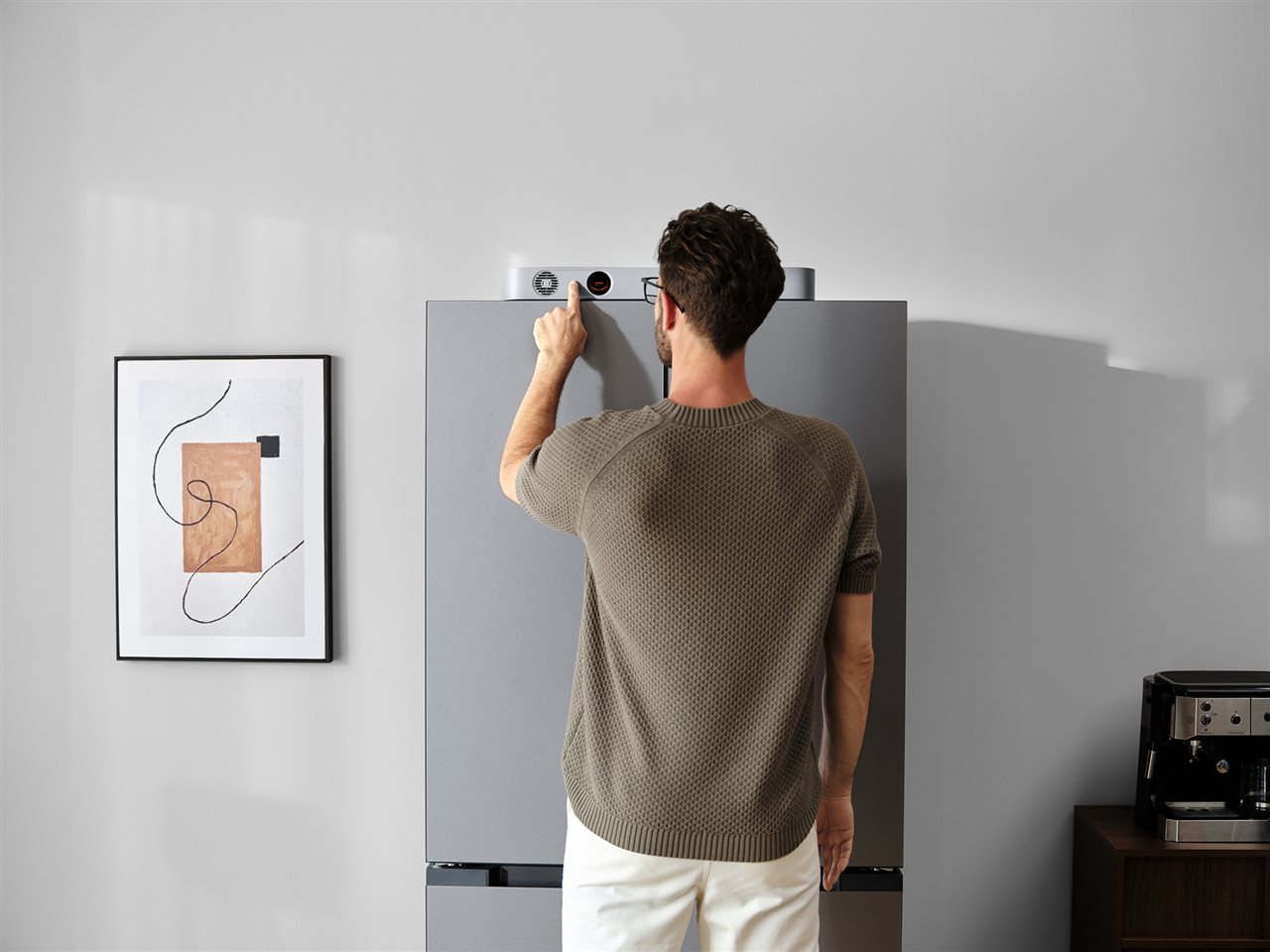
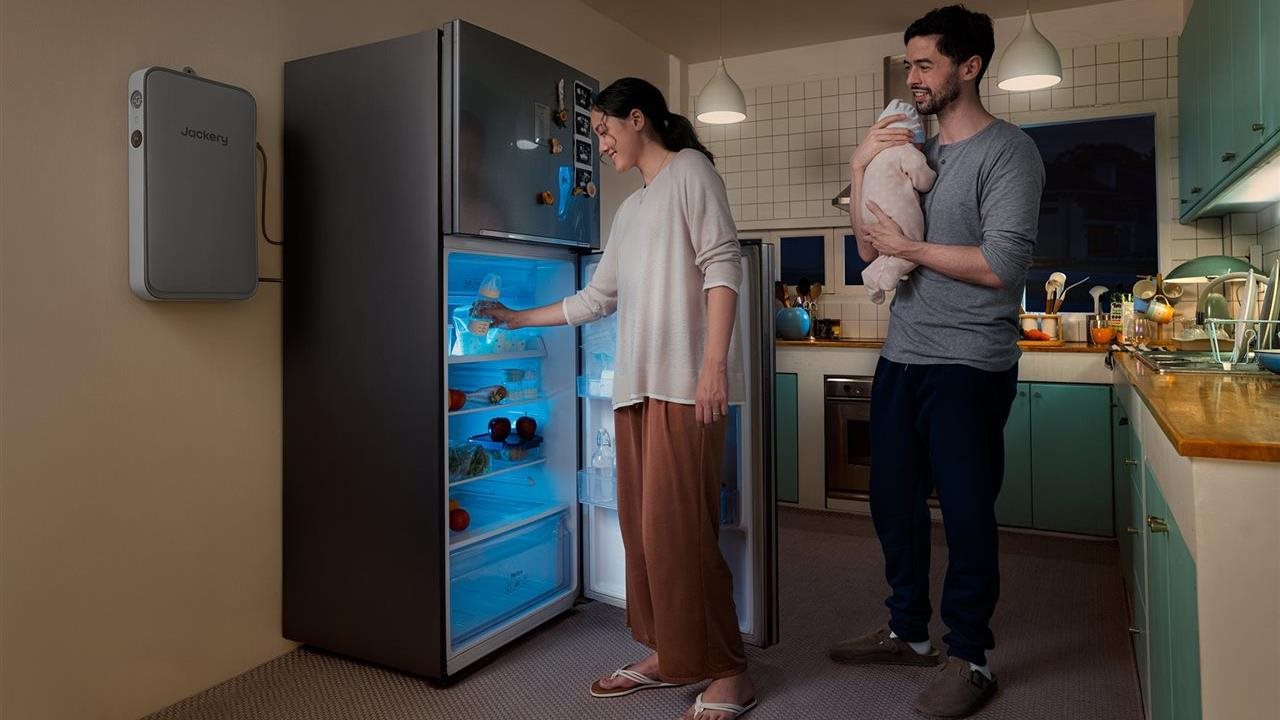
Jackery — a global leader in home backup, innovative solar generators and clean off-grid energy solutions — has risen to the occasion to create FridgeGuard. This purpose-built home backup system is designed specifically to keep a refrigerator (and other household essentials) running through a power outage, protecting the valuable food and other temperature-sensitive items it houses.

When the lights go out, a 10ms UPS automatic switchover allows you to rest easy knowing that in less than a blink of an eye, your refrigerator’s power partner will respond. That means your food stays cold, your medicine stays safe, and your life can continue uninterrupted, even though the power has gone out and you don’t know when it will come back on.

FridgeGuard isn’t just another power station adapted for home use. Jackery thoughtfully designed this refrigerator backup from the ground up as a home product, one that belongs in a modern kitchen just like a premium appliance.

Unlike traditional generators, this refrigerator-specific power solution is simple to operate and there’s no moving once placed: a one-time set up allows you to stay ready for whenever outages happen. All you need to do is take the FridgeGuard out of the box, plug it into the wall and plug the refrigerator into the FridgeGuard. No installation required. Simple setup, and you’re covered without a second thought.

Best of all? The backup isn’t limited to powering the fridge alone. It can also power your Wi-Fi, a CPAP, lighting, your home office and aquarium within 800W. No matter what you need to keep running during an outage, you have a solution.

A home backup that looks like it belongs

When you picture a generator, do you envision a bulky unit you want to shove out of view? Then you’ll be surprised by the FridgeGuard’s aesthetic appeal.

Designed with the modern home in mind, the FridgeGuard is the world’s thinnest intelligent home backup in its class, measuring just 2.6 inches wide. The silver-gray finish and minimal profile blend seamlessly with stainless-steel refrigerators and other kitchen appliances.

When it comes to placing your FridgeGuard in your kitchen, you have three options: floor placement, wall mounting and placement directly beside the refrigerator. That means you don’t have to rearrange your kitchen or compromise on having a beautiful kitchen and staying prepared. Now, you have the flexibility to integrate this power backup into your design, so you can intentionally place it where it works best for you.

But design isn’t limited to just aesthetics. FridgeGuard’s built-in TFT LCDs show only essential information, and its smart app lets you monitor and schedule power use, including time-of-use control to lower electricity bills. It’s this careful balance of fashion and function that has won the FridgeGuard multiple awards, including the iF Design Award 2026 for international design excellence.

Need more power? No problem. You can expand the backup solution’s power capacity from 1kWh to 2kWh, and it supports up to 500 W of solar input via an MPPT module, so you can recharge the FridgeGuard even when your house is out of power.

No kitchen is complete without a refrigerator, and no refrigerator is complete without essential power protection. To learn more and protect your refrigerator, your food and you, visit Jackery.com.