
8 Icelandic companies driving the future of life sciences

2026-06-16T08:01:00

(BPT) – The life sciences are all about delivering real-world solutions to global health challenges. With access to renewable energy and some of the world’s cleanest marine resources, Iceland’s life sciences sector is meeting that challenge and making an outsize impact despite the country’s small population through rapid growth and advancing innovation that improves lives responsibly in fields like biotechnology, pharmaceuticals, digital health, and medtech.

In Iceland, science and nature work hand in hand. Driven by clean energy and renewable resources, strong public trust, and a collaborative R&D ecosystem, Iceland’s life sciences sector has grown by 23% in the last five years. Over 80% of the country’s life sciences companies are clustered around Iceland’s capital city, Reykjavík, with close proximity to world-class universities, labs, and medical facilities. Researchers, entrepreneurs, and global partners work side by side to accelerate ideas and create one of the most sustainable innovation environments in the world.

Here are eight Icelandic companies that are defining the country’s success in the life sciences industry:

1. Alvotech

Tech in a bio-lab. Alvotech's biosimilar medicines are reaching patients who might have otherwise gone without them.

Alvotech began with just an idea: what if quality biologics could be affordable to anyone, anywhere? The company is answering this question through their development of biosimilars — medicines that work just like the original biologics but cost far less. Alvotech handles end-to-end development from early cell lines to large-scale manufacturing, enabling rapid expansion and commercial partnerships to reach patients in over 90 countries across the U.S., Europe, and Asia. Today, Alvotech’s biosimilars are already reaching patients who might have otherwise gone without them.

2. deCODE Genetics

Two lab technicians at work. Amgen deCODE Genetics make DNA discoveries that reveal protective genes against obesity, bipolar disorder, and cancer.

Amgen deCODE Genetics is utilizing population-scale genetics to turn human diversity into insights that advance disease risk discovery and precision medicine. The company collected DNA data from more than half of Iceland’s population and linked it to centuries of family records and health information. These DNA discoveries are already revealing protective genes against obesity, bipolar disorder, and cancer — insights shaping the medicines of tomorrow.

3. Genís

Close up of a shrimp shell. Genis is useing a material found in shrimp shells, in biomaterials that support bone healing.

Every year, millions of people face slow, painful bone healing after joint replacements, fractures, or regenerative surgery. Genis is pioneering new ways to turn chitin, a natural material found in shrimp shells, into biomaterials that support bone healing after surgery. Following over two decades of cutting-edge research and development, Genis transforms marine byproducts into ChitoBiomer™, a proprietary technology designed to improve patient recovery and support natural healing.

4. Kerecis

Woman in a lab looking through mesh. Kerecis is solving the global health crisis of chronic wounds with fish skin.

Kerecis is solving the global health crisis of chronic wounds with a surprising solution — fish skin. Its structure is almost identical to human skin, and, unlike synthetic grafts, it contains natural proteins and omega-3 fatty acids that help the body regenerate tissue. By combining Iceland’s access to some of the world’s cleanest marine resources with medical research, Kerecis transformed what was once fish waste into FDA-cleared products now used in hospitals across the U.S. and beyond. Today, Kerecis products are used in over 1,500 U.S. healthcare facilities and are treating over 65,000 patients worldwide.

5. ORF Genetics

Barley growing in a field. ORF Genetics has created a bioengineered barley leaning to the foundation of a new food future.

Cultivated meat could reduce animal farming and cut emissions, but not without cutting costs for growth factors, special proteins that tell cells how to grow. ORF Genetics has cracked this code by using bioengineered barley to produce growth factors — making them more affordable and easier to mass produce. Iceland’s clean environment and biotech talent have turned a humble grain into the foundation for a new food future.

6. Nox Medical

Woman wearing sleep monitor. Nox Medical helps modernize the practice of sleep medicine.

Nox Medical is helping modernize the practice of sleep medicine. The company develops advanced home- and hospital-based diagnostic technology, helping clinicians diagnose sleep disorders more efficiently while expanding access to testing for the hundreds of millions of patients who suffer from sleep disorders like sleep apnea that can raise the risk of heart disease, diabetes, and even depression.

7. Prescriby Health

Doctor and woman using mobile app. Prescriby Health has a service and digital app that helps patients reduce medication.

Medications like opioids can save lives, but they can also ruin them. Prescriby Health is a breakthrough solution to this challenge. The company offers a healthcare service enhanced with a digital tool that provides step-by-step tapering plans to help patients to reduce medication usage safely. Instead of being left alone, patients are supported from the first prescription to the last pill so they can reduce dependence on addictive medications.

8. Embla Medical

Athletic woman laying down with prothetic legs next to her. Embla designs and manufactures high-performance prosthetics.

Named for the first woman on Earth in Nordic mythology, Embla Medical is a leading global provider of innovative mobility solutions, including its flagship Össur prosthetics, which help people live life without limitations. The company designs and manufactures high-performance prosthetics that cater to the needs of both elite athletes and everyday patients. For most of history, losing a limb meant losing the chance to run, jump, or compete at the highest level, but Embla Medical shows how innovation and determination can turn loss into world-changing performance.

Whether it’s developing new, life-changing medical treatments or redefining the future of food, these Icelandic companies are leading the way in the global life sciences sector and demonstrating Iceland’s unique culture of innovation.

Whether you’re an investor seeking growth, a researcher looking for collaboration, or a student ready to make an impact, Iceland offers the perfect environment to connect, learn, and grow. Learn more about Life Sciences in Iceland.

What you need to know about spotting imposter scams

2026-06-15T09:01:00

(BPT) – While fraud is nothing new, today’s scams are constantly evolving. The latest advances in technology, like artificial intelligence (AI), make these schemes even harder to spot. The Federal Trade Commission (FTC) tracks the staggering cost of fraud for consumers, such as $15.9 billion in reported losses in 2025 alone. While scams take many forms, most share one trait: imposters. Fraudsters pretend to be a person, company or government agency that they are not. Imposter scams are the top-reported type of fraud in the country.

Today’s scams can be easily AI-enhanced, using tools like generative AI, voice cloning and deepfake technology to create highly convincing, personalized content that can even help imposters build relationships with victims over time. AI fakes are used in many types of scams, from romance and investment scams to fraudsters claiming to be a grandchild or a romantic interest.

To help keep your hard-earned money safe, the United States Postal Inspection Service® provides tips to help you spot and stop common types of fraud.

‘Get-rich-quick’ cryptocurrency investments

Everyone loves the dream of easy money. Unfortunately, so do fraudsters. Common schemes involve everything from securities and commodities to oil wells and gold coins. Today’s trending scam uses fake investments in cryptocurrency, which even smart investors can fall for. Cryptocurrency investment scammers might post investment sites that look real, but you’ll find you can’t withdraw money you’ve “invested.”

If you receive a phone call or email using high-pressure tactics and promising high profits, those are red flags. Someone may reach out claiming they made a lot of money and want to show you how. But legitimate investments never guarantee results. If it sounds too good to be true, it is.

Protect yourself: Don’t make hasty decisions about money, even if the salesperson calls it a “once-in-a-lifetime opportunity” with a deadline. Do research to independently verify promises of profitability, and never invest solely on what you read in one source of information. Check the reputation of any company with your local consumer affairs office or your state’s Office of the Attorney General.

Scams targeting grandparents

One of the most troubling scams enhanced by AI uses fake photos and voice cloning to make you think a relative, like a grandchild, is really contacting you, making urgent requests for things like bail money, legal fees or hospital bills. To make the story plausible, scammers add details about how or where this “emergency” happened, or tell you that a lawyer, doctor or police officer will “explain everything” if you call them. Once the money is sent, scammers bolt, and the grandparent loses hundreds or thousands of dollars.

Protect yourself: Think before acting. These calls or emails may arrive late at night, when you aren’t thinking clearly. This is on purpose. Contact your relative (or their parent) the way you usually reach them to verify the story. Urgent requests for money are always red flags, as are the ways scammers want the money sent. Scammers’ preferred methods of payment are wire transfers or reloadable prepaid credit cards, which make it impossible to get your money back.

Romance scams

Social media and dating websites are perfect platforms for tricking susceptible consumers into romantic relationships. Anyone who is socially isolated could fall for a romance scam. Fraudsters pretend to be interested in you, and after building a rapport, may ask you to send money or to cash a check or money order. Scammers create urgency by claiming to have a medical emergency. Or they may promise to come to the U.S. to be with you, but they need a check or money order to cover expenses. None of their stories are true.

Protect yourself: With any internet-based relationship, keep your personal details to yourself. Do an online search of the person’s name and town they claim to live in. Proceed slowly, noting inconsistencies in the person’s profile and information. Keep conversations on the official dating site’s platform. Red flags include: showing romantic interest in you very quickly, pushing to take your conversation to private email, and asking for money to visit you or for an emergency.

Fake tech support

You might get a bogus warning about a problem with your computer, like a pop-up warning or email that looks like it’s from a well-known company. The notice will urge you to call a phone number to get help or to click on a link. Other tech support scams might start with a call or text from a scammer who pretends they’re a computer technician. They may ask for remote access to your computer and pretend to scan for viruses. Then they’ll claim to find a malicious program and offer to remove it for a fee.

A big red flag is if they insist you pay with gift cards, a wire transfer, bank transfer, cryptocurrency or via a payment app. They want you to pay in one of these ways because it’s like using cash: Once you pay, it’s hard to get your money back.

Protect yourself: If you receive a tech support call you didn’t initiate, simply hang up. If you get an email or text, ignore and delete it. Don’t give out personally identifiable information (PII), like your Social Security number, birthdate, bank account numbers or home address, to a stranger. Don’t click on links or reply to this type of email. Block spam messages, and delete the email or text message. Review your cellphone bill for suspicious charges, and keep the security software on all your devices updated.

For more information on fraud prevention, visit uspis.gov/imposter-scams. If you believe you’ve been a victim of fraud or any crime related to the U.S. Mail, report it at uspis.gov/report or call 877-876-2455.

Executive Corner: From ‘Build Well’ to ‘Operate Well’: Redefining Value in the Builder Market

2026-06-15T20:01:00

(BPT) – By Ronald Ro, vice president and head of AI Home Solution Business Development Division, Home Appliance Solutions at LG Electronics

For decades, residential construction was judged by a simple standard: build well, deliver on time and control costs. At LG Electronics (LG), we know that quality craftsmanship matters, but it is no longer enough. Now, as housing portfolios grow and operating costs rise, our competitive advantage depends less on project completion and more on how a property performs over its full lifecycle.

Recent industry research increasingly links value creation to post-completion performance. Deloitte’s real estate outlook identifies long-term asset performance and operational efficiency as key priorities for developers and institutional investors.1 Morgan Stanley likewise highlights lifecycle cost management and technology-enabled operations as central to asset resilience and valuation stability.2 Green Builder Media is redefining the home buyer’s narrative as “Value Per Square Foot” (reflecting total cost of ownership, sustainability, resilience, wellness and efficiency) versus the traditional “Price Per Square Foot” metric used in the homebuilder and residential real estate industries.3 In this environment, we need to look at how installation, operation, maintenance, warranty and asset management shape market competitiveness.

Redefining Home Appliances as Operational Platforms

Traditionally, appliances were selected for style, cost and brand preference, with little expectation of extended value beyond their basic function. Today, appliances are part of a connected operating ecosystem that can provide data on usage patterns, energy consumption, performance and maintenance needs. In large-scale residential communities, this data can support asset value, risk management and long-term operating efficiency.

This shift is reshaping the smart home concept. What began as a way to make everyday living more intuitive is becoming part of a broader operational infrastructure. Now that ecosystem is expanding beyond convenience. Through third-party sensors and open API integrations, the connected home is developing into a broader operational infrastructure. What was once marketed primarily as a “smart home” is evolving into something more strategic. The focus is evolving from connectivity as a lifestyle convenience to connectivity as a foundation for asset performance, risk management and long-term efficiency.

From Appliance Supplier to Lifecycle Partner

At LG, we recognized early that leadership in the global B2C appliance market would offer only part of what the builder market requires. Our broad portfolio and trusted brand reputation created a strong base, but the B2B builder market demands a higher level of accountability.

We developed LG Pro Builder around that need, providing a model focused on the entire lifecycle rather than a supply-only offering. We aim to establish an end-to-end responsibility structure that spans early-stage planning, installation, post-occupancy management, service and warranty integration. LG Pro Builder was designed with this shift in mind — to move from transactional supply to partnership.

This approach is strengthening our foundation in North America, where we have partnered with top-tier builders to support residential developments, from mid-range and luxury single-family homes to multi-family properties. Rather than stepping away at delivery, we remain engaged across the lifecycle. Instead of spreading responsibility across multiple parties, a more connected approach can help address delays, rising costs and operational inefficiency over time.

ThinQ Pro: “Smart Home” Becomes “Smart Operation”

ThinQ Pro sits at the center of this shift as a B2B platform designed for builders, installers, property managers and operational teams. It unifies installation, operation, maintenance and warranty management into one system, providing real-time visibility into appliance performance across properties through dashboard-based remote monitoring.

This translates directly into measurable operational benefits:

  • Reduced on-site visits through proactive issue detection
  • Standardized installation and onboarding processes
  • Accumulation of operational data for predictive maintenance
  • Improved management efficiency through centralized oversight

The value of connectivity grows when paired with operational management efficiency and enhanced living experiences for residents. ThinQ Pro brings these elements together by connecting devices within a single ecosystem, enabling more effective management and supporting AI-driven solutions that improve everyday life for occupants.

As IoT capabilities develop further, the platform can extend to broader property management functions, from detecting water leaks to monitoring environmental conditions and improving oversight across entire buildings.

The Real Differentiator: Responsibility, Not Just Technology

Many platforms can connect devices, collect data and generate dashboards, but connectivity alone does not create accountability. When responsibility is divided between manufacturers, software providers, installers and service operators, issues can take longer to resolve and confidence can suffer.

In residential developments, long-term stability depends not only on technology, but on a clear operating foundation. By embedding lifecycle thinking into both our ThinQ Pro platform and our organizational model, we are turning operational design into accountability.

A New Role in the Global Builder Market

The builder market is evolving, and expectations of partnership are changing with it. Builders are not only constructing homes, but managing long-term assets in more complex regulatory, financial and operational environments.

We at LG are responding to this market shift by redefining our position from appliance manufacturer to lifecycle partner. Through LG Pro Builder and ThinQ Pro, we are becoming an operational platform leader, shaping the future of the builder market by sharing responsibility for the entire lifecycle of residential assets.

1 Deloitte Center for Financial Services, 2024 Commercial Real Estate Outlook.

Deloitte Center for Financial Services, 2023 Commercial Real Estate Outlook.

2 Morgan Stanley Institute for Sustainable Investing, Sustainable Signals: Understanding Corporates’ Sustainability Priorities and Challenges (2024).

3 Green Builder Media – Value Per Square Foot: The New Housing Metric.

Top ways to be more prepared for hurricane season

2026-06-15T09:45:00

(BPT) – Key Takeaways

  • Despite a less severe 2026 hurricane forecast, experiences from 2024 show it only takes one storm to cause prolonged power outages.
  • Taking proactive steps for hurricane season is vital for anyone living in the Mid-Atlantic region, even far from the coast.
  • Preparing for hurricane season means anticipating power outages.
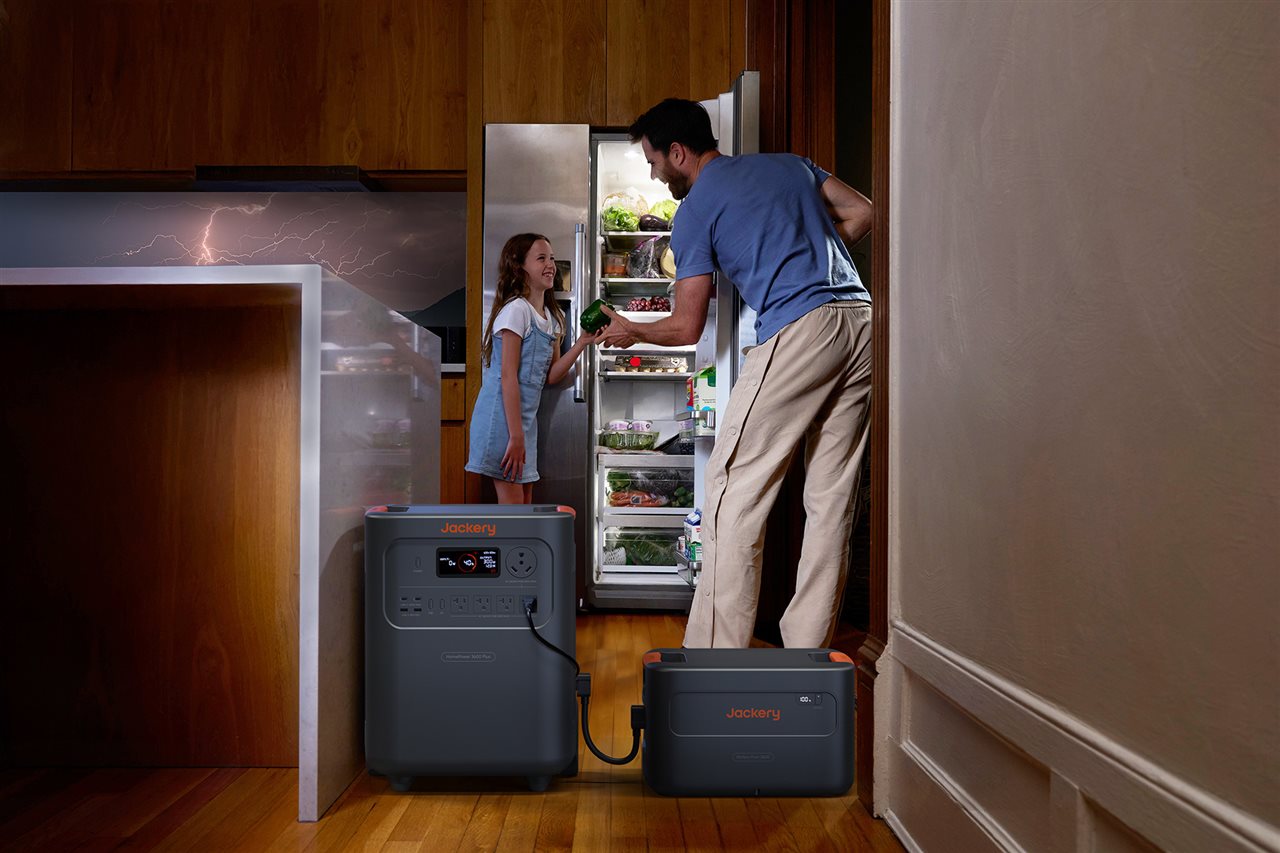
  • Be ready for outages with the modern alternative to gas generators: solar-powered Jackery Essential Home Backup generators.

If you live in a hurricane-prone area, you probably know what it’s like to be without power for days. Food spoils, you can’t use the CPAP machine that helps you breathe better at night, you have no way to safely store bottles of baby formula or breast milk, plus no AC or other appliances and electronics you rely on every day.

The just-released Atlantic Hurricane Season Outlook from the National Oceanic and Atmospheric Administration (NOAA) brings welcome news: 2026 is predicted to be a below-normal season. However, it only takes one storm to cause outages for thousands (or millions) of households for several days, if not longer.

In 2024 alone, Hurricane Helene left 5.9 million customers without power across 10 states, Hurricane Milton left 3.4 million customers in Florida without power, and Hurricane Beryl left 2.6 million customers without power in Texas. In fact, some Houston-area residents were without power for over a week.

For anyone living in areas affected by hurricanes, even further inland, it’s a good idea to take proactive steps to be better prepared for severe weather events.

Jackery generator charging an electric vehicle in a garage.


Top ways to be ready for hurricane season

Exactly how you prep your home depends on whether you live in a house or apartment. But no matter your living situation, these steps are fundamental:

  • Be ready to evacuate: Have “go bags” packed for your household so it won’t take long to evacuate.
  • Prepare to hunker down: As long as it’s safe to stay put, ensure you have enough water, non-perishable food and a first aid kit.
  • Take stock of energy needs: Which appliances, medical devices, etc. could you not do without for more than a day? This will help you make decisions about practical backup power solutions.
  • Get a home generator that meets your needs: Choose the right backup power to keep your household safely running, no matter what Mother Nature throws your way.

The modern home cannot rely on the modern grid during a hurricane, and it doesn’t have to.

How to prepare for a power outage

To ensure your family has the power they need to get through days or even weeks without power, consider the modern alternative to gas generators: Jackery’s Essential Home Backup line. These solar generators are built to run indoors, with no fumes, and no worry about scrambling for fuel during an emergency or local fuel shortage.

Here are solar generator options to consider, depending on how much power your household needs:

Single rooms or apartments:

If you rent an apartment or just want a compact, portable solution for a single room, these two options can cool a room and keep your phone and critical devices running, with no electrician or installation required.

  • HomePower 3000: Portable, apartment/renter-friendly backup solution that keeps essentials running for 1-2 days with 3072 watt hours (Wh) capacity, powering your fridge, Wi-Fi, fans and lights through extended outages.
  • Solar Generator 2000 v2: Compact single-room backup solution with 2042Wh of LiFePO4 (LFP) capacity to keep your fridge, Wi-Fi and lights powered through a full-day outage. The 2200 watt (W) continuous output (4400W surge) easily handles your refrigerator, microwave, coffee maker and everyday essentials without tripping. The switch happens in under 20 milliseconds, so your router and computer stay online during blackouts.

Backup power for homes:

  • Solar Generator 5000 Plus: Modular comprehensive home backup system with 5040Wh capacity and 7200W output. It’s also expandable to 60 kilowatt hours (kWh), which is enough to keep your home running through an extended outage, not just overnight.
  • HomePower 3600 Plus: Modular comprehensive home system for large appliance loads. Its 3584 Wh capacity and 3600W output delivers 15 hours to 9 days of backup power to run essential home appliances with ease, like refrigerators, medical devices, AC units and other essentials through multi-day outages.

Frequently Asked Questions

  • What differentiates solar generators from gas generators?
    Solar generators (also known as power stations) are indoor-safe, as there is no carbon monoxide risk. They are also quiet, involving no noise ordinance issues. No fuel runs are required.
  • How do you recharge a solar generator?
    All Jackery solar backup systems are capable of recharging via solar panels, wall outlet or car port, or even via gas generator. Families can begin recharging as soon as the sun returns, without needing to run to a gas station (which are often out of fuel after major storms).
  • Where can I find Jackery home backup systems?
    Jackery is available through major retailers like Costco, Home Depot, Lowe’s, and Best Buy — and directly through Jackery.com and Jackery’s Amazon page. To check out all buying options, head to: Jackery.com/pages/where-to-buy to view authorized dealers to ensure the product warranty.

The modern home cannot rely on the modern grid during a hurricane, and it doesn’t have to. Learn more about keeping your home’s power on at Jackery.com.

How to choose the ideal projector for a backyard movie night

2026-06-15T09:01:00

(BPT) – A backyard movie screening is a quintessential summer activity, but its success depends on having the right tech. You wouldn’t want to have friends and family over to watch a summer cult classic or the week’s biggest sports game, only to squint at a faint, blurry image, right?

You don’t need a lot to host an outdoor screening, but the right projector is essential. Below are the five must-have features for a projector to ensure your backyard movie night is a box-office hit.

Enough brightness to cut through the summer twilight

The long summer days are perfect for taking advantage of the warmer weather, but they can make hosting an outdoor screening challenging. Between the sun going down well after 8pm in some places and accounting for streetlights and porch lights turning on, it can make getting the best picture less than ideal.

But instead of letting these challenges determine your start time, you can choose a projector that’s bright enough to overcome the dwindling light at dusk or streetlights and porch lights. Look for a model like the soundcore Nebula X1 Pro 4K Projector that boasts 3500 ANSI lumens — powerful enough to project clear, vivid images without delays because of light pollution.

You can pair the X1 Pro with the Soundcore 200-inch inflatable screen made of PVC-coated mesh fabric with a polyester screen that stretches tight for the ultimate movie night. Using the accompanying battery-powered air pump, you can inflate the screen in under five minutes and deflate it in as little as two minutes. Thanks to its sealed design, the screen doesn’t require constant airflow to stay inflated for quiet operation.

null


Self-adjusting system for stress-free setup

If you’ve never had to manually adjust a projector and screen to perfectly align, count yourself lucky. Setup can be challenging even in indoor spaces, where you’re likely to have a relatively level, centered platform. In the backyard, you’ll have to figure out how to set up the projector on uneven grass, dirt or patio pavers.

Skip the hours of fiddling with tripods and navigating menus by choosing a projector with an advanced self-adjusting system. For example, the Nebula X1 Pro uses a built-in internal gimbal, optical engine and lens array to automatically tilt up to 25 degrees to find the optimal placement on a screen or wall.

Combined with Soundcore’s AI Spatial Adaptation auto-setup procedure, which provides automatic focus, keystone correction, obstacle avoidance, screen fit and optical zoom, setting up for an outdoor screening is simple. All you need to do is press a single button. Now you can spend less time wrestling with controls and more time enjoying the big screen from the comfort of your lawn chair.

Crystal clear resolution for a cinematic experience

When it comes to outdoor movies or sports screenings, you’ll need a screen large enough for everyone to see comfortably. However, the bigger the screen, the higher the resolution you’ll need.

For the best picture quality to complement your outdoor cinema experience, you need resolution to match. The X1 Pro offers 3840 x 2160 pixels, easily projecting stunning images with detail and clarity that the whole group can enjoy, no matter how far away they are seated on their picnic blanket.

Integrated audio system for immersive audio

Breathtaking images deserve sound that is equally impressive to truly bring a movie or game to life. That said, setting up a receiver, speakers and subwoofers is a pain, especially when you have to run multiple cords to connect and power them all.

Keep things simple by choosing a projector with an integrated audio system. The Nebula X1 Pro is the perfect example of an all-in-one projector, featuring two front wireless satellite speakers and two rear surround sound speakers.

You can detach all four speakers from the projector and place them near the screen and behind the audience for a truly immersive experience. When paired with the X1 Pro’s powerful built-in subwoofer drivers offering Dolby Atmos 7.1.4 audio, your guests will feel like they’re at the center of the action, whether it’s a movie’s pivotal car chase or the final period of the championship game.

Small enough to move, tough enough to withstand the elements

When it comes to an outdoor movie setup, you’ll need something that is easy to move when the weather turns. Luckily, the Nebula X1 Pro is the ultimate mobile theater station.

Thanks to its durable wheels and telescoping handle, you can easily take the projector from indoors to outdoors and back again with ease. Also, the protective lens cover slides down, so you can quickly cover one of your projector’s most important components when you have to dash out of the rain.

Get ready to be your neighborhood’s summer blockbuster

null

Creating movie magic outdoors isn’t difficult with the right equipment. Investing in a powerful projector with all the bells and whistles can turn a regular backyard movie or game night into a cinematic experience. Plus, with the SpaceFlow accessory, you can use the projector beyond the summer to turn the exterior of your house into a haunted house or Santa’s workshop. To learn more, visit Soundcore.com.

World Blood Donor Day Spotlight: Why Plasma Donation Is a Gift Like No Other

2026-06-14T04:01:00

(BPT) – Each year on June 14, World Blood Donor Day highlights the extraordinary power of human generosity — honoring people whose selfless acts of giving make critical medical care possible for others around the world. While most people are familiar with the profound impact of donating whole blood, this day is also an opportunity to shine a light on an equally vital gift: donating plasma, the liquid portion of blood that remains after red blood cells, white blood cells and platelets are removed.

Plasma Helps Save Lives

Plasma contains millions of antibodies that help the body fight disease. Hundreds of thousands of people rely on medicines made from plasma to treat serious health conditions, such as hemophilia and immunodeficiency disorders. For many of these people, medicines made from plasma are not just an option — they are the only treatment option available.

It takes between 130 and 1,200 plasma donations to treat just one person with medicines made from plasma for one year.1 Plasma cannot be manufactured.2 Without the generosity of plasma donors, these medicines would not exist.

For Walter, a retired veteran, father and plasma donor, the impact of plasma donation is deeply personal. After his late wife Shelly was diagnosed with an advanced liver disease, they didn’t know how much time they had left together. “Medicines made from donated plasma gave us eight more years — of milestones and memories, of watching our sons grow up,” he reflects. “The plasma donors who made that possible will always have my deepest gratitude.”

From Donor to Patient

The journey to developing these essential therapies begins at plasma donation centers, such as BioLife Plasma Services, part of Takeda. Operating more than 235 such centers across the United States, BioLife plays a vital role in carefully collecting essential plasma, which Takeda then develops into the treatments patients depend on. At every BioLife location, rigorous screening and testing protocols help ensure the safety and quality of each donation — and the well-being of every donor.

Several technicians help people donate blood. BioLife Plasma Services, part of Takeda, operates more than 235 blood centers.


A Simple Process

Available studies have shown that donating plasma is as safe as donating whole blood.3 BioLife is committed to making plasma donation as safe and comfortable as possible. Each person undergoes a health screening and medical history review before donating to confirm that they are eligible, and that plasma donation is safe for them.

Plasma donation centers operate under rigorous health standards enforced by regulatory bodies, with strict protocols in place at every step to protect donors and ensure the quality of plasma collected. During the donation, a specialized machine gently separates the plasma from the rest of the blood and returns the red cells back to the donor. All collection equipment is sterile and used only once per donor, handled by trained professionals who monitor the donor throughout the process. The whole first-time plasma donation process at a BioLife center can take up to about two hours, while repeat donations last about an hour.

Make a Difference This World Blood Donor Day

Behind every BioLife center is a team of dedicated individuals driven by a deep understanding of what plasma donation truly means for patients. For Thomas Byres, a BioLife Center Manager in Texas, plasma donation isn’t just a process — it’s a personal commitment.

In his 15 years at BioLife, Thomas has witnessed firsthand how every donation has the potential to be part of someone’s story — a patient managing a chronic condition, a family with more time together. “When I explain what we do at BioLife,” he shares, “I tell people we’re changing lives each and every day.”

This World Blood Donor Day, you can be part of that change. To learn more about the power of plasma donation and read Thomas full story, visit Takeda.com. To find a BioLife center near you, visit BioLifePlasma.com.

Thomas Byres, Center Manager, BioLife in one of the offices.
Thomas Byres, Center Manager, BioLife


1 Plasma Protein Therapeutics Association (PPTA). Plasma Collection and Manufacturing. https://www.pptaglobal.org/resources/plasma-collection-and-manufacturing.

2 Plasma Protein Therapeutics Association (PPTA). What is Plasma? https://www.pptaglobal.org/plasma#what-is-plasma.

3 Cho, J and Hiskey, M. 2021. Plasmavigilance: Source plasma joins the call to arms. Transfusion. Volume 61, Issue 10, 2803-2805. https://onlinelibrary.wiley.com/doi/full/10.1111/trf.16668.

How working adults can evaluate online college in 2026

2026-06-13T07:03:39

(BPT) – Key takeaways:

  • Working adults increasingly need education that can fit around jobs, caregiving and evolving skills demands as AI reshapes jobs, skills and hiring.
  • Undergraduate enrollment among adults 30 and older is increasing and traditional college models were not built for adults balancing full-time work, caregiving and changing career demands.
  • An online university should have recognized institutional accreditation, career-relevant curriculum, transparent tuition information, clear transfer credit policies and targeted student support designed for working adult learners.
  • University of Phoenix is an accredited, transfer-friendly university offering online degree programs designed for working adults and built for real life.

If you’re a working adult in 2026, going back to school is no longer a niche decision. It is increasingly part of how people stay competitive in a labor market being reshaped by AI, automation and changing skill demands. The World Economic Forum reports that technological change remains one of the biggest forces reshaping jobs through 2030, while higher education itself is confronting the post-2025 enrollment cliff as the number of traditional-age students begins to decline.

For adults balancing jobs, family responsibilities and financial pressure, the question is not only whether education matters. It is whether a degree program will fit their life without overwhelming it, whether the learning connects to skills that matter in today’s workplace and whether the school is designed to help them finish.

Experts at University of Phoenix share what working adults should look for when evaluating an online university, including how to assess legitimacy, flexibility, career relevance and support.

A family gathers around their sofa as their father studies with his laptop.

How to tell if an online university is legitimate

A legitimate online university should have recognized institutional accreditation. It might also offer visible student support, transparent tuition, transfer-credit policies, and evidence that its programs are aligned to real occupations and skills.

University of Phoenix, for example, has been continuously accredited by the Higher Learning Commission, hlcommission.org, since 1978.

Adult learners should also look beyond accreditation and ask how the school is designed for completion. Does it offer schedules that work for adults with jobs and families? Does it help students transfer eligible prior credit? Does it connect learning to career-relevant skills? And does it provide support that continues beyond enrollment?

Useful questions to ask include:

  • How is the program structured for working adults?
  • What kinds of academic, advising and career support are available?
  • How does the curriculum connect to job-relevant skills?
  • Can my prior eligible credits or experience reduce time and cost?
  • Are there alumni using the degree in fields similar to mine?

Working adults are looking for education that fits the realities of their lives and builds skills they can use in a rapidly changing economy.

What if I’m too old to go back to school?

Many adults worry their age, life circumstances or family obligations could keep them from succeeding in a degree program. In reality, adult learners are already a major part of higher education. Let’s look at University of Phoenix again: The average age of students is 38, with 75% of them working while attending school and 52% with dependents.

That is why fit matters so much. A school built for working adults should reduce friction, not add to it. University of Phoenix emphasizes a model built for working adults, including one five- to six-week course at a time, multiple opportunities to start throughout the year and support designed for adults balancing work, family and school.

How do employers see online degrees?

Employer attitudes toward online education have shifted significantly in recent years. In a 2026 University of Phoenix survey conducted by The Harris Poll, almost all hiring leaders today (98%) view online education credentials as more credible than they did 10 years ago, seeing value in continuing education for employees and new hires.

The survey was conducted online within the United States by The Harris Poll on behalf of University of Phoenix from Jan. 14-30, 2026, among 502 U.S. adults ages 21 and older who are employed full-time, have a job level of manager/supervisor or higher, work in the human resources or learning and development function, are employed at a company with at least 1,000 employees, and operate in the manufacturing, financial services, information technology, or health care industry.

The research also found that 78% of hiring leaders said workers with these credentials stand out because they bring new and emerging skill sets.

According to the survey, employers report workplace benefits: As a result of employees having online education credentials, hiring leaders report increased productivity (63%), employees picking up skills more quickly to respond to changes in the job market (62%), and more qualified candidates (60%). That is why students should look for online universities that align curriculum to occupations, validate learning through authentic assessments and help learners translate what they know into employer-facing signals.

At University of Phoenix, program curriculum maps are informed by labor-market data, faculty expertise, external standards such as accreditation and Industry Advisory Council feedback. That skills-first design supports digital badging, helping learners turn completed coursework into shareable, verified signals of skill development while they are still progressing through a degree.

A woman smiles as she sits in her office, studying on her laptop.

What features working adults should look for in an online degree program

Today’s working adults need higher education that does more than put classes online. They need learning designed around evolving workplace skills, supported by clear student services and recognition of prior learning, and responsive to how AI is changing both jobs and education.

University of Phoenix offers degree programs aligned to more than 300 occupations, reflecting the institution’s broader, skills-mapped, career-focused model. To help learners show progress before graduation, University of Phoenix issues digital badges that translate assessed learning into verified skill signals that can be added to their digital profiles as demonstrated skills, even before graduation. Since 2021, the University has awarded over one million digital badges, reflecting its investment in skills-aligned, employer-informed learning.

Adult learners returning to higher education often bring valuable prior learning with them. University of Phoenix demonstrates the scale of an institutional model designed to help students preserve eligible academic credit and avoid unnecessary repetition, with more than 7 million transfer credits applied toward degree requirements over the past eight years and up to 87 transfer credits accepted for many bachelor’s programs.

AI readiness is also becoming part of the value equation. University of Phoenix established a framework of academic AI pillars that integrates AI tools and applications into its learning model, including a newly established Center for AI Resources. The University embeds AI literacy and skill-building into its curriculum, expanding AI-enabled learning supports and strengthening policies and workflows that guide responsible, effective use across the academic experience.

Schools serving working adults should also provide career support services. University of Phoenix provides Career Services for Life® resources for active students and graduates beginning on day one, through degree completion and beyond, offering lifetime access to personalized career coaching, webinars, resume guidance, interview preparation and other resources.

“Working adults are looking for education that fits the realities of their lives and builds skills they can use in a rapidly changing economy,” said University of Phoenix Provost and Chief Academic Officer John Woods, Ph.D. “The strongest online degree options combine recognized accreditation, career relevant skill development, student support and a learning model designed to help adults keep moving toward their goals.”

Learn more about University of Phoenix degree programs, transfer-credit opportunities and student support resources at Phoenix.edu.

Cybercrime is Accelerating: Preparing the Next Wave of Cybersecurity Experts

2026-06-11T11:31:00

(BPT) – Cybercriminals are keeping pace with the latest technology. By harnessing AI, they are developing increasingly sophisticated techniques to commit their crimes, posing a growing threat to businesses, institutions and individuals worldwide. In a 2026 World Economic Forum survey of business executives, academics, civil society and public-sector cybersecurity leaders, 77% reported an increase in cyber-enabled fraud, with 73% saying they or someone in their network had been impacted.

The threat hit close to home earlier this year when the hacking group ShinyHunters executed a major multi-wave breach on Instructure’s Canvas Learning Management System, compromising the data of up to 275 million users across nearly 9,000 institutions worldwide, including DeVry University. The attack is a reminder of just how fast the threat landscape is evolving.

AI is accelerating that evolution. Ransomware cyberattacks are predicted to occur every two seconds by 2031. And the financial toll is staggering: the global cost of cybercrime is expected to reach $13.82 trillion per year by 2028.

To fight the ongoing war against cybercrime, many more highly skilled cybersecurity experts are needed throughout the business sector, government agencies, in healthcare and educational institutions. Although approximately 1.34 million cybersecurity professionals are currently working in the U.S., the demand is very high — with over 514,000 job openings nationally in the field, according to CyberSeek.

Despite this rising demand for cybersecurity professionals, early-career talent is often shut out due to their lack of experience, making the shortage worse.

“The cyber workforce gap is real, and AI is changing what entry-level jobs look like,” said Dr. Jingdi “Rebecca” Zeng, senior professor and curriculum chair, DeVry University. “That means part of the learning that used to happen on the job now needs to happen earlier, in the classroom.”

Addressing the cybersecurity skills gap

To prepare the next generation of cyber leaders, DeVry University’s Cybersecurity Center of Excellence is tackling the challenge head-on. By partnering with industry leaders, the university has designed a curriculum that aims to help close the skills gap by equipping early-career professionals with the knowledge and experiences they need to thrive in today’s rapidly evolving cyber landscape.

DeVry’s robust cybersecurity programs are built on skills-based, hands-on learning models and real-world exposure that provide students with opportunities not just to learn about cybersecurity, but to actually practice it.

“Our programs are designed around a clear learning pathway with strong focus on practical cyber skills and emerging technologies, including AI,” said Zeng. “Three of our programs are NSA CAE designated for meeting a structured set of cyber education criteria established by the National Security Agency (NSA) and the Cybersecurity and Infrastructure Security Agency (CISA).”

To enhance students’ hands-on experience in the field, DeVry launched its cutting-edge cyber range platform, which offers realistic, immersive simulations that mimic real-world cyber threats. It provides students the opportunity to practice and master analytics, investigation, repulsion, remediation and other cybersecurity techniques to better prepare them for careers in this much-needed field.

DeVry students can also participate in the Future Cyber Defenders Scholars Program, which offers resources and support to help students pursuing cybersecurity programs and technology careers. The program includes opportunities to join DeVry’s National Chapter of Computing Technology Industry Association (COMPTIA) and their National Cyber League competition team.

Competition with a purpose

This year, DeVry’s team earned the No. 12 power rank in the National Cyber League (NCL). The biannual event, powered by Cyber Skyline, is one of the country’s premier cybersecurity competitions. Students test their skills through real-world challenges including digital forensics, penetration testing, cryptography, vulnerability auditing and ransomware recovery.

DeVry students delivered strong results this season, competing against more than 7,000 students from colleges and universities nationwide, with student Matthew McCloskey ranking no. 12 individually.

“Cybersecurity is interesting because it’s not just one narrow area of IT. It touches every domain, and the National Cyber League competition exposed me to the full range in practical ways,” said McCloskey. “DeVry pushed me in ways I didn’t expect, because they gave me more hands-on exposure than I was anticipating. These experiences helped me move beyond just reading about the tools and actually using them in context.”

The strong performance of DeVry students in the NCL competition highlights the school’s commitment to effective, hands-on learning in cybersecurity skills that will have application in the real world.

“Results like these show that our cyber programs are keeping pace with the needs of the field. Beyond the classroom, our curriculum team organizes co-curricular activities that introduce students to additional, inspiring content that complements and expands on what they learn in class,” added Zeng. “DeVry’s NCL performance is a powerful indicator that these efforts are working. Our students are building the skills and confidence needed to enter today’s cyber workforce.”

Learn more about the opportunities to expand your skills and knowledge in the growing field of cybersecurity by visiting DeVry University’s Cybersecurity Center of Excellence.

6 reasons to choose new construction over existing properties

2026-06-11T08:01:00

(BPT) – The housing market changes by the day, creating both challenges and new opportunities for buyers navigating today’s uncertainty. Amid this fluctuating landscape, newly constructed homes are rapidly gaining traction as a smarter alternative to resale properties. With competitive pricing, modern features and minimal surprises, these homes are reshaping perceptions of what is affordable and attainable.

Here’s why an increasing number of buyers — from first-timers to luxury seekers — are prioritizing new builds over previously owned options.

1. Builder incentives are closing the price gap

The generalized notion that new construction costs significantly more than resale homes doesn’t consider all factors. Today’s housing market offers a range of value-driven opportunities that help make new construction more attainable, from reduced mortgage rates to lower closing costs. Builders like Century Communities are streamlining the homebuying process, making new homes a smart investment with modern features, energy efficiency and fewer unforeseen expenses, all while delivering lasting value for years to come.

“These financial advantages often lower closing costs and reduce monthly payments, making new construction competitive with, or even more affordable than, resale homes once you factor in the mortgage and any immediate repair costs older homes typically require,” said Jim Francescon, an executive at Century Communities. “As a rule of thumb, resale homeowners should expect to set aside 1% to 4% of their home’s value annually for repairs and maintenance — on a $400,000 home, that’s up to $16,000 per year. With a new build, builder warranties and modern systems can significantly reduce these costs, offering buyers considerable savings in the early years of ownership.”

According to the National Association of Home Builders, 64% of builders offered sales incentives and 37% cut prices in 2025. Other financial benefits builders may offer include lower closing costs and reduced interest rates, making homeownership more affordable.

2. Skip the bidding wars and costly surprises

Resale homes often come with competition and unexpected expenses. Multiple-offer situations can drive prices above asking, while inspection reports frequently reveal costly issues: aging roofs, outdated HVAC systems, problematic plumbing or electrical work that doesn’t meet current code.

New construction eliminates these headaches. Everything is new, built to current standards and comes with warranties, meaning you won’t face a potential $15,000 HVAC replacement or $20,000 roof repair in your first year of homeownership.

3. Energy efficiency that impacts your monthly budget

Today’s building codes mandate energy efficiency standards that didn’t exist even a decade ago. The result? New homes feature better insulation, energy-efficient appliances and advanced window technology that significantly reduce monthly utility costs.

For example, new homes from Century Communities include features like ENERGY STAR®-certified appliances, Low-E windows, WaterSense®-certified fixtures and tankless water heaters that aren’t just environmentally friendly, they translate to real savings every month. Over years of homeownership, the difference between heating and cooling a new home versus an older one can amount to thousands of dollars.

4. Modern layouts designed for how people actually live

Couple and kids playing on the couch in their livingroom.

Resale homes often reflect outdated design trends, closed-off rooms, limited storage, smaller closets and floor plans that don’t accommodate today’s work-from-home reality or open-concept living preferences.

New construction from homebuilders like Century Communities offers layouts tailored to contemporary lifestyles, with flexible spaces, home office options and — depending on the stage of construction — the ability to customize finishes, colors and fixtures before you move in. No need to live with someone else’s choices or spend additional money renovating.

5. Warranty protection and peace of mind

New homes typically come with builder warranties covering structural elements and major systems, protection rarely available with resale properties. This coverage reduces the stress and financial risk of unexpected failures during your first years of homeownership.

6. The market advantage

While personal preferences vary, the current market conditions make new construction particularly appealing. The combination of builder incentives, modern efficiency standards and move-in-ready quality is creating value that’s hard to match in the resale market.

For buyers weighing their options, new construction deserves serious consideration — not just as the premium choice, but as the practical one. To learn more about the advantages of buying a new build and to explore a range of high-quality homes at various prices, visit CenturyCommunities.com.

Family Fun, Sun and Savings in Myrtle Beach

2026-06-10T08:01:00

(BPT) – Planning a family vacation that doesn’t break the bank is easier than you think. This summer, head to Myrtle Beach, South Carolina for an unforgettable adventure for every age and budget.

Known for its 14 unique communities and over 60 miles of coastline, the Grand Strand has delighted travelers of all ages for generations. Myrtle Beach recently ranked as the No. 1 most-searched U.S. summer destination in Tripadvisor’s 2026 Summer Travel Index, further proving that a memorable getaway can still deliver affordability, accessibility and variety.

Read on to discover all the sights, bites, entertainment and experiences that await you at The Beach in 2026.

Seaside stays at a steal

An affordable summer getaway to The Beach is easy to plan thanks to a wide range of lodging options at competitive prices.

Many of the Grand Strand’s hotels and resorts offer special packages and dining perks, as well as spacious multi-bedroom suites with kitchens that are well-suited for families and groups. Ocean Escape Boardwalk Oceanfront features modern one-, two- and three-bedroom oceanfront condos steps from the Myrtle Beach Boardwalk. North Beach Resort, located on a 7.5-acre island, offers magnificent condos with up to seven bedrooms as well as five-star amenities.

This summer, take advantage of The Beach’s new Make More Myrtle Moments promotion, designed to encourage travelers to slow down and experience more of the Grand Strand. This first-ever market-wide, stay-longer offer for Myrtle Beach features more than 45 participating properties and incentives like “stay 3 nights, get 1 free” or “stay 5 nights, get 2 free.”

null
Photo courtesy Visit Myrtle Beach


Entertainment for all

If your family members have a wide variety of interests, you’ll easily find something to fit the bill, both literally and figuratively, when you visit the Grand Strand.

Craving a spellbinding show and a delicious meal? Reserve a table at Pirates Voyage Dinner & Show, where you can join Blackbeard and his crew on an unforgettable adventure as they explore the South Seas and enjoy an all-new South Pacific Celebration.

Live music fans will have their pick of performances this summer at The Beach. The destination’s entertainment calendar shines with the Carolina Opry Theater‘s 2026 season, celebrating 40 years of performances featuring top musical talent.

Baseball fans shouldn’t miss a game at Pelicans Ballpark during their trip. The ballpark recently underwent significant renovations to enhance the visitor experience and now offers exciting value-driven promotions and an upgraded game-day atmosphere. It’s the perfect place to enjoy big cheers, classic ballgame energy and memories the whole group will be talking about long after the final out.

Don’t forget to check out Myrtle Beach staples like Broadway at the Beach, Ripley’s Aquarium and more than 30 mini golf courses, all offering an experience the whole family will enjoy.

Nature adventures

The best part of going to Myrtle Beach is enjoying the ocean’s natural beauty. With 60 miles of shoreline, you’ll have your pick of spots to tan, swim and paddle during your trip.

Hikers and state park enthusiasts should set aside plenty of time to explore Myrtle Beach State Park. This oceanfront maritime forest is the perfect place to watch the sunrise over the ocean, fish from the pier, explore nature trails and even learn how to crab!

For botanical fanatics, get ready to visit Brookgreen Gardens, where you can walk among 250-year-old live oak trees, visit the Lowcountry Zoo and marvel at some of South Carolina’s iconic flora. The recently built welcome center features a stunning conservatory and expanded event and educational spaces for a truly immersive garden experience.

null
Photo courtesy Visit Myrtle Beach


Flavorful bites and libations

One of the best parts of travel is feasting on local cuisine. When you dine at The Beach, every meal becomes an integral part of the vacation experience.

Adventurous and picky eaters alike will find something they’ll crave at one of over 2,000 restaurants. From chef-driven cuisine and fresh seafood to family-friendly favorites, you’ll find one-of-a-kind dining experiences served with signature Southern charm at prices that are just as delicious as the meals.

Not sure where to start? Head to downtown Myrtle Beach and experience an array of flavors at local favorites like Winna’s Kitchen, Boteco VIP, The Dolly Llama and The Tasting Room on 9th. Or head to The Whistling Duck on Surfside Pier and grab a bite next to the splashing waves. Whether beachfront, on a sunny patio, or in a cozy local spot, every meal is a memorable experience at The Beach.

The Grand Strand’s culinary scene continues to grow with exciting new additions, including the recently opened Ole Smoky Distillery and Yee-Haw Brewing Co. at Broadway at the Beach. Coming soon, you can also stop by Guy Fieri’s new Downtown Flavortown entertainment venue for flavors and fun you won’t soon forget.

An unforgettable vacation at an affordable price

Whether you’re a longtime Myrtle Beach fan or you’ve always wanted to visit, 2026 is the year to make it happen. For more information on everything Myrtle Beach has to offer this summer and beyond, visit www.visitmyrtlebeach.com.