2026-04-10T14:31:00
(BPT) – Key Takeaways:
- Physical inactivity costs Americans billions each year. Prioritizing your health today pays dividends in longevity, energy and reduced healthcare costs.
- The U.S. Army is experiencing the benefits of investing in Soldier health through programs like the Holistic Health and Fitness (H2F) system. For every $1 invested in H2F Performance Teams, the Army sees a return of over $8 in force readiness improvements.
- The performance triad — consisting of daily movement, quality nutrition and restorative sleep — can build a strong foundation for long-term health.
At the start of spring, many Americans are planning for the long term by reviewing and refreshing their financial portfolios, but there is one critical investment that many overlook: their own health. A recent study showed that physical inactivity costs the United States roughly $192 billion annually in healthcare expenses — an $80 billion increase from 2015 — proving that early investment in health is one expense guaranteed to pay dividends for years to come.
One organization committed to this practice is the U.S. Army. With the launch of the Holistic Health and Fitness (H2F) system, the Army made its largest-ever investment into the well-being of Soldiers, aimed at offering the education, resources and expert guidance needed to optimize their physical, mental, nutritional, sleep and spiritual health. The results speak for themselves, with every $1 invested in H2F Performance Teams returning over $8 in force readiness improvements.
Many of the techniques used by Soldiers can be applied to anyone looking to invest in their own well-being. And while countless “quick fixes” clutter the health and fitness space, breaking it down to the fundamentals of the “performance triad” — building physical and cardiovascular readiness, ensuring proper nutrition intake and maintaining quality rest and recovery practices — often delivers the greatest impact. When combined, individuals can build a solid base for their health and fitness and improve long-term health and longevity.
Ready to invest in your future in a new way? Read on to learn how you can incorporate the performance triad into your routine:
Move your body every day to improve cardiovascular strength
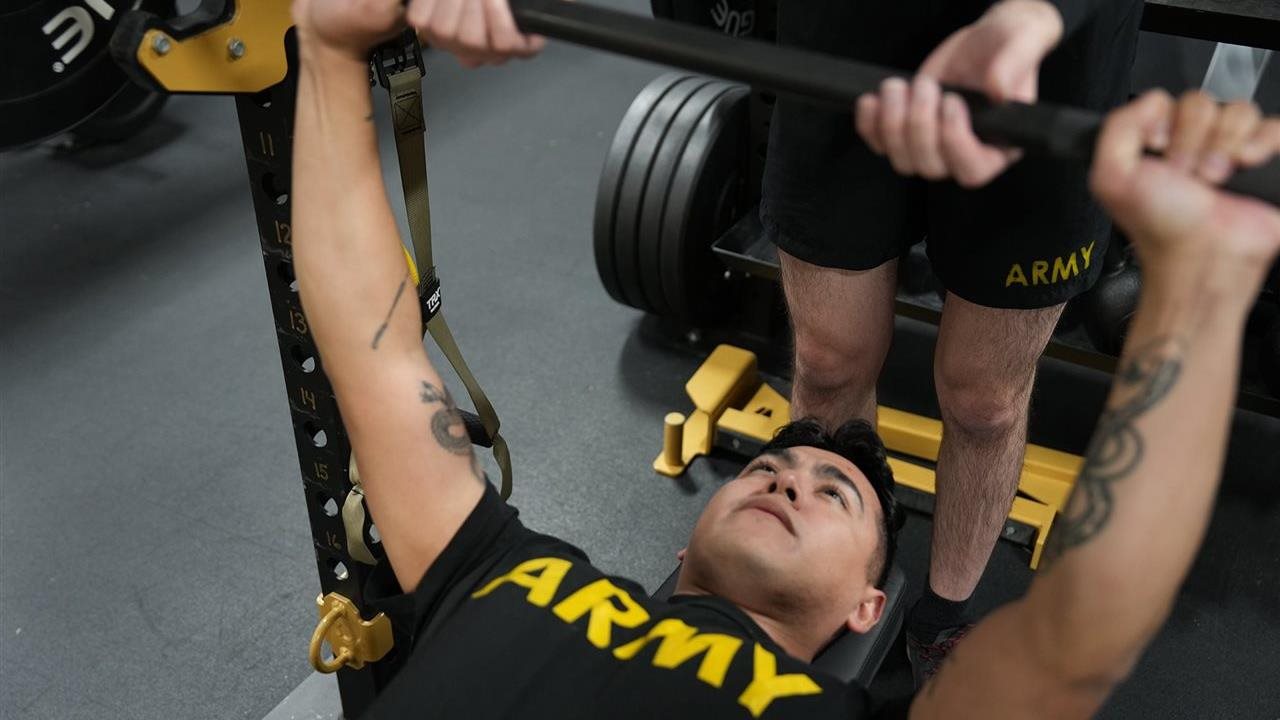
Consistent daily movement is fundamental in establishing a routine that strengthens and maintains the body’s cardiovascular system — a key indicator in overall health and longevity. “Staying active is the cheapest doctor’s visit you can get a prescription for,” says Lt. Col. Jason Barber, high-performance coordinator for the Army’s World Class Athlete Program, which trains Soldier-athletes to perform at the highest level of international competition.
One way to track cardiovascular improvement is through VO2 max, the maximum amount of oxygen your body can utilize during exercise. Barber notes that higher levels are usually associated with reduced risks of chronic diseases and improved longevity.
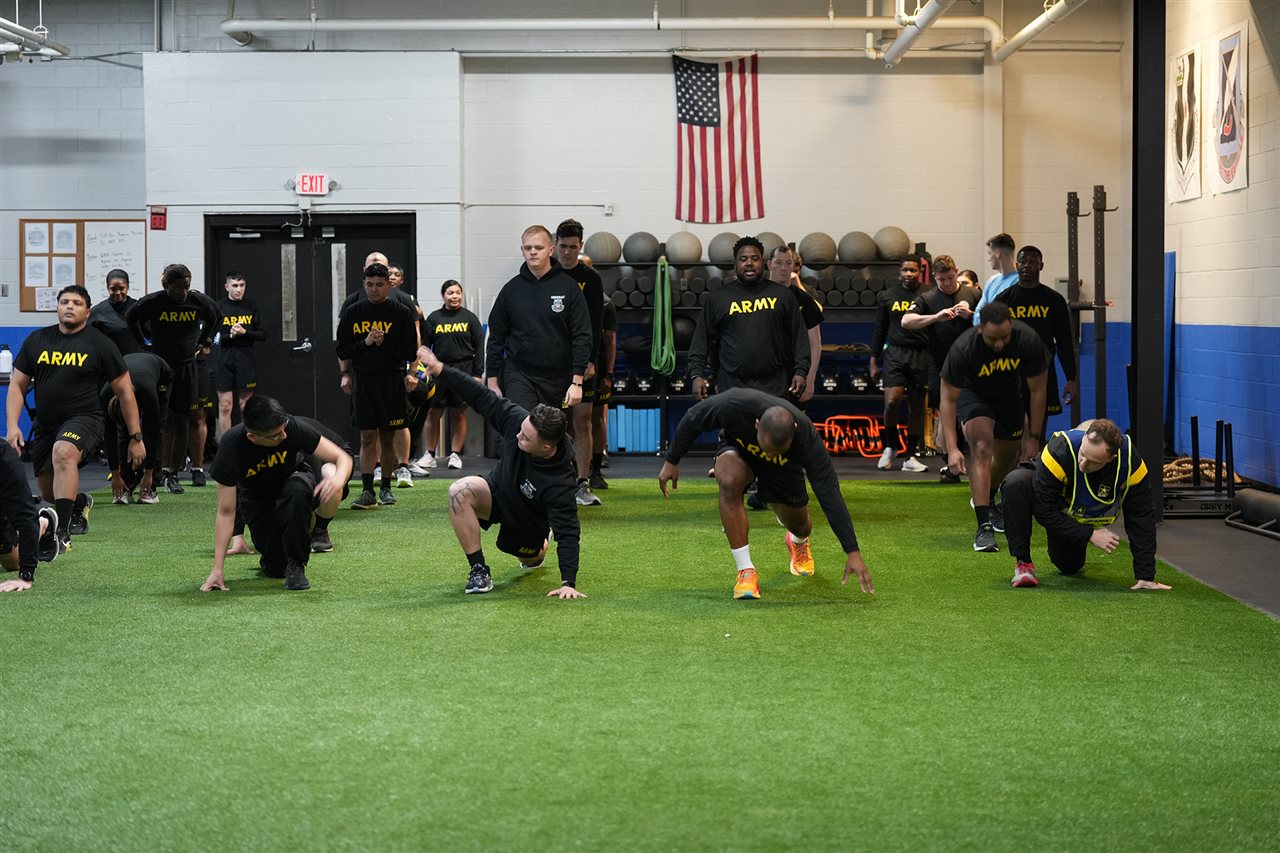
Barber recommends prioritizing high-intensity interval training (HIIT) workouts to improve VO2 max. “HIIT workouts are designed to push the cardiovascular system for short periods followed by recovery. The alternation of these intensities stimulates adaptations in your heart, lungs, muscles and bloodstream, thereby increasing your ability to utilize oxygen efficiently.” To incorporate a HIIT workout into your routine, he suggests:
- Warm up with dynamic stretching or a light jog.
- Alternate between 30 seconds of a sprint, bike or row at maximum effort, followed by 90 seconds of an active recovery, like walking.
- Repeat the sequence 6-8 times.
- End with a cooldown and static stretching.
Nutrition is one of the most powerful tools for improving health, energy levels and longevity, and eating a heart-healthy diet composed of lean proteins, vegetables, fruits and whole grains will compound the work being done in the gym.
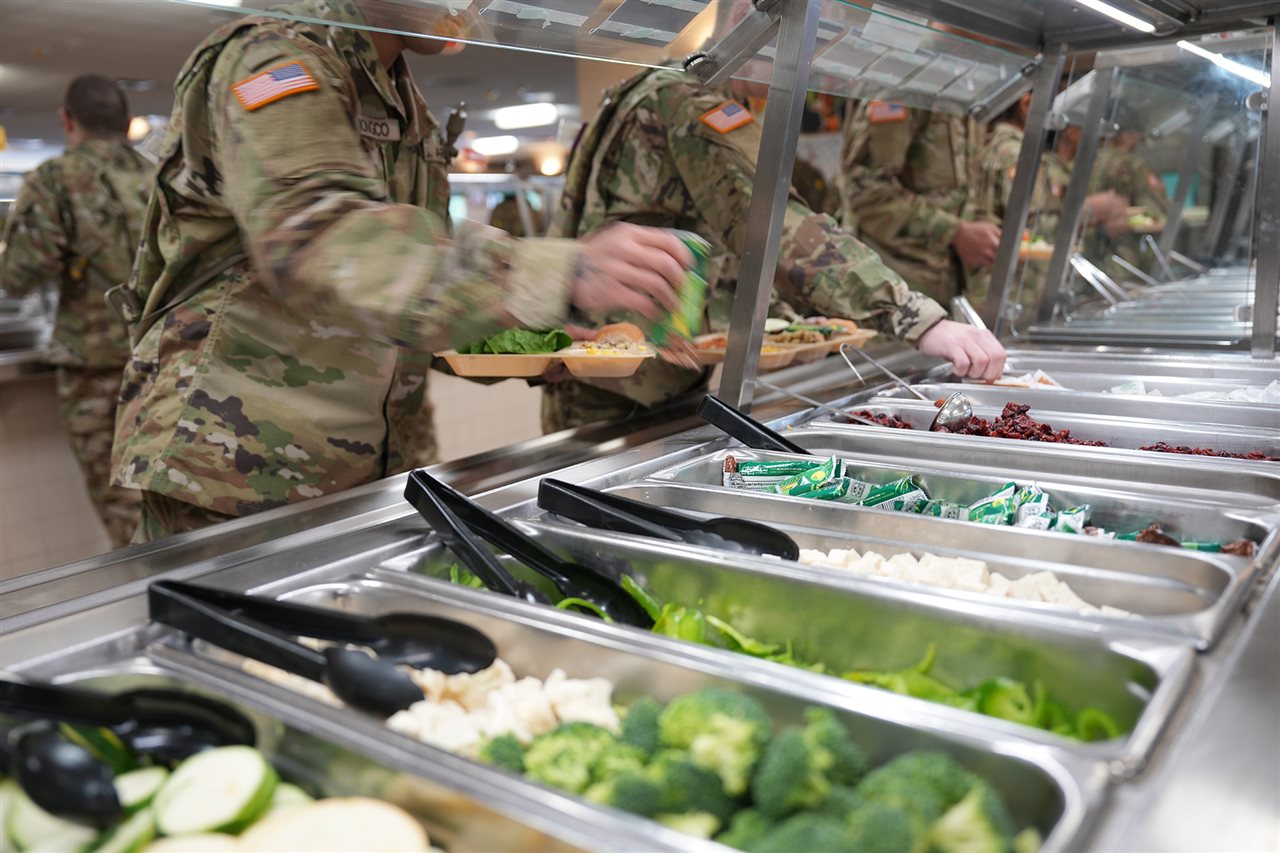
A heart-healthy diet also doesn’t mean deprivation or extreme restrictions. Maj. Kelly Kaim, lead sports dietitian for the Army’s World Class Athlete Program, says, “A very common myth is if you keep decreasing calories, you will lose weight.” Alternatively, she encourages individuals who are interested in losing weight to find their Resting Metabolic Rate (RMR), or the number of calories an individual burns for their body to function at rest. “Try not to go below this number. Doing so will often break down muscle and burn fewer calories, which in turn, can make weight loss even more difficult.”
Kaim encourages individuals to identify their RMR and track their calorie intake for a few days to see where there can be minor, sustainable modifications. “One of the first things I look at is high-calorie beverages. If someone is drinking their calories, creating a healthy deficit can be as easy as removing soda and substituting for flavored water.”
Develop a nighttime routine for a strong foundation
The third component of the performance triad is often the most overlooked. Healthy sleep hygiene is not just a nice-to-have — it is the foundation to maintaining an effective holistic routine. Without adequate sleep, your physical, nutritional and mental readiness deteriorates, with some studies suggesting that inadequate sleep can raise the risk of heart attack, dementia and diabetes, among other health conditions.
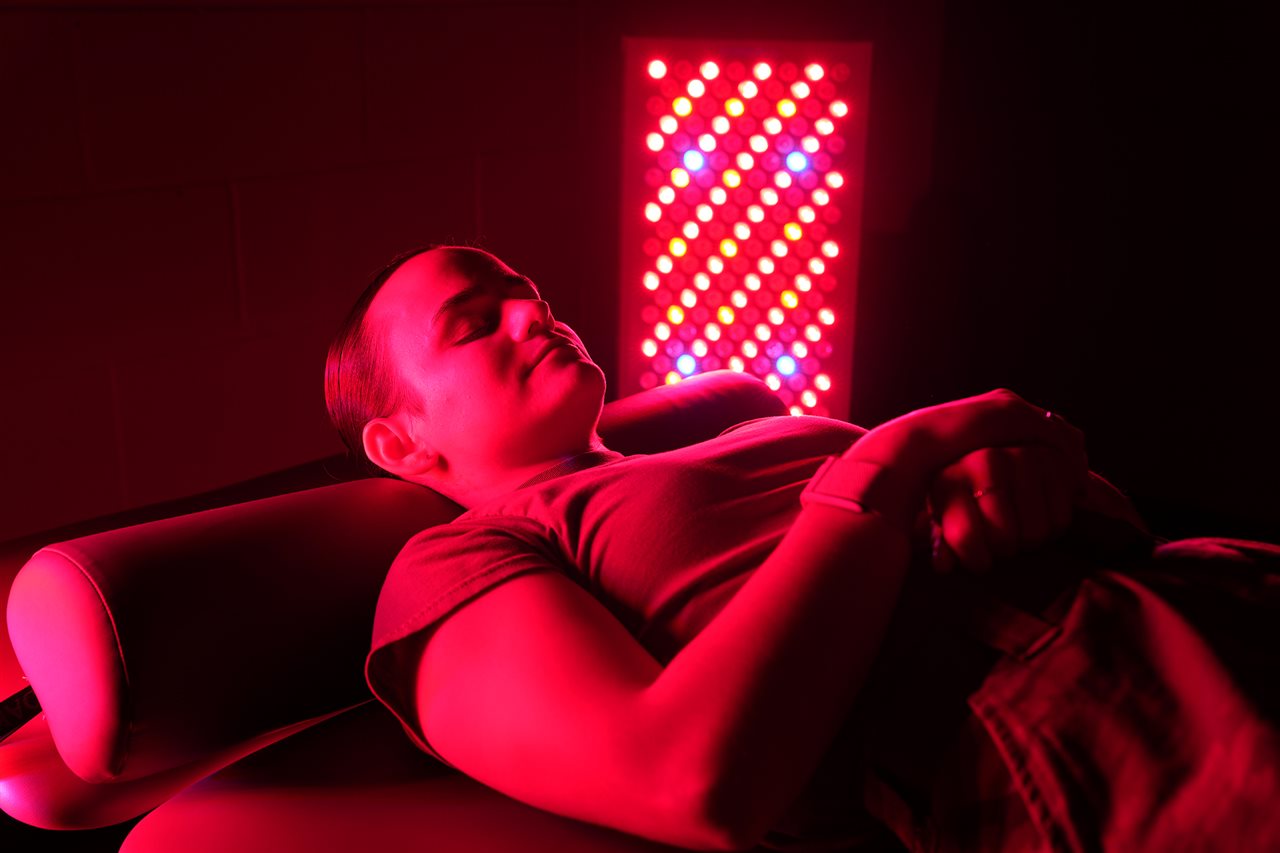
Maj. Lina Ochoa, occupational therapist and sleep domain lead for the H2F system, says, “Just like physical training and nutrition, sleep must be planned and protected. The most important factors for better sleep are consistency and routine.” While there are endless hacks for getting better sleep, Maj. Ochoa suggests five strategies:
- Find your anchor: Pick a consistent time to go to bed and wake up each day. Keeping this routine steady helps your body know when it’s time to sleep and recover.
- Be disciplined with light: Expose yourself to bright light within 30 minutes of waking and dim the lights 90 minutes before bed. A tip for night shift workers is to wear sunglasses during morning commutes home.
- Time your caffeine consumption: Try not to have caffeine within 8 hours of intended sleep.
- Drop the temperature: Keep your bedroom temperature around 60-67 degrees.
- Wind down: Take 5-10 minutes to do parasympathetic breathing (inhale for 4 seconds, exhale for 8 seconds), and limit exposure to any emotionally activating content — in other words, avoid late-night phone scrolling.
Bonus: Invite others along for maximum impact
The World Health Organization has reported that 1 in 6 people worldwide is affected by loneliness, leading to significant impacts on health and well-being. The performance triad is powerful, but it becomes truly transformative when practiced with others. Seek out communities around movement — whether that’s a running club, gym or training partner, and share intentional meals with loved ones rather than eating in front of the TV.
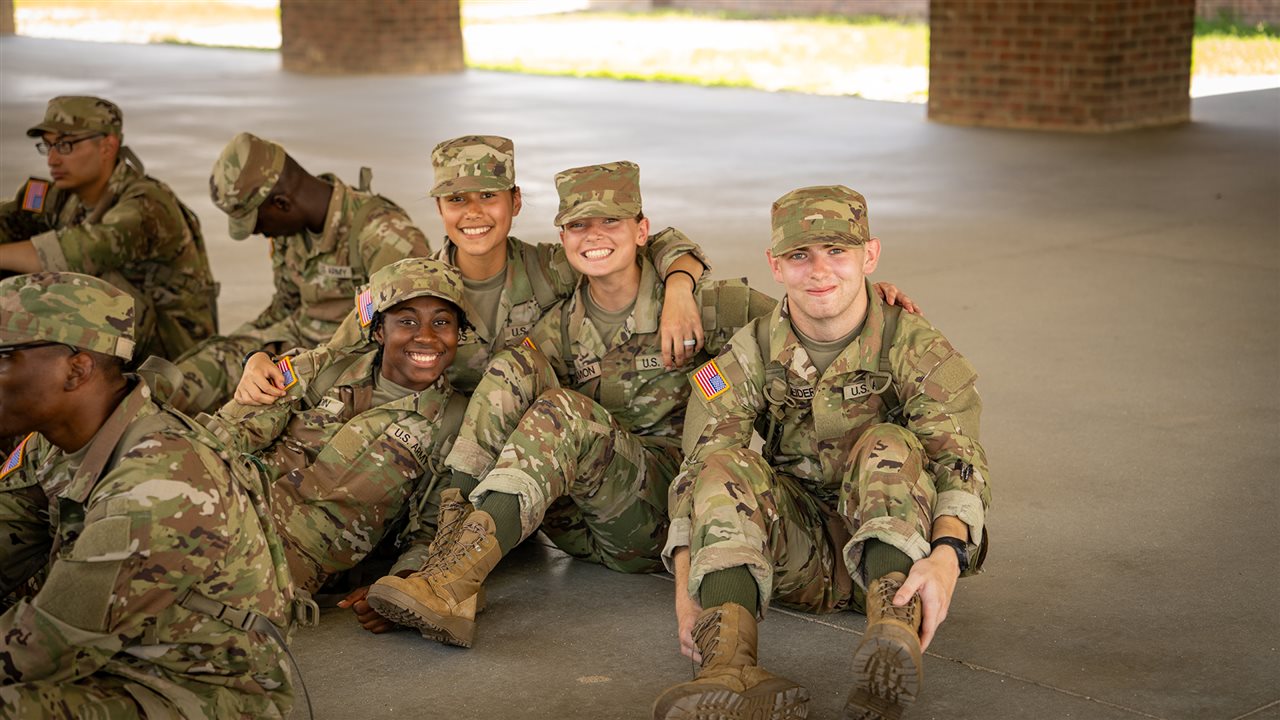
In the Army, camaraderie and connection is key to succeeding in every mission. Lt. Col. Rebecca Shanahan, clinical psychologist and mental readiness lead for the H2F system, says, “Humans need other people for survival. Often when you get stressed, you stop engaging in social support and personal networks. When you isolate and pull away from interpersonal connectivity, it can be very detrimental.”
She recommends reserving five minutes for a family or friend check-in every day. Ask each other what went well throughout your day, what went wrong, where you can use help and what you’re looking forward to tomorrow. She notes, “The intent is to be consistent, tangible, and five minutes or less.”
Unlike other long-term investments, the performance triad can lead to big payoffs quickly, with sustained benefits for years to come. This spring, make the choice to allocate your time and attention to the one asset that makes everything else possible: your health. Learn more at GoArmy.com.