‘Constantly stressed out’: A woman’s battle with excess cortisol

2024-10-18T11:01:00

(BPT) – For Janice, health and fitness were always priorities. Growing up in Jamaica, she’d been a sprinter for her high school track team. After moving to the U.S. in her mid-20s, she built a successful career in sales while raising two young children. Although she was busy, she maintained a healthy and active lifestyle. In fact, other than having slightly elevated blood pressure, she was the picture of good health.

Yet things changed dramatically for Janice when she reached her mid-40s. Her blood pressure escalated significantly and no longer responded to medication. Her menstrual cycles became unpredictable. Most unsettling of all were the alarming changes in her appearance. Her face swelled and she gained a significant amount of weight around the center of her body. “People asked me if I was on steroids,” Janice recalls. Her legs became emaciated and weak. She developed a fatty hump between the shoulders (buffalo hump) and grew so much facial hair she had to start shaving it. She fought constant lethargy during the day, but then would be unable to sleep during the night.

Looking back, she remembers, “I was constantly stressed out. I didn’t look well, and I didn’t feel well.”

“My blood sugar would just skyrocket.”

Things came to a head one afternoon. Feeling unwell, Janice experienced a dizzy spell and fell while getting out of the shower. Unable to move or see clearly, she was rushed to the emergency room, where her blood sugar was measured at 1,000 mg/dL — a level so high it could trigger a diabetic coma. She was diagnosed with type 2 diabetes and discharged with a new regimen of medications and lifestyle modifications.

Despite following her doctor’s instructions, Janice’s problems persisted. “Even when eating healthy and taking all my meds, my blood sugar would just skyrocket after meals.” She soon learned her kidneys and heart were also being impacted.

“Nobody had bothered to put it all together.”

Janice was on up to 25 different medications, but her symptoms continued, and her frustration grew. “I saw so many doctors — nearly every kind of -ologist you can think of,” she recounts.

One day, a chance conversation with someone else’s healthcare provider led to a breakthrough. After mentioning her health struggles in passing, the doctor suggested she might have Cushing’s syndrome. Janice began to research Cushing’s syndrome (also known as hypercortisolism) and was struck by how similar the symptoms seemed to her own. She found a local endocrinologist, shared her suspicions about Cushing’s syndrome, and a combination of blood tests confirmed her theory: Her cortisol levels were highly elevated. Further testing revealed a growth on her pituitary gland was causing the excess cortisol.

“For so long,” she recalls, “nobody had bothered to put it all together.”

“Finally, I look and feel normal again.”

With her Cushing’s syndrome properly diagnosed, Janice underwent surgery to remove her pituitary growth. Her recovery was difficult, but since receiving treatment she has grown stronger, and her Cushing’s symptoms are better. She remembers feeling that “at last, there was light at the end of the tunnel.”

While Janice’s journey has not been easy, today she is much healthier. She has lost 50 pounds, her hypertension is under control, her blood sugar has returned to normal levels, her kidney function is stable, and she has resumed her active lifestyle.

When speaking with other patients who face similar symptoms, she urges them to be proactive in their care. “A lot of people are walking around with Cushing’s and don’t know it. It’s everyone’s responsibility to educate doctors so they can help new patients.” She cites her own experience as living proof, adding: “Finally, I look and feel normal again. And I’m so grateful.”

If you suspect you may have hypercortisolism or Cushing’s syndrome, talk to your doctor.

You can visit corcept.com to learn more about how Corcept Therapeutics is unlocking the potential of cortisol modulation to revolutionize the treatment of serious diseases.

This article is the experience of one person and is not medical advice. Consult a medical professional for medical advice, diagnoses or treatment.

Napa’s quiet season: Where to stay, dine and unwind this fall

2024-10-18T13:47:00

(BPT) – In the fall, California’s Napa Valley transforms from lush, green vineyards and rolling hills into a stunning landscape of vibrant reds, deep oranges and rich yellows, all set against the bright, blue sky. As the leaves change color, the air becomes crisp and cool, creating a breathtaking backdrop to Napa’s quiet season.

The end of autumn’s harvest season affords Napa visitors a more intimate experience, a chance to explore the magic of the valley without the summer crowds. It is a time to take in Napa’s rich culture with harvest festivals, seasonal culinary offerings and scenic drives through the valley.

Here are the best places to stay, dine and unwind in Napa Valley this fall.

Winery tours. Vineyards are the heart and soul of Napa Valley, and a visit to the area is not complete without taking in its storied wine history. The gorgeous, welcoming vineyards of Cakebread Cellars are the perfect place to find it. From November to February, this over 50-year-old, family-owned winery provides a serene, personal experience with fewer visitors, allowing guests to connect more deeply with its rich legacy of quality, sustainability and innovation. Tours they provide:

The Cakebread Classic Tour, their signature tasting experience, guides visitors through the winery for a 45-minute tour, interspersed with tastings of Cakebread’s premium wines.

The Sustainable Wines and Vines Tour showcases Cakebread Cellars’ commitment to sustainability in their organic farming, winemaking practices and the construction of winery buildings using reclaimed materials.

The Perfect Pair Wine and Food Tasting allows you to experience the winery’s top wine varietals alongside Napa’s autumn bounty, reflecting its culinary roots and on-site garden through food-friendly pairings.

Luxury accommodations. A beautiful hotel experience is half the fun of a trip, and there are many resorts in Napa that provide luxurious and serene surroundings to enhance your visit. Stanly Ranch and Carneros Inn and Spa are located near downtown Napa, offering a peaceful and lovely retreat after your day’s adventures. When you visit during the fall, you can relish a premium stay without the premium price tag since hotel rooms can be up to 40% cheaper in the off-season.

Fine dining. Many restaurants in Napa Valley celebrate wine culture, from Mustards Grill with its 30-year tradition of “honest American fare with worldly sophistication, washed down with a glass of the valley’s finest,” to the elegant Brix Restaurant, with its focus on farm-to-table dining inspired by the traditions of Northern California. With smaller crowds, reservations are abundant, so no need to brave the long lines to visit your favorite Napa spot.

Hot air balloon rides. Called a “nature walk in the sky,” Napa’s long tradition of hot air ballooning gives guests a truly breathtaking way to see the valley’s striking landscape, bursting with vibrant fall colors. Tours begin at dawn, allowing you to float serenely through the air as you watch the sun rise.

Hiking. In Napa, you’ll find rugged mountain ranges, redwood forests, lakes and streams. Fall’s mild weather and vibrant hues create the perfect backdrop for guests looking to stretch their legs in the outdoors. From state parks to local trails with vineyard views, there is an excursion for every skill level. With the cooler temperatures in the fall, you won’t be hiking in the heat!

Hot springs. Unique to Napa Valley’s Calistoga region, underground hot springs feed geothermal mineral pools, infusing them with healing elements that soothe the body and mind. Step out of the crisp autumn air and book a day pass at Dr. Wilkinson’s Backyard Resort & Mineral Springs to soak in the pools, which contain zinc, magnesium, calcium and bromine that relax sore muscles. It feels especially soothing to soak in the warm water on a cool day.

As the leaves change, Napa Valley is awash in color. Visit during this fleeting time of year and make the most of harvest season in Northern California.

Over half of Americans choose their benefits by price during open enrollment

2024-10-18T08:01:00

(BPT) – New Empower research explores the annual process and what matters most to American workers

Over half of Americans (53%) report that cost is the primary driver for choosing benefits during open enrollment, and 35% of Millennials (27% of people overall) enroll in the least expensive option regardless of what the plans offer, according to research from Empower, a leader in financial planning, investing and advice.

Some 41% say they would have made different benefit elections if they had a better understanding of the options. Less than half of younger generations know where to find the information and details needed to make decisions about their benefits (44% of Gen Zers, 50% of Millennials). Fewer than 2 in 5 (38%) Americans feel that the open enrollment process is easy and user-friendly, and 37% admit to feeling overwhelmed when it comes to selecting benefits.

Beyond healthcare (70%), dental (53%) and vision plans (45%), Americans rank access to retirement plans (45%) and financial advice (24% overall, 42% Gen Z) among the most important employer benefits.

“Our study shows that Gen Zers are especially craving financial advice, and it tops their wish list of workplace benefits,” says Rebecca Rickert, head of communications at Empower. “From a retirement plan to financial coaching, plus concrete safeguards like an emergency savings account, people highly value benefits that directly support their financial happiness.”

Americans have ideas for how to make the open enrollment process better. Nearly half (48%), including 60% of Baby Boomers and 53% of Gen Xers, would like to see a side-by-side comparison of plans and benefits, a clear explanation of pricing differences among plans (46%), and better pricing on plan options (44%). One in five (21%) say a longer enrollment period would improve the process.

More findings:

  • HSA-a-day: 1 in 4 (24%) Americans (27% of men and 21% of women) have money in a Health Savings Account (HSA). Just half of people (50%) say they understand what an HSA is, with more Gen Xers (57%) and fewer Gen Zers (40%) familiar with the option. About 1 in 5 (21%) have used their HSA benefit so far this year.
  • Roll call: One in 5 (20%) overall do not enroll in their employer’s benefit plan, and the likelihood of opting out is even greater for younger generations: 1 in 4 Gen Zers (26%) and Millennials (27%) do not enroll in their employer’s plan, compared with just 16% of Gen Xers and 15% of Baby Boomers.
  • Time saver: Time is Money to many people, and more of it might make for an improved open enrollment process, too: Just 39% feel the open enrollment window is long enough.

About the study

The Empower “Open Enrollment” study is based on online survey responses from 1,237 Americans ages 18+ fielded by YouGov from September 27-30, 2024. The survey is weighted to be nationally representative of U.S. adults (aged 18+).

RO3931714-1024

USDA Celebrates Farm to School Month and National School Lunch Week with Major Investments in Local Food for Schools

2024-10-17T12:35:00

(BPT) – [Courtesy of the United States Department of Agriculture (USDA)]

October marks National Farm to School Month and National School Lunch Week, making it a great time to highlight the importance of healthy school meals and USDA’s commitment to connecting local farmers and producers with schools nationwide. School nutrition professionals and teachers, along with farmers and other partners, help to bring healthy and tasty food to about 30 million children each school day. That’s why the USDA has provided billions in financial support in recent years to schools across the country through a variety of initiatives.

Most recently, USDA announced its investment of $500 million for schools to purchase local, unprocessed foods as the latest in a series of actions to support school meals through nutritious, domestic foods.

“A healthier future for our country starts with our children and American farmers and producers play a critical role in ensuring kids have healthy, tasty food with homegrown flavor to nourish them throughout the school day,” said Agriculture Secretary Tom Vilsack. “We know the school meals supply chain is strongest when schools have relationships with local suppliers, which is why USDA will continue to support local foods in schools for a brighter future for our children.”

Investments in Local, Domestic Foods

Since 2021, USDA has provided a boost of nearly $4.8 billion for school meal programs to purchase domestic, unprocessed foods. Of that, nearly $700 million — including that recently announced $500 million investment — is through the Local Food for Schools Cooperative Agreement Program. This program is specifically for procuring local and regionally sourced foods with an emphasis on purchases from historically underserved producers.

In addition to providing schools greater access to nutritious, local foods for their meal programs, this funding creates new market opportunities for producers as well as jobs and opportunities in local communities. The result is a stronger, fairer, more resilient local food chain for schools.

Farm to School

Today, more than 67,000 schools participate in farm to school. Farm-to-school activities such as serving local foods in school, growing a school garden, tasting new foods and visiting local farms provide experiential learning for children, support American farmers and producers, boost nutrition in school meals and more. The new USDA Farm to School Census reports that 74% of schools served local foods during school year 2022-2023.

Other key findings include:

  • School districts that purchased local spent about $1.8 billion on local foods, roughly 16% of their total food spending.
  • Participation in farm-to-school activities has grown by 14% since the 2019 Farm to School Census.
  • School districts with a high percentage of students receiving free or reduced-price meals are as likely to participate in farm to school as lower-need school districts.

“When we give kids the opportunity to learn about their food, where it comes from and support them in establishing good eating habits, we’re setting them up to reach their full potential in the classroom and beyond,” said USDA Deputy Under Secretary for Food, Nutrition and Consumer Services Cindy Long.

Learn more about the Farm to School Census and USDA’s record-breaking $14.3 million in farm-to-school grants awarded in 2024 by visiting the Patrick Leahy Farm to School Program website.

Strengthening School Meals

Nutritious school meals are a top priority for USDA and the Biden-Harris Administration, which have provided about $13.2 billion in extra financial support for schools since 2021 to ensure they have the resources they need to operate successful meal programs. School meals are a vital source of nutrition for about 30 million children nationwide, giving them the fuel they need to grow, learn and thrive.

Major actions USDA has taken this year to strengthen school meals include:

USDA is also committed to increasing access to school meals to ensure all children are set up for success in the classroom and beyond. Advancing a pathway to free healthy school meals for all is a priority of the Biden-Harris Administration’s White House National Strategy on Hunger, Nutrition and Health. Eight states have already taken permanent actions to provide healthy school meals at no cost to all students; in other states, many schools in high-need areas provide free meals to all students through the USDA’s Community Eligibility Provision.

To learn more about farm to school and the resources available to schools, families and local farmers and producers, visit www.fns.usda.gov/schoolmeals.

5 fun eggnog recipes the whole family will love

2024-10-17T11:23:00

(BPT) – There are many things that make the holidays special, but two that tend to stand out above the rest are family and food.

For example, enjoying a glass of eggnog with loved ones is a treasured tradition for many people. But did you know that eggnog can also be enjoyed as a delicious and versatile ingredient in other drinks, entrees and desserts? You can take this holiday tradition and give it a twist by trying new eggnog recipes to make delicious creations with the people you care about the most.

You can easily brighten your holiday season by incorporating this creamy holiday drink into your favorite mealtimes. To inspire you, Organic Valley® shares five imaginative and festive recipes featuring delicious Organic Valley® Reduced Fat Eggnog.

1. Eggnog waffles

Eggnog waffles are a creative twist on a classic breakfast that the whole family will enjoy. Simply add eggnog to the waffle batter and prepare as usual. As soon as that first batch starts to brown and that irresistible smell fills your home, you’ll feel the joy of the season. This is a fun recipe to make with your kids, so you can create lasting holiday memories.

2. Sparkling eggnog

What’s better than drinking eggnog this holiday season? Adding some sparkle to it! Just grab some creamy, delicious eggnog and add sparking water and spiced simple syrup. A cinnamon stick and dash of cinnamon garnish are optional but add festive flare. At the end, you’ll have a drink that feels fun, fizzy and indulgent.

3. Eggnog ‘Swedish’ meatballs

Eggnog in meatballs? It’s not as crazy as it might seem — and way more delicious than you’d expect. A half cup of eggnog acts as a binding agent that brings more than a creamy texture to the mixture. It has just enough spice to complement the meat, eggs, Parmesan cheese and panko. It’s a fun way to use traditional seasonal flavors to reinvent a holiday meal.

4. Eggnog cookies

What’s better than sipping eggnog while eating cookies? Combining them to create a festive, mouthwatering cookie. The trick is to create eggnog icing, like the one featured in Organic Valley’s recipe for eggnog cookies. Ready the family for some holiday baking and try this new recipe that will soon become a favorite.

5. Eggnog panna cotta

Panna cotta is a luxurious dessert, and you can give it a holiday remix by adding eggnog. Eggnog panna cotta takes 5 minutes to whip up and a couple of hours to cool. However, the jiggly custard’s depth, creaminess and seasonal flavor will have your family assuming you fussed over this Italian dish. They’ll enjoy the complex taste while you appreciate the recipe’s simplicity.

These inspiring recipes will have you rethinking this classic holiday drink. Best of all, you can feel good when you purchase Organic Valley Reduced Fat Eggnog. This made-from-scratch recipe uses high-quality organic ingredients, including milk from small family farms where cows are raised without antibiotics, synthetic hormones, toxic pesticides or GMOs.

You can find these five recipes and more at OrganicValley.coop. Let them inspire you this season to host friends and spend time with family while enjoying a wonderful holiday drink or treat.

A bot to mow your lawn? Yes, you can — and should. Here’s why

2024-10-17T09:01:00

(BPT) – For most homeowners, mowing the lawn is a necessary chore that eats up precious time on weekends and exposes those with allergies to the kinds of grasses and pollen they’re trying to avoid. For landscapers, it’s a time-consuming and operationally challenging part of their core service. What if you could get a beautiful lawn without all of that hassle?

The answer is a robotic lawn mower. It’s a small, self-propelled unit — think of a lawn mower without a handle — that zips around on your lawn and cuts the grass so you can tend to other chores.

The robotic lawn mower market is expanding rapidly and regional programs like the Mowing Down Pollution initiative have reduced harmful emissions by nearly 50 tons per year since 1999, promoting the adoption of eco-friendly alternatives like robotic mowers. California’s January 2024 ban on the sale of new gas-powered landscape equipment is expected to boost demand for robotic lawnmowers as well.

With the recent innovations in robotic mowers from industry leader Sunseeker, these units are becoming the ultimate mowing solution.

Sunseeker offers a number of proprietary, game-changing technologies in its Orion X7 series, like Always-On Navigation, which delivers precise positioning accuracy down to the centimeter, and avoids signal loss in diverse outdoor environments. It also includes a 3D binocular camera, and incorporates a proprietary AI Deep-learning System for precise obstacle avoidance. Why is that important? Most robotic mowers on the market today depend on just one of those technologies. The combination dramatically improves the bot’s accuracy by giving it a complete picture of the yard. The AI-assisted mapping also allows landscaping pros to program the unit with maps of multiple lawns.

“This is truly the ‘iPhone moment’ in outdoor power equipment,” said Justin Novosel, Executive Vice President and GM of Sunseeker U.S. “It saves precious time for homeowners and allows landscaping crews to attend to other tasks.”

Is a robotic mower right for you? Here are some of the advantages of robotic lawn mowers versus traditional models.

Convenience. No more delaying weekend activities with the family to mow the lawn. A robotic lawn mower can operate anytime, day or night, while you’re at work or out doing fun activities with your friends and family. Once you install and program your mower, it’s basically self-sufficient. It has its schedule and is on the job, whether you’re there to supervise it or not.

Efficient mowing. Dare we even say it? A robotic mower may be able to handle your lawn better and more efficiently than you can. They are designed to cut the grass in random patterns, so you won’t get those rows or streaks. Some units offer electronic height adjustment for maximum efficiency. The Sunseeker Orion X7 offers Float Cut Technology, which allows the blades to automatically adjust to any terrain and provides a consistent and high-quality cut.

Stealth operation. Robotic mowers are quiet, operating almost silently. No more disturbing the neighbors! Another advantage of quiet operation is you can program your mower to run at night. Most come with anti-theft features so you don’t have to worry about someone picking up your bot while it’s on the job.

Built to handle slopes and other terrain issues. These little units are tough enough to handle sloped yards. And the bots can also identify thicker spots in your lawn and cut accordingly. Sunseeker’s Orion X7 is actually an all-wheel-drive unit.

Effortlessly rechargeable. With standard electric mowers, you need to remove the battery and put it on an external charger. Robotic mowers don’t require that step. Their docking station is their recharging station. The Sunseeker X7 automatically heads back to its charging station for a recharge. So you know that, whenever it’s time to mow, your mower will be charged and ready to go.

Low maintenance. No changing the oil, refilling gas, or any of the other maintenance involved with traditional mowers. With robotic mowers, you’ll need to change the blades once a year, and replace the battery every two to four years. That’s it.

Wouldn’t you like a bot to mow your lawn and get the job done right? That’s a big chore off of any homeowner’s mind. For more information about the latest in robotic lawn mowers, visit Sunseeker.

Expert tips to help you prepare for storm season

2024-10-17T06:01:00

(BPT) – If you think this year has been especially severe for hurricanes, you’re not wrong. Back in August, the National Oceanic and Atmospheric Administration (NOAA) upgraded the 2024 hurricane season forecast to predict 17-24 named storms this year, which could make it one of the busiest on record. Unfortunately, this prediction is coming true, with the Atlantic Basin already seeing more frequent and much more intense storms.

While severe weather can cause conditions that are nearly impossible to fully prepare for, you can take some steps to help safeguard your family and property ahead of time.

“It’s best to assume a storm will hit your area at some point, so you can be proactive instead of just reactive,” said Craig Fugate, former administrator for the Federal Emergency Management Agency (FEMA). “There’s no substitute for advance planning and preparation.”

Here are recommended actions to help you be more prepared for stormy weather.

1. Create or update your emergency kit

If you don’t have a household emergency kit, or you haven’t updated yours in a while, take time to stock up on items your household may need in case of a severe storm in your area. A great resource for packing your kit is Ready.gov/kit. Recommended items include bottled water, non-perishable food, a battery-powered radio, flashlights and batteries, plus first aid supplies.

It’s also a good idea to have a “go bag” for each family member, packed with essential items in case you need to evacuate your home.

2. Maintain your property

Another crucial way to help weather-proof your house to some extent is to make sure your home and property are in good repair. If your home’s roof, siding and windows are in top condition, they may be better able to withstand at least some of the elements. Regularly inspecting your home to look for damage is recommended before, during and after storm season.

Another key component to help prevent one source of storm damage is ensuring that trees are not growing too near your home, and that they are in good health. Having your trees trimmed by a professional arborist can help ensure you’ll have fewer dead or damaged limbs that could fall on your home, car or power lines.

3. Protect your access to power

One of the toughest things to get through during and after severe weather events is the loss of power. Without electricity, food will spoil, and you can’t cook, access the internet or use other vital home electronics.

To help you power through the aftermath of a storm, Jackery offers an innovative new solar generator, the E2000v2, that’s capable of powering an extensive range of high-power appliances including refrigerators, microwaves, coffee makers, high pressure washers and more. It also features multiple outlets so you can power smaller devices such as routers, and is equipped with 18W USB-A and 100W USB-C ports to support smaller electronic needs. The generator also offers powerful, quick and convenient charging in as little as two hours.

Best yet, the E2000v2 is small and light, offering 30W uninterruptible power supply (UPS) for instantaneous emergency backup power in less than .02 seconds, making it a reliable solution for backing up vital electronics.

Unlike traditional gas generators that require further costs for fuel and maintenance, the E2000v2 can be combined with solar panels to harness power from the sun to serve as a renewable energy source, producing clean and free power with no ongoing expenses. Gas generators also create toxic and potentially deadly emissions, but the clean power provided by E2000v2 is coupled with silent operation — making it safe and convenient to use indoors.

Because of its small size and portability, you can use the E2000v2 for many other purposes, including tailgating, RVing, overlanding, camping and more. Its UL-listed safety, shock and fire resistance also make the E2000v2 ideal for working outdoors with tools that require a steady power supply.

Visit Jackery.com to learn more.

4. Be prepared to evacuate

Most importantly, make sure you’re ready to evacuate if needed. Having your go bags in an easily accessible spot, knowing how to turn off the electricity and gas to your home before you leave (to help prevent fires) and planning for a place to go with your family are all important steps to help you feel confident that you can leave quickly when necessary.

“Your local government officials are the best source when it comes to the conditions on the ground where you live,” added Fugate. “So it’s always important to tune in to what they’re recommending for residents in your area before a storm.”

Taking steps like these now can help you feel more prepared and secure, no matter what nature throws your way.

Innovative Treatment Potentially Spares Kidneys in Adult Patients with Low-Grade Upper Tract Urothelial Cancer

2024-10-16T11:01:01

(BPT) – Kathy was only in her sixties when she was diagnosed with low-grade upper tract urothelial cancer (LG-UTUC). It came as a complete surprise given she was young, exercised every day, ate right, and did everything else she could to keep herself healthy.

Cancer came calling anyway, and a rare form at that. Most patients who are diagnosed with urothelial cancers develop tumors in the lower tract, with only 5% to 10% having tumors in the upper tract,1 like Kathy’s. And none of the existing treatment options for LG-UTUC were appealing to Kathy or her family.

Treatment meant either removing her kidney and ureter, the tube connecting the kidney to the bladder, or having a cystoscopy to remove the tumors, along with ongoing tests and scans after the procedure to monitor for a recurrence. After discussing it with her husband, Kathy chose to keep her kidney and endure those procedures. But it wasn’t a durable solution.

“We agreed to keep going back in to check for recurrences,” said Stephen Bennett, MD, the Urology Group in Cincinnati, Ohio, Kathy’s doctor. “The next six or seven times we went back in after a procedure, there was a recurrence. Every single time.”

The cycle of removing the tumors, recurrence, followed by another painful procedure to remove those tumors, went on for years. But Dr. Bennett knew JELMYTO® (mitomycin) for pyelocalyceal solution, a drug not yet approved by the FDA at that time, could potentially be another treatment option for low-grade upper tract urothelial cancer that could benefit Kathy. He encouraged Kathy to continue her current treatment plan and wait a little longer before removing the kidney, in hopes the drug’s approval would come soon. And it did!

JELMYTO: A breakthrough in LG-UTUC treatment

That day came. In 2020 JELMYTO became the first FDA-approved therapy treatment for LG-UTUC in adult patients.2 JELMYTO is instilled in a procedure that spares the kidney.

“After JELMYTO was approved, we signed her up,” Dr. Bennett said.

“I didn’t even have to think about it,” Kathy said. “I was going to do it.”

JELMYTO combines mitomycin (chemo) with sterile hydrogel, a proprietary reverse-thermal technology (RTGel®) that allows the medicine to transform from a chilled liquid at instillation into a gel at body temperature. It is injected directly into the kidney via a catheter or a small port, and delivers treatment exactly where it is needed, not where it isn’t. This completes the primary treatment regimen for patients with low-grade UTUC, even those with endoscopically unreachable tumors, because it delivers chemoblative therapy directly to the upper tract.

JELMYTO stays in a kidney for four to six hours, fighting the tumors. Then, it slowly starts to liquify and naturally leaves your body when you urinate.

A clinical study called OLYMPUS followed adults who were in different stages of their journey with low-grade UTUC. Some were newly diagnosed, and over half had been treated for low-grade UTUC in the past. Some had very hard-to-reach tumors that could not be removed with endoscopic management. The findings showed that three months following initiation of treatment, 58% of participants had their tumors disappear after a once-a-week for six weeks treatment plan with JELMYTO.3 The most common side effects observed in OLYMPUS included urinary tract infection, blood in your urine, side pain, nausea, trouble with urination, kidney problems, vomiting, tiredness, stomach (abdomen) pain.

She received JELYMTO once a week for six weeks in an outpatient procedure. The results surprised even her doctor.

“After Kathy’s six rounds of treatment we waited six to eight weeks and we did the same cystoscopy and ureteroscopy that we had done many times before,” said Dr. Bennett. Fortunately, in Kathy’s case, Dr. Bennett saw no evidence of recurrence.

Six months later, Kathy went back to Dr. Bennett for a follow-up. No recurrence. Six months after that, still clear.

“It has changed my life as far as doing more things with the family,” Kathy said. “I’m looking forward to seeing my grandchildren grow up, enjoying life. It is a weight off of everybody’s mind. So that was the best part.” This treatment option had a positive impact on her life. To see more of Kathy’s story, visit: https://www.jelmyto.com/hcp/resources/video-library/.

Others with similar stories of frequent recurrence who do not wish to remove their kidney should consult their doctor about all their treatment options, including JELMYTO. For more information about JELMYTO, including access to a dedicated team of support throughout the coordination process, visit https://www.jelmyto.com/patient/ and talk to your doctor.

APPROVED USE FOR JELMYTO

JELMYTO® is a prescription medicine used to treat adults with a type of cancer of the lining of the upper urinary tract including the kidney called low-grade Upper Tract Urothelial Cancer (LG-UTUC).

IMPORTANT SAFETY INFORMATION

You should not receive JELMYTO if you have a hole or tear (perforation) of your bladder or upper urinary tract.

Before receiving JELMYTO, tell your healthcare provider about all your medical conditions, including if you:

  • are pregnant or plan to become pregnant. JELMYTO can harm your unborn baby. You should not become pregnant during treatment with JELMYTO. Tell your healthcare provider right away if you become pregnant or think you may be pregnant during treatment with JELMYTO. Females who are able to become pregnant: You should use effective birth control (contraception) during treatment with JELMYTO and for 6 months after the last dose. Males being treated with JELMYTO: If you have a female partner who is able to become pregnant, you should use effective birth control (contraception) during treatment with JELMYTO and for 3 months after the last dose.
  • are breastfeeding or plan to breastfeed. It is not known if JELMYTO passes into your breast milk. Do not breastfeed during treatment with JELMYTO and for 1 week after the last dose.
  • Tell your healthcare provider if you take water pills (diuretic).

How will I receive JELMYTO?

  • Your healthcare provider will tell you to take a medicine called sodium bicarbonate before each JELMYTO treatment.
  • You will receive your JELMYTO dose from your healthcare provider 1 time a week for 6 weeks. It is important that you receive all 6 doses of JELMYTO according to your healthcare provider’s instructions. If you miss any appointments, call your healthcare provider as soon as possible to reschedule your appointment. Your healthcare provider may recommend up to an additional 11 monthly doses.
  • JELMYTO is given to your kidney through a tube called a catheter.
  • During treatment with JELMYTO, your healthcare provider may tell you to take additional medicines or change how you take your current medicines.

After receiving JELMYTO:

  • JELMYTO may cause your urine color to change to a violet to blue color. Avoid contact between your skin and urine for at least 6 hours.
  • To urinate, males and females should sit on a toilet and flush the toilet several times after you use it. After going to the bathroom, wash your hands, your inner thighs, and genital area well with soap and water.
  • Clothing that comes in contact with urine should be washed right away and washed separately from other clothing.

JELMYTO may cause serious side effects, including:

  • Swelling and narrowing of the tube that carries urine from the kidney to the bladder (ureteric obstruction). If you develop swelling and narrowing, and to protect your kidney from damage, your healthcare provider may recommend the placement of a small plastic tube (stent) in the ureter to help the kidney drain. Tell your healthcare provider right away if you develop side pain or fever during treatment with JELMYTO.
  • Bone marrow problems. JELMYTO can affect your bone marrow and can cause a decrease in your white blood cell, red blood cell, and platelet counts. Your healthcare provider will do blood tests prior to each treatment to check your blood cell counts during treatment with JELMYTO. Your healthcare provider may need to temporarily or permanently stop JELMYTO if you develop bone marrow problems during treatment with JELMYTO.
  • The most common side effects of JELMYTO include: urinary tract infection, blood in your urine, side pain, nausea, trouble with urination, kidney problems, vomiting, tiredness, stomach (abdomen) pain.

You are encouraged to report negative side effects of prescription drugs to the FDA. Visit www.fda.gov/medwatch or call 1-800-FDA-1088. You may also report side effects to UroGen Pharma at 1-855-987-6436.

Please visit www.jelmyto.com and see JELMYTO Full Prescribing Information, including the Patient Information, for additional information.


1 Evmorfopoulos K, Mitrakas L, Karathanasis A, Zachos I, Tzortzis V, Vlachostergios PJ. Upper Tract Urothelial Carcinoma: A Rare Malignancy with Distinct Immuno-Genomic Features in the Era of Precision-Based Therapies. Biomedicines. 2023 Jun 21;11(7):1775.

2 Commissioner, Office of the. “FDA Approves First Therapy for Treatment of Low-Grade Upper Tract Urothelial Cancer.” U.S. Food and Drug Administration, 14 Apr. 2020, www.fda.gov/news-events/press-announcements/fda-approves-first-therapy-treatment-low-grade-upper-tract-urothelial-cancer.

3 JELMYTO [package insert]. Princeton, NJ: UroGen Pharma, Inc.; 2022.

US-JEL-00927 09/24

Worried about your home’s indoor air quality? Here are common causes and how to troubleshoot

2024-10-16T17:55:00

(BPT) – Whether or not you wonder about the air quality in your home, everyone can benefit from breathing better air inside — this is especially true for those with allergies, asthma or other respiratory health concerns. So, if you’re someone who experiences any of these issues or it seems like your indoor air is too dry, humid or dusty, you may want to take action to improve your indoor environment.

Air quality is often overlooked because it’s largely an invisible problem. Particulate matter (PM) in the 2.5-micron range are smaller than the diameter of human hair, yet some of these pose the greatest risk. They can infiltrate air passageways, causing respiratory issues and asthma attacks, which is why it’s crucial to ensure you and your family can breathe easy when you’re spending time indoors.

In honor of National Indoor Air Quality (IAQ) Awareness Month, here are recommendations from the residential HVAC pros at Trane® for assessing your home’s air, identifying the common culprits for air quality problems, and taking steps to improve your indoor environment.

Test your indoor air quality

An indoor air quality monitoring device measures the air quality for pervasive issues like pollen or other allergens. You’ll want to find one that monitors temperature, humidity, CO2, fine particulate matter (PM2.5) and volatile organic compounds (VOCs).

Alternatively, you could have an HVAC specialist run tests in your home to identify contaminants. Your trusted local HVAC dealer, such as a Trane Comfort Specialist™, can provide a whole-home indoor air quality assessment to identify contaminants and find solutions based on your family’s unique needs and concerns.

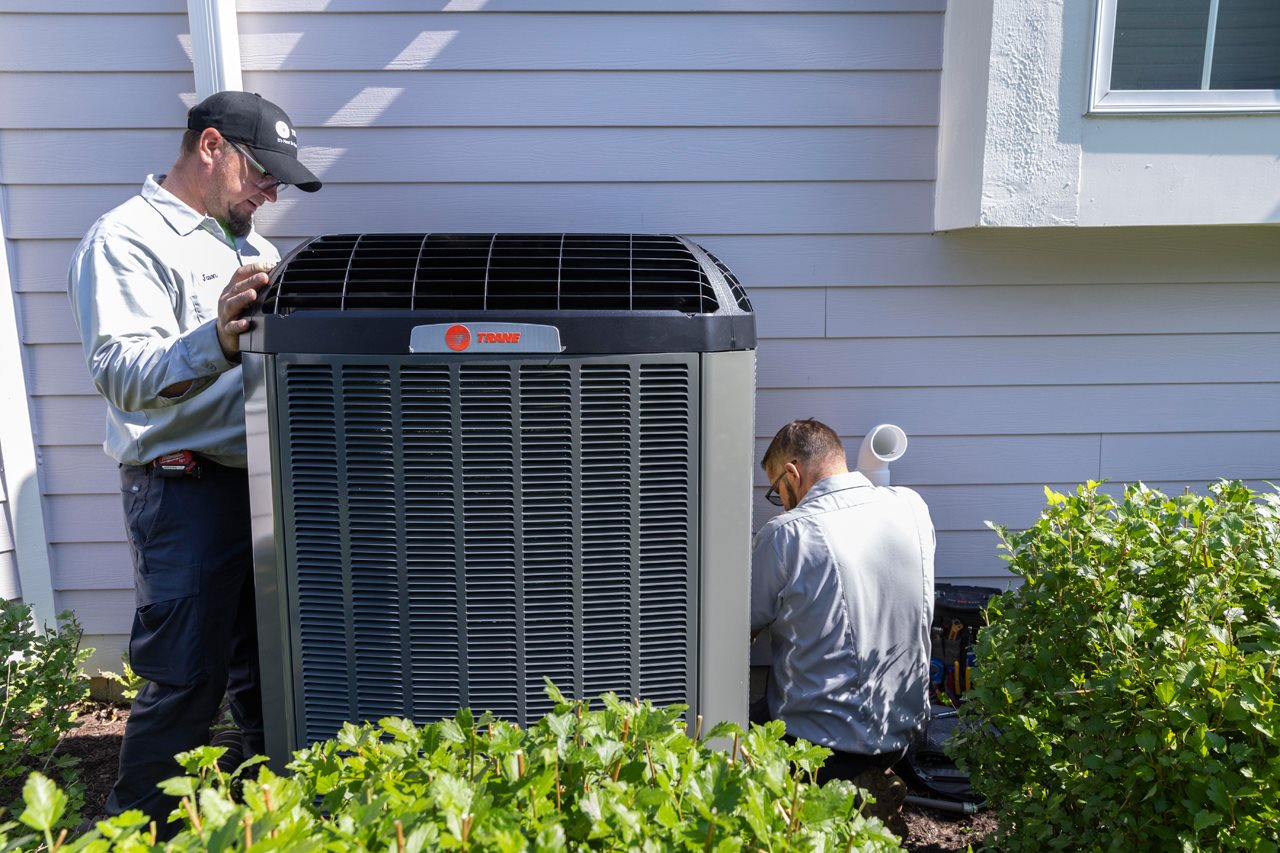
Two people installing a Trane HVAC system on th eoutside of a home.

Humidity imbalance in your home

Depending on the season and where you live, indoor humidity levels can vary a great deal. Maintaining humidity levels between 35%-60% in your home is key to resolving many indoor air quality problems, because mold, dust mites and other air pollutants tend to thrive outside that range. Air that’s too humid can also cause issues such as warping or cracking of wood furnishings and floors, and air that’s too dry can lead to irritated skin or respiratory issues.

The best way to control humidity in your home is by monitoring levels using a reliable HVAC thermostat, then managing humidity with a whole-home dehumidifier and/or humidifier.

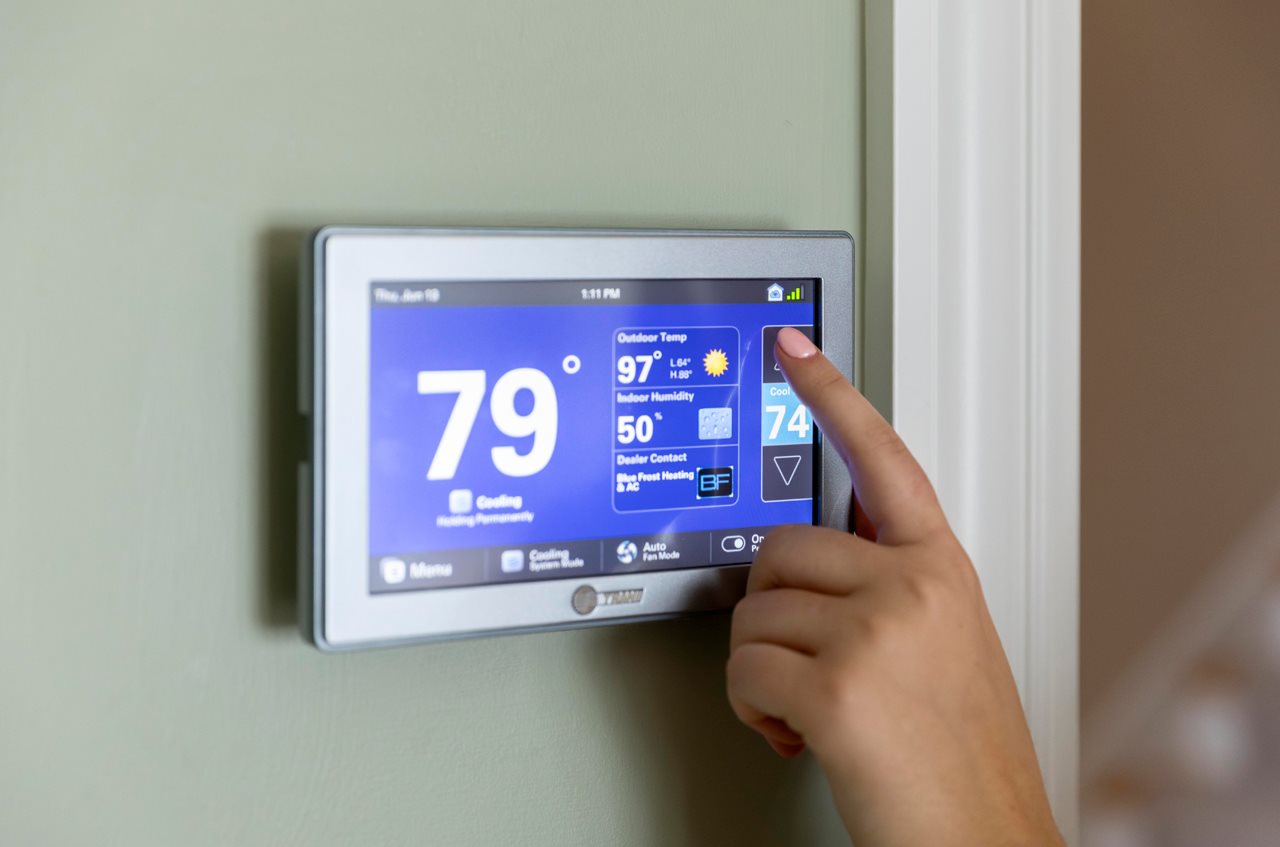
Homeowner adjusting thermastat for a HVAC.

Indoor pollutants

Air pollutant sources inside your home can include pet dander, mold, mildew, tobacco, wood burning fireplaces, gas stoves, cleaning products, household paints and more. Pollutants can also enter from outside (like pollen, smog and smoke). When contaminant levels in your home are high, you may experience eye, nose or throat irritation, headaches, dizziness and fatigue.

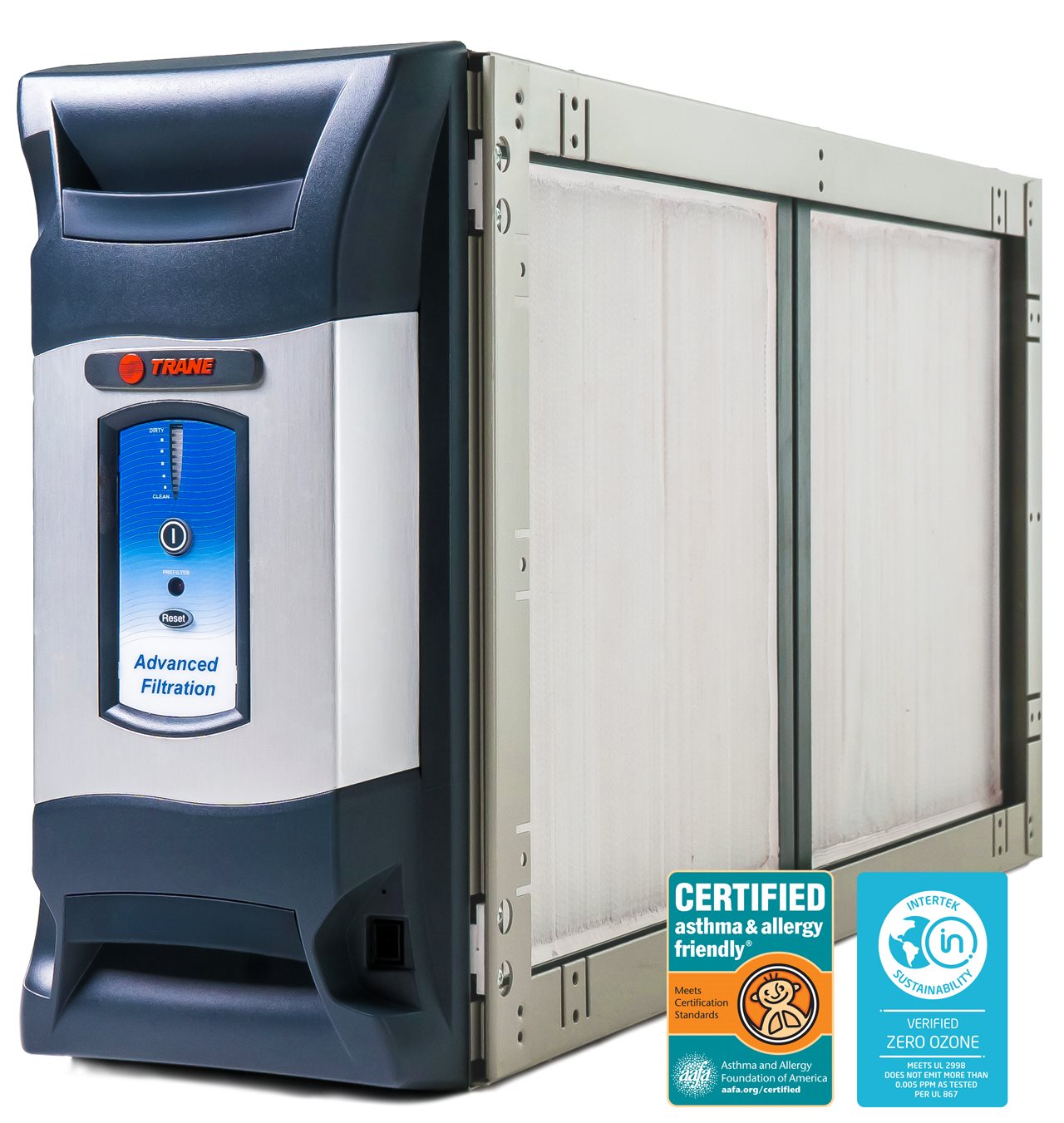
Eliminating some indoor air pollutants may help alleviate your symptoms, like removing carpeting and rugs to reduce dust and pet dander buildup or making sure to ventilate your home well (consider wearing an N95 mask while doing so!) while vacuuming, cleaning or painting. You can also consider a whole home air filter or electronic air cleaner for additional protection from indoor air pollutants. For example, the Trane CleanEffects® Whole Home Air Cleaner helps remove dust, pollen, pet hair and dander, dust mites and mildew, while also reducing airborne pollutants and certain bacteria and viruses. It’s also certified Asthma and Allergy Friendly® by the Asthma and Allergy Foundation of America.

Close up of Trane HVAC filtration system.

Inadequate ventilation

Because it’s difficult to remove all indoor air pollutants, it’s recommended to supply clean, fresh air to your indoor environment while exhausting stale and polluted air back outside — but that’s not as simple as just opening a few windows (especially when the temperatures outside are frigid). Opening windows allows for air exchange but doesn’t block outdoor allergens or asthma triggers, like pollen, from entering your home.

The best way to ensure that fresh air is being adequately supplied into your home is by using a filtered mechanical ventilator to bring fresh air in and expel stale and polluted air back outside. Newer homes, built with energy efficiency in mind, may not “breathe” as well as older homes. With the help of mechanical ventilation products, your indoor air will stay fresh all year long.

Brick duplex in a neighborhood.

Malfunctioning HVAC system

Do you have an older HVAC system that hasn’t been consistently maintained or cleaned over the years? Has it been a while since your HVAC filter was replaced? An HVAC system clogged with contaminants, or that’s not working well, can increase indoor air quality problems.

As the seasons change, schedule maintenance for your HVAC system to ensure it’s functioning at its best, and consider upgrading your unit if your air quality is consistently poor.

If your system is in good condition, make sure to change filters regularly by setting reminders and writing the date on your filter whenever you replace it. High-quality filters like the ones from Trane help filter out common allergens, make your home’s air fresher, and allow your HVAC system to run more efficiently. You can also opt for a reusable filter — but in that case, make sure you set reminders for cleaning it every 1-3 months, according to manufacturer recommendations. Whichever filter type you use, consider cleaning or replacing it more frequently than what’s recommended if someone in your household has allergies or asthma.

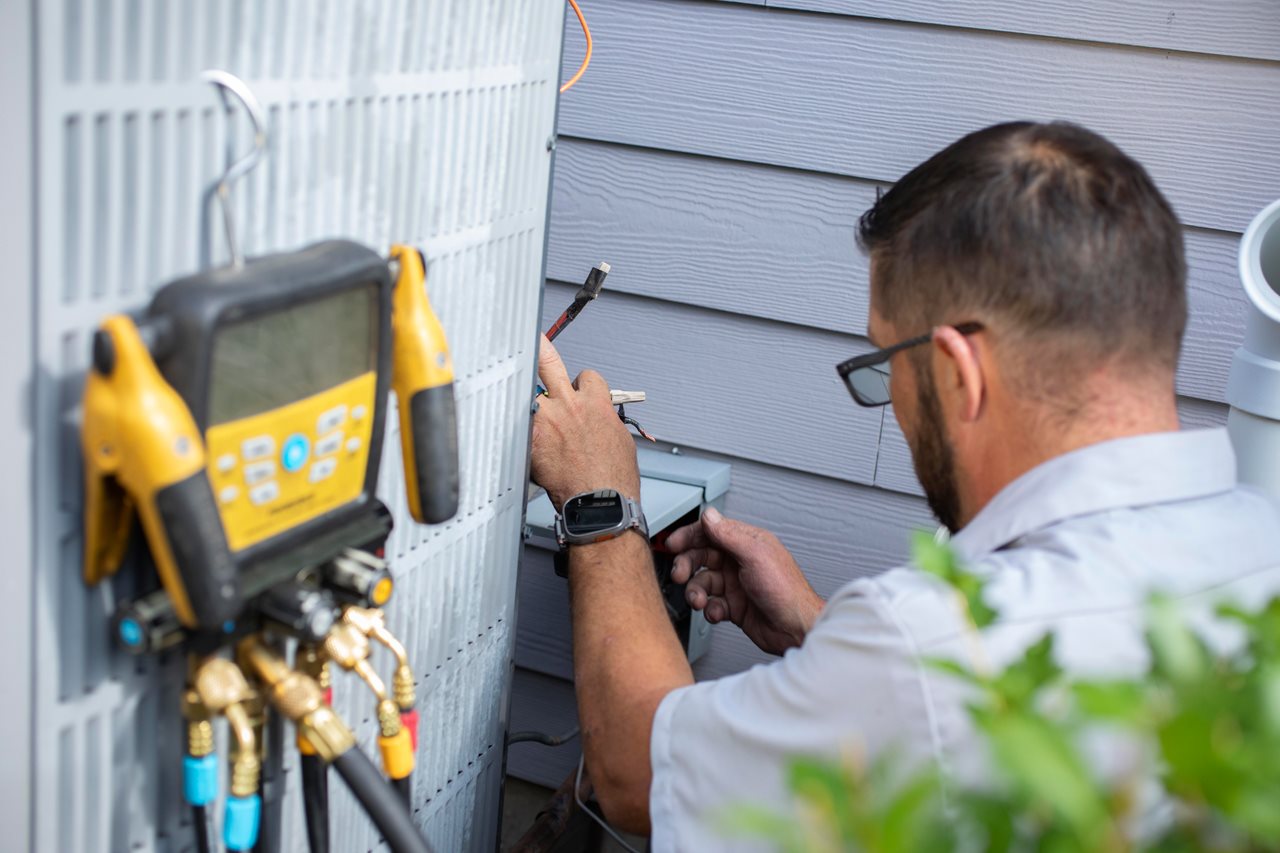
HVAC service person working on heating/air system.

To learn more about products to help improve your indoor air quality, visit Trane.com.

24% of Americans say the winner of the 2024 Presidential election helps determine whether ‘I’m rich’

2024-10-16T09:31:00

(BPT) – Beyond the U.S. economy, one in two Americans believe the outcome of the 2024 Presidential election will directly impact their own personal finances, according to new research from Empower, a leader in financial planning, investing, and advice. In fact, a quarter (24%) say that the winner of the election helps determine “whether I’m rich or not” — a belief more firmly held by the Middle Class — reaching 27% for those with an income $50k-$100k, compared to 22% for those making under $50k; and 23% for people with incomes greater than $100k.

Americans can count the ways they’re invested in this year’s election, with 42% saying the amount of money they have will be tangibly more or less depending on who wins. One third (33%) say their “Wallet Power” — or their overall ability to spend, save, and invest — will either shrink (33%) or increase (31%). More than a third (34%) believe the Presidential election is a major predictor of their retirement timeline and financial security, with 30% saying the winner will impact those plans, causing them to work longer, or have a shorter retirement (40% Gen Z, 39% Millennials).

“The adage is that ‘all politics is local’ — and when it comes to money, it hits very close to home, with many Americans seeing a direct link between their own prosperity and the highest office in the land,” says Rebecca Rickert, head of communications at Empower. “From their retirement timeline to their account balances, people feel there is a lot riding on the outcome of the election in terms of their own financial happiness.”

Chief among the issues at stake, many Americans (42%) believe the winner of the Presidential election will get inflation and prices under control, making things more affordable (47% men, 38% women) at a time when many Americans say they’re feeling “The Big Shrink.” One third (33%) say the winner of the Presidential election will make it easier to reach their personal financial goals, such as the 33% who say the victor will make it more affordable to buy a home (42% Millennials).

The money moves on the ballot

People say they’ll make concrete money moves based on who wins: 41% will add more money to their emergency savings, save more cash (41% overall, 48% Millennials), and be more frugal with their spending (45%).

More Americans say they are closely following the 2024 Presidential race than the stock market (67% vs. 33%), and half (53%) agree that uncertainty about the outcome of the Presidential election impacts the markets. One in four (23%) will invest more in the stock market based on the outcome of the Presidential election (32% Millennials) or change their asset allocation (34% Millennials). Nearly 1 in 5 (18%) plan to take more drastic measures, and say they will withdraw their money/liquidate their investments (27% Millennials).

More findings:

  • It’s a tie for the economy: People are split on which direction the economy will turn based on the outcome of the election: 30% predict an economic recession, while 32% say it will cause an economic boom. Still, a majority (67%) are worried about the state of the economy depending on who wins the Presidential election.
  • The jobs report: 57% say the job market will be affected by the winner of the Presidential election, though 29% say they are worried about job security regardless of the outcome.
  • Who wants to talk politics…at work?: 33% feel more comfortable asking for a raise at work than talking politics with their coworkers. Still, in general, people would rather talk politics (53%) than about their own personal finances (35%).
  • Bonus round: 31% say the winner of the Presidential election will affect their employer’s/company’s financial performance, and 22% think the winner of the Presidential election will affect their work bonus (33% of Millennials).
  • Clocking in: Nearly 1 in 5 (19%) admit they’ll be less productive at work during the Presidential election (29% Gen Z, 27% Millennials). A third will take time off from work on Election Day to vote (41% Millennials) and will spend a large amount of time watching the Presidential election proceedings at work (34% overall, 42% Millennials).
  • Retirement ready or not: Inflation and rising prices (45%), the state of the economy (37%), and access to a retirement plan (23%) are top factors people say influence their ability to retire on time and securely, which is one reason they remain core issues in the election. Still, voters are mixed about how the 2024 Presidential election will affect their retirement: 26% say they will never be able to retire; 29% overall say they’ll have more money in retirement (35% men, 24% women; 38% Millennials). Thinking about the 2024 election results, many remain optimistic about the future: 31% overall say they’ll likely be more financially secure in retirement.

Visit The Currency™ to read Empower’s full research report, “The Ticket: Money and Politics.”

*ABOUT THE STUDY

Empower’s “The Ticket: Money and Politics” study is based on online survey responses from 2,200 Americans ages 18+ fielded by Morning Consult between July 22-24, 2024. The survey is weighted to be nationally representative of U.S. adults (aged 18+).

RO3861493-0924