Have you had these 6 important financial talks with your teen before college?

2024-02-05T08:03:00

(BPT) – Financial skills are some of the most important lessons you can teach your children. It’s especially critical to talk with teens and young adults in college who are starting to make decisions that can impact their financial wellness for the rest of their life. And teens want to have this conversation — according to a recent College Ave survey of college students, parents rank as the number one resource where students get their personal finance information.

By teaching your kids good money habits and helping them with key steps like building good credit, you can give them a solid foundation for future financial success. If you haven’t already, have these six financial talks and take action to help your child thrive financially now and as an adult.

Budgeting

According to the College Ave survey, only around half of college students (49%) understand how to budget. Even if teens don’t have any real expenses, teaching them how to manage money is essential. Start by helping them create a simple budget, even if it’s just for their allowance. Because teens love technology, consider budgeting online through an app or via a shared document. Teach kids that making a plan for their money is a priority and soon they’ll understand how empowering a budget can be.

Saving

Saving money regularly is a fundamental habit and helps teach them about compound interest and having your money work for you. Consider encouraging your teen to do automatic saving deposits with their paychecks, so it becomes part of their regular financial habits. Savings is also a valuable tool to teach delayed gratification when they save for something they really want over time and then pay for it themselves.

Emergency fund

As your young adult takes on more responsibility, there’s bound to be unexpected expenses. To ensure those don’t derail their finances, discuss the importance of having an emergency fund. This is money that sits untouched unless there is an urgent expense. Having an emergency fund can reduce stress and helps your child avoid going into debt when things like car repairs, medical bills and other sudden expenses occur.

Building credit history

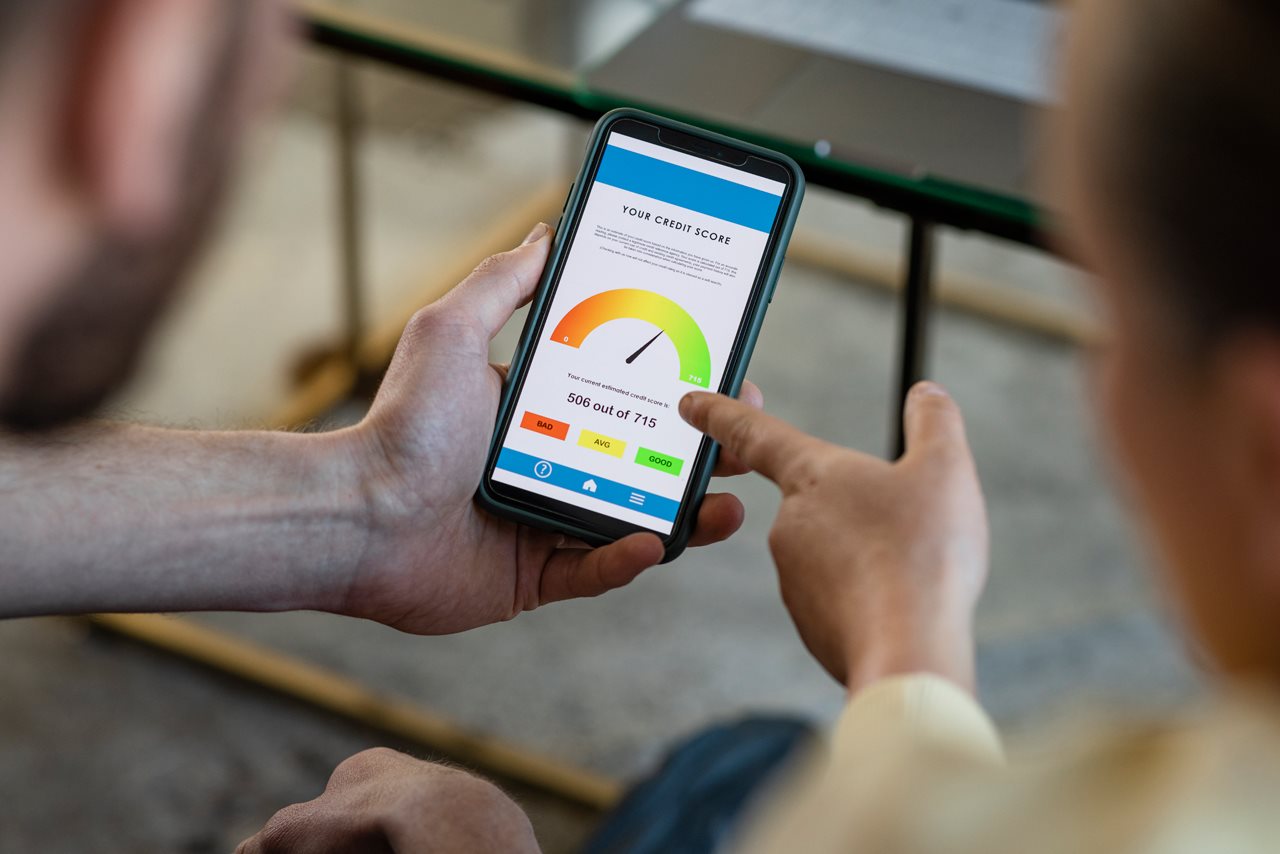
Building good credit is significant because it sets the stage for future financial success for things like apartment leases, car loans and more. Make sure young adults understand what it means to have good credit and help them get started. One easy way to build credit history is to get the Ambition Card by College Ave. This secured credit card helps college students build their credit history safely and easily without worry about overspending or going into debt. Plus, there’s no credit check, interest charges or late fees.

Secured credit cards

How does a secured credit card like the Ambition Card work? Unlike traditional unsecured credit cards, which rely solely on your creditworthiness, secured credit cards require a cash deposit by the parent or child. For example, if you deposit $500, your credit limit would be $500. Use the card to make on-time payments that are reported to the three credit bureaus, which helps build good credit.

Interest

At some point in your child’s life, they will have to take out a loan. Having good credit will help them get better terms for interest and repayment, which ultimately will help them save money. Help your kid understand that interest is the cost of borrowing money. Consider sharing your car payment or mortgage statement to show them how the costs break down.

As a parent or caregiver, you want the best for your child. By teaching them about financial wellness, you’ll help them succeed throughout life by giving them the confidence to make smart money choices.

Note the Ambition Card is designed to help you build your credit history; however, a variety of factors impact your credit including payment history, utilization, derogatory marks, account age, total number of accounts, and inquiries—not all factors are equally weighted. 0% APR.

Account is subject to a monthly account fee of $2, account fee is waived for the initial six-monthly billing cycles.

College Ave is not a bank. Banking services provided by, and the College Ave Mastercard Charge Card is issued by Evolve Bank & Trust, Member FDIC pursuant to a license from Mastercard International Incorporated.

COVID-19 On the Rise: Why You Should Get Vaccinated

2024-02-05T15:49:00

(BPT) – The holiday season has passed, but the threat of COVID-19 has not.1 As of January 2024, the Centers for Disease Control and Prevention’s (CDC) National Wastewater Surveillance System showed that 35 states are experiencing “very high” viral activity, including Texas, New York, California, Illinois and Georgia.2

In addition to the case surge, 2024 also has a new dominant variant, JN.1, which now accounts for approximately 62% of all currently circulating SARS-CoV-2 variants.1

While many people think COVID and other respiratory viruses die down in December, you can still be infected into the spring.3

It’s not too late to get vaccinated against COVID-19.4 Here are three reasons why experts are urging Americans to get their COVID-19 shot if they haven’t already.

1. Vaccination is one of the best defenses against Long COVID and other long-term symptoms5

The WHO defines Long COVID as the continuation or development of new symptoms three months after an initial COVID-19 infection, with symptoms including brain fog, fatigue, cough, and shortness of breath persisting for two months or longer.6,7 A 2023 study found that those with the condition were 23% more likely to be unemployed and 16% less likely to work full-time.8

While Long COVID might seem rare, the statistics tell a different story. The National Center for Health Statistics’ Household Pulse Survey began collecting data on Long COVID in December 2022. The most recent data, from the week of October 18-30, 2023, showed that 14.3% of U.S. adults had experienced “symptoms of COVID that lasted three months or longer.” Interestingly, people aged 40-49 (16.9%) were most likely to report having Long COVID, followed by those aged 30-39 (16.6%), and 18-29 (15.6%). Only around 8% of study participants over age 80 reported Long COVID symptoms.9

In another study, approximately 1 in 4 children/adolescents with documented COVID-19 experienced persistent symptoms for 4-12 weeks post-infection.10

“Long COVID symptoms overlap with many different conditions making it difficult to diagnose, but we continue to hear stories from patients who went from healthy to severely impaired following a COVID infection,” explains Francesca Ceddia, Chief Medical Affairs Officer at Moderna. “As members of the medical community, we have an obligation to educate adults — even healthy, younger individuals — on the potential risks of Long COVID, so they can take appropriate measures to protect their health.”

There is currently no approved treatment for Long COVID, but research has proven that staying up to date with your COVID-19 vaccine can help protect you and others against the long-term effects from Long COVID.11 Research additionally suggests there is a strong association between receiving the COVID-19 primary vaccination series and a reduced risk of receiving a diagnosis of Long COVID, even if one subsequently develops SARS-CoV-2 infection.12

Learn more about the burden of Long COVID and how to best protect yourself and others.

2. COVID-19 vaccines can help prevent severe outcomes of COVID-1913

While severe COVID-19 outcomes are less frequent in children, they are still a possibility, particularly if they have another health condition that puts them at risk.14

“Parents often ask me about mRNA vaccine safety and if it’s worth getting their child vaccinated since they have a lower risk,” says Jessica Peck, DNP, APRN, CPNP-PC, CNE, CNL, FAANP, FAAN, Past President, National Association of Pediatric Nurse Practitioners and Clinical Professor of Nursing, Baylor University. “The answer is always ‘yes.’ There is a considerable amount of data reinforcing that mRNA vaccines are important tools for protecting children’s health.”

In addition to protecting health, vaccination is also important for keeping children in the classroom and preventing them from falling behind in school.15 This can also help prevent parents from missing work and taking valuable sick days while their children recuperate.

Ultimately Nurse Jessica encourages parents to talk to their pediatrician if they have questions about the vaccine. “With so much information online, it can be challenging to sift through the noise. Your pediatrician can best address any questions you have on mRNA and COVID-19 vaccines.”

3. If you have a chronic health condition, COVID-19 can make it worse

Many people think “at-risk” only applies to older or immunocompromised adults, but people living with chronic health conditions, such as heart disease, obesity, lung disease, and diabetes, are also susceptible to serious outcomes.16 In fact, contracting COVID-19 can make chronic illness worse.17

While it is still possible to contract COVID-19 after your vaccination, getting vaccinated can help prevent the most serious outcomes from the virus, regardless of your prior health or risk status.4

COVID-19 doesn’t care what time of year it is. Protect yourself by getting your updated COVID-19 vaccine. The latest COVID-19 vaccine is widely available at retail pharmacies across the country and can be given at the same time as your annual flu shot.18

Unsure where to go? Visit Vaccines.gov to find a COVID-19 vaccination site near you.

References:

1. Centers for Disease Control. “COVID-19 Activity Increases as Prevalence of JN.1 Variant Continues to Rise.” Updated January 5, 2024. Accessed January 24, 2024. https://www.cdc.gov/respiratory-viruses/whats-new/JN.1-update-2024-01-05.html

2. Centers for Disease Control. “COVID-19 Current Wastewater Viral Activity Levels Map.” Updated December 7, 2023. Accessed January 24, 2024. https://www.cdc.gov/nwss/rv/COVID19-currentlevels.html

3. According to the CDC, while flu activity often peaks between December and February, it can continue as late as May. While the CDC provides general information about flu season, the behavior of COVID-19 and other respiratory viruses can vary and is subject to change based on emerging data.

Centers for Disease Control. “Flu Season.” Updated September 20, 2022. Accessed January 24, 2024. https://www.cdc.gov/flu/about/season/index.html

4. Centers for Disease Control. “COVID-19 Vaccine Uptake and CDC’s Commitment to Vaccine Equity.” Updated November 22, 2023. Accessed January 24, 2024. https://www.cdc.gov/respiratory-viruses/whats-new/vaccine-equity.html

5. National Institutes of Health, “Long COVID.” Accessed January 20, 2024. https://covid19.nih.gov/covid-19-topics/long-covid

6. The World Health Organization. “Post COVID-19 condition (Long COVID).” Updated December 7, 2022. Accessed January 24, 2024. https://www.who.int/europe/news-room/fact-sheets/item/post-covid-19-condition

7. Centers for Disease Control, “Long COVID or Post-COVID Conditions.” Updated July 20, 2023. Accessed January 30, 2024. https://www.cdc.gov/coronavirus/2019-ncov/long-term-effects/index.html

8. Percentages were calculated from the adjusted odds ratios from a study conducted with 15,308 U.S. adults from February 2021 to March 2022. The study findings are based on self-reported data.

Perlis, R. et al., (2023) “Association of Post–COVID-19 Condition Symptoms and Employment Status.” JAMA Network Open. 6(2). https://jamanetwork.com/journals/jamanetworkopen/fullarticle/2801458

9. National Center for Health Statistics. “Household Pulse Survey.” Updated November 8, 2023. Accessed January 24, 2024. https://www.cdc.gov/nchs/covid19/pulse/long-covid.htm

10. Lai, C. C., et al. (2023). “Long COVID: An inevitable sequela of SARS-CoV-2 infection.” Journal of Microbiology, Immunology and Infection. 56(1), 1-9. https://www.ncbi.nlm.nih.gov/pmc/articles/PMC9576029/

11. National Institutes of Health. “Long COVID.” Accessed January 24, 2024. https://covid19.nih.gov/covid-19-topics/long-covid

12. Based on a large-scale Swedish observational cohort study conducted between December 2020 and February 2022 involving 589,722 adults, COVID-19 vaccination prior to infection demonstrated a 58% effectiveness in reducing the risk of Long COVID (referred to as Post-COVID-19 Condition, or PCC), with increased protection observed with each additional vaccine dose.

Lundberg-Morris, L., et al. (2023). “COVID-19 Vaccine Effectiveness Against Post-COVID-19 Condition Among 589 722 Individuals in Sweden: Population-Based Cohort Study.” British Medical Journal. 383. https://www.bmj.com/content/383/bmj-2023-076990.long

13. Centers for Disease Control, “5 Things You Should Know about COVID-19 Vaccines.” Updated October 13, 2023. Accessed February 1, 2024. https://www.cdc.gov/respiratory-viruses/whats-new/5-things-you-should-know.html

14. Ho, M., et al. (2023). “Incidence and Risk Factors for Severe Outcomes in Pediatric Patients With COVID-19.” Hospital Pediatrics. 13 (5): 450–462. https://publications.aap.org/hospitalpediatrics/article/13/5/450/191042/Incidence-and-Risk-Factors-for-Severe-Outcomes-in

15. Centers for Disease Control. “6 Things to Know about COVID-19 Vaccination for Children.” Updated August 6, 2023. Accessed January 24, 2024. https://www.cdc.gov/vaccines/covid-19/planning/children/6-things-to-know.html

16. Centers for Disease Control. “People with Certain Medical Conditions.” Updated May 22, 2023. Accessed January 24. 2024. https://www.cdc.gov/coronavirus/2019-ncov/need-extra-precautions/people-with-medical-conditions.html

17. Fekadu, G. et al. (2021) “Impact of COVID-19 Pandemic on Chronic Diseases Care Follow-Up and Current Perspectives in Low Resource Settings: A Narrative Review.” International journal of Physiology, Pathophysiology and Pharmacology. 13(3). 86-93. https://www.ncbi.nlm.nih.gov/pmc/articles/PMC8310882/

18. Centers for Disease Control, “Getting a Flu Vaccine and other Recommended Vaccines at the Same Time,” Updated December 8, 2023. Accessed January 30, 2024. https://www.cdc.gov/flu/prevent/coadministration.htm


US-COV-2400011 02/2024

The Eyes are a Window Into the Brain

2024-02-05T16:01:00

(BPT) – A recent study found that in those who had aging-related cognitive issues, levels of several key micronutrients were nearly half compared with those who did not. Micronutrients are important minerals and vitamins that nourish the brain for critical cognitive and body functions.

Dr. C. Kathleen Dorey, lead researcher and author of the study, has been researching micronutrients and their impact on brain health for two decades. In 2004, she and Neal E. Craft, of Craft Technologies, reported that zeaxanthin (zee-uh-zan-thin) and lutein (two important micronutrients highlighted in the study) selectively accumulate naturally in the brain. Since that time, global research has revealed that those with higher levels of zeaxanthin and lutein in their macular pigment demonstrated better cognition over time.

On a parallel path in the early 2000s, EyePromise began pioneering eye health supplementation to replenish those same protective carotenoids but in the retina in the back of the eye. Zeaxanthin and lutein are particularly important because they are antioxidants — molecules that fight other harmful molecules called free radicals that contribute to oxidative stress, which contributes to the aging process.

In 22 years of researching eye nutrition, EyePromise also learned a lot about brain nutrition. “The eyes are a window into the brain because the eyes are an extension of the brain, which is why we developed BrainPromise™ by EyePromise®,” said Chairman and Co-Founder, Dennis Gierhart, PhD. “We also learned that a biomarker we have been measuring for years in eye health, Macular Pigment Optical Density (MPOD), is also a biomarker for brain health.”

As an extension of the brain, Healthy MPOD protects the back of the eye against harmful blue rays, can improve visual performance, and safeguard against age-related vision issues. Similarly, healthy MPOD supports general brain health, acts as a safeguard against oxidative stress, and potentially improves cognitive performance.

As a result of their research, the industry-leading brand recently introduced BrainPromise by EyePromise, a supplement featuring a robust formula of natural ingredients specifically for age-related brain health. Highlighting the formula are significant amounts of the antioxidants, zeaxanthin and lutein, which are not found in meaningful quantities in the average daily diet along with other essential vitamins and minerals.

Dr. Gierhart adds, “The brain accounts for 20% of the body’s energy consumption and 20% of its oxygen. As a result, the brain has a high metabolic rate and is susceptible to oxidative stress, which can lead to cell and tissue damage. Nourishing the brain just makes sense as it controls all of our cognitive and physical functions.”

The MPOD biomarker can be measured through devices like EyePromise’s Zx Pro and QuantifEye, which enable doctors to measure patients’ levels of zeaxanthin and lutein (MPOD) demonstrating the effectiveness of supplementation and a healthy diet.

In a press release about the recent study on aging-related cognitive issues, Dr. Dorey concluded, “This study, for the first time, demonstrates deficits in important dietary antioxidants in [aging] brains. We believe eating carotenoid-rich diets will help keep brains in top condition at all ages,” she added.

For more information on brain nutrition, MPOD and BrainPromise by EyePromise, visit www.brainpromise.com.

California Walnuts: Your perfect partner for American Heart Month

2024-02-05T10:21:00

(BPT) – February is American Heart Month, which is an excellent time to make sure you’re supporting your heart health by incorporating walnuts into your everyday meals or snacks. Heart disease continues to be one of the leading causes of death in the U.S.1 However, leading health experts associated with the Dietary Guidelines for Americans note that following a healthy dietary pattern, which includes nuts like walnuts, can help people achieve and maintain well-being and reduce the risk of chronic diseases, including heart disease.2

Three decades of studies have demonstrated that walnuts can support cardiovascular health. Their nutritional profile makes them a delicious and convenient option for supporting heart health. The U.S. Food and Drug Administration approved walnuts as one of the first qualified health claims for a whole food 20 years ago and the world-renowned Mayo Clinic also supports walnuts as a heart health-supporting food, confirming that eating nuts, particularly walnuts, is beneficial for your heart.3 Research suggests that regularly eating a healthy diet that includes nuts may reduce the risk of early death due to heart disease.

Why are walnuts good for your heart, and how should you incorporate them into your diet? Here are some fast walnut facts from California Walnuts, including more reasons to eat a handful of walnuts every day and ways to make it easier to do so.

  • Since 1993, published research has been investigating how eating walnuts affects various heart health markers such as LDL (“bad”) and HDL (“good”) cholesterol, blood pressure, inflammation and plaque formation.
  • The American Heart Association certifies California Walnuts with their Heart-Check mark4 — a distinction that easily identifies foods that meet the nutritional standards set by the American Heart Association.
  • One ounce of walnuts includes important nutrients for optimal health including 4 grams of protein, 2 grams of fiber, 18g of total fat, 2.5g of monounsaturated fat and 13g of polyunsaturated fat including 2.5g of alpha-linolenic acid. Walnuts are the only nut with an excellent source of the plant-based omega-3 ALA, an essential fatty acid that may play a role in heart health.5,6
  • Walnuts are versatile, making a great grab-and-go snack or delicious addition to a meal.
  • Here’s an easy way to estimate how much is the right daily serving of walnuts: Grab a handful (~1 oz.) and you’ve got it right.
  • Keep walnuts in the fridge to keep them fresh. A great home for them is in a sealed container in your deli drawer.

To inspire you to include walnuts in your next meal, here’s a delicious side dish that has earned the American Heart Association’s Heart-Check mark for meeting their criteria for a heart-healthy recipe. It’s a perfect example of how walnuts can elevate the taste and nutritional value of your meals.

Roasted Vegetables with Walnuts, Basil and Balsamic Vinaigrette

Brighten up your dinner table and help your heart with this colorful dish!

Ingredients

  • 1/2 small red bell pepper, cut into 1-inch cubes
  • 1/2 small orange bell pepper, cut into 1-inch cubes
  • 1/4 medium red onion, cut into 1-inch cubes, separated
  • 4 ounces baby Portobello mushrooms, halved
  • 1 tablespoon extra-virgin olive oil
  • 1/4 teaspoon sea salt
  • 3/4 cup sugar snap peas
  • 1 small zucchini, sliced into 1/4-inch thick slices
  • 1 small yellow summer squash, sliced into 1/4-inch thick slices
  • 2 garlic cloves, minced
  • 2 teaspoons balsamic vinegar
  • 2 tablespoons fresh basil, snipped (may substitute 1 teaspoon dried basil, added with olive oil)
  • 1/2 cup California walnuts, coarsely chopped

Preparation

  1. Preheat oven to 400°F. Place peppers, onion and mushrooms in a large bowl and toss with olive oil and salt (and dried basil, if using). Place in a single layer on a large baking sheet, making sure not to crowd the vegetables. Bake for 10 minutes.
  2. Add snap peas, zucchini, yellow squash and garlic, stir slightly. Top with walnuts and cook for 5 to 10 minutes more or until all vegetables are crisp-tender and walnuts are toasted.
  3. Drizzle with balsamic and toss well. Sprinkle with fresh basil and serve!

For more information, or to find more delicious recipes, visit walnuts.org/american-heart-month.

References:

1. Tsao, C. et al. Heart Disease and Stroke Statistics—2023 Update: A Report From the American Heart Association. Circulation. 2023;147:e93–e621. https://doi.org/10.1161/CIR.0000000000001123

2. U.S. Department of Agriculture and U.S. Department of Health and Human Services. Dietary Guidelines for Americans, 2020-2025. 9th Edition. December 2020. Available at DietaryGuidelines.gov.

3. One ounce of walnuts provides 18g of total fat, 2.5g of monounsaturated fat, 13 g of polyunsaturated fat, including 2.5 grams of alpha linolenic acid, the plant based omega-3; 2g of fiber; 4g of protein. Supportive but not conclusive research shows that eating 1.5 ounces per day of walnuts, as part of a low saturated fat and low cholesterol diet and not resulting in increased caloric intake, may reduce the risk of coronary heart disease.

4. California walnuts are certified by the American Heart Association per one ounce serving. Heart-Check Certification does not apply to scientific research by an organization other than the American Heart Association, unless expressly stated.

5. U.S. Department of Agriculture, Agricultural Research Service. FoodData Central, 2019. Fdc.nal.usda.gov.

6. Sala-Vila A, Fleming J, Kris-Etherton P, Ros E. Impact of α-Linolenic Acid, the Vegetable ω-3 Fatty Acid, on Cardiovascular Disease and Cognition. Adv Nutr. 2022 Oct 2;13(5):1584-1602. doi: 10.1093/advances/nmac016. PMID: 35170723; PMCID: PMC9526859.

3 new ways to dress up your Valentine’s Day brunch or dinner at home

2024-02-05T09:11:00

(BPT) – If you’re looking for a fun way to dine in with your sweetheart, friends or family this Valentine’s Day, how about adding a flavorful twist to brunch favorites that are easy to make at home? You can mix up your favorite cocktail or mocktail to complement a variety of tasty, restaurant-quality offerings from SeaPak. Better yet, anything you choose from SeaPak can be prepared in a conventional oven or air fryer — from freezer to table in just minutes.

To help light the Valentine’s Day spark this year, try one of these sweet and savory shrimp entrees or mouth-watering recipes that are sure to impress your sweetheart.

Jumbo Coconut Shrimp

This seafood classic provides hand-breaded shrimp with a crisp coconut-flake coating — along with a delicious marmalade dipping sauce — for a simple, tasty addition to your favorite brunch or dinner recipes. Swap this item in for a fun spin on Chicken & Waffles, a new take on a classic dish.

Hot Honey Coconut Shrimp and Waffles

Prep time: 10 minutes; Cook time: 18 minutes; 4 servings

Enjoy this Southern favorite that’s made even more flavorful with sweet coconut shrimp and hot honey lime sauce.

Ingredients

1 (10-ounce) package SeaPak Jumbo Coconut Shrimp
1 (12.3-ounce/10-count) package breakfast homestyle frozen waffles
1/4 cup honey
1/2 teaspoon ground chipotle chili powder (more if you like it hotter)
4 tablespoons butter
1 lime, zested and cut into wedges

Directions

Heat oven to 425 F. Place SeaPak Jumbo Coconut Shrimp on half of a large foil-lined baking sheet and bake 12 minutes. In last 6 minutes of baking, place 4-8 waffles on the other side of the baking sheet.
While shrimp and waffles are baking, make hot honey sauce. In a small saucepan, stir together honey, chili powder, butter and half the lime zest.
Serve crispy waffles topped with shrimp and drizzled with the hot honey sauce. Garnish with the remaining lime zest, and serve lime wedges alongside.

Shrimp Scampi

America’s No. 1 frozen shrimp scampi never disappoints! You and your date (or your family) will love this whole tail-off shrimp scampi, perfectly seasoned in a delicious garlic butter sauce with a hint of red bell pepper and herbs for extra flavor. Try this new and unique way to serve shrimp scampi for lunch or brunch on Valentine’s Day — or any day!

Mini Shrimp Scampi and Spinach Quiches

Prep time: 12 minutes; Cook time: 13 minutes; 12-15 servings (30 mini quiches)

Infused with traditional scampi flavors of lemon and garlic, these mini quiches are a welcome addition to any brunch table.

Ingredients

1 (12-ounce) package SeaPak Shrimp Scampi
2 (1.9-ounce) packages frozen mini phyllo cups
1/2 (5-ounce) package fresh baby spinach, chopped
2 large eggs
1/2 cup whipping cream
1/4 teaspoon salt
1/4 teaspoon freshly ground pepper

Directions

Heat oven to 375 F. Arrange phyllo cups in mini muffin tins coated with cooking spray. Set aside.
Heat a large skillet over medium-high heat. Add SeaPak Shrimp Scampi and cook 5 minutes. Add spinach and cook just until it wilts, about 1 minute. Set aside a few whole shrimp to garnish the top; keep warm. Cut remaining shrimp into smaller pieces. Use a slotted spoon to divide shrimp mixture evenly among phyllo shells.
Whisk together eggs, cream, salt and pepper in a medium bowl. Pour egg mixture carefully into shells. Bake 12-15 minutes or until eggs are set.
Garnish the top of a few of the mini quiches with reserved shrimp. Drizzle quiches with additional pan sauce before serving, if desired.

Dynamite Shrimp

SeaPak’s newest offering brings you the popcorn shrimp you know and love, with a kick, tossed in a creamy chili sauce. This restaurant-inspired popcorn shrimp with a bite taps into the growing popularity of Asian-style snacks and foods — and is bound to be on every spicy food lover’s grocery list.

After cooking shrimp in a conventional oven or air fryer, you can use the separately packed chili sauce to “sauce and toss” the shrimp in a bowl, or to dip individual shrimp directly in the sauce, depending on how much flavor and spice you prefer.

Stock up your freezer with all these appetizing seafood options so you’ll be ready to celebrate Valentine’s Day, to observe Lent — or just enjoy a quick and easy way to add flavor to any weeknight meal, any time of year.

Find more recipe inspiration and products at SeaPak.com.

Don’t have health insurance coverage for an updated COVID-19 vaccine? Here’s how to get one for free

2024-02-02T14:01:00

(BPT) – While COVID-19 activity is still below the levels seen last year at this time, COVID-19 hospitalizations are rising quickly. There is still time to get yourself and your loved ones vaccinated. Getting an updated COVID-19 vaccine is the best way to stay protected against serious illness from COVID-19. The Centers for Disease Control and Prevention (CDC) recommends that everyone 6 months and older stay up to date with COVID-19 vaccination. Vaccination also lowers your risk of getting long COVID — a wide range of health problems that can last weeks, months or even years after COVID-19 infection.

Most adults can get a free updated COVID-19 vaccine through their private health insurance, Medicare or Medicaid plans. However, some health insurance plans don’t fully cover the cost of a COVID-19 vaccine, and an estimated 25-30 million people living in the U.S. don’t have health insurance. To address this concern, CDC’s Bridge Access Program is offering adults who are uninsured or whose insurance doesn’t fully cover COVID-19 vaccination a free, updated COVID-19 vaccine. This program will end by Dec. 31, 2024. To date, more than a million COVID-19 vaccine doses have been provided through the program.

Bridge Access Program

There is no enrollment process or application to qualify, and you don’t need to provide identification or proof of insurance to get a vaccine through the Bridge Access Program. If you are 18 years or older and don’t have health insurance, or your plan doesn’t fully cover an updated COVID-19 vaccine, the Bridge Access Program can provide one for free at participating CVS, Walgreens and eTrueNorth-partnering pharmacies, local health centers and health providers.

How to find a vaccine through the Bridge Access Program

Follow these steps to find pharmacies and health care providers participating in the Bridge Access Program near you:

  1. Visit Vaccines.gov.
  2. Select “Find COVID-19 Vaccines.”
  3. Enter your 5-digit ZIP code in the search bar and select which vaccine option(s) you’re interested in finding.
  4. Select “Search for COVID-19 Vaccines.”
  5. Select the option “Bridge Access Program Participant” to show participating providers and pharmacies.

When you find a convenient location, call ahead to confirm that they can provide you with a free updated COVID-19 vaccine through the Bridge Access Program. If you can’t find a participating pharmacy or provider near you, check back later because new locations are still being added.

Why get vaccinated now?

Viruses constantly change through mutation and sometimes these mutations result in a new strain (or variant) of the virus. It’s important to know that the updated COVID-19 vaccines offer protection against the variants spreading throughout our communities right now.

The cold winter months are a time when people spend more time in crowded indoor settings, where respiratory viruses, including COVID-19, may be more readily transmitted. Getting an updated COVID-19 vaccine will help protect you from serious illness.

Don’t let cost stop you from getting an updated COVID-19 vaccine this year. Free COVID-19 vaccines are still available. If you are uninsured or your plan won’t fully cover it, visit Vaccines.gov today to find a Bridge Access Program provider near you.

A Catalyst For Change: Gen Z And The Climate Movement

2024-02-02T08:01:00

(BPT) – In recent years, Gen Z has emerged as a pivotal force in the climate industry, significantly influencing the way climate change is addressed in our local and regional communities across the United States. This generation is not only actively participating in the climate conversation but also reshaping it with a diverse and inclusive perspective.

The Tom’s of Maine Incubator

One example is the Tom’s of Maine Incubator, which is designed to resource the next generation of leaders from underrepresented communities who are driving environmental solutions. The program provides funding, mentorship, amplification, and support to early-career changemakers to empower them to Do Good. For Real. The program was first introduced in 2023, and a second cohort of Gen Z leaders has been identified to address climate change in the year ahead:

Brittney Portes, Founder of Gardens of Sol based in Montclair, NJ. Brittney uses her business to raise awareness about sustainable agriculture and farming in her local community.

Danielle Lee, Content Creator of Battery Girlie based in San Francisco, CA. Danielle uses her platform to help Gen Z build impactful careers fighting climate change.

Diamond Spratling, Founder and Executive Director of Girl+Environment based in Atlanta, GA. Diamond created Girl+Environment to empower Black and Brown women to stand up for environmental justice.

Jasmine Lamb, Chair of the Sipayik Resilience Committee based in Orono, ME. Jasmine is committed to improving community resilience against climate change and elevating Native American voices in the climate movement.

Zanagee Artis, Founder of Zero Hour based in Washington, D.C. Zanagee founded his organization with the goal of elevating the voices of young people of color and people on the front lines of the climate crisis.

Representation in the Climate Movement

In the United States, Gen Z’s influence is particularly evident at the local and regional levels, as seen with this year’s Incubator Members. They are not just participants in climate discussions; they are initiators and leaders of grassroots movements, community projects, and policy advocacy. For instance, the Incubator Members are working with local governments to develop climate action plans, advocating for renewable energy projects, and raising awareness about sustainable practices within their communities. Their hands-on approach ensures that climate action is not just centered around certain individuals but speaks to the wider population, ensuring those most impacted by climate change are included in finding solutions.

Tom’s of Maine believes that addressing climate change is crucial for several reasons. First, it’s about preserving the planet for future generations. Climate change poses significant risks to our environment, health, and economy. By taking action now, you can help mitigate these risks and ensure a sustainable future. Secondly, addressing climate change is essential for social equity, as its impacts often disproportionately affect marginalized communities. As climate change continues, the increased risk from hurricanes is likely to disproportionately affect Black communities, according to McKinsey & Co.

The Power of Gen Z

Gen Z understands the challenges impacting marginalized communities and they are changing this narrative by bringing diverse voices to the forefront. They recognize that the impacts of climate change are not uniform and that solutions must be equitable and inclusive. By diversifying the climate movement, Gen Z leaders like those in the Tom’s of Maine Incubator ensure that the conversation reflects a broader range of experiences and perspectives, leading to more sustainable solutions.

As Gen Z continues to shape the conversation, you can take action at the local and regional level to address climate change in your community. You can help support and amplify the efforts of the Tom’s of Maine Incubator members, volunteer in climate change activities near you, and make a small difference for the health of our planet.

Smart steps to economic empowerment in the new year

2024-02-02T08:01:00

(BPT) – Despite today’s challenging economic climate, the majority of Americans feel economically empowered and continue to strive for their professional goals, but there are generational differences, with Gen Z and millennials feeling more confident than Gen X and baby boomers.

According to a survey commissioned by Herbalife, 55% of Americans are currently taking steps to feel more economically empowered. In fact, 73% of respondents said that starting their own business or partaking in freelance work feels like the only way to become economically empowered.

The study, which surveyed 2,000 Americans and 5,000 international respondents from 6 different countries, defined economic empowerment as providing people with the education, training and skills that they need to find a job, earn an income and become self-supporting.

Economic realities

According to survey findings, 78% of Americans are more aware of their economic situation in the past five years, with almost half (47%) attributing it to the pandemic.

“In recent years, Americans have faced a number of barriers to achieving economic empowerment such as inflation, business closures and unfair lending processes. Providing more opportunities for economic empowerment is essential for all,” said Humbi Calleja, vice president and general manager of Herbalife, North America.

Nevertheless, Americans are hopeful. In fact, 67% believe that they will be economically empowered in the future.

Finding economic opportunities

The new year is the ideal time to embrace economic empowerment and set goals. Of those Americans taking steps to become more empowered, 40% are educating themselves about personal finance, budgeting, investing and managing debt.

The survey also revealed generational differences. For example, Gen Z and millennials are the most likely to currently feel economically empowered (66% and 70%, respectively) compared to 51% of Gen X and 52% of American baby boomers.

Interestingly, over half of both Gen Z and millennials have a side hustle compared to 35% of Gen X and only 7% of baby boomers.

“There are many opportunities available for people looking to achieve economic empowerment by starting their own business,” said Ibi Montesino, executive vice president, chief of staff, Herbalife. “For example, network marketing allows you to start a business at a manageable cost, plus receive ongoing training, resources and support.”

Calleja and Montesino suggest these tips to help people take steps toward economic empowerment:

Improve your financial literacy: Learn more about effectively managing, saving and investing your money. This can include budgeting, eliminating debt, buying insurance, exploring investments and creating retirement savings plans.

Set clear financial goals: Goals should be specific, measurable and achievable for your short-term and long-term future, including saving money regularly and paying off debts. Creating goals can help you turn vision into reality.

Invest in education and skill development: By attending continued education like on-the-job training, online and certification courses, you are investing in yourself and your future. This demonstrates your commitment to your personal and professional growth, which can lead to better career prospects and financial rewards.

Start your own business or side hustle: Today, almost half of Americans have a side hustle outside of their day job to generate additional income. Consider your interests and options to set yourself up for success.

Work to build strong personal and professional networks: Having strong connections in your personal and professional life offers many benefits. You have access to support, mentors, opportunities and so much more.

Now is the ideal time to set yourself up for professional success and take steps toward economic empowerment. To learn more about starting a new business and earning some extra income, visit Herbalife.com.

New Year, New Vehicle for EcoCAR EV Challenge Teams

2024-02-01T07:01:00

(BPT) – This fall, students participating in the EcoCAR EV Challenge returned to their garages to kick off the second year of the four-year collegiate competition. The EcoCAR EV Challenge, sponsored by the U.S. Department of Energy (DOE), General Motors (GM) and MathWorks, prepares college students to meet the changing demands of the automotive industry by providing them with hands-on training and knowledge of electric vehicles (EVs), connected auto technologies and autonomous vehicle systems.

Following the first year of the competition, which was primarily focused on student teams conceptualizing their vehicle designs, GM provided each team with a 2023 Cadillac LYRIQ which the students are reengineering to add new energy efficient and automated features.

This year, EcoCAR students get the full experience of designing, developing and deploying their own automated vehicle systems. Teams will explore these features with a unique focus on minimizing energy consumption through making energy-mindful decisions, integrating eco-driving control strategies and deploying connected vehicle technologies.

With an all-electric future on the horizon and autonomous mobility continuing to advance, the automotive industry is currently undergoing a once-in-a-century technological revolution and is grappling with massive shifts in technology, workforce, supply chains and its manufacturing base as a result. Vehicles with automated driving features are growing in popularity, with the capability and refinement of these features progressing rapidly year over year as automakers look to Connected and Automated Vehicle (CAV) features to improve vehicle safety and driver experience.

As the development of EVs and new CAV technologies continues to advance, programs such as the EcoCAR EV Challenge are critical for helping to bridge the current skills gap and build the talent pipeline needed to meet the industry’s future needs through cutting-edge automotive engineering education and practical application. The competition is uniquely designed to support the workforce pipeline needed to produce the next generation of EVs, enabling participating students to graduate with the skills and experience to immediately contribute to the development of EVs and CAV systems and drive new auto innovations.

Working closely with mobility and government leaders on a curriculum specifically tailored to align with future industry needs, programs such as EcoCAR and other Advanced Vehicle Technology Competitions (AVTCs) managed by Argonne National Laboratory help address the toughest mobility challenges facing our nation, while building a skilled workforce that reflects the diversity of North America. They help prepare the auto industry leaders of the future by providing them with the necessary knowledge and skillsets to secure high-paying, highly desired roles post-graduation and pave the way for tomorrow’s auto industry advances.

To learn more about the EcoCAR EV Challenge and to follow along on each team’s journey, visit avtcseries.org and like, follow and subscribe to the competition’s Facebook, Instagram and LinkedIn channels.

Discovering the keys to a long, healthy life in the new year

2024-01-31T14:01:00

(BPT) – Living a long life is worthy of celebration, but living a long healthy life is the ultimate goal. When given the gift of more years, most of us hope to be able to live them well — happy, active and free from chronic illness or pain. While there is some element of luck and genetics at play, there are steps we can take to help make it more likely those years are good ones — and there’s no time like the present to start. Fortunately, AARP members have access to benefits that can help save money on many of those pursuits.

Nourish and nurture the body

A balanced, nutritious diet can help keep you at a healthy weight while providing vital nutrients to fuel your body. It can also help protect against illnesses such as heart disease, diabetes, osteoporosis and more. For those who aren’t comfortable in the kitchen, meal delivery alternatives that focus on a balanced diet are an easy solution. AARP members can access them affordably.

One way is through Daily Harvest, which offers easy-to-prep complete meal solutions that can be customized for your dietary needs. You can choose from over 100 delicious breakfasts, lunches, dinners and snacks, all built on fruits and vegetables delivered right to your door. AARP members receive $50 off their first order of nine items or more, and 10% off future orders by entering their AARP membership number on Daily Harvest’s website and creating an account.

Silver Cuisine by bistroMD is another option that provides chef-prepared meals from the comfort of home. These dishes are created with the nutritional needs of people 50+ in mind. AARP members save 25% and get free shipping on their first order of $99 or more of Silver Cuisine™ chef-prepared meals, including specialty diet meals such as heart-healthy, gluten-free, diabetic-friendly and more. Plus, save 10% and get free shipping on all subsequent orders of $99 or more.

Take care of your body

Staying active is important for physical and mental health, but so is preventive care. It’s a good idea to maintain regular checkups to establish a baseline and address any ailments before they become more serious.

For people on Medicare who may not have a primary care provider, AARP members and non-members can visit the Oak Street Health website to locate a doctor and schedule an appointment. Oak Street Health focuses on prevention with personalized care to help stay healthy — physically, mentally and socially. Benefits include same-day/next-day appointments where available, convenient locations, a care team dedicated to each patient, and a 24/7 patient support line.

Taking care of your body also means prioritizing often overlooked areas like dental care. Regular visits to the dentist not only brighten your smile, but they can also monitor and prevent disease. Studies have increasingly found a link between dental issues like plaque, gum disease and gingivitis, and other more serious bodily conditions. AARP members have access to information on dental insurance plan options for a variety of budgets and needs.

Eye health is another area to consider. By visiting an ophthalmologist or optometrist once a year, you can help keep your vision sharp so you can enjoy beautiful sights while avoiding injuries and falls. AARP members have access to information on vision insurance options that offer plans and a large doctor network, affordable glasses, lens enhancements and more.

You can also save on prescription eyeglasses with AARP® Vision Discounts provided by EyeMed. Save 50% on prescription lenses with the purchase of a frame at LensCrafters, 30% on a complete pair of glasses (frames and lenses) at Glasses.com and save an additional $10 on a complete pair at Target Optical.

Medication is important in managing pain and conditions such as high blood pressure or debilitating arthritis. AARP® Prescription Discounts Provided by OptumRx can help keep the costs of those prescriptions down. AARP members and non-members can receive a free prescription discount card that can be used at over 66,000 pharmacies nationwide for savings on all FDA-approved medications. AARP members also receive additional benefits, like deeper discounts on medications, home delivery, coverage for dependents and more.

Plan fulfilling experiences

When you feel good, you’re more likely to want to travel and pursue new experiences, but the reverse is also true — travel and new experiences can help energize you and foster mental wellness. Whether it’s a solo trip for rest and relaxation, or a group outing with friends and family, there are so many benefits that come from exploring new places, activities and cultures.

Booking your travel is made simple with AARP Travel Center Powered by Expedia, a one-stop shop where AARP members can receive exclusive deals on hotels, car rentals, cruises and more. Members get exclusive deals, seasonal offers and special savings when they book through the platform.

The first few months of the year are an especially good time to explore the world from the water. It’s “Wave Season,” or the period when cruise vacations are at their cheapest. AARP members can save up to $200 onboard credit on select cruises with Holland America Line, whose fleet of 11 ships offers more than five hundred sailings a year visiting all 7 continents, including cruises in Alaska, the Caribbean, Mexico and Europe.

Let 2024 be the year you prioritize adding more well-lived years to your life. With AARP member benefits, you can embark on this journey with practical and cost-effective solutions, ensuring a healthier and more fulfilling life chapter.

AARP member benefits are provided by third parties, not by AARP or its affiliates. Providers pay a royalty fee to AARP for the use of its intellectual property. These fees are used for the general purposes of AARP. Some provider offers are subject to change and may have restrictions. Please contact the provider directly for details.