Second Act Success: 4 Ways Retirees Can Succeed in Finding an Encore Career

2023-10-02T15:41:55

(BPT) – While many people look forward to enjoying their golden years, others are delaying or coming out of retirement. According to the Department of Labor, there’s a growing trend of older adults participating in the labor force. The department expects the force growth rate of the 65- to 74-year-old age group to be about 55%, and 86% for the 75-and-older age group’s growth, compared with a 5% increase for the labor force as a whole.

There are many reasons why many older adults are “reverse retiring.” For some, it’s a matter of financial security or generating extra income to fund a comfortable retirement. But beyond financial peace of mind, returning to work allows one to explore passions and try a new path.

These so-called “encore careers” help older adults stay engaged, generate income and find a purpose. If you’re retired or close to retirement and considering changing careers or pursuing a passion that pays, check out these four tips that can set you up for success in your second act.

1. Look before you leap

Before you let the excitement of an encore career overtake you, you’ll need to prepare and create a plan. Take time to evaluate your motivations for an encore career: Is this for my financial security or fulfillment? What are my salary expectations? Is there market demand for my skills and services? Will going back to work affect my retirement plans and current benefits? These are all important factors to consider before starting your second act so you can succeed without the benefits a 9-to-5 may have provided previously.

2. Pick something that excites you

While many folks take on an encore career for financial security, it’s also an opportunity to do something you love and that excites you. Take the chance to test drive a new career or interest you’re passionate about.

For example, if you enjoy spending time with pets, become a professional pet sitter or dog walker. If you love weddings, get ordained and become an officiant. You can start with a few gigs, and with a little patience, you can soon build a reputation and clientele doing what you love.

3. Find support

Working for yourself can seem challenging and isolating, but it doesn’t have to be. In fact, if you plan to be self-employed, it’s important to build a support network. If this is your first time working for yourself and heading a business, find a mentor to guide you. Organizations like the Service Corps of Retired Executives (SCORE) can connect you with experienced mentors who can help you start and grow your small business.

You’ll also want to identify key players you’ll need to help you succeed in your encore career. If there are areas of your solo venture that are outside your wheelhouse, find freelancers or contractors who can fill the gaps. Sites like Upwork and Fiverr can help share the workload and provide expertise when needed.

4. Plan for your health

If you’re coming out of retirement or putting it off for an encore career, it may mean changing your health coverage. For example, if you’re a retiree on Medicare, you may have to pay higher premiums or choose to pay for private insurance to supplement your existing Medicare plan benefits. Also, some health insurance plans don’t offer important health care services like vision coverage for routine eye exams and eyeglasses or contacts.

Even if you don’t need glasses now, your vision will naturally decline as you age. According to the National Institutes of Health, older adults may have trouble seeing up close, distinguishing colors and adjusting to changing light. Also, your risk of certain eye diseases and conditions increases as you age and they seldom show symptoms. Left untreated, vision problems can impact your ability to work after retirement. That’s why it’s so important to have vision insurance that includes an annual eye exam.

If your health plan doesn’t include vision insurance or your coverage changes and you lose your vision insurance, you still have options. Insurance plans, such as VSP® Individual Vision Plans, are designed for those who work for themselves. Individual vision plans are simple, personalized benefits that start as low as $13 a month and provide an average savings of over $300 per year. To learn more, visit VSPDirect.com.

Coming out of retirement and working for yourself can seem overwhelming, but with careful planning, you can secure extra income and pursue your passions. Using these four tips, you’ll be ready to start your encore career and succeed in your second act!

3 pro tips to help you jumpstart your career in the skilled trades

2023-10-02T11:01:00

(BPT) – For recent high school grads, anyone transitioning from military service or those seeking a new career path, exploring job possibilities in the skilled trades can be eye-opening. The skilled trades present a variety of career pathways in the construction and home improvement industries including plumbing, electrical, carpentry, HVAC, roofing, painting and much more. During Careers in Construction Month, it’s the perfect time to discover job options that may be available to you with the right training.

The demand for skilled tradespeople in the U.S. remains strong, with over 400,000 current skilled labor job openings, according to the Home Builders Institute — and a need for over 61,000 hires in construction per month to keep up with job growth and to replace exiting workers. The U.S. Census Bureau predicts over 3.9 million jobs becoming available for home improvement–related trades over the next decade alone.

With thousands of skilled jobs ready for the taking, making the best career choice becomes easy when you have multiple paths to explore — and will continue to do so for many years to come. If you already work in a skilled trade, this also means it’s a great time to increase your skills and continue growing your career.

One resource to get you started is The Home Depot’s Path to Pro program. PathtoPro.com provides skilled trades career information and free educational content — in English and Spanish — to help you explore jobs in the skilled trades, as well as training and opportunities to make connections with employers.

One man’s journey to a fulfilling career

Residential contractor Brandon Williams always knew he wanted to get into the trades. “Growing up, I loved building things,” Williams said, which led him to learn about building as a hobby. “I knew some skills for hobby work, but for an actual job, I wasn’t fully trained, and Path to Pro put me in a position where I could get trained.”

To prepare for his first job in the trades, Brandon registered for the Path to Pro Skills Program, which now offers free introductory trades training in both English and Spanish..

Hands-on experience made all the difference. “I’d been looking for something in this profession for months before I learned about Path to Pro, but most employers wanted someone with experience,” Williams recalled, “and Path to Pro really helped with that.”

After he joined the Path to Pro Network, a potential employer contacted him about a job, and his career began. “Every day, there’s something new, and this is the part I love about my job,” added Williams.

How to find resources to benefit your career path

If you’re unsure how to get started, there are many free resources available for jobseekers and career changers. For example, The Home Depot’s Path to Pro program offers three options to support your progress in your trades career journey.

1. Visit PathtoPro.com: This website includes a free resource library, in English and Spanish, containing educational guides and video content, training opportunities and helpful information on different career paths to help you better understand your career potential in the skilled trades. The website also helps you navigate the registration process for the Path to Pro Skills Program and Path to Pro Network.

2. Register for the Path to Pro Skills Program: The program offers free introductory trades training, now available in both English and Spanish, for anyone interested in pursuing or growing their career in skilled trades. You can access on-demand content that provides the necessary training to secure entry-level positions in the highest demand trades, including electrical, plumbing, HVAC, drywall and painting. You can work through the program at your own pace, at times that best fit your schedule. You’ll receive assistance to help you discover the best job for you, improve your resume writing and interviewing skills, learn safety standards and material handling best practices, build and identify transferable soft skills — and plan for your future career growth.

3. Join the Path to Pro Network: This jobseeker marketplace was created to connect skilled tradespeople to hiring trades professionals in the construction and home improvement industries. You can use the digital and downloadable guides, available in English and Spanish, to help you create your profile, upload your resume and even add photos of your work to help connect with The Home Depot’s Pro customers who are looking to hire in your area.

“No matter where you are on your trades career journey, Path to Pro has you covered,” said Jenna Arca, Director of Workforce Development at The Home Depot. “Whether you’re just starting out or looking to make a career change, our program is designed to empower you with the resources, training and networking opportunities you need to build a successful, fulfilling trades career.”

Ready to kickstart your trades career journey? Take the first step toward success with The Home Depot’s Path to Pro program. Visit PathtoPro.com to learn more.

Living with Tardive Dyskinesia and Mental Illness: A Testimonial

2023-10-02T07:01:00

(BPT) – Davitria lives with two mental illnesses and tardive dyskinesia.

This article was sponsored and developed by Neurocrine Biosciences, Inc. Davitria was compensated by Neurocrine Biosciences to share her story.

Every year during the first week of October, Mental Illness Awareness Week is recognized nationwide to raise awareness and support those living with a mental illness. More than one in five adults live with a mental illness in the United States, and of those, up to 30 percent of people who are taking antipsychotic treatment also develop a condition called tardive dyskinesia (TD). TD is a movement disorder associated with prolonged use of certain antipsychotics.

Davitria, an only child from Tennessee, has had a lifelong journey with mental illness and also lives with TD. Davitria’s journey with mental illness started when she was five years old and triggered after witnessing her parents have intense arguments. She believes discovering her passion for basketball as a child helped her cope.

“The coach of the boys’ basketball team walked past, pointed at me, and said ‘You play basketball?’ I said, ‘No, sir.’ He said, ‘You do now.’ I believe that man and basketball saved my life,” said Davitria.

Despite finding solace in playing basketball, later in her life, Davitria was diagnosed with major depressive disorder in college and bipolar disorder in 2015.

Over the years, Davitria was prescribed a variety of antidepressant and antipsychotic medications. Working with her healthcare providers, she found a treatment plan that helped control her underlying mental illnesses. But a few years later, she began to experience uncontrollable movements, first impacting her shoulder, then other body parts including her head, arms and mouth.

“For about three years, I suffered with these movements and saw different doctors. I started with my primary care physician, then switched to psychiatrists and then two neurologists,” said Davitria. She was finally referred to a nurse practitioner (NP), who diagnosed her with TD.

TD is a chronic condition that affects approximately 600,000 people in the U.S. It may lead to mild, moderate or severe uncontrollable, abnormal and repetitive movements in different parts of the body. These movements can impact people physically, socially and emotionally. People with TD have reported feeling judged, ashamed, and misunderstood.

As a dedicated basketball player and coach, Davitria valued her ability to be in control of her body. The uncontrollable movements quickly began to affect her, so her NP prescribed INGREZZA® (valbenazine) capsules. Only INGREZZA offers simple dosing that’s always one capsule, once daily to treat adults with the uncontrollable movements of TD.

INGREZZA® (valbenazine) capsules is a prescription medicine used to treat adults with:

  • movements in the face, tongue, or other body parts that cannot be controlled (tardive dyskinesia).

It is not known if INGREZZA is safe and effective in children.

IMPORTANT SAFETY INFORMATION

INGREZZA can cause serious side effects in people with Huntington’s disease, including: depression, suicidal thoughts, or suicidal actions. Tell your healthcare provider before you start taking INGREZZA if you have Huntington’s disease and are depressed (have untreated depression or depression that is not well controlled by medicine) or have suicidal thoughts. Pay close attention to any changes, especially sudden changes, in mood, behaviors, thoughts, or feelings. This is especially important when INGREZZA is started and when the dose is changed. Call your healthcare provider right away if you become depressed, have unusual changes in mood or behavior, or have thoughts of hurting yourself.

Do not take INGREZZA if you are allergic to valbenazine, or any of the ingredients in INGREZZA.

Please see full Important Safety Information, including Boxed Warning, below and Prescribing Information.

After starting INGREZZA, Davitria saw a reduction in her movements and was able to return to the activities she enjoyed, including basketball and other everyday activities. “Now that I have fewer uncontrollable body movements, I feel like I can get back to doing my favorite things,” she said.

During this year’s Mental Illness Awareness Week, Davitria wants to share her story to raise awareness of TD, its impact, and the importance of working with healthcare professionals to find a once-daily treatment like INGREZZA that helps with the persistent, uncontrollable movements associated with TD.

“Mental Illness Awareness Week means more people will hear about mental health,” she said. “It is important to me to have the opportunity to help spread awareness about TD and empower people to seek the treatment they need, like how I did with INGREZZA.”

Visit INGREZZA.com to learn more about TD and talk to your doctor about possible treatment options, including INGREZZA.

Important Information

Approved Uses

INGREZZA® (valbenazine) capsules is a prescription medicine used to treat adults with:

  • movements in the face, tongue, or other body parts that cannot be controlled (tardive dyskinesia).
  • involuntary movements (chorea) of Huntington’s disease. INGREZZA does not cure the cause of involuntary movements, and it does not treat other symptoms of Huntington’s disease, such as problems with thinking or emotions.

It is not known if INGREZZA is safe and effective in children.

IMPORTANT SAFETY INFORMATION

INGREZZA can cause serious side effects in people with Huntington’s disease, including: depression, suicidal thoughts, or suicidal actions. Tell your healthcare provider before you start taking INGREZZA if you have Huntington’s disease and are depressed (have untreated depression or depression that is not well controlled by medicine) or have suicidal thoughts. Pay close attention to any changes, especially sudden changes, in mood, behaviors, thoughts, or feelings. This is especially important when INGREZZA is started and when the dose is changed. Call your healthcare provider right away if you become depressed, have unusual changes in mood or behavior, or have thoughts of hurting yourself.

Do not take INGREZZA if you:

  • are allergic to valbenazine, or any of the ingredients in INGREZZA.

INGREZZA may cause serious side effects, including:

  • Sudden swelling from an allergic reaction (angioedema). Sudden swelling has happened after the first dose or after many doses of INGREZZA. Signs and symptoms of angioedema include: swelling of your face, lips, throat, and other areas of your skin, difficulty swallowing or breathing, and raised, red areas on your skin (hives). Swelling in the throat can be life-threatening and can lead to death. Go to the nearest emergency room right away if you develop these signs and symptoms. Your healthcare provider should stop your treatment with INGREZZA.
  • Heart rhythm problems (QT prolongation). INGREZZA may cause a heart problem known as QT prolongation. Symptoms of QT prolongation may include: fast, slow, or irregular heartbeat, dizziness or fainting, or shortness of breath.

Tell your healthcare provider right away if you have a change in your heartbeat (a fast or irregular heartbeat), or if you faint.

  • Neuroleptic Malignant Syndrome (NMS): NMS is a serious condition that can lead to death. Call a healthcare provider right away or go to the nearest emergency room if you develop these symptoms and they do not have another obvious cause: high fever, stiff muscles, problems thinking, very fast or uneven heartbeat, or increased sweating.
  • Abnormal movements (Parkinson-like). Symptoms include: shaking, body stiffness, trouble moving or walking, or keeping your balance.

Before taking INGREZZA, tell your healthcare provider about all of your medical conditions including if you: have liver or heart problems, are pregnant or plan to become pregnant, or are breastfeeding or plan to breastfeed.

Tell your healthcare provider about all the medicines you take, including prescription and over-the-counter medicines, vitamins, and herbal supplements.

Sleepiness (sedation) is a common side effect with INGREZZA. While taking INGREZZA, do not drive a car or operate dangerous machinery until you know how INGREZZA affects you. Drinking alcohol and taking other drugs that may also cause sleepiness while you are taking INGREZZA may increase any sleepiness caused by INGREZZA.

The most common side effect of INGREZZA in people with tardive dyskinesia is sleepiness (somnolence).

The most common side effects of INGREZZA in people with Huntington’s disease are sleepiness (somnolence), allergic itching, rash, and trouble getting to sleep or staying asleep.

These are not all of the possible side effects of INGREZZA. Call your doctor for medical advice about side effects. You are encouraged to report negative side effects of prescription drugs to the FDA. Visit MedWatch at www.fda.gov/medwatch or call 1-800-FDA-1088.

Please see INGREZZA full Prescribing Information, including Boxed Warning.

This article was sponsored and developed by Neurocrine Biosciences Inc. Davitria was compensated by Neurocrine Biosciences to share her story.

©2023 Neurocrine Biosciences, Inc. All Rights Reserved. CP-VBZ-US-2936 10/2023

‘Ouch, my back!’ 3 tips to reduce lower back pain for the hybrid worker

2023-10-02T09:27:01

(BPT) – Do you experience regular back pain? You’re not alone. According to the National Institute of Occupational Safety and Health, more than 1 in 4 (26%) working adults experience low back pain.

Not only is it painful, but studies show that back pain can limit your activities and impact your ability to work. In fact, the Health Policy Institute found it to be a leading cause of work-loss days, with 83 million days of work lost per year.

Whether you work from home, the office or a combination of both, it’s important to invest in your musculoskeletal health and protect your back. In recognition of National Ergonomics Month, the American Academy of Orthopaedic Surgeons (AAOS) offers three tips to strengthen and protect your back while working.

1. Practice proper posture

Let’s get back to basics. Sitting properly is the first step to protecting your back. You may not realize how often you slouch or hunch over your desk while working. Practicing and maintaining proper posture may seem simple, but it will go a long way in preventing back pain and injury.

When sitting, keep your back in a normal, slightly arched position and your head and shoulders erect. Adjust your chair so your elbows are relaxed, your hands are resting comfortably on the table, your knees are bent at 90° and your feet are flat on the floor.

2. Set yourself up for success

Your work environment can have a big impact on your comfort and musculoskeletal health. Instead of forcing your body to fit your workspace, set up your workspace to fit your body.

Focus on making your workstation more ergonomic. Make sure your working surface is at the proper height, and your computer screen is at eye level, so you don’t have to lean forward. Consider ergonomic office equipment that is designed to promote proper posture and back support. You can also consider using a Swiss ball (or exercise ball) as your desk chair to work your core and protect your back.

3. Take a break

If you’ve ever been to a baseball game, you know how nice standing up for the seventh-inning stretch feels. Even though it’s a sedentary activity, sitting puts a strain on your back. Once an hour, if possible, take a few minutes and give your back a break by standing up and slowly stretching.

Carefully place your hands on your lower back and gently arch backward. Take a walk to the break room, another room in your remote workplace or take a lap around the office. You can even try some simple desk exercises like neck stretches and shoulder rolls. A break not only protects your back but can also refresh your mind so you can return to your work with sharp focus.

“Good musculoskeletal health is not just about treating problems when they arise; it’s about taking proactive steps to prevent them in the first place,” said Alan S. Hilibrand, MD, MBA, FAAOS, an orthopaedic surgeon specializing in spine surgery. “By maintaining proper ergonomics at our workstations and building the strength of our core stabilizing muscles we can significantly reduce the risk of developing debilitating chronic or debilitating back pain and related conditions.”

For more strategies on how to take care of your back at home and work, visit OrthoInfo.org.

3 ways little-known ‘Banks for Banks’ lower mortgage costs and help borrowers achieve financial goals

2023-10-02T10:27:00

(BPT) – A largely behind-the-scenes network of wholesale banks is making a difference for households from coast to coast. While borrowers may not know the name, the Federal Home Loan Bank System (FHLBank System) is very well known among the local lenders — whether it’s a commercial bank, credit union or savings institution — that consumers turn to for financial products and services.

These “Banks for Banks” are 11 independently operated, cooperatively owned, privately capitalized regional FHLBanks, each offering their member institutions reliable access to billions of dollars in low-cost funding so they can meet the changing credit needs of their customers and communities. FHLBank San Francisco is one such bank, serving Arizona, California and Nevada, and advancing that low-cost liquidity to member lenders in those communities. The dollars are deployed by the co-op’s member lenders in the form of home mortgages, business loans, commercial real estate funding and other lending, as well as for a variety of community development activities.

In fact, your local lender is likely to be an FHLBank member, since about 6,600 financial institutions nationwide hold membership in their regional FHLBank. That’s because FHLBank membership gives lenders tangible competitive advantages that benefit consumers, including first-time homebuyers and small business owners.

Here are three ways that a local lender’s FHLBank membership may be helping you save money and achieve your financial goals.

1. Lower interest rates

How much you pay for a mortgage, auto loan or personal loan is directly tied to how much the lender is paying for the dollars they lend out. To be able to lend at competitive interest rates, a lender needs access to reliable sources of appropriately priced funding. Larger financial institutions have a variety of funding sources beyond deposits, including the ability to directly borrow from the global capital markets, where the cost of funds can be most competitively priced. For most community lenders, day-to-day funding options are much more limited.

However, as an FHLBank member, your local lender can access funding from their FHLBank at a lower cost than they would be able to secure in the open market. That’s because the FHLBanks are in the capital markets daily, issuing bonds that enable individual FHLBanks to offer better pricing to all member lenders, no matter how large or how small. These member lenders can then provide their customers with more favorable rates. A study by the University of Wisconsin-Madison School of Business estimated that FHLBank System lending helped save consumers an estimated $17 billion per year in interest payments.

2. Consistent access to a diverse array of credit products

As a member of an FHLBank, a local lender has access to a prompt and reliable source of funds that helps them manage their own day-to-day funding needs, allowing dollars to be put to work in the communities they serve for a variety of purposes. When a local lender has more capital available, they can offer qualified borrowers a wider variety of products. Along with home mortgages, they can offer a host of lending products that drive community vitality, including personal and small business loans, all while effectively managing their own interest rate risk to ensure their institution can maintain its stability in changing economic environments.

3. More responsive local lenders

Because each FHLBank has a regional focus, member lenders can be confident they have a partner who understands the distinct characteristics of their markets, enabling them to be more responsive to the changing needs of the communities in which they do business.

For example, lenders with FHLBank membership can access housing and economic development grant and credit programs designed for the demands and challenges of their region. At FHLBank San Francisco, a key priority is working to address the persistent affordable housing crisis in its markets. Since 1990, FHLBank San Francisco has directed $1.3 billion to aid the development, rehabilitation or purchase of nearly 150,000 affordable homes.

FHLBank members also have members-only access to grant programs that can provide direct financial assistance to the aspiring homebuyers and nonprofits they serve. Such initiatives include WISH Program matching grants for low- to moderate-income first-time homebuyers, a Middle-Income Downpayment Assistance program, AHEAD economic development grants, and discounted credit programs. All of these programs are designed to promote long-term housing stability, expand access to homeownership and drive local economic vitality.

Supporting American dreams for over 90 years

The FHLBank System has been operating quietly behind the scenes for 91 years to the benefit of millions of Americans. Created to support mortgage lending and community investment, the FHLBanks have remained resolute in their purpose while evolving to meet the changing credit needs of their member financial institutions and the consumers and communities they serve, in all economic environments. To learn more, visit fhlbsf.com.

Make the season jolly and bright with these 5 gift-worthy books

2023-10-01T04:07:03

(BPT) – With the holiday season approaching, it’s time to start making a list and checking it twice to ensure all your loved ones receive a thoughtful gift. This year, take the worry out of gift-giving by choosing books for your friends and family.

Whether you need a gift for a traveler, sports fan, amateur astronomer, comics fan, or home chef, you can find the ultimate page-turner that educates, inspires, and delights them. Check out these five must-have books to give this holiday season.

1. 100 Bike Rides of a Lifetime

Whether your loved one is an expert rider or casual enthusiast, National Geographic’s 100 Bike Rides of a Lifetime will get their pedals turning. This inspiring and beautifully illustrated book reveals the ultimate bucket-list destinations for cyclists, from traffic-free carriage roads through Maine’s Acadia National Park to the challenge of Chilean Patagonia’s peaks.

This guide offers essential information like the best time to ride, the best spots to refuel, cultural highlights along each route, where to stay, and how to relax post-ride. The guide also shares the best routes around the world that fit any rider’s style, from quick jaunts to multiweek challenges.

2. Got Your Number

Help settle once and for all which sports legends flat-out own which numbers. In his bestselling book of short essays, ESPN personality Mike Greenberg (aka Greeny) uses his lifetime of sports knowledge to spin yarns of athletic immortals and tell you who has proven themselves great enough to own each number, 1 through 100.

Whatever the sport, there’s something for every fan. After reading this book, your loved one will come away enlightened, a little enraged, occasionally surprised, and most importantly, entertained.

3. To Infinity and Beyond

If your friend or family member enjoys Neil deGrasse Tyson’s StarTalk podcast, they’ll be delighted when you present them with a copy of To Infinity and Beyond. In this entertaining book, readers travel with Tyson and StarTalk senior producer Lindsey Nyx Walker through space and time, starting with the Big Bang and voyaging to the far reaches of the universe and beyond.

Illustrated with vivid photographs and art, this narrative draws on mythology, history, and literature to explain the universe from our solar system to the farthest reaches of space with authority and humor. It even sheds light on the triumphs—and bloopers—in Hollywood’s space blockbusters. Whoever receives this gift will learn and laugh as they explore the universe within the pages of this book.

4. Look Out for the Little Guy

Struggling to find a gift for the Marvel fan in your life? Get them a copy of Look Out for the Little Guy, the in-universe book seen onscreen in Marvel Studios’ Ant-Man and The Wasp: Quantumania. Written by Scott Lang, aka Ant-Man, this in-movie memoir shares stories from life as an ex-con turned Super Hero.

Within these pages, readers will learn about what really happened between the Avengers and Thanos, how shrinking down to ant-size really feels, and challenges of balancing the roles of hero and dad.

5. Delicious Disney: Disneyland

What do you get for someone who enjoys cooking and the Disney Parks? Gift them Delicious Disney: Disneyland, a recipe book with food-related stories from Disneyland’s past, present, and future. The book includes 60 diverse recipes from Disney Chefs, perfect for home chefs of all skill levels.

This cookbook-meets-culinary-history coffee table book features an assortment of appetizers, main courses, sides, desserts, and libations from fine dining and quick-service establishments across Disneyland. Each has been tested by home chefs to help readers re-create cherished vacation memories and inspire them to make new ones.

This holiday season, you can feel confident that friends and family will feel loved when they receive any of these five entertaining and meaningful books. You can find these and other Disney Publishing Worldwide books wherever books are sold.

1 in 3 People Don’t Know They Have Afib, A Serious Heart Issue That Can Cause Problems If Undetected

2023-09-28T08:05:00

(BPT) – Atrial fibrillation (Afib) is a common cardiac arrhythmia, or heart rhythm disorder,[1] with an irregular and often very rapid heart rhythm. Afib is incredibly common, especially in older persons, and adults over the age of 40 have a one in four lifetime risk[2] of developing the condition. Today, around 6 million people in the U.S. have Afib, and the Centers for Disease Control and Prevention (CDC) projects that by 2030, this number will double to 12 million.[3] Even more concerning is that there are up to 1.5 million adults living with Afib who don’t know they have it.[4]

Potential Risks of Afib

Some people are aware of Afib the second they have an episode – they have symptoms of a heaving heart or palpitations. But others may have no awareness that they have Afib, with approximately one in three Afib patients experiencing no symptoms at the time of diagnosis.[5] But even if you can’t feel it, Afib can cause silent and ongoing damage to your heart,[6] making awareness and early detection vital.

Untreated Afib can lead to high-stakes health consequences, including a fivefold increase in risk of stroke[7] (and more severe strokes) and a threefold increase in heart failure.[8] Afib is responsible for one out of every seven strokes,[9] hospitalizes half a million people every year[10] and leads to 160,000 deaths per year.[11] Delayed diagnosis and treatment of Afib directly leads to these complications, but they can be prevented with prompt, clinically-proven, and widely available treatments.[12]

Getting Diagnosed Is Critical…

While Afib is treatable and treatment goals will vary based on your specific condition, you first need a diagnosis.

“Afib can be treated, and its complications can be prevented – which is why early detection and treatment are crucial. It’s important to raise awareness of Afib so we can help people get diagnosed and treated before they face the serious health consequences of Afib,” said Mellanie True Hills, founder of StopAfib.org and creator of National Atrial Fibrillation Awareness Month.

…But Hasn’t Always Been Easy

The path to Afib diagnosis hasn’t always been easy. It wasn’t long ago that you needed to be in the hospital to see a doctor and get an in-clinic electrocardiogram (ECG) to find out if you have Afib. Because Afib symptoms often come and go, and because the ECG needs to capture the exact time you are in Afib, getting a diagnosis has sometimes meant getting repeat ECGs or that the condition was missed altogether.

Today, doctors still widely use Holter monitors. These are wired, clunky devices that were introduced in the 1960s and are worn for 24 to 48 hours. Clinical studies have shown that the longer the recording period the better[13] – because again, Afib often comes and goes with some people going days or weeks without an episode. In fact, three out of four patients using a Holter monitor do not get a diagnosis on the first test.[14]

Hope for the Future

Now, even a smartwatch can tell you that you might have Afib by tracking your pulse to see if it becomes irregular, but the accuracy is not perfect. If you have any symptoms or get a smartwatch alert, you will likely need an ECG.

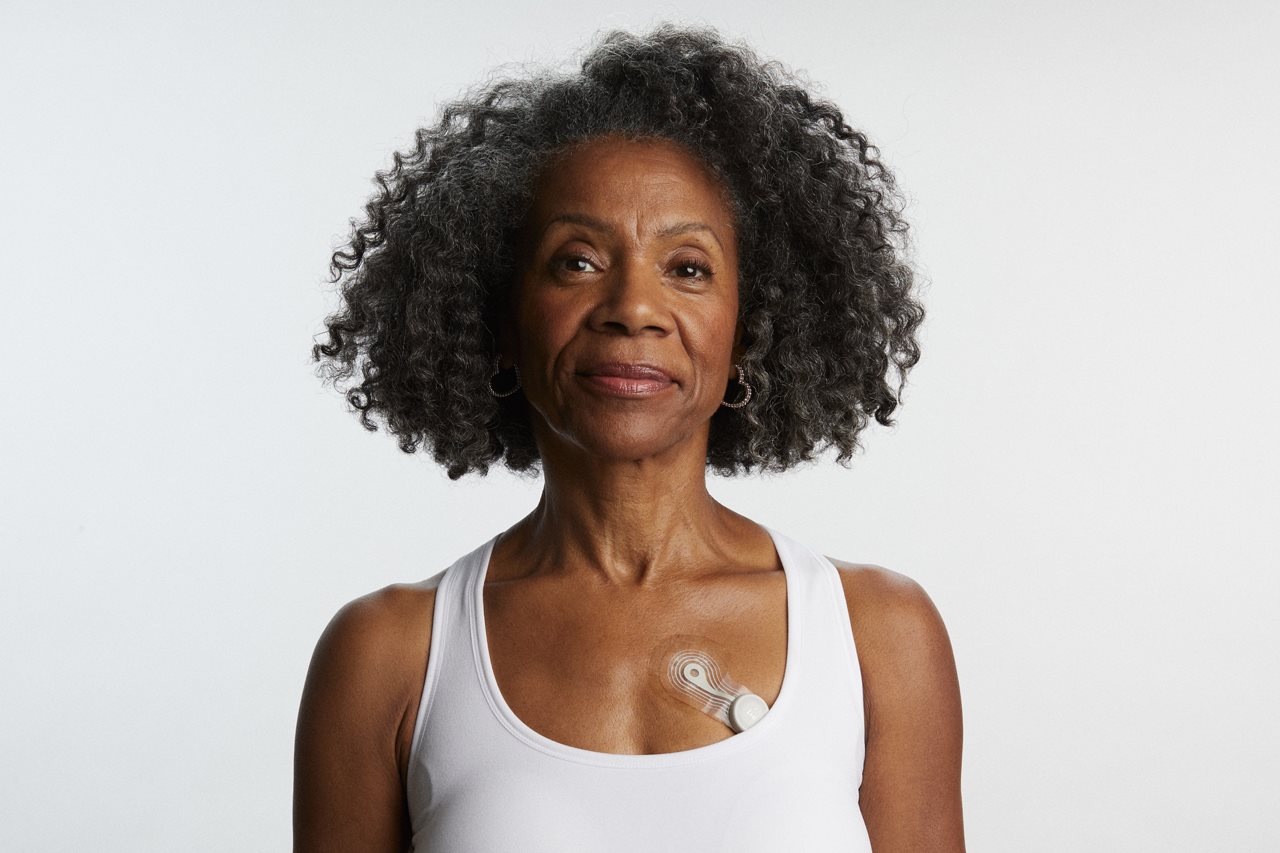
Now, modern ECG monitors, some of which are smaller than a dollar bill, can be worn at home and continuously record your heart’s electrical signal for longer than 24 to 48 hours if your doctor prescribes it. iRhythm has been creating these types of ECG monitors since 2008 and is now launching its next generation Zio® monitoring device, the Zio monitor. The device is small and discreet when worn, with no wires and no need to change batteries during the wear period.

Recordings from these Zio ECG monitoring devices continuously record your heart for up to 14 days – capturing up to 1.5 million heart beats[15] – and help doctors accurately diagnose Afib.

“If you or your loved one has symptoms of Afib or other arrhythmias, it’s worth talking to your physician or care team,” said Mintu Turakhia, MD, MAS, a cardiologist and the chief medical and scientific officer at iRhythm. “Getting diagnosed early is critical, and modern technology now allows patients to go about their daily lives uninterrupted. Our technology can meet patients where they are, ensuring they have the data to get a diagnosis for Afib or other heart rhythm conditions — or provide reassurance that their heart is beating normally.”

Early detection and treatment of arrhythmias are important to reduce the burden of cardiac disease.[16] Newer heart monitoring technology is helping in the shift to more preventative and proactive treatment and care, providing an effective way to diagnose Afib and protect your health.


[1] Atrial Fibrillation. Centers for Disease Control and Prevention (CDC), 2022. https://www.cdc.gov/heartdisease/atrial_fibrillation.htm [accessed September 2023]
[2] Staerk, et al., Lifetime risk of atrial fibrillation according to optimal, borderline, or elevated levels of risk factors: cohort study based on longitudinal data from the Framingham Heart Study. BMJ. 2018
[3] Colilla S., et al. Estimates of current and future incidence and prevalence of atrial fibrillation in the U.S. adult population. The American Journal of Cardiology, 2013.
[4] Turakhia MP, et al., Contemporary prevalence estimates of undiagnosed and diagnosed atrial fibrillation in the United States. Clin Cardiol, 2023.
[5] Sgreccia, et al., Comparing Outcomes in Asymptomatic and Symptomatic Atrial Fibrillation: A Systematic Review and Meta-Analysis of 81,462 Patients. Journal of Clinical Medicine MDPI, 2021.
[6] What is an arrhythmia? National Heart Lung and Blood Institute, 2022. https://www.nhlbi.nih.gov/health/arrhythmias Accessed November 18, 2022
[7] Wolf, et al., Atrial fibrillation as an independent risk factor for stroke: the Framingham Study. Stroke, 1991.
[8] Kotecha, et al., Atrial fibrillation in heart failure: what should we do? Eur Heart J., 2015.
[9] Atrial Fibrillation. Centers for Disease Control and Prevention (CDC), 2022. https://www.cdc.gov/heartdisease/atrial_fibrillation.htm [accessed September 2023]
[10] Nisar, et al., Trends in atrial fibrillation hospitalizations in the United States: A report using data from the National Hospital Discharge Survey. Indian Pacing and Electrophysiology Journal, 2018.
[11] Atrial Fibrillation. Centers for Disease Control and Prevention (CDC), 2022. https://www.cdc.gov/heartdisease/atrial_fibrillation.htm [accessed September 2023]
[12] Rilig et al. Early Rhythm Control in Patients With Atrial Fibrillation and High Comorbidity Burden. Circulation, 2022.
[13] Reynolds et al. Comparative effectiveness of ambulatory monitors for arrhythmia diagnosis: A retrospective analysis of Medicare beneficiaries managed with ambulatory cardiac monitors between 2017 and 2019. Accepted for ACC.23 presentation, presented at New Orleans, LA.
[14] Tsang, et al., Benefits of monitoring patients with mobile cardiac telemetry (MCT) compared with the Event or Holter monitors. Medical Devices: Evidence and Research, 2013.
[15] Data on file. iRhythm Technologies, 2019.
[16] Rilig et al. Early Rhythm Control in Patients With Atrial Fibrillation and High Comorbidity Burden. Circulation, 2022.

How to Turn Restaurant Week into Year-Round Savings with AARP Member Benefits

2023-09-29T13:01:00

(BPT) – It has been three decades since New York City launched the now nationwide phenomena of Restaurant Week. As the trend grew in popularity, cities across the country began hosting their own versions to showcase unique dining establishments with special pricing to boost business and encourage people to try new restaurants. One of the biggest consumer advantages is that you can access a variety of menus at different price points, providing options so guests with varying budgets feel welcome. But, what about the rest of the year when you want to dine out yet still save money?

One of the most delicious benefits that comes along with an AARP membership is the plethora of dining discounts. Whether you’re looking for high-end dining or an affordable night out, AARP members can essentially experience Restaurant Week year-round.

“Prices in the supermarket soared at the start of the year and have only continued to climb. The Bureau of Labor Statistics even reported food prices have risen at a faster rate than general inflation, but that doesn’t mean you still can’t find special deals and offerings while eating out or at home,” said Senior Vice President of Lifestyle and Emerging Businesses Jason Mugg. “An AARP membership offers discounts on such a wide variety of dining brands that there really is something for everyone.”

Here are just a few ways you can save with AARP member benefits:

1. Start the day with a balanced and budget-friendly breakfast.

Whether you’re digging into the most important meal of the day or meeting up for a weekend brunch with friends and family, you don’t have to pay full price for your meal. Whatever your breakfast go-to is, it’ll taste that much better when you can savor a discount. At Denny’s, AARP members can enjoy a balanced meal and automatically save 15% off dine-in and pickup orders*.

2. Capitalize your lunch break

Eating lunch with colleagues can help foster healthy relationships and boost productivity within the workplace. But you don’t have to break the bank to capitalize on your meal breaks. Try your local Corner Bakery where AARP members can save 10% on dine-in and carry-out orders at all participating locations. You’ll get to choose from a variety of delicious treats including bakery sweets, gourmet sandwiches, homemade soups, salads, oh my!

3. Treat yourself

Is it date night? Are you celebrating a birthday? Or did you decide to simply treat yourself? AARP members can enjoy a variety of appealing restaurants while staying on budget, whether you’re celebrating or just don’t feel like cooking at home. Any day of the week, members can savor a delicious surf and turf meal at Bonefish Grill while saving 10% on food and nonalcoholic beverages.

4. Let your social life bloom while continuing to save

Sometimes life gets busy, and you can’t always see those who mean the most to you as often as you’d like. Why not get together for a sit-down dinner with family or friends at Outback Steakhouse where AARP members can save 10% on food and nonalcoholic beverages. Enjoy boldly seasoned steaks, spirited drinks, Aussie hospitality and don’t forget to try the famous Bloomin’ Onion.

5. Get the “Mediterranean” diet without the hassle.

You don’t need to travel far in order to have a nice Italian meal. AARP members can have a night filled with fresh food, fun and conversation at Carrabba’s Italian Grill all while saving 10% on food and nonalcoholic beverages. Are you bringing kids or grandkids? Keep them entertained with a coloring and activity map of Italy while you save — it’s a win-win.

6. Simple savings from your couch.

These savings don’t stop at the restaurant door either. Sit back, relax, and enjoy your already prepared meals with a home delivery service like Yelloh!™ Frozen Food Delivery. AARP members save $20 on their first customer order of $50 or more.

7. Fine dining at any time.

Wouldn’t it be nice to have your own private chef? With Silver Cuisine™ by BistroMD now you can have your own chef-prepared meals whenever you want. AARP members save 25% and receive free shipping on their first order of $99 or more. Plus, they save 10% and get free shipping on all subsequent orders of $99 or more. Silver Cuisine™ by BistroMD makes eating healthy easy by giving you the flexibility that you need and the variety you crave all with the convenience of home delivery.

With so many tempting food options nowadays, you can turn every week into restaurant week and find your new favorite haunt without breaking your wallet. To learn more about the benefits and discounts for AARP members to help you save while eating good, please visit www.aarp.org/diningdays.

*Everyday Value Slam® is not eligible for any coupons or discounts including AARP member benefits. It is not stackable or combinable with any other offers or promotions, and it does not apply to the purchase of gift cards. Pick-up is available at participating locations only.

6 questions to ask your HVAC contractor

2023-09-29T10:29:00

(BPT) – Cool spots. Warm spots. Rooms that smell musty. A system that seems to perpetually be cycling on and off. Any of these issues (and more) may have you doubting your HVAC system … and wondering if it’s time for a replacement. New equipment is a significant investment so it’s important to consider whether other issues could be causing HVAC havoc in your home. How can you determine if new HVAC equipment is the best solution for what your home needs?

An HVAC contractor who understands how the components of a home’s heating and cooling system work together is key to supporting your home’s comfort and energy efficiency. Here are six questions you can use to get the conversation going and help evaluate whether an HVAC contractor is the right fit to solve your home comfort issues.

1. What might be causing the problem?

Whether you’re experiencing comfort issues, a high electric bill or a system that can’t keep up, you shouldn’t assume the problem is your AC unit or furnace. A knowledgeable HVAC contractor trained to care for a home’s air should be able to present you with a few possibilities but will only confirm the causes after a thorough inspection. There’s a difference between being experienced with typical issues and jumping to conclusions.

2. What parts of my home will you be evaluating?

Various components of the HVAC work as a system, so it is important that a contractor does not just check the air conditioning unit or thermostat. That means various components depend on one another. An issue in one place — like a poorly insulated attic or even a dirty furnace filter — can put stresses on other areas (such as making a system run too frequently). Your HVAC contractor should be gathering all of the information necessary to make a proper diagnosis. Their inspection should always include a look around the attic. Problems with attic ductwork — like insufficient insulation or holes, leaks and loose connections in ductwork — can lead to issues throughout a home. The inspection process should be comprehensive — so your decision can be an informed one.

3. What if you determine the problem isn’t my equipment (or it’s more than my equipment)?

Your HVAC contractor should be prepared to service all aspects of your HVAC system. This includes things like properly sealing or insulating ductwork, ensuring the attic is properly insulated, and, yes, repairing or replacing furnace and AC units when required. They should be ready with holistic solutions that may touch multiple components — and the “box” might not even be on the list.

4. What’s your expertise in HVAC issues beyond the unit?

Many of us assume our HVAC contractors are experts in the equipment they sell and service, but how do you know if they’re experts in the other components of a system, such as ductwork and insulation? Owens Corning® Certified AirCare® Professionals receive special training and tools that support a whole-home approach to HVAC solutions. They have the skills and equipment to properly evaluate your HVAC issues and correct them with trusted materials from Owens Corning®.

5. What difference will your recommendations make in my home?

Your HVAC contractor should be able to explain to you how any recommended repairs, replacements and additions will help solve your issues. For example, sealing leaky ducts may address problems with excess dust in your home. Proper attic insulation helps keep your living spaces warm in winter and cool in summer. A properly trained contractor can — and should — explain these principles to you, so you understand the gains in efficiency, comfort and air quality you can expect after implementing their recommendations.

6. What questions do you have for me?

Because a qualified HVAC contractor is the expert, he or she should have questions for you about what you’re experiencing in your home, the history of your system and whether your family has any special concerns, like allergen levels. A great contractor may even follow up with more questions post visit as they’re creating a thorough set of recommendations for you.

Whenever a contractor leaves your home, you should feel more informed. A qualified HVAC contractor, like an Owens Corning® AirCare® Professional, can open your eyes to ways to improve your entire home’s comfort, function and efficiency and will welcome these questions and many more.

Fall into home improvement: 6 projects to tackle this autumn

2023-09-28T15:13:00

(BPT) – Over the last three years, homeowners have developed a renewed interest in home improvement projects. In fact, according to the Joint Center for Housing Studies of Harvard University (JCHS), home improvement project spending increased from $328 billion in 2019 to $472 billion in 2022, with an estimated spending of $485 billion for 2023. Fall is the perfect time to focus on home improvement and maintenance projects, so here are six tips to help give your home a refresh before winter hits.

Repair Concrete Cracks: Cracks found in concrete driveways, patios or walkways not only diminish their appearance but can also escalate into significant issues that demand considerable time and money for repairs if left unattended. Fortunately, there’s a silver lining: when you detect cracks in their early stages, minor concrete damage can be conveniently repaired with little effort. A DIY-friendly option is DAP Concrete Crack Filler, a one-of-a-kind, water-activated dry powder that creates a seamless repair easily.

Exterior Painting: Fall offers ideal conditions for exterior painting because the cooler temperatures and lower humidity levels allow paint to adhere better and dry more evenly. This is an excellent opportunity to refresh your home’s appearance and protect it from the elements. If you plan on DIYing your exterior paint, start by inspecting the exterior for any damaged or peeling paint. Scrape off loose paint and sand the surface, then apply a high-quality exterior primer to ensure good paint adhesion. Choose a paint color that complements your home’s style and apply it in even, smooth strokes. Make sure you allow sufficient drying time between coats and protect the paint from rain during the curing process!

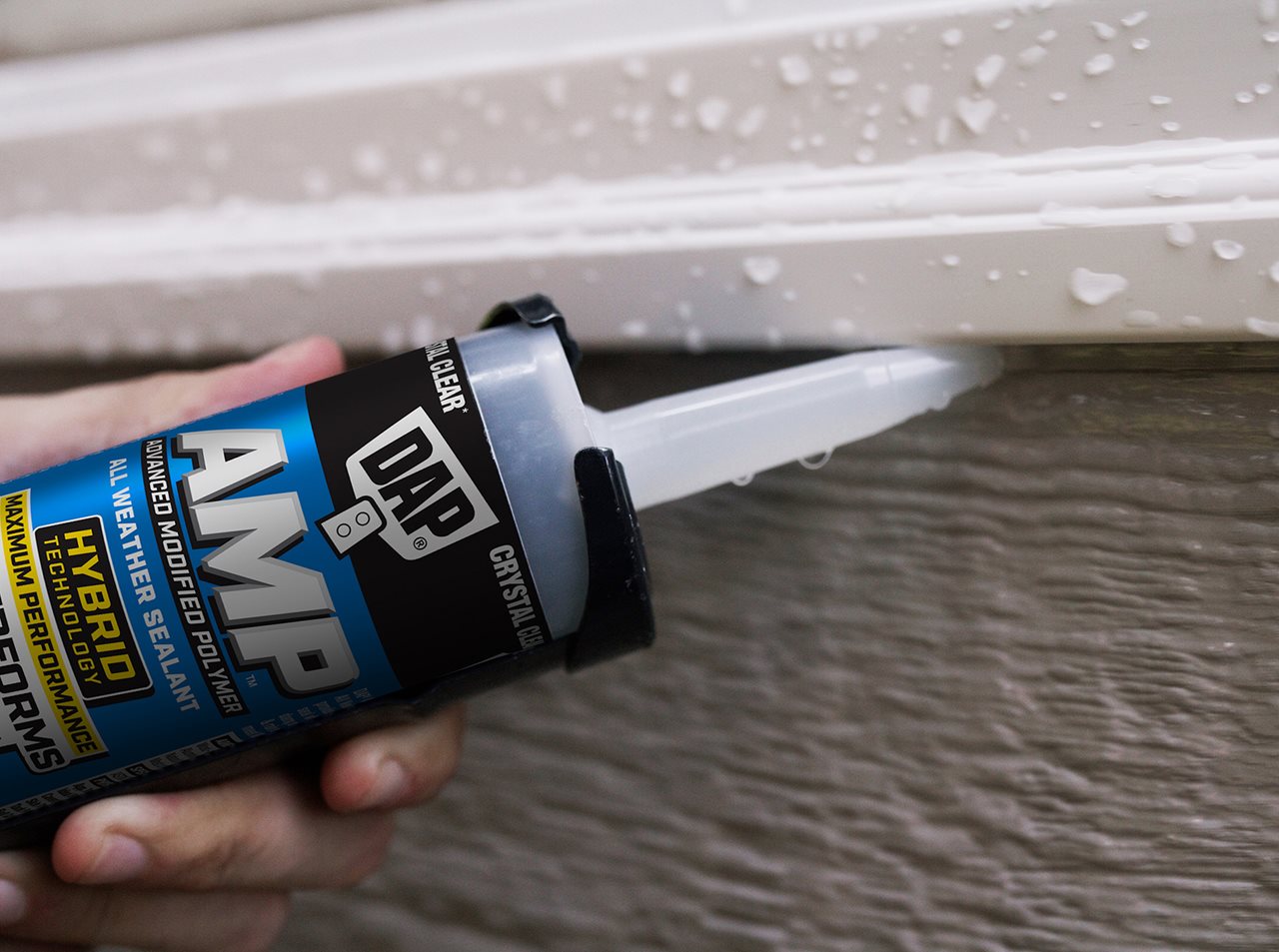
Weatherproofing Windows and Doors: As temperatures drop in the fall, it’s important to seal any gaps or cracks around your windows and doors to prevent drafts and conserve energy. Proper weatherproofing can help keep your home comfortable and reduce heating costs. When re-sealing exterior windows, doors, siding and trim, opt for a high-performance sealant designed specifically to withstand the elements without cracking, deteriorating or losing its adhesive properties over time. An excellent choice is DAP’s AMP Window, Door, Siding & Trim, an advanced hybrid sealant engineered for exterior applications. This sealant excels in enduring various weather conditions, offering outstanding durability and flexibility, and is available in both white and crystal-clear options.

Roof Inspection and Repair: Before the winter season arrives, it’s crucial to inspect your roof for any damage, leaks or missing shingles. Addressing roof issues in the fall can prevent more significant problems during the colder, wetter months. You can choose to access the roof yourself or hire a professional for a thorough inspection. If you choose to DIY, look for signs of damage, such as cracked or missing shingles, damaged flashing or deteriorated sealant. Clear any debris, such as leaves or branches, from the roof surface and gutters and repair any damaged or missing shingles and reseal flashing and vents as needed. Regular roof inspections can extend the life of your roof and prevent costly water damage to your home’s interior.

Add or Repair Texture: The recent revival of textured walls and ceilings is the perfect trend to elevate your space. Whether adding or repairing wall texture in your home, DAP’s line of 2in1 Wall and Ceiling Spray Texture includes Orange Peel, Knockdown and Popcorn textures and are an ideal choice for both pros and DIYers tackling texture. Featuring Aim Tech technology, the aerosol can offers a patent-pending 60-degree adjustable nozzle to easily cover vertical, overhead and hard-to-reach areas. Additionally, the nozzle offers the options of fine, medium or heavy level of texture when sprayed.

Gutter Cleaning and Maintenance: During the fall, leaves, twigs and debris can accumulate in your gutters, which can lead to clogs and water overflow. To prevent potential water damage to your home’s foundation and roof, it’s essential to clean your gutters. While you’re up there, don’t forget to check the downspouts for blockages, and clear them if needed. To make gutter maintenance easier, consider installing gutter guards or screens to reduce the frequency of cleaning and minimize debris buildup.

By completing these six fall home improvement projects, you can enhance the appearance, efficiency and protection of your home as you prepare it for the autumn and winter seasons. For more home improvement tips, visit DAP.com.