Trust your gut: 5 reasons why fiber-forward pears are a fall favorite

2023-09-28T15:33:00

(BPT) – The fall harvest is underway, which means that a fresh new crop of USA-grown pears is coming to grocers’ produce sections. For those looking for a healthy snack with staying power, pears are a natural go-to. Not only are they available fresh almost year-round, but they contain a significant amount of dietary fiber, helping bellies feel full longer while supporting gut health and overall wellness.

Fiber is an essential component of any nutritious diet, and just one medium pear contains 6 grams of dietary fiber, or 21% of the recommended daily value. Fiber is essential to maintaining bowel regularity and gut health, as it helps to absorb water and remove waste and toxins as it travels through the digestive system. But it does much more.

Here are five reasons why adding pears to the diet — whether as a daily snack or as part of a meal — can help meet dietary requirements and keep things moving in the right direction.

Fiber in pears keeps constipation at bay

Pears contain soluble and insoluble fiber, both of which have important functions when it comes to maintaining bowel regularity. Soluble fiber absorbs water and softens stool, while insoluble fiber adds bulk to stool to make it easier to pass. Adopting a high-fiber diet can help avoid constipation, which is often accompanied by discomfort, and can help keep bowel movements regular.

Fiber in pears reduces risk of developing certain painful conditions

Beyond regularity, fiber may promote bowel health by lowering the risk of developing painful conditions like hemorrhoids and diverticulitis, small pouches that appear in the colon that could tear and result in inflammation or infection. Fiber is also suspected to play a role in reducing the risk of colon cancer. In pears, the majority of fiber is contained in the skin, so it’s recommended to leave the skin on for the full nutritive benefits and for added flavor and texture.

Fiber in pears could support gut health

Pears also contain a type of fiber called prebiotic fiber. According to the Mayo Clinic, prebiotic fiber acts “as a food for human microflora.” Prebiotic fiber is thought to help improve the balance of naturally occurring, beneficial microorganisms in the gut. By helping good bacteria flourish, it suppresses the bad and creates a better digestive health environment.

Fiber in pears promotes healthy weight

Foods that are high in fiber tend to have bulk that contributes to making them more filling to eat than low-fiber foods. And, high-fiber foods like pears are not as “energy dense” as other foods, such as processed foods, so they contain fewer calories for the same volume. Such qualities help stomachs feel satisfied longer and reduce the urge to keep eating.

Fiber in pears may aid in managing blood sugar levels

Fiber, specifically soluble fiber, is an important aid for people with diabetes, as it can help slow how quickly the body absorbs sugar and help manage blood sugar levels. For those who are seeking to avoid developing Type 2 diabetes, including insoluble fiber in their daily diet is one way to reduce their risks. As an aside, pears have another secret weapon in controlling blood sugar: a low glycemic index. As a low GI fruit, pears release glucose gradually and evenly, helping to keep blood sugar levels steady.

Adding foods that contain fiber to daily diets is as easy as picking up fresh pears at the market. Flavorful, versatile and readily available, pears can give health and wellness a boost at snack time, dinnertime or anytime. For recipes and inspiration, visit usapears.org.

One man’s story gives hope to those with treatment-resistant depression

2023-09-28T10:49:00

(BPT) – When the COVID-19 pandemic hit in 2020, Ben, who had already been diagnosed with clinical depression in 2018, felt his depressive symptoms increase the more isolated he became. As an information technology consultant in New York City, his daily routine changed drastically. He woke up, immediately began work from bed and joined work meetings with his camera off with little to no participation.

Ben was in survival mode. Eventually, small tasks like showering, eating, sleeping, and attending meetings with his team felt overwhelming and close to impossible. After feeling like every day was a living nightmare, Ben decided to go to a new psychiatrist, who recommended he start taking antidepressants.

Finding the right treatment option isn’t an easy task. Like many people with clinical depression, Ben struggled to find a treatment that worked for him. He cycled through a couple of medications but, to his dismay, none of his depressive symptoms were relieved. Impatient and frustrated, he couldn’t believe it took a 12-week trial period for each new medication to see if it would work for him.

Eventually, after trying a few medications, Ben was diagnosed with treatment-resistant depression or TRD — a term that validated his experience cycling through a couple of treatments without relief. According to the Agency for Healthcare Research and Quality, TRD occurs when a patient has not achieved significant benefit with at least two different antidepressants of adequate dose and duration. Like Ben, about one-third of adults with depression may have this condition, according to a study published in the American Journal of Psychiatry.

Even with treatment and therapy, Ben continued to have depressive episodes. “One day, I received a last-minute meeting invite from my boss — I immediately went into a downward spiral,” he said. “Curled in a ball and sobbing, my chest pain was so severe that I thought I was having a heart attack. I could see the hospital through my window but had no motivation to walk across the street and ask for help.”

Soon after this episode, Ben moved across the country to live with his older sister in Oregon. Together, they researched many other treatment options. Ben was searching for a medication studied specifically to help someone like him and for the confidence that comes with a medicine approved by the U.S. Food and Drug Administration (FDA) specifically for his condition. During his search, he learned about a different treatment option for people diagnosed with TRD, called SPRAVATO® (esketamine) CIII nasal spray.

When he brought up this treatment option, Ben’s psychiatrist walked him through the risks and benefits and administration and dosing requirements, which include going into a certified SPRAVATO® treatment center twice a week for the first four weeks of treatment. They also discussed some of the most serious side effects of this treatment, including dizziness, sedation, dissociation, increases in blood pressure, the risk of abuse and misuse, and increased risk of suicidal thoughts or actions. As with all SPRAVATO® patients, Ben was enrolled in the Risk Evaluation and Mitigation Strategy (REMS) program to track any serious side effects he may experience.

Please see the Important Safety Information, including BOXED WARNINGS, and a list of side effects below.

Once Ben was enrolled in the REMS program, he was able to start his twice-weekly SPRAVATO® treatments in conjunction with an oral antidepressant.

“I started to feel clearer and lighter as my depressive symptoms improved after my treatments, which gave me a new perspective,” he said. “Through treatment and lots of work, my days are no longer completely consumed with self-hate and darkness but rather more self-love and light.”

And, although this treatment may not work for everyone, SPRAVATO® became a key piece of Ben’s treatment plan to help him manage his TRD during one of the most difficult times in his life. Ben advises others who may be struggling to have open communication: “I understand how alone and isolated you may feel when you’re navigating depression, but just know you are not alone. Ask for help — your support system can help advocate for you when you’re unable to advocate for yourself.”

If you or someone you know needs mental health support, call or text 988 Suicide and Crisis Lifeline, available nationwide to people with a mental health counselor.

IMPORTANT SAFETY INFORMATION

What is SPRAVATO® (esketamine) CIII nasal spray?

SPRAVATO® is a prescription medicine, used along with an antidepressant taken by mouth to treat:

  • Adults with treatment-resistant depression (TRD)
  • Depressive symptoms in adults with major depressive disorder (MDD) with suicidal thoughts or actions

SPRAVATO® is not for use as a medicine to prevent or relieve pain (anesthetic). It is not known if SPRAVATO® is safe or effective as an anesthetic medicine.

It is not known if SPRAVATO® is safe and effective for use in preventing suicide or in reducing suicidal thoughts or actions. SPRAVATO® is not for use in place of hospitalization if your healthcare provider determines that hospitalization is needed, even if improvement is experienced after the first dose of SPRAVATO®.

It is not known if SPRAVATO® is safe and effective in children.

IMPORTANT SAFETY INFORMATION

IMPORTANT SAFETY INFORMATION

What is SPRAVATO® (esketamine) CIII nasal spray?

SPRAVATO® is a prescription medicine, used along with an antidepressant taken by mouth to treat:

  • Adults with treatment-resistant depression (TRD)
  • Depressive symptoms in adults with major depressive disorder (MDD) with suicidal thoughts or actions

SPRAVATO® is not for use as a medicine to prevent or relieve pain (anesthetic). It is not known if SPRAVATO® is safe or effective as an anesthetic medicine.

It is not known if SPRAVATO® is safe and effective for use in preventing suicide or in reducing suicidal thoughts or actions. SPRAVATO® is not for use in place of hospitalization if your healthcare provider determines that hospitalization is needed, even if improvement is experienced after the first dose of SPRAVATO®.

It is not known if SPRAVATO® is safe and effective in children.

IMPORTANT SAFETY INFORMATION

What is the most important information I should know about SPRAVATO®?

SPRAVATO® can cause serious side effects, including:

  • Sedation and dissociation. SPRAVATO® may cause sleepiness (sedation), fainting, dizziness, spinning sensation, anxiety, or feeling disconnected from yourself, your thoughts, feelings, space and time (dissociation).
    • Tell your healthcare provider right away if you feel like you cannot stay awake or if you feel like you are going to pass out.
    • Your healthcare provider must monitor you for serious side effects for at least 2 hours after taking SPRAVATO®. Your healthcare provider will decide when you are ready to leave the healthcare setting.

  • Abuse and misuse. There is a risk for abuse and physical and psychological dependence with SPRAVATO® treatment. Your healthcare provider should check you for signs of abuse and dependence before and during treatment with SPRAVATO®.
    • Tell your healthcare provider if you have ever abused or been dependent on alcohol, prescription medicines, or street drugs.
    • Your healthcare provider can tell you more about the differences between physical and psychological dependence and drug addiction.

  • SPRAVATO® Risk Evaluation and Mitigation Strategy (REMS). Because of the risks for sedation, dissociation, and abuse and misuse, SPRAVATO® is only available through a restricted program called the SPRAVATO® Risk Evaluation and Mitigation Strategy (REMS) Program. SPRAVATO® can only be administered at healthcare settings certified in the SPRAVATO® REMS Program. Patients treated in outpatient healthcare settings (e.g., medical offices and clinics) must be enrolled in the program.

  • Increased risk of suicidal thoughts and actions. Antidepressant medicines may increase suicidal thoughts and actions in some people 24 years of age and younger, especially within the first few months of treatment or when the dose is changed.

SPRAVATO® is not for use in children.

  • Depression and other serious mental illnesses are the most important causes of suicidal thoughts and actions. Some people may have a higher risk of having suicidal thoughts or actions. These include people who have (or have a family history of) depression or a history of suicidal thoughts or actions.

  • How can I watch for and try to prevent suicidal thoughts and actions in myself or a family member?
    • Pay close attention to any changes, especially sudden changes, in mood, behavior, thoughts, or feelings, or if you develop suicidal thoughts or actions.
    • Tell your healthcare provider right away if you have any new or sudden changes in mood, behavior, thoughts, or feelings.
    • Keep all follow-up visits with your healthcare provider as scheduled. Call your healthcare provider between visits as needed, especially if you have concerns about symptoms.

  • Tell your healthcare provider right away if you or your family member have any of the following symptoms, especially if they are new, worse, or worry you:
  • suicide attempts
  • worsening depression
  • thoughts about suicide or dying
  • other unusual changes in behavior or mood

Do not take SPRAVATO® if you:

  • have blood vessel (aneurysmal vascular) disease (including in the brain, chest, abdominal aorta, arms and legs)
  • have an abnormal connection between your veins and arteries (arteriovenous malformation)
  • have a history of bleeding in the brain
  • are allergic to esketamine, ketamine, or any of the other ingredients in SPRAVATO®.

If you are not sure if you have any of the above conditions, talk to your healthcare provider before taking SPRAVATO®.

Before you take SPRAVATO®, tell your healthcare provider about all of your medical conditions, including if you:

  • have heart or brain problems, including:
    • high blood pressure (hypertension)
    • slow or fast heartbeats that cause shortness of breath, chest pain, lightheadedness, or fainting
    • history of heart attack
    • history of stroke
    • heart valve disease or heart failure
    • history of brain injury or any condition where there is increased pressure in the brain
  • have liver problems
  • have ever had a condition called “psychosis” (see, feel, or hear things that are not there, or believe in things that are not true).
  • are pregnant or plan to become pregnant. SPRAVATO® may harm your baby. You should not take SPRAVATO® if you are pregnant.
    • Tell your healthcare provider right away if you become pregnant during treatment with SPRAVATO®.
    • If you are able to become pregnant, talk to your healthcare provider about methods to prevent pregnancy during treatment with SPRAVATO®.
    • There is a pregnancy registry for women who are exposed to SPRAVATO® during pregnancy. The purpose of the registry is to collect information about the health of women exposed to SPRAVATO® and their baby. If you become pregnant during treatment with SPRAVATO®, talk to your healthcare provider about registering with the National Pregnancy Registry for Antidepressants at 1-844-405-6185 or online at https://womensmentalhealth.org/clinical-and-research- programs/pregnancyregistry/antidepressants/.
  • are breastfeeding or plan to breastfeed. You should not breastfeed during treatment with SPRAVATO®.

Tell your healthcare provider about all the medicines that you take, including prescription and over-the-counter medicines, vitamins and herbal supplements. Taking SPRAVATO® with certain medicine may cause side effects.

Especially tell your healthcare provider if you take central nervous system (CNS) depressants, psychostimulants, or monoamine oxidase inhibitors (MAOIs) medicines. Keep a list of them to show to your healthcare provider and pharmacist when you get a new medicine.

How will I take SPRAVATO®?

  • You will take SPRAVATO® nasal spray yourself, under the supervision of a healthcare provider in a healthcare setting. Your healthcare provider will show you how to use the SPRAVATO® nasal spray device.
  • Your healthcare provider will tell you how much SPRAVATO® you will take and when you will take it.
  • Follow your SPRAVATO® treatment schedule exactly as your healthcare provider tells you to.
  • During and after each use of the SPRAVATO® nasal spray device, you will be checked by a healthcare provider who will decide when you are ready to leave the healthcare setting.
  • You will need to plan for a caregiver or family member to drive you home after taking SPRAVATO®.
  • If you miss a SPRAVATO® treatment, your healthcare provider may change your dose and treatment schedule.
  • Some people taking SPRAVATO® get nausea and vomiting. You should not eat for at least 2 hours before taking SPRAVATO® and not drink liquids at least 30 minutes before taking SPRAVATO®.
  • If you take a nasal corticosteroid or nasal decongestant medicine take these medicines at least 1 hour before taking SPRAVATO®.

What should I avoid while taking SPRAVATO®?

Do not drive, operate machinery, or do anything where you need to be completely alert after taking SPRAVATO®. Do not take part in these activities until the next day following a restful sleep. See “What is the most important information I should know about SPRAVATO®?”

What are the possible side effects of SPRAVATO®?

SPRAVATO® may cause serious side effects including:

  • See “What is the most important information I should know about SPRAVATO®?”
  • Increased blood pressure. SPRAVATO® can cause a temporary increase in your blood pressure that may last for about 4 hours after taking a dose. Your healthcare provider will check your blood pressure before taking SPRAVATO® and for at least 2 hours after you take SPRAVATO®. Tell your healthcare provider right away if you get chest pain, shortness of breath, sudden severe headache, change in vision, or seizures after taking SPRAVATO®.
  • Problems with thinking clearly. Tell your healthcare provider if you have problems thinking or remembering.
  • Bladder problems. Tell your healthcare provider if you develop trouble urinating, such as a frequent or urgent need to urinate, pain when urinating, or urinating frequently at night.

The most common side effects of SPRAVATO® when used along with an antidepressant taken by mouth include:

  • feeling disconnected from yourself, your thoughts, feelings and things

around you

  • dizziness
  • nausea
  • feeling sleepy
  • spinning sensation
  • decreased feeling of sensitivity (numbness)
  • feeling anxious
  • lack of energy
  • increased blood pressure
  • vomiting
  • feeling drunk
  • feeling very happy or excited

If these common side effects occur, they usually happen right after taking SPRAVATO® and go away the same day.

These are not all the possible side effects of SPRAVATO®.

Call your doctor for medical advice about side effects. You may report side effects to FDA at 1-800-FDA-1088.

Please see full Prescribing Information, including Boxed WARNINGS, and Medication Guide for SPRAVATO® and discuss any questions you may have with your healthcare provider.

cp-170363v1

Ben is a volunteer with the SHARE Network, a Janssen Pharmaceuticals, Inc., program made up of people who are dedicated to inspiring others through their personal health journeys and stories of caring. He is a real patient with treatment-resistant depression and was compensated by Janssen Pharmaceuticals, Inc., for his time to develop this content.

If a Janssen treatment has made a difference in your life or the life of a loved one, we hope you will consider joining the?SHARE Network.

Every story is unique. If you are an adult living with TRD, talk to your doctor to figure out a treatment plan that’s right for you.

This information is intended for the use of patients and caregivers in the United States and its territories only. Laws, regulatory requirements and medical practices in pharmaceutical products vary from country to country. The Prescribing Information included here may not be appropriate for use outside the United States and its territories.

References:

  1. Rush AJ et al. Am J Psychiatry. 2006;163(11):1905-1917.
  2. Agency for Healthcare Research and Quality. Treatment-Resistant Depression: A Narrative and Systematic Review of Definitions and Methods in Clinical Research Studies. Accessed August 18, 2023. https://www.ahrq.gov/sites/default/files/wysiwyg/research/findings/ta/topicrefinement/trdepression-protocol-amendment.pdf.

© Janssen Pharmaceuticals, Inc. 2023 08/23 cp-406942v1

What is the most important information I should know about SPRAVATO®?

SPRAVATO® can cause serious side effects, including:

  • Sedation and dissociation. SPRAVATO® may cause sleepiness (sedation), fainting, dizziness, spinning sensation, anxiety, or feeling disconnected from yourself, your thoughts, feelings, space and time (dissociation).
    • Tell your healthcare provider right away if you feel like you cannot stay awake or if you feel like you are going to pass out.
    • Your healthcare provider must monitor you for serious side effects for at least 2 hours after taking SPRAVATO®. Your healthcare provider will decide when you are ready to leave the healthcare setting.
  • Abuse and misuse. There is a risk for abuse and physical and psychological dependence with SPRAVATO® treatment. Your healthcare provider should check you for signs of abuse and dependence before and during treatment with SPRAVATO®.
    • Tell your healthcare provider if you have ever abused or been dependent on alcohol, prescription medicines, or street drugs.
    • Your healthcare provider can tell you more about the differences between physical and psychological dependence and drug addiction.
  • SPRAVATO® Risk Evaluation and Mitigation Strategy (REMS). Because of the risks for sedation, dissociation, and abuse and misuse, SPRAVATO® is only available through a restricted program called the SPRAVATO® Risk Evaluation and Mitigation Strategy (REMS) Program. SPRAVATO® can only be administered at healthcare settings certified in the SPRAVATO® REMS Program. Patients treated in outpatient healthcare settings (e.g., medical offices and clinics) must be enrolled in the program.
  • Increased risk of suicidal thoughts and actions. Antidepressant medicines may increase suicidal thoughts and actions in some people 24 years of age and younger, especially within the first few months of treatment or when the dose is changed. SPRAVATO® is not for use in children.
    • Depression and other serious mental illnesses are the most important causes of suicidal thoughts and actions. Some people may have a higher risk of having suicidal thoughts or actions. These include people who have (or have a family history of) depression or a history of suicidal thoughts or actions.
  • How can I watch for and try to prevent suicidal thoughts and actions in myself or a family member?
    • Pay close attention to any changes, especially sudden changes, in mood, behavior, thoughts, or feelings, or if you develop suicidal thoughts or actions.
    • Tell your healthcare provider right away if you have any new or sudden changes in mood, behavior, thoughts, or feelings.
    • Keep all follow-up visits with your healthcare provider as scheduled. Call your healthcare provider between visits as needed, especially if you have concerns about symptoms.
  • Tell your healthcare provider right away if you or your family member have any of the following symptoms, especially if they are new, worse, or worry you:
  • suicide attempts
  • thoughts about suicide or dying
  • worsening depression
  • other unusual changes in behavior or mood

Do not take SPRAVATO® if you:

  • have blood vessel (aneurysmal vascular) disease (including in the brain, chest, abdominal aorta, arms and legs)
  • have an abnormal connection between your veins and arteries (arteriovenous malformation)
  • have a history of bleeding in the brain
  • are allergic to esketamine, ketamine, or any of the other ingredients in SPRAVATO®.

If you are not sure if you have any of the above conditions, talk to your healthcare provider before taking SPRAVATO®.

Before you take SPRAVATO®, tell your healthcare provider about all of your medical conditions, including if you:

  • have heart or brain problems, including:
    • high blood pressure (hypertension)
    • slow or fast heartbeats that cause shortness of breath, chest pain, lightheadedness, or fainting
    • history of heart attack
    • history of stroke
    • heart valve disease or heart failure
    • history of brain injury or any condition where there is increased pressure in the brain
  • have liver problems
  • have ever had a condition called “psychosis” (see, feel, or hear things that are not there, or believe in things that are not true).
  • are pregnant or plan to become pregnant. SPRAVATO® may harm your baby. You should not take SPRAVATO® if you are pregnant.
    • Tell your healthcare provider right away if you become pregnant during treatment with SPRAVATO®.
    • If you are able to become pregnant, talk to your healthcare provider about methods to prevent pregnancy during treatment with SPRAVATO®.
    • There is a pregnancy registry for women who are exposed to SPRAVATO® during pregnancy. The purpose of the registry is to collect information about the health of women exposed to SPRAVATO® and their baby. If you become pregnant during treatment with SPRAVATO®, talk to your healthcare provider about registering with the National Pregnancy Registry for Antidepressants at 1-844-405-6185 or online at https://womensmentalhealth.org/clinical-and-research- programs/pregnancyregistry/antidepressants/.
  • are breastfeeding or plan to breastfeed. You should not breastfeed during treatment with SPRAVATO®.

Tell your healthcare provider about all the medicines that you take, including prescription and over-the-counter medicines, vitamins and herbal supplements. Taking SPRAVATO® with certain medicine may cause side effects.

Especially tell your healthcare provider if you take central nervous system (CNS) depressants, psychostimulants, or monoamine oxidase inhibitors (MAOIs) medicines. Keep a list of them to show to your healthcare provider and pharmacist when you get a new medicine.

How will I take SPRAVATO®?

  • You will take SPRAVATO® nasal spray yourself, under the supervision of a healthcare provider in a healthcare setting. Your healthcare provider will show you how to use the SPRAVATO® nasal spray device.
  • Your healthcare provider will tell you how much SPRAVATO® you will take and when you will take it.
  • Follow your SPRAVATO® treatment schedule exactly as your healthcare provider tells you to.
  • During and after each use of the SPRAVATO® nasal spray device, you will be checked by a healthcare provider who will decide when you are ready to leave the healthcare setting.
  • You will need to plan for a caregiver or family member to drive you home after taking SPRAVATO®.
  • If you miss a SPRAVATO® treatment, your healthcare provider may change your dose and treatment schedule.
  • Some people taking SPRAVATO® get nausea and vomiting. You should not eat for at least 2 hours before taking SPRAVATO® and not drink liquids at least 30 minutes before taking SPRAVATO®.
  • If you take a nasal corticosteroid or nasal decongestant medicine take these medicines at least 1 hour before taking SPRAVATO®.

What should I avoid while taking SPRAVATO®?

Do not drive, operate machinery, or do anything where you need to be completely alert after taking SPRAVATO®. Do not take part in these activities until the next day following a restful sleep. See “What is the most important information I should know about SPRAVATO®?”

What are the possible side effects of SPRAVATO®?

SPRAVATO® may cause serious side effects including:

  • See “What is the most important information I should know about SPRAVATO®?”
  • Increased blood pressure. SPRAVATO® can cause a temporary increase in your blood pressure that may last for about 4 hours after taking a dose. Your healthcare provider will check your blood pressure before taking SPRAVATO® and for at least 2 hours after you take SPRAVATO®. Tell your healthcare provider right away if you get chest pain, shortness of breath, sudden severe headache, change in vision, or seizures after taking SPRAVATO®.
  • Problems with thinking clearly. Tell your healthcare provider if you have problems thinking or remembering.
  • Bladder problems. Tell your healthcare provider if you develop trouble urinating, such as a frequent or urgent need to urinate, pain when urinating, or urinating frequently at night.

The most common side effects of SPRAVATO® when used along with an antidepressant taken by mouth include:

  • feeling disconnected from yourself, your thoughts, feelings and things around you
  • dizziness
  • nausea
  • feeling sleepy
  • spinning sensation
  • decreased feeling of sensitivity (numbness)
  • feeling anxious
  • lack of energy
  • increased blood pressure
  • vomiting
  • feeling drunk
  • feeling very happy or excited

If these common side effects occur, they usually happen right after taking SPRAVATO® and go away the same day.

These are not all the possible side effects of SPRAVATO®.

Call your doctor for medical advice about side effects. You may report side effects to FDA at 1-800-FDA-1088.

Please see full Prescribing Information, including Boxed WARNINGS, and Medication Guide for SPRAVATO® and discuss any questions you may have with your healthcare provider.
cp-170363v1

Ben is a volunteer with the SHARE Network, a Janssen Pharmaceuticals, Inc., program made up of people who are dedicated to inspiring others through their personal health journeys and stories of caring. He is a real patient with treatment-resistant depression and was compensated by Janssen Pharmaceuticals, Inc., for his time to develop this content.

If a Janssen treatment has made a difference in your life or the life of a loved one, we hope you will consider joining the SHARE Network.

Every story is unique. If you are an adult living with TRD, talk to your doctor to figure out a treatment plan that’s right for you.

This information is intended for the use of patients and caregivers in the United States and its territories only. Laws, regulatory requirements and medical practices in pharmaceutical products vary from country to country. The Prescribing Information included here may not be appropriate for use outside the United States and its territories.

cp-406942v1

Back-to-school meal ideas: 4 easy, irresistible seafood recipes

2023-09-28T07:05:00

(BPT) – As your family gets into the full swing of school schedules and other fall activities, it helps to have some easy and delicious meals up your sleeve that everyone will enjoy. To keep mealtimes more interesting — and simple — this fall, consider high-quality, accessible seafood options that you can find in the freezer aisle and can cook up in your oven, toaster oven or air fryer in just 15-30 minutes.

Another great reason to consider adding more seafood to your family’s weekly menu plan is that the Dietary Guidelines for Americans recommend having seafood twice a week because of its many health benefits. Seafood is not only an excellent source of protein, it also offers a variety of nutrients, including vitamins and minerals that contribute to your overall health and well-being. With a wide range of irresistible seafood selections from SeaPak, you’re sure to find something that your family will love for after-school snacks, weekday meals and weekend get-togethers.

Here are four favorite recipes to help get you started.

1. After-School Shrimp Fried Rice
5 minutes prep time; 15 minutes cook time; 4 servings. Satisfying your crew’s appetite after school has never been easier than with this super-quick, super-simple and extra-tasty shrimp fried rice recipe.

Ingredients
1 package SeaPak Popcorn Shrimp
1 tablespoon sesame oil (or vegetable oil)
1 cup frozen cooked vegetables
4 cups cooked rice
1 tablespoon soy sauce

Directions
Prepare shrimp according to package directions and keep warm.
Bring large skillet or wok to high heat and add oil. Stir in vegetables and cook, stirring continually, 2 minutes. Stir in rice and cook, stirring continually, another 2 minutes.
Add soy sauce and stir to coat. Remove from heat and toss in popcorn shrimp. Serve hot.

2. Shrimp Parmesan Sliders
5 minutes prep time; 14 minutes cook time; 5-6 servings. Sliders are the perfect size for little hands, and these come together in just minutes.

Ingredients
1 9-ounce package SeaPak Jumbo Butterfly Shrimp
1 cup marinara sauce
3 slices mozzarella cheese, each cut into 4 squares
10-12 slider buns
10-12 leaves fresh basil

Directions
Heat oven to 425F. Bake shrimp according to package directions, 13-14 minutes.
Heat marinara sauce in small saucepan. Spoon a little marinara (about 1 tablespoon) on shrimp and top with cheese slices. Bake 1 more minute until cheese is melted.
Spoon marinara sauce on bottom buns. Top with shrimp, a basil leaf, more marinara and bun tops.

3. Shrimp and Veggie Griller Fajitas
10 minutes prep time; 20 minutes cook time; 4 servings. These fajitas are as full of flavor as they are easy to make, right on your grill. Tip: Prep veggies over the weekend so they’re ready to go on a busy weeknight.

Ingredients
1 12-ounce package SeaPak Shrimp Scampi
1 yellow bell pepper, seeded and cut into strips
1 red bell pepper, seeded and cut into strips
1 green bell pepper, seeded and cut into strips
1 red onion, cut into strips
2 tablespoons chili powder
2 tablespoons cumin
1 teaspoon garlic powder
1 teaspoon onion powder
4 corn tortillas
1 avocado, sliced
1 lime, quartered
1/2 cup prepared pico de gallo or salsa

Directions
Prepare SeaPak Shrimp Scampi according to package directions and keep warm.
Heat oil in skillet and saute peppers, onion and garlic 5-7 minutes.
Mix spices together in bowl. Toss cooked shrimp, sauteed vegetables and spices together in bowl. Scoop mixture into 4 individual foil packets.
Cook foil packets on grill 10-15 minutes.
Heat tortillas on grill until just charred around the edges. Remove to plate.
Serve shrimp and vegetables with corn tortillas, avocado, lime and pico de gallo or salsa on the side.

4. Casino Clam Strip Pizza
5 minutes prep time; 25 minutes cook time; 8 servings. Why settle for the same-old, same-old pizza when these seafood pizzas are so much fun to make and eat?

Ingredients

1 9-ounce package SeaPak Clam Strips
1 12-inch prepared pizza dough
1 jar white pizza sauce
6 pieces cooked bacon, crumbled
1 8-ounce package shredded mozzarella cheese
1 cup grated parmesan cheese
1/2 cup shredded cheddar cheese

Directions
Cook SeaPak Clam Strips according to package directions and keep warm.
Heat oven to 450F. Place pizza dough onto baking sheet or cookie sheet. Spread white pizza sauce over surface of pizza dough. Top with clam strips, bacon and cheeses.
Bake pizza in oven 10-15 minutes, or until cheese is melted. Serve immediately.

Sound delicious? You can find all of these products, recipes and more at SeaPak.com.

Alarms don’t last forever — remember to replace

2023-09-28T10:01:00

(BPT) – Being a homeowner comes with a lot of responsibilities. Seasonal upkeep, roof and gutter maintenance, plumbing repairs and more can add up — both on your to-do list and in your budget. But many home maintenance projects are simple and inexpensive, and they can help provide peace of mind.

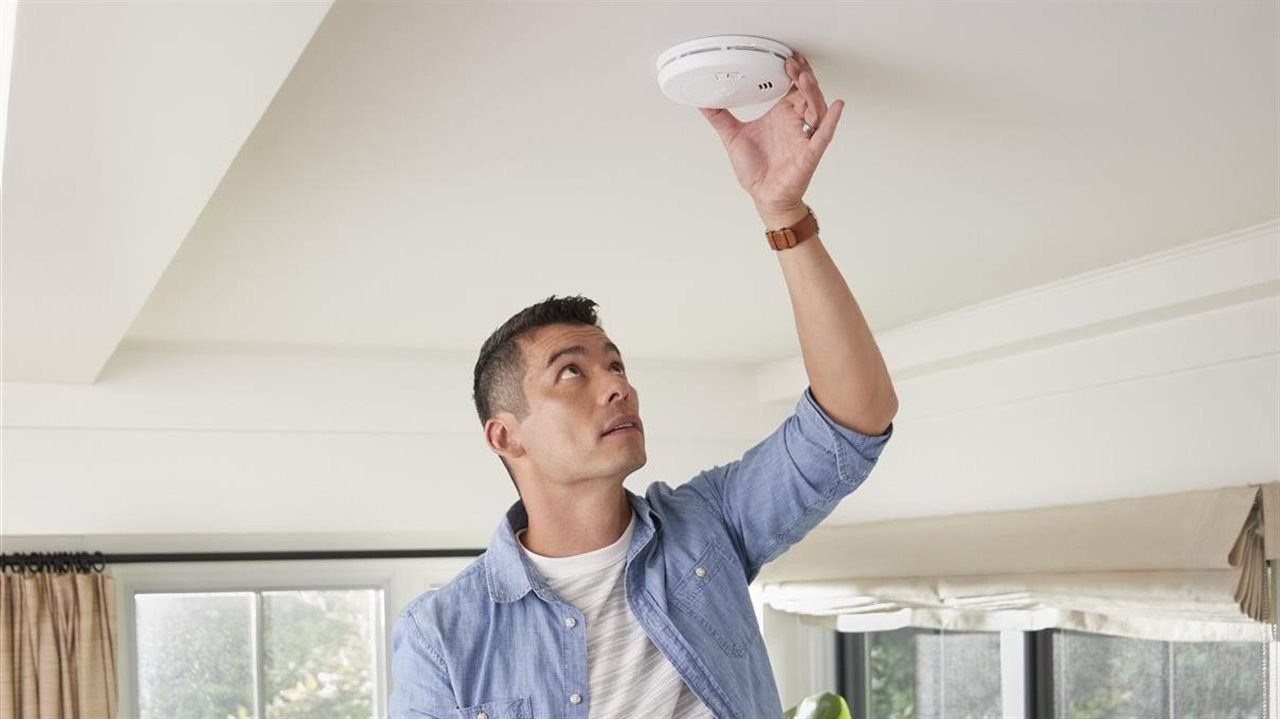
Take smoke and carbon monoxide (CO) alarms, for example. Maintaining these devices is easy — keep them free of dust buildup and test them regularly by simply pressing the test button and waiting for the alarms to sound. On duty 24/7, alarms don’t last forever and need to be replaced at least every 10 years depending on your model.

First Alert, the most trusted name in fire safety*, recommends the following “alarm checklist” to help you and your family protect what matters most.

Test and maintain your alarms. In addition to regular alarm testing, the batteries should be replaced every six months. A good rule of thumb is to change batteries when the majority of Americans adjust their clocks.

Install the proper protection — every level, every bedroom. The National Fire Protection Association (NFPA) recommends installing alarms on every level of your home, including the basement and inside every bedroom. Because smoke rises, be sure to install alarms high on the wall or ceiling. Don’t install alarms near doors, windows or ducts, where drafts may interfere with their operation.

Alarms don’t last forever — remember to replace. It’s important to select the right alarms for your home. Newer homes are generally wired for hardwired smoke and CO alarms. When they reach the end of their useful life, replace them with new hardwired alarms. In older homes and apartments without hardwired alarms, when your alarms expire, a convenient upgrade option is a 10-year sealed battery alarm, which eliminates battery replacement and late-night battery chirps for a decade. And, if your alarms are more than 10 years old — or you simply don’t know how old they are — the safest bet is to replace them.

To learn more fire and CO safety tips, or to find a retailer near you, visit firstalert.com.

*First Alert Brand Trust Survey, March 2023 – Results are based on the responses of 1,043 adult homeowners, ages 25 and older, living in the United States who completed an online survey asking them to choose from six brands in the smoke, fire and carbon monoxide protection space.

Fewer home buyers highlights the need for renters insurance

2023-09-28T11:01:01

(BPT) – The rental housing market in the United States has reached a 50-year peak, with more than 114 million Americans living in landlord-owned properties. Renting a house, apartment or condo means that the ownership of that property belongs to someone else — the landlord.

“A common misconception is that a landlord’s insurance policy for the property eliminates the need for renters to purchase their own insurance,” said Bonnie Lee, vice president of Property Claims at Mercury Insurance. “In reality, your landlord’s insurance does not cover your personal belongings or any liability claims against you. While you may not be liable for repairing the rental property after a covered loss, your personal possessions may still need replacement if they are damaged or stolen.”

Renters insurance is relatively affordable. The actual cost will depend on several factors, such as the type of coverage you choose, how much coverage you buy, and the amount of your deductible, otherwise known as the amount you agree to pay before a claim is paid. Mercury Insurance, for example, offers coverage for as little as $10/month, but the amounts may vary by state.

Renters insurance offers three key areas of protection:

  • Theft and vandalism: Renters insurance protects your personal belongings, electronics, jewelry and unique collectibles against damage or theft. In these instances, your rental policy can step in, compensating for losses so that items can be repaired or replaced.

    “Renters should keep an up-to-date inventory of their possessions, including new purchases and gifts,” said Lee. “Smartphones can be a tremendous aid in this process, by simply walking around your place with the video camera on. Take photos, provide descriptions of these items including serial numbers and copies of receipts when possible. Building an inventory of what you own will prove invaluable in the unfortunate event of an unexpected loss.”

  • Natural perils: Renters insurance covers damage to property and personal belongings due to natural events like fire, lightning, hail and sudden water overflow. If your rental becomes uninhabitable due to these occurrences, you may be eligible to receive compensation for living expenses. Note, however, that renters insurance does not cover personal property damage from floods or earthquakes. You must purchase a separate policy if you live in an area prone to any of these types of perils.
  • Liability protection: You may be protected financially if you cause bodily injury or property damage to others due to a covered incident — either on the rental property or elsewhere — by your renters insurance. You may be covered for legal defense costs if you are sued for injuring someone on your property, such as if a guest trips and falls while in your rental.

Renters insurance can provide peace of mind and protection against other financial losses in times of crisis.

  • Coverage while traveling: Renters insurance not only safeguards your possessions at home but may also offer protection while you are away. If a valuable item such as your laptop was stolen from your hotel room while on vacation, your policy may cover the loss.
  • Financial protection: An unexpected event, like your dog biting a neighbor, may lead to a lawsuit. Renters insurance may cover damages up to your coverage limit in addition to legal bills.
  • Neighbor-related incidents: Despite your best efforts to keep your rental property safe, the actions of your neighbors are beyond your control. For example, if your upstairs neighbor leaves the stove on, resulting in a fire that destroys your belongings, you would bear the loss without renters insurance. A rental policy can provide protection against such an unexpected incident.

“When considering rental insurance, it’s important to understand what it covers and to ask your agent about available discounts, deductibles and coverage limits,” said Lee. “It’s a small investment that gives renters an invaluable peace of mind, knowing that their treasured belongings are protected.”

2023 DIY Halloween Costume Trends You Must Dress Your Little One In

2023-09-28T14:29:00

(BPT) – Halloween is scary soon! In preparation for the spooky season, Carter’s surveyed parents to determine the top 2023 DIY Halloween costume predictions for babies and toddlers. Partnering with their talented design team, Carter’s is unveiling the top trick-or-treat worthy picks, according to parents, that are easy to recreate at home and can even be re-used once the hunt for candy is over!

Check out the top Halloween costumes you can expect to see strolling your neighborhood and how to make them using Carter’s basics and OshKosh B’gosh essentials:

Coach Mustache

America’s favorite soccer coach will be scoring candy this Halloween, sporting a Carter’s track suit and OshKosh polo!

Level of effort: Easy, peasy!

What you’ll need:

How it comes together:

1. Place soccer ball stickers on the left chest of the jacket, left pocket area of the pants, and one to a hat or visor.

2. Dress in a polo with hoodie overtop and be sure to zip the jacket up most of the way to look the part of a coach.

3. Add sneakers. These are super comfy for navigating the neighborhood on Trick-or-Treat night.

Gothic Schoolgirls

Parents told us this character was going to be so popular that Carter’s designers created two takes on the costume. Go for a classic schoolgirl vibe with a polo dress or a chic dance floor-worthy look with a little tulle.

Level of effort: Medium – basic sewing skills

What you’ll need | Classic Schoolgirl Look

  • This OshKosh polo dress
  • Small white buttons
  • A white collar from an old shirt
  • Needle + light thread
  • Scissors
  • Sewing machine or fashion tape
  • White satin gloves
  • Headband or knee socks

How it comes together:

  1. This polo dress comes with buttons already, so continue the look by sewing more buttons spaced down the dress.
  2. Quick collar hack: Cut a collar off an old button-front shirt and tack it over the top of your existing collar with a few stitches or fashion tape.
  3. Top with a black wig and add white gloves to complete the look.

Extra style points when you add a retro shoe like this loafer, knee socks and black backpack for the candy haul.

What you’ll need | dance floor-worthy look

How it comes together:

  1. Cut two strips, one or two inches wide, of tulle to create an over-the-shoulder ruffle.
  2. Gather the tulle, thread it together and tack it all the way around the shoulders and chest.
  3. Gather the rest of your tulle, threading it together on one end to create a loose skirt and then stitch it on over the tulle skirt.
  4. Attach fancy buttons to the top front neckline.

We’ve added a simple black belt and these sparkly ballet flats to complete the costume.

Costume Hack: This look will work again as a witch or black cat with a quick change of accessories.

The Leveled-up Plumber

Surveyed parents predicted this classic video game costume would be a huge Halloween hit. This plumber is great for any age, but super soft, knit denim overalls from Baby B’gosh® make this look extra easy for new fall babies.

Level of effort: Easy, peasy!

What you’ll need:

How it comes together:

1. Cut 4, 2” circles of felt

2. Apply to the front of the overalls at the straps and at the waist.

3. Add Carter’s boots

You can power up this look with a squirrel tail and ears, frog flippers and goggles, or a toy wrench. Game on.

Head to Carters.com to grab yourself all the essentials to recreate one of these comfy DIY Halloween looks or check out Carter’s Halloween Shop for additional costume inspiration and spooky-cute styles.

3 Must-Know Child Safety Tips for Peace of Mind at Home or On the Go

2023-09-28T05:01:00

(BPT) – As a parent, you want your child to be happy, healthy and safe. As little ones begin to explore the world around them, parents face more challenges and safety becomes top of mind. Fortunately, a few simple steps can significantly reduce the chance of injury and accidents whether you’re home or away.

The safety experts at the Juvenile Products Manufacturing Association (JPMA), a proud partner of Safety 1st, share three important safety steps all caregivers should take:

Step 1: Move risky items up and add lock systems

Inquisitive kids love to open drawers and cabinets to discover what’s inside. While some spaces may be safe, others may contain things like medicine, cleaning products or breakables like glass. An insider tip: Get on the floor and view the world as your child does — you may be surprised at what you notice from this perspective.

The first step to a safer home is to move items that pose a risk to a high place out of reach of infants and children. Then, install lock systems for any drawers or cabinets that may be within reach.

One of the easiest locking systems to install and use are adhesive magnetic locking systems from Safety 1st. Just peel and stick these low-profile locks on the inside of spaces — the perfect choice for renters or anyone who doesn’t want to damage their cabinets.

Step 2: Install gates and be mindful of stairs

Once children begin to crawl and walk, they take more risks as they explore. This is an important part of their development, but they don’t yet fully understand the dangers. That’s why all caregivers should install gates at the top and bottom of stairs.

Adding a safety gate to a home or apartment doesn’t have to be a complicated process. The Ready to Install Gate from Safety 1st, for example, is a hardware-mounted security gate with a no-trip design. The no-threshold design means no trip hazard at the top of the stairs and one-hand operation with a swing-open door makes it easier for bigger kids and adults to pass through.

On average, every 6 minutes a child in the U.S. goes to the emergency room due to an injury related to falling on the stairs, according to a study by the Nationwide Children’s Hospital. Safety gates can dramatically lower the risk of a child falling on the stairs. Caregivers should also be careful when using stairs if they are holding children. In these cases, go slow, use the handrail with your free hand and move one step at a time.

Step 3: Use safety gear on the go

Child safety isn’t just a priority when at home — it’s important to keep kids secure when out and about as well. Life gets busy and adventures abound, so if you need to get around with ease even when you have your child in tow, make sure you invest in high-quality gear to keep little ones safe.

Vehicle safety is a must, so always use a car seat appropriate for your child’s height and weight. One of the most important car seat safety tips is to make sure to install the car seat correctly. If you’re unsure, some health care offices, public safety departments and local fire departments offer complimentary child safety seat checks.

Depending on your child’s age and your preferences, you may also need a baby carriage or a stroller to keep you moving with safety and ease. Consider a travel system like the Deluxe Grow and Go Flex 8-in-1 that combines these components so you have options to help keep kids secure no matter where you go, with options that can change as they age.

As for stroller safety, make sure to correctly secure and adjust straps and harnesses every time you use them, even if it’s for a short distance. Always apply brakes when stationary to prevent roll-aways. Finally, remember to practice pinch prevention by ensuring baby’s hands are clear when folding and unfolding strollers.

A proactive approach to safety can keep families safe, even when little ones are on the move. Let these three steps guide you at home or while away.

Cooperman Barnabas Medical Center Places Final Steel Beam for New Cancer Center Building

2023-09-26T12:01:00

(BPT) – Cooperman Barnabas Medical Center (CBMC) — part of RWJBarnabas Health, the largest and most comprehensive academic healthcare system in New Jersey — recently raised the final steel beam on its $225 million, freestanding Cancer Center, scheduled for 2025 completion.

Cancer survivors, oncology department staff, board members, and donors added their signatures to the steel beam of the five-story, 137,000-square-foot facility located in Livingston, New Jersey.

The outpatient facility will serve as the northern hub for the integrated oncology services offered by RWJBarnabas Health and Rutgers Cancer Institute of New Jersey, the state’s only National Cancer Institute-designated Comprehensive Cancer Center.

“Cooperman Barnabas Medical Center is a regional leader in cancer care, and with the construction of this state-of-the-art facility, we are setting a new standard for top-quality care,” said Richard L. Davis, the hospital’s President and CEO. “With world-class amenities and a team that includes some of the top cancer specialists in the nation, the new Cancer Center will be a premier destination for patient-centered and research-driven cancer care in this region and beyond.”

“There is absolutely nothing more important to our community than having best-in-class health care. The creation of a state-of-the-art cancer center here at CBMC represents one of the most significant events in this community and continues the ongoing growth and transformation of the Medical Center,” said Bruce Schonbraun, Chair of the Board of Trustees at CBMC.

“Our vision of reimagining cancer care could not have occurred without the generosity and support of our many donors. We are grateful for their support and to everyone who has played a role in bringing this project to life,” Schonbraun added.

Patients will have access to medical, surgical, and radiation oncology services at the new Cancer Center, with amenities that include a wig and prosthetic studio, yoga classes, music therapy, and psychosocial support services. Private infusion rooms and short-term and extended-stay facilities will also be available.

“The Cancer Center at Cooperman Barnabas Medical Center is part of an overall major investment by RWJBarnabas Health and Rutgers Cancer Institute to transform oncology services across the state including the construction of the Jack and Sheryl Morris Cancer Center, the state’s first freestanding cancer hospital,” said Steven K. Libutti, M.D., Director of Rutgers Cancer Institute of New Jersey and Senior Vice President, Oncology Services at RWJBarnabas Health.

The medical center’s partnership with Rutgers Cancer Institute of New Jersey provides patients access to the most advanced treatment options, including clinical trials, CAR T-cell therapy, immunotherapy, and precision medicine.

“This new Cancer Center will be synonymous with clinical excellence, collaboration, and a commitment to integrated care, delivered by world-class physicians and specialists,” said Michael Scoppetuolo, M.D., Medical Director of the Cancer Center at CBMC. “This is what the future of cancer care looks like in the Garden State and beyond. I’m honored to be a part of it.”

“Cancer treatment is getting more targeted and precise every year,” added Alison Grann, M.D., Chair of the hospital’s Department of Radiation Oncology and the Northern Region Director of Radiation Oncology, RWJBarnabas Health. “The Cancer Center will provide patients with the most advanced multidisciplinary, patient-centric cancer care available in one central location.”

More information about the new center is available online, at rwjbh.org/cbmccancercenter.

Get to know your cataracts this Healthy Aging Month

2023-09-27T06:01:00

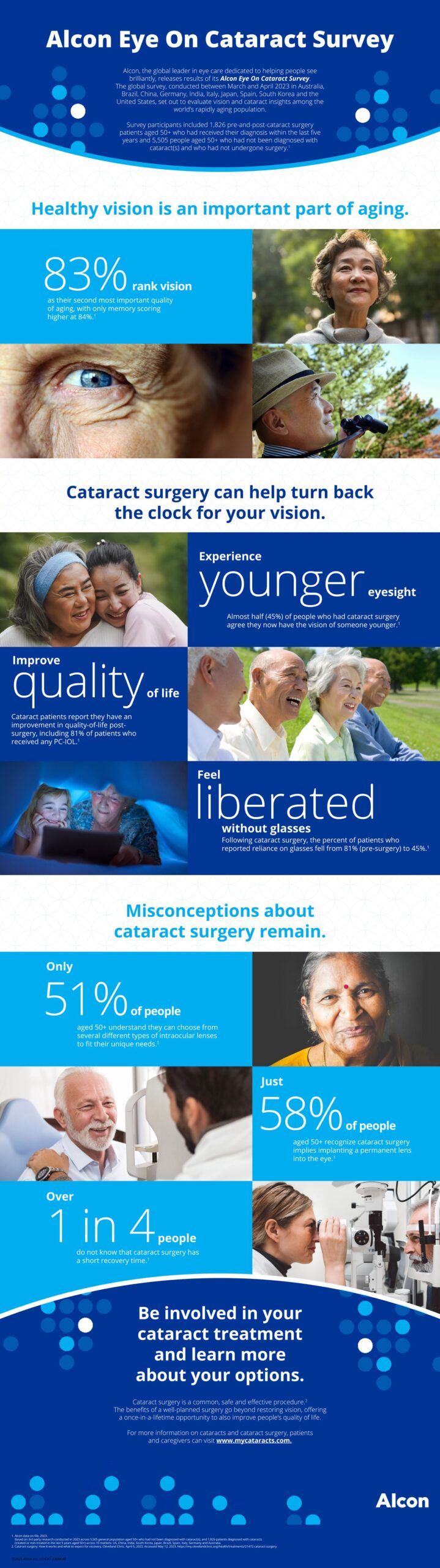
(BPT) – Alcon, the global leader in eye care dedicated to helping people see brilliantly, is highlighting the results of its Alcon Eye On Cataract Survey in light of Healthy Aging Month (September). The global survey, conducted between March and April 2023 in Australia, Brazil, China, Germany, India, Italy, Japan, Spain, South Korea and the United States, set out to evaluate vision and cataract insights among the world’s rapidly aging population.1

The results are clear: healthy vision is a priority for active agers across the globe, and cataract surgery can help turn back the clock for patients’ vision.1 Read more at the infographic below to learn more about the survey results, cataracts and the benefits of presbyopia-correcting intraocular lenses (PC-IOLs) for cataract correction.

References:

  1. Alcon Data on File, 2023

How to avoid being tricked by a familiar voice: ‘Grandparent scams’

2023-09-27T07:01:00

(BPT) – You may have heard about older adults being tricked into sending money to someone they think is a grandchild or other relative in trouble and thought to yourself, “How could anyone fall for that?” But the truth is, today’s advanced technology makes it easier than ever for scammers to trick their unsuspecting and well-meaning victims.

To protect yourself, it pays to understand how fraudsters work, what red flags to look for, and how to trust your instincts so you don’t end up on the losing end of one of these vicious scams.

How grandparent scams work

Scammers prey on kind-hearted victims by convincing people their grandchild or other relative has had an accident or is in some kind of legal or financial trouble. The scammers then plead for money to get them out of the “jam.”

For years, criminals have been able to gather facts and personal information from people’s social media accounts to contact their older relatives. Once the criminals contact older relatives via text, email or phone, the criminals can sound very convincingly like a relative in dire trouble.

The A.I. twist

Because of advances in artificial intelligence (A.I.), criminals can now make their pleas for cash sound even more convincing when calling on the phone. According to the Federal Trade Commission, these scammers use A.I. voice cloning software to mimic your relative’s voice by pulling the audio from their social media videos.

Unfortunately, scammers often couple this tactic with a “spoofed” phone number that shows up on your caller ID with your relative’s name, so it looks like it’s really them calling you.

How to spot red flags

Fortunately, there are ways to prevent criminals from stealing from you. The United States Postal Inspection Service® recommends a few simple steps to avoid being taken by this extremely vicious scam.

Watch out for these red flags:

  • Late-night calls. Scammers often call victims in the middle of the night, hoping to catch you when you’re not fully awake and less likely to think clearly. If that happens to you, tell them you’ll call them right back. You can then take the time to fully wake up, gather your wits and contact your grandchild or relative via the method you usually use to talk to them. Do not return the call you just received.
  • Urgent pleas for money. Be suspicious of any phone calls including requests for money, even if it sounds like someone you know. Scammers use fear to get you worried about your loved one, so you won’t take the time to think things through. If someone asks for money right away, hang up. Contact your loved one the way you usually contact them, and/or check with other trusted family members first.
  • Requests for odd methods of payment. If you’re asked to send money using methods like a mobile payment app, mailing cash, wiring money, sending gift cards or money orders, or other unusual payment methods, hang up. Once money is sent using these methods, there’s no way to get it back. If you are asked to meet somewhere so you can give them cash in person, hang up and report the incident to law enforcement.

If you’ve been affected by crime that involves the U.S. Mail®, contact the United States Postal Inspection Service at 877-876-2455 or report it online at USPIS.gov/report. If you think you’ve been targeted by a grandparent scam, report it to the Federal Trade Commission at 888-225-5322, or visit ConsumerComplaints.FCC.gov.

Learn more about elder fraud at USPIS.gov.