Childhood Vaccination: Why It’s Important for Your Children and Community

2021-11-10T12:27:00

(BPT) – The drop in pediatric vaccination rates in the first six months of 2020 due to the COVID-19 pandemic placed certain populations at a greater risk for vaccine-preventable infectious diseases and potential outbreaks.

“Vaccines are a great public health success story,” shared pediatric vaccine expert Michelle Goveia, MD, MPH, and Global Medical and Scientific Affairs Director at Merck. “But vaccines only work when people get vaccinated.” Though measles was declared eliminated in the United States in 2000, cases of measles have been on the rise in recent years, in which 2019 saw the highest number of reported cases since 1992.

When the COVID-19 pandemic caused initial stay-at-home orders in March-May 2020 and families were hesitant to go to the doctor’s office for fear of being exposed to coronavirus, pediatric vaccination rates dropped. These rates were substantially lower compared with the same period in 2018 and 2019.

Among the vaccination rates that saw a decline since the start of the pandemic is the vaccine against measles, mumps, and rubella, which could lead to a risk for outbreaks. Dr. Goveia agreed and noted “the decline in measles-containing vaccination rates could lead to measles outbreaks in the near future due to the extremely infectious nature of the virus as restrictions ease and children interact daily at daycare, playgrounds and school, and gather in large groups.”

Measles, also known as rubeola, is a serious illness. Measles virus can be passed to others if you have it. It can give you a high fever, cough, and a rash, and the illness can last for 1 to 2 weeks. In rare cases, it can also cause an infection of the brain. This could lead to seizures, hearing loss, intellectual disability, and even death.

Measles, mumps, and rubella virus vaccine live is a vaccine that is given as a shot. This vaccine is usually given to people one year old or older. It is meant to help prevent measles (rubeola), mumps, and rubella (German measles) and contains weakened forms of measles virus, mumps virus, and rubella virus. It works by helping the immune system protect you or your child from getting measles, mumps, or rubella, and may not protect everyone who gets the vaccine. It does not treat measles, mumps, or rubella once you or your child has them.

Patients should not get the measles, mumps, and rubella virus vaccine live if they are allergic to any of its ingredients, including gelatin; have a weakened immune system (which includes taking high doses of steroids by mouth or in a shot); have a fever; have active tuberculosis that is not treated; or are pregnant or plan to get pregnant within the next month.

While routine vaccinations help to protect millions of children from vaccine-preventable infectious diseases, immunocompromised people may not be able to receive certain vaccinations, like the measles vaccine, putting them at risk for severe disease.

Jen, a mother of two in Seattle, has experienced this firsthand. Her daughter, Zoe, received a heart transplant at 5 weeks old, precluding her from receiving her measles, mumps, and rubella vaccination due to the immunosuppressant regimen required to prevent rejection of the donor heart. When a measles outbreak began in Seattle in 2019, Zoe was at high risk for infection. As the infected areas of the city increased, Jen needed to remain in close contact with Zoe’s doctors to determine the safest course of action for her daughter.

When more disease circulates in the community, unvaccinated people are at greater risk of getting the disease. That includes people like Zoe, who can’t get vaccinated against measles. “When these measles outbreaks happen, it’s frustrating that we have to consider pulling Zoe from simple activities, like going to school,” shared Jen. “If immunocompromised individuals like Zoe are exposed to a disease like measles, it can be really serious.”

“A five-minute exposure to measles can put unvaccinated and vulnerable people at risk,” shared Rabia Agha, MD, Division Director, Pediatric Infectious Disease at the Maimonides Children’s Hospital in Brooklyn, NY. Dr. Agha and her team helped to manage a Brooklyn, NY-based measles outbreak that took place in 2019. “Many people don’t realize how contagious measles really is. The virus can stay in the air for up to two hours after an infected person has left the room.”

The perceived risks given the lower prevalence of vaccine-preventable infectious diseases in the United States today can lead to questions about the need for vaccinations. However, exposure to a virus can lead to an outbreak if introduced to a susceptible community. “The decisions we make as individuals can potentially put others at risk and impact the health of the community we live in,” said Dr. Agha. “Keeping up with routinely recommended vaccinations is a good place to start.”

If your child gets the measles, mumps, and rubella virus vaccine live when he or she is one year or older, a second dose is recommended. Often, the second dose is given right before the child goes to elementary school (4 to 6 years of age) but may be given earlier as long as the second dose is at least one month after the first dose.

It is important to speak with your child’s health care provider and schedule any catch-up vaccinations that may have been missed due to COVID-19. This is a way to help protect your children, especially because children are interacting more with other people this fall.

Talk to your child’s doctor today to make sure your child is up to date with all their recommended vaccines.

Important Safety Information about Measles, Mumps, and Rubella Virus Vaccine Live (commonly referred to as M-M-RII®).

Measles, mumps, and rubella virus vaccine live should not be given if you or your child are allergic to any of its ingredients, including gelatin; have a weakened immune system (which includes taking high doses of steroids by mouth or in a shot); have a fever; have active tuberculosis that is not treated; or are pregnant or plan to get pregnant within the next month.

Before getting the vaccine, tell your health care provider if you or your child: have or have had any medical problems; have a history of seizures or someone in your family has a history of seizures; have received blood or plasma transfusions or human serum globulin; take any medicines (this includes non-prescription medicines and dietary supplements); have any allergies; had an allergic reaction to any other vaccine; have or have had a low blood platelet count; or are allergic to eggs.

The most common side effect of vaccination with the measles, mumps, and rubella virus vaccine live is pain at the site of the shot for a short time. Other side effects may include fever or rash. Other side effects may also occur. Your doctor has a more complete list of side effects. Contact your doctor or health care provider if you or your child have any new or unusual symptoms after receiving the vaccine. Report exposure to the measles, mumps, and rubella virus vaccine live during pregnancy or during the month before getting pregnant.

You are encouraged to report negative side effects of prescription drugs to the FDA. Visit www.fda.gov/medwatch or call 1-800-FDA-1088.

Please read the accompanying Patient Information for M-M-RII® and discuss it with your doctor. The physician Prescribing Information also is available.

Prescribing Information and Patient Product Information for M-M-RII® are available at https://www.merck.com/product/usa/pi_circulars/m/mmr_ii/mmr_ii_pi.pdf and https://www.merck.com/product/usa/pi_circulars/m/mmr_ii/mmr_ii_ppi.pdf.

This information is provided by Merck.

Copyright © 2021 Merck Sharp & Dohme Corp., a subsidiary of Merck & Co., Inc. All rights reserved.

US-MMR-00115 11/21

Answering a patient’s first questions: two organizations who accepted the call to make a difference

2021-11-08T09:01:00

(BPT) – “Where do I go for help?”—a simple, perhaps broad, but challenging question. This is the first question many people living with graft-versus-host disease (GVHD) ask following their diagnosis. GVHD can occur after an allogeneic stem cell transplant when the transplanted, or donor, cells initiate an immune response that attacks the transplant recipient’s organs. For many individuals with certain cancers, stem cell transplants offer the hope of a potential cure, and while survival rates for transplant recipients have improved, challenges remain for those who develop GVHD, which is associated with significant morbidity and mortality.

GVHD can be expressed in chronic and acute forms, both capable of affecting multiple organ systems including the skin, gastrointestinal (digestive) tract, and liver. People with GVHD commonly face a wide range of symptoms, from excessive fatigue and emotional distress, to other chronic symptoms that may impact daily life.

Providing comprehensive support via creative solutions: the second annual Incyte Ingenuity Award Program

Incyte recognizes the unique challenges the GVHD community faces and has established the Incyte Ingenuity Award Program to provide direct support through funding innovative initiatives that address specific needs for people affected by GVHD. For the 2021 program, Incyte is proud to announce that Memorial Sloan Kettering Cancer Center and the Aplastic Anemia and MDS International Foundation are this year’s recipients! The judges have granted Memorial Sloan Kettering Cancer Center the $100,000 award and the Aplastic Anemia and MDS International Foundation the $35,000 award, as both show creative, collaborative, and novel solutions that have high potential to benefit the GVHD community.

It’s time to lend a helping hand: how the 2021 program recipients will support those with GVHD

Following a stem cell transplant, discovering that there is another challenging journey ahead can be incredibly shocking and overwhelming for those diagnosed with GVHD. One of their main concerns is understanding this new condition and finding the level of care they need.

At the heart of a patient’s health journey lies the relationships they form—connections to the right doctors, resources, and support make all the difference. With a deep understanding of this crucial moment in a patient’s journey, the 2021 Incyte Ingenuity Award recipients proposed two novel initiatives that tie to this same insight—connecting people with GVHD with the support and expertise that they need:

Memorial Sloan Kettering Cancer Center will seek to establish a GVHD-focused telehealth clinic for the multidisciplinary management of GVHD. Recognizing the evolving healthcare landscape, this telehealth clinic will be available for patients following their transplant, and GVHD diagnosis, meeting them at the start of their new patient journey.

The Aplastic Anemia and MDS International Foundation will build an interactive GVHD provider network, connecting GVHD specialists with community-based providers, in the hopes to ensure that the specialized GVHD expertise and knowledge is accessible to any GVHD patient outside of a major academic center.

Incyte is proud to continue to offer support to the GVHD community through this award program and its dynamic and creative solutions. To learn more about the 2021 recipients and their novel initiatives, visit: https://www.incyteingenuityawards.com/recipients.

© 2021, Incyte Corporation. MAT-INC-01552 11/21

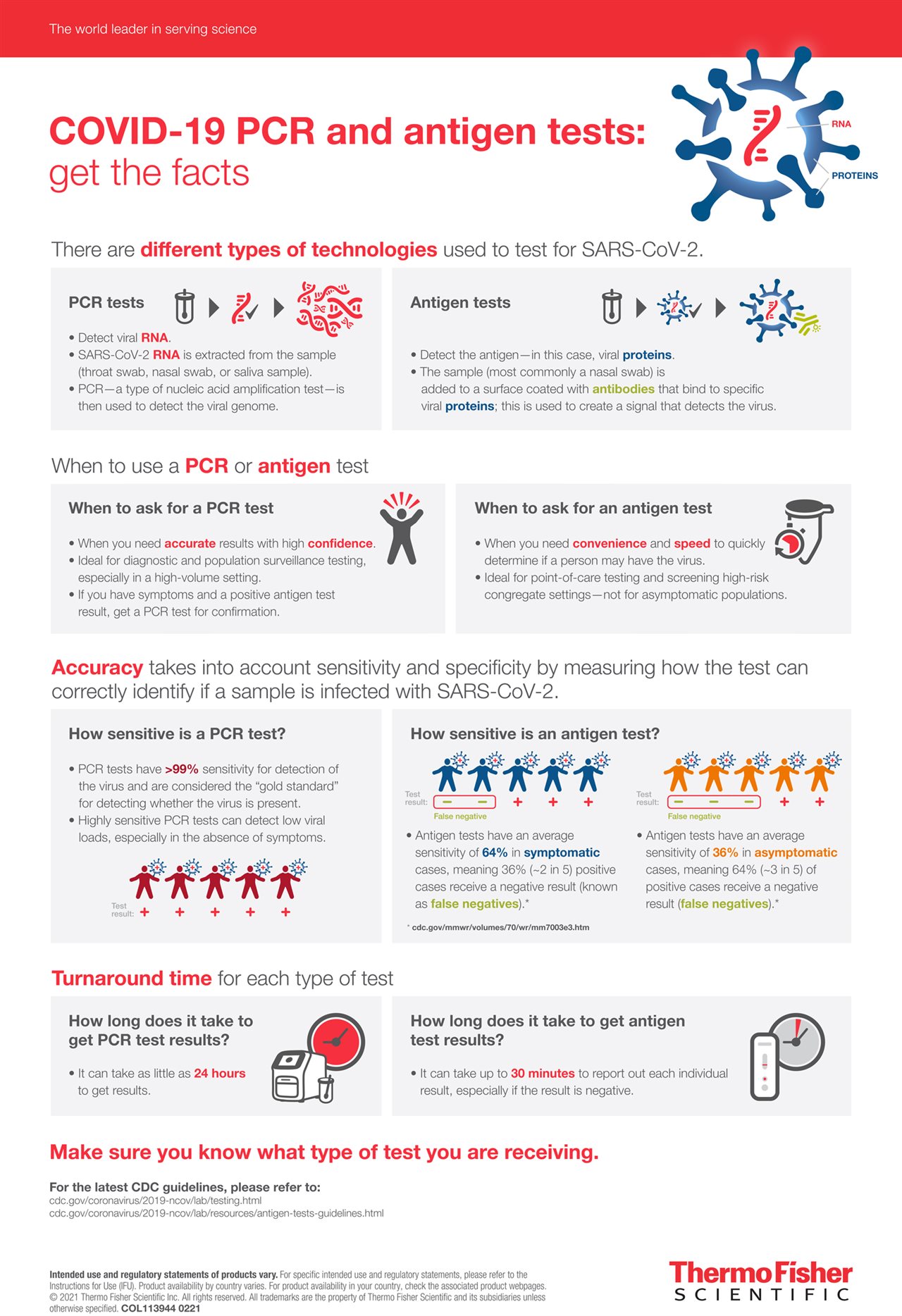
Understanding the Key Differences Between COVID-19 PCR and Antigen Tests [Infographic]

2021-11-08T08:01:01

(BPT) – With the COVID-19 pandemic still affecting every aspect of life, continued testing is crucial to reopening our businesses, schools, travel and entertainment facilities. Having accurate and reliable tests has remained critical to understanding infection rates and spread, and understanding the differences between different types of tests is key to making appropriate testing choices.

There is PCR-based testing, averaging a more than 99% sensitivity rate, and the less sensitive rapid antigen-based technology. Both serve a purpose in testing strategies, but knowing when and where to deploy each will help allow for the safest possible reopening of offices, schools, entertainment venues and more.

Meditate, rinse, repeat: How to be more mindful just in time for dinner with the in-laws

2021-11-05T19:15:00

(BPT) – Face it, there hasn’t been a lot to be thankful for the last year and a half. If gratitude is a muscle, many of us are finding ours a little atrophied. But you know what’s great about weak muscles? With a little work, you can not only get them back in shape, you can make them stronger than they were before.

All it takes is a little practice.

A 2018 study published in the Journal of Positive Psychology found that grateful adults are happier and more hopeful. Sounds nice, right? As with any goal worth achieving, it takes work. But spending just a few minutes a day strengthening your gratitude muscles will pay lasting dividends.

There are a lot of ways to work your gratitude muscles. Here are a few.

1. Kundalini meditation.

We all know that Kundalini meditation has been proven to lower blood pressure, help control pain, improve sleep, and decrease stress and anxiety. But did you know it can also increase gratitude through mindfulness? Give it a try. Studies show that just eleven minutes a day of Kundalini meditation will benefit both your physical and mental health. If you can, practice it for 40 days in a row — this will instill a habit. Forty days probably seems like a lot. But you’ll be thankful for it.

Here’s a daily meditation practice from 3HO, a global organization dedicated to sharing the teachings of Kundalini Yoga:

Posture: Sit in a comfortable upright position.

Hands: Cup your hands together, like you’re about to drink from a clean alpine stream, and hold them in front of your heart. Relax your shoulders, let your arms rest at your sides and feel every other part of your body relaxing and releasing.

Eyes and Mental Focus: In this posture, simply sit with your eyes closed and try to visualize all that you are grateful for in your life falling into your cupped hands.

Breath: Breathe deeply and feel yourself merging with the light of all of those blessings you hold in your hands.

Time: Continue for 3, 11 or 31 minutes (or however long it feels comfortable to do so).

2. Rose, Bud, Thorn.

This is a terrific gratitude exercise to practice if you have kids, but can also be practiced alone, or with a very patient cat.

Take a moment every evening and ask yourself what the best part of your day was (your rose), what you’re looking forward to (your bud), and what didn’t go well (your thorn). If you live with other people, go around the table and share.

3. Thankfulness flossing.

When you’re brushing your teeth in the morning, give thanks. You don’t have to write a thank-you note. You’re busy, flossing. Just go through a mental checklist and if there is someone who’s been nice to you recently, thank them, in your head. That’s all. Easy.

4. Gratitude list.

Many of us have tried keeping journals, only to abandon them after a few pages. This journal is easy. In fact, think of it less as a journal, and more as a list. All you have to do is write down three things you’re grateful for every day. That’s it! They can even be the same three things every day. The idea is to develop the habit of thinking about and acknowledging goodness.

These thankfulness exercises are just suggestions. See what works for you. Part of practicing gratitude is acknowledging that it’s okay to do what you can, instead of what you think you should. Be kind to yourself. The rest will follow.

For more ideas on how Kundalini Yoga and Meditation can be practiced at home, and benefit your health and wellness routine, visit https://www.3ho.org.

Improving your rheumatoid arthritis care: five tips you need to know

2021-11-04T09:01:00

(BPT) – Rheumatoid arthritis (RA) is a chronic, systemic and potentially debilitating autoimmune disease that is estimated to affect over 1.3 million people in the U.S. alone1. Hallmark signs and symptoms include joint pain, fatigue and morning stiffness, though early RA tends to affect smaller joints first and can progress throughout the body2. While RA most often begins between the ages of 30 and 50, it can start at any age, according to the World Health Organization3.

If you or a loved one are looking to better understand and manage RA, check out these tips from Audrey Gibson, a board-certified physician assistant (PA).

Sanofi developed and sponsored this article and compensated Audrey for her time. The content in this article is not medical advice and is not intended to provide diagnosis or treatment for any of the medical conditions that may be discussed in this article.

Question: What challenges might individuals face when looking for the right treatment plan?

Answer: Every RA journey is unique and people living with RA have different treatment goals, which could present a challenge when it comes to a treatment course that helps manage their symptoms.

Even people who understand how the disease impacts their own health may still be working to find a treatment that is right for them. Partnering with a healthcare professional or practitioner can help individuals living with RA manage their condition and determine the best treatment path.

Q: What are the telltale signs that a treatment may not be working?

A: Oftentimes, breakthrough symptoms like fatigue, morning stiffness and joint pain can signal that a particular treatment is no longer working and it may be time to consider a new treatment.

Q: What can someone do to curb these symptoms and get on the right treatment plan?

A: Individuals living with RA should partner with their healthcare professional to understand their treatment options. They should accurately track and share their RA symptoms — including any possible breakthrough symptoms. This helps practitioners more accurately provide treatment directives and recommendations.

Q: How can someone living with RA prepare for these conversations?

A: To make the most of this discussion, I encourage people to be prepared to talk through any symptoms they are continuing to experience. Individuals living with RA should:

  • Prepare a list of questions to help guide the discussion
  • Keep a journal to track symptoms and bring it to every appointment
  • Share photos of visible symptoms

Q: How can healthcare professionals best engage with their patients during these discussions?

A: As a PA, I aim to be empathetic and listen intentionally to support my patients in their disease and treatment journey.

If conversations with your HCP indicate that you are continuing to experience symptoms of uncontrolled RA, discuss other potential treatment options. One treatment option is Kevzara® (sarilumab), an IL-6 receptor inhibitor. USE: Kevzara is for adults with moderate to severe RA who have not been helped enough by other RA medicines. Kevzara can cause serious side effects, including serious infections. Keep reading for more information.

IMPORTANT SAFETY INFORMATION

KEVZARA® (sarilumab) can cause serious side effects including:

  • SERIOUS INFECTIONS: KEVZARA is a medicine that affects your immune system. KEVZARA can lower the ability of your immune system to fight infections. Some people have had serious infections while using KEVZARA, including tuberculosis (TB), and infections caused by bacteria, fungi, or viruses that can spread throughout the body. Some people have died from these infections. Your healthcare provider should test you for TB before starting KEVZARA. Your healthcare provider should monitor you closely for signs and symptoms of TB during treatment with KEVZARA.
    • Before starting KEVZARA, tell your healthcare provider if you
      • think you have an infection or have symptoms of an infection, with or without a fever. Symptoms may include sweats or chills, muscle aches, a cough, shortness of breath, blood in your phlegm, weight loss, warm, red, or painful skin or sores on your body, diarrhea or stomach pain, burning when you urinate or urinating more often than normal, if you feel very tired, or if you are being treated for an infection, get a lot of infections or have repeated infections
      • have diabetes, HIV, or a weakened immune system
      • have TB, or have been in close contact with someone with TB
      • live or have lived, or have traveled to certain parts of the country (such as the Ohio and Mississippi River valleys and the Southwest) where there is an increased chance of getting certain fungal infections (histoplasmosis, coccidioidomycosis, or blastomycosis)
      • have or have had hepatitis
    • After starting KEVZARA, call your healthcare provider right away if you have any symptoms of an infection.
  • CHANGES IN CERTAIN LABORATORY TEST RESULTS: Your healthcare provider should do blood tests before and after starting KEVZARA to check for low neutrophil (white blood cells that help the body fight off bacterial infections) counts, low platelet (blood cells that help with blood clotting and stop bleeding) counts, and an increase in certain liver function tests. Changes in test results are common with KEVZARA and can be severe. You may also have changes in other laboratory tests, such as your blood cholesterol levels. Your healthcare provider should do blood tests 4 to 8 weeks after starting KEVZARA and then every 6 months during treatment to check for an increase in blood cholesterol levels.
  • TEARS (PERFORATION) OF THE STOMACH OR INTESTINES: Tell your healthcare provider if you have had a condition known as diverticulitis (inflammation in parts of the large intestine) or ulcers in your stomach or intestines. Some people using KEVZARA had tears in their stomach or intestine. This happens most often in people who also take nonsteroidal anti-inflammatory drugs (NSAIDS), corticosteroids, or methotrexate. Call your healthcare provider right away if you have fever and stomach (abdominal) pain that does not go away.
  • CANCER: KEVZARA may increase your risk of certain cancers by changing the way your immune system works. Tell your healthcare provider if you have ever had any type of cancer.
  • SERIOUS ALLERGIC REACTIONS: Serious allergic reactions can happen with KEVZARA. Get medical attention right away if you have any of the following signs: shortness of breath or trouble breathing; feeling dizzy or faint; swelling of your lips, tongue, or face; moderate or severe stomach (abdominal) pain or vomiting; or chest pain.
  • Do not use KEVZARA if you are allergic to sarilumab or any of the ingredients of KEVZARA.
  • Before using KEVZARA, tell your healthcare provider if you
    • have an infection
    • have liver problems
    • have had stomach (abdominal) pain or a condition known as diverticulitis (inflammation in parts of the large intestine) or ulcers in your stomach or intestines
    • recently received or are scheduled to receive a vaccine. People who take KEVZARA should not receive live vaccines
    • plan to have surgery or a medical procedure
    • are pregnant or plan to become pregnant. It is not known if KEVZARA will harm your unborn baby
    • are breastfeeding or plan to breastfeed. Talk to your healthcare provider about the best way to feed your baby if you use KEVZARA. It is not known if KEVZARA passes into your breast milk
    • take any prescription or nonprescription medicines, vitamins, or herbal supplements. It is especially important to tell your healthcare provider if you use
      • any other medicines to treat your RA. Using KEVZARA with these medicines may increase your risk of infection
      • medicines that affect the way certain liver enzymes work. Ask your healthcare provider if you are not sure if your medicine is one of these
  • The most common side effects include:
    • injection site redness
    • upper respiratory tract infection
    • urinary tract infection
    • nasal congestion, sore throat, and runny nose

These are not all of the possible side effects of KEVZARA. Tell your doctor about any side effect that bothers you or does not go away. You are encouraged to report side effects of prescription drugs to the FDA at www.fda.gov/medwatch or call 1-800-FDA-1088.

WHAT IS KEVZARA?

KEVZARA is an injectable prescription medicine called an interleukin-6 (IL-6) receptor blocker. KEVZARA is used to treat adult patients with moderately to severely active rheumatoid arthritis (RA) after at least one other medicine called a disease-modifying antirheumatic drug (DMARD) has been used and did not work well or could not be tolerated.

To learn more, talk about KEVZARA with your healthcare provider or pharmacist. The FDA-approved Medication Guide and Prescribing Information can be found below, or by calling 1-844-KEVZARA (1-844-538-9272).

Click here for full Prescribing Information including risk of SERIOUS SIDE EFFECTS and Medication Guide for KEVZARA.

Click here to learn more about Sanofi’s commitment to fighting counterfeit drugs.

Click here for information on Sharps Medical Waste Disposal.

References:

1) Gibofsky, A. Overview of epidemiology, pathophysiology, and diagnosis of rheumatoid arthritis. Am J ManagCare. 2012 Dec;18(13 Suppl):S295­302

2) World Health Organization. “Chronic rheumatic condition.” Available at: http://www.who.int/chp/topics/rheumatic/en/

3) Mayo Clinic. “Rheumatoid arthritis.” Available at: https://www.mayoclinic.org/diseases-conditions/rheumatoid-arthritis/symptoms-causes/syc-20353648

This message is intended for US residents only.

Colorado Prescribers may click here for Wholesale Acquisition Cost Price Disclosure Information.

Legal Disclaimer and Privacy Policy

Kevzara and Sanofi Genzyme are trademarks of Sanofi or an affiliate. © 2021 Sanofi. All rights

reserved.

MAT-US-2108272-v1.0-11/2021

Living with narcolepsy: One woman’s journey with this rare disorder

2021-11-03T08:01:00

(BPT) – Imagine feeling so tired during the day that you struggle to stay awake and alert, constantly feeling the need for sleep — often to the point that it interrupts your day-to-day life physically, emotionally and socially. This persistent feeling of tiredness during the day is excessive daytime sleepiness and it’s the main symptom of narcolepsy, a rare neurological disorder.

North Carolina-native, Lindsey was diagnosed with narcolepsy in 2019 after experiencing excessive daytime sleepiness, among other symptoms, for many years prior to her official diagnosis.

“Before treatment I would have described my excessive daytime sleepiness as just unbearable,” said Lindsey. “Regardless of how much I fought through, there were points in the day that I was not able to push through, and I had to take that time to rest.”

Lindsey’s excessive daytime sleepiness was making it difficult for her to do the everyday things she wanted and needed to do, like working, maintaining social engagements with friends, and even baking, one of her favorite hobbies.

An underdiagnosed disorder

According to the National Institutes of Health (NIH), narcolepsy affects approximately 165,000 people in the United States. Many people who may be living with narcolepsy, however, have not been diagnosed. For those who have, the diagnosis is often complicated and delayed, sometimes taking more than 10 years and coupled with misdiagnoses along the way.

“More than 50% of people living with narcolepsy are initially misdiagnosed, with symptoms often misattributed to other conditions like depression, insomnia or ADHD,” said Dr. Chris Winter, board-certified neurologist and sleep specialist in Charlottesville, VA. “Beyond that, many who are living with narcolepsy may assume everyone else feels as exhausted as they do, or they may hear misconceptions about narcolepsy, leading them to avoid seeking help from a healthcare professional.”

Narcolepsy can have a debilitating impact beyond excessive daytime sleepiness, with many facing the stigma of being lazy or antisocial due to low energy levels, according to Dr. Winter. “It can also be really isolating because you have to budget your energy and often miss out on social events, which is why narcolepsy can be linked to depression.”

In addition to excessive daytime sleepiness, people living with narcolepsy may also experience cataplexy, described by the NIH as a sudden, brief loss of muscle strength or tone while a person is awake. It is often triggered by strong emotions such as laughter or surprise and may only affect parts of the body such as the hands or eyelids.

Support for people living with narcolepsy

After being diagnosed with narcolepsy, Lindsey looked for approaches to help manage her symptoms. This included joining support groups for people living with narcolepsy and participating in advocacy events and programs to learn more about her condition, and to connect with others who had similar experiences.

“I attend a weekly support group, and I get a lot of support from that,” said Lindsey. “It’s nice being with people who actually get it.”

Lindsey’s support group also helped lead her to WAKIX® (pitolisant) tablets, a medication that has become an integral part of her treatment plan. After hearing people in her support group share their experiences, Lindsey asked her doctor about WAKIX.

WAKIX is a first-of-its-kind once-daily tablet taken first thing in the morning, that is FDA approved to treat excessive daytime sleepiness or cataplexy in adults with narcolepsy.

“There were a few things about WAKIX that caught my attention that I learned through doing my research, such as it increases histamine in the brain and also WAKIX is not a stimulant,” explained Lindsey.

According to Dr. Winter, although the way that WAKIX works is not fully understood, it is thought to work through histamine, a natural chemical in the brain. WAKIX increases histamine levels in the brain, which promotes wakefulness.

Lindsey and her doctor talked about what to expect when starting WAKIX. “My doctor explained that for some people it may take up to eight weeks to achieve a response, so it would take time for me to notice if WAKIX was working, and to find the right dose. He told me that every person living with narcolepsy was different and individual results may vary, and we discussed the possible side effects of WAKIX, and that the most common ones include nausea, insomnia and anxiety.”

“We know from the clinical trials of adults with narcolepsy that these are the common side effects for WAKIX. These are not all the possible side effects, so patients should speak with their healthcare provider to determine if WAKIX is the right choice for them,” said Dr. Winter.

After being on WAKIX for about eight or nine weeks, Lindsey’s husband pointed out that she was not taking as many naps. Lindsey also noticed that she needed fewer naps than she used to and was feeling more awake during the day.

Beyond her treatment plan, Lindsey’s techniques for helping to manage her symptoms involve several lifestyle changes she has found helpful, including:

  • Healthy eating and avoiding processed foods
  • Journaling and other stress reduction activities
  • Getting adequate sunlight during the day

“Narcolepsy doesn’t have to completely disrupt your life,” said Lindsey. “It’s not an easy disorder to live with but you don’t have to feel alone. There are still ways to help manage and thrive with it and WAKIX gave me the wakefulness that I was looking for.”

Read more about WAKIX below and speak with a healthcare provider to see if WAKIX could be an option for you, just as Lindsey did. And to hear more about Lindsey’s experience, visit WAKIX Personal Stories.

Indications and Usage

WAKIX is a prescription medicine used to treat excessive daytime sleepiness (EDS) or sudden onset of weak or paralyzed muscles (cataplexy) in adults with narcolepsy.

Important Safety Information

Do not take WAKIX if you are allergic to pitolisant or any ingredient in WAKIX, or if you have severe liver disease.

Tell your healthcare provider about all your medical conditions, including if you have heart rhythm irregularities, were born with a heart condition, or the levels of electrolytes in your blood are too high or too low. WAKIX has an effect on the electrical activity of the heart known as QT/QTc prolongation. Medicines with this effect can lead to disturbances in heart rhythm, which are more likely in patients with risk factors such as certain heart conditions, or when taken in combination with other medicines that affect QT. Tell your healthcare provider about all the other medicines you take.

The risk of QT prolongation may be greater in patients with liver or kidney disease. WAKIX is not recommended in patients with end-stage kidney disease.

The most common side effects seen with WAKIX were insomnia, nausea, and anxiety. Other side effects included headache, upper respiratory infection, musculoskeletal pain, heart rate increased, and decreased appetite. These are not all the possible side effects of WAKIX. Tell your healthcare provider about any side effect that bothers you or that does not go away.

Tell your healthcare provider about all the medicines you take or plan to take, including prescription and over-the-counter medicines. Some medicines can increase the amount of WAKIX that gets into your blood and some medicines can decrease the amount of WAKIX that gets into your blood. The dosage of WAKIX may need to be adjusted if you are taking these medicines.

WAKIX can also decrease the effectiveness of some medicines, including hormonal birth control methods. You should use an alternative non-hormonal birth control method during treatment with WAKIX and for at least 21 days after discontinuation of treatment.

Tell your healthcare provider if you are pregnant or planning to become pregnant. There is a pregnancy exposure registry that monitors pregnancy outcomes in women who are exposed to WAKIX during pregnancy. You are encouraged to enroll in the WAKIX pregnancy registry if you become pregnant while taking WAKIX. To enroll or obtain information from the registry, call 1-800-833-7460.

The safety and effectiveness of WAKIX have not been established in patients less than 18 years of age.

You are encouraged to report negative side effects of prescription drugs to the FDA. Visit www.fda.gov/medwatch, or call 1-800-FDA-1088. You can also report negative side effects to Harmony Biosciences at 1-800-833-7460.

Please see Full Prescribing Information.

For more information about living with narcolepsy, visit WAKIX.com/Living-With-Narcolepsy.

WAKIX is a registered trademark of Bioprojet Europe, Ltd.
© 2021 Harmony Biosciences. All rights reserved.
US-WAK-2100320/Oct 2021

Living with Huntington’s Disease Chorea

2021-11-01T08:01:00

(BPT) – Before experiencing any symptoms, James McGann decided to get tested for Huntington’s Disease (HD) in his mid-50s. Since his mother had HD, he knew that he had a 50% chance of developing the disorder, and he wanted to tell his children if they too were at risk.[1] In 2008, McGann tested positive for HD.

Huntington’s disease (HD) is a neurological, hereditary disorder that affects nerve cells in the brain.[2] About two years after testing positive, James started experiencing one of the most visible symptoms of HD, known as chorea, which causes uncontrolled, involuntary movements or twitching of the muscles, including the limbs and face.[1],[2]

“I’ve heard that everyone experiences chorea differently. In my case, I first noticed twitching in my big toe,” said McGann.[3] “Later, I experienced chorea in my hands and feet.[1],[2] It made many activities difficult, including using the stairs.[1],[3] In fact, while McGann is able to avoid accidents at home, he had to retire early from his job in the concrete industry when his chorea started to affect his job.[1],[3]

His care partner and wife, Sue, said, “James has to concentrate when he has a glass of water in his hands or while washing dishes. He has to be careful that he doesn’t drop something.[1],[3] For me, it’s important to be supportive. Some days are tough, but I know it’s even harder for him.”

Finding ways to give back to the HD community helps Sue cope with her husband’s disease. She spends her time volunteering at the Huntington’s Disease Society of America (HDSA) supporting patients and their care partners by providing them with resources and information on how to identify symptoms, including the uncontrollable movements of chorea, which is present in 90% of patients with adult-onset HD.[4]

“My mother had chorea and she had pretty significant uncontrolled movements.[1],[3] Back then, my family didn’t know what it was,” said McGann. “Now that I’m familiar with chorea, I can see someone from a distance and recognize that they have it because their movements look uncontrolled.”[1]

While there is no cure for HD, there are treatments that could help patients manage chorea.[3]

“When my chorea began several years ago, I started searching for clinical trials,” said James. “Then I read about an upcoming trial in Boston.”

His wife Sue was on board: “I definitely supported James participating in the clinical trial. I advocate for him a lot because I know he wants to be a part of research to help others living with HD, not just himself.”

The clinical trial McGann joined was exploring the efficacy and safety of an investigational treatment, deutetrabenazine, to control chorea associated with HD.[5],[6] After joining the trial, McGann noticed an improvement of his symptoms.[5],[6] “The changes after starting treatment were noticeable. My finger and toe movements and swaying weren’t as bad anymore,” said McGann. “I know everyone’s experience with deutetrabenazine tablets is different, but for me, I also noticed tiredness and some restlessness in my legs.”[5],[6]

AUSTEDO® (deutetrabenazine) tablets was approved by the U.S. Food and Drug Administration (FDA) in 2017 for the treatment of chorea associated with Huntington’s Disease in adults.[7]

Approved Uses

  • AUSTEDO® is a prescription medicine that is used to treat: the involuntary movements (chorea) of Huntington’s disease. AUSTEDO does not cure the cause of the involuntary movements, and it does not treat other symptoms of Huntington’s disease, such as problems with thinking or emotions.
  • movements in the face, tongue, or other body parts that cannot be controlled (tardive dyskinesia).

It is not known if AUSTEDO is safe and effective in children.

Important Safety Information

AUSTEDO can cause serious side effects in people with Huntington’s Disease, including: depression, suicidal thoughts, or suicidal actions. Do not start taking AUSTEDO if you are depressed (have untreated depression or depression that is not well controlled by medicine) or have suicidal thoughts. Pay close attention to any changes, especially sudden changes, in mood, behaviors, thoughts or feelings. This is especially important when AUSTEDO is started and when the dose is changed. Call your healthcare provider right away if you become depressed, have unusual changes in mood or behavior, or have thoughts of suicide.

Please see additional Important Safety Information below and full Prescribing Information, including Boxed Warning.

As a careful observer, Sue agreed there were noticeable changes in his chorea symptoms.[5],[6]

“I know treatment with AUSTEDO can be different for everyone. For James, I believe his uncontrolled movements have improved,” added Sue. “Throughout his treatment, I took video of the movements in his feet. Over time, we could see that the movements were less noticeable.”[5],[6]

“Once AUSTEDO was approved, my care team gradually adjusted my dosage. The updated dosage continued to manage my chorea symptoms. I still experience some tiredness, but the personalized dosing available with AUSTEDO helped my doctor find the right dose for me.”[5],[6],[7]

“As a care partner, it’s important to get support,” said Sue. “Community groups like HDSA are good sources for resources and information on HD, and based on my experience, Teva’s Shared Solutions® program can also be helpful.”

Shared Solutions is a patient support program that offers options for financial assistance, nurse support, and benefits coverage throughout a patient’s treatment with AUSTEDO.[8]

Today, James still manages his chorea symptoms with AUSTEDO, and both James and Sue encourage others who are experiencing HD chorea to talk to their doctor to see if it may be an option for them.[5],[6]

IMPORTANT SAFETY INFORMATION (Continued)

Do not take AUSTEDO if you:

  • have Huntington’s disease and are depressed or have thoughts of suicide.
  • have liver problems.
  • are taking a monoamine oxidase inhibitor (MAOI) medicine. Do not take an MAOI within 14 days after you stop taking AUSTEDO. Do not start AUSTEDO® if you stopped taking an MAOI in the last 14 days. Ask your healthcare provider or pharmacist if you are not sure.
  • are taking reserpine. Do not take medicines that contain reserpine (such as Serpalan® and Renese®-R) with AUSTEDO. If your healthcare provider plans to switch you from taking reserpine to AUSTEDO, you must wait at least 20 days after your last dose of reserpine before you start taking AUSTEDO.
  • are taking tetrabenazine (Xenazine®). If your healthcare provider plans to switch you from tetrabenazine (Xenazine®) to AUSTEDO, take your first dose of AUSTEDO on the day after your last dose of tetrabenazine (Xenazine®).
  • are taking valbenazine (Ingrezza®).

Other possible serious side effects include:

  • Irregular heartbeat (QT prolongation). AUSTEDO increases your chance of having certain changes in the electrical activity in your heart. These changes can lead to a dangerous abnormal heartbeat. Taking AUSTEDO with certain medicines may increase this chance.
  • Neuroleptic Malignant Syndrome. Call your healthcare provider right away and go to the nearest emergency room if you develop these signs and symptoms that do not have another obvious cause: high fever, stiff muscles, problems thinking, very fast or uneven heartbeat, or increased sweating.
  • Restlessness. You may get a condition where you feel a strong urge to move. This is called akathisia.
  • Parkinsonism. Symptoms include: slight shaking, body stiffness, trouble moving, trouble keeping your balance, or falls.

Sleepiness (sedation) is a common side effect of AUSTEDO. While taking AUSTEDO, do not drive a car or operate dangerous machinery until you know how AUSTEDO affects you. Drinking alcohol and taking other drugs that may also cause sleepiness while you are taking AUSTEDO may increase any sleepiness caused by AUSTEDO.

The most common side effects of AUSTEDO in people with Huntington’s disease include sleepiness (sedation), diarrhea, tiredness, and dry mouth.

The most common side effects of AUSTEDO in people with tardive dyskinesia include inflammation of the nose and throat (nasopharyngitis) and problems sleeping (insomnia).

These are not all the possible side effects of AUSTEDO. Call your doctor for medical advice about side effects. You are encouraged to report side effects of prescription drugs to the FDA. Visit www.fda.gov/medwatch or call 1-800-FDA-1088.

Please read the accompanying Medication Guide.

Please see full Prescribing Information, including Boxed Warning.

Visit AUSTEDO.com and HDSA.org to learn more about Huntington’s Disease and chorea.

Visit AUSTEDO.com/huntingtons-chorea/support for more on Teva’s Shared Solutions®.

© 2021 Teva Neuroscience, Inc.


[1] Huntington’s Disease Society of America. What is HD/Overview of Huntington’s Disease. HDSA website. Accessed September 2021. https://hdsa.org/what-is-hd/overview-of-huntingtons-disease/.

[2] Huntington’s Disease Society of America. Physical and Occupational Therapy: Family Guide Series.2010. Accessed September 2021. http://hdsa.org/wp-content/uploads/2015/03/PhysicalOccupationalTherapy_FamilyGuide.pdf.

[3] N Martha, Paulsen J, Rosenblatt A, et al. A Physician’s Guide to the Management of Huntington’s Disease. 3rd ed. Huntington’s Disease Society of America; 2011

http://hdsa.org/wp-content/uploads/2015/03/PhysiciansGuide_3rd-Edition.pdf. Accessed September 2021.

[4] Thorley EM, Iyer RG, Wicks P, et al. Understanding How Chorea Affects Health-Related Quality of Life in Huntington Disease: An Online Survey of Patients and Caregivers in the United States. The Patient. 2018 May 11; 547–559.

[5] Huntington Study Group. Effect of Deutetrabenazine on Chorea Among Patients With Huntington Disease

A Randomized Clinical Trial. JAMA. 2016 July 5;316(1):40-50.

[6] Data on file. Teva Neuroscience Inc.

[7] AUSTEDO® (deutetrabenazine) tablets current Prescribing Information. Parsippany, NJ. Teva Neuroscience.

[8] Teva Neuroscience, Inc. For HD Chorea in Adults. AUSTEDO website. Accessed September 2021. https://www.austedo.com/huntingtons-chorea/support.

AUS-43948
October 2021

National Depression and Mental Health Screening Month: Educating the Public on Treatment Options for Major Depressive Disorder (MDD)

2021-10-26T08:01:00

(BPT) – This article is sponsored by Otsuka America Pharmaceutical, Inc. and Lundbeck, for which Dr. Maguire is a paid consultant.

October is National Depression and Mental Health Screening Month, a time to reflect on the importance of recognizing the signs of depression and understanding when and how to seek professional help. It is intended to educate the public on the symptoms and statistics related to mental illnesses, as well as avenues for prevention through health screenings.

Depression is one of the most common mental illnesses in the United States; and for many patients with major depressive disorder (MDD), symptoms are still present, despite taking an antidepressant. This is sometimes called a “partial response,” which is when a patient shows some progress with their current treatment regimen, but still struggles with lingering symptoms of depression. Nearly two-thirds of patients taking an antidepressant may experience a partial response.

“If patients are continuing to experience depressive symptoms on an antidepressant, I strongly encourage them to speak with their health care team,” says Dr. Gerald Maguire, Chief of Psychiatry at Doc1 Health. “There must be an open dialogue between patients with depression and providers in order to adjust dosages, switch medications, or include add-on therapies, as needed.”

Treatment for depression is specific to each patient. It looks different for everyone and may include psychotherapy, medications such as antidepressants, add-on therapies or a combination of these approaches over a period of time, as decided by a patient and their health care team.

REXULTI® (brexpiprazole) is a prescription medicine used to treat major depressive disorder in adults. REXULTI is used with antidepressant medicines, when their healthcare provider determines that an antidepressant alone is not enough to treat their depression. For adult patients taking an antidepressant for at least two months, but aren’t seeing the progress they hoped for, adding REXULTI to their current treatment regimen may help reduce their depression symptoms – without giving up the progress they’ve already made with their current antidepressant.

REXULTI may cause serious side effects, including an increased risk of death in elderly people with dementia-related psychosis and risk of suicidal thoughts or actions. Please read the IMPORTANT SAFETY INFORMATION below.

“National Depression and Mental Health Screening Month serves as a great reminder to patients and providers alike that frequent and open communication is a vital aspect of any care plan,” says Dr. Maguire. “For patients suffering from depression, specifically those who may be taking an antidepressant and are still experiencing symptoms of depression, it is important that they know they are not alone and that adjustments to medications may provide improved symptom relief.”

Dr. Maguire also advises patients to engage their health care team if they have any concerns or notice any changes in their mental health.

INDICATION and IMPORTANT SAFETY INFORMATION forREXULTI® ( brexpiprazole)

INDICATION:

REXULTI is a prescription medicine used to treat:

  • Major depressive disorder (MDD): REXULTI is used with antidepressant medicines, when your healthcare provider determines that an antidepressant alone is not enough to treat your depression.

It is not known if REXULTI is safe and effective in people under 18 years of age.

IMPORTANT SAFETY INFORMATION:

Increased risk of death in elderly people with dementia-related psychosis. Medicines like REXULTI can raise the risk of death in elderly who have lost touch with reality (psychosis) due to confusion and memory loss (dementia). REXULTI is not approved for the treatment of patients with dementia-related psychosis.

Antidepressant medicines may increase suicidal thoughts or actions in some children, teenagers, or young adults within the first few months of treatment. Depression and other serious mental illnesses are the most important causes of suicidal thoughts or actions. Some people may have a particularly high risk of having suicidal thoughts or actions. Patients on antidepressants and their families or caregivers should watch for new or worsening depression symptoms, especially sudden changes in mood, behaviors, thoughts, or feelings. This is very important when an antidepressant medicine is started or when the dose is changed. Report any changes in these symptoms immediately to the doctor. REXULTI is not approved for the treatment of people younger than 18 years of age.

Do not take REXULTI if you are allergic to brexpiprazole or any of the ingredients in REXULTI. Allergic reactions have included rash, facial swelling, hives and itching, and anaphylaxis, which may include difficulty breathing, tightness in the chest, and swelling of the mouth, face, lips, or tongue.

REXULTI may cause serious side effects, including:

  • Stroke in elderly people (cerebrovascular problems) that can lead to death.
  • Neuroleptic Malignant Syndrome (NMS): Tell your healthcare provider right away if you have some or all of the following symptoms: high fever, stiff muscles, confusion, sweating, changes in pulse, heart rate, and blood pressure. These may be symptoms of a rare and serious condition that can lead to death. Call your healthcare provider right away if you have any of these symptoms.
  • Uncontrolled body movements (tardive dyskinesia). REXULTI may cause movements that you cannot control in your face, tongue or other body parts. Tardive dyskinesia may not go away, even if you stop taking REXULTI. Tardive dyskinesia may also start after you stop taking REXULTI.
  • Problems with your metabolism such as:
    • high blood sugar (hyperglycemia): Increases in blood sugar can happen in some people who take REXULTI. Extremely high blood sugar can lead to coma or death. If you have diabetes or risk factors for diabetes (such as being overweight or having a family history of diabetes), your healthcare provider should check your blood sugar before you start taking REXULTI and during your treatment.
      Call your healthcare provider if you have any of these symptoms of high blood sugar while taking REXULTI:
  • feel very thirsty
  • feel very hungry
  • feel sick to your stomach
  • feel weak or tired
  • need to urinate more than usual
  • feel confused, or your breath smells fruity
    • increased fat levels (cholesterol and triglycerides) in your blood.
    • weight gain. You and your healthcare provider should check your weight regularly.
  • Unusual urges. Some people taking REXULTI have had unusual urges, such as gambling, binge eating or eating that you cannot control (compulsive), compulsive shopping and sexual urges.

    If you or your family members notice that you are having unusual urges or behaviors, talk to your healthcare provider.

  • Low white blood cell count
  • Decreased blood pressure (orthostatic hypotension). You may feel lightheaded or faint when you rise too quickly from a sitting or lying position.
  • Seizures (convulsions)
  • Problems controlling your body temperature so that you feel too warm. Avoid getting over-heated or dehydrated while taking REXULTI.
    • Do not over-exercise.
    • Stay out of the sun. Do not wear too much or heavy clothing.
    • In hot weather, stay inside in a cool place if possible.
    • Drink plenty of water.
  • Difficulty swallowing that can cause food or liquid to get into your lungs.

Do not drive a car, operate machinery, or do other dangerous activities until you know how REXULTI affects you. REXULTI may make you feel drowsy.

Before taking REXULTI, tell your healthcare provider if you:

  • have diabetes or high blood sugar or a family history of diabetes or high blood sugar. Your healthcare provider should check your blood sugar before you start REXULTI and during your treatment.
  • have high levels of cholesterol, triglycerides, LDL-cholesterol, or low levels of HDL cholesterol
  • have or had seizures (convulsions)
  • have or had low or high blood pressure
  • have or had heart problems or a stroke
  • have or had a low white blood cell count
  • are pregnant or plan to become pregnant. It is not known if REXULTI may harm your unborn baby. Using REXULTI in the last trimester of pregnancy may cause muscle movement problems, medicine withdrawal symptoms, or both of these in your newborn.
    • If you become pregnant while taking REXULTI, talk to your healthcare provider about registering with the National Pregnancy Registry for Atypical Antipsychotics. You can register by calling 1-866-961-2388 or visit http://womensmentalhealth.org/clinical-and-research-programs/pregnancyregistry/
  • are breastfeeding or plan to breastfeed. It is not known if REXULTI passes into your breast milk. You and your healthcare provider should decide if you will take REXULTI or breastfeed.

Tell your healthcare provider about all the medicines you take or recently have taken, including prescription medicines, over-the-counter medicines, vitamins and herbal supplements.

REXULTI and other medicines may affect each other causing possible serious side effects. REXULTI may affect the way other medicines work, and other medicines may affect how REXULTI works.

Your healthcare provider can tell you if it is safe to take REXULTI with your other medicines. Do not start or stop any medicines while taking REXULTI without talking to your healthcare provider first.

The most common side effects of REXULTI include weight gain and an inner sense of restlessness such as feeling like you need to move.

Tell your healthcare provider if you experience abnormal muscle spasms or contractions, which may be a sign of a condition called dystonia.

These are not all the possible side effects of REXULTI. For more information, ask your healthcare provider or pharmacist. Call your doctor for medical advice about your health or medicines, including side effects.

You are encouraged to report side effects of REXULTI (brexpiprazole). Please contact Otsuka America Pharmaceutical, Inc. at 1-800-438-9927 or FDA at 1-800-FDA-1088 (www.fda.gov/medwatch).

Please read U.S. FULL PRESCRIBING INFORMATION, including BOXED WARNING, and MEDICATION GUIDE, for REXULTI.

Learn more at www.rexulti.com.

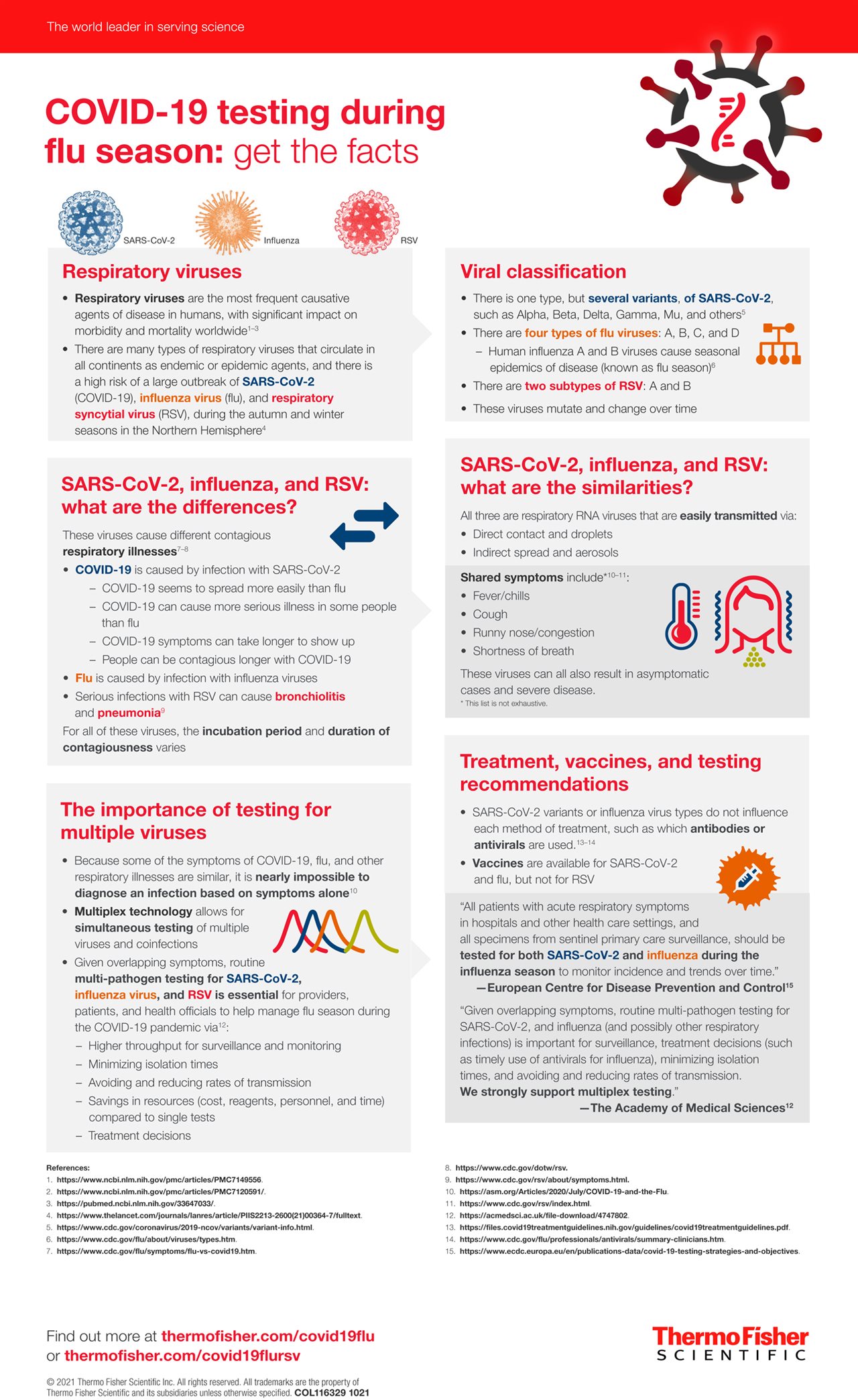
The Importance of Simultaneous Testing of COVID-19 and Flu [Infographic]

2021-10-25T08:01:00

(BPT) – Flu season is fast approaching even as COVID-19 continues to spread, potentially leading to confusion surrounding symptoms and testing protocols, and mass disruptions in schools, businesses, and transportation. In the northern hemisphere, influenza and respiratory syncytial viruses are common in the autumn and winter months and have overlapping symptoms with SARS-CoV-2. Multiplex PCR technology is an essential component to help manage the upcoming flu season. It’s vitally important to know the similarities and differences between these respiratory viruses, and to get tested regularly to help protect yourself and others.