How a rugby player manages type 1 diabetes with the help of new technology

2021-06-17T15:15:00

(BPT) – Sarah Vlasak from Minneapolis doesn’t let anything get in her way. Beyond playing for a Division 1 competitive women’s traveling rugby team, the Metropolis Valkyries, Sarah also lives with type 1 diabetes — a 24/7 condition that requires constant management.

When she was 17, Sarah started experiencing excessive urination and extreme thirst, along with other tell-tale signs of diabetes. Following a weekend of intense flu-like symptoms, Sarah visited her primary care physician and learned her blood sugar levels were off the charts. Sarah was diagnosed with type 1 diabetes and discovered she was days away from a diabetic ketoacidosis (DKA) coma.

Approximately 1.6 million Americans are living with type 1 diabetes, an autoimmune disease in which the body can’t make insulin, the hormone needed for glucose (sugar) to enter cells and produce energy. When it can’t enter the cells, sugar stays in the bloodstream and builds up which can cause serious illness if not treated.[1]

To manage type 1 diabetes, insulin is taken throughout the day manually from an insulin pen, or through an insulin pump, and glucose levels need to be monitored on a constant basis to see how the body is reacting to the balance of carbohydrates and insulin.[1] Within a few weeks of Sarah’s type 1 diagnosis, she was independently managing her disease and ready to leave home.

In college, Sarah played rugby on a more social level, but it was really during the first year of playing competitively that she started having significant trouble managing her disease. The combination of anaerobic and aerobic activity made it difficult to balance her glucose levels. In order to better manage her diabetes with adrenaline spikes during games, Sarah decided to switch from a pump to multiple daily injections (MDI).

“I spent a significant amount of time researching how to balance diabetes with an active lifestyle because I just couldn’t get it right,” said Sarah. “It was difficult for me to wear my insulin pump while playing rugby, which resulted in extremely high highs due to being untethered for hours on end during matches or practice sessions. Eventually, my endocrinologist decided to switch me from a pump to MDI therapy plus a continuous glucose monitor (CGM) — together we identified the InPen™ + Guardian™ Connect smart MDI system was exactly what I needed!”

The InPen is the only smart insulin pen cleared by the U.S. Food and Drug Administration (FDA) that pairs with Bluetooth® technology through an easy-to-use smartphone app. The InPen, which syncs with the Guardian Connect CGM system, makes the lives of people with diabetes easier by administering correction and meal-time insulin doses. These personalized recommendations are sent to compatible smartphones via Bluetooth every five minutes. The InPen also provides reports to help users visualize how insulin and meals affect glucose so that they can make informed adjustments when discussing their insulin therapy with healthcare providers.

“As soon as I started using the new technology, I immediately knew it was the right fit for me,” said Sarah. “The Guardian Connect pairs with the InPen to give me a fully integrated system that allows me to see my blood sugars at the same time as analyzing my active insulin. It is so helpful to be able to see all my real-time trends in one app and not have to be checking my blood sugar every five minutes for the same information. It gives me the ability to focus on my game and not my condition.”

If you use manual daily injections to manage your diabetes, talk to your doctor to learn more about the InPen + Guardian Connect system. Product details are available at https://www.medtronicdiabetes.com/products/cgm-and-smart-pen.


[1] Type 1 diabetes. Mayo Clinic. Available at https://www.mayoclinic.org/diseases-conditions/type-1-diabetes/symptoms-causes/syc-20353011. Accessed April 1, 2021.

Important Safety Information: Guardian™ Connect CGM System

The Guardian™ Connect system requires a prescription and is indicated for continuous or periodic monitoring of glucose levels in the interstitial fluid under the skin, in patients (14 to 75 years of age) with diabetes mellitus. The system is intended to complement, not replace, information obtained from standard blood glucose monitoring devices, and is not recommended for people who are unwilling or unable to perform a minimum of two meter blood glucose tests per day, or for people who are unable or unwilling to maintain contact with their healthcare professional. The system requires a functioning mobile electronic device with correct settings. If the mobile device is not set up or used correctly, you may not receive sensor glucose information or alerts. For complete details of the system and its components, including warnings, contraindications, and precautions, please consult the user guide at http://www.medtronicdiabetes.com/support/download-library/user-guides and important safety information.

Important Safety Information: InPen™

The InPen™ is a home-use reusable pen injector for single-patient use by people with diabetes under the supervision of an adult caregiver, or by a patient age 7 and older for the self-injection of a desired dose of insulin and for calculating an insulin dose or carbohydrate intake based on user entered data. A healthcare professional must assist in dosage programming of the device prior to use, based on various patient-specific criteria and targets. The InPen™ requires a prescription. For additional product and safety information, please consult the Instructions for Use and bit.ly/InPenRisks.

4 Dental Cost Savings Tips

2021-06-14T07:01:01

(BPT) – Too often we think of dental care as nothing more than a cosmetic concern. The truth is that taking care of your teeth has much more of an effect on your overall health than you might think. As you get older, it is important to ensure that you make dental care a priority to help protect yourself from diseases and ailments that can affect your mouth’s health. If you’ve been hesitant to visit your dentist due to cost, here are four dental cost savings tips that might help.

Dental Cost Saving Tip 1: Prevent Major Dental Work with Regular Check-ups

If you’ve been avoiding your regular appointment with your dentist, you might be missing out on preventive care that could help you save money in the future. Regular dental check-ups, every six months, will usually allow your dentist to catch a problem before you even notice any symptoms. If an oral health concern is treated early on, it is often less expensive than if the problem goes untreated for a long period of time.

For example, during a regular dental check-up, it is not uncommon to find that a patient has a cavity that needs a filling. A filling is a generally inexpensive procedure. However, without preventive dental care, that cavity may go untreated for a long period of time. This could result in decay that requires a root canal treatment, with the accompanying cost of a dental crown. If the decay on the tooth is severe enough, a patient might require tooth extraction and consideration of a very expensive dental implant. Both the root canal and tooth extraction and implant treatment options can be time consuming, painful, and costly.

Save money in your future by ensuring that you visit your dentist regularly for check-ups and professional cleanings.

Dental Cost Saving Tip 2: Keep Your Teeth and Gums Healthy at Home

According to the American Dental Association (ADA), home oral care can help patients take charge of their oral health by following these general recommendations:

  • Brush your teeth twice a day with a fluoride toothpaste
  • Brush your teeth for two minutes: Two minutes for your whole mouth can also be expressed as thirty seconds per quadrant or about four seconds per tooth
  • Floss your teeth to clean between your teeth daily
  • Eat a healthy diet that limits sugary beverages and snacks

Dental Cost Saving Tip 3: Bundle Your Dental and Vision Insurance

Dental insurance can help you save. Vision insurance can also help you save. Bundling vision and dental helps you save and also simplifies the process for you. Some insurance providers offer bundled vision and dental plans to cover eye health or oral health condition you may need to be seen for. Bundled dental and vision insurance can be a big benefit to those who have Medicare plans that do not cover vision or dental care.

If you and your family need dental and vision insurance, VSP® Vision Care can help. VSP has the largest independent eye doctor network for your vision care needs. As for dental, VSP has partnered with Guardian Dental so you can get dental insurance coverage for your family in minutes. Most plans in most states start at just $20/month. Learn more about vision and dental insurance for you and your family.

Dental Cost Saving Tip 4: Discuss your Treatment Plan with Your Insurance Provider

If you or a family member need advanced dental care, from root canals to braces, it is in your best interest to have your dental insurance provider review the treatment plan. Your dentist will often provide you with a treatment plan and the timeline for the needed dental work. Discussing the plan with your insurance company gives you an opportunity to learn about what dental care is covered, at what amount and whether or not there is a way to maximize your benefits, based on the time of year that you get your dental treatment. A quick phone call can help you go back to your dentist with money-saving plan requests that will help you in the long run.

We hope these four cost saving tips will help encourage you to make your dental health a lifetime priority.

5 tips for working well

2021-06-11T16:31:01

(BPT) – Every day, there are small things you can do to keep your mind and body healthy as you approach work, no matter where you work.

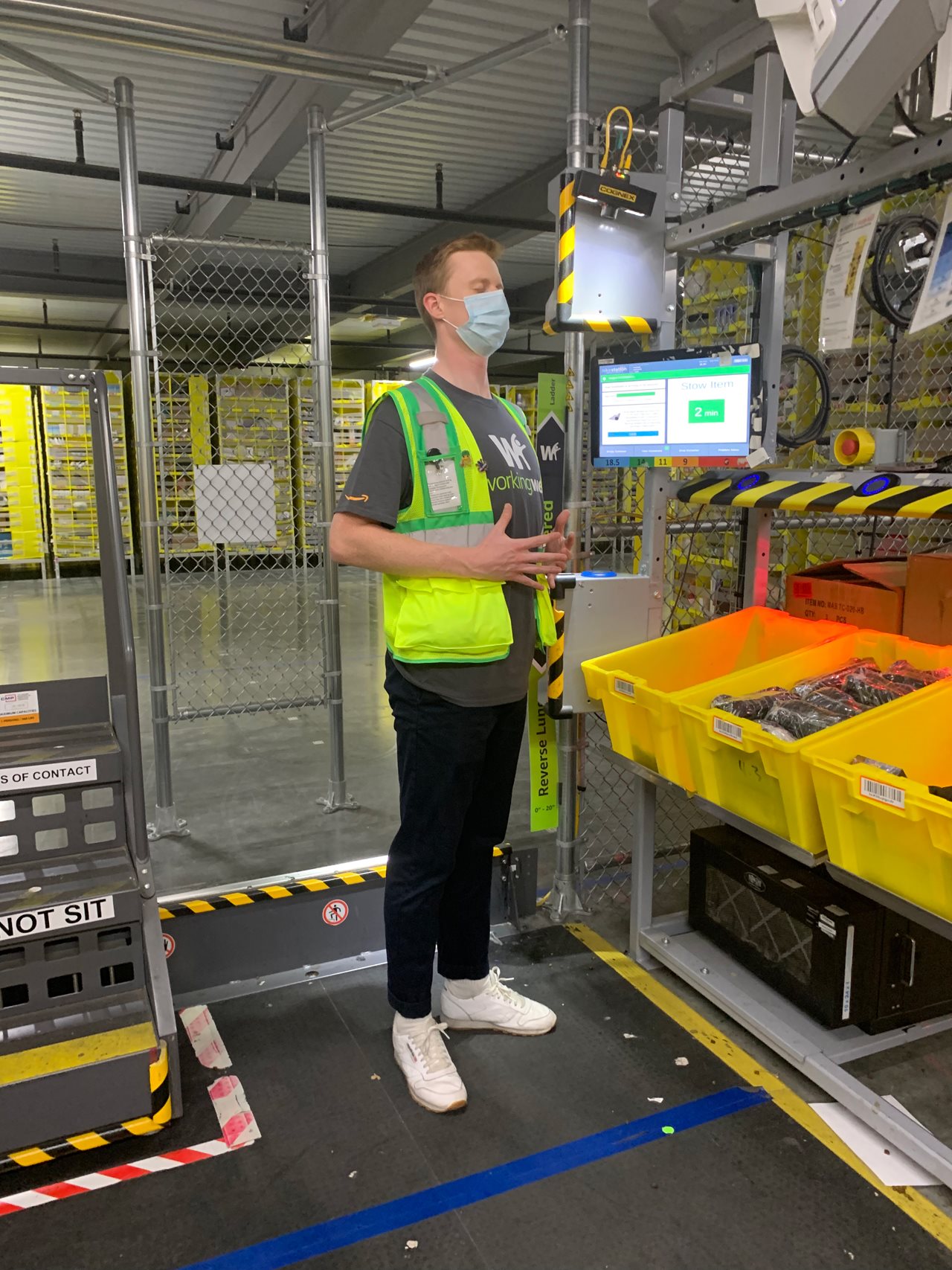
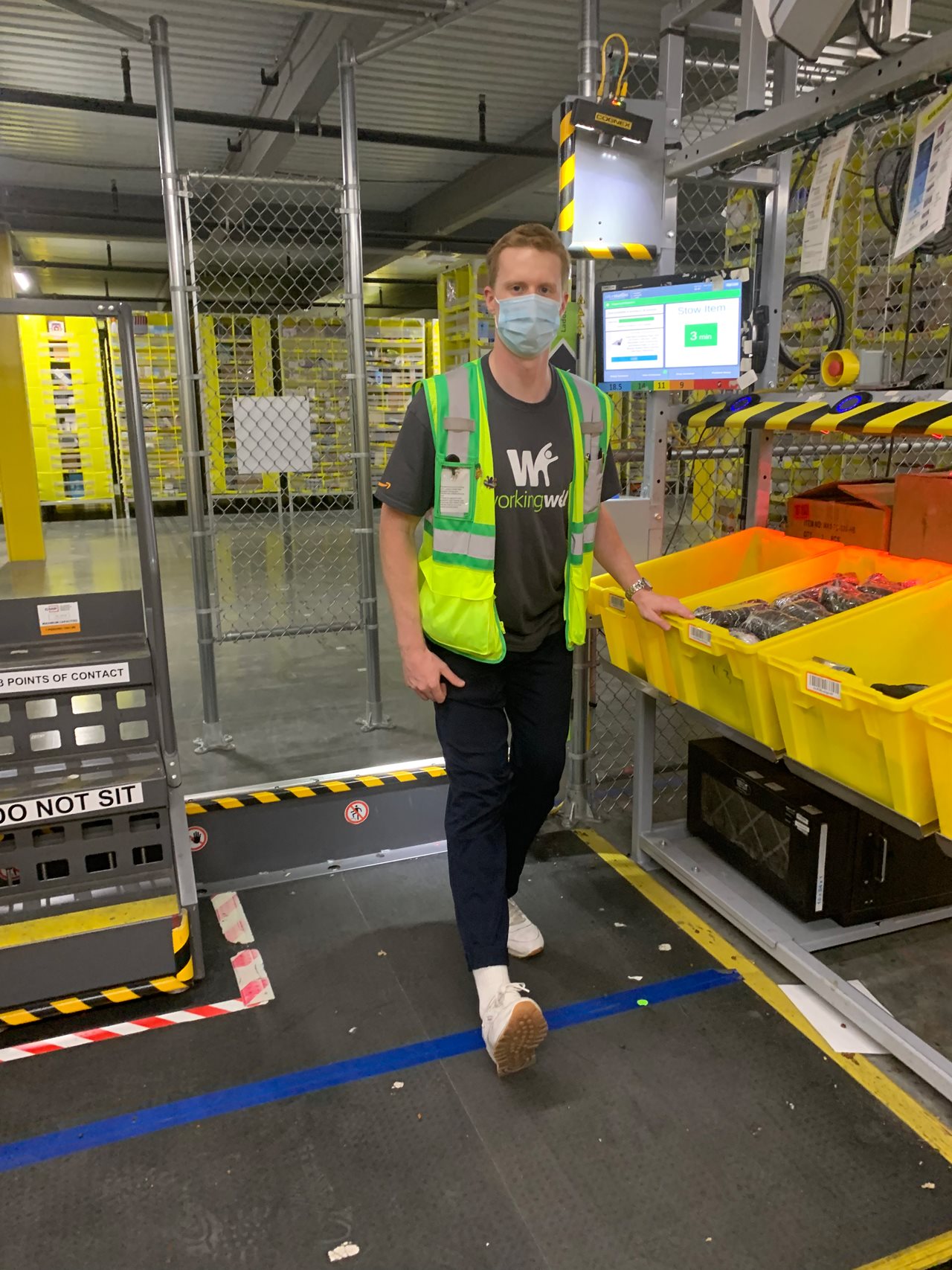
Innovative wellness techniques and resources were compiled by health specialists in collaboration with Amazon employees to create WorkingWell, a comprehensive program that addresses how employees can improve their health and well-being through exercises such as stretching, mindful meditation, nutrition practices, regular healthcare visits and better access to healthcare.

“At Amazon, the health and safety of our employees is our number one priority — and has been since day one. Improving the safety, health and well-being of employees means investing in people through state-of-the-art safety training and education, health and well-being programs, and comprehensive benefits,” said Bobby Woodruff, Amazon safety team member in Eastvale, California. “We are committed to supporting our employees and keeping them healthy and safe every day.”

The health leaders and employees behind WorkingWell share their tips for improving physical and mental wellness at work.

1. Use mindfulness techniques to relax

Doing a few simple exercises each day, even while sitting at your desk, can help you feel more relaxed.

  • Tense and relax each muscle group in your body, head to toe. Inhale as your muscles tense, exhale as you relax.
  • Notice how the muscles feel when they are tensed and when they are relaxed.
  • When finished, gradually bring your attention back to the present.

2. Be proactive through mobility exercises

Stretching techniques can help employees in a variety of roles. Here are some tips and tricks:

  • Stretch your legs if you know you’ll be standing for extended periods.
  • Maintain a natural, ergonomically correct position with your palms up and hands in a c-shape when doing things like opening drawers, grabbing plates or handing a receipt to a customer.
  • Sit with your shoulders back, and try drawing your belly button in toward your spine to make sure your core is supporting your posture properly.
  • Stretch your back and shoulders by looking down at your left pocket, then placing your left hand on the back of your head and adding pressure until you feel a gentle stretch along the right side.

“During my work day, I try to find ways to check in with how my body is feeling at regular intervals,” said Caley Niday, safety team member at the Amazon Fort Wayne, Indiana, delivery station. “Periodic stretching and readjusting my posture helps me feel better both while I’m at work and when I get back home.”

3. Prioritize self-care

Each day, try to do one nice thing for yourself and others as a way to slow down, such as:

  • Getting at least 8 hours of sleep a night.
  • Staying hydrated so your muscles work well, and so your body has energy and can replenish itself.
  • Do something nice for a coworker, like sharing a compliment about their work.

“Taking care of yourself both physically and mentally can become part of your daily routine,” said Nicholas Thomas, an Amazon safety team member at the Troutdale, Oregon, fulfillment center. “I find that trying one or two steps first encourages adding more positive habits over time.”

4. Observe your movements at work

Pay close attention to how your body moves while working. For example, if you need to pick things up continually, pay attention to how your body is bending.

  • Engage your core to help take stress off your back.
  • Use heat to loosen the muscles around any tight areas and help the tissue relax, but only for durations of 30 minutes or less so you don’t overheat the tissue.

“I listen to the signs my body is giving me during activity,” said Megan Romero, Amazon safety team member at a Dallas, Texas, fulfillment center. “Proper body positioning and biomechanics can help decrease the risk of strain.”

5. Don’t do it alone

Building relationships at work strengthens your support system.

  • Try talking to a colleague or opening up with your manager about challenges you may be facing.
  • Sometimes just talking can help, and your peers may be able to offer advice from their own experiences.
  • If you need help, reach out. Ask your company’s HR team about what employee assistance programs they have in place.
  • Many of these programs include mental health resources and other sources of support.

“When I added simple steps to boost my well-being during my daily routine it made a world of difference,” said Maria Aparicio, a safety team member at an Amazon site in Spokane, Washington. “To me, wellness at work means you’ll be living a healthier, happier life overall.”

Does Your Child Have a Peanut Allergy? Learn about a Treatment Option

2021-06-10T11:01:00

(BPT) – Peanut allergy is the most common food allergy in children in the U.S. and affects approximately 1.3 million children between the ages of 4 through 17.1

If your child has a peanut allergy, you know firsthand the burden it can have on your family. It can be a life-long condition, and reactions to peanut can range from mild to potentially life-threatening.

Exposure to even a small amount of allergen can prompt an allergic reaction2; approximately one in five children with physician-diagnosed peanut allergy had at least one peanut-allergy related emergency department visit in a single year within the U.S.3

Practicing a strict peanut-free diet alone may not be enough. No matter how careful you are as a parent, a family, or a community, accidental exposure can still happen anytime, anywhere, and the constant vigilance can be exhausting. As a result, peanut allergy is associated with a burden that impacts patients and their families daily, as they struggle to avoid accidental exposure and a potentially life-threatening reaction.4 Until last year, there was no FDA-approved treatment option available for peanut allergy.

In January 2020, the U.S. Food and Drug Administration (FDA) approved PALFORZIA® [Peanut (Arachis hypogaea) Allergen Powder-dnfp]. PALFORZIA can help your child gradually decrease their sensitivity to peanuts over time through a process called oral immunotherapy, or OIT.

WHAT IS PALFORZIA?

PALFORZIA is a treatment for people who are allergic to peanuts. PALFORZIA can help reduce the severity of allergic reactions, including anaphylaxis, that may occur with accidental exposure to peanut. PALFORZIA may be started in patients aged 4 through 17 years old. If you turn 18 years of age while on PALFORZIA treatment you should continue taking PALFORZIA unless otherwise instructed by your doctor.

PALFORZIA does NOT treat allergic reactions and should not be given during an allergic reaction.

You must maintain a strict peanut-free diet while taking PALFORZIA.

IMPORTANT SAFETY INFORMATION

PALFORZIA can cause severe allergic reactions called anaphylaxis that may be life-threatening.

  • You will receive your first dose in a healthcare setting under the observation of trained healthcare staff.
  • You will receive the first dose of all dose increases in a healthcare setting.
  • In the healthcare setting, you will be observed for at least 1 hour for signs and symptoms of a severe allergic reaction.
  • If you have a severe reaction during treatment, you will need to receive an injection of epinephrine immediately and get emergency medical help right away.
  • You will return to the healthcare setting for any trouble tolerating your home doses.

Stop taking PALFORZIA and get emergency medical treatment right away if you have any of the following symptoms after taking PALFORZIA:

  • Trouble breathing or wheezing
  • Chest discomfort or tightness
  • Throat tightness
  • Trouble swallowing or speaking
  • Swelling of your face, lips, eyes, or tongue
  • Dizziness or fainting
  • Severe stomach cramps or pain, vomiting, or diarrhea
  • Hives (itchy, raised bumps on skin)
  • Severe flushing of the skin

Because of the risk of severe allergic reactions, PALFORZIA is only available through a restricted program called the PALFORZIA Risk Evaluation and Mitigation Strategy (REMS) Program. Talk to your healthcare provider for more information about the PALFORZIA REMS program and how to enroll.

You should NOT take PALFORZIA if you have uncontrolled asthma, or if you ever had eosinophilic esophagitis (EoE) or other eosinophilic gastrointestinal disease.

Tell your doctor if you are not feeling well prior to starting treatment with PALFORZIA. Your doctor may decide to delay treatment until you are feeling better. Also tell your doctor about any medical conditions you have and if you are taking or have recently taken any other medicines, including medicines obtained without a prescription and herbal supplements.

Your doctor may decide that PALFORZIA is not the best treatment if:

You are unwilling or unable to receive (or self-administer) injectable epinephrine.

You have a condition or are taking a medication that reduces the ability to survive a severe allergic reaction.

What are the possible side effects of PALFORZIA?

The most commonly reported side effects of PALFORZIA were: stomach pain, vomiting, feeling sick, itching or burning in the mouth, throat irritation, cough, runny nose, sneezing, throat tightness, wheezing, shortness of breath, itchy skin, hives, and/or itchy ears.

PALFORZIA can cause severe allergic reactions called anaphylaxis that may be life-threatening.

PALFORZIA can cause stomach or gut symptoms including inflammation of the esophagus (called eosinophilic esophagitis). Symptoms of eosinophilic esophagitis can include:

  • Trouble swallowing
  • Food stuck in throat
  • Burning in chest, mouth, or throat
  • Vomiting
  • Regurgitation of undigested food
  • Feeling sick

For additional information on the possible side effects of PALFORZIA, talk with your doctor or pharmacist.

You are encouraged to report negative side effects of prescription drugs to the FDA. Visit www.fda.gov/medwatch, or call 1-800-FDA-1088.

Please see full Prescribing Information and Medication Guide, including an Important Warning about anaphylaxis.


1 Mahr et al. Characteristics of Peanut Allergy Diagnosis in a US Health Care Claims Database (2011-2017). J Allergy Clin Immunol Pract. 2021 Apr;9(4):1683-1694.

2 Deschildre A, Elegbédé CF, Just J, Bruyère O, et al. Peanut-allergic patients in the MIRABEL survey: characteristics, allergists’ dietary advice and lessons from real life. Clin Exp Allergy. 2016;46(4):610-620.

3 Gupta R, Warren C, Smith B, et al. The public health impact of parent-reported childhood food allergies in the United States. Pediatrics. 2018;142:e20181235.

4 DunnGalvin A, Blumchen K, Timmermans F, et al. APPEAL-1: A multiple-country European survey assessing the psychosocial impact of peanut allergy. Allergy. 2020;75(11):2899-2908.

Starting Small

At your child’s first treatment appointment, your allergist will start by administering small, increasing doses of PALFORZIA. If these doses are tolerated, your child can continue on to the next step in the treatment pathway.

Up-Dosing icon

Decreasing Sensitivity Over Time

You will return to the allergist’s office the next day, so your child can begin the Up-Dosing phase of treatment. Your allergist will administer the first dose of PALFORZIA and monitor carefully to make sure your child can keep taking PALFORZIA.

Starting on the next day, you will give your child the same dose of PALFORZIA every day at home, mixed into a small amount of soft food, until it is time to visit the allergist again (about 2 weeks later) to see if your child is ready for the next, higher dose. It will take at least 6 months to make it through all the Up-Dosing levels.

An Unanticipated Diagnosis and a Resilient Response: A Lung Cancer Patient Shares Her Story

2021-06-10T08:01:00

(BPT) – Sponsored by Takeda Oncology

Each year in the U.S., nearly a quarter million new cases of lung cancer are diagnosed 1-2, and each of these diagnoses represent a person and family whose lives are turned upside down. Barbara is one of these people, and this is her story of hope.

Following their marriage in 1970, Barbara and her husband lived a happy life, traveling the world, raising two children and becoming grandparents to three wonderful girls. Barbara cherished time with her granddaughters but never imagined it would lead to a realization that may have saved her life.

Several years back, Barbara developed a cold after visiting with her granddaughter who had been sick at the time. But while Barbara’s granddaughter got better, Barbara’s cough became worse. Following an initial diagnosis of bronchitis from her doctor, the cough persisted.

A friend urged her to get an X-ray to ensure it wasn’t pneumonia. The radiologist evaluated her scans, and after several reviews, saw something in her lung that shouldn’t be there — a small shadow. That shadow indicated something more serious than pneumonia. A tumor.

The news was shocking — how could what she thought was a simple cold be a tumor? One day, she was healthy, and now she was questioning whether she had cancer. Whether it was benign or malignant, Barbara’s physician advised the tumor had to come out.

Barbara went in for surgery and hoped that would be the end of it. Soon after, she received the news she was dreading — lung cancer. It felt impossible. Barbara was a non-smoker, as was her husband — but up to 20% of lung cancer patients have never smoked.3

Barbara was diagnosed with non-small cell lung cancer (NSCLC), the most common form of lung cancer, representing approximately 85% of all cases in the U.S.1 Lung cancer symptoms are hard to detect and often don’t present until the cancer has spread to other parts of the body.4-6 The most common sites of metastasis are the liver, bone and brain.7 Had she not gotten sick when she did, she may have not presented cancer symptoms until it was too late.

After four rounds of chemotherapy, Barbara relied heavily on her husband, who had taken on the role as her caretaker throughout her treatment. She was exhausted from the chemotherapy and needed her husband for everyday tasks like driving to work. He was her “rock.” Under his care, she focused on getting back to her normal life — trying her best to forget what she had just been through.

But as life does, it handed Barbara another challenge when she went in for a regular check-in. The cancer was growing, and she was told she would need additional treatment.

The treatment plan following her relapse included chemotherapy and radiation to be followed by immunotherapy.

Before Barbara began immunotherapy, her doctors conducted diagnostic testing to determine her specific type of lung cancer and give her the most effective treatment plan. They learned she had anaplastic lymphoma kinase-positive (ALK+) NSCLC — a unique type of lung cancer often found in non-smokers. ALK+ NSCLC is caused by a gene alteration that produces a protein that tells cancer cells to grow and spread.8

Barbara learned immunotherapy was not appropriate for her type of lung cancer. But there was another option.

“My doctor said, ‘I’ve got some good news for you.’ He explained what ALK+ NSCLC was and that immunotherapy is not recommended for this type of cancer — I was so happy.” Barbara’s treatment came in the form of a targeted oral therapy called ALUNBRIG® (brigatinib). ALUNBRIG is approved to treat adult patients with ALK+ metastatic NSCLC (mNSCLC).

The presence of her cancer has been life-altering, but Barbara is living a relatively normal life today. While she has experienced some gastrointestinal side effects from taking ALUNBRIG, Barbara is doing well and appreciates that her treatment is manageable, at one pill a day. “There’s an ease of knowing there’s a medication out there that’s targeted to this cancer.” Every three months, she goes in for a PET scan, and the results so far have been encouraging, with no signs that the cancer has spread further.

When asked what advice she would give to other patients, Barbara acknowledges that she is just one of thousands who have stories of persevering after a lung cancer diagnosis. Sticking to her character and resolve, she encourages others “to not dwell on the diagnosis — stay positive and ask for help.”

Barbara is thankful she has found a way to manage her cancer, which helps her maintain hope and live a relatively normal lifestyle. You can learn more about ALK+ mNSCLC and ALUNBRIG as a potential treatment option by visiting ALUNBRIG.com.

Not every patient will have the same experience, and all treatment decisions should be discussed with a doctor.

___________________________

Indication and Important Safety Information for ALUNBRIG™ (brigatinib)

Uses of ALUNBRIG

ALUNBRIG is a prescription medicine used to treat adults with non-small cell lung cancer (NSCLC) that have a certain abnormal anaplastic lymphoma kinase (ALK) gene that has spread to other parts of their body.

It is not known if ALUNBRIG is safe and effective in children.

ALUNBRIG can cause serious side effects, including:

  • Lung problems. ALUNBRIG may cause severe or life-threatening swelling (inflammation) of the lungs any time during treatment, and can lead to death. These lung problems happen especially within the first week of treatment with ALUNBRIG. Symptoms may be similar to those symptoms from lung cancer. Tell your healthcare provider right away if you have any new or worsening symptoms of trouble breathing or shortness of breath, chest pain, cough (with or without mucus) or fever.
  • High blood pressure (hypertension). ALUNBRIG may cause high blood pressure. Your healthcare provider will check your blood pressure before starting and during treatment with ALUNBRIG. Tell your healthcare provider right away if you get headaches, dizziness, blurred vision, chest pain or shortness of breath.
  • Slow heart rate (bradycardia). ALUNBRIG may cause very slow heartbeats that can be severe. Your healthcare provider will check your heart rate during treatment with ALUNBRIG. Tell your healthcare provider right away if you feel dizzy, lightheaded, or faint during treatment with ALUNBRIG. Tell your healthcare provider if you start to take or have any changes in heart rate or blood pressure medicines.
  • Vision problems. ALUNBRIG may cause vision problems. Your healthcare provider may stop ALUNBRIG and refer you to an eye specialist if you develop severe vision problems during treatment with ALUNBRIG. Tell your healthcare provider right away if you have any loss of vision or any change in vision, including double vision, seeing flashes of light, blurry vision, light hurting your eyes, or new or increased floaters.
  • Muscle pain, tenderness, and weakness (myalgia). ALUNBRIG may increase the level of an enzyme in your blood called creatine phosphokinase (CPK), which may be a sign of muscle damage. Your healthcare provider will do blood tests to check your blood levels of CPK during treatment with ALUNBRIG. Tell your healthcare provider right away if you get new or worsening signs and symptoms of muscle problems, including unexplained muscle pain or muscle pain that does not go away, tenderness, or weakness.
  • Inflammation of the pancreas (pancreatitis). ALUNBRIG may increase enzymes in your blood called amylase and lipase, which may be a sign of pancreatitis. Your healthcare provider will do blood tests to check your pancreatic enzyme blood levels during treatment with ALUNBRIG. Tell your healthcare provider right away if you get new or worsening signs and symptoms of pancreatitis, including upper abdominal pain that may spread to the back and get worse with eating, weight loss, or nausea.
  • High blood sugar (hyperglycemia). ALUNBRIG may increase your blood sugar levels. Your healthcare provider will do blood tests to check your blood sugar levels before starting and during treatment with ALUNBRIG. Your healthcare provider may need to start or change your blood sugar medicine to control your blood sugar levels. Tell your healthcare provider right away if you get new or worsening signs and symptoms of hyperglycemia, including needing to urinate more than usual, or feeling very thirsty, very hungry, sick to your stomach, weak, tired or confused:

The most common side effects of ALUNBRIG include diarrhea, fatigue, nausea, rash, cough, muscle pain, headache, high blood pressure, vomiting and difficulty breathing.

ALUNBRIG may cause fertility problems in males. This may affect your ability to father a child. Talk to your healthcare provider if you have concerns about fertility.

These are not all of the possible side effects of ALUNBRIG.

Call your doctor for medical advice about side effects. You may report side effects to FDA at 1-800-FDA-1088.

Before you take ALUNBRIG, tell your healthcare provider about all of your medical conditions, including if you have lung or breathing problems, high blood pressure, a slow heartbeat, or any vision problems, have or have had pancreatitis, have diabetes mellitus or glucose intolerance, have liver problems, have kidney problems or are on dialysis, are pregnant or plan to become pregnant, or are breastfeeding or plan to breastfeed.

ALUNBRIG can harm your unborn baby. Your healthcare provider will determine whether or not you are pregnant before you start treatment with ALUNBRIG. Tell your healthcare provider right away if you become pregnant during treatment with ALUNBRIG or think you may be pregnant.

  • Females who are able to become pregnant should use effective non-hormonal birth control during treatment with ALUNBRIG and for at least 4 months after the final dose of ALUNBRIG. Birth control pills (oral contraceptives) and other hormonal forms of birth control may not be effective if used during treatment with ALUNBRIG. Talk to your healthcare provider about birth control choices that are right for you during treatment with ALUNBRIG.
  • Males who have female partners that are able to become pregnant should use effective birth control during treatment with ALUNBRIG and for at least 3 months after the final dose of ALUNBRIG.

It is not known if ALUNBRIG passes into your breast milk. Do not breastfeed during treatment with ALUNBRIG and for 1 week after the final dose of ALUNBRIG.

Tell your healthcare provider about all the medicines you take, including prescription medicines, over-the-counter medicines, vitamins, or herbal supplements.

Avoid eating grapefruit or drinking grapefruit juice during treatment with ALUNBRIG. Grapefruit may increase the amount of ALUNBRIG in your blood.

Please see the full U.S. Prescribing Information for ALUNBRIG at www.ALUNBRIG.com

___________________________

References:

1American Cancer Society. Key Statistics for Lung Cancer. https://www.cancer.org/cancer/lung-cancer/about/key-statistics.html. Accessed March 2021.

2 National Cancer Institute. Cancer Stat Facts: Lung and Bronchus Cancer. https://seer.cancer.gov/statfacts/html/lungb.html. Accessed March 2021.

3 American Cancer Society. Lung Cancer Risks for Non-smokers. https://www.cancer.org/latest-news/why-lung-cancer-strikes-nonsmokers.html. Accessed March 2021.

4 Kris MG, Johnson BE, Berry LD, et al. Using multiplexed assays of oncogenic drivers in lung cancers to select targeted drugs. JAMA. 2014; 311:1998-2006.

5 Aggarwal A, et al. The State of Lung Cancer Research: A Global Analysis. J Thorac Oncol. 2016; 11(7): 1040-1050

6 American Cancer Society. American Cancer Society’s guidelines for lung cancer screening. https://www.cancer.org/cancer/lung-cancer/detection-diagnosis-staging/detection.html. Accessed March 2021.

7 Bates JE, Milano MT. Prognostic significance of sites of extrathoracic metastasis in patients with non-small cell lung cancer. J Thorac Dis. 2017;9(7):1903-1910.

8 Shaw AT, Solomon B. Targeting anaplastic lymphoma kinase in lung cancer. Clin Cancer Res. 2011;17(8):2081-2086.


NASCAR Driver Cody Ware Celebrates Men’s Health Month by Raising Awareness of Migraine

2021-06-09T09:01:00

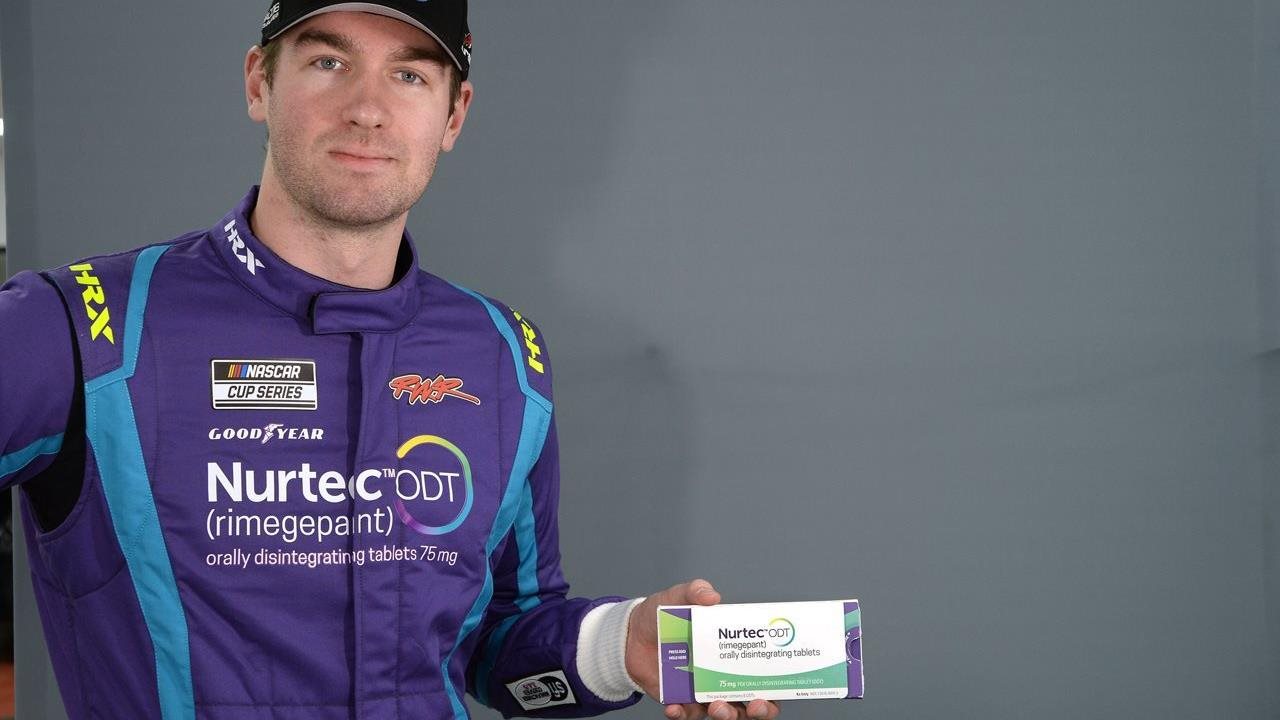
(BPT) – Migraine is a disabling neurological disease often associated with women. Many may not realize it, but men get migraine too. In fact, NASCAR driver Cody Ware is one of the nearly 40 million people living with migraine.

Cody has suffered from migraine since he was 18 years old. With the pain comes visual aura, nausea and vomiting. When a migraine strikes, he has to go into a dark room to sleep, which means he has to forfeit his plans for the day, no matter the importance.

“I remember being in the race shop one day with the crew and I had to leave because of a migraine,” says Cody. “I was unable to focus because of it and I always feel that I am at the whim of a migraine.” As migraine disproportionately affects women, men battling this disease are often overlooked.

Stress and Migraine

According to the American Migraine Foundation, stress triggers an attack in about 70 percent of people living with migraine. As Cody is a NASCAR driver for the Rick Ware Racing team, he finds it very difficult to avoid stress as he is racing around the track at speeds over 200 mph.

“I’m always worried that a migraine will strike the day of a race,” says Cody. “If one came on, it would greatly impact me and my team. I wouldn’t be able to function with the pain.”

Racing without Fear

Management of migraine is different for everyone. Cody realized that he needed a new treatment plan and talked to his doctor about Nurtec® ODT (rimegepant), an orally dissolving tablet taken at the onset of a migraine.

“Nurtec ODT relieves my migraine symptoms fast and can last up to 48 hours,” Cody says. “It’s convenient to take as I don’t need water and I can keep it with me at all times. Knowing that I have Nurtec ODT helps to reduce the anxiety of when my next migraine will hit.”

As June is Men’s Health month, Cody encourages men who are living with migraine to talk with their doctor to see if Nurtec ODT will work for them. “I know how bad migraine is and I want others to know there are treatments available to help with the pain and symptoms. It is important for men to take care of their health and not push through the pain because this is what is expected of us.”

For more information about Cody’s migraine story, visit nurtec.com.

Indication
NURTEC ODT orally disintegrating tablets is a prescription medicine that is used to treat migraine in adults. It is for the acute treatment of migraine attacks with or without aura and the preventive treatment of episodic migraine. It is not known if NURTEC ODT is safe and effective in children.

Important Safety Information
Do not take NURTEC ODT if you are allergic to NURTEC ODT (rimegepant) or any of its ingredients.

Before you take NURTEC ODT, tell your healthcare provider (HCP) about all your medical conditions, including if you:

  • have liver problems,
  • have kidney problems,
  • are pregnant or plan to become pregnant,
  • breastfeeding or plan to breastfeed.

Tell your HCP about all the medicines you take, including prescription and over-the-counter medicines, vitamins, and herbal supplements.

NURTEC ODT may cause serious side effects including allergic reactions, including trouble breathing and rash. This can happen days after you take NURTEC ODT. Call your HCP or get emergency help right away if you have swelling of the face, mouth, tongue, or throat or trouble breathing. This occurred in less than 1% of patients treated with NURTEC ODT.

The most common side effects of NURTEC ODT were nausea (2.7%) and stomach pain/indigestion (2.4%). These are not the only possible side effects of NURTEC ODT. Tell your HCP if you have any side effects.

You are encouraged to report side effects of prescription drugs to the FDA. Visit www.fda.gov/medwatch or call 1-800-FDA-1088 or report side effects to Biohaven at 1-833-4NURTEC.

Please click here for full Prescribing Information and Patient Information.

US-RIMODT-2100208 4/13/2021

5 reasons to snack on almonds this summer

2021-06-09T05:05:00

(BPT) – As we head into the warmer months, we can always look forward to those seasonal staples — from staying cool in the pool to indulging on snow cones for that sweet summer feeling. How do we continue to munch on our favorites without that guilty feeling of overindulgence on unhealthy snacks? Cue, almonds — the light, buttery-flavored snack that satisfies those summer cravings with its tasty, beneficial attributes. Registered Dietitian Marisa Moore shares reasons why almonds are the perfect snack to grab, carry and enjoy all summer long — minus the guilt!

1. Almonds are versatile

Sip, crunch or spread, almonds are the blank canvas your summer was vibin’ for. The nutty, earthy flavor pairs well with other foods and they pack a crunch that’s hard to match. “When I think of almonds, I immediately think of versatility,” says Marisa. “I can crunch on whole almonds as a snack, make a creamy almond butter-based dip or sip on a frosty almond milk smoothie.”

2. They’re handy

Almonds are a pantry staple. Marisa shares she likes to keep a jar on her desk or office shelf for an easy and nourishing snack whenever she needs one. Some of Marisa’s favorite pairings include almonds with chocolate, fresh peaches or cheeses. “I snack anytime I’m hungry — between meals or simply when I want a little pick-me-up during the day,” she explains.

3. Help keep your energy levels going

There’s nothing like those summer nights. Many look forward to those evening outings; however, many find there’s not enough energy for them. Considering this, you need to consume foods that not only fuel you up, but also make you feel good. “Just one ounce of almonds has 6 grams of power-packed protein, 4 grams of fiber, 13 grams of unsaturated fat and only 1g of saturated fat,” shares Marisa.

4. They fit your schedule

Finding a wellness routine that fits within your schedule can be tricky at first. “On busy weeks, having a few meals and snacks ready to go are my saving grace,” Marisa shared. “I think it’s most important to listen to your body and find an eating routine that matches your energy needs. Whether you eat at a usual breakfast hour or if your first meal is a bit later, it’s a personal choice.”

The following is a general B/L/D plan Marisa likes to incorporate into her daily routine:

Breakfast

Greek yogurt or oats with seasonal fruit, almond butter and maple syrup to top it off.

Lunch

Veggie-packed omelet with fresh fruit.

Snack

“I love watching almond milk swirl through the tea as I make my iced chai lattes. It’s pleasantly spicy, cool and creamy — the perfect summer sip!” Marisa exclaims.

Dinner

A roasted vegetable flatbread or fish tacos accompanied with beans and rice.

5. They’re rich in antioxidant vitamin E

Vitamin E is an antioxidant that helps protect cells from damage, boost the body’s immune system and widen blood vessels to keep blood from clotting within them. That said, almonds include 50% of your daily value of vitamin E! “I love a snack that does double-duty,” says Marisa. In addition to the 6g of protein, good fats and fiber, a recent study looked at almonds and wrinkles — beauty from the inside out.

Follow @californiaalmonds and @RDMarisaMoore for more inspiration on how to snack this summer!

Carpet helps you create a healthy, stylish, comfortable home

2021-06-09T05:01:00

(BPT) – Being at home more often has inspired many people to make changes in their favorite spaces that focus on health and comfort. You might be surprised to learn that carpeting a room supports both these goals, plus offers near endless style possibilities.

Carpet is a popular flooring option, accounting for 48% of the total U.S. flooring market, according to the Carpet and Rug Institute. Adding carpet or refreshing the carpet you already have in your home has many benefits, from helping you breathe easier to keeping loved ones safe. Here are the top reasons people are opting for carpet:

Health and indoor air quality

Carpet can help support a healthy home, even for people with asthma and allergies. The updated asthma management guidelines from the National Institutes of Health’s National Heart, Lung, and Blood Institute do not include recommendations to remove carpet as a way to treat asthma and allergies.

“Scientific research shows that carpet does not negatively impact allergies or asthma. In fact, carpet can improve your home’s air quality by trapping allergens, keeping them out of the breathing zone and making them easy to vacuum,” said Dr. Michael Halwig, allergy specialist on the clinical faculty of Emory University School of Medicine in Atlanta, Georgia. “All too often patients have been advised to remove carpeting in the home to deal with environmental allergies. This is often expensive and impractical for many families. Current knowledge shows that the use of vacuum cleaners with HEPA filters and other environmental control measures are much more effective in reducing allergens in the home.”

Many people are installing additional carpet in their homes to help improve air quality. Fortunately, the vast majority of carpet sold in the U.S. is certified through CRI’s Green Label Plus program, a third-party certification that demonstrates products are among the lowest emission emitting carpet, adhesive and cushion products on the market.

Safety and noise reduction

With people spending more time at home, indoor noise pollution is becoming a big problem. Carpet and carpet pads help absorb excessive sounds to soften noises within a room while serving as a sound barrier between floors. This is especially important in rooms with large TVs, sound systems or speaker phones, as well as in hallways and on stairs to soften foot traffic. Whether you’re working, studying or relaxing, carpet reduces noise so you can focus.

Carpet is also a safe choice, particularly in multigenerational homes. In addition to added comfort in cushioning footsteps, carpet can help reduce slips and falls that may occur more easily on hard surface flooring. Carpet is safe for the whole family, but especially for toddlers and older individuals who are more prone to falls. If a fall does happen, carpet can help minimize injury.

Fashion and functionality

Carpet can serve as a neutral foundation, in popular tones of gray, cream or beige, or it can be a focal point featuring vibrant colors and bold patterns. With thousands of carpet styles, colors, textures and designs, you can select an option that suits your personal taste and complements your home’s aesthetic.

Beyond beauty, carpet provides a great place to sit and is comfortable underfoot. Because carpet provides thermal insulation, it helps maintain a room’s optimum temperature; for example, in cooler months it retains warm air for longer. It feels good and looks good, helping create an inviting feeling in any room.

“With two toddlers, a dog and two cats, carpet was a must-have throughout our home. Carpet provides comfort, warmth, and style — and we also love that it improves indoor air quality,” said Chelsee Hood, mother and blogger. “Many families are choosing to install carpet for these reasons and more, making it a great feature in the modern home.”

To learn more about the research and benefits of carpet, visit www.beautyofcarpet.com.

Safeguarding long-term care before the next public health emergency

2021-06-07T17:35:00

(BPT) – COVID-19 has shaken communities worldwide. Despite strenuous efforts by caregivers and medical professionals alike, people needing long-term care and living in communal care settings have suffered gravely. According to a New York Times database, almost one-third of U.S. coronavirus deaths have been tied to nursing homes and other long-term care facilities. As a post-pandemic world nears, a new question emerges: What can be done to safeguard long-term care before the next public health emergency?

Understand the options.

Communal living — especially for populations with higher risk — increases the odds of disease transmission. However, nursing homes and communal care facilities are often the default for long-term care in the United States. A safe alternative is home and community-based services (HCBS), which enable people to receive long-term services and supports as they age or live with disabilities.

With HCBS, people can remain in their own homes and hire caregivers they know and trust. This approach is often called self-directed services or self-direction. People using self-direction decide who provides their long-term support services as well as when, where and how. From personal care to meal prep, transportation to skilled medical services, self-direction puts the person receiving services, or their designated family member, in control.

The Centers for Medicare and Medicaid Services (CMS) encourages HCBS. During the pandemic, HCBS has helped reduce transmission of COVID-19. Some companies specializing in self-directed care also found less disruption with HCBS. At GT Independence, a company that supports self-direction, COO Holly Carmichael reported no service interruptions and found more people choosing self-direction for safe and stable long-term care.

CMS also notes that HCBS provides gainful employment to family members or friends who are already providing informal care. Fortunately, self-direction is recognized in all 50 states, although programs and names vary; local aging and disability service offices provide guidance on getting started.

Follow and enforce CDC safety protocols.

Regardless of where someone chooses to receive care, strictly following CDC safety protocols helps to instill habits that protect the well-being of those receiving long-term support. Personal protective equipment (PPE), such as masks, should be used by people needing support and any caregivers who reside separately, whenever and wherever services are provided. Also, distancing people receiving services from caregivers who are unwell or who have been exposed to viruses minimizes risks.

As guidelines rapidly evolve, especially for those who are vaccinated, those receiving care and their caregivers are encouraged to visit the CDC website for the latest recommendations.

Encourage paid sick leave.

Caregivers typically don’t receive paid sick leave, which often has unintended consequences. Without paid leave, caregivers may feel financial pressure to work while ill. Not only may this slow their own recovery, but it increases the risk of exposing the person they care for to illness.

The Families First Coronavirus Response Act (FFCRA) has made it possible for people receiving long-term services and support to provide paid sick leave to their employees or caregivers due to pandemic-related reasons. Regular caregivers can address their health, protect their employer and avoid financial stress. At the same time, people receiving care can work with their self-direction partners to find substitute care. Such partners may maintain networks of vetted caregivers to ensure continuity of service and support.

The FFCRA has been a lifeline for many caregivers, and it has already been extended twice. Lawmakers should be encouraged to make paid sick leave a viable option for caregivers beyond the pandemic.

Prioritize HCBS options.

HCBS programs have proven successful in terms of quality of life and cost effectiveness, but caregivers and programs need recognition and support to ensure people understand their options. A 2018 Bureau of Labor Statistics report indicated the average healthcare support worker made just $28,720, and a Paraprofessional Healthcare Institute study shows homecare workers average only $13,300 a year. To retain and attract qualified caregivers, pay must increase. Direct-support professionals are vital, and they are needed to reduce HCBS waitlists for safe and effective services.

More people are experiencing the positive impact of HCBS. Prioritizing this option can reduce strains on local healthcare systems while reducing stress and financial burdens on families. Awareness matters, and funding HCBS is critical. Funding can help inform people of their choices, get them enrolled, and expand benefits for current participants. It can also help cover transition costs from institutional settings to an individual’s home, helping remove the cost barrier.

The American Rescue Plan has already allocated more funding for HCBS programs nationwide and participants and caregivers have the opportunity to influence their state and local representatives on how to best improve the program in their areas.

COVID-19 took long-term care providers by surprise. By learning from experience and working to expand access to HCBS, families and caregivers will have better choice and control to minimize any impacts next time.

For Parkinson’s Disease Patients, Effective Implantable Therapy Can Now Last Up to 15 Years

2021-06-07T05:01:00

(BPT) – Parkinson’s Disease (PD) impacts up to one in 15 individuals in the United States. People with PD often experience symptoms that impact their movement, like tremors, shuffling feet while walking, “freezing,” and stiffness in the arms and legs. While medications are available to help address these symptoms, they may become less effective over time or cause unacceptable side effects like uncontrolled movements called dyskinesias.

For Parkinson’s Disease patients seeking relief from some of their motor symptoms, Deep Brain Stimulation (DBS) can be a very effective treatment option. DBS is an individualized therapy delivered from a small pacemaker-like device, placed under the skin of the chest or abdomen. It sends electrical signals through very thin wires to a targeted area in the brain related to the symptoms they are experiencing. By “interrupting” the electrical signals causing the motor symptoms, DBS may help reduce tremors and other movement symptoms such as stiffness (rigidity). Compared to medications alone, DBS may provide additional hours of good movement control each day.1 Good movement control may make it easier to do everyday things like writing, dressing, and drinking and eating.

“Before DBS, my tremors were so bad that I had to retire from my dental practice, ending a career that I loved earlier than I’d planned. Parkinson’s also really drained my energy — I was always tired and could only golf nine holes, which was a big disappointment,” says Jeff Scherr, a patient who received DBS therapy in 2020. “Now, I play with my four grandkids and can golf 18 holes. And best of all, I’m once again able to bring my wife her morning coffee — a routine I really missed when I couldn’t carry a cup without spilling.”

For patients receiving DBS therapy like Jeff, a new rechargeable device option can extend the life of the Medtronic Activa™ RC device from 9 to 15 years*, lengthening the time between battery replacements. The Activa™ RC wireless recharging system for DBS also makes recharging the implant faster** and more efficient than prior Medtronic charging systems. This easier and faster process opens the door for patients who previously wouldn’t have considered a rechargeable device.

Beyond the unforeseen benefit of potentially fewer charging-related clinic visits, the move toward easier-to-use wireless recharging is a prime example of using value-based medicine that may help make DBS therapy more efficient for patients. For those in areas where in-person visits with medical specialists are less accessible, instilling patient confidence through rechargeable technology is particularly meaningful.

“During the COVID-19 pandemic we looked for new ways to reduce the demand on hospital resources and eliminate as many non-essential clinic visits as possible,” said Dr. Gordon Baltuch, Professor of Neurosurgery at the University of Pennsylvania School of Medicine. “The ability to continue a patient’s DBS treatment uninterrupted by device replacement for 15 years, while improving the patient device recharge experience with the wireless charging system, has been especially valuable during this unprecedented time.”

“For Parkinson’s patients with severe symptoms, continued DBS therapy can be essential,” stressed Hanane Chaibainou, Nurse Practitioner, Department of Neurosurgery at Pennsylvania Hospital. “With the updated wireless rechargeable technology patients have the ability to maintain their therapy in a comfortable environment. It gives everyone involved immense peace of mind.”

Medtronic DBS Therapy is not for everyone. A prescription is required. DBS Therapy requires brain surgery which can have serious and sometimes fatal complications. Other complications can occur and may require additional surgery. DBS Therapy may cause new or worsening neurological or psychiatric symptoms. For more information on Medtronic DBS Therapy, go to www.DiscoverDBS.com and for additional safety information, please call (800) 328-0810.

*Activa™ RC devices eligible for the 15-year service life extension are those that have successfully been interrogated with the A610 application on the Medtronic Activa Clinician Programmer prior to reaching End of Service (EOS).

**Patients who had long charge times with Model 37651 Medtronic Implantable Neurostimulator Recharger (due to tilt, implant depth, and other challenges) can experience improvement with the wireless recharger.

1. Medtronic DBS Therapy for Parkinson’s Disease and Essential Tremor Clinical Summary, 2015.