2026-10-30T15:35:00
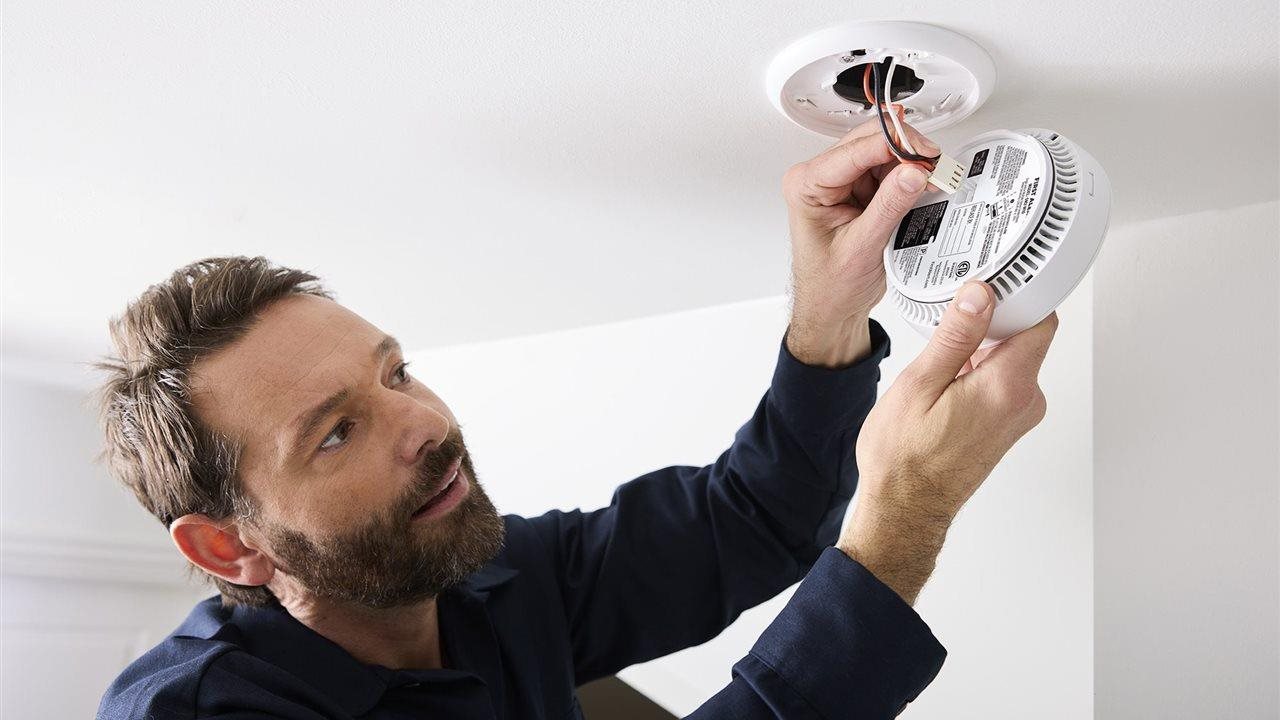
(BPT) – If you believe that smoke and carbon monoxide (CO) alarms will work indefinitely, you’re not the only one. According to the 2026 First Alert® Safety Pulse survey*, only 7% of homeowners know that smoke and/or carbon monoxide alarms need to be replaced every 10 years.
This is just one of many misconceptions about fire safety that can put your homes and your loved ones at risk. Read on to discover the truth behind some of the most common fire safety myths and learn how to better protect your home and those who live in it.
Myth: I only need smoke and/or CO alarms in the kitchen and common areas.
Fact: The National Fire Protection Association (NFPA) recommends smoke alarms in every bedroom, outside sleeping areas and on every level of the home, including the basement.
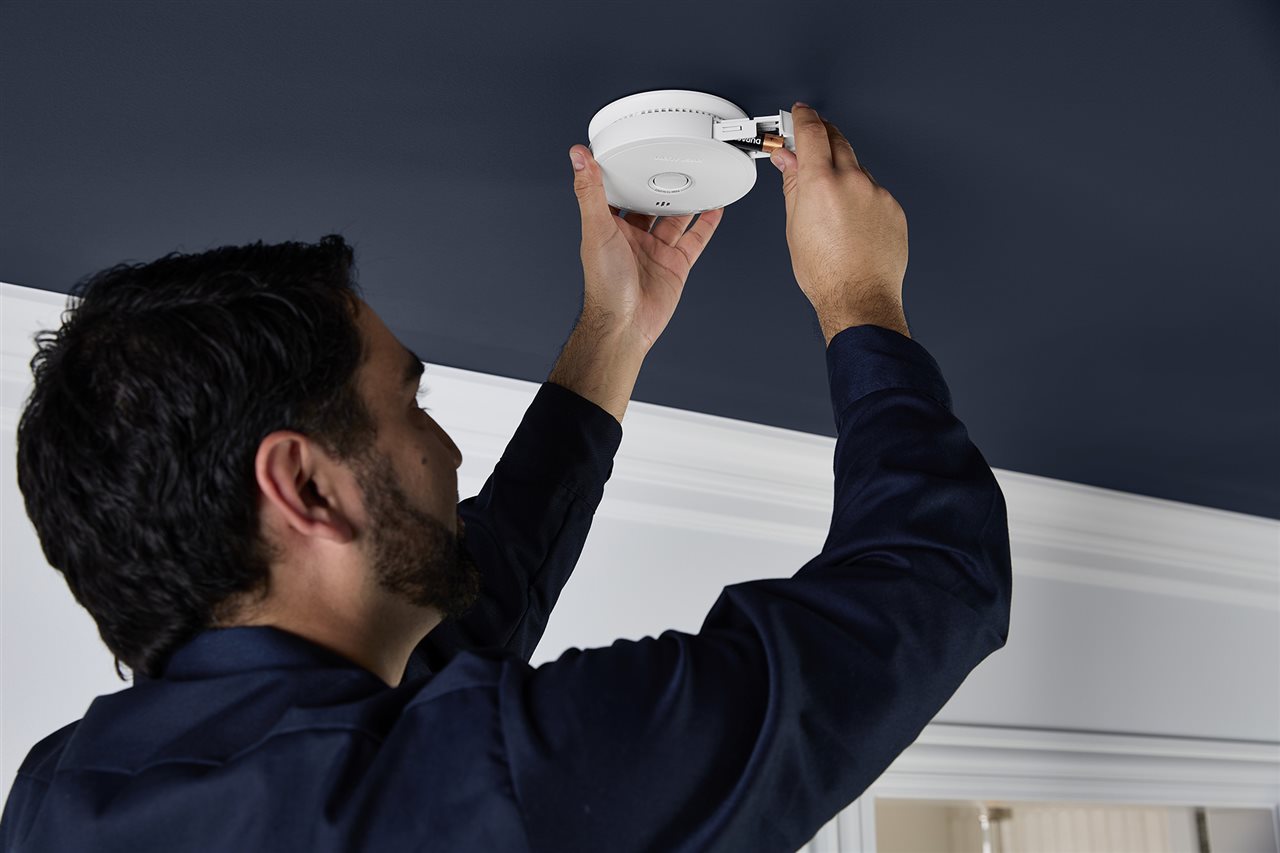
Myth: Alarm batteries are difficult to replace.
Fact: Some newer smoke and CO alarms make it easy to replace batteries. For example, First Alert smoke, CO and combination alarms feature side-load battery drawers, allowing batteries to be replaced without removing the alarm from the ceiling.
Myth: I only need to test a smoke alarm when it’s first installed.
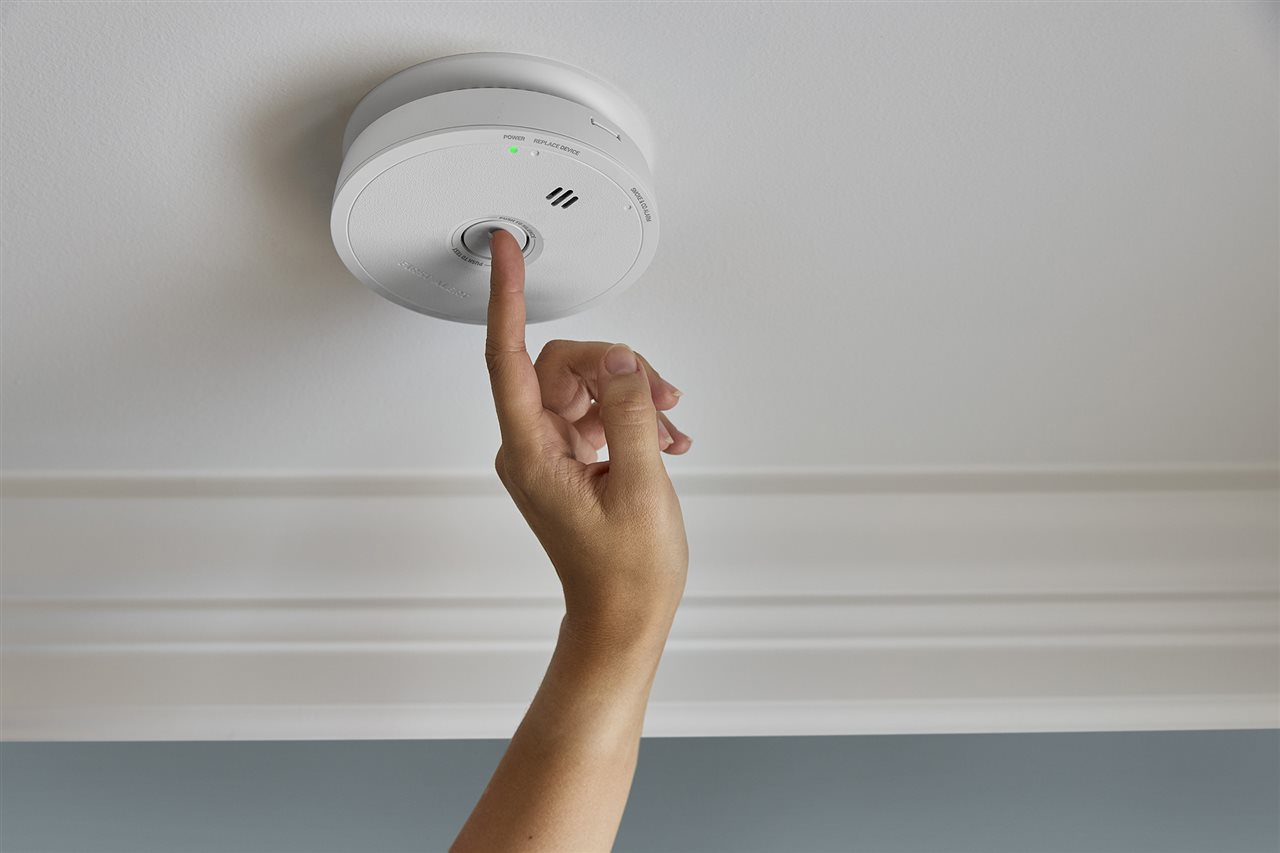
Fact: Smoke alarms should be tested at least once a month to ensure they are working properly. This is an often overlooked fire safety task: only 34% of homeowners regularly test their alarms, according to the Safety Pulse report.
Regular testing matters because a working alarm can give you valuable time to react, alert your family and get out safely. Look for next-generation alarms like newer models from First Alert that feature a centrally located Test/Silence button, nearly three times larger than previous models, which provides convenient access for routine testing and temporary alarm silencing.
Myth: Smoke alarms always make annoying chirps when batteries need to be changed.
Fact: That unmistakable chirp does, in fact, signal a low-battery warning, but some alarms are making battery reminders less annoying and more helpful. The next generation of First Alert smoke and CO alarm models feature SoftCue™ replacement reminders. Instead of a grating chirp, SoftCue uses a gentle sound to remind users that the batteries need to be replaced 3-5 days in advance, making the reminders less disruptive and giving homeowners time to address the issue.
Myth: Smoke and CO alarms don’t need to be cleaned.
Fact: Alarms should be cleaned about once a month to ensure they work properly when it matters most. Less than a third of homeowners (29%) regularly clean or dust their smoke alarms, leaving buildup that can trigger nuisance alarms, chirping, reduced performance or other unexpected behavior.
Myth: All fire and CO alarms are basically the same.
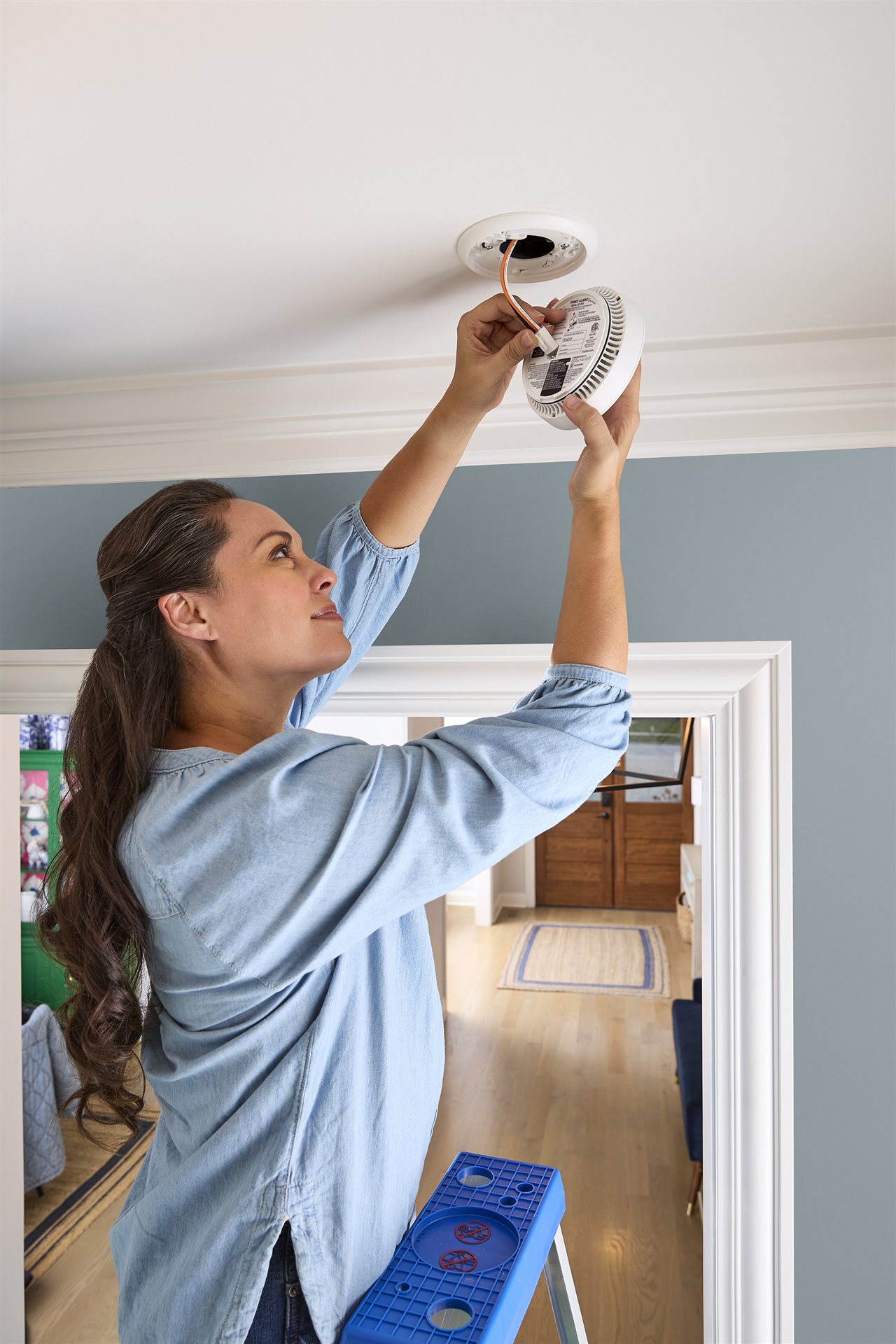
Fact: Not all smoke alarms offer the same safety features or technology. For example, First Alert smoke, CO and combination alarms feature Precision Detection™. This advanced sensing technology is designed to provide earlier warning of fires in modern homes, where contemporary building materials and furnishings can burn hotter and spread faster.
Myth: If a fire breaks out, I’ll have plenty of time to get out.
Fact: According to the NFPA, you have as little as one or two minutes to escape safely once a smoke alarm sounds. That’s why an important part of fire safety is to create and practice an escape plan at least twice a year.
Knowing what’s true and what’s fiction when it comes to fire safety and devices can help you create a protected, prepared home. To learn more about fire safety, visit the First Alert Safety Corner blog. To learn more about First Alert products, visit FirstAlert.com.
*Resideo Fire Safety Pulse, 2026: Results are based on the responses of 2,000 homeowners aged 18-65 living in the U.S. who completed an online survey.