
2026-07-01T10:01:00
(BPT) – When you’re building a new home or remodeling your existing one, there’s no shortage of choices you have to make. Most homeowners focus on visible features like kitchens, flooring and smart technology. But there’s one system that matters just as much, and it’s hidden behind your walls. That system is your home’s ventilation.
Why does ventilation matter?
Think of your home’s ventilation system as its lungs. It brings in fresh outdoor air and removes stale indoor air. Good ventilation means fresher air throughout your home, better moisture control, and fewer odors and indoor pollutants.
Every home needs proper ventilation. Whether you live in a cold northern region, a hot and humid southern state or anywhere in between, proper ventilation keeps your home comfortable, healthy and structurally sound.
Here’s where traditional ventilation systems often fall short
Modern homes are designed to be super energy-efficient, which means they’re sealed more carefully than ever before. The downside? That same seal that saves on your electric bill also traps stale air, humidity and cooking odors inside. Traditional ventilation systems work with a one-way approach. Some pull air out of your home and hope fresh air seeps in through cracks and gaps. Others push air in and hope stale air escapes the same way. Neither approach works well in today’s airtight homes.
The result? Uneven comfort, excess moisture, condensation on windows, lingering cooking odors, and a buildup of indoor pollutants from everyday activities like showering and cleaning. It gets worse. Exhaust-only systems can create negative pressure, allowing moisture and contaminants to seep into your walls. Supply-only systems trap moisture inside, increasing the risk of mold and long-term damage to your roof, walls, foundation and insulation.
Why balanced ventilation with an ERV is the solution
Energy Recovery Ventilators (ERVs) continuously bring fresh outdoor air into the home while exhausting stale indoor air. And it does something traditional systems can’t. It transfers heat and moisture between the incoming and outgoing air streams. As energy codes continue to evolve and builders construct tighter, more efficient homes, balanced ventilation is becoming an increasingly important part of residential design. So, how can you ensure your new home provides the ventilation you need for good indoor air quality, long-term home performance and year-round comfort in any climate? The key is balanced ventilation powered by an energy recovery ventilation (ERV).
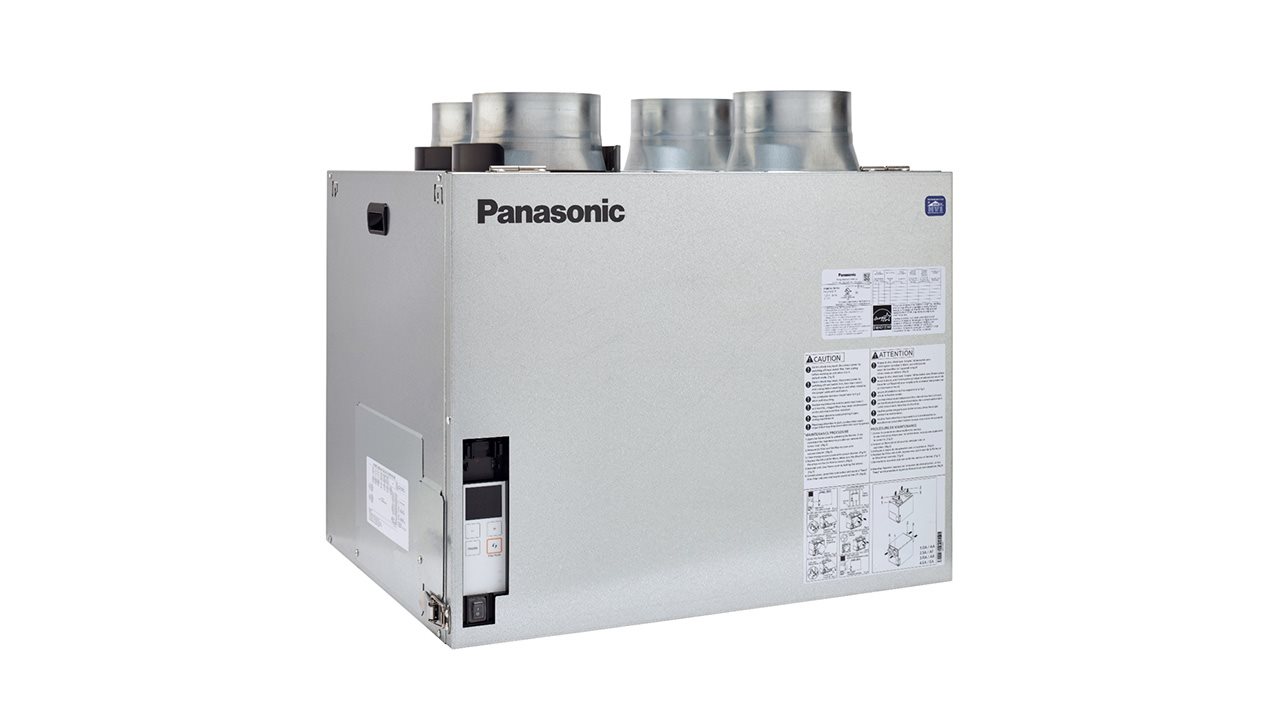
One example of a balanced ventilation solution is the Panasonic BalancedHome® Elite+ 210, an energy recovery ventilator designed for modern single-family homes. The system delivers what modern single-family homes need by:
- Helping maintain indoor comfort while reducing energy loss
- Filtering incoming air to support healthier indoor environments
- Allowing homeowners to monitor system performance
- Offering installation flexibility for different home designs
- Operating quietly in living spaces
A modern home deserves modern ventilation
As homes become more energy-efficient and airtight, ventilation is no longer optional. It is essential for your family’s comfort and long-term home performance. Homeowners who prioritize balanced ventilation can enjoy fresher indoor air, improved comfort and greater confidence that their home is performing as intended.
To learn more about the benefits of balanced ventilation, ERVs and why a new home isn’t complete without it, visit BalancedHome® ERV – Elite Plus Models – 210 | Panasonic North America – United States.
*BalancedHome® 210 performance may vary based on installation, operating conditions and climate.